The longest-reigning monarchs in history
Monarchs have long captured our imagination, especially those who have reigned for decades. Their stories are woven into the fabric of history, offering glimpses into the past.
From the opulence of European courts to the vibrant cultures of Asia, these rulers have left indelible marks on their nations.
King Louis XIV of France: The Sun King’s Glorious 72-Year Reign
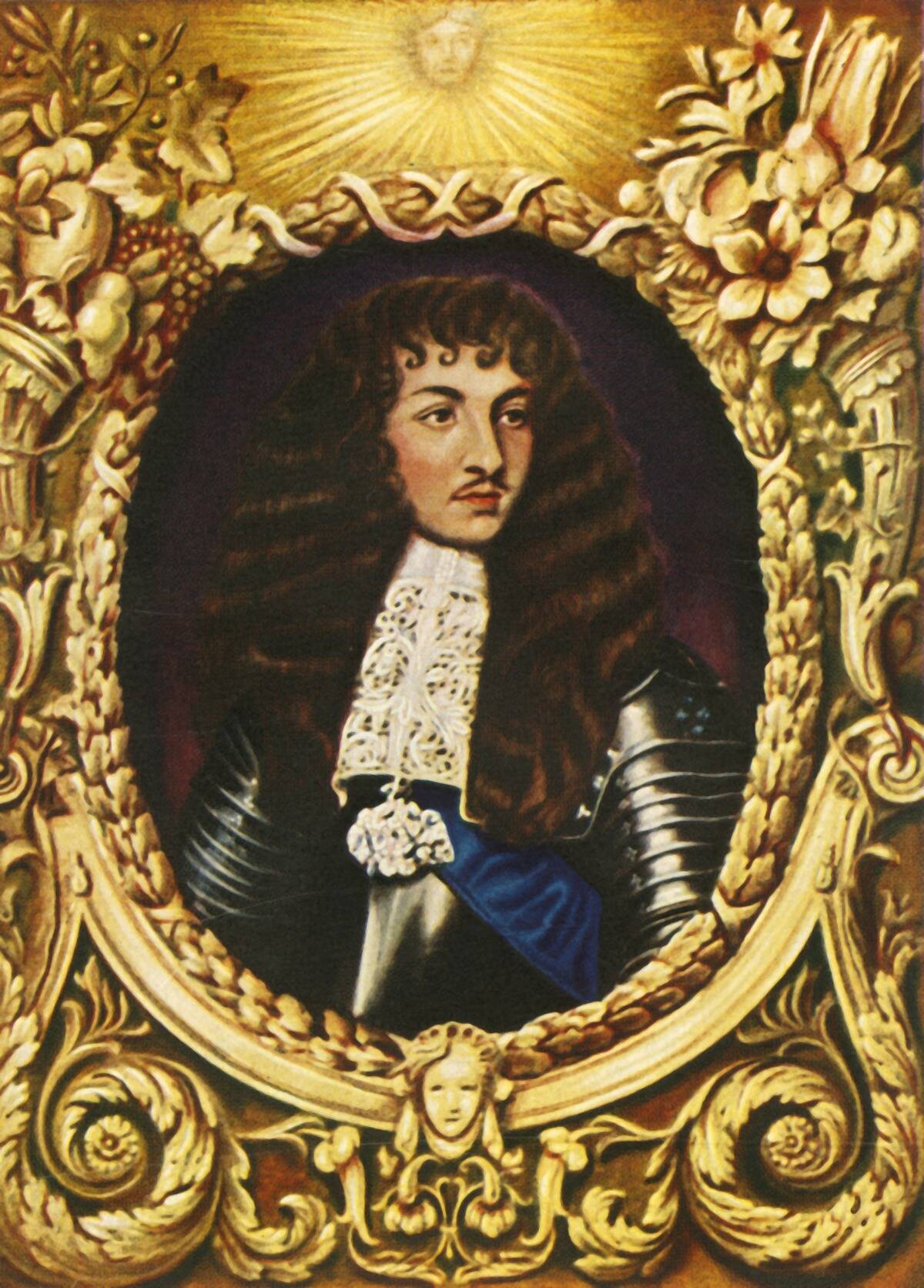
King Louis XIV, known as the Sun King, ruled France for an impressive 72 years, from 1643 to 1715. His reign is marked by the expansion of French influence and the establishment of a centralized state.
Louis XIV’s opulent lifestyle and the construction of the Palace of Versailles are testaments to his vision of absolute monarchy. His reign also saw the flourishing of French culture, with the arts and literature reaching new heights.
Queen Elizabeth II: A Modern Monarch with a Historic Legacy
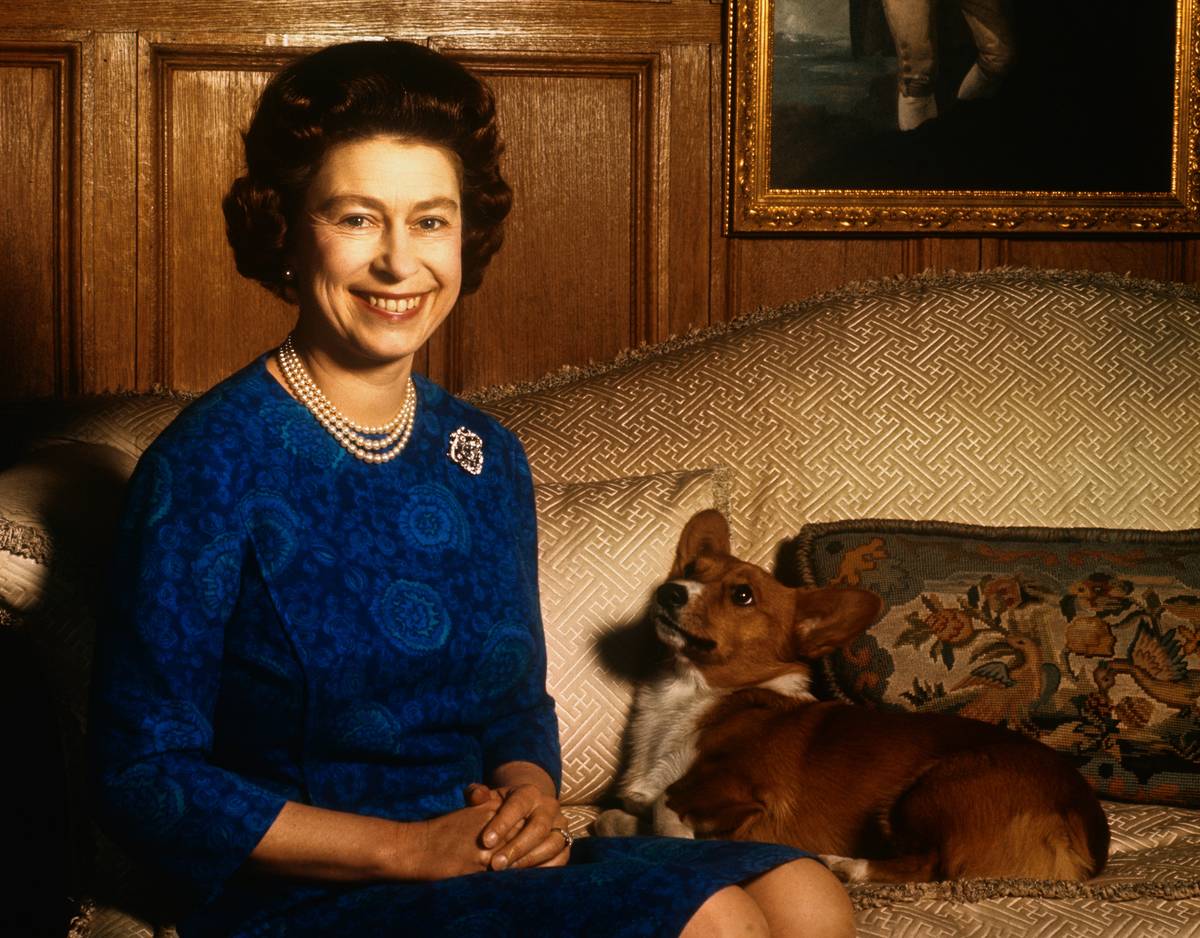
Queen Elizabeth II became queen in 1952 and went on to become the longest-reigning monarch in British history, with a reign lasting more than 70 years until her death in 2022. Her time on the throne witnessed enormous global changes, including the transformation of the British Empire, the growth of the Commonwealth, and the arrival of the digital age.
Known for her dedication to public service and sense of duty, Elizabeth II remained a prominent figure throughout decades of social and technological change while preserving many traditions of the British monarchy.
King Bhumibol Adulyadej of Thailand: The People’s King
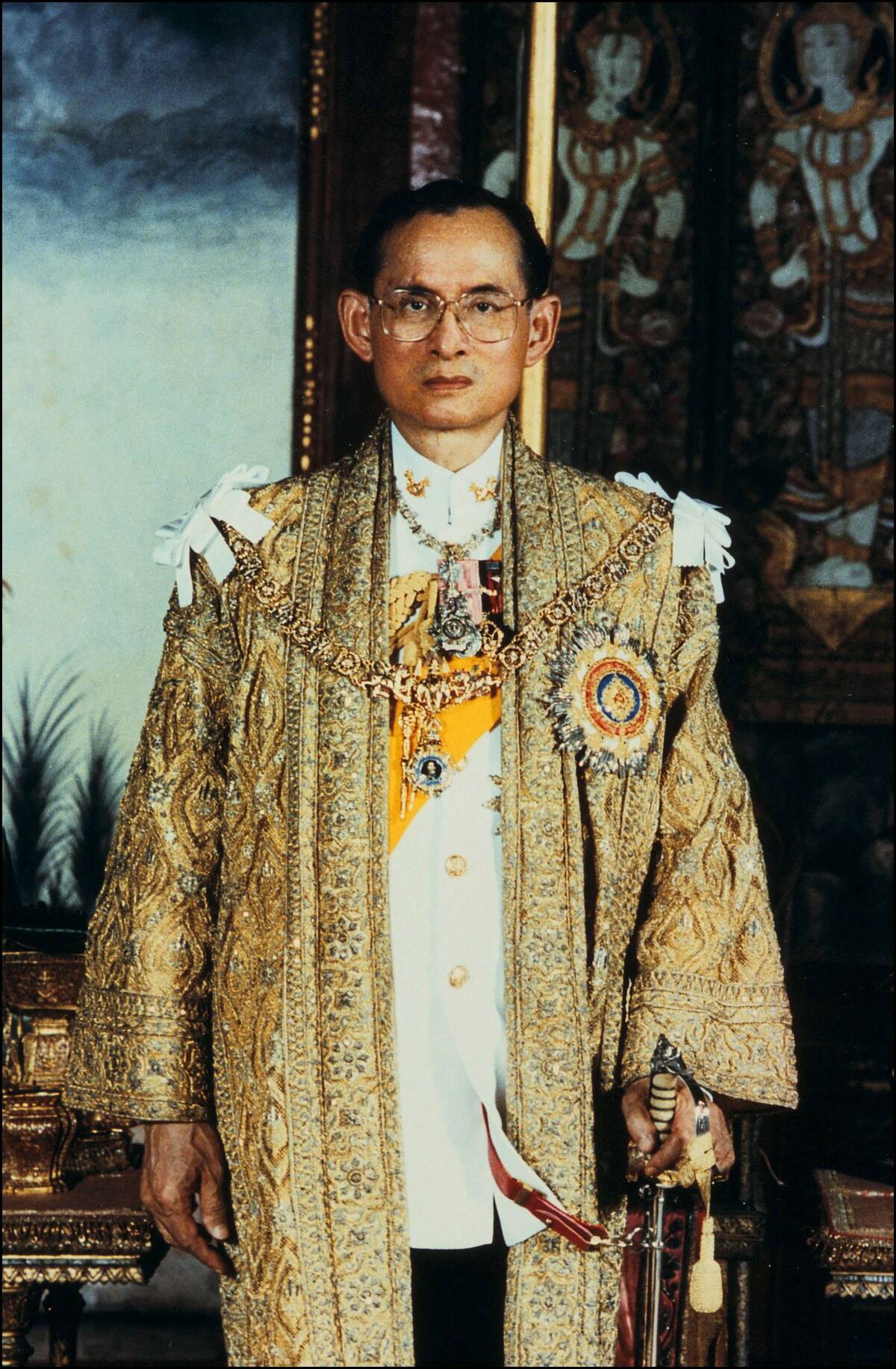
King Bhumibol Adulyadej, also known as King Rama IX, reigned over Thailand from 1946 until his death in 2016, with a reign lasting more than 70 years. During his time on the throne, he became a highly respected figure for many Thai citizens and was often viewed as a symbol of continuity during periods of political change.
His focus on rural development, agriculture, water management, and community projects earned him the nickname “People’s King.” His legacy remains an important part of Thailand’s modern history.
Emperor Franz Joseph I of Austria: Navigating a Changing World
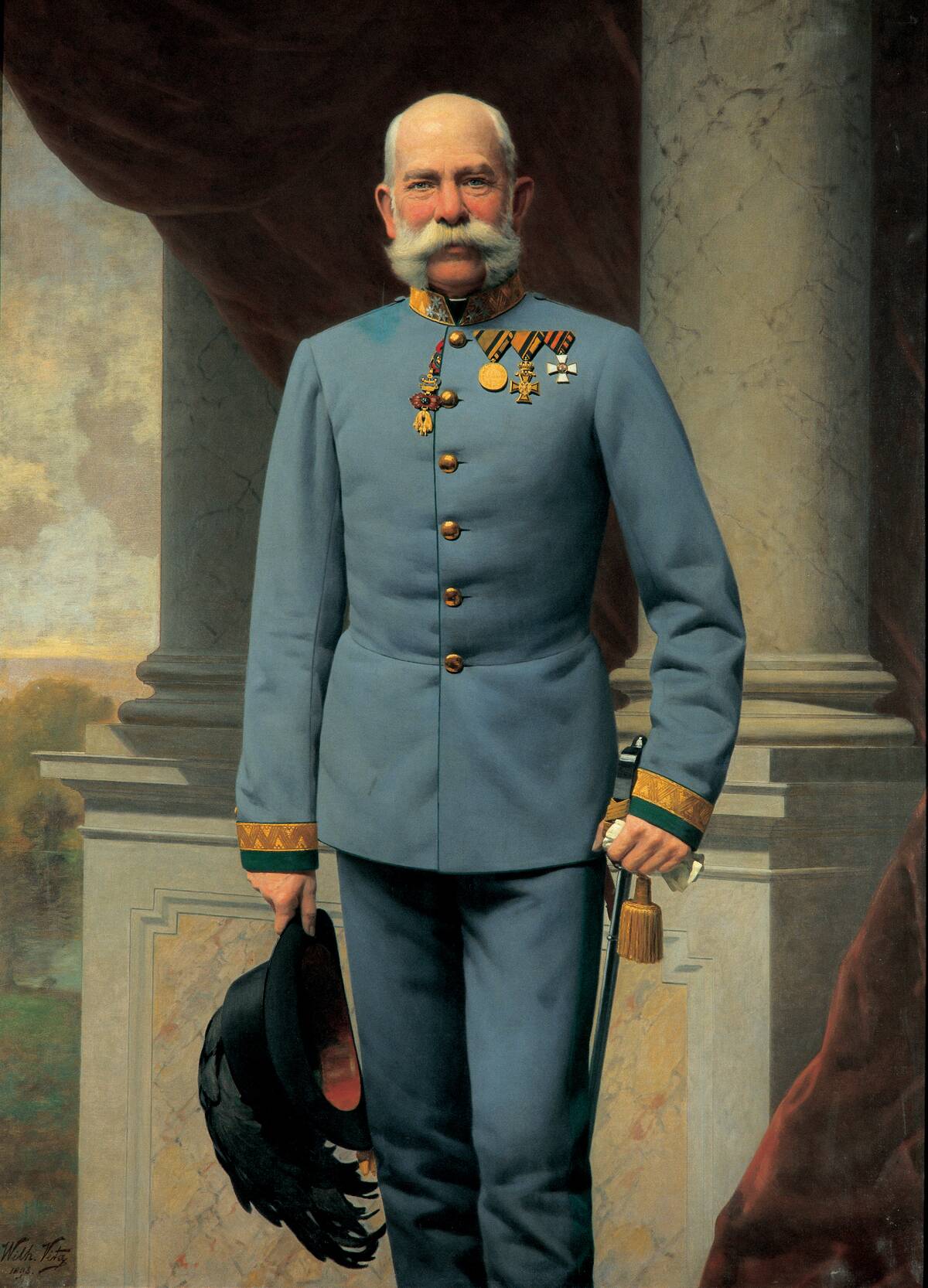
Emperor Franz Joseph I ruled the Austrian Empire from 1848 and later became the monarch of the Austro-Hungarian Empire after the 1867 Compromise, reigning until his death in 1916. His nearly 68-year reign witnessed industrialization, political upheaval, and growing nationalist movements across Europe.
Although he maintained the Habsburg monarchy through many challenges, his empire faced increasing internal tensions and ultimately collapsed after World War I. Known for his dedication to imperial duties, Franz Joseph left a lasting mark on Central European history.
Queen Victoria: The Grandmother of Europe
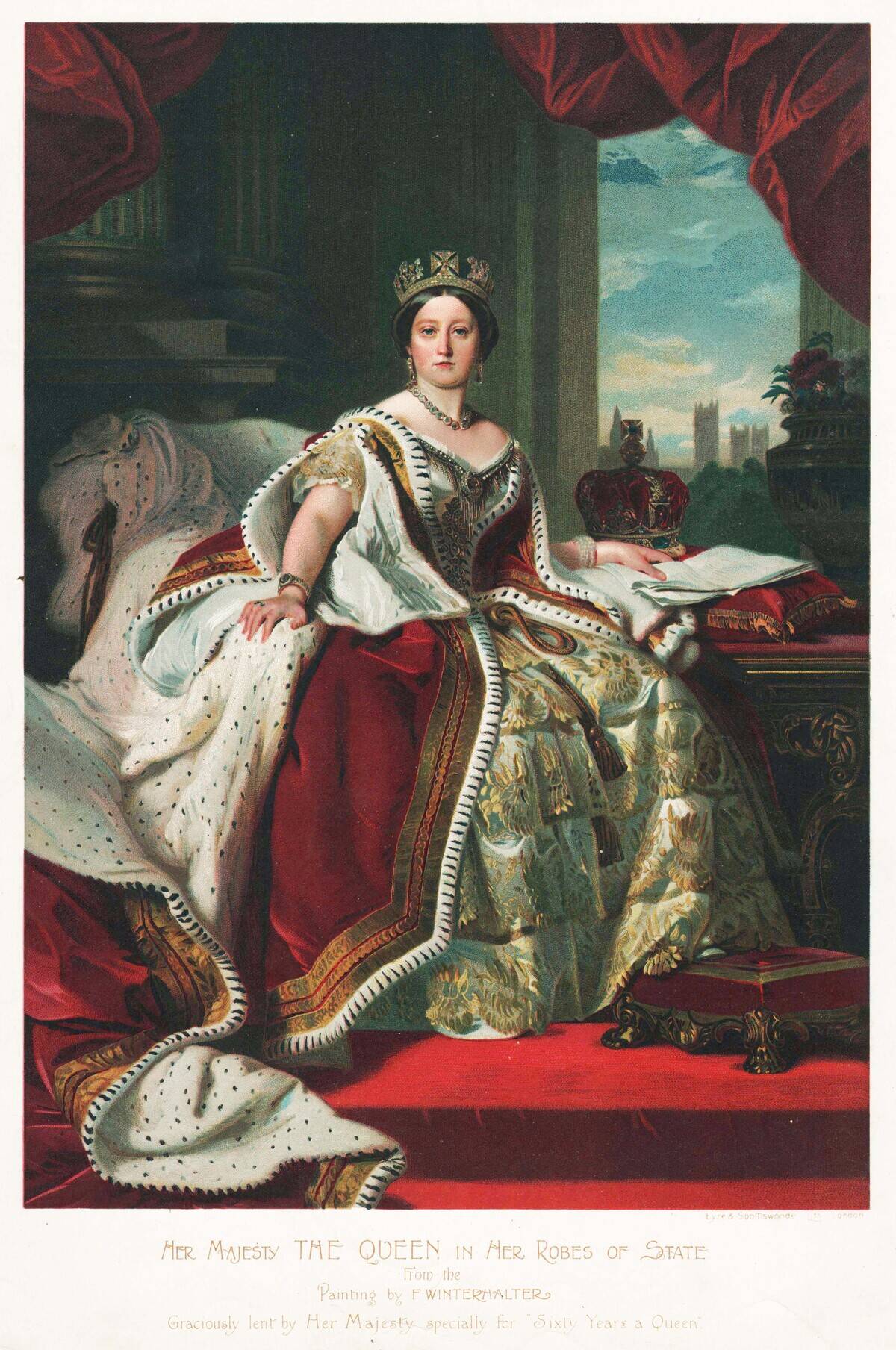
Queen Victoria reigned over the United Kingdom for 63 years, from 1837 to 1901, a period known as the Victorian Era. Her reign was marked by industrial progress and the expansion of the British Empire.
Victoria’s nine children married into various European royal families, earning her the nickname “Grandmother of Europe.” Her influence extended beyond politics, shaping the cultural and social norms of her time.
King K’inich Janaab’ Pakal of Palenque: The Mayan Marvel
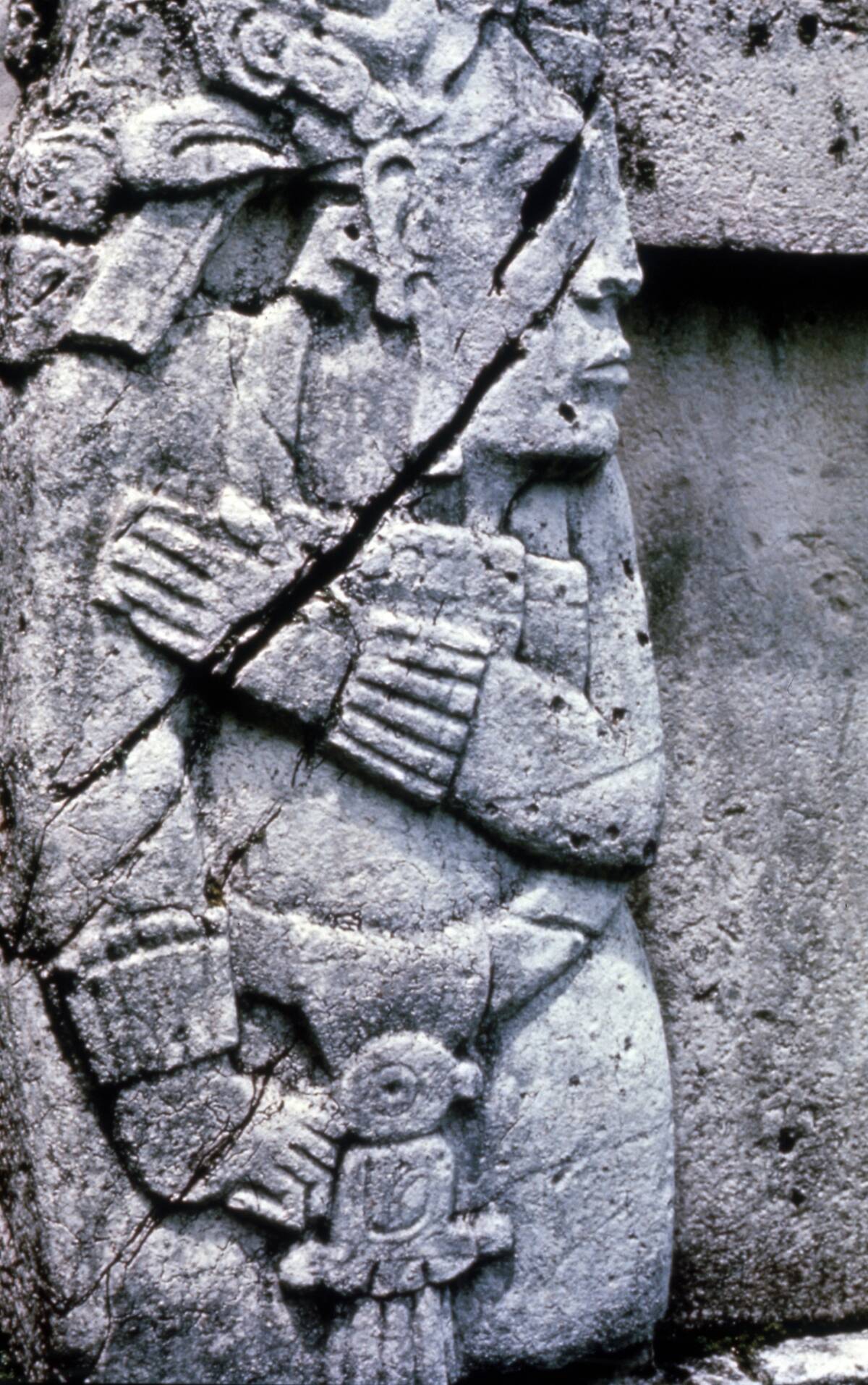
King K’inich Janaab’ Pakal, also known as Pakal the Great, ruled the Maya city-state of Palenque in present-day Mexico from 615 to 683 CE, with a reign lasting nearly 68 years. His rule is remembered for major architectural achievements, including the construction of the Temple of the Inscriptions, which became his funerary monument.
Under Pakal’s leadership, Palenque flourished as a center of Maya art, architecture, and writing. His legacy continues to fascinate archaeologists and historians studying the achievements of the ancient Maya civilization.
Sultan Hassanal Bolkiah of Brunei: A Reign of Prosperity

Sultan Hassanal Bolkiah has ruled Brunei since 1967, making him one of the longest-reigning current monarchs in the world. His reign has been shaped by the country’s economic wealth from oil and natural gas reserves, which have supported Brunei’s high income levels and extensive public benefits.
Known for his lavish lifestyle and role in promoting Bruneian traditions, the Sultan has overseen a period of political stability and economic prosperity, while Brunei continues to balance its traditional monarchy with modern challenges.
King Sobhuza II of Swaziland: A Century of Change
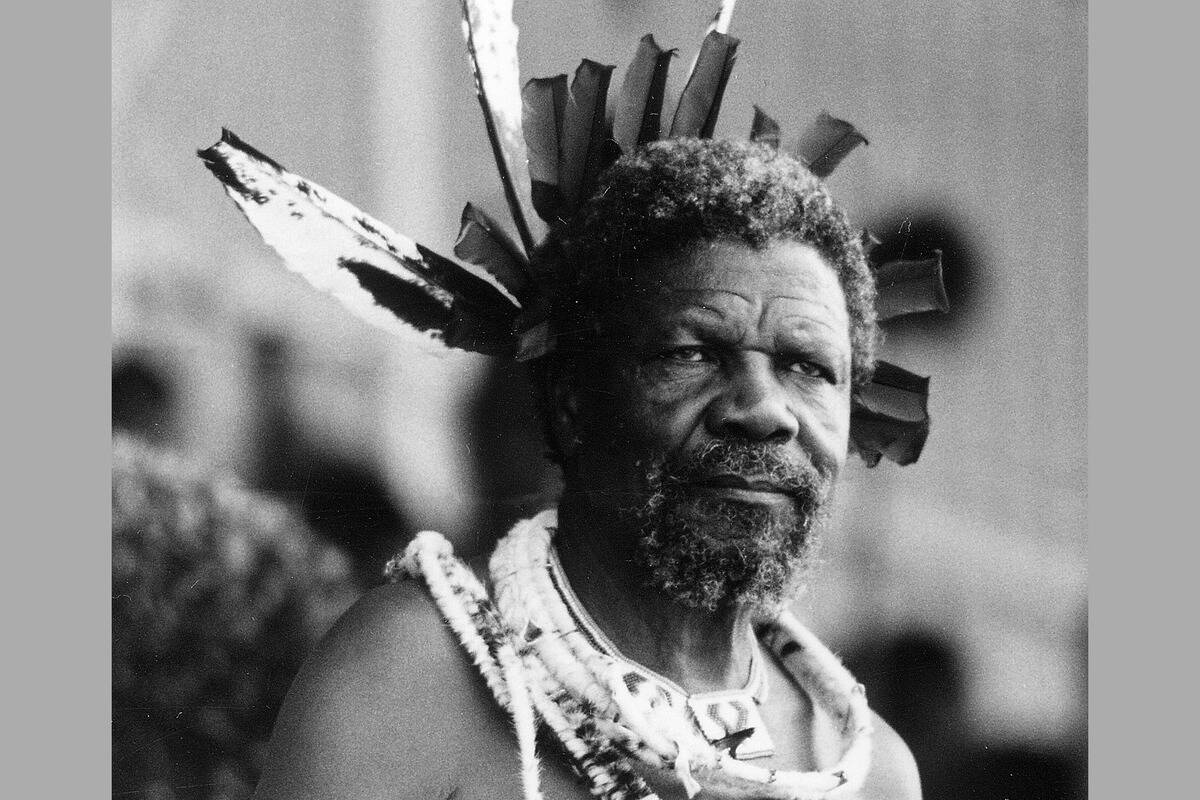
King Sobhuza II ruled Swaziland, now Eswatini, for more than 82 years, beginning as Paramount Chief in 1899 when he was only a few months old and continuing as king until his death in 1982.
His extraordinary reign spanned the colonial era, Swaziland’s independence in 1968, and major political changes. Sobhuza II played a significant role in preserving Swazi cultural identity while shaping the nation’s governance. His leadership combined traditional authority with elements of modern state-building, leaving a lasting impact on Eswatini’s history.
Emperor Hirohito of Japan: From Empire to Modern State
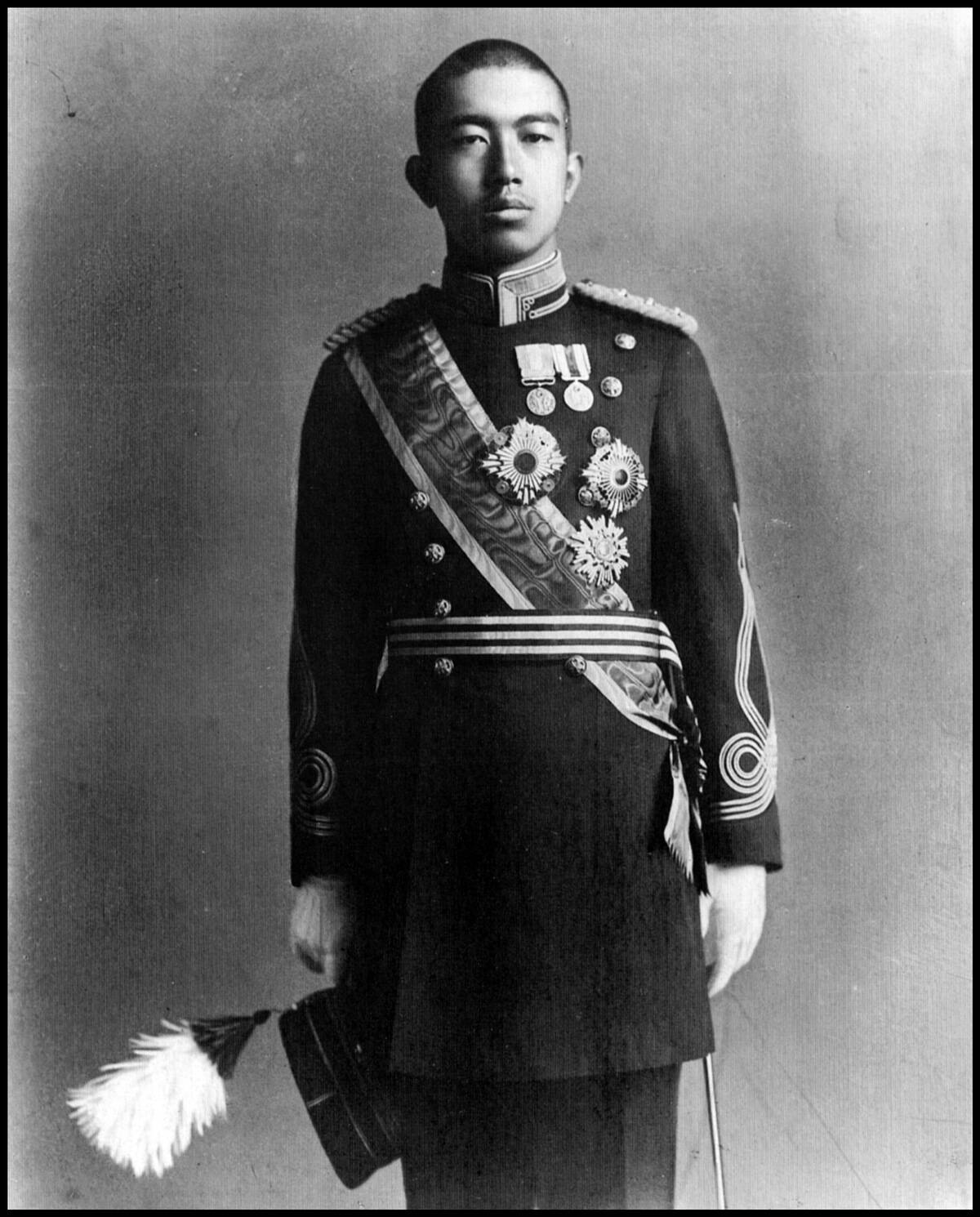
Emperor Hirohito, also known as Emperor Showa, ruled Japan from 1926 until his death in 1989. His long reign witnessed some of the most transformative events in Japanese history, including World War II, the country’s defeat and reconstruction, and its rise as a global economic power.
After World War II, Hirohito’s position changed from an emperor associated with pre-war state ideology to a constitutional monarch under Japan’s new political system. His reign reflects Japan’s dramatic transition from an empire to a modern nation.
Queen Wilhelmina of the Netherlands: A Beacon of Strength
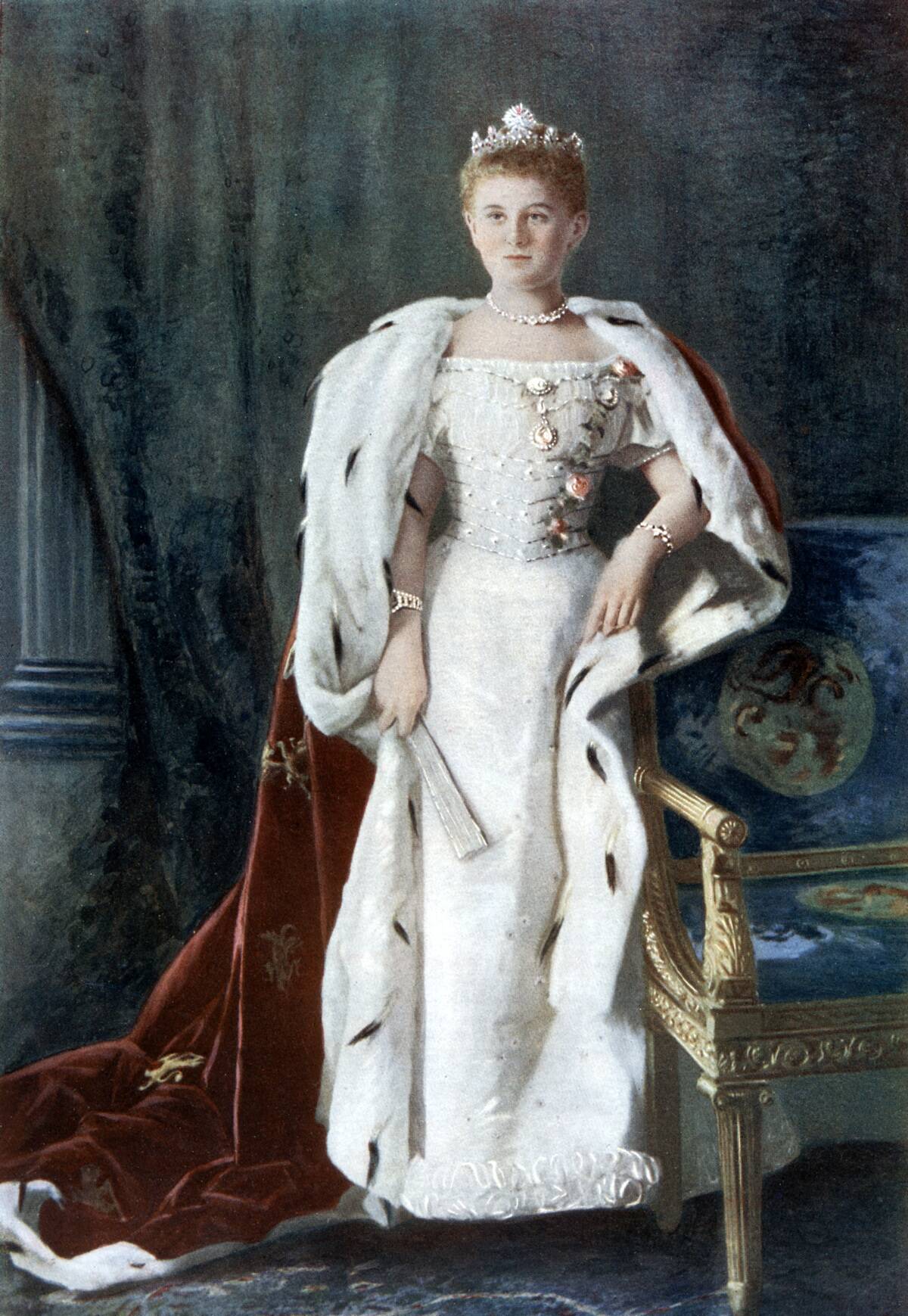
Queen Wilhelmina reigned over the Netherlands from 1890 to 1948, with a reign lasting nearly 58 years, making her the longest-reigning monarch in Dutch history. Her leadership during two world wars, particularly her role in supporting Dutch resistance during World War II, demonstrated her determination and resilience.
Her reign witnessed major social, political, and economic changes, including the modernization of the Netherlands and the beginning of the end of its colonial era. Wilhelmina is remembered as a strong-willed monarch who became a symbol of national unity during difficult times.
King George III of the United Kingdom: The Monarch of Madness
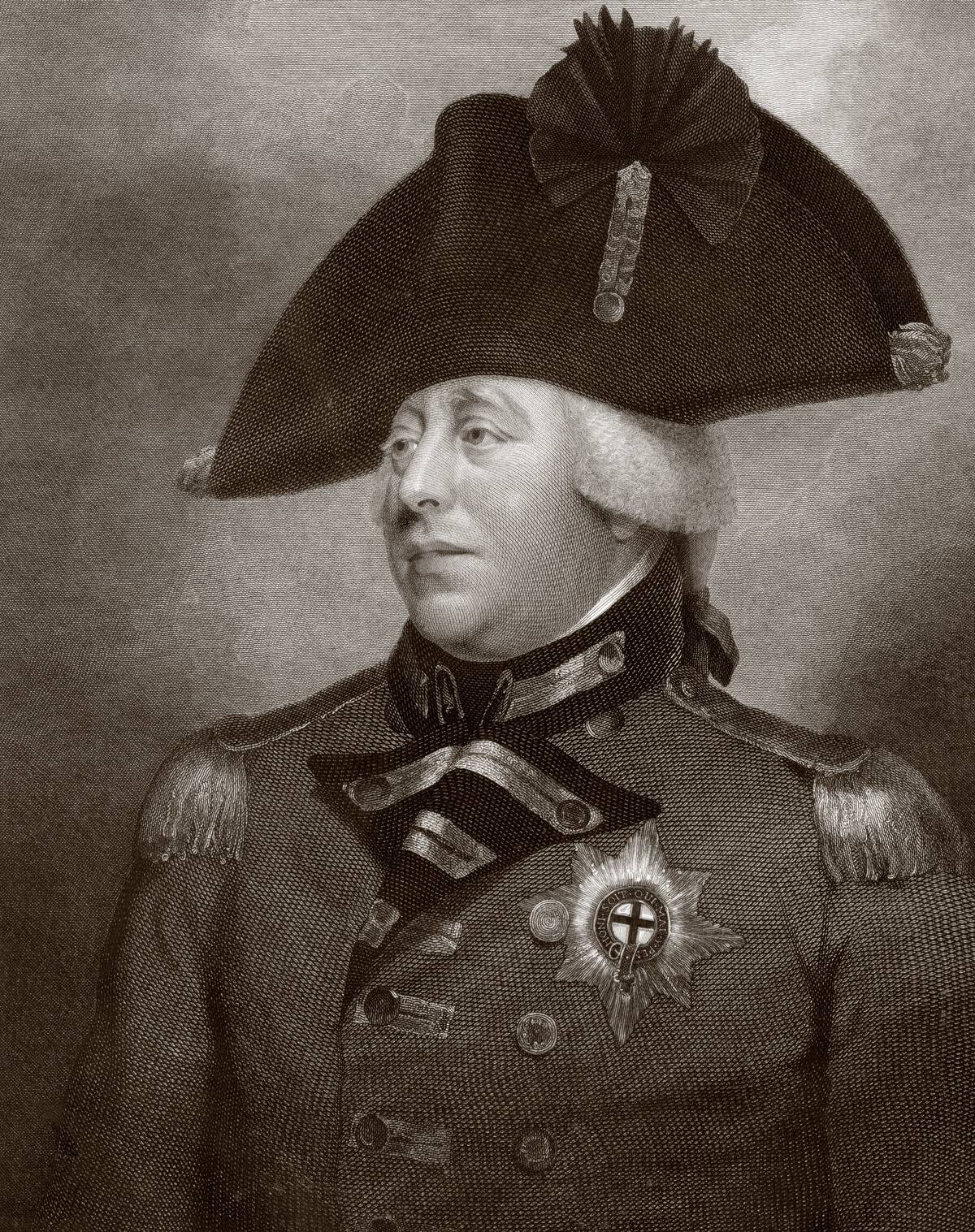
King George III ruled the United Kingdom from 1760 to 1820, with a reign lasting 59 years. His time on the throne was marked by major events, including the American Revolutionary War and the loss of Britain’s thirteen American colonies. In his later years, George III suffered from recurring episodes of serious illness, which contributed to his reputation as the “Mad King,” though the causes remain debated.
Despite these difficulties, his reign also witnessed important achievements in science, exploration, literature, and the arts, shaping the cultural landscape of the era.




