Shipwrecks that revealed incredible treasures
Shipwrecks have long captured the imagination of adventurers and historians alike. Beneath the waves, these sunken vessels hold secrets of the past, from tales of exploration to tragic losses.
Each wreck tells a story, offering a glimpse into the lives of those who sailed upon them. With an estimated three million shipwrecks scattered across the ocean floor, they are a testament to human history and the mysteries that still lie beneath the sea.
The Nuestra Señora de Atocha: A Fortune Beneath the Waves
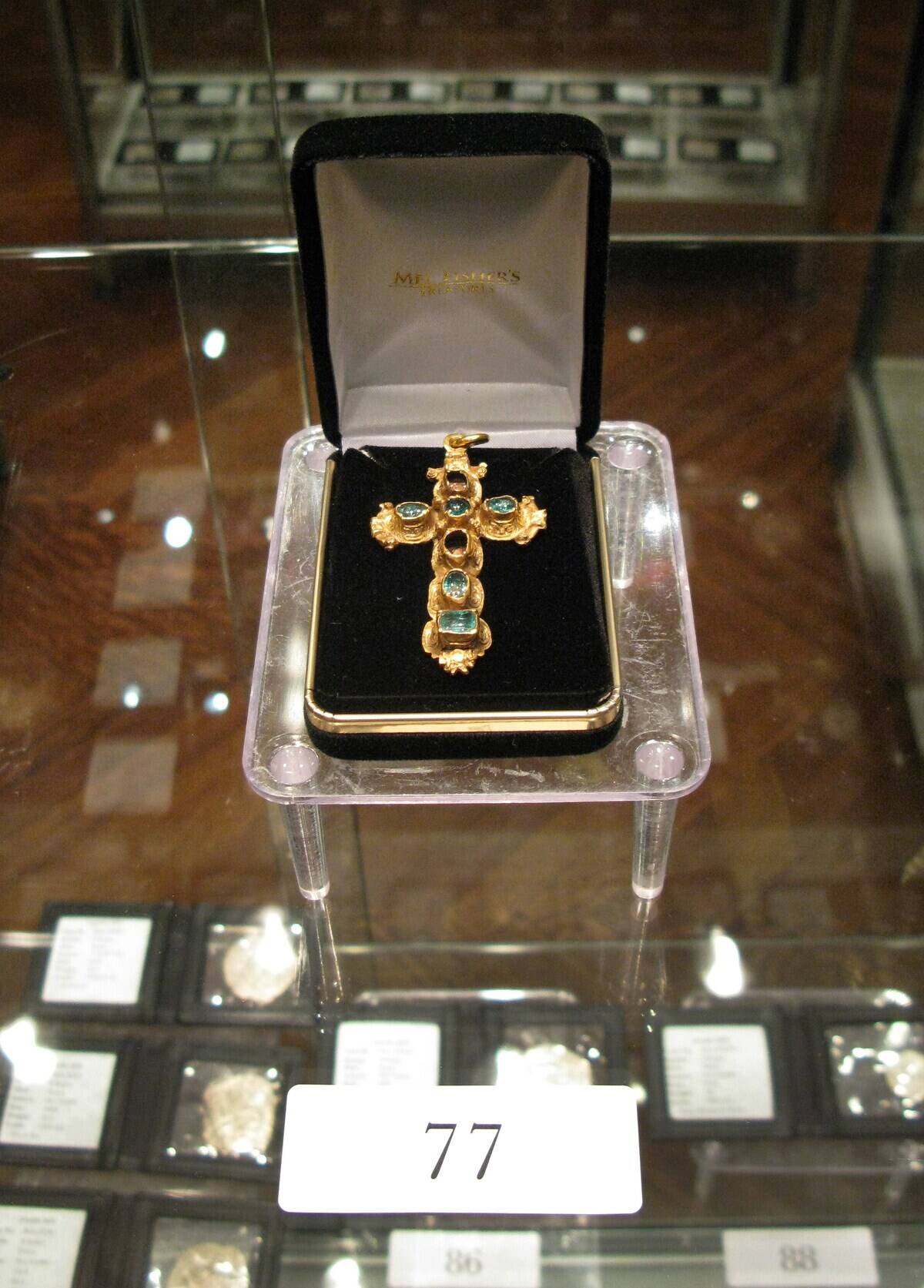
The Nuestra Señora de Atocha was a Spanish treasure galleon that sank off the Florida Keys in 1622. Discovered by treasure hunter Mel Fisher in 1985, the wreck yielded an astonishing haul of silver, gold, and emeralds.
Valued at over $400 million, it remains one of the most lucrative shipwreck discoveries. The Atocha’s story is one of perseverance, as Fisher spent 16 years searching for the elusive vessel before finally striking gold.
The Legendary Treasure of the Whydah Gally
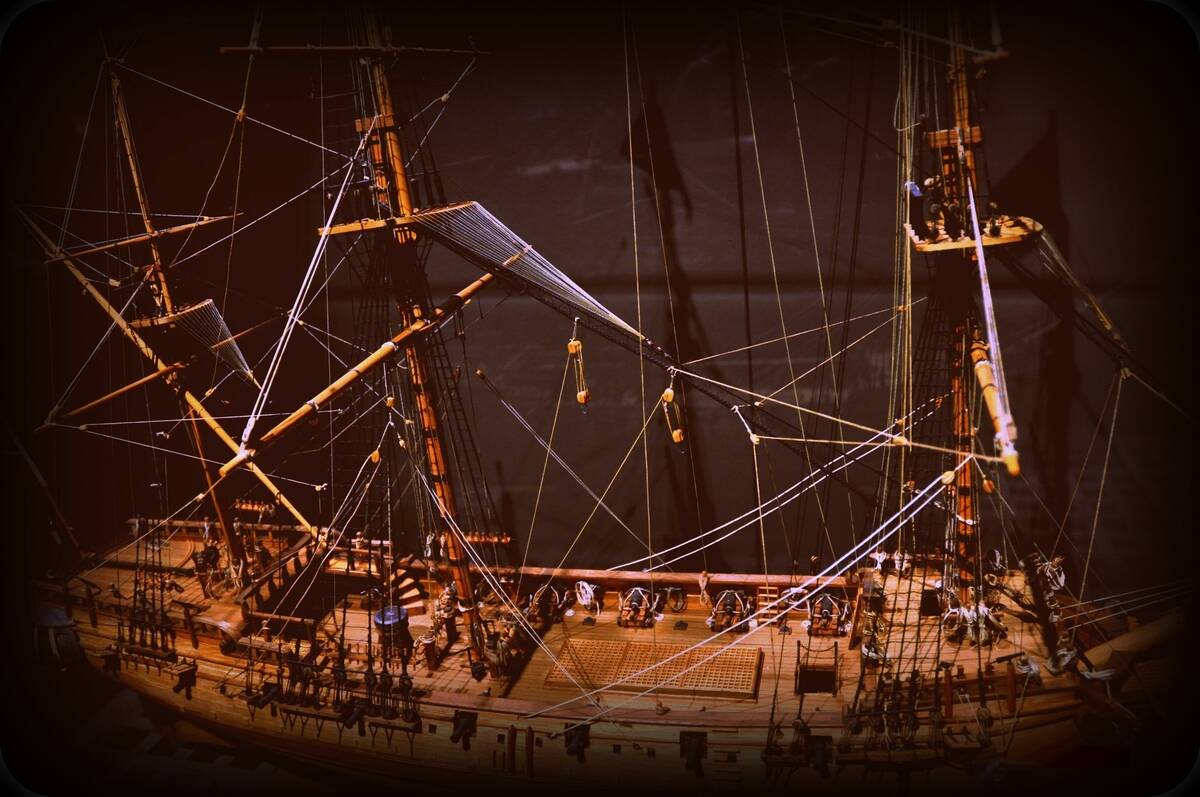
The Whydah Gally was a pirate ship captained by the infamous “Black Sam” Bellamy. It sank off the coast of Cape Cod in 1717 during a fierce storm. In 1984, underwater explorer Barry Clifford discovered the wreck, making it the first authenticated pirate ship ever found in North America.
The Whydah’s treasure trove included gold, silver, and artifacts that provide a rare glimpse into the lives of 18th-century pirates.
The S.S. Central America: The Ship of Gold
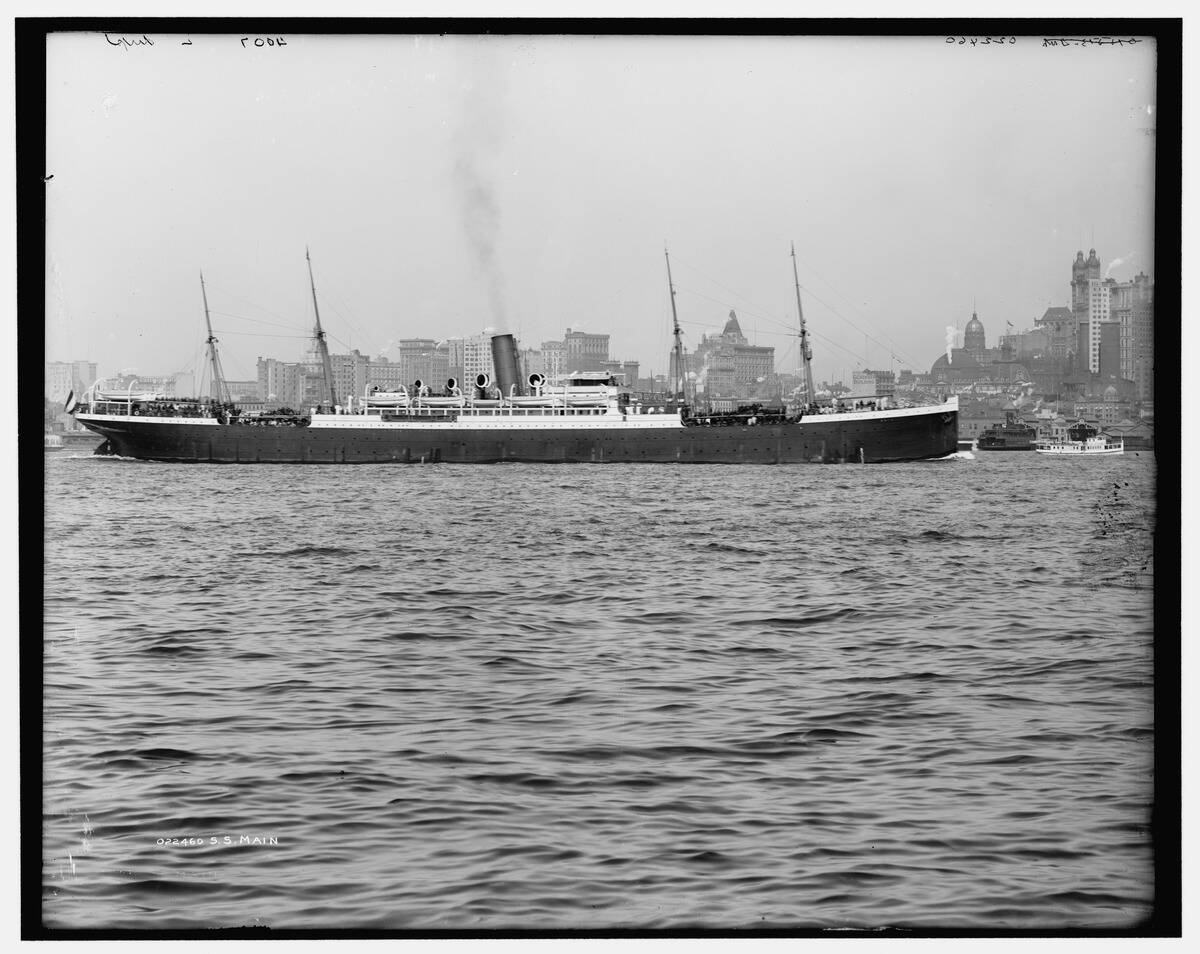
The S.S. Central America, known as the "Ship of Gold," sank in a hurricane off the coast of South Carolina in 1857. It was carrying a fortune in gold from the California Gold Rush, which contributed to a financial panic when it was lost.
Rediscovered in 1988, the recovery of its treasure, including gold bars and coins, was a monumental feat. The find not only captivated the public but also sparked legal battles over ownership.
The Antikythera Wreck: More Than Just Treasure
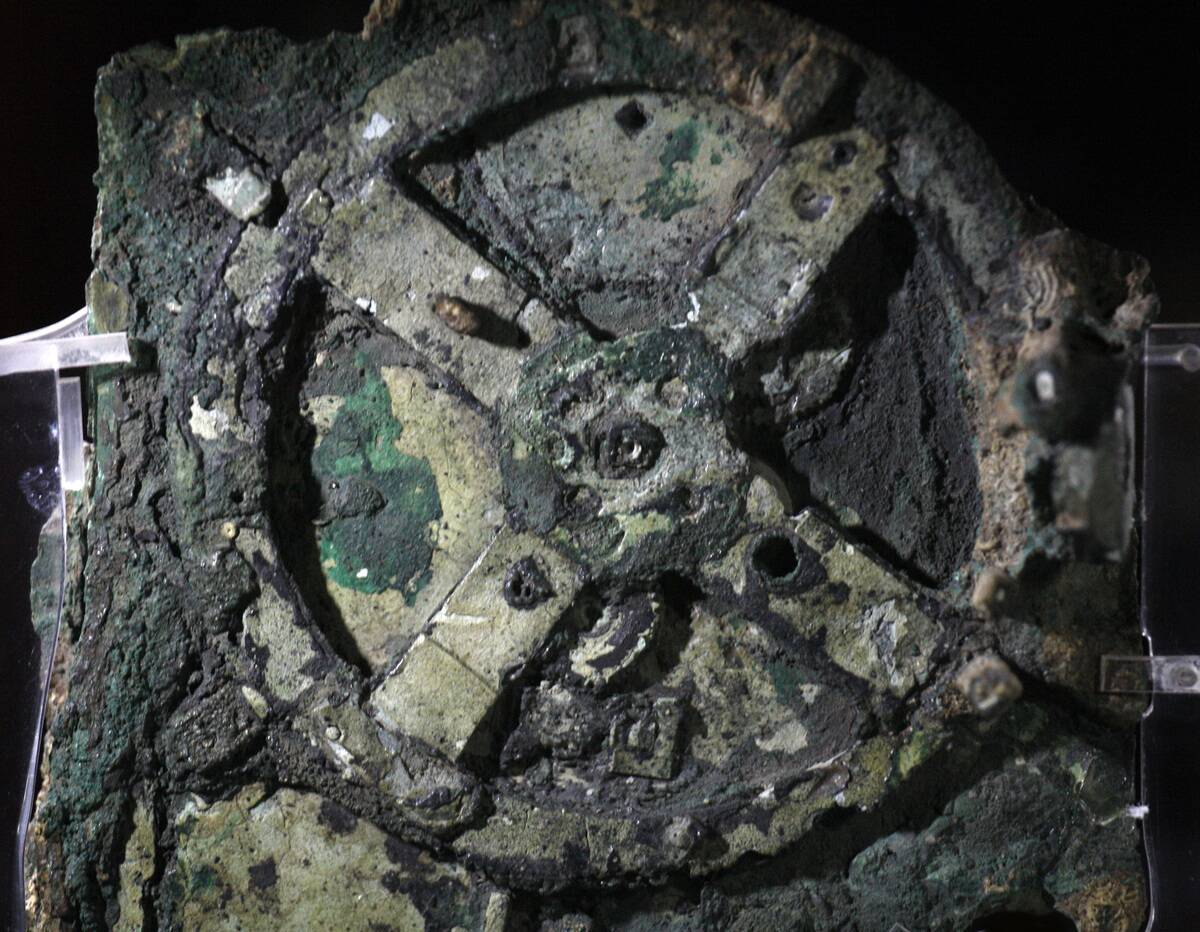
Discovered by sponge divers in 1900, the Antikythera wreck off the coast of Greece is famous for yielding the Antikythera mechanism, an ancient analog computer. Dating back to the 1st century BC, the wreck also contained statues, jewelry, and pottery.
The mechanism, believed to predict astronomical positions, has intrigued scientists and historians alike, offering a glimpse into the technological prowess of the ancient Greeks.
The Wreck of the Flor de la Mar: A Lost Portuguese Fortune
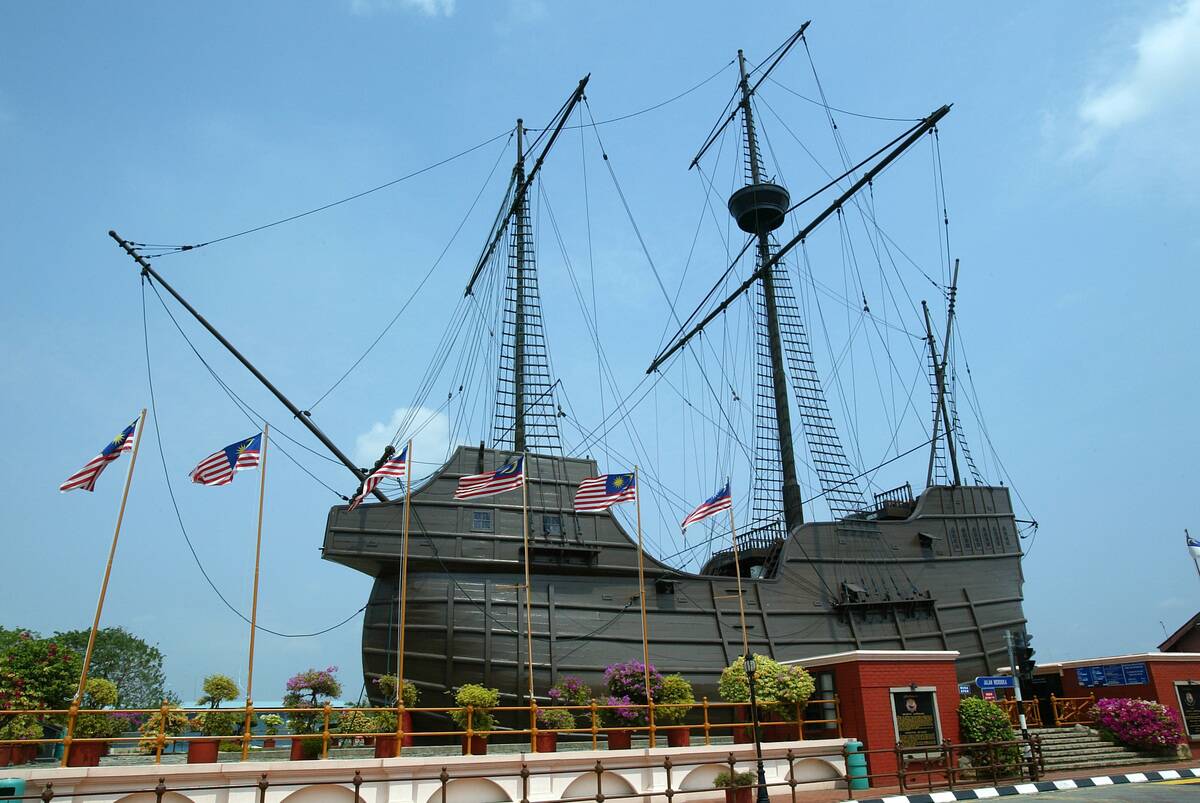
The Flor de la Mar was a Portuguese carrack that sank in 1511 off the coast of Sumatra. It was carrying a massive treasure from the Malacca Sultanate, intended as a gift for the Portuguese king.
Despite numerous attempts to locate the wreck, it remains elusive, fueling legends of its lost fortune. The Flor de la Mar is often cited as one of the richest shipwrecks yet to be found, continuing to entice treasure hunters.
The Titanic: More Than Just a Tragic Story
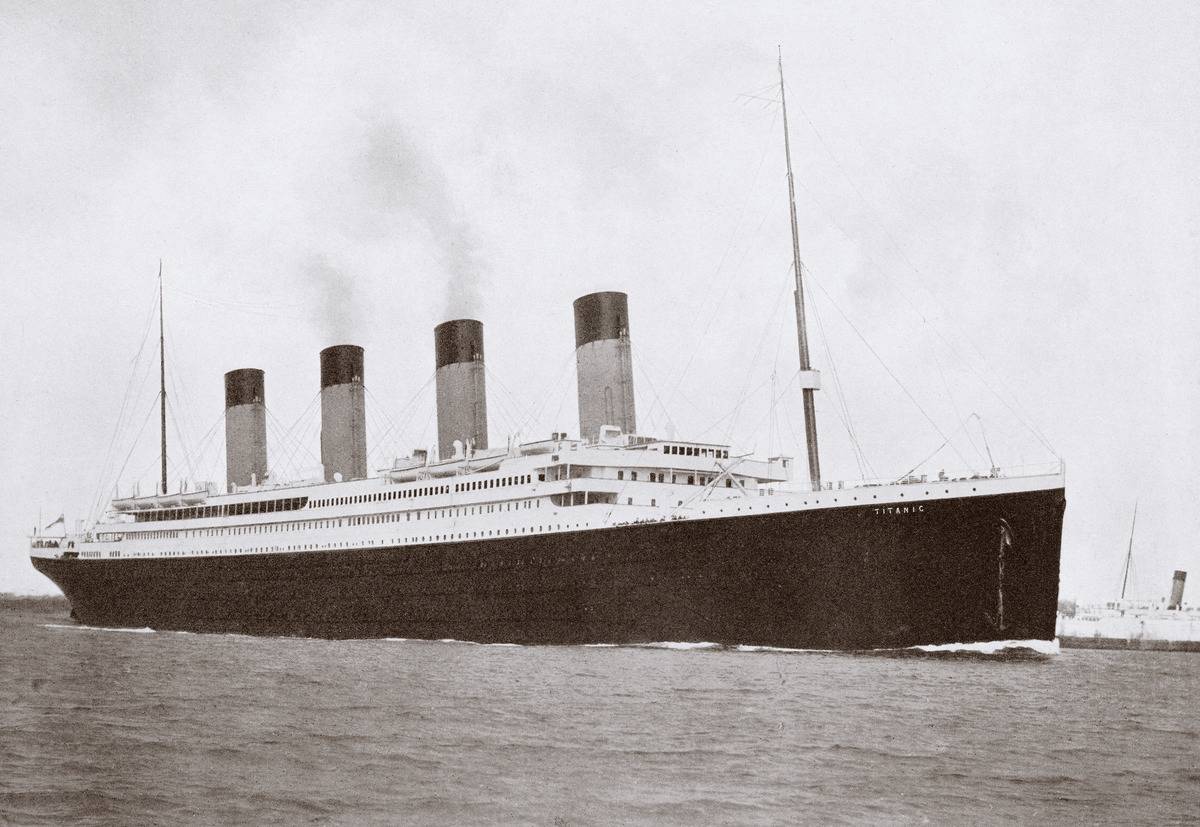
The RMS Titanic, perhaps the most famous shipwreck in history, sank on its maiden voyage in 1912 after striking an iceberg. Discovered in 1985 by a joint French-American expedition led by Robert Ballard and Jean-Louis Michel, the wreck rests more than two miles beneath the North Atlantic.
Although it was not a treasure ship, the Titanic’s recovered artifacts—from personal belongings to pieces of the vessel itself—offer a poignant connection to the lives lost. More than a century later, the Titanic’s story continues to captivate the world, reminding us of both human ambition and the consequences of tragedy.
The Spanish Galleon San José: A Billion-Dollar Mystery
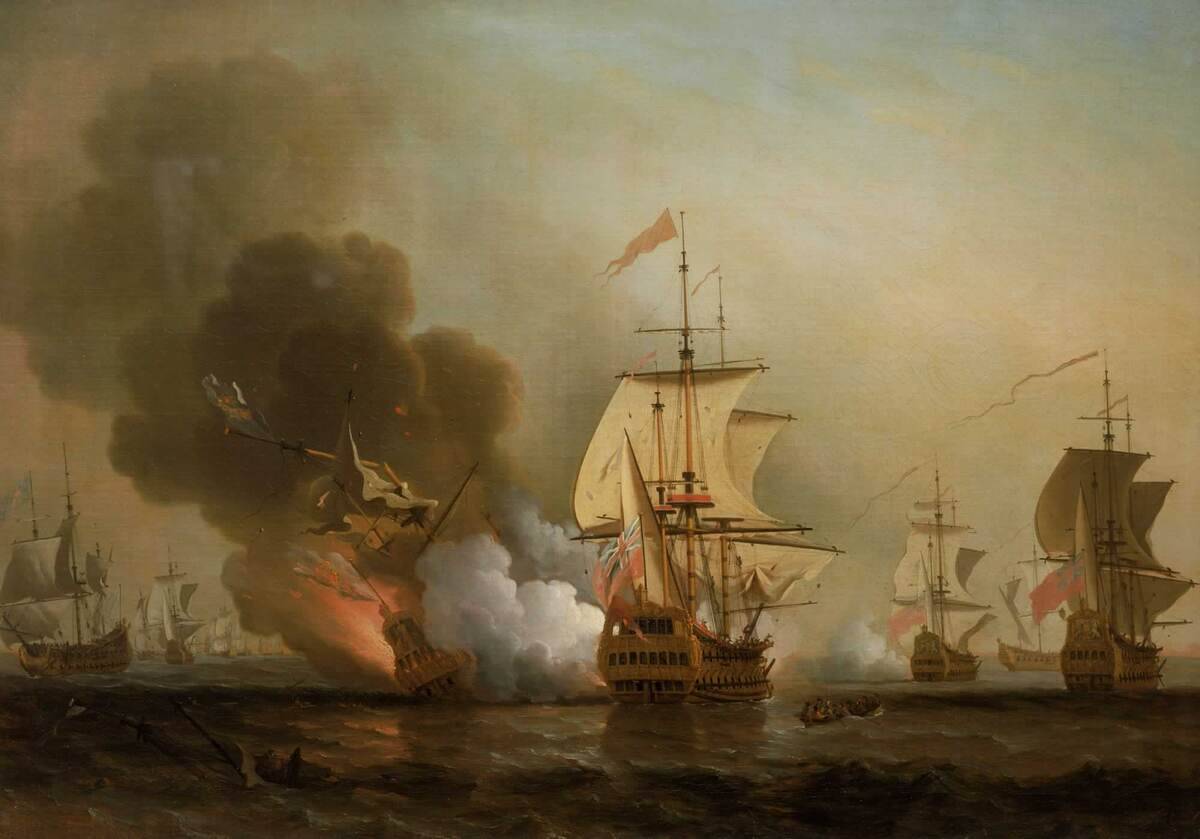
The San José was a Spanish treasure galleon that sank in 1708 during a battle with British warships off the coast of present-day Colombia. It is believed to have been carrying an enormous cargo of gold, silver, emeralds, and other valuables from the Spanish colonies, making it one of history’s richest shipwrecks.
The wreck was announced as discovered by the Colombian government in 2015, but its cargo has not been recovered because of ongoing legal, diplomatic, and archaeological disputes over ownership and preservation. Today, the San José remains one of the most valuable and historically significant shipwrecks resting on the ocean floor.
The Vasa: A Swedish Warship’s Priceless Legacy
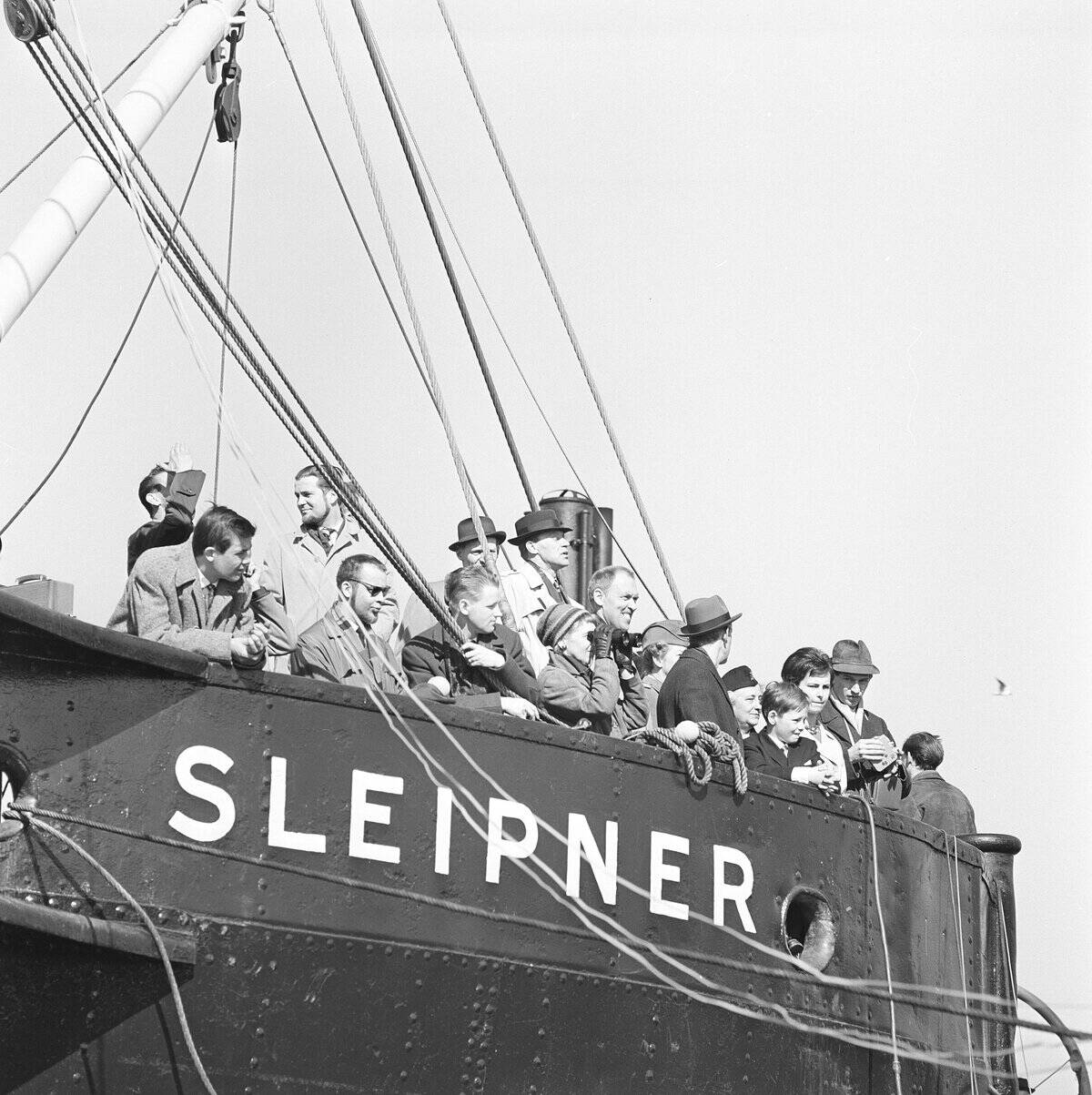
The Vasa was a Swedish warship that sank on its maiden voyage in 1628 in Stockholm harbor. Raised in 1961, the ship is remarkably well-preserved, offering a unique insight into 17th-century shipbuilding.
The Vasa Museum in Stockholm showcases the ship and its artifacts, drawing millions of visitors. The Vasa’s story is a testament to human error and ambition, as it sank due to being top-heavy with insufficient ballast.
The Geldermalsen: The Nanking Cargo Discovery
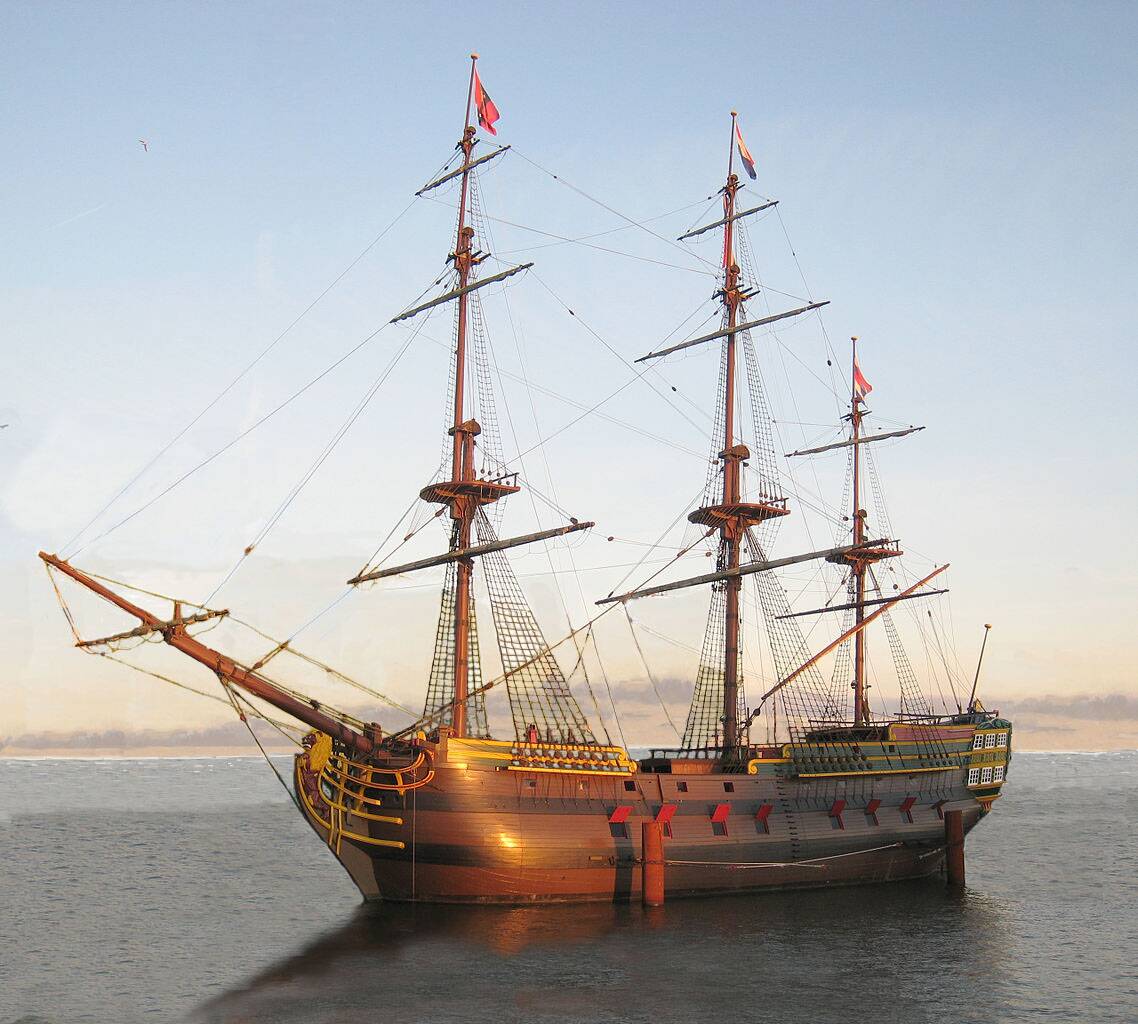
The Geldermalsen was a Dutch East India Company ship that sank in the South China Sea in 1752 while returning from Canton to the Netherlands. Discovered by British salvager Michael Hatcher in 1985, the wreck yielded the famous Nanking Cargo, consisting largely of thousands of pieces of Chinese porcelain, along with tea and gold.
Auctioned by Christie’s in 1986, the collection fetched millions of dollars and became one of the most celebrated shipwreck sales in history. The Geldermalsen’s discovery offered remarkable insight into the vast trade networks that connected Asia and Europe during the 18th century.
The Mary Rose: A Tudor Time Capsule
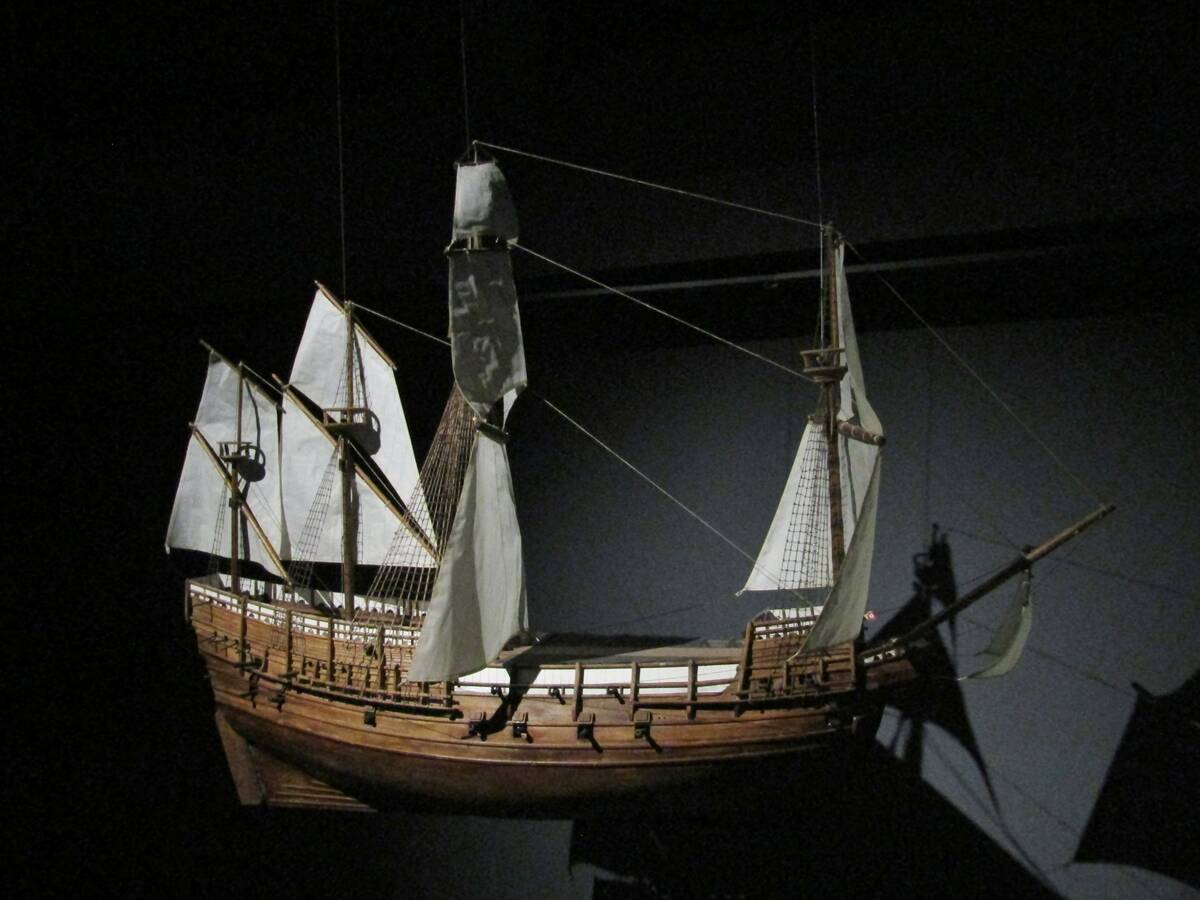
The Mary Rose was a warship of the English Tudor navy that sank in 1545 during a battle with the French. Raised in 1982, the ship and its artifacts provide a fascinating glimpse into Tudor life.
The Mary Rose Museum in Portsmouth displays thousands of items recovered from the wreck, including weapons, clothing, and personal belongings. The ship’s preservation offers an unparalleled window into 16th-century maritime history and naval warfare.
The Batavia: A Tale of Mutiny and Riches
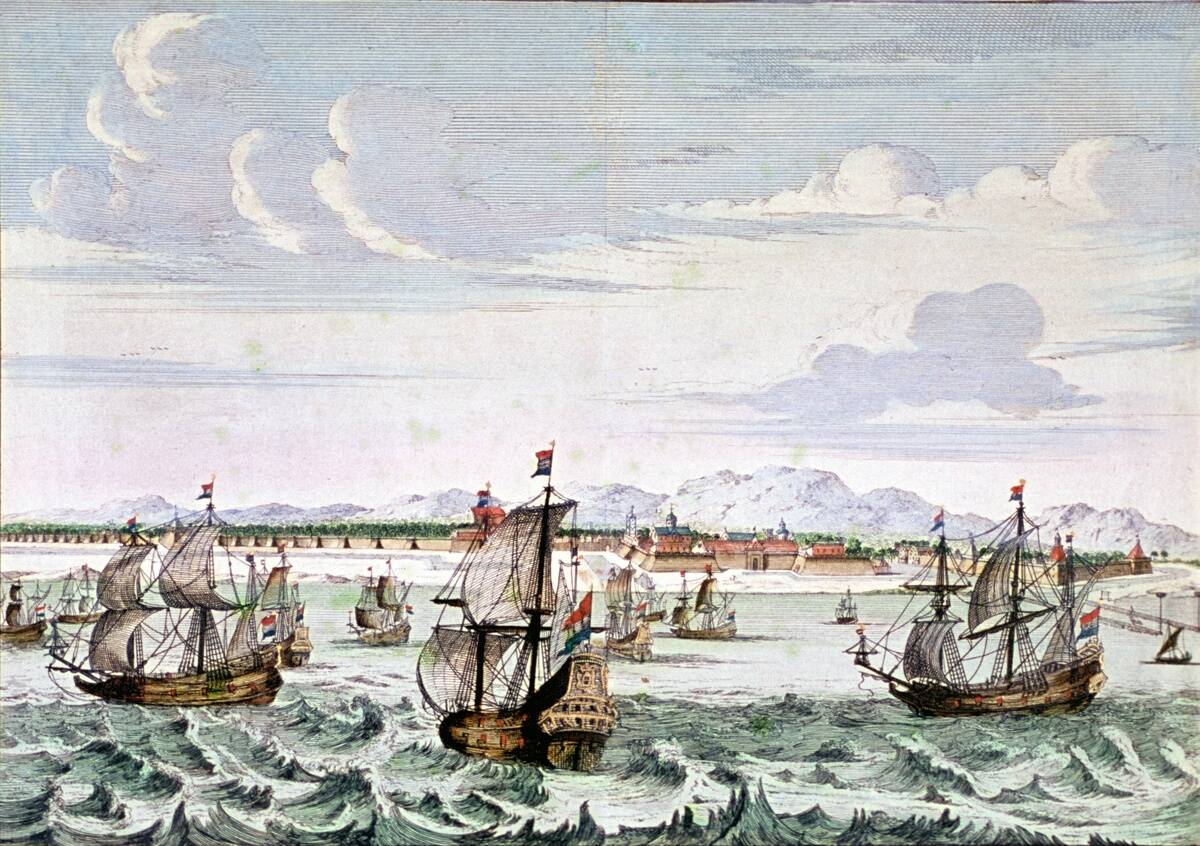
The Batavia was a Dutch East India Company ship that wrecked off the coast of Western Australia in 1629 during its maiden voyage to the Dutch East Indies. The aftermath of the disaster became infamous after a mutiny led to the murder of more than 100 survivors. Discovered in 1963, the wreck yielded a remarkable collection of artifacts, including cannons, coins, ceramics, and personal belongings.
The Batavia’s story of survival, betrayal, and tragedy, along with its recovered artifacts displayed in museums, offers a rare glimpse into the dangers and realities of 17th-century maritime exploration.
The Tek Sing: The Titanic of the East
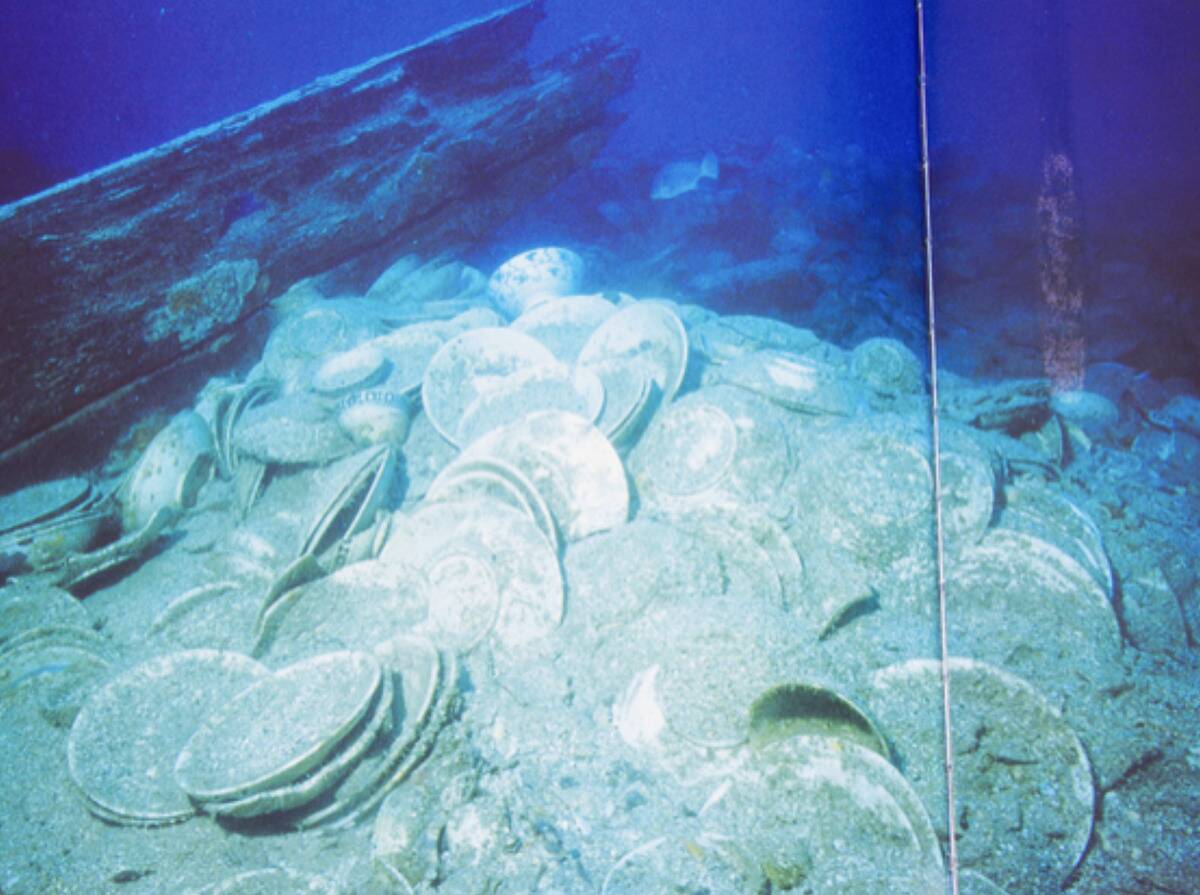
The Tek Sing was a Chinese junk that sank in 1822 in the Gaspar Strait near present-day Indonesia, resulting in the deaths of an estimated 1,600 people and earning it the modern nickname “Titanic of the East.” Discovered in 1999, the wreck contained one of the largest collections of Chinese porcelain ever recovered from a shipwreck, along with other artifacts. Much of the cargo was later auctioned, drawing international attention.
The Tek Sing’s story highlights the dangers of 19th-century maritime trade and the lasting appeal of Chinese ceramics, while its discovery provided valuable artifacts for collections and historical research worldwide.
The Lusitania: A Controversial Find
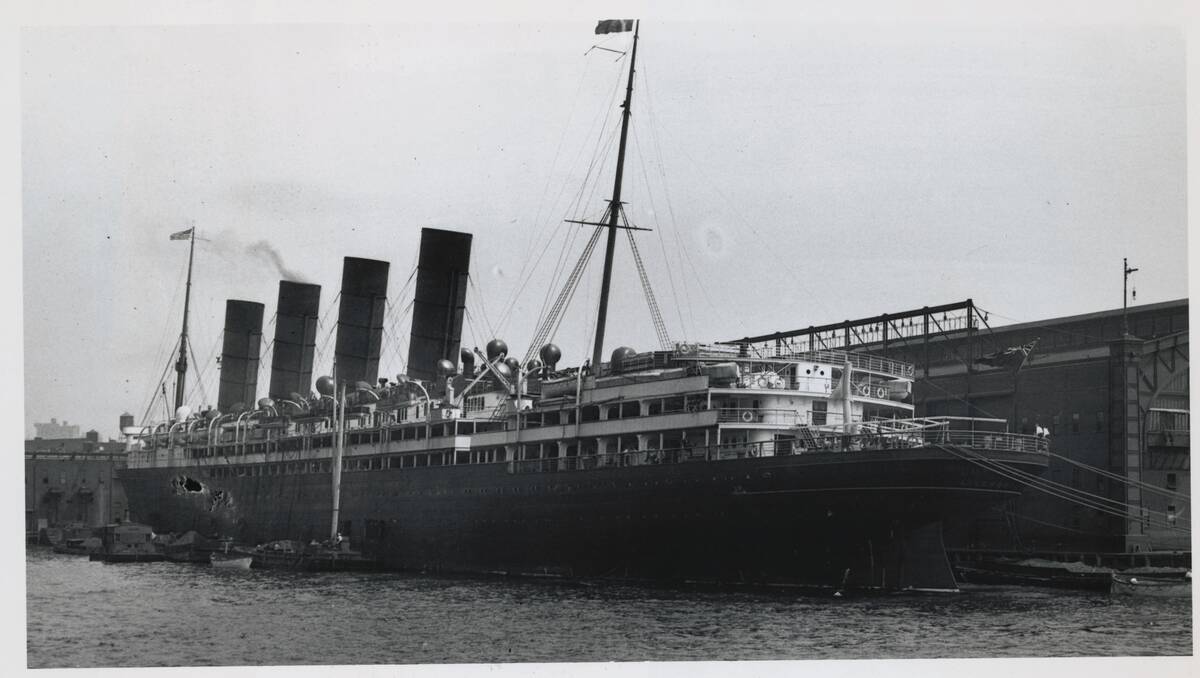
The RMS Lusitania was a British ocean liner sunk by the German submarine U-20 in 1915 during World War I, causing the deaths of nearly 1,200 people and increasing anti-German sentiment in the United States. While the sinking influenced American public opinion, it was not the sole reason the U.S. entered the war in 1917.
The wreck was located in 1935 off the coast of Ireland, and debates continue over whether the ship was carrying military materials. Artifacts and investigations have provided clues about its final voyage, while the Lusitania remains a powerful symbol of the devastating impact of war on civilian lives.
The HMS Victory: A Royal Navy Treasure
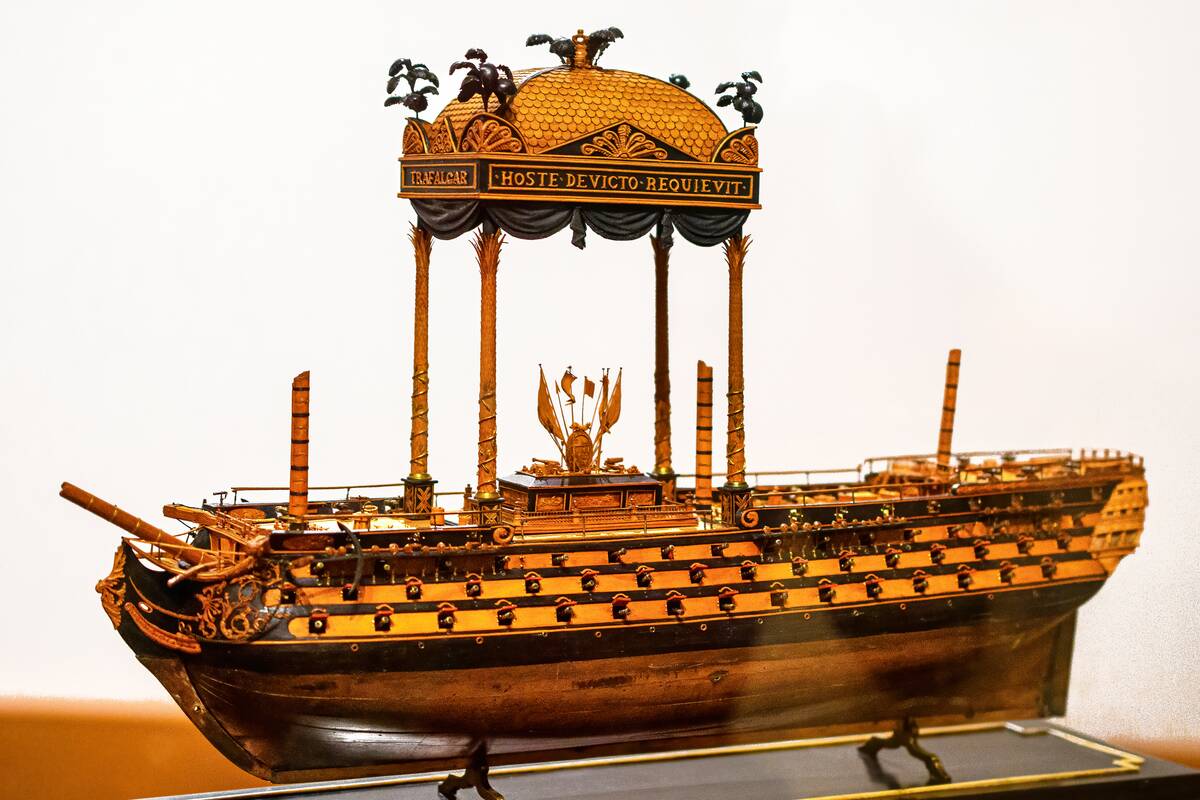
The HMS Victory was a British warship that sank in 1744 during a violent storm near the Casquets in the English Channel area. The loss of the powerful first-rate ship was a major tragedy for the Royal Navy, with hundreds of lives lost. Its wreck was located in 2008, sparking renewed interest in one of Britain’s most significant maritime disasters.
Although some reports suggested valuable cargo may have been aboard, the wreck is best known for its historical importance and the insights it provides into 18th-century naval warfare.




