The most famous jewels in history
Jewelry has always been more than mere adornment; it tells stories of power, wealth, and culture across centuries. From ancient civilizations to modern times, jewels have symbolized status and influenced historical events.
Whether as gifts of diplomacy or symbols of love, these precious items have left indelible marks on the tapestry of human history.
The Crown Jewels of England: Symbols of Monarchy
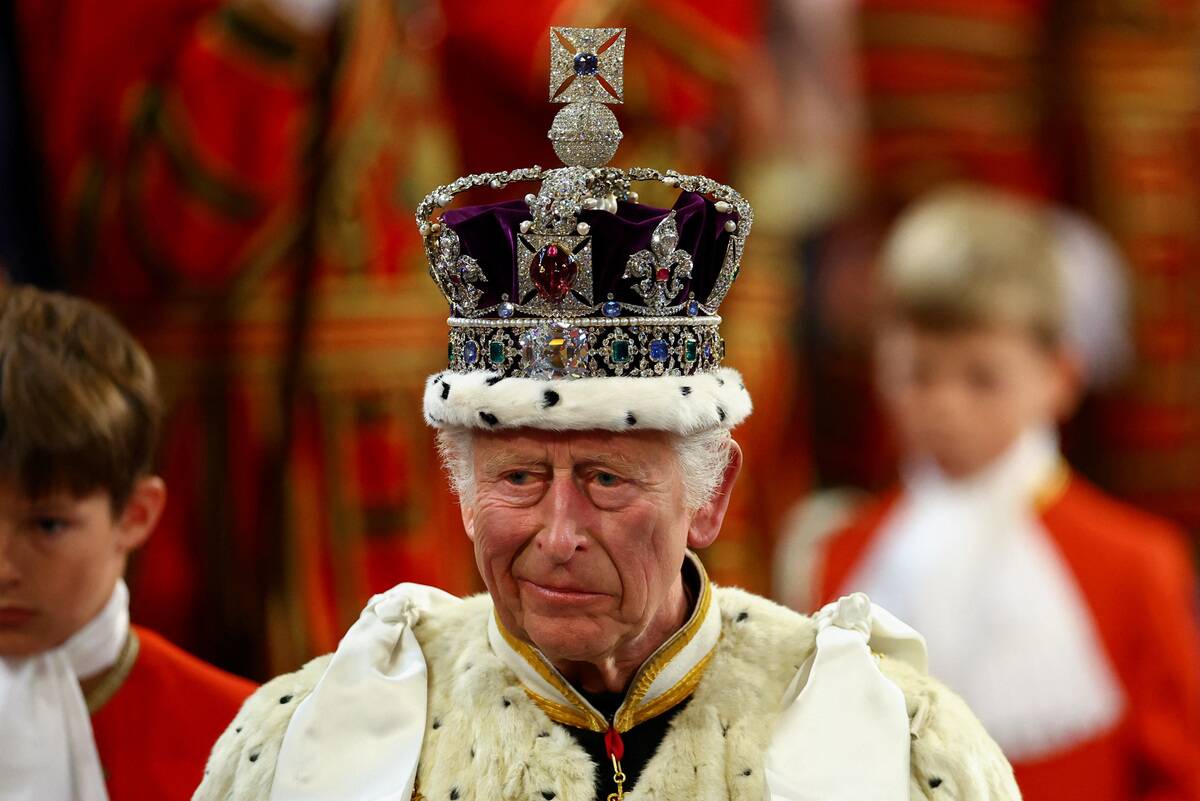
The Crown Jewels of England are not just a collection of sparkling gems; they are a potent symbol of the British monarchy. Housed in the Tower of London, these jewels include the famous Imperial State Crown, adorned with over 2,800 diamonds, including the Cullinan II.
The jewels are still used in royal ceremonies today, serving as a reminder of the monarchy’s enduring legacy and the nation’s rich history. Their security and display are a testament to their significance in British culture.
The Hope Diamond: A Tale of Mystery and Misfortune
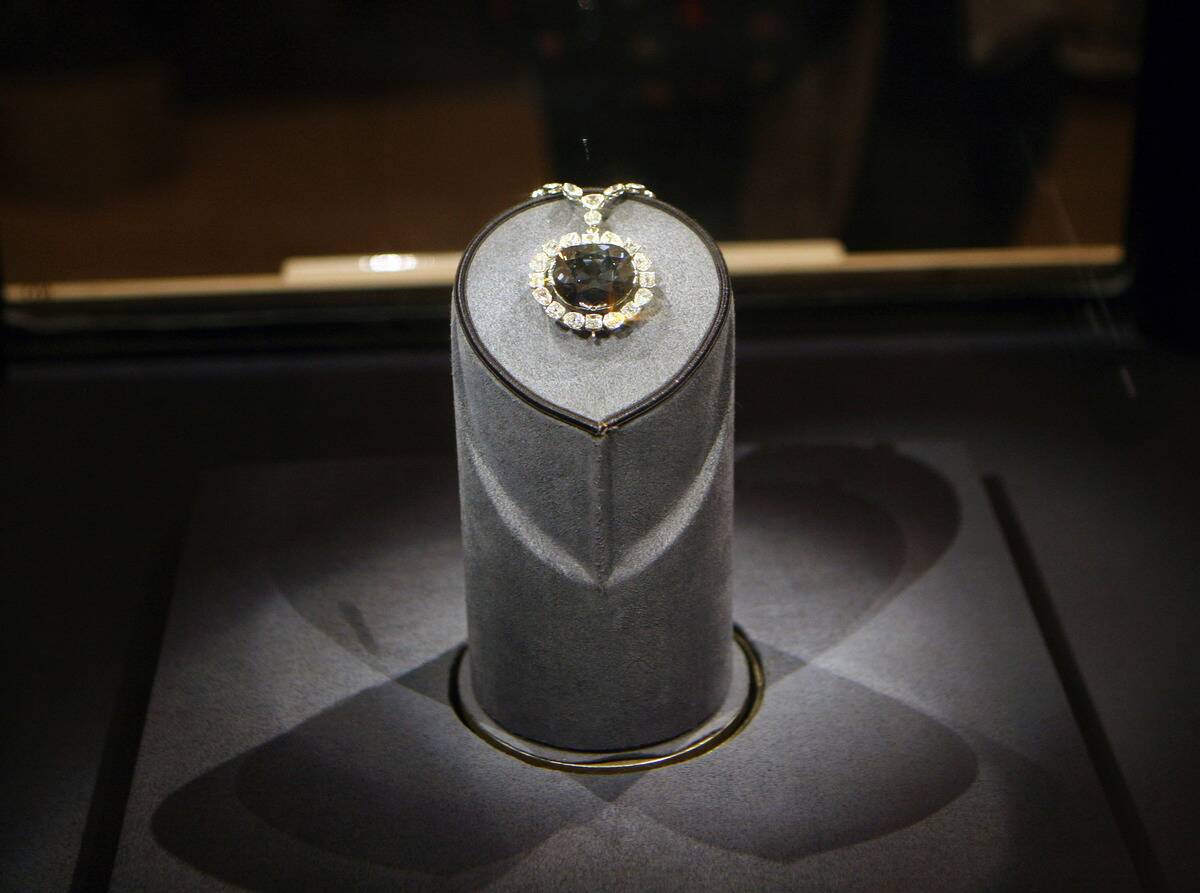
The Hope Diamond, with its deep blue hue, is one of the most famous gems in the world, renowned not just for its beauty but also for its alleged curse. Weighing 45.52 carats, it has passed through the hands of kings and thieves, each owner seemingly plagued by misfortune.
Now housed in the Smithsonian Institution, the diamond’s origins trace back to India, and its storied past continues to intrigue gem enthusiasts and historians alike. Its allure lies as much in its mystery as in its brilliance.
The Koh-i-Noor Diamond: A Gem of Controversy
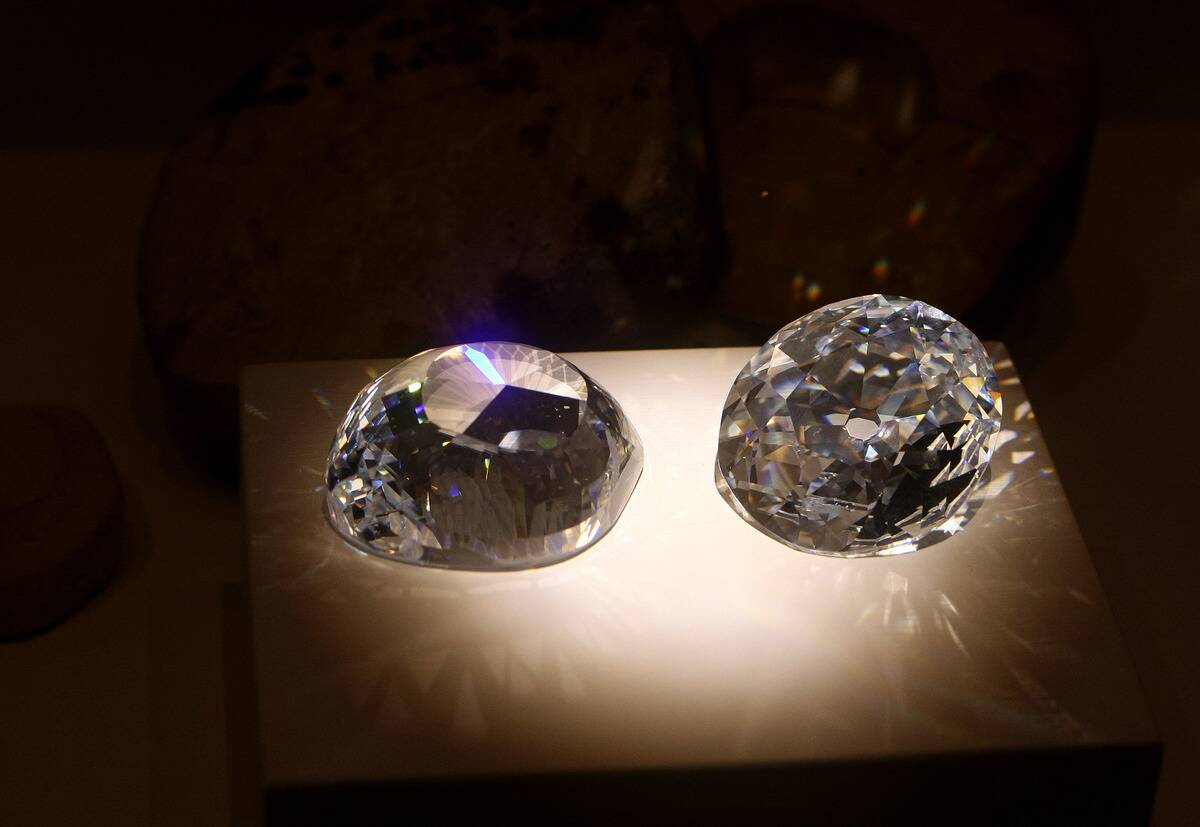
The Koh-i-Noor, meaning “Mountain of Light,” is one of the world’s most famous diamonds, known for its size and controversial history. Originating from India, it was seized by the British and became part of the Crown Jewels.
Weighing 105.6 carats, it has been claimed by multiple countries, each citing historical ownership. Its journey from the Mughal emperors to the British monarchy is a tale of conquest and diplomacy, making it a symbol of colonial history and international debate.
Marie Antoinette’s Necklace: Scandal and Intrigue
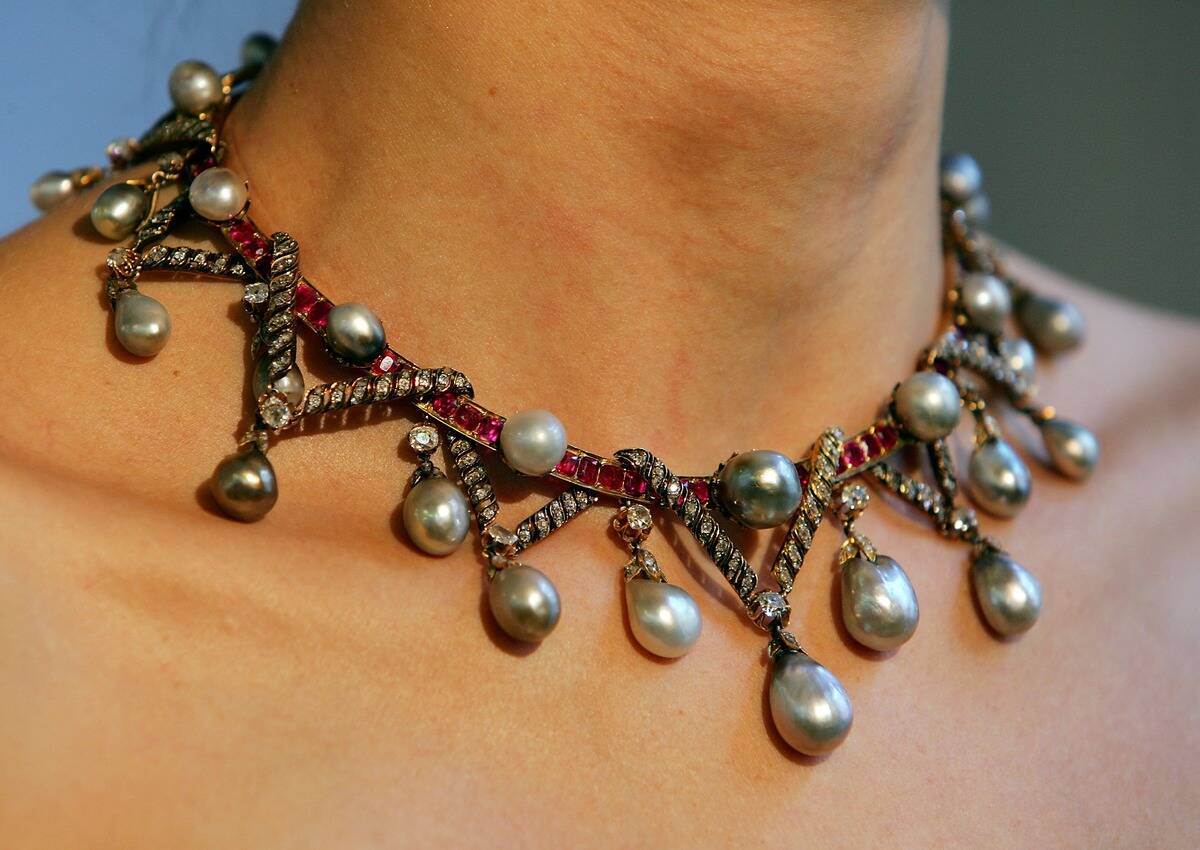
The Affair of the Diamond Necklace was a scandal that rocked France in the late 18th century, involving a necklace supposedly commissioned for Marie Antoinette. The queen was falsely implicated in a scheme to purchase the extravagant piece, leading to public outrage.
The necklace, adorned with 647 diamonds, became a symbol of the excesses of the French monarchy. This scandal is often cited as one of the events that fueled the French Revolution, highlighting the power of jewels in shaping history.
The Fabergé Eggs: Imperial Russia’s Bejeweled Legacy
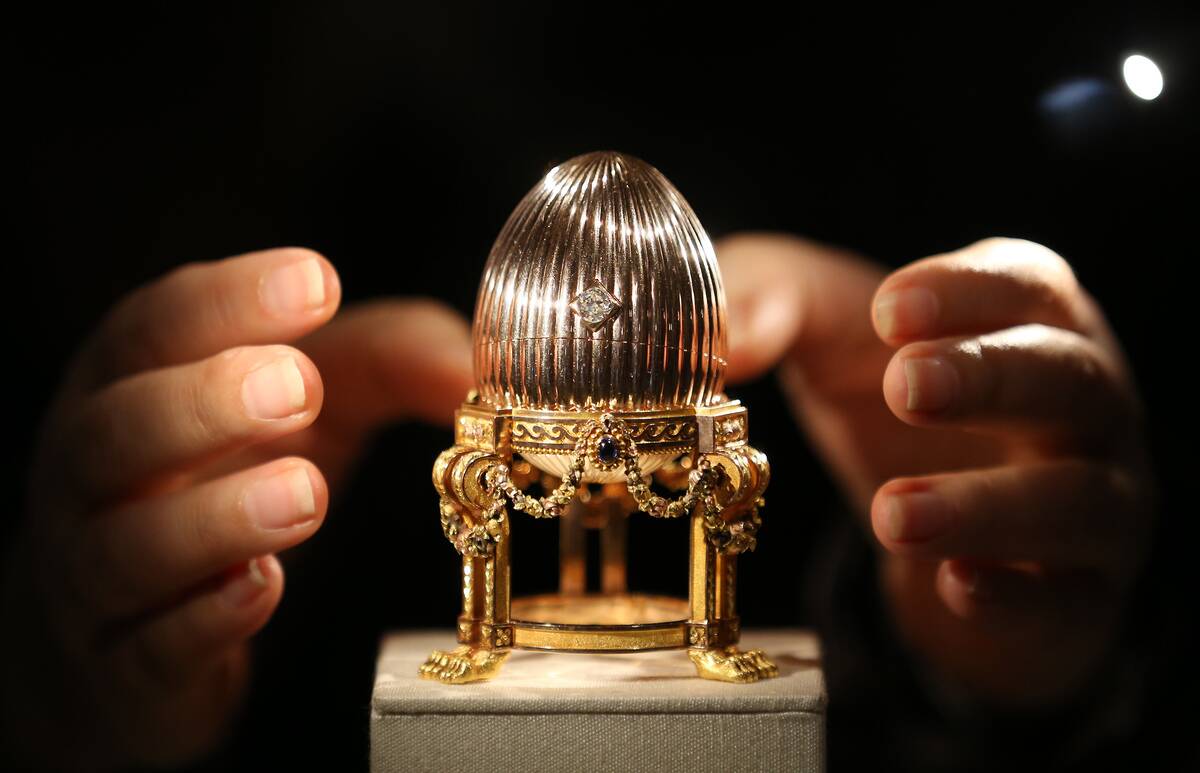
The Fabergé eggs, created by the House of Fabergé for the Russian Tsars, are masterpieces of jeweled art. Crafted between 1885 and 1917, these eggs were Easter gifts for the Russian royal family, each containing a surprise inside.
The most famous of these is the Imperial Coronation Egg, made of gold and enamel. Today, these eggs are symbols of the opulence of the Russian Empire and are highly sought after by collectors worldwide, representing a bygone era of imperial grandeur.
The Cullinan Diamond: From Mine to Monarch
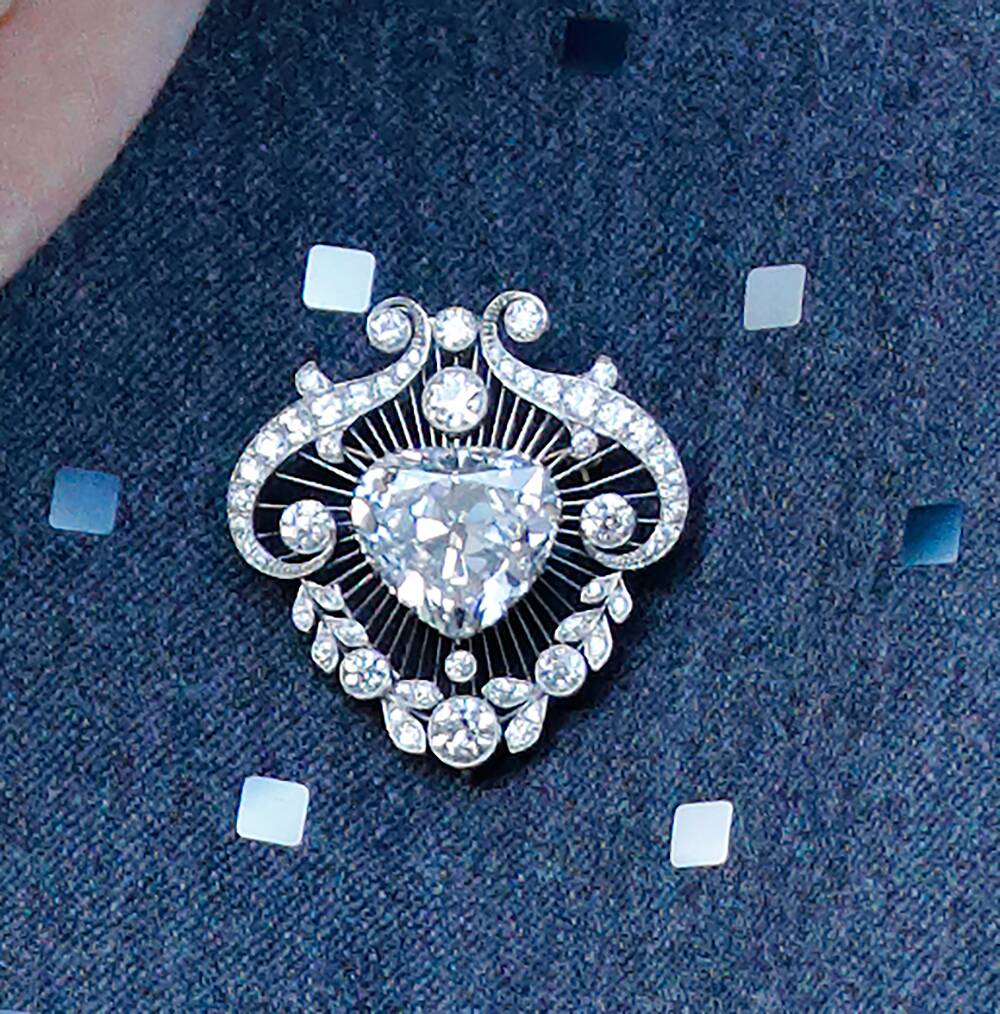
Discovered in South Africa in 1905, the Cullinan Diamond is the largest gem-quality rough diamond ever found, weighing an astounding 3,106 carats. It was gifted to King Edward VII and cut into several stones, the largest of which, the Great Star of Africa, is set in the Sovereign’s Sceptre.
The Cullinan’s journey from mine to monarchy is a testament to the allure of diamonds and their ability to captivate the imagination. Its pieces remain integral to the British Crown Jewels, symbolizing the wealth of an empire.
The Romanov Jewels: Lost and Found
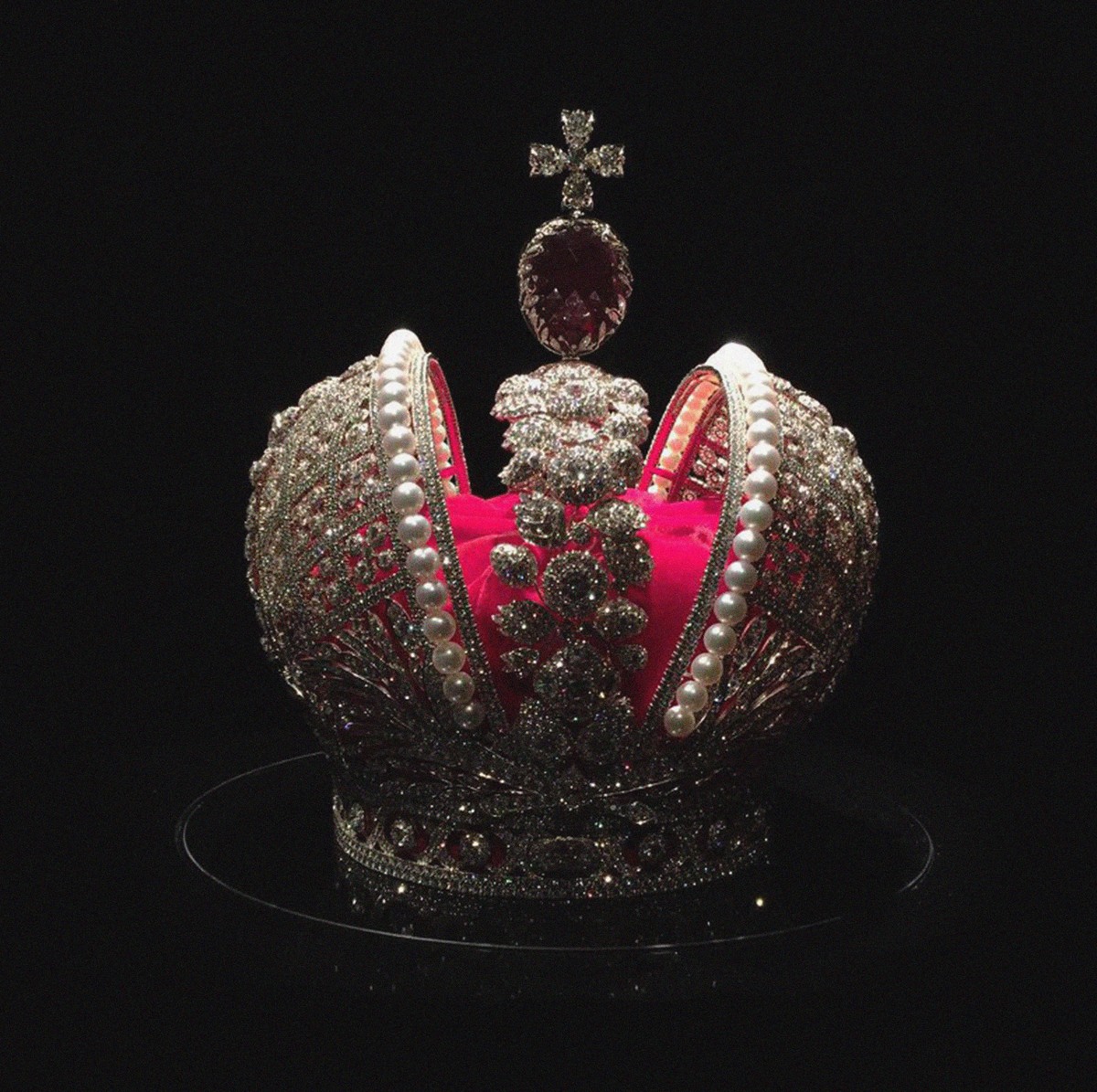
The Romanov dynasty, rulers of Russia for over 300 years, amassed a collection of jewels that were both exquisite and extensive. After the Russian Revolution, many of these treasures were lost or sold off.
Some, like the famous Russian Crown Jewels, have been recovered, while others remain missing. The fate of these jewels is a poignant reminder of the fall of an empire and the enduring intrigue surrounding lost treasures. Their recovery efforts continue to captivate historians and treasure hunters alike.
The Black Orlov Diamond: Cursed or Coincidence?
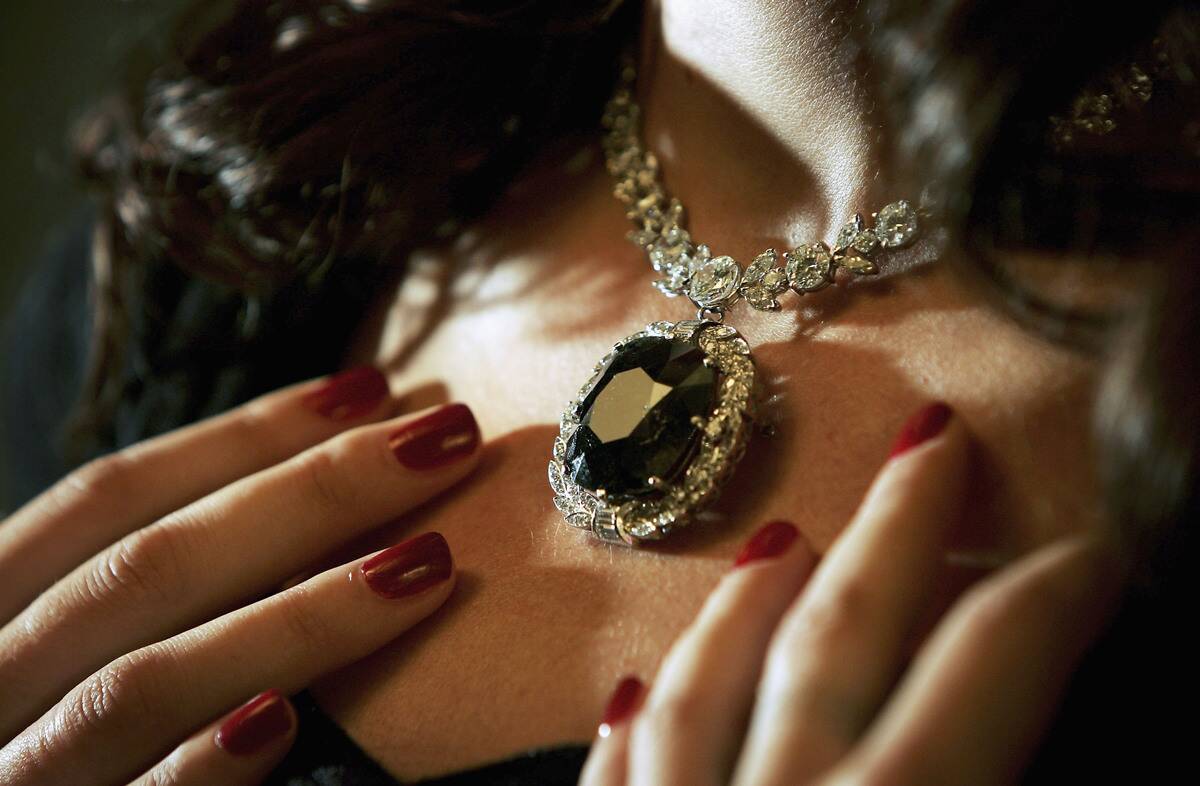
The Black Orlov, also known as the Eye of Brahma, is a 67.5-carat black diamond with a reputation for being cursed. Legend has it that it was stolen from a Hindu idol, leading to a series of misfortunes for its owners.
Despite these tales, the diamond’s beauty and rarity have made it a sought-after gem. Its history is a mix of myth and reality, illustrating how stories of curses can enhance the allure and mystery of precious stones.
The Tiffany Diamond: A Yellow Wonder
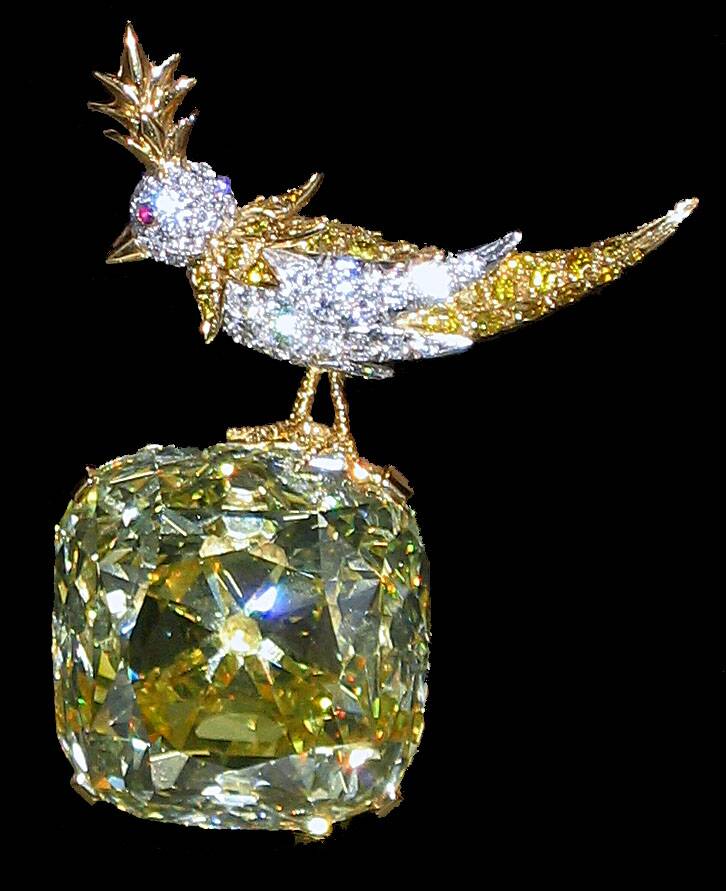
The Tiffany Diamond is one of the largest yellow diamonds ever discovered, weighing 128.54 carats. Unearthed in South Africa in 1877, it was acquired by Charles Tiffany and became a symbol of the luxury brand.
The diamond has been worn by only a few women, including Audrey Hepburn in “Breakfast at Tiffany’s.” Its vibrant color and iconic status make it a marvel of the gem world, representing the elegance and exclusivity associated with Tiffany & Co.
The Amber Room: A Lost Treasure of the Tsars
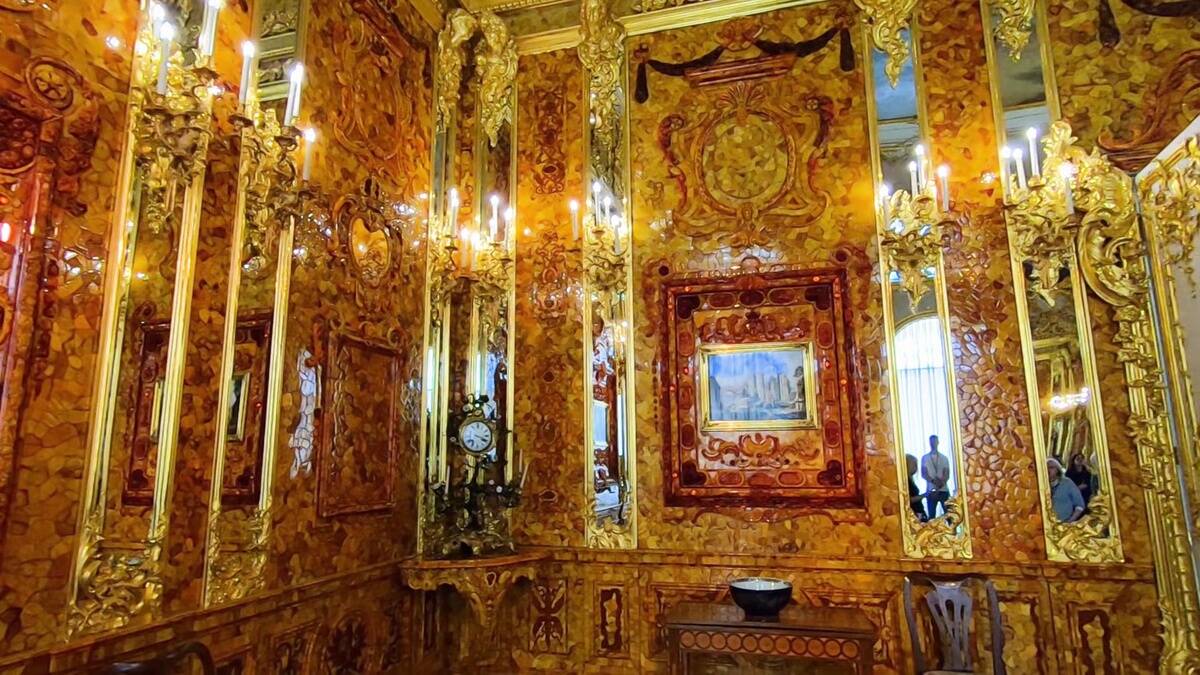
The Amber Room, often dubbed the “Eighth Wonder of the World,” was a stunning chamber decorated with amber panels, gold leaf, and mirrors. Originally crafted for the Prussian King Frederick I, it was later gifted to Peter the Great of Russia.
During World War II, it was looted by the Nazis and subsequently lost. Despite numerous searches, its whereabouts remain a mystery, making it one of the most famous lost treasures in history. Its story continues to inspire treasure hunters and historians.
The Cartier Panther: A Modern Icon of Luxury
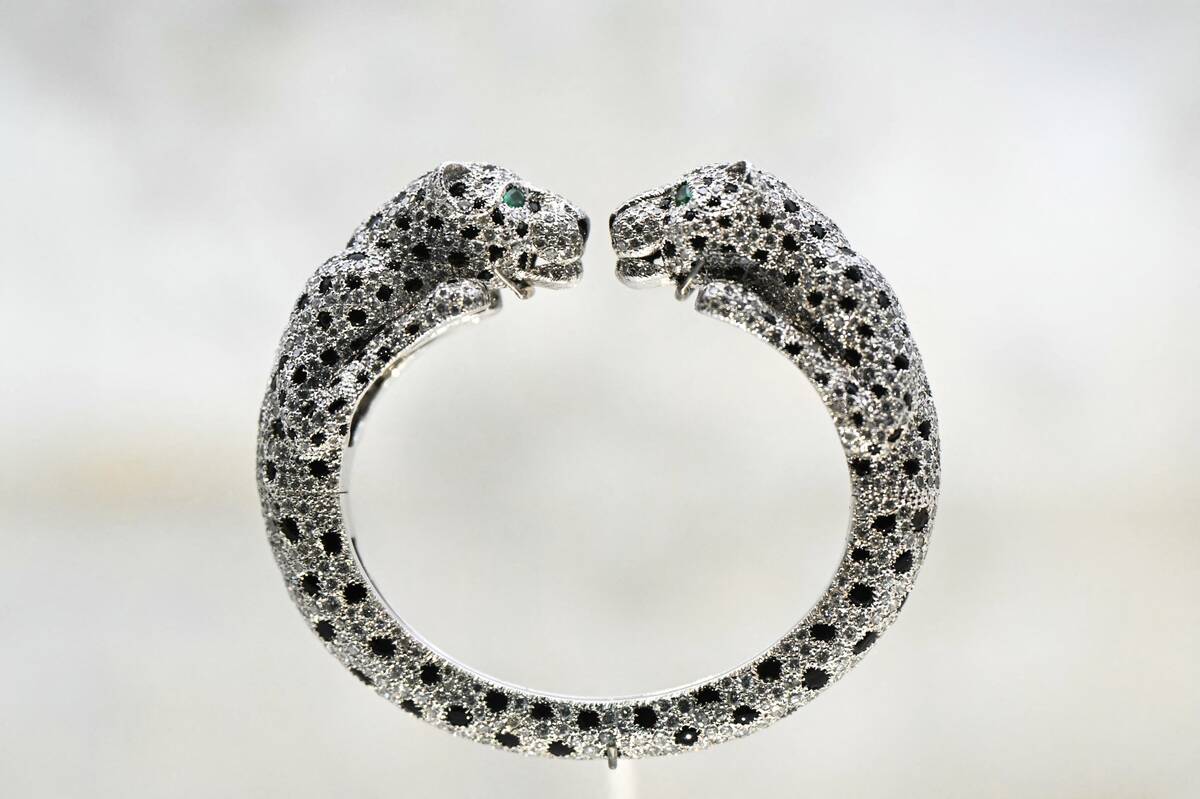
The Cartier Panther, first designed in 1914, has become an enduring symbol of luxury and elegance. Its creation was inspired by Jeanne Toussaint, Cartier’s creative director, who was nicknamed “La Panthère.”
The panther motif has adorned everything from brooches to bracelets, capturing the imagination of fashion icons like Wallis Simpson. The design’s sleek lines and bold presence continue to represent the sophistication and innovation of Cartier, making it a timeless emblem of style.
The Dresden Green Diamond: A Rare Marvel
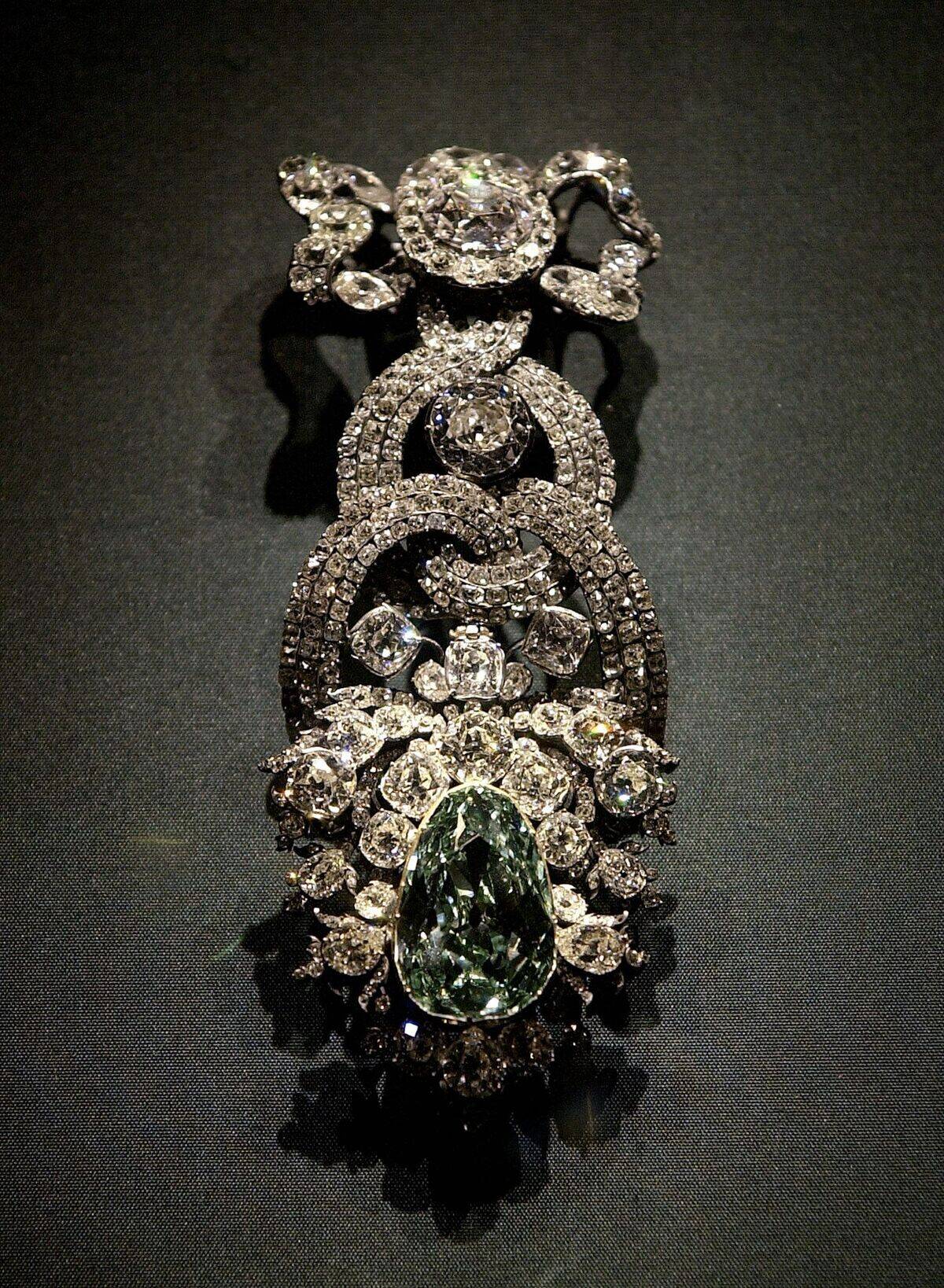
The Dresden Green Diamond, weighing 41 carats, is one of the rarest natural green diamonds in the world. Originating from India, it has been part of the Saxon Crown Jewels since the 18th century.
Its unique color and clarity make it a gemological wonder, admired by experts and collectors alike. The diamond’s history is intertwined with European royalty, serving as a testament to the allure of colored diamonds and their place in the annals of history.
The Sancy Diamond: A European Odyssey
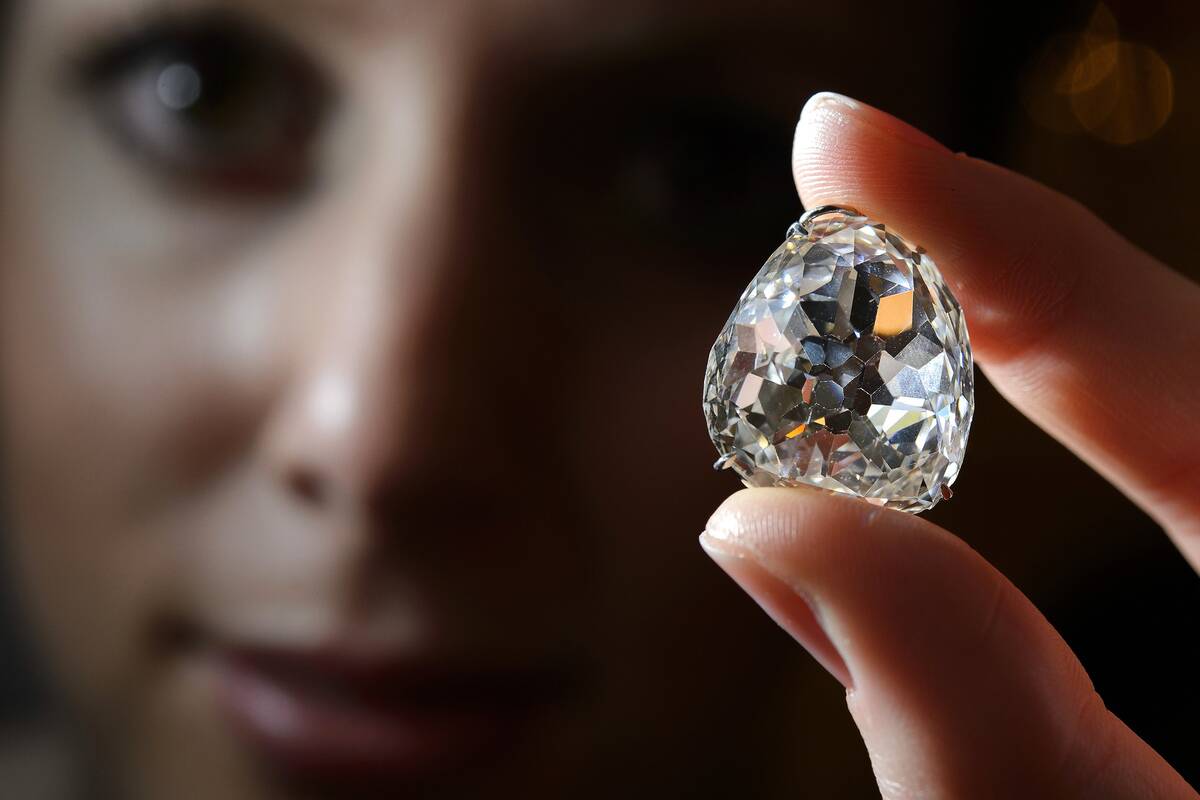
The Sancy Diamond, a pale yellow gem weighing 55.23 carats, has a storied past that spans several European royal families. Its origins trace back to India, and it was once part of the French Crown Jewels.
The diamond’s journey through history is marked by intrigue and adventure, having been lost, found, and sold multiple times. Today, it resides in the Louvre Museum, a testament to its enduring allure and the fascinating tales of its many owners.




