The greatest medical breakthroughs in history
Medical discoveries have profoundly shaped society, improving quality of life and extending lifespans. From ancient herbal remedies to cutting-edge genetic engineering, each breakthrough has contributed to a healthier world.
These advancements not only cure diseases but also prevent them, creating a ripple effect that enhances public health and economic stability.
The Advent of Vaccines: A Shield Against Epidemics

Vaccines have been a game-changer in the fight against infectious diseases. Edward Jenner’s smallpox vaccine in 1796 marked the beginning of immunization, leading to the eventual eradication of smallpox.
Today, vaccines prevent millions of deaths annually from diseases like measles, influenza, and hepatitis. They work by stimulating the immune system to recognize and combat pathogens, providing a safe and effective shield against potential epidemics.
Penicillin: The Accidental Discovery That Revolutionized Medicine
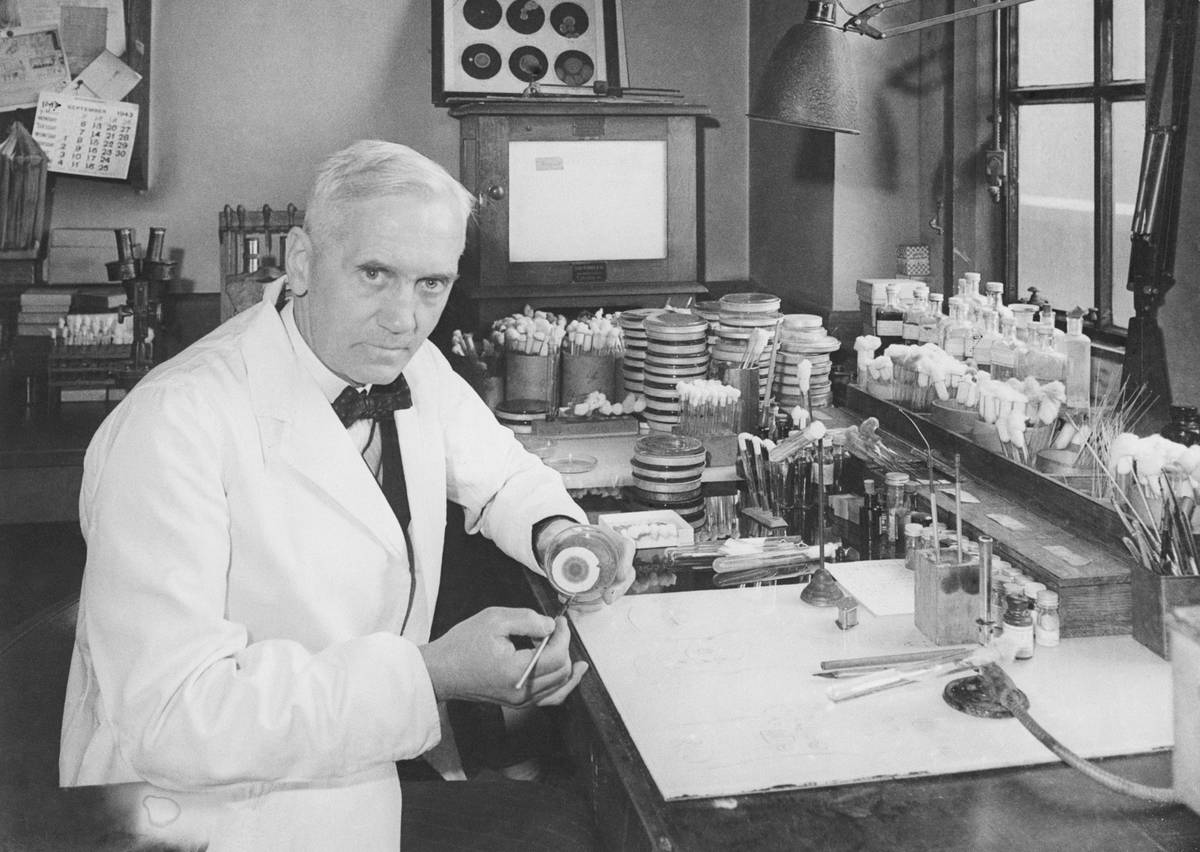
In 1928, Alexander Fleming discovered penicillin by chance when he noticed mold killing bacteria in a petri dish. This accidental finding led to the development of antibiotics, revolutionizing medicine by effectively treating bacterial infections.
Before penicillin, even minor infections could be fatal. Today, antibiotics are a cornerstone of modern medicine, saving countless lives and enabling complex surgeries and treatments that were once impossible.
Insulin: A Lifeline for Diabetics
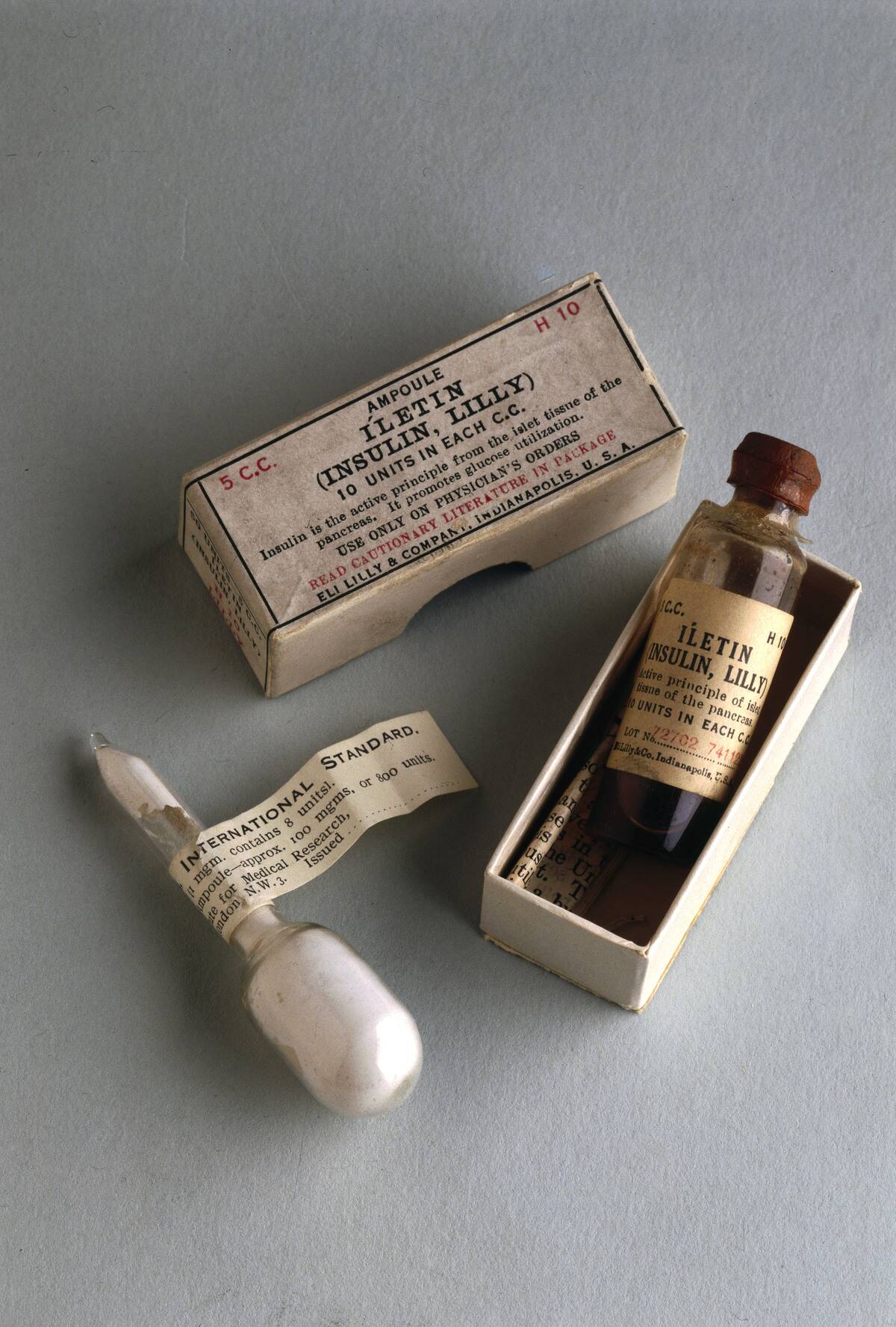
The discovery of insulin in the early 1920s by Frederick Banting and Charles Best transformed diabetes from a fatal disease to a manageable condition. Before insulin, a diabetes diagnosis was often a death sentence.
Insulin therapy allows individuals with diabetes to regulate their blood sugar levels, leading to improved health and longevity. This breakthrough has paved the way for further research into diabetes management and treatment.
The Discovery of DNA Structure: Unlocking the Secrets of Life
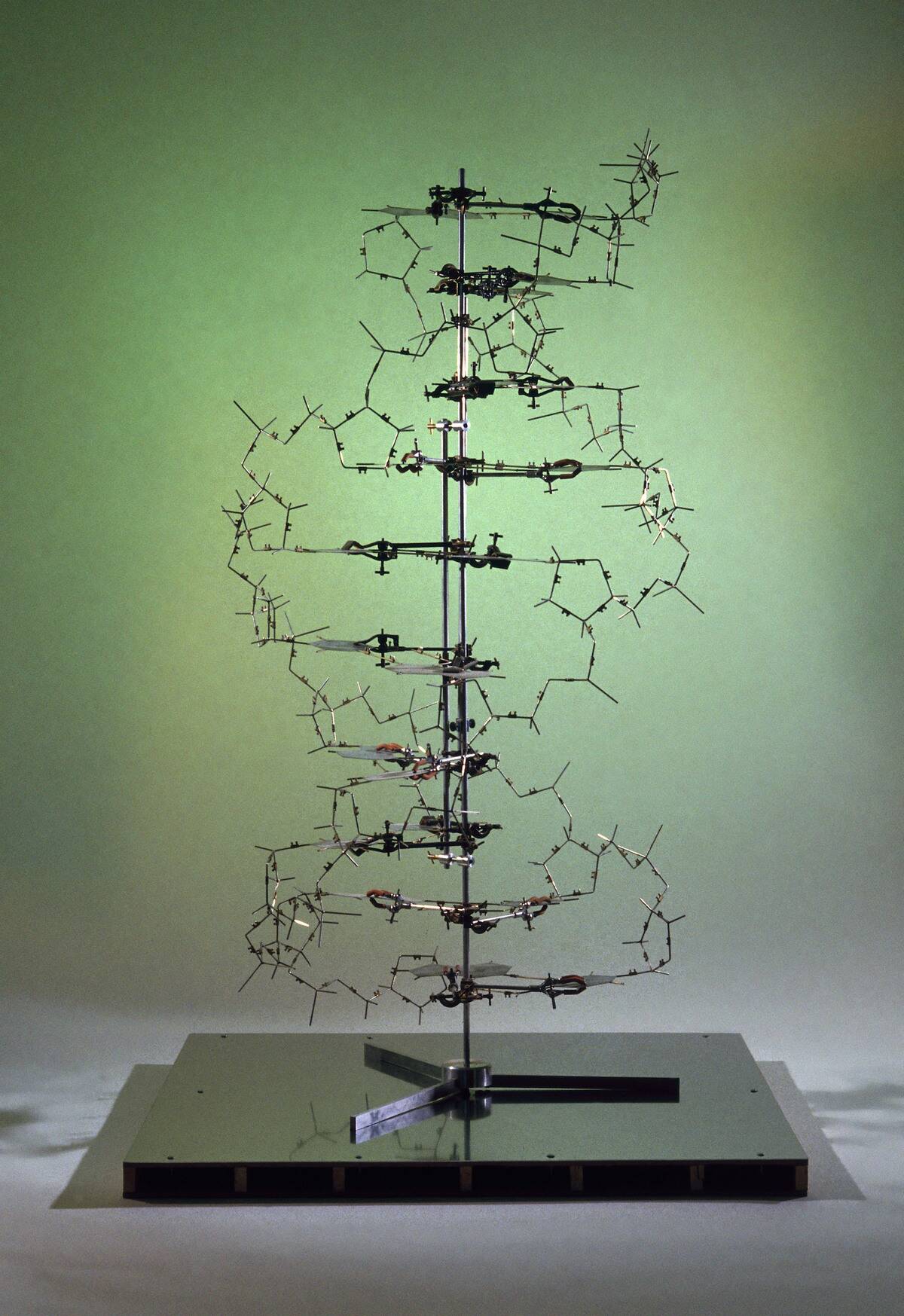
The discovery of DNA’s double helix structure by James Watson and Francis Crick in 1953 was a monumental moment in biology. This finding revealed how genetic information is stored and transmitted, laying the groundwork for modern genetics.
Understanding DNA has led to advances in genetic testing, forensics, and personalized medicine, allowing for tailored treatments and a deeper comprehension of hereditary diseases.
The Birth of Anesthesia: Transforming Surgical Procedures
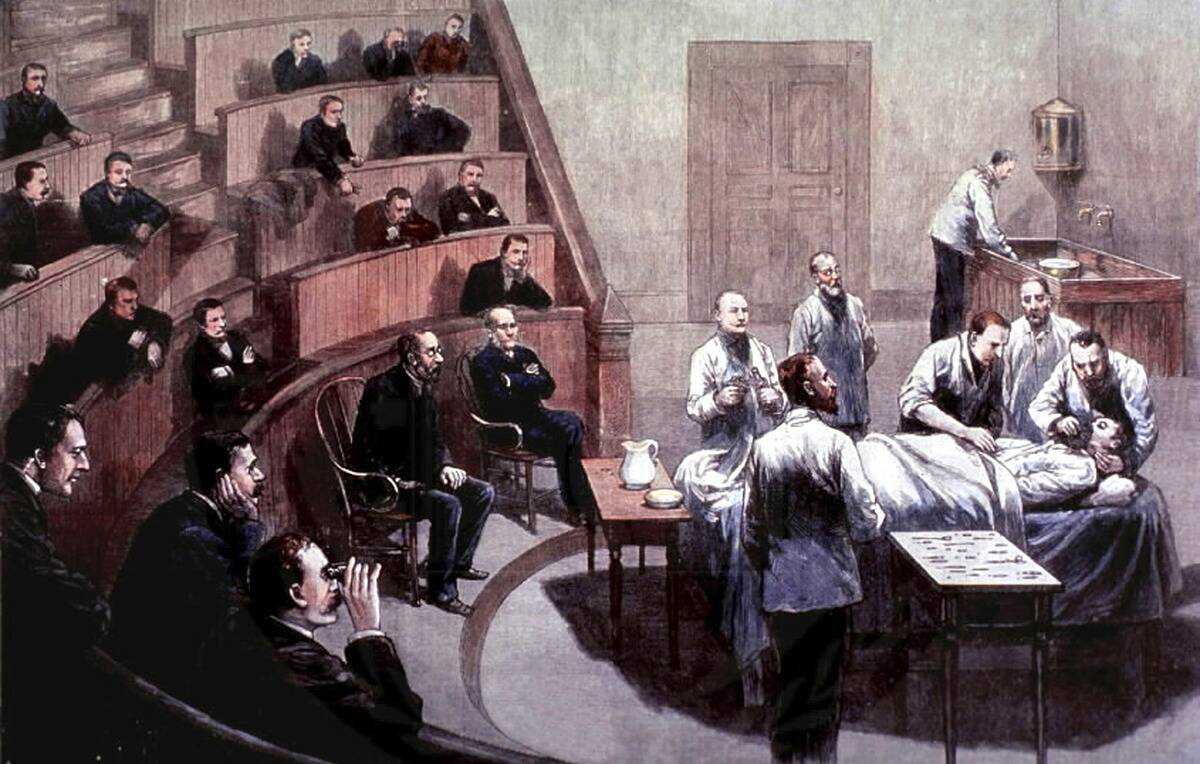
Before the advent of anesthesia, surgery was a painful and traumatic experience. The introduction of ether as an anesthetic in the 1840s revolutionized surgery by allowing patients to undergo procedures without pain.
This breakthrough made complex surgeries feasible and significantly reduced surgical mortality rates. Anesthesia continues to evolve, improving patient safety and comfort during medical procedures.
X-Rays: Seeing Beneath the Surface
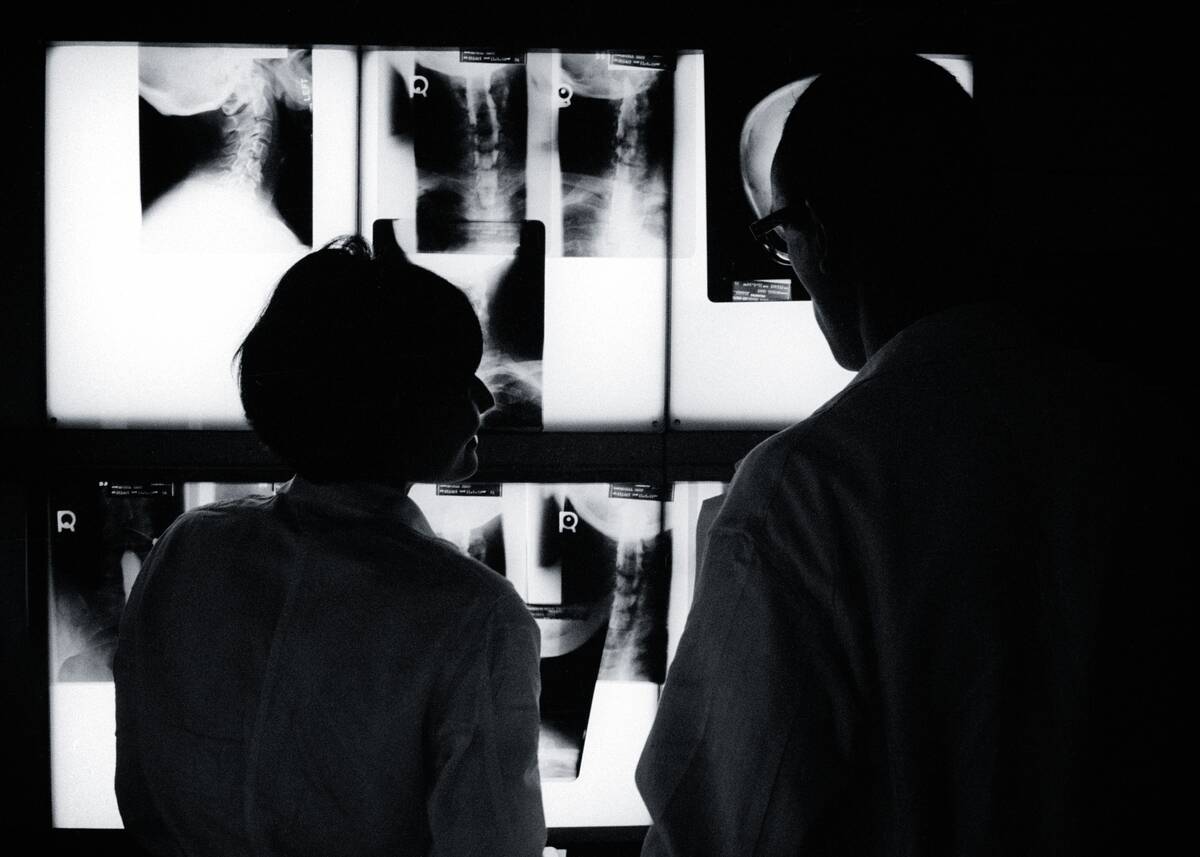
Discovered by Wilhelm Conrad Roentgen in 1895, X-rays provided the first non-invasive way to see inside the human body. This technology revolutionized diagnostics, allowing doctors to identify fractures, tumors, and other internal issues without surgery.
X-rays paved the way for other imaging technologies, such as CT scans and MRIs, which have become essential tools in modern medicine for accurate diagnosis and treatment planning.
The Polio Vaccine: Eradicating a Global Threat

The development of the polio vaccine by Jonas Salk in the 1950s was a major victory in public health. Polio, once a feared disease causing paralysis and death, has been nearly eradicated thanks to widespread vaccination efforts.
The success of the polio vaccine demonstrates the power of immunization programs and serves as a model for combating other infectious diseases worldwide.
Antiretroviral Therapy: Turning the Tide on HIV/AIDS

Antiretroviral therapy (ART) has transformed HIV/AIDS from a fatal disease to a manageable chronic condition. Introduced in the mid-1990s, ART suppresses the virus, preventing progression to AIDS and reducing transmission risk.
This treatment has significantly improved life expectancy and quality of life for millions of people living with HIV, highlighting the importance of ongoing research and access to life-saving medications.
The MRI Machine: A Non-Invasive Peek Inside the Human Body
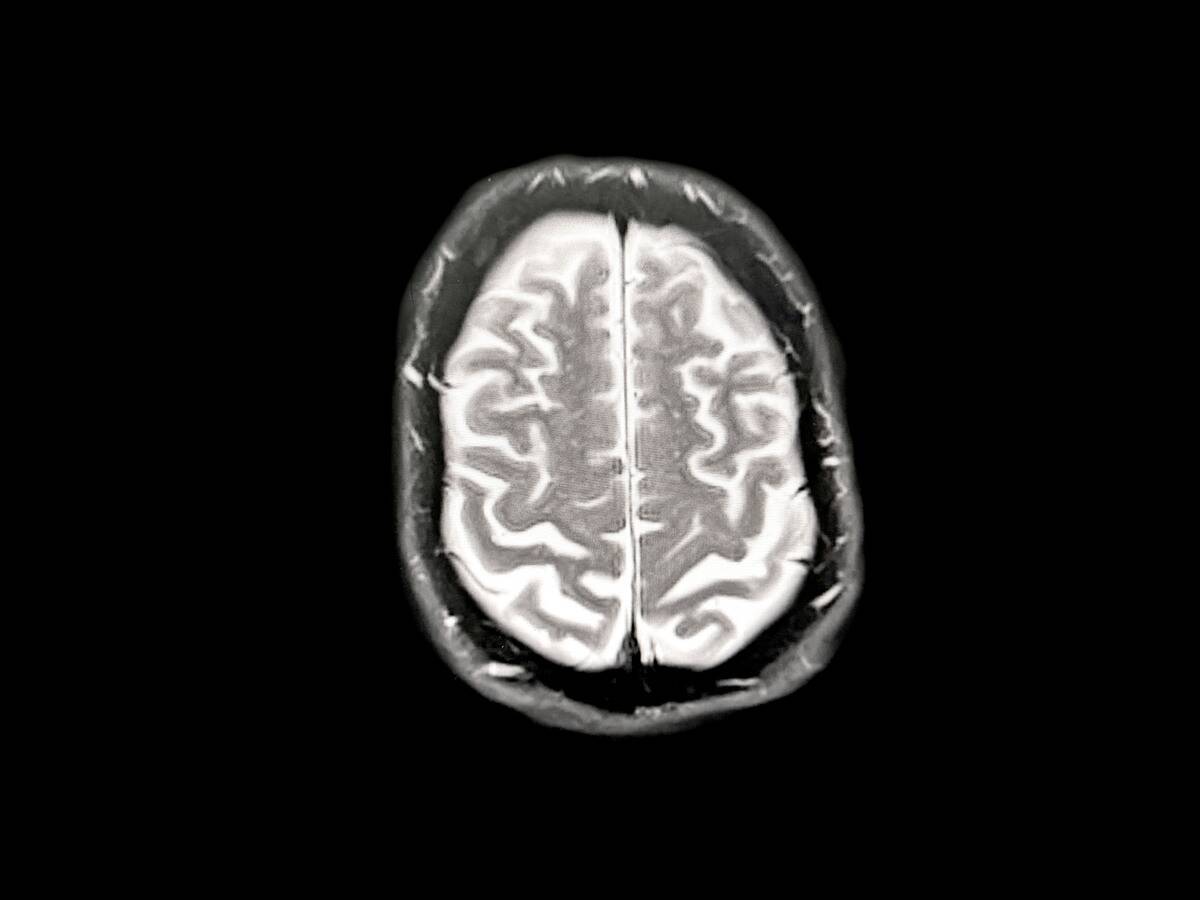
Magnetic Resonance Imaging (MRI) provides detailed images of organs and tissues without the use of radiation. Developed in the 1970s, MRI has become an invaluable diagnostic tool, especially for soft tissue evaluation like brain and spinal cord imaging.
Its ability to produce high-resolution images has revolutionized the diagnosis and treatment of various medical conditions, offering a safer alternative to exploratory surgery.
The Development of Chemotherapy: A New Hope for Cancer Patients

Chemotherapy emerged in the 1940s as a treatment for cancer, using drugs to kill rapidly dividing cells. This approach has been instrumental in treating various cancers, either alone or in combination with surgery and radiation.
While chemotherapy can have significant side effects, ongoing research aims to improve its efficacy and reduce toxicity, offering hope for better outcomes for cancer patients.
Organ Transplants: Giving a Second Chance at Life
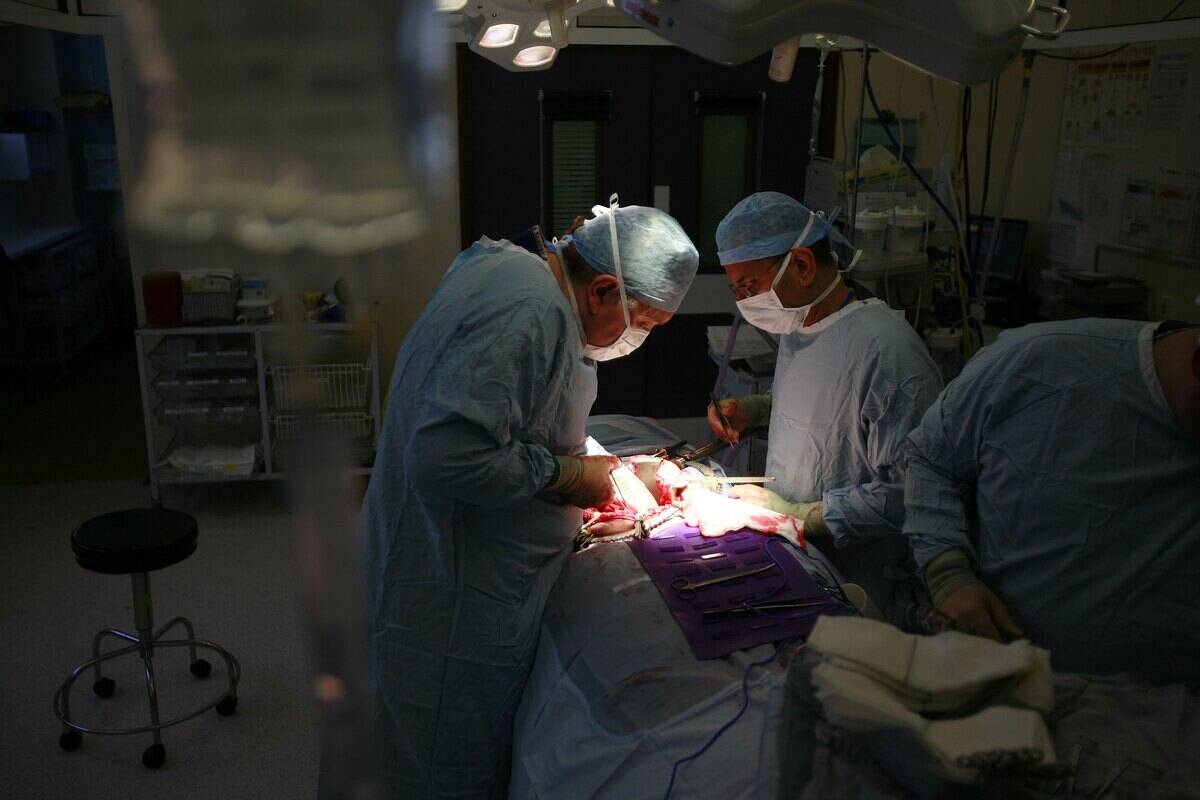
The first successful organ transplant, a kidney, was performed in 1954, marking a new era in medical treatment. Organ transplants have since saved countless lives, offering patients with organ failure a second chance.
Advances in immunosuppressive drugs have improved transplant success rates, and ongoing research into artificial organs and xenotransplantation holds promise for addressing organ shortages.
The Discovery of Blood Groups: Ensuring Safe Blood Transfusions
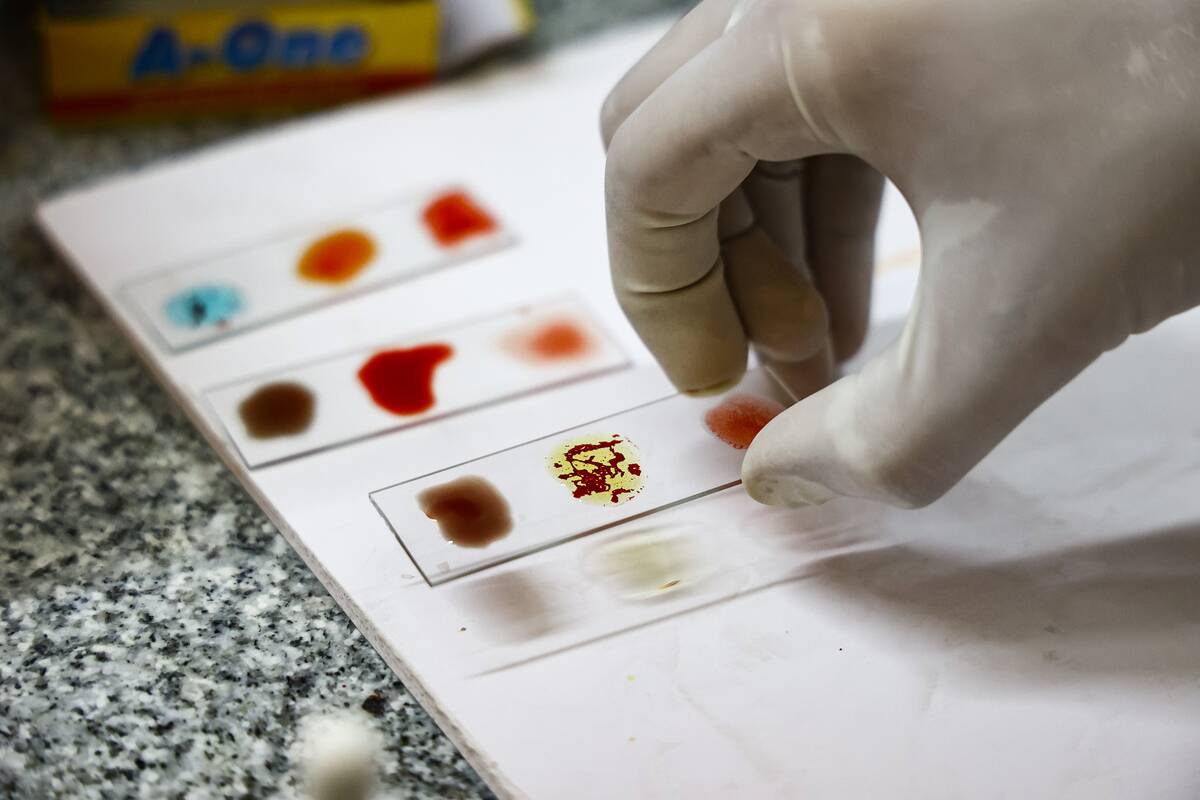
Karl Landsteiner’s discovery of blood groups in 1901 revolutionized blood transfusions by reducing the risk of adverse reactions. Identifying the ABO and Rh blood group systems allowed for safe matching of donors and recipients, making transfusions a routine and life-saving procedure.
This discovery has been crucial in surgery, trauma care, and the treatment of various medical conditions.
The Invention of the Pacemaker: Keeping Hearts in Rhythm
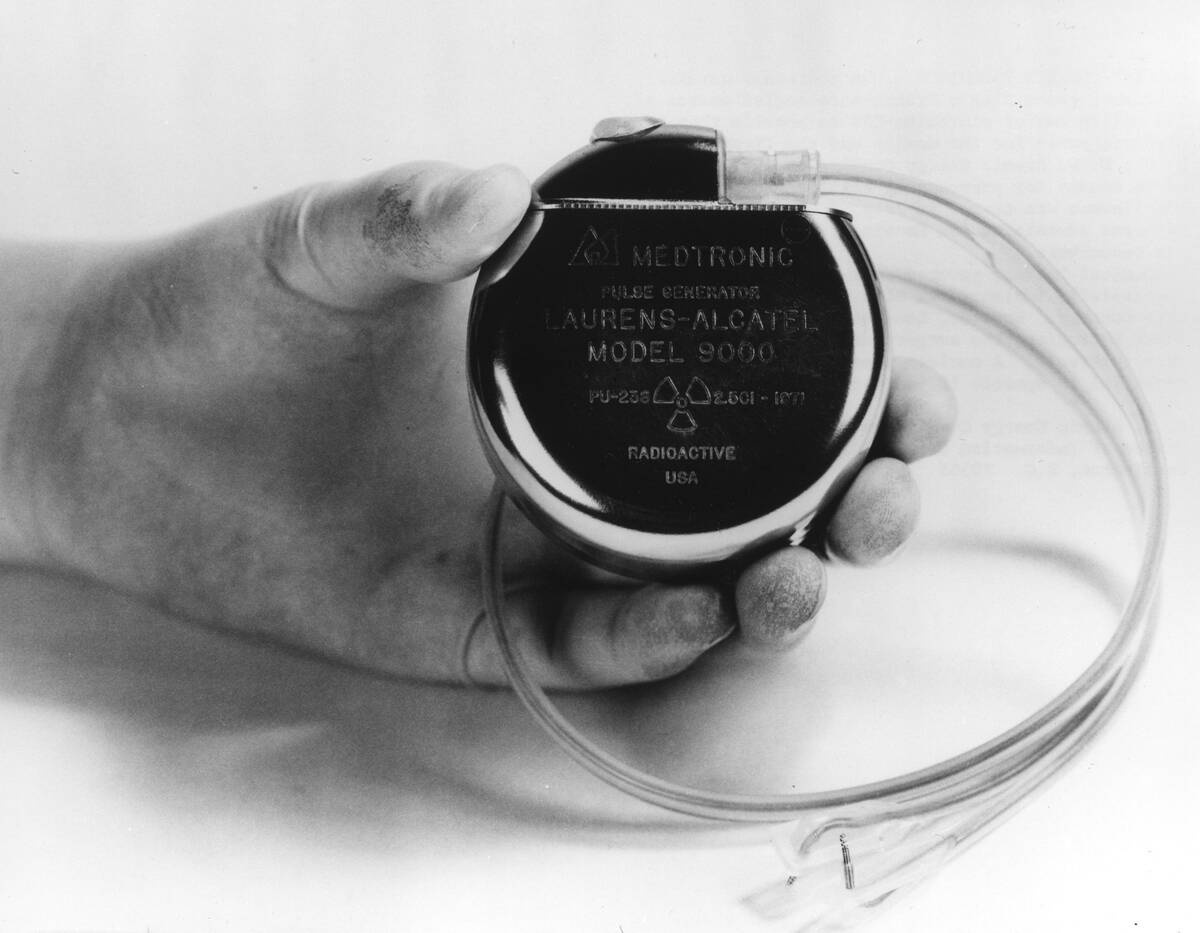
The pacemaker, first implanted in 1958, has been a lifesaver for individuals with heart rhythm disorders. This small device regulates heartbeat by sending electrical impulses to the heart, preventing potentially fatal arrhythmias.
Advances in technology have made pacemakers smaller and more efficient, improving the quality of life for millions of patients worldwide.
CRISPR Technology: Editing the Future of Genetics
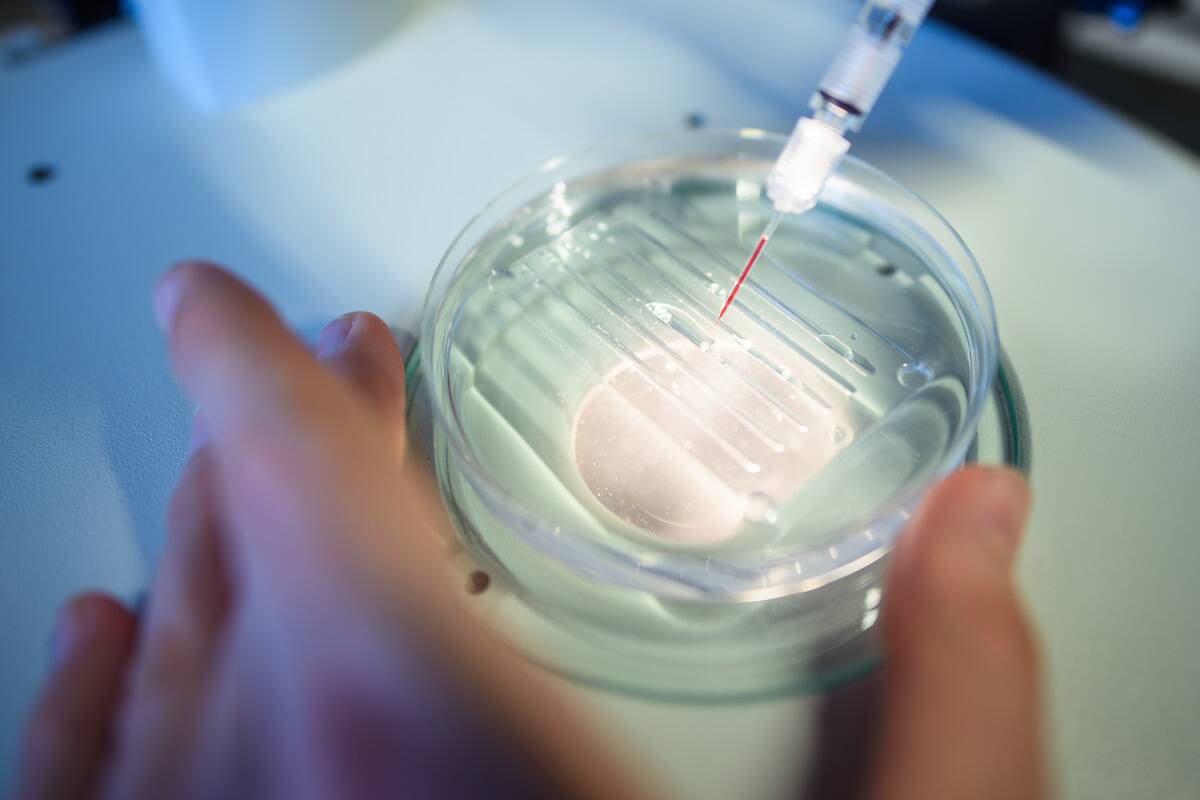
CRISPR-Cas9, a groundbreaking gene-editing technology, allows for precise modifications to DNA. Discovered in 2012, it has the potential to correct genetic defects, treat diseases, and improve crop resilience.
While CRISPR holds immense promise, ethical considerations and potential risks must be carefully managed as we explore its applications in medicine and beyond.
The Introduction of Laparoscopic Surgery: Minimizing Recovery Time
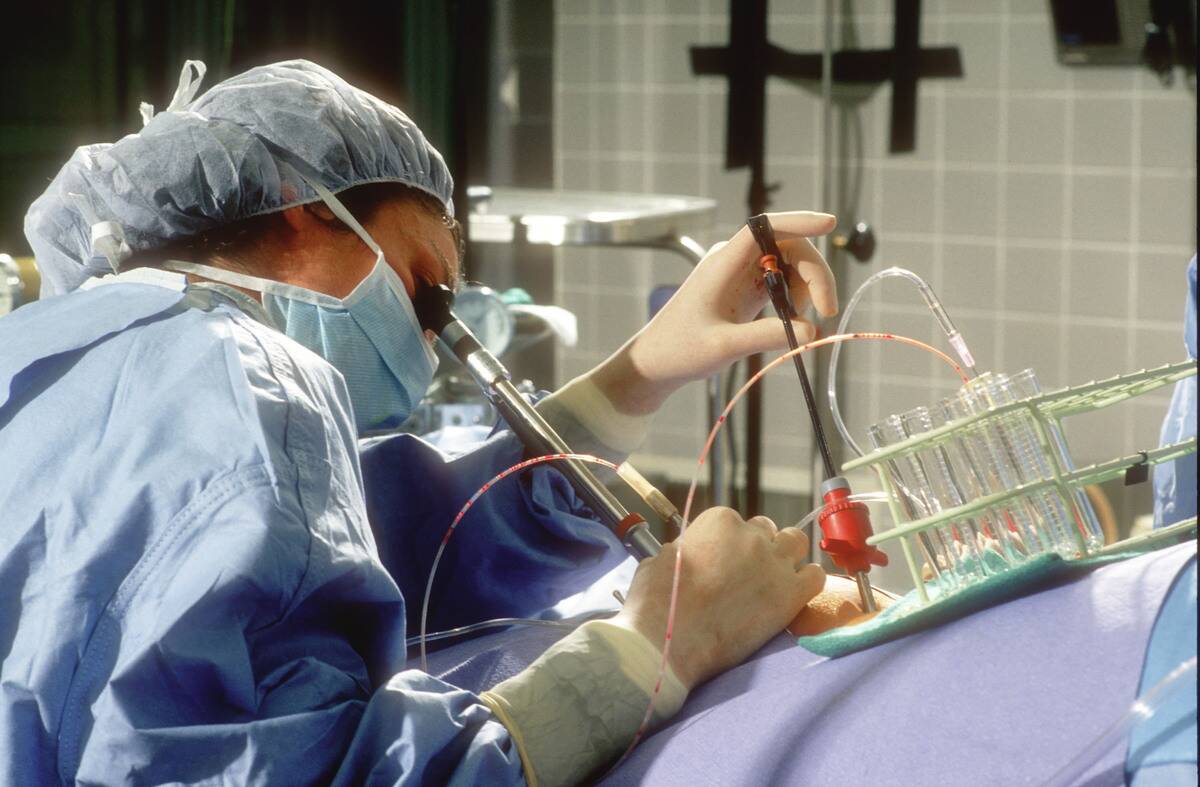
Laparoscopic surgery, introduced in the late 20th century, revolutionized surgical procedures by minimizing incisions. This minimally invasive technique reduces pain, scarring, and recovery time, allowing patients to return to normal activities sooner.
Laparoscopy is now widely used for various surgeries, including gallbladder removal and appendectomies, highlighting the shift towards less invasive medical interventions.
The HPV Vaccine: Preventing Cancer Before It Starts

The HPV vaccine, introduced in 2006, targets the human papillomavirus, a major cause of cervical cancer. By preventing HPV infection, the vaccine significantly reduces the risk of developing cervical and other HPV-related cancers.
Widespread vaccination programs aim to decrease cancer incidence globally, showcasing the power of preventive medicine in combating cancer.
Stem Cell Research: The Frontier of Regenerative Medicine
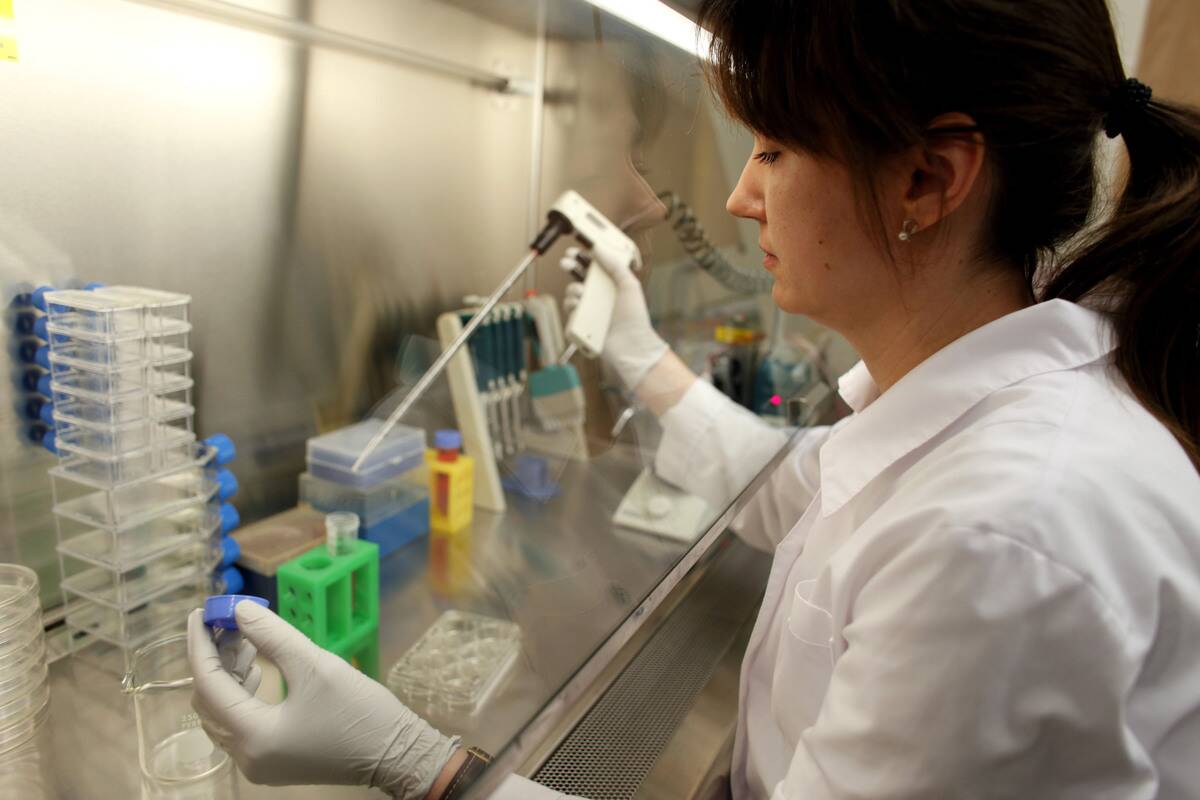
Stem cell research holds the promise of regenerating damaged tissues and organs, offering potential cures for conditions like Parkinson’s and spinal cord injuries. These undifferentiated cells can develop into various cell types, making them a powerful tool in regenerative medicine.
While still in the early stages, stem cell therapies continue to advance, bringing hope for new treatments and medical breakthroughs.




