Strange things that were once considered normal
History is filled with peculiar practices and trends that seem baffling today. From bizarre medical treatments to unusual social customs, each era has its quirks.
These oddities offer a glimpse into the past, revealing how people lived, worked, and entertained themselves.
Bloodletting: The Medieval Cure-All
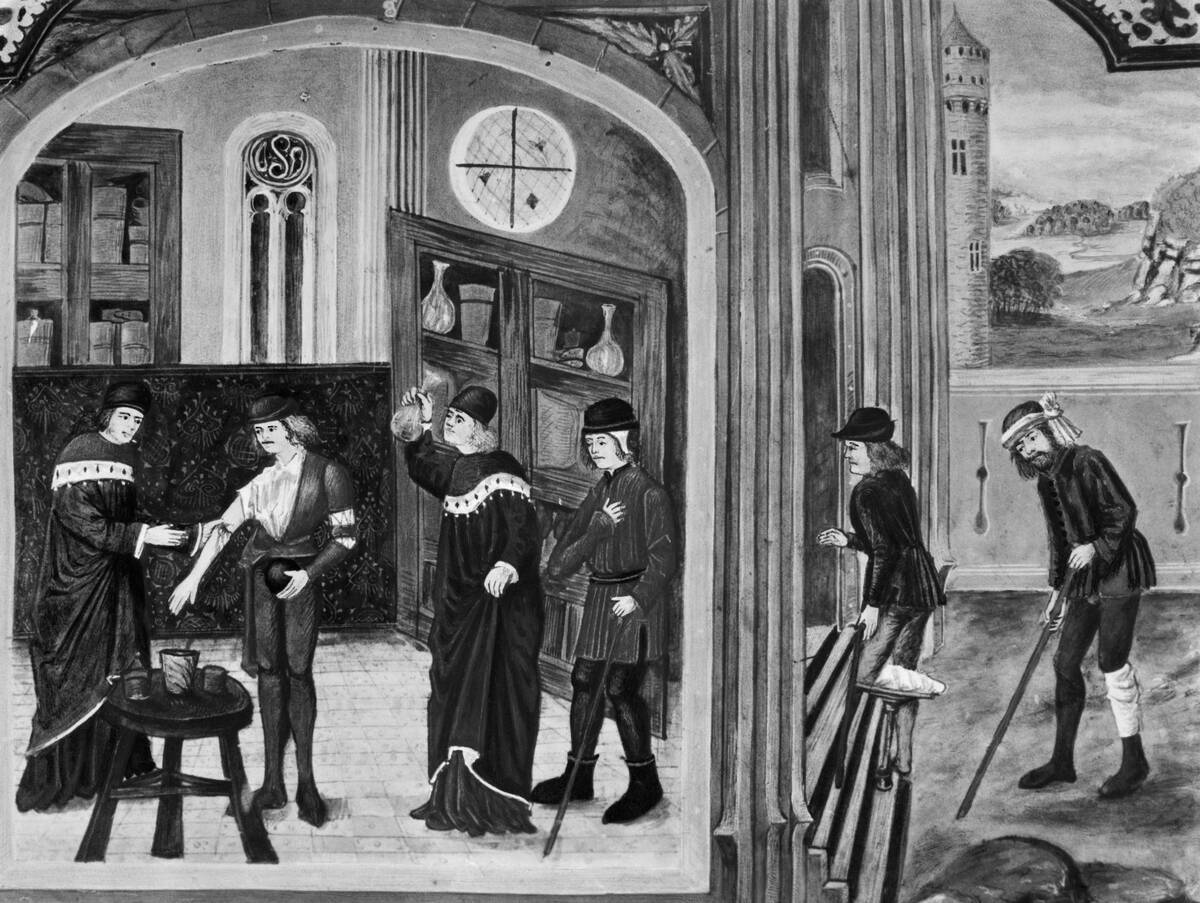
In medieval times, bloodletting was a common medical practice believed to cure a variety of ailments. Physicians thought that removing blood could balance the body’s humors, a concept rooted in ancient Greek medicine.
Despite its popularity, bloodletting was often more harmful than beneficial, leading to infections or excessive blood loss. Today, it serves as a reminder of how far medical science has come.
Smoking on Airplanes: A Cloudy Cabin Experience
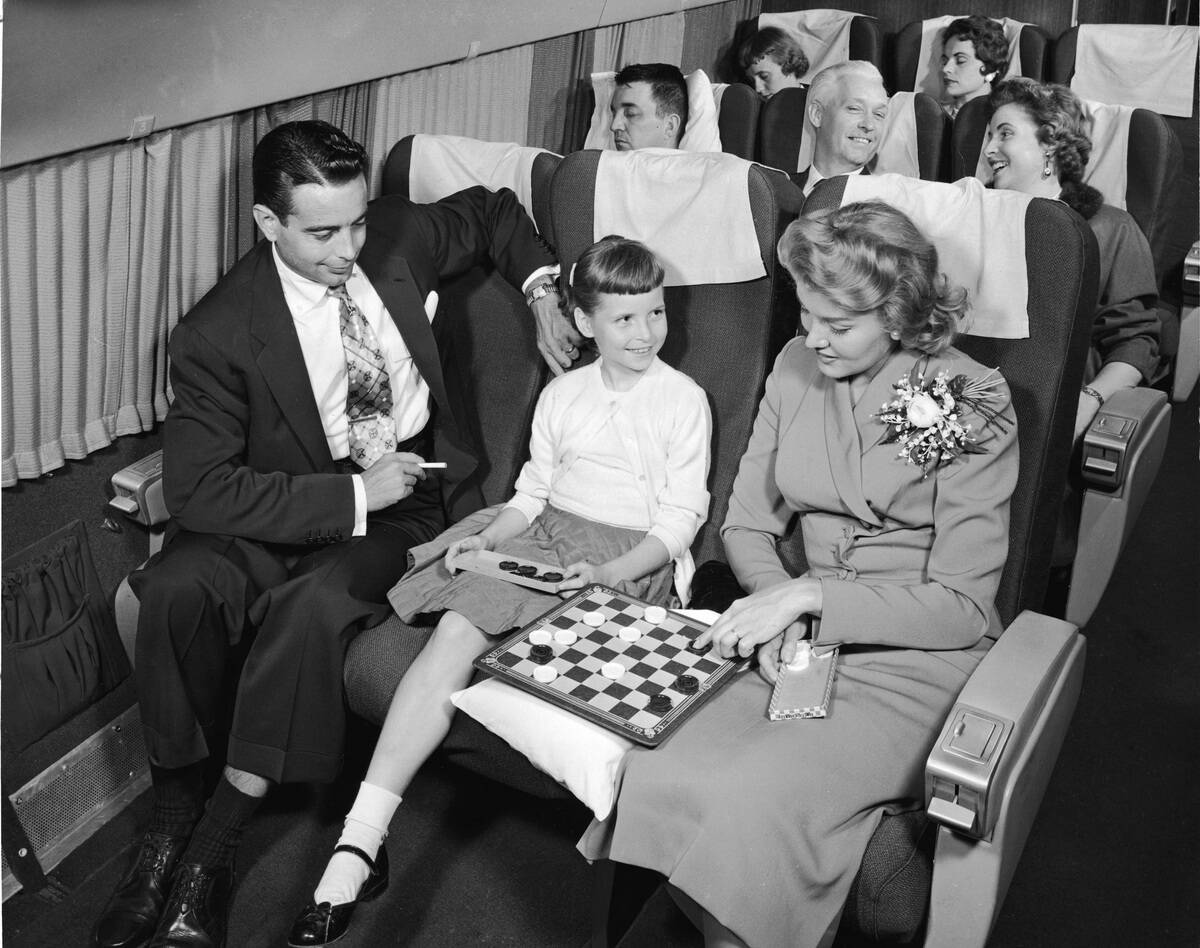
Once upon a time, smoking on airplanes was as common as in-flight meals. Until the late 20th century, airlines allowed passengers to light up mid-flight, filling cabins with smoke.
This practice was gradually phased out due to health concerns and the discomfort it caused non-smoking passengers. The ban on smoking in flights has since become a standard, ensuring cleaner air for everyone on board.
The Radium Craze: When Glow-in-the-Dark Was All the Rage
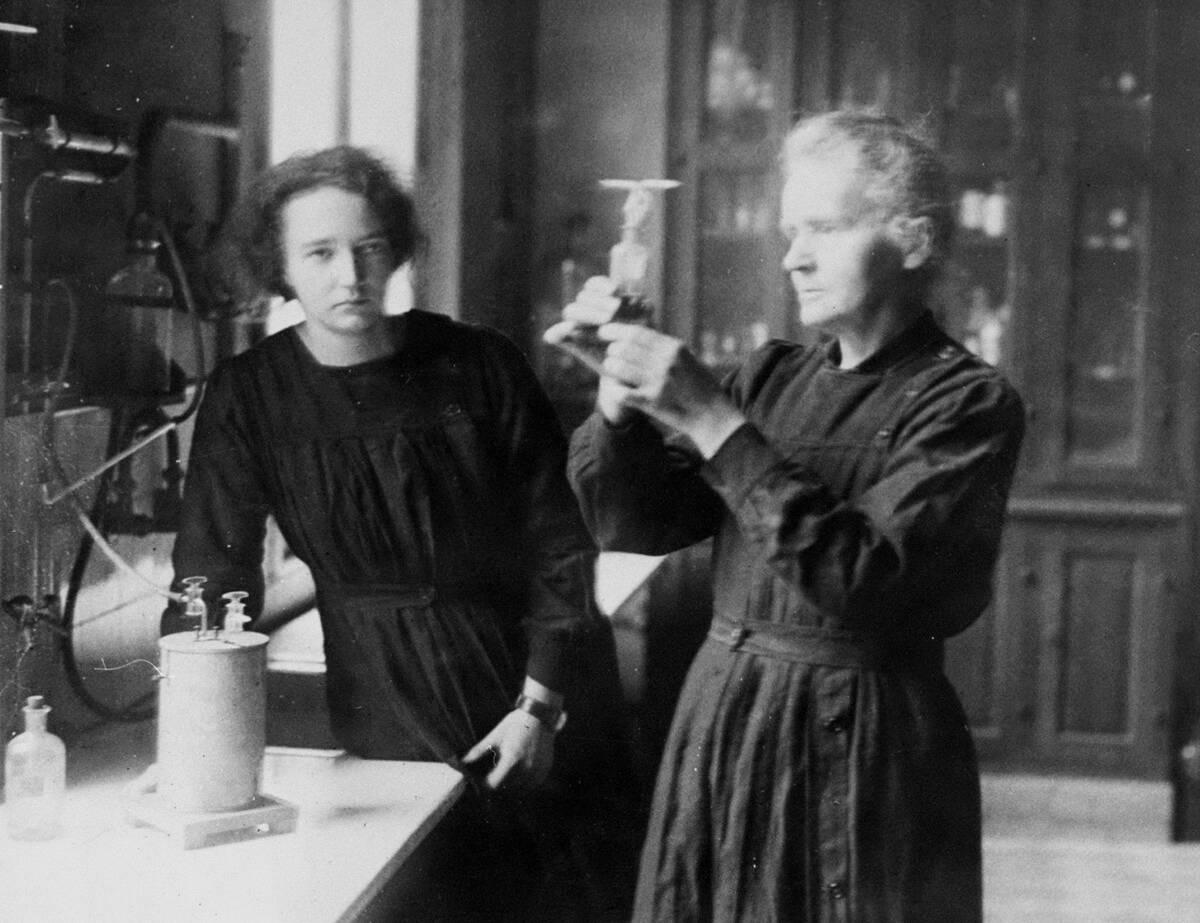
In the early 1900s, radium was hailed as a miracle substance, used in everything from watches to beauty products. Its glow-in-the-dark properties fascinated the public, but the dangers of radiation were not yet understood.
Many workers, including the famous “Radium Girls,” later developed serious illnesses after handling radium-containing paint, leading to greater awareness of radiation hazards and stronger workplace safety regulation. This craze eventually led to stricter regulations on radioactive materials, highlighting the importance of safety in scientific advancements.
Mummia: The Medicinal Use of Ground-Up Mummies
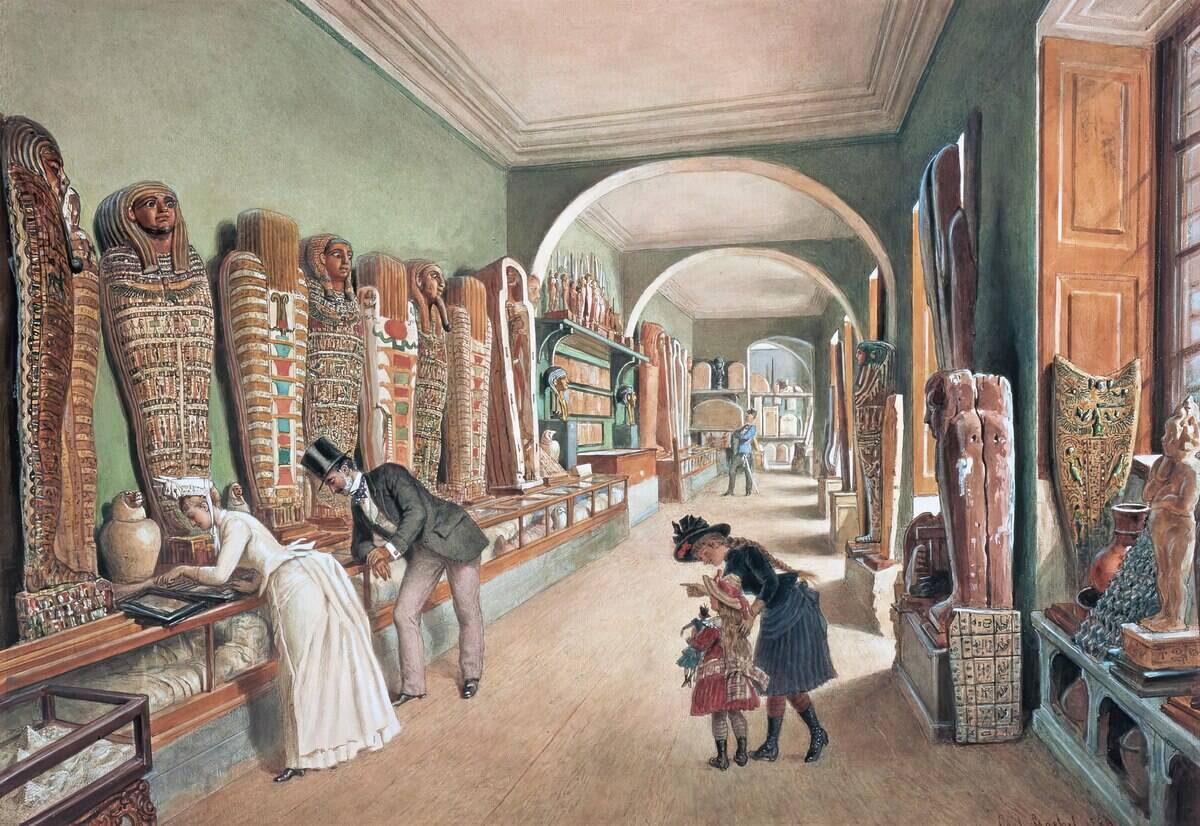
During the Renaissance, Europeans believed that consuming ground-up mummies could cure various illnesses. This practice, known as mummia, was based on the misconception that ancient Egyptian mummies contained healing properties.
The demand for mummia led to the destruction of countless mummies, a practice that seems absurd today. It serves as a cautionary tale about the dangers of pseudoscience and the exploitation of cultural artifacts.
The Icebox: Life Before Refrigerators
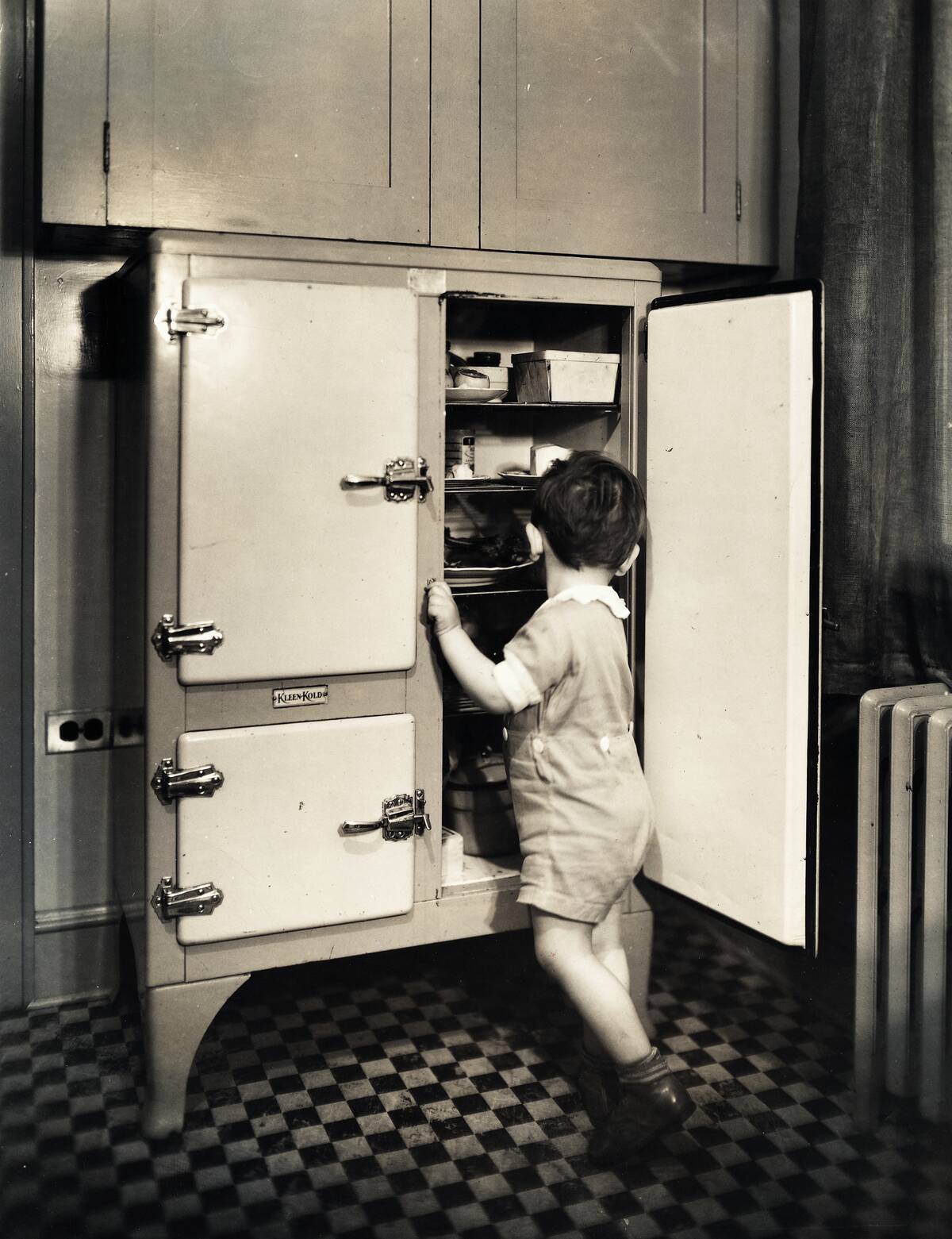
Before the invention of electric refrigerators, people relied on iceboxes to keep their food cold. These insulated wooden boxes used large blocks of ice to maintain a cool temperature.
Ice delivery was a thriving industry, with icemen making regular rounds to replenish supplies. While iceboxes were less convenient than modern fridges, they were an essential part of daily life, showcasing human ingenuity in food preservation.
Lobster as Prison Food: From Humble Beginnings to Gourmet Delight
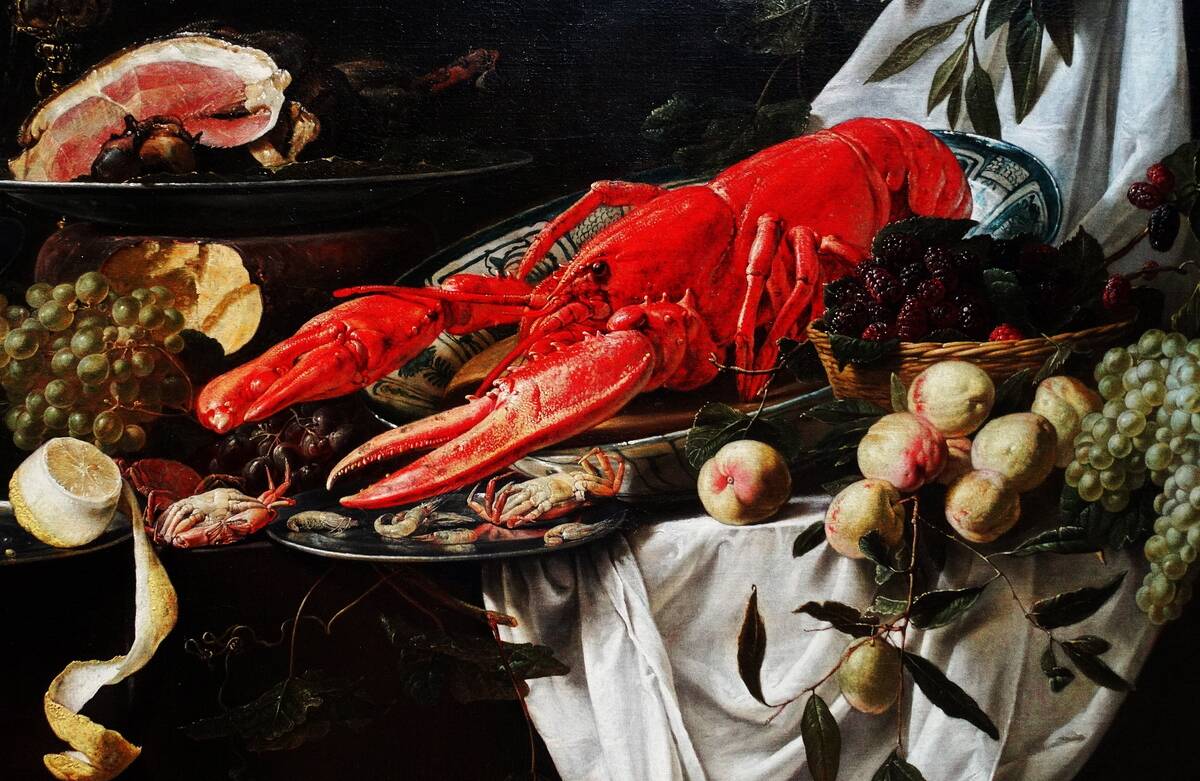
Believe it or not, lobster was once considered a lowly food, often served to prisoners in colonial America. Its abundance made it cheap and undesirable, a far cry from its current status as a luxury delicacy.
Over time, perceptions changed, and lobster became a sought-after dish. This transformation highlights how societal values and tastes can evolve, turning the mundane into the magnificent.
The 18th Century Wig Obsession: Bigger, Whiter, Better
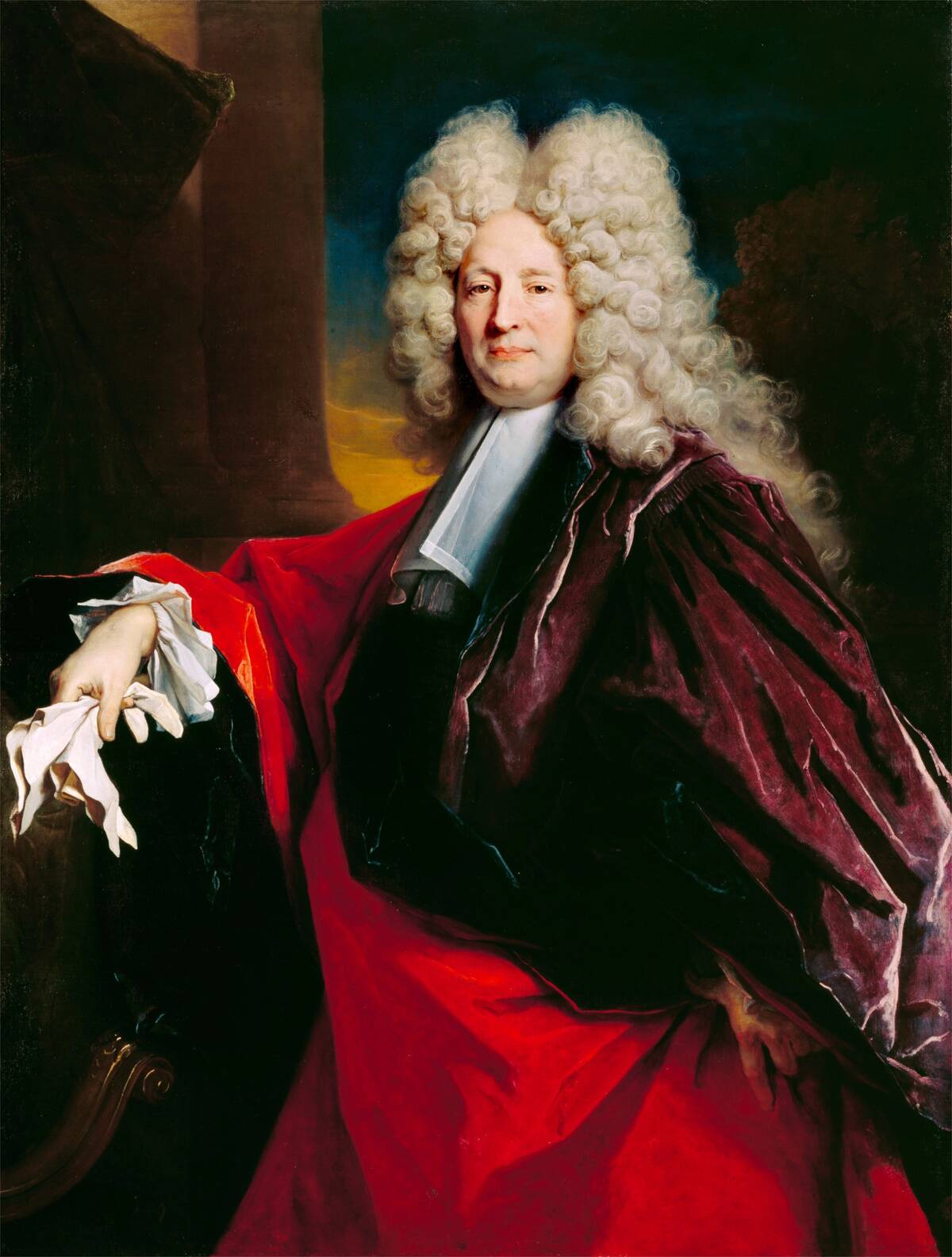
In the 18th century, wigs were all the rage among European aristocrats. These elaborate hairpieces signified wealth and status, with the most fashionable wigs being large and powdered white.
Maintaining these wigs was no small feat, requiring regular styling and care. Although the trend eventually faded, it left a lasting impact on fashion and culture, illustrating the lengths people will go to for style.
The Switchboard Operator: Connecting Calls and Gossip
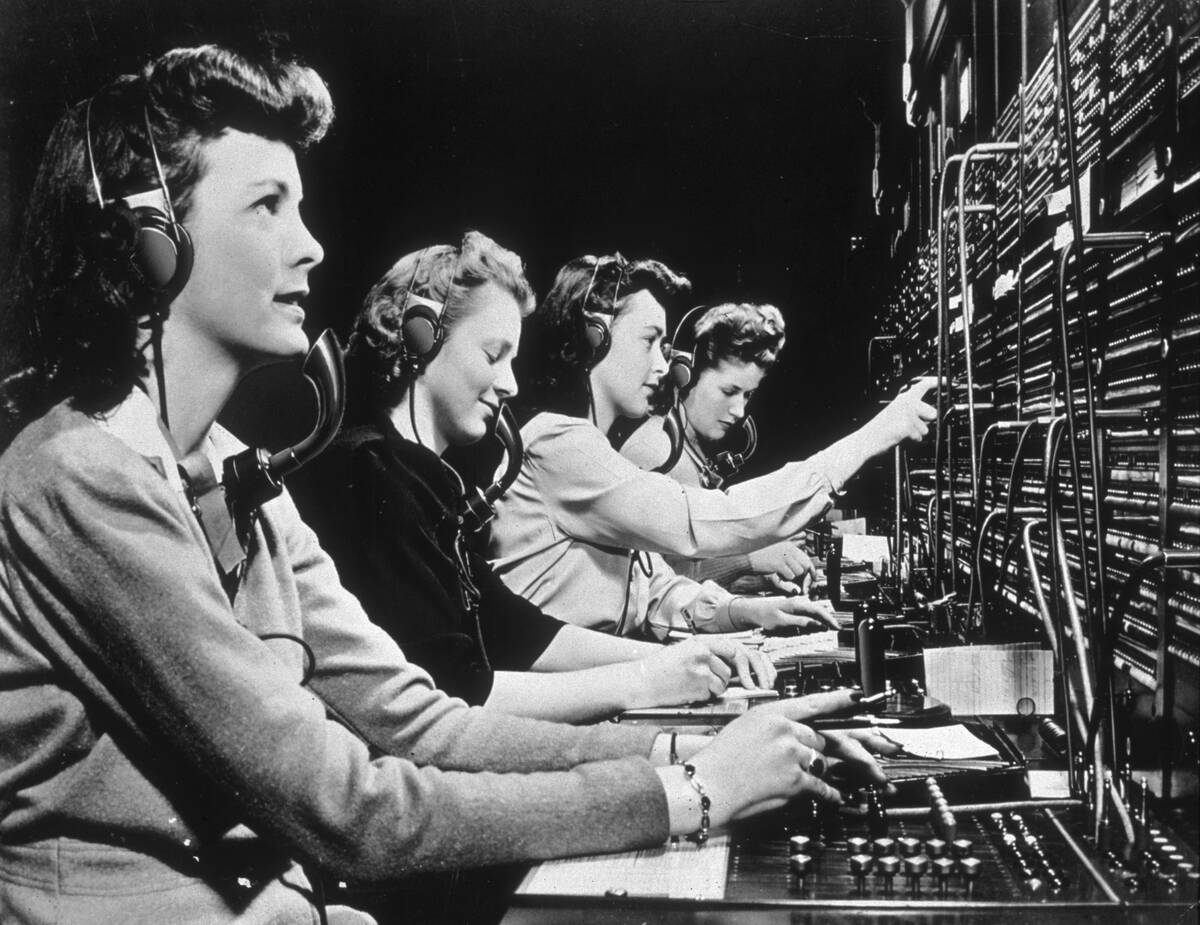
Before automated telephone systems, switchboard operators were essential for connecting calls. These operators, often women, manually connected lines using a patch panel.
Their role was crucial in the early days of telecommunication, but it also made them privy to local gossip. The switchboard operator became a cultural icon, representing the intersection of technology and human interaction in a rapidly modernizing world.
The Traveling Circus: When Elephants Roamed Main Street
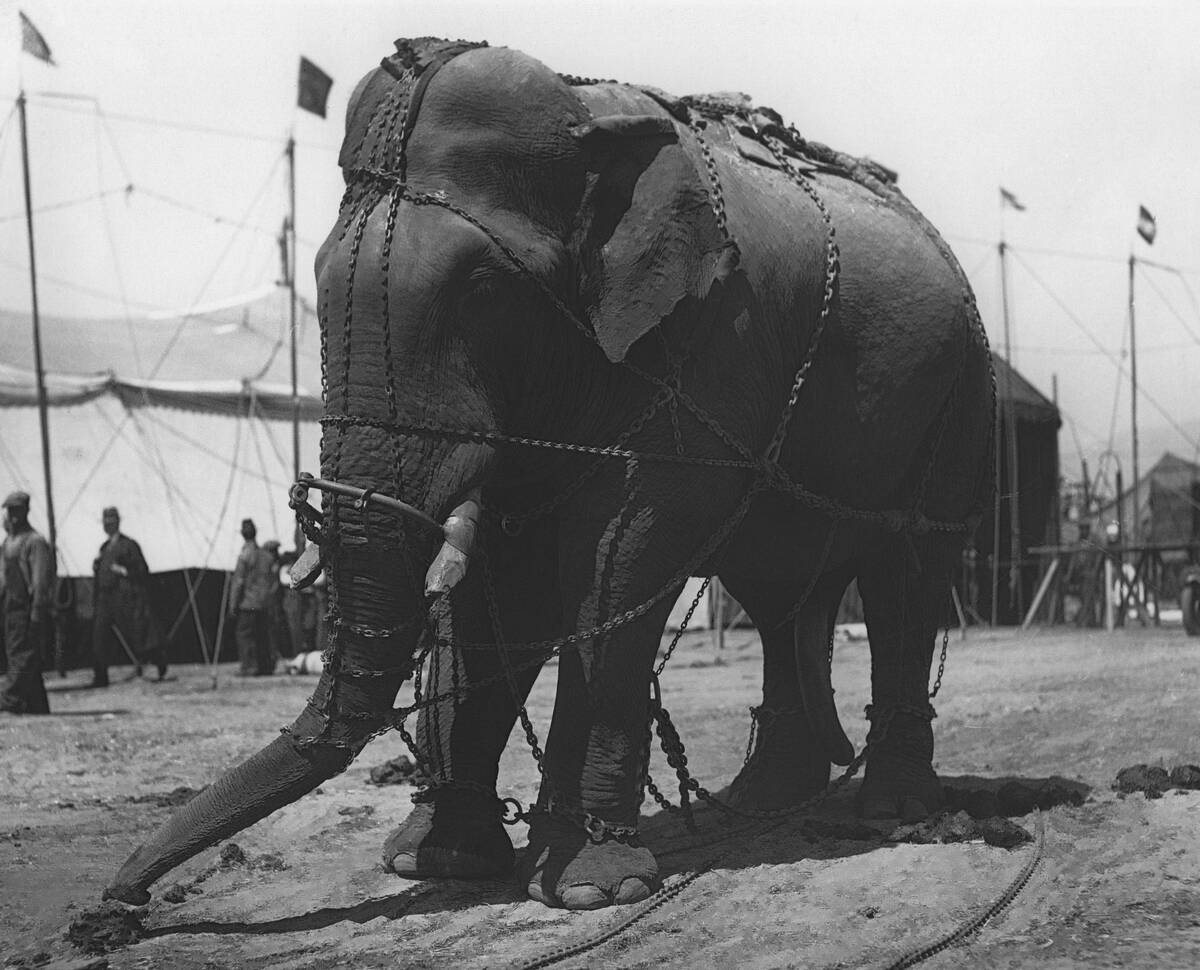
In the 19th and early 20th centuries, traveling circuses brought exotic animals and daring acts to towns across America. Elephants parading down main streets were a common sight, captivating audiences with their size and grace.
These circuses offered a rare glimpse into a world of wonder and adventure, though they also sparked debates about animal welfare. The traveling circus remains a symbol of nostalgia and spectacle.
The Rise and Fall of the Automat: Fast Food Before Fast Food
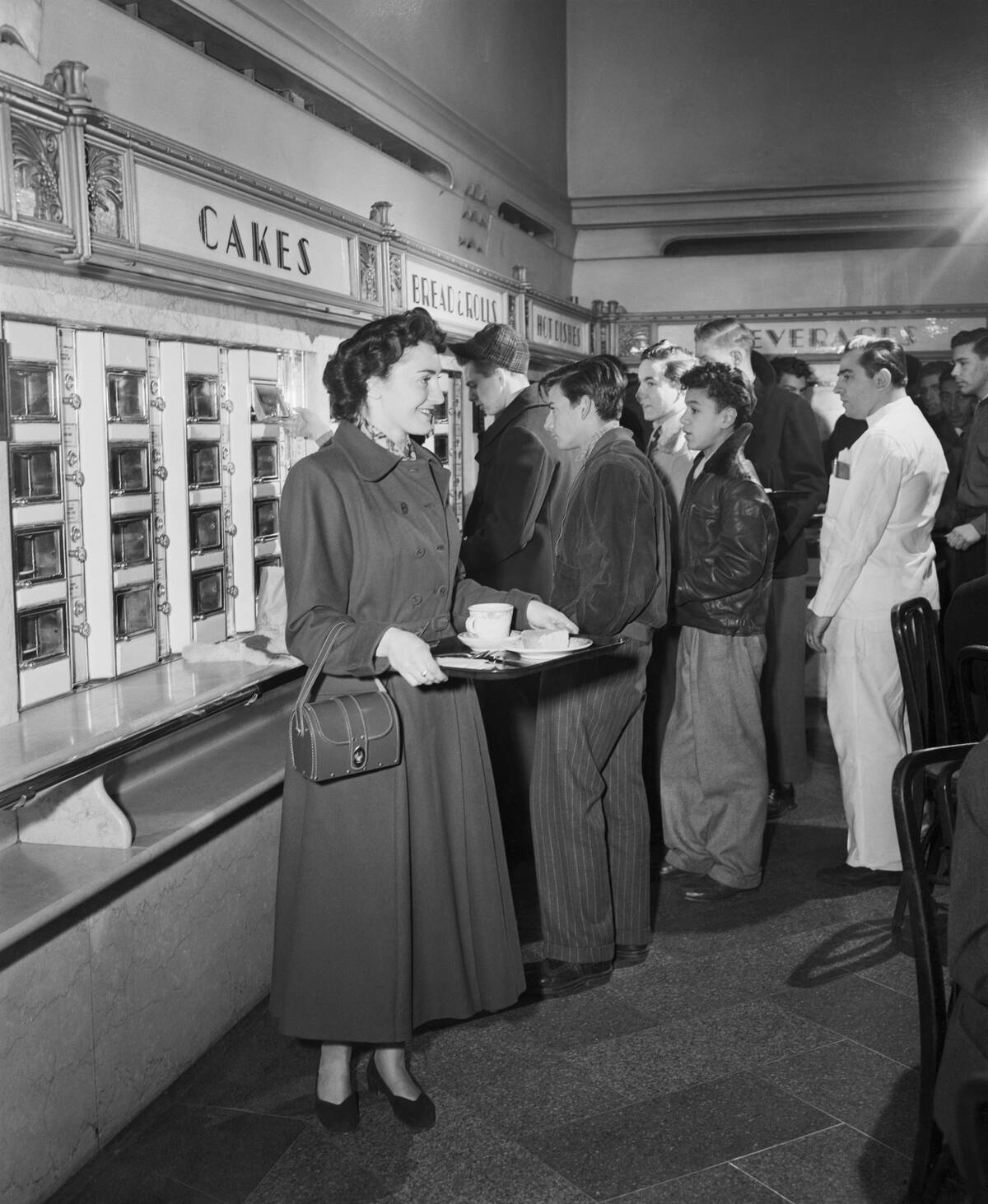
Automats were the original fast food restaurants, offering quick and affordable meals through coin-operated machines. Popular in the early 20th century, they provided a novel dining experience with their futuristic design.
However, the rise of traditional fast-food chains led to their decline. Despite their disappearance, automats paved the way for modern convenience dining, showcasing the ever-evolving nature of the food industry.
The Phrenology Fad: Reading Personality Bumps on the Head
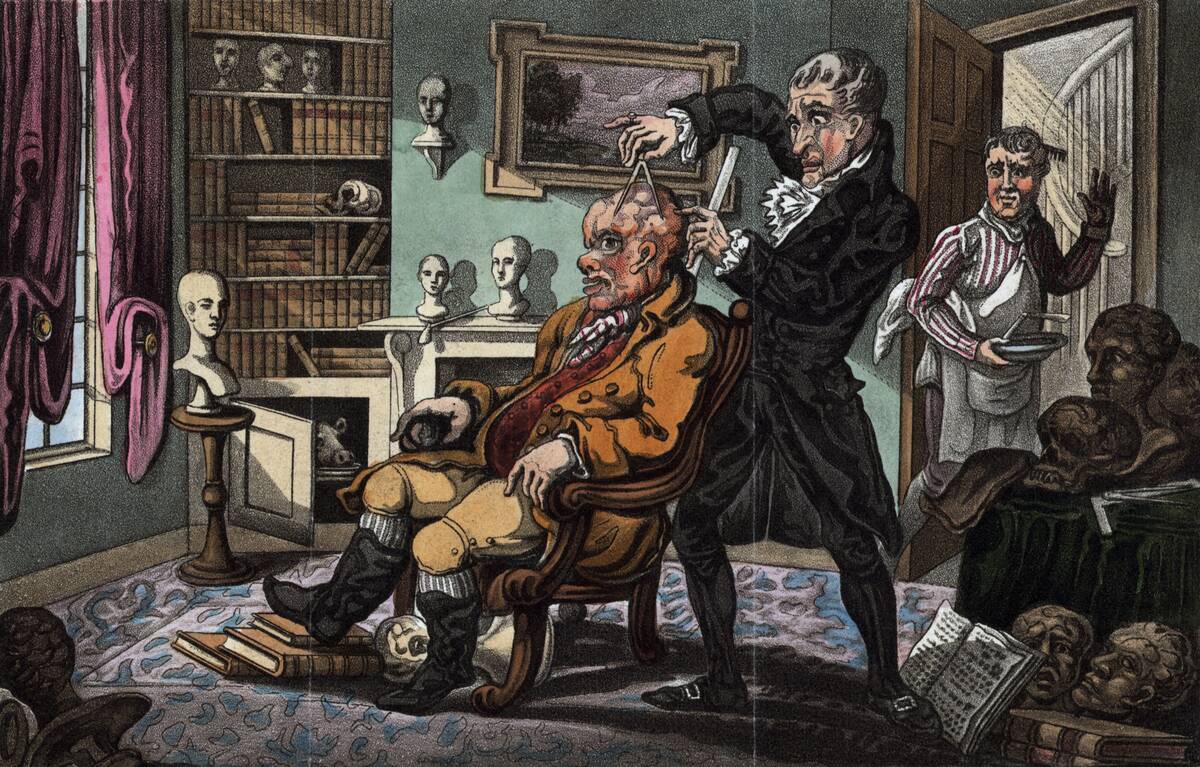
Phrenology was a pseudoscience that claimed to determine personality traits based on the shape of the skull. Popular in the 19th century, it suggested that different brain areas controlled specific characteristics.
While phrenology was eventually debunked, it influenced early psychology and sparked interest in the study of the brain. This fad serves as a reminder of the importance of scientific rigor and skepticism.
The Era of the Milkman: Fresh Dairy Delivered to Your Door

Before supermarkets and refrigeration, milkmen delivered fresh dairy products directly to homes. This daily service was a staple of urban life, with glass bottles left on doorsteps each morning.
The milkman became a familiar figure in many communities, symbolizing reliability and convenience. Although this tradition has largely disappeared, it remains a cherished memory of simpler times and personal service.
The Dance Card: A Social Staple of the Ballroom
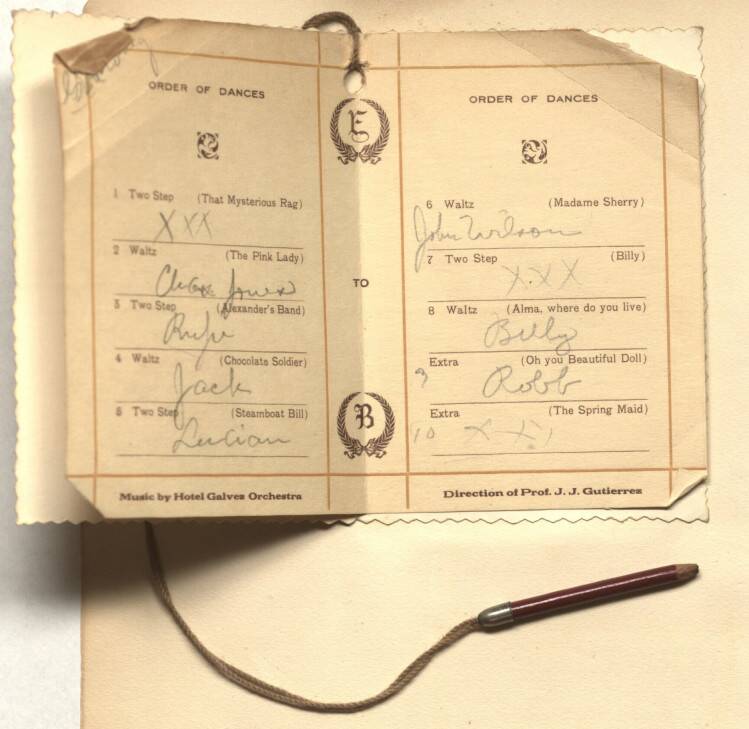
In the 19th and early 20th centuries, dance cards were essential accessories for women attending formal balls. These small booklets listed the evening’s dances, allowing ladies to pencil in partners for each one.
Dance cards added structure to social events and helped manage the complex etiquette of the ballroom. They are a charming reminder of a time when social graces and formalities were paramount.
The Advent of the Penny-Farthing: Cycling on a High Note
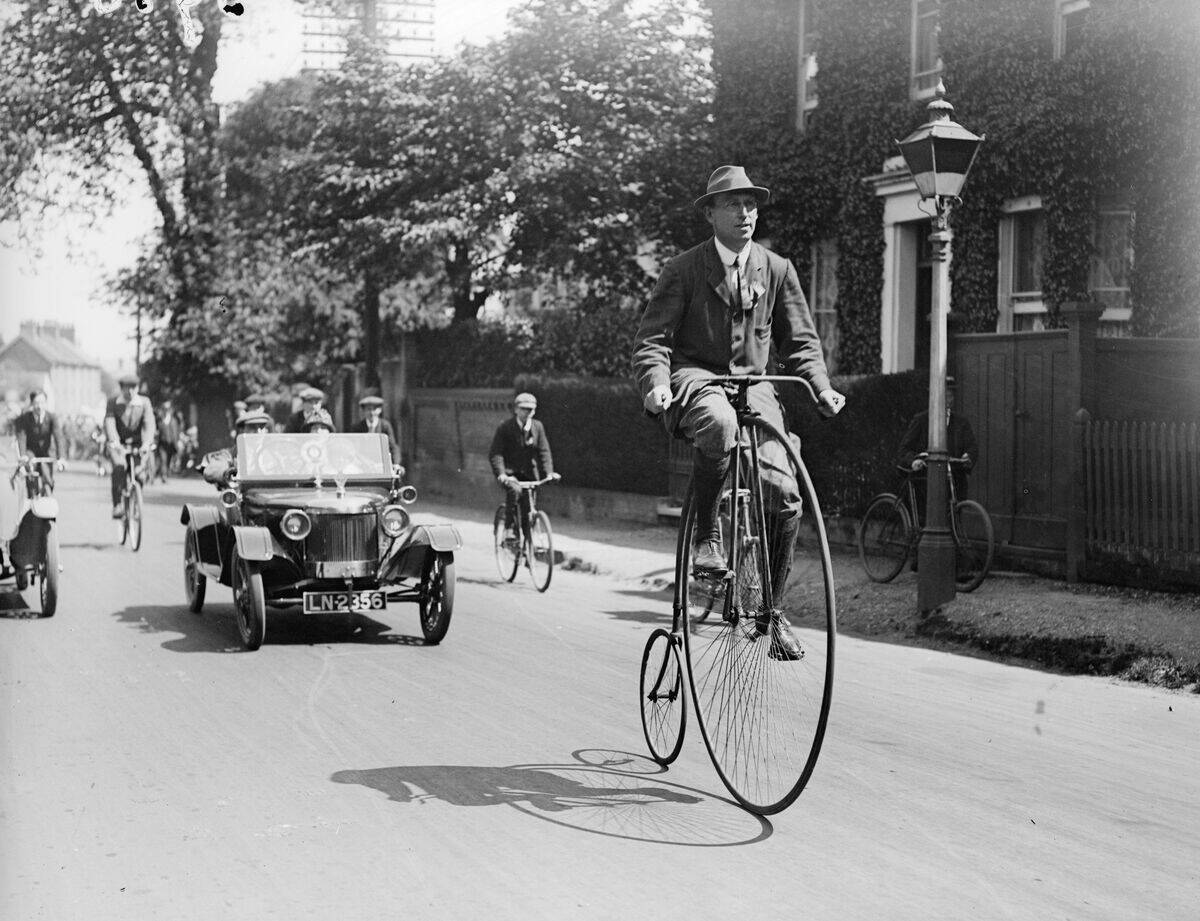
The penny-farthing, with its large front wheel and small rear wheel, was an early type of bicycle popular in the late 19th century. Its distinctive design offered a smooth ride but required skill to mount and dismount.
Despite its challenges, the penny-farthing became a symbol of adventure and innovation, paving the way for the development of modern bicycles. It remains an iconic image of cycling history.
The Soda Fountain: A Social Hub of Yesteryear
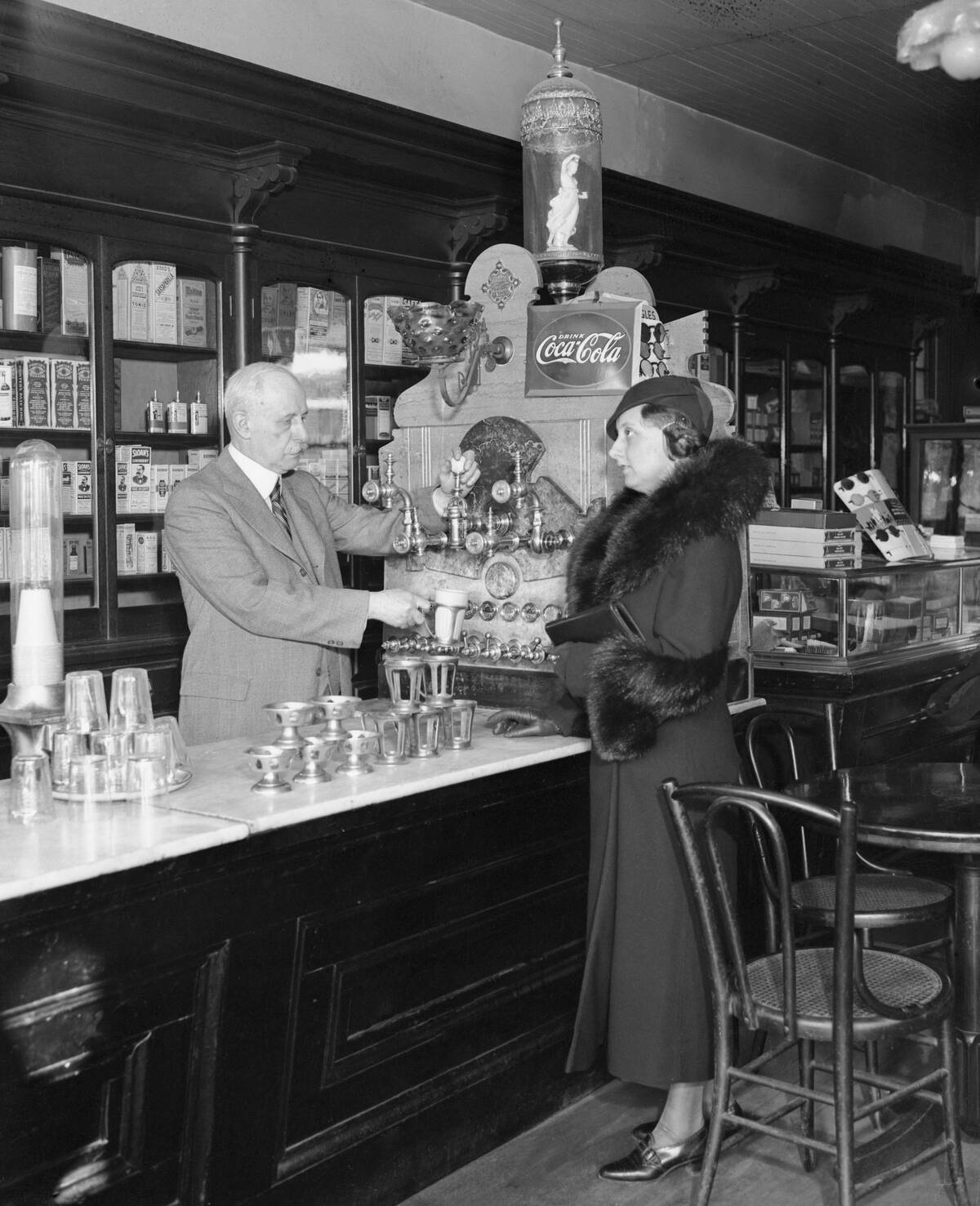
Soda fountains were once the heart of American social life, offering a place to enjoy fizzy drinks and light meals. Popular from the late 19th century through the mid-20th century, they were often located in drugstores and served as gathering spots for young and old alike.
The soda fountain’s decline came with the rise of fast-food chains, but its legacy lives on as a symbol of community and nostalgia.
The Corset Craze: Fashion Meets Function (and Discomfort)
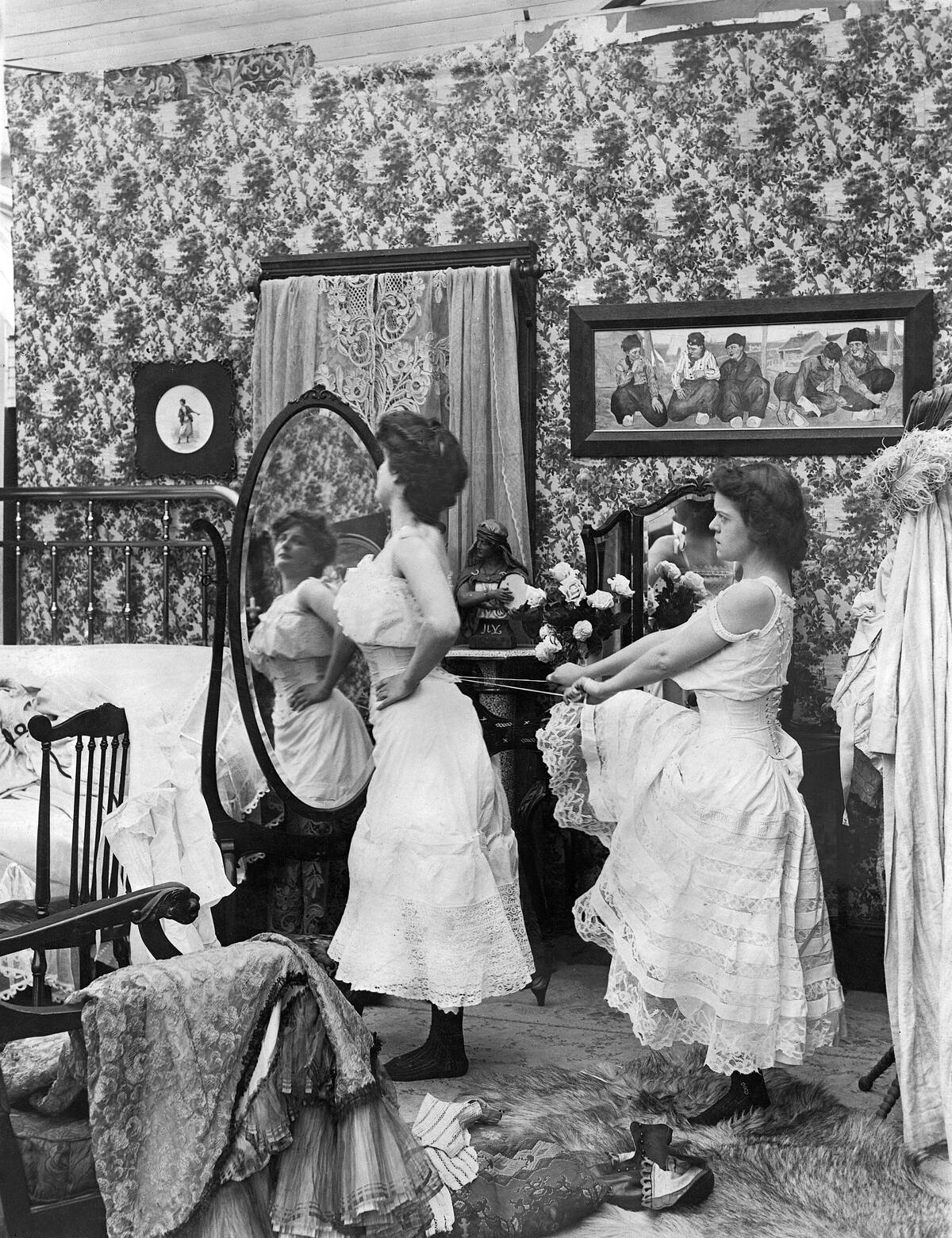
Corsets were a fashion staple for centuries, shaping women’s bodies into the desired silhouette. While they provided support and enhanced posture, they were also notoriously uncomfortable, restricting movement and breathing.
Despite their drawbacks, corsets remained popular until the early 20th century. Today, they are viewed as both a symbol of feminine allure and a reminder of the lengths to which fashion can dictate form.
The Tin Can Telephone: Early Experiments in Long-Distance Chatting

The tin can telephone, a simple device made from two cans connected by a string, was an early experiment in communication. While its range was limited, it demonstrated the basic principles of sound transmission.
This childhood pastime reflects humanity’s enduring curiosity and desire to connect, foreshadowing the sophisticated communication technologies we rely on today. The tin can telephone remains a nostalgic symbol of playful innovation.




