The history behind everyday household items
Everyday objects surround us, often taken for granted, yet each holds a fascinating story of innovation and evolution. From the toothbrush we use every morning to the microwave oven that heats our meals, these items have rich histories that reflect human ingenuity.
This article delves into the captivating past of some of these common items, revealing how they came to be indispensable in our daily lives.
The Humble Toothbrush: From Chew Sticks to Modern Bristles
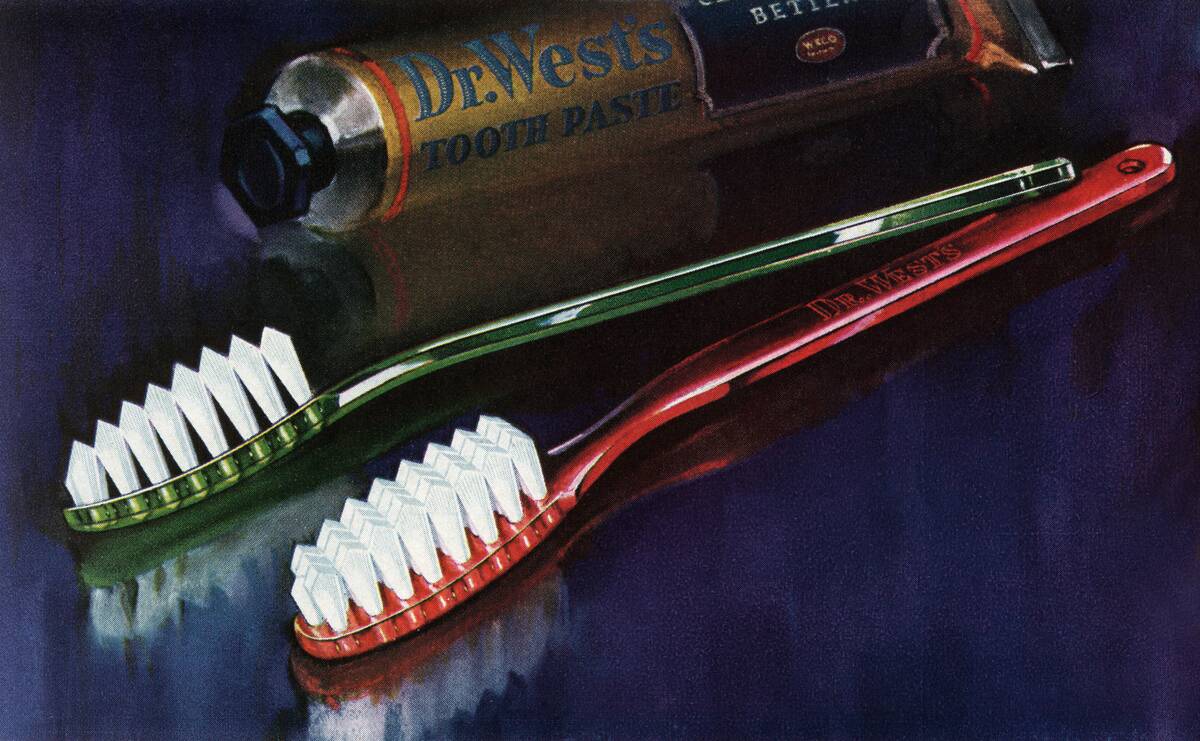
The toothbrush’s history began thousands of years ago with ancient civilizations such as the Babylonians and Egyptians, who used chew sticks to clean their teeth. These sticks, often softened and frayed at the end, became early predecessors of the modern toothbrush.
In 1938, nylon bristles were introduced, replacing animal-hair bristles and transforming oral hygiene. Today, electric toothbrushes add advanced technology to dental care, offering new features that can help people maintain effective brushing habits.
The Evolution of the Light Bulb: Illuminating Our World
![[redacted] Exhibits First Successful Incandescent Lamp](https://media.tellmebest.com/wp-content/uploads/2023/01/thomas-edison-exhibits-first-successful-incandescent-lamp.-24215.jpeg)
The light bulb’s story is one of innovation involving many inventors. Thomas Edison is often credited with creating the first commercially practical incandescent light bulb, while Sir Joseph Swan demonstrated an early working prototype in 1878.
Edison’s improved design, patented in 1879, helped make electric lighting more practical and commercially successful, and the two inventors later worked together. Since then, light bulbs have evolved from incandescent designs to energy-efficient LEDs, transforming how we illuminate our homes while reducing energy use.
The Story Behind the Safety Pin: A Simple Yet Revolutionary Invention
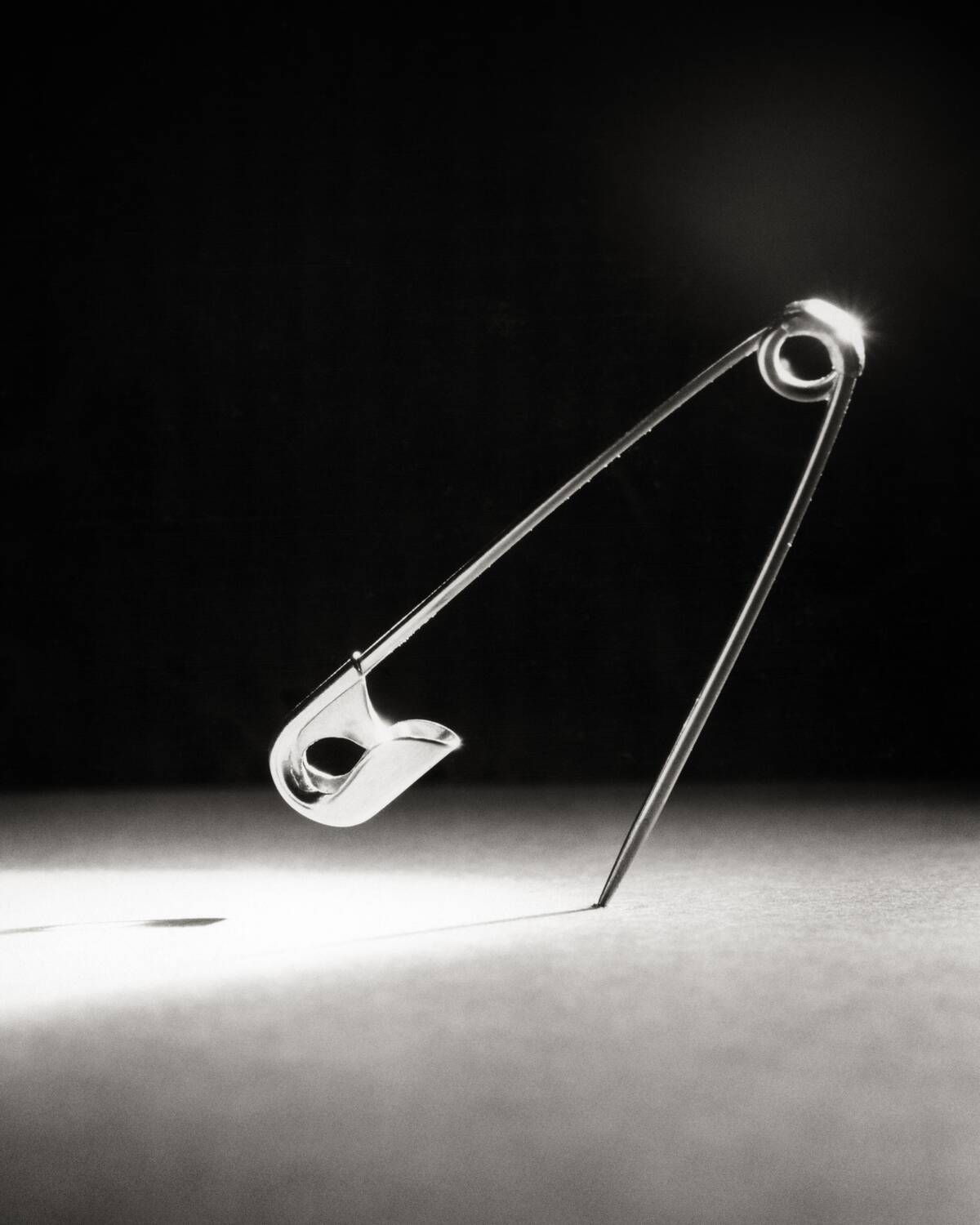
The safety pin, a staple in sewing kits worldwide, was invented by Walter Hunt in 1849. Hunt, an American mechanic and inventor, created the design while seeking a way to repay a $15 debt, then sold the patent rights for $400.
Its simple design, featuring a clasp that covered the sharp point, made it safer and more practical than traditional pins. This small invention has since become an essential tool in fashion, sewing, and everyday life.
The Origins of the Coffee Mug: From Ancient Times to Your Morning Brew
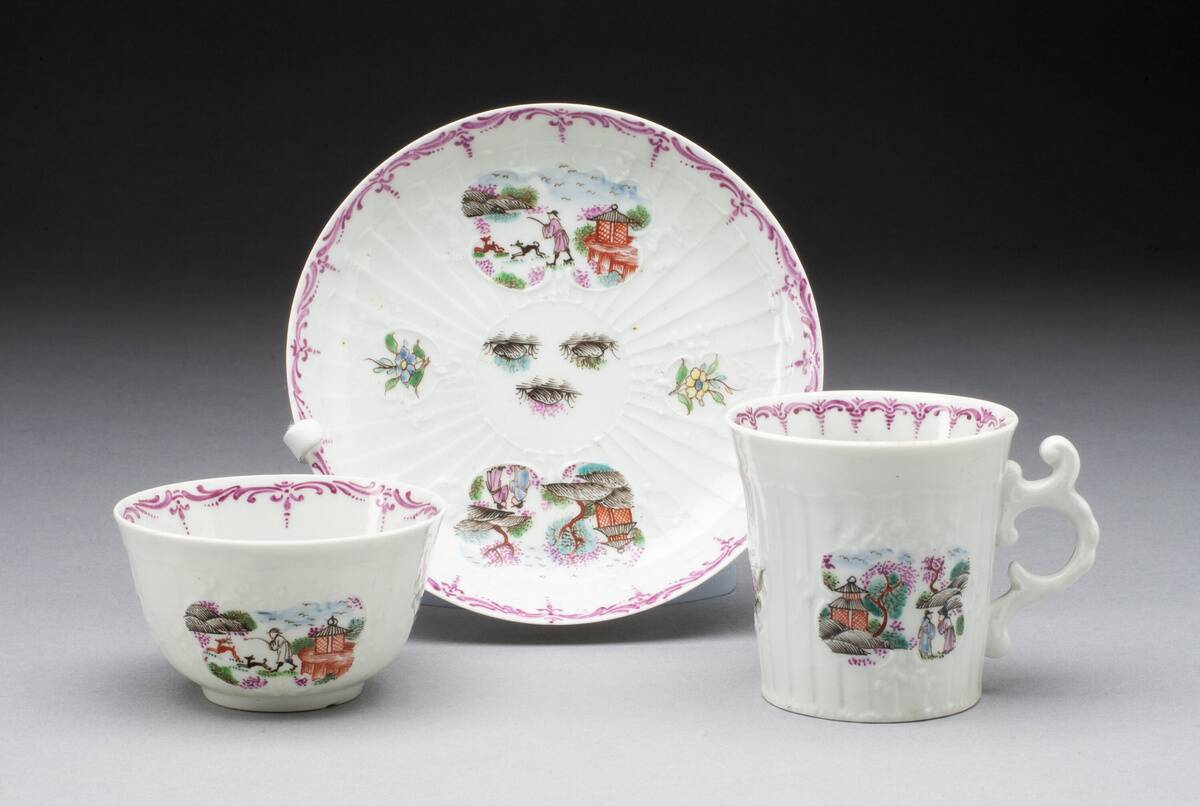
Coffee mugs have a history connected to the long tradition of drinking vessels used throughout human history. Early cups and mugs were made from materials such as clay and other natural materials thousands of years ago, long before coffee became popular.
As coffee spread from the Middle East in the 15th century and gained worldwide popularity, specialized cups and mugs evolved to suit the beverage. Today, mugs are crafted from materials including ceramic and stainless steel, with countless designs and personalized options reflecting different tastes and preferences.
The Journey of the Vacuum Cleaner: From Brooms to Robot Helpers
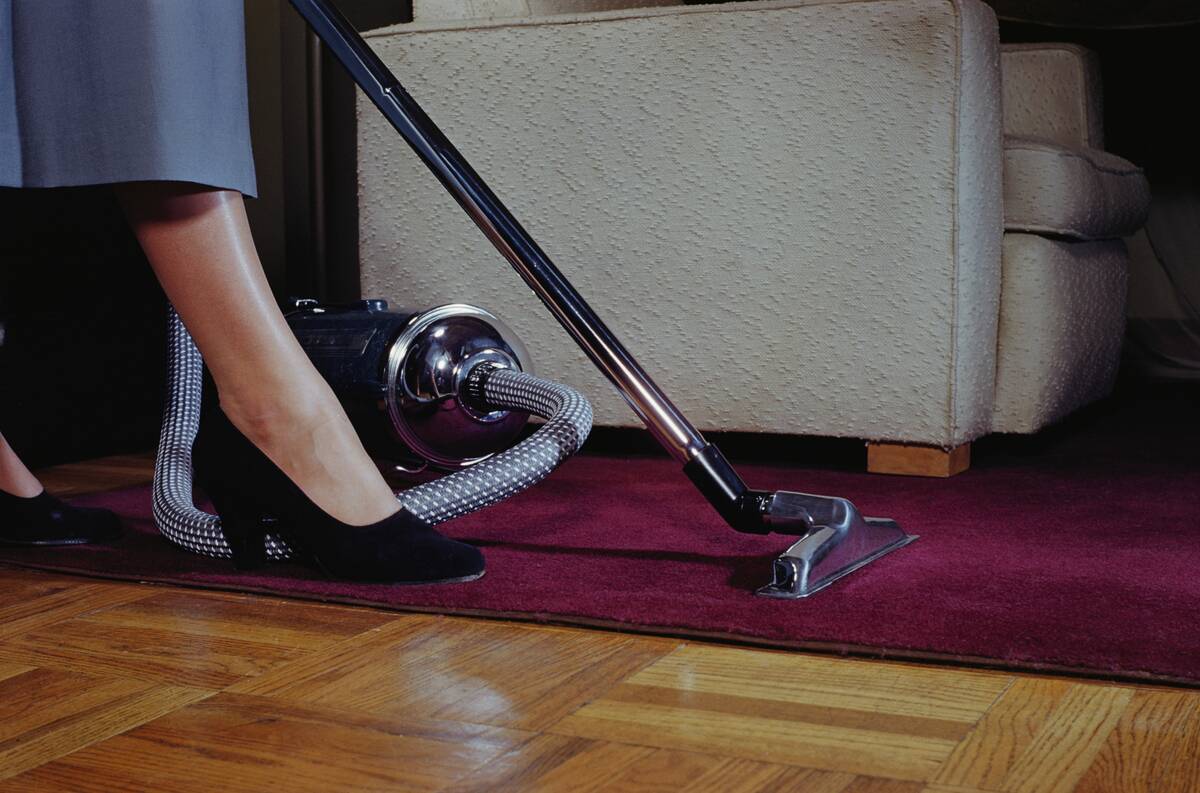
The vacuum cleaner’s evolution began in the late 19th century with manually operated devices designed to remove dust and debris. Hubert Cecil Booth’s 1901 invention of a motorized vacuum marked a major advancement, although his machine was large and impractical for everyday home use.
During the 20th century, portable household vacuum cleaners became increasingly common, making cleaning more convenient, while bagless models gained popularity later with advances in suction technology. Today, robotic vacuums navigate homes autonomously, showcasing the continued evolution of household cleaning technology.
The Fascinating History of the Refrigerator: Keeping It Cool Through the Ages
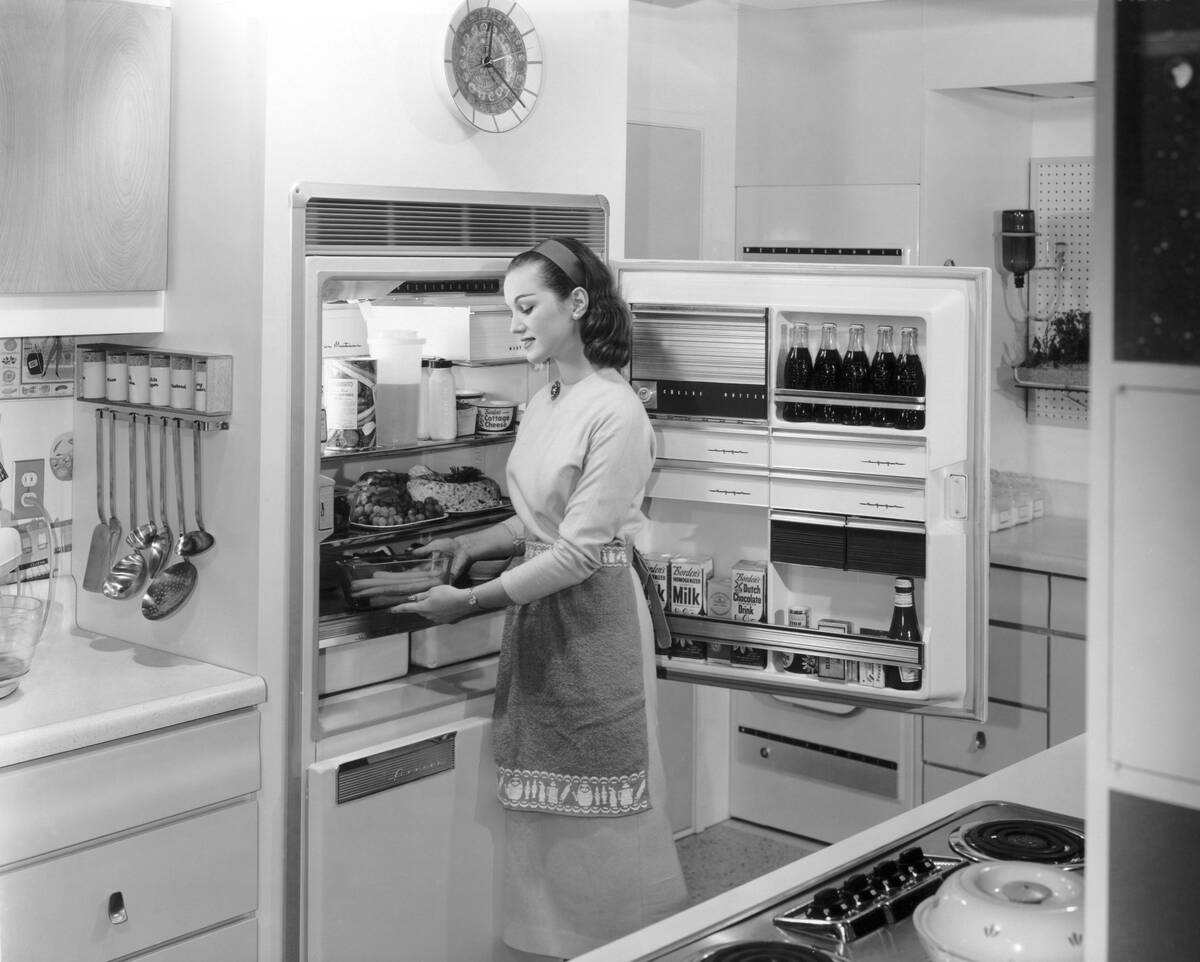
Refrigeration has transformed food storage since its development. Early preservation methods included ice blocks, iceboxes, and cool cellars, but the rise of mechanical and electric refrigeration in the late 19th and early 20th centuries changed how people stored food.
Household refrigerators became increasingly common during the 1930s and later decades, greatly reducing food spoilage. Modern refrigerators now feature smart technology, allowing remote temperature control and other advanced functions that further improve convenience and efficiency.
The Development of the Alarm Clock: Waking Up Through the Centuries

Alarm clocks have been helping people wake up for centuries. Ancient civilizations used devices such as water clocks with mechanisms designed to signal specific times, while Levi Hutchins created an early personal alarm clock in 1787 that was set to ring at 4 a.m.
The first patented adjustable mechanical alarm clock appeared later in the 19th century. The 20th century introduced electric and digital models with customizable features, and today smartphones often serve as multifunctional alarms integrated into daily routines.
The Tale of the Sewing Machine: Stitching Together the Fabric of Time
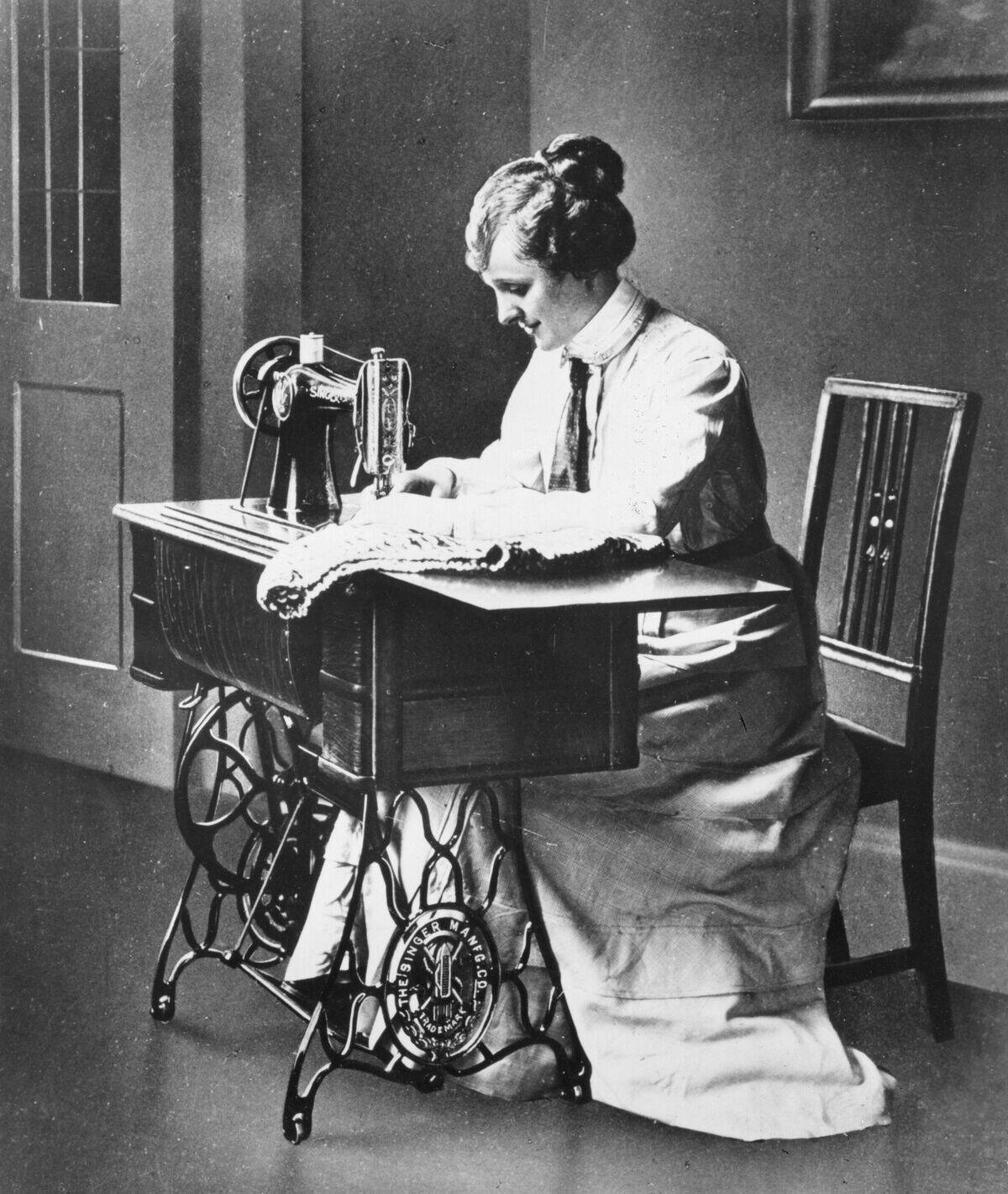
The sewing machine revolutionized garment production in the 19th century. Elias Howe patented one of the first practical sewing machines in 1846, introducing key innovations that improved stitching efficiency. Isaac Singer later refined the design and helped popularize sewing machines through improvements, manufacturing, and marketing.
This invention drastically reduced the time and labor required for sewing, helping drive the growth of mass-produced clothing. Modern machines now offer computerized stitching and advanced features, expanding creative possibilities for both professionals and hobbyists.
The Advent of the Ballpoint Pen: Writing a New Chapter in History
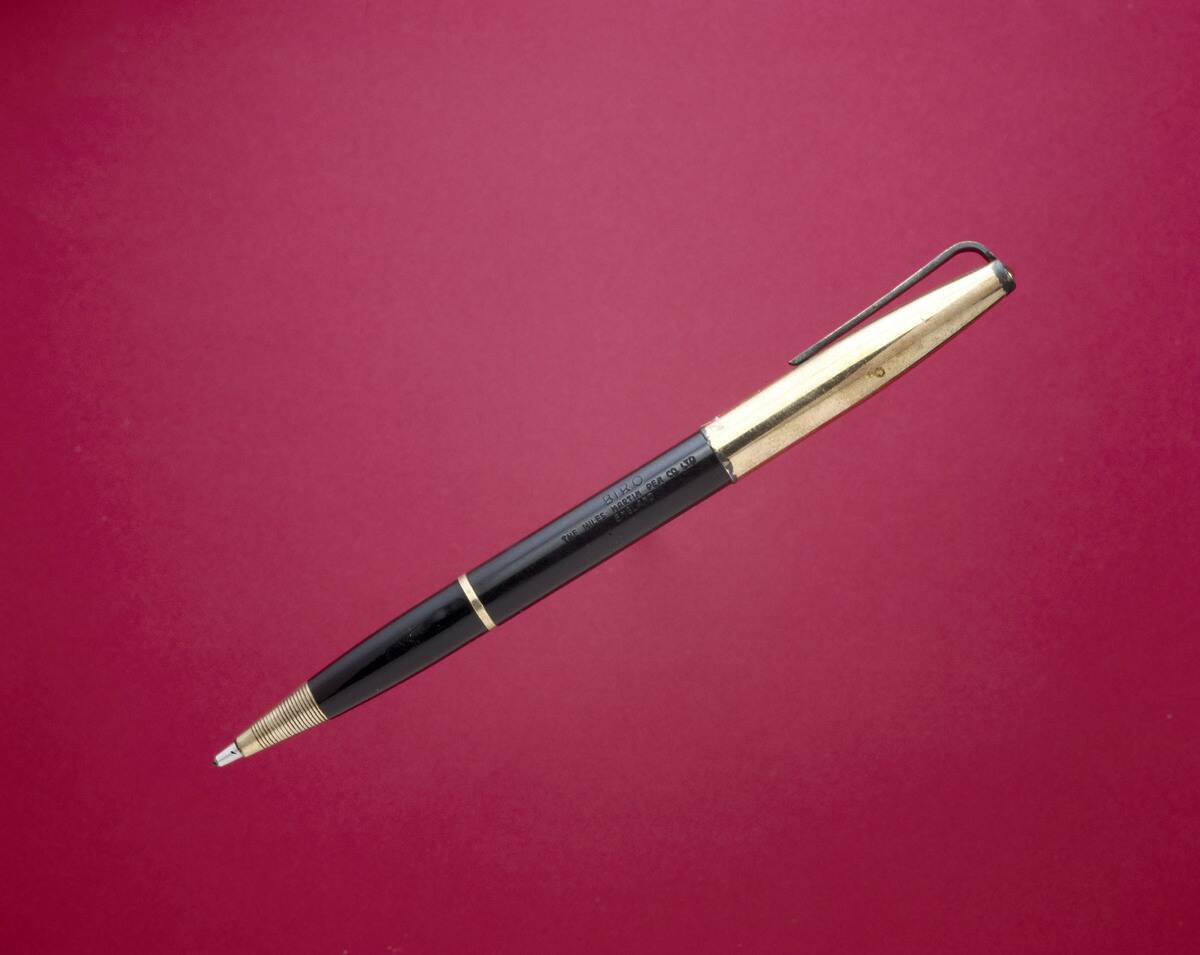
The ballpoint pen, a staple in writing instruments, was developed into a commercially successful design by László Bíró in the late 1930s. Frustrated with the limitations of fountain pens, Bíró created a pen that used a tiny rotating ball bearing to transfer quick-drying ink smoothly onto paper.
This innovation offered a cleaner and more reliable writing experience. Today, ballpoint pens are among the world’s most widely used writing instruments, available in countless styles and colors while remaining popular for their convenience.
The Transformation of the Iron: From Heavy Metal to Steam Power
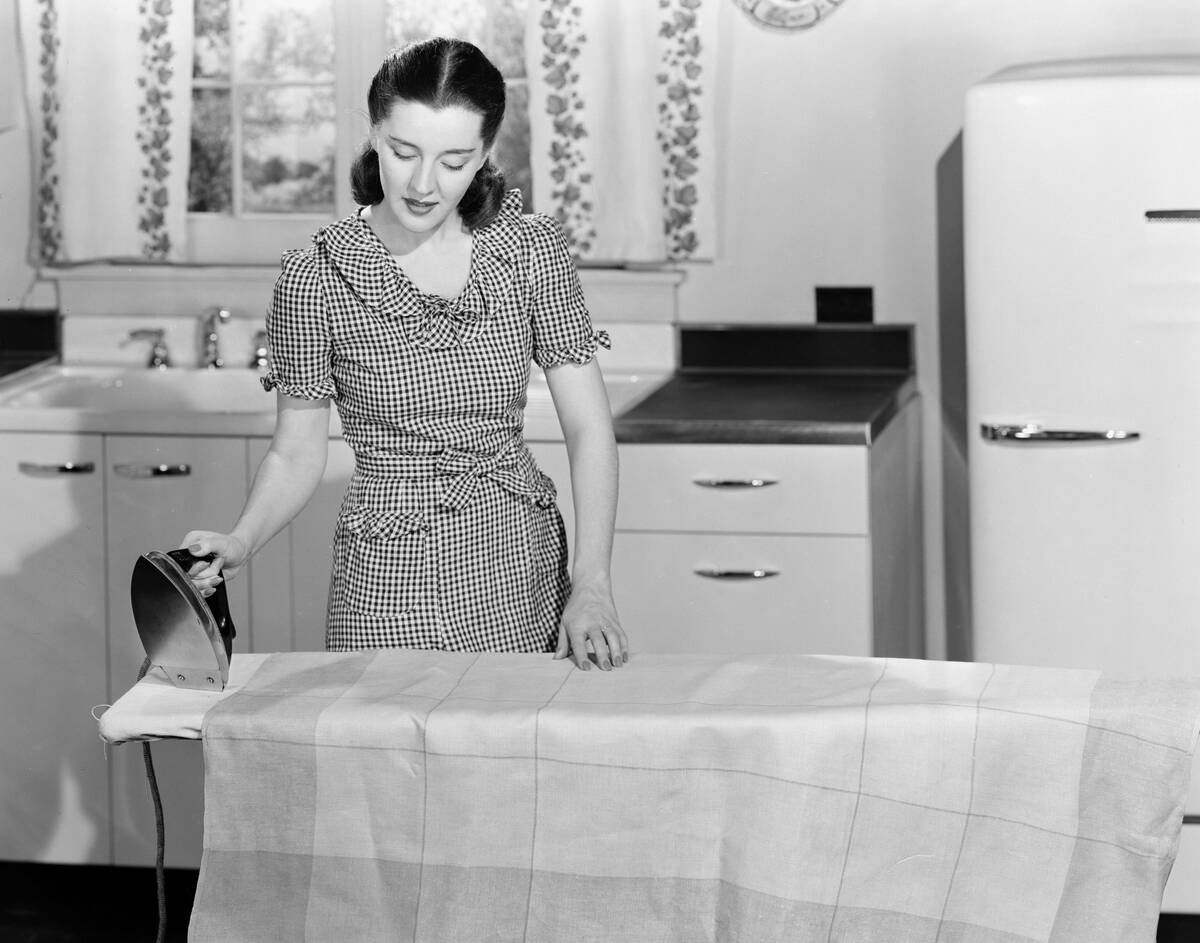
The iron’s history is marked by significant transformations. Early irons were often made of cast iron and heated using external sources such as stoves or hot coals.
The development of electric irons in the late 19th and early 20th centuries made ironing more convenient, while steam technology later improved the process by making it easier to remove wrinkles. Today’s irons feature advanced temperature controls, steam settings, and safety features that make clothing care more efficient.
The Legacy of the Telephone: Connecting Voices Across Distances
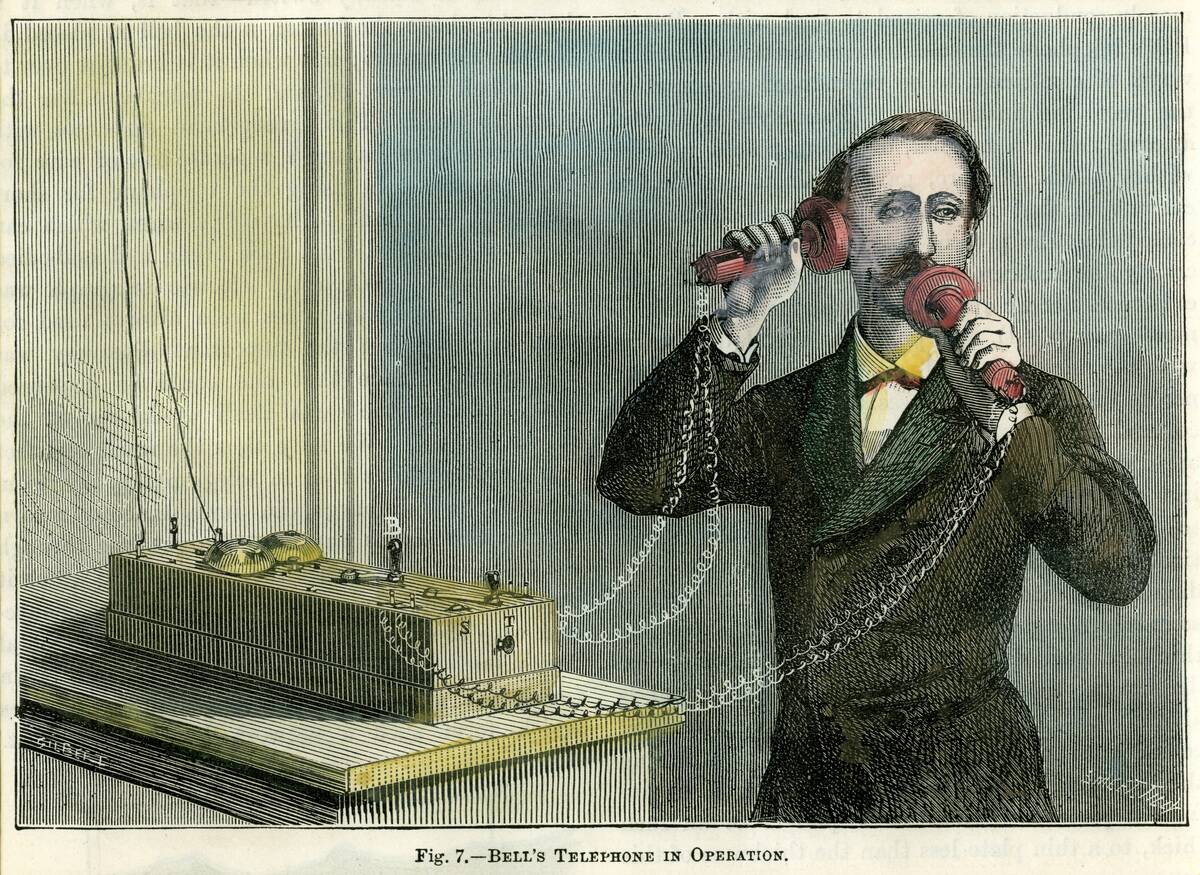
The telephone, with Alexander Graham Bell receiving a patent for his practical design in 1876, transformed communication forever. Although other inventors contributed to the development of voice transmission technology, Bell’s invention helped launch the widespread use of telephones.
After early skepticism, the telephone gradually became an essential tool for connecting people over long distances. The 20th century saw the rise of rotary and touch-tone phones, followed by mobile technology. Today, smartphones combine voice calls with internet connectivity, making global communication faster and more versatile than ever.
The Evolution of the Television: From Black and White to Streaming
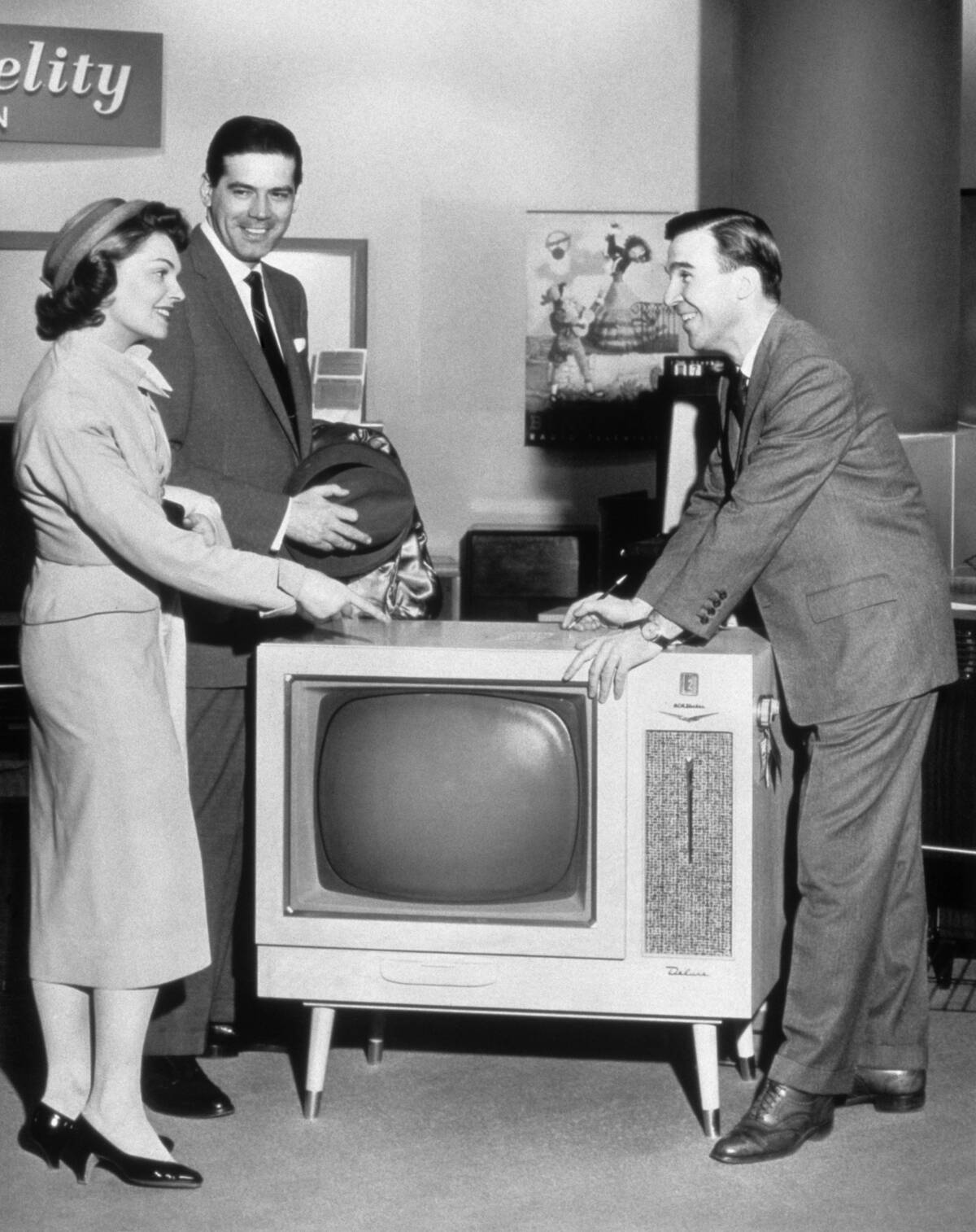
Television has undergone remarkable changes since its development. Philo Farnsworth demonstrated one of the first fully electronic television systems in 1927, alongside other pioneers who helped shape the technology.
By the 1950s, black-and-white television sets had become common in many homes, while color television gained widespread popularity during the 1960s and beyond. Today, streaming services and smart TVs offer on-demand content, transforming how audiences consume media and making television more interactive and personalized.
The Birth of the Microwave Oven: Heating Up the Kitchen Revolution
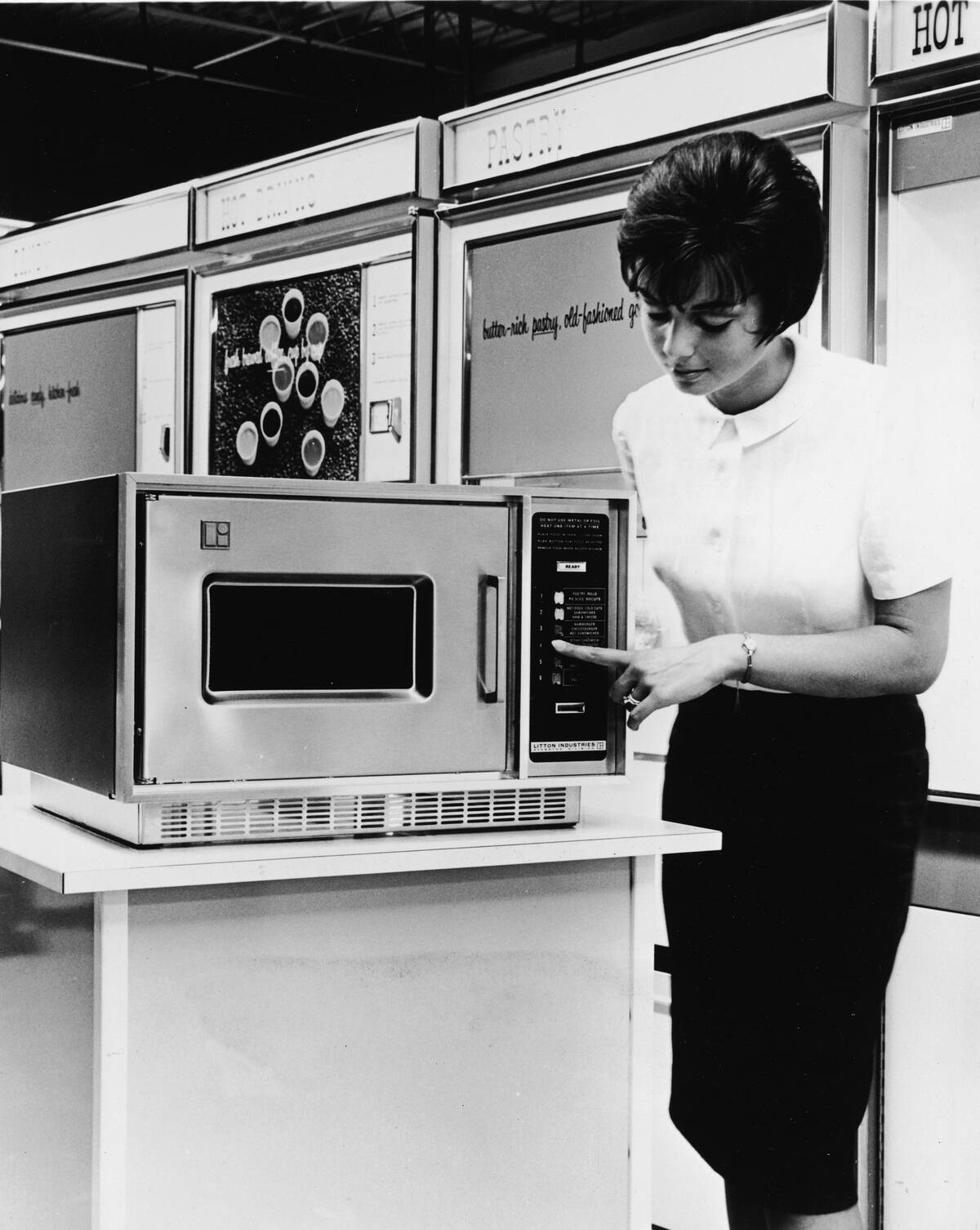
The microwave oven was accidentally discovered by Percy Spencer in 1945 while working with radar technology. The first commercial model, introduced in 1947, was bulky and expensive.
As technology advanced, microwaves became compact and affordable, revolutionizing cooking by drastically reducing preparation time. Today, they are a kitchen staple, used for everything from reheating leftovers to cooking entire meals.
The Story of the Washing Machine: From Hand Wash to High-Tech Spin
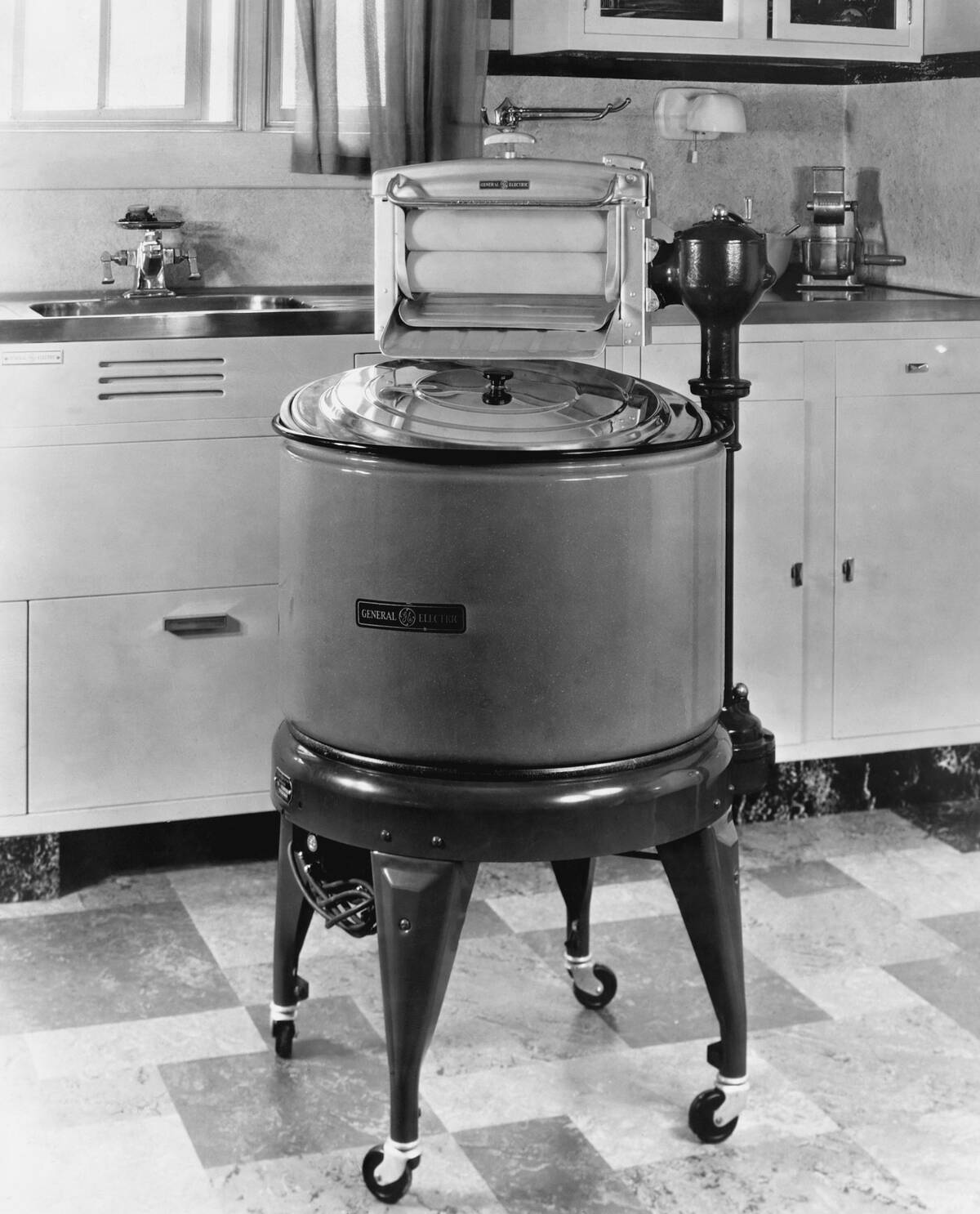
Washing machines have reduced the labor-intensive task of hand washing since their development in the 19th century. The introduction of electric models, including the commercially successful Thor washing machine in 1908, simplified laundry and made the process more efficient.
Over the years, innovations such as automatic cycles, improved drum designs, and front-loading systems have increased convenience and performance. Modern machines now include smart features, remote operation, and energy-saving modes, making laundry easier and more efficient than ever.
The History of the Can Opener: Opening Up a World of Convenience
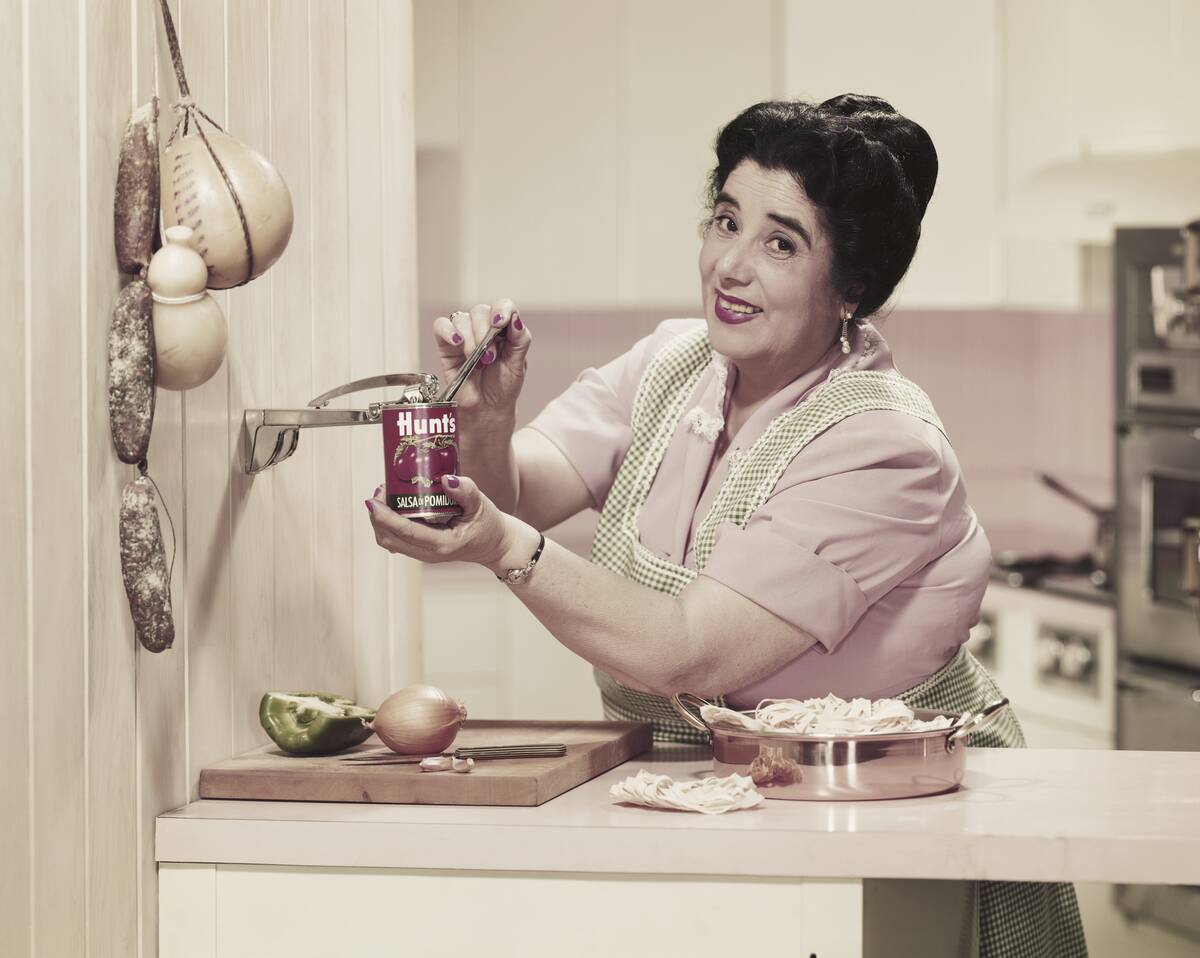
The can opener was invented decades after canned food was introduced, with Ezra Warner patenting one of the earliest can-opening devices in 1858. Early models were large and cumbersome, but the introduction of the rotating wheel design by William Lyman in 1870 made can openers more practical for everyday use.
Over time, designs became safer and easier to operate. Today, ergonomic and electric can openers provide a simple solution for accessing preserved foods, reflecting the continued evolution of kitchen convenience.