How birthdays were celebrated before modern times
Before the digital age, birthdays were celebrated with a different kind of joy, one that was deeply rooted in tradition and community. These celebrations were not just personal milestones but communal events that brought people together.
Without the distraction of screens, people engaged in face-to-face interactions, creating memories that were cherished for a lifetime.
The Origins of Birthday Celebrations: A Brief History
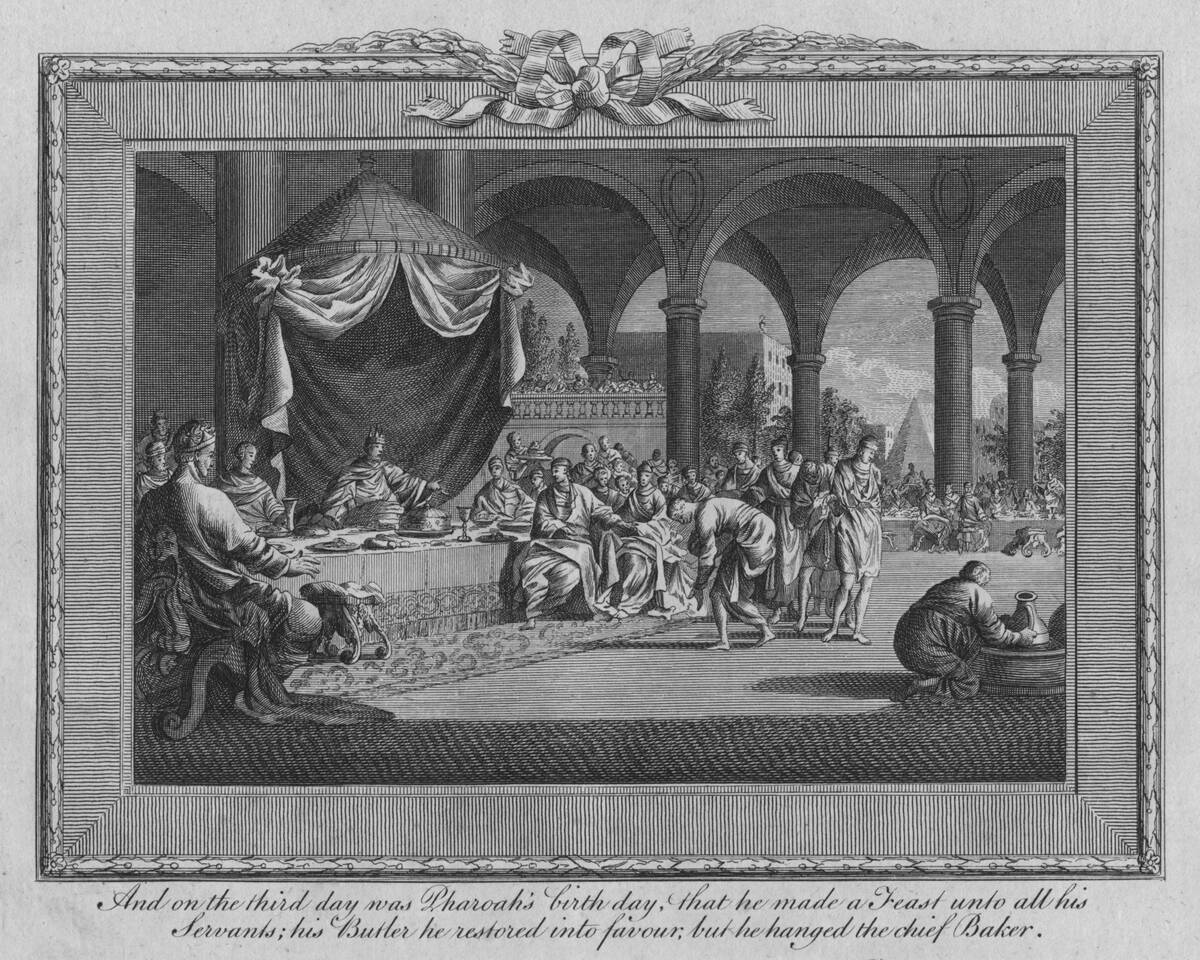
Birthday celebrations have a long history, with the earliest records dating back to ancient civilizations. The Egyptians are credited with the first celebrations, although they were reserved for pharaohs and considered a mark of their divine status.
The Greeks later adopted this tradition, adding their own twist by offering moon-shaped cakes to Artemis, the goddess of the moon, as a way to honor her on these special days.
Ancient Egyptian Feasts: Honoring the Pharaohs
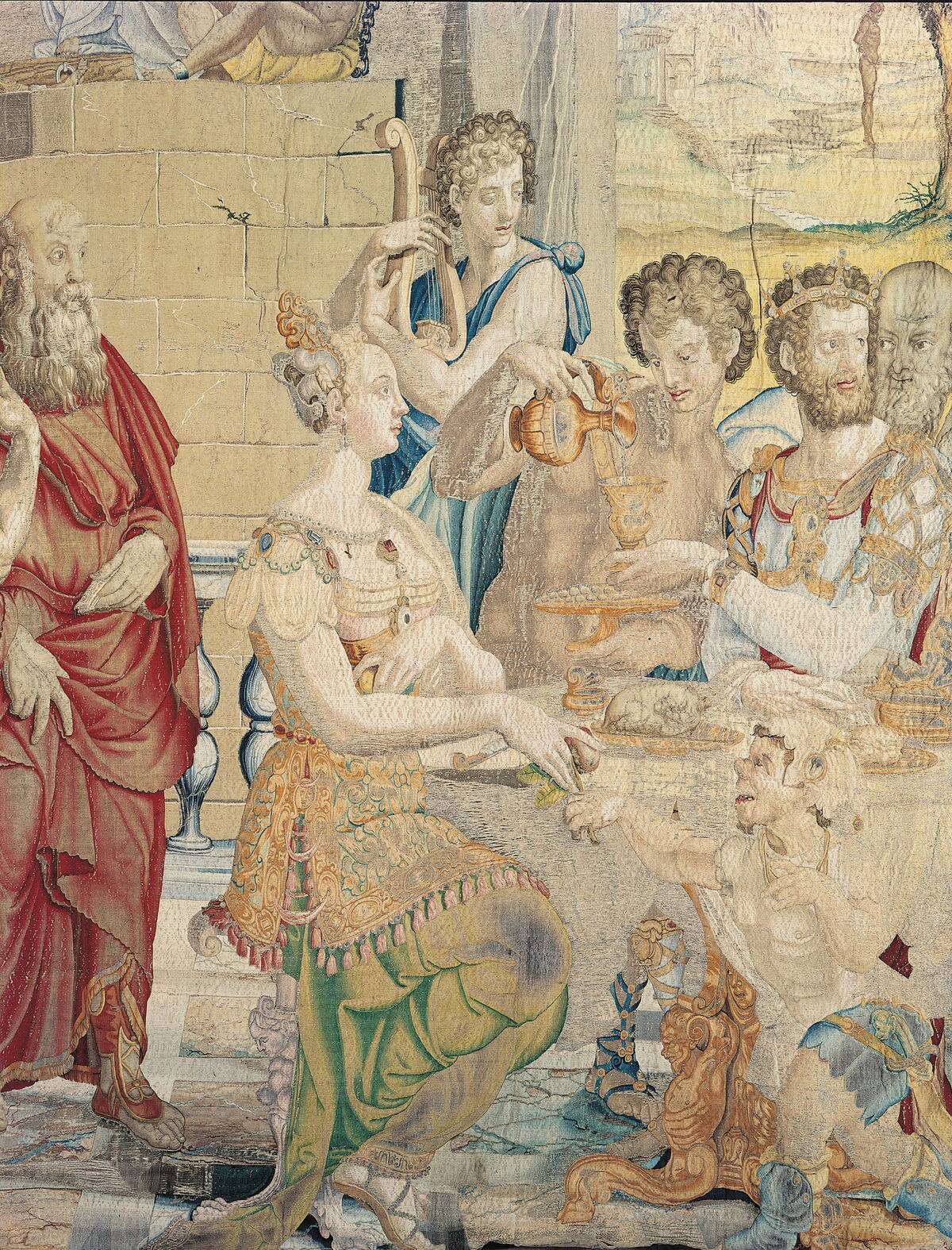
In ancient Egypt, birthdays were not celebrated for common people but were grand events for the pharaohs. These celebrations were believed to be the day a pharaoh was transformed into a god.
Lavish feasts were held, complete with music, dance, and offerings to the gods. The grandeur of these events was a reflection of the pharaoh’s power and divine status, setting a precedent for future birthday celebrations.
Roman Revelries: The Birth of the Birthday Party
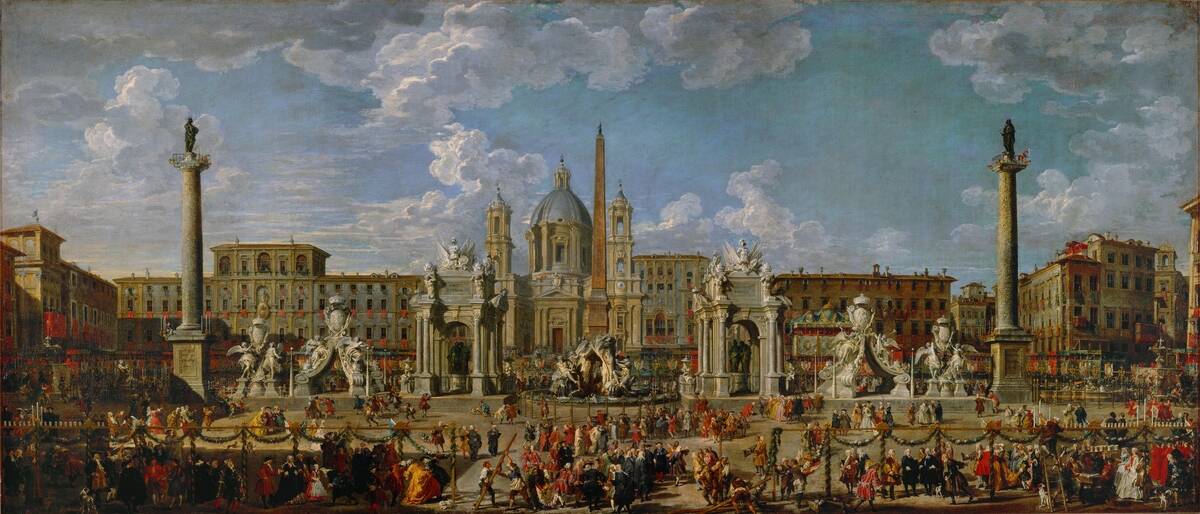
The Romans were the first to celebrate birthdays for the common man, making them a public affair. They introduced the idea of birthday parties, where friends and family gathered to celebrate with feasts and games.
The Romans even had a special cake made of flour, olive oil, honey, and grated cheese, which was shared among the guests. This tradition laid the groundwork for the modern birthday party.
Medieval Merriment: Celebrations in the Middle Ages
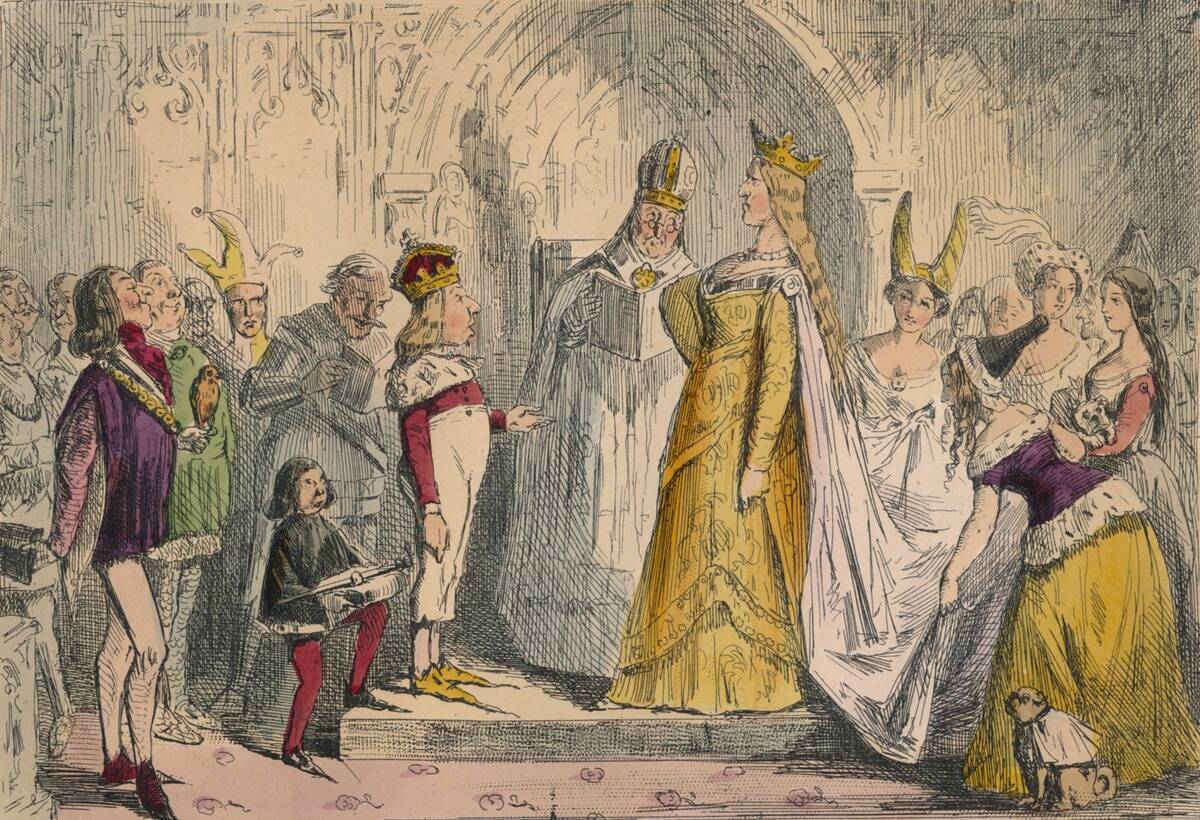
During the Middle Ages, personal birthday celebrations were comparatively uncommon in much of Christian Europe. People generally placed greater importance on religious feast days, saints’ days, baptisms, marriages, and other communal festivals.
Some rulers and nobles commemorated birthdays or royal birth anniversaries with feasts, gifts, and entertainment.
The Role of Religion: Birthdays in Various Faiths
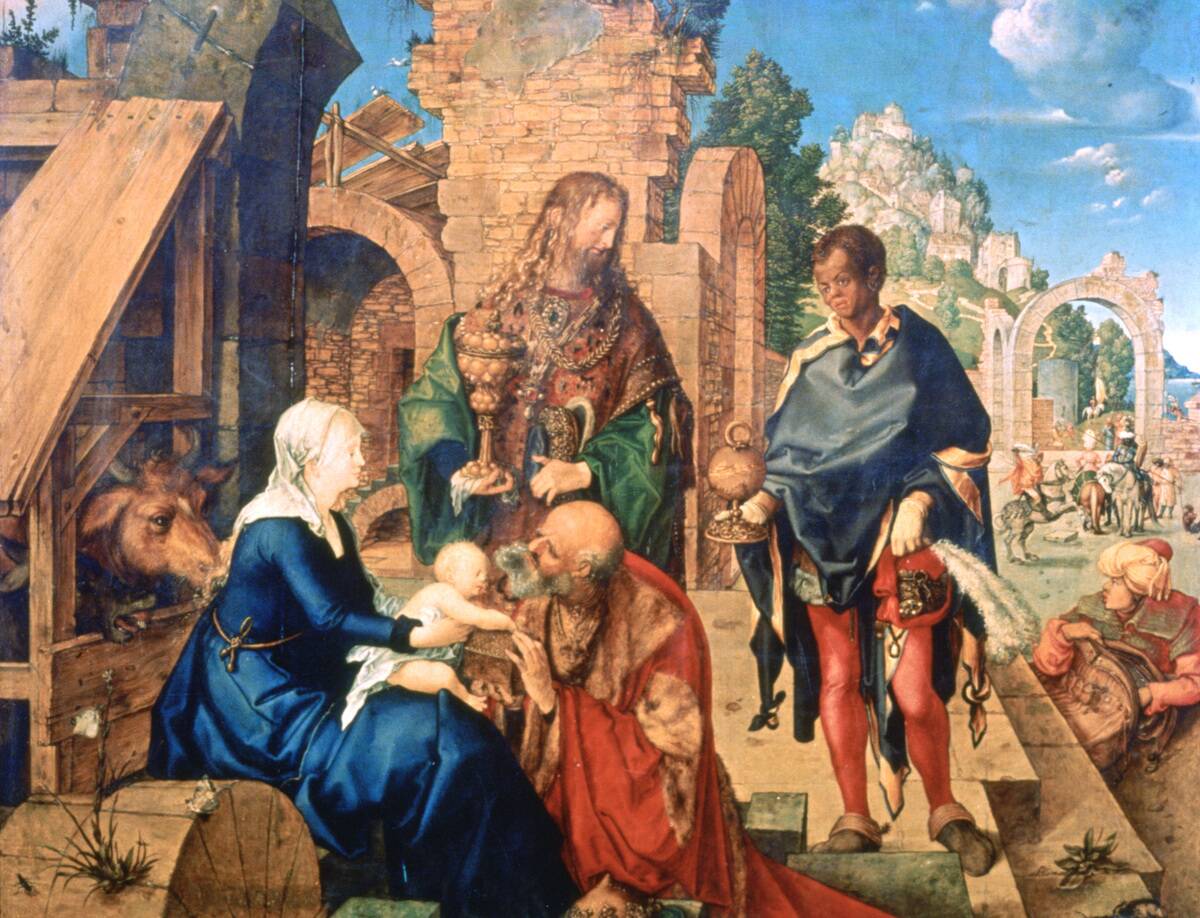
Religious beliefs have significantly influenced birthday celebrations throughout history. In Christianity, birthdays were initially frowned upon as pagan traditions. However, over time, they were embraced, particularly the celebration of Jesus’s birth, known as Christmas.
In contrast, Jewish tradition places more emphasis on the anniversary of one’s death rather than birth, reflecting a focus on the life lived rather than its beginning.
Traditional Games and Activities: Fun Without Technology
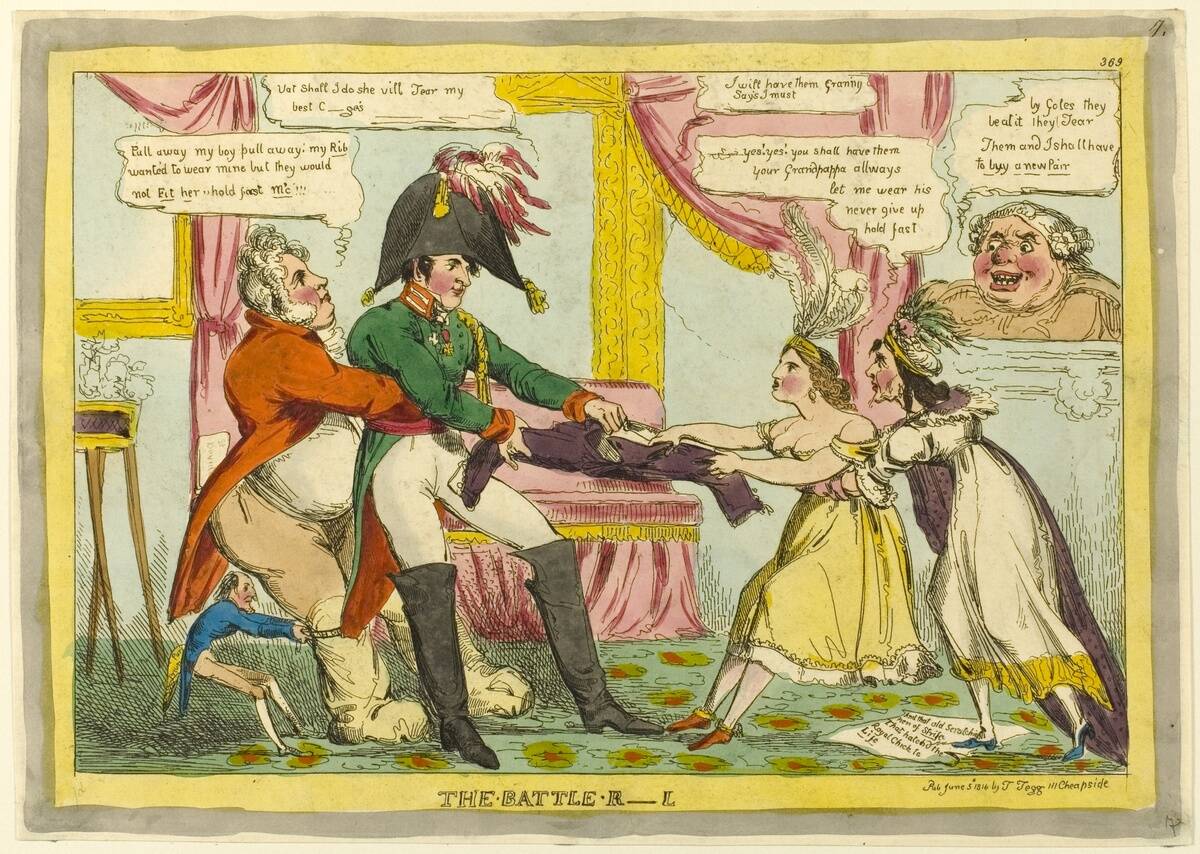
Before the advent of technology, birthday celebrations were filled with simple yet engaging games. Pin the tail on the donkey, sack races, and tug-of-war were popular activities that brought laughter and joy.
These games required nothing more than a bit of creativity and enthusiasm, making them accessible to everyone. They fostered a sense of camaraderie and friendly competition, leaving lasting memories.
Music and Dance: The Heartbeat of Early Celebrations
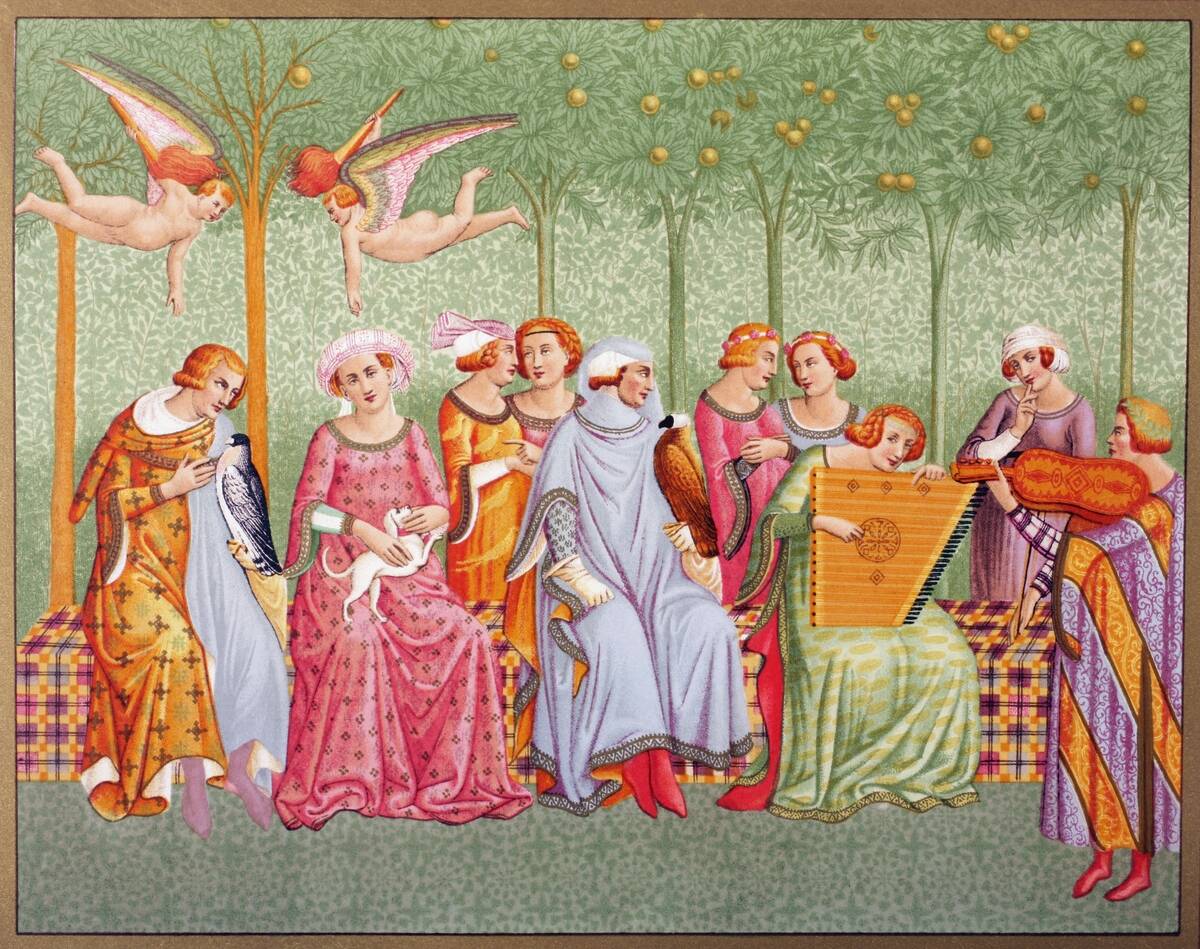
Music and dance have always been integral to birthday celebrations, serving as a universal language of joy. In many cultures, traditional songs and dances were performed to honor the birthday person.
Instruments like the lyre, flute, and drums provided the rhythm, while people danced in circles, symbolizing unity and continuity. These lively performances were a highlight of the festivities, bringing people together in celebration.
Handmade Gifts: Tokens of Affection and Craftsmanship
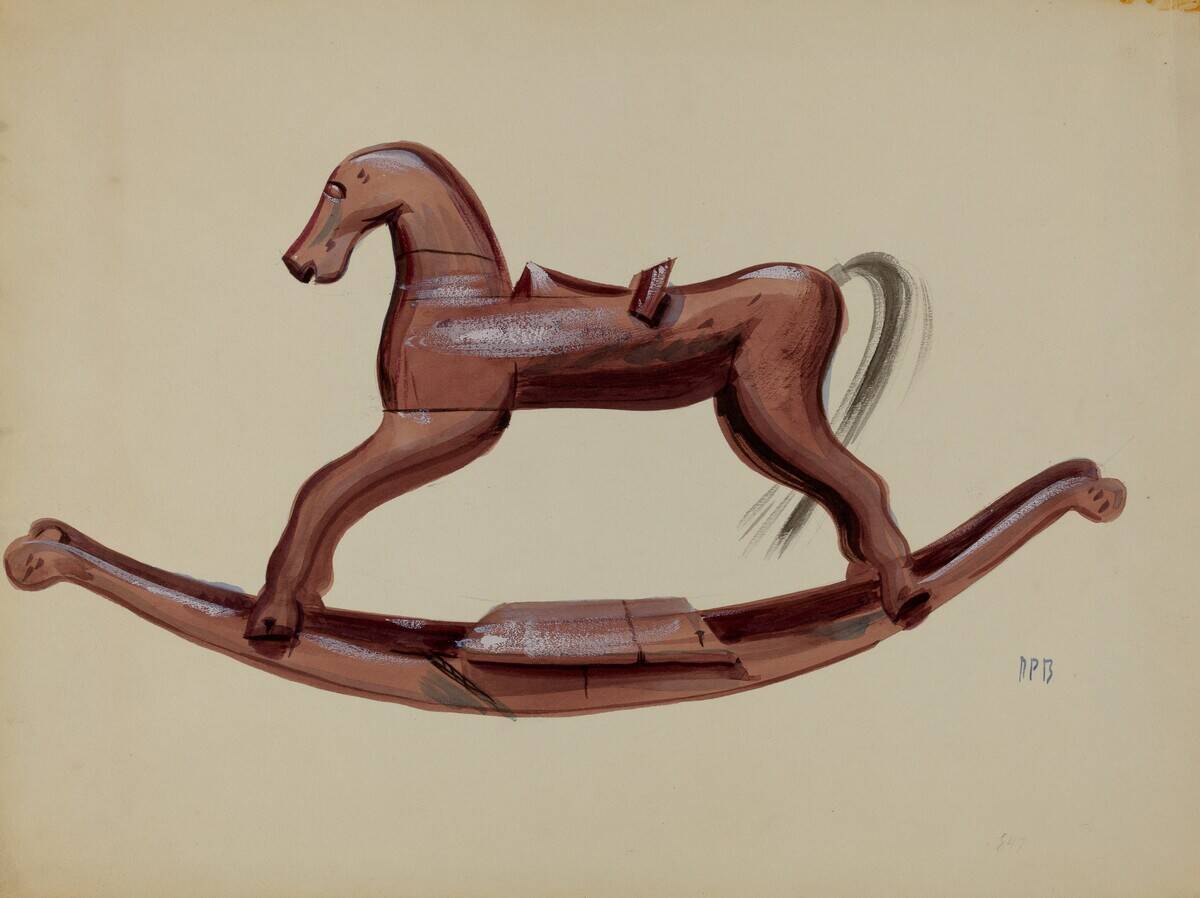
In the past, gifts were often handmade, reflecting the giver’s time and effort. These tokens of affection ranged from embroidered handkerchiefs to carved wooden toys.
The personal touch of a handmade gift made it all the more special, as it was a testament to the relationship between the giver and the recipient. These gifts were cherished keepsakes, often passed down as family heirlooms.
Cultural Variations: Birthday Traditions Around the World
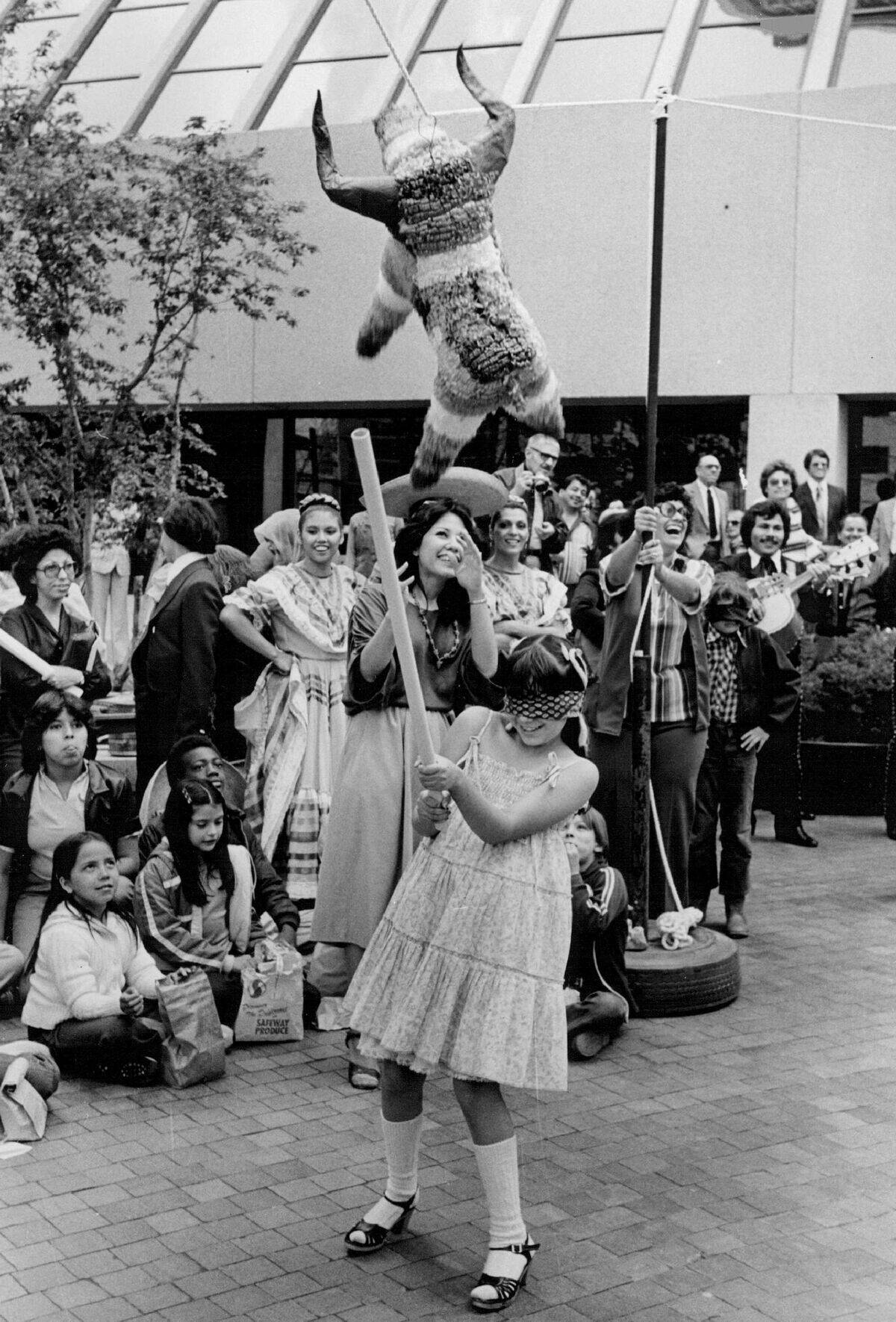
Birthday traditions vary widely across cultures, each with its own unique customs. In China, for example, longevity noodles are eaten to symbolize long life, while in Mexico, the piñata is a staple of birthday festivities.
In India, children often wear new clothes and distribute sweets to friends and family. These diverse traditions highlight the rich tapestry of global cultures and the universal joy of celebrating life.
The Significance of Milestone Birthdays in History
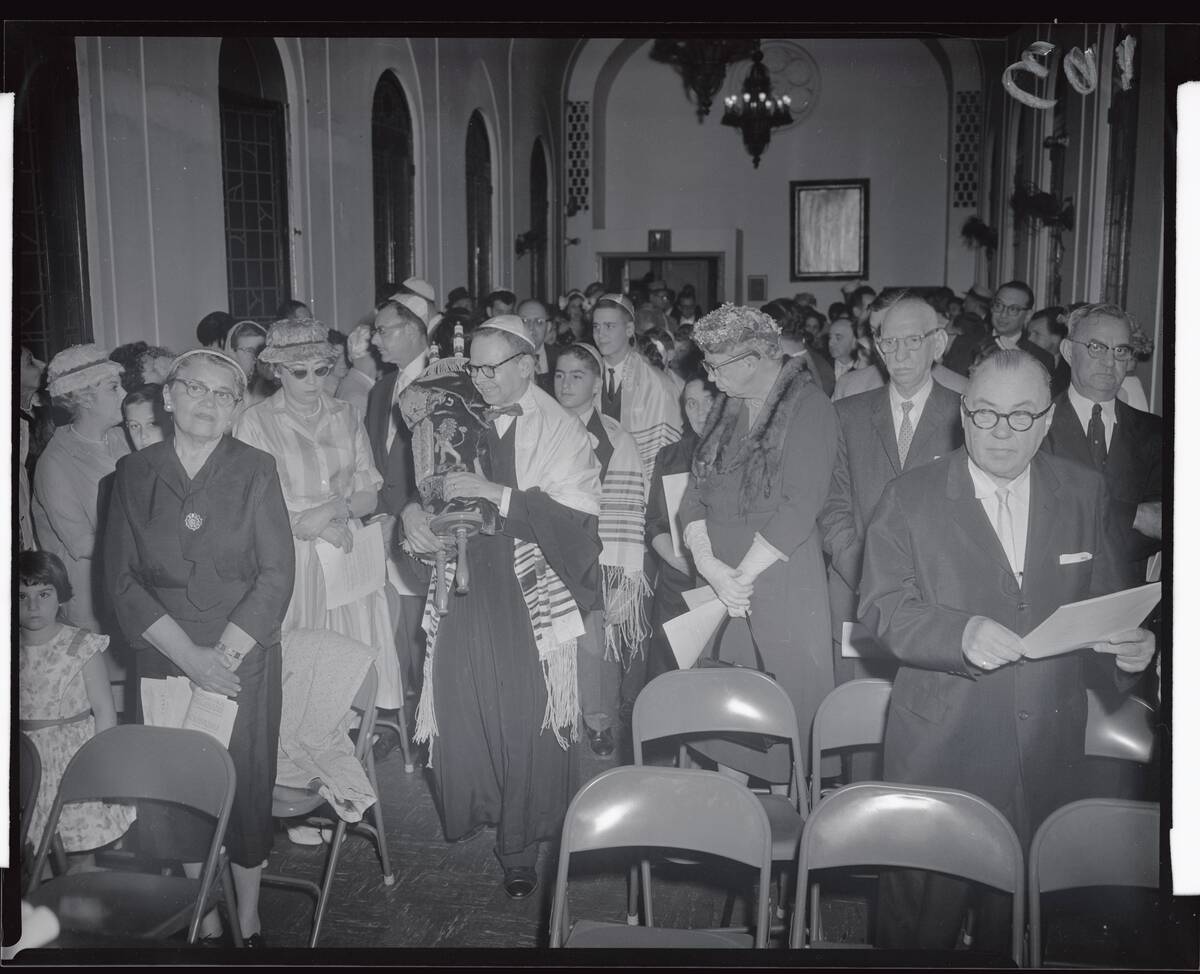
Milestone celebrations often mark important transitions in a person’s social or religious life. In ancient Rome, boys typically assumed the toga virilis sometime between the ages of 14 and 16, symbolizing entry into adult male society, though the ceremony was not necessarily tied to a birthday. In Jewish tradition, a boy becomes a bar mitzvah at 13, while a girl traditionally becomes a bat mitzvah at 12 or 13, depending on the community.
These occasions recognize new religious responsibilities and are often celebrated with family and community gatherings..
The Evolution of Birthday Cakes: From Bread to Icing
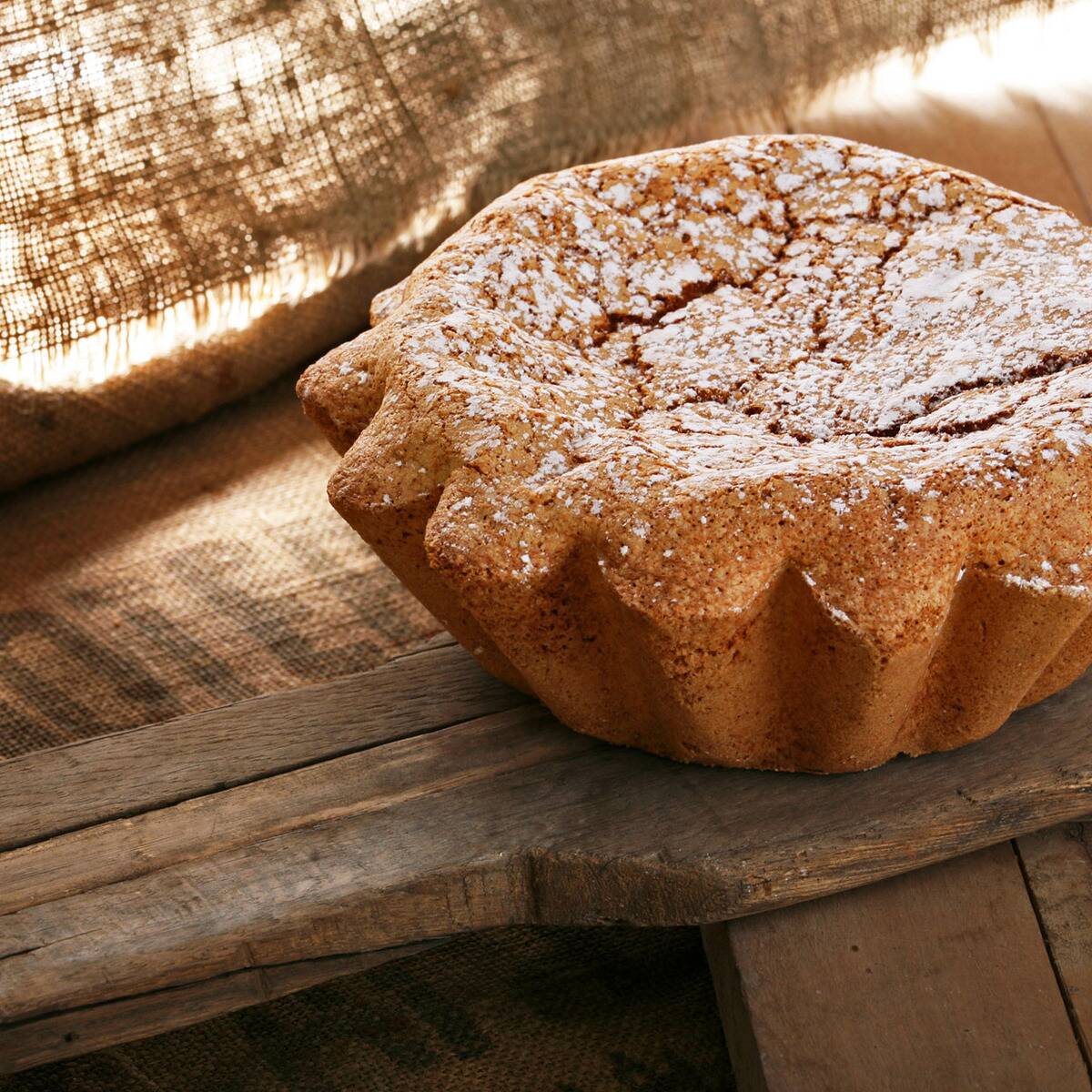
The birthday cake has come a long way from its humble beginnings as a simple bread offering. In ancient Greece, cakes made with honey were offered to the gods, while in medieval Europe, sweetened bread was a luxury reserved for special occasions.
Today, birthday cakes are a centerpiece of celebrations, complete with candles and icing, symbolizing the sweetness of life and the joy of shared moments.