How ancient Egyptians created their iconic eye makeup
Ancient Egyptian eye makeup has captivated imaginations for centuries, drawing attention with its bold lines and mysterious allure. The dramatic eye designs weren’t just about aesthetics; they held deep cultural and spiritual significance.
From Cleopatra to the common folk, eye makeup was a staple in daily life, symbolizing beauty and power. Its timeless appeal continues to inspire modern fashion, proving that some trends never fade away.
The Historical Significance of Eye Makeup in Ancient Egypt
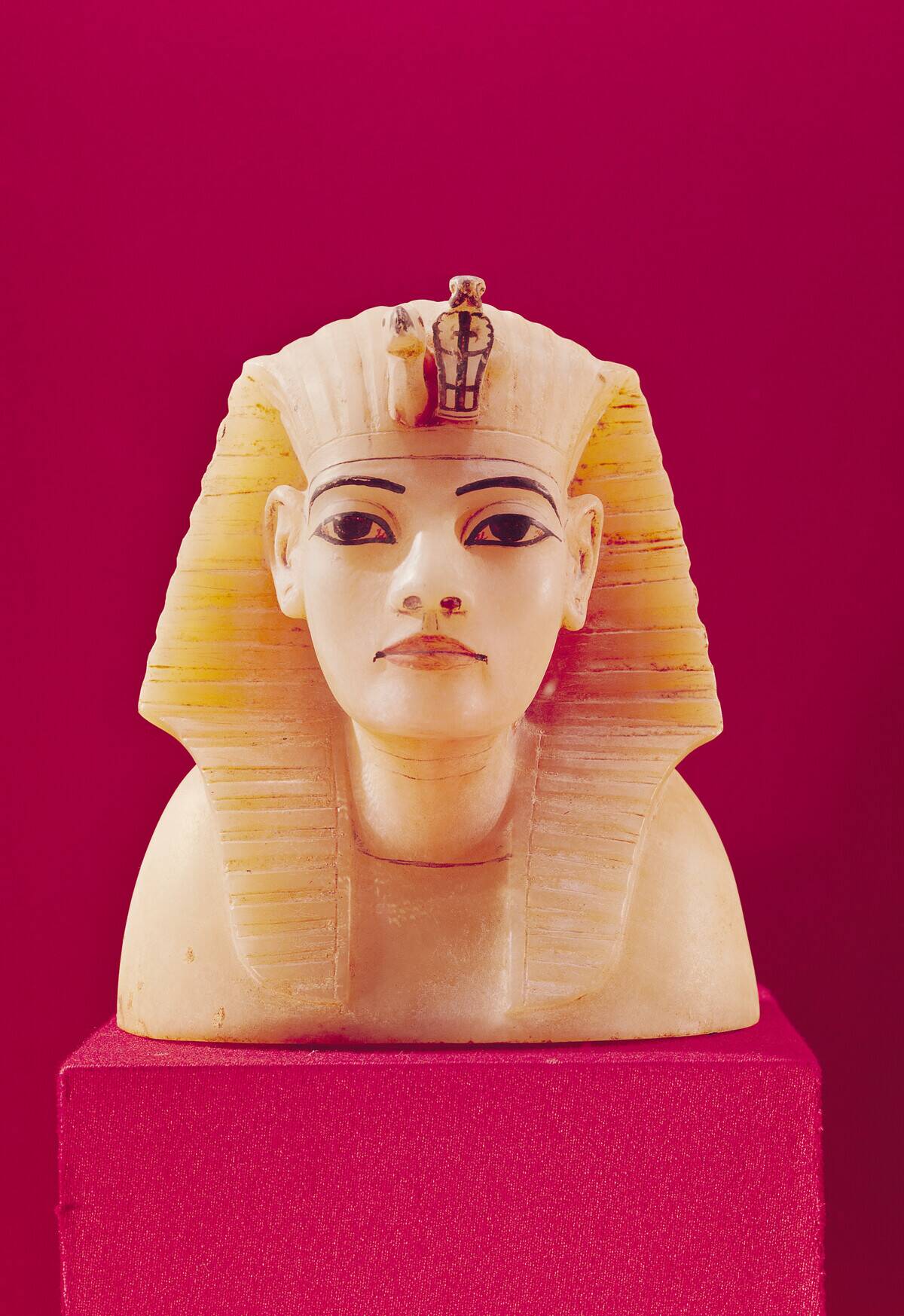
Eye makeup in ancient Egypt was more than just a cosmetic choice; it was a cultural cornerstone. Dating back to 4000 BCE, it played a crucial role in rituals and daily life. Both men and women adorned their eyes, believing it connected them to the gods.
Kohl containers and other cosmetic items were placed in tombs because cosmetics were believed to support the deceased’s protection and rejuvenation in the afterlife.
The Symbolism Behind the Iconic Eye Designs
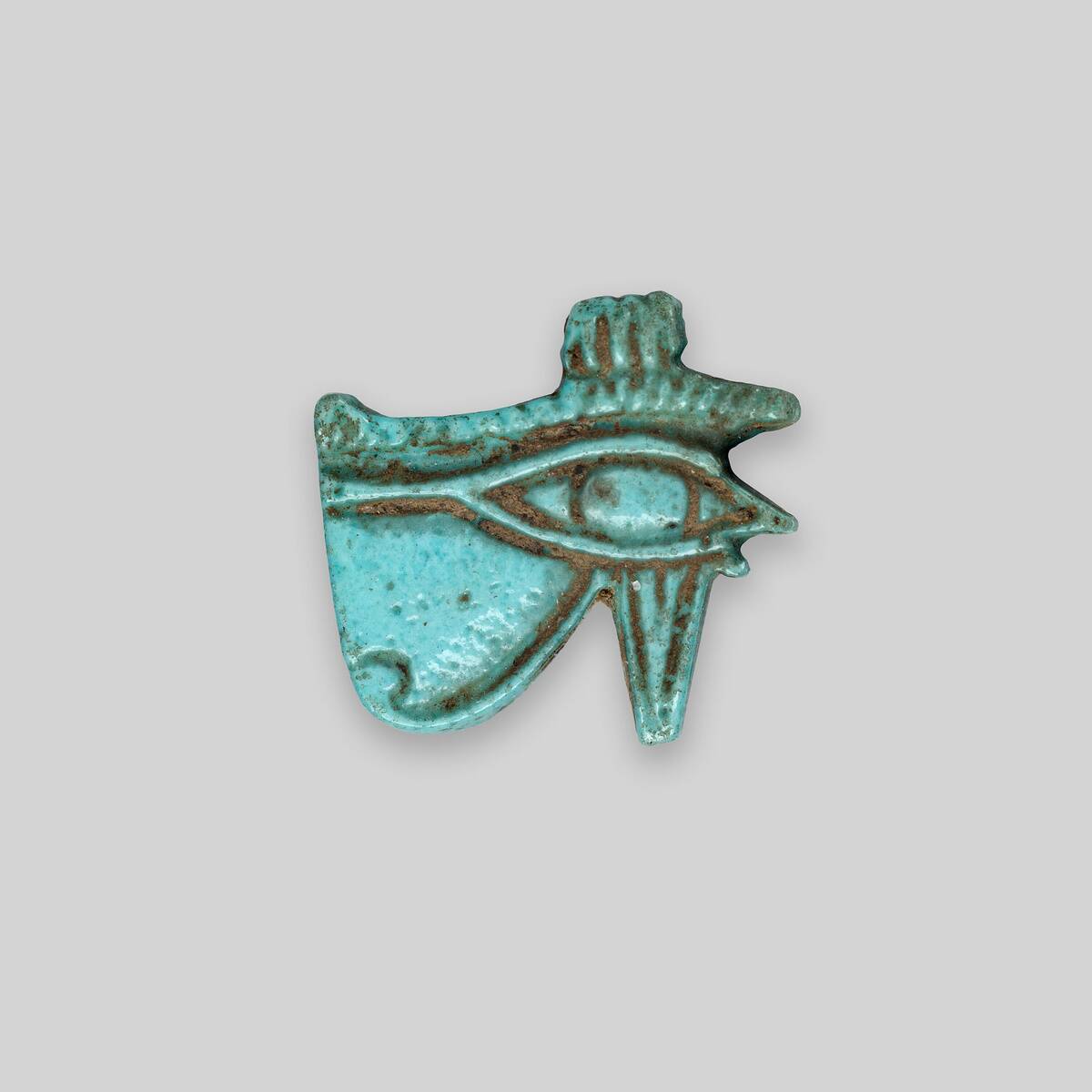
The iconic eye designs of ancient Egypt, such as the Eye of Horus, were steeped in symbolism. The Eye of Horus represented protection, health, and restoration, and was often used in amulets.
These designs were believed to ward off evil spirits and bring good fortune. The intricate patterns weren’t just for show; they were a visual language that conveyed powerful messages about the wearer’s beliefs.
Materials Used in Ancient Egyptian Eye Makeup
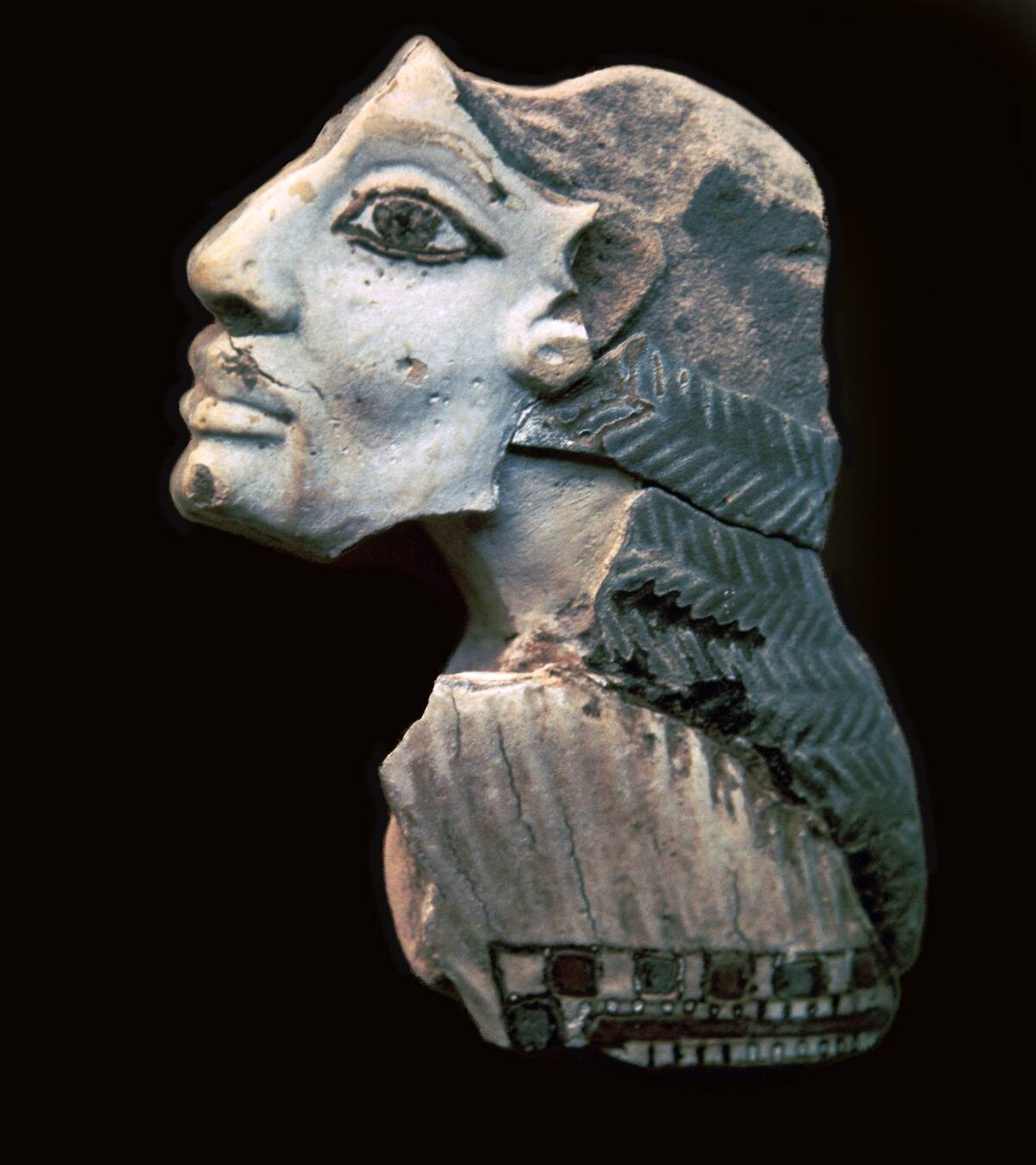
Ancient Egyptians used naturally occurring minerals to create distinctive eye cosmetics. Green pigment was made from malachite, while black eye paint was commonly produced from galena; the minerals were ground into powder and mixed with substances such as animal fat or oil before application.
These cosmetics were valued for their appearance and were also believed to protect the eyes. Galena-based paint may have reduced sun glare, while eye makeup carried broader protective and cultural associations. The practice demonstrates ancient Egyptian knowledge of local materials and sophisticated cosmetic preparation.
The Role of Kohl in Egyptian Beauty
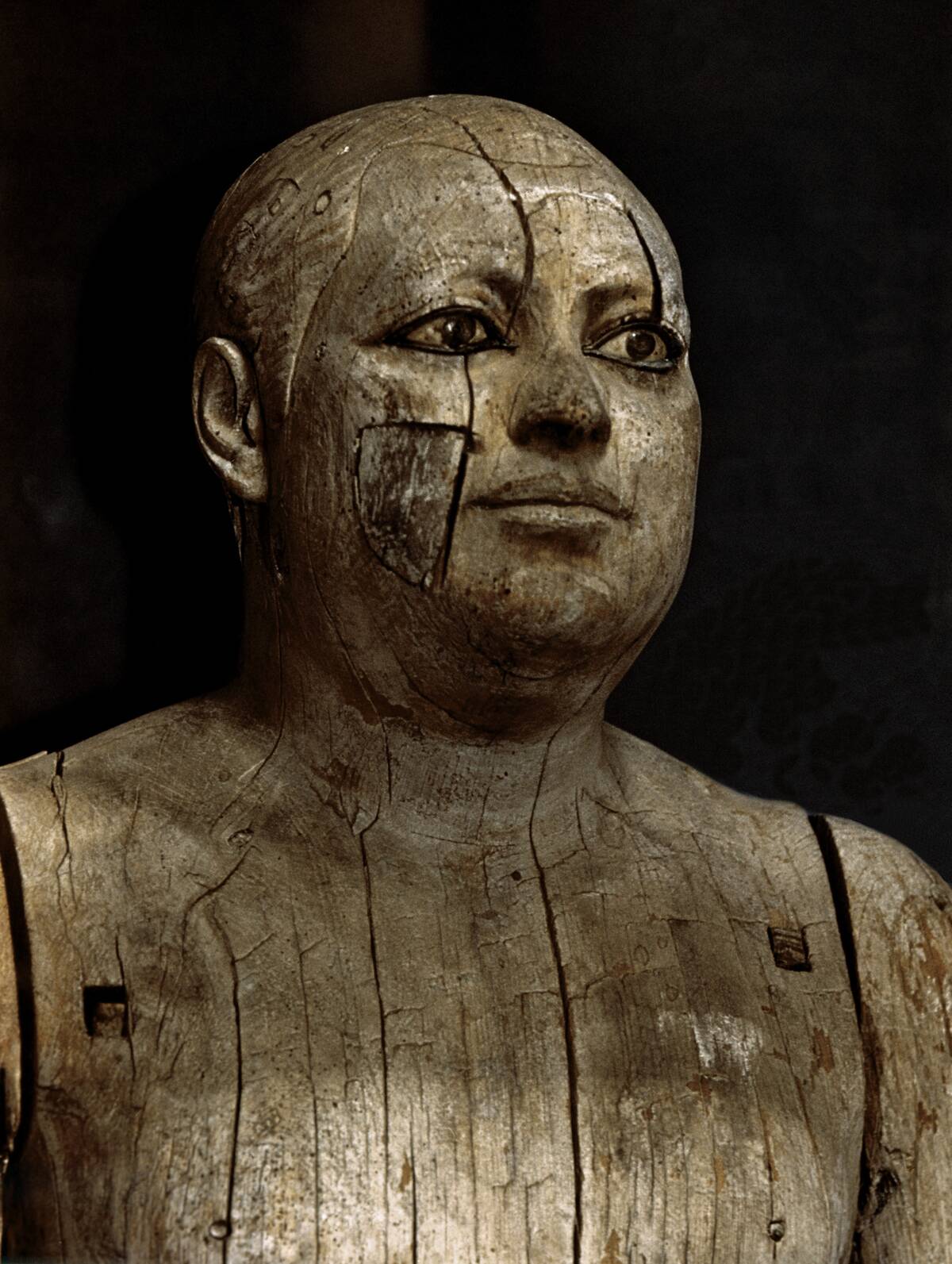
Kohl was an important ancient Egyptian eye cosmetic used to create bold, dark lines around the eyes. Rather than being made mainly from soot, Egyptian black eye paint commonly contained ground galena, a lead-based mineral, combined with other ingredients.
It served aesthetic, religious, and protective purposes and may have helped reduce sun glare. Scientific studies suggest that certain specially prepared lead compounds in some formulas could stimulate an immune response.
Malachite and Its Mystical Properties
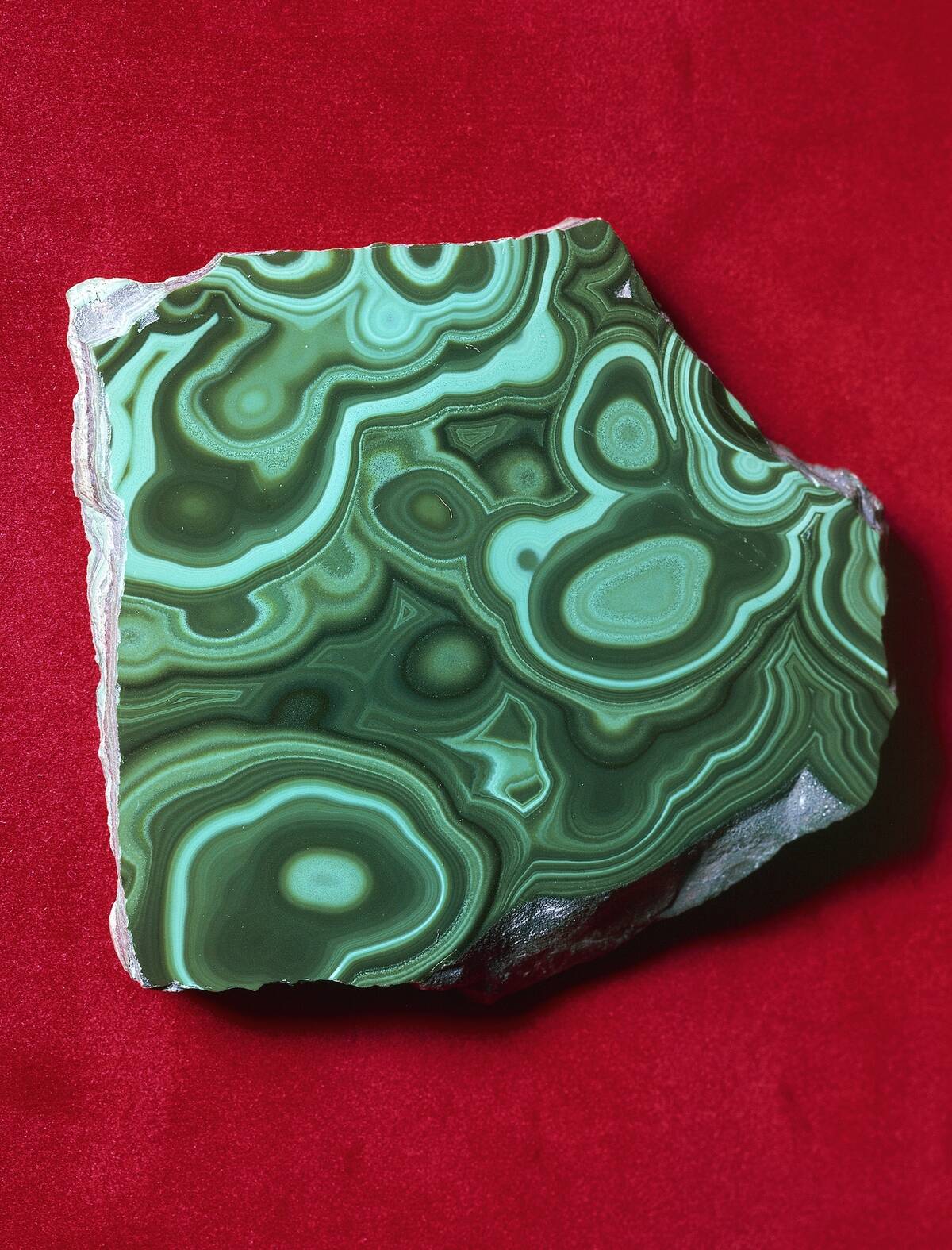
Malachite, with its vibrant green hue, was a favorite among ancient Egyptians for eye makeup. Beyond its striking color, malachite was believed to have mystical properties, offering protection and healing.
It was often associated with the goddess Hathor, the deity of beauty and love. The use of malachite in eye makeup was a testament to the Egyptians’ belief in the power of nature to enhance both beauty and spirituality.
Galena: The Secret Ingredient for Bold Looks
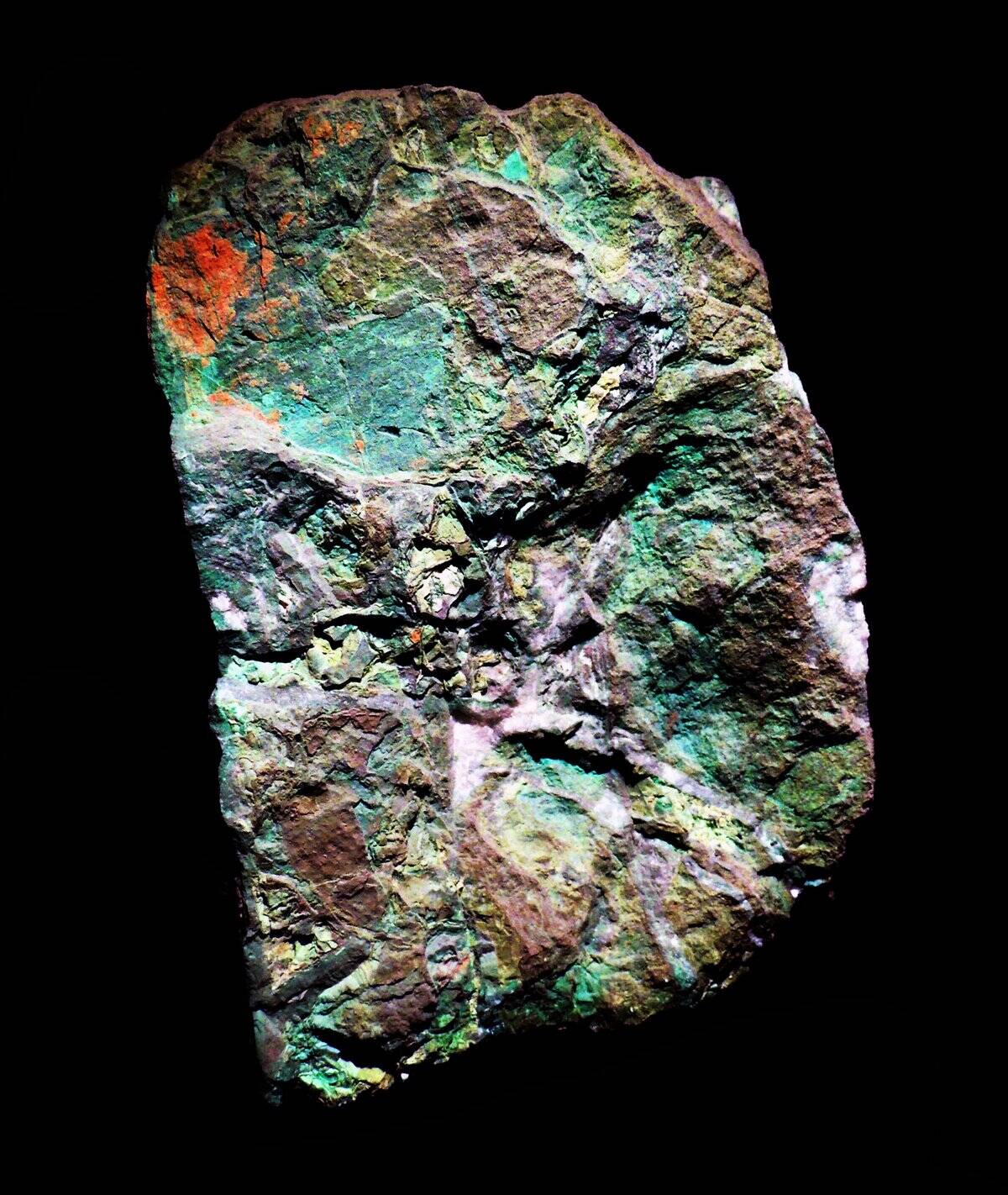
Galena, a lead sulfide mineral, was the secret behind the bold, dark lines of ancient Egyptian eye makeup. Its rich, black pigment made it ideal for creating dramatic eye designs.
While today we know of the potential risks of lead, ancient Egyptians valued galena for its protective qualities against the sun’s glare. This mineral was a key component in their beauty arsenal, showcasing their dedication to striking and effective makeup.
The Art of Mixing and Applying Eye Makeup
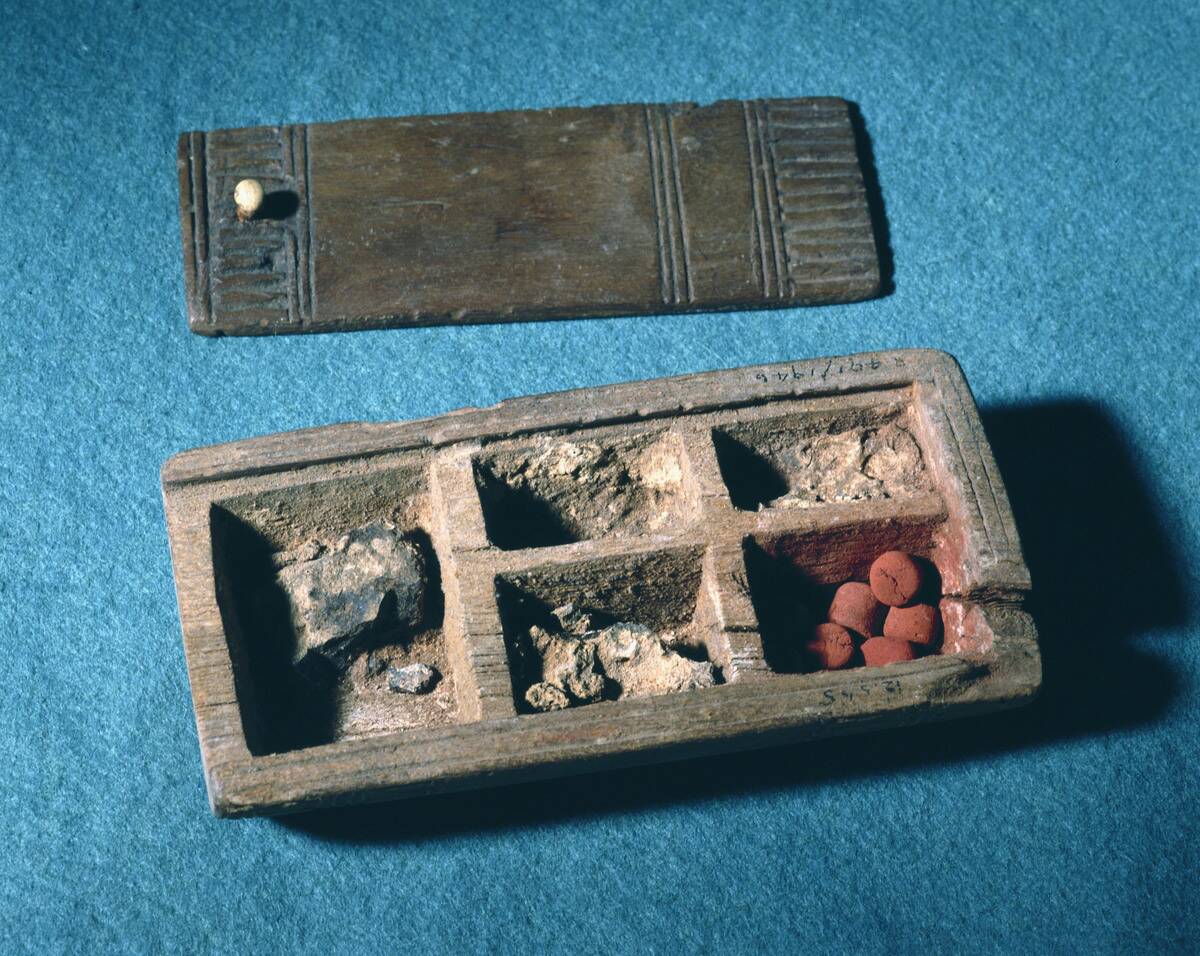
Mixing and applying eye makeup in ancient Egypt was an art form in itself. The process involved grinding minerals into fine powders and mixing them with oils or fats to create a paste.
This paste was then carefully applied using sticks or fingers, requiring skill and precision. The artistry involved in this process reflects the Egyptians’ dedication to beauty and their innovative approach to personal care.
Tools of the Trade: Ancient Egyptian Beauty Implements
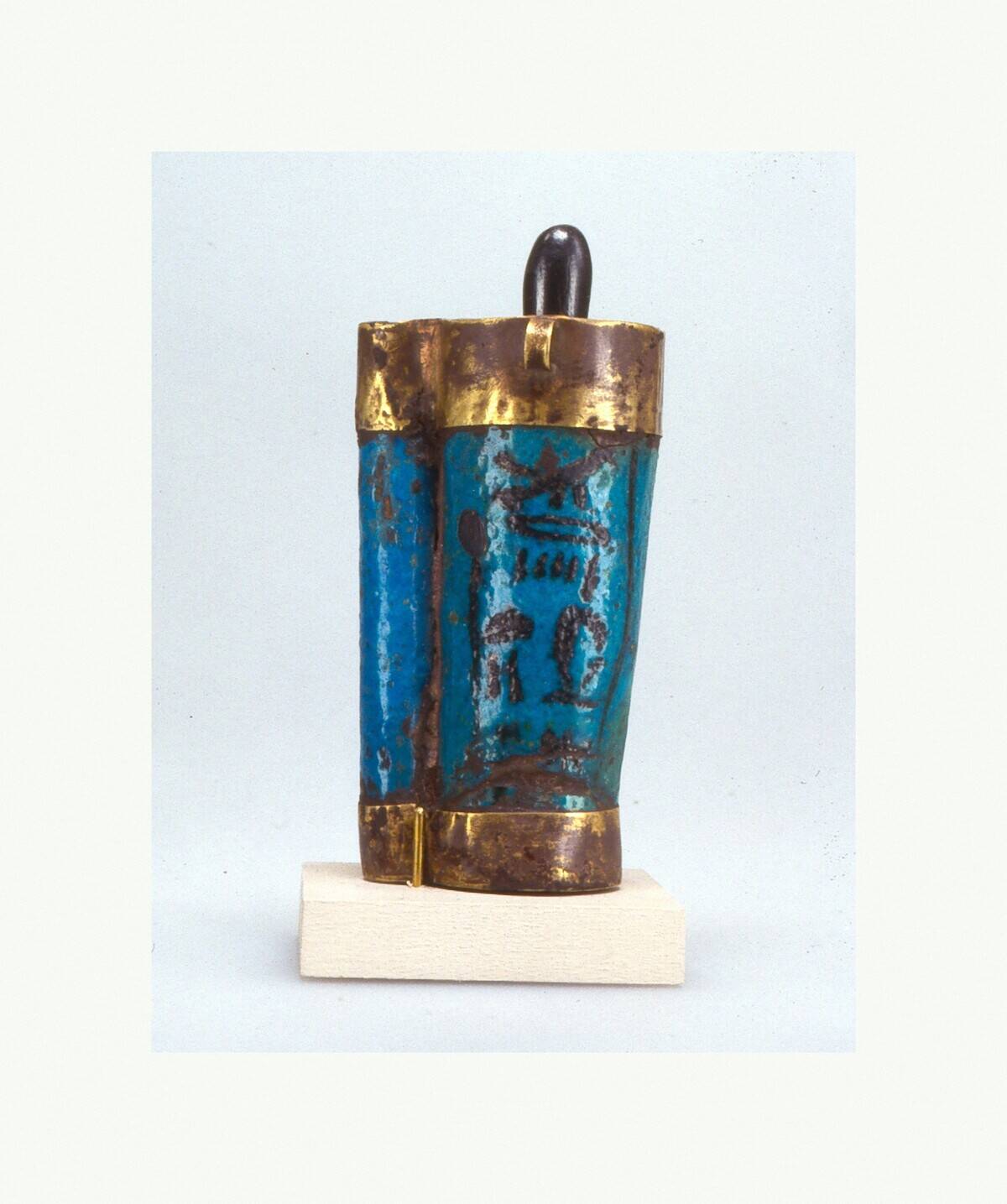
The ancient Egyptians had a variety of tools for their beauty routines. Applicators made from wood, bone, or metal were used to apply eye makeup with precision. These tools were often intricately decorated, reflecting the importance of beauty in Egyptian culture.
The craftsmanship of these implements highlights the Egyptians’ attention to detail and their commitment to maintaining their iconic looks.
Eye Makeup as a Status Symbol in Egyptian Society
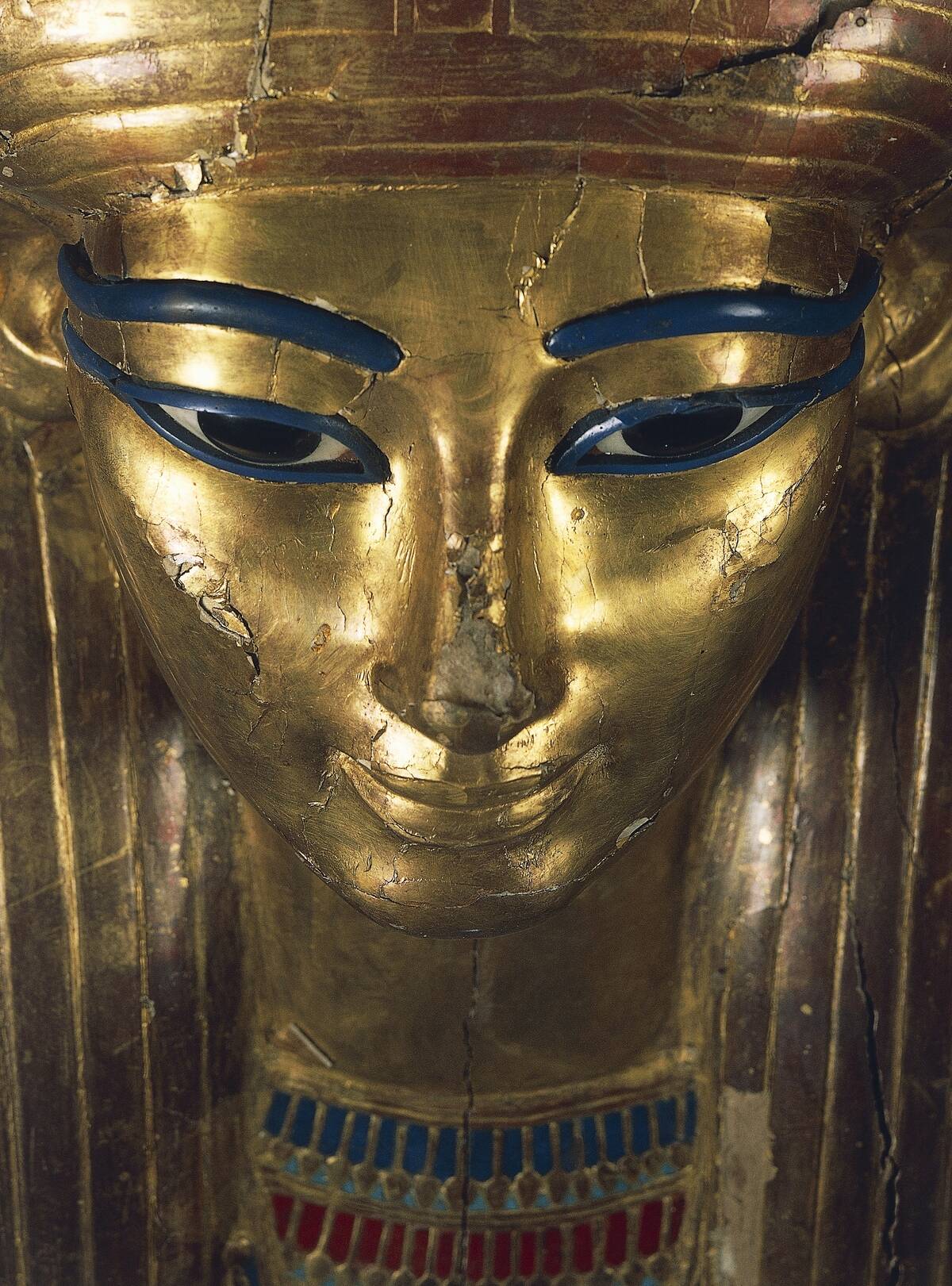
In ancient Egypt, eye makeup was a powerful status symbol. The quality and intricacy of one’s eye designs could indicate social standing and wealth. Nobles and royalty often had access to the finest materials, resulting in more elaborate looks.
This distinction in eye makeup styles underscored the social hierarchies of the time, with beauty serving as a visual marker of one’s place in society.
The Influence of Religion on Makeup Practices
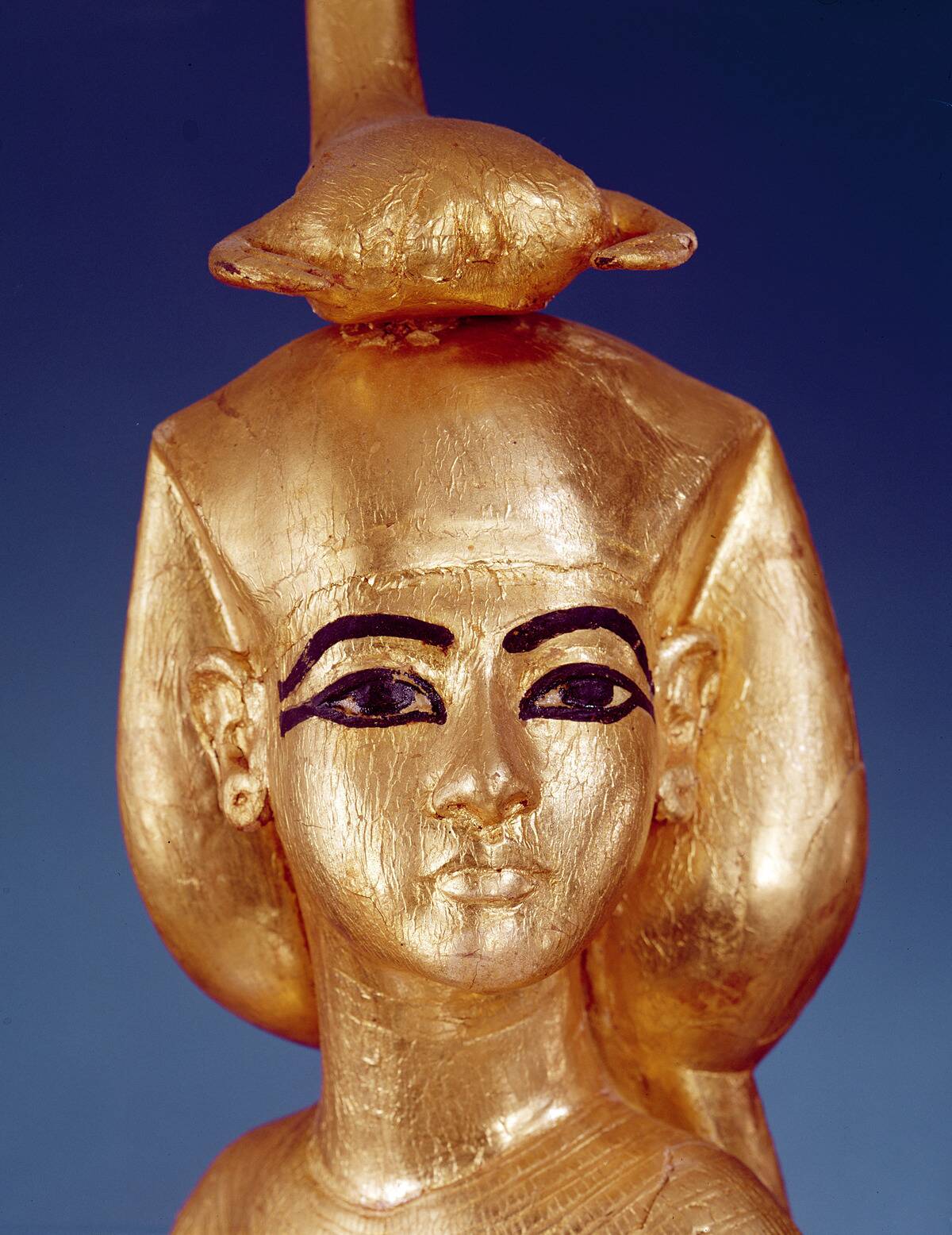
Religion played a significant role in the makeup practices of ancient Egyptians. Eye makeup was often used in religious ceremonies and was believed to have protective powers bestowed by the gods.
The act of adorning the eyes was seen as a form of worship, connecting the wearer to divine forces. This spiritual dimension added a layer of reverence to the everyday practice of applying eye makeup.
The Connection Between Eye Makeup and Egyptian Deities
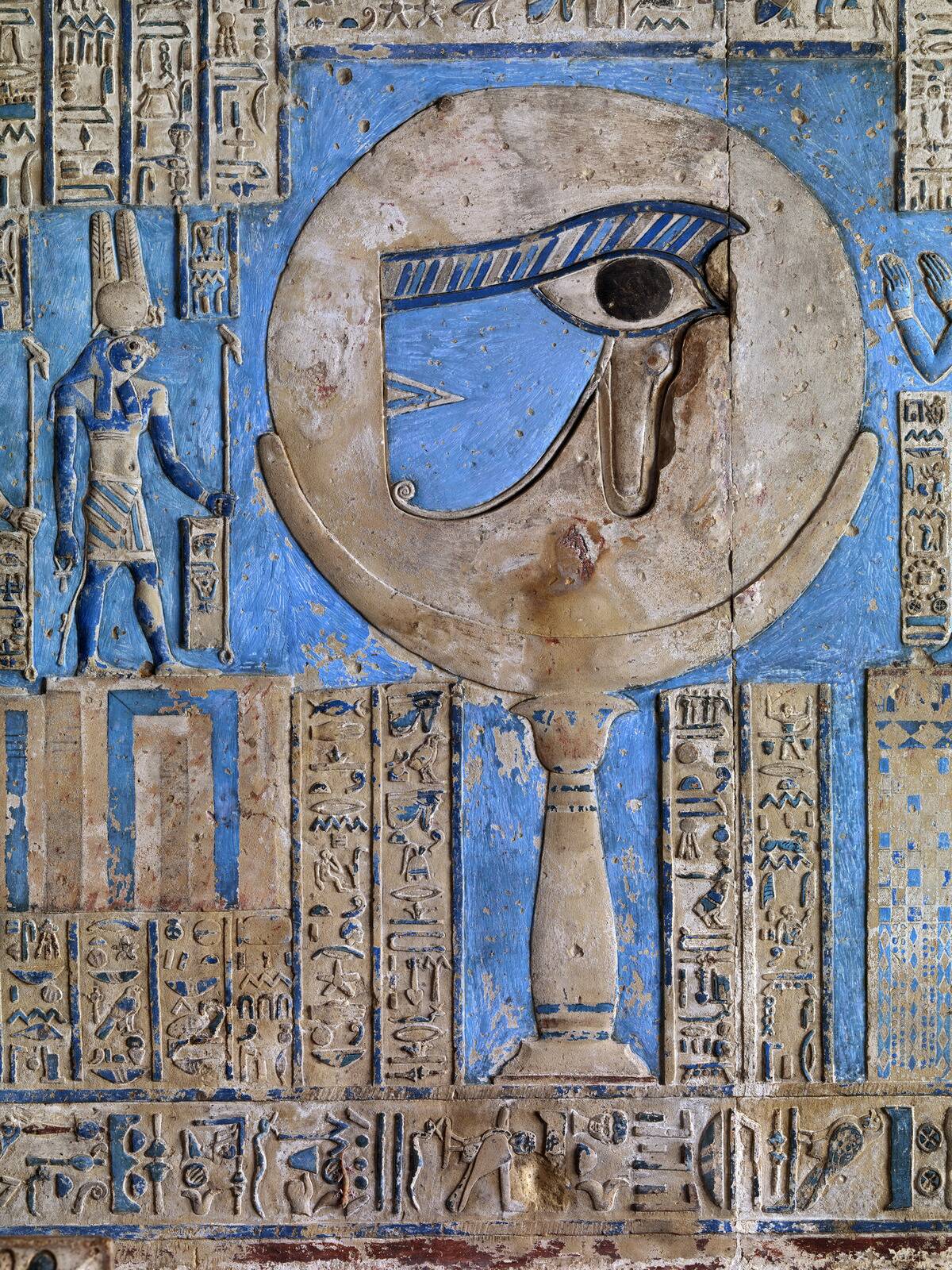
Eye makeup in ancient Egypt was deeply connected to the divine, with many designs inspired by the gods. The Eye of Horus, for example, was linked to the god of protection and healing.
By wearing such designs, Egyptians believed they were invoking the gods’ favor and protection. This connection between makeup and deities highlights the spiritual significance of beauty in Egyptian culture, where cosmetics were a means to channel divine energy.
Gender and Makeup: Not Just for the Ladies
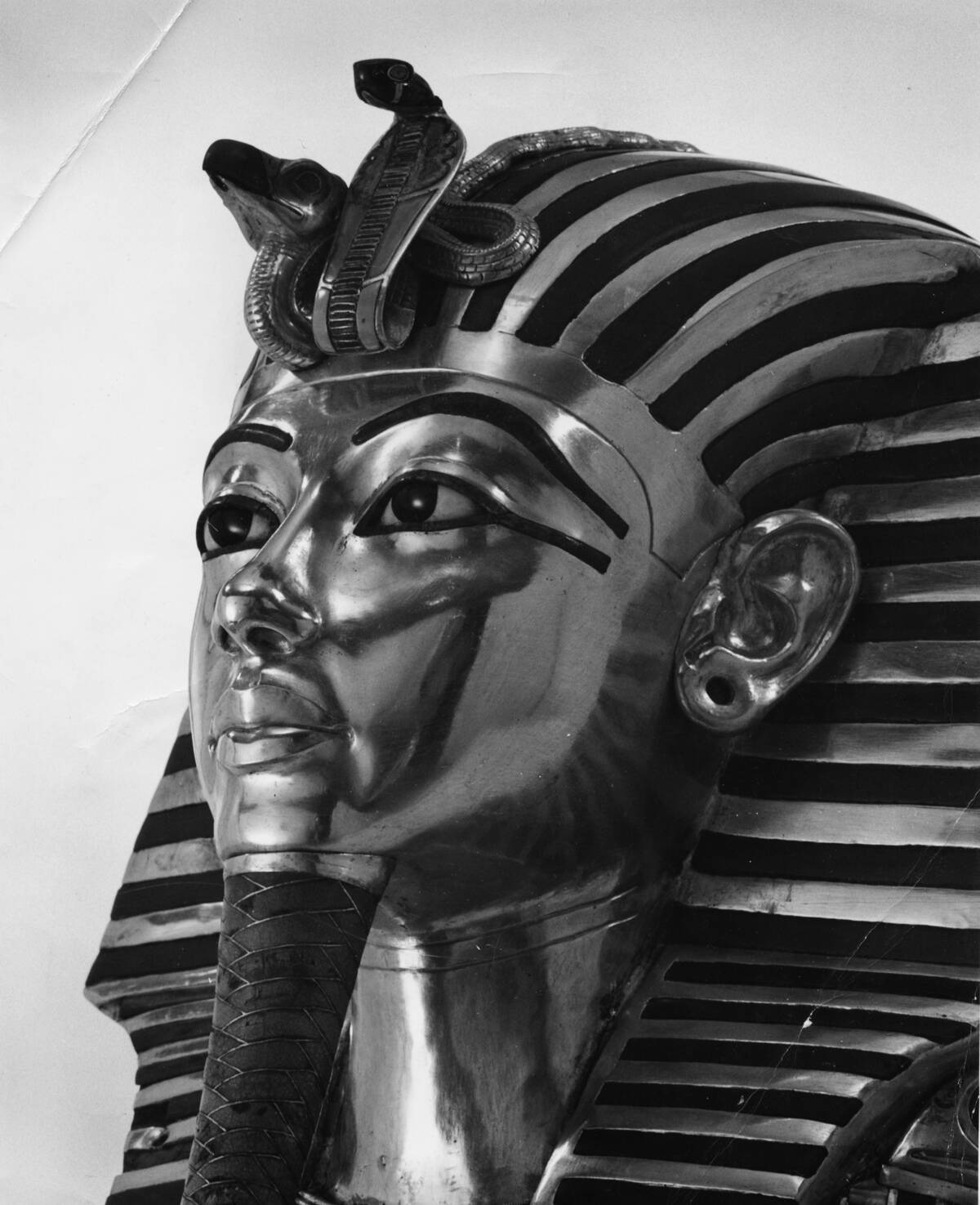
In ancient Egypt, makeup was not confined to women; men also embraced eye adornment. Pharaohs and male nobility often wore eye makeup to emphasize their status and divine connections.
This practice reflected the gender-neutral approach to beauty in Egyptian society, where cosmetics were seen as a universal enhancement. The use of eye makeup by both genders illustrates the cultural importance placed on appearance and the shared values of beauty.




