What mall Saturdays looked like in the ’70s and ’80s
Ah, the shopping mall—a beacon of social gatherings and retail therapy. Remember the days when weekends meant a trip to the mall, a place where you could lose yourself for hours?
From the bustling food courts to the vibrant arcades, malls were a microcosm of culture and commerce.
The Rise of the Shopping Mall: A Brief History
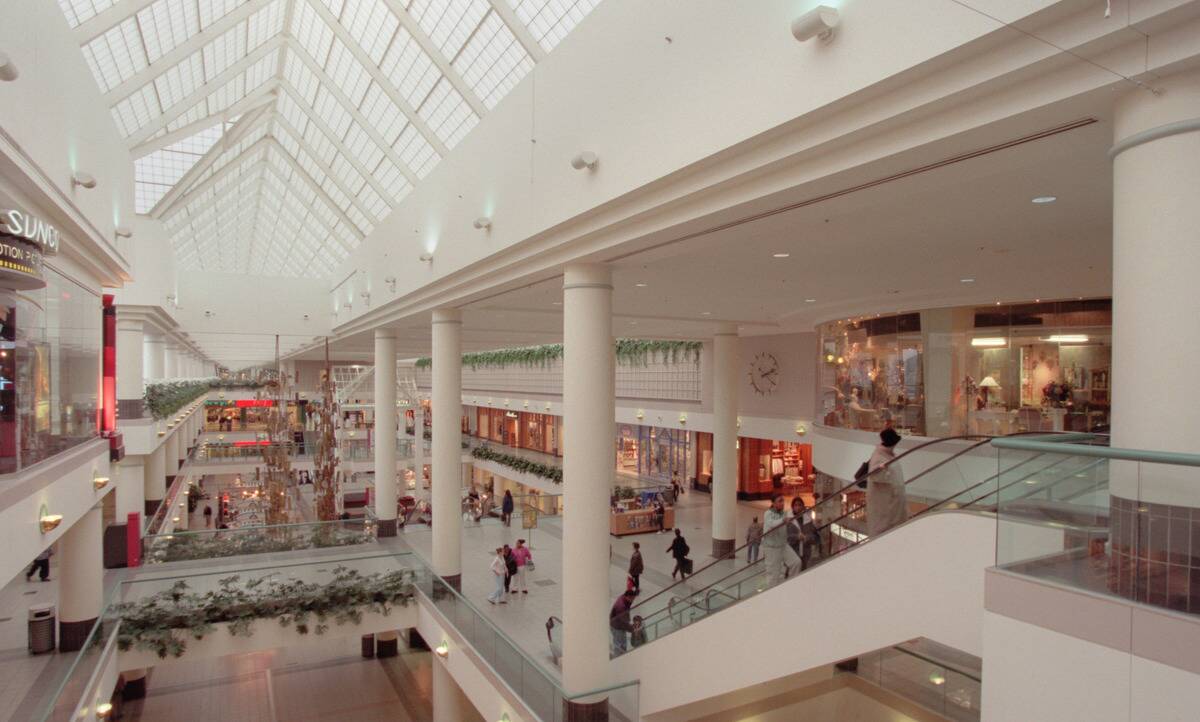
The concept of the shopping mall as we know it began in the 1950s, with the opening of Southdale Center in Edina, Minnesota, the first fully enclosed, climate-controlled shopping mall.
Designed by Victor Gruen, it set the stage for a new era in retail. By the 1980s, malls had become a staple of American life, with over 16,000 shopping centers across the country. These centers were not just about shopping; they were community hubs.
Saturday Morning Excitement: Anticipation and Planning
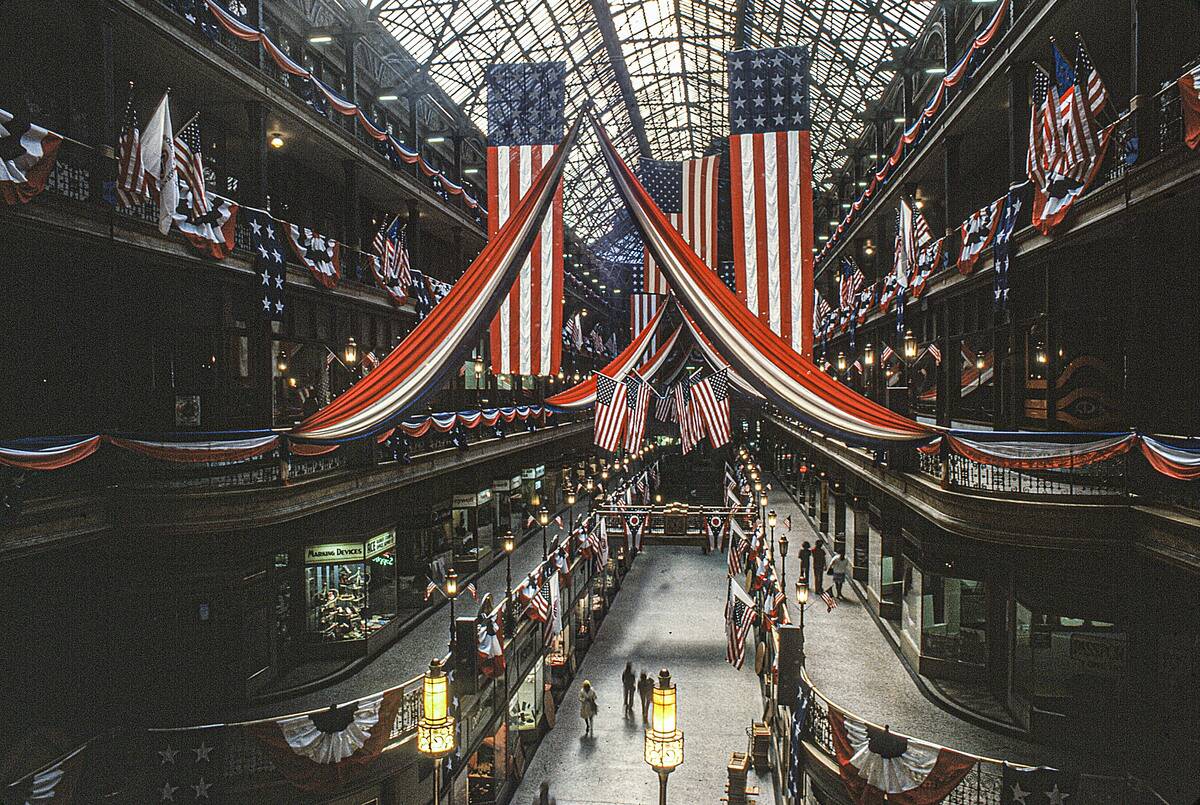
Saturday mornings were filled with anticipation as families and friends planned their mall excursions. Lists were made, outfits were chosen, and the excitement was palpable. It was a time to explore new stores, catch a movie, and maybe even bump into someone you knew.
The mall was a place where planning met spontaneity, and every visit promised a new adventure, whether it was finding the latest fashion or trying a new food court delicacy.
The Fashion Parade: Bell Bottoms, Polyester, and More
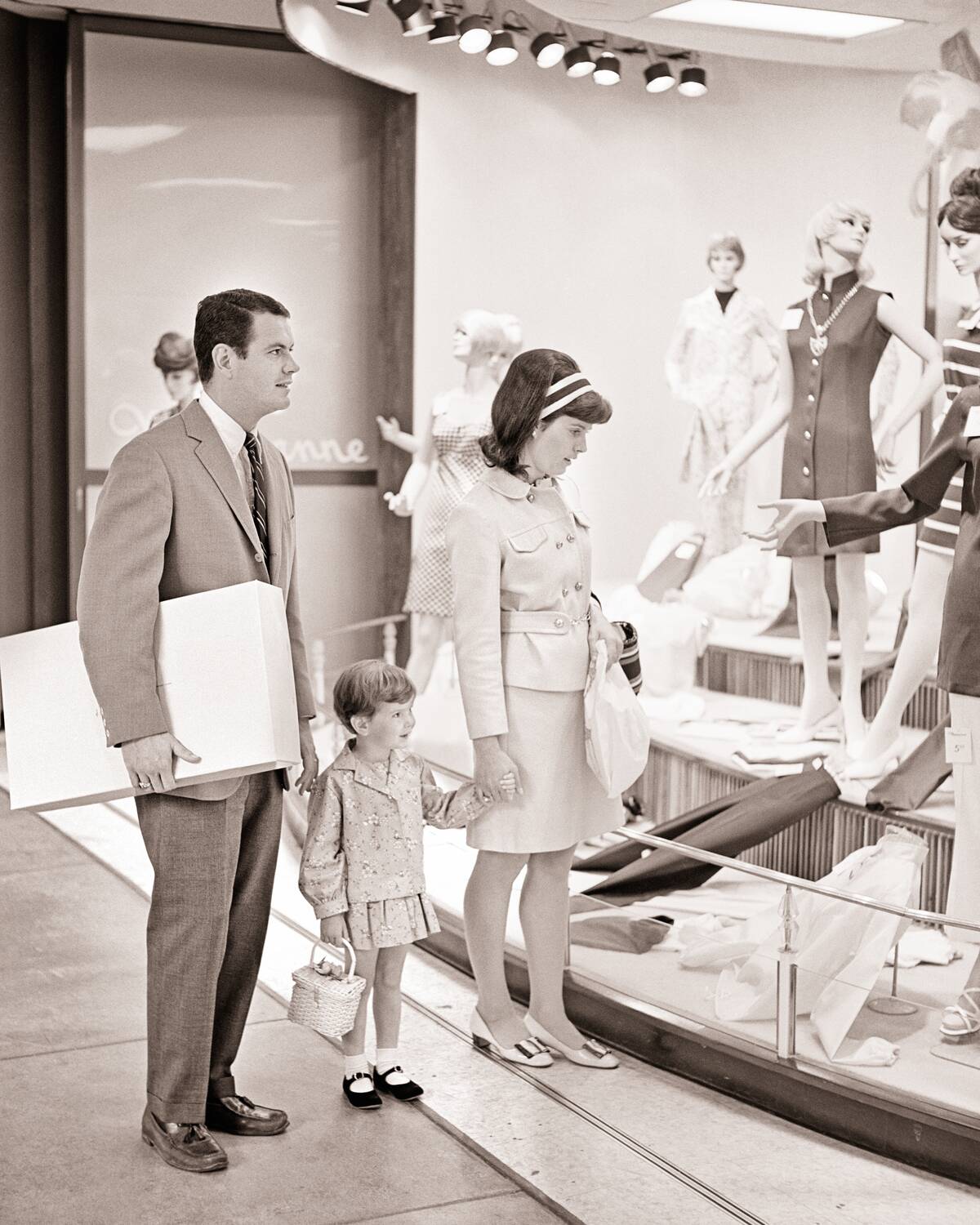
Fashion in the mall was a spectacle unto itself. Bell bottoms, polyester suits, and platform shoes were all the rage. Stores like The Limited and Contempo Casuals were go-to spots for the latest trends.
The mall was a runway, and everyone was a model. Shoppers would often spend hours trying on clothes, mixing and matching outfits, and seeking the perfect look to impress their peers. It was a time when fashion was bold, colorful, and unapologetically fun.
The Music Scene: Groovy Tunes and Mall Soundtracks
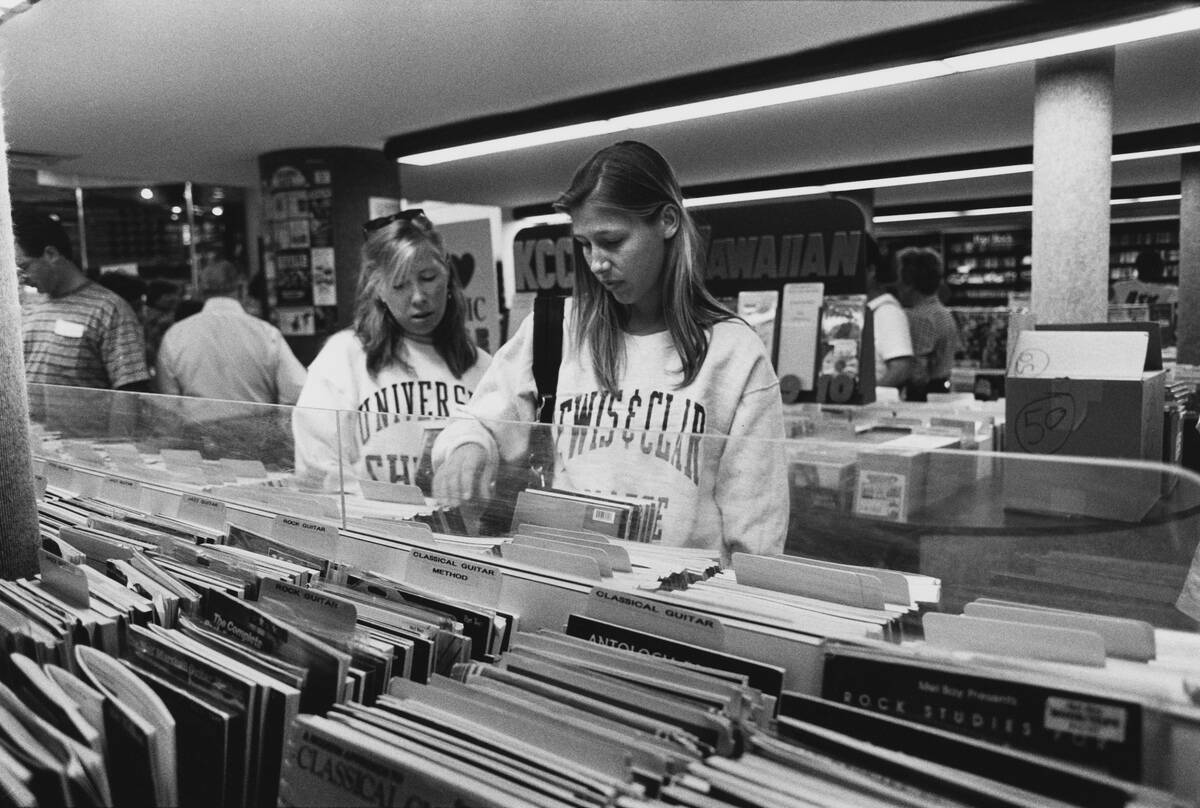
Music was the heartbeat of the mall experience. Record stores like Sam Goody and Tower Records were havens for music lovers. Shoppers could spend hours flipping through vinyl records, discovering new artists, and listening to the latest hits.
The mall’s background music often featured the era’s top tunes, creating a lively atmosphere. It wasn’t uncommon to hear Michael Jackson or Madonna playing as you walked from store to store, adding a soundtrack to your shopping adventure.
Food Court Favorites: From Orange Julius to Hot Dog on a Stick
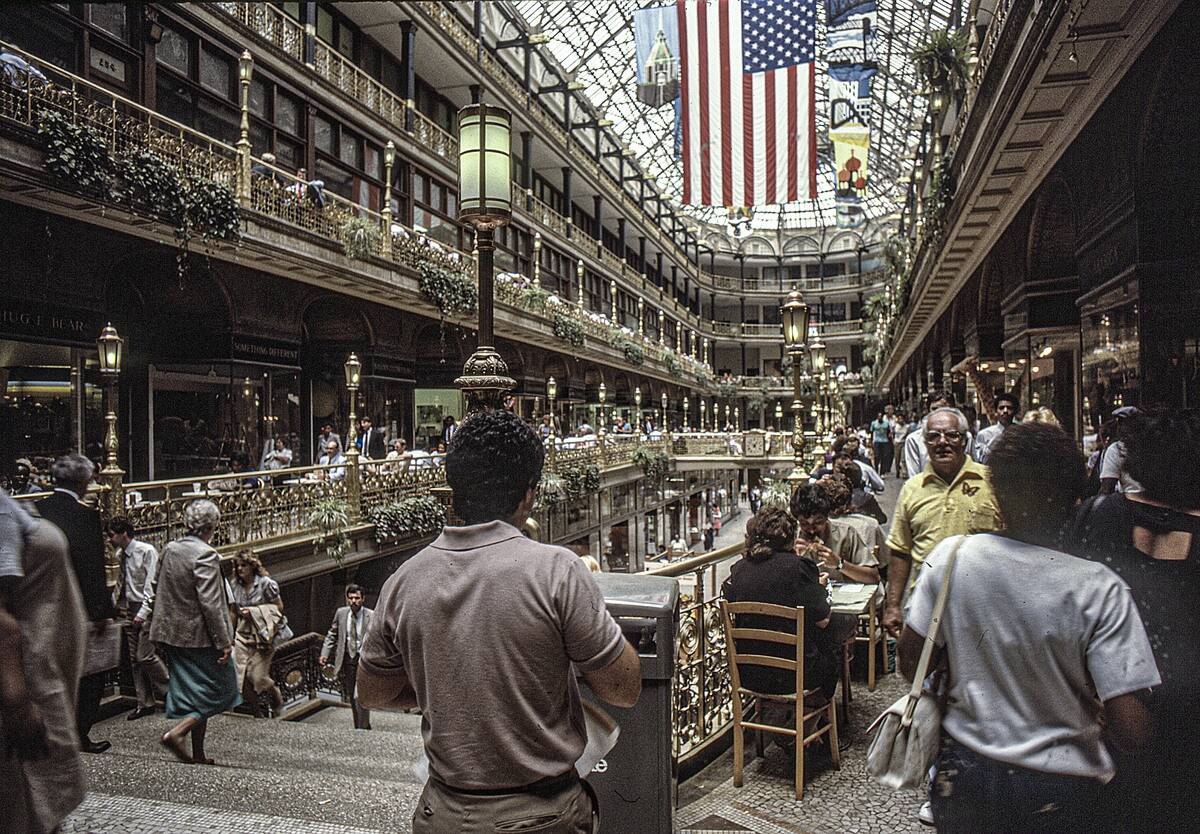
The food court was a culinary paradise, offering a variety of treats to satisfy any craving. Orange Julius, with its frothy, citrusy drinks, was a staple for many. Hot Dog on a Stick, with its colorful uniforms and fresh lemonade, was another favorite.
Whether you were in the mood for a slice of pizza or a soft pretzel, the food court had something for everyone. It was a place to refuel, relax, and people-watch, all while enjoying a delicious snack.
Arcade Adventures: The Birth of Video Game Culture
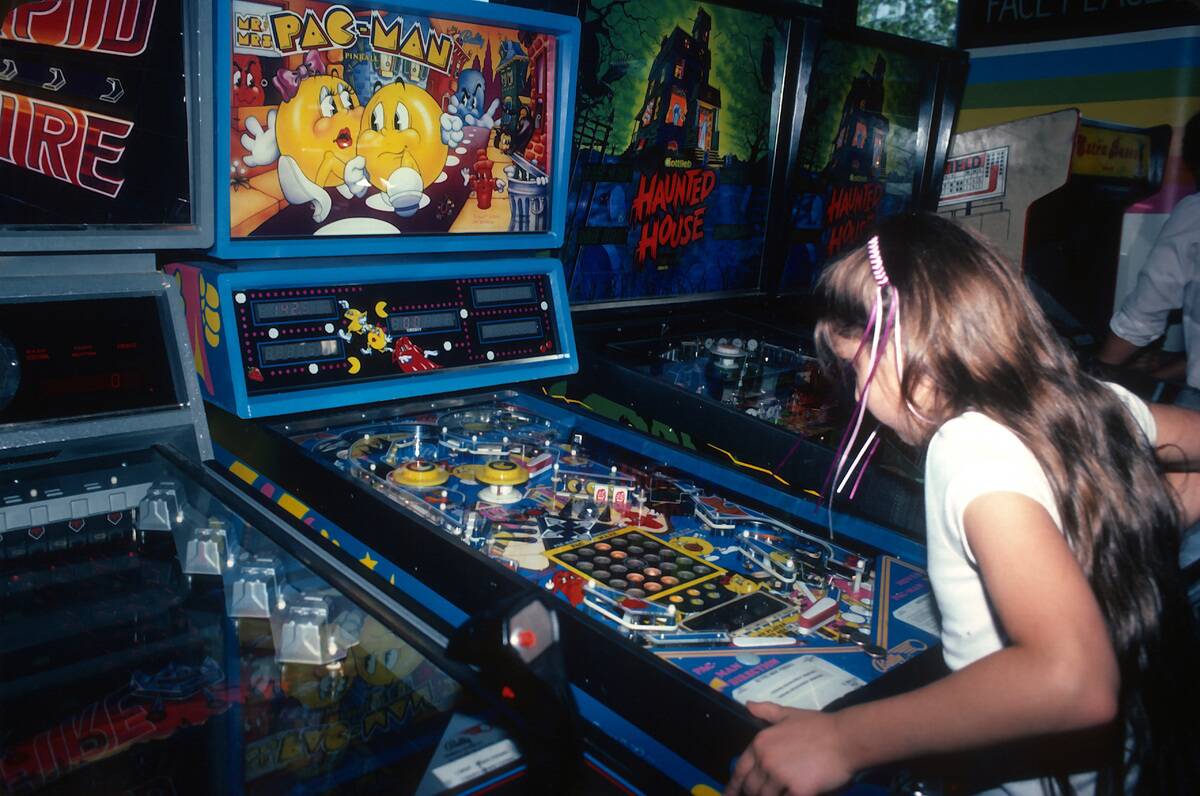
Arcades were the epicenter of entertainment within the mall. Games like Pac-Man, Space Invaders, and Donkey Kong captured the imaginations of young and old alike. Tokens in hand, gamers would gather around machines, eager to beat high scores and earn bragging rights.
The arcade was a place of competition and camaraderie, where friendships were forged over shared victories and defeats. It was the birthplace of a video game culture that continues to thrive today.
Window Shopping: The Art of Browsing Without Buying
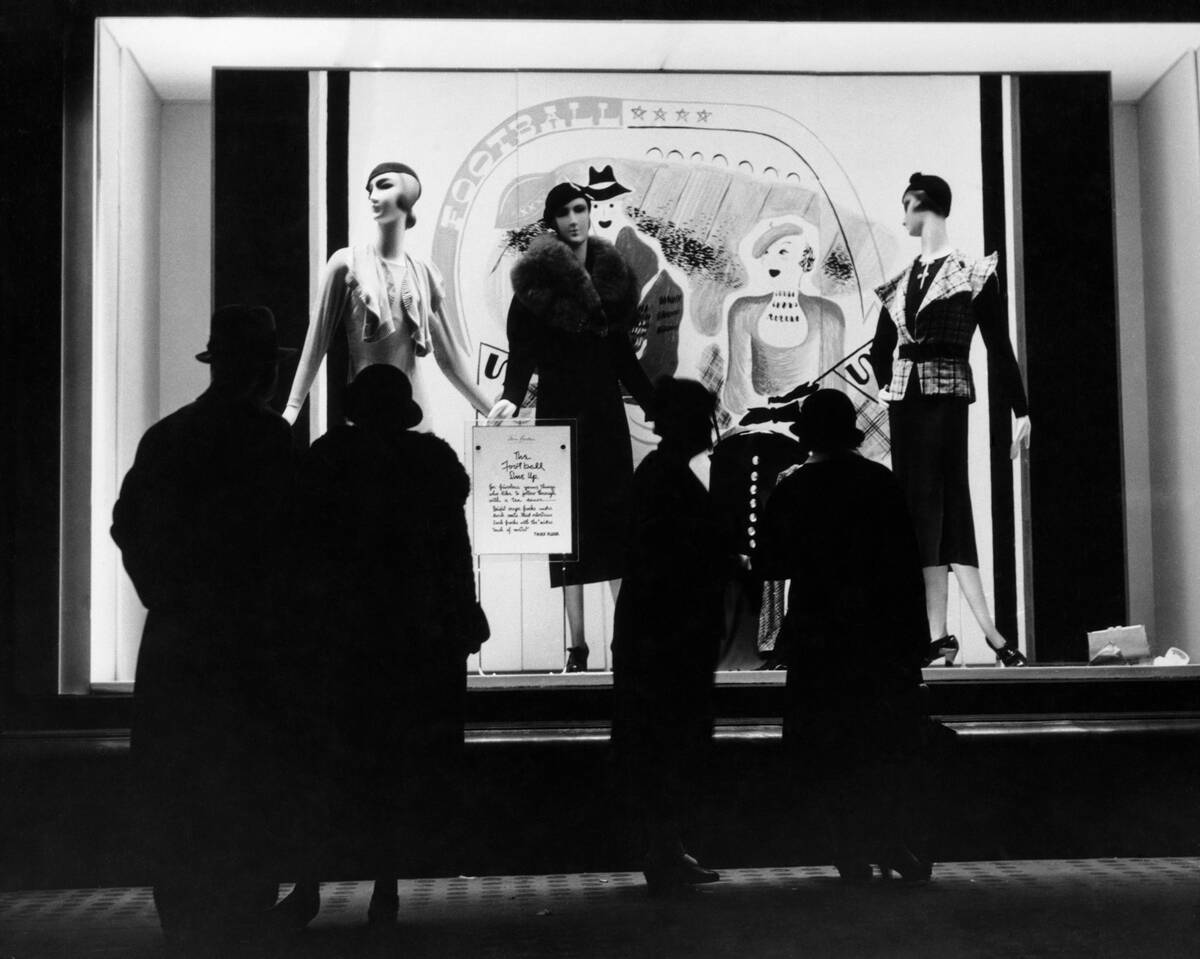
Window shopping was an art form, a leisurely activity that allowed mall-goers to admire displays without opening their wallets. Storefronts were meticulously curated, showcasing the latest trends and must-have items.
It was a chance to dream, to imagine what you might buy on your next visit. For many, it was a social activity, wandering the mall with friends, discussing fashion choices, and sharing opinions on the latest gadgets and gizmos.
Department Store Dominance: Anchors of the Mall Experience
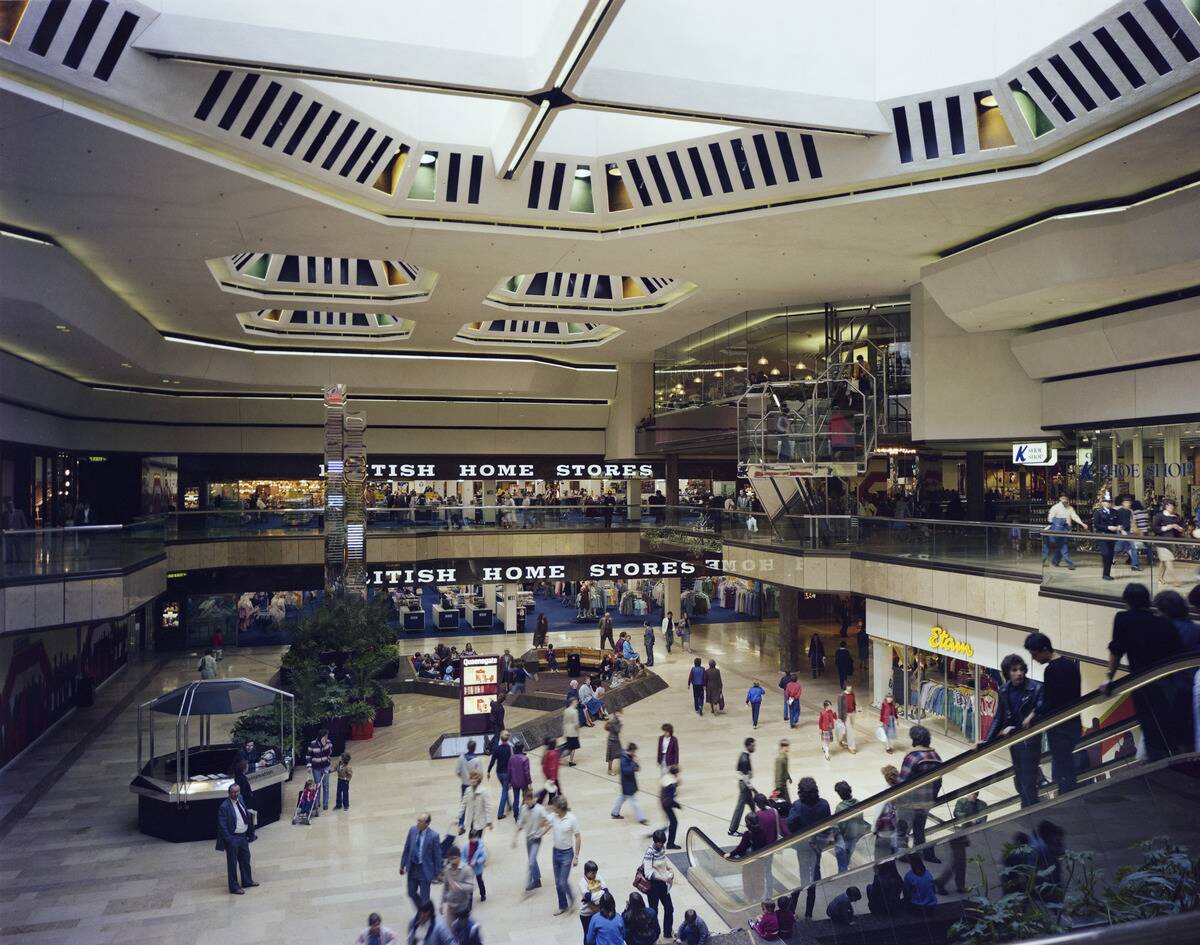
Department stores like Sears, JCPenney, and Macy’s were the anchors of the mall, drawing in crowds with their wide selection of goods. These stores offered everything from clothing to home goods, making them a one-stop shop for many families.
Their presence was a sign of a mall’s prestige, and their sales events were major attractions. Shoppers could spend hours exploring multiple floors, discovering new products, and taking advantage of seasonal promotions.
Mall Rats and Social Hubs: Where Teens Hung Out
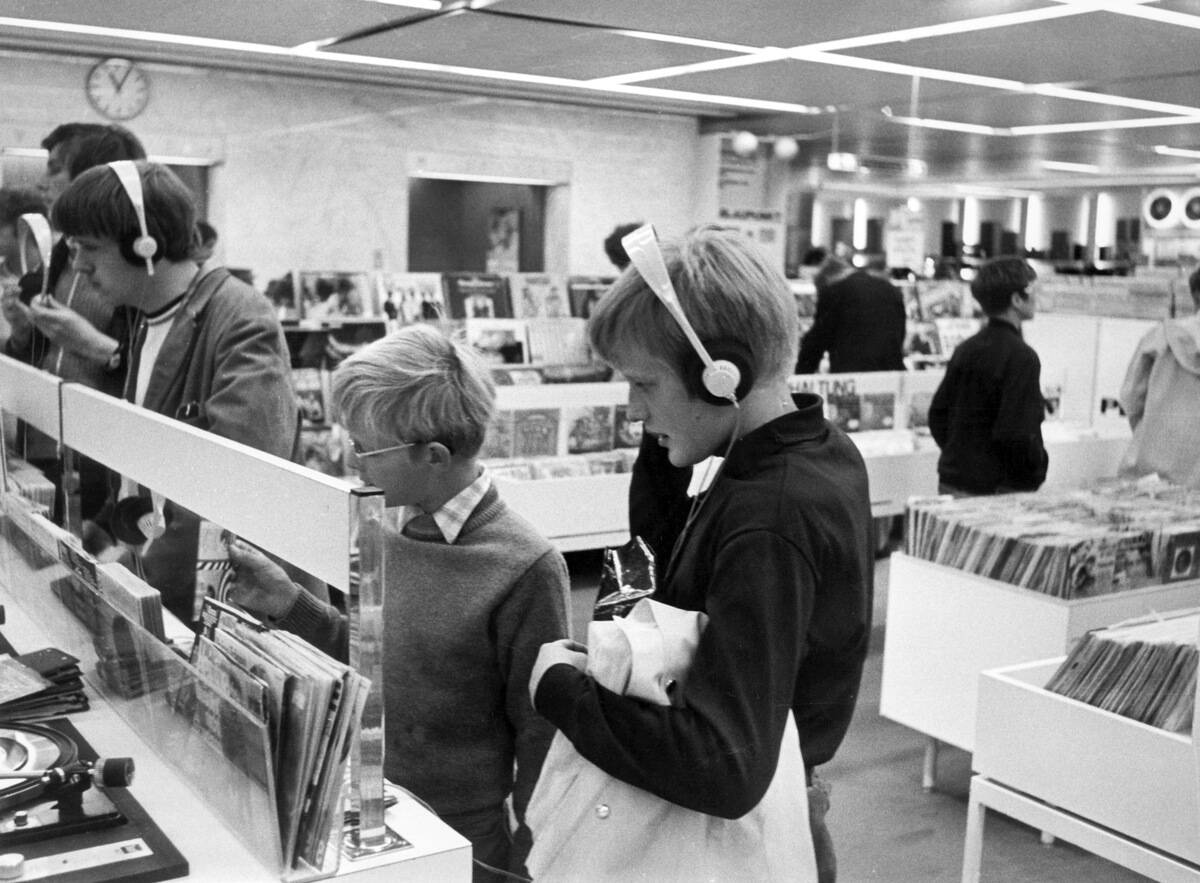
For teenagers, the mall was more than just a shopping destination; it was a social hub. Groups of friends, often referred to as “mall rats,” would spend hours hanging out, chatting, and people-watching.
The mall was a place to see and be seen, a venue for socializing outside of school. It offered a sense of freedom and independence, a place where teens could gather without the watchful eyes of parents, fostering friendships and creating memories.
Seasonal Events and Promotions: Holiday Magic at the Mall
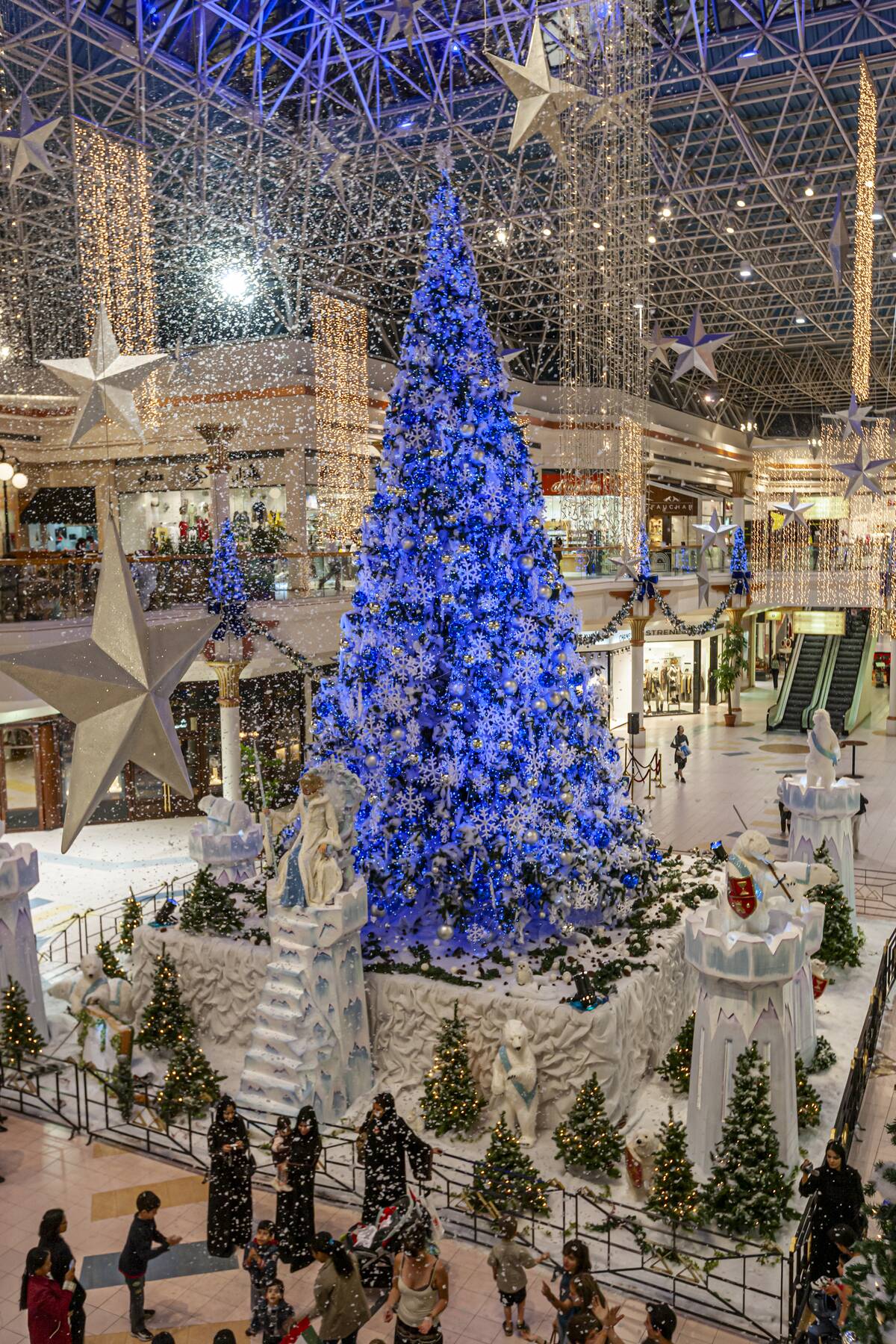
The holiday season brought a special magic to the mall, with festive decorations, Santa’s workshops, and holiday sales. Malls transformed into winter wonderlands, complete with twinkling lights and holiday music.
Seasonal events, like Easter egg hunts and Halloween trick-or-treating, drew families in droves. These promotions created a sense of community and celebration, making the mall a go-to destination for holiday shopping and family outings. The festive atmosphere added to the mall’s charm and allure.
The Influence of Celebrity Appearances and Promotions
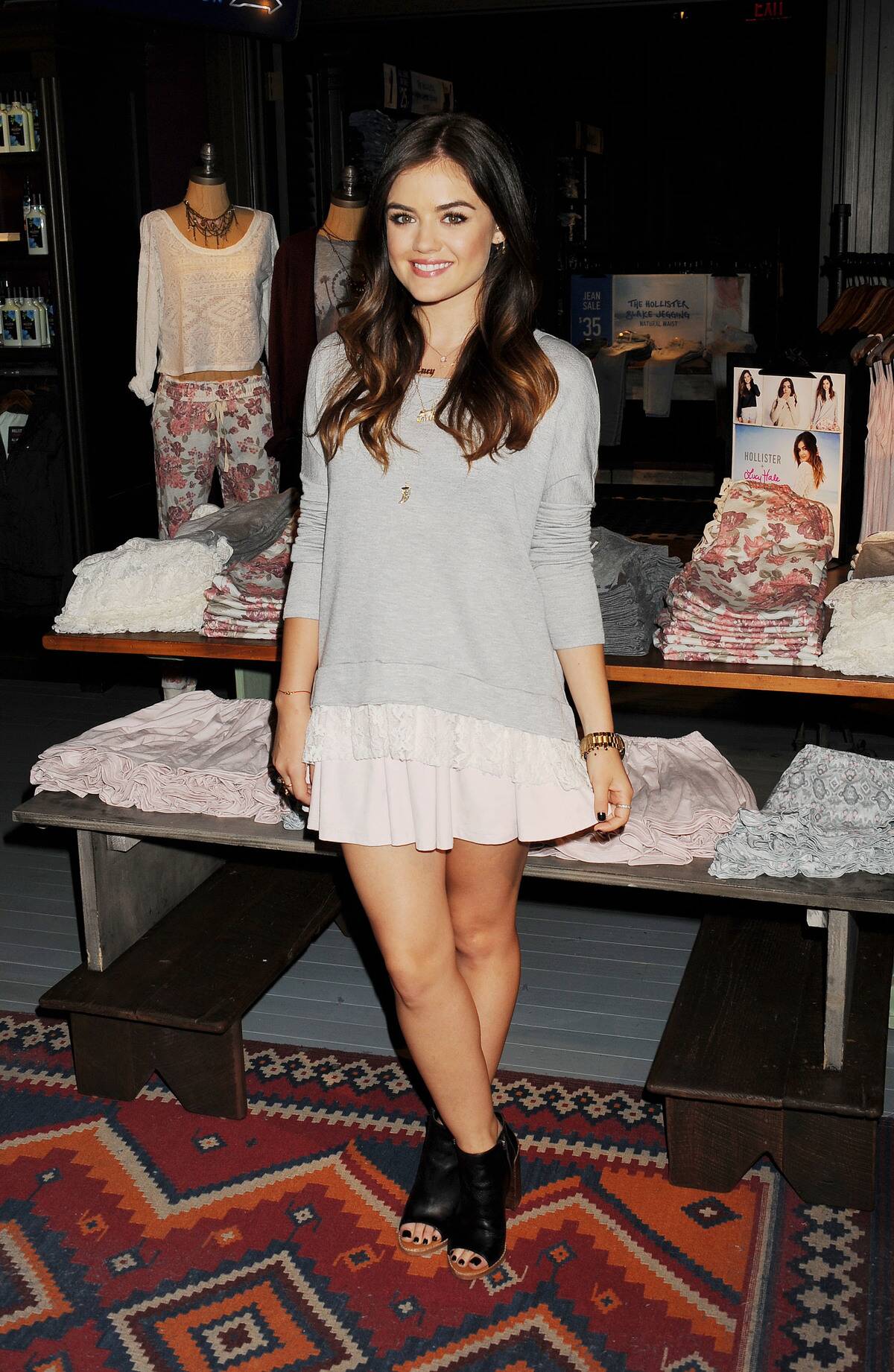
Celebrity appearances and promotions were major events at the mall, drawing crowds eager to catch a glimpse of their favorite stars. From autograph signings to live performances, these events created a buzz and excitement that was hard to match.
Celebrities like Tiffany and New Kids on the Block famously performed at malls, turning them into concert venues. These appearances not only boosted mall traffic but also cemented the mall’s status as a cultural hotspot and entertainment destination.




