Bizarre ingredients once used in cosmetics
Welcome to the fascinating realm of historical face powders, where beauty and danger often walked hand in hand. From ancient times to the present day, the pursuit of a flawless complexion has led to some intriguing, albeit risky, beauty practices.
These powders not only tell a story of evolving beauty standards but also highlight the lengths to which people have gone to achieve their desired look.
The Allure of a Perfect Complexion Through the Ages
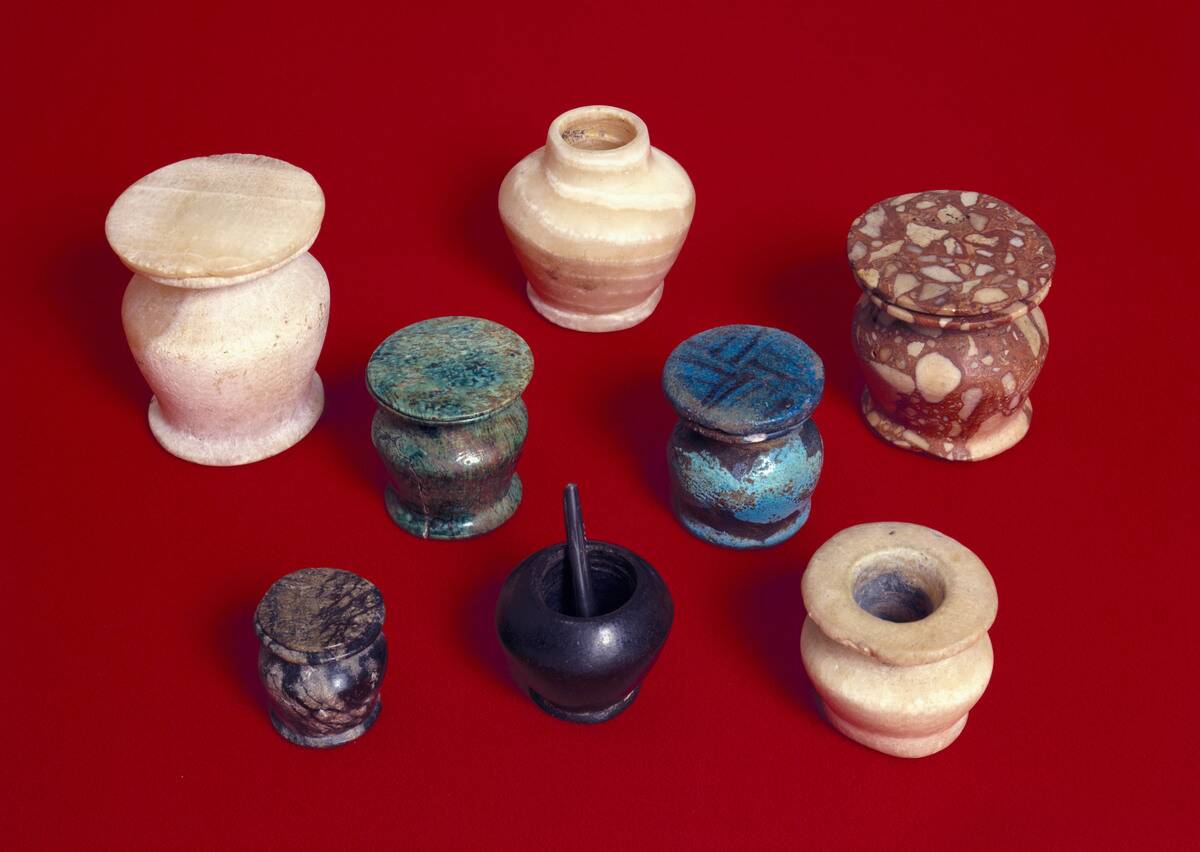
Throughout history, a perfect complexion has been synonymous with beauty and status. In ancient Egypt, both men and women used makeup to enhance their features, while in the Elizabethan era, a pale face was a sign of nobility.
The quest for flawless skin has driven innovation and creativity, leading to the development of various face powders, each with its unique ingredients and cultural significance.
Lead: The Toxic Beauty Secret of the Past
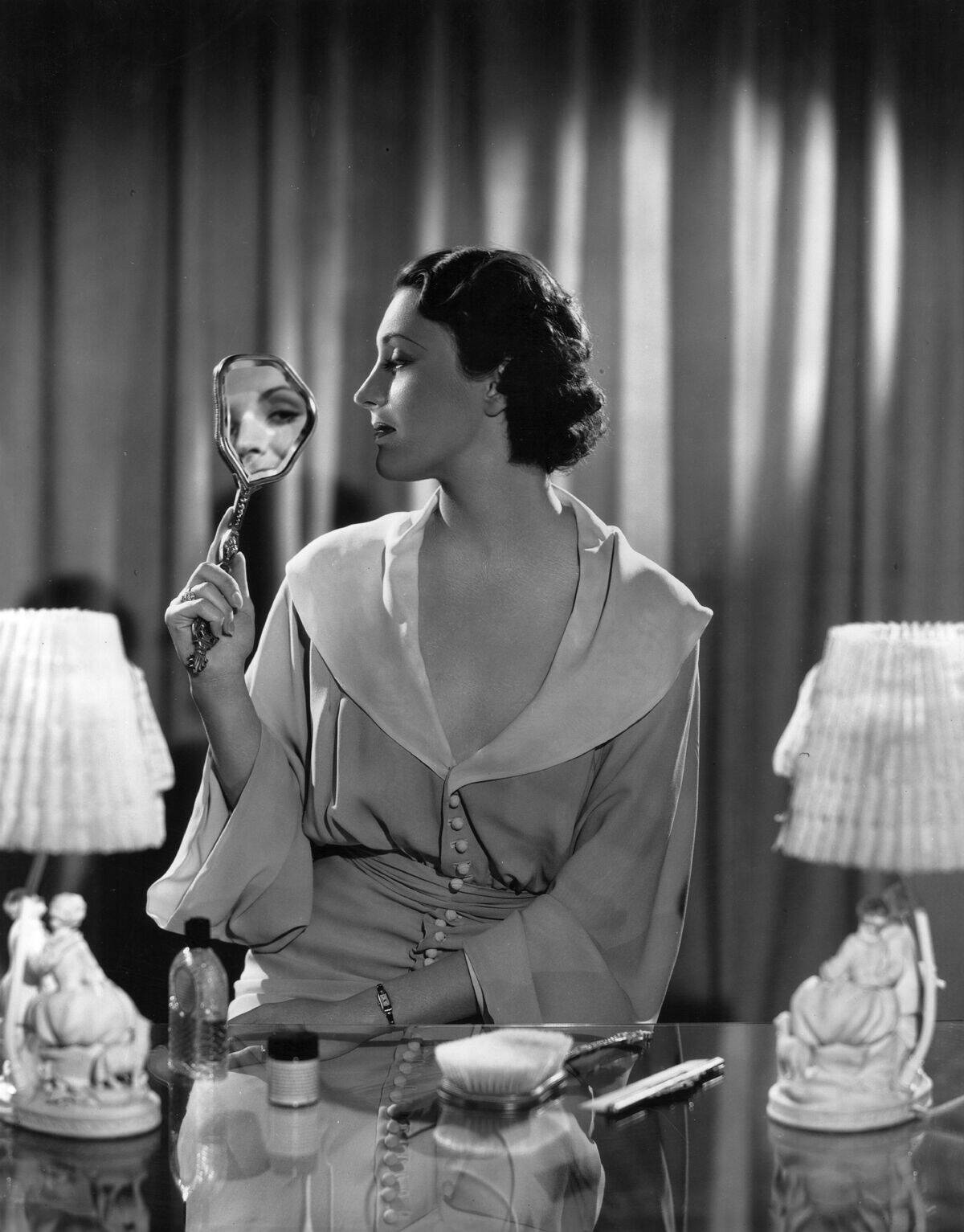
Lead-based face powders were once the go-to choice for achieving a pale, smooth complexion. Unfortunately, this beauty secret came at a high cost, as lead is highly toxic and can cause severe health issues.
Despite its dangers, lead continued to be used in cosmetics for centuries, illustrating the lengths people would go for beauty. Today, we thankfully know better and have safer alternatives.
Rice Powder: A Gentle Alternative with a Rich History
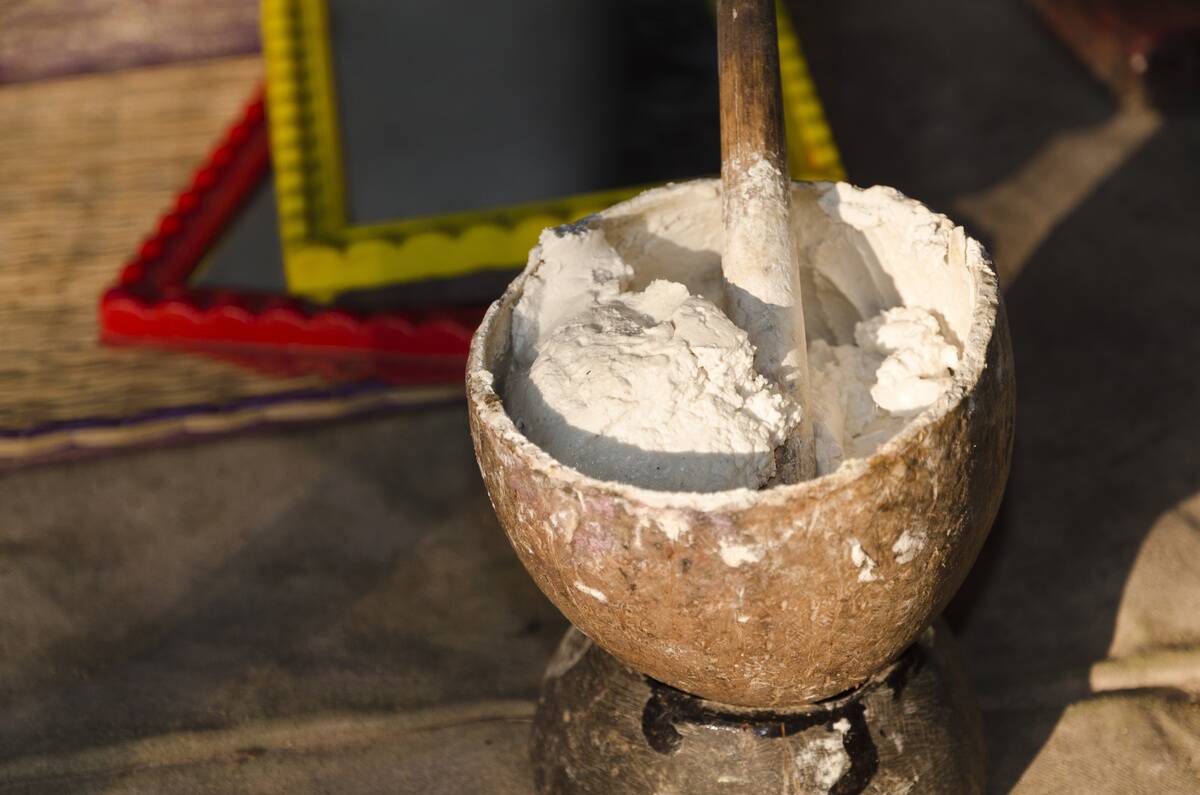
Rice powder has been used for centuries in Asia as a gentle and effective face powder. Known for its oil-absorbing properties, it provides a matte finish without the harmful effects of lead.
In Japan, geishas famously used rice powder to achieve their iconic white faces. Its natural and gentle nature makes it a popular choice even today, proving that sometimes the simplest solutions are the best.
Arsenic: The Dangerous Quest for Pale Perfection
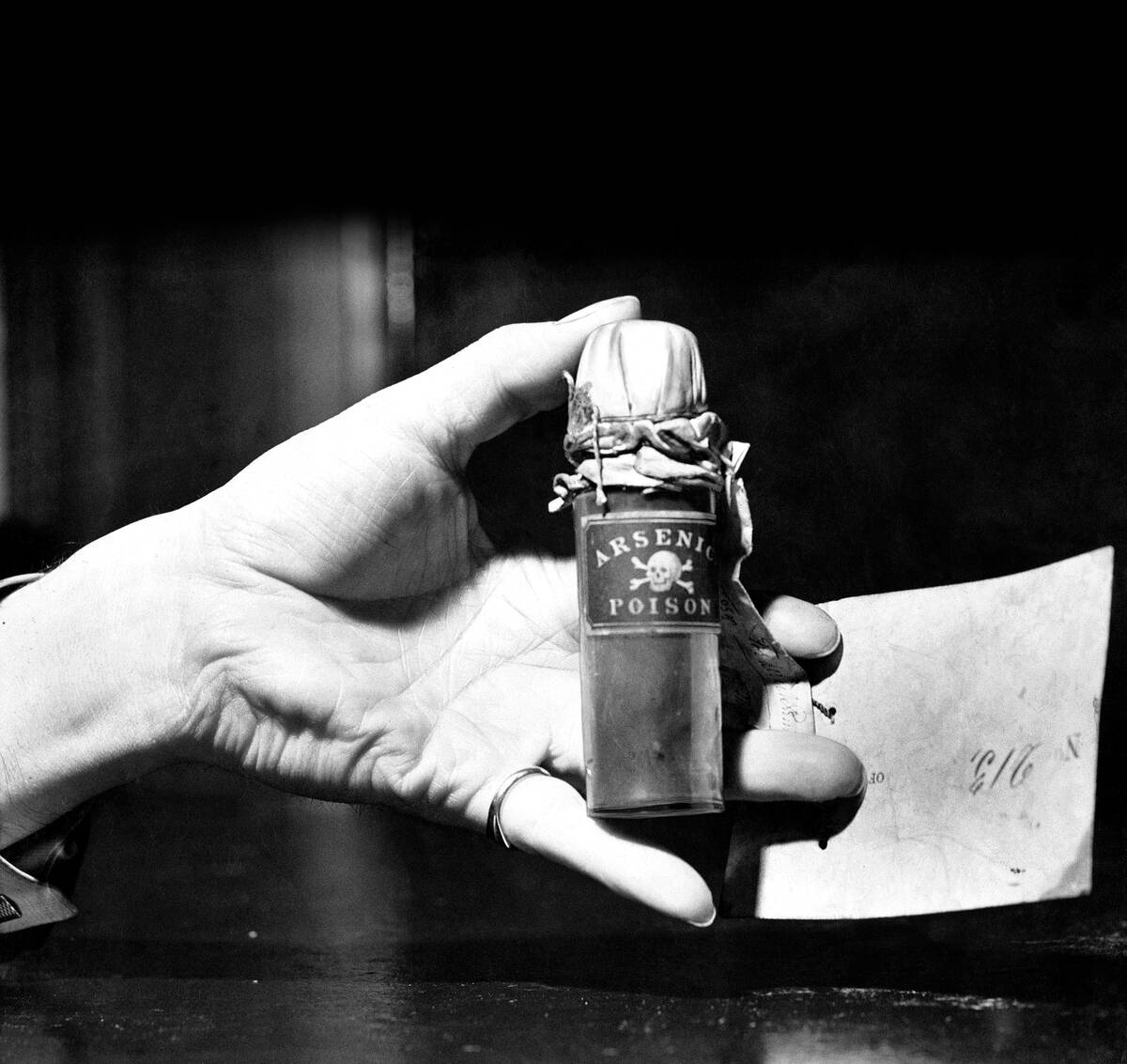
In the 19th century, arsenic wafers were marketed as a way to achieve a pale, blemish-free complexion. Despite its known toxicity, arsenic was touted as a miracle beauty product.
The quest for pale perfection often overshadowed the potential health risks, leading many to unwittingly poison themselves. This dangerous trend underscores the sometimes hazardous pursuit of beauty throughout history.
Chalk: The Simple Solution for a Matte Finish
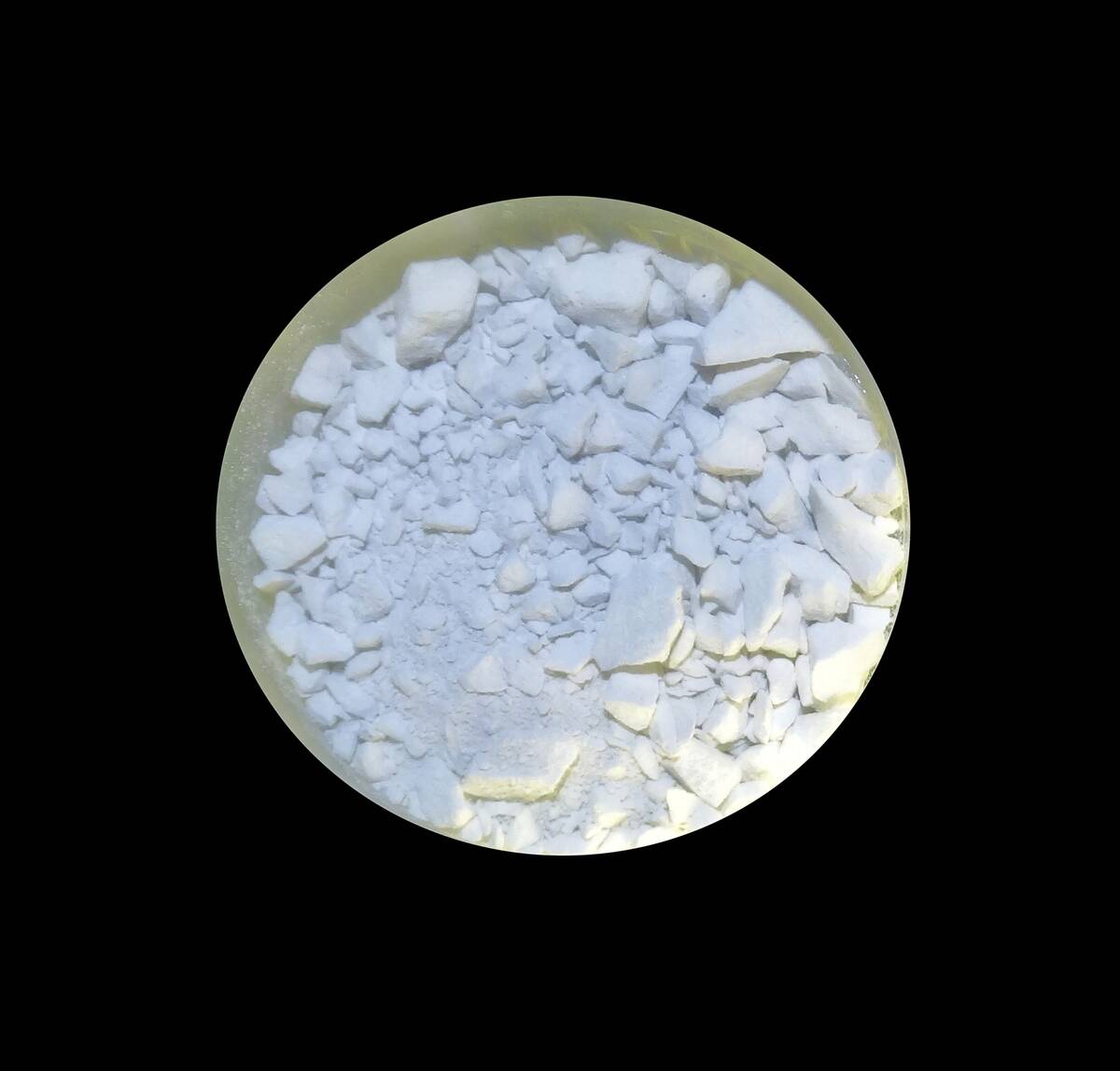
Chalk was a common ingredient in face powders during the 18th and 19th centuries, used for its ability to absorb oil and create a matte finish. While it was a simple and affordable option, it often left the skin dry and irritated.
Despite its drawbacks, chalk’s ease of use and availability made it a staple in many beauty routines, highlighting the resourcefulness of past generations.
Talc: The Soft Mineral with a Controversial Legacy

Talc has been a popular ingredient in face powders due to its silky texture and ability to absorb moisture. However, its reputation has been marred by concerns over contamination with asbestos, a known carcinogen.
Despite these concerns, talc remains widely used in cosmetics, though many brands now offer talc-free alternatives to address safety concerns and cater to health-conscious consumers.
Zinc Oxide: The Multi-Tasking Mineral for Skin Protection
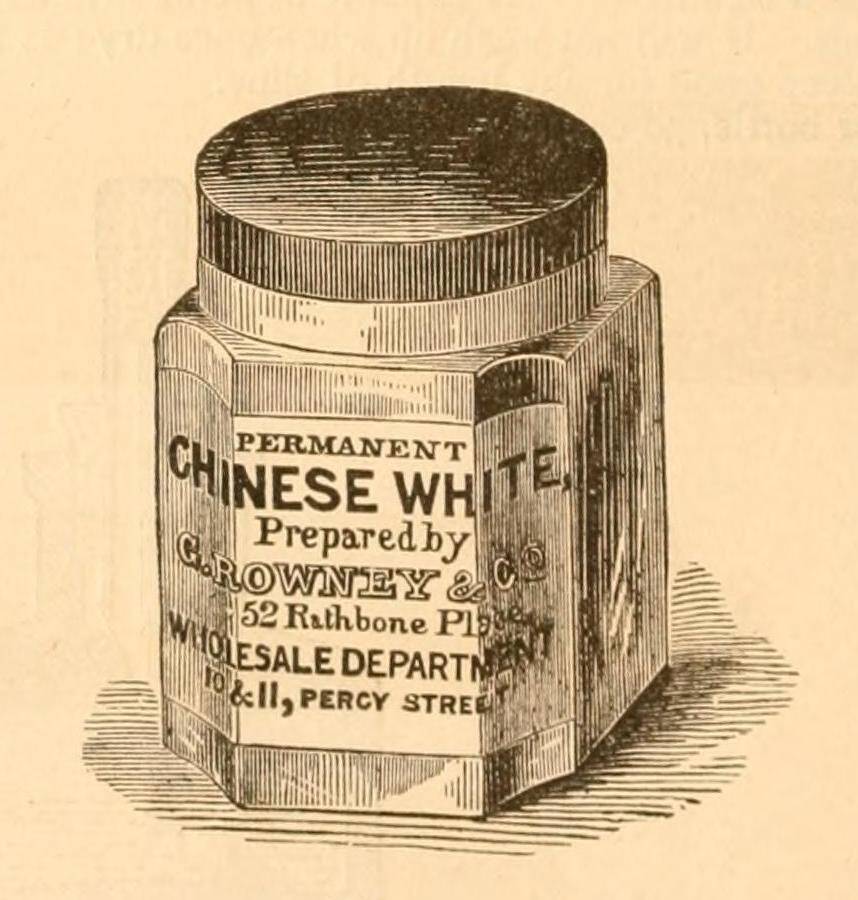
Zinc oxide is a powerhouse ingredient in face powders, known for its sun protection and anti-inflammatory properties. Used since ancient times, it provides a natural barrier against UV rays and helps soothe irritated skin.
Its versatility and safety make it a popular choice in modern cosmetics, demonstrating how historical ingredients can evolve to meet contemporary beauty needs.
Cornstarch: The Kitchen Staple Turned Beauty Essential
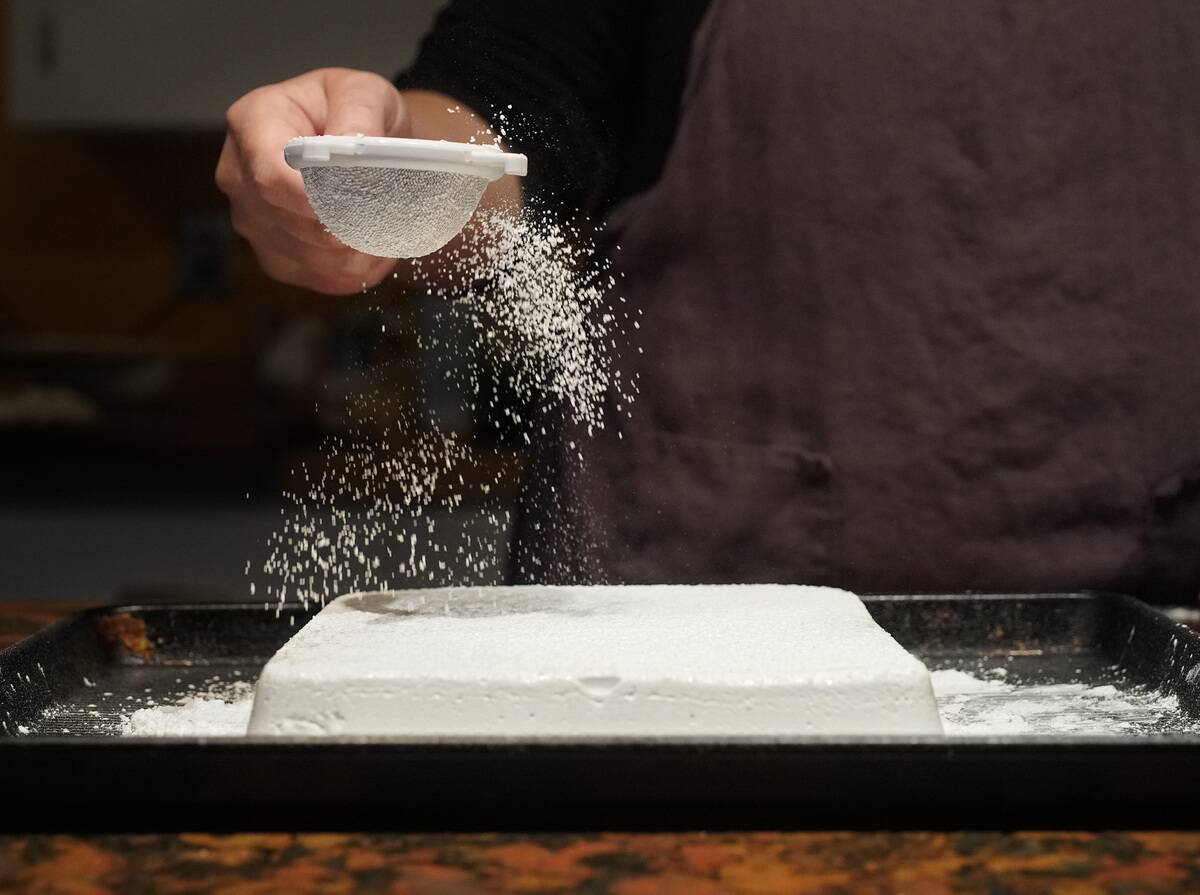
Cornstarch, a common kitchen staple, has found its way into the beauty world as a natural face powder alternative. Its fine texture and oil-absorbing properties make it an excellent choice for those seeking a matte finish without harsh chemicals.
This humble ingredient’s rise in popularity highlights the trend towards natural, DIY beauty solutions, proving that sometimes the best beauty secrets are right in our pantry.
Mercury: The Risky Element in Pursuit of Radiance
Mercury was once used in face powders for its skin-lightening properties, despite its known toxicity. This dangerous practice highlights the extreme measures taken in the pursuit of beauty.
The use of mercury in cosmetics is now banned in many countries due to its severe health risks, serving as a reminder of the importance of safety in beauty products.
Oatmeal: The Soothing Ingredient with Surprising Benefits
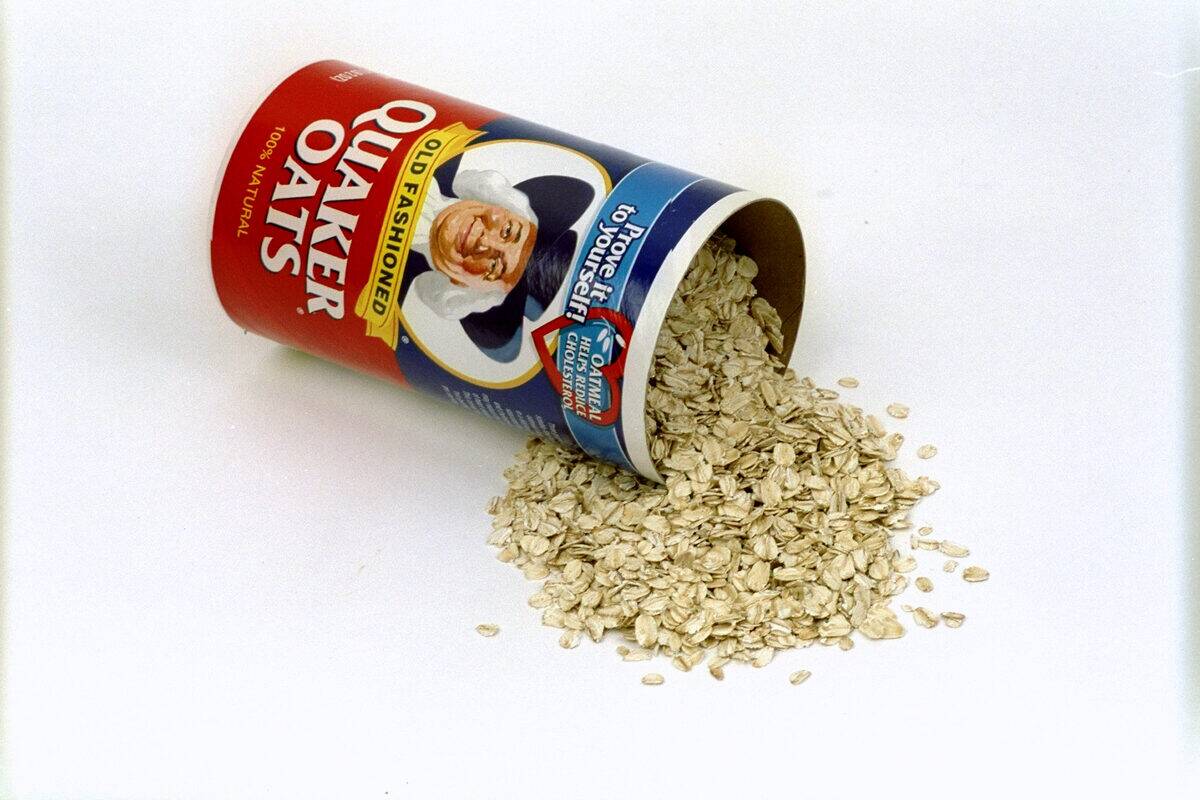
Oatmeal is a gentle and soothing ingredient that has been used in skincare for centuries. Known for its anti-inflammatory properties, it helps calm irritated skin and provides a soft, natural finish.
Its versatility and effectiveness make it a beloved ingredient in both traditional and modern beauty routines, proving that sometimes the best solutions are also the simplest.
Gold Dust: The Extravagant Touch for a Glowing Complexion
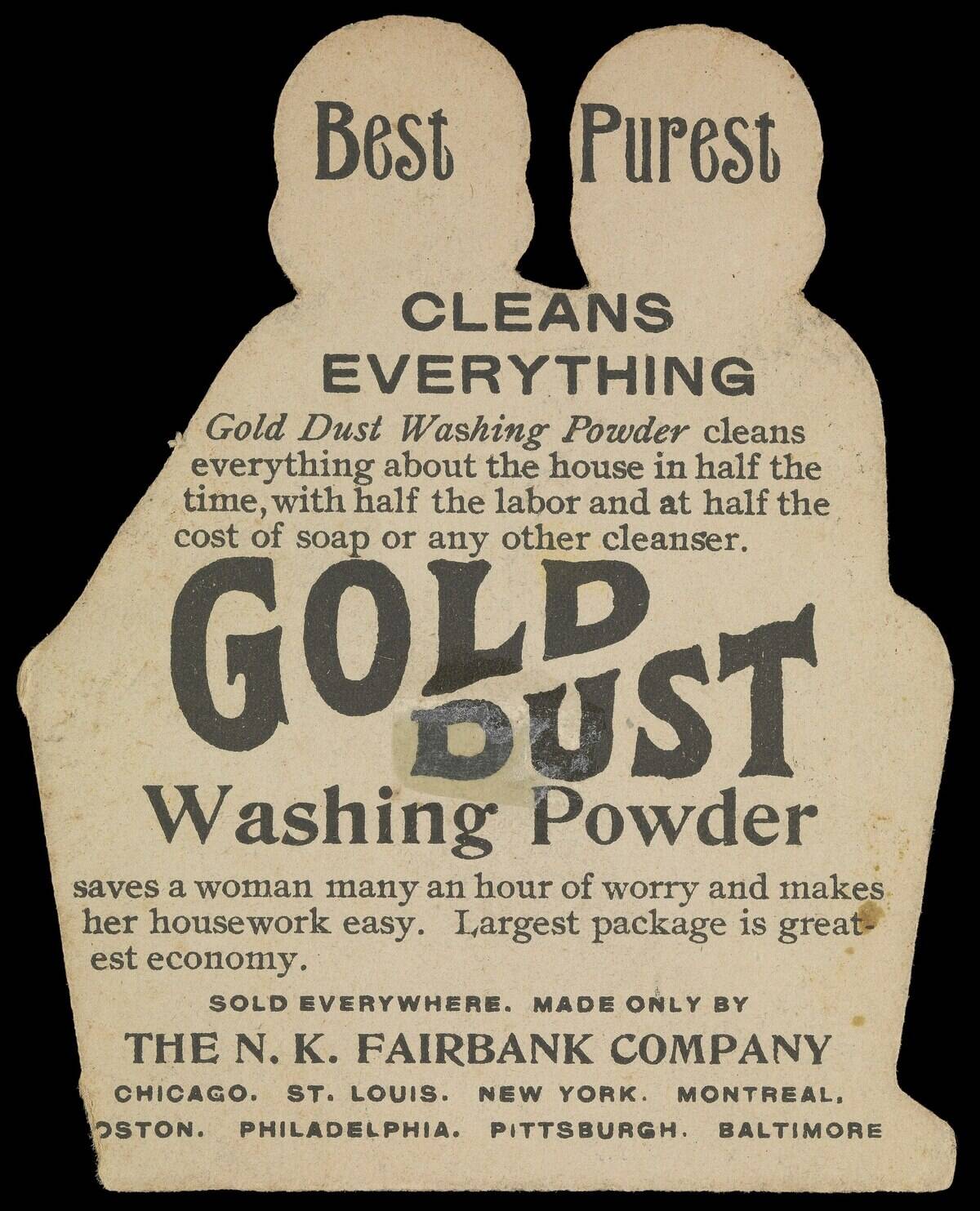
Gold dust has been used in cosmetics for centuries, adding an extravagant touch to beauty routines. Believed to stimulate collagen production and improve skin elasticity, it offers more than just a luxurious glow.
Its use in face powders reflects the timeless allure of gold in beauty, illustrating how precious metals have captivated our imaginations and enhanced our appearances.




