Forgotten events that shaped everyday life
History is often dominated by grand events and monumental figures, but what about the smaller, overlooked moments that have quietly shaped our daily lives? These seemingly minor innovations and cultural shifts have had a profound impact on how we live, work, and play.
From the invention of the zipper to the dawn of the selfie, these moments deserve a spotlight for their role in crafting the modern world.
The Invention of the Zipper: A Seamless Revolution
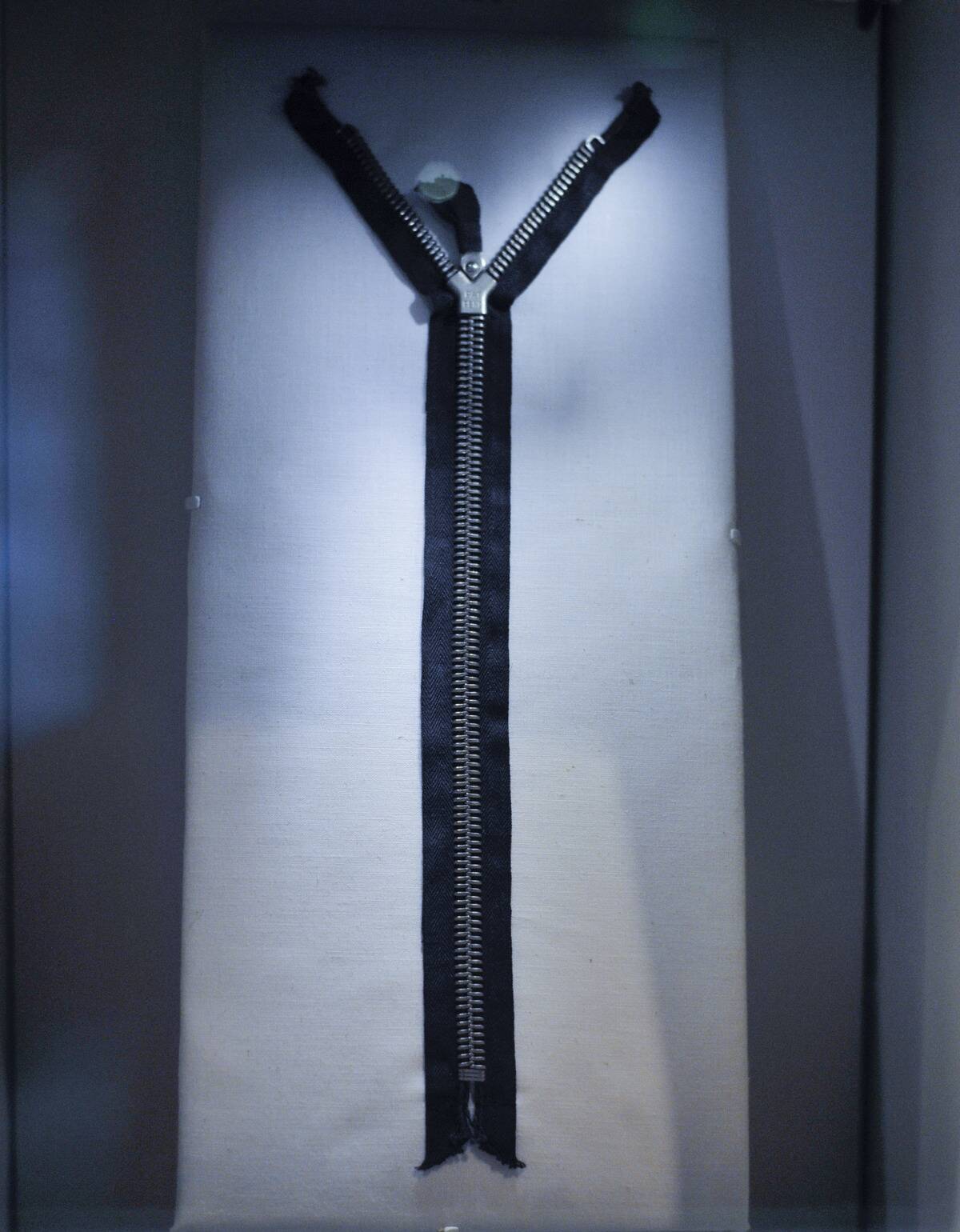
The zipper, a simple yet ingenious device, was invented by Whitcomb Judson in 1893, but it wasn’t until Gideon Sundback’s improvements in 1913 that it gained popularity.
Before zippers, clothing relied on buttons and hooks, which were cumbersome and time-consuming. The zipper revolutionized fashion by offering a quick and easy fastening method, transforming everything from pants to dresses and even luggage.
The Birth of the Weekend: From Toil to Leisure
![[redacted] With His Model T...](https://media.tellmebest.com/wp-content/uploads/2023/09/henry-ford-with-his-model-t-36707.jpeg)
The concept of the weekend as we know it today emerged during the Industrial Revolution. In 1926, Henry Ford popularized the two-day weekend by giving his workers Saturdays off, recognizing the importance of rest and leisure.
This shift not only improved worker productivity but also paved the way for a culture of relaxation and recreation, allowing people to pursue hobbies and spend time with family.
The Rise of the Supermarket: Shopping Transformed
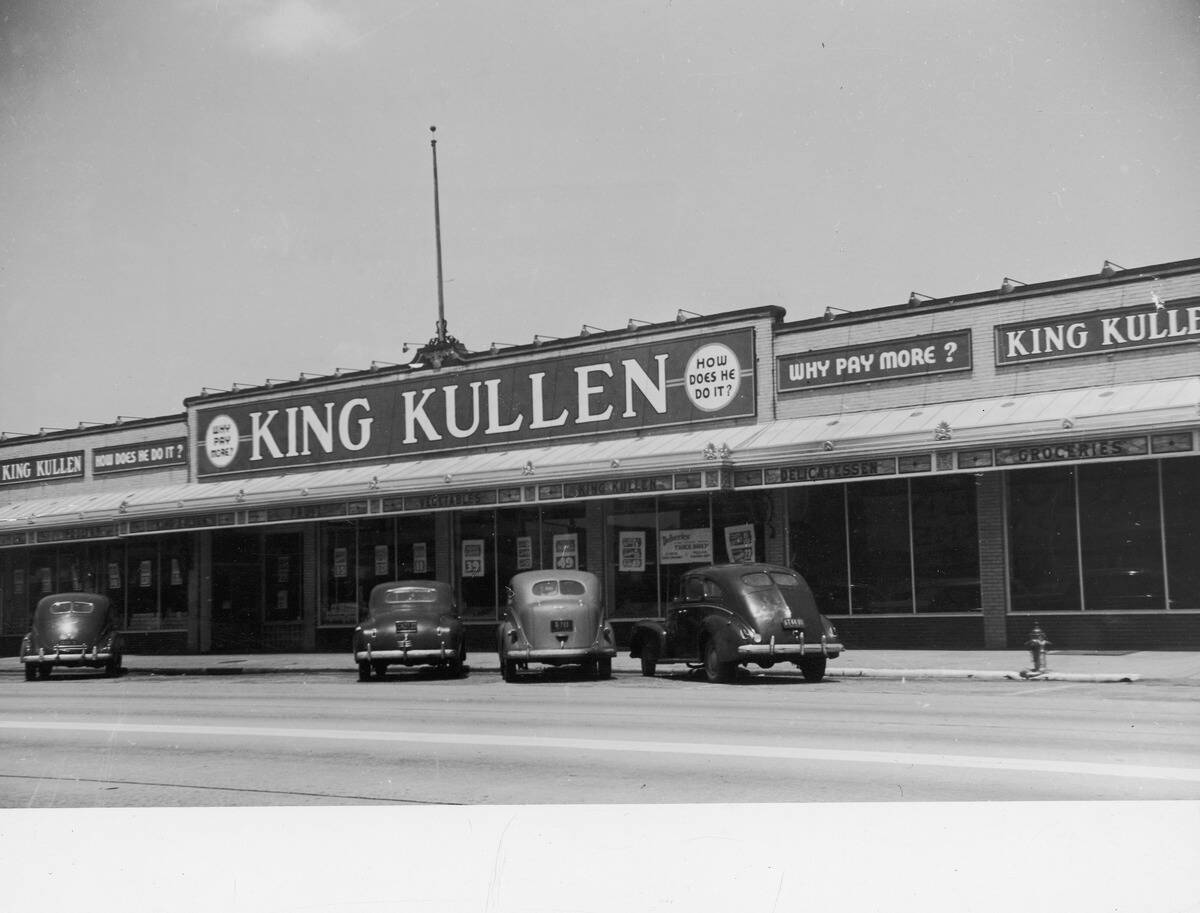
The first supermarket, King Kullen, opened in 1930 in New York, revolutionizing the way people shopped for groceries. Before supermarkets, people visited multiple specialty shops for different goods.
Supermarkets offered a one-stop shopping experience with self-service aisles and a wide variety of products under one roof, making shopping more convenient and efficient for consumers.
The Advent of the Credit Card: Spending Made Easy
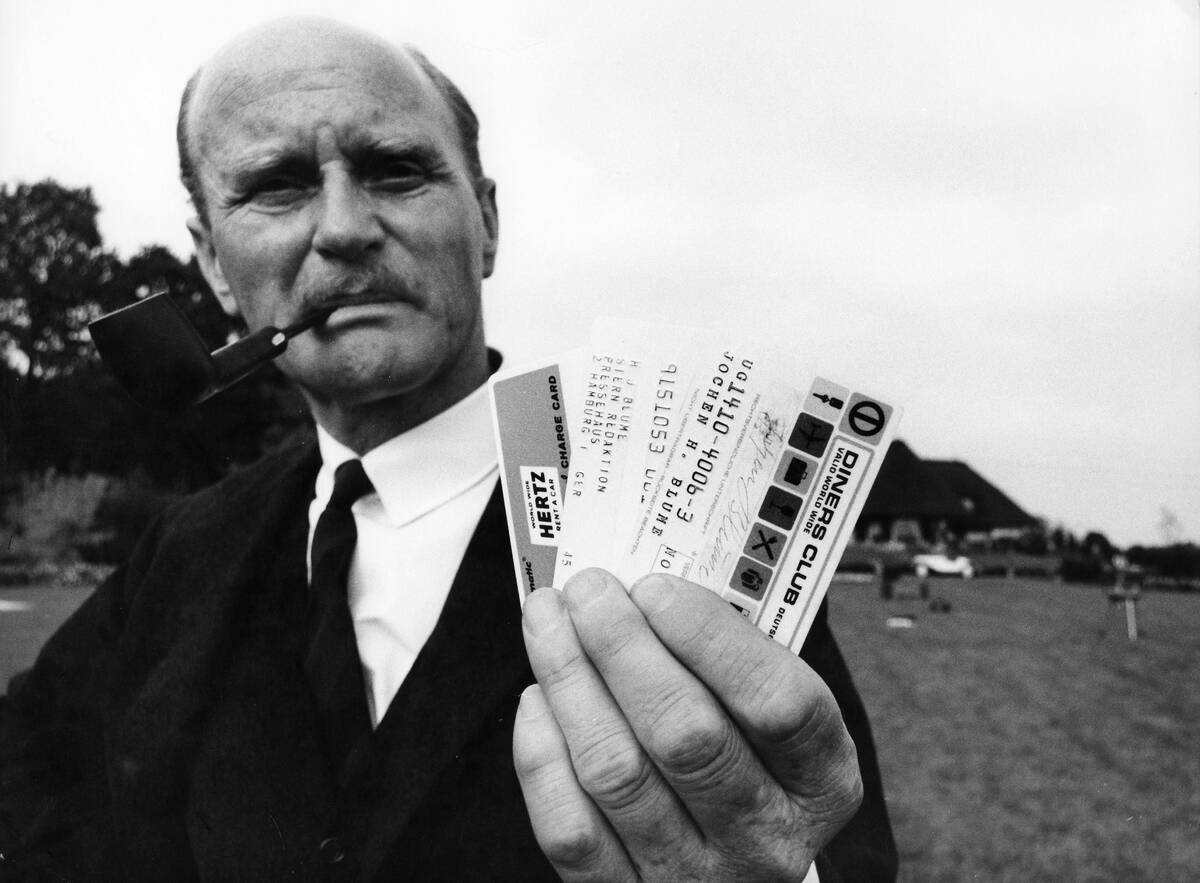
The first universal credit card, Diners Club, was introduced in 1950, allowing consumers to make purchases without cash. Before credit cards, people relied on cash or checks, which were less secure and more cumbersome.
Credit cards revolutionized personal finance by providing a convenient and secure way to pay, leading to the development of modern banking and the global economy.
The Introduction of the Traffic Light: Order on the Roads
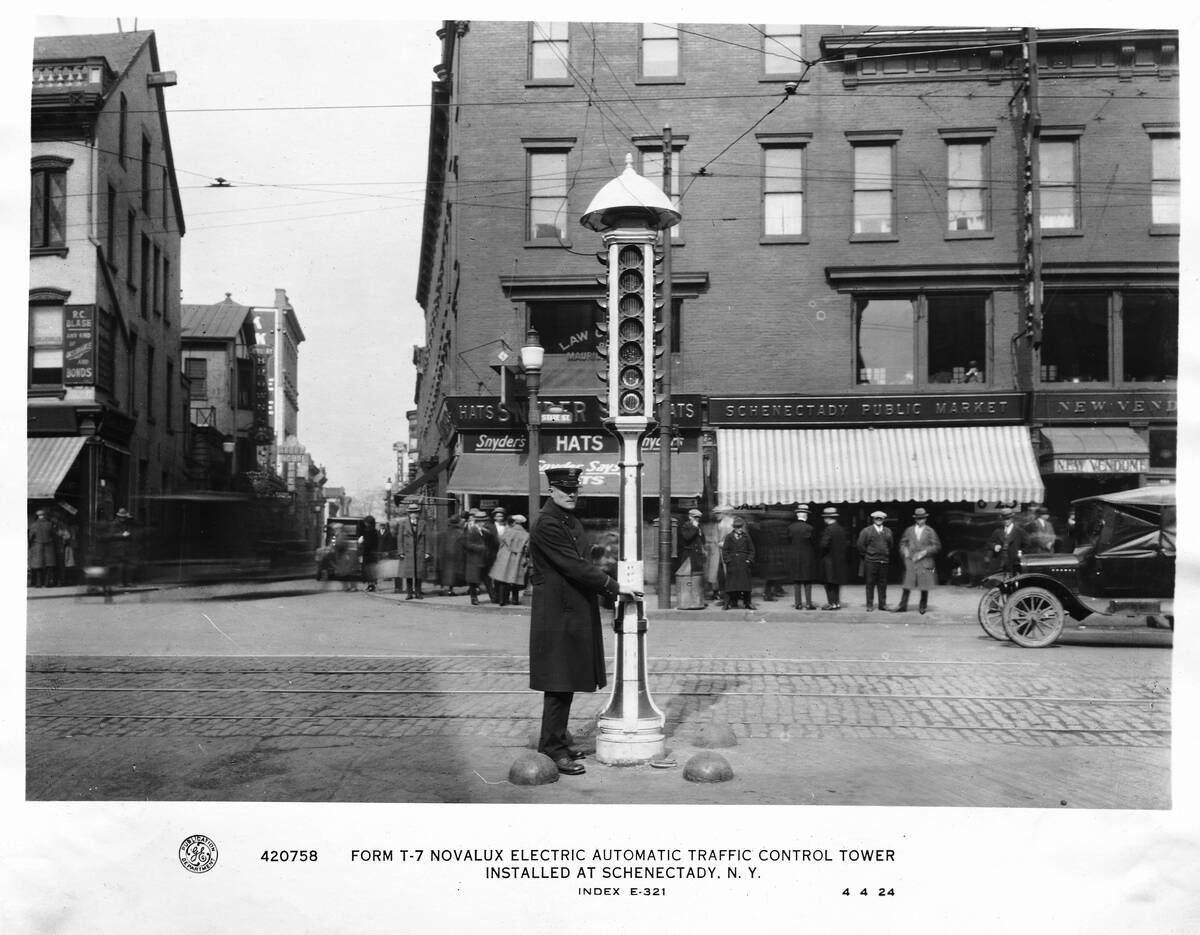
The first electric traffic light was installed in Cleveland, Ohio, in 1914, bringing order to chaotic intersections. Before traffic lights, police officers directed traffic, which was inefficient and labor-intensive.
Traffic lights improved road safety and efficiency, reducing accidents and allowing for smoother traffic flow, which became essential as automobiles became more prevalent.
The Creation of the Post-It Note: Sticky Ideas

The Post-It Note, invented by Spencer Silver and Arthur Fry at 3M in 1974, was an accidental innovation that became a staple in offices worldwide. Originally intended as a strong adhesive, its low-tack formula made it perfect for temporary notes.
Post-It Notes revolutionized how we organize thoughts and communicate in the workplace, proving that sometimes the best inventions are the simplest.
The Launch of the Microwave Oven: Fast-Forward Cooking
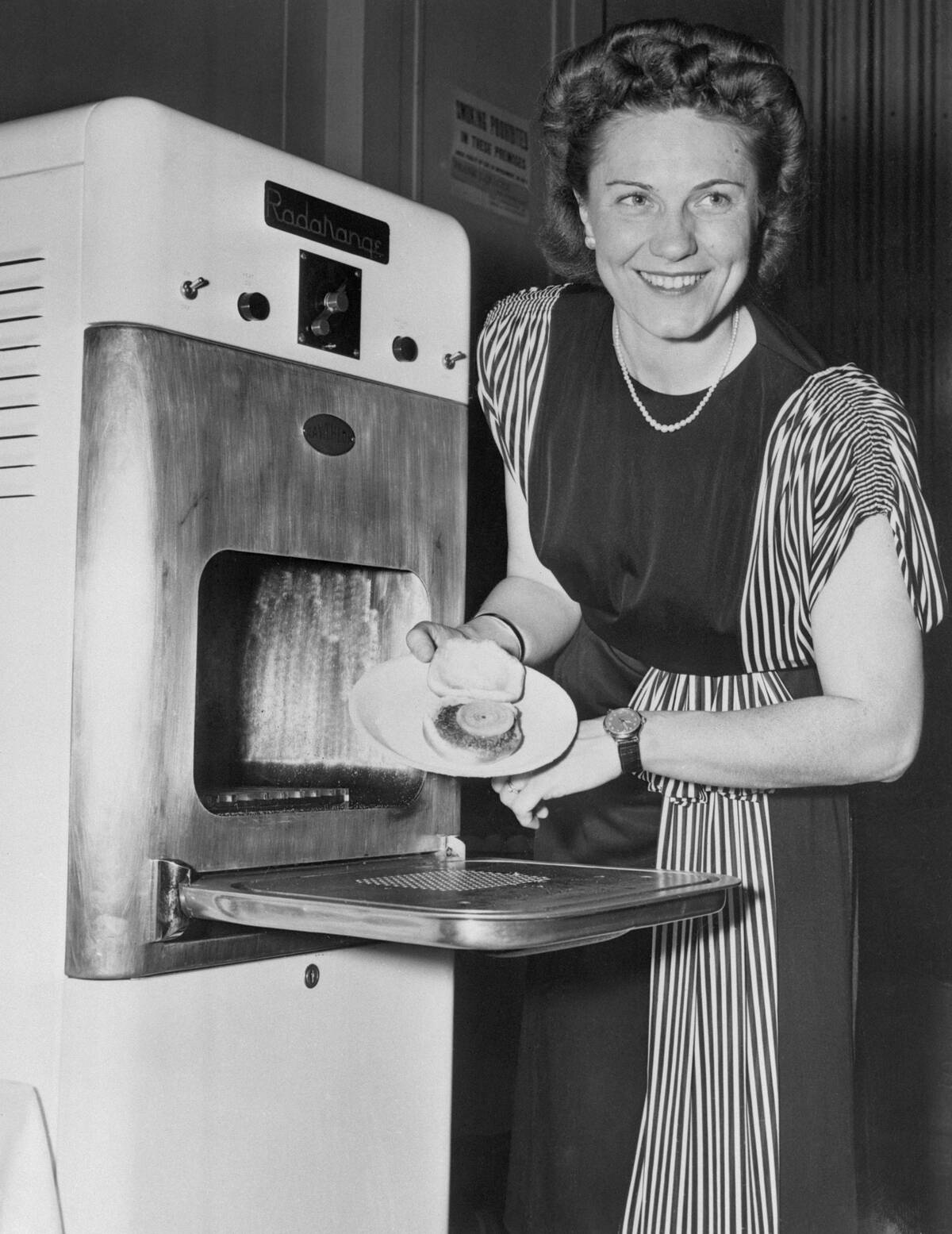
The microwave oven was accidentally discovered by Percy Spencer in 1945 when a candy bar melted in his pocket while working with radar technology. By 1967, the first countertop microwave was available to consumers, transforming cooking by drastically reducing preparation time.
This innovation made fast, convenient meals possible, changing the way families approached meal preparation.
The Spread of the Coffeehouse Culture: Brewing Connections
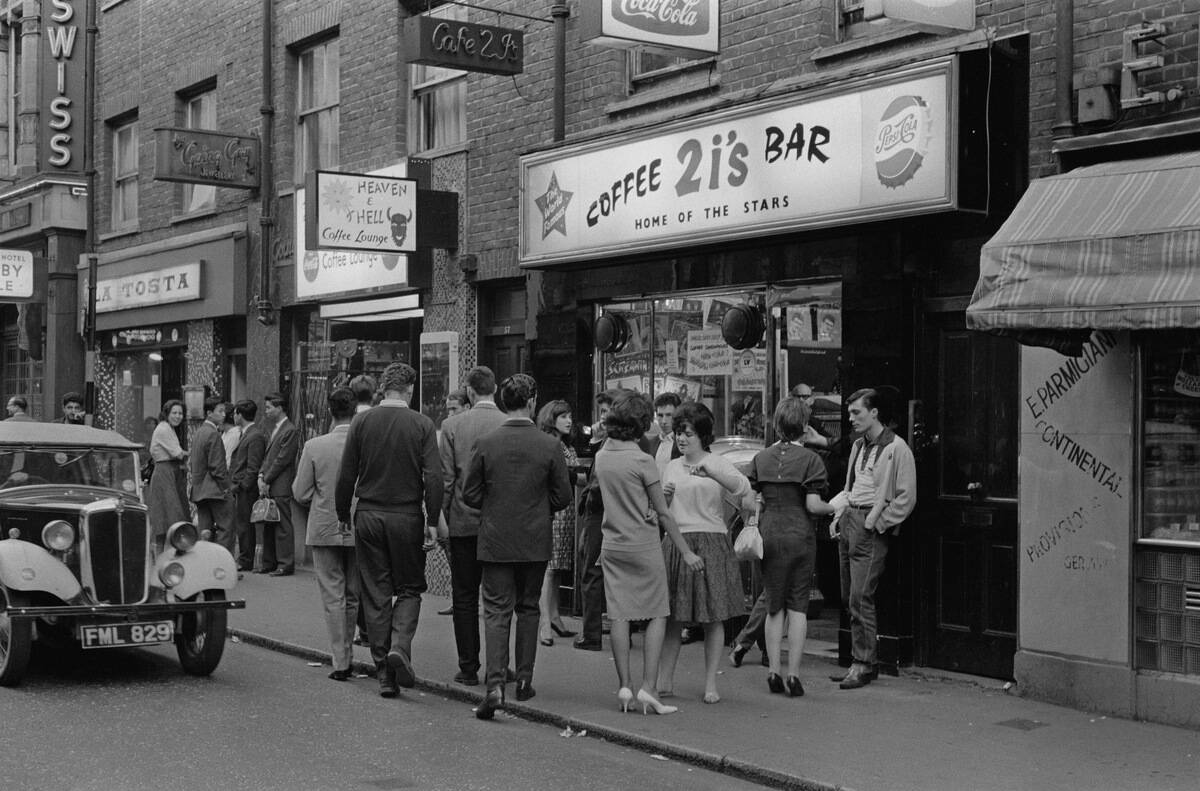
Coffeehouses have been around since the 17th century, but their cultural impact surged in the 20th century with the rise of chains like Starbucks. These establishments became social hubs where people could gather, work, and exchange ideas.
The coffeehouse culture has fostered community connections and creativity, making it a vital part of urban life and a catalyst for cultural exchange.
The Emergence of the Drive-In Theater: Movies Under the Stars
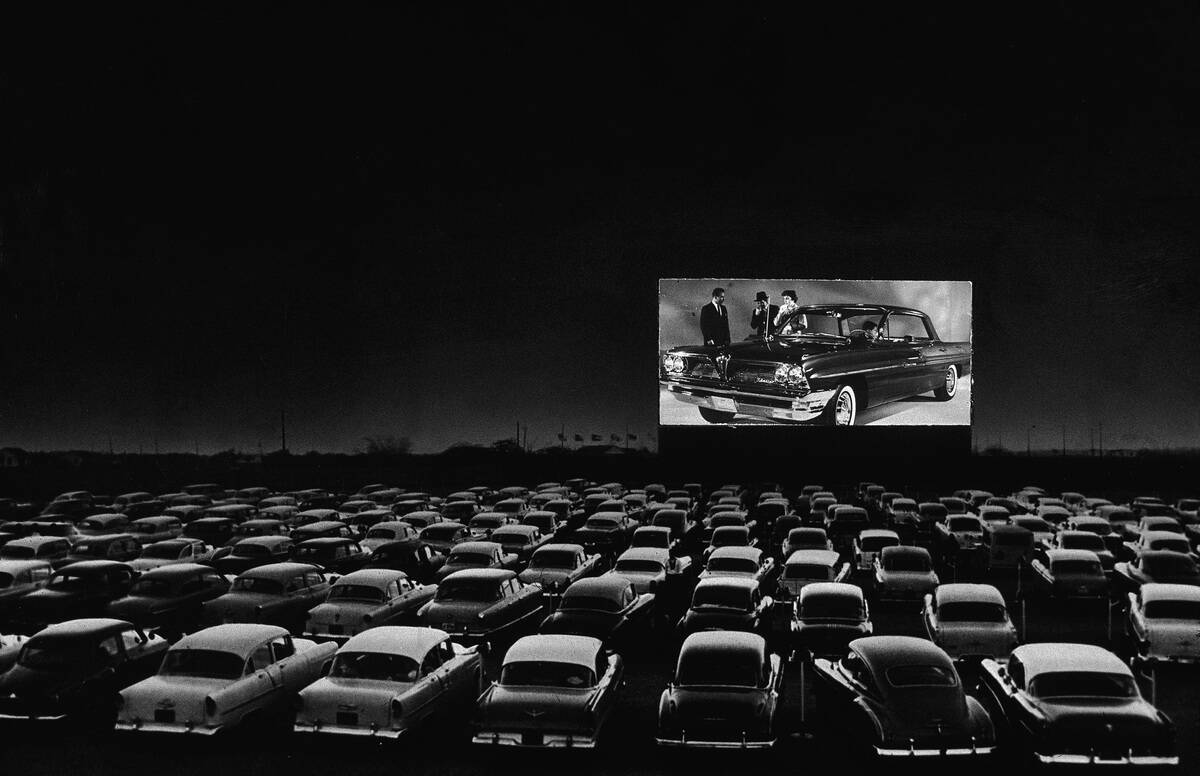
The first drive-in theater opened in Camden, New Jersey, in 1933, offering a novel way to enjoy films from the comfort of one’s car. Drive-ins became a cultural phenomenon in the 1950s and 60s, providing affordable family entertainment.
Despite a decline with the rise of indoor cinemas, drive-ins have seen a resurgence, offering a nostalgic experience and a safe viewing option during the pandemic.
The Development of the Ballpoint Pen: Writing Redefined
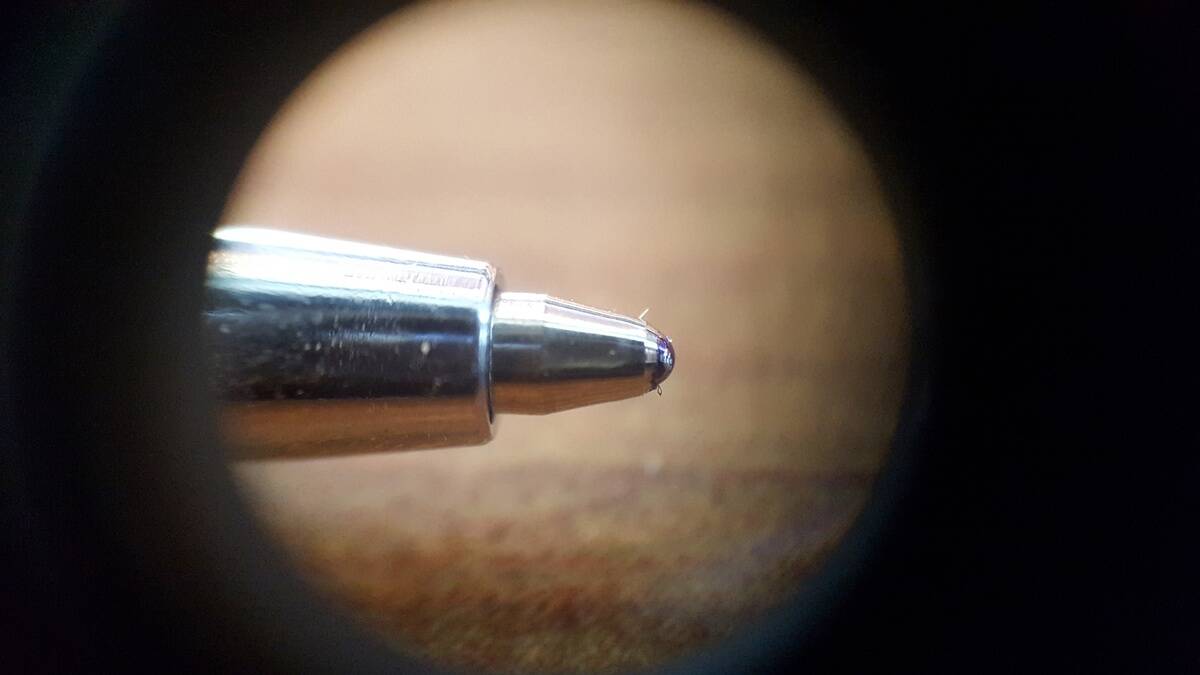
The ballpoint pen was patented by László Bíró in 1938, offering a cleaner and more reliable alternative to fountain pens. Unlike its predecessors, the ballpoint pen used a rotating ball to dispense ink, preventing leaks and smudges.
This innovation made writing more accessible and convenient, becoming an essential tool for students, professionals, and creatives alike.
The Popularization of the Bicycle: Pedaling into the Future
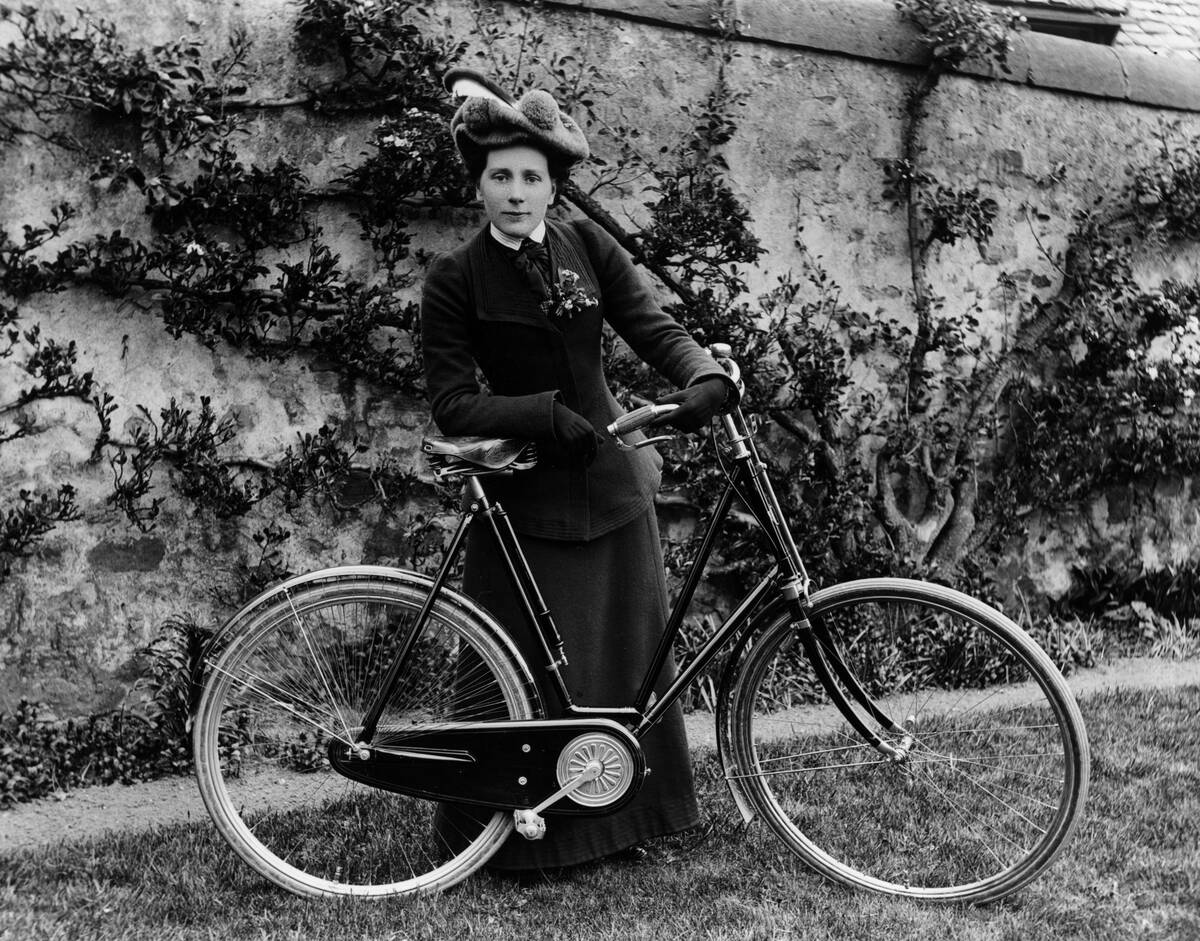
The bicycle, invented in the early 19th century, gained mass popularity with the introduction of the safety bicycle in the 1880s. This design featured equal-sized wheels and a chain drive, making it safer and more practical than earlier models.
Bicycles revolutionized personal transportation, offering an affordable and environmentally friendly alternative to motor vehicles, and remain a popular mode of transport today.
The Arrival of the Washing Machine: Laundry Liberation
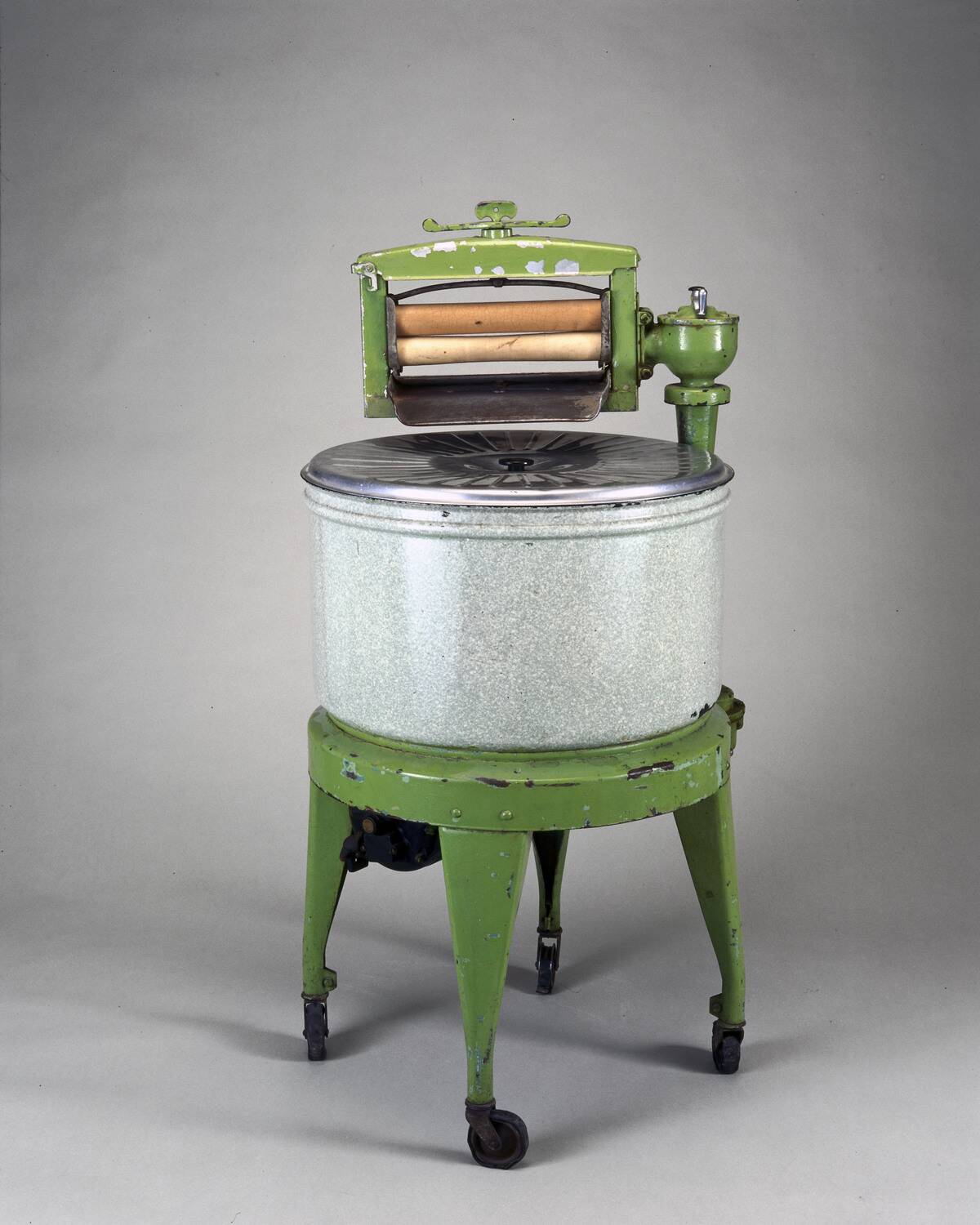
The first electric washing machine was introduced in 1908, drastically reducing the time and labor involved in doing laundry. Before washing machines, laundry was a grueling task that consumed entire days.
This invention liberated households from the drudgery of manual washing, allowing people to spend their time on more productive and enjoyable activities, and improving overall quality of life.
The Dawn of the Selfie: Capturing Moments
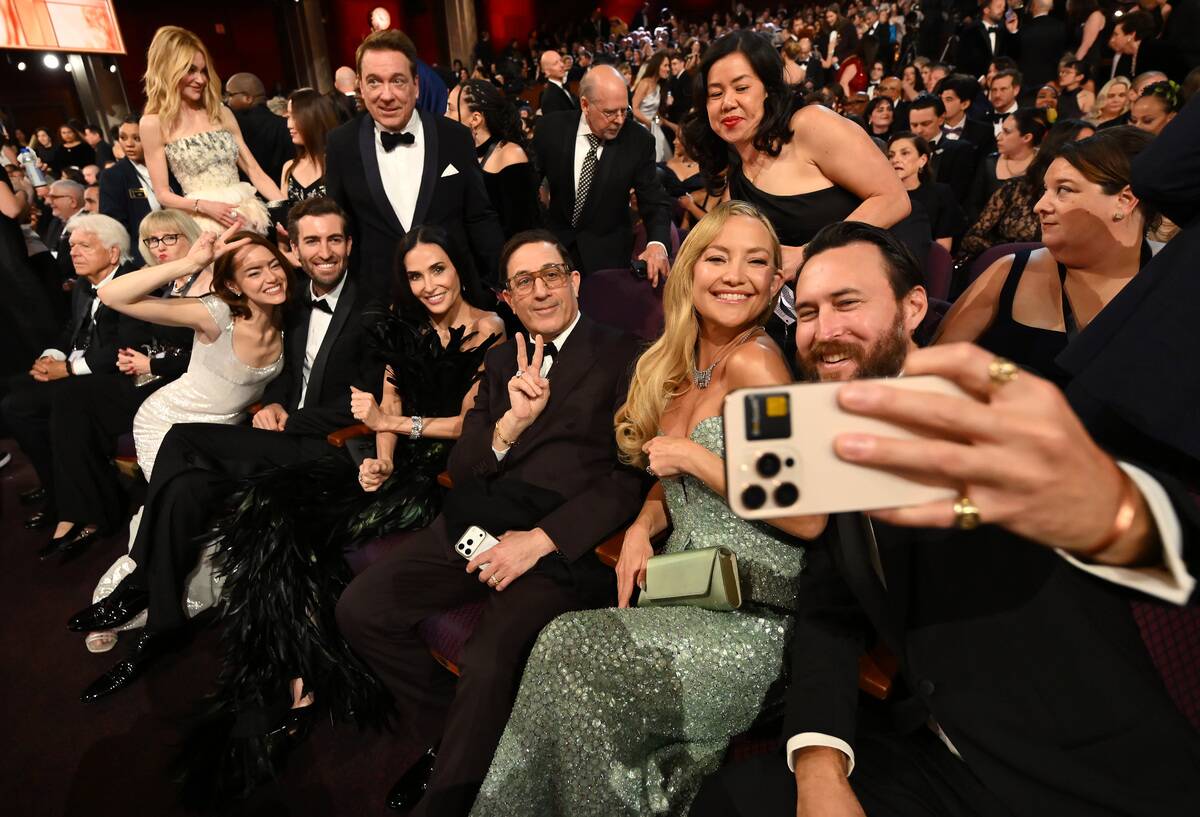
The selfie, a self-portrait photograph typically taken with a smartphone, became a cultural phenomenon in the 21st century. While self-portraits have existed for centuries, the advent of front-facing cameras and social media platforms like Instagram popularized the practice.
Selfies have transformed how we capture and share moments, allowing for instant connection and self-expression in the digital age.
The Introduction of the Bar Code: Scanning Simplicity
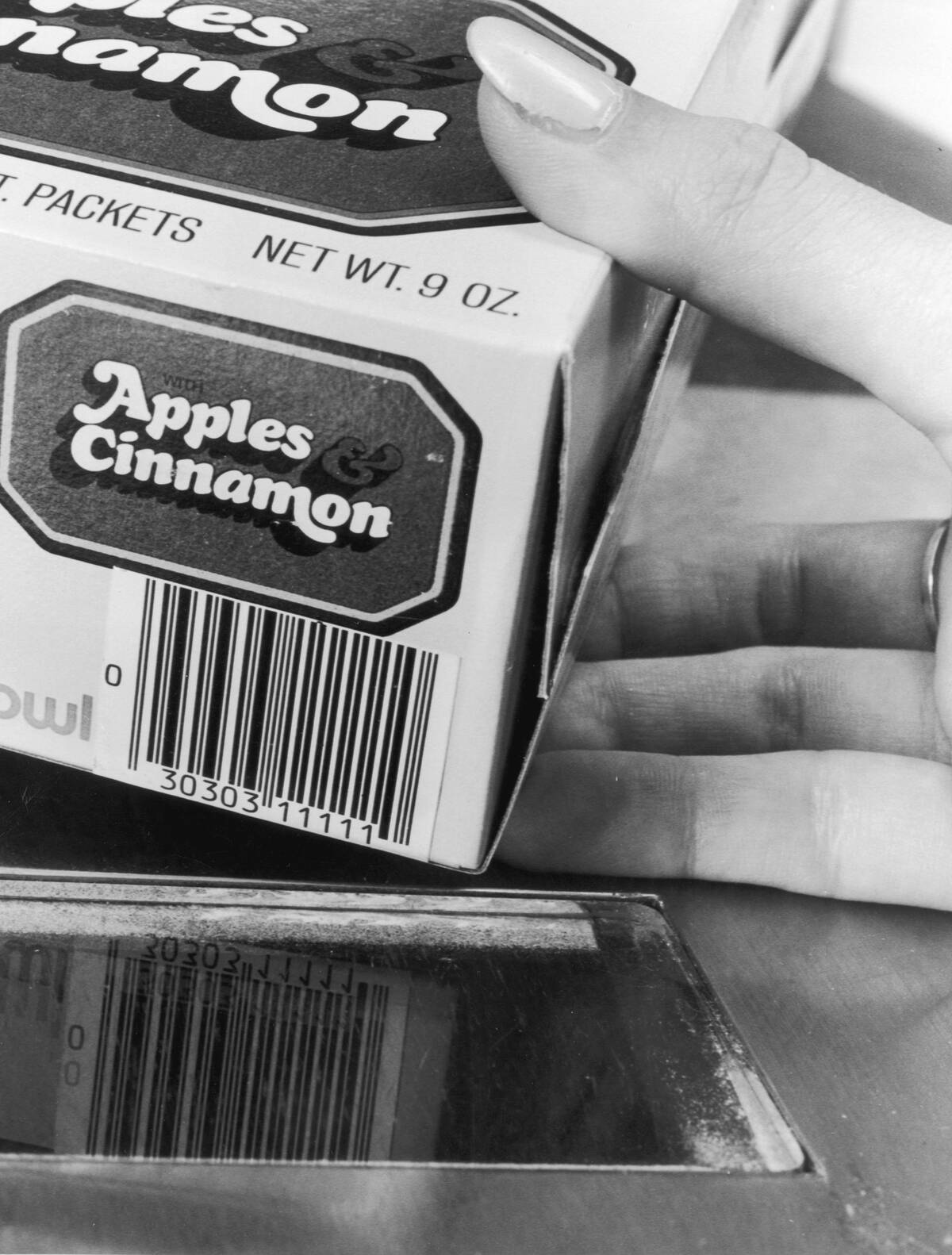
The first commercial use of a bar code was in 1974, when a pack of Wrigley’s gum was scanned at a supermarket in Ohio. Bar codes revolutionized inventory management and checkout processes by providing a quick and accurate way to track products.
This innovation streamlined operations for retailers and manufacturers, paving the way for the modern supply chain and e-commerce.
The Evolution of the Remote Control: Power at Your Fingertips
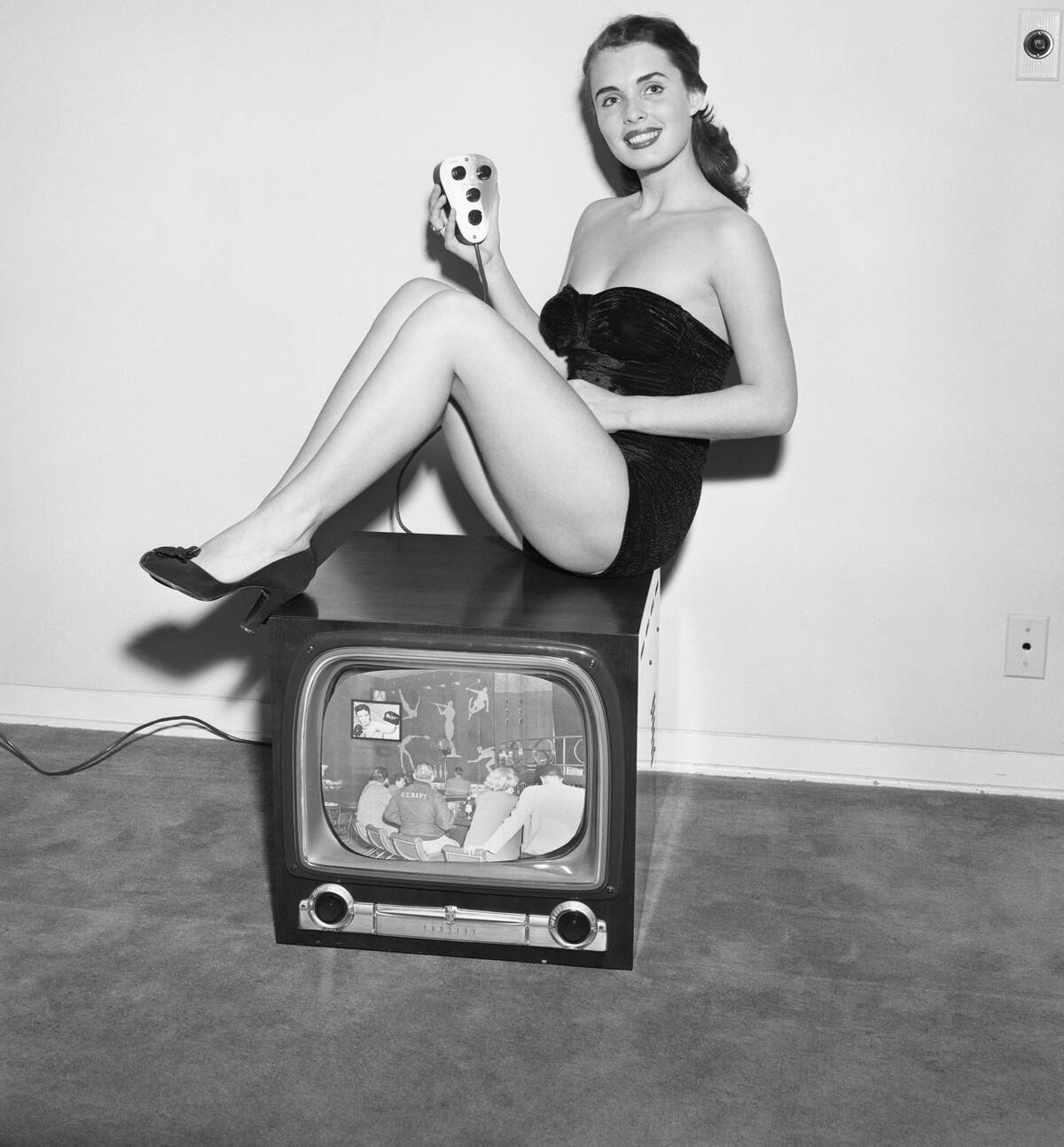
The first remote control for televisions, the “Lazy Bones,” was introduced by Zenith in 1950, connected by a wire. The wireless remote, “Flashmatic,” followed in 1955, using light signals to change channels.
Remote controls transformed how we interact with technology, offering convenience and control at our fingertips. Today, they are an integral part of our daily lives, controlling everything from TVs to smart home devices.




