Historic earthquakes that changed the world
Earthquakes have a unique way of reshaping cities, both physically and culturally. These natural events, while devastating, often serve as catalysts for urban renewal and innovation. Throughout history, cities have been forced to rebuild, adapt, and evolve in response to seismic activity.
This process not only changes the landscape but also influences architectural styles, urban planning, and community resilience. Let’s explore how some of the world’s most notable earthquakes have transformed the cities they struck.
San Francisco 1906: The Birth of a Resilient Metropolis
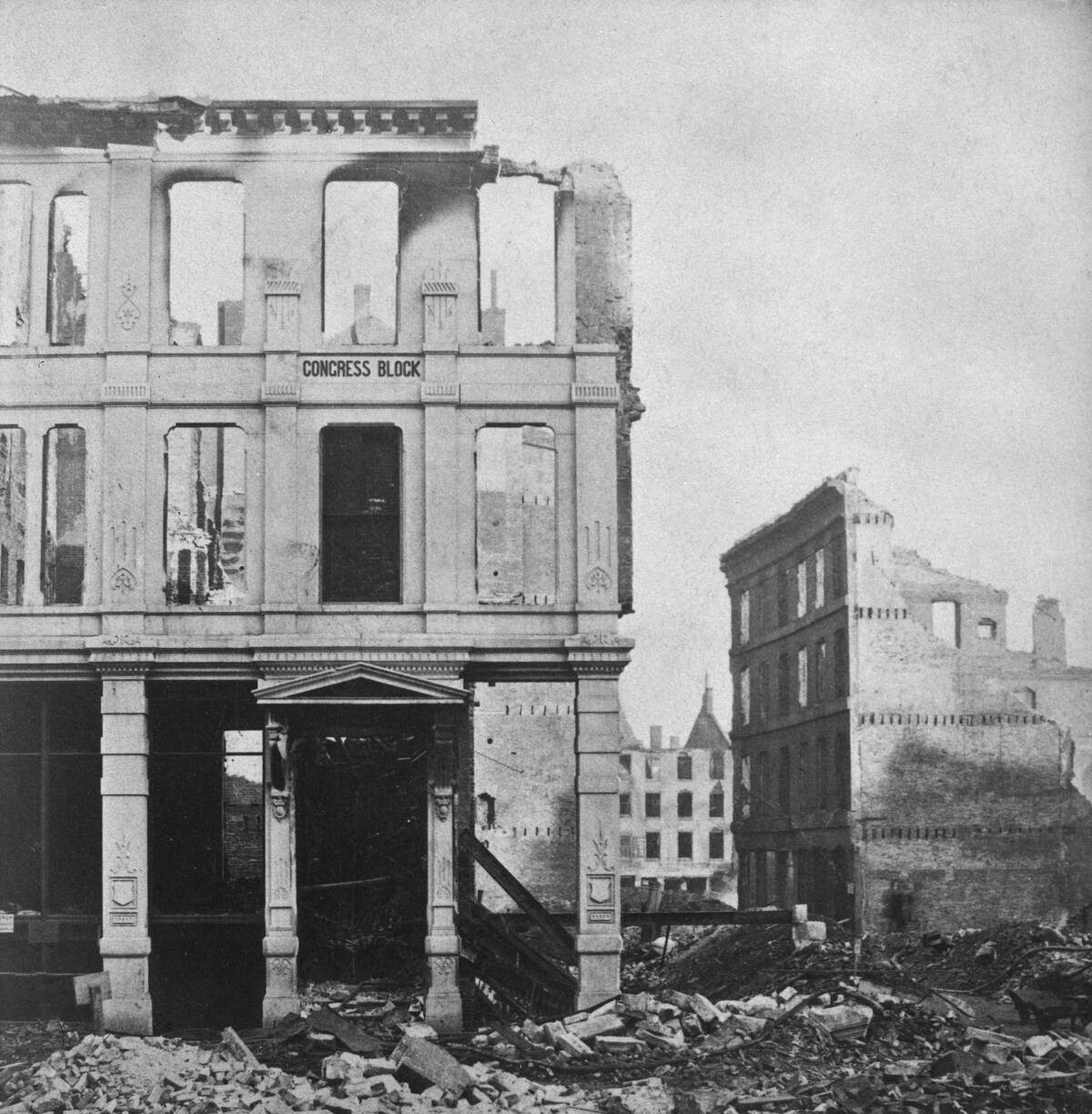
The 1906 earthquake in San Francisco was a pivotal moment in the city’s history. Striking on April 18, it had an estimated moment magnitude of 7.9 and caused widespread destruction. The subsequent fires, fueled in part by ruptured gas mains and made worse by broken water pipes, consumed much of the city.
Although rebuilding took years, San Francisco’s recovery began quickly and was marked by innovation. The disaster inspired stronger building standards and new engineering techniques, helping lay the foundation for the city’s modern skyline.
Tokyo 1923: Rising from the Ashes of the Great Kanto Quake
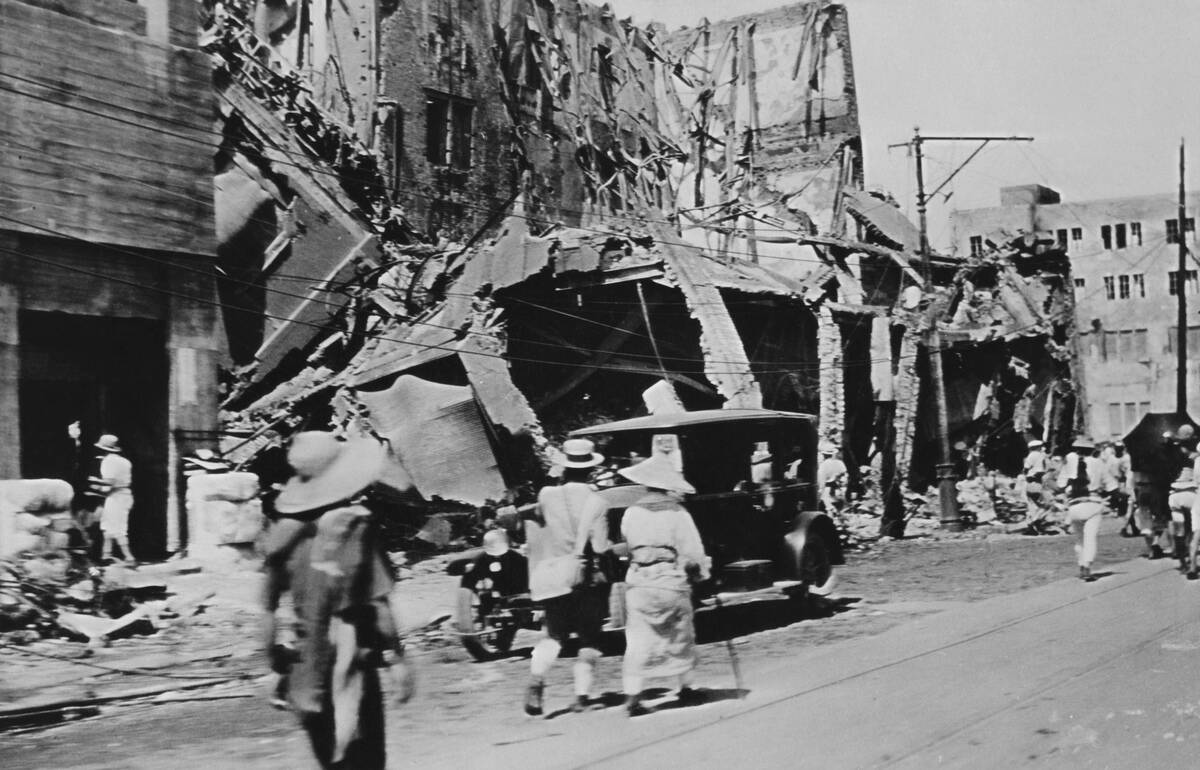
The Great Kantō Earthquake of 1923 devastated Tokyo and Yokohama, causing more than 140,000 deaths. The disaster prompted a massive rebuilding effort that helped transform Tokyo into a modern metropolis.
Reconstruction included wider streets, improved infrastructure, public spaces designed to reduce fire risk, and greater use of reinforced concrete and other earthquake-resistant construction techniques. Although many wooden homes remained, larger public and commercial buildings increasingly used more durable materials, helping lay the foundation for Tokyo’s rapid growth and modernization throughout the 20th century.
Valdivia 1960: The Most Powerful Earthquake Ever Recorded
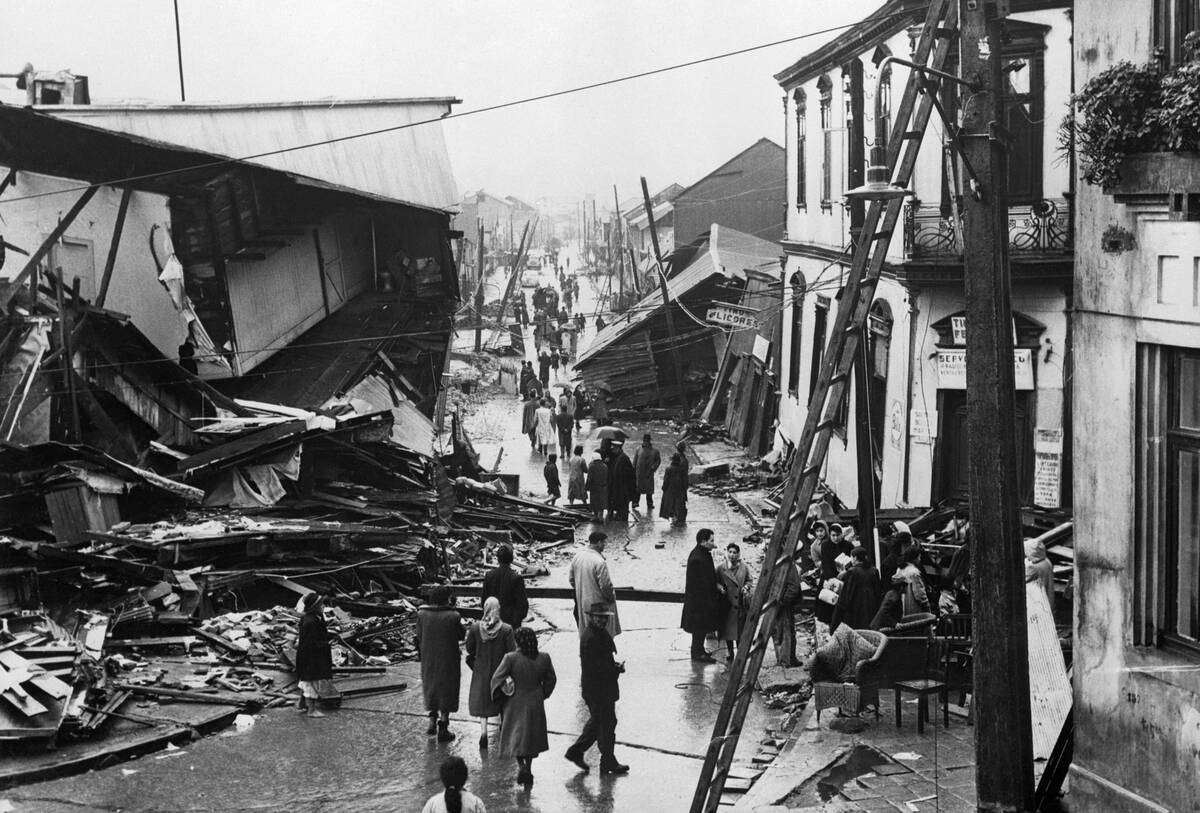
On May 22, 1960, the city of Valdivia in Chile experienced the most powerful earthquake ever recorded, with a magnitude of 9.5. This colossal quake caused widespread devastation and led to significant changes in urban planning and construction practices in Chile.
The disaster highlighted the need for better seismic design and prompted the development of stricter building codes. Valdivia’s recovery was a testament to human resilience, as the city rebuilt with a focus on safety and sustainability.
Anchorage 1964: The Great Alaskan Earthquake and Urban Transformation
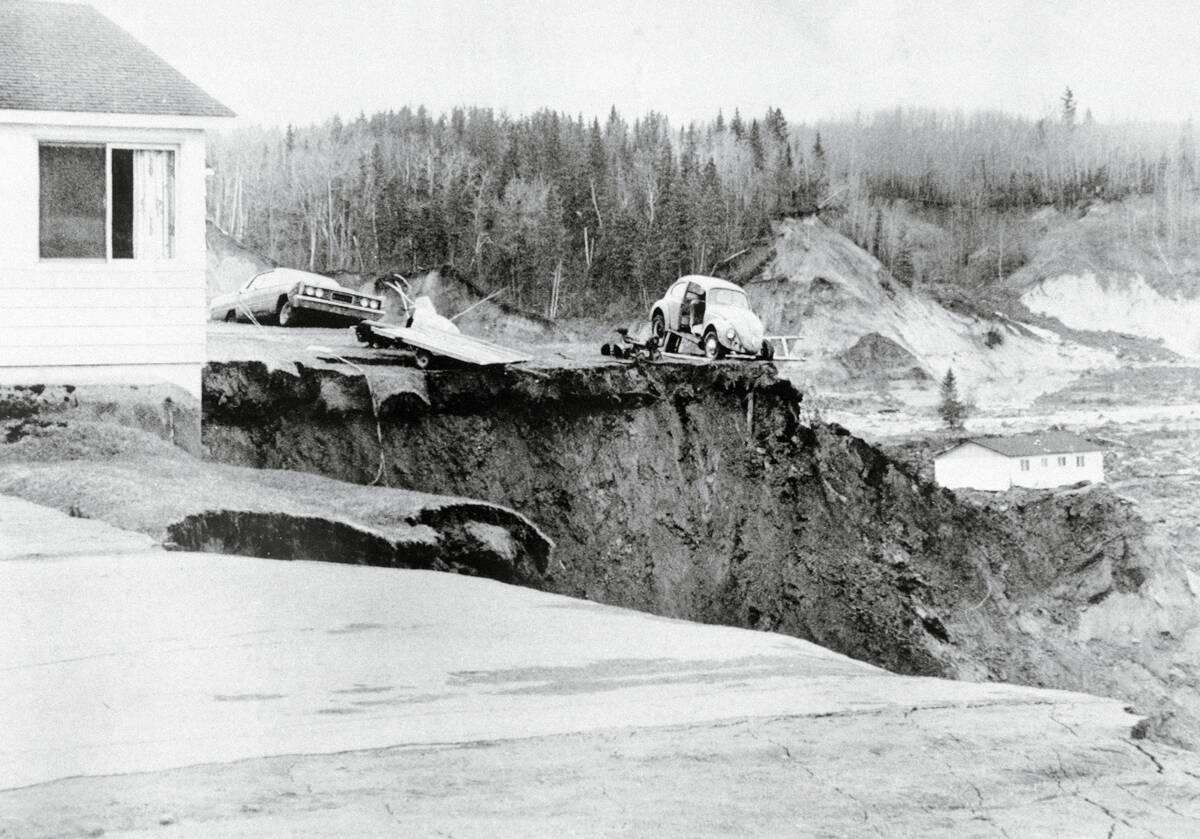
The Great Alaskan Earthquake of 1964, with a moment magnitude of 9.2, remains one of the most significant seismic events in North American history. Anchorage, the largest city in Alaska, suffered extensive damage, prompting major changes in rebuilding and urban planning.
The reconstruction incorporated improved engineering techniques and stricter seismic building standards to reduce future earthquake damage. The disaster also helped spur advances in earthquake monitoring and research, contributing to the establishment of the National Earthquake Information Center in 1966, which has since played a crucial role in monitoring seismic activity around the world.
Tangshan 1976: Rebuilding After China’s Deadliest Quake
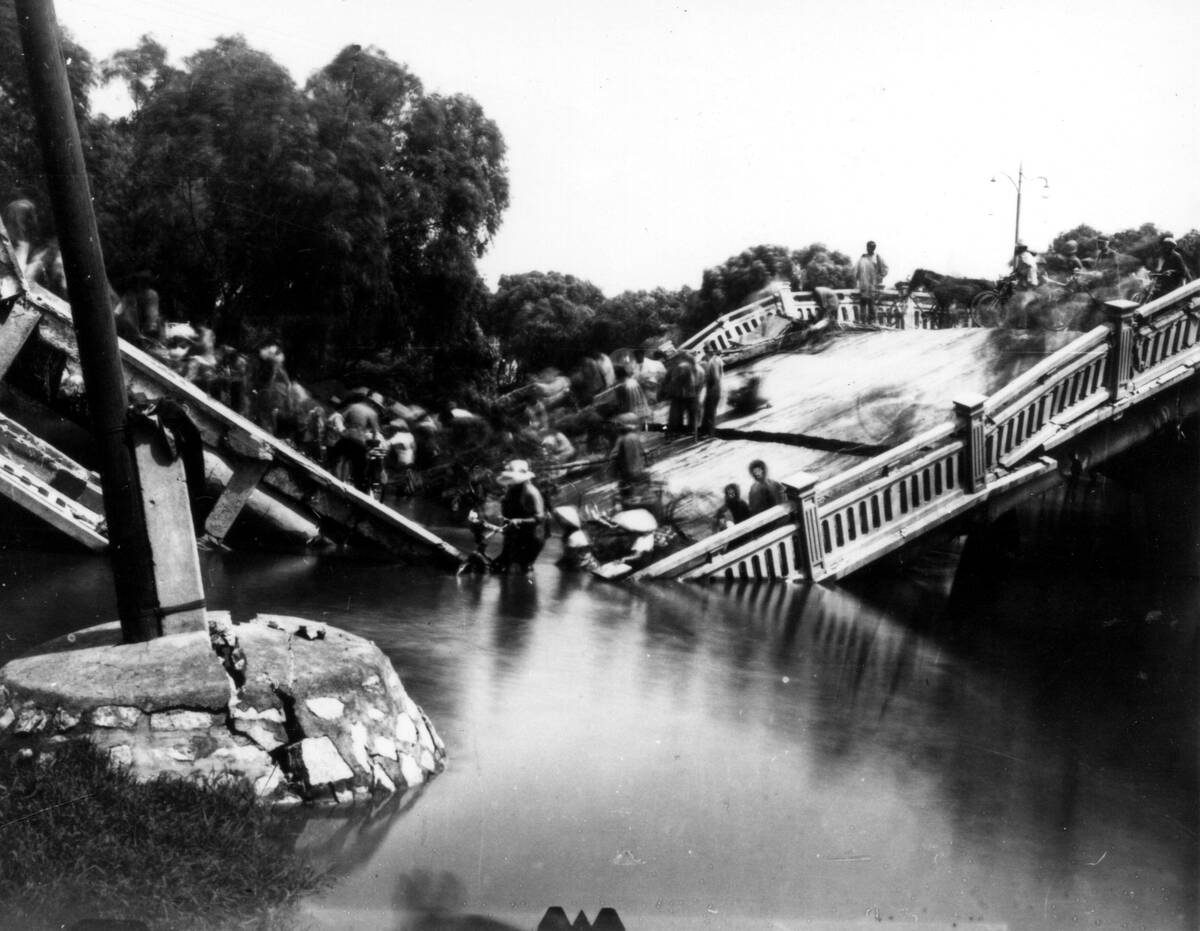
The Tangshan earthquake of 1976 was one of the deadliest in history, claiming the lives of an estimated 242,000 people. The city was almost entirely destroyed, but the tragedy spurred a massive reconstruction effort.
The Chinese government prioritized rapid rebuilding, and within a decade, Tangshan was largely restored. This event also prompted significant advancements in China’s earthquake engineering and emergency response strategies, laying the groundwork for future resilience.
Mexico City 1985: Seismic Shifts in Urban Planning
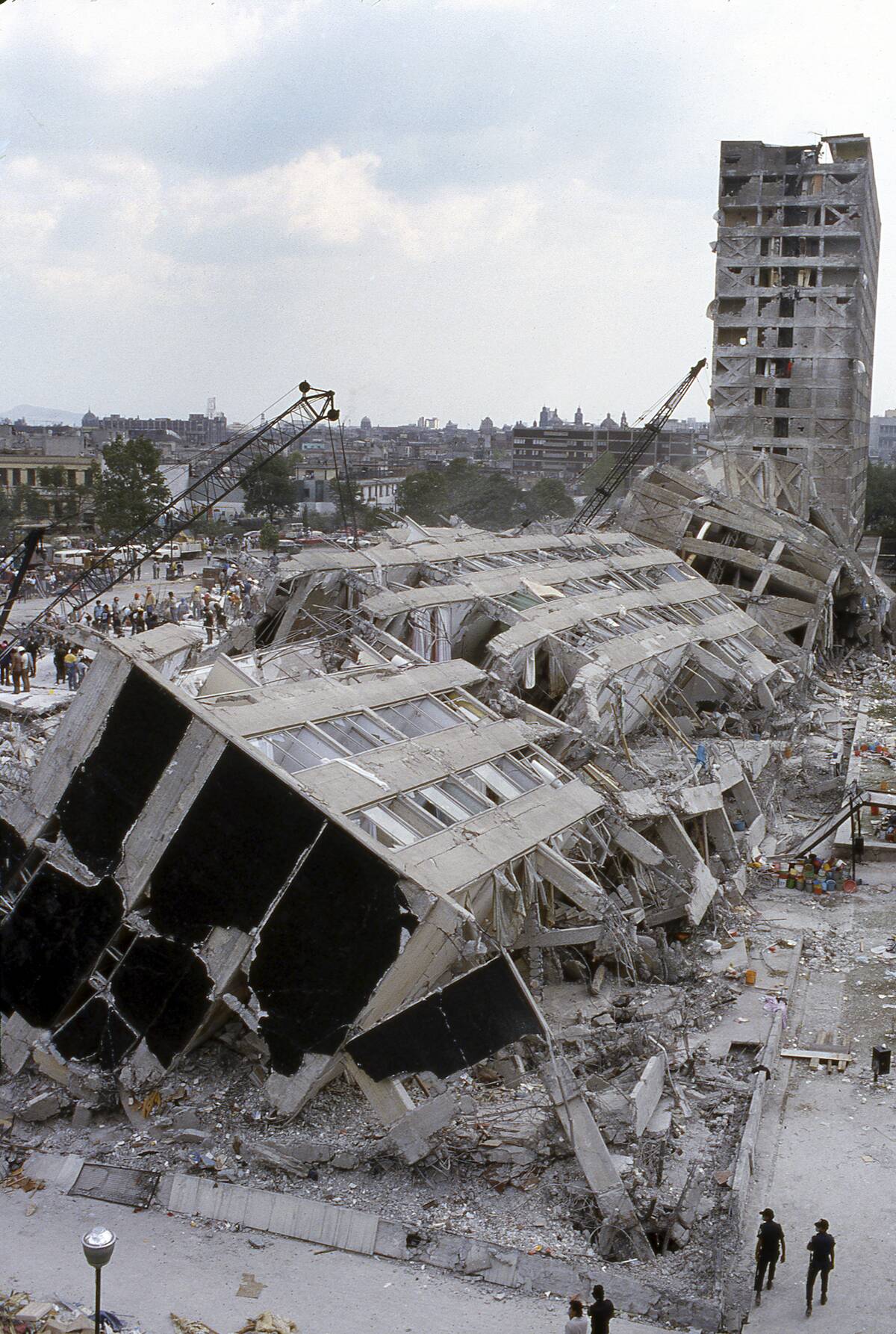
In 1985, Mexico City was rocked by a powerful earthquake with a modern estimated magnitude of 8.0, resulting in widespread destruction and heavy loss of life. The disaster exposed serious vulnerabilities in the city’s infrastructure and prompted a major reevaluation of building standards and urban planning practices.
In response, Mexico strengthened its building codes and later invested in earthquake early warning systems. The earthquake also galvanized civic engagement, as citizen rescue efforts and grassroots organizations helped shape future disaster preparedness and urban development initiatives.
Loma Prieta 1989: The Bay Area’s Wake-Up Call
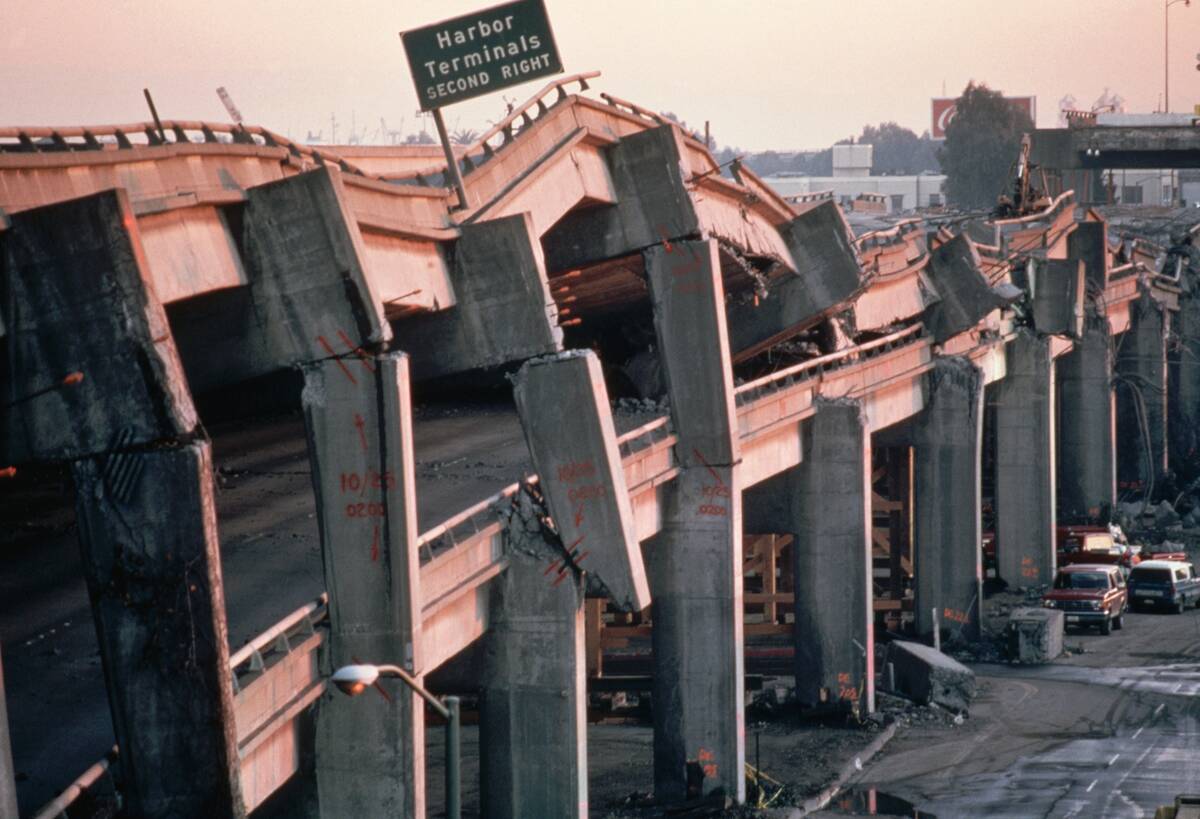
The Loma Prieta earthquake struck the San Francisco Bay Area on October 17, 1989, during the World Series. With a magnitude of 6.9, it caused significant damage to infrastructure, including the collapse of the Cypress Street Viaduct.
The disaster served as a wake-up call, highlighting the need for improved seismic safety measures. In the aftermath, the Bay Area invested heavily in retrofitting bridges and buildings, enhancing the region’s resilience to future earthquakes.
Kobe 1995: Innovations in Japanese Earthquake Engineering
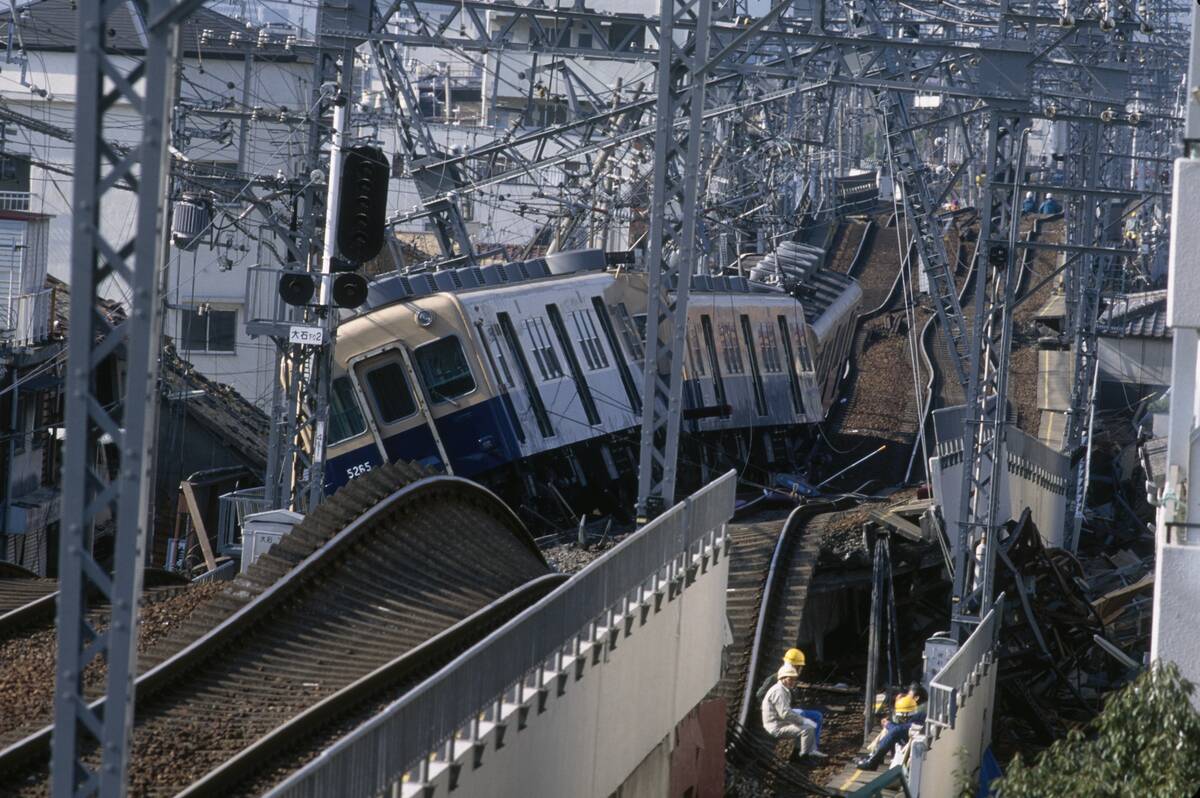
The 1995 Kobe earthquake, also known as the Great Hanshin Earthquake, had a profound impact on Japan’s approach to earthquake engineering. With a moment magnitude of approximately 6.9, it caused widespread destruction and underscored the need for stronger seismic design and building practices.
Although technologies such as base isolation and damping systems had already been developed, the disaster greatly accelerated their adoption in Japan. These engineering advances have since been widely implemented around the world, reflecting Kobe’s lasting influence on modern earthquake-resistant construction.
Izmit 1999: Turkey’s Tragic Turn and Urban Renewal
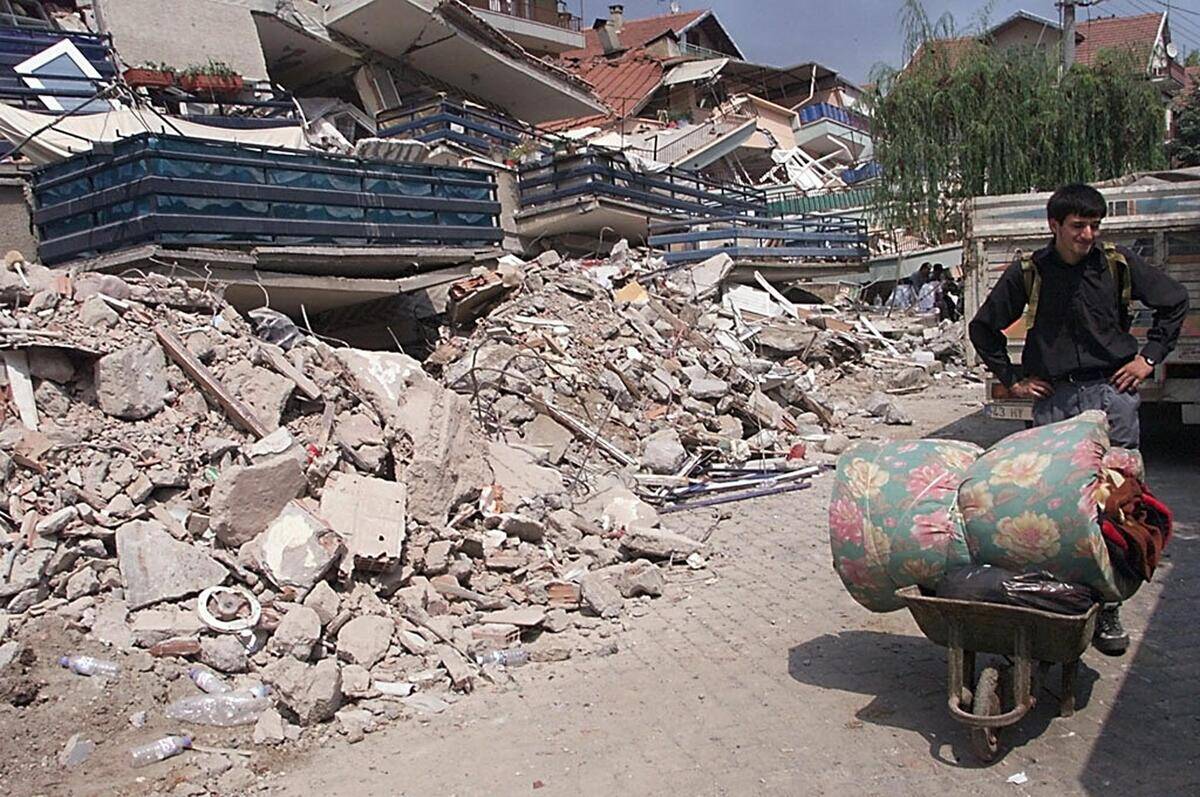
The İzmit earthquake of 1999 was a devastating event for Turkey, with a moment magnitude of 7.6 and more than 17,000 officially reported fatalities. The disaster exposed serious weaknesses in the country’s construction practices and urban planning, revealing the consequences of poor building quality and inadequate enforcement of regulations.
In response, Turkey strengthened seismic building codes, improved disaster management systems, and expanded urban renewal programs over the following years. The tragedy also heightened public awareness of earthquake risks and encouraged greater emphasis on preparedness and resilience.
Bhuj 2001: Reviving the Heart of Gujarat
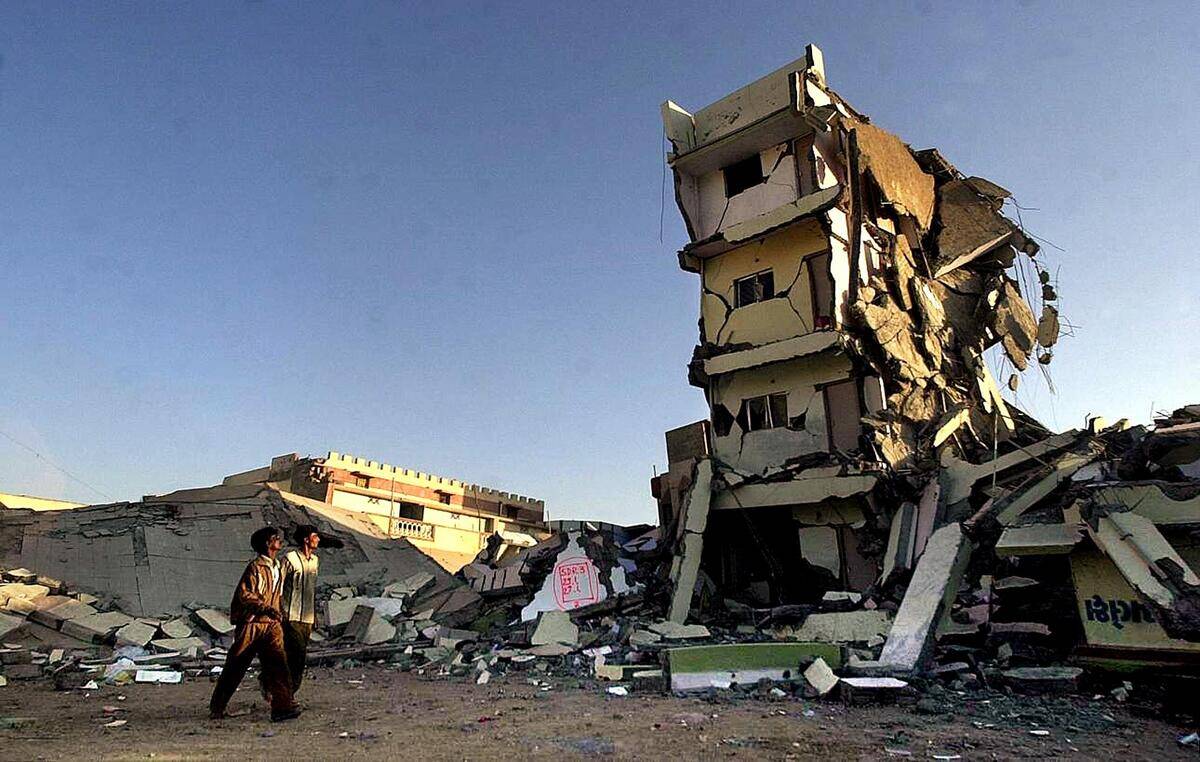
The 2001 Bhuj earthquake in Gujarat, India, was a major seismic event that caused extensive damage and loss of life. With a magnitude of 7.7, it prompted a significant reconstruction effort aimed at reviving the region.
The rebuilding process focused on enhancing infrastructure, implementing earthquake-resistant construction techniques, and fostering community resilience. Bhuj’s recovery has been hailed as a model for post-disaster reconstruction, emphasizing the importance of sustainable development and local involvement.
Sichuan 2008: Lessons in Rapid Reconstruction
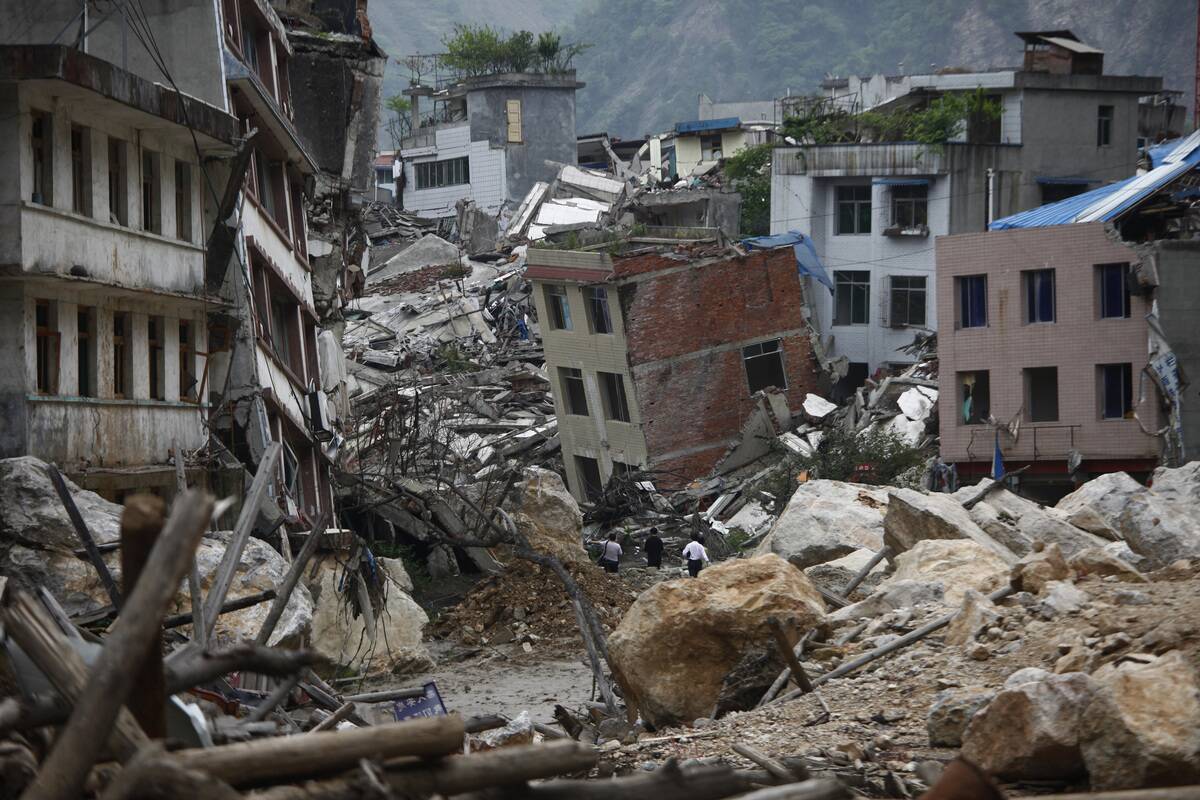
The Sichuan earthquake of 2008 was a catastrophic event that claimed nearly 70,000 lives. The Chinese government responded with one of the country’s largest reconstruction efforts, rebuilding damaged towns, cities, and critical infrastructure over the following years.
This recovery was supported by substantial investment in transportation, housing, schools, and the adoption of stronger earthquake-resistant construction practices. The disaster also underscored the importance of community participation, with local residents contributing to recovery efforts alongside government-led reconstruction initiatives.
Christchurch 2011: New Zealand’s Resilient Rebirth
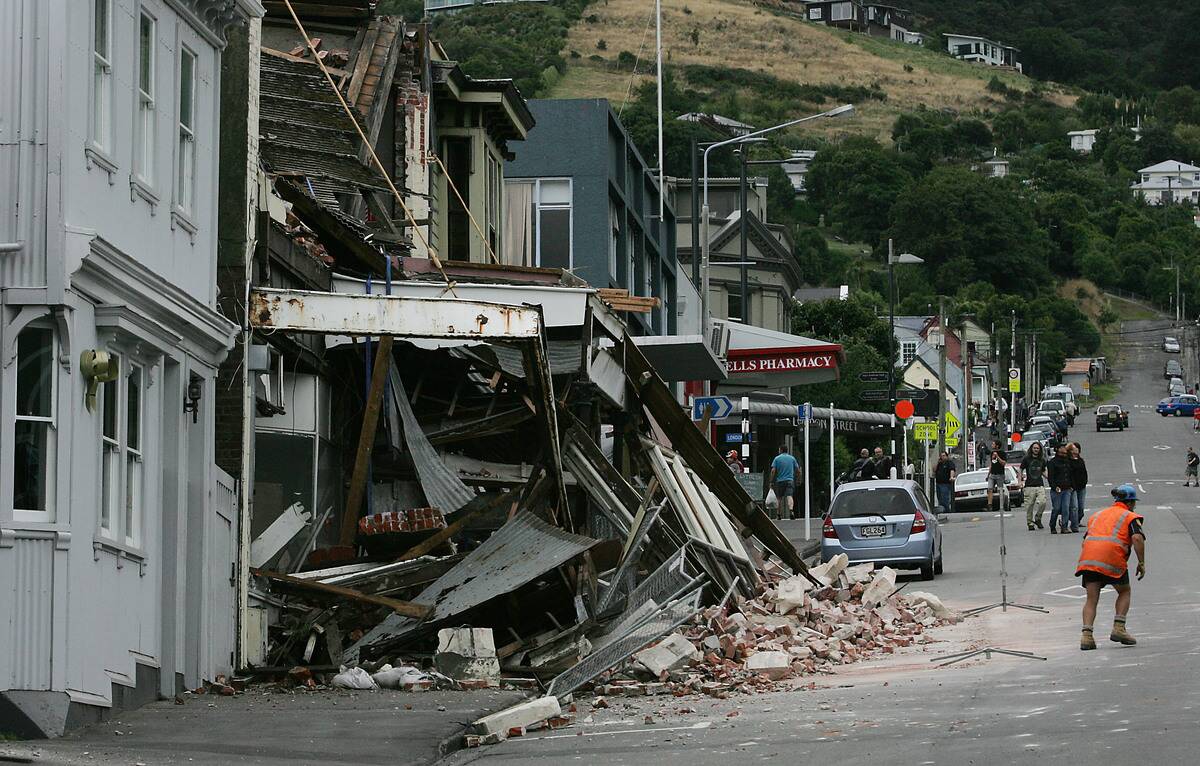
In 2011, Christchurch, New Zealand, was struck by a magnitude 6.3 earthquake that caused severe damage to the city’s infrastructure and many historic buildings. The disaster prompted a comprehensive rebuilding effort focused on creating a more earthquake-resilient and sustainable urban environment.
Christchurch’s recovery has been marked by innovative urban design, strong community engagement, and efforts to preserve important elements of the city’s cultural heritage where possible. The city’s experience has provided valuable lessons in disaster recovery, seismic engineering, and urban planning for communities around the world.
Tohoku 2011: The Triple Disaster and Its Impact on Japan
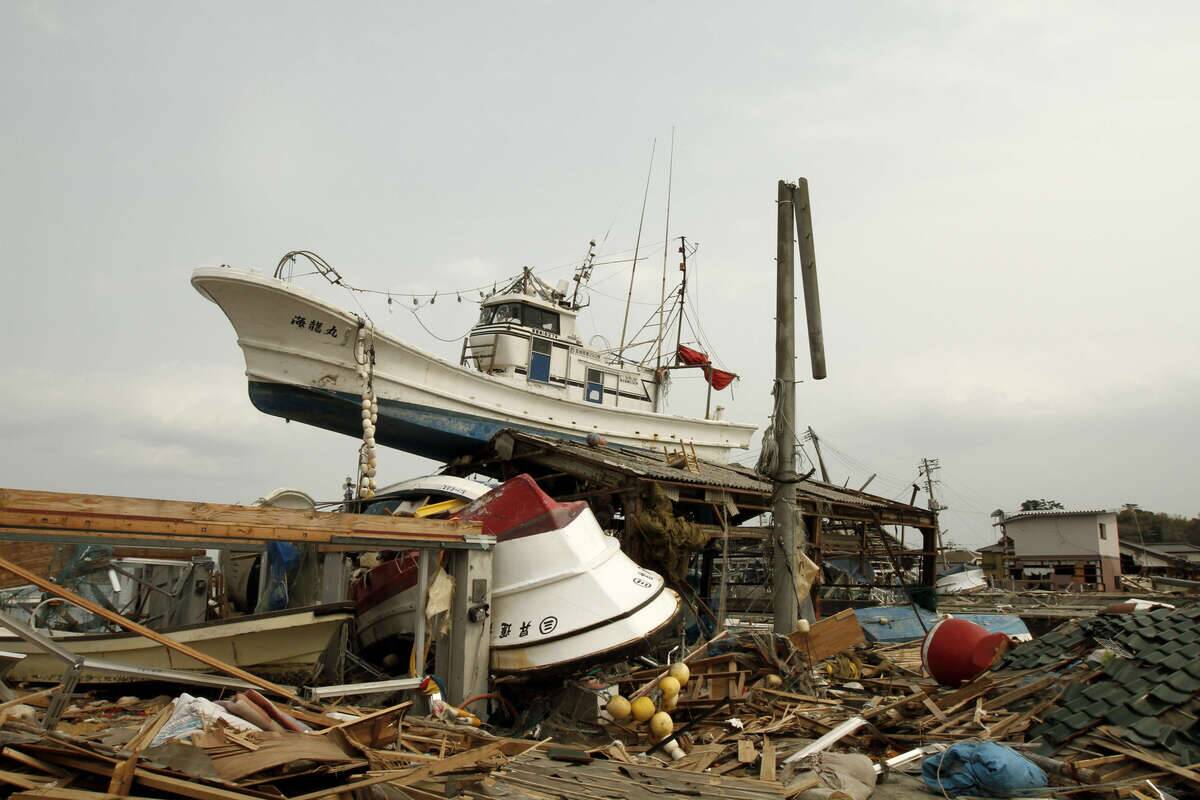
The Tōhoku earthquake of 2011 was a triple disaster, as the massive magnitude 9.0 earthquake triggered a devastating tsunami and the Fukushima Daiichi nuclear accident. The impact on Japan was profound, leading to a major reevaluation of the country’s disaster preparedness, tsunami protection, and energy policies.
In the aftermath, Japan invested heavily in stronger tsunami defenses, improved emergency planning, and enhanced nuclear safety regulations. The disaster also underscored the importance of community resilience and international cooperation in responding to large-scale emergencies.
Nepal 2015: Cultural Heritage and Modern Recovery
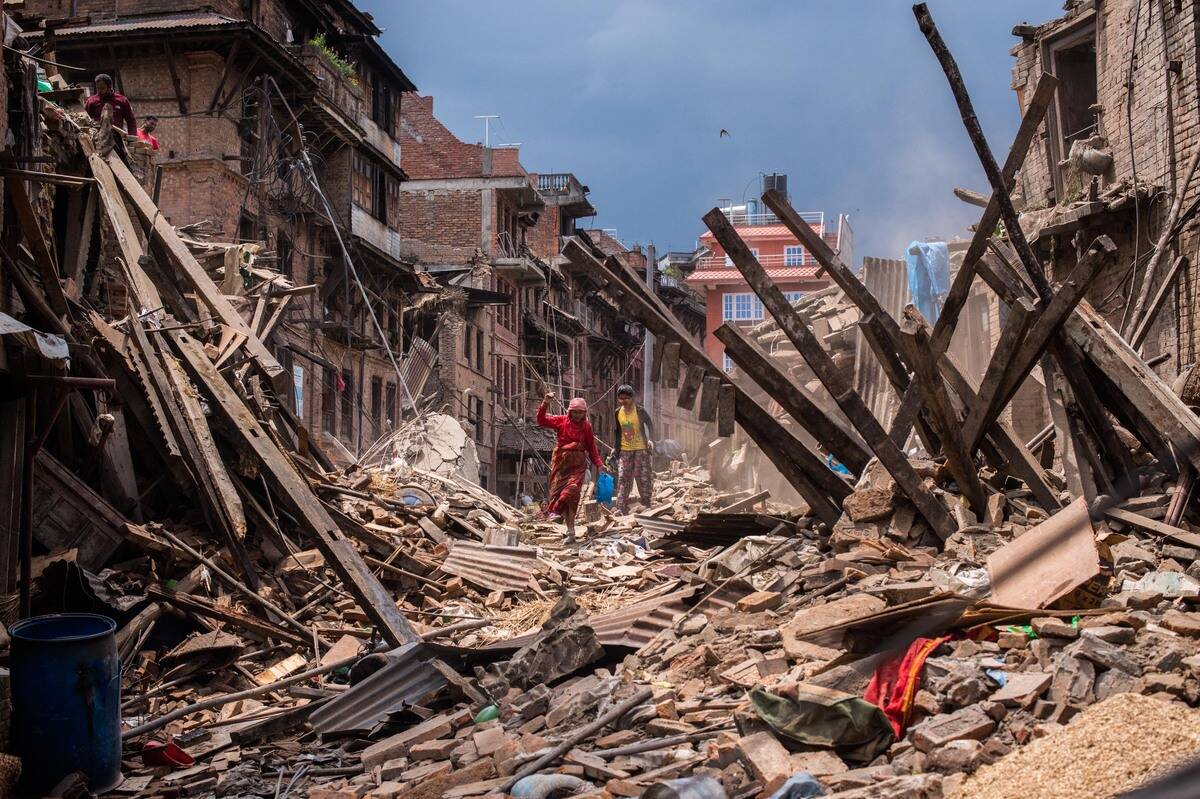
The 2015 Nepal earthquake was a devastating disaster that caused extensive damage to the country’s cultural heritage, including several UNESCO World Heritage Sites. The earthquake prompted a global response, with international organizations providing humanitarian assistance and helping restore historic monuments and temples.
Nepal’s reconstruction has aimed to balance modern earthquake-resistant construction with the preservation of its rich cultural heritage, combining improved safety standards with traditional architectural techniques where possible. This recovery effort has underscored the importance of integrating cultural heritage into disaster recovery and long-term urban planning.




