Remarkable landmarks destroyed in the 20th century
Welcome to a journey through time, exploring landmarks that once stood proudly but have since faded into the annals of history. These forgotten icons tell stories of architectural brilliance, cultural significance, and sometimes, tragic endings.
Throughout the article, we’ll uncover why these landmarks disappeared and what they meant to the people who once admired them.
Penn Station, New York: The Grand Gateway That Vanished
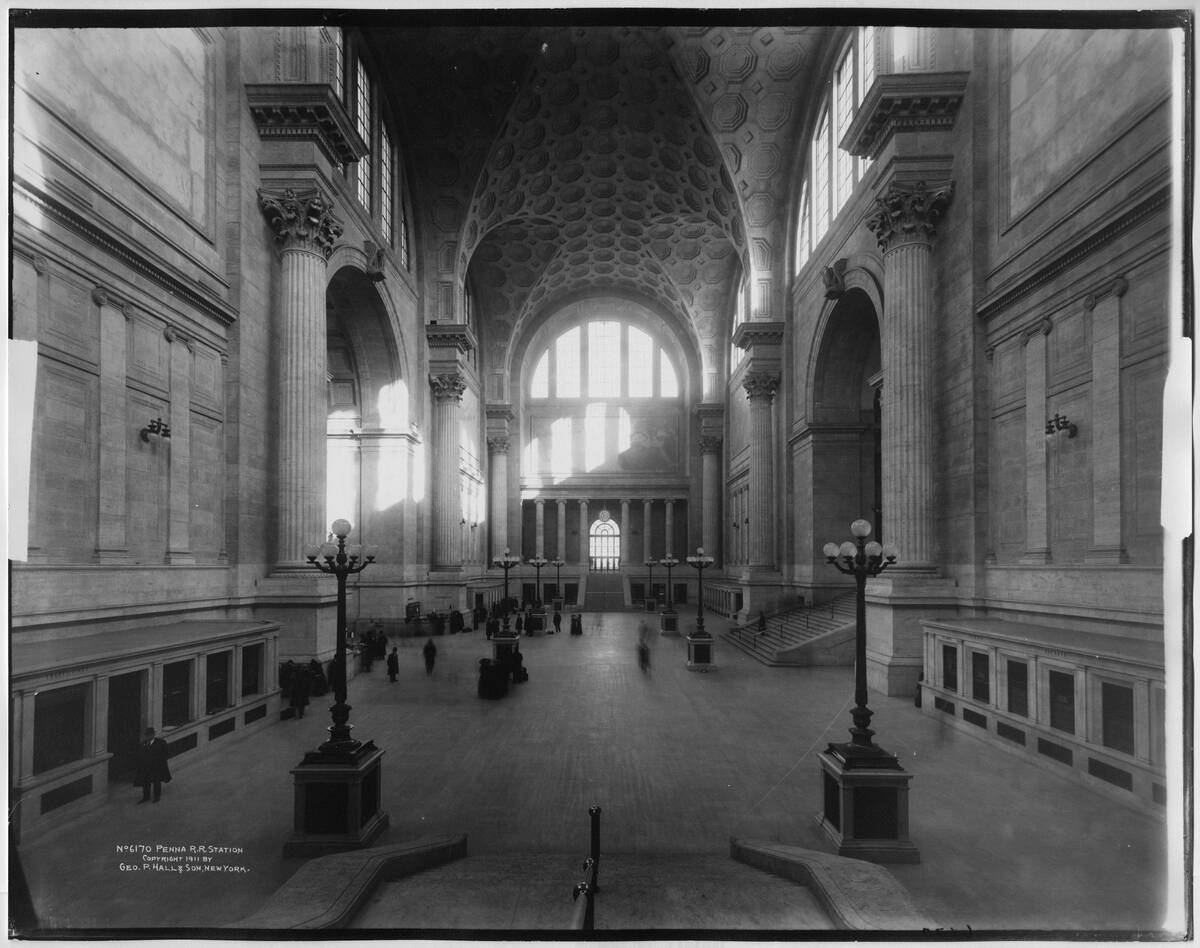
New York’s original Penn Station was a Beaux-Arts masterpiece, completed in 1910. It was a bustling hub that welcomed travelers with its grand arches and vast waiting room.
However, by the 1960s, the station was deemed outdated, and despite public outcry, it was demolished in 1963. Its destruction sparked the modern preservation movement, leading to the creation of the New York City Landmarks Preservation Commission.
The Berlin Wall: From Division to Unification
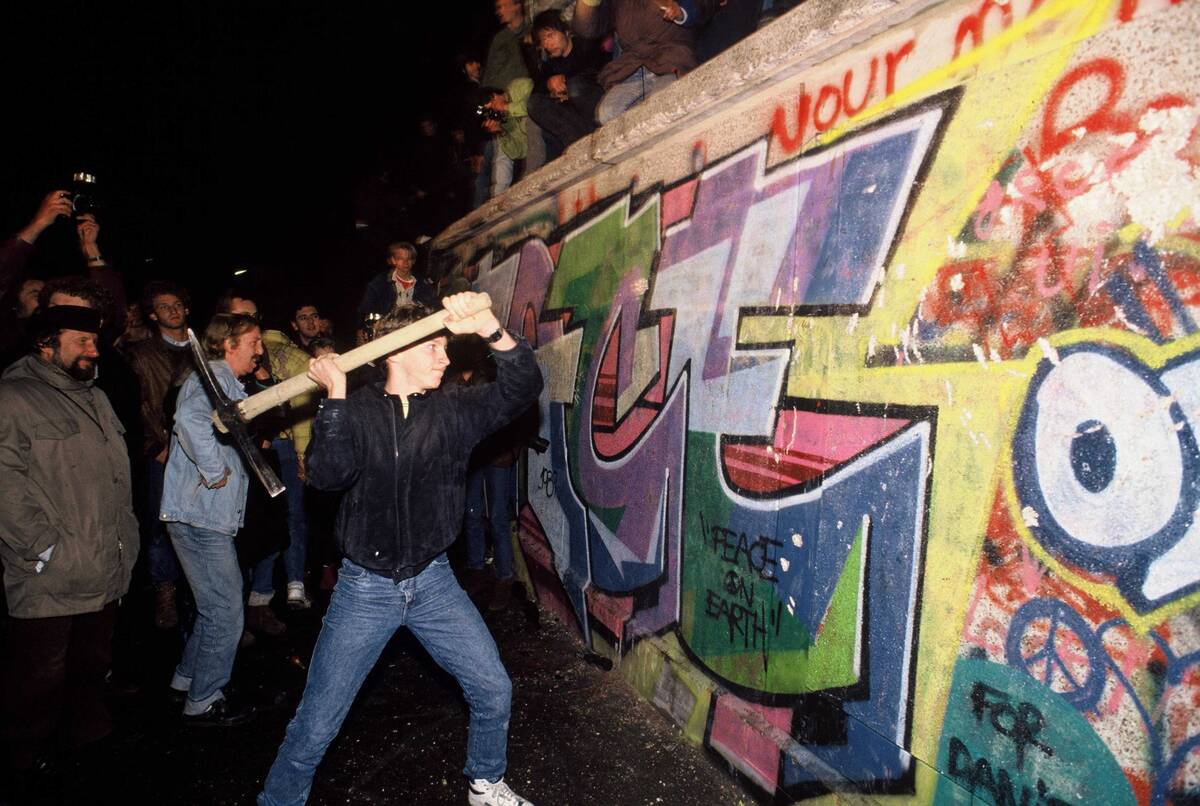
The Berlin Wall was erected in 1961, dividing East and West Berlin during the Cold War. It stood as a symbol of division until 1989 when the wall fell, marking the beginning of German reunification.
Today, sections of the wall remain as a poignant reminder of the past, while the city thrives as a unified metropolis. The wall’s fall was a pivotal moment in history, celebrated worldwide as a triumph of freedom over oppression.
The Original London Bridge: Crossing Oceans to Arizona
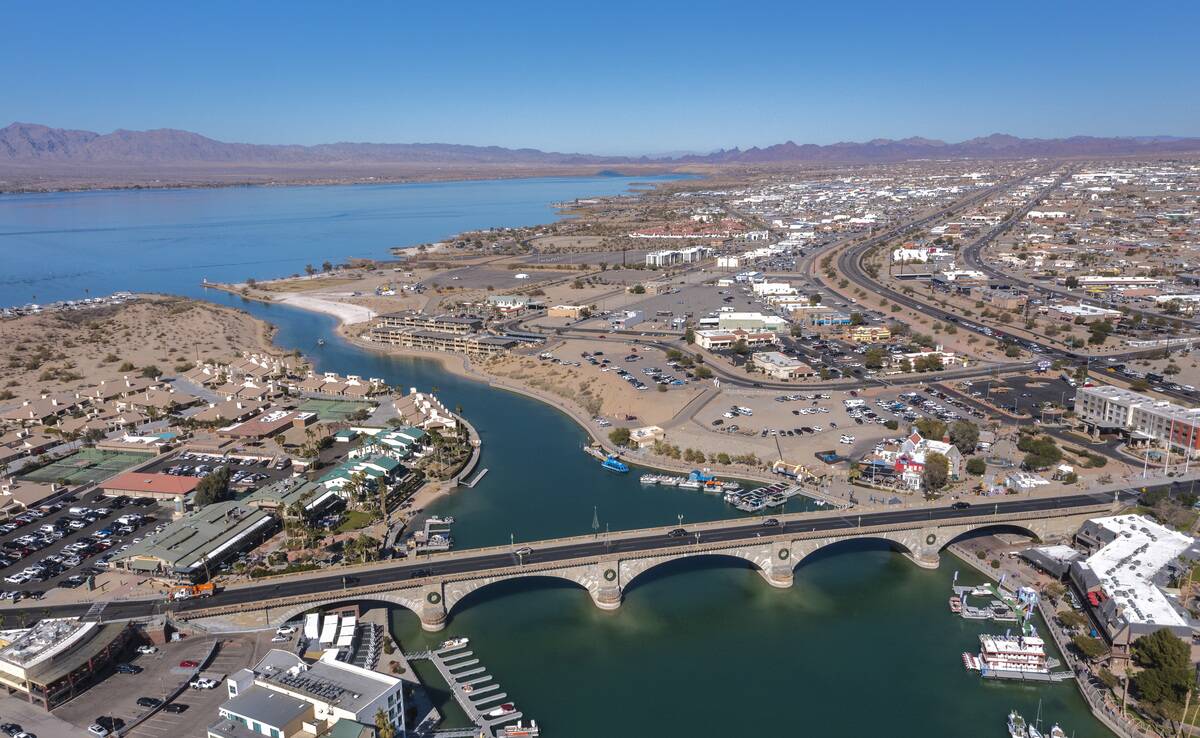
The original London Bridge, built in the 1830s, was dismantled in 1967 due to structural concerns. Surprisingly, it found a new home in Lake Havasu City, Arizona, where it was reconstructed as a tourist attraction.
The bridge’s relocation was the brainchild of entrepreneur Robert P. McCulloch, who saw it as a unique way to draw visitors to his desert development. Today, it stands as a quirky testament to transatlantic ambition.
The Singer Building, New York: A Skyscraper’s Short-Lived Glory
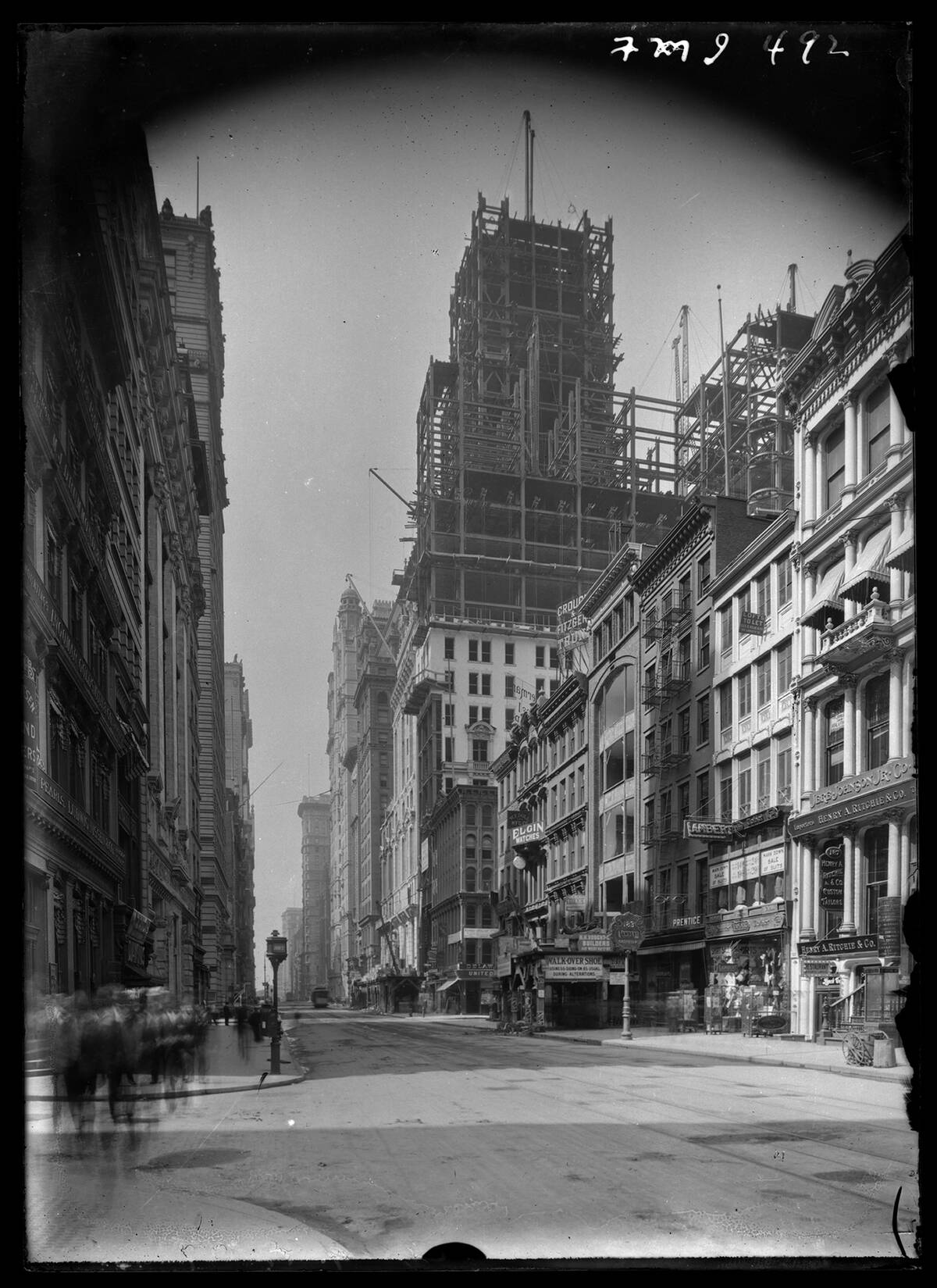
Once the tallest building in the world, the Singer Building was an architectural marvel when completed in 1908. Standing at 612 feet, it was a symbol of New York’s burgeoning skyline.
However, by the late 1960s, it was deemed inefficient for modern office needs and was demolished in 1968. Its loss highlighted the challenges of preserving skyscrapers in a city constantly reaching for the sky.
The Crystal Palace, London: A Glass Marvel Lost to Flames
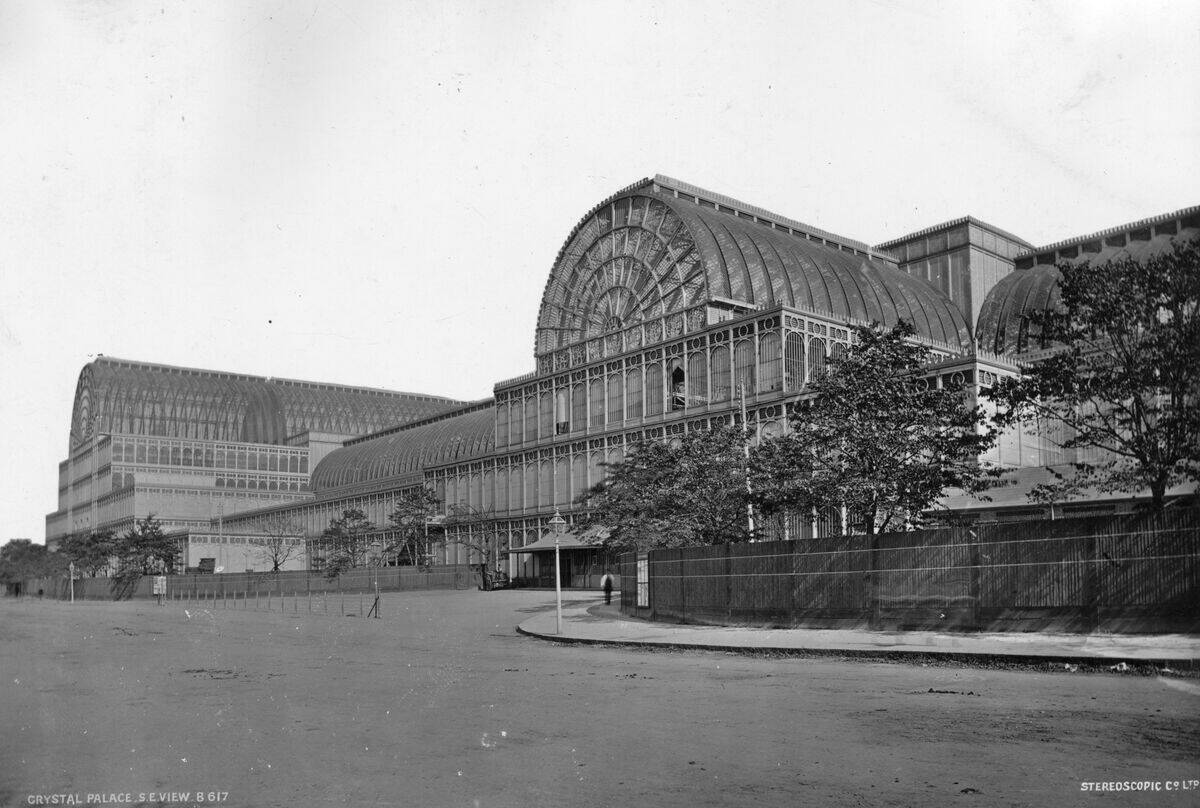
The Crystal Palace was a revolutionary glass and iron structure, originally built for the Great Exhibition of 1851. It was dismantled after the exhibition and rebuilt in an enlarged, modified form near Sydenham Hill. Tragically, in 1936, a fire engulfed the palace, leaving only memories of its grandeur.
The loss of the Crystal Palace was a significant cultural blow, but its innovative design continues to inspire architects and designers to this day.
Kowloon Walled City, Hong Kong: The City Within a City
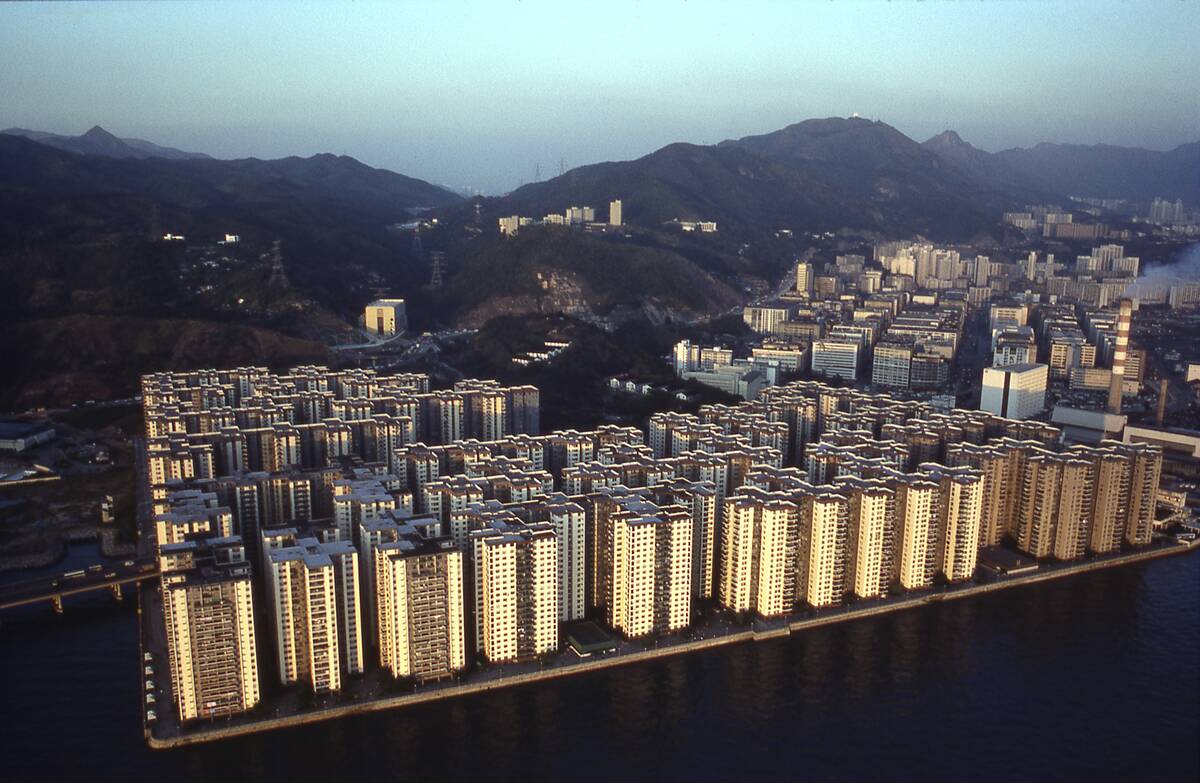
Kowloon Walled City was a densely populated, largely ungoverned settlement in Hong Kong. It was known for its labyrinthine alleys and vibrant community life, despite its reputation for crime and poor living conditions.
In 1993, the city was demolished to make way for a park. Today, it serves as a fascinating case study in urban planning and the resilience of communities living in unconventional environments.
The Old Waldorf-Astoria Hotel, New York: A Tale of Two Hotels
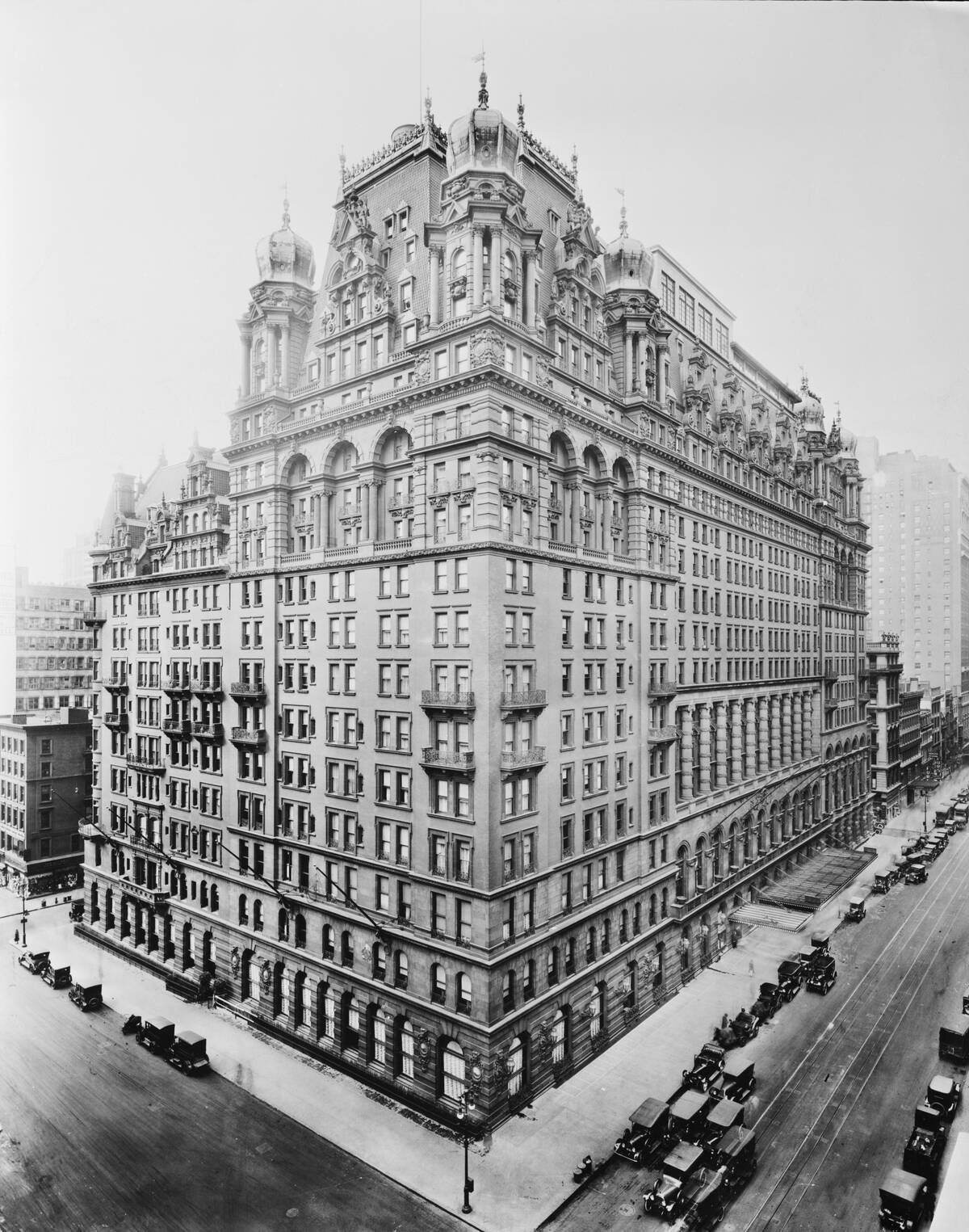
The original Waldorf-Astoria Hotel was a luxurious icon of New York’s Gilded Age. Opened in 1893, it was known for its opulence and high-society events. In 1929, it was demolished to make way for the Empire State Building.
The hotel was reincarnated in 1931 at its current location on Park Avenue, continuing its legacy of elegance and hospitality. The Waldorf-Astoria remains a symbol of New York’s ever-evolving skyline.
The Hippodrome, New York: Where Spectacle Once Reigned
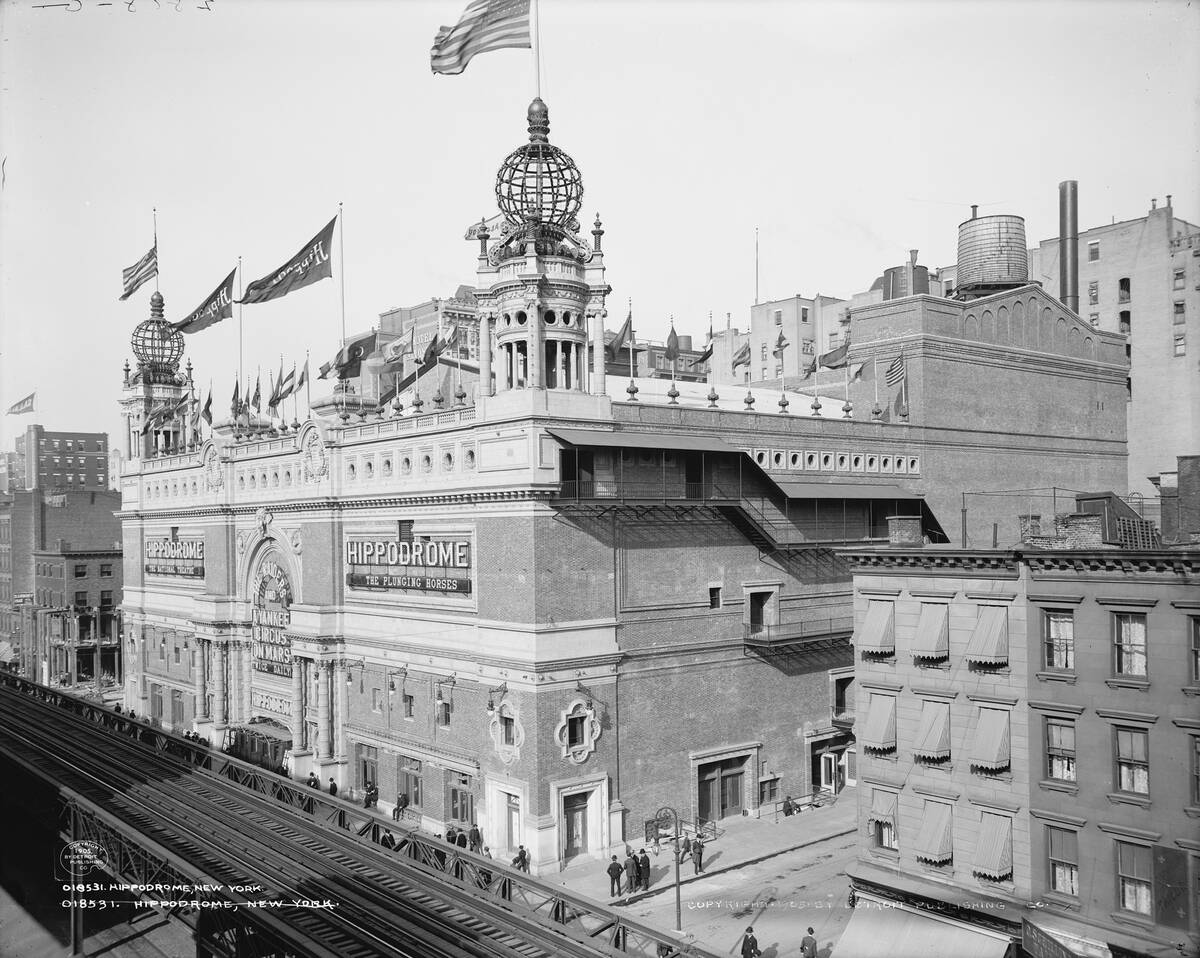
The New York Hippodrome was a grand theater that opened in 1905, known for its lavish productions and enormous seating capacity. It hosted everything from circus acts to opera, capturing the imagination of audiences.
However, changing entertainment tastes led to its decline, and it was demolished in 1939. The Hippodrome’s legacy lives on in the memories of those spectacular performances that once graced its stage.
The Pruitt-Igoe Housing Complex, St. Louis: A Modernist Dream Deferred
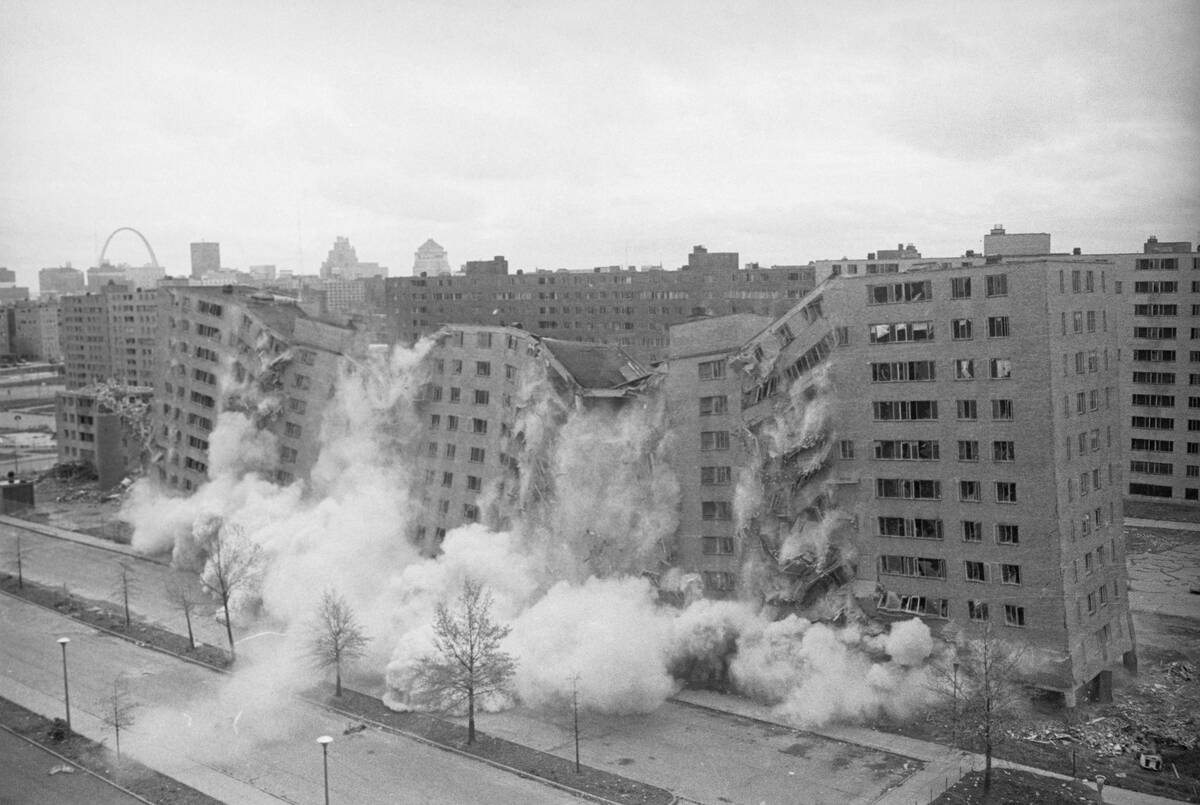
Pruitt-Igoe was a public housing project completed in 1956, designed by architect Minoru Yamasaki. It was hailed as a modernist solution to urban housing issues but quickly fell into disrepair due to poor maintenance and social challenges.
By the early 1970s, it was demolished, symbolizing the failure of such large-scale housing experiments. The site remains a poignant reminder of the complexities of urban renewal.
The Sutro Baths, San Francisco: A Seaside Wonderland’s Watery End
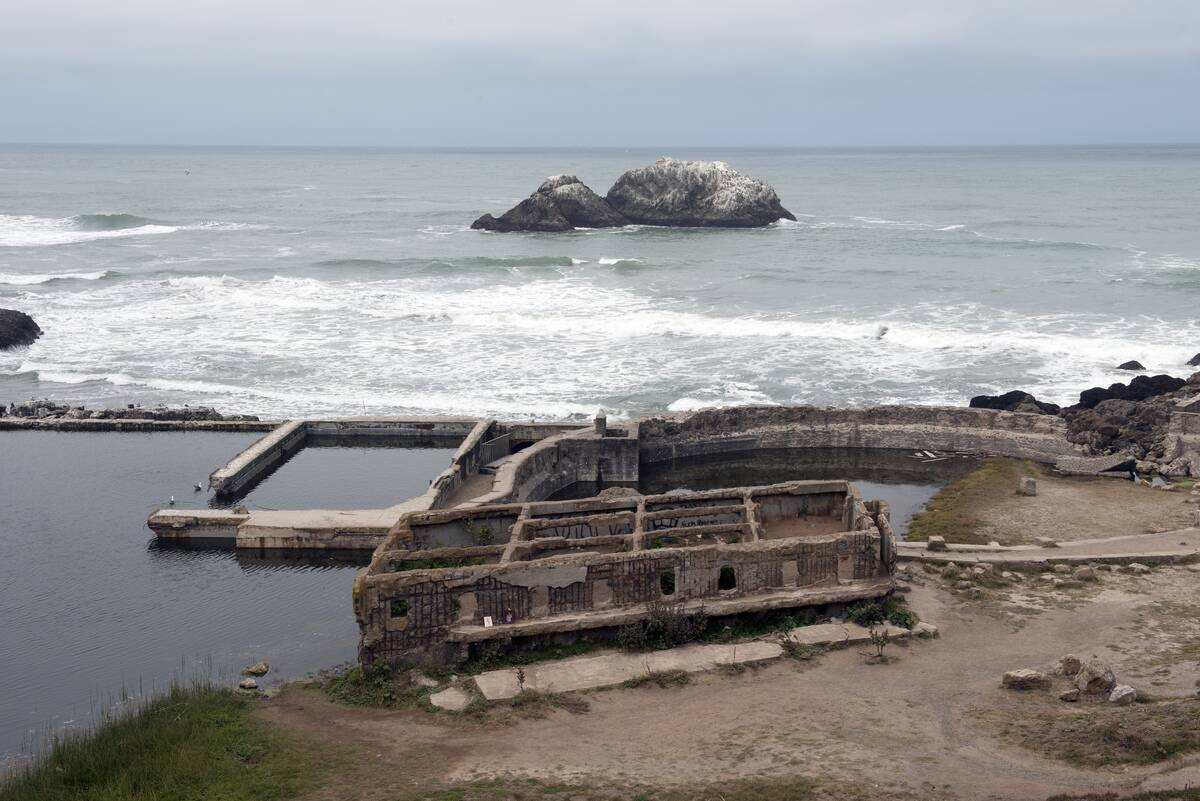
The Sutro Baths were a lavish public bathhouse complex built in 1896 by entrepreneur Adolph Sutro. Located on the rocky shores of San Francisco, it featured saltwater pools and exotic exhibits.
However, it struggled financially and eventually closed in the 1960s. In 1966, a fire destroyed much of the structure, leaving only ruins. Today, the site is a popular spot for hikers and history enthusiasts, offering stunning coastal views.
The Moulin Rouge Hotel, Las Vegas: A Short-Lived Oasis of Integration
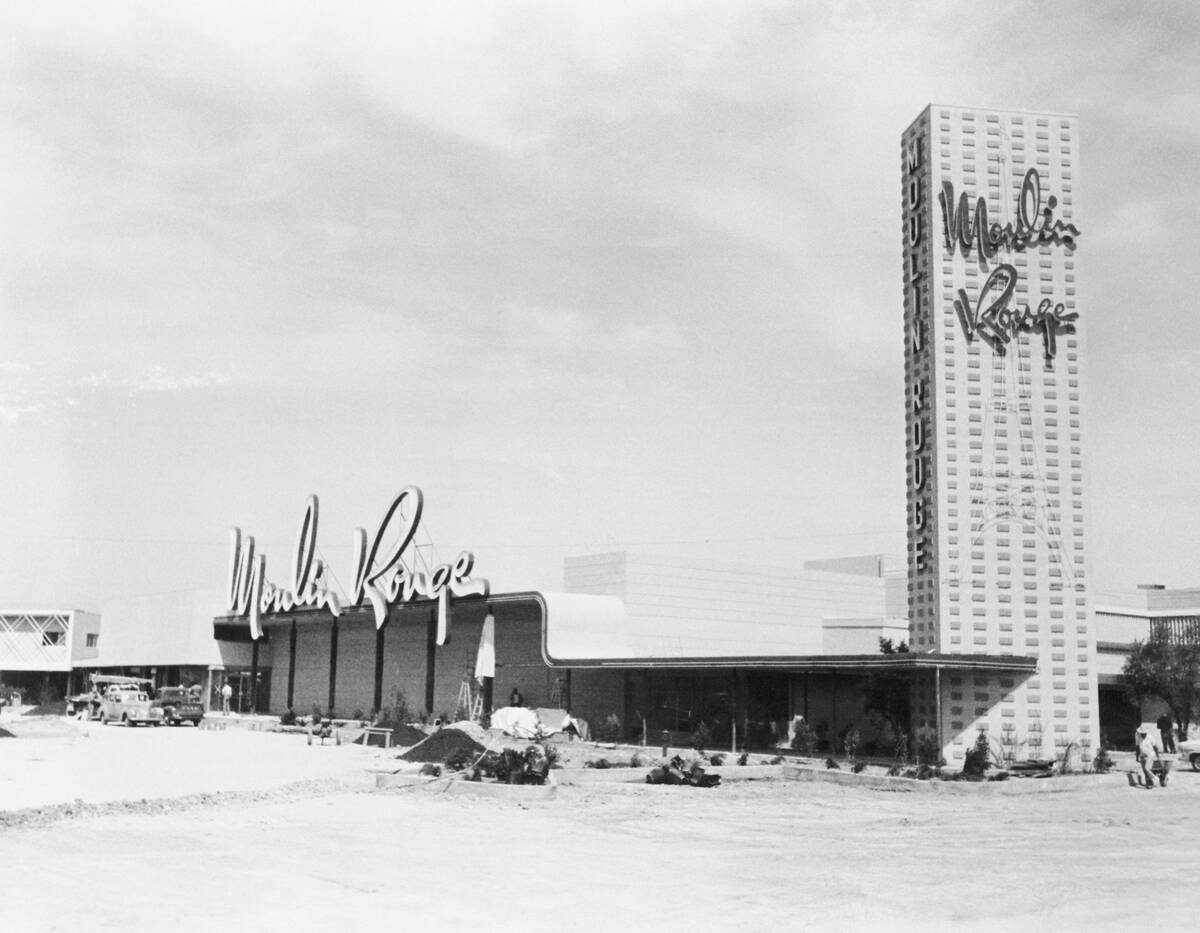
The Moulin Rouge Hotel, opened in 1955, was the first racially integrated hotel-casino in Las Vegas. It attracted top entertainers and was a symbol of progress in a segregated city. Despite its initial success, financial difficulties led to its closure within months.
The Moulin Rouge’s legacy endures as a pivotal moment in the civil rights movement, highlighting the ongoing struggle for equality in America.
The Larkin Administration Building, Buffalo: Frank Lloyd Wright’s Lost Treasure
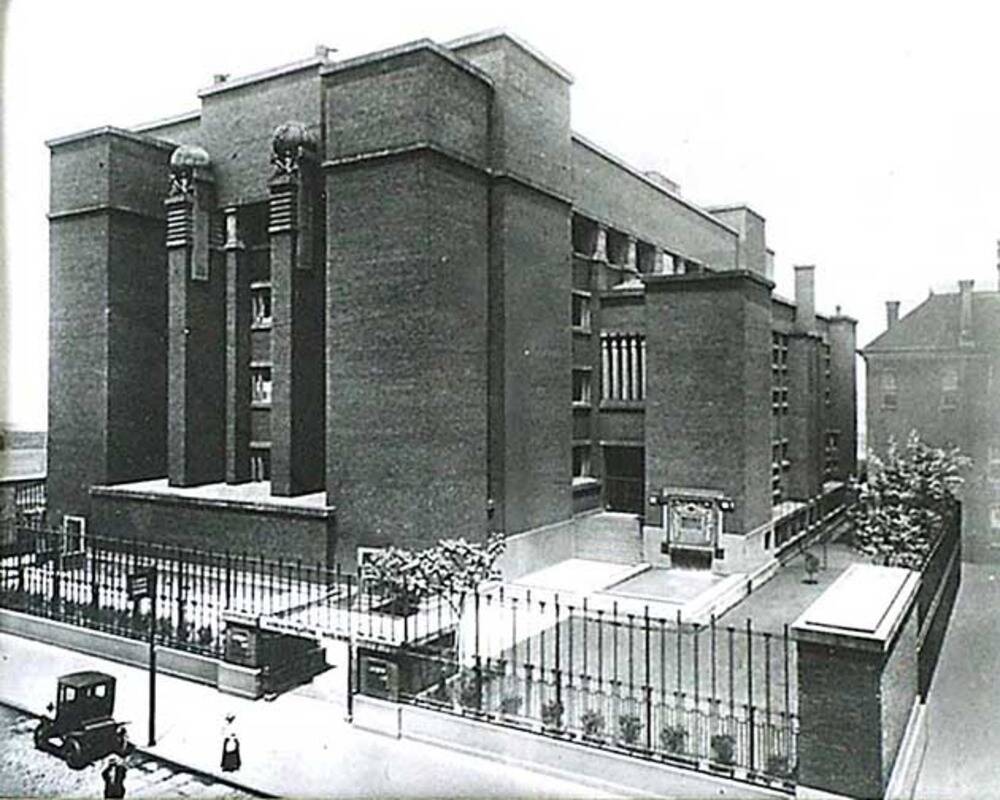
Designed by Frank Lloyd Wright, the Larkin Administration Building was completed in 1906 as the headquarters for the Larkin Soap Company. It was an architectural innovation, featuring open-plan offices and modern amenities.
However, the company went bankrupt in the 1940s, and the building was demolished in 1950. Its loss is mourned by architecture enthusiasts who admire Wright’s pioneering vision and the building’s unique design.
The Palace of Fine Arts, Chicago: A Fairytale Ending After the Fair
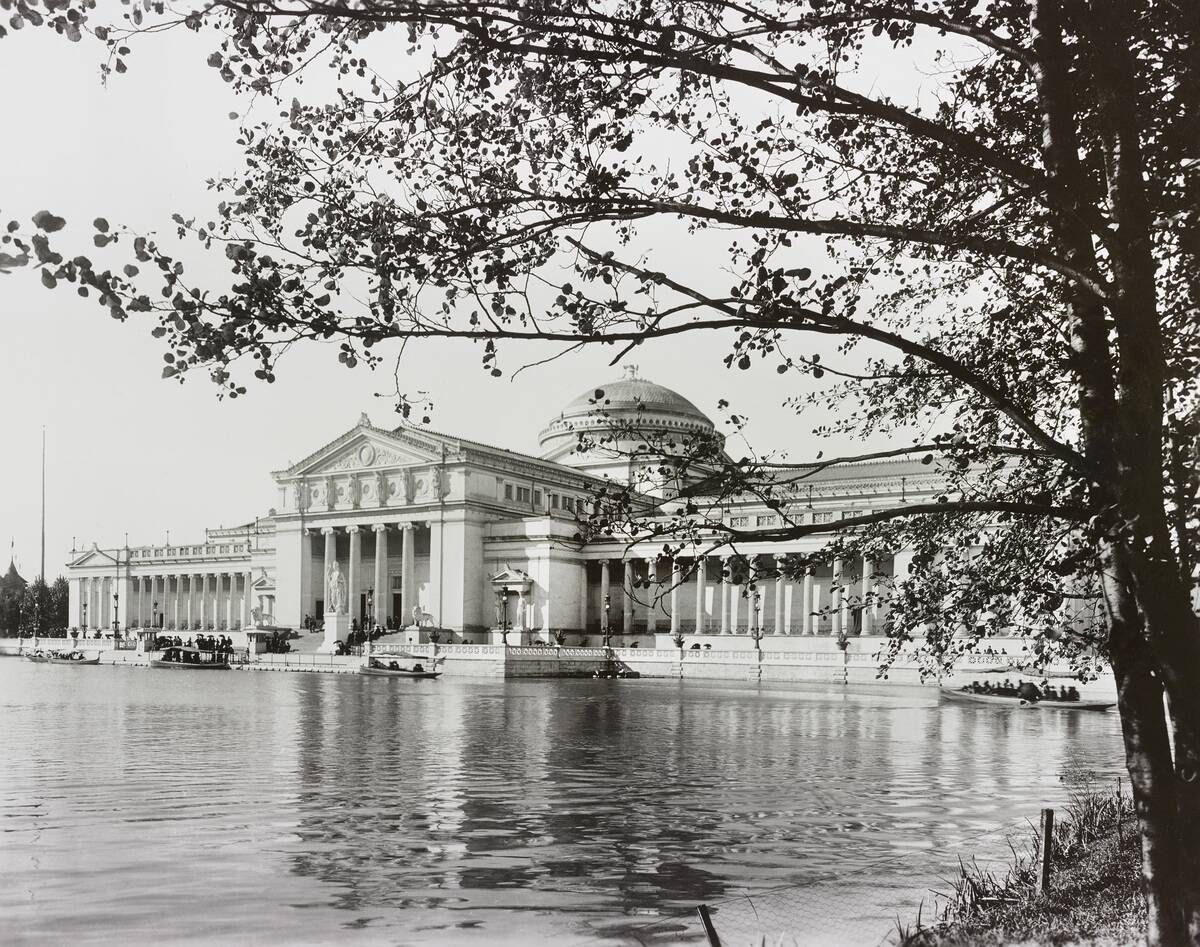
The Palace of Fine Arts was built for the 1893 World’s Columbian Exposition in Chicago. It was one of the few structures intended to be permanent, housing art exhibitions. After the fair, it became the Field Museum until the museum’s relocation.
Today, it serves as the Museum of Science and Industry, preserving its architectural beauty. The building’s fairytale transformation reflects Chicago’s commitment to preserving its cultural heritage.
The Original Wembley Stadium, London: The Empire’s Sporting Heart
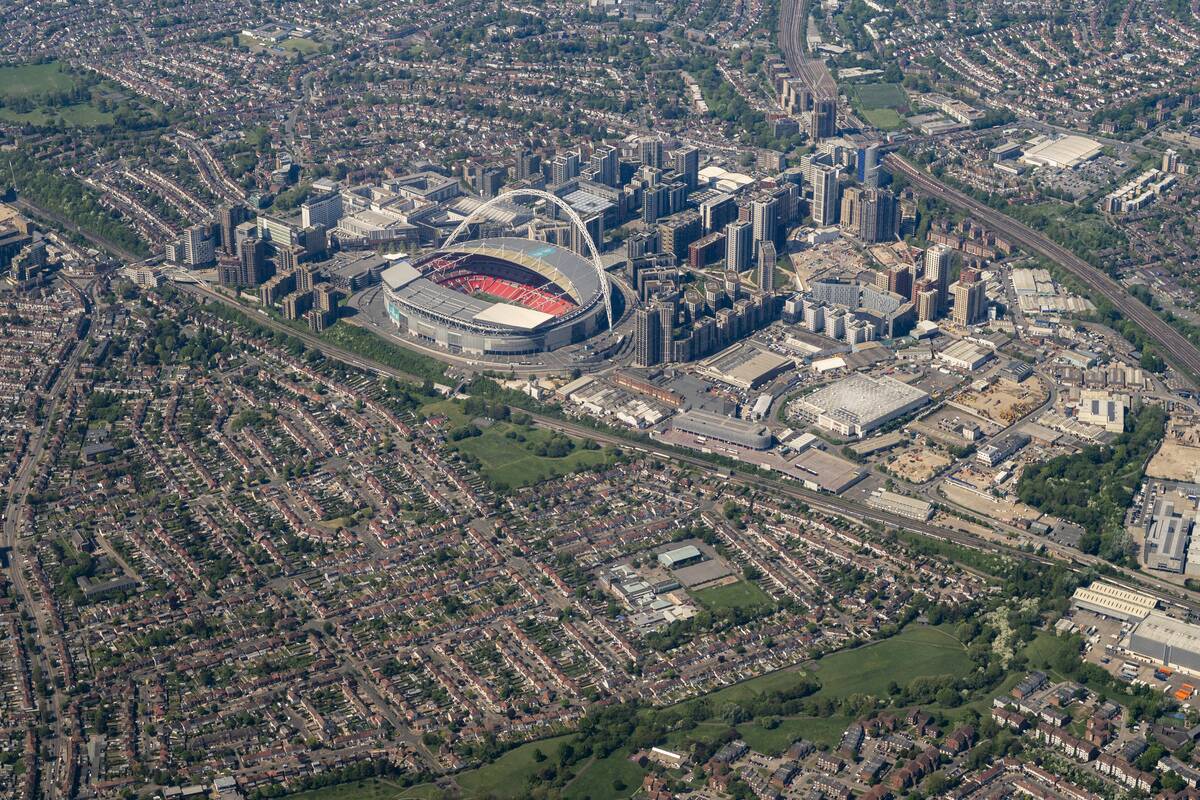
Wembley Stadium, opened in 1923, was an iconic venue known for its twin towers and hosting major sporting events. It was the site of the 1966 World Cup final, where England triumphed.
Despite its historical significance, the stadium was demolished in 2003 to make way for a modern facility. The new Wembley continues to host world-class events, but the original holds a special place in the hearts of sports fans.
The Chicago Stock Exchange Building: A Masterpiece Demolished
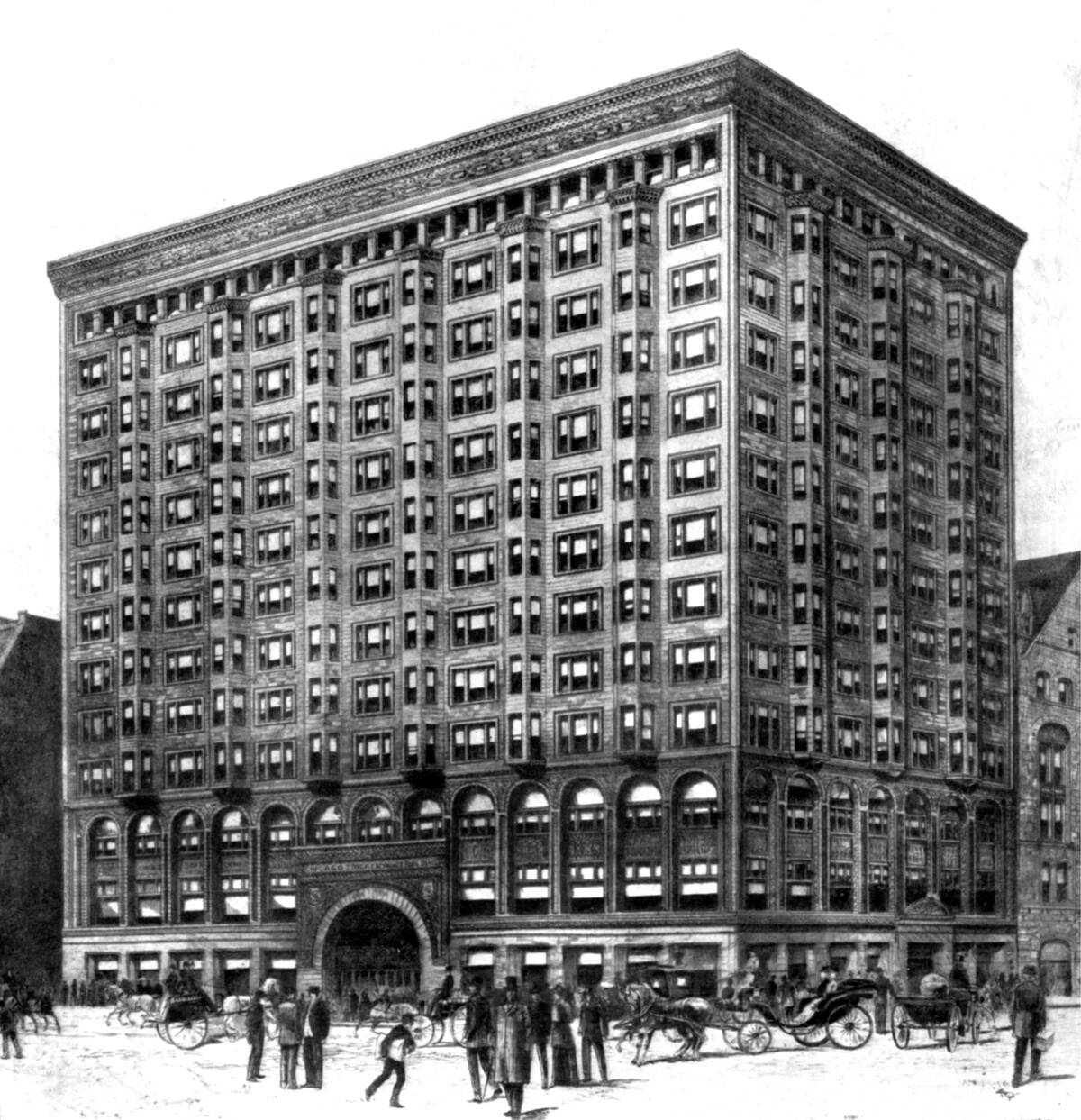
The Chicago Stock Exchange Building, designed by the renowned firm Adler & Sullivan, was completed in 1894. It was celebrated for its ornate facade and grand trading floor. Unfortunately, it was demolished in 1972, sparking outrage among preservationists.
Parts of the building, including its entrance arch, were preserved and are now displayed at the Art Institute of Chicago, serving as a reminder of the city’s architectural heritage.
The Twin Towers, New York: A Symbol of Strength and Loss

The Twin Towers of the World Trade Center were completed in 1973, standing as symbols of New York’s economic power. Tragically, they were destroyed in the terrorist attacks of September 11, 2001.
The site is now home to the National September 11 Memorial & Museum, honoring the lives lost and the resilience of the city. The towers’ legacy is one of strength, unity, and the enduring spirit of New York.




