The construction and fall of the Berlin Wall
The Berlin Wall stood as a stark symbol of the Cold War, representing the ideological divide between East and West. Erected in 1961, it physically and metaphorically split Berlin into two contrasting worlds.
For nearly three decades, it was a powerful reminder of the tensions between communism and democracy. The Wall’s presence was not just a barrier of concrete and barbed wire, but a testament to the struggles of a divided world.
Post-War Europe: Setting the Stage for Division
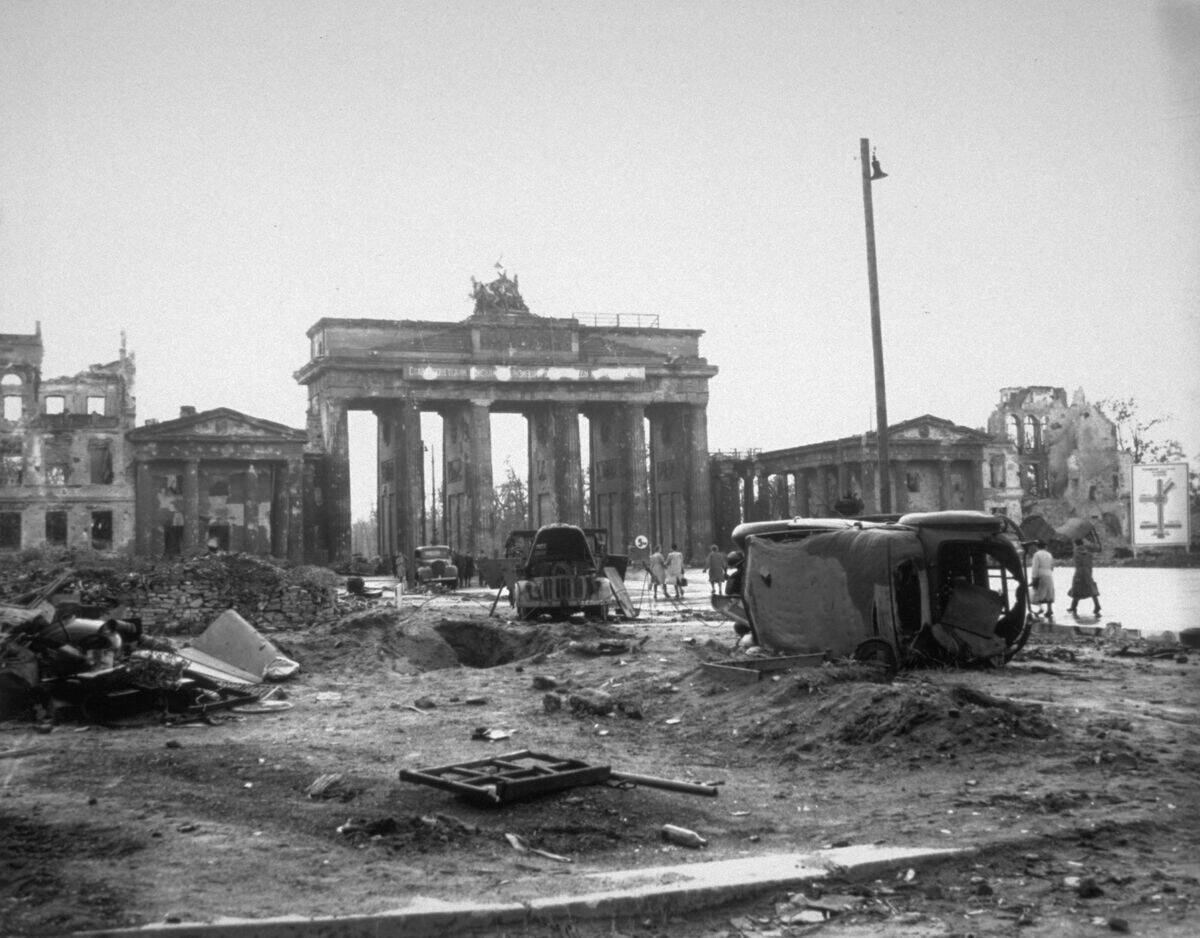
After World War II, Europe was in ruins, and the continent’s future was uncertain. The Allies divided Germany into four occupation zones, each controlled by the US, UK, France, and the Soviet Union.
This division laid the groundwork for the eventual split of Berlin. The differing political ideologies of the occupying forces soon led to growing tensions, setting the stage for the Cold War and the eventual construction of the Berlin Wall.
The Rise of the Iron Curtain: A Continent Divided
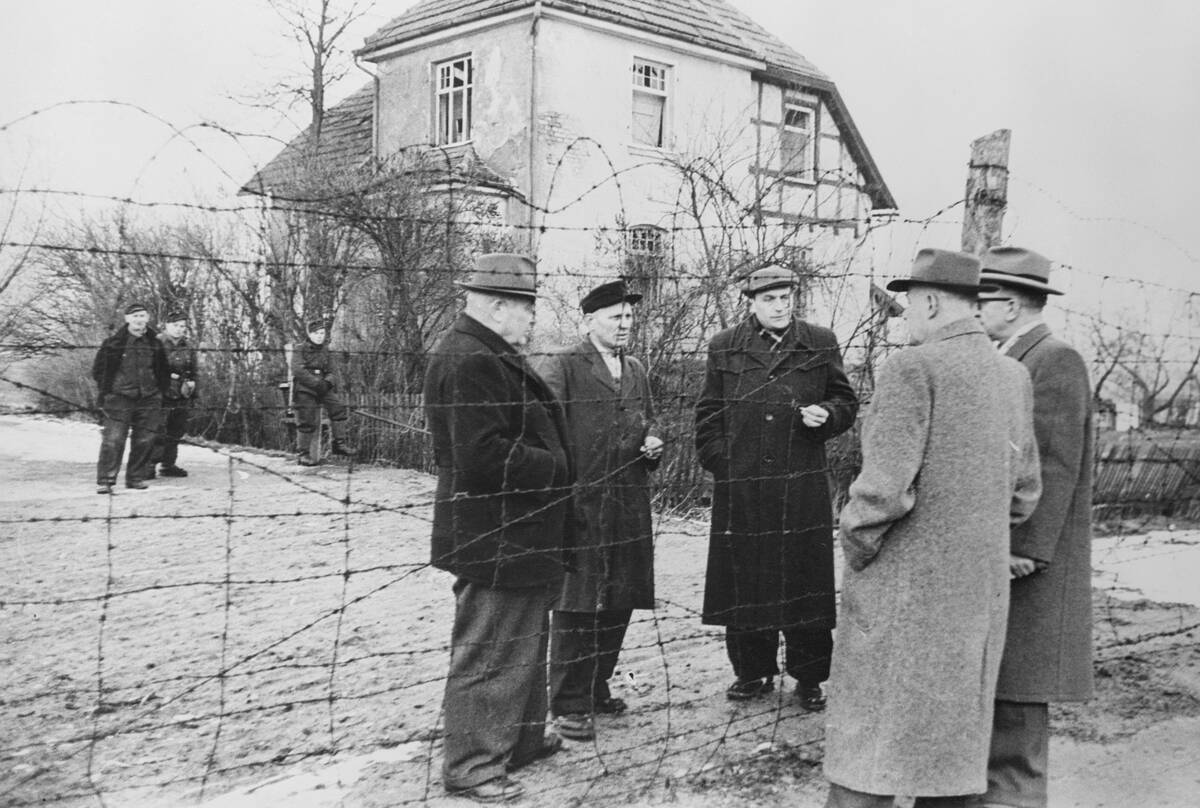
Winston Churchill famously coined the term ‘Iron Curtain’ in 1946 to describe the division between the Soviet-controlled East and the democratic West. This metaphorical barrier became a reality as Eastern European countries fell under Soviet influence.
The Iron Curtain was not just a physical boundary but also a cultural and ideological divide that separated families and friends, marking the beginning of a long period of tension and mistrust across Europe.
Berlin: A City Caught in the Middle
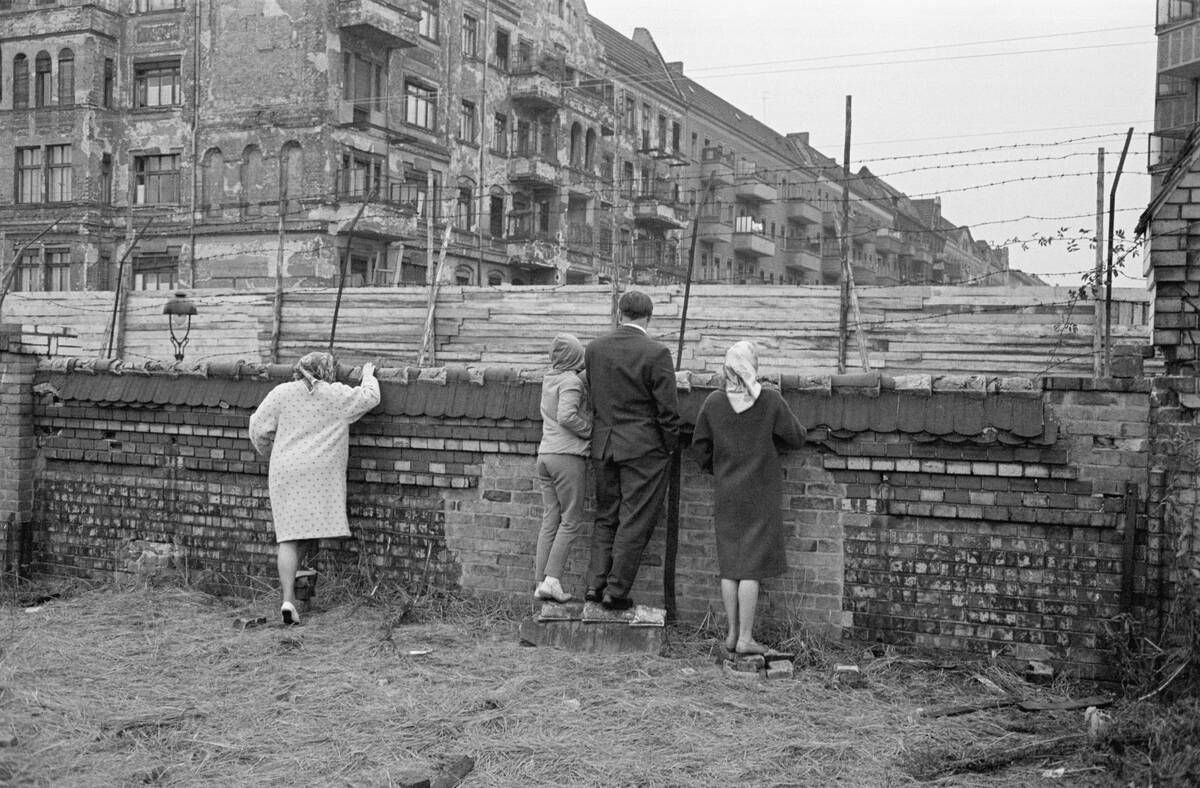
Berlin became the epicenter of Cold War tensions due to its unique position within Soviet-controlled East Germany. Despite being deep in the East, West Berlin was a democratic enclave, surrounded by a communist regime.
This made it a focal point for espionage, propaganda, and political maneuvering. The city’s divided status highlighted the broader struggle between the superpowers, making it a microcosm of the global conflict.
The Decision to Build: Political Tensions Reach a Boiling Point
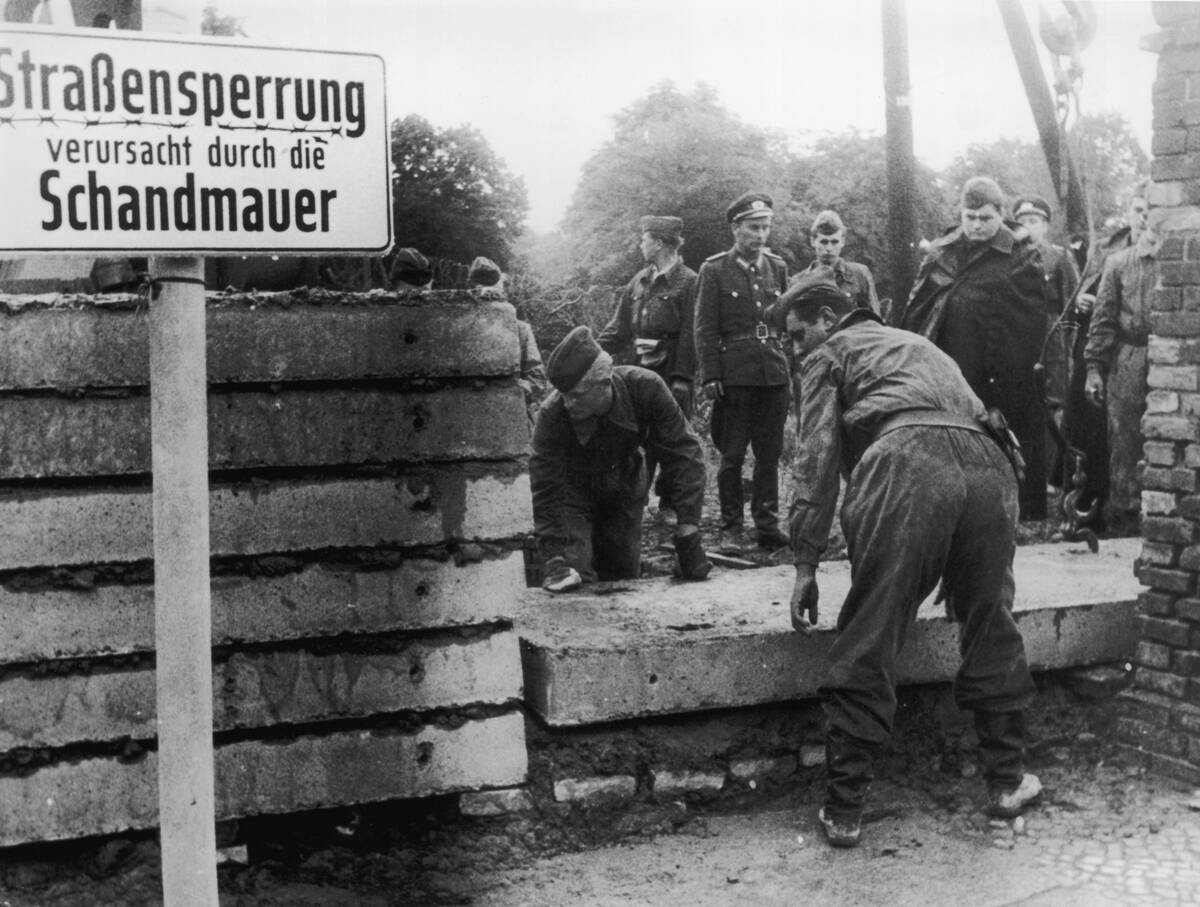
By the early 1960s, East Germany faced a crisis as thousands of citizens fled to the West, seeking freedom and better opportunities. To stem this exodus, the East German government, with Soviet backing, decided to construct a wall.
The decision was made in secrecy, reflecting the high-stakes political game being played. The construction of the Berlin Wall was a drastic measure, underscoring the desperation of the East German regime to maintain control.
Construction Begins: A Wall Rises Overnight
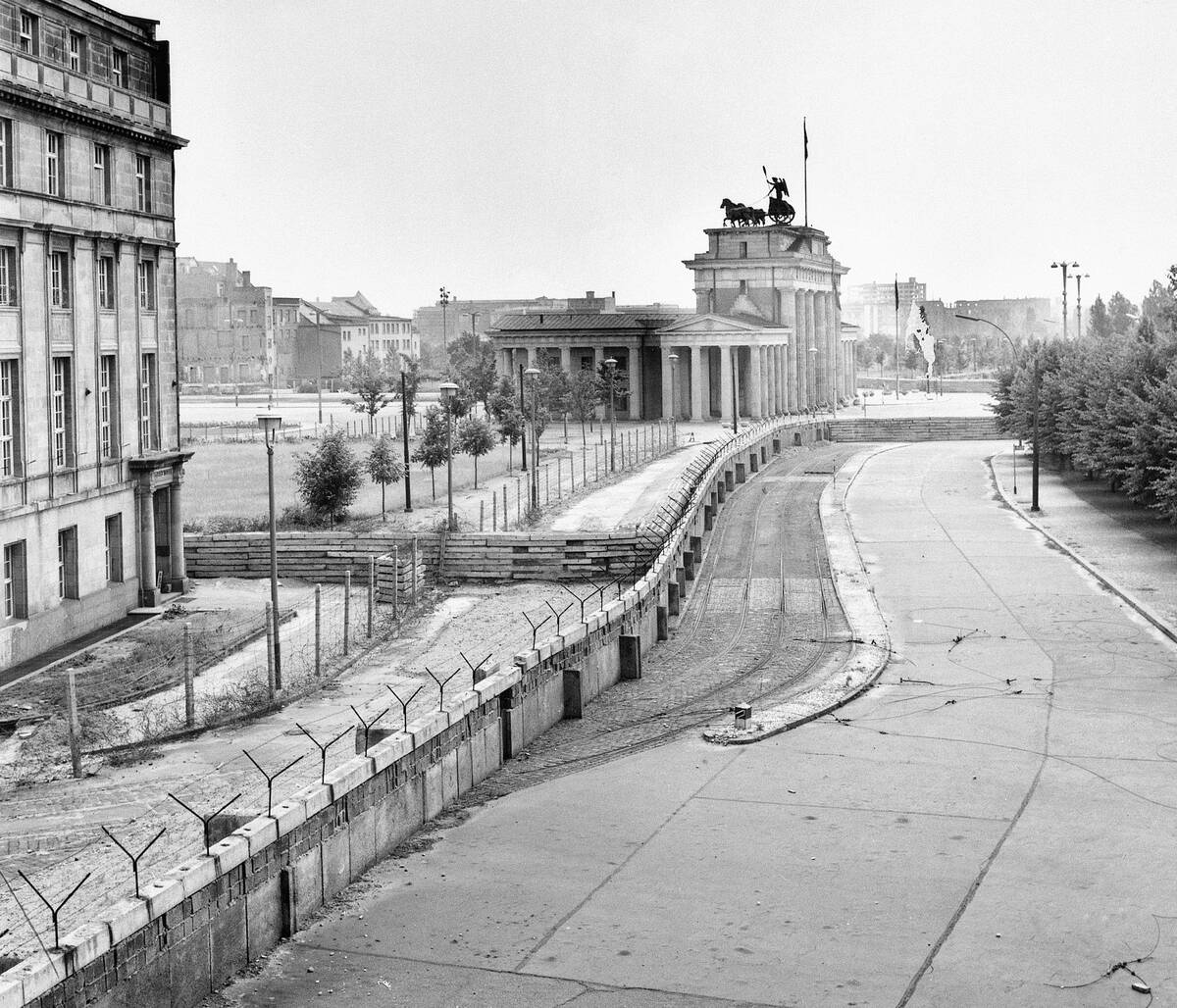
On August 13, 1961, Berliners awoke to find their city transformed. Overnight, barbed wire and barricades appeared, soon replaced by concrete slabs. The rapid construction caught many by surprise, effectively sealing off East Berlin from the West.
Families were suddenly divided, and the city’s landscape was altered forever. The Wall’s swift erection was a testament to the East German government’s resolve to prevent further defections.
Life in a Divided City: East vs. West Berlin
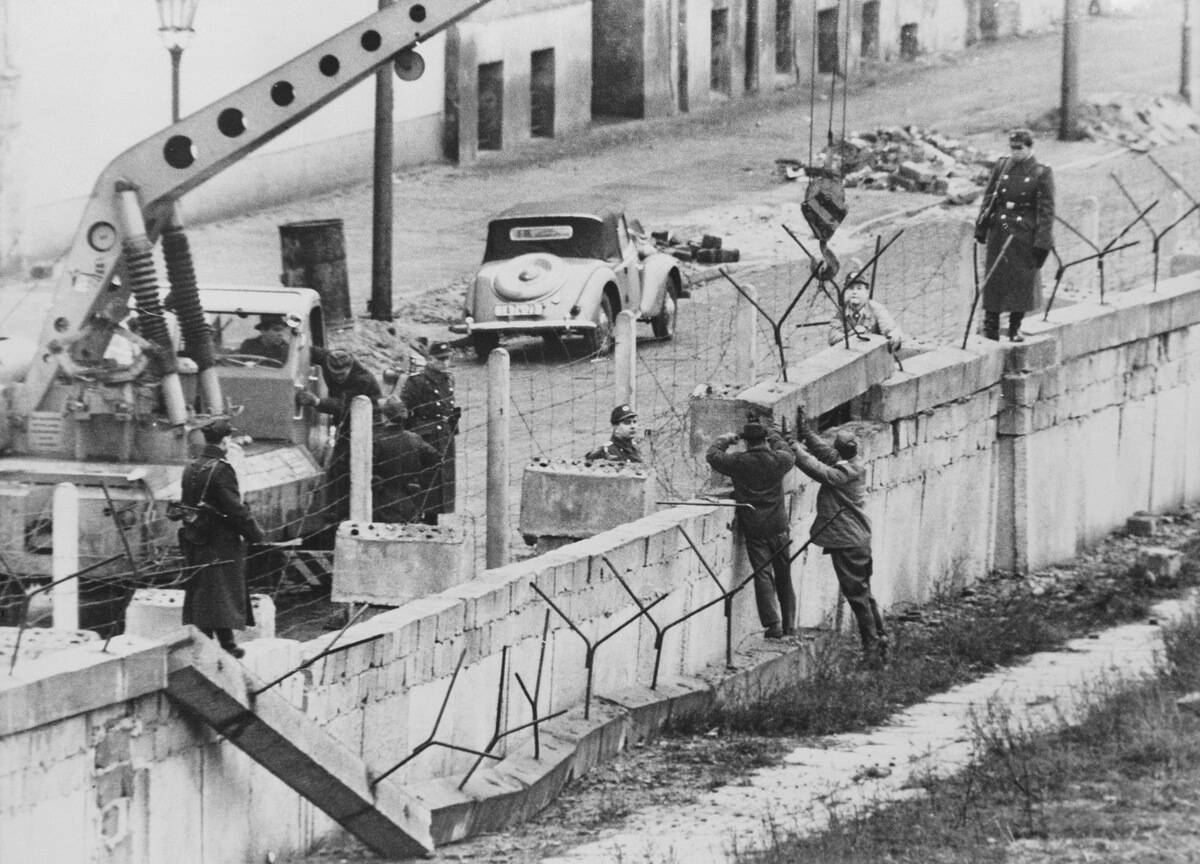
Life in Berlin varied drastically depending on which side of the Wall one found themselves. In the West, there was a vibrant culture, economic prosperity, and political freedom. Meanwhile, East Berliners faced restrictions, surveillance, and a controlled economy.
The Wall not only divided the city physically but also highlighted the stark contrast in living conditions and ideologies. Despite the separation, the spirit of Berliners on both sides remained resilient.
The Wall’s Architecture: Concrete, Barbed Wire, and Watchtowers
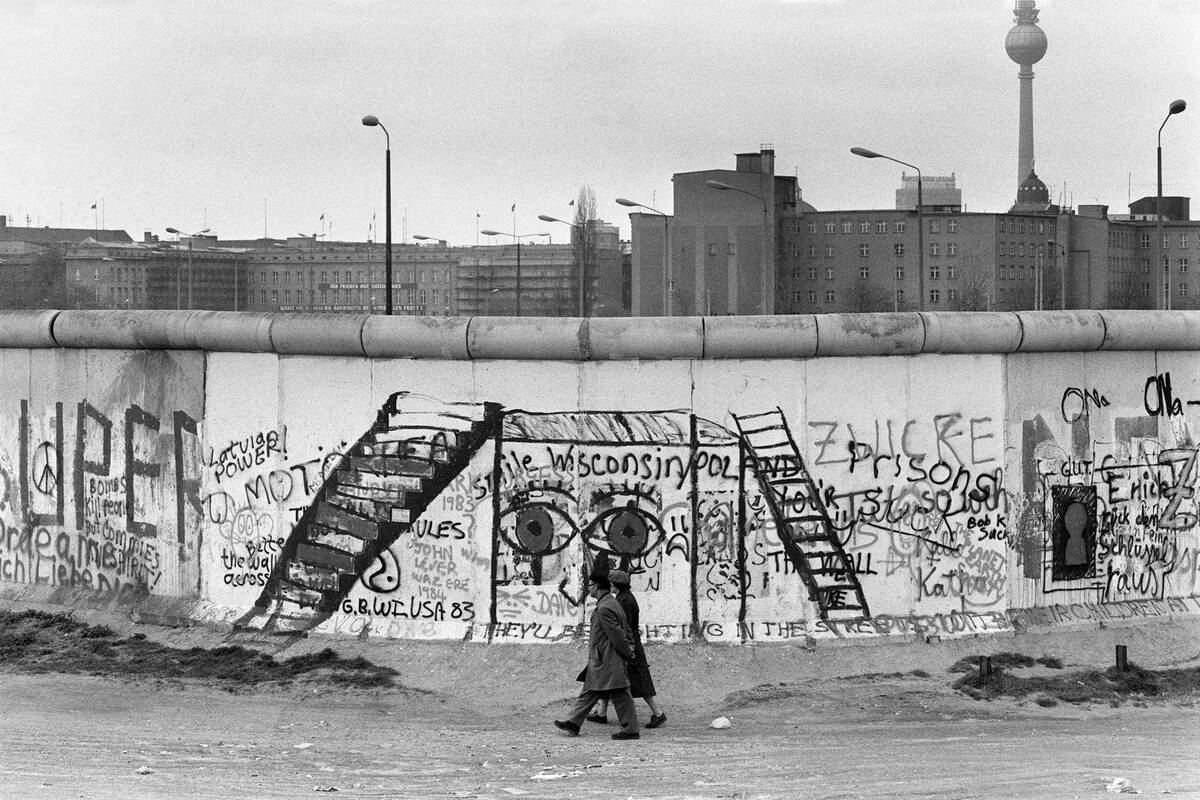
The Berlin Wall was more than just a simple barrier. It consisted of concrete segments, barbed wire, and over 300 watchtowers. The Wall stretched approximately 96 miles, encircling West Berlin.
Its formidable design included a ‘death strip’ with anti-vehicle trenches and guard dogs. This architecture was intended to deter escape attempts, making the Wall a symbol of oppression and control. Yet, on the West Berlin side it also became a canvas for protest art and graffiti.
Checkpoints and Crossings: Navigating the Divide
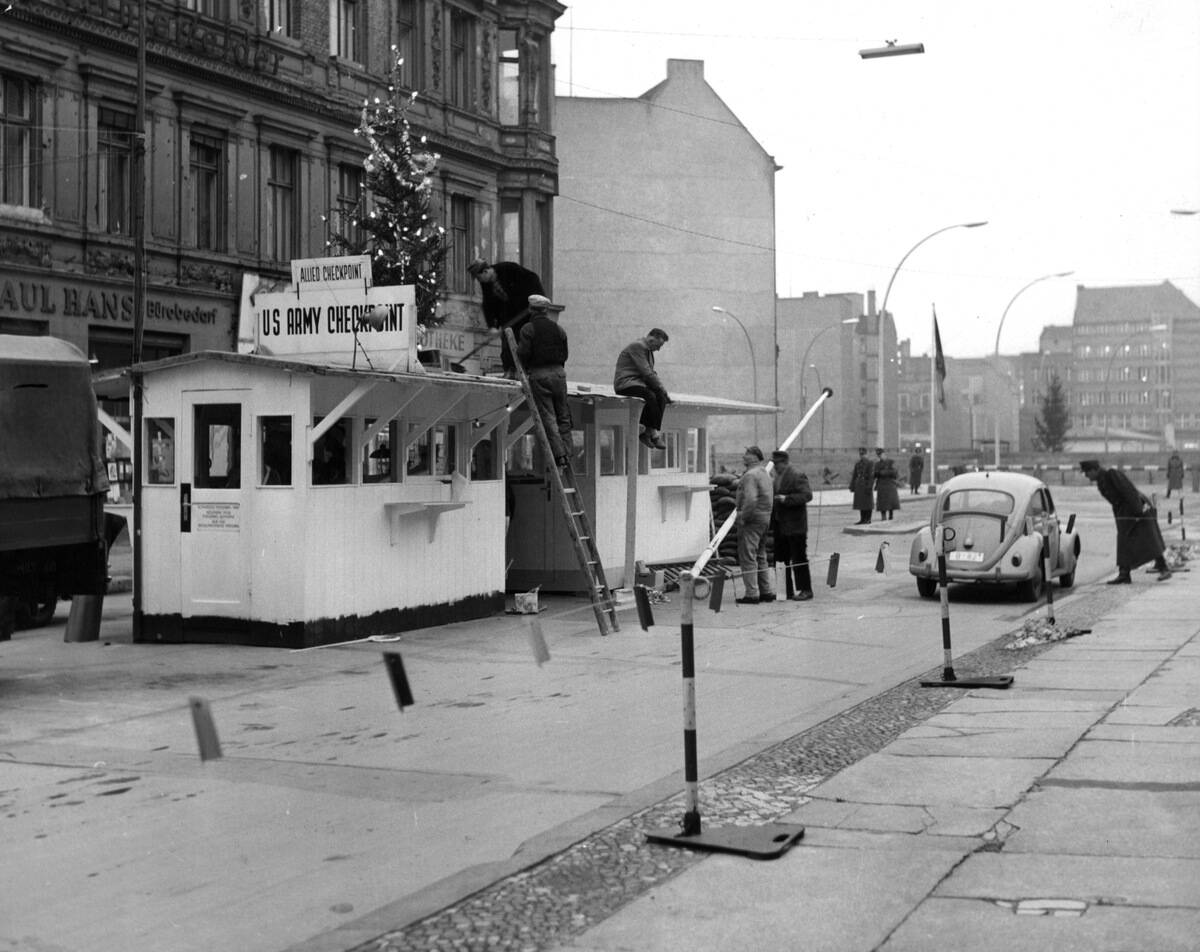
Checkpoints like the famous Checkpoint Charlie became iconic symbols of the Cold War. These crossings were heavily guarded, with strict controls on who could pass between East and West. For many, crossing the Wall was a rare and tense experience, fraught with uncertainty.
Despite the restrictions, these checkpoints were vital lifelines for diplomats, journalists, and occasionally, divided families. They served as poignant reminders of the human cost of the divide.
Tales of Escape: Daring Attempts to Reach Freedom
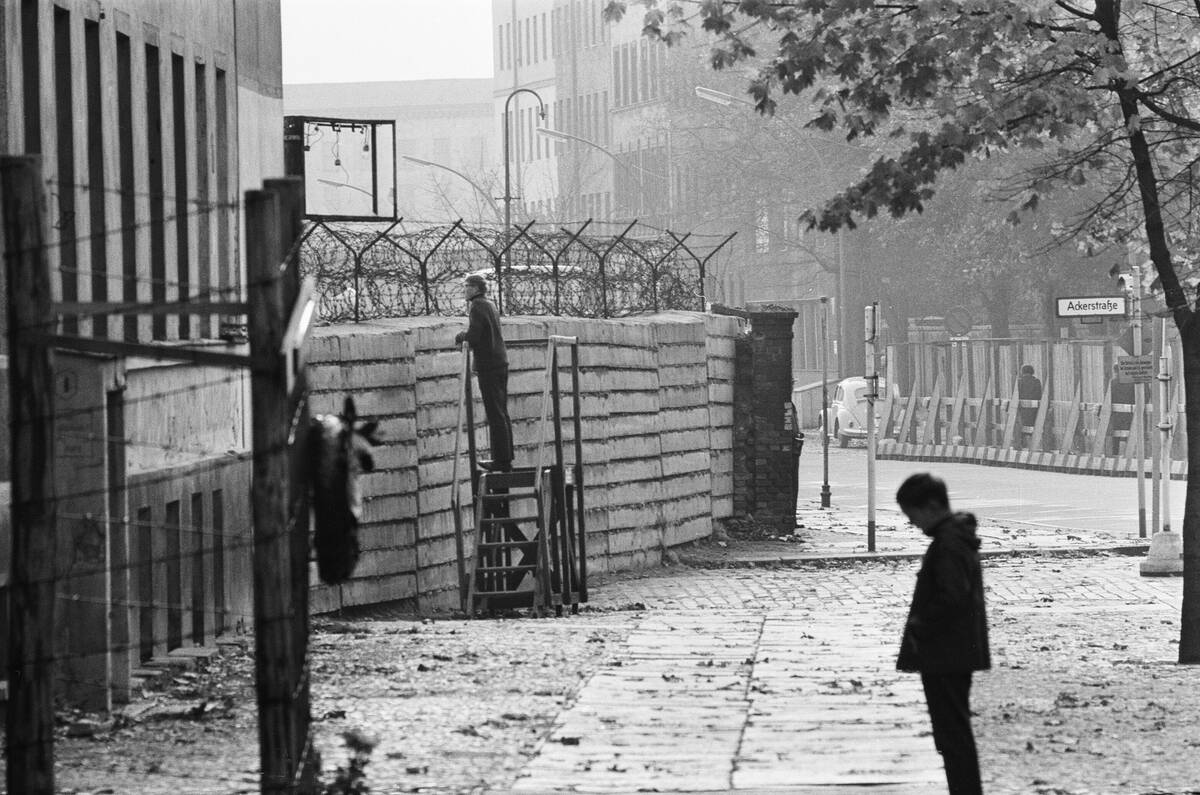
Throughout the Wall’s existence, many East Berliners risked their lives to escape to the West. Ingenious methods included tunneling, hot air balloons, and even zip lines. These daring escapes captivated the world and highlighted the lengths people would go for freedom.
Tragically, not all attempts were successful, and many lost their lives in the process. These stories of bravery and desperation remain an enduring testament to the human spirit.
The Wall in Popular Culture: Movies, Music, and More
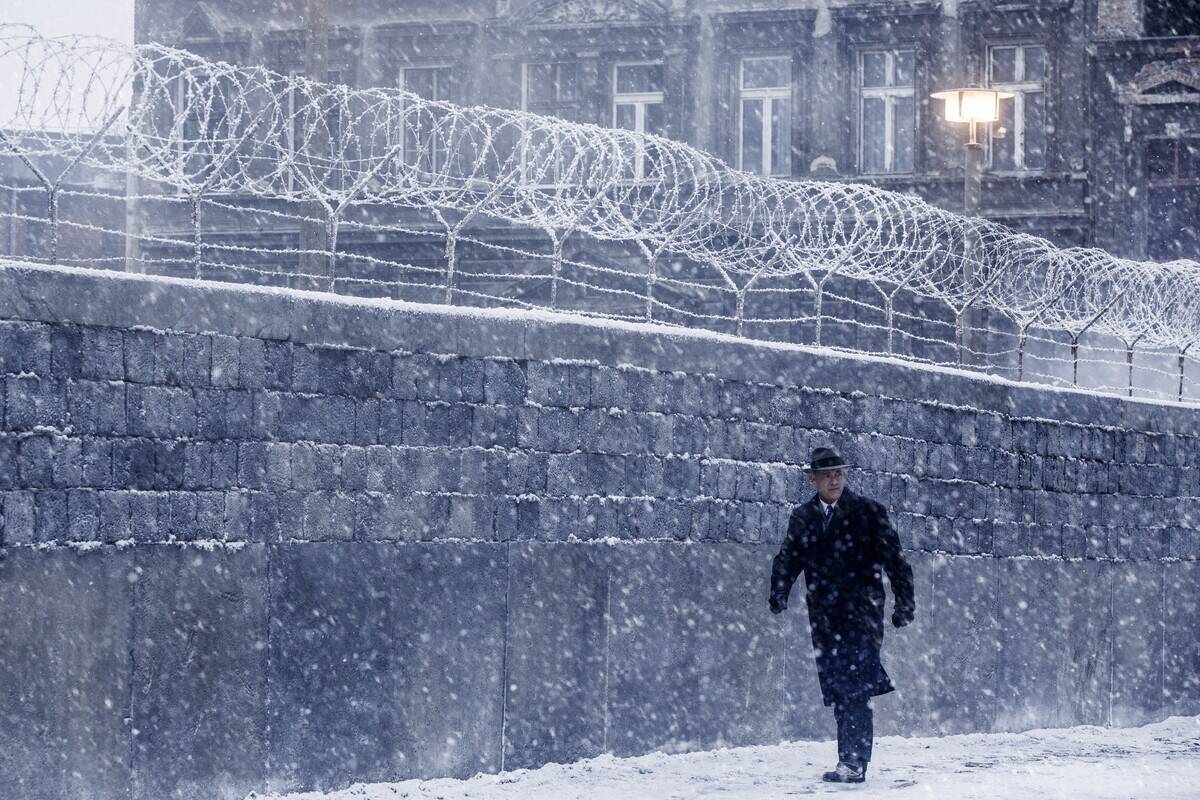
The Berlin Wall has inspired countless works of art, music, and film. David Bowie’s song ‘Heroes’ and the movie Bridge of Spies are just a few examples that capture the Wall’s impact.
These cultural references helped keep the plight of Berliners in the global consciousness. The Wall’s presence in popular culture served as a powerful reminder of the struggle for freedom and the resilience of the human spirit.
The Global Reaction: How the World Viewed the Wall
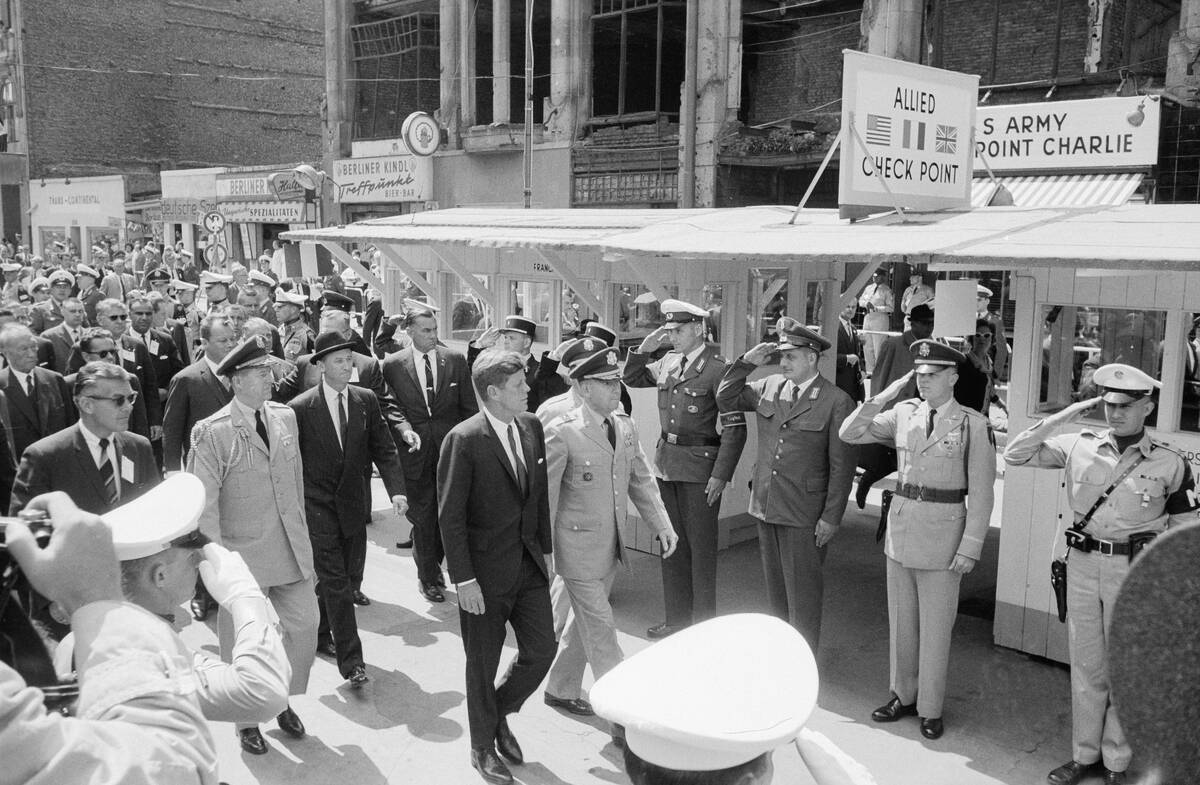
The erection of the Berlin Wall drew strong reactions from around the world. Western nations condemned it as a symbol of communist oppression, while the Eastern bloc justified it as a necessary measure for security.
The Wall became a focal point for Cold War tensions, with leaders like John F. Kennedy famously visiting Berlin to express solidarity. The global response underscored the Wall’s significance as more than just a local issue.
The Winds of Change: Political Shifts in the 1980s
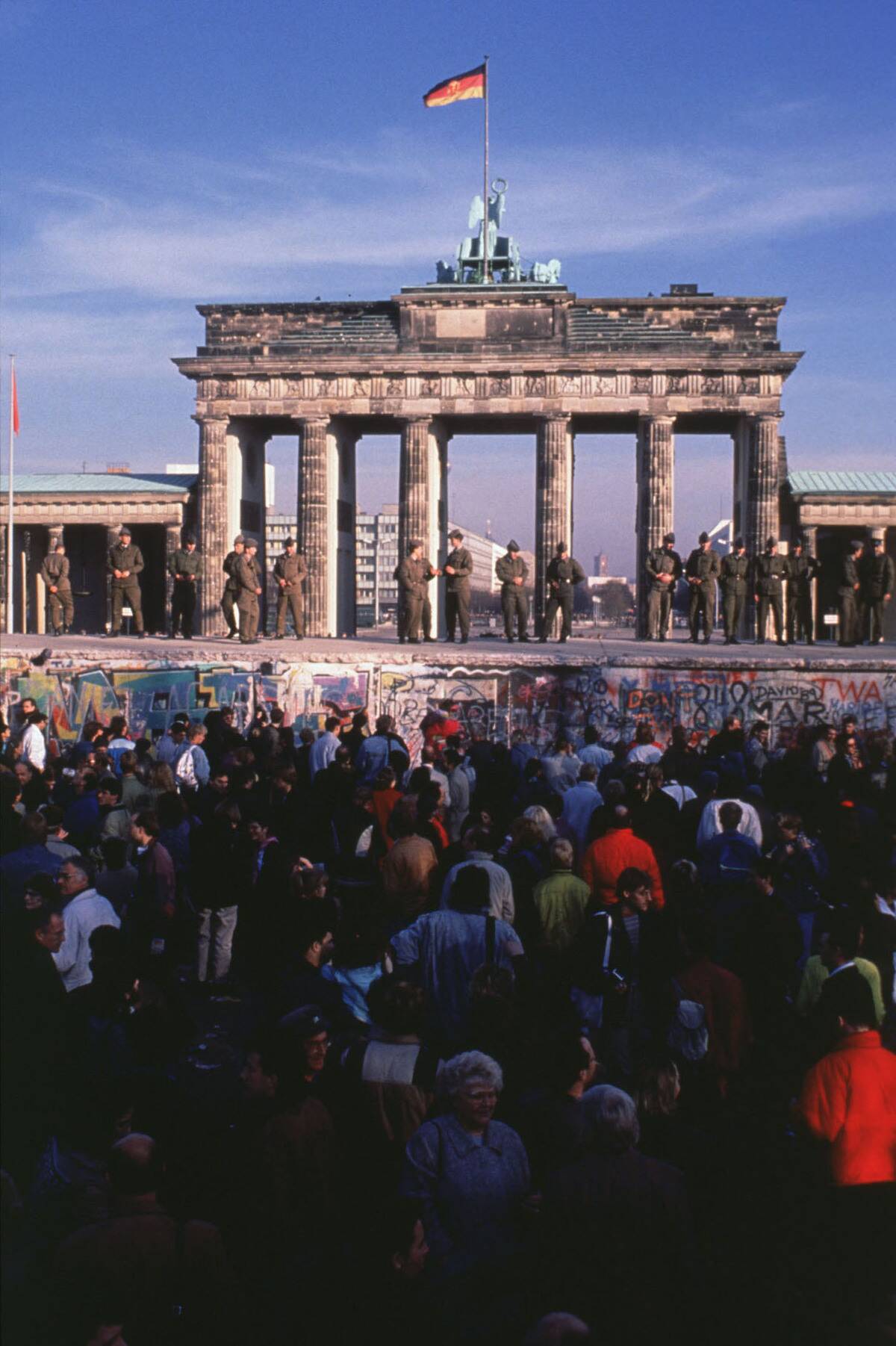
The 1980s brought significant political changes that would eventually lead to the Wall’s fall. Mikhail Gorbachev’s policies of glasnost and perestroika signaled a shift in Soviet attitudes.
Meanwhile, growing protests in Eastern Europe demanded reform and greater freedoms. These changes, coupled with economic pressures, weakened the Eastern bloc’s grip on power. The stage was set for a momentous shift that would reshape the continent.
The Fall of the Wall: A Night That Changed History
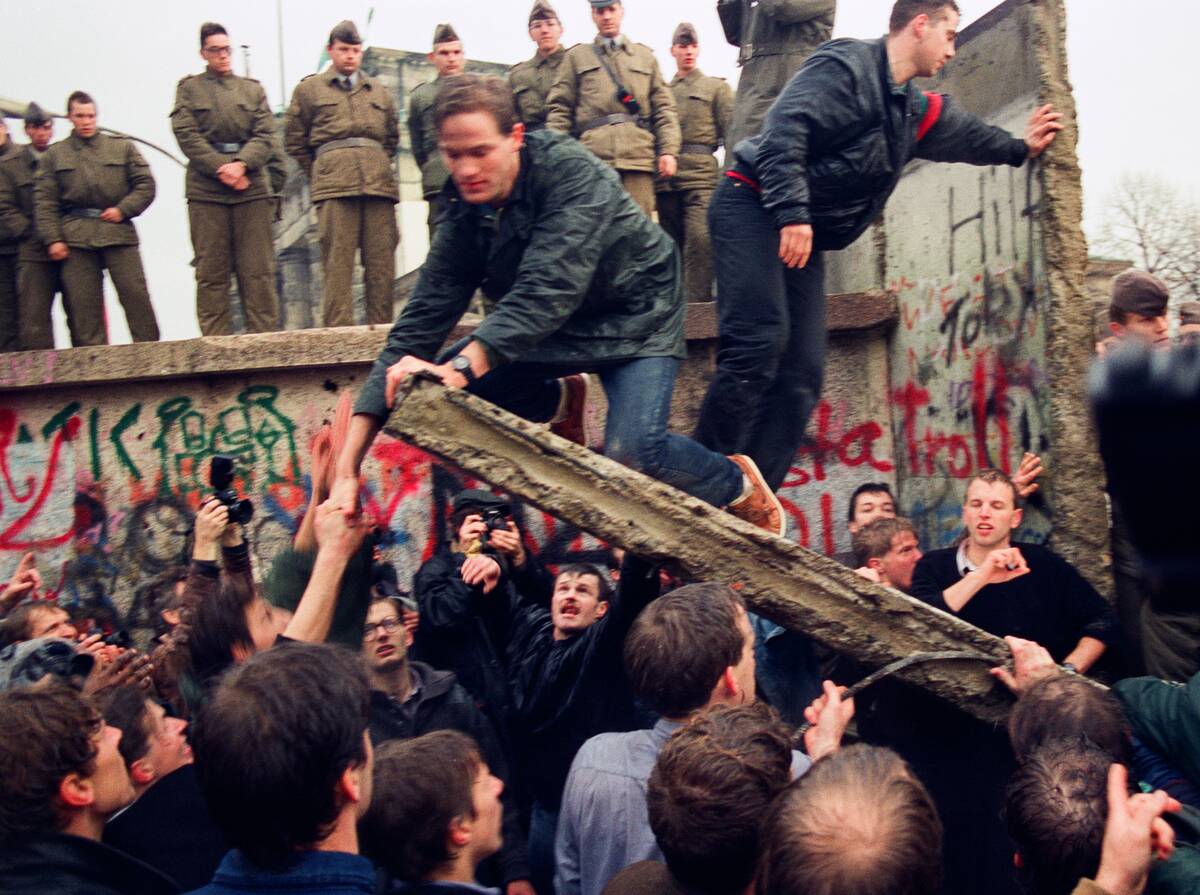
On November 9, 1989, the Berlin Wall fell, marking the end of an era. A miscommunication led to the opening of the border, and thousands of Berliners flocked to the Wall, tearing it down with their own hands.
The fall was a jubilant moment, symbolizing the triumph of freedom over oppression. It marked the beginning of the reunification of Germany and the eventual end of the Cold War, forever changing the course of history.
Celebrations and Reunions: The Joy of Reunification
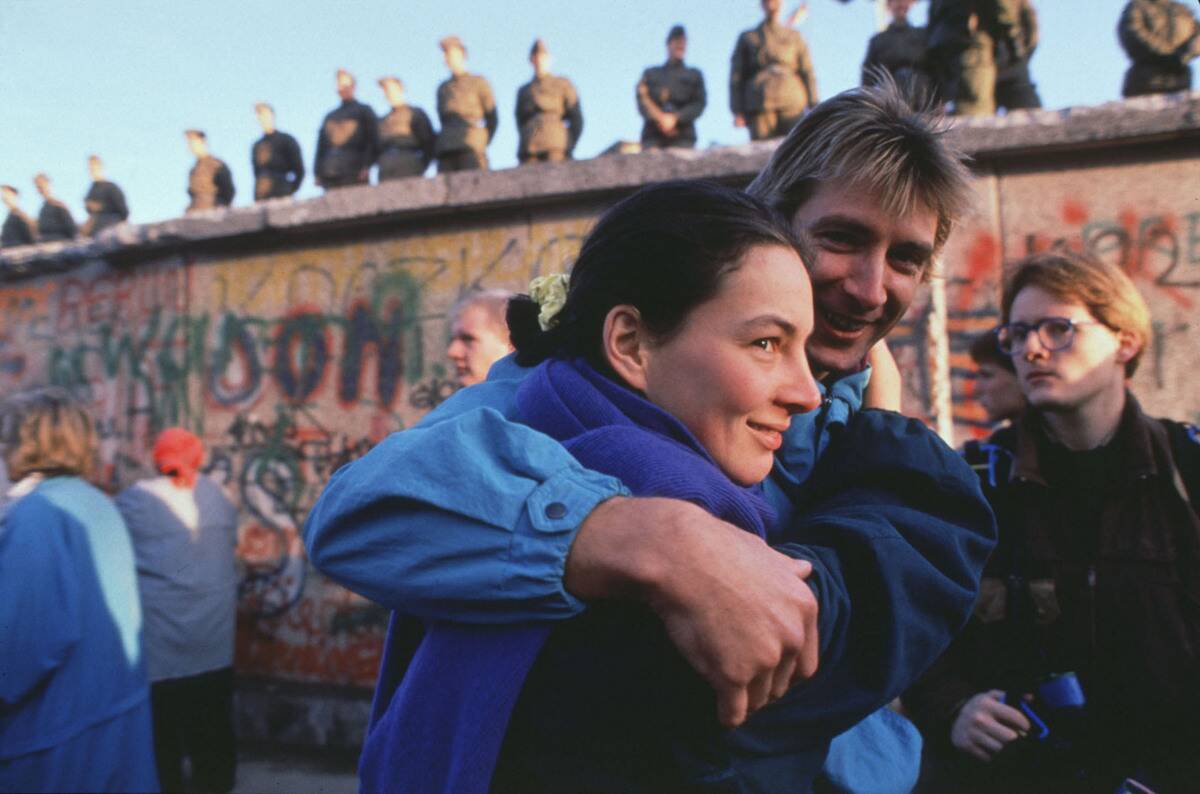
The fall of the Berlin Wall sparked celebrations across Germany and the world. Families and friends who had been separated for decades were finally reunited. The streets of Berlin were filled with joy and hope as people from both sides embraced.
The reunification of Germany was a complex process, but the initial euphoria was a testament to the resilience of the human spirit and the enduring desire for freedom and unity.
The Wall Today: Remnants and Memorials
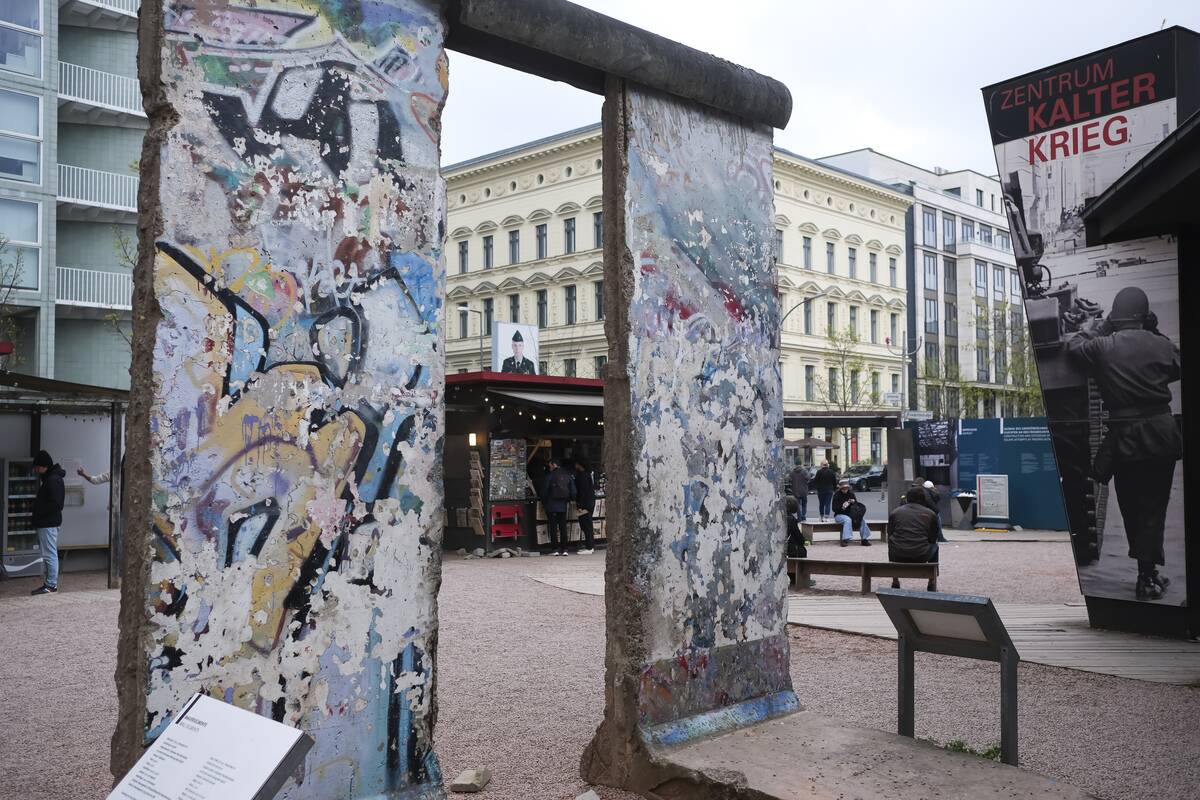
Today, remnants of the Berlin Wall serve as poignant reminders of the past. Sections of the Wall have been preserved as memorials, such as the East Side Gallery, which features murals by artists from around the world.
These sites attract millions of visitors each year, offering a chance to reflect on the Wall’s history and its impact. The memorials stand as testaments to the resilience of those who lived through the division and the triumph of unity.




