15 Tools that transformed American workplaces
The workplace has undergone a dramatic transformation over the decades, with machines playing a pivotal role in this evolution. From the clunky typewriters of the past to today’s sleek smart devices, technology has continually reshaped how we work.
Each advancement has brought about increased efficiency and new possibilities, making it easier for businesses to thrive in a competitive landscape. As we delve into the evolution of workplace machines, let’s explore how each innovation has contributed to the modern office.
The Rise of the Typewriter: Revolutionizing Office Communication
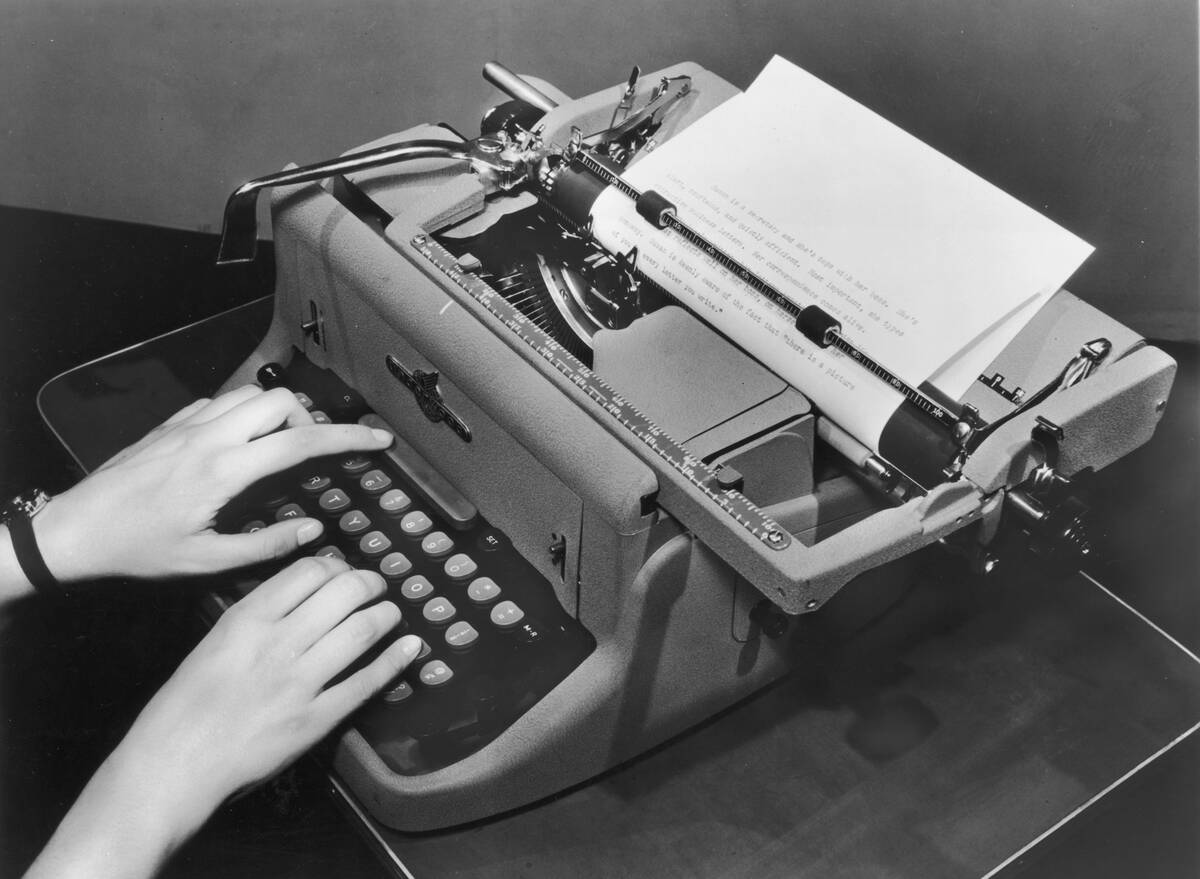
The typewriter was a game-changer when it first appeared in the late 19th century. It allowed for faster and more legible document creation, which was a significant improvement over handwritten correspondence.
This invention not only increased productivity but also standardized business communication, paving the way for the modern office environment. By the mid-20th century, typewriters had become an essential tool in offices worldwide, symbolizing a new era of efficiency in paperwork.
The Telephone: Bridging Distances in Real-Time
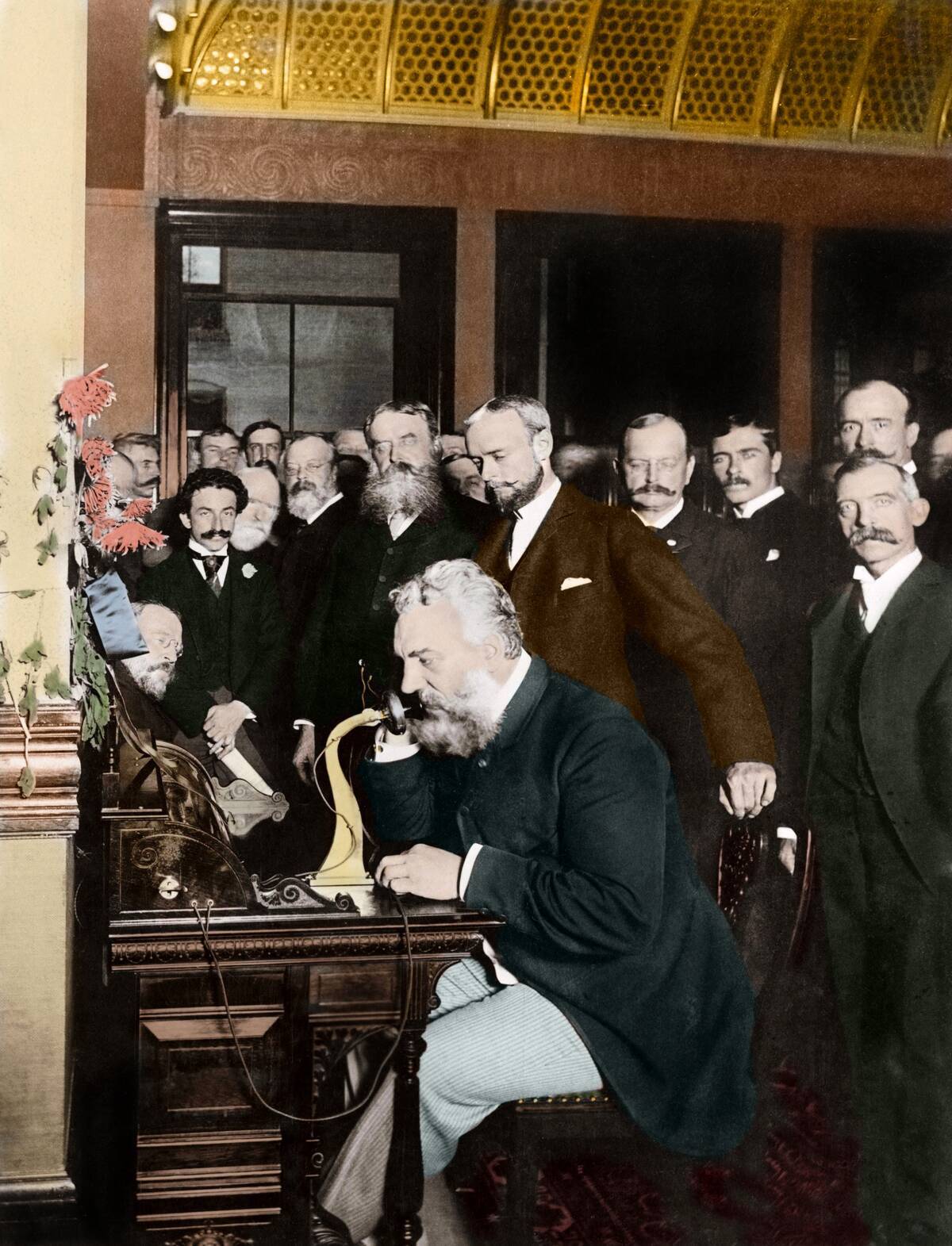
The invention of the telephone by Alexander Graham Bell in 1876 revolutionized communication by enabling real-time conversations across great distances. This breakthrough allowed businesses to expand their reach and improve coordination with remote partners and clients.
The telephone quickly became an indispensable tool in the office, facilitating faster decision-making and more dynamic business operations. It marked the beginning of a more connected world, where distance was no longer a barrier to communication.
Photocopiers: The Dawn of Document Duplication
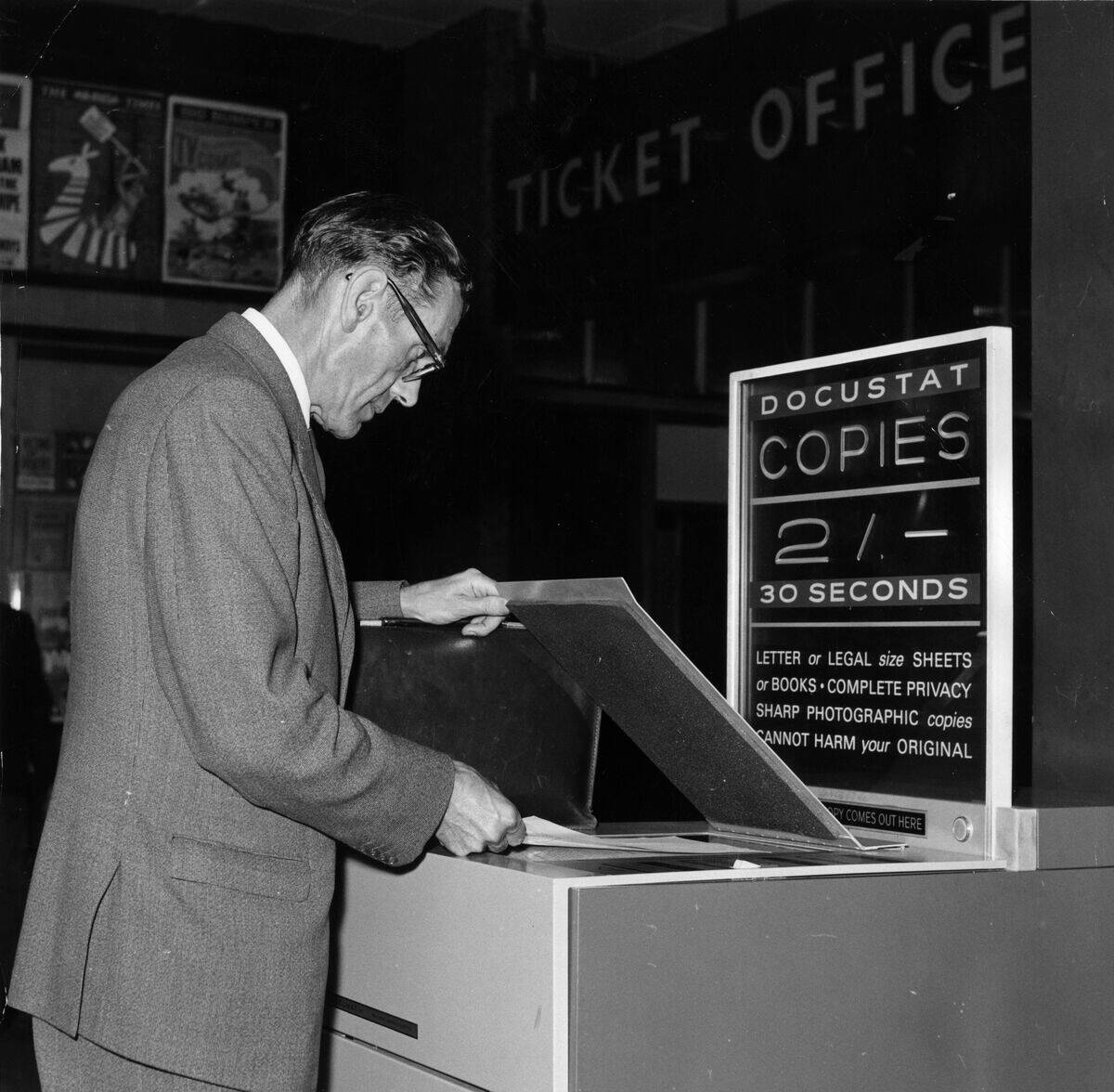
The introduction of the photocopier in the 1950s brought about a new era of document management. This machine made it possible to quickly and easily duplicate documents, saving time and reducing the need for manual copying.
Photocopiers transformed the way offices handled paperwork, allowing for the efficient distribution of information within organizations. As a result, businesses could streamline their operations and improve overall productivity, making the photocopier a staple in modern offices.
The Personal Computer: A New Era of Productivity
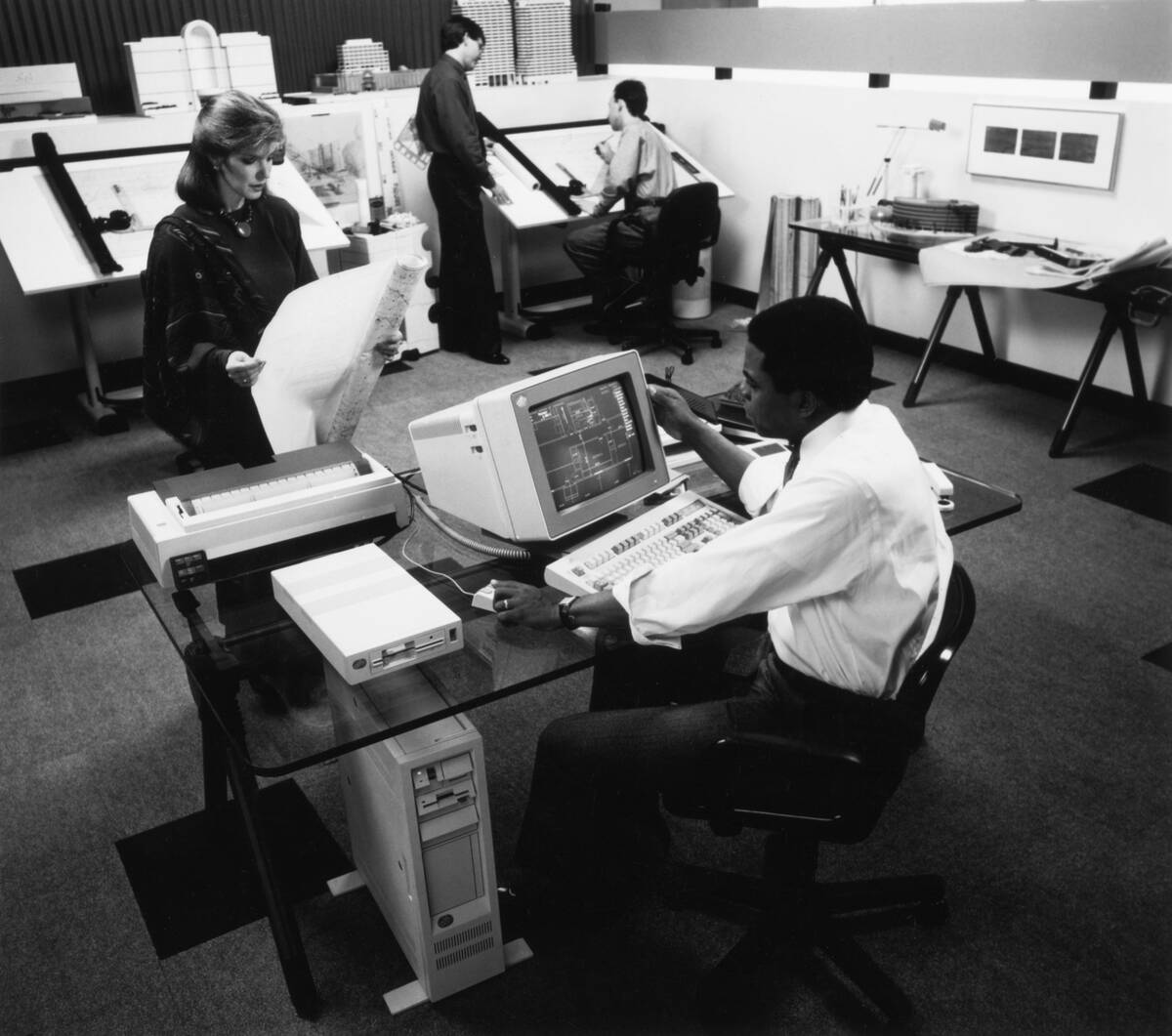
The advent of the personal computer in the late 20th century marked a significant turning point in workplace technology. PCs brought computing power to individual desks, enabling employees to perform complex tasks with greater speed and accuracy.
This innovation led to the development of software applications that further enhanced productivity, such as word processors and spreadsheets. The personal computer revolutionized the way work was done, making it an indispensable tool in today’s digital age.
Fax Machines: The Quick Fix for Document Sharing
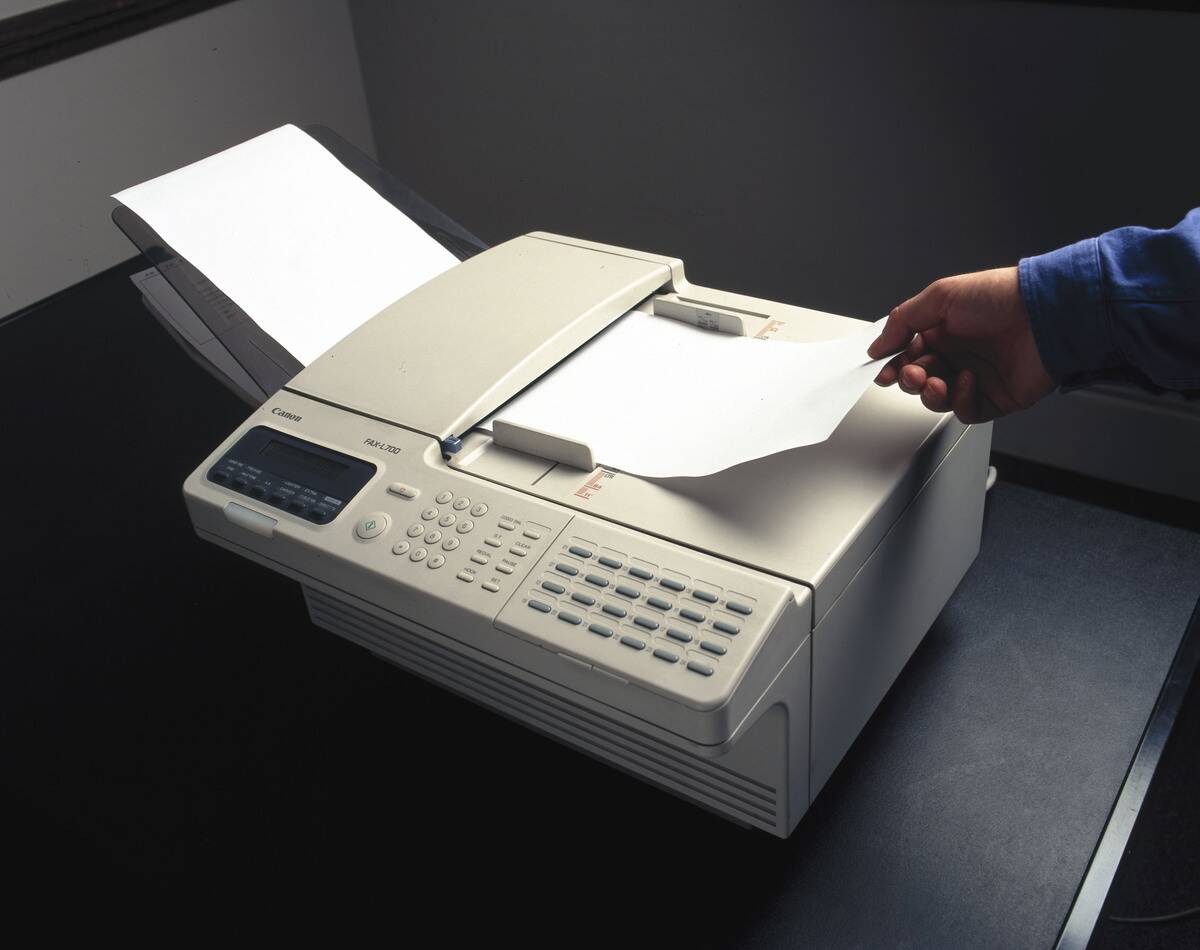
Fax machines became popular in the 1980s as a fast and reliable method for transmitting documents over telephone lines. This technology allowed businesses to send and receive important paperwork almost instantly, bridging the gap between traditional mail and electronic communication.
While fax machines have largely been replaced by digital alternatives, they played a crucial role in the evolution of office technology by providing a quick fix for document sharing when speed was of the essence.
Email: The End of Snail Mail in Offices

Email emerged as a dominant form of communication in the workplace during the 1990s, effectively ending the reliance on traditional mail for business correspondence. This digital communication tool allowed for instant message exchange, making it easier to share information and collaborate with colleagues.
Email revolutionized the way businesses operated, providing a fast, efficient, and cost-effective means of communication that remains essential to this day. Its impact on office productivity and communication cannot be overstated.
The Printer: From Dot Matrix to Laser Precision
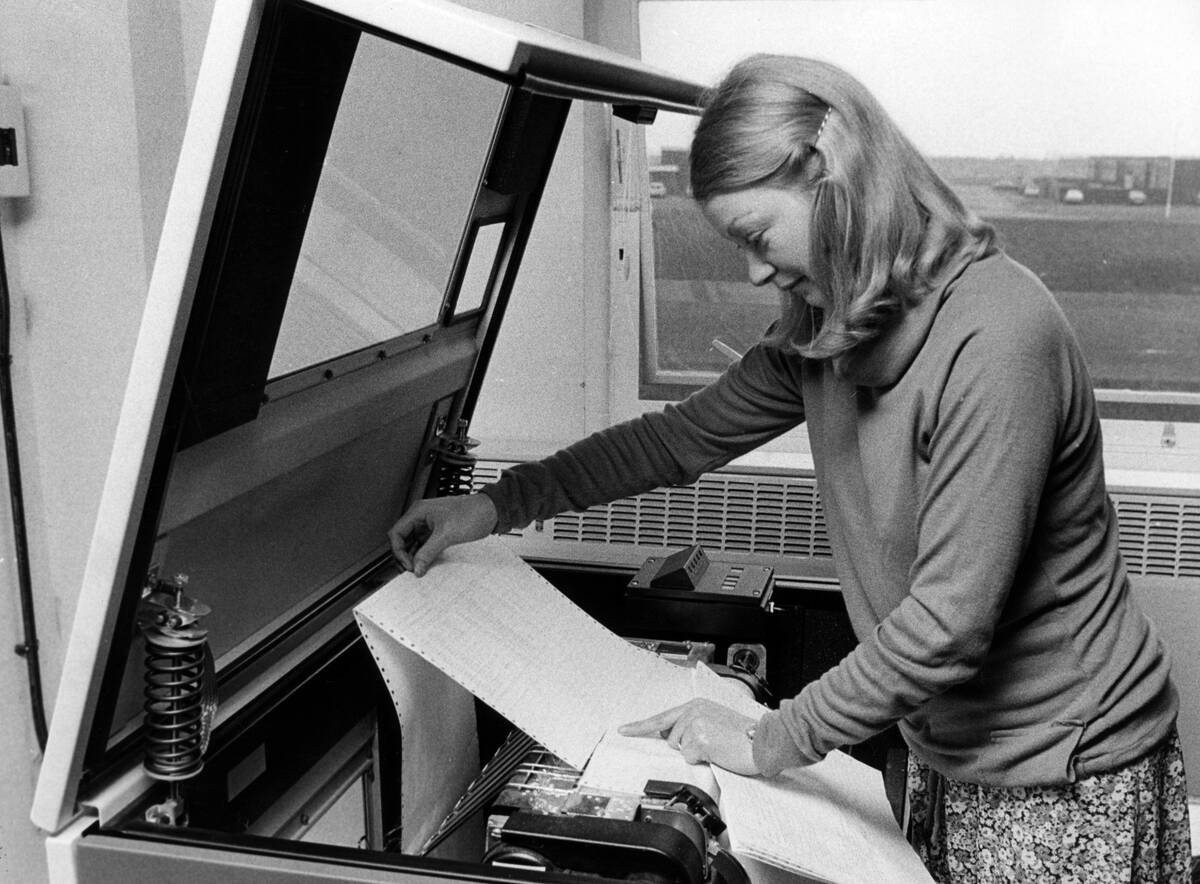
Printers have come a long way since the early days of dot matrix technology. The introduction of laser printers in the 1980s brought about a new level of precision and speed, making it possible to produce high-quality documents quickly and efficiently.
This advancement in printing technology has been crucial for businesses, allowing them to create professional-looking materials in-house. Over the years, printers have continued to evolve, offering features like color printing and wireless connectivity, further enhancing office productivity.
Mobile Phones: Bringing Flexibility to the Workforce

The proliferation of mobile phones in the early 21st century has brought unprecedented flexibility to the workforce. These devices allow employees to stay connected and productive, regardless of their location. Mobile phones have become essential tools for communication, enabling remote work and on-the-go access to information.
As technology continues to advance, mobile phones are increasingly integrated with other workplace systems, further enhancing their role in modern business operations and supporting the trend towards more flexible work arrangements.
Video Conferencing: The Virtual Meeting Room
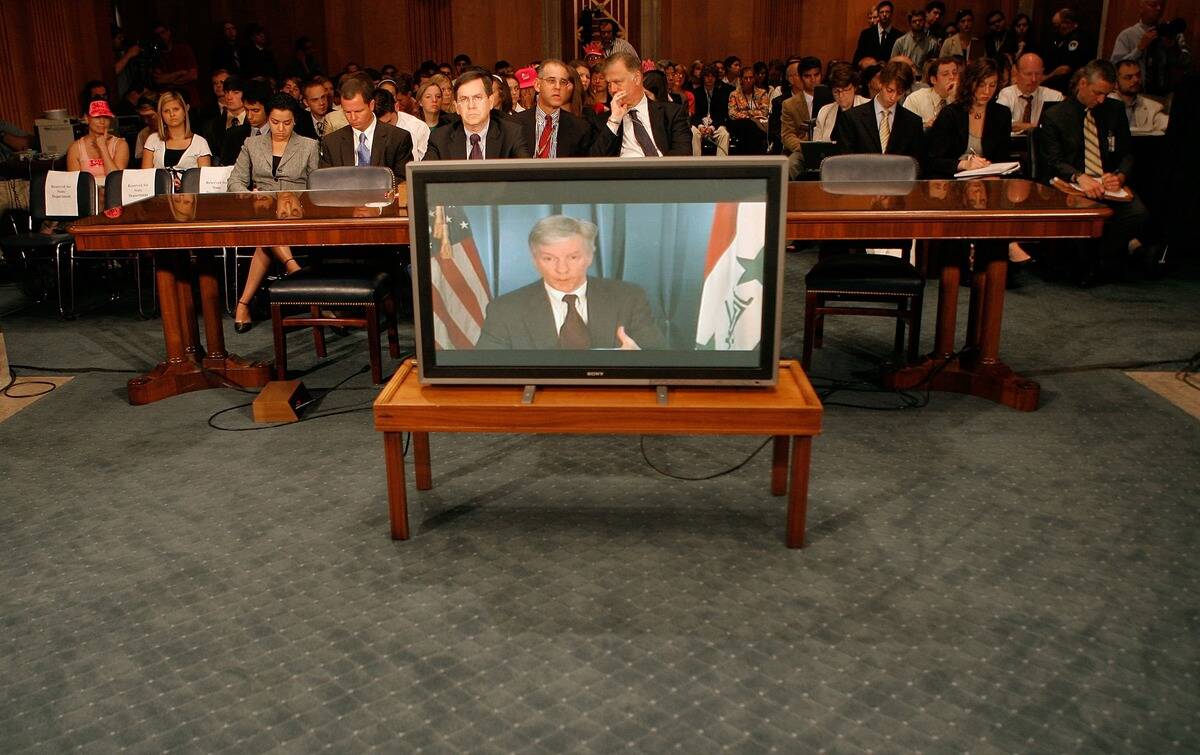
Video conferencing technology has transformed the way businesses conduct meetings, allowing for face-to-face interactions without the need for physical presence. This innovation has become especially important in recent years, as remote work and global collaboration have become more prevalent.
Video conferencing tools enable teams to connect and communicate effectively, regardless of location, fostering a sense of unity and collaboration. This technology has become a staple in modern offices, supporting the shift towards more flexible and dynamic work environments.
Automated Teller Machines (ATMs): Revolutionizing Banking and Finance
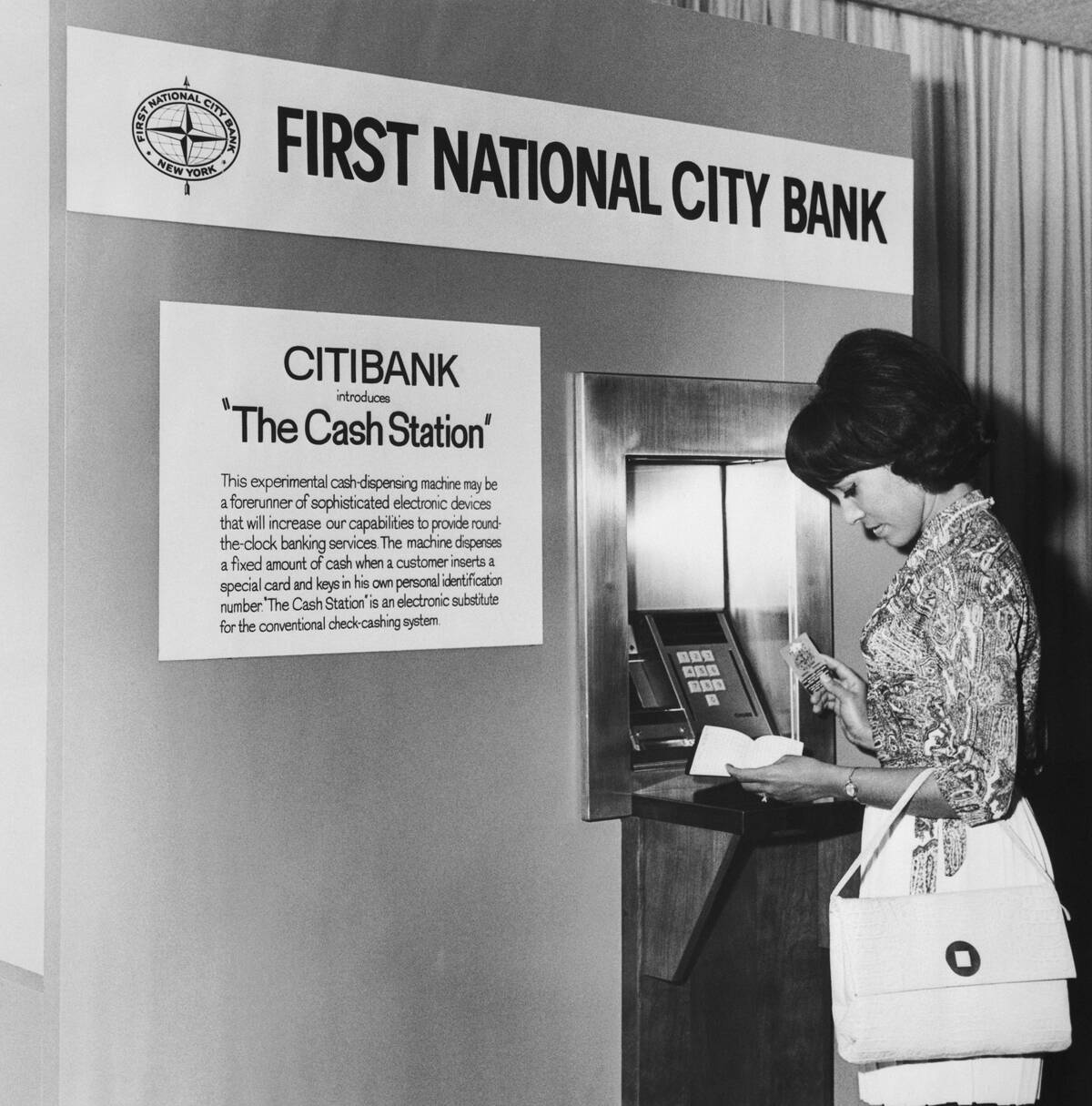
ATMs have revolutionized the banking industry by providing customers with convenient access to their funds around the clock. Introduced in the 1960s, these machines have become a staple in financial services, allowing for quick and secure transactions without the need for a bank teller.
ATMs have not only improved customer convenience but also reduced operational costs for banks, making them a critical component of modern banking infrastructure. Their impact on the financial sector is undeniable, as they continue to evolve with advancements in technology.
Robotics: The New Workforce in Manufacturing
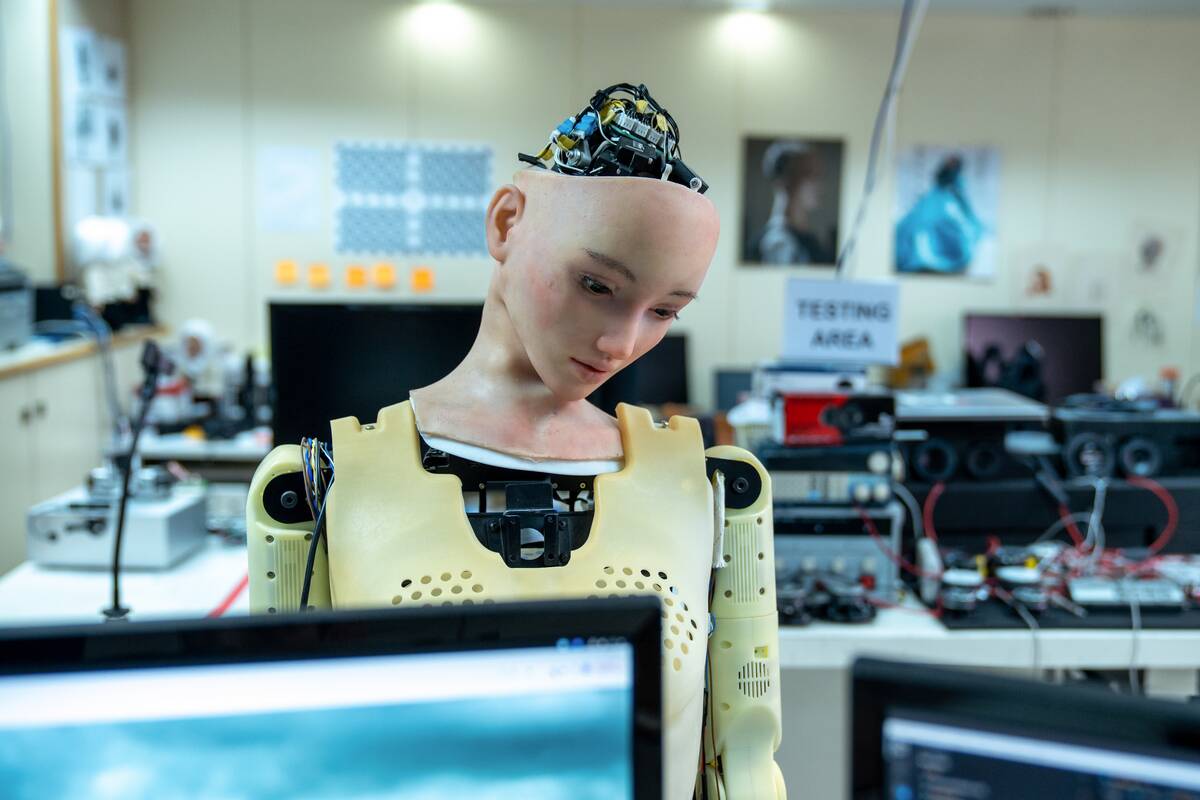
Robotics technology has become increasingly prevalent in manufacturing, revolutionizing the way products are made. These machines offer unparalleled precision, speed, and efficiency, allowing for the automation of complex tasks that were once performed manually.
Robotics has not only increased productivity but also improved safety by reducing the need for human workers in hazardous environments. As technology continues to advance, robotics is expected to play an even more significant role in the manufacturing industry, driving innovation and efficiency.
3D Printers: From Prototyping to Production
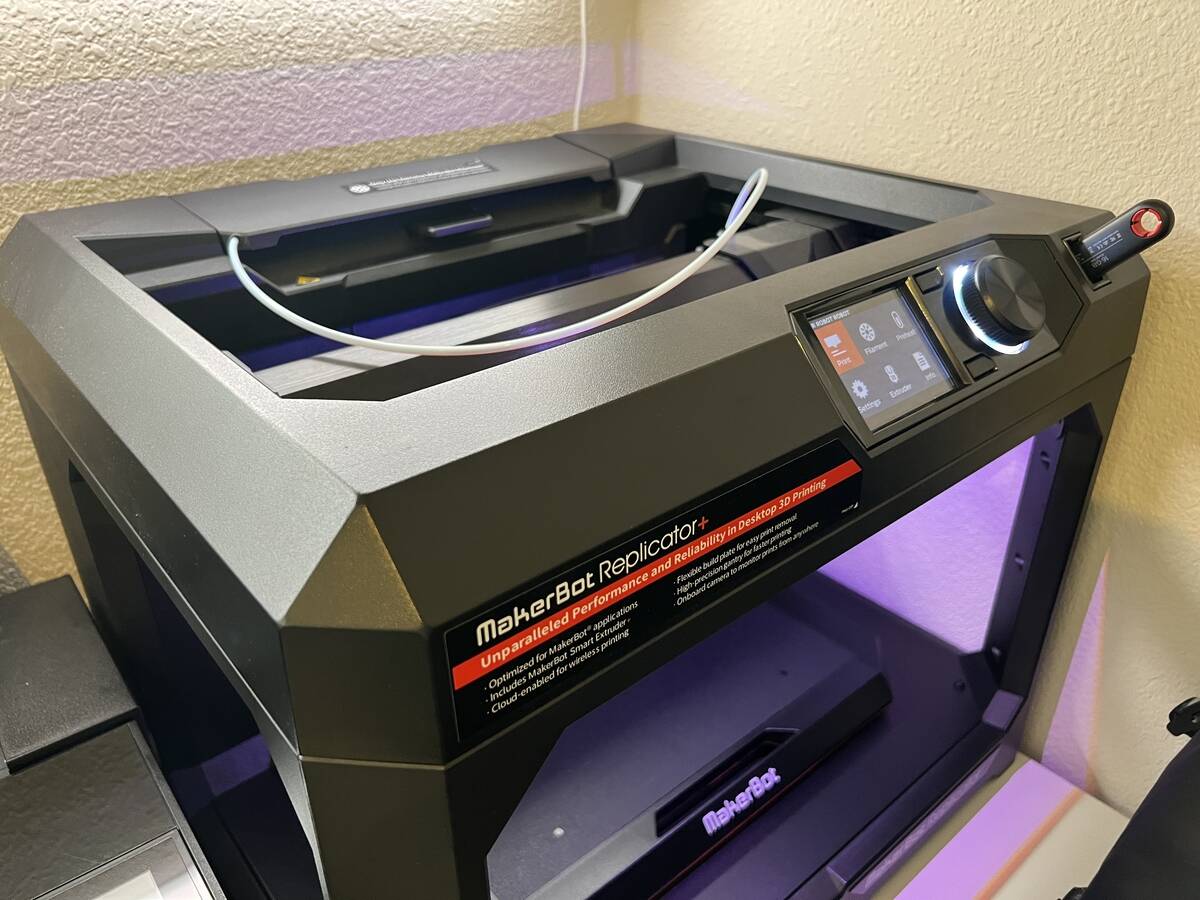
3D printing technology has transformed the manufacturing landscape by enabling rapid prototyping and production. This innovation allows for the creation of complex, custom parts with precision and speed, reducing the time and cost associated with traditional manufacturing methods.
3D printers have found applications in various industries, from aerospace to healthcare, offering new possibilities for design and production. As the technology continues to evolve, 3D printing is expected to become an integral part of the manufacturing process, driving further advancements in product development.
Cloud Computing: The New Frontier in Data Management

Cloud computing has revolutionized data management by providing businesses with scalable, on-demand access to computing resources. This technology allows organizations to store and process data in remote servers, reducing the need for physical infrastructure and enabling greater flexibility.
Cloud computing has become a critical component of modern business operations, facilitating collaboration, innovation, and efficiency. As more companies adopt this technology, the cloud is expected to play an increasingly important role in shaping the future of data management and business operations.
Artificial Intelligence: Transforming Decision-Making Processes

Artificial intelligence (AI) is transforming the way businesses make decisions by providing insights and automation that were previously unimaginable. AI technologies, such as machine learning and natural language processing, enable organizations to analyze vast amounts of data and identify patterns, leading to more informed decision-making.
This innovation has applications across various industries, from finance to healthcare, offering new possibilities for efficiency and accuracy. As AI continues to evolve, it is expected to play an even more significant role in shaping the future of business operations and strategy.
Virtual Reality: Training and Collaboration in a Digital World
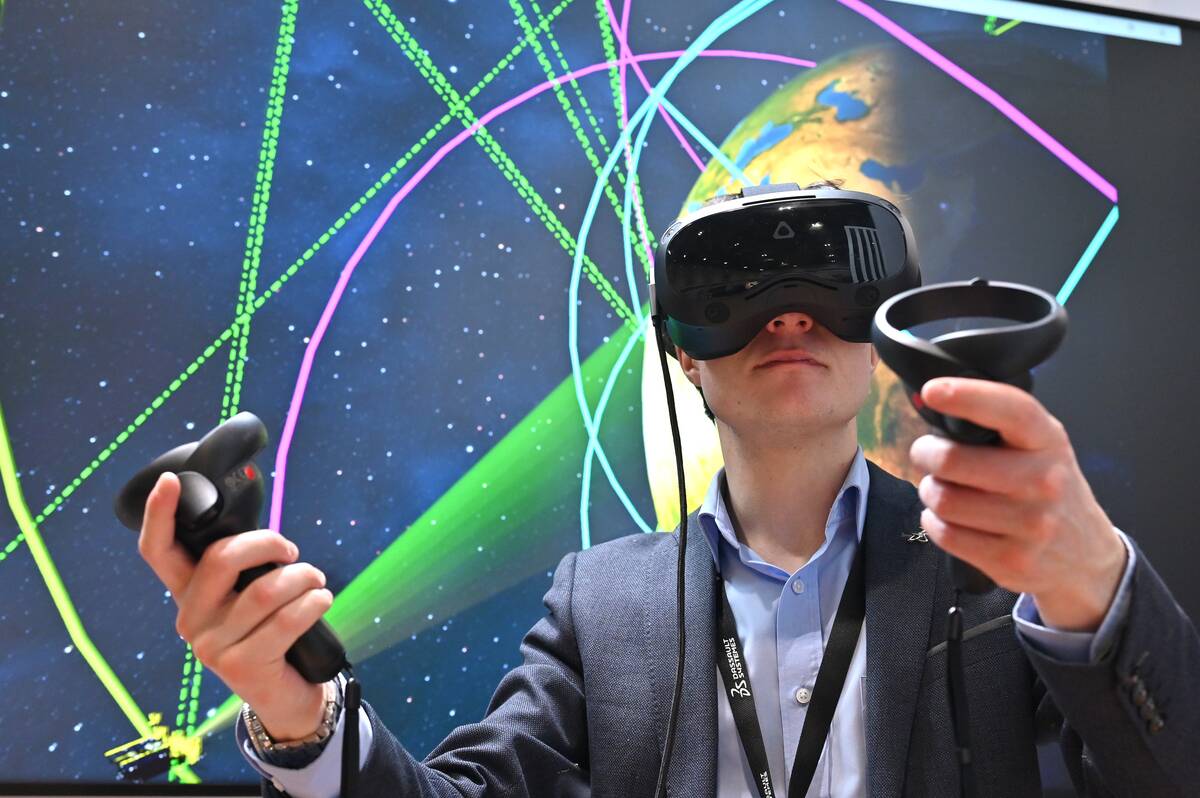
Virtual reality (VR) is opening up new possibilities for training and collaboration in the workplace. This immersive technology allows employees to engage in realistic simulations, providing valuable hands-on experience without the risks associated with real-world training.
VR is also being used to facilitate remote collaboration, enabling teams to work together in a virtual environment. As VR technology continues to advance, it is expected to play an increasingly important role in shaping the future of work, offering new opportunities for innovation and efficiency.




