The unsolved mysteries behind some of history’s most iconic artworks
Great works of art often outlive the people who created them, but they don’t always leave their secrets behind. From the mysterious disappearance of the Amber Room to the debated story of Van Gogh’s missing ear and the hidden details in The Last Supper, some of history’s most famous artworks continue to raise questions centuries later.
Here’s a look at the mysteries that have fascinated historians, art experts, and curious visitors alike.
The Unsolved Identity of The Girl with a Pearl Earring
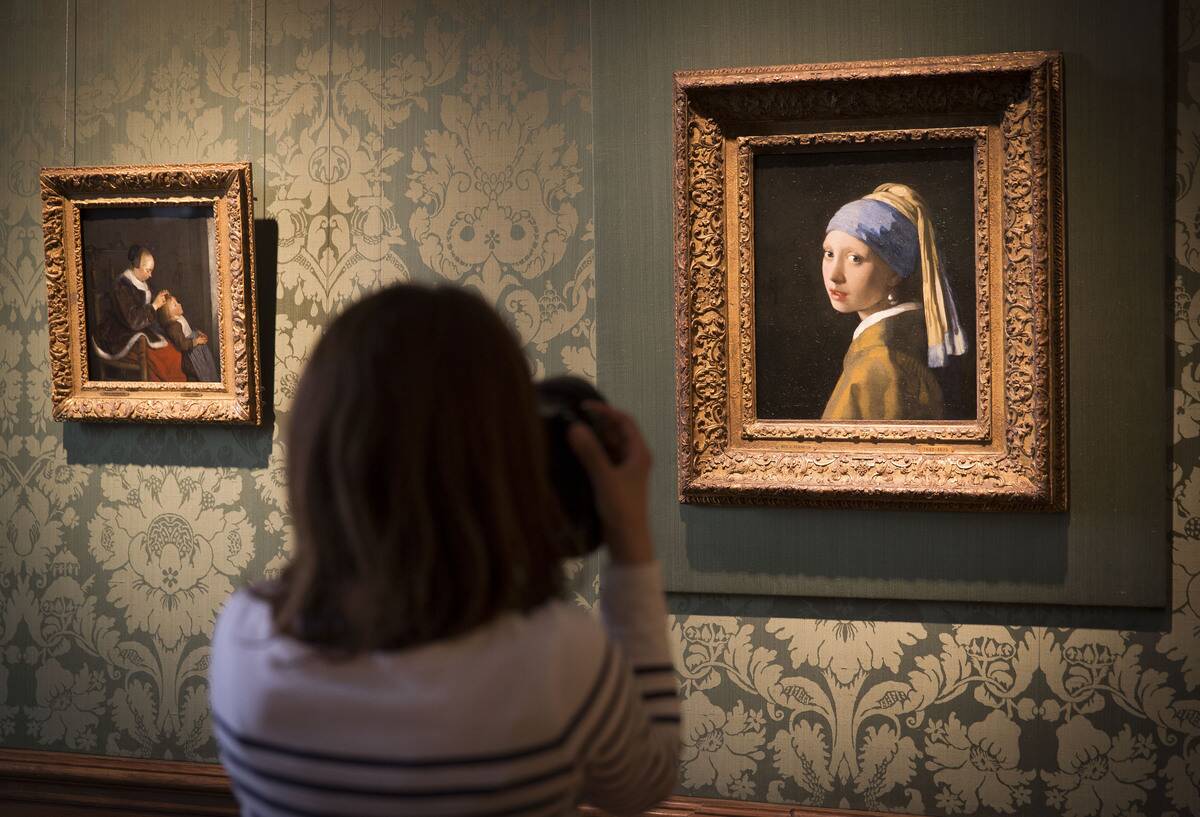
Johannes Vermeer’s Girl with a Pearl Earring is often referred to as the ‘Mona Lisa of the North,’ yet the identity of the girl remains unknown. Some speculate she was Vermeer’s daughter or a servant, while others believe she was merely a figment of his imagination.
The painting’s allure lies in the mystery of her identity, inviting viewers to ponder who she might have been and what story she had to tell. This uncertainty continues to enchant and intrigue audiences today.
The Case of the Missing Panels from The Ghent Altarpiece
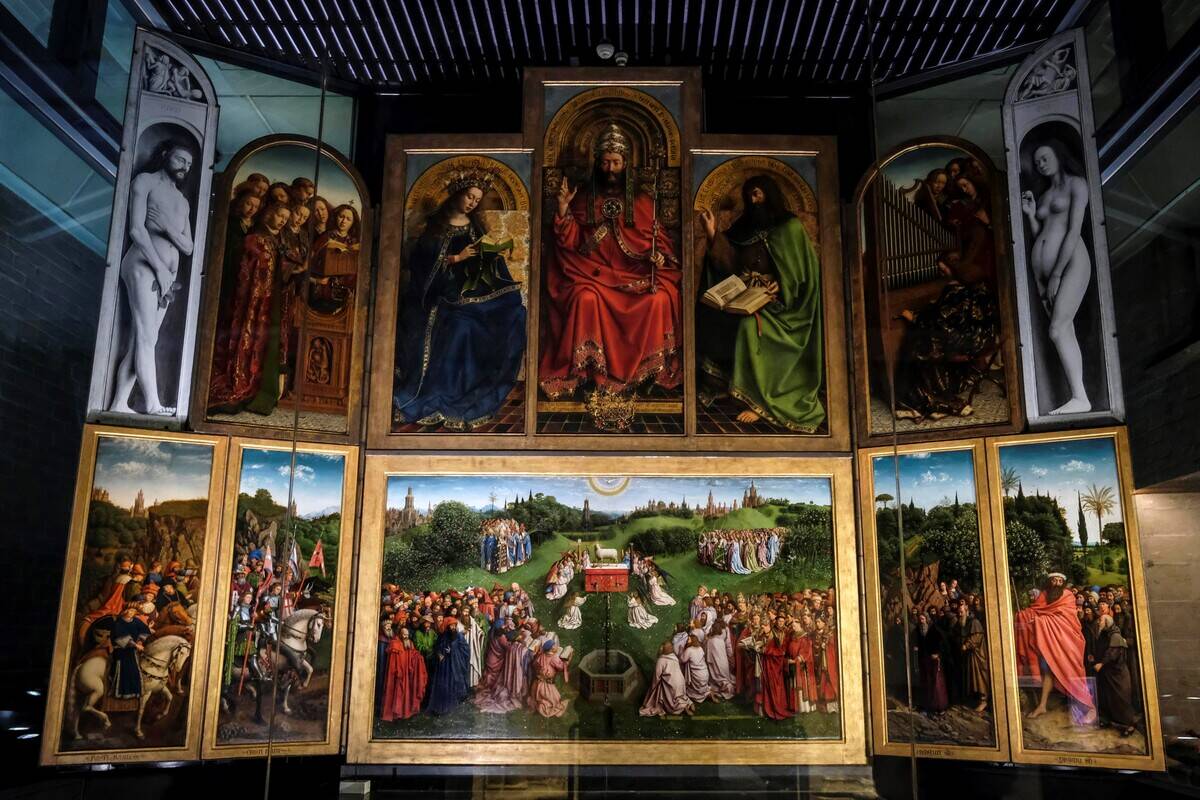
The Ghent Altarpiece, a stunning polyptych by Hubert and Jan van Eyck, has faced numerous threats over the centuries, including theft and damage. Notably, two of its panels were stolen in 1934 and remain missing, despite extensive investigations.
The mystery surrounding their disappearance adds to the altarpiece’s storied history. The missing panels’ loss is a significant blow to art history, yet it also enhances the intrigue and reverence for this masterpiece, inspiring ongoing efforts to recover them.
The Vanishing Act of The Amber Room
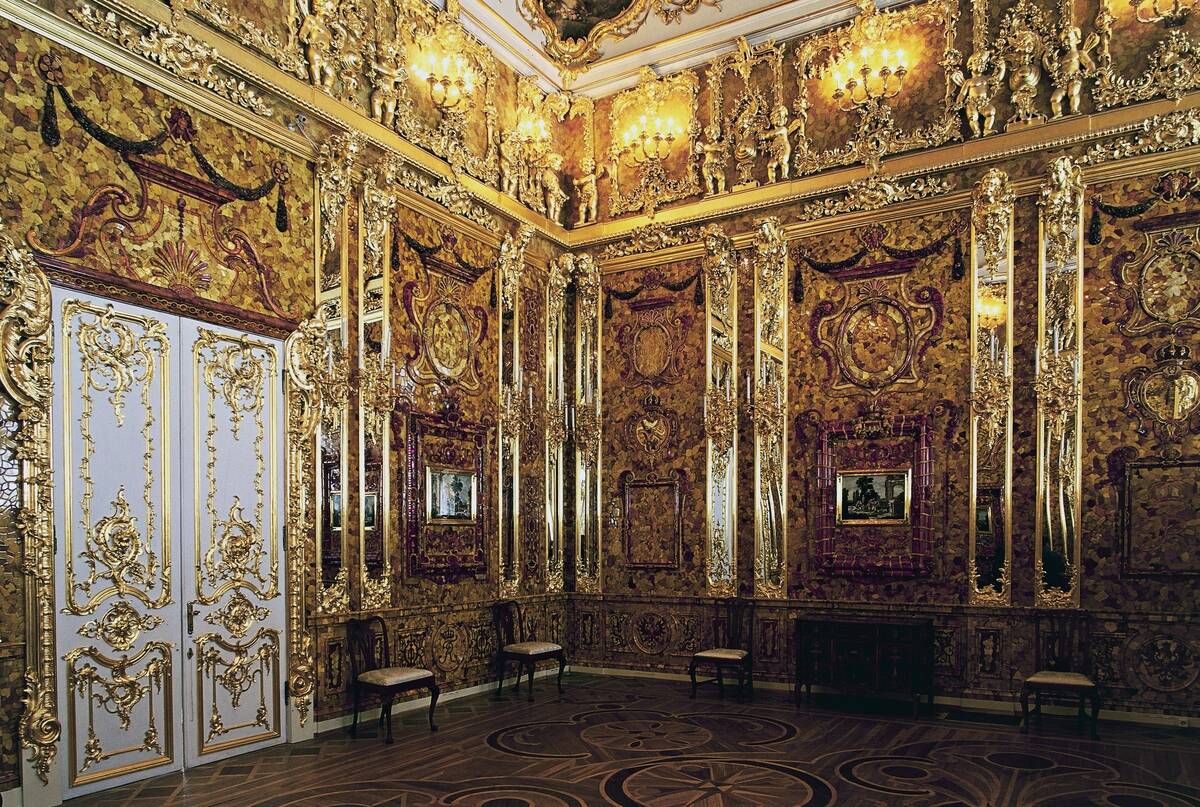
Dubbed the ‘Eighth Wonder of the World,’ the Amber Room was an opulent chamber decorated in amber panels and gold leaf. Originally located in the Catherine Palace of Tsarskoye Selo, it vanished during World War II.
Despite extensive searches, its whereabouts remain unknown, sparking theories ranging from its destruction to hidden treasure troves. This lavish room’s disappearance is one of the greatest unsolved mysteries in art history, continuing to captivate treasure hunters and historians alike.
The Mystery of the Ishtar Gate’s True Colors
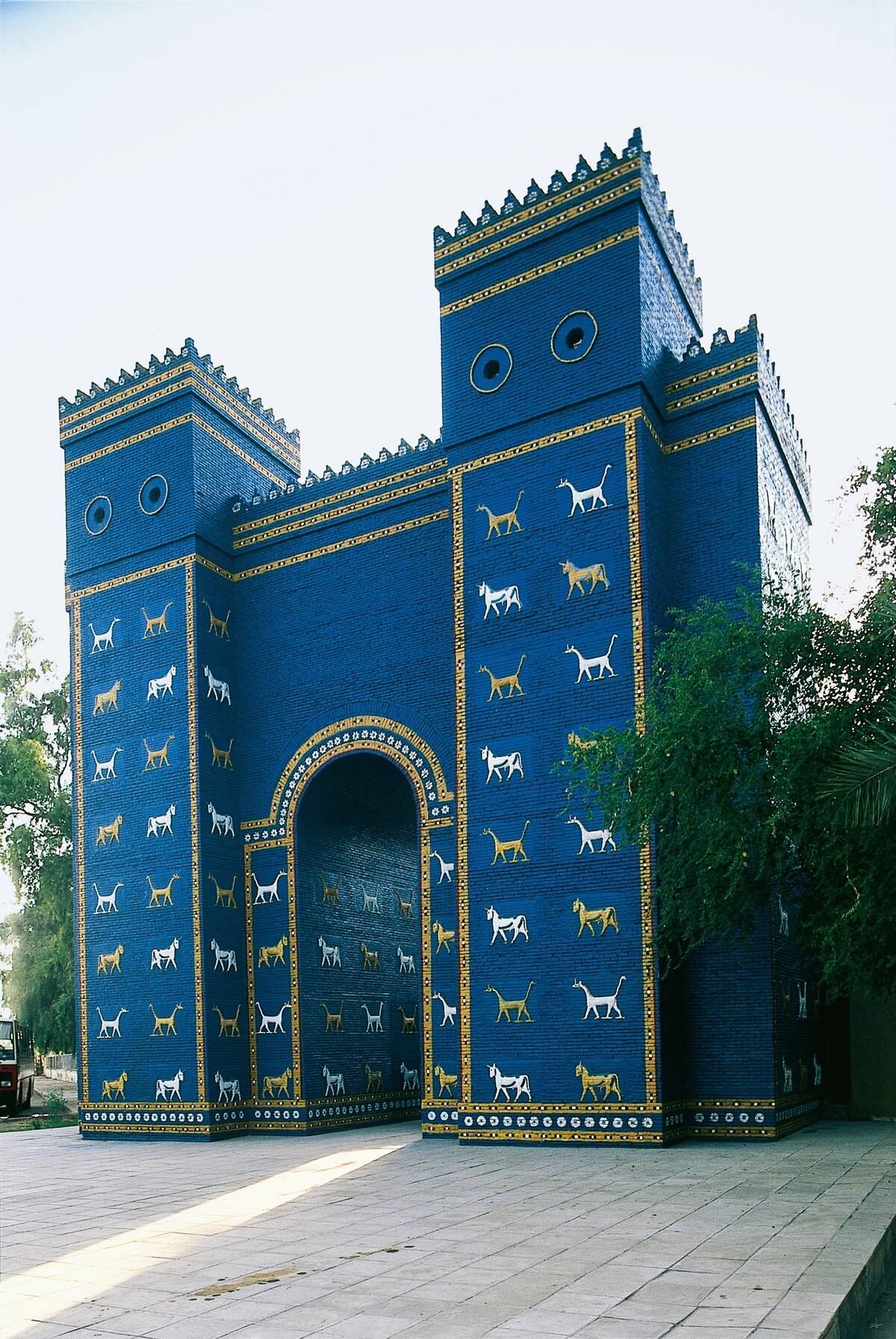
The Ishtar Gate, one of the most famous monuments of ancient Babylon, raises questions about its original appearance. While the reconstructed gate in Berlin is adorned with blue glazed bricks, some historians argue that the true colors might have differed.
Ancient texts and new archaeological findings suggest variations, sparking debate among scholars. The gate’s color mystery adds another layer of fascination to this iconic symbol of ancient Mesopotamian culture, drawing visitors from around the globe.
The Identity Debate of the Bust of Nefertiti
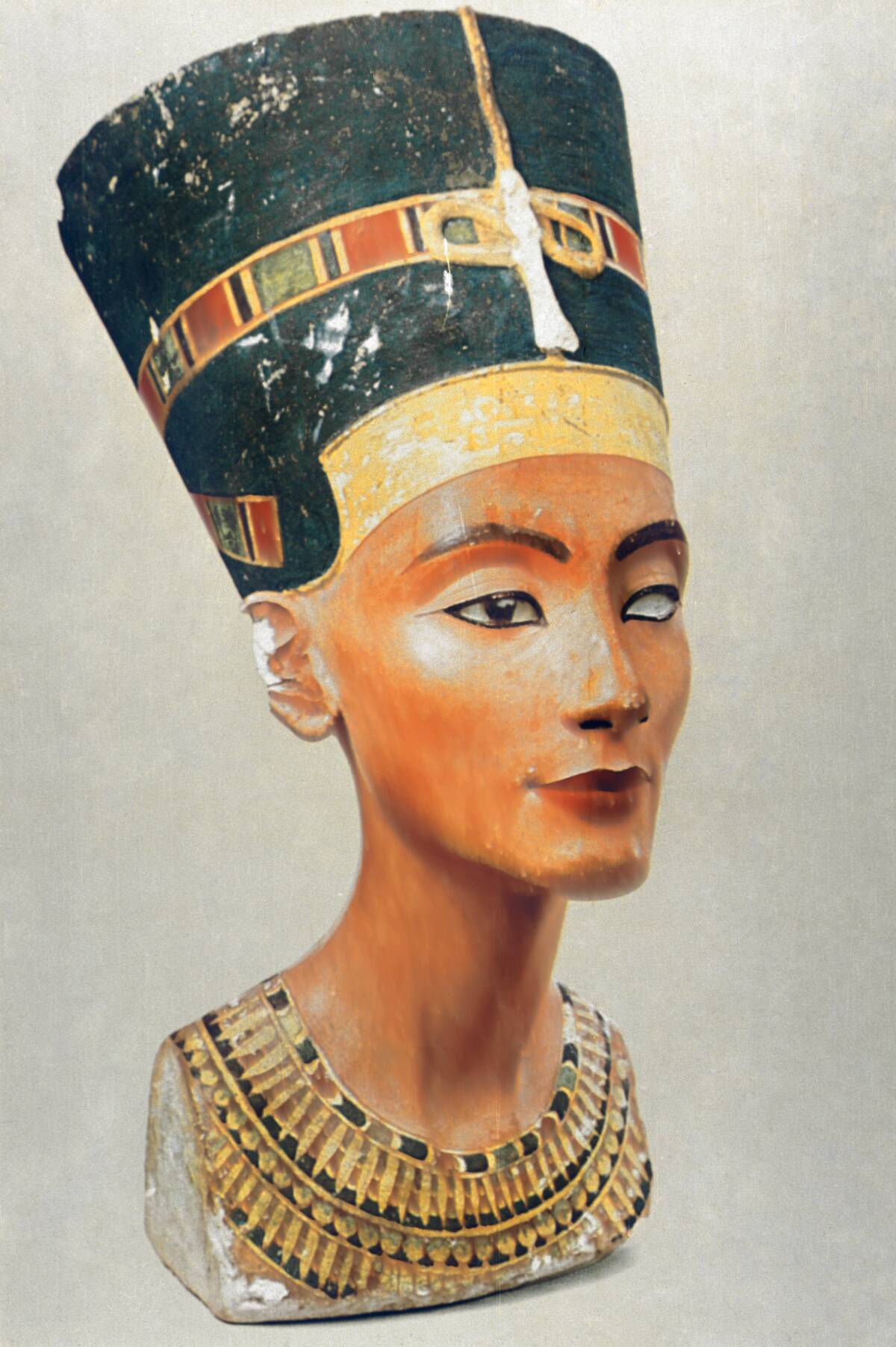
The bust of Nefertiti is one of the most iconic works of ancient Egyptian art, yet its authenticity has been questioned. Discovered in 1912 by German archaeologist Ludwig Borchardt, some scholars suggest it might be a modern forgery.
Others argue for its genuine antiquity, citing artistic techniques consistent with the period. This debate continues to stir controversy and intrigue, as the bust remains a symbol of beauty and mystery, captivating audiences with its regal and serene depiction.
The Secret Messages Hidden in The Last Supper
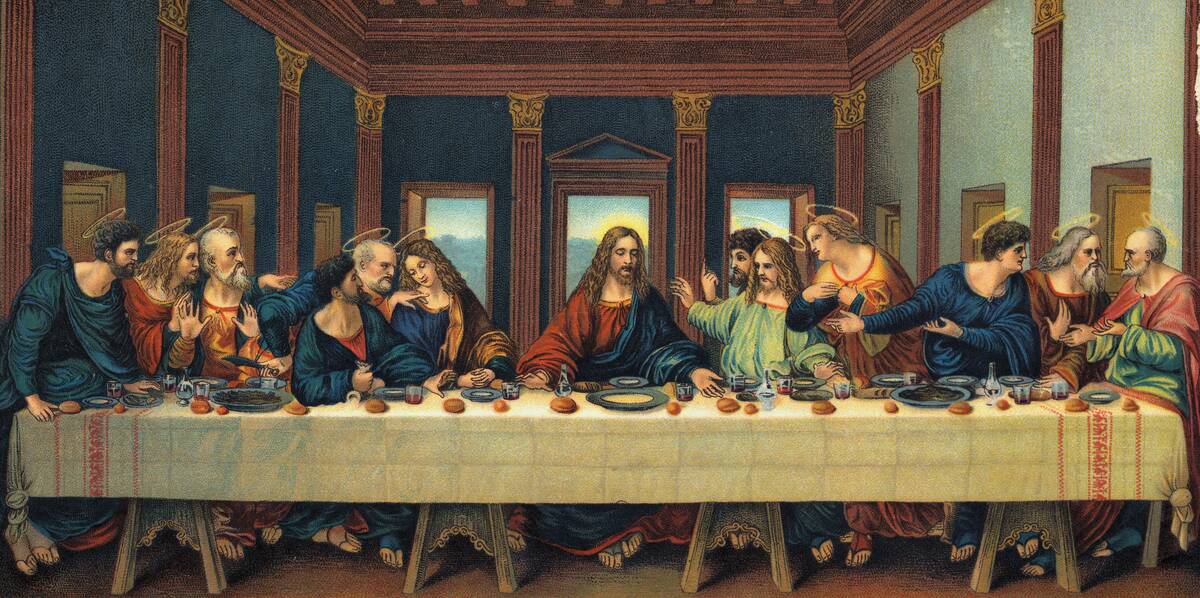
Leonardo da Vinci’s The Last Supper is more than a depiction of a biblical scene; it’s also believed to contain hidden messages and symbols. Some theorists propose that da Vinci embedded musical notes within the arrangement of the apostles, creating a secret melody.
Others suggest that the positioning of hands and bread may hold symbolic meanings or hidden codes. These intriguing possibilities invite art enthusiasts to look beyond the obvious and delve into the painting’s deeper layers.
Van Gogh’s Ear: A Tale of Mystery
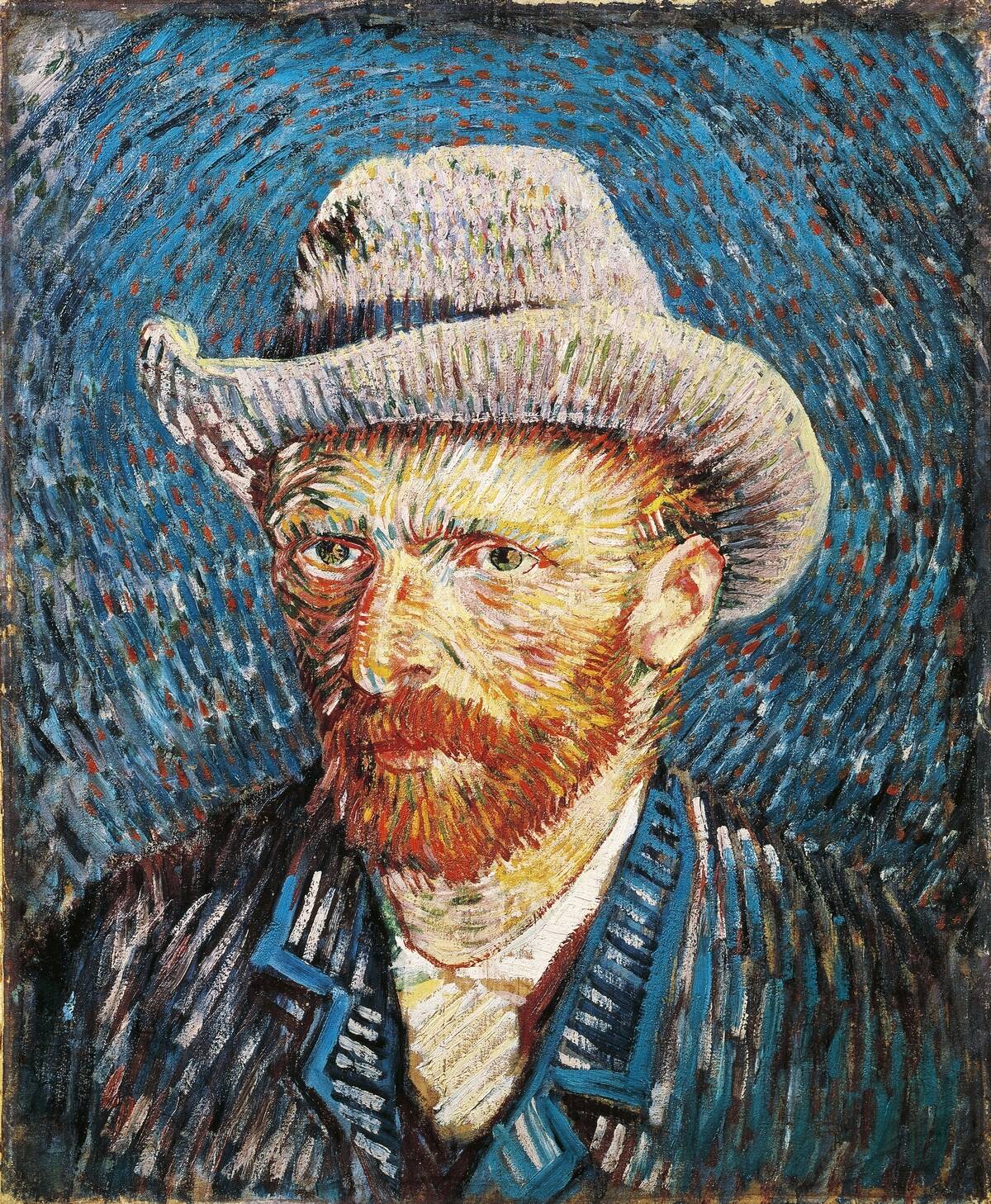
Vincent van Gogh’s infamous ear incident has sparked endless speculation and debate. While it’s commonly believed that van Gogh cut off his own ear during a bout of mental illness, some historians suggest that it was actually the result of a heated argument with fellow artist Paul Gauguin.
Regardless of the true story, this incident has become a pivotal moment in van Gogh’s life, fueling the mythos surrounding the troubled genius and his artistic legacy.
The Disappearance of Caravaggio’s Nativity with St. Francis and St. Lawrence
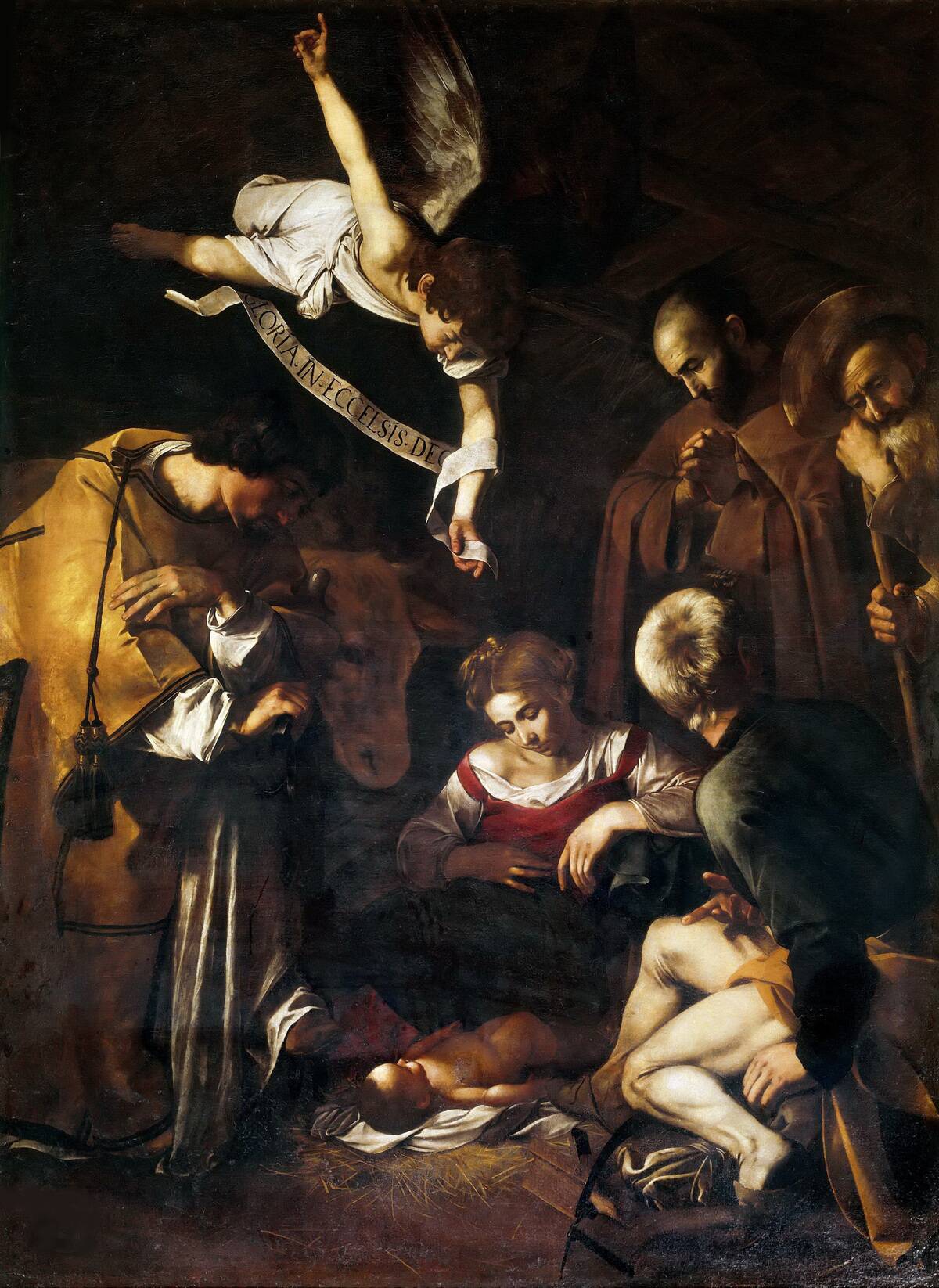
Caravaggio’s Nativity with St. Francis and St. Lawrence was stolen from a Palermo church in 1969 and remains missing. Art historians regard it as one of the most significant art thefts of the 20th century. Despite various leads and rumors, including alleged Mafia involvement, the masterpiece has never been recovered.
Its loss is a tragedy for the art world, but it also fuels the intrigue and mystery surrounding Caravaggio’s tumultuous life and the shadowy circumstances of the painting’s disappearance.
The Cryptic Symbols of the Voynich Manuscript
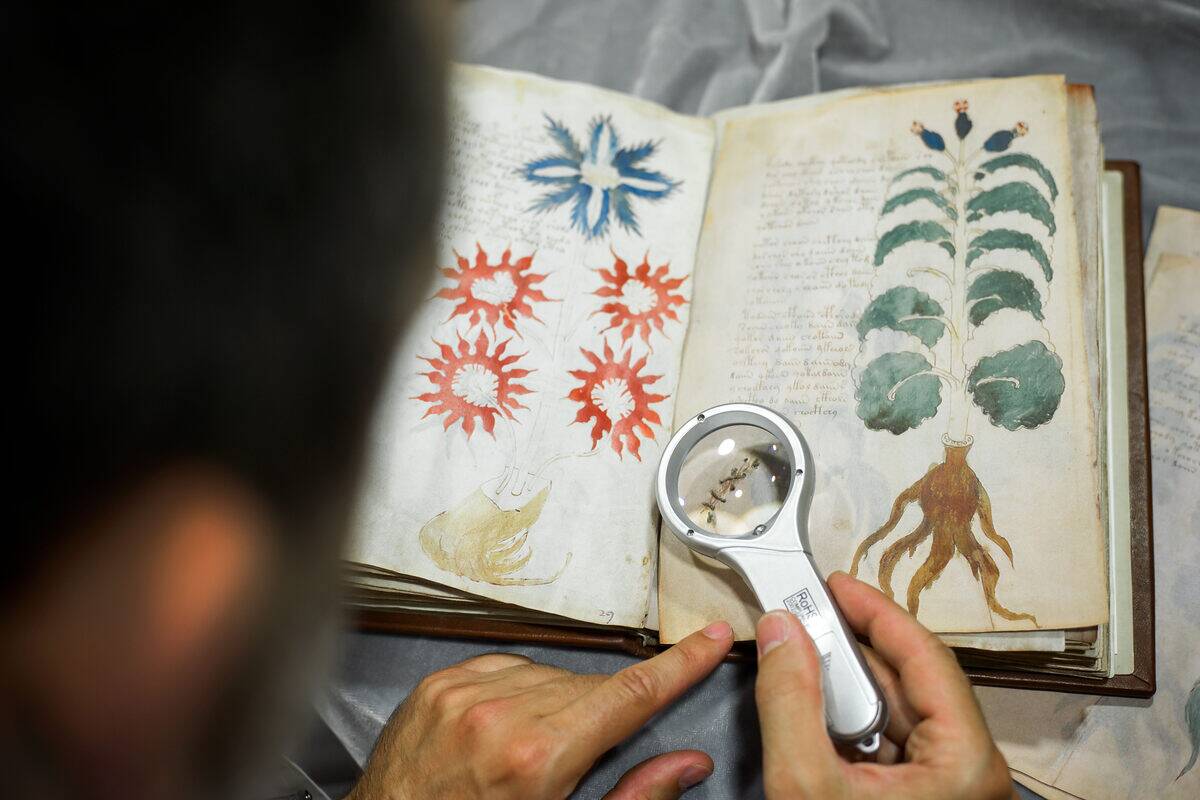
The Voynich Manuscript is a medieval codex filled with undeciphered text and peculiar illustrations. Despite numerous attempts, its language and purpose remain a mystery. Some believe it to be an alchemical guide, while others see it as an elaborate hoax.
The manuscript’s bizarre drawings of plants, astronomical diagrams, and nude figures add to its enigma, making it a subject of fascination for cryptographers, historians, and theorists alike. Its secrets continue to elude even the most skilled codebreakers.
The Secrets Behind The Scream’s Haunting Expression
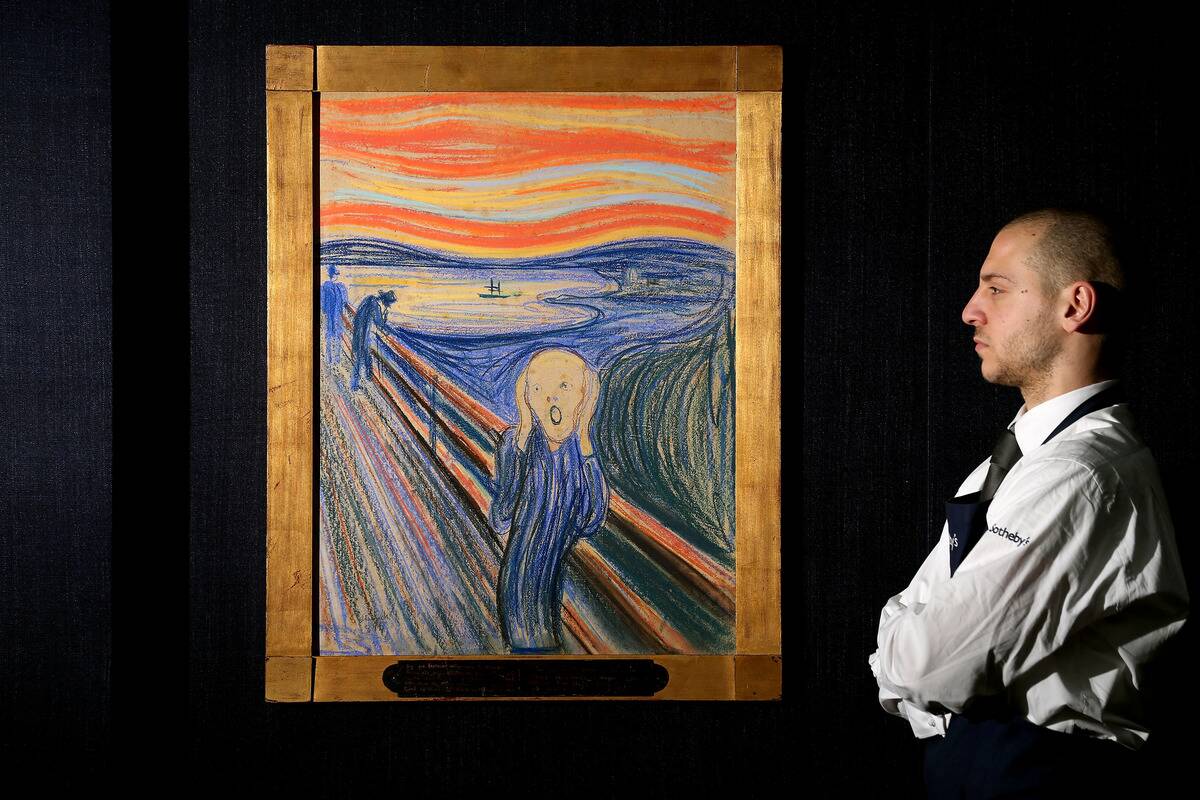
Edvard Munch’s The Scream is one of the most recognizable artworks, capturing a moment of existential dread. Munch himself described it as a depiction of ‘a scream passing through nature.’
Scholars suggest the haunting expression reflects Munch’s personal struggles and the anxiety of the modern age. The painting’s vibrant colors and swirling lines contribute to its emotional intensity, inviting viewers to explore their interpretations of fear and despair. Its enigmatic allure continues to resonate with audiences worldwide.
The Continuing Search for Leonardo da Vinci’s Lost Paintings

Leonardo da Vinci’s genius left an indelible mark on art history, yet some of his works remain elusive. Notably, the lost painting The Battle of Anghiari has intrigued historians and art lovers.
Once hailed as a masterpiece, it vanished under mysterious circumstances. Efforts to locate it have led to theories suggesting it lies hidden beneath later frescoes in Florence’s Palazzo Vecchio. This ongoing search is a testament to da Vinci’s enduring legacy and the tantalizing mysteries that surround his work.
The Disputed Origins of Stonehenge’s Bluestones
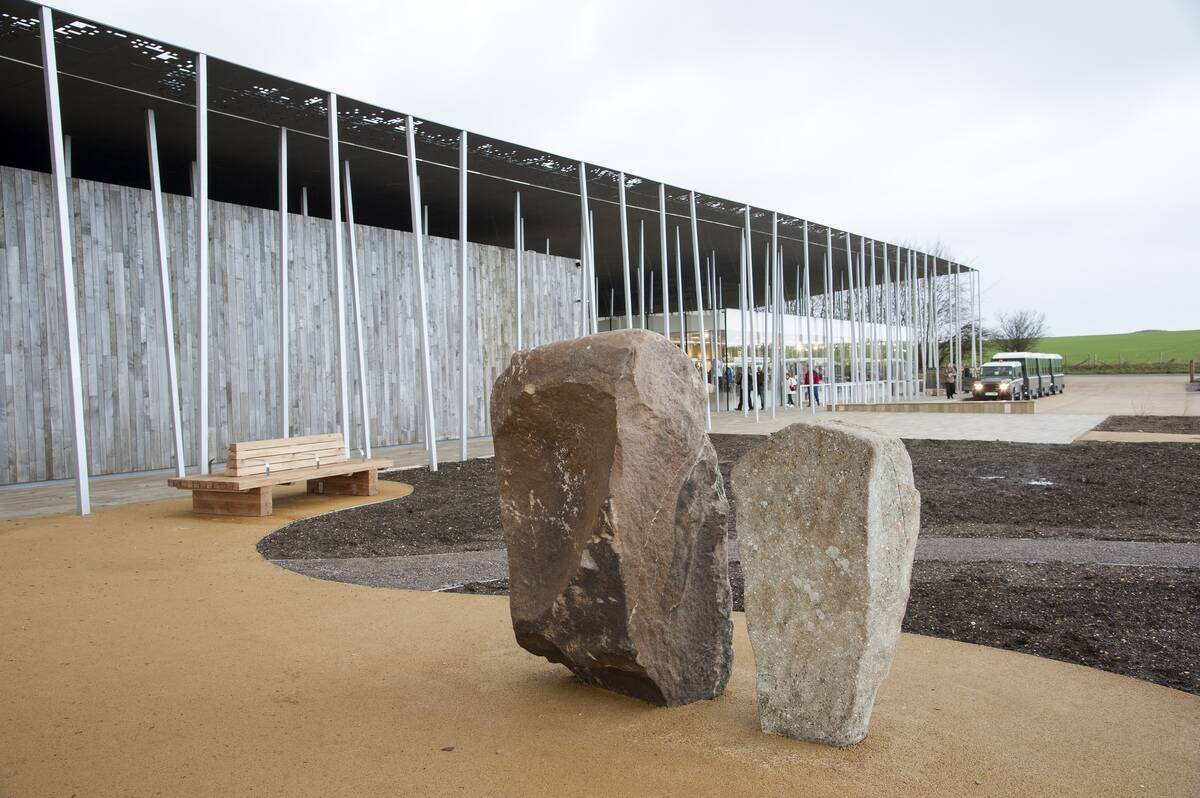
Stonehenge’s bluestones have puzzled archaeologists for centuries, with their origins and purpose sparking endless debate. Recent studies suggest they were transported from the Preseli Hills in Wales, over 150 miles away.
How ancient builders achieved this feat remains a mystery, with theories ranging from sledges to water transport. The purpose of Stonehenge itself is equally enigmatic, with suggestions of it being an astronomical observatory or a site for spiritual rituals. These questions make Stonehenge an enduring archaeological enigma.
The Mona Lisa’s Mysterious Smile
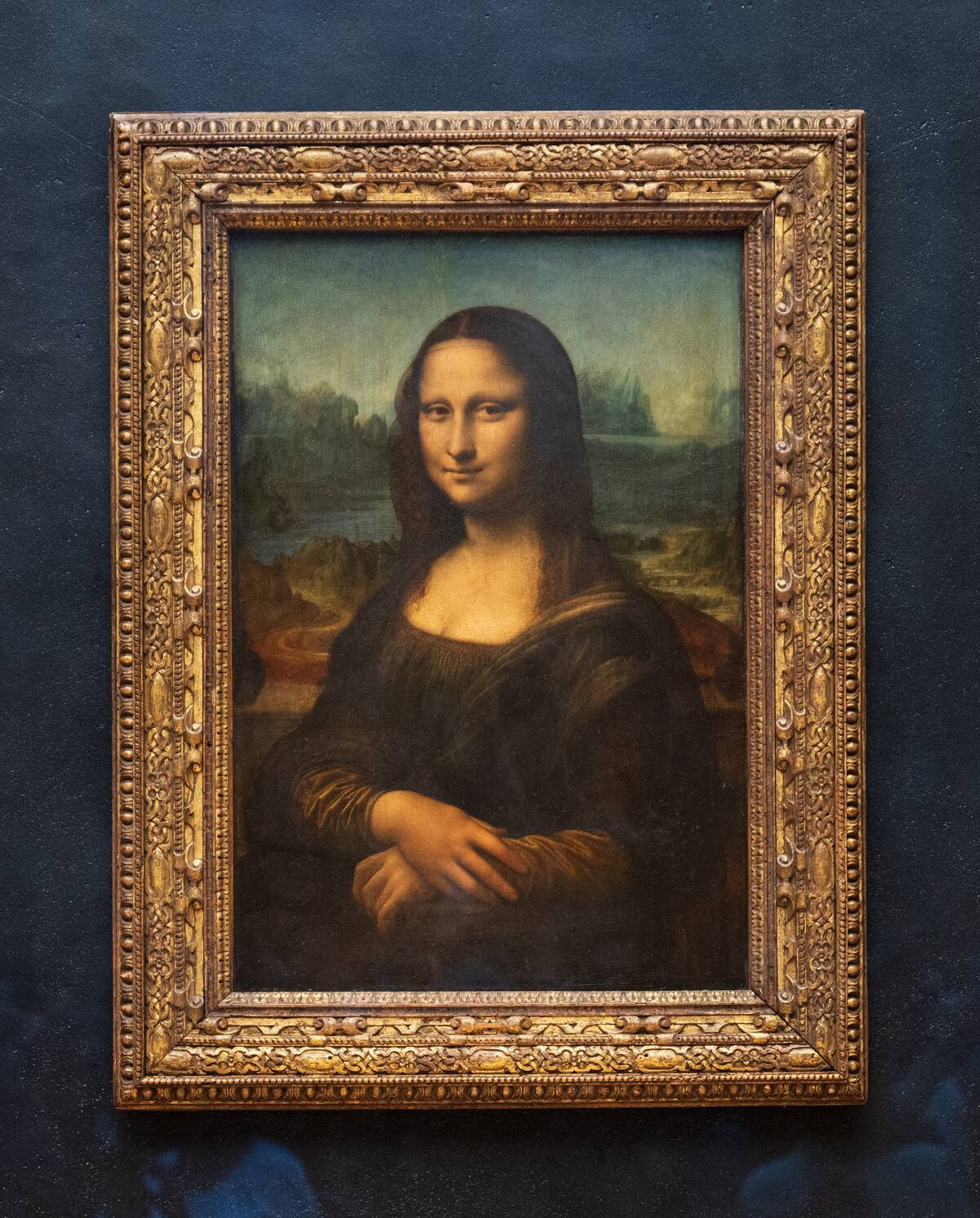
Leonardo da Vinci’s Mona Lisa is renowned not only for her beauty but also for her enigmatic smile. Scholars and scientists have long debated what emotions lie behind her subtle expression. Some suggest it reflects a state of contentment, while others argue it hints at a deeper mystery.
Researchers have even applied facial recognition technology to analyze her smile, yet the allure remains. This ambiguity is precisely what makes the Mona Lisa a timeless masterpiece, capturing the imagination of art lovers worldwide.
The Enigmatic Purpose of the Antikythera Mechanism
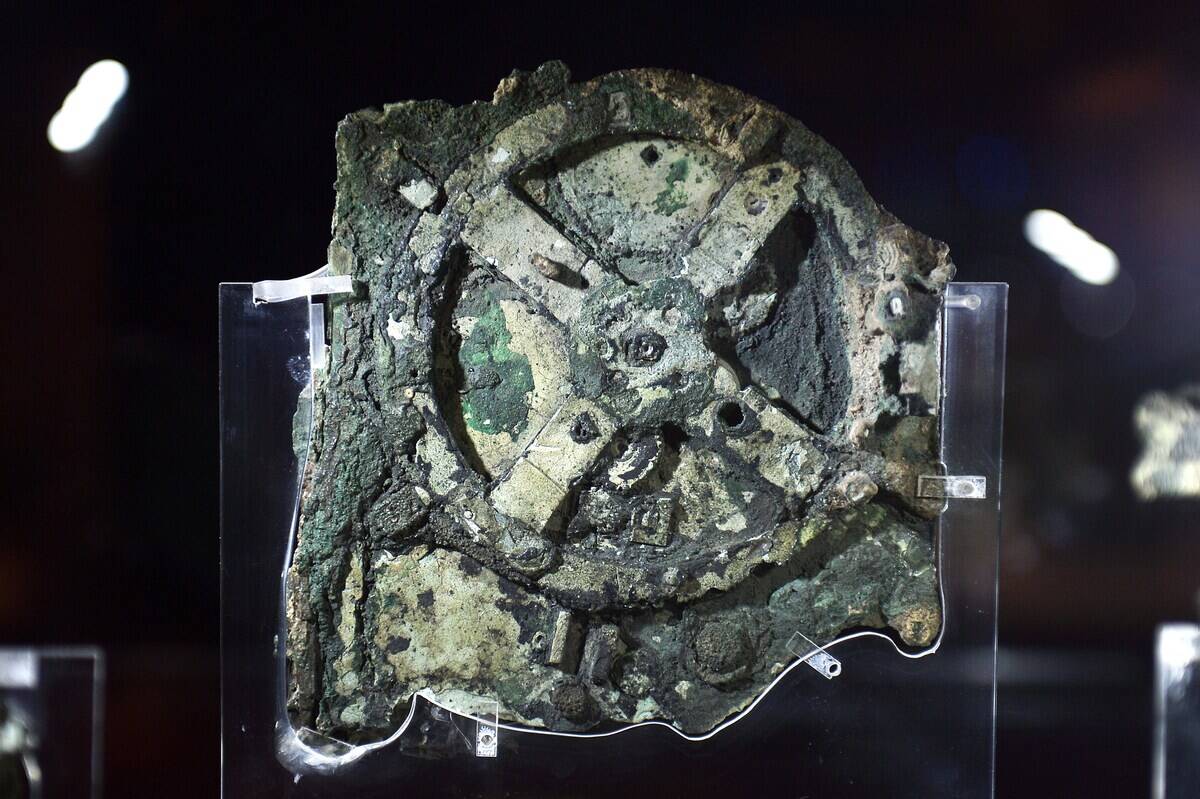
The Antikythera Mechanism, an ancient Greek device discovered in a shipwreck, has baffled scientists with its complexity. Believed to be an astronomical calculator, it predates similar inventions by over a millennium. Its intricate gears and dials suggest a sophisticated understanding of celestial movements, prompting questions about the technological capabilities of ancient civilizations.
While researchers have made strides in understanding its functions, the mechanism’s full purpose remains a captivating mystery that continues to intrigue historians and engineers alike.
The Debate Over the Authenticity of La Bella Principessa
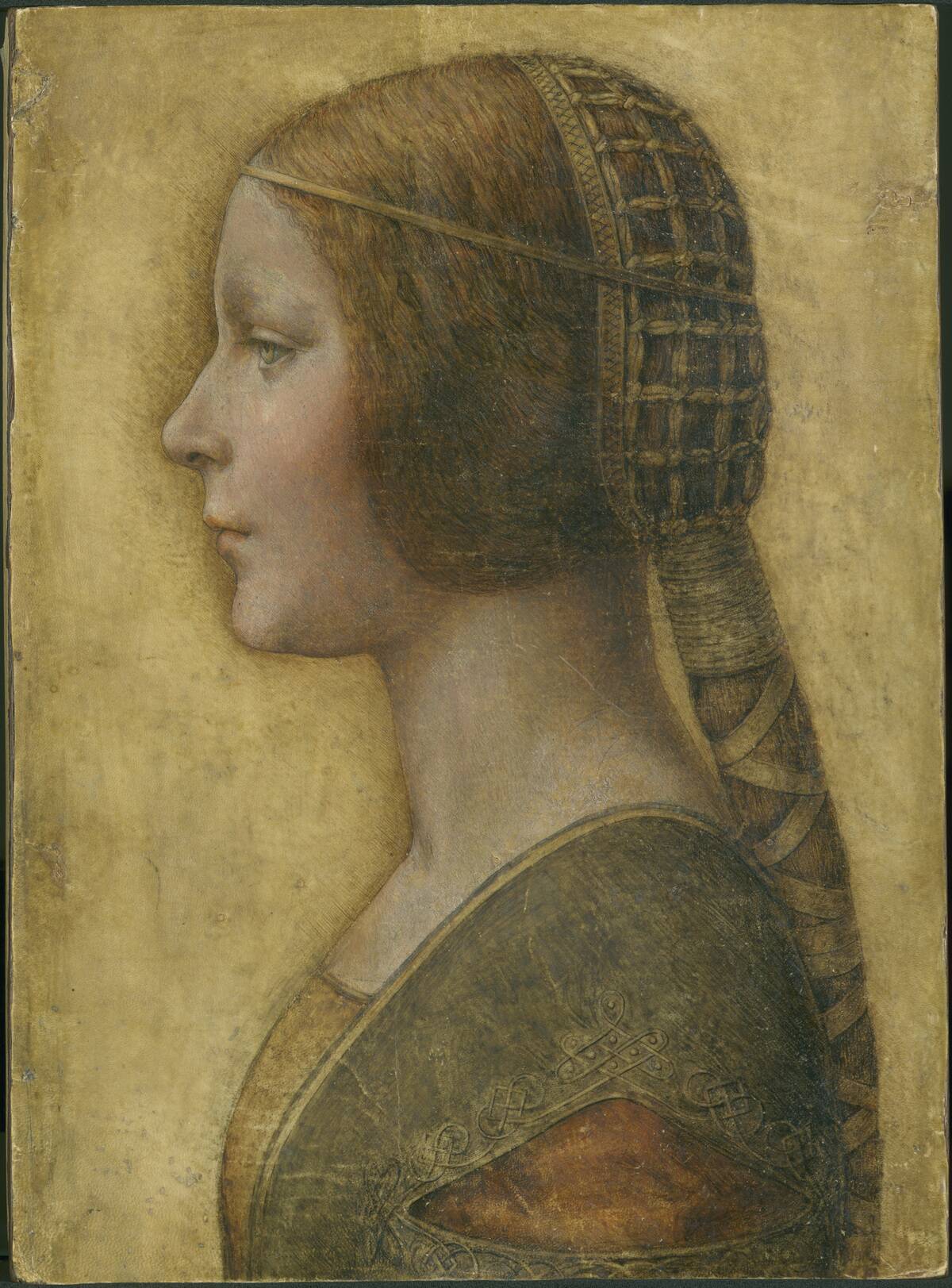
La Bella Principessa, a portrait attributed to Leonardo da Vinci, has sparked heated debates over its authenticity. Discovered in a private collection, its provenance and authorship have been questioned.
Supporters cite advanced forensic analysis linking it to da Vinci, while skeptics point to stylistic inconsistencies. This debate highlights the challenges of art attribution and the allure of uncovering a potential new work by a master. The portrait continues to fascinate scholars, collectors, and art enthusiasts alike.
The Elusive Meaning of Hieronymus Bosch’s The Garden of Earthly Delights
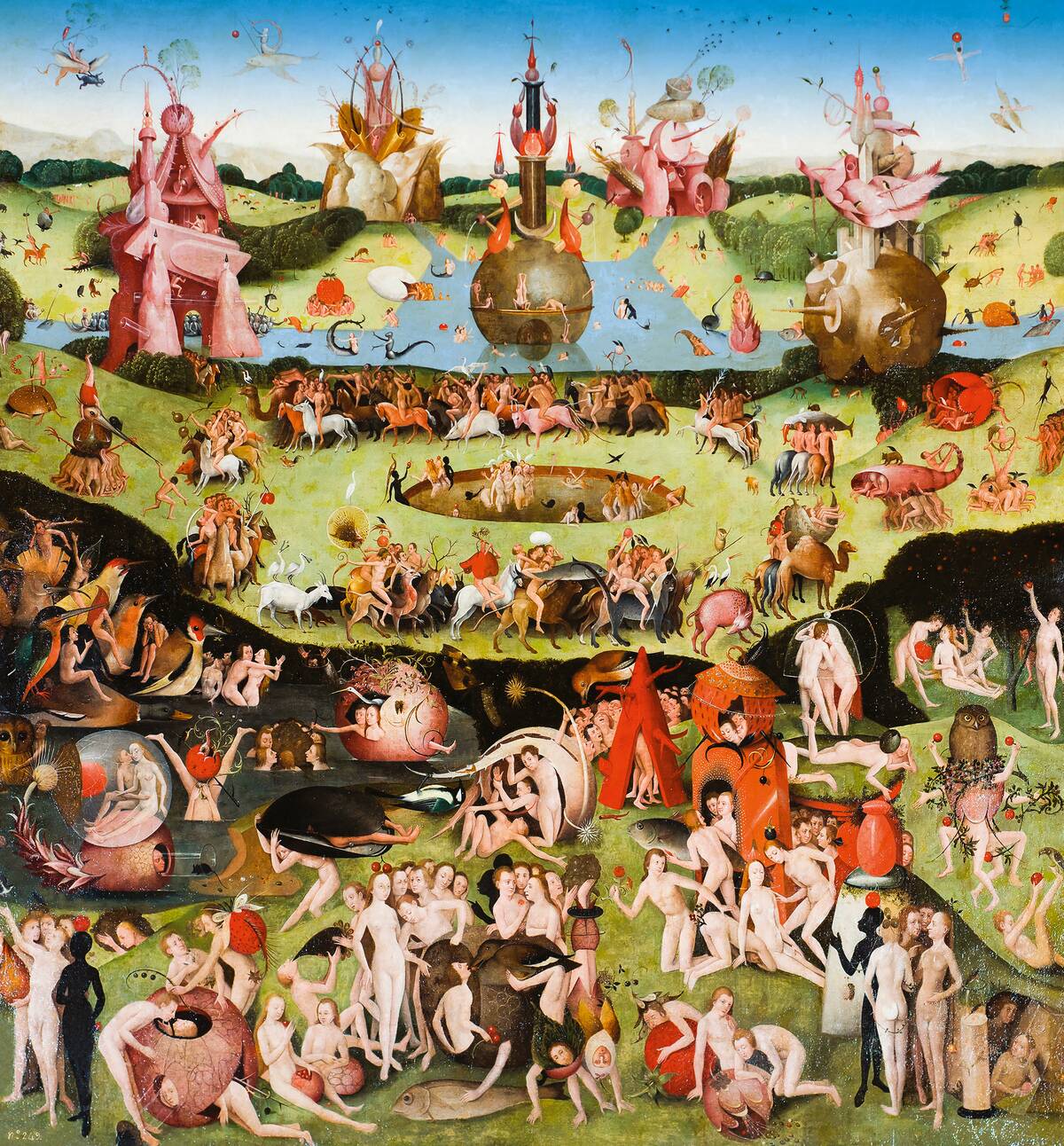
Hieronymus Bosch’s The Garden of Earthly Delights is a visual feast, filled with surreal imagery and intricate details. Its meaning remains enigmatic, with interpretations ranging from a moral warning against sin to a celebration of earthly pleasures.
Scholars have yet to agree on a definitive explanation, as Bosch’s imaginative world defies easy categorization. This ambiguity invites viewers to engage with the artwork on a personal level, pondering its mysteries and reveling in its fantastical scenes.




