Early space exploration missions that nearly ended in disaster
Space exploration is often hailed as one of humanity’s greatest achievements. However, the early days of space travel were fraught with peril and near-misses that tested the courage and ingenuity of those involved.
From falling debris to malfunctioning equipment, these incidents remind us of the thin line between triumph and disaster. As we dive into these tales, let’s remember the bravery and dedication of the pioneers who ventured into the unknown.
Gemini 8’s Spin-Out: A Dizzying Dance in Space
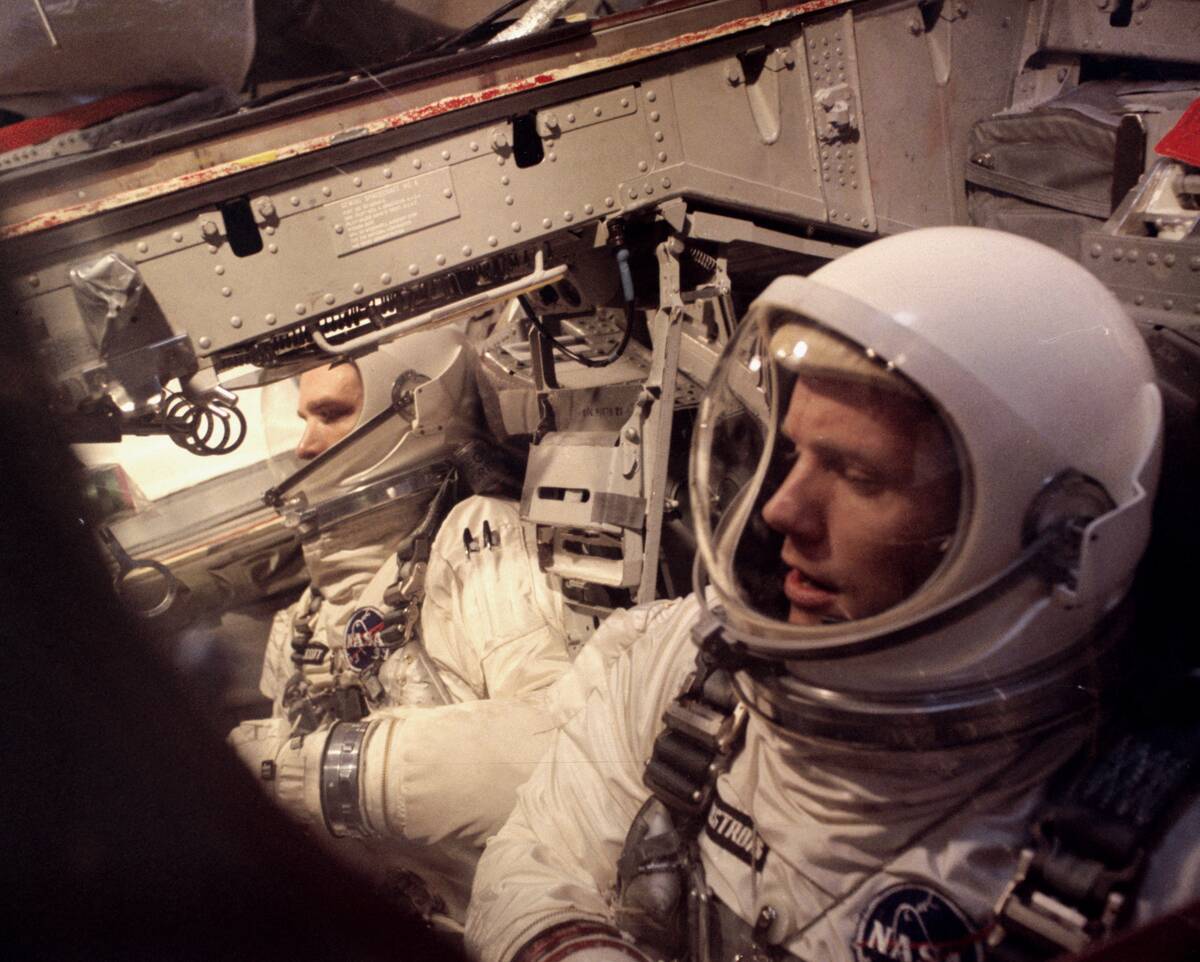
Gemini 8, piloted by astronauts Neil Armstrong and David Scott, experienced a critical in-flight emergency when a stuck thruster caused the spacecraft to spin uncontrollably. The astronauts’ quick response, including disabling the malfunctioning thruster, stabilized the craft.
This incident demonstrated the importance of astronaut training and composure under pressure, as well as the need for reliable spacecraft systems.
The Nerve-Wracking Moments of Vostok 1’s Reentry
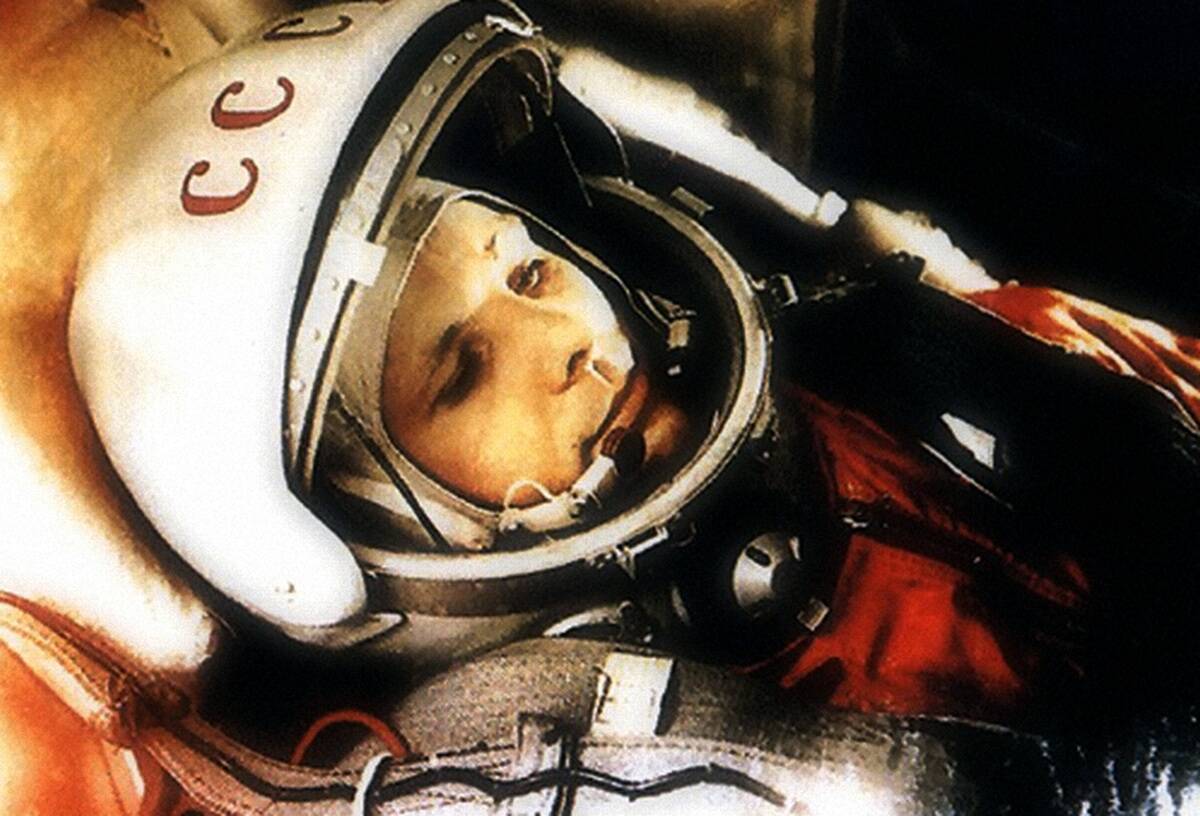
When Yuri Gagarin became the first human to orbit Earth aboard Vostok 1, the world watched in awe. However, the mission’s conclusion was tense, as a malfunction caused the capsule to spin uncontrollably during reentry.
Gagarin’s calm demeanor and quick thinking helped stabilize the situation, ensuring a safe landing. This incident underscored the bravery required of astronauts facing unforeseen challenges in space.
Apollo-Soyuz Test Project: A Close Call with Toxic Fumes
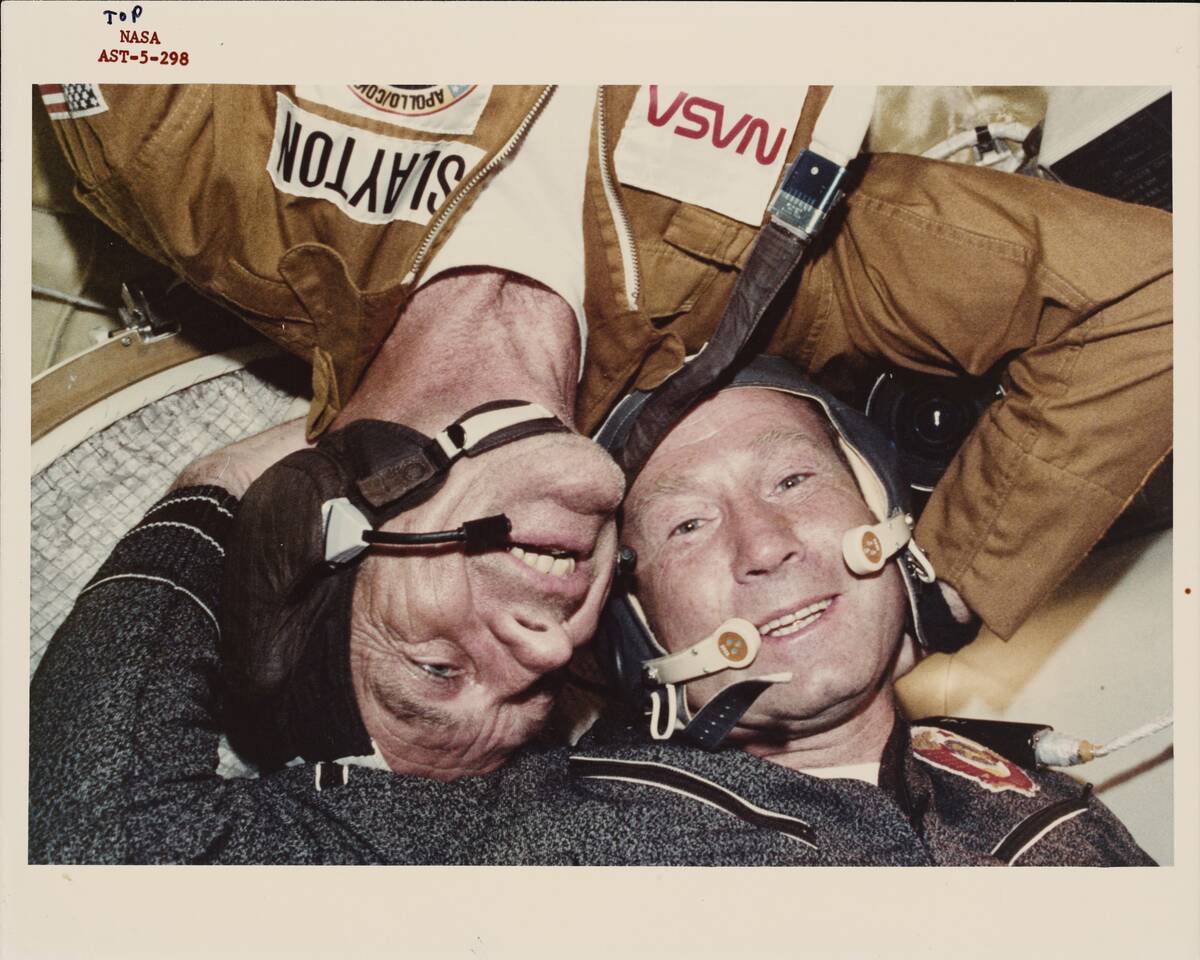
The Apollo-Soyuz Test Project, a historic US-Soviet cooperative mission, faced a perilous moment when toxic nitrogen tetroxide fumes filled the command module during reentry. The quick actions of the astronauts, who donned oxygen masks, prevented serious harm.
This close call underscored the potential dangers of chemical exposure during space travel and the importance of emergency preparedness.
Luna 1: The Soviet Probe That Missed the Moon
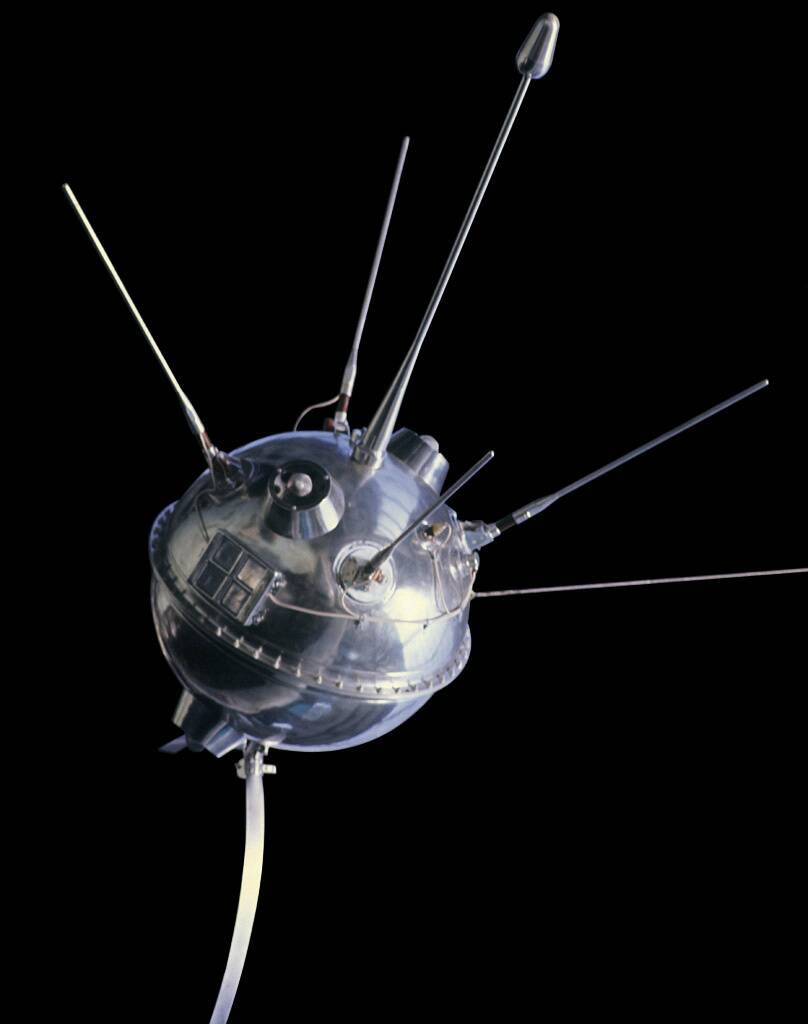
Luna 1 was intended to be the first spacecraft to reach the Moon. However, due to a timing error in the upper stage of its rocket, it missed its target and ended up in a heliocentric orbit.
Despite this setback, Luna 1 provided valuable data about interplanetary space, marking an important step in our understanding of the solar system. The mission’s unexpected outcome was a reminder of the complexities of space navigation.
The Heart-Stopping Thruster Malfunction on Apollo 13
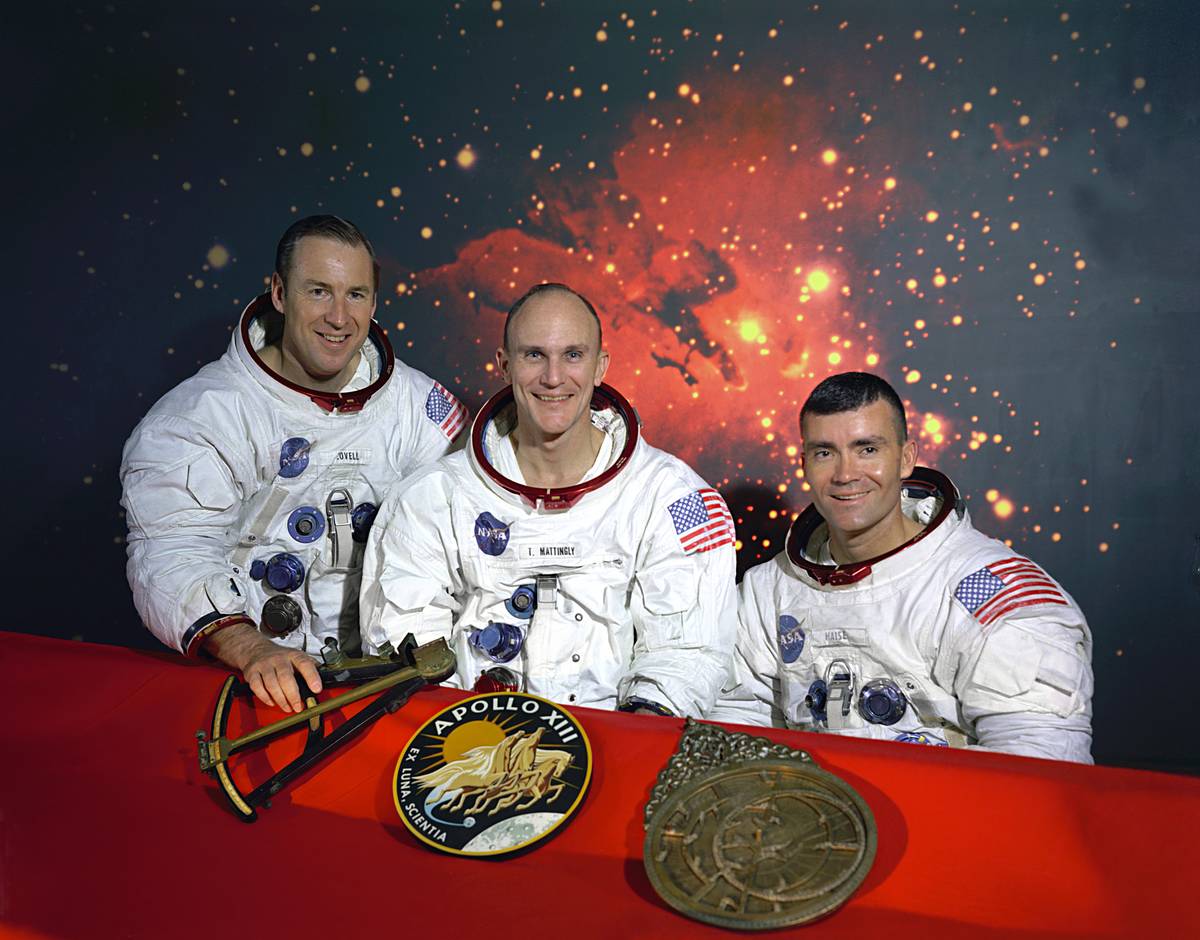
Apollo 13’s mission to the Moon was dramatically altered by an oxygen tank explosion that crippled the spacecraft. Among the many challenges faced, a malfunctioning guidance system threatened to send the craft off course.
The crew’s ingenuity, combined with support from mission control, helped them manually correct the trajectory and navigate their course without the help of the equipment that would normally facilitate this challenge. This story of survival and teamwork remains one of the most inspiring in the history of space exploration.
The Hectic Landing of Apollo 11
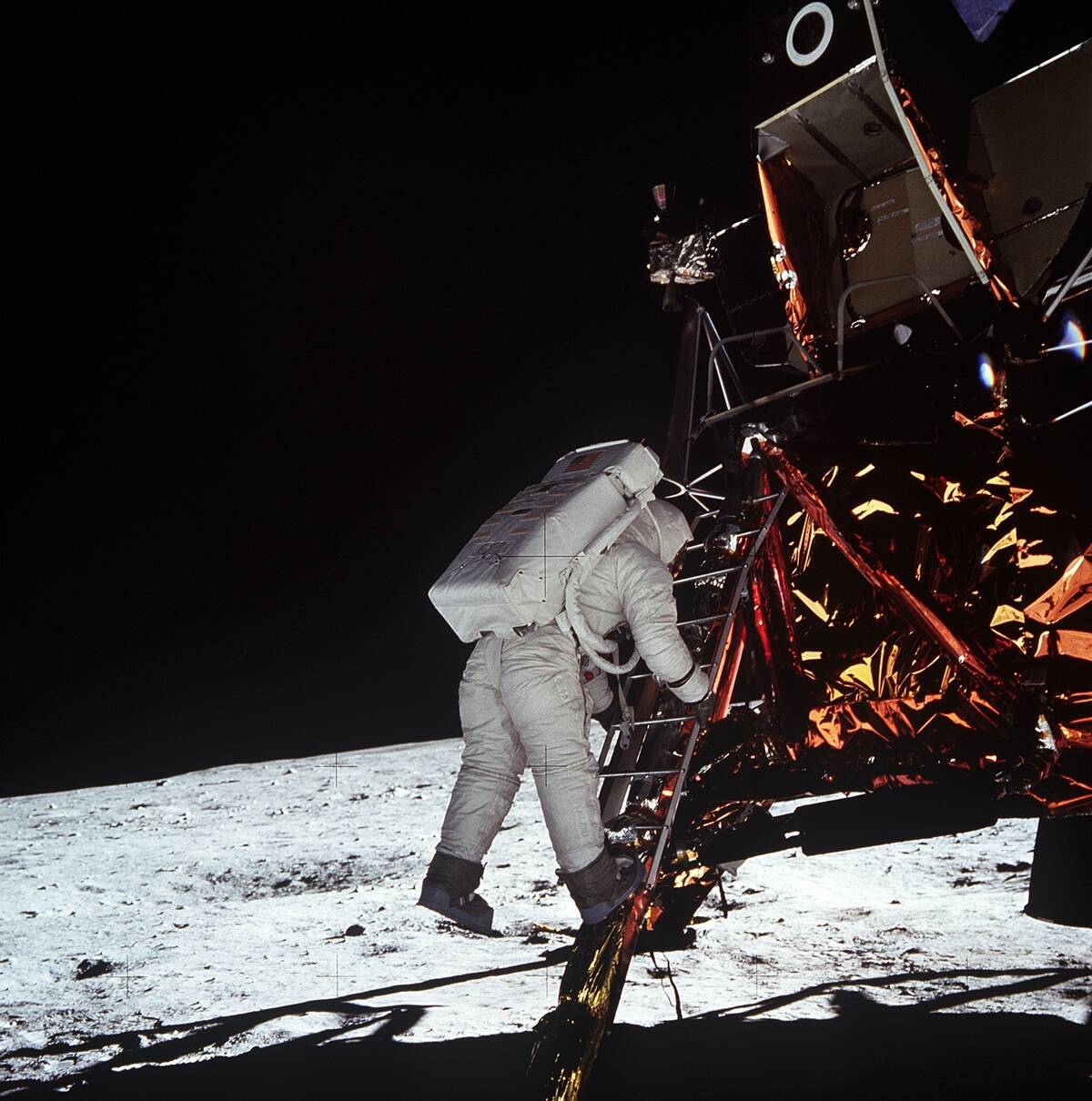
As Apollo 11 approached the Moon’s surface, Neil Armstrong and Buzz Aldrin faced a significant challenge: A computer error led to a bunch of alarms sounding on final approach, right when the crew needed to focus on landing.
With less than 30 seconds of fuel remaining, Armstrong manually piloted the Lunar Module to a safe landing. This tense moment underscored the human element in space exploration, where quick thinking can avert disaster.
The Unnerving Computer Glitch During Apollo 14’s Descent
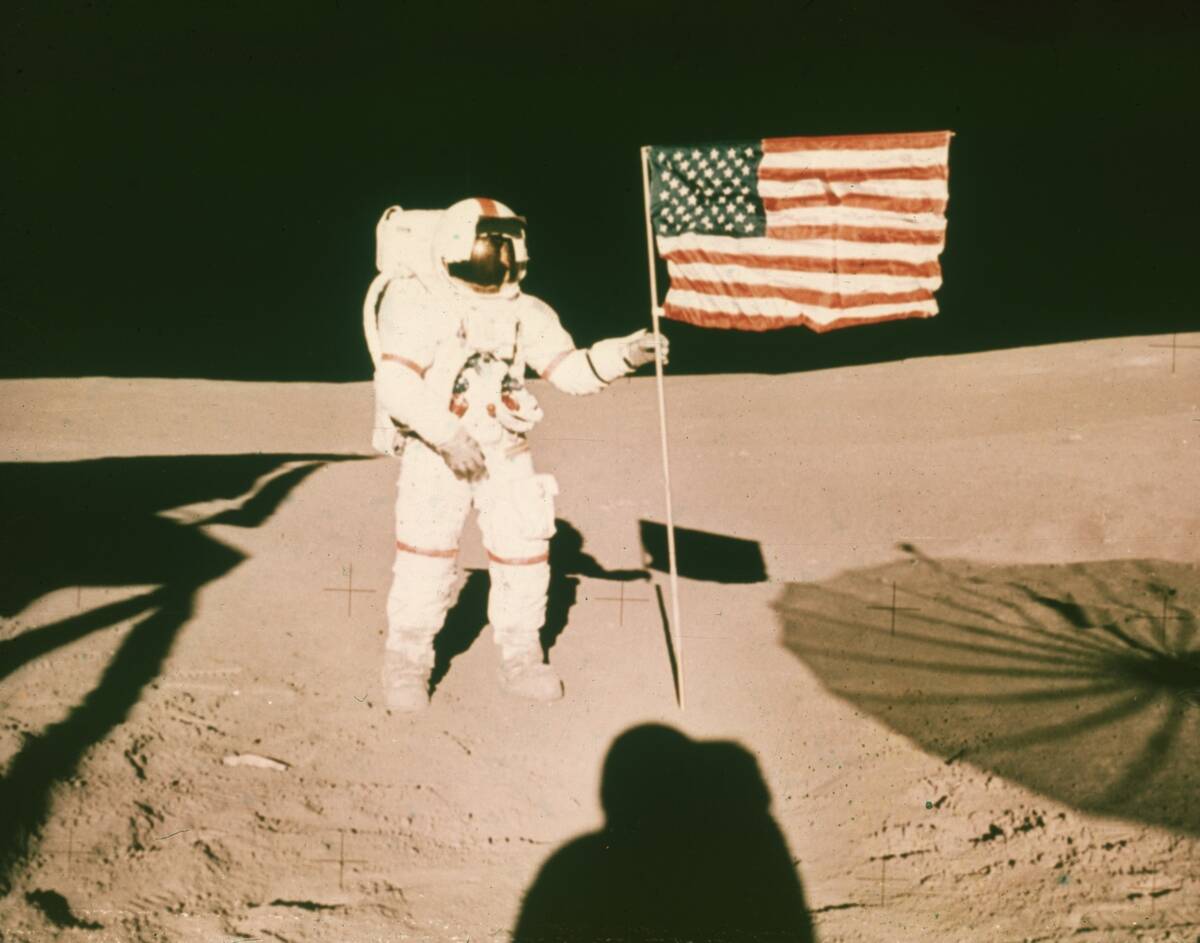
Apollo 14’s descent to the lunar surface was almost aborted due to a computer glitch that prompted erroneous abort signals. Mission control, however, quickly identified the problem and provided a workaround, allowing the landing to proceed as planned.
This incident highlighted the critical role of human oversight in space missions and the importance of effective communication between astronauts and ground teams.
The Cold Sweat of Mercury-Redstone 1’s Failed Launch

Mercury-Redstone 1 was meant to be a pivotal test flight for NASA’s human spaceflight program. However, the rocket failed to launch properly, rising only four inches before settling back onto the pad.
This “four-inch flight” was caused by a premature engine cutoff, leading to an intense review of procedures. Despite the initial failure, the lessons learned paved the way for future successes in human spaceflight. It was also a fortunate time for such an incident, as nobody was aboard the rocket.
Skylab’s Planned Destruction Had An Unplanned Reaction
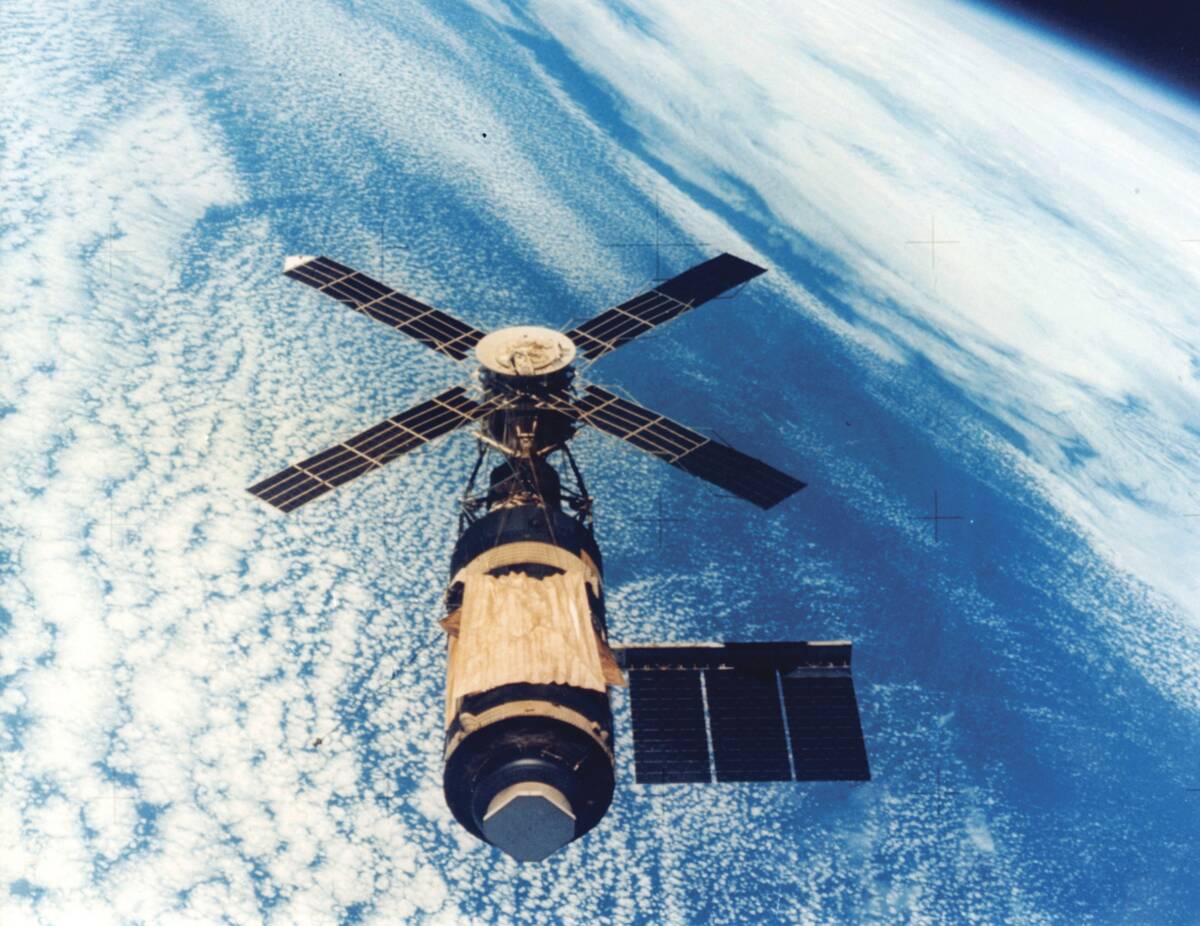
Skylab, America’s first space station, fell out of orbit on July 11, 1979. Although this and its subsequent re-entry into Earth’s atmosphere sounded dramatic and calamitous, it went largely according to plan. The only exception was the path of descent, which was a few degrees off.
According to the Smithsonian’s Air and Space Museum, however, this discrepancy was the cause of widespread public panic before the craft fell, which was partially influenced by a fallen Soviet satellite spreading radioactive materials throughout Canada the previous year. However, Skylab wasn’t carrying radioactive materials, and its descent was eventually determined to cause no harm.
The Dangerous Docking Debacle of Salyut 1
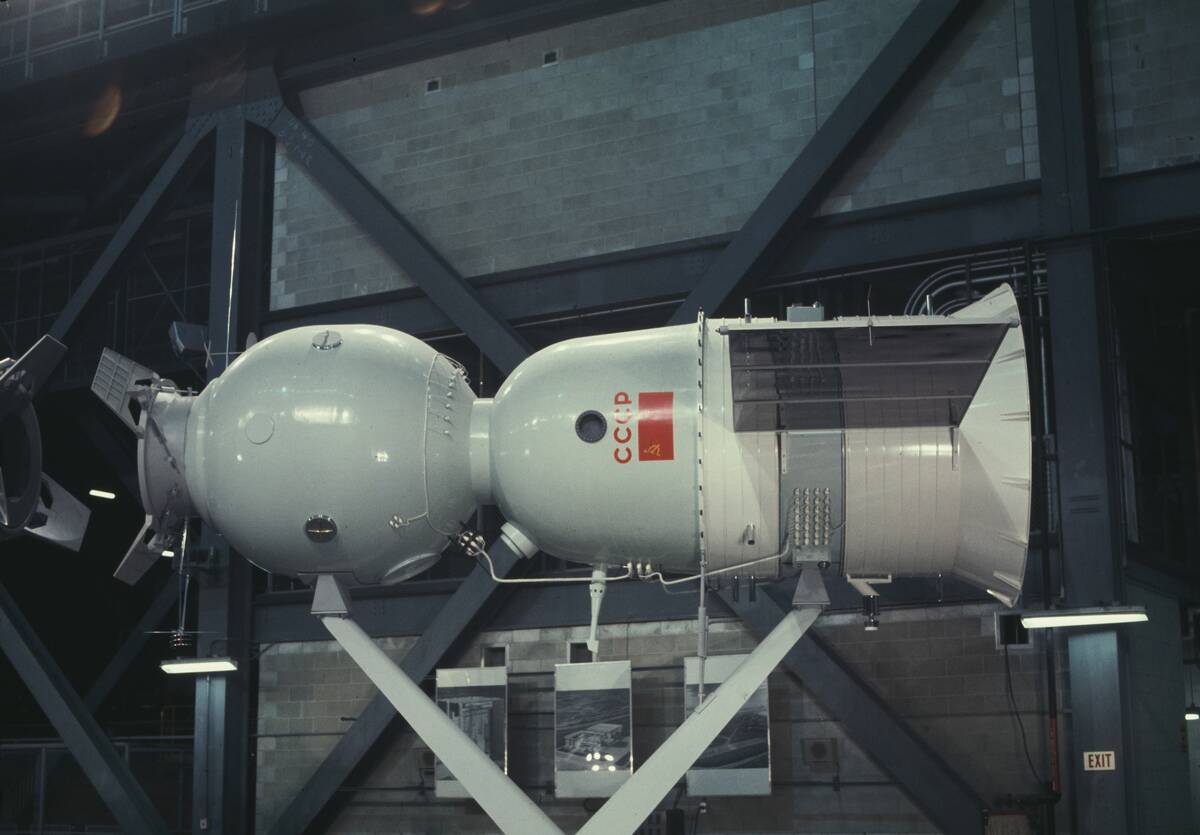
The Salyut 1 space station witnessed a nerve-racking event when the Soyuz 10 mission failed to dock properly. The crew was unable to enter the station and had to return to Earth, narrowly escaping a potentially dangerous situation.
This docking failure demonstrated the complexities and risks of space station construction and the need for precise engineering to ensure crew safety.