Personal diaries and letters from famous people that shaped our perspective on history
Words have the power to transcend time, offering us a window into the past. Historic letters and diaries provide a personal glimpse into the lives and thoughts of those who shaped history.
These documents capture emotions, ideas, and events in a way that textbooks often cannot. Whether it’s a love letter or a diary entry during a turbulent era, these writings connect us to the authors’ experiences and emotions, making history feel alive and personal.
Abraham Lincoln’s Letter to Mrs. Bixby
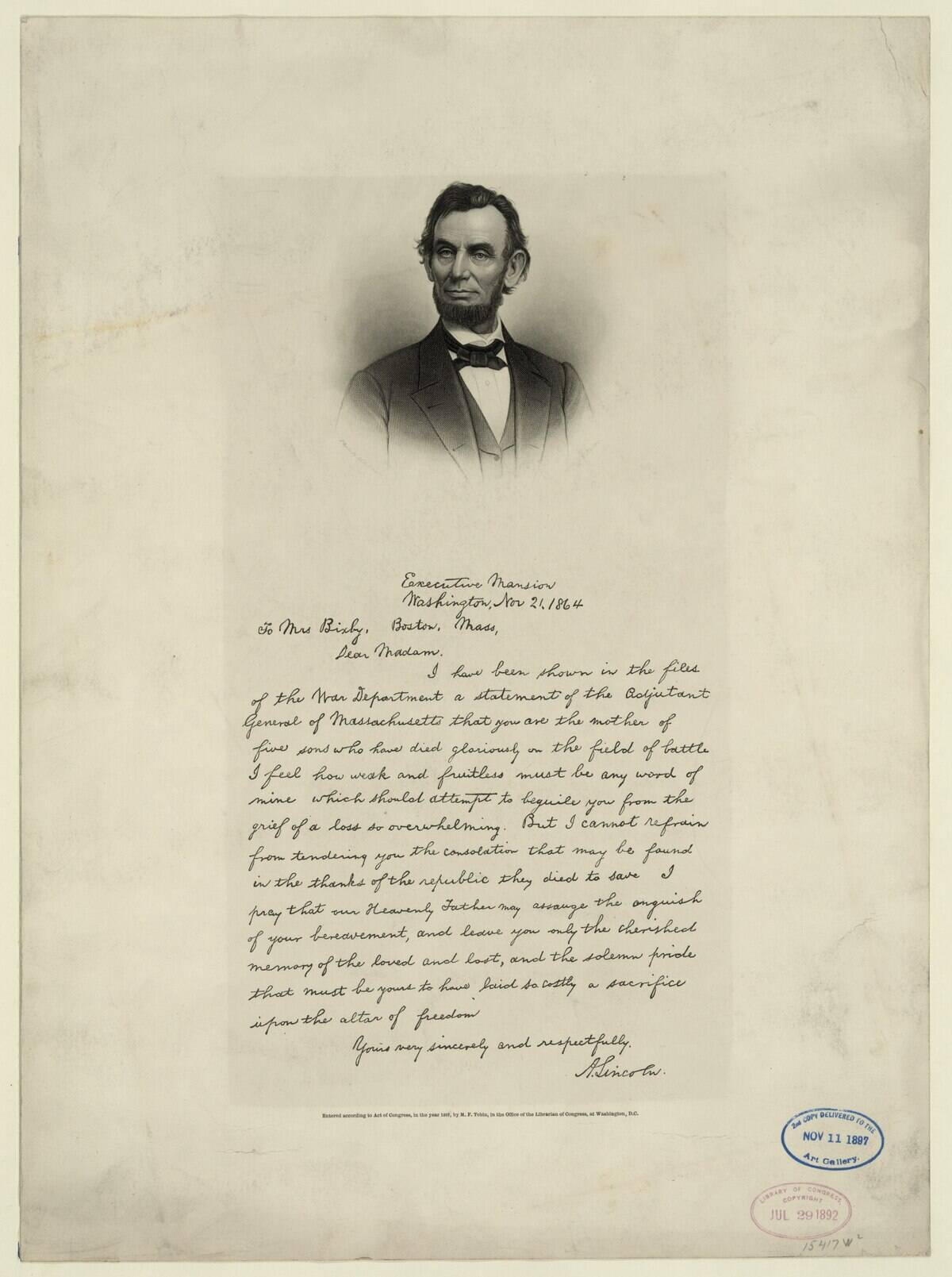
In November 1864, Abraham Lincoln penned a heartfelt letter to Lydia Bixby, a widow believed to have lost five sons in the Civil War. This letter is often cited as a poignant example of Lincoln’s empathy and eloquence.
Although later investigations suggested discrepancies in Bixby’s story, the letter remains a powerful expression of presidential compassion. Lincoln’s words, “I pray that our Heavenly Father may assuage the anguish of your bereavement,” resonate as an enduring tribute to the sacrifices of war.
The Love Letters of John and Abigail Adams
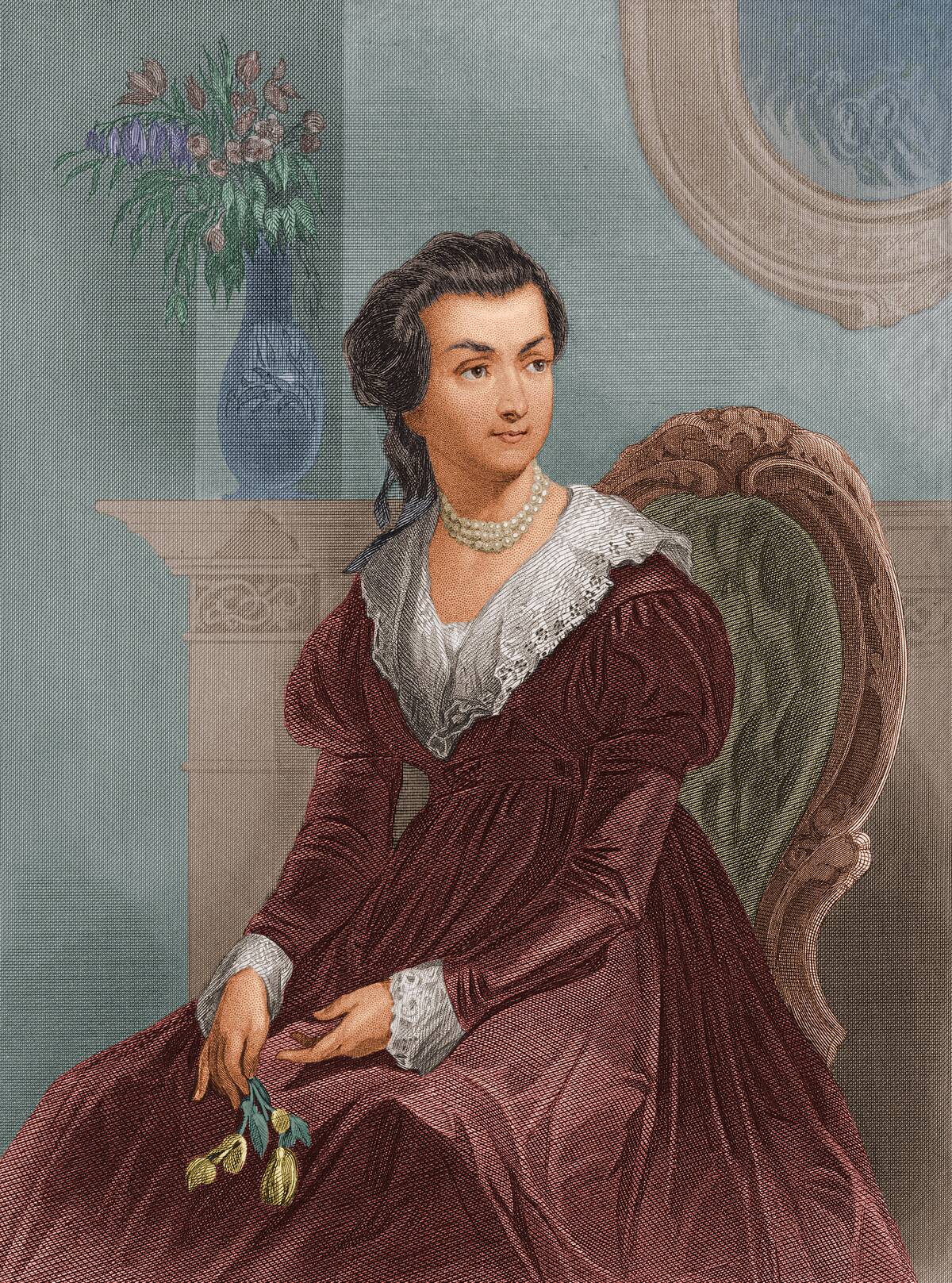
The correspondence between John and Abigail Adams reveals a deep and enduring partnership. Their numerous letters, exchanged over decades, reflect not only their personal affection but also their shared commitment to the founding of the United States. Abigail’s insights and advice often influenced John’s political decisions.
These letters offer a fascinating look at the personal dynamics behind historical events and showcase the couple’s mutual respect and admiration, which played a critical role in shaping the early nation.
The Diary of Samuel Pepys: A Glimpse into the 17th Century
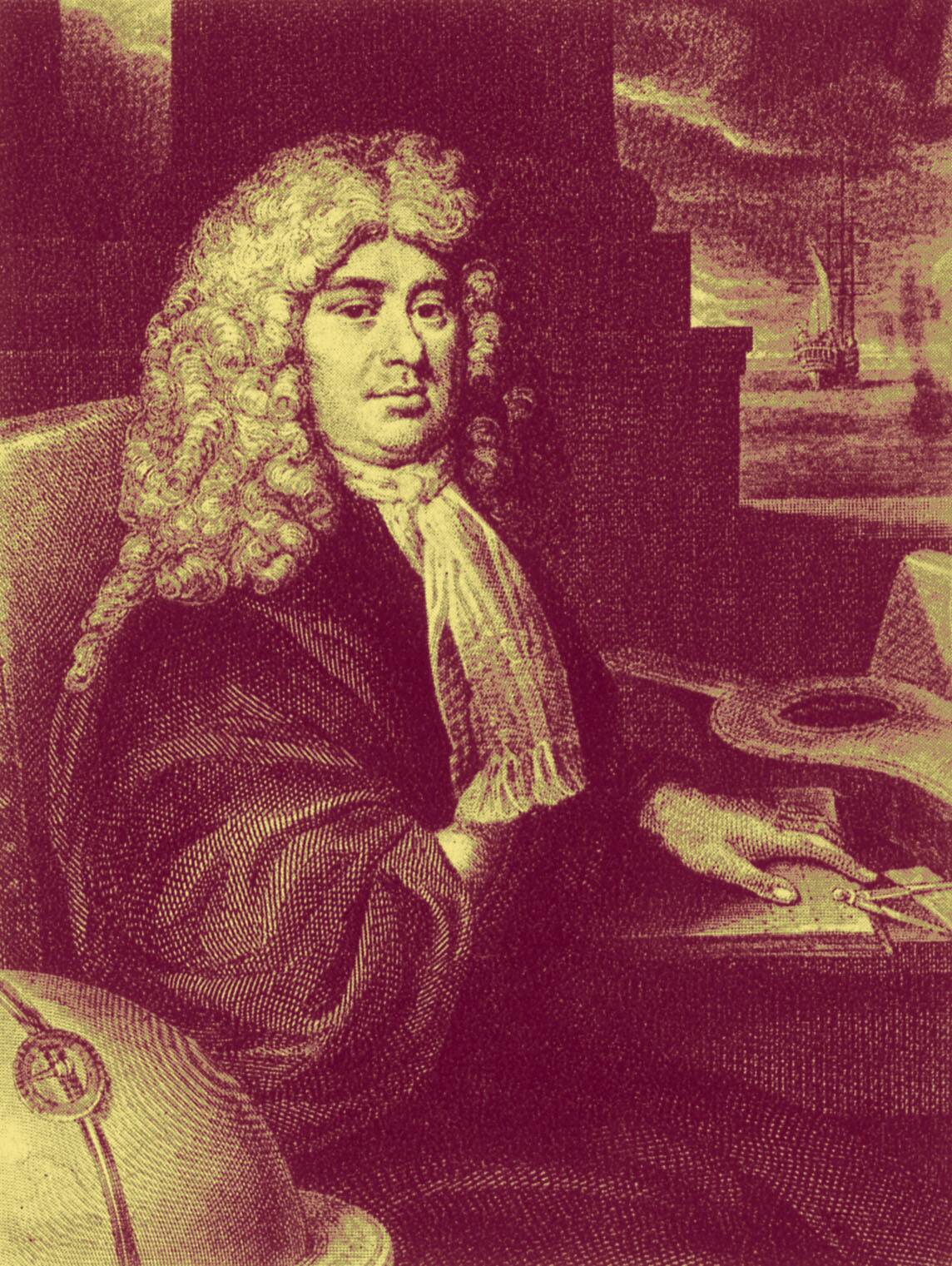
Samuel Pepys’ diary kept meticulously from 1660 to 1669, stands as one of the most valuable firsthand records of the Stuart Restoration. It covers everything from the Great Plague, the Great Fire of London, and the Second Anglo-Dutch War, but also the rhythms of daily life and the social and political atmosphere of 17th-century England.
His candid reflections on events, along with his personal anecdotes, make his diary an invaluable resource for historians seeking to understand the period through the eyes of a contemporary observer.
Nelson Mandela’s Letters from Prison
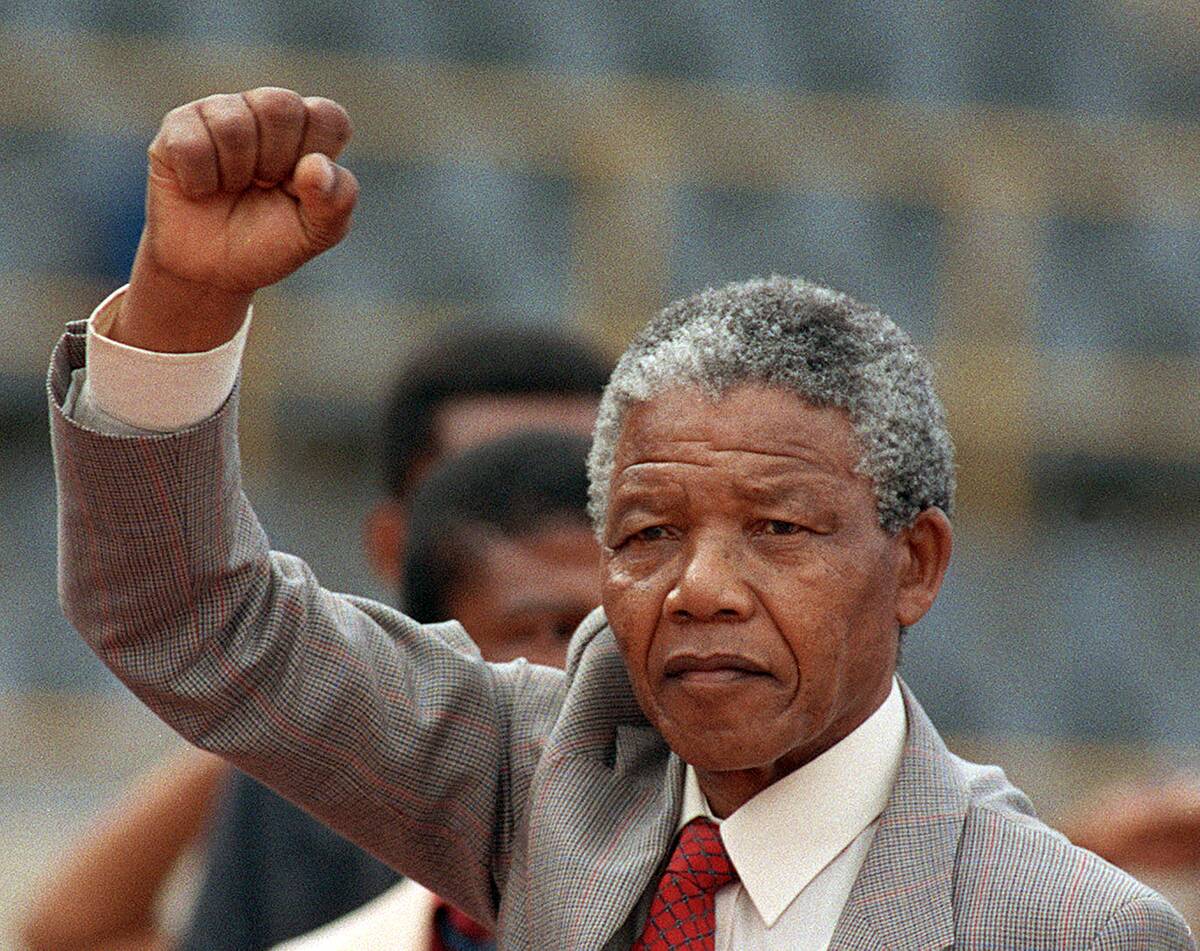
Nelson Mandela’s letters from prison, written during his 27-year incarceration, reflect his resilience and commitment to justice. These letters, often filled with hope and determination, reveal Mandela’s thoughts on the struggle against apartheid and his vision for a free South Africa.
Despite the harsh conditions of prison life, Mandela’s words convey a sense of purpose and an unwavering belief in the power of forgiveness and reconciliation. His correspondence remains an inspiring testament to the strength of the human spirit.
Virginia Woolf’s Diary: Insights into a Literary Mind

Virginia Woolf’s diary offers a unique look into the mind of one of the 20th century’s most influential writers. Her entries reveal her thoughts on literature, society, and her own creative process.
Woolf’s reflections provide a window into her struggles with mental health and her observations on the world around her. Her diary serves as a testament to her literary genius and her ability to capture the complexity of human emotions, offering readers an intimate portrait of her life and work.
Beethoven’s Letters to His Immortal Beloved

Ludwig van Beethoven’s letters to his ‘Immortal Beloved’ remain a mysterious and romantic aspect of his life. Written in 1812, these passionate letters reveal a deeply personal side of the composer, who is often known for his musical genius.
The unfinished letter, written in pencil across ten small pages, was discovered among the composer’s belongings after his death and is now in the Berlin State Library. The identity of the ‘Immortal Beloved’ has been the subject of much speculation, adding intrigue to an already fascinating glimpse into Beethoven’s emotional world.
The Diaries of Queen Victoria: A Monarch’s Perspective
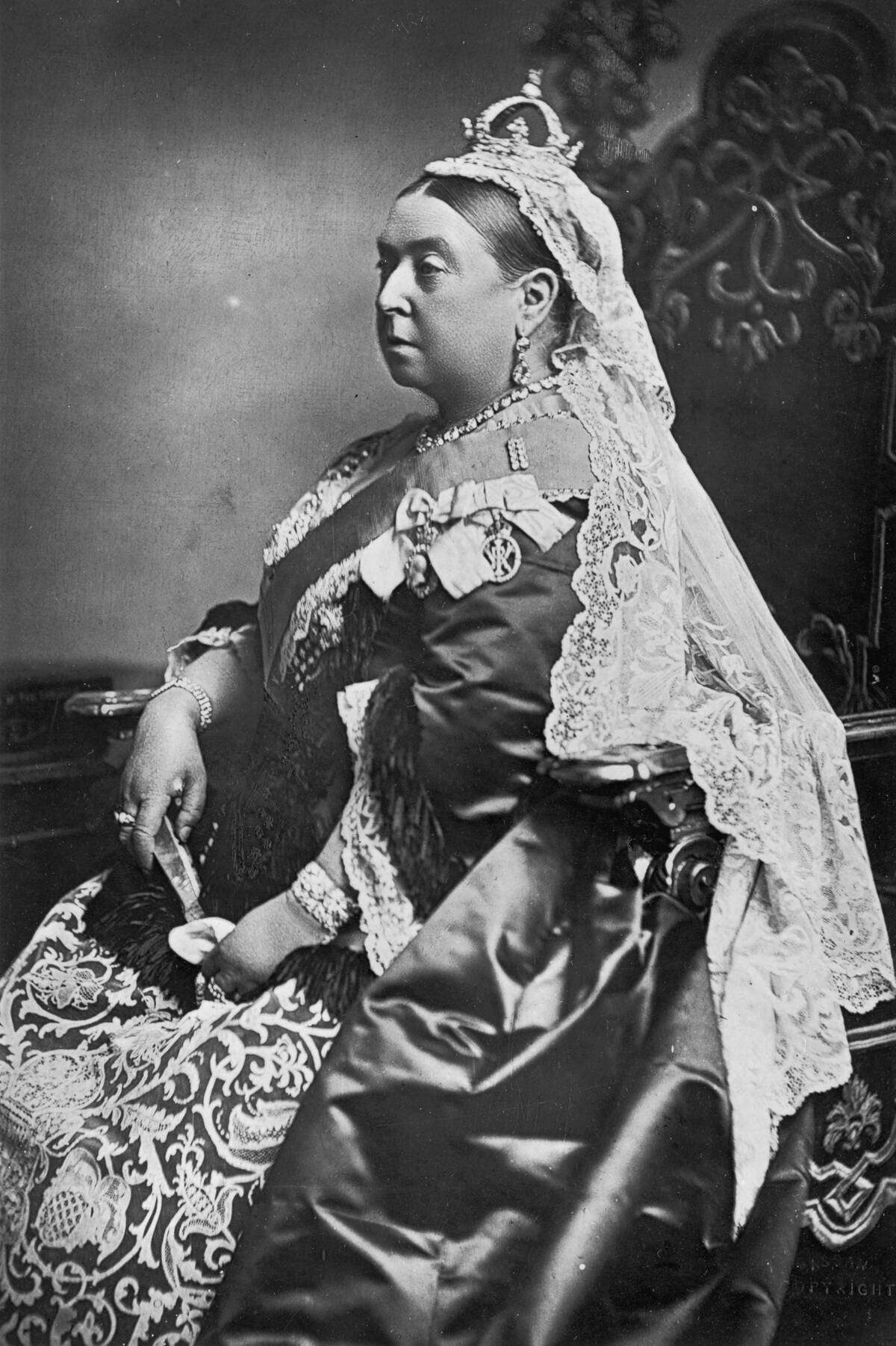
Queen Victoria’s diaries offer a personal look at her life and reign over the British Empire. Her entries provide insights into her thoughts on politics, family, and the events of her time. Victoria’s perspective as a monarch is evident in her reflections on the responsibilities and challenges of her position.
Her diaries, written over decades, offer a valuable historical record of her reign and a glimpse into the personal life of one of history’s most influential figures.
The Letters of Vincent Van Gogh: Art, Passion, and Turmoil
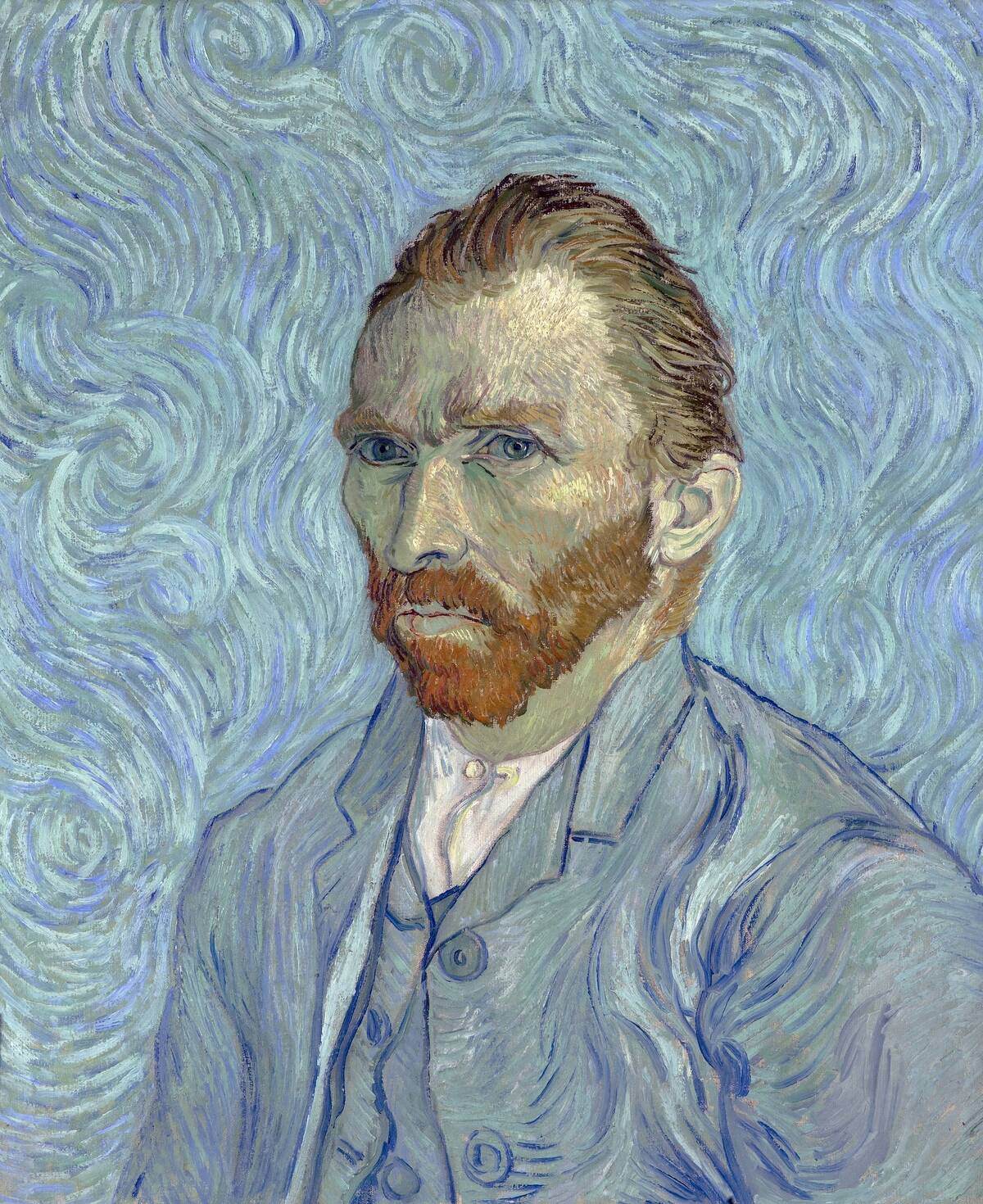
Vincent Van Gogh’s letters, primarily to his brother Theo, reveal the artist’s inner struggles and passions. Through these correspondences, Van Gogh discusses his artistic vision, financial difficulties, and mental health challenges.
His letters are infused with the same intensity and emotion found in his paintings, offering insight into his creative process and the personal turmoil that often accompanied it. These writings provide a deeply personal perspective on Van Gogh’s life, enhancing our appreciation of his art.
Love and War: The Letters of Ernest Hemingway
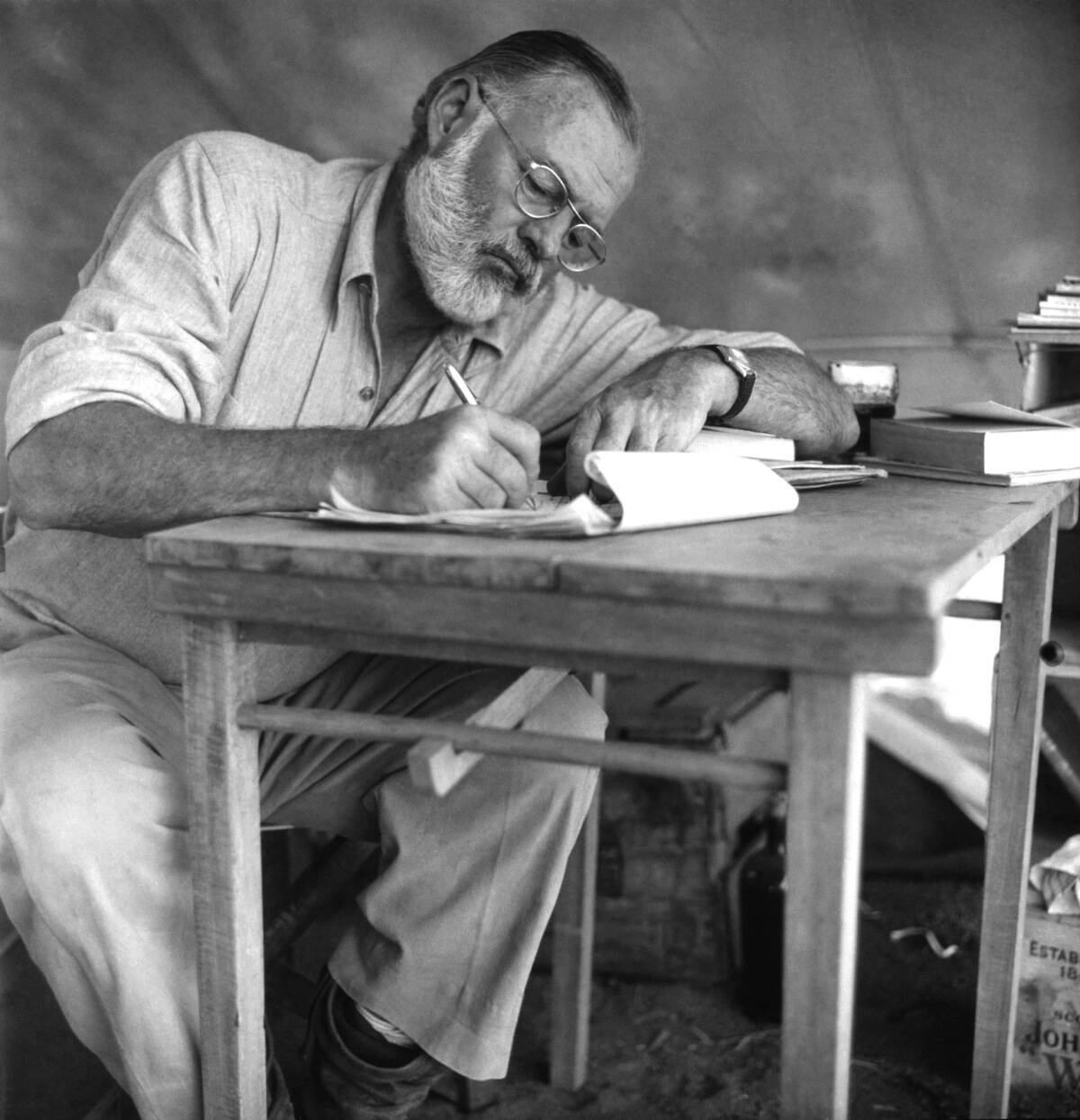
Ernest Hemingway’s letters, particularly those written during his time as a war correspondent, offer a unique perspective on love and conflict. His correspondence reveals his romantic entanglements and his observations on the wars he covered.
These letters provide insight into Hemingway’s personal relationships and the experiences that shaped his writing. Through his words, we glimpse the man behind the literary legend, understanding the interplay between his life and his work, and the impact of war on his worldview.
Anne Frank’s Diary: A Young Voice Amidst Chaos
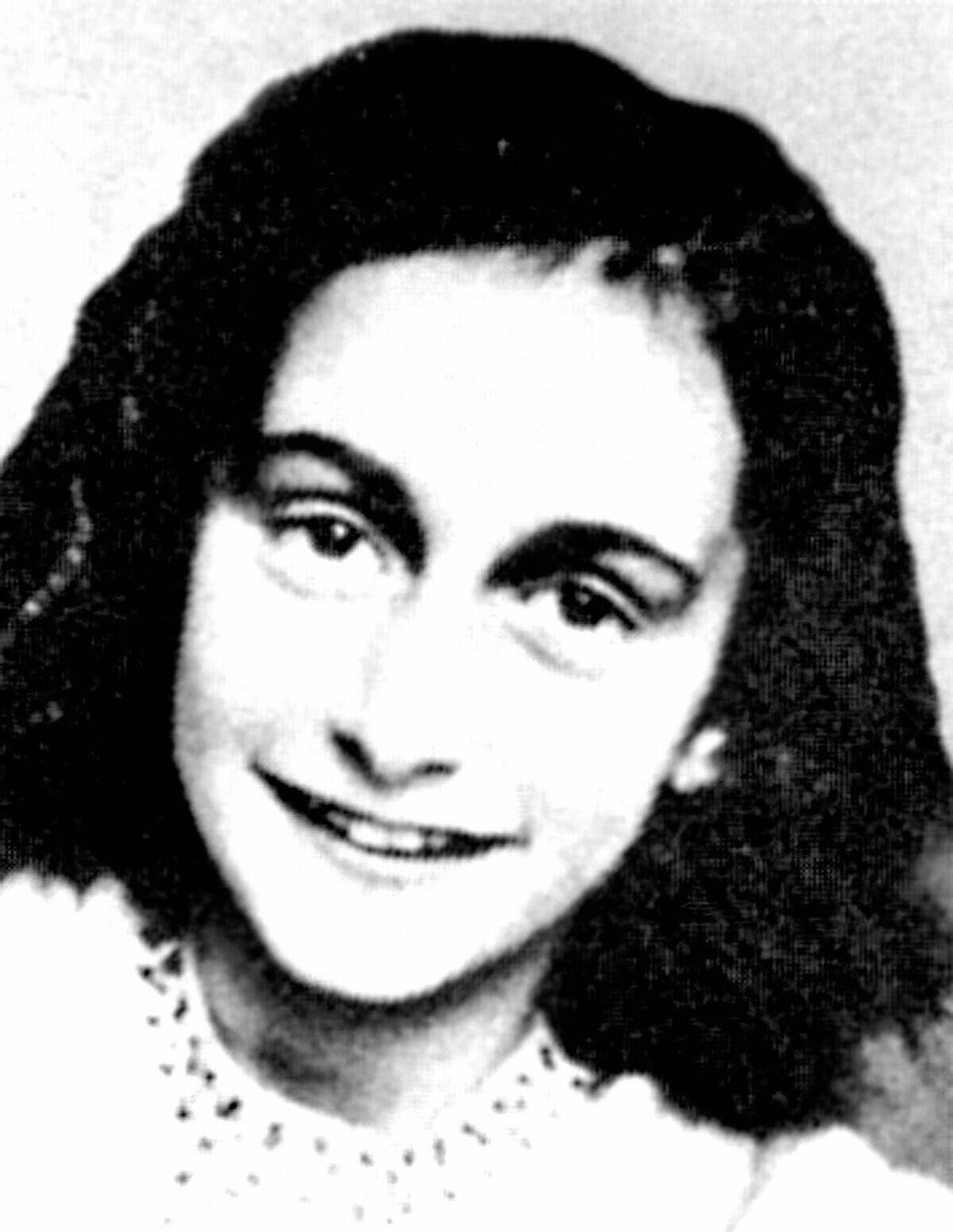
Anne Frank’s diary, written while hiding from the Nazis during World War II, offers a poignant glimpse into her life and thoughts. Her words provide a human face to the horrors of the Holocaust, capturing the fears and hopes of a young girl.
Despite the grim circumstances, Anne’s writing is filled with optimism and insight. Her diary, published posthumously, has become a symbol of resilience and a powerful reminder of the impact of hate and the enduring spirit of hope.
The Diary of a Young Girl: Zlata’s Diary from Sarajevo
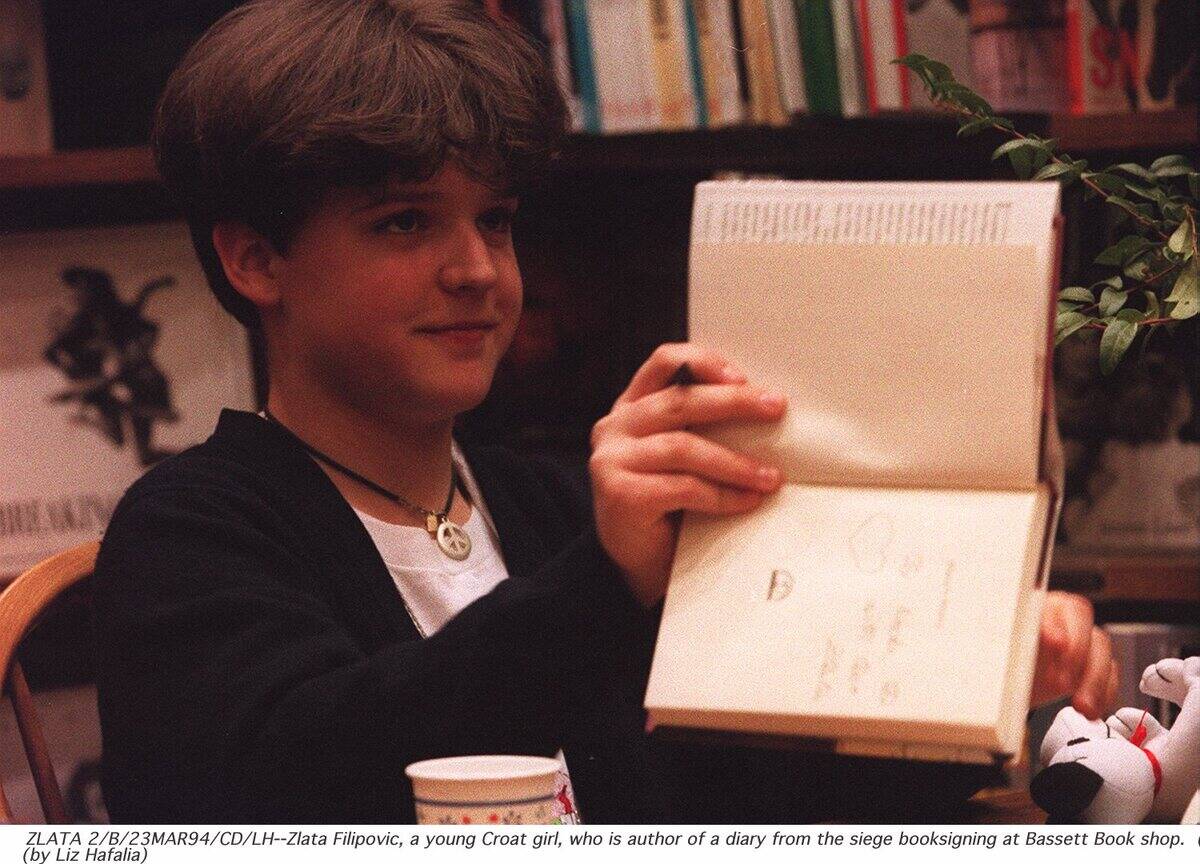
Zlata Filipović’s diary, written during the Bosnian War, offers a child’s perspective on conflict and survival. Often compared to Anne Frank’s diary, Zlata’s entries detail her experiences living in a war-torn Sarajevo.
Her words capture the fear and resilience of a young girl amidst the chaos of war. Zlata’s diary became an important document of the Bosnian conflict, highlighting the human impact of war and the strength of the human spirit in the face of adversity.
The Secret Exchange: Einstein and Roosevelt’s Nuclear Correspondence
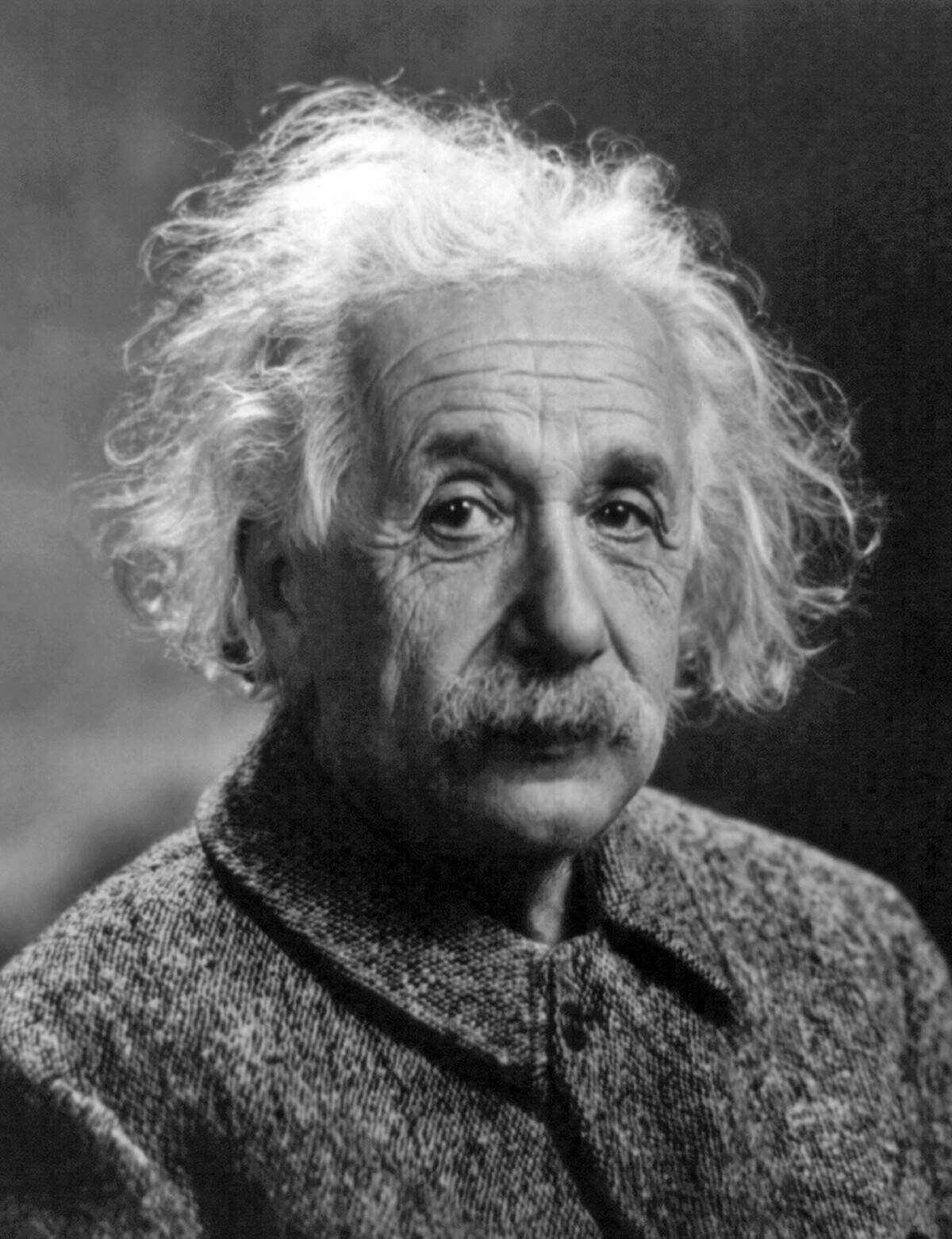
Albert Einstein’s letter to President Franklin D. Roosevelt marked a crucial turning point in history. Though primarily drafted by physicist Leo Szilard, Einstein’s signature lent weight to the warning that Nazi Germany might be developing atomic weapons, urging the U.S. to accelerate its own research efforts. This appeal helped prompt the establishment of advisory committees that eventually led to the Manhattan Project.
This moment illustrates the powerful intersection of science and politics during a time of global uncertainty. While not part of an ongoing secret correspondence, the letter’s impact underscores how scientific communication shaped world events and altered the course of the future.
Frida Kahlo’s Letters: Artistry and Emotion
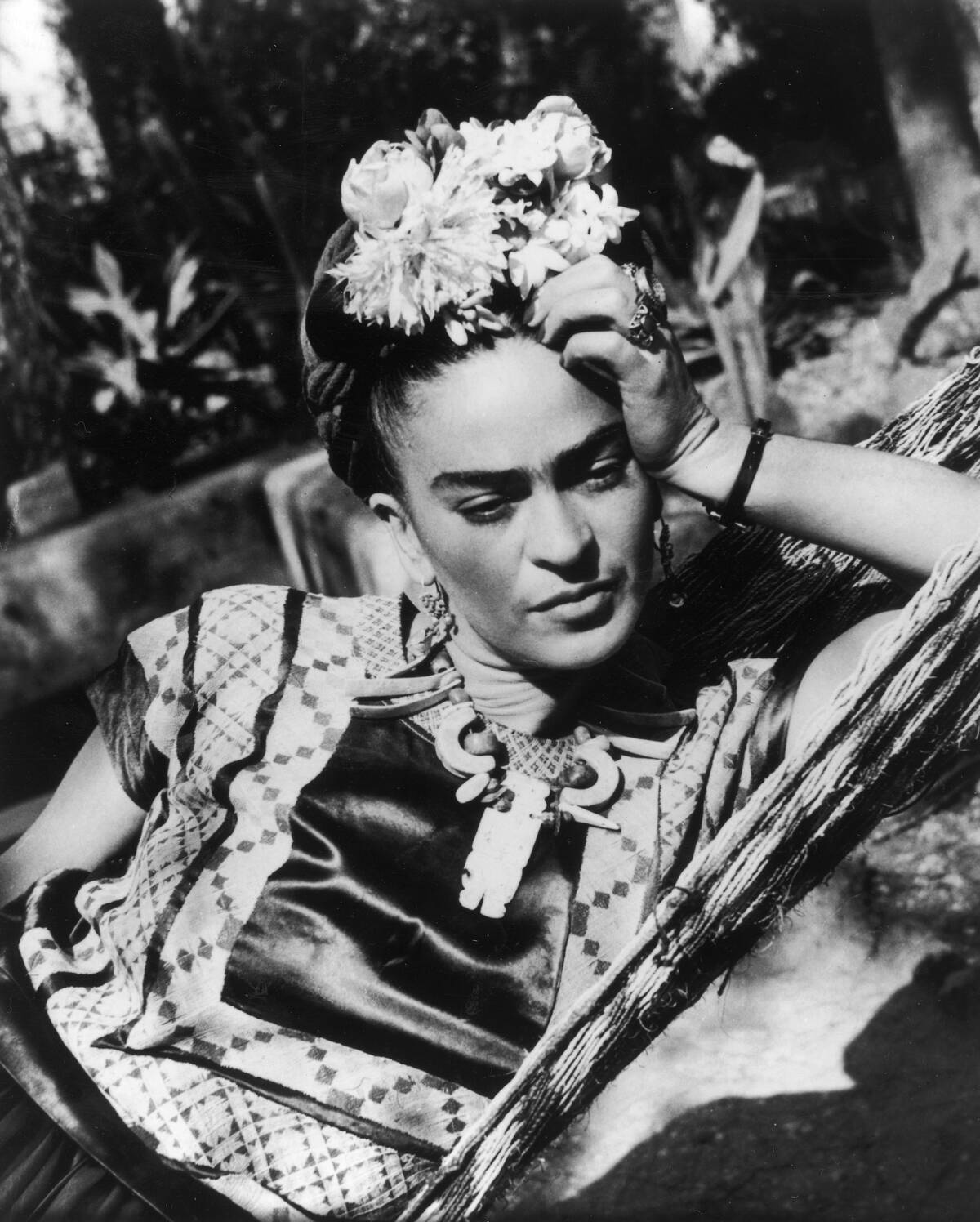
Frida Kahlo’s letters provide a glimpse into the complex emotions and experiences that influenced her artwork. Her correspondence with friends, family, and lovers showcases her wit, passion, and vulnerability.
These letters reveal Kahlo’s struggles with physical pain and personal relationships, offering a deeper understanding of the inspirations behind her iconic paintings. Through her words, we gain insight into her artistic process and the way she used art as a means of expression and healing.
Martin Luther King Jr.’s “Letter from Birmingham Jail”
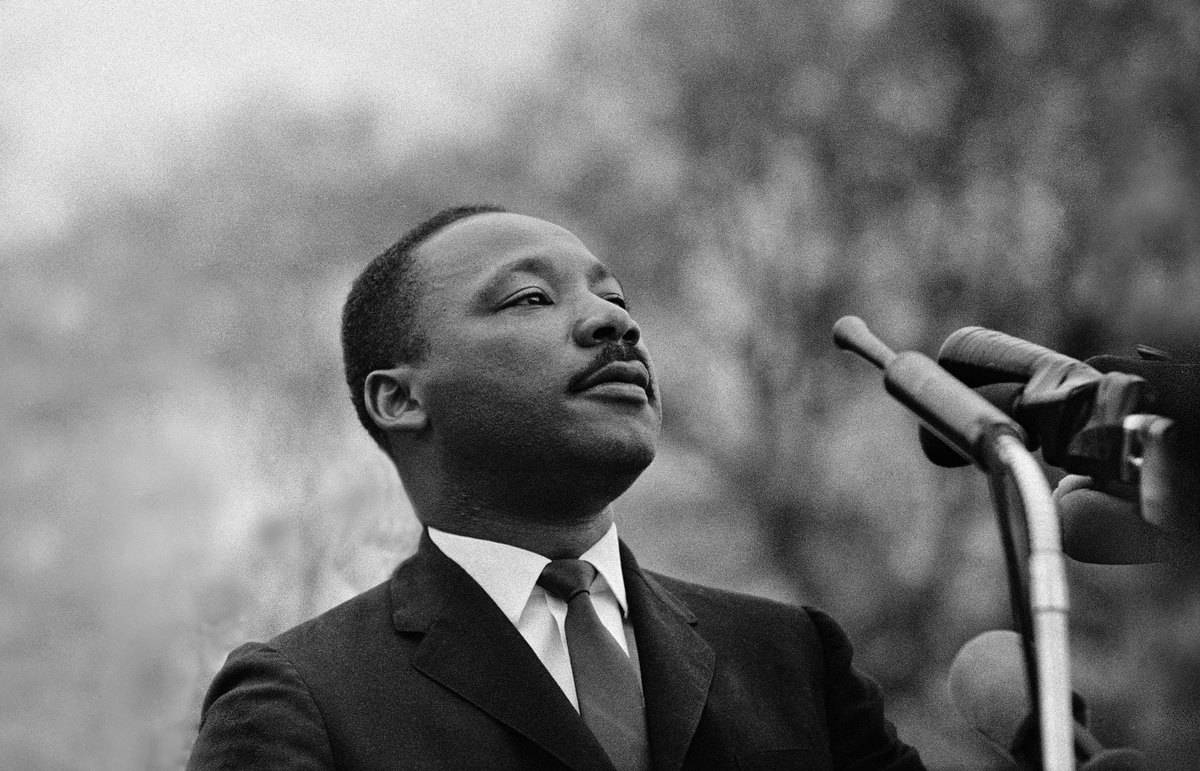
Martin Luther King Jr.’s ‘Letter from Birmingham Jail,’ written in 1963, is a powerful defense of nonviolent protest. Addressed to his critics, the letter articulates the moral imperative for civil rights and the urgency of the movement.
King’s eloquence and conviction resonate through his words, which continue to inspire generations. This letter is a testament to the power of written communication in effecting social change and remains a seminal document in the history of the American civil rights movement.
The Diary of Captain Robert Scott: A Polar Exploration Tragedy
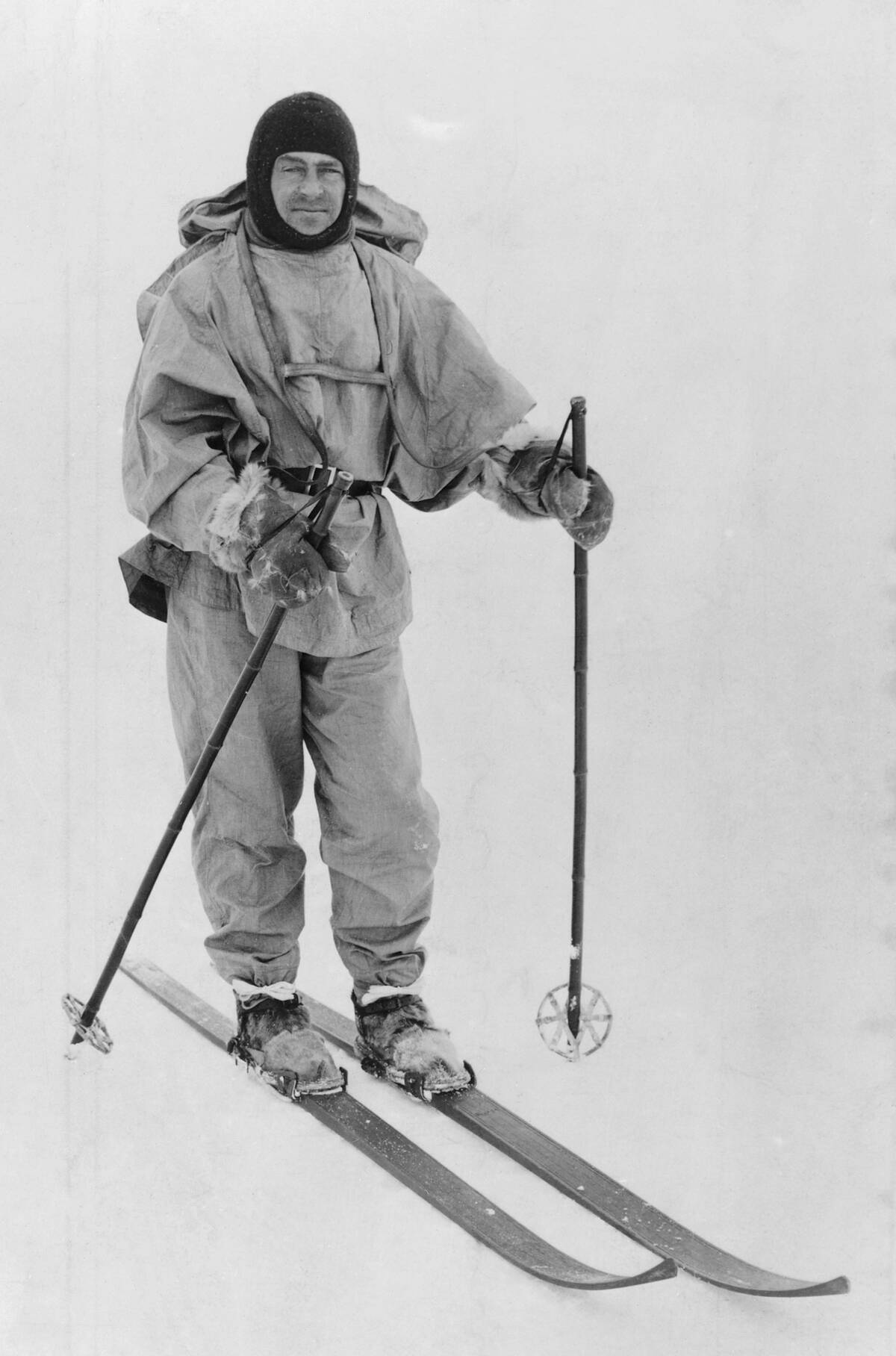
Captain Robert Scott’s diary, penned during his ill-fated expedition to the South Pole, provides a harrowing account of exploration and survival. Scott’s entries document the extreme conditions faced by his team, their struggles, and his reflections on their impending fate.
The diary, found alongside his frozen body, offers a poignant narrative of human endurance and the tragic consequences of ambition. Scott’s words serve as a somber reminder of the risks of exploration and the resilience of the human spirit.




