Clothing items that were once considered essential
Fashion is a fascinating tapestry woven from the threads of history. Each era has left its unique mark on the way we dress, reflecting societal changes, technological advancements, and cultural shifts.
From the opulent layers of the 19th century to the bold statements of the 1980s, fashion has always been a mirror of its time. Let’s take a stroll down memory lane and explore some iconic fashion pieces that have shaped our wardrobes over the years.
The Corset: A 19th Century Must-Have
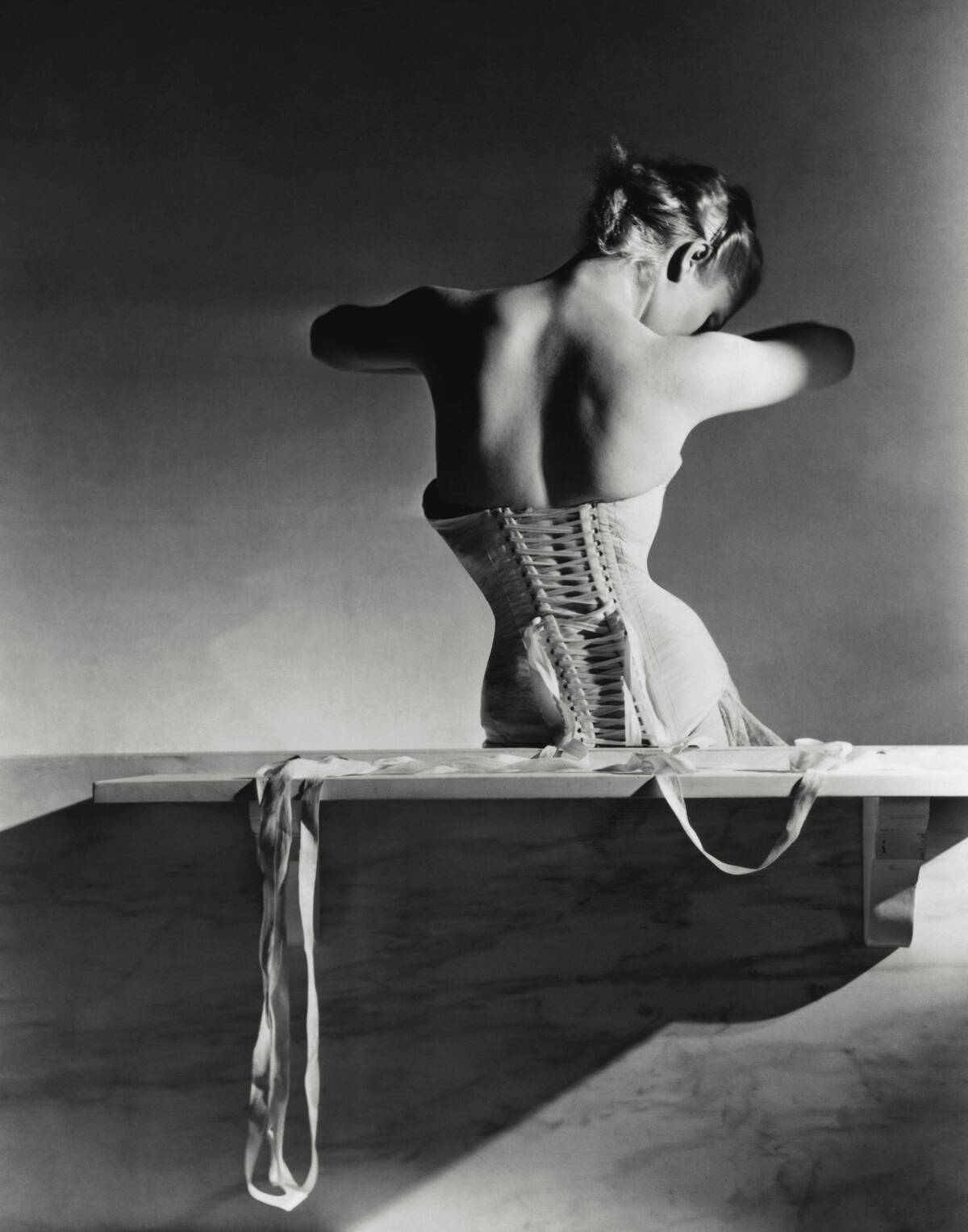
The corset was the quintessential garment of the 19th century, designed to cinch the waist and create an hourglass figure. Made from materials like whalebone and steel, corsets were both a fashion statement and a symbol of femininity.
Despite their restrictive nature, corsets were a staple in women’s wardrobes and were often elaborately decorated with lace and ribbons. They played a significant role in shaping the fashion silhouette of the Victorian era.
Hoop Skirts: The Wider, The Better
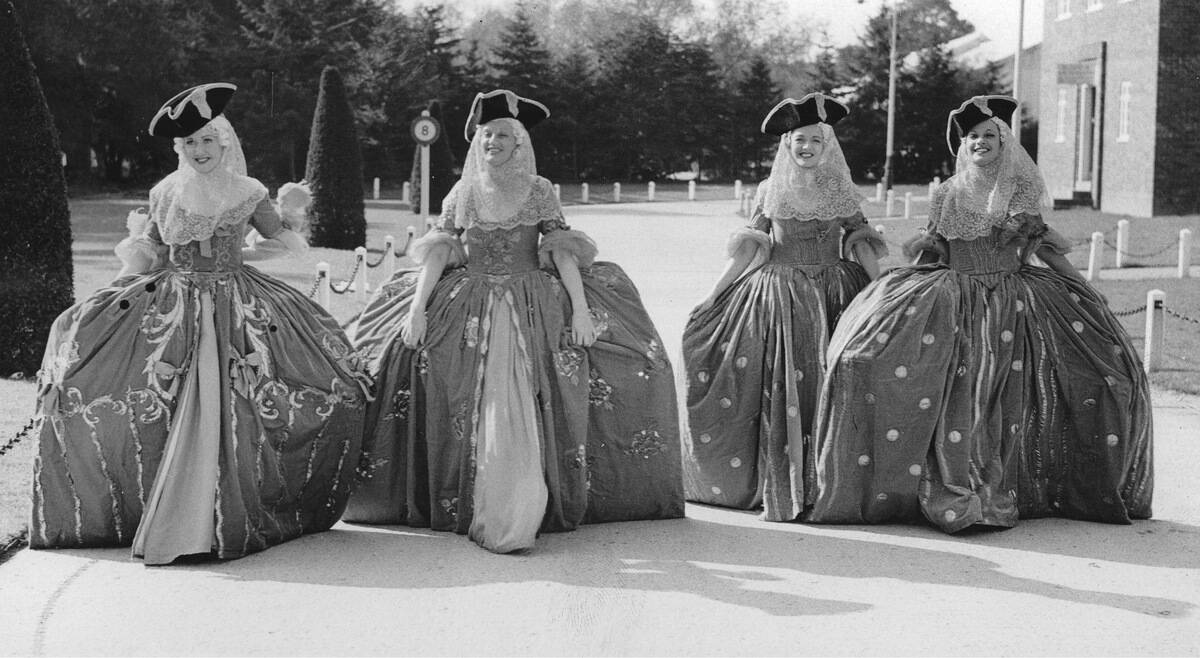
Hoop skirts, or crinolines, were all the rage in the mid-1800s, creating a dramatic, bell-shaped silhouette. These skirts were supported by a framework of hoops, typically made of steel or whalebone, allowing for a wide and voluminous appearance.
While they made for an impressive sight, navigating doorways and tight spaces was no small feat. Despite this, hoop skirts remained popular for their ability to emphasize a tiny waist and create a striking visual impact.
Cravats: The Predecessor to the Modern Tie
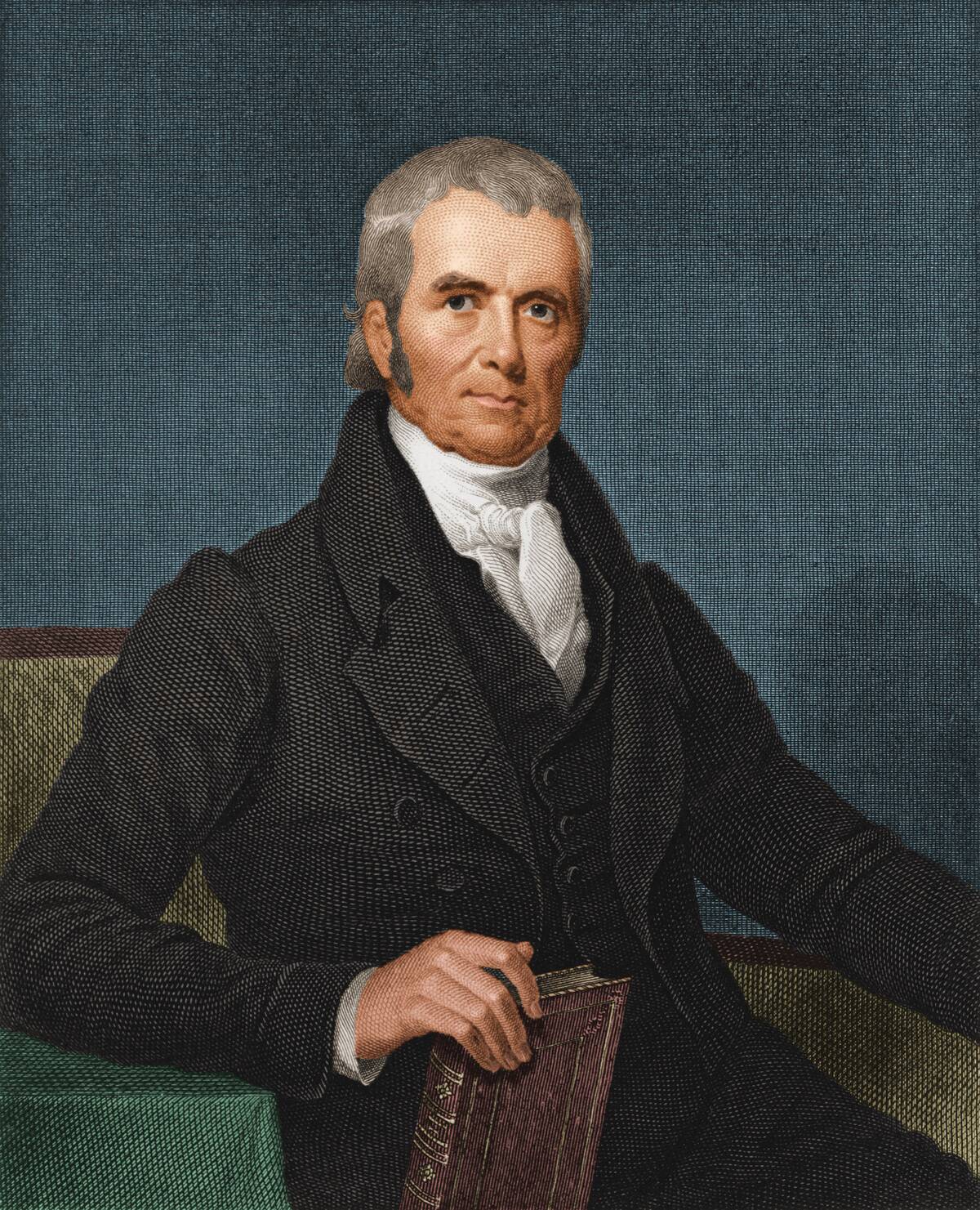
Cravats were the stylish neckwear of choice for men in the 17th and 18th centuries, predating the modern necktie. Originating from Croatian mercenaries, cravats were adopted by the French and soon became a fashionable accessory across Europe.
They were often made of fine fabrics like silk and intricately tied in various styles. Cravats added a touch of elegance and sophistication to men’s attire, setting the stage for the evolution of neckwear fashion.
Petticoats: Layers of History
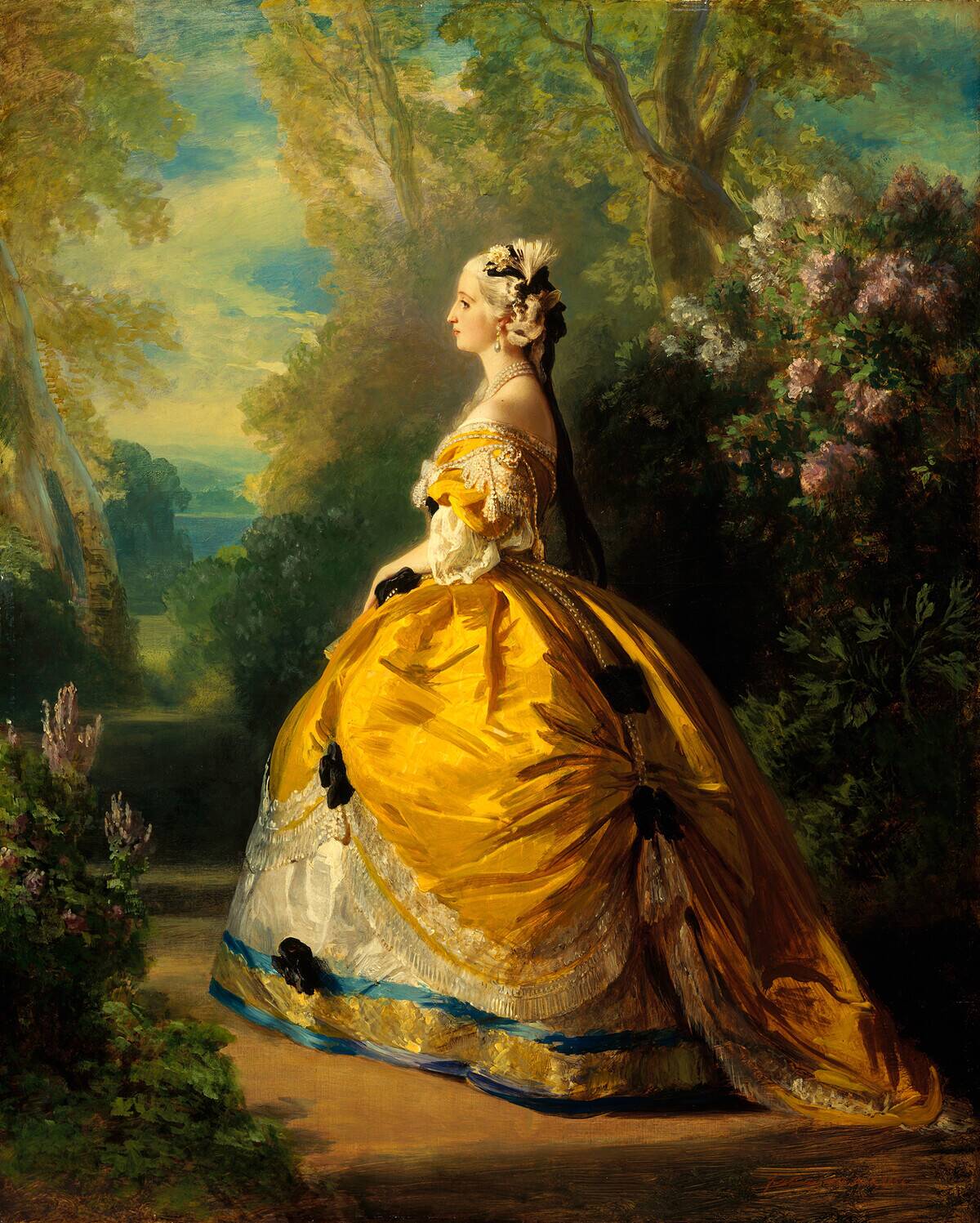
Petticoats have been an essential undergarment for centuries, adding volume and warmth to skirts and dresses. In the 19th century, they were often worn in multiple layers to achieve the desired fullness.
Made from materials like cotton and linen, petticoats were sometimes adorned with lace and embroidery for a decorative touch. They played a crucial role in shaping the silhouette of women’s fashion, providing structure and support to outer garments.
Bustles: The Art of Backside Enhancement
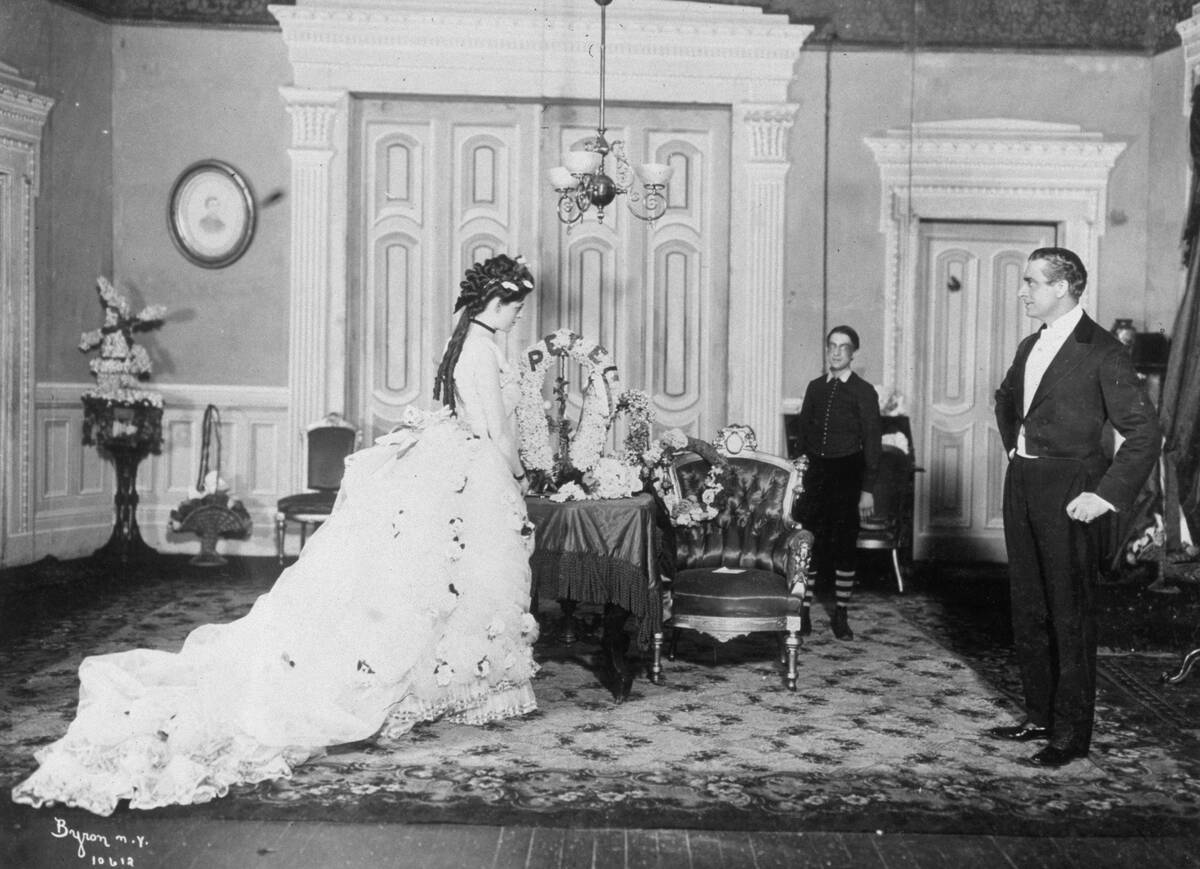
Bustles were a key fashion trend in the late 19th century, designed to enhance the backside of a woman’s dress. These padded undergarments were worn at the back of the waist and created a pronounced curve, accentuating the hips.
Bustles were often made of horsehair or down and were sometimes built into the skirt itself. This fashion trend was a testament to the Victorian era’s fascination with exaggerated silhouettes and intricate dressmaking.
Doublets: A Renaissance Staple
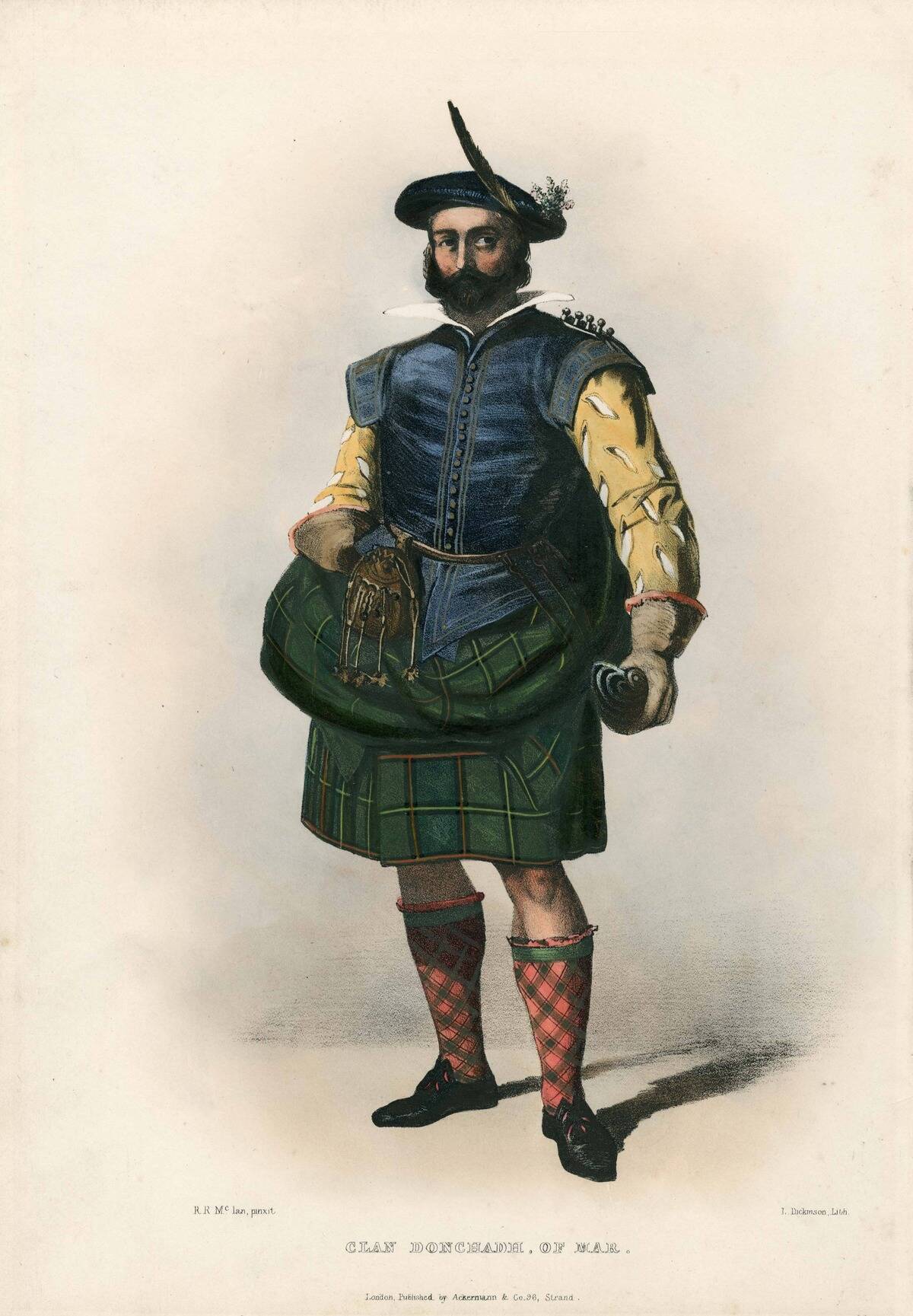
Doublets were the go-to outerwear for men during the Renaissance, offering both style and protection. These snug-fitting jackets were typically made from wool or leather and featured intricate embroidery and slashing.
Doublets were often paired with hose and were a symbol of status and wealth. They evolved over time, with variations in length and decoration, reflecting the changing tastes of the period. Doublets remain an iconic representation of Renaissance fashion.
Spats: Footwear Fashion of the Early 20th Century
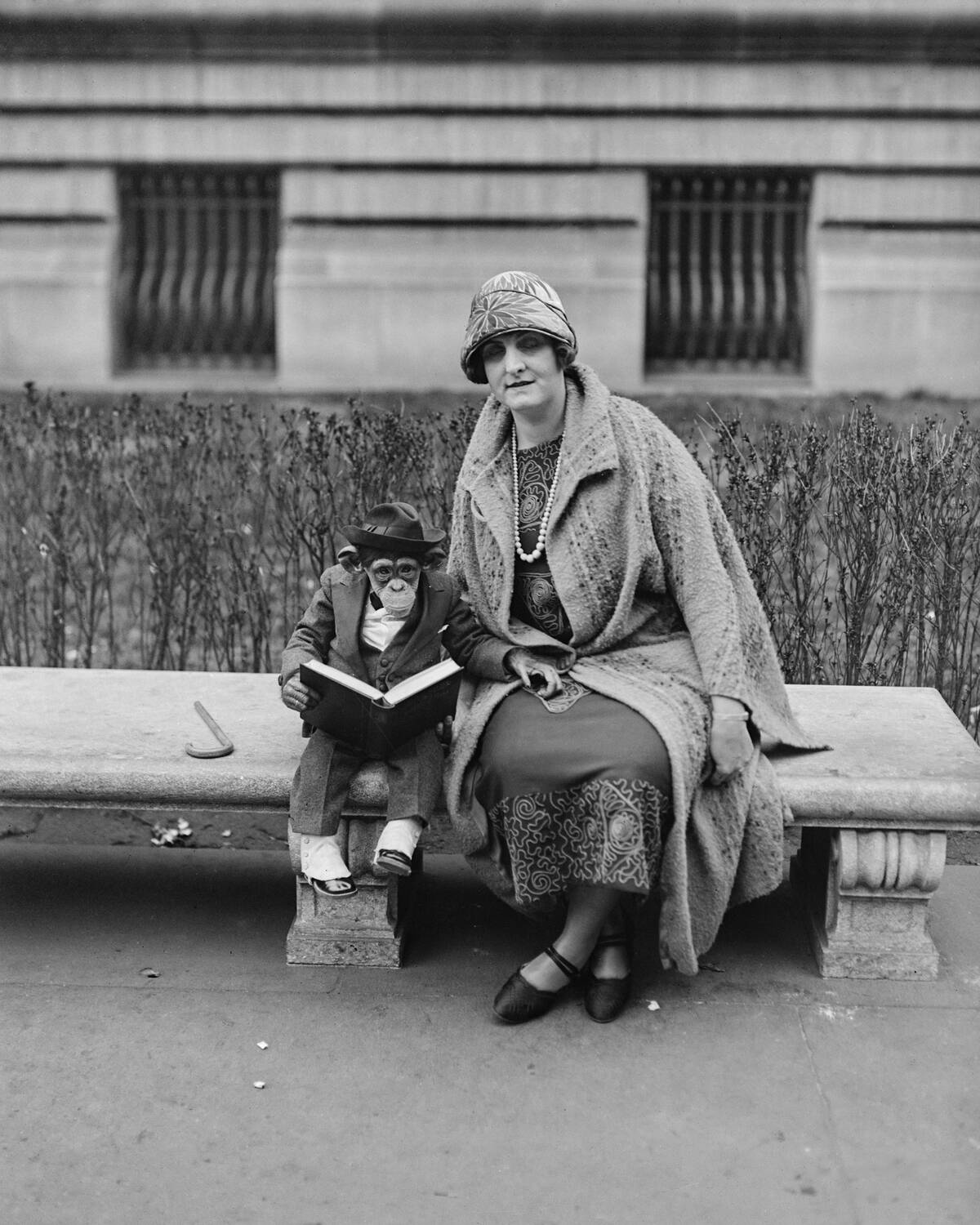
Spats, short for spatterdashes, were a fashionable footwear accessory in the early 20th century. These fabric or leather coverings were worn over shoes, extending from the ankle to the instep. Spats were primarily used to protect shoes from dirt and mud, but they quickly became a style statement.
Often seen in shades of white or gray, spats added a touch of elegance to men’s formal wear and were a staple in the wardrobes of the well-dressed gentleman.
Ascots: The Quintessential Gentleman’s Accessory
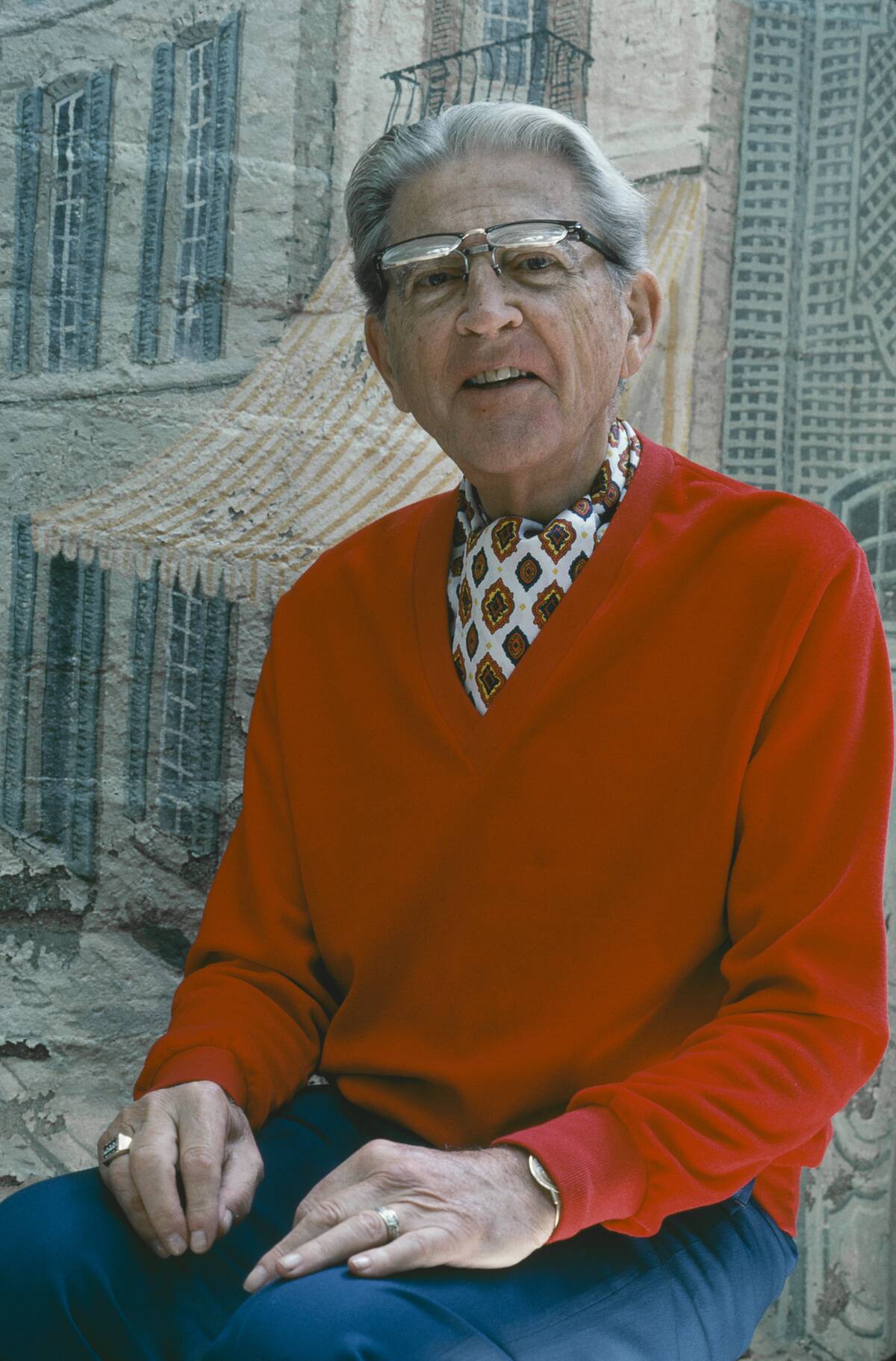
Ascots have long been associated with sophistication and class, often worn by gentlemen attending formal events. This type of neckwear is characterized by its wide, flat appearance and is typically made from silk.
Ascots are tied loosely around the neck and tucked into the shirt, offering a relaxed yet refined look. They gained popularity in the late 19th and early 20th centuries and continue to be a symbol of timeless elegance in men’s fashion.
Pinafores: From Practical to Fashionable
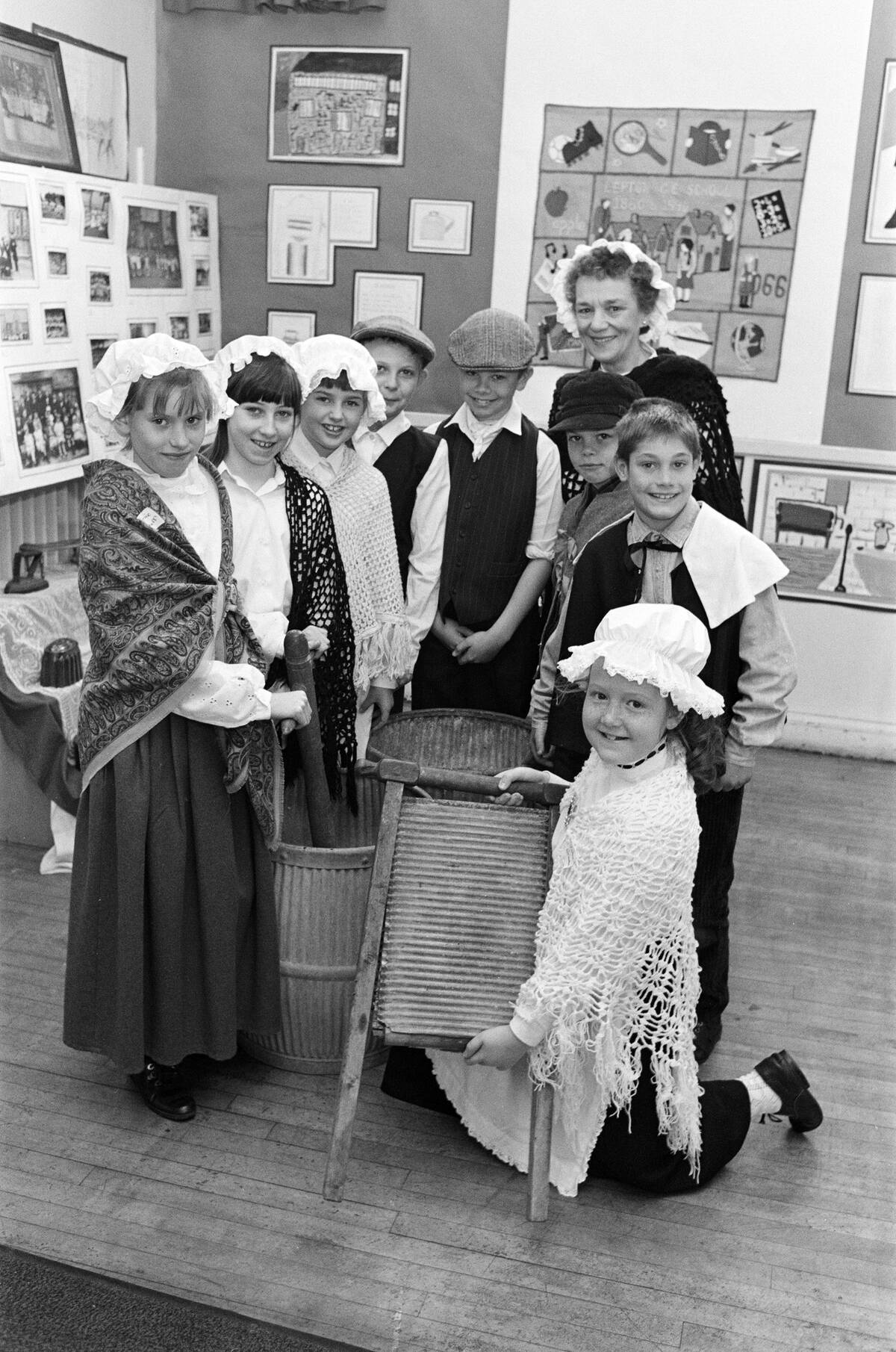
Originally designed as a practical garment to protect clothing, pinafores have evolved into a fashionable item in their own right. These sleeveless garments are worn over a dress or blouse, often featuring decorative elements like ruffles and embroidery.
Pinafores gained popularity in the 19th century as children’s wear but have since become a versatile piece in women’s fashion. They offer a charming, vintage-inspired look that continues to be embraced by fashion enthusiasts today.
Bowler Hats: The Iconic Headwear of the 1800s
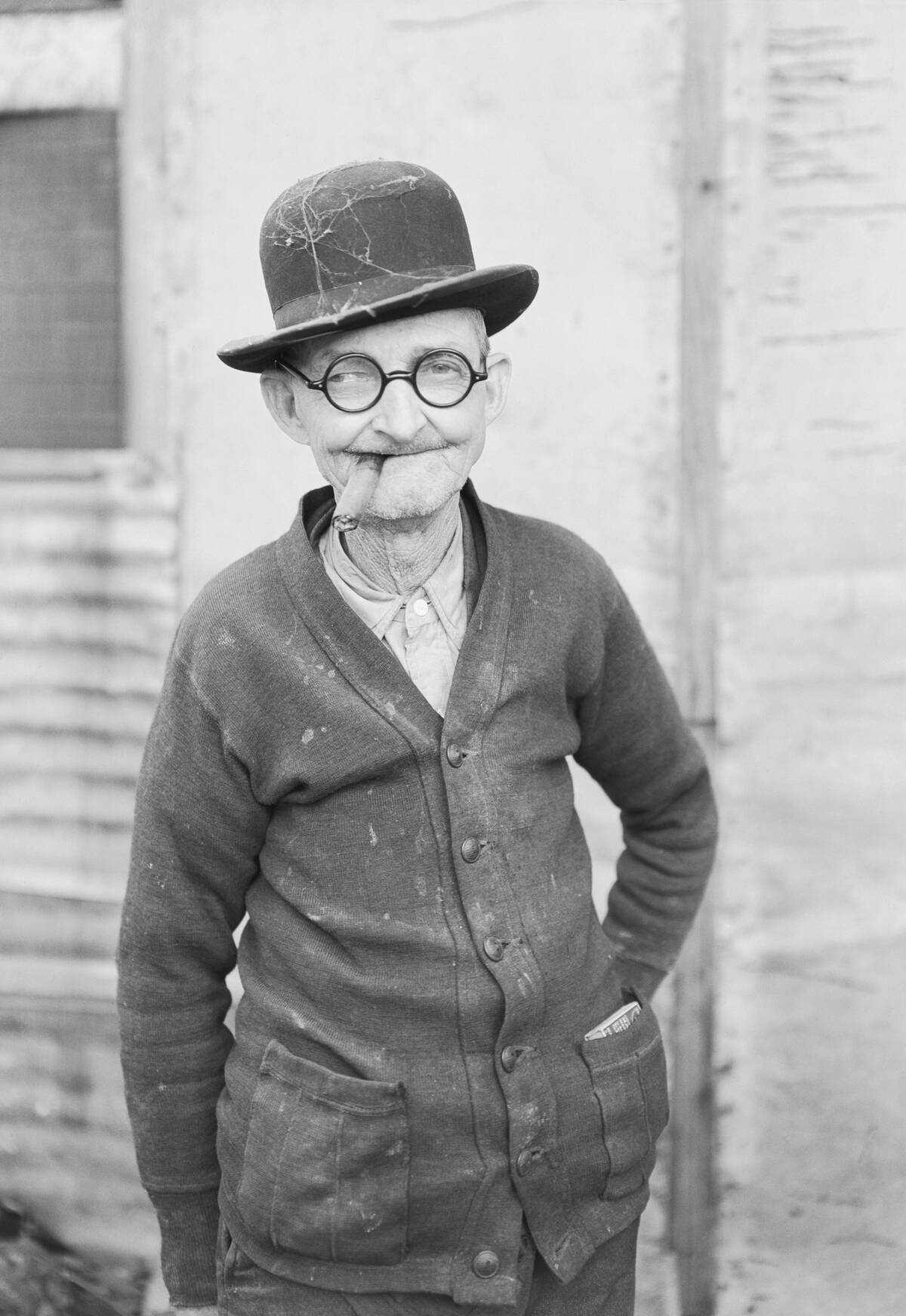
Bowler hats, also known as derby hats, were a staple of 19th-century fashion, particularly among the working and middle classes. Created by London hat-makers Thomas and William Bowler in 1849, these hats were designed to be durable and practical.
With their distinctive rounded crown and short brim, bowler hats became a symbol of British style and were famously worn by figures like Charlie Chaplin. They remain an enduring icon of classic headwear.
Fedoras: The Hat That Defined an Era
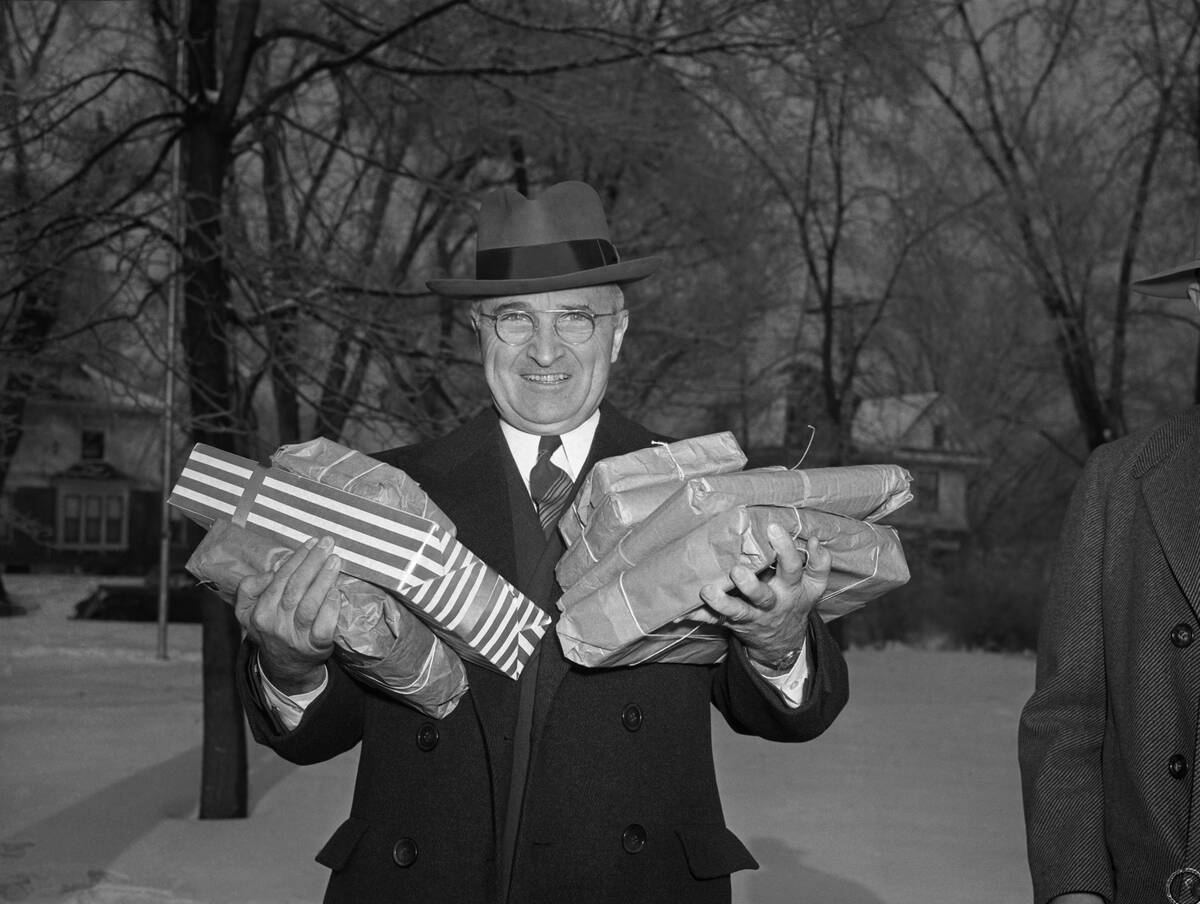
Fedoras have been a symbol of style and sophistication since the early 20th century. Characterized by their wide brim and indented crown, fedoras were originally worn by women before becoming a staple in men’s fashion.
They gained popularity in the 1920s and 1930s, often associated with gangsters and Hollywood stars. Made from felt, fedoras offered both style and practicality, providing protection from the elements while adding a touch of elegance to any outfit.
Girdles: Shaping the 20th Century Silhouette
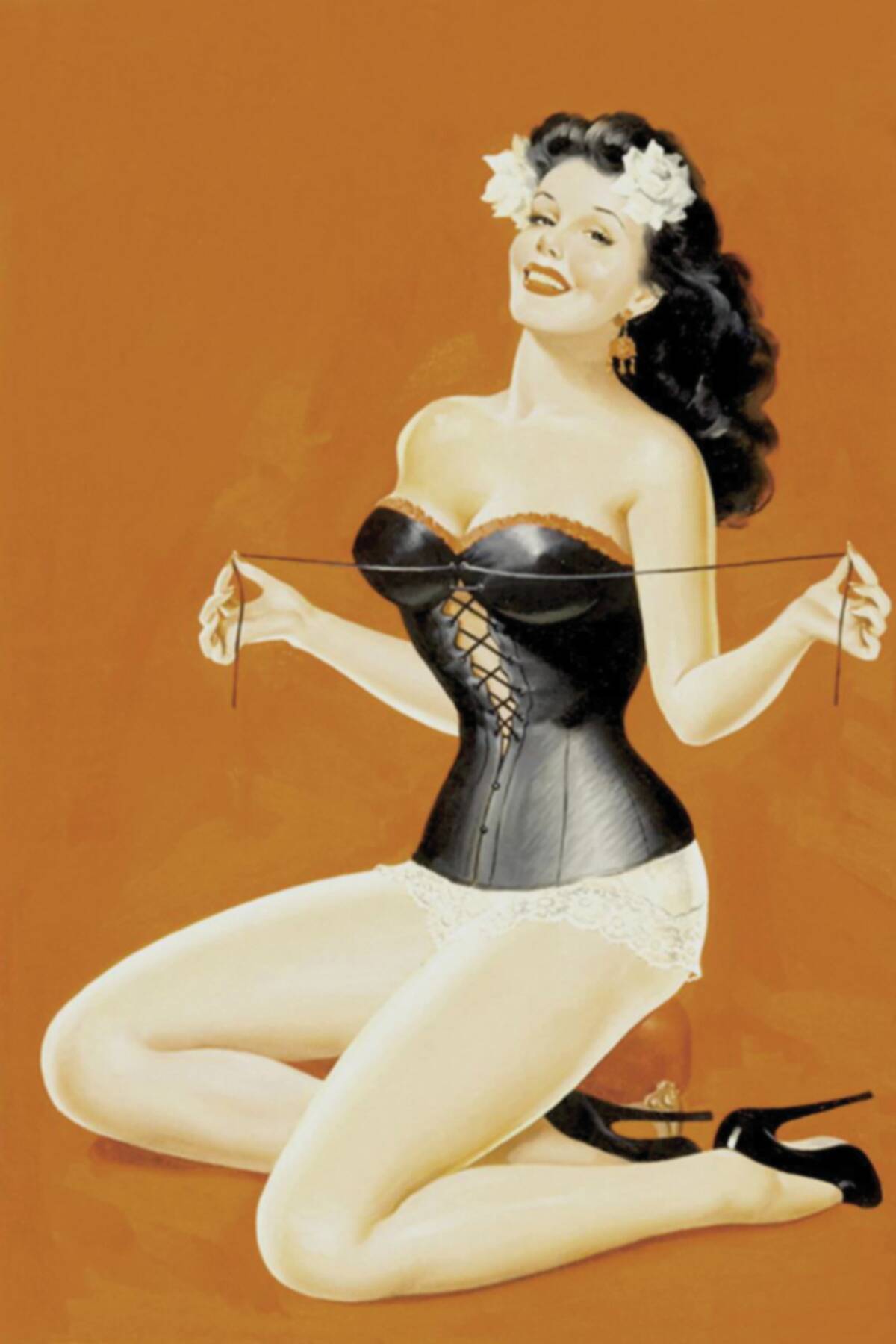
Girdles were an essential undergarment for women in the mid-20th century, designed to shape and smooth the figure. Made from elasticized fabrics, girdles provided support and created a streamlined silhouette, often worn under dresses and skirts.
They were particularly popular in the 1950s, emphasizing the hourglass shape that was in vogue at the time. While less common today, girdles played a significant role in the evolution of women’s fashion and body image.
Leg Warmers: The 1980s Fitness Craze
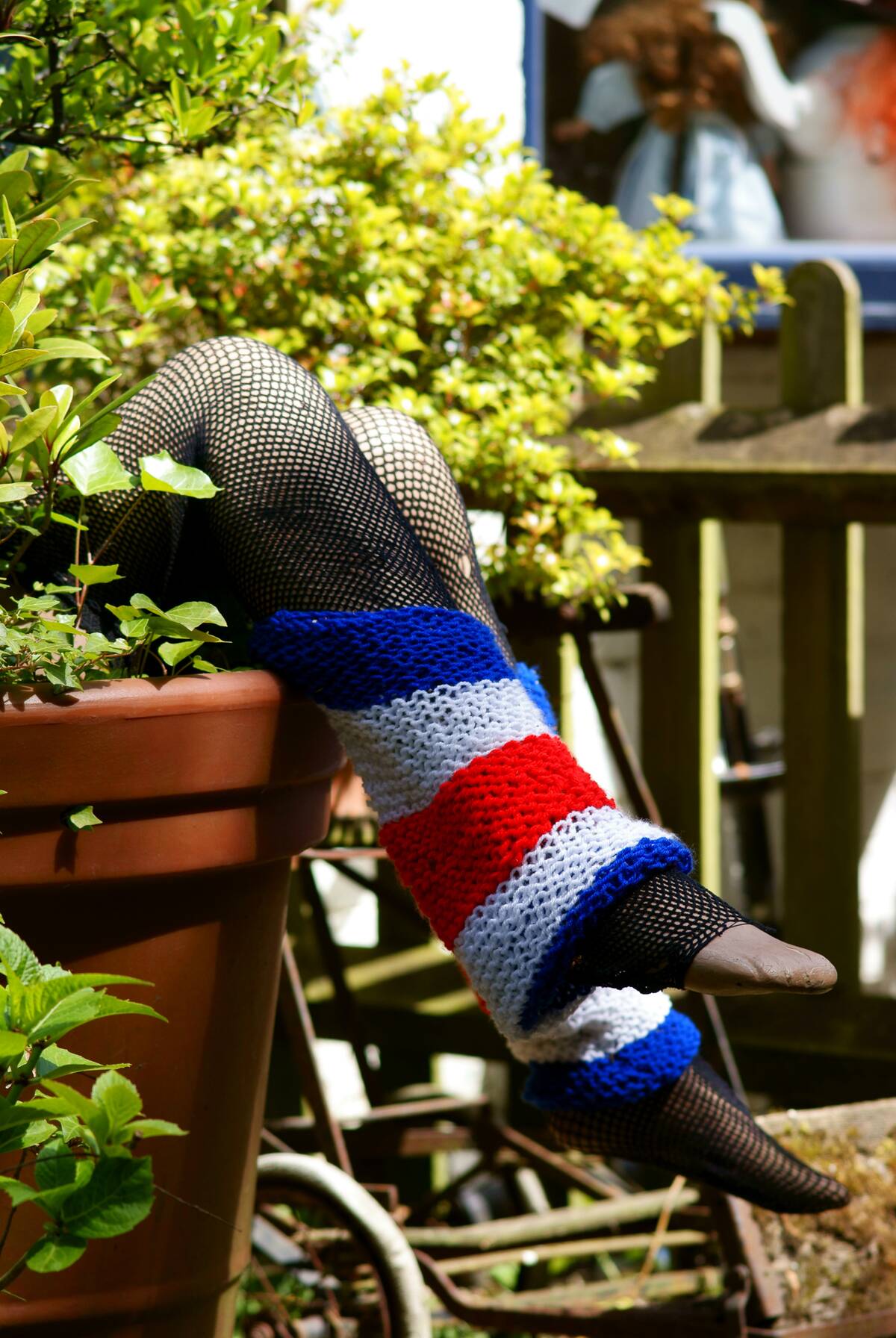
Leg warmers became a fashion phenomenon in the 1980s, thanks in part to the aerobics craze and films like ‘Flashdance.’ Originally designed to keep dancers’ muscles warm, leg warmers quickly transitioned into a trendy accessory worn over leggings or tights.
Available in a variety of colors and patterns, they were a fun and functional addition to any workout ensemble. Leg warmers remain a nostalgic symbol of 1980s fashion, embodying the era’s vibrant and energetic spirit.
Shoulder Pads: Power Dressing in the 1980s
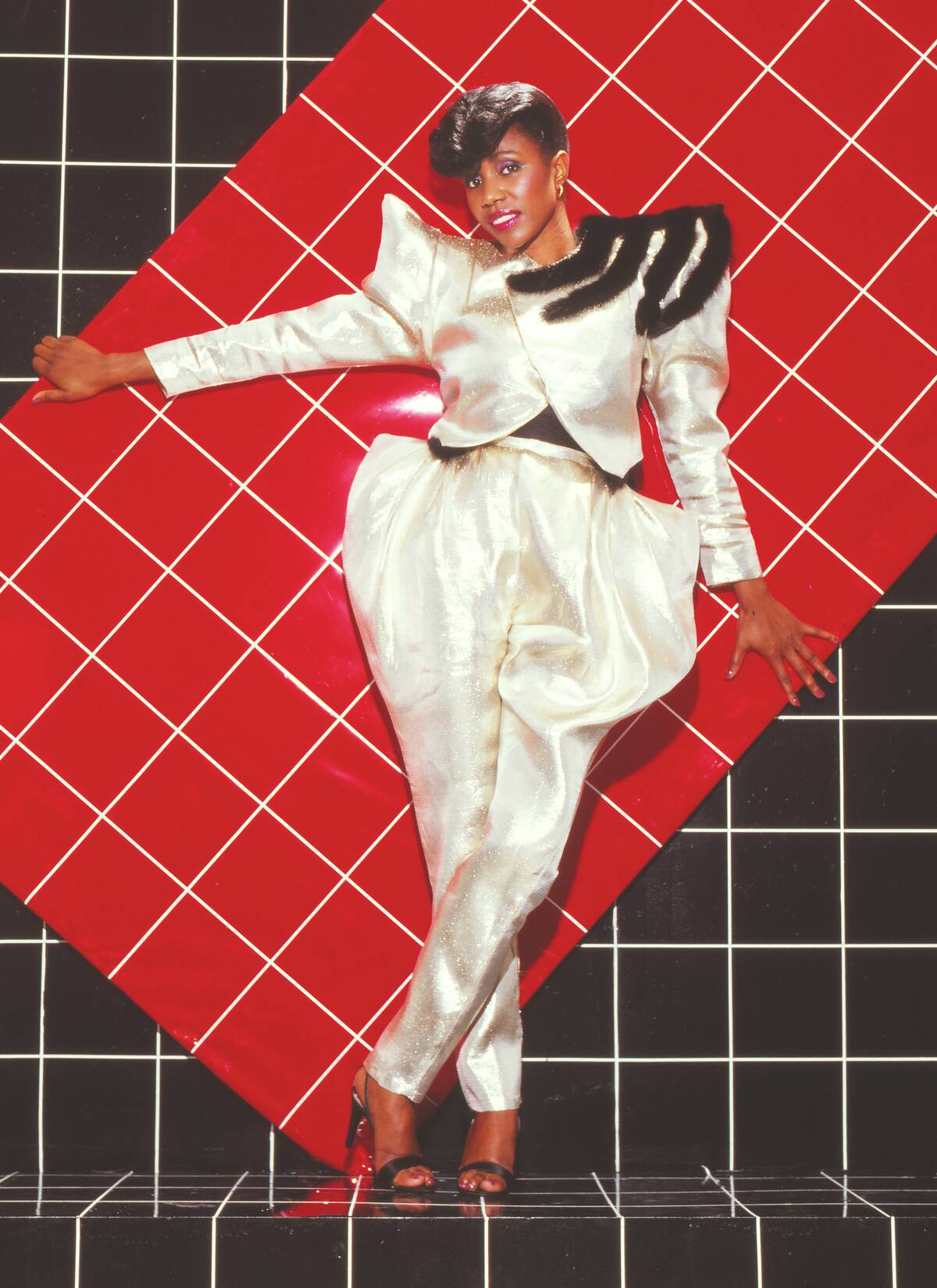
Shoulder pads were a defining feature of 1980s fashion, symbolizing power and authority in the workplace. These foam or fabric inserts were sewn into the shoulders of blazers, dresses, and tops, creating a broad-shouldered silhouette.
Popularized by TV shows like ‘Dynasty,’ shoulder pads became synonymous with the era’s ‘power dressing’ trend. They represented a shift in women’s fashion towards more structured and assertive styles, reflecting the changing roles of women in society.
Zoot Suits: The Bold Statement of the 1940s
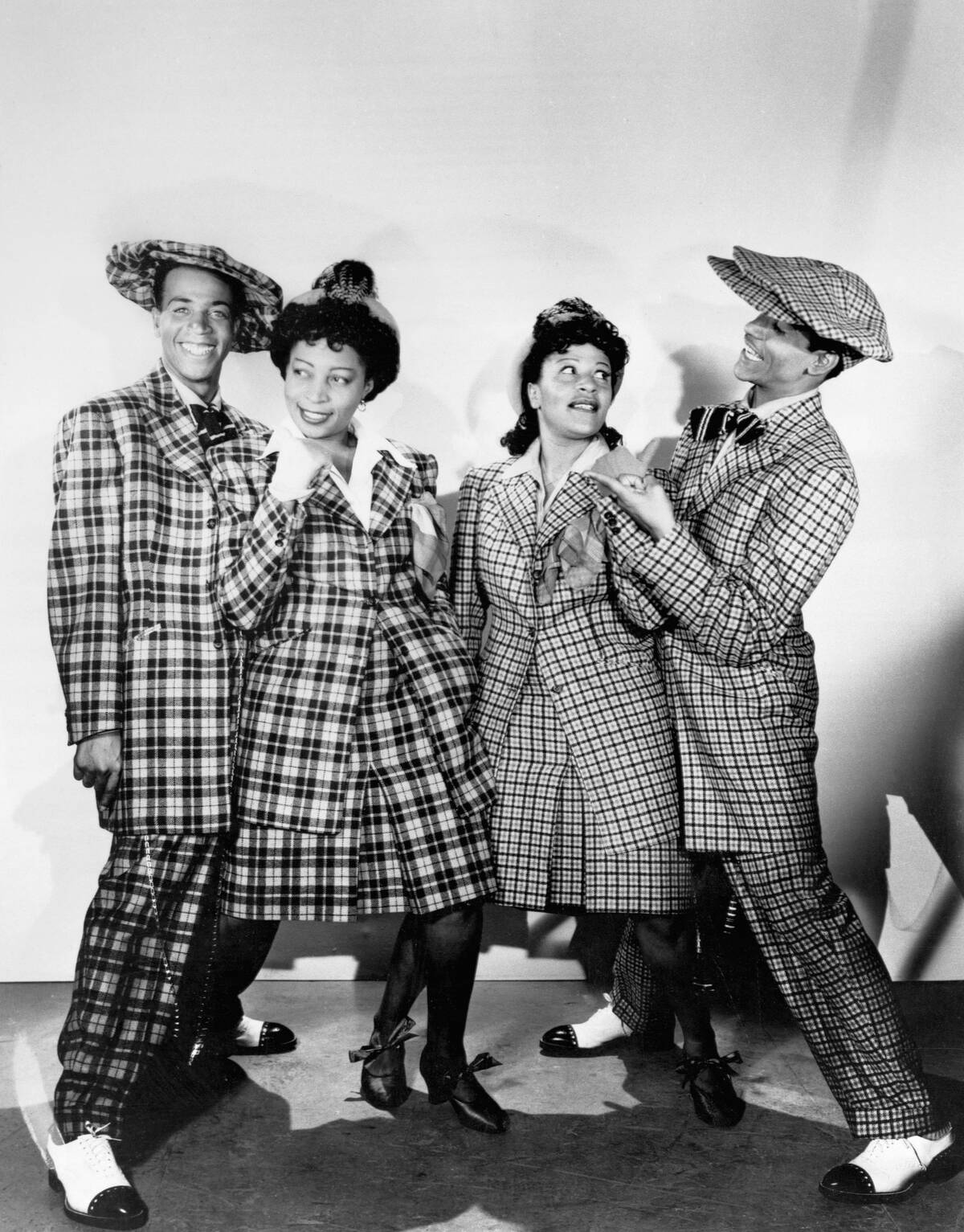
Zoot suits were a bold and rebellious fashion statement in the 1940s, characterized by their exaggerated proportions and vibrant colors. These suits featured high-waisted, wide-legged trousers and long, oversized jackets, often paired with wide-brimmed hats.
Popular among African American, Mexican American, and Italian American communities, zoot suits were a symbol of cultural identity and resistance. Despite their controversial history, zoot suits remain an iconic representation of 1940s fashion and social change.
Nehru Jackets: The 1960s Eastern Influence
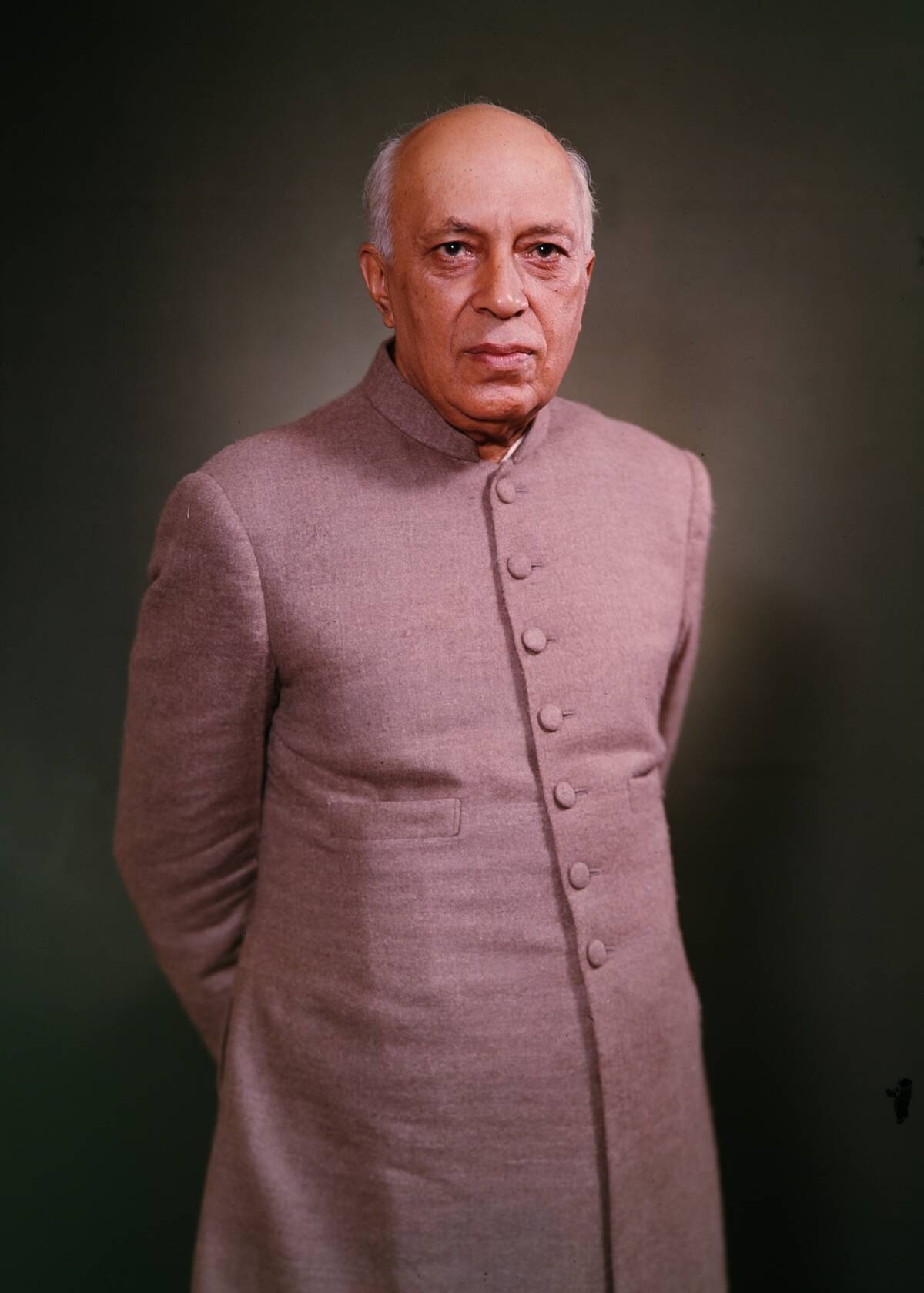
Nehru jackets gained popularity in the 1960s, inspired by the traditional attire of India’s first Prime Minister, Jawaharlal Nehru. These hip-length jackets are characterized by their mandarin collar and buttoned front, offering a sleek and minimalist look.
Nehru jackets became a fashion trend in the West, embraced by musicians like The Beatles and celebrities seeking an exotic and sophisticated style. They continue to be a symbol of Eastern influence in global fashion.
Bell-Bottoms: The Flared Fashion of the 1970s
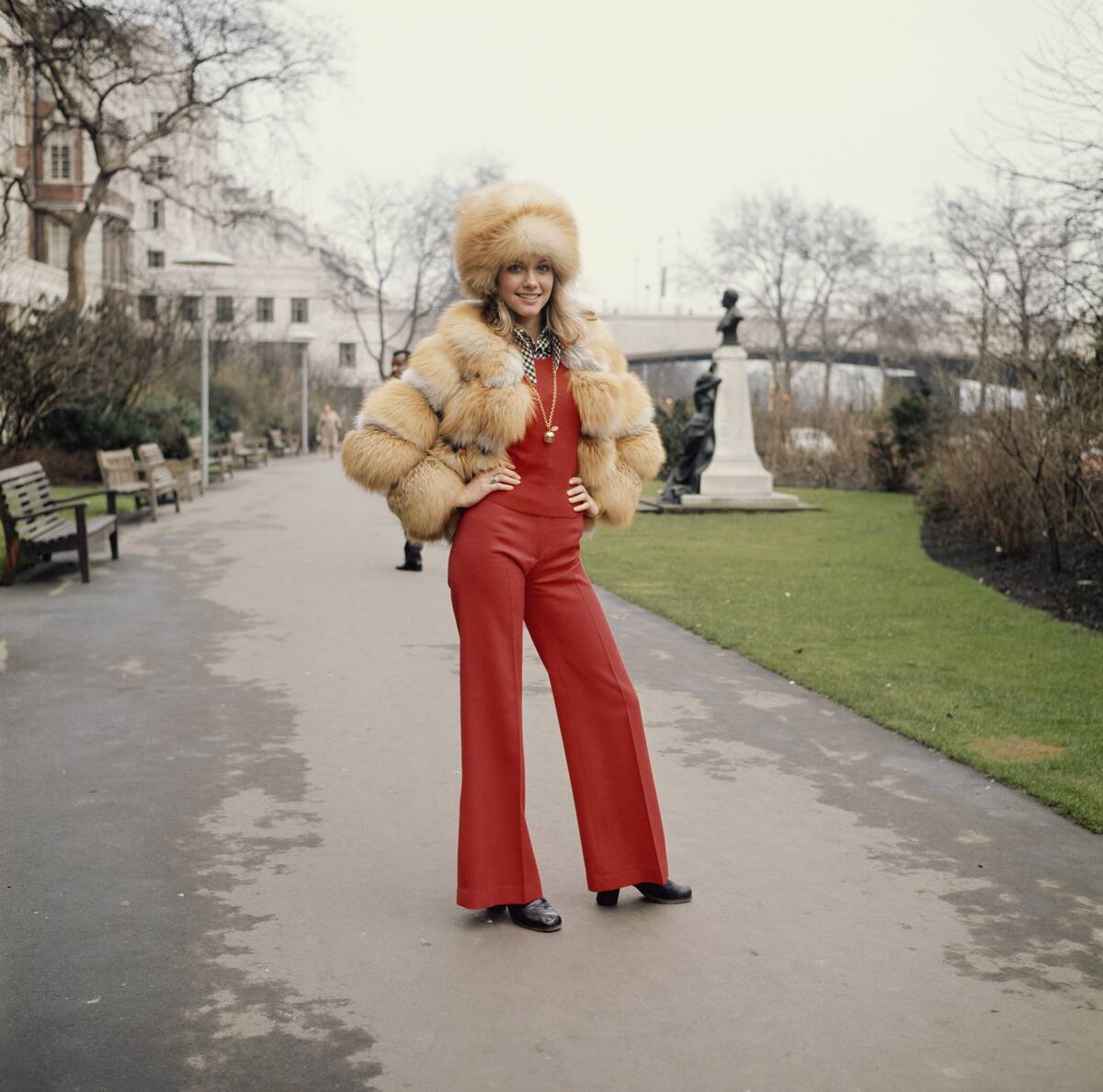
Bell-bottoms were a defining trend of the 1970s, known for their distinctive flared legs that widened from the knee down. Originally worn by sailors for practical reasons, bell-bottoms became a symbol of counterculture and free-spirited fashion.
Made from denim or brightly patterned fabrics, they were often paired with platform shoes and colorful tops. Bell-bottoms remain an iconic representation of 1970s style, embodying the era’s embrace of individuality and self-expression.




