The world’s most impressive buildings before 1990
Architecture has always been a testament to human creativity and ingenuity. Before 1990, the world saw the rise of some of the most iconic structures that continue to captivate us today.
These architectural wonders not only showcase the artistic and engineering prowess of their creators but also tell stories of the cultures and eras they emerged from. From ancient marvels to modernist visions, each structure holds a unique place in history, inviting us to explore their fascinating tales.
The Timeless Charm of the Eiffel Tower
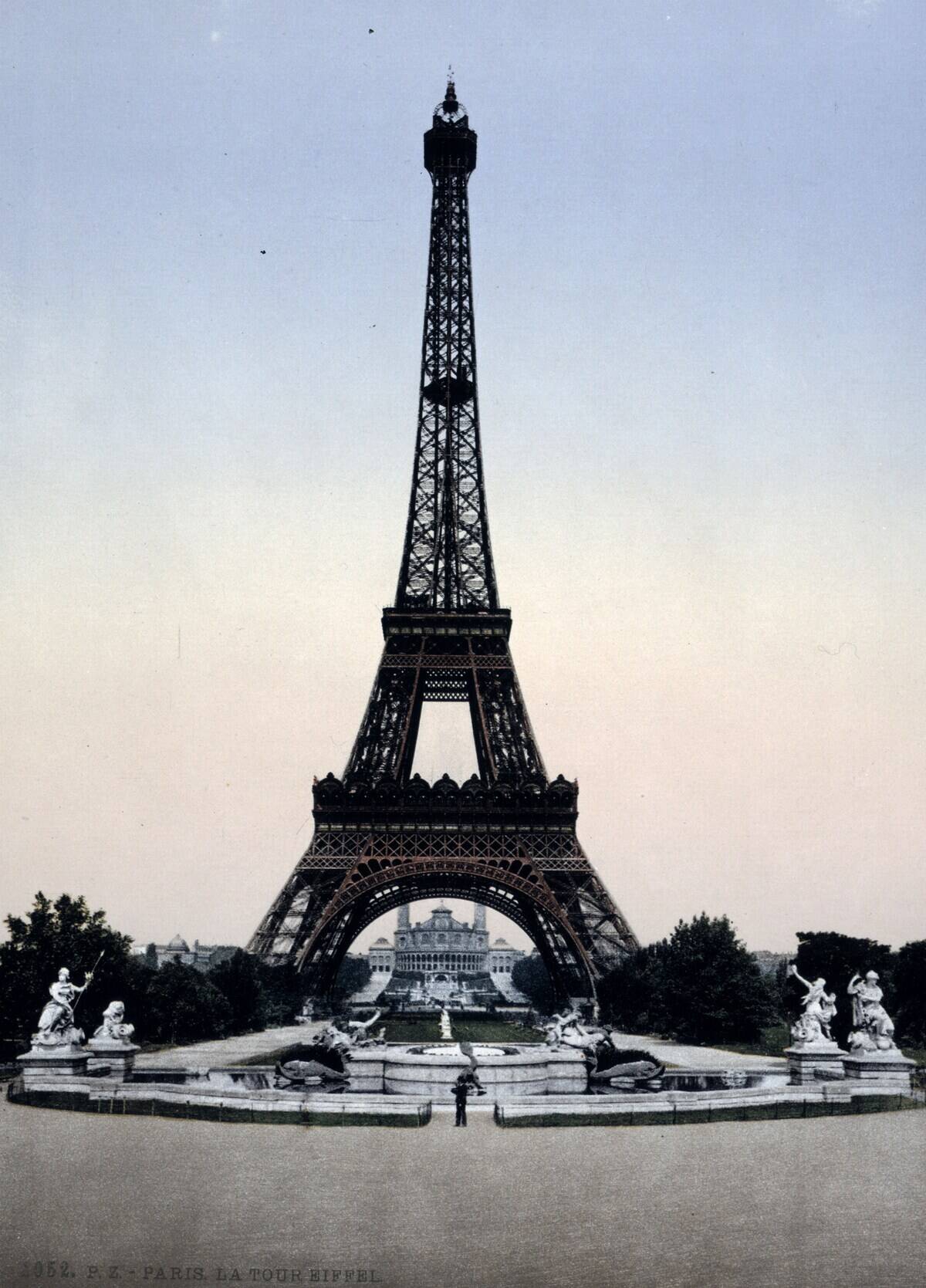
The Eiffel Tower, completed in 1889, stands as a symbol of Paris and a masterpiece of iron architecture. Designed by Gustave Eiffel, it was initially met with criticism but has since become one of the most visited monuments in the world.
Its lattice structure, which was revolutionary at the time, allows it to withstand strong winds, a testament to its engineering brilliance. Today, the Eiffel Tower continues to enchant millions of visitors with its breathtaking views and romantic allure.
The Majestic Grandeur of the Taj Mahal
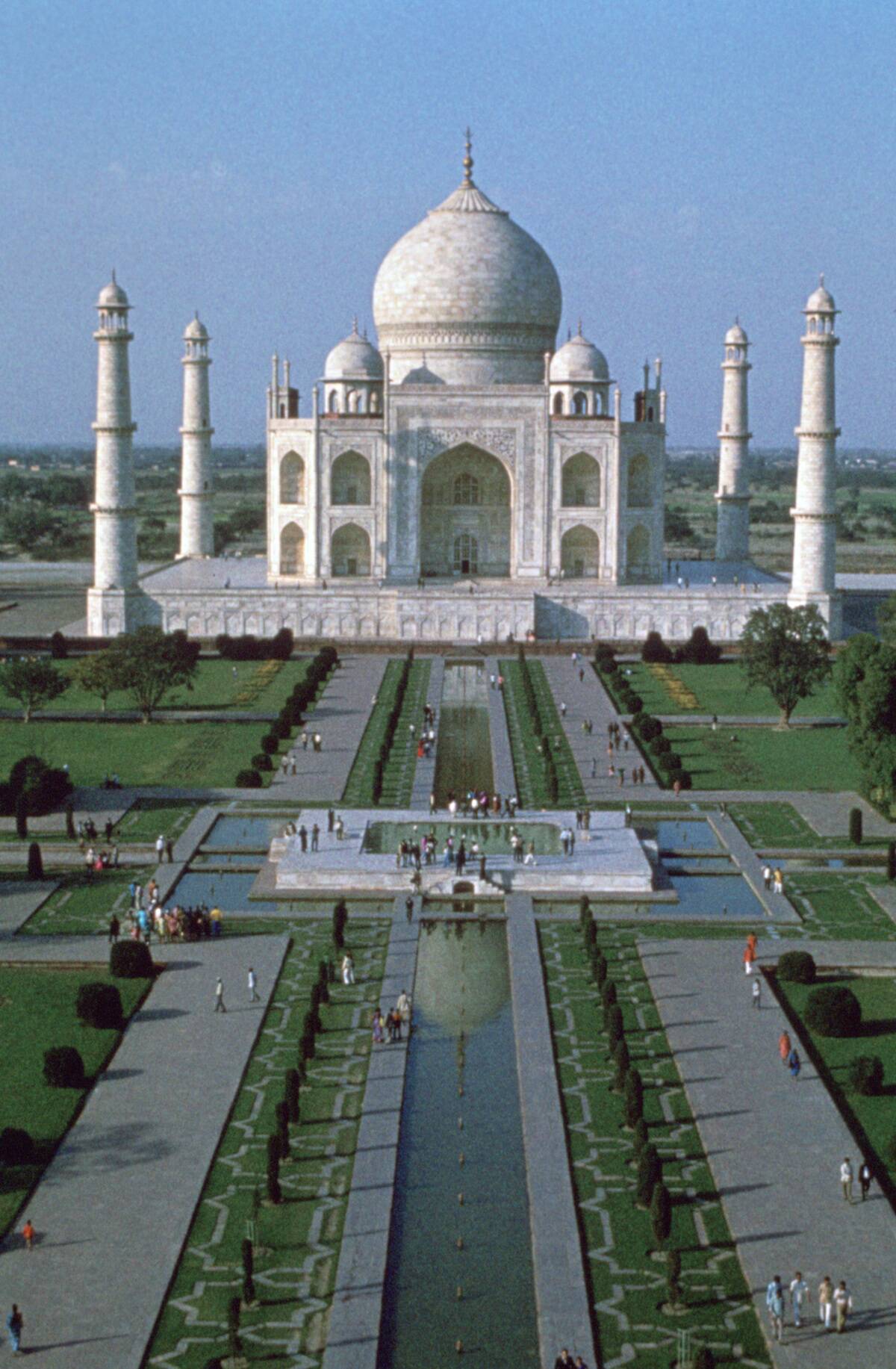
The Taj Mahal, a UNESCO World Heritage Site, was commissioned around 1632 by Mughal Emperor Shah Jahan in memory of his wife Mumtaz Mahal. This ivory-white marble mausoleum is renowned for its symmetrical beauty and intricate carvings.
The central dome, surrounded by four minarets, is an architectural marvel that reflects the pinnacle of Mughal architecture. As the sun sets, the Taj Mahal’s façade changes hues, offering a mesmerizing spectacle that draws visitors from around the world.
The Colossal Beauty of the Great Wall of China

The Great Wall of China extends for more than 13,000 miles when including all of its sections, trenches, and defensive structures built across different periods. Constructed over several dynasties, the most famous and well-preserved sections were built during the Ming Dynasty.
This vast defensive system was primarily created to protect against invasions and raids while also helping control movement along China’s northern borders. Built through the efforts of countless workers over centuries, the wall stands as a testament to human perseverance and remains a breathtaking feat of historical engineering.
The Gothic Splendor of Notre-Dame Cathedral
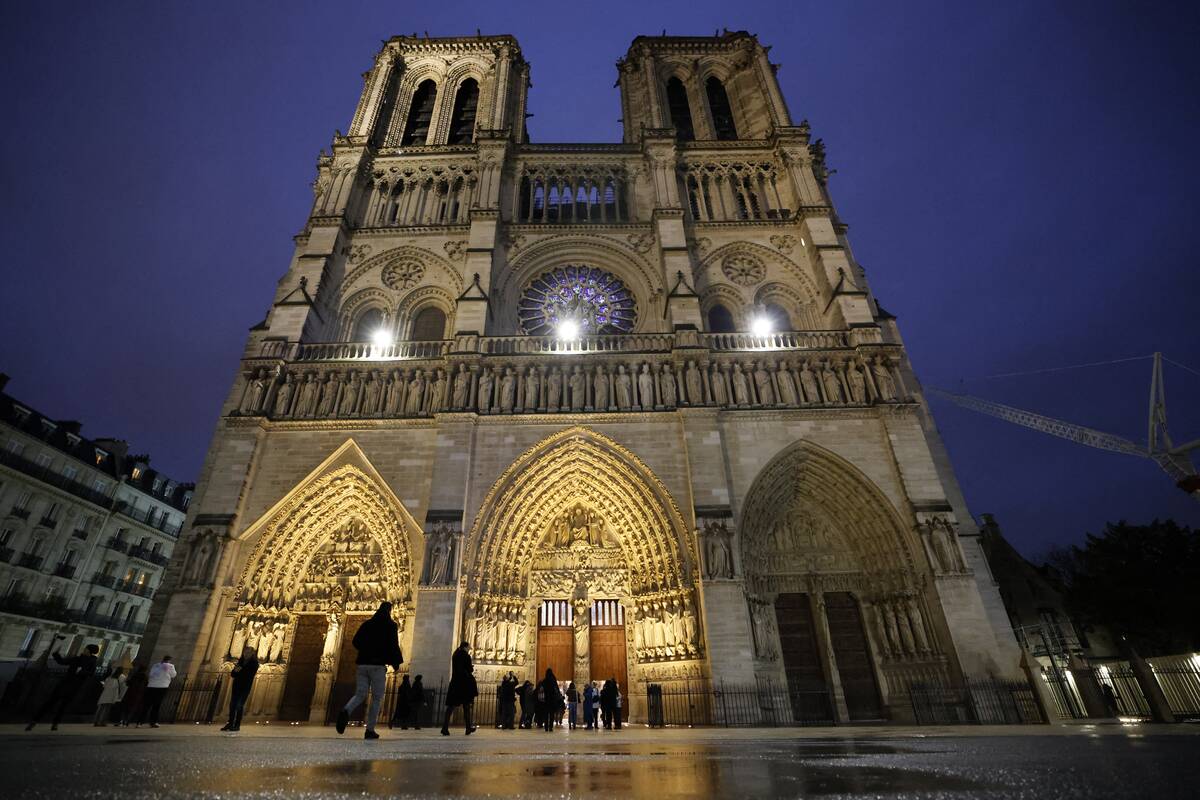
Notre-Dame Cathedral, with its iconic twin towers and flying buttresses, is a masterpiece of French Gothic architecture. Construction began in 1163 and the cathedral was largely completed by around 1260, with additional modifications and restorations continuing over the centuries.
The cathedral is famed for its stunning stained glass windows and the legendary gargoyles added during later restoration work. Despite the devastating fire in 2019, restoration efforts have been underway to restore this beloved landmark and ensure that its historical and cultural significance endures.
The Ancient Marvel of the Pyramids of Giza
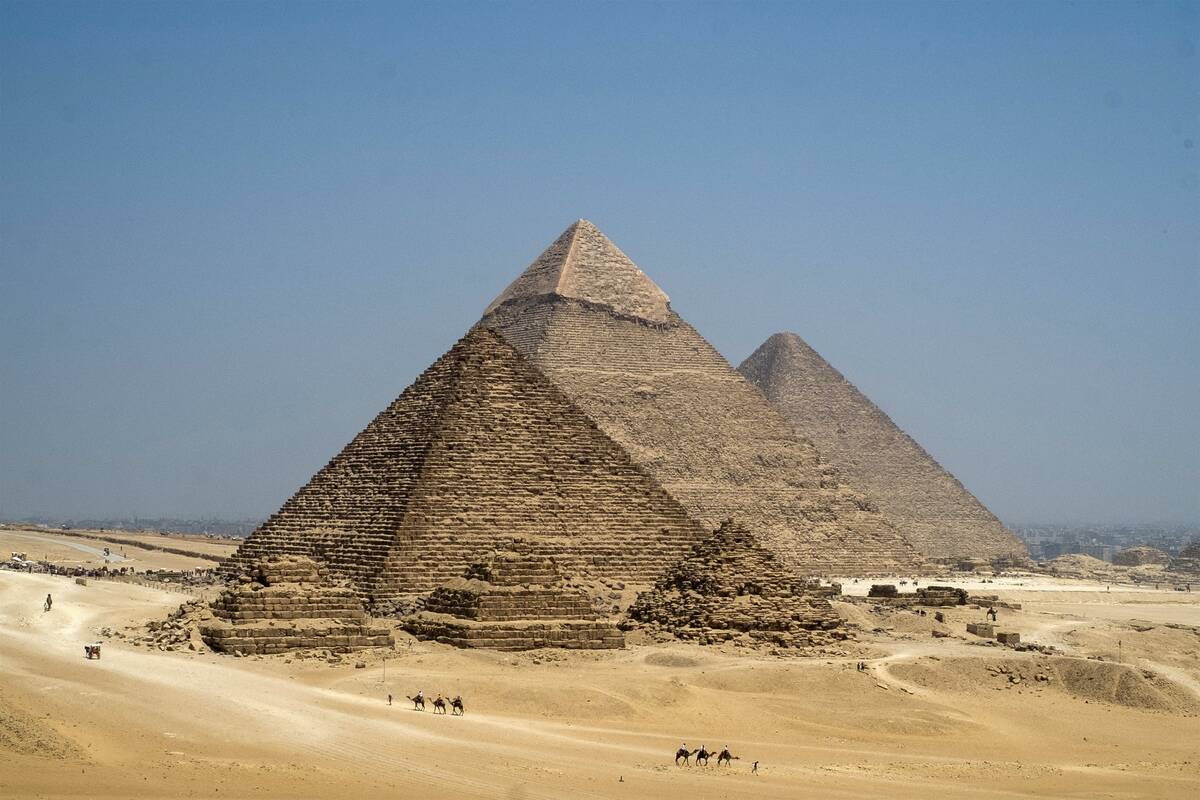
The Pyramids of Giza, built during Egypt’s Old Kingdom, are among the most iconic and enduring symbols of ancient civilization. The Great Pyramid, constructed for Pharaoh Khufu, is the largest and most famous of the three.
These pyramids were originally encased in smooth white limestone, giving them a brilliant appearance under the sun. Their precise alignment with the cardinal directions and the sheer scale of their construction continue to intrigue historians and archaeologists alike.
The Iconic Design of the Sydney Opera House
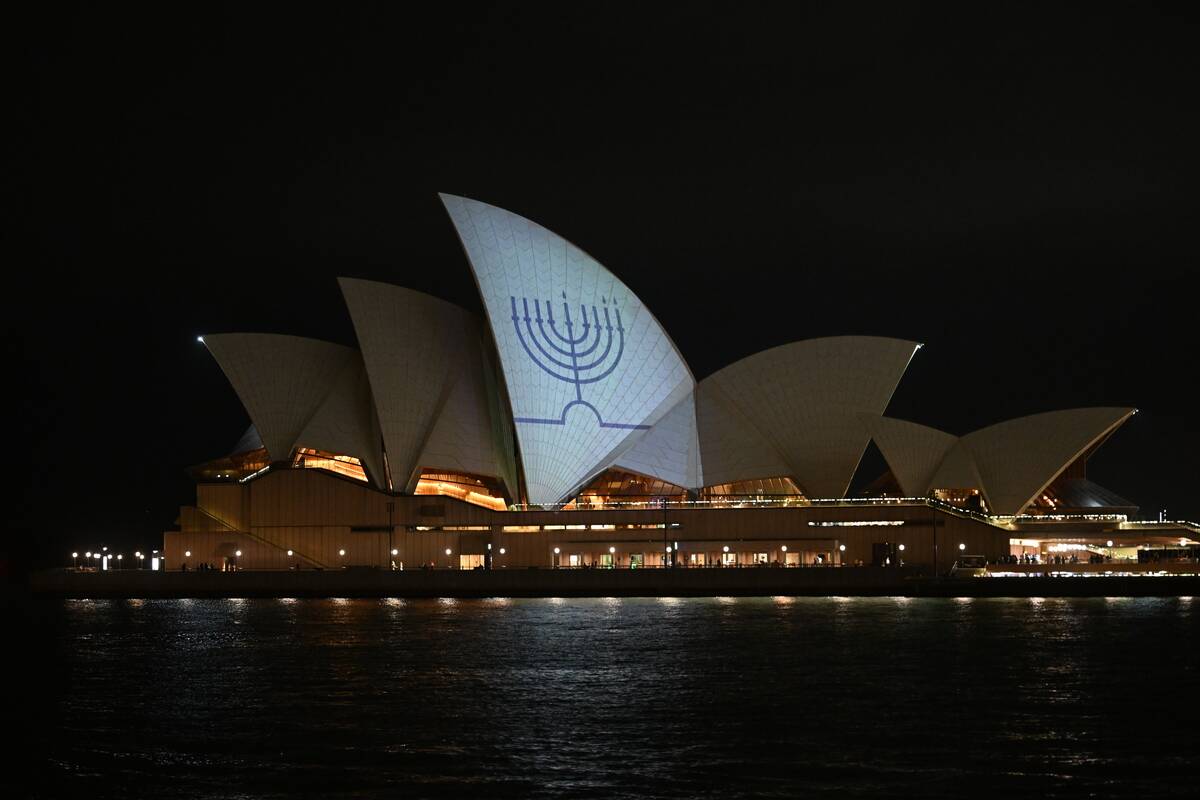
The Sydney Opera House, completed in 1973, is a marvel of modern architecture and a symbol of Australia. Designed by Danish architect Jørn Utzon, its distinctive sail-like shells are a feat of engineering.
The building’s innovative design and location on Bennelong Point make it a visual masterpiece. The Opera House hosts around 1,500 performances annually and attracts millions of visitors who come to experience its architectural beauty, performances, and cultural significance.
The Art Deco Elegance of the Empire State Building
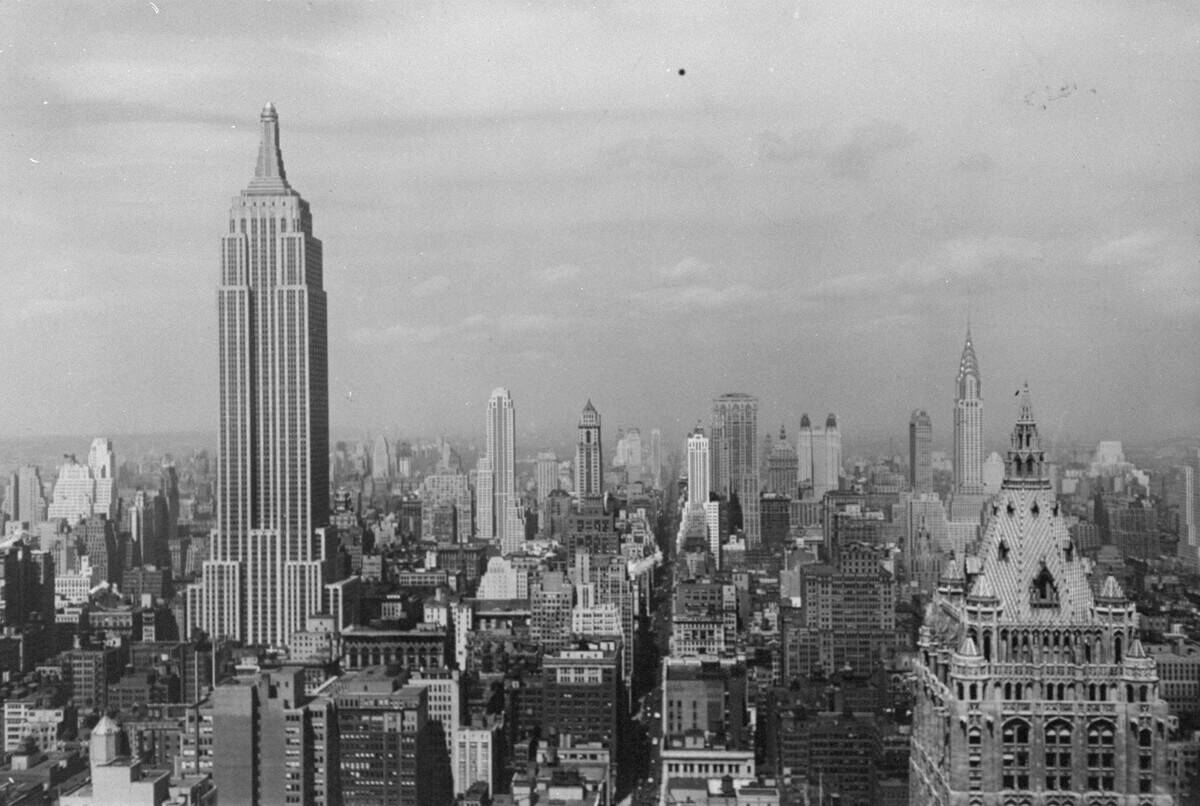
The Empire State Building, an Art Deco icon, was completed in 1931 and held the title of the world’s tallest building for nearly 40 years. Designed by Shreve, Lamb & Harmon, its construction was remarkably swift, taking about 20 months.
The building’s distinctive spire and limestone façade make it a quintessential part of the New York City skyline. The Empire State Building remains a popular tourist destination, offering panoramic views from its observation decks.
The Historic Significance of the Colosseum
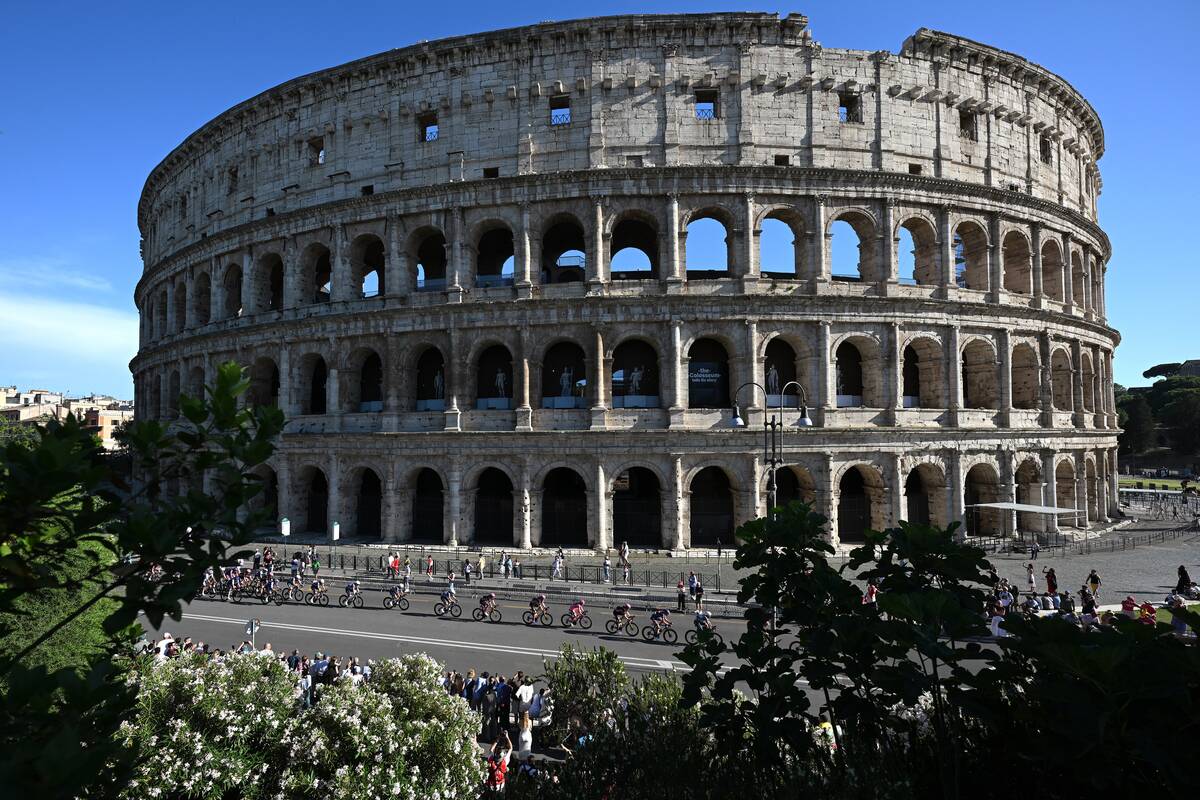
The Colosseum, also known as the Flavian Amphitheatre, is a testament to the architectural and engineering prowess of ancient Rome. Completed in AD 80, it could hold tens of thousands of spectators for gladiatorial contests and public spectacles.
The elliptical structure, with its complex system of vaults and arches, has influenced stadium design for centuries. Despite being partially ruined, the Colosseum remains a symbol of Rome’s imperial grandeur and a popular tourist attraction.
The Modernist Vision of the Guggenheim Museum
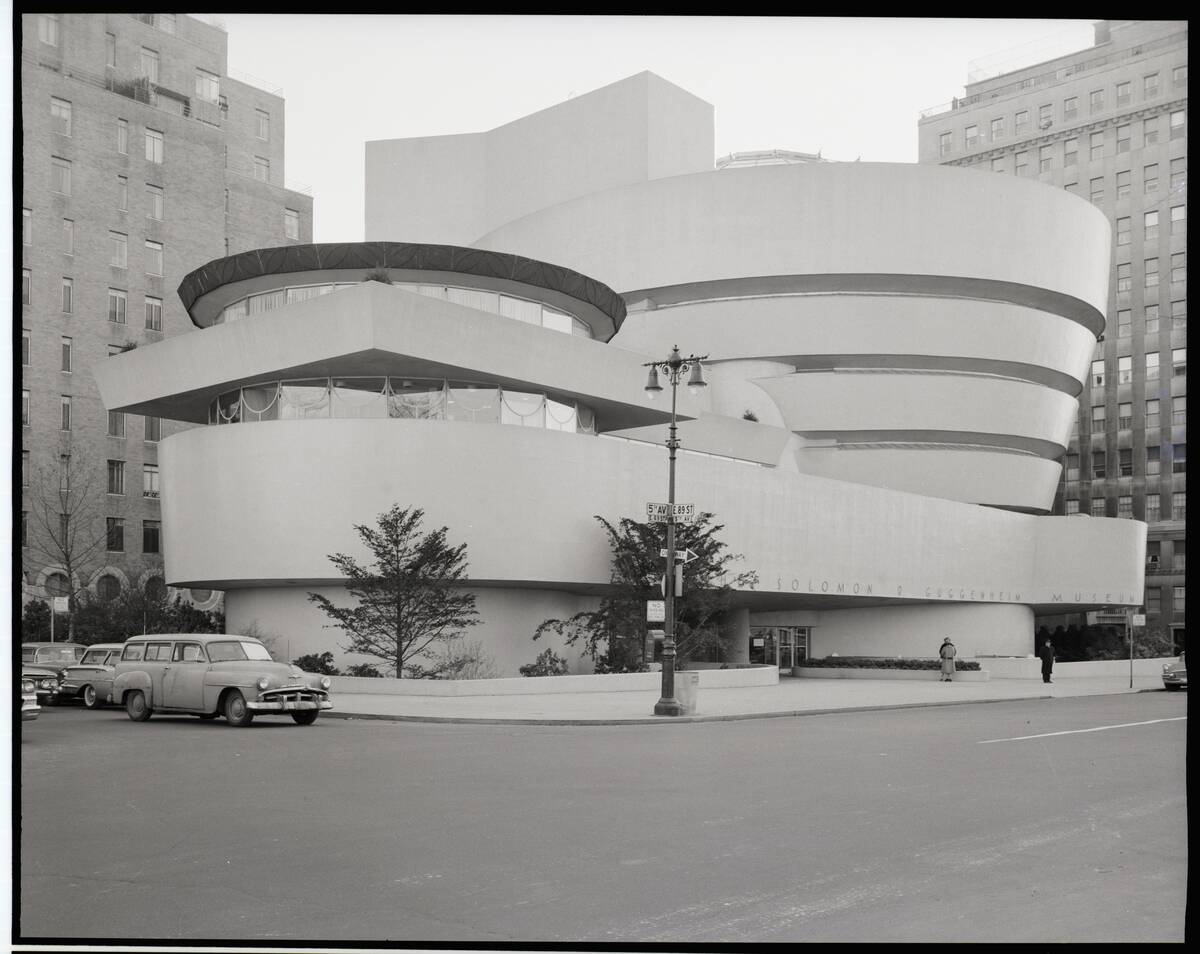
The Guggenheim Museum in New York, designed by Frank Lloyd Wright, is a masterpiece of modernist architecture. Completed in 1959, its unique spiral design challenged conventional museum layouts.
The building’s organic form, often compared to a nautilus shell, provides a continuous flow of space for displaying art. The Guggenheim’s innovative design and its role in showcasing modern and contemporary art make it a landmark of cultural and architectural significance.
The Cultural Heritage of the Forbidden City

The Forbidden City in Beijing served as the imperial palace for Chinese emperors from the Ming to the Qing dynasties. Constructed between 1406 and 1420 in the early 15th century, it is the largest surviving ancient palatial complex in the world.
The complex consists of nearly 1,000 buildings, showcasing traditional Chinese palatial architecture. As a UNESCO World Heritage Site, the Forbidden City is a symbol of China’s rich cultural heritage and continues to be a major tourist attraction.
The Architectural Innovation of the Fallingwater House
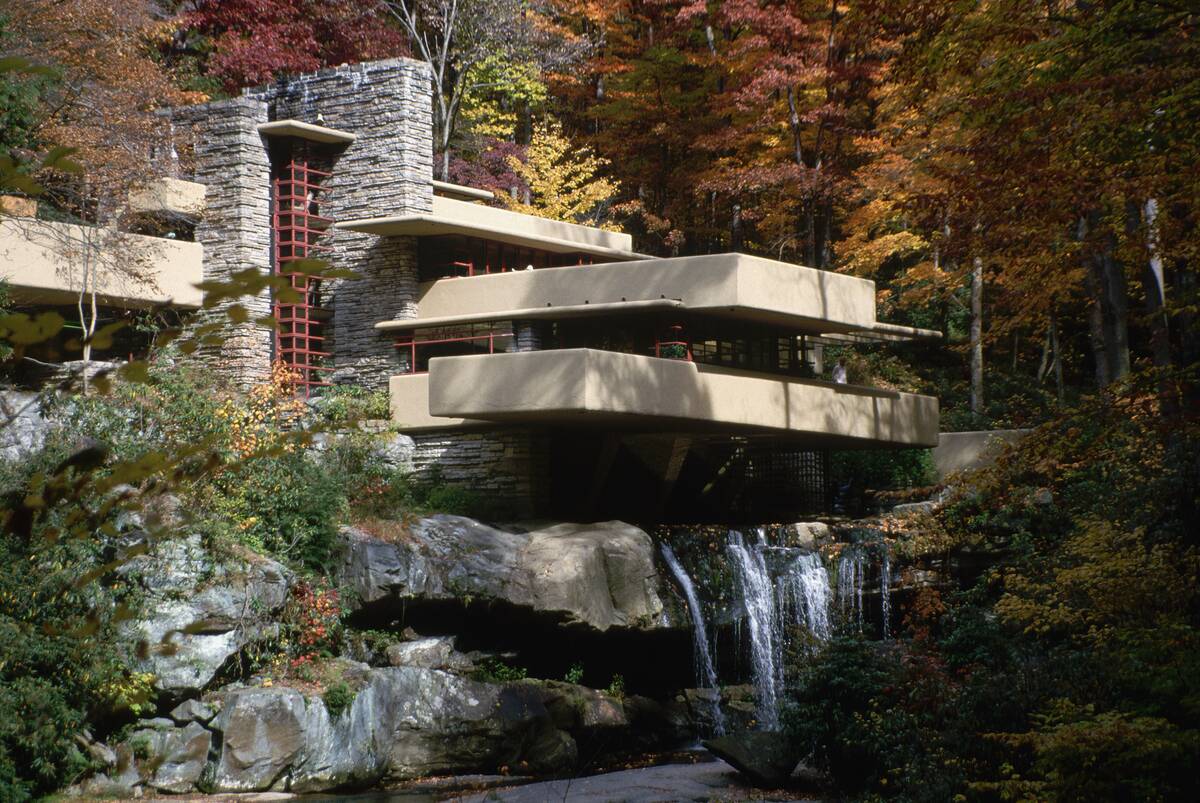
Fallingwater, designed by Frank Lloyd Wright in 1935, is a prime example of organic architecture, integrating harmoniously with its natural surroundings. Built over a waterfall in Pennsylvania, the house’s cantilevered design creates a sense of harmony with the landscape.
Fallingwater is celebrated for its innovative use of materials and its seamless blend of indoor and outdoor spaces. It remains one of Wright’s most acclaimed works and a testament to his visionary approach to architecture.
The Symbolic Structure of the Tower of Pisa
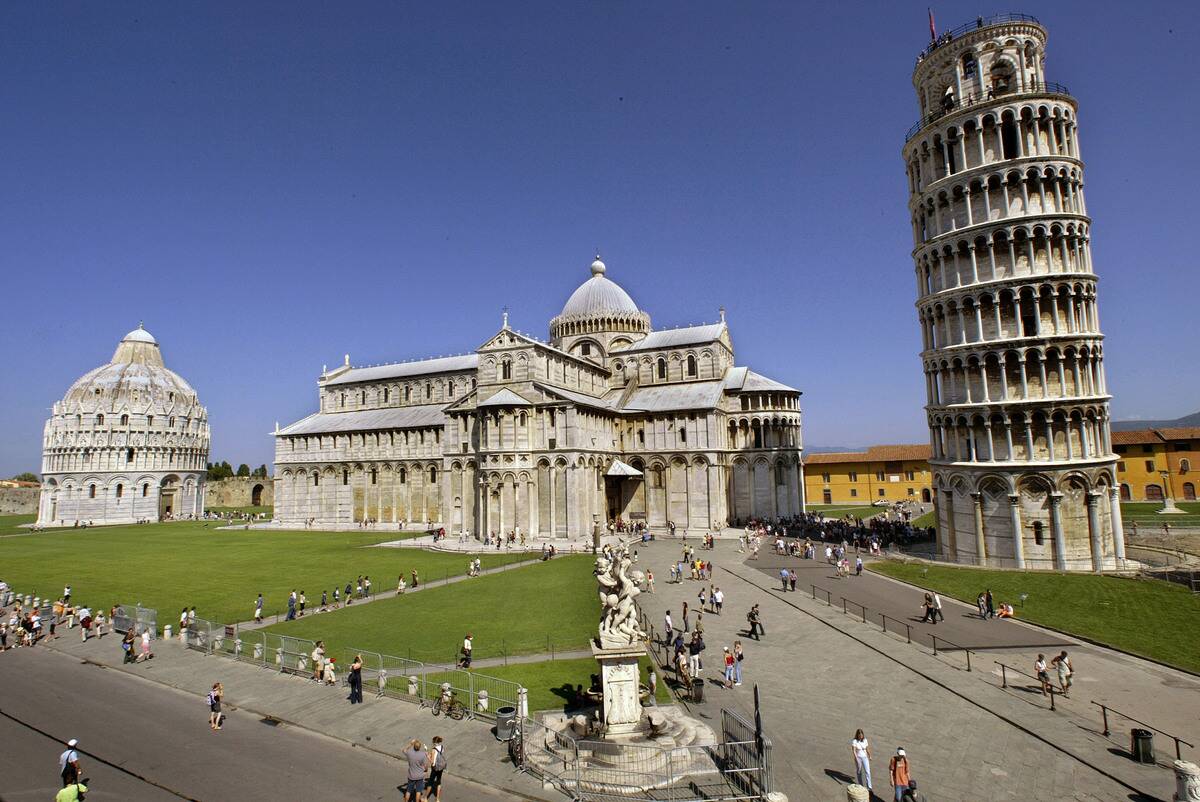
The Leaning Tower of Pisa, known for its unintended tilt, is an architectural anomaly that has fascinated visitors for centuries. Construction began in 1173, and the tower began leaning due to unstable foundation soil.
Despite its tilt, the tower has stood the test of time, thanks to restoration efforts that have stabilized it. The Leaning Tower remains a symbol of architectural resilience and a beloved landmark in Italy, drawing tourists from around the world.
The Spiritual Serenity of the Sagrada Familia
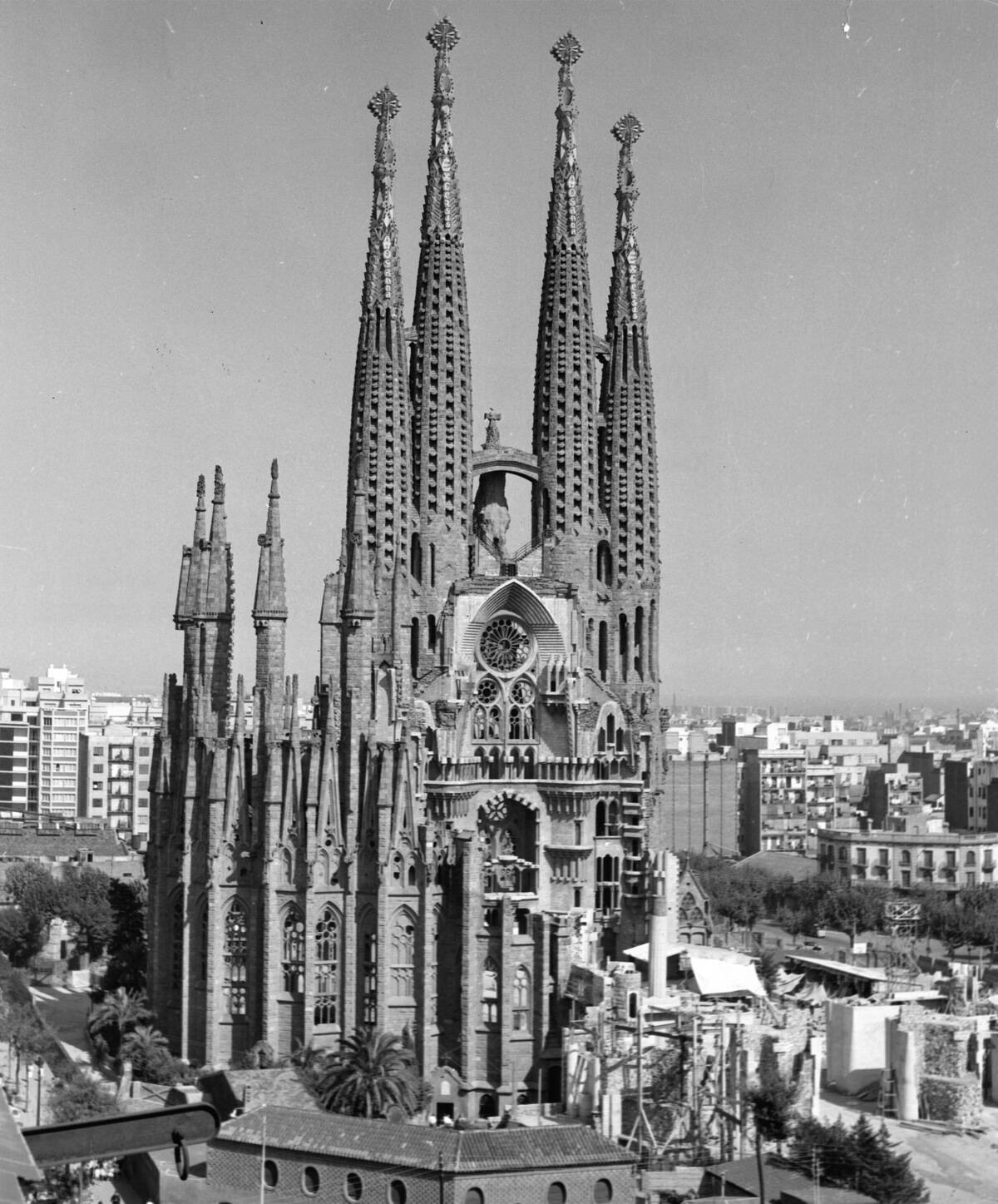
The Sagrada Familia, designed primarily by Antoni Gaudí, is a masterpiece of modernist architecture in Barcelona. Construction began in 1882 and continues today, with the main structure expected to be completed in 2026, although some details may continue afterward.
The basilica’s intricate façades and soaring towers reflect Gaudí’s unique vision, blending Gothic influences with Catalan Modernisme. The Sagrada Familia’s interior, with its tree-like columns and vibrant stained glass, creates a serene and spiritual atmosphere that captivates visitors.
The Timeless Majesty of St. Basil’s Cathedral
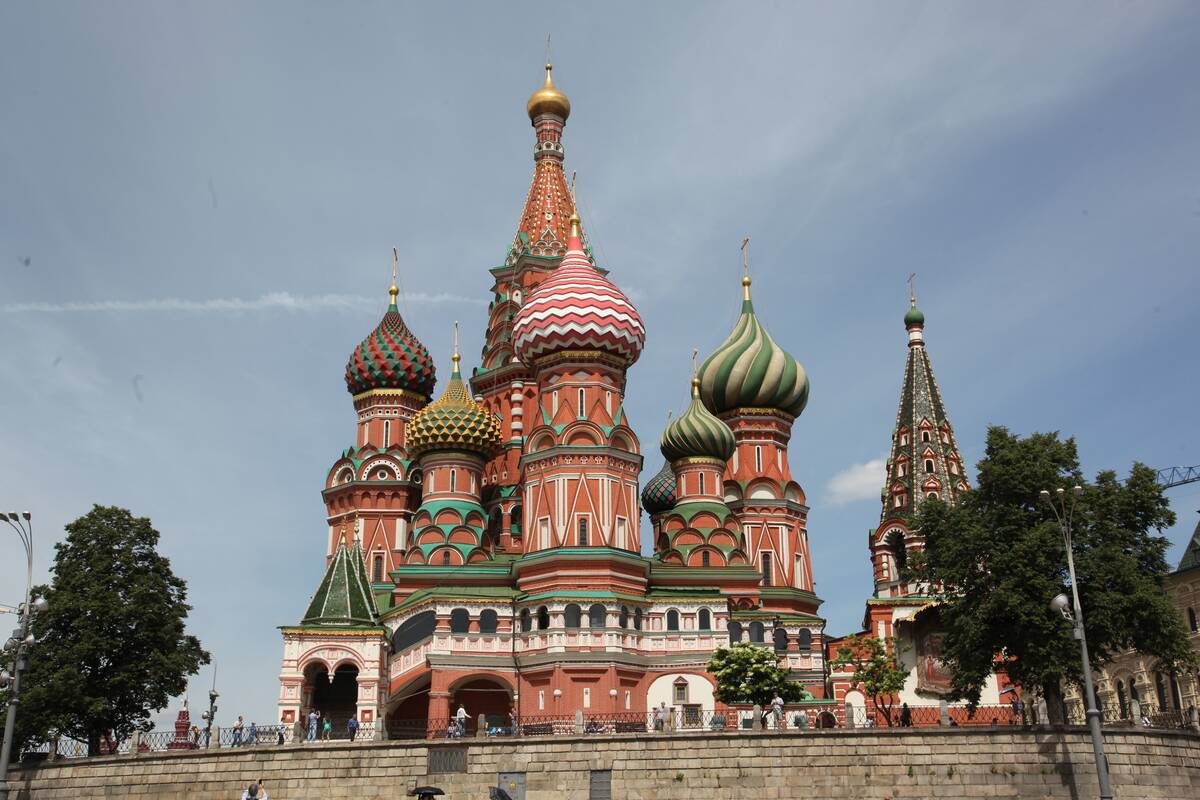
St. Basil’s Cathedral in Moscow, with its colorful onion domes, is an iconic symbol of Russia. Commissioned by Ivan the Terrible in the 16th century, it was built to commemorate the Russian victory over the Khanate of Kazan.
The cathedral’s unique design, with nine chapels arranged around a central core, reflects a distinctive blend of Russian architectural traditions and Eastern Christian influences. Its vibrant colors and intricate patterns make it a visual delight and a must-see landmark for visitors to Moscow.
The Engineering Feat of the Golden Gate Bridge
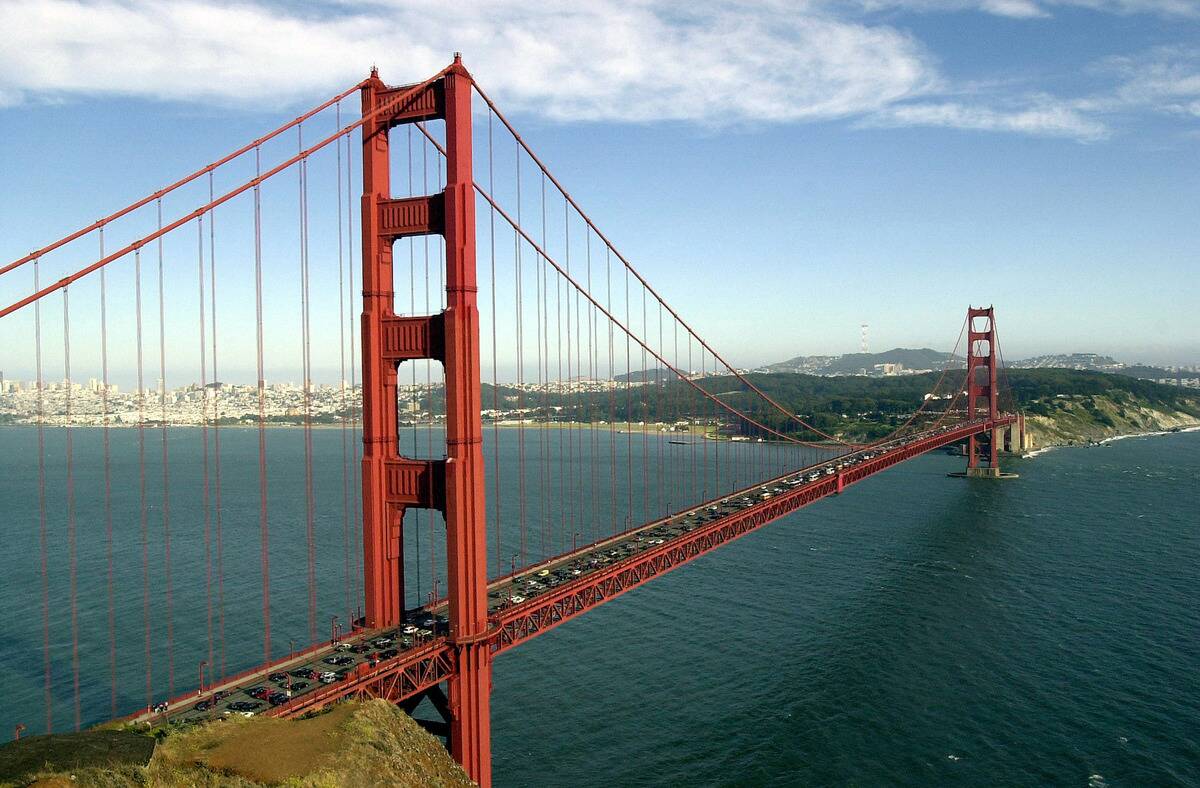
The Golden Gate Bridge, completed in 1937, is an engineering marvel and an iconic symbol of San Francisco. Spanning the Golden Gate Strait, it was the longest suspension bridge in the world at the time of its completion.
The bridge’s Art Deco design and International Orange color make it instantly recognizable. The Golden Gate Bridge remains a testament to human ingenuity, attracting millions of visitors who come to marvel at its beauty and scale.
The Royal Opulence of the Palace of Versailles
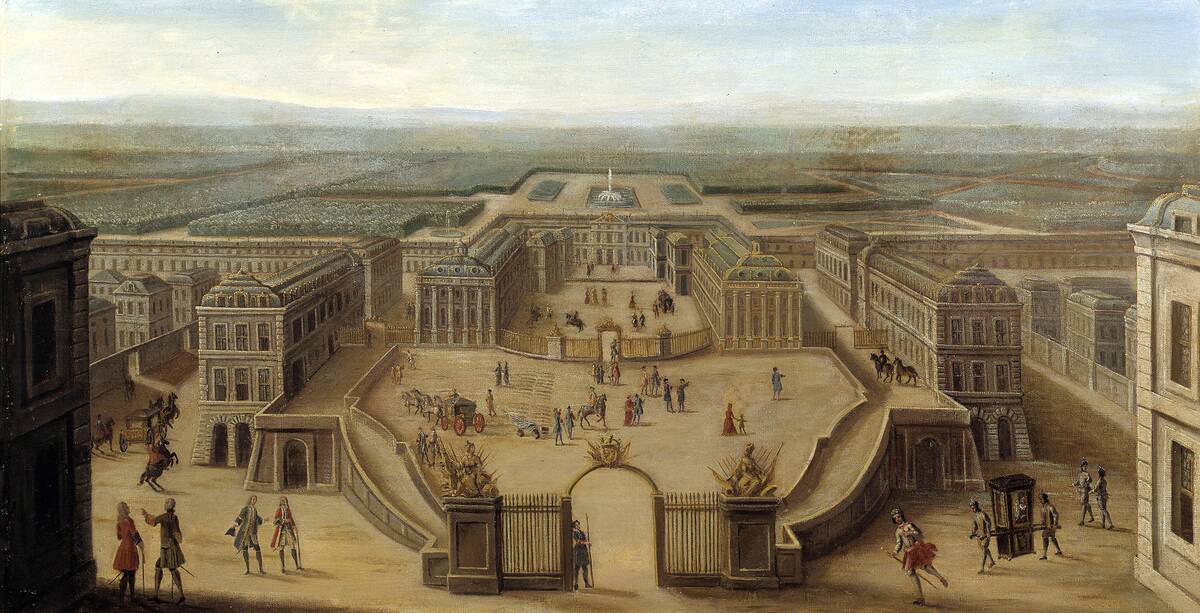
The Palace of Versailles, originally a hunting lodge, was transformed by Louis XIV into a symbol of absolute monarchy. The opulent palace, with its Hall of Mirrors and extensive gardens, reflects the grandeur of French Baroque style.
Versailles served as the royal residence from 1682 until the French Revolution in 1789 and remains a symbol of royal opulence. Today, it is a UNESCO World Heritage Site, attracting millions of visitors who come to explore its lavish interiors and manicured grounds.




