The dark secrets and history behind these U.S. towns
Shows like Stranger Things build entire plotlines out of towns or regions that have a dark secret – the kind that casts a long shadow over residents to this day.
Outside the realm of fiction, it’s surprisingly common for towns to have a chilling secret. While most of these aren’t supernatural (though some are!), there’s no doubt that the following locations have a past that tends to loom large.
Burke, Idaho
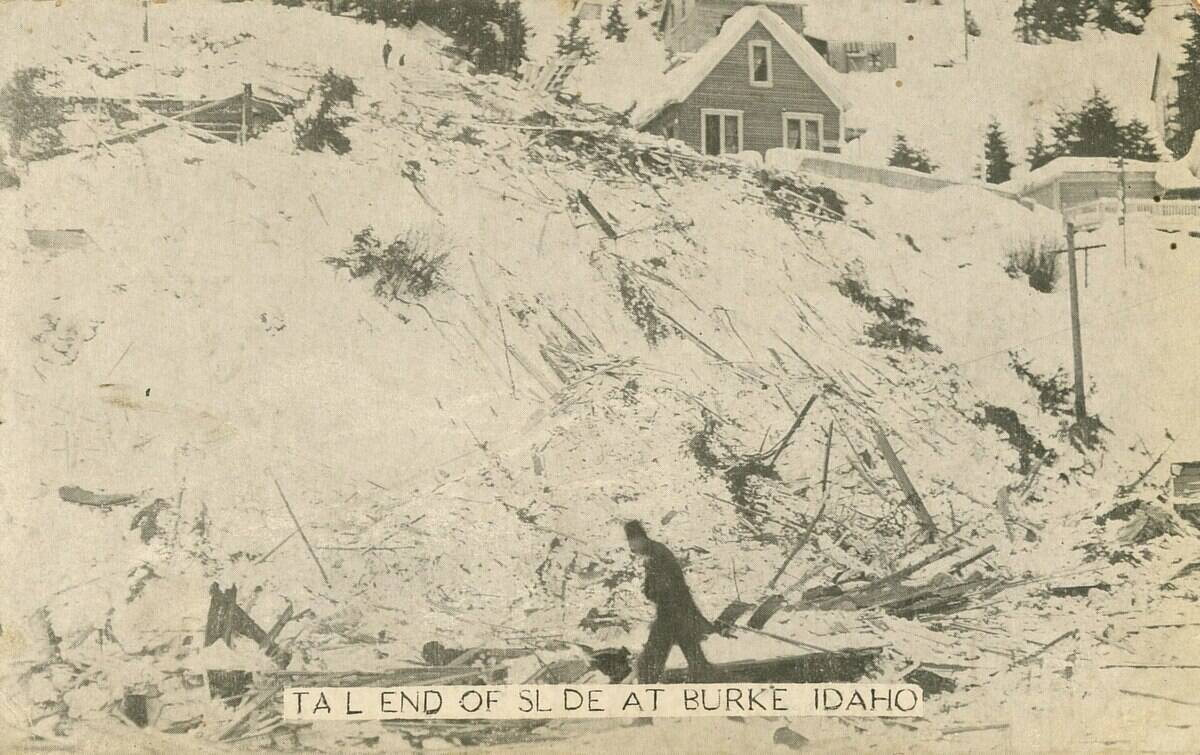
Today, Burke, Idaho, exists as an abandoned ghost town, with many of its original structures still standing despite years of neglect and decay. The town was established in 1887 as a thriving mining community, but its promising beginnings were quickly overshadowed by a series of disasters, conflicts, and deadly events that shaped its troubled history.
Within only four years of its founding, Burke experienced a fatal avalanche, a violent confrontation between miners and mine owners, and a deadly accidental explosion at a mine. In 1892, Idaho’s governor declared martial law and sent hundreds of troops to bring order to the area. The misfortunes continued for decades, with more fires, explosions, floods, and avalanches leaving Burke with a reputation as a place marked by relentless tragedy.
Elaine, Arkansas
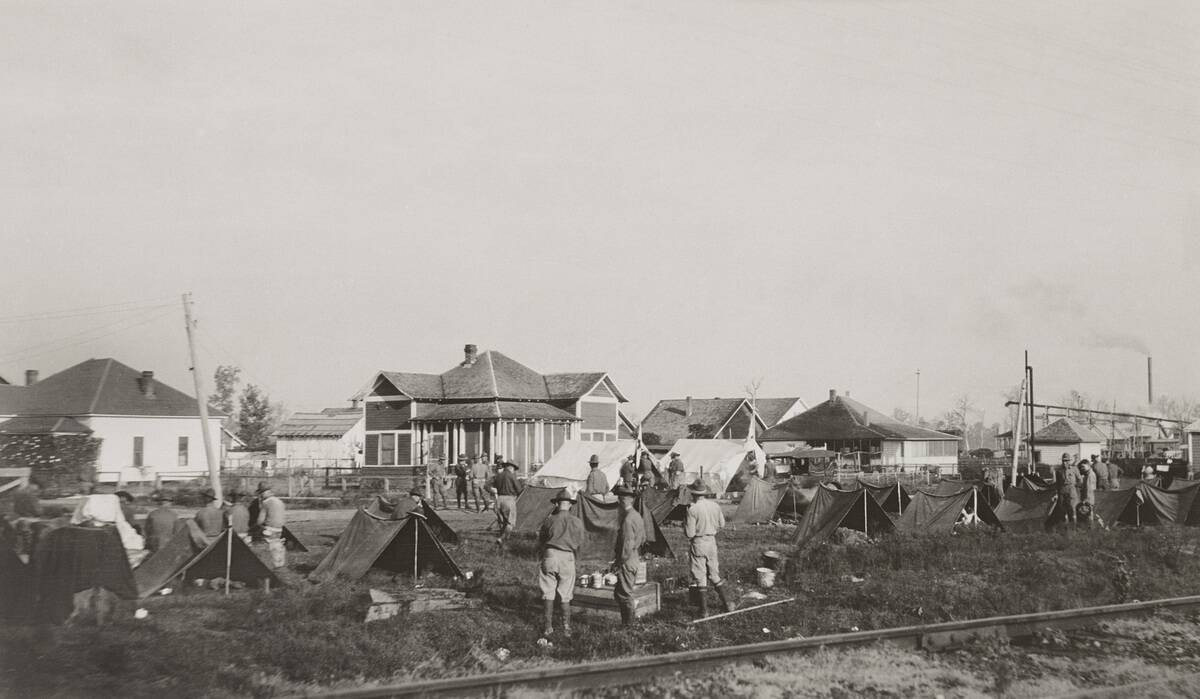
Elaine, Arkansas, is a small community whose history highlights some of the deepest social conflicts in the United States. With a population still under 700 residents, it is difficult to picture the town as anything other than a quiet rural settlement. However, in 1919, it became the setting for one of the deadliest episodes of racial violence in American history: the Elaine Massacre.
During the period known as the Red Summer of 1919, racial unrest erupted in communities across the country. The violence in Elaine was among the most severe, resulting in the deaths of an estimated 100 to 240 Black farmers. Local white mobs, the Ku Klux Klan, and federal troops were involved in the attack. Efforts were made by Arkansas officials to suppress information about the event, but the details eventually emerged, leaving a lasting mark on the town’s legacy.
Attica, New York
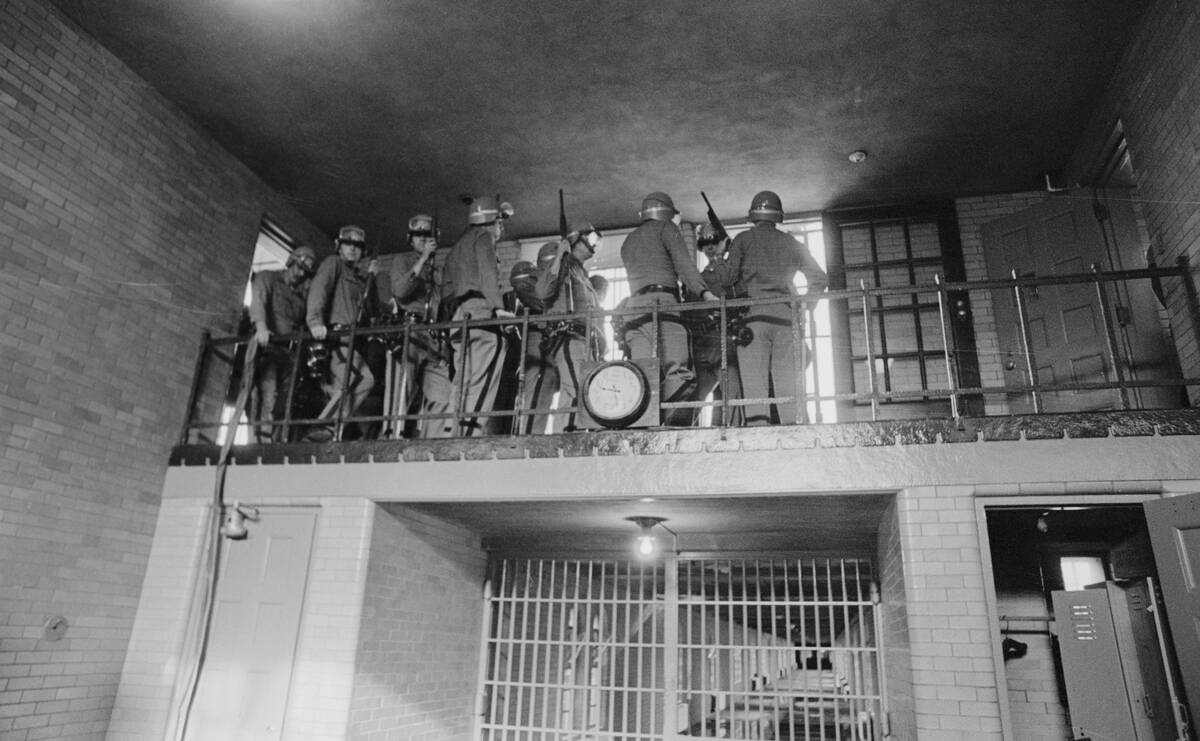
Attica is a small rural community located a short distance from Buffalo in upstate New York. For most of its more than two-century history, the town remained largely quiet and uneventful. However, its name became nationally recognized because of one of the most infamous episodes in American prison history: the deadly 1971 uprising at the Attica Correctional Facility and the harsh treatment of inmates that preceded it.
The maximum-security prison gained attention for holding notorious figures such as Mark David Chapman, Joel Rifkin, and David Berkowitz, also known as Son of Sam. It became equally known for reports of overcrowding, excessive solitary confinement, and discriminatory disciplinary practices. These conditions contributed to the Attica Uprising, a prisoner revolt that ended with more than 40 deaths, most of them inmates.
Liberty and Independence, New Jersey
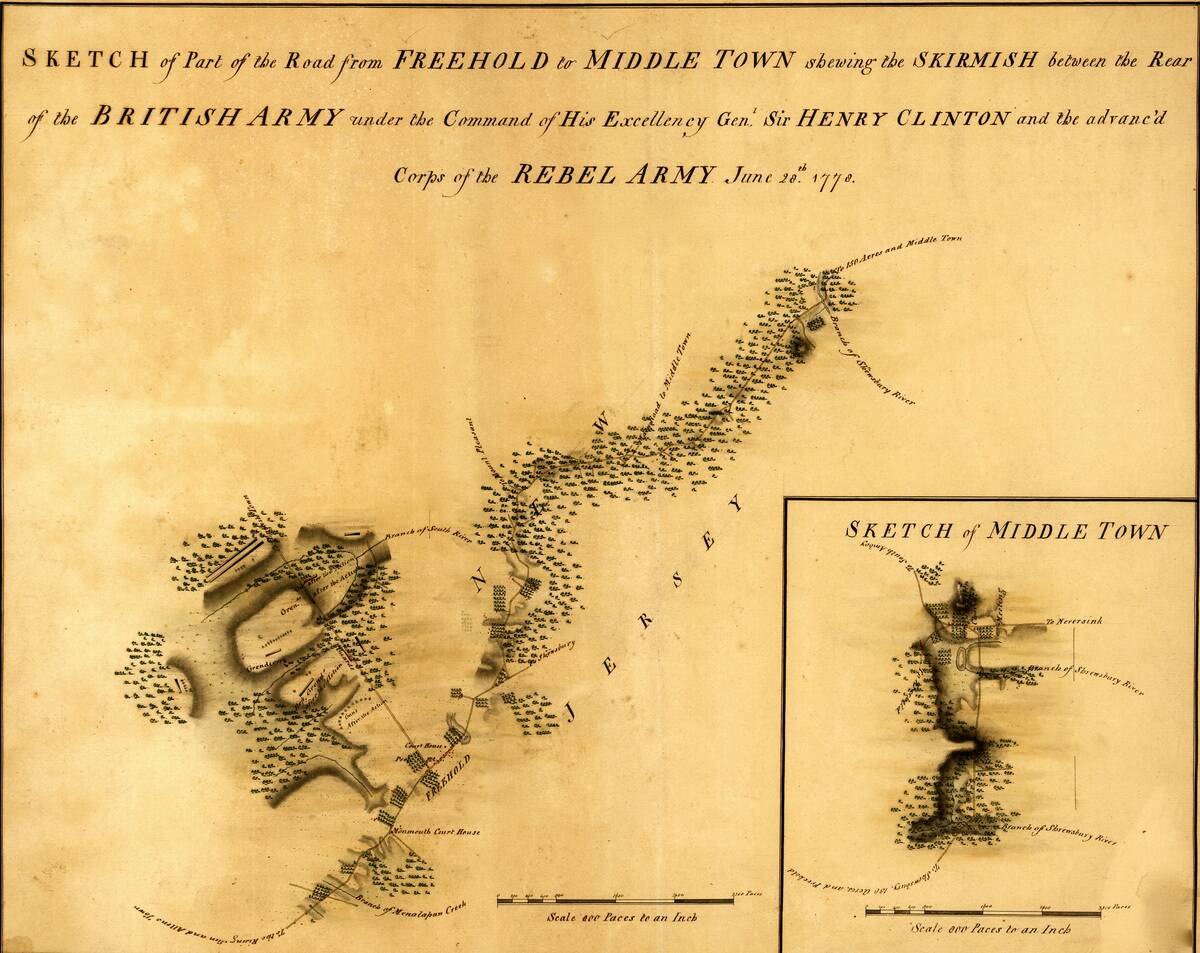
Liberty and Independence are two neighboring towns in New Jersey that might seem ordinary at first glance. However, the winding roadway connecting them, known as Shades of Death Road, has earned a notorious reputation because of the disturbing events that have unfolded there over the years.
Its unsettling name is tied to a long history of tragedy, including a deadly malaria outbreak, fatal wildcat attacks on travelers, robberies and murders committed by highwaymen, and the later lynching of those same criminals. The road has also been the scene of three separate murders – one involving a beheading – along with an unusually high number of deadly crashes. Stories of paranormal activity near the road and nearby Ghost Lake only add to its eerie legacy.
Amityville, New York
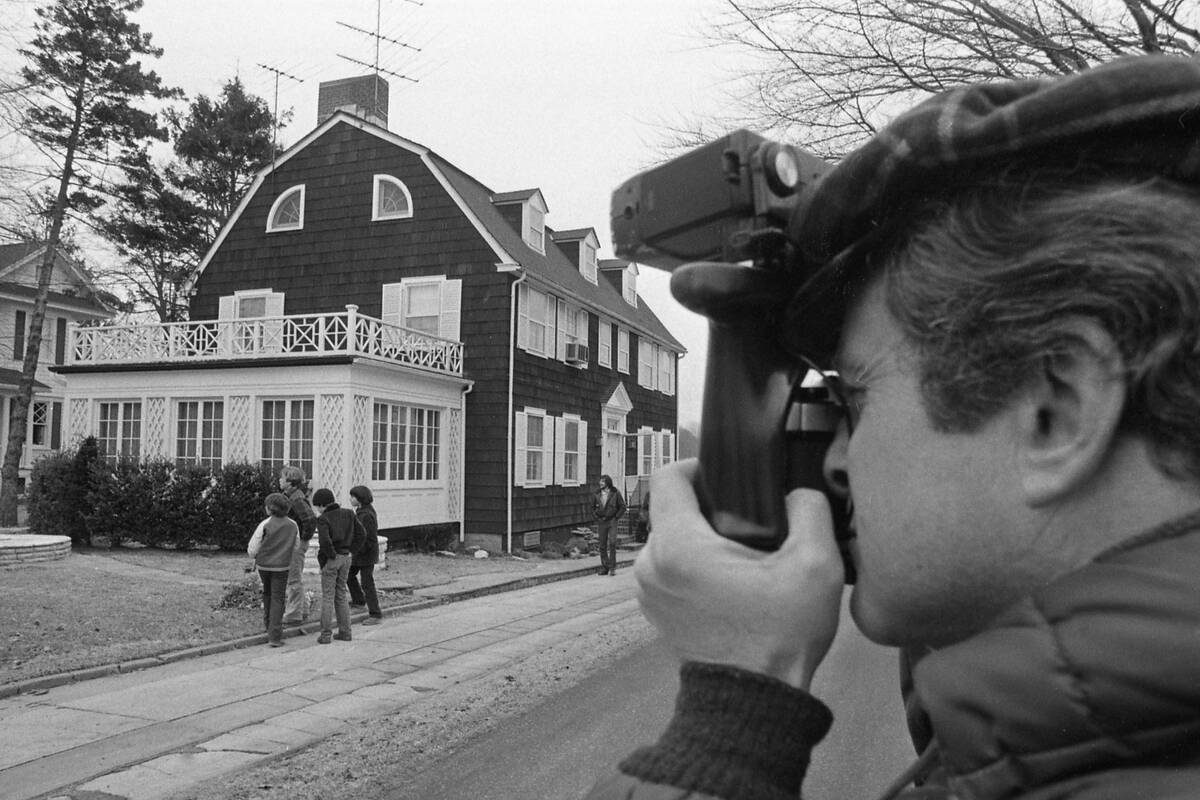
Amityville became infamous after the murders of November 13, 1974, when Ronald DeFeo Jr. killed six members of his family inside their home at 112 Ocean Avenue. He was later convicted and sentenced to six consecutive life terms. The shocking crime alone left a lasting mark on the quiet Long Island community.
The story grew even more famous after the Lutz family moved into the house in December 1975 and left only 28 days later, claiming they experienced terrifying paranormal activity. Reports included strange voices, swarms of flies during winter, foul odors, and a pig-faced imaginary companion seen by one of the children. Whether genuine or fabricated, the bestselling 1977 book and later films cemented Amityville’s place in horror culture.
Times Beach, Missouri
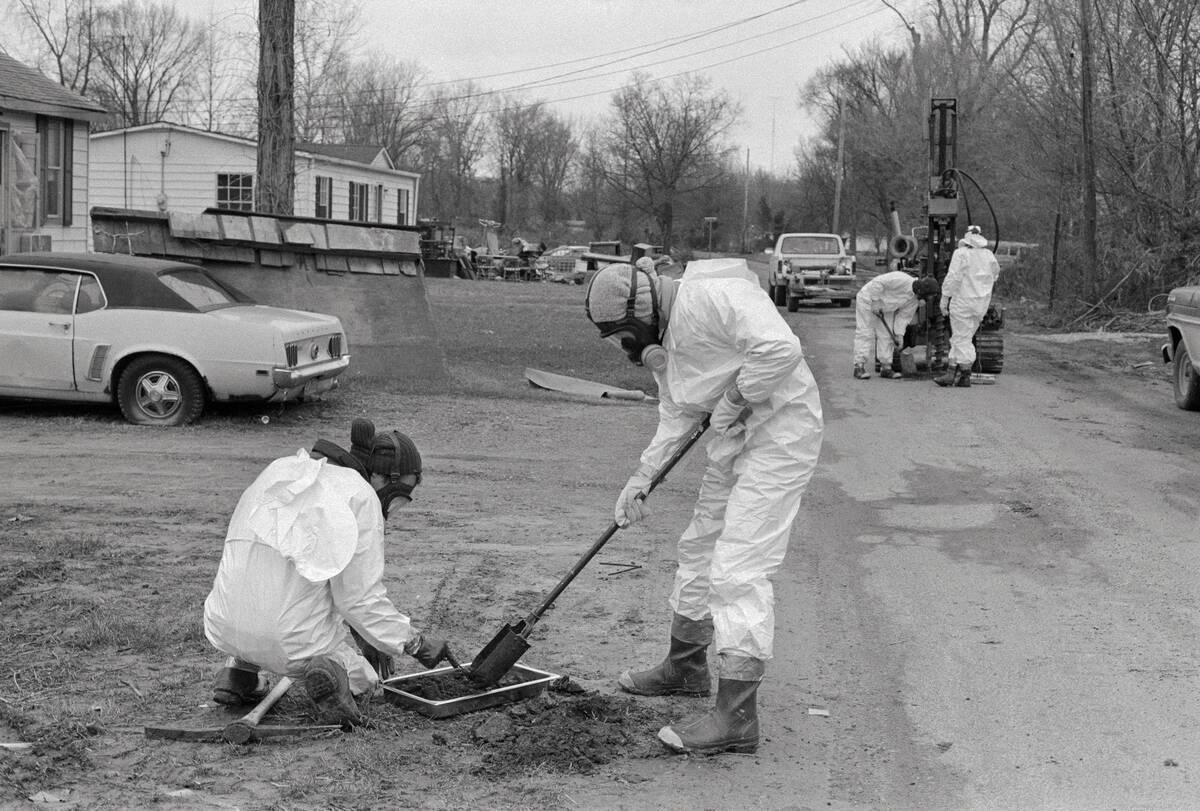
Times Beach disappeared after a serious environmental disaster unfolded during the early 1970s. Russell Bliss was hired to spray waste oil on the town’s roads to reduce dust, but residents were unaware the oil contained dioxin, an extremely toxic chemical associated with the production of Agent Orange. Testing by the EPA in 1982 revealed contamination levels about 100 times higher than accepted safety standards.
Between 1983 and 1985, the federal government purchased every property in the town and demolished the community. After extensive cleanup, the area became Route 66 State Park. Even so, visitors standing there today occupy land shaped by one of the nation’s most significant environmental contamination events.
San Jose, California
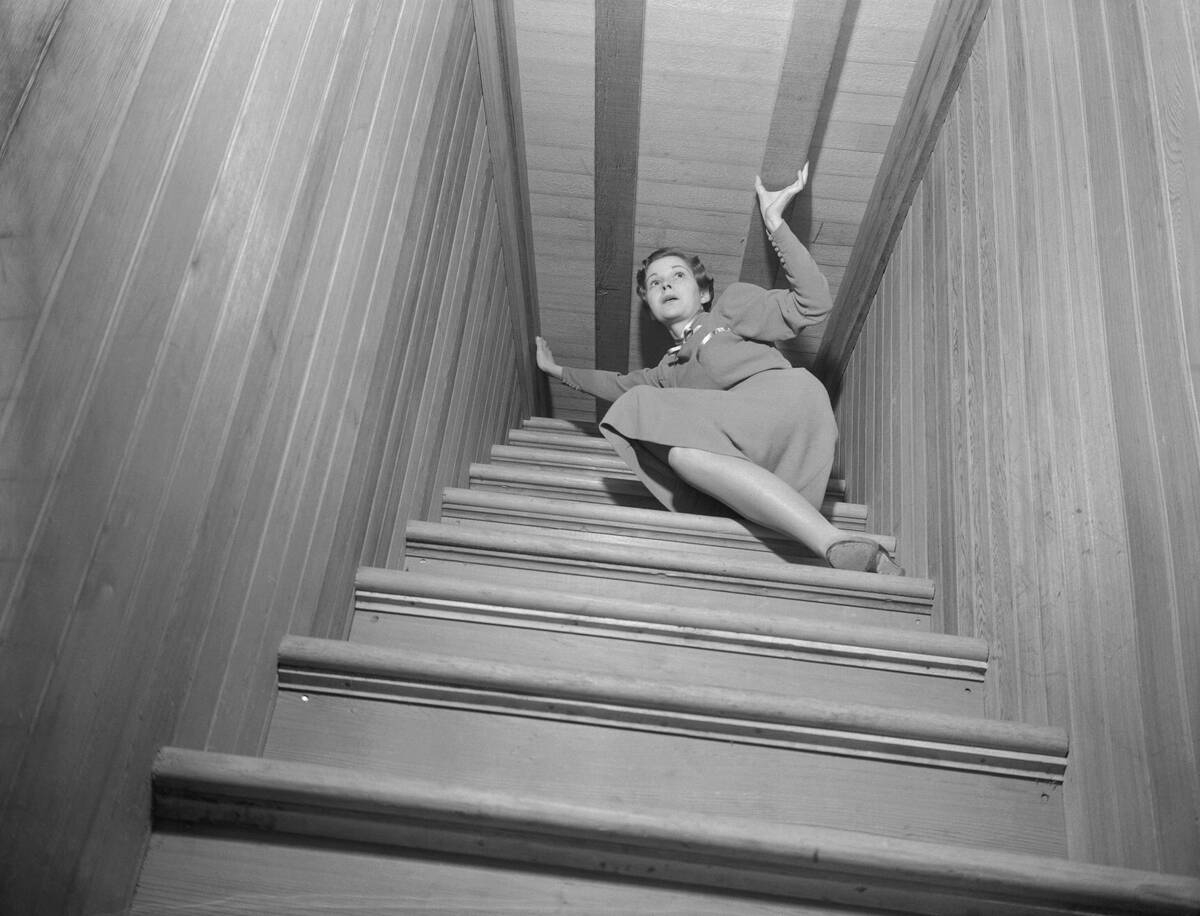
Sarah Winchester, heir to the Winchester rifle fortune, reportedly believed she was haunted by the spirits of people killed with Winchester firearms after receiving advice from a medium. Beginning in 1886, she ordered continuous construction on her San Jose estate, a project that lasted until her death in 1922 and produced a sprawling mansion containing 160 rooms filled with unusual architectural features.
The house includes staircases that lead nowhere, doors opening into walls, and windows placed in unexpected locations. Whether Sarah truly believed constant building would keep spirits away or was simply an eccentric patron with unlimited resources remains uncertain. Today, the Winchester Mystery House is a National Historic Landmark and museum that welcomes more than 200,000 visitors each year.
Bridgewater Triangle, Massachusetts
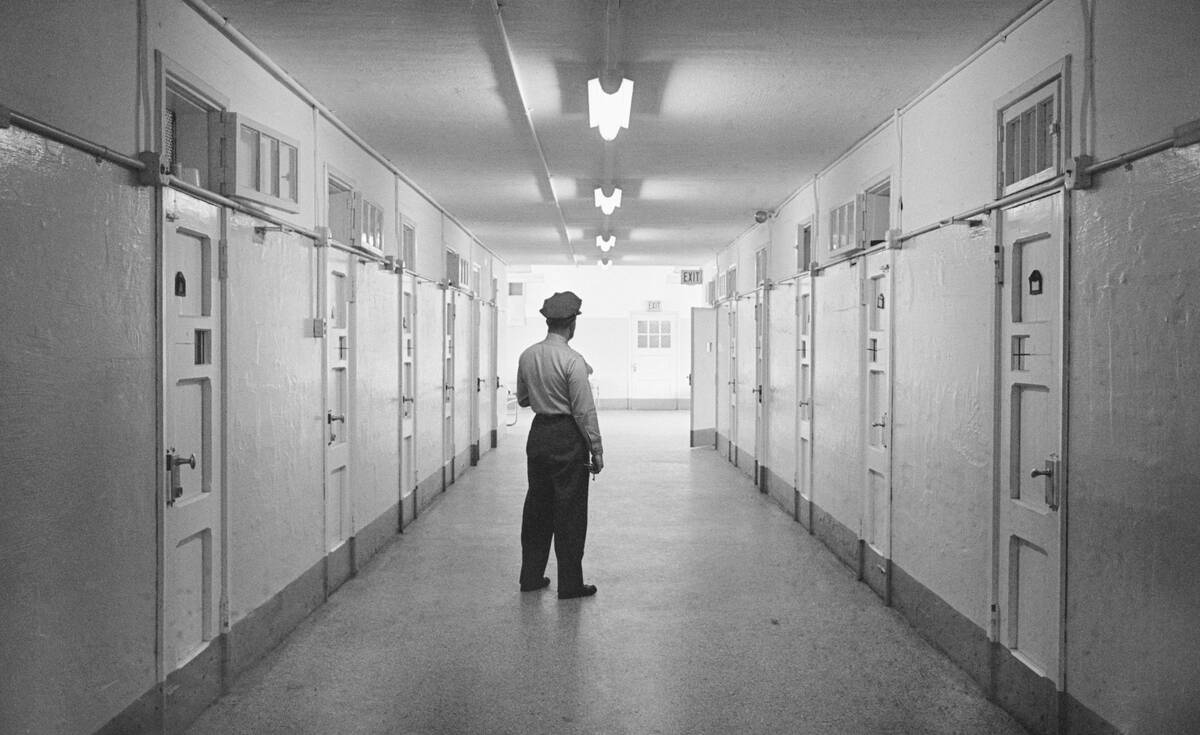
Rather than a single town, the Bridgewater Triangle covers roughly 200 square miles in southeastern Massachusetts and has become famous for an extraordinary variety of paranormal reports. Over the years, witnesses have claimed encounters with UFOs, Bigfoot, poltergeists, mysterious livestock deaths, and the Pukwudgie, a feared creature from Wampanoag folklore.
The region includes Hockomock Swamp, whose name is commonly interpreted as meaning “place where spirits dwell,” along with the Freetown-Fall River State Forest, an area linked to reports of cult activity and unexplained deaths. Researchers have also noted that many reported hotspots coincide with locations considered historically or culturally significant by Native American communities.
Sharpsburg, Maryland
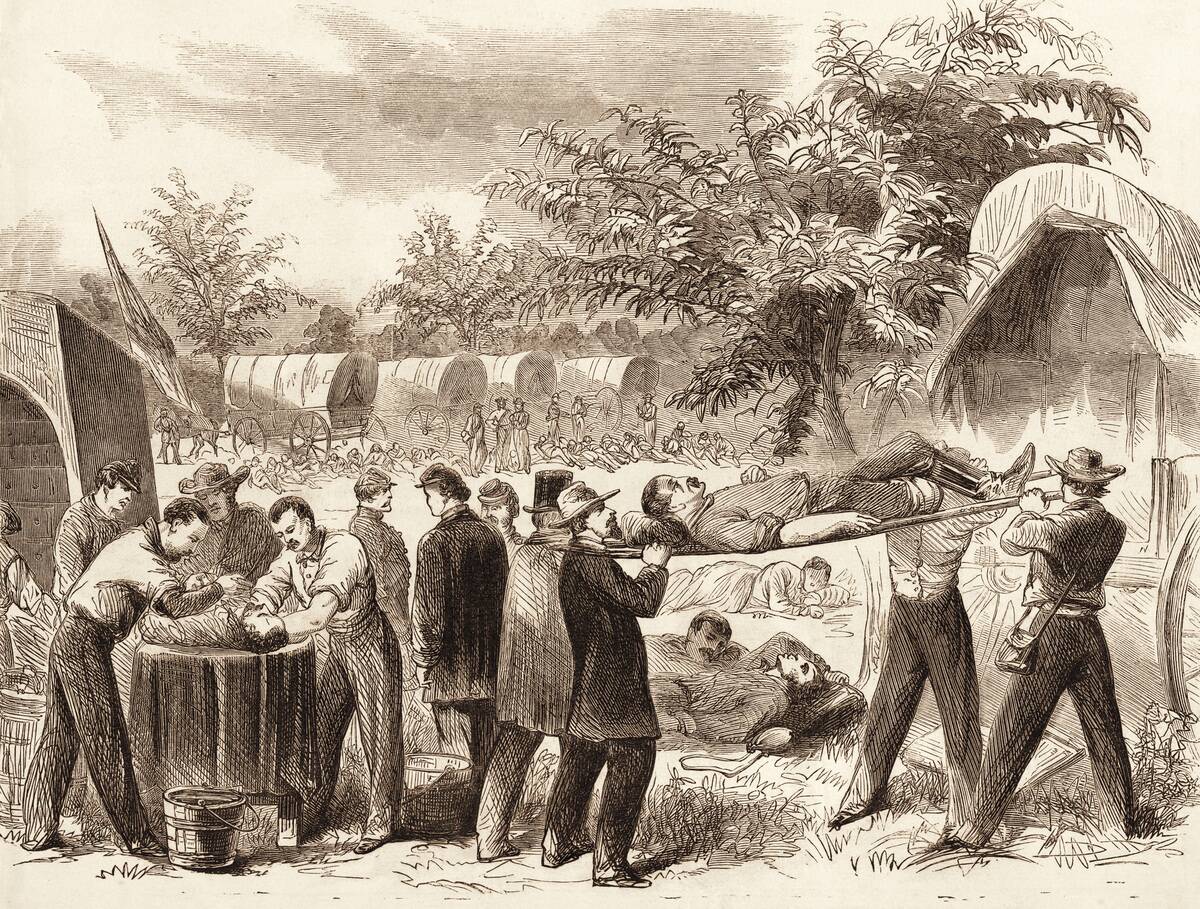
Sharpsburg, Maryland, is a small village with a population of around 700 people and a history spanning nearly three centuries. For most of that time, it was a quiet and largely uneventful place. Its name, however, became permanently connected to one of the darkest moments in American history when it became the location of the Battle of Antietam in 1862.
On September 17 of that year, Union and Confederate armies clashed near Sharpsburg in a brutal battle that lasted from early morning until evening. Over the course of just 12 hours, more than 22,000 soldiers were killed, wounded, or went missing. It remains the deadliest single day in American military history, giving the otherwise peaceful village a tragic place in the nation’s past.
Cassadega, Florida
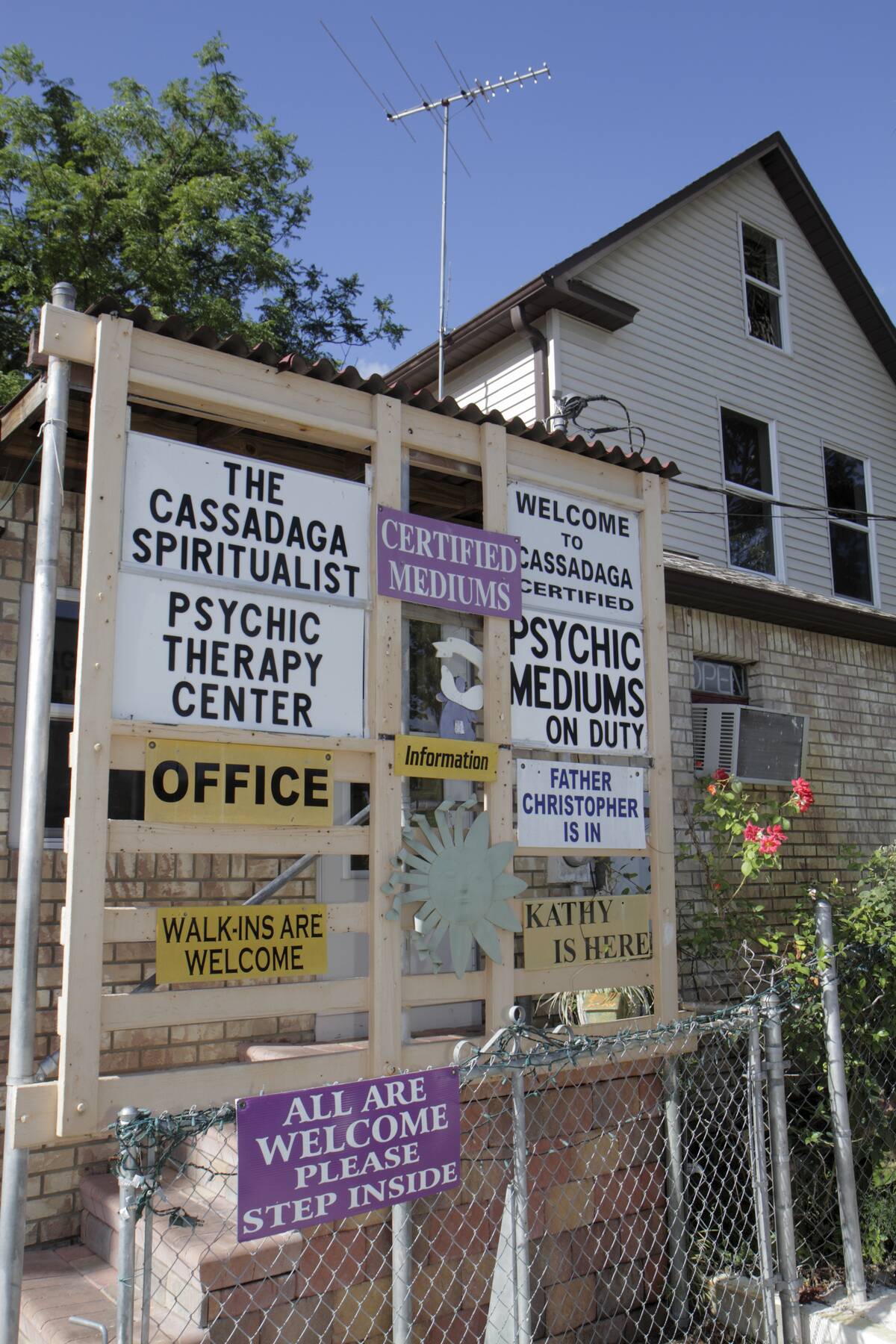
Founded in 1894 by Spiritualist George Colby, Cassadaga Spiritualist Camp has long served as a gathering place for mediums, healers, and believers in spirit communication. Visitors can schedule psychic readings, participate in séances, or explore walking trails that many consider spiritually significant.
Colby claimed he was guided to the property by a Native American spirit known as Seneca, who appeared to him in visions while he was ill. Believing those experiences directed him to the location, he established what has become one of the country’s oldest continuously operating Spiritualist communities. Cassadaga remains active and continues welcoming visitors today.
Villisca, Iowa
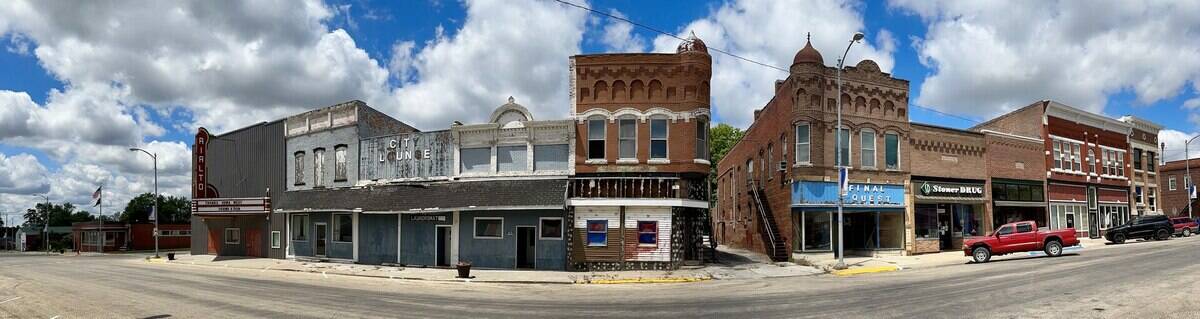
During the night of June 9, 1912, an unknown intruder entered the Moore family home in Villisca and killed eight people with an axe. Josiah and Sarah Moore, their four children, and two young guests were all murdered while they slept. More than a century later, the crime remains officially unsolved.
Over the years, investigators considered numerous suspects, including a traveling minister, suspected serial killer Henry Lee Moore, and several local residents, but no one was ever conclusively linked to the murders. Today, the Villisca Axe Murder House welcomes overnight visitors and paranormal investigators, many of whom describe hearing unexplained voices, seeing objects move, or sensing an overwhelming feeling of unease.
Sherman, Connecticut
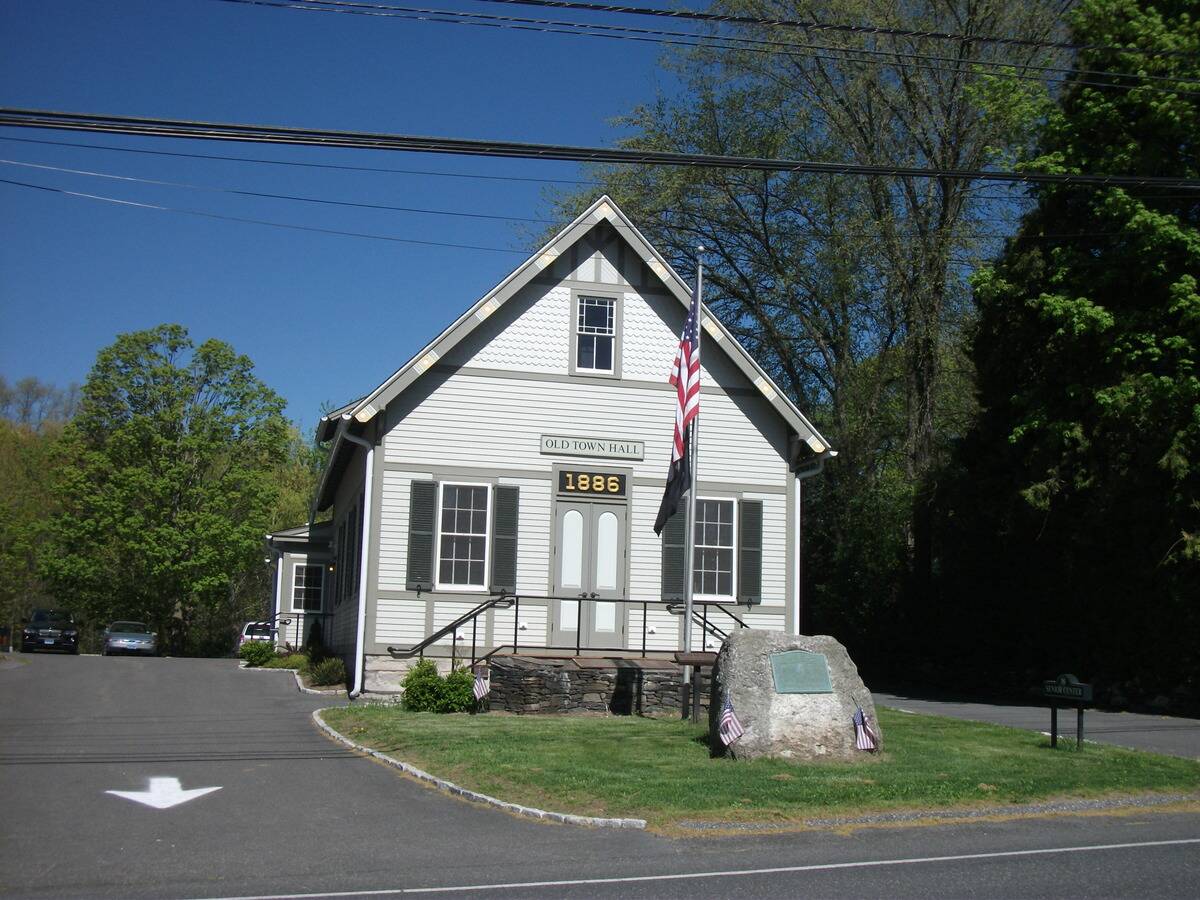
Sherman is a quiet New England community that has gradually developed an unsettling reputation among those familiar with local folklore. Residents and former visitors have described unexplained deaths, unusual animal behavior, and an atmosphere that some paranormal researchers associate with the broader region’s long history of mysterious events.
Unlike places such as Amityville or Centralia, Sherman has never become a household name. Instead, its reputation comes from stories that circulate locally rather than through books or films. In many ways, that quiet profile makes the town’s legends even more unsettling, suggesting that some of the darkest histories remain hidden beneath an otherwise ordinary appearance.
Kennecott, Alaska
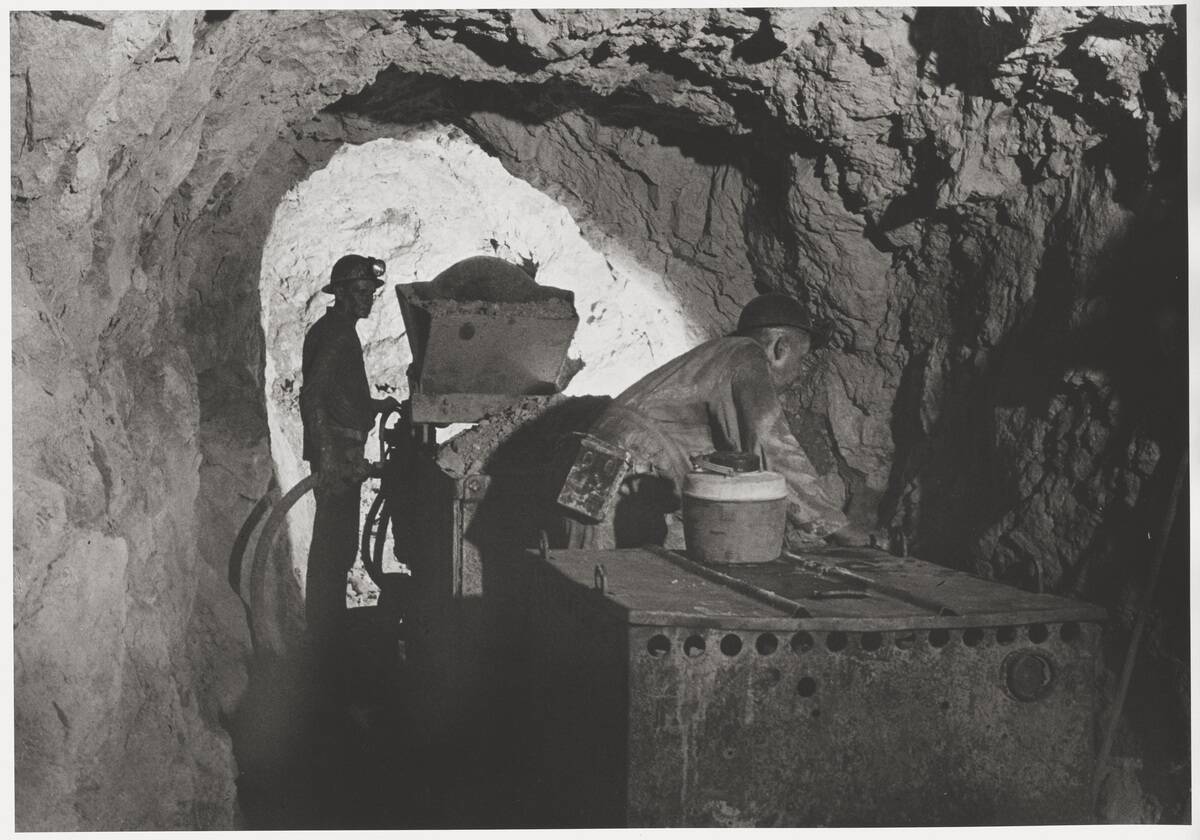
Deep within Wrangell-St. Elias National Park, Kennecott stands as one of America’s most isolated abandoned mining communities. Reaching the site requires traveling a 60-mile unpaved road or arriving by small aircraft. From 1903 until 1938, the town produced more than $200 million worth of copper before mining operations ended and the company abandoned the site with remarkable speed.
Many buildings, industrial equipment, and personal belongings were left behind when workers departed. Today, the National Park Service preserves the remaining structures as historic ruins. Massive processing mills, former workers’ housing, and an abandoned hospital slowly weather in the Alaskan wilderness, creating a striking sense of isolation rarely matched elsewhere in the country.
Midlothian, Illinois
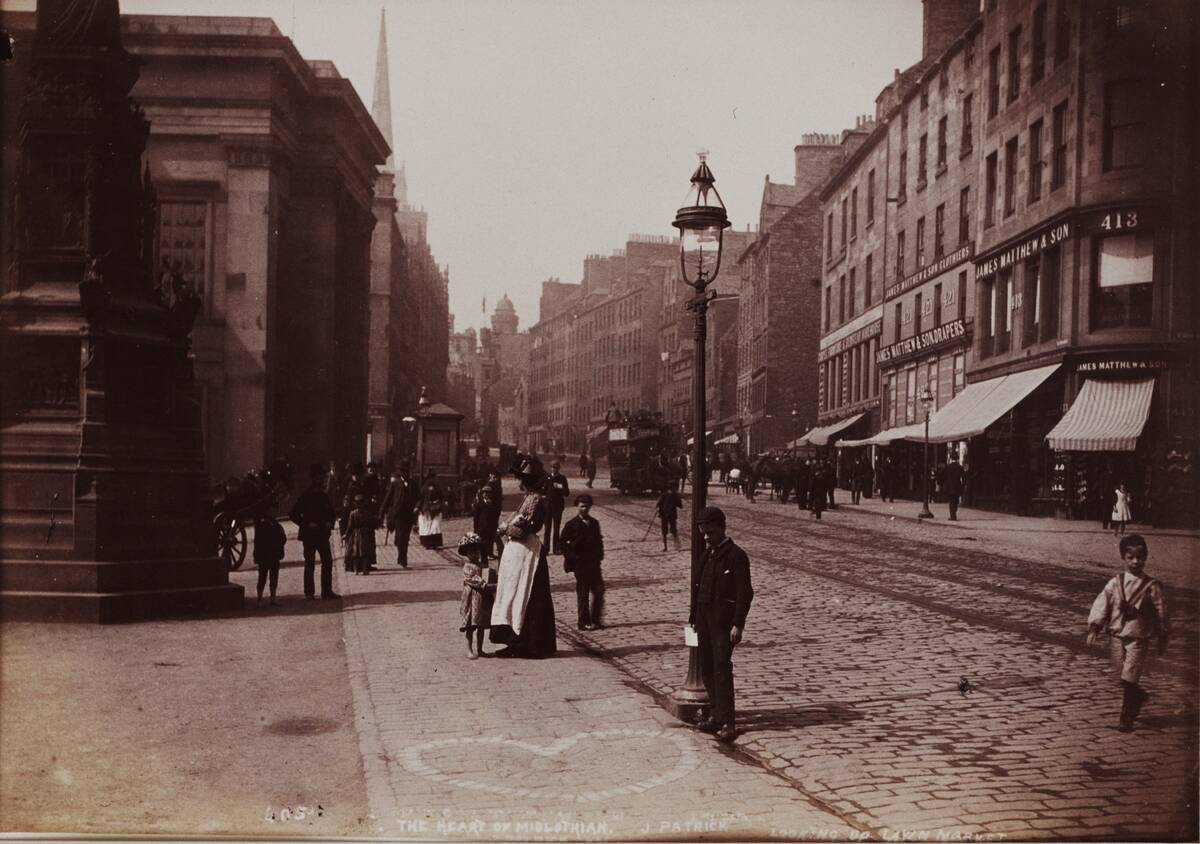
Bachelor’s Grove Cemetery sits beside the Rubio Woods Forest Preserve in Midlothian, Illinois. Established in 1864, the neglected cemetery has developed a reputation for paranormal activity after decades of abandonment. Reports have included mysterious lights, ghostly vehicles, a disappearing farmhouse, sightings of a “White Lady,” and even accounts of a two-headed creature roaming the nearby woods.
The cemetery gained widespread attention in 1991 when paranormal investigators captured a photograph that appeared to show a transparent woman seated on a gravestone, despite no one being present there at the time. Years of vandalism left many headstones dumped into the neighboring pond, which some visitors claim remains unnaturally cold. Today, Bachelor’s Grove remains one of the Midwest’s best-known paranormal investigation sites.
Gibstonton, Florida
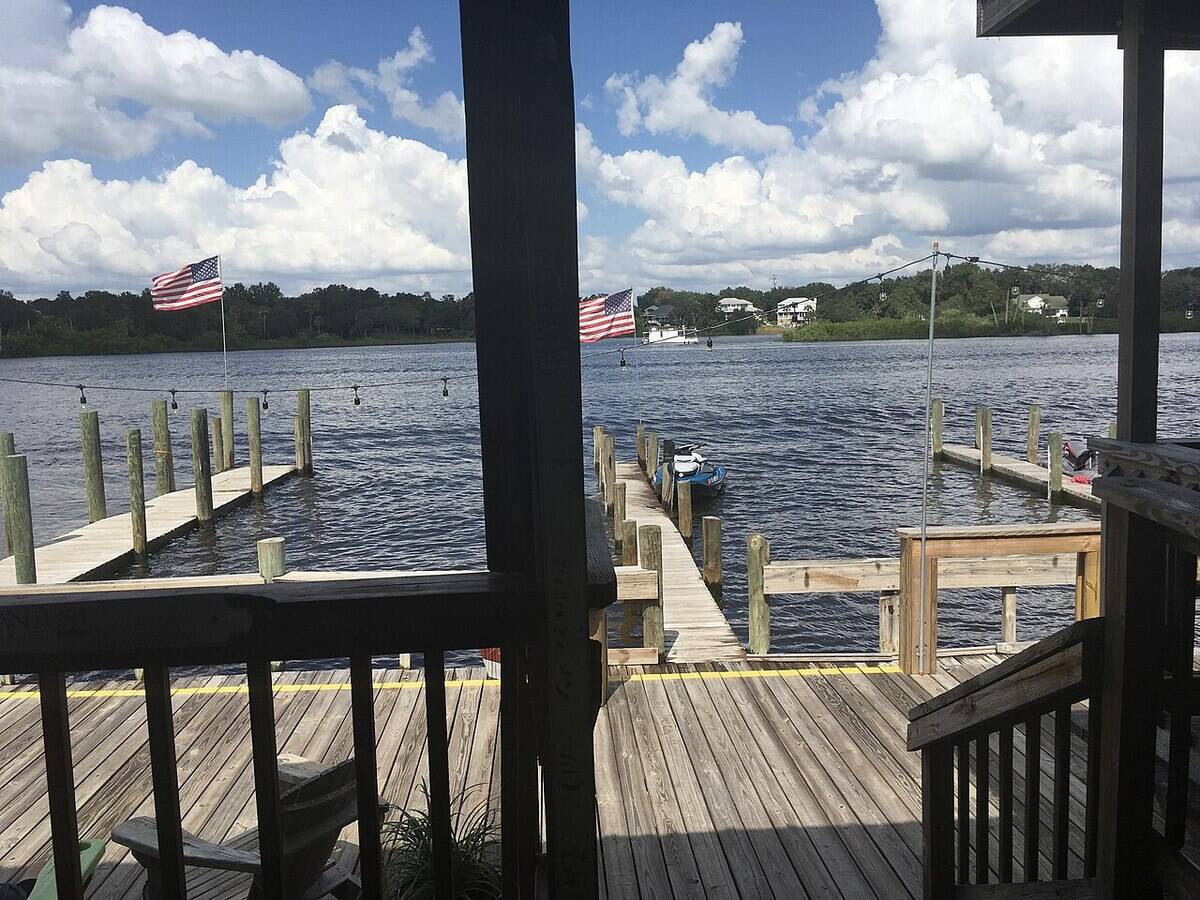
For many years, Gibsonton served as the winter home for carnival workers, circus performers, and famous sideshow attractions. The community became so closely associated with traveling shows that local regulations were modified, allowing residents to keep exotic animals and carnival equipment on their own property – an arrangement rarely seen elsewhere in the United States.
Nicknamed “Gibtown,” the town was home to well-known performers such as Percilla “the Monkey Girl” Bejano and Grady Stiles Jr., better known as “Lobster Boy,” who was killed in 1992 by a hitman hired by members of his family. Even the post office added a lower service counter for little people. Although the carnival community has declined, its remarkable history still defines the town.
Stull, Kansas
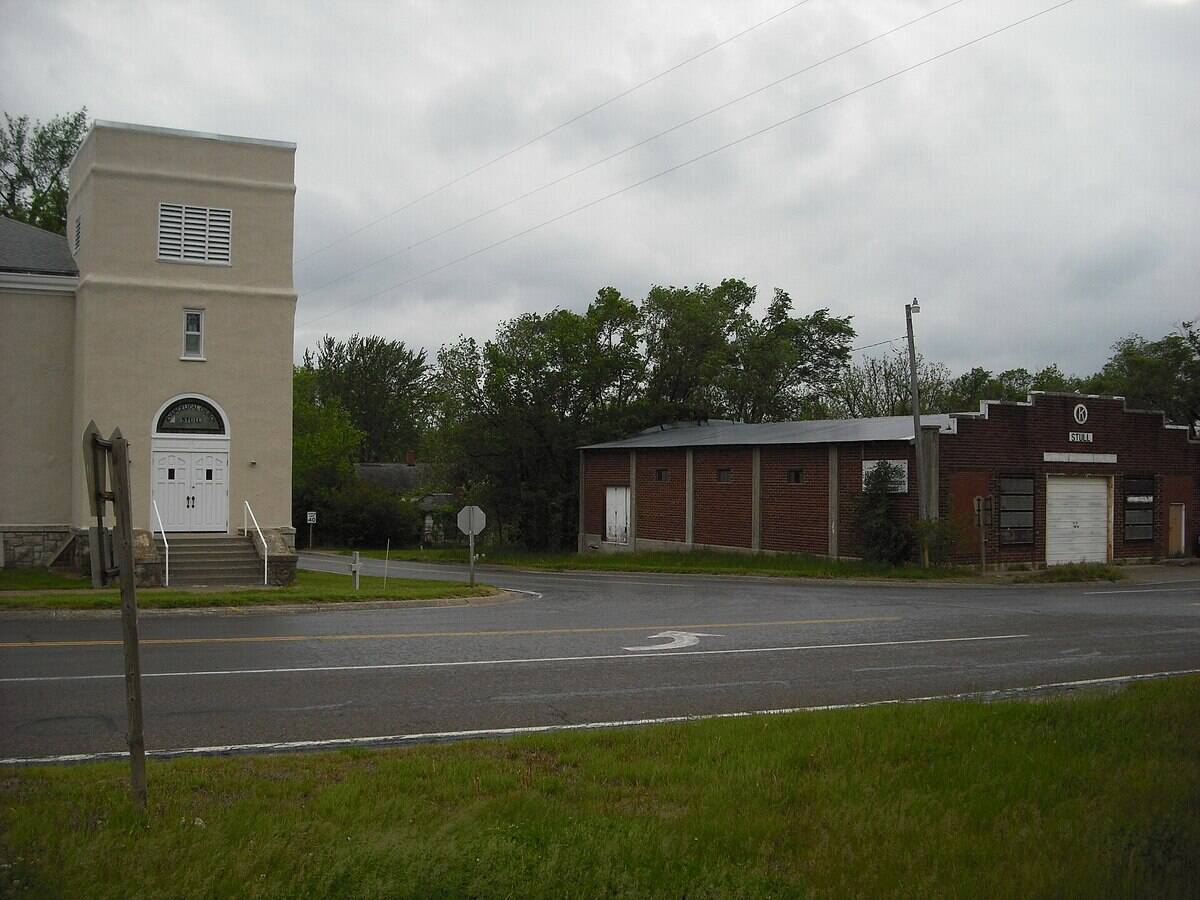
Stull, a small unincorporated community in Douglas County, has earned an infamous reputation through decades of supernatural folklore. According to local legend, the remains of the town’s old church mark one of the legendary Seven Gateways to Hell, where the Devil is said to appear twice each year. Stories also tell of a staircase leading underground, strangely growing trees, and a cemetery surrounded by unexplained phenomena.
The tales became so popular that visitors frequently trespassed onto the property in search of paranormal experiences. To discourage the growing crowds, the landowner demolished the church ruins in 2002. Although the building is gone, the cemetery continues to attract curious explorers who still report mysterious lights, sudden chills, and other unusual experiences.
Monowi, Nebraska
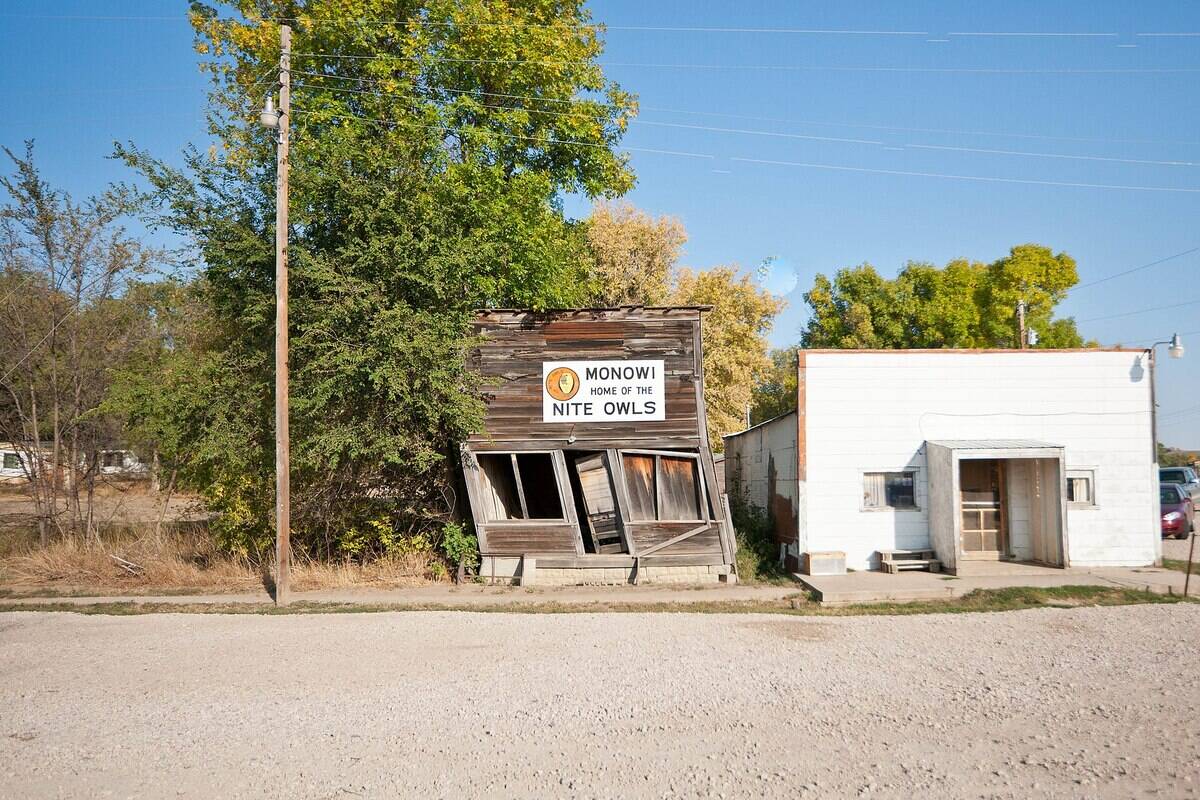
Monowi holds a distinction unmatched by any other incorporated town in the United States – it has a population of just one person. Lifelong resident Elsie Eiler serves as the town’s mayor, clerk, treasurer, librarian, and bartender at Elsie’s Bar and Grill. She even issues her own liquor license and casts the only vote in local elections.
The town once had around 150 residents during the 1930s, but decades of rural population decline gradually emptied it. Elsie continues maintaining a library of more than 5,000 books collected by her late husband, Rudy, who died in 2004. Her commitment to keeping the town alive gives Monowi an atmosphere that is both inspiring and quietly haunting.
Lily Dale, New York
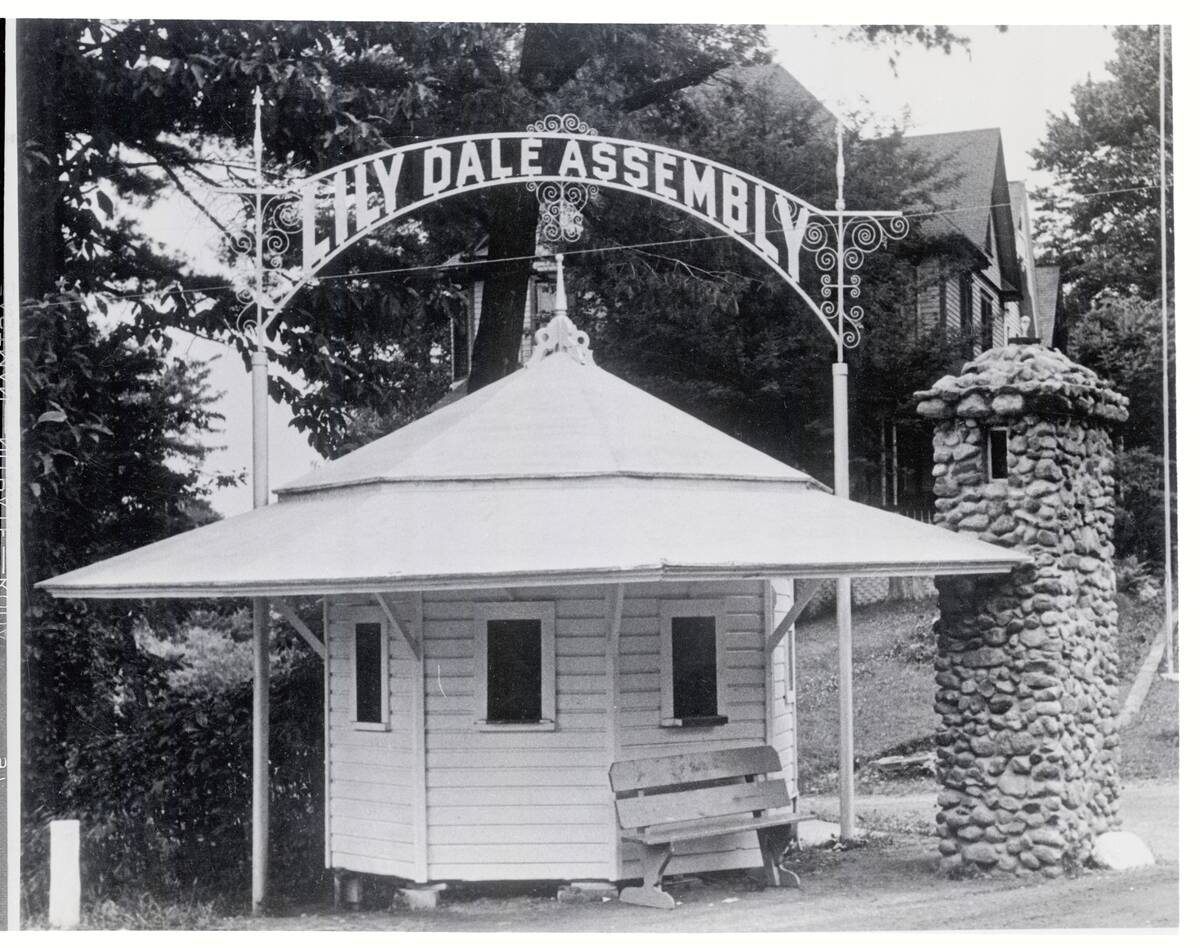
Established in 1879, Lily Dale Assembly is unlike nearly any other community in the country. Dedicated entirely to Spiritualism, the town is centered on the belief that communication with the dead is possible. Permanent residents must be practicing Spiritualist mediums, and each summer thousands of visitors arrive hoping to receive readings, attend séances, and experience spiritual healing.
One of the town’s best-known gathering places is Inspiration Stump in Leolyn Wood, where many believe spiritual energy is especially strong. People regularly assemble there to listen for spontaneous messages said to come from the spirit world. Whether visitors accept those claims or not, Lily Dale’s lasting devotion to Spiritualism makes it an exceptionally unusual American town.
Republic, Washington
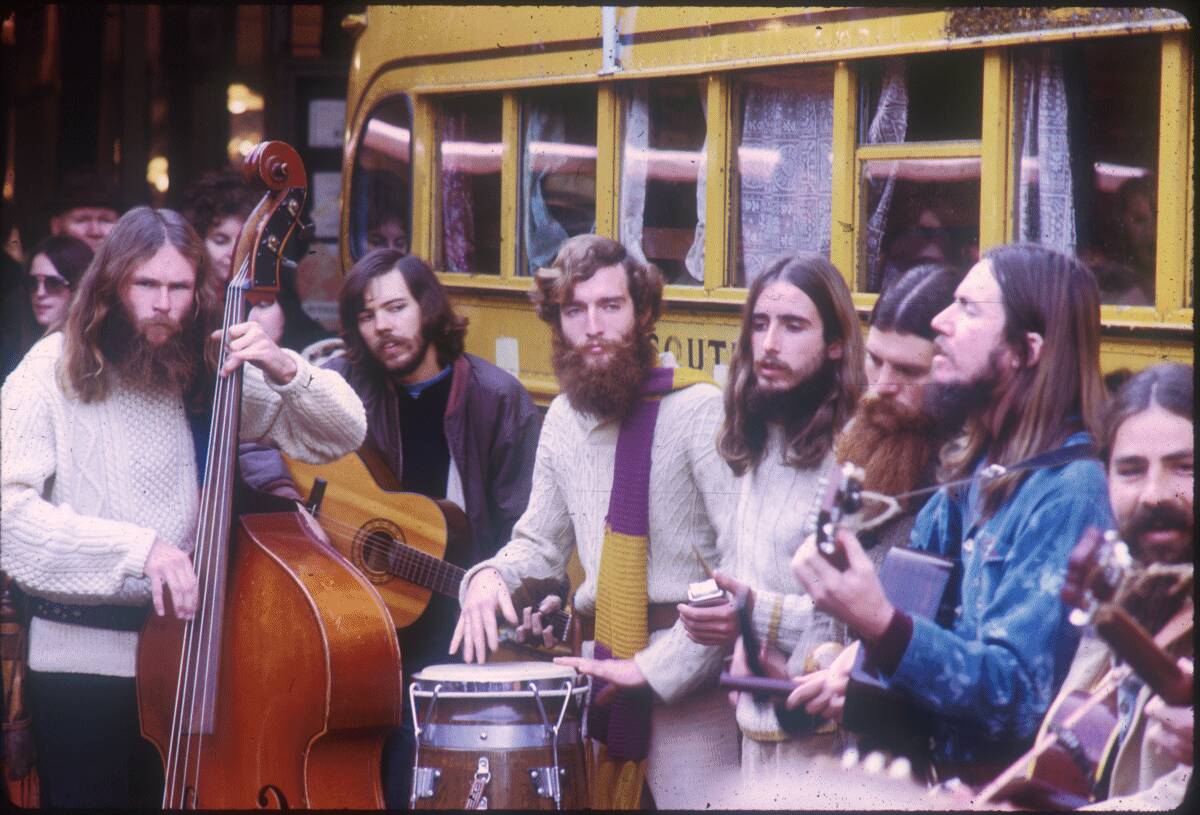
During the 1960s and 1970s, a commune known as the Love Family took shape in the Pacific Northwest under the leadership of Paul Erdmann, who renamed himself “Love Israel.” The group eventually centered around Republic, Washington, where members gave up their legal names, personal belongings, and individual identities. At its height, the commune included about 300 people and controlled roughly $3 million in shared assets.
The commune came under national scrutiny in 1972 after two members died from inhaling toluene during what was described as a sacrament ritual. Later, Erdmann left the area while facing accusations of financial mismanagement, and the community dissolved during the 1980s. The Love Family is often cited as an example of how isolated settings can enable extreme forms of group influence.
Moundsville, West Virginia
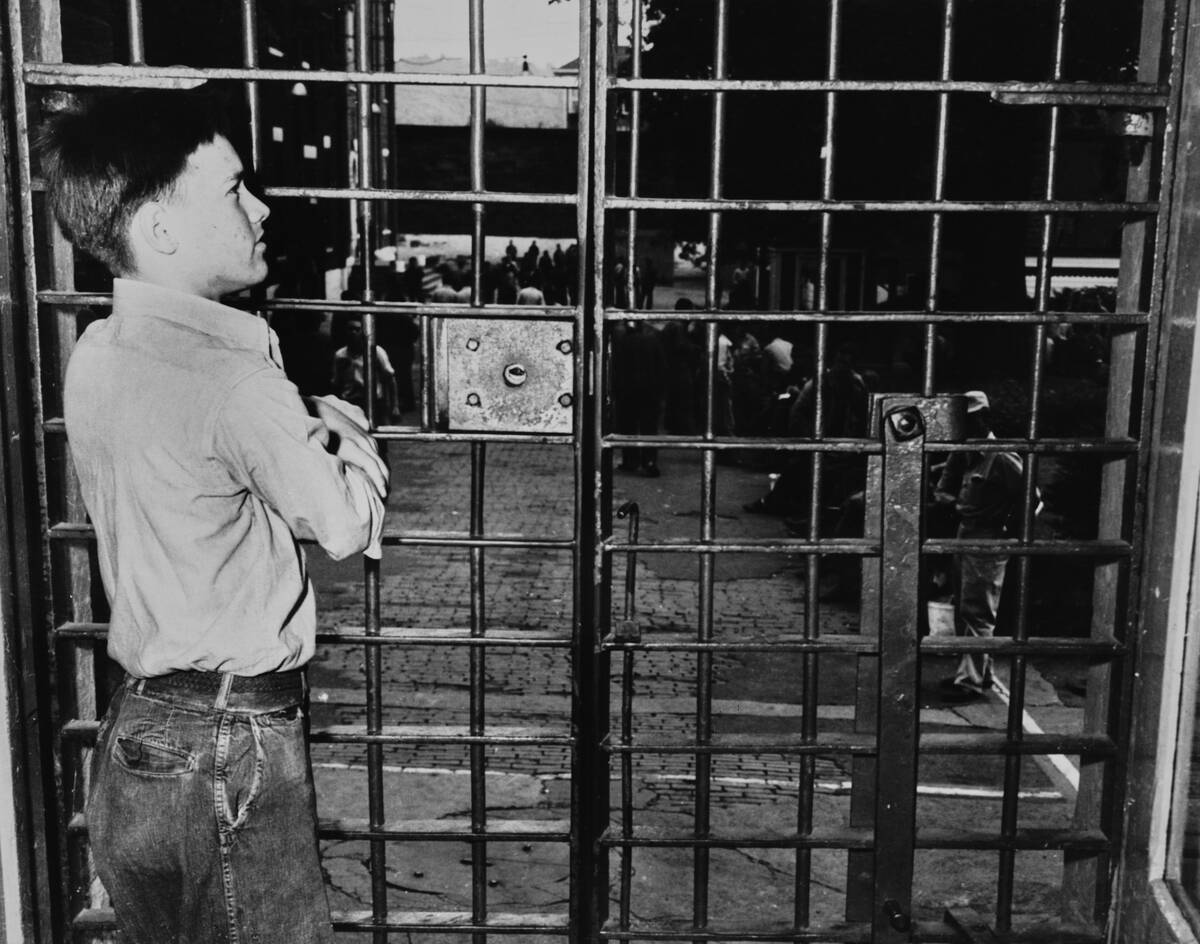
Moundsville’s unsettling reputation comes from both ancient history and a notorious prison. The city is home to Grave Creek Mound, one of the nation’s largest prehistoric Native American burial mounds, constructed by the Adena people around 250 BCE. It also housed the West Virginia Penitentiary, a Gothic Revival prison that operated from 1876 until 1995.
The prison became infamous for overcrowding, harsh living conditions, riots, and executions. Thirty-six inmates were hanged, one was executed by electrocution, and an estimated 1,000 prisoners died within its walls during its 119 years of operation. Today, ghost tours and paranormal investigations are held year-round, with many visitors reporting shadowy figures, strange voices, and unexplained physical sensations.
Bodie, California
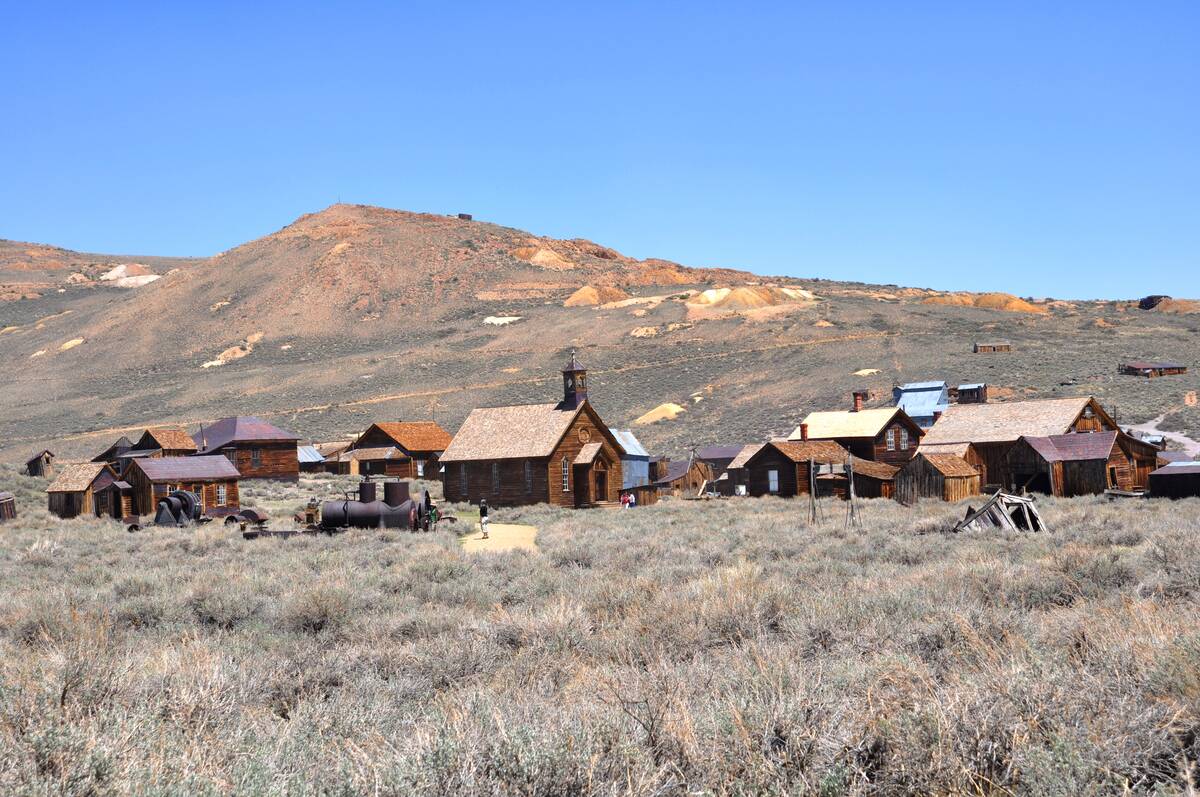
Bodie exploded into prominence during the gold rush of the 1870s, eventually reaching a population of nearly 10,000. The mining town became known for violence and disorder, with deadly confrontations occurring so often that a young girl reportedly wrote in her diary, “Goodbye God, I’m going to Bodie,” after learning her family planned to move there.
Today, Bodie survives as a California State Historic Park preserved in a condition known as “arrested decay.” Buildings are maintained but intentionally left unrestored as time slowly takes its toll. Visitors are also warned about the famous “Bodie Curse,” which is said to affect anyone who removes artifacts. Over the years, many people have mailed stolen items back, claiming misfortune followed them home.
Point Pleasant, West Virginia
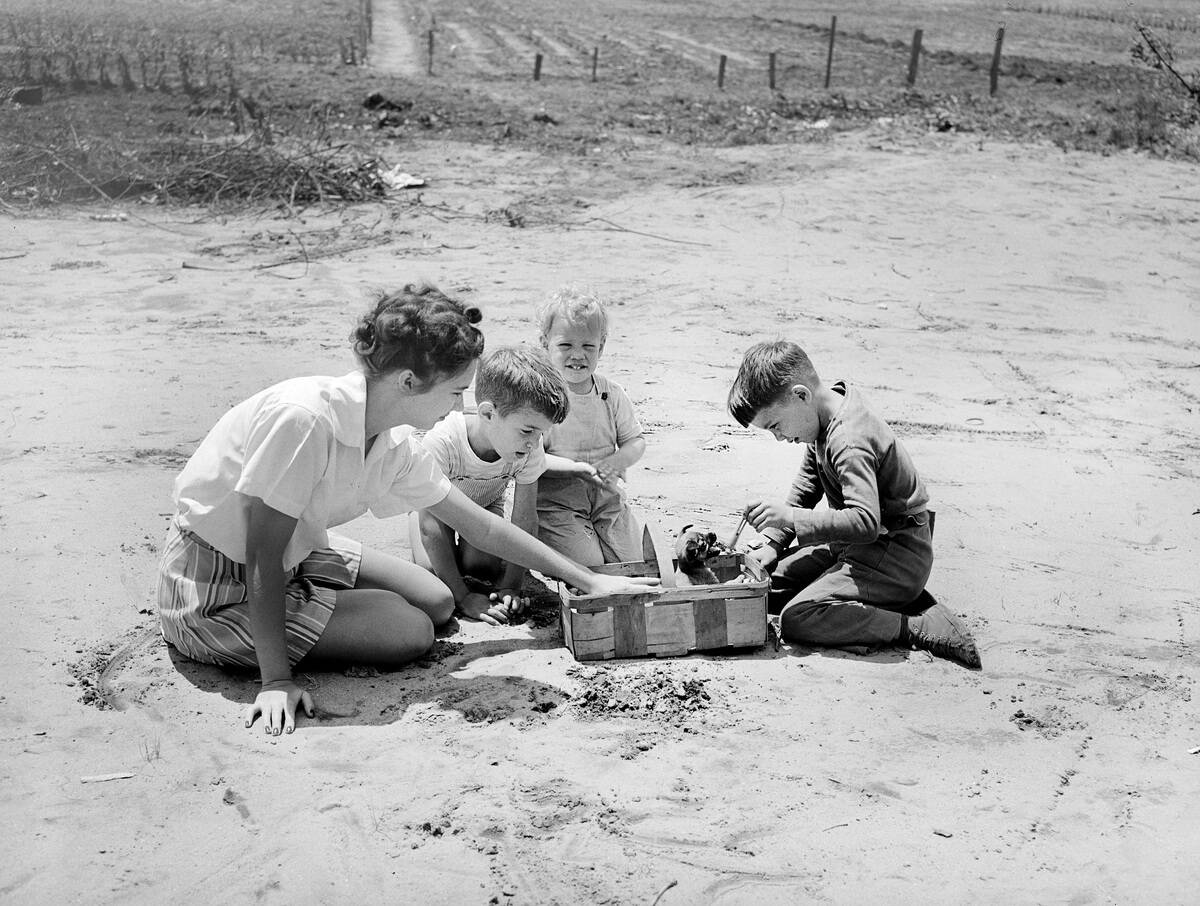
Between late 1966 and the end of 1967, many residents of Point Pleasant claimed they had seen a towering winged creature with glowing red eyes that became known as the Mothman. Soon afterward, on December 15, 1967, the Silver Bridge collapsed during rush hour, killing 46 people. Some locals came to believe the mysterious figure had been a warning of the tragedy.
Journalist John Keel later investigated the reports and published The Mothman Prophecies in 1975, helping transform the story into a lasting legend. Today, the town celebrates its unusual reputation with a 12-foot stainless steel Mothman statue, a museum devoted to the creature, and an annual festival that attracts thousands of curious visitors.
Sleepy Hollow, New York
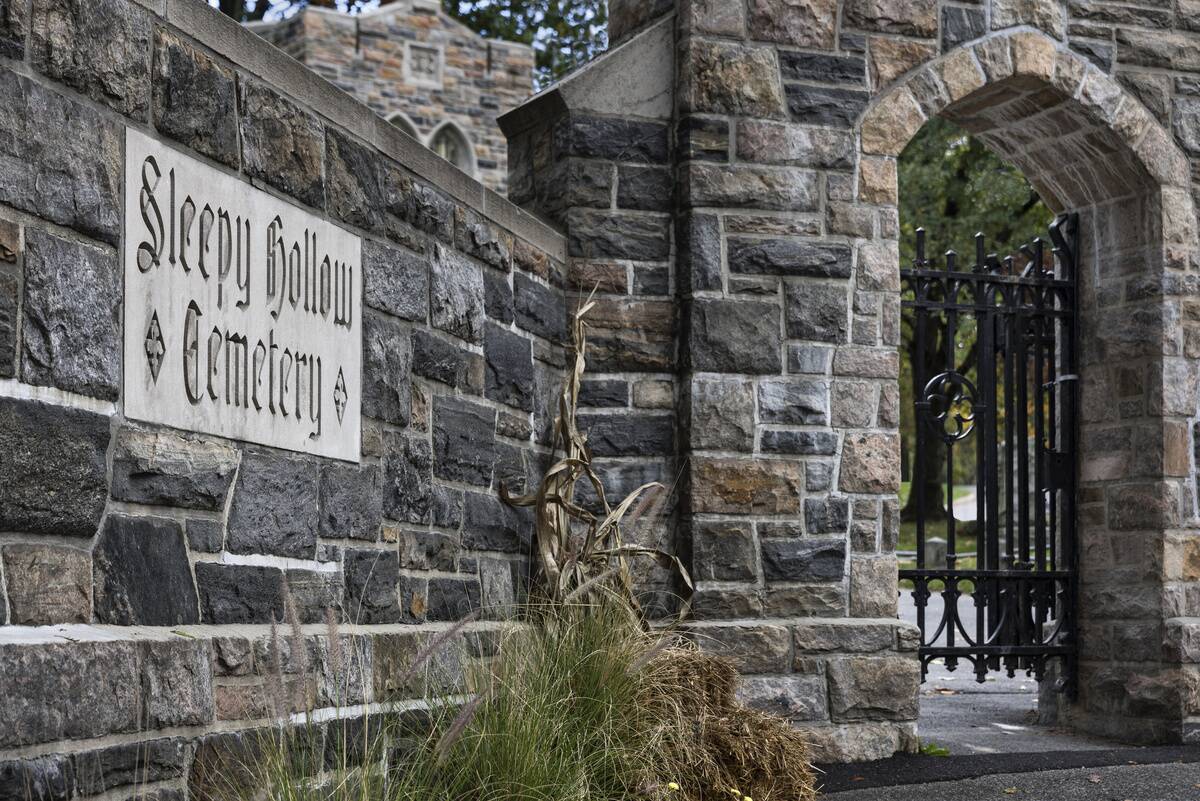
Sleepy Hollow is forever linked to Washington Irving’s 1820 tale of the Headless Horseman, but the town’s eerie reputation extends beyond fiction. The Old Dutch Burying Ground, established in 1685, ranks among New York’s oldest cemeteries. Nearby lies Sleepy Hollow Cemetery, where Irving himself was buried and where graves continue to spread across the historic landscape.
In 1996, the village officially changed its name from North Tarrytown to Sleepy Hollow, embracing the story that made it famous. Surrounded by forests, colonial-era buildings, and the often misty scenery of the Hudson Valley, the town possesses an atmosphere that naturally complements the legendary tale that has captivated readers for generations.
Jerome, Arizona
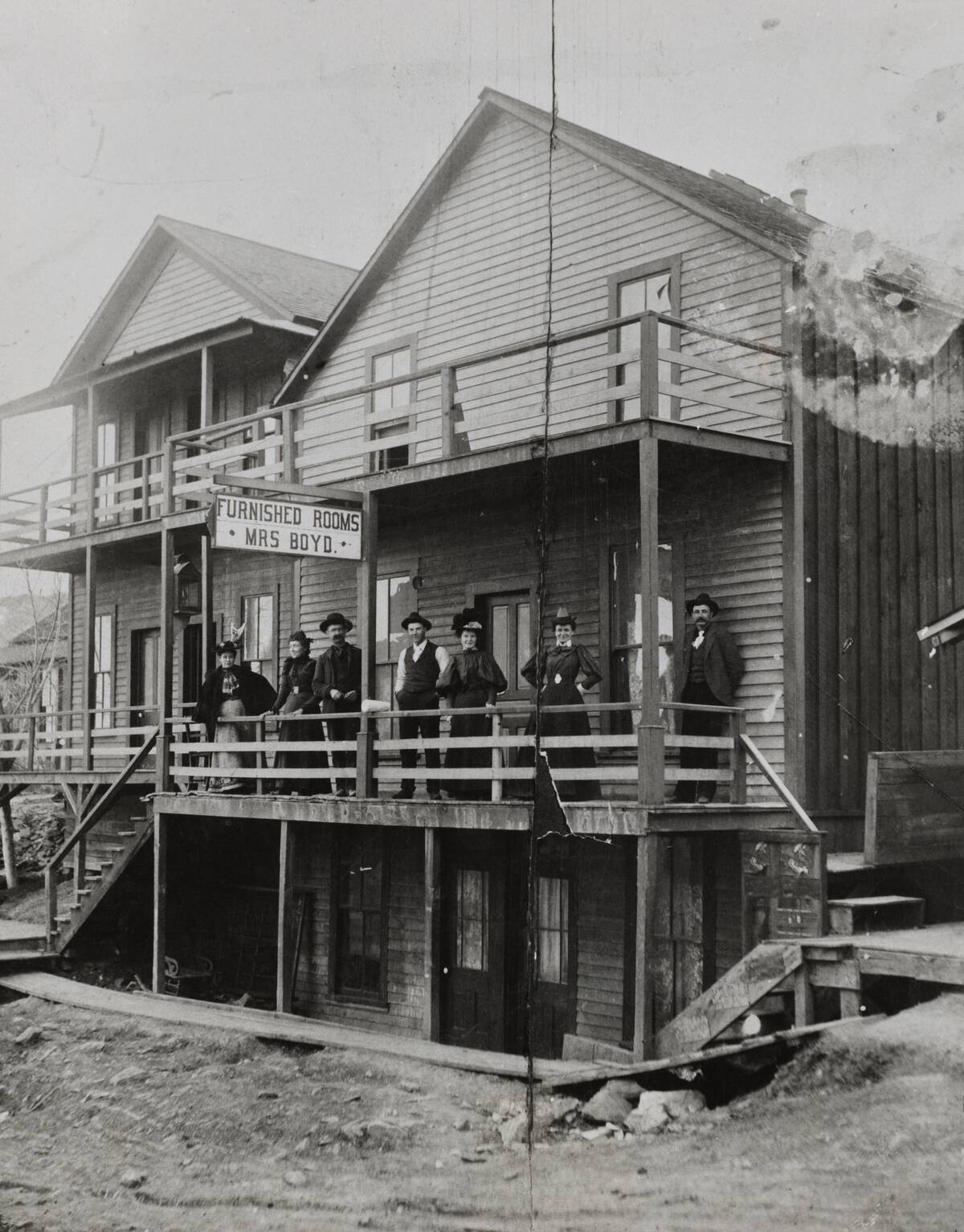
During the late 1800s and early 1900s, Jerome thrived as a booming copper-mining town perched high on Cleopatra Hill. Its reputation for betting, brothels, saloons, and frequent lawlessness earned it the nickname “the wickedest town in America,” a title first popularized by a New York newspaper. Thousands of miners passed through, bringing prosperity along with disorder.
When mining operations declined, Jerome’s population shrank dramatically, leaving fewer than 100 residents by the 1950s. Today, the former mining town attracts visitors with its preserved historic district and reputation for hauntings. Places such as the Jerome Grand Hotel and the Surgeon’s House are well known for reported ghost sightings involving former miners, a doctor, and even a former madam.
Miracle Village, Florida
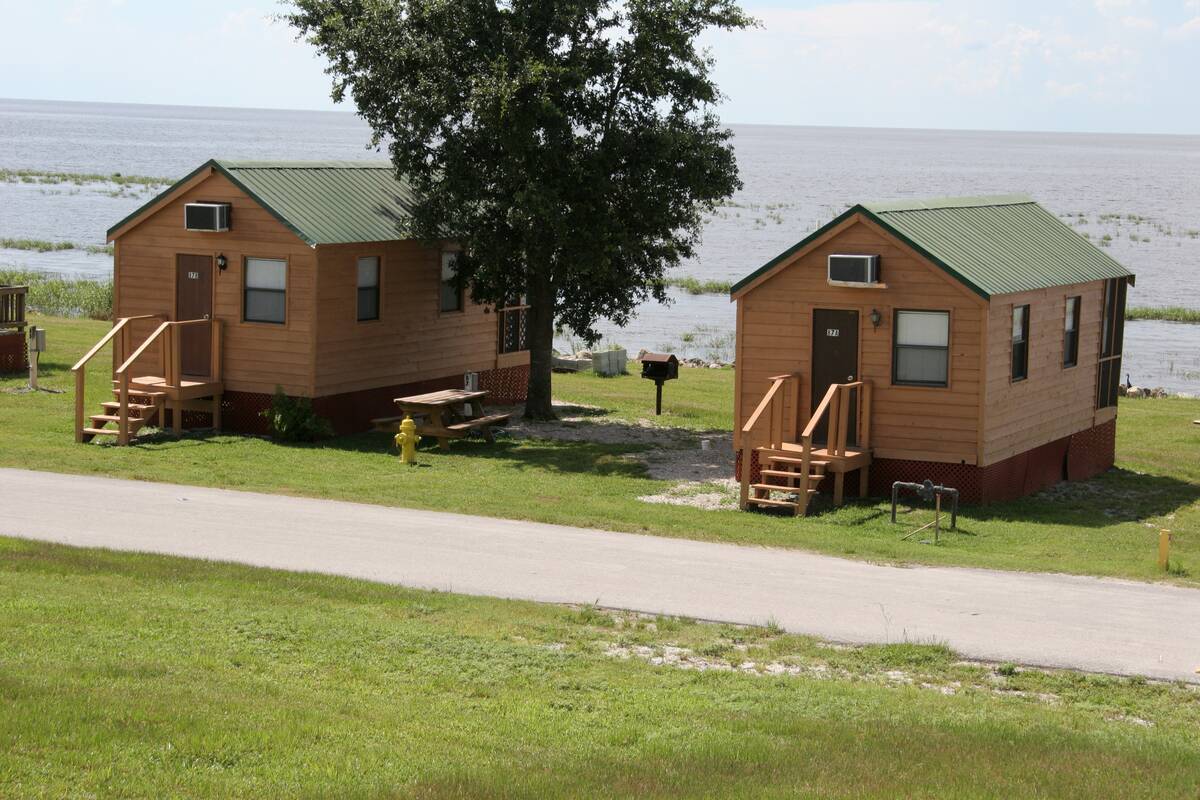
Located roughly 50 miles west of Palm Beach, Miracle Village was created to provide housing for registered offenders who struggled to find legal places to live because of Florida’s strict residency laws. Pastor Dick Witherow founded the community as a structured environment intended to offer stability for people facing severe housing restrictions.
Residents live under strict rules that prohibit alcohol, substances, and unsupervised contact with children while following a religious framework focused on rehabilitation and accountability. The community has received national attention, including coverage by The New York Times, and continues to raise difficult questions about whether it represents a compassionate response to restrictive policies or highlights deeper social concerns.
Dudleytown, Connecticut
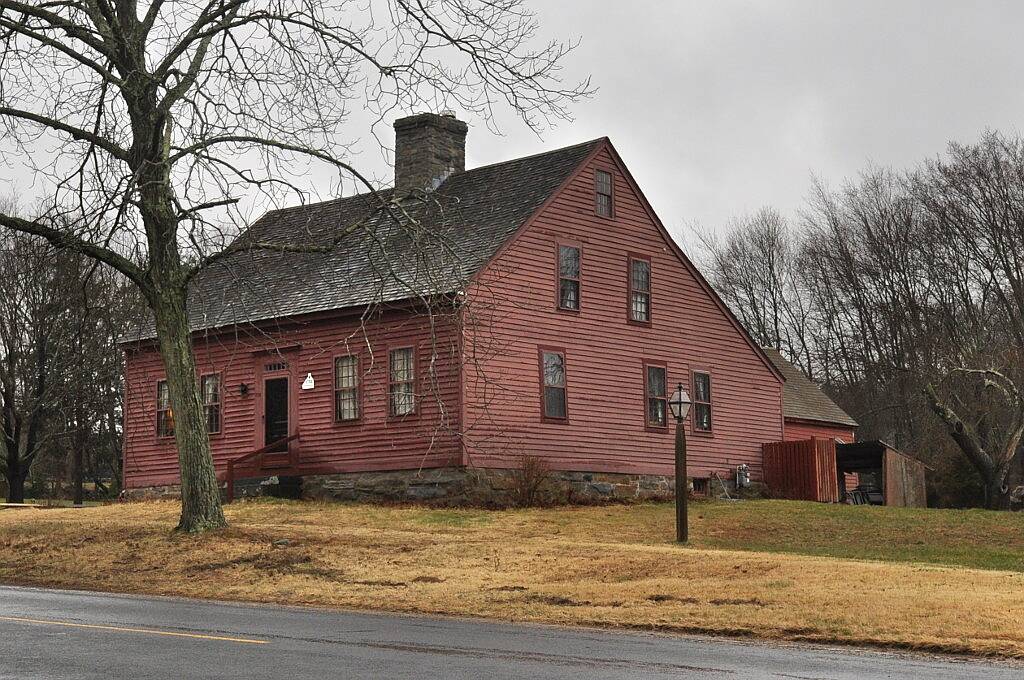
Hidden within the forests of Cornwall, Connecticut, the abandoned settlement of Dudleytown has become one of New England’s most enduring paranormal legends. Local folklore claims the Dudley family brought an ancient curse from England, bringing madness, tragedy, and misfortune to those who later settled the isolated community.
According to the stories, residents experienced unexplained visions, mental illness, and violent deaths at an unsettling rate. Today, the land is privately owned by the Dark Entry Forest Association, which strictly prohibits trespassing and actively pursues violators. That limited access has only increased public fascination, turning Dudleytown into one of the region’s best-known mysterious locations.
Picher, Oklahoma
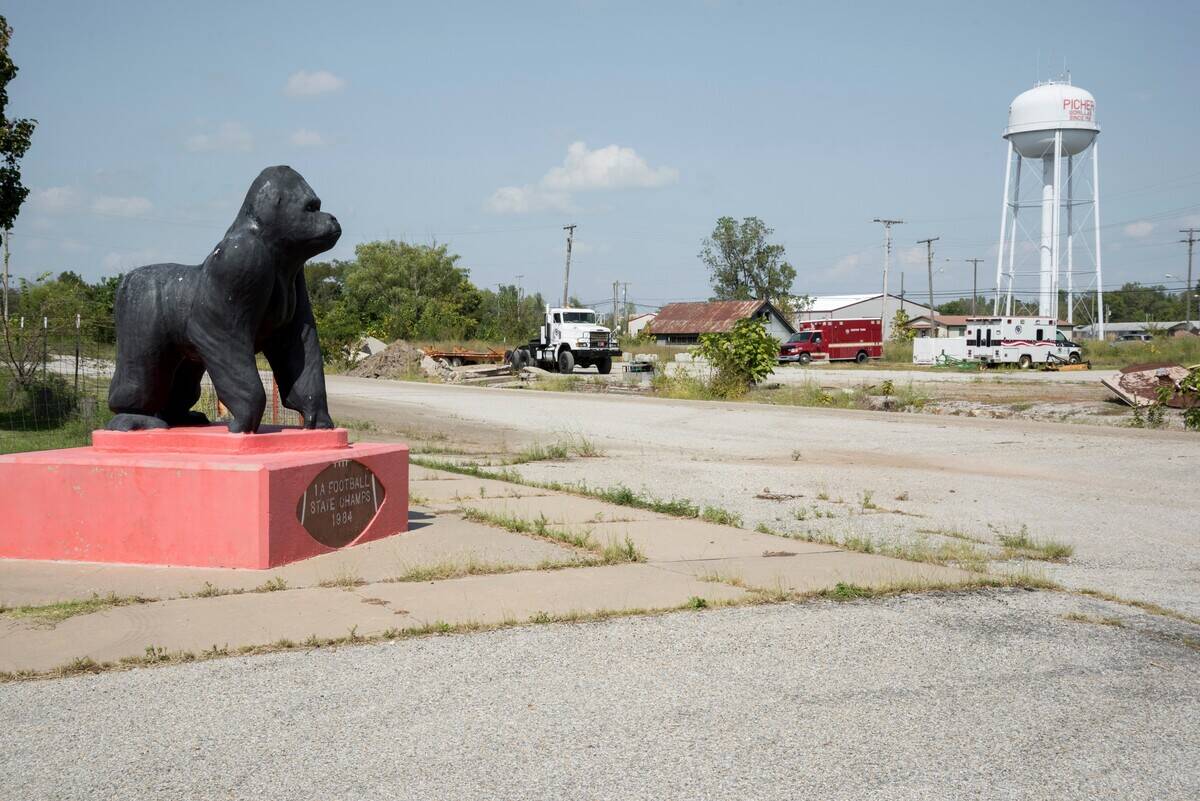
Picher’s troubled history stems from decades of lead and zinc mining rather than ghost stories. Mining operations left behind enormous piles of waste known as chat, allowing dangerous amounts of lead to contaminate the soil and groundwater. As a result, children living in the town experienced lead poisoning rates reported to be 34 times higher than the national average.
The Environmental Protection Agency designated Picher as a Superfund site in 1981, but restoring the area proved extremely difficult. Underground instability caused large sinkholes that swallowed homes, making the town increasingly unsafe. By 2009, nearly every resident had relocated through a federal buyout, leaving behind an abandoned community and an estimated cleanup cost of $1.5 billion.
Roswell, New Mexico
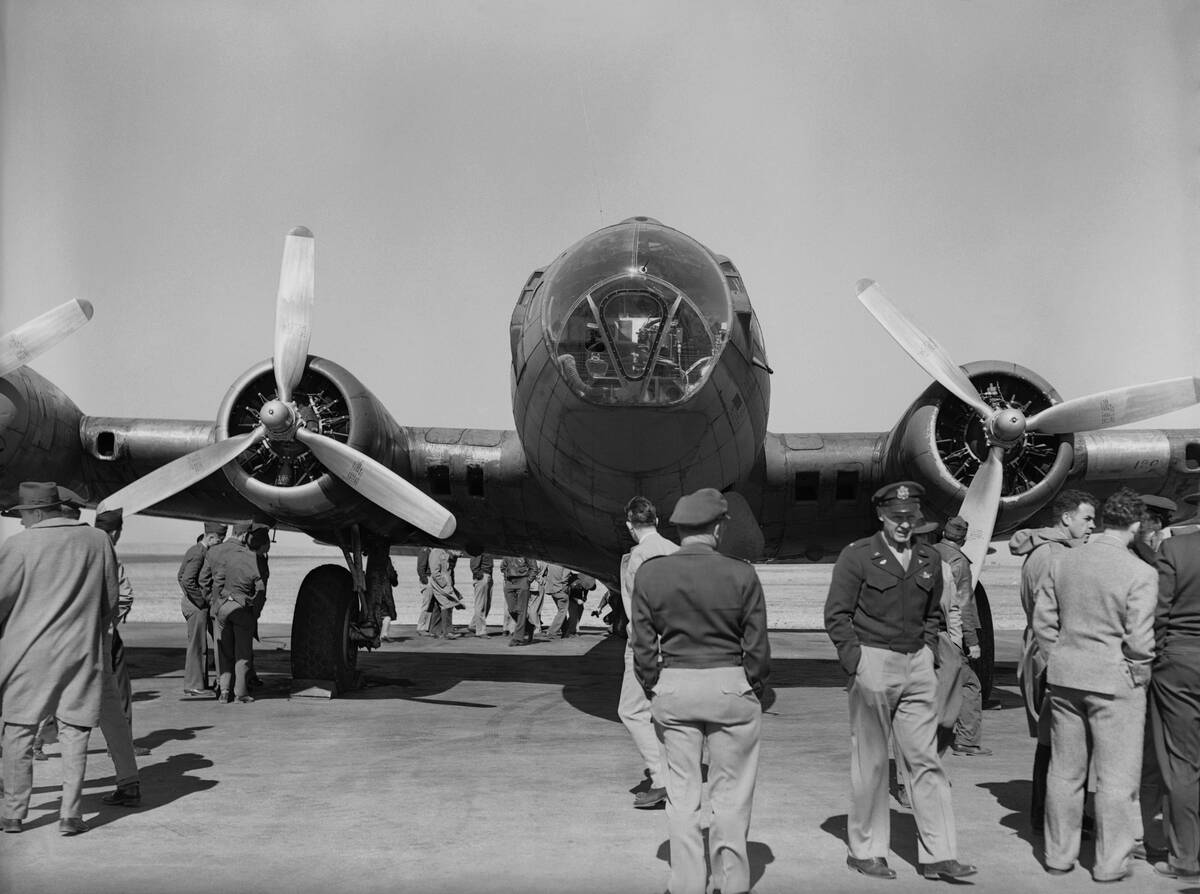
Roswell became the center of one of America’s longest-running mysteries after an object crashed in the nearby desert in July 1947. Military officials initially announced they had recovered a “flying disc,” but within a day they withdrew the statement, explaining that the debris had actually come from a weather balloon. That sudden reversal sparked decades of speculation.
Later-released government documents suggested the wreckage was connected to Project Mogul, a classified effort to detect Soviet nuclear testing. Even so, the conflicting early statements fueled countless theories. Roswell has since transformed the incident into a major attraction, complete with alien-themed businesses, the International UFO Museum and Research Center, and an annual UFO festival.
Salem, Massachusetts
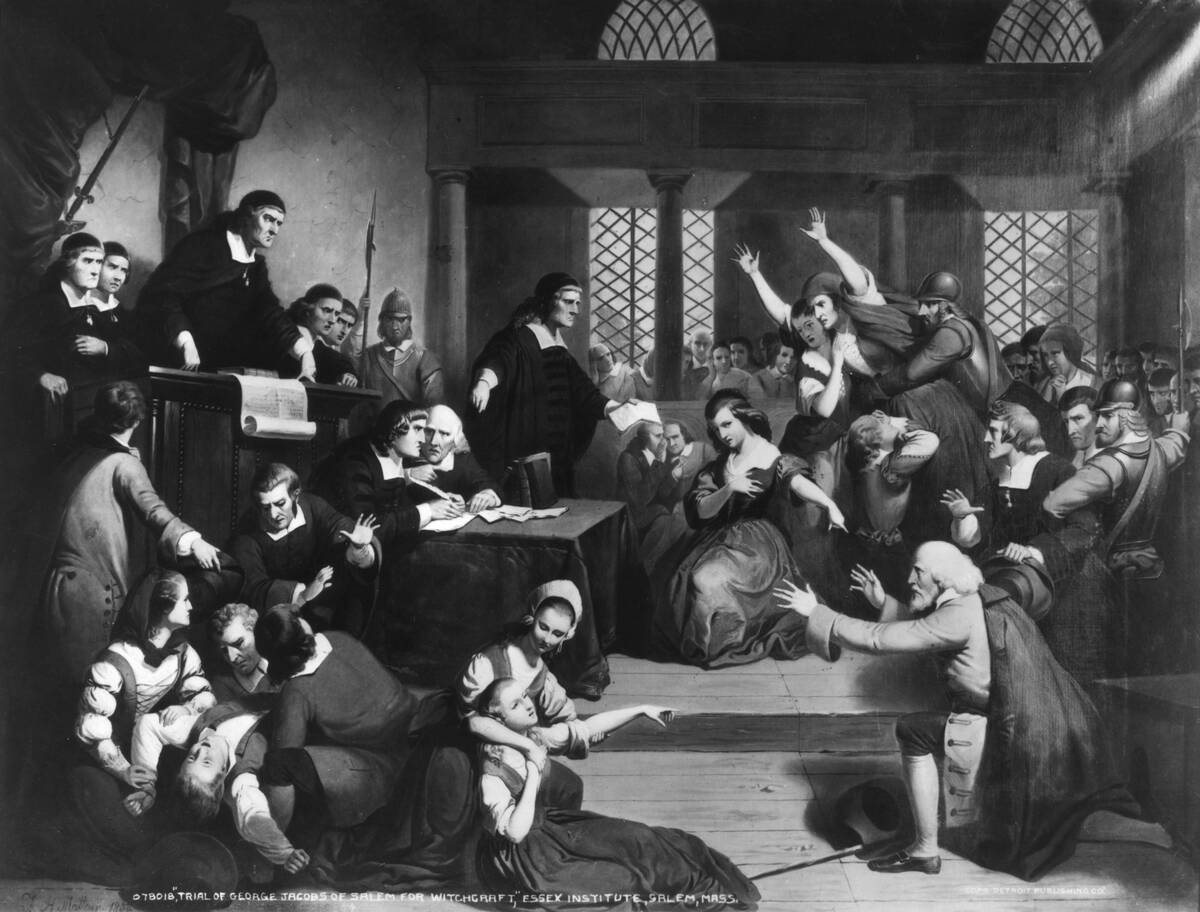
Salem’s infamous history began in 1692, when fear and suspicion spread through the Puritan settlement. More than 200 people faced accusations of witchcraft, and 20 ultimately lost their lives. Fourteen women and six men were executed, most by hanging at Gallows Hill, while Giles Corey died after being crushed beneath heavy stones during questioning.
The tragedy was fueled by testimony from teenage girls, the acceptance of “spectral evidence” in court, and a legal system that often treated denials as proof of guilt while rewarding confessions. Today, Salem attracts huge crowds every October by embracing its past, though debates continue over balancing historical remembrance with commercial tourism.
Centralia, Pennsylvania
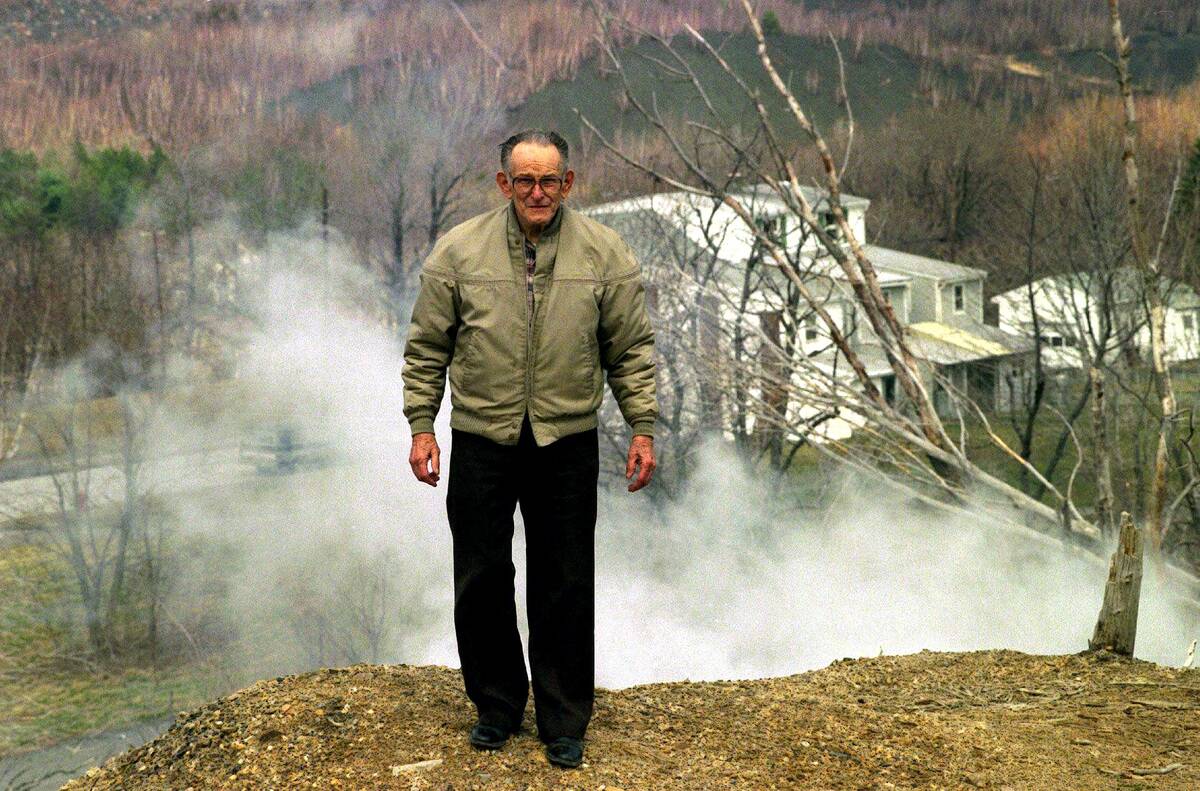
Centralia hides a disaster that has burned beneath the ground for more than six decades. In 1962, a controlled trash fire near an abandoned anthracite coal mine ignited an underground coal seam that has continued burning ever since. The fire created dangerous sinkholes, cracked streets, and released toxic carbon monoxide, slowly making the town unsafe for those who remained.
Once home to more than 1,000 people, Centralia now has fewer than five residents. During the 1980s, the federal government purchased most homes and relocated families before officially condemning the town in 1992. Its eerie landscape inspired the Silent Hill franchise, while the famous Graffiti Highway became an urban exploration destination before being removed in 2020.