Strange recipes from the 1950s and 1960s
Step into the kitchens of the 1950s and 1960s, and you’ll find a world brimming with culinary curiosities. This era was a time when convenience foods reigned supreme, and creativity in the kitchen knew no bounds.
From gelatin salads to TV dinners, the mid-century culinary scene was as colorful as it was inventive. Let’s take a lighthearted journey through some of the most iconic and peculiar dishes that defined this unique period in American food history.
The Rise of Convenience Foods: A Mid-Century Phenomenon
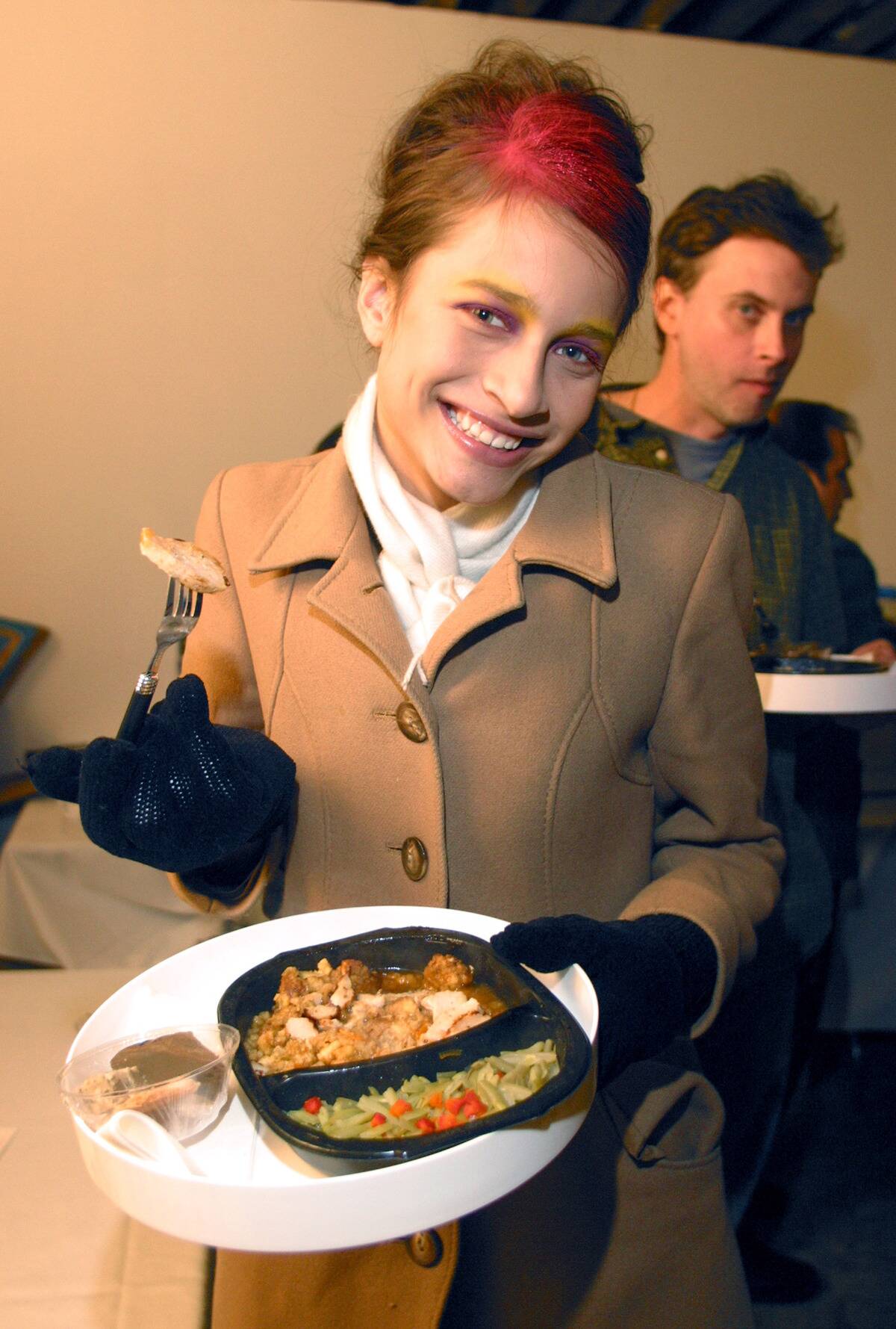
The post-war boom brought a growing demand for convenience, and the food industry responded with products such as TV dinners, canned soups, and boxed cake mixes. These innovations were marketed as ways to save time and simplify meal preparation for busy households.
Swanson’s TV dinners, introduced in 1953, became one of the most recognizable examples, offering a complete frozen meal in a compartmentalized tray. This era marked a major shift toward convenience foods, as efficiency and innovation began reshaping the way many American families prepared and enjoyed meals.
Jell-O Everything: The Gelatin Craze
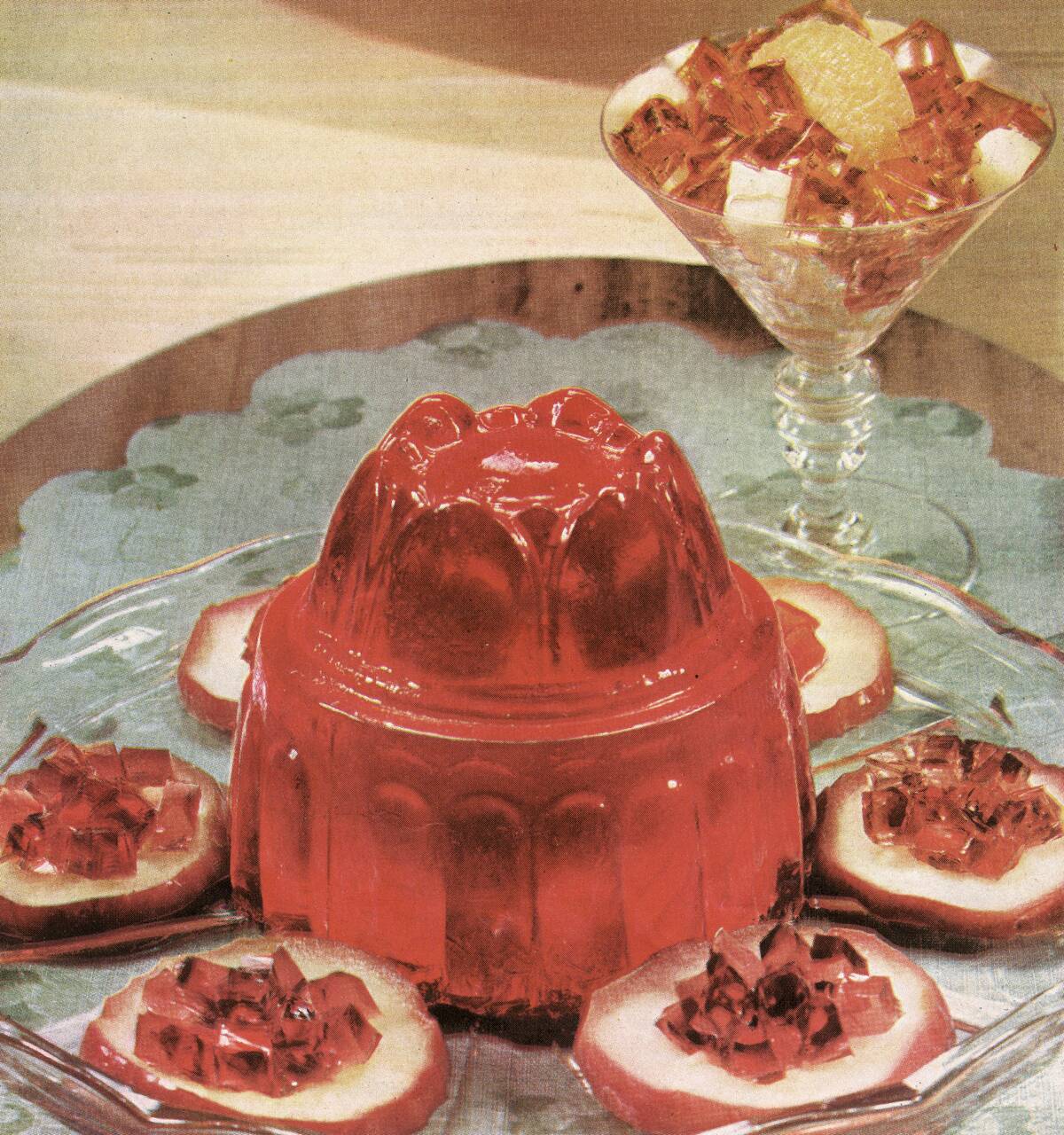
Jell-O was more than just a dessert in the 1950s and 1960s; it became a symbol of culinary creativity and entertaining. From sweet desserts to savory salads and molded dishes, gelatin appeared in a wide variety of recipes.
Home cooks often used decorative molds to create elaborate creations featuring fruits, vegetables, and even meats. The versatility, convenience, and bright colors of Jell-O made it a popular part of mid-century American dining culture, bringing a playful touch to many family meals and gatherings.
Aspic Adventures: When Savory Met Gelatin
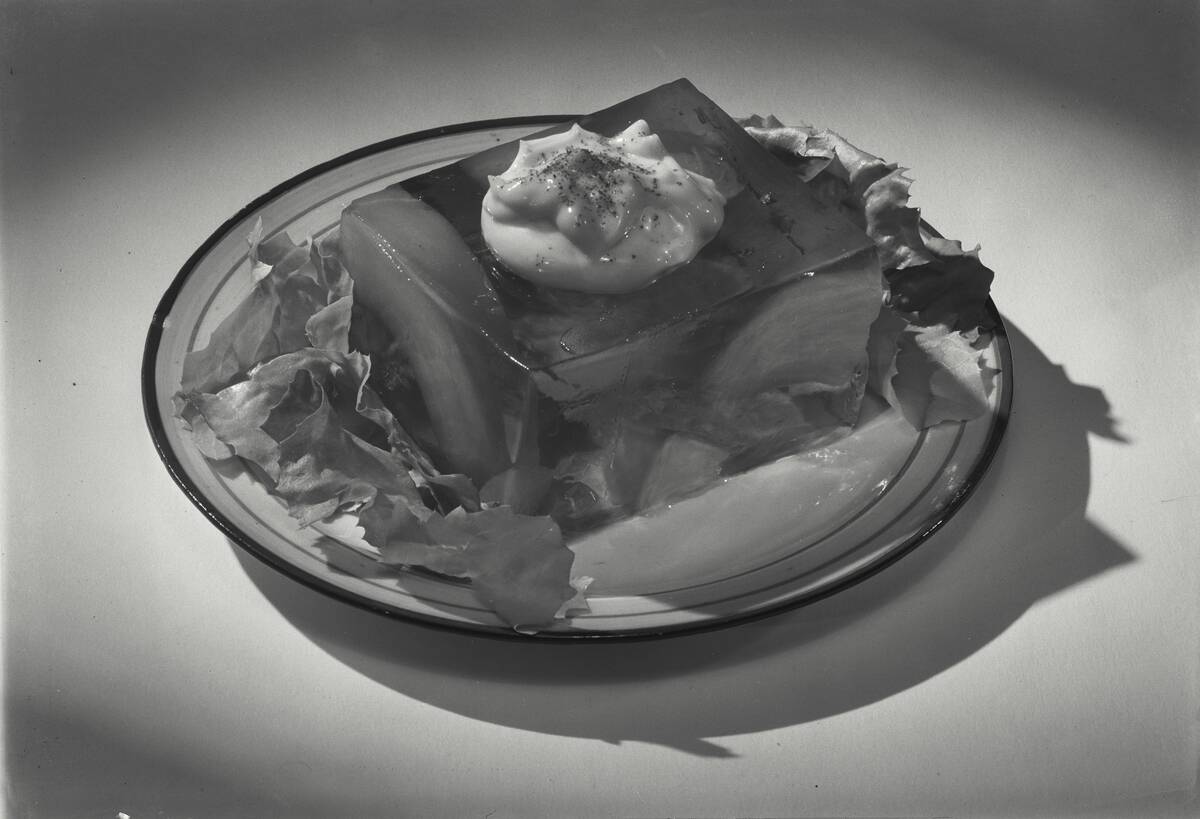
Aspic, a savory gelatin dish, was a popular and sophisticated addition to many mid-century menus. Often made with meat, fish, or vegetable stock, aspic encased ingredients such as vegetables, seafood, or meats in a clear gelatin mold. It was frequently served at dinner parties and special occasions, where its elaborate presentation was considered impressive.
While savory gelatin dishes may seem unusual today, aspic reflected the era’s interest in creative food presentation and culinary experimentation. Its distinctive appearance made it both a visual centerpiece and a memorable part of mid-century dining culture.
Meatloaf Madness: Unusual Twists on a Classic
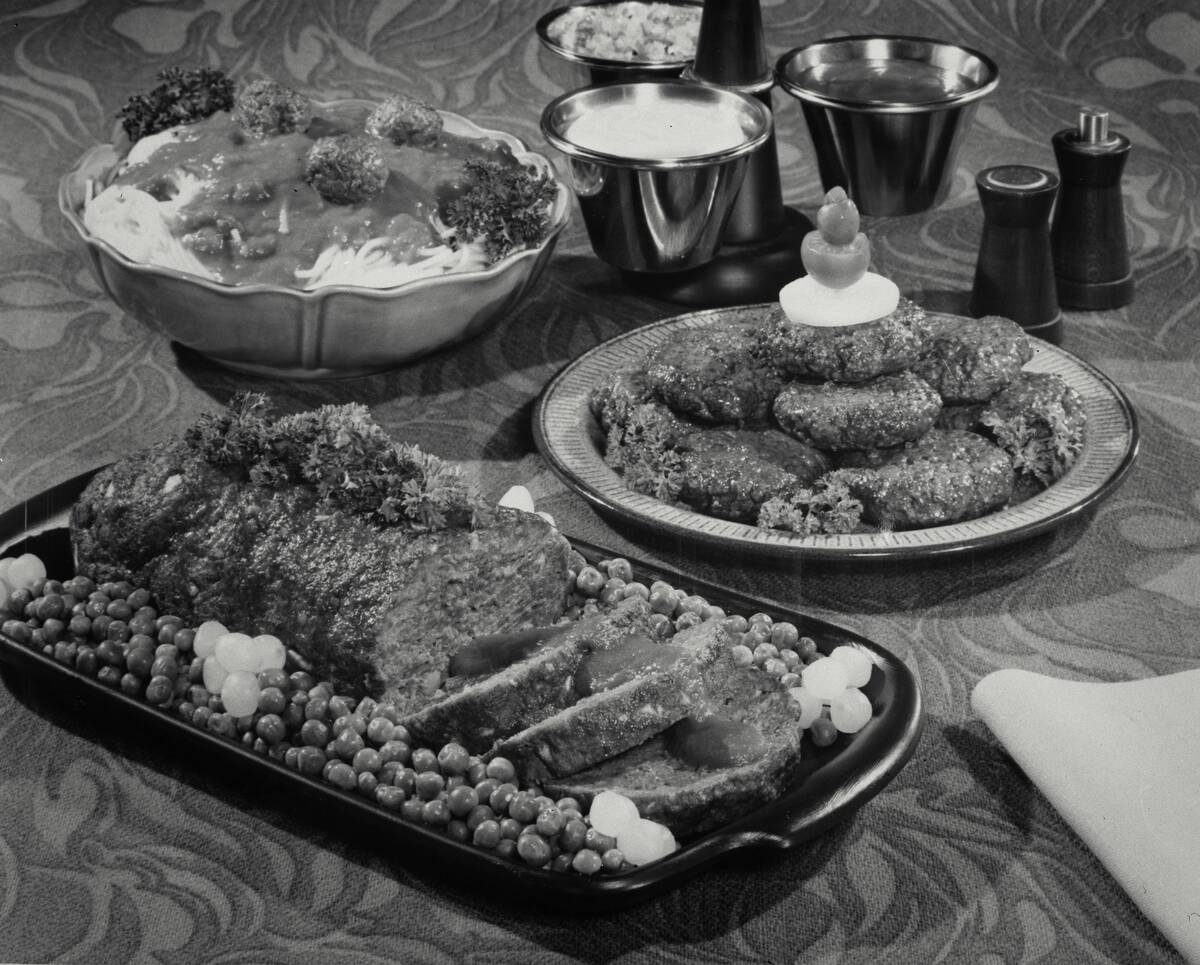
Meatloaf was a staple of the mid-century dinner table, but cooks of the era often experimented with ways to reinvent the classic dish. Recipes incorporated ingredients such as hard-boiled eggs, canned soups, vegetables, and creative sauces to add new flavors and textures.
While gelatin was more commonly used in molded salads and aspic dishes, the period was known for its willingness to explore unusual culinary ideas. Meatloaf became a versatile family favorite, reflecting the era’s interest in convenience, creativity, and experimentation in the kitchen.
The Hot Dog Revolution: Beyond the Bun
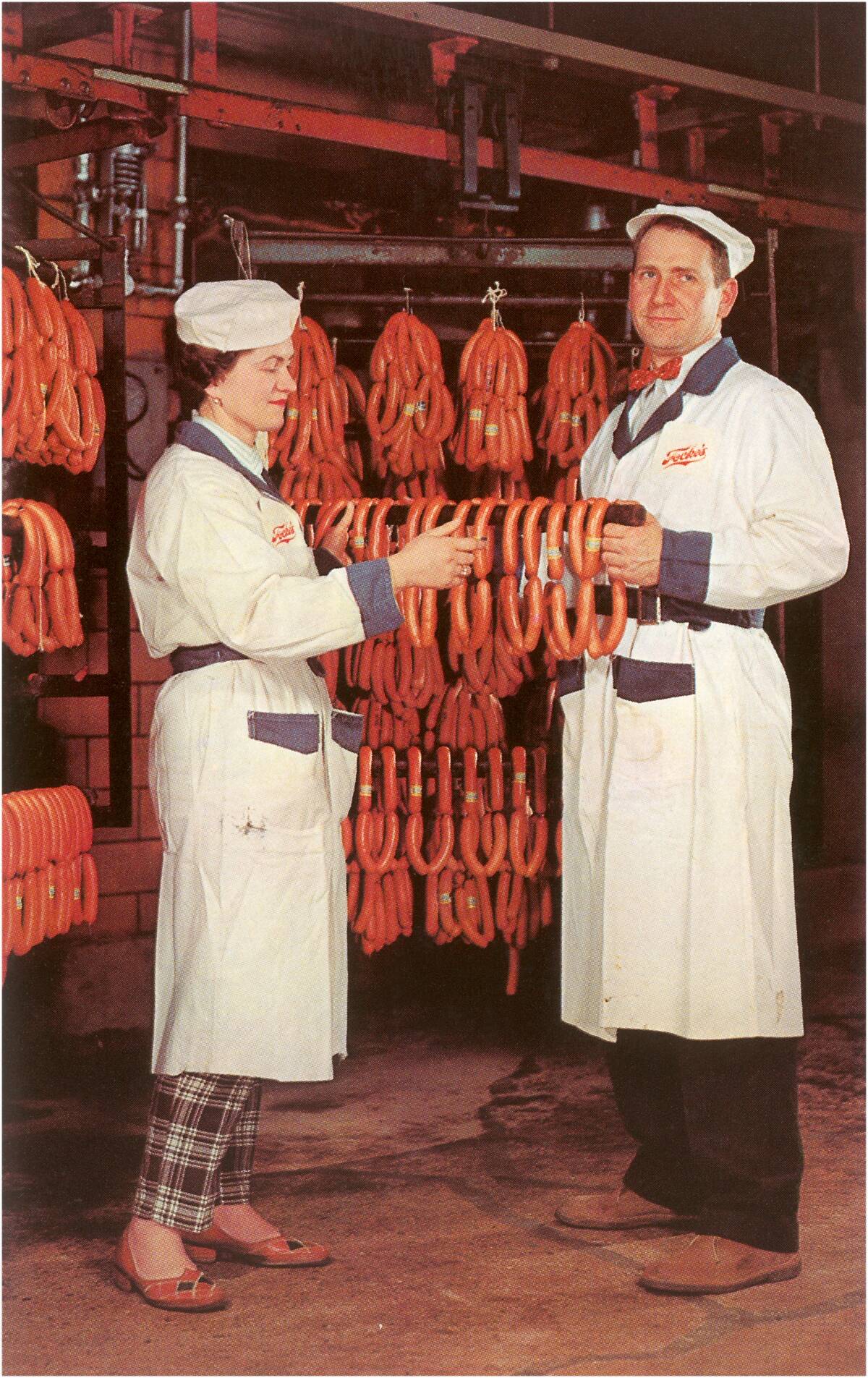
Hot dogs were a versatile ingredient in the 1950s and 1960s, finding their way into a variety of dishes beyond the classic bun. From hot dog casseroles to franks and beans, these sausages were a beloved staple in American households.
Creative cooks wrapped them in bacon, baked them into pies, and even skewered them for kabobs. The hot dog was a symbol of the era’s love for convenience and innovation, proving that sometimes the simplest ingredients can inspire the most creative dishes.
Canned Soup Surprise: The Secret Ingredient in Many Dishes
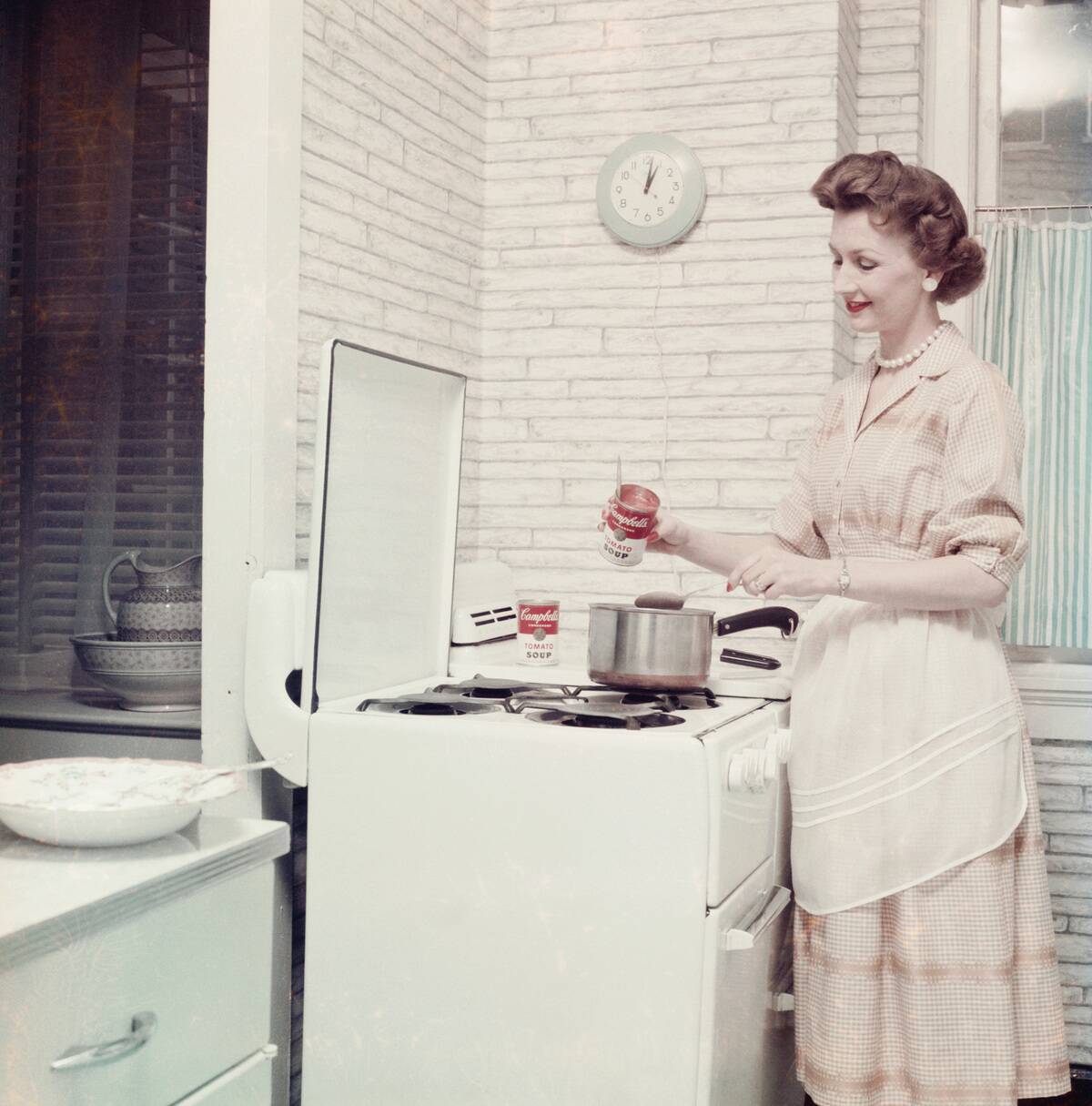
Canned soup was the secret weapon in many mid-century kitchens, adding flavor and moisture to a variety of dishes. From casseroles to meatloaves, a can of cream of mushroom or tomato soup could transform a simple recipe into a family favorite.
Campbell’s was a popular choice, with their soups becoming a pantry staple across the country. This era saw the rise of the “one-dish meal,” where canned soup was often the star, highlighting the convenience and versatility of this beloved ingredient.
The Era of Molded Salads: A Feast for the Eyes?
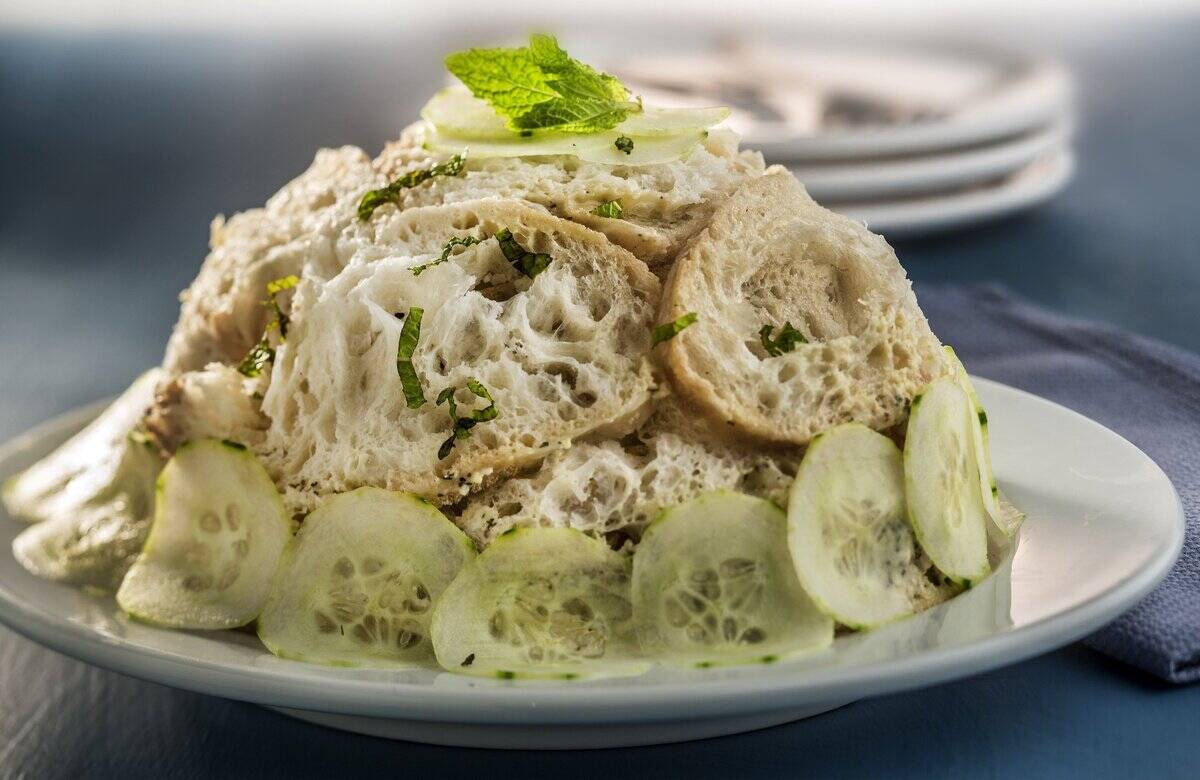
Molded salads were a distinctive feature of the mid-century dining scene, often showcasing vibrant colors and elaborate shapes. These gelatin-based dishes incorporated a wide range of ingredients, from fruits and vegetables to meats, seafood, and cheeses.
Popular at potlucks, holidays, and dinner parties, they reflected the era’s fascination with creative presentation and innovative cooking. While molded salads may seem unusual today, they remain a memorable example of mid-century culinary experimentation and the period’s love for visually striking dishes.
Spam-tastic Creations: The Versatile Canned Meat
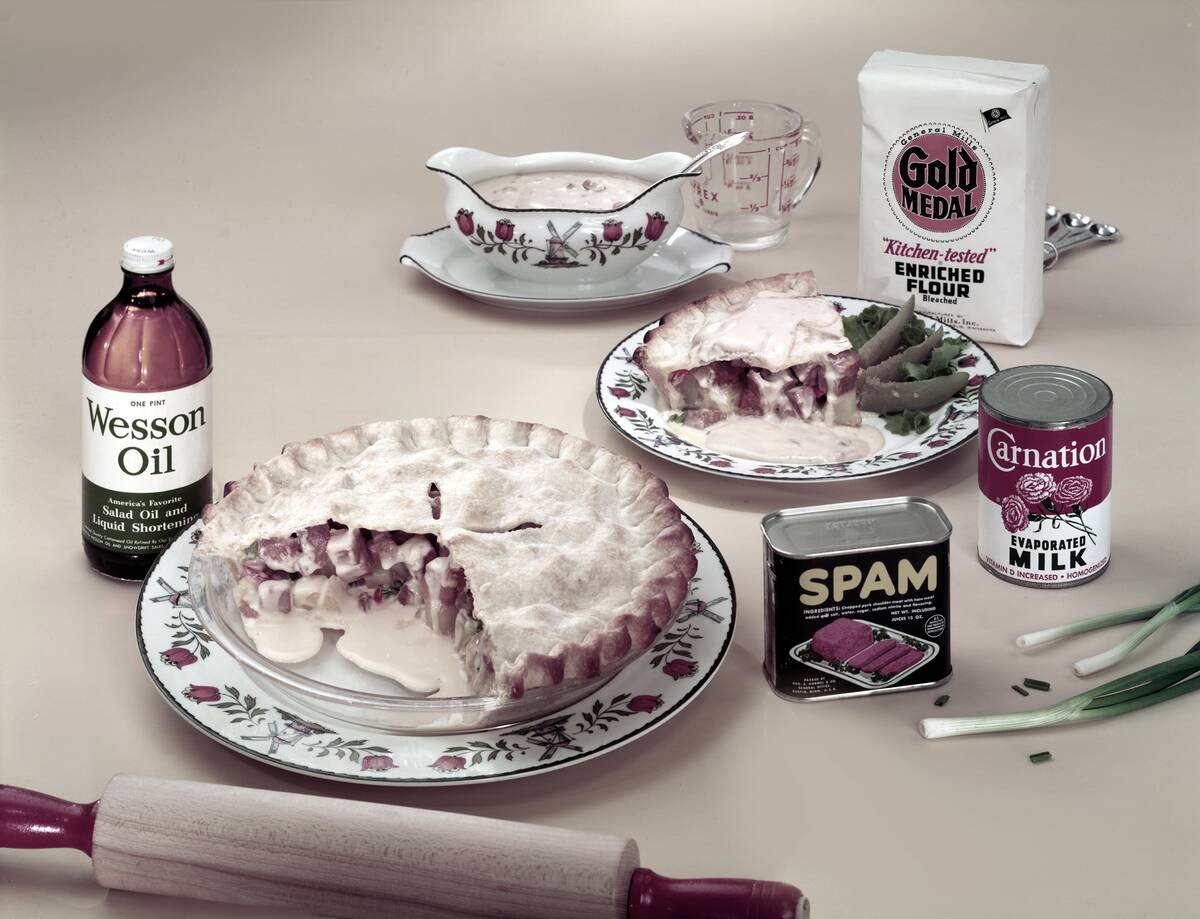
Spam was a versatile ingredient that found its way into many mid-century dishes. From Spam casseroles to Spam and eggs, this canned meat was a convenient and affordable option for families.
Its long shelf life made it a pantry staple, and its adaptability meant it could be used in a variety of recipes. Whether fried, baked, or grilled, Spam was a beloved ingredient that showcased the era’s love for convenience and innovation in the kitchen.
Pineapple Upside-Down Cake: A Sweet Staple with a Twist
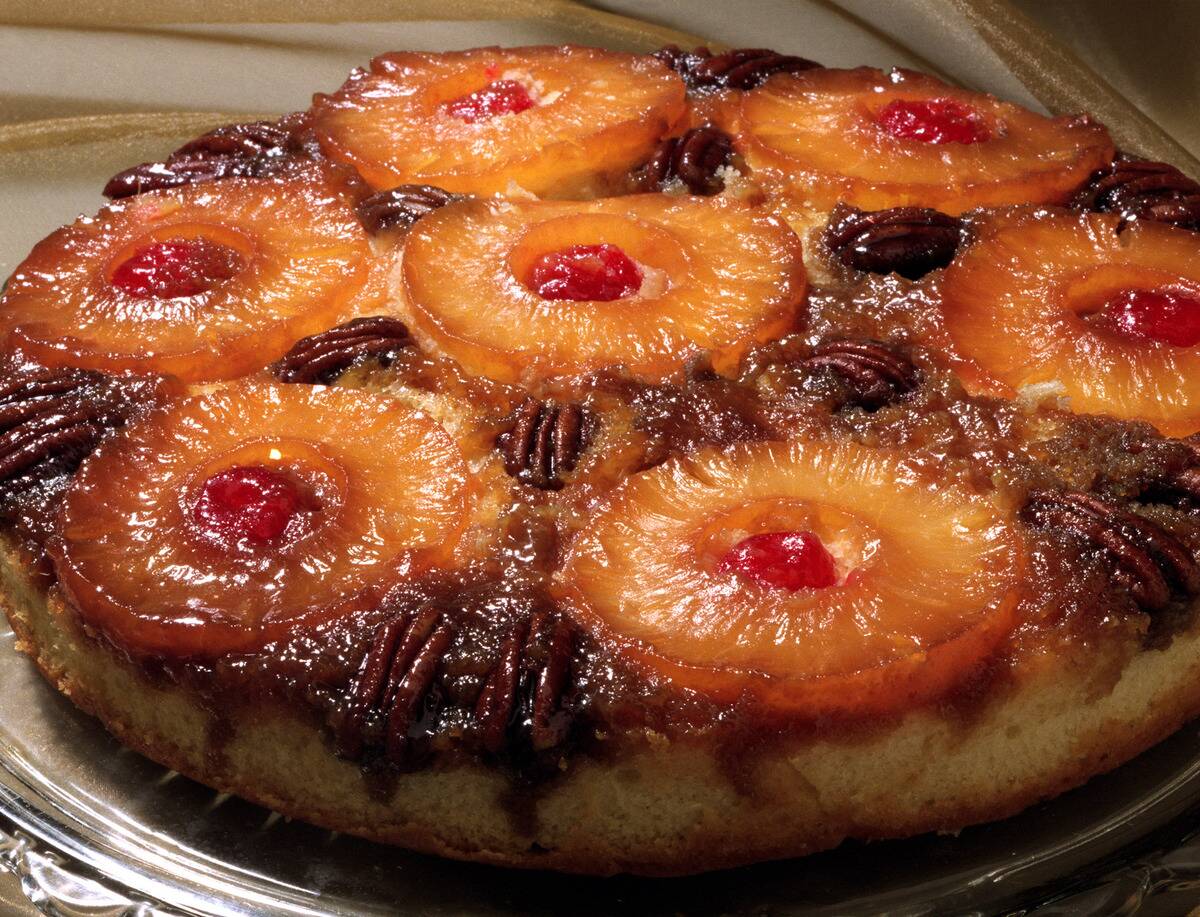
The pineapple upside-down cake was a dessert darling of the 1950s and 1960s, known for its sweet, caramelized topping and moist cake base. This iconic treat was often made with canned pineapple rings and maraschino cherries, adding a pop of color and flavor.
It was a popular choice for family gatherings and potlucks, embodying the era’s love for simple yet visually appealing desserts. The cake’s upside-down presentation was a delightful surprise, making it a nostalgic favorite that still charms today.
The Cheese Ball Extravaganza: Party Favorite or Peculiar Snack?
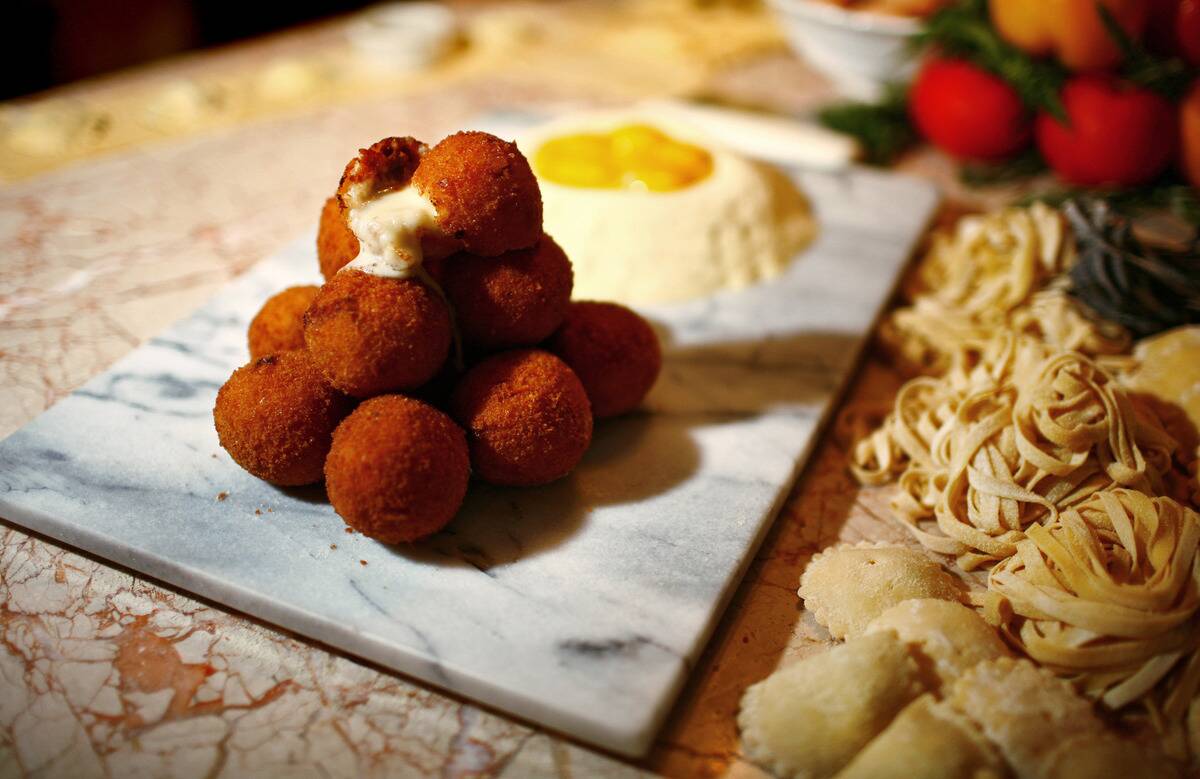
Cheese balls were a party staple in the mid-century, often served as an appetizer or snack at gatherings. These savory creations were made by mixing cream cheese with various ingredients like nuts, herbs, and spices, then rolling them into a ball.
They were often coated with nuts or herbs for added flavor and texture. The cheese ball was a versatile and easy-to-make dish that showcased the era’s love for bold flavors and creative presentations, making it a beloved party favorite.
Casserole Concoctions: Layered and Loaded
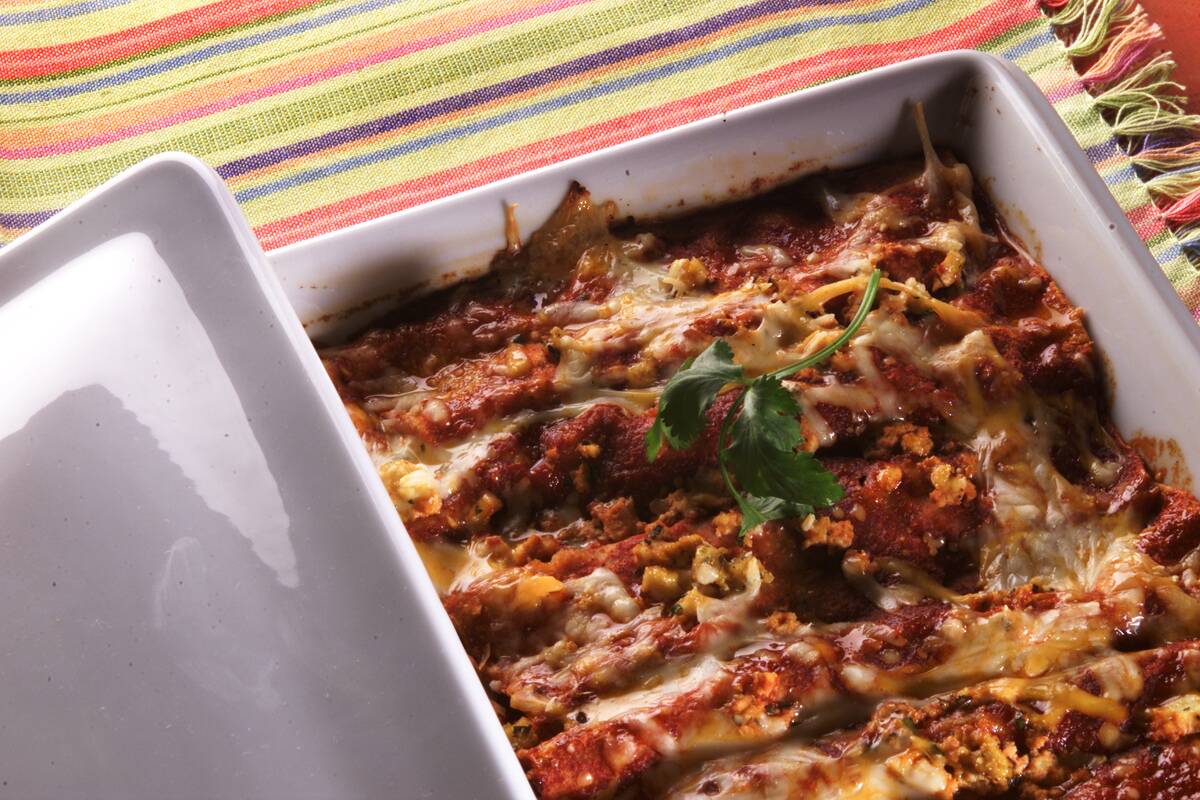
Casseroles were the ultimate comfort food in the mid-century, offering a hearty and satisfying meal in one dish. These layered creations often featured ingredients like pasta, rice, vegetables, and meats, all bound together with a creamy sauce or canned soup.
They were a popular choice for busy families, providing a convenient and budget-friendly option for dinner. The versatility of casseroles meant that they could be tailored to suit any taste, making them a beloved staple in American households.
Creative Cake Mix Creations: When Boxed Mixes Ruled the Oven
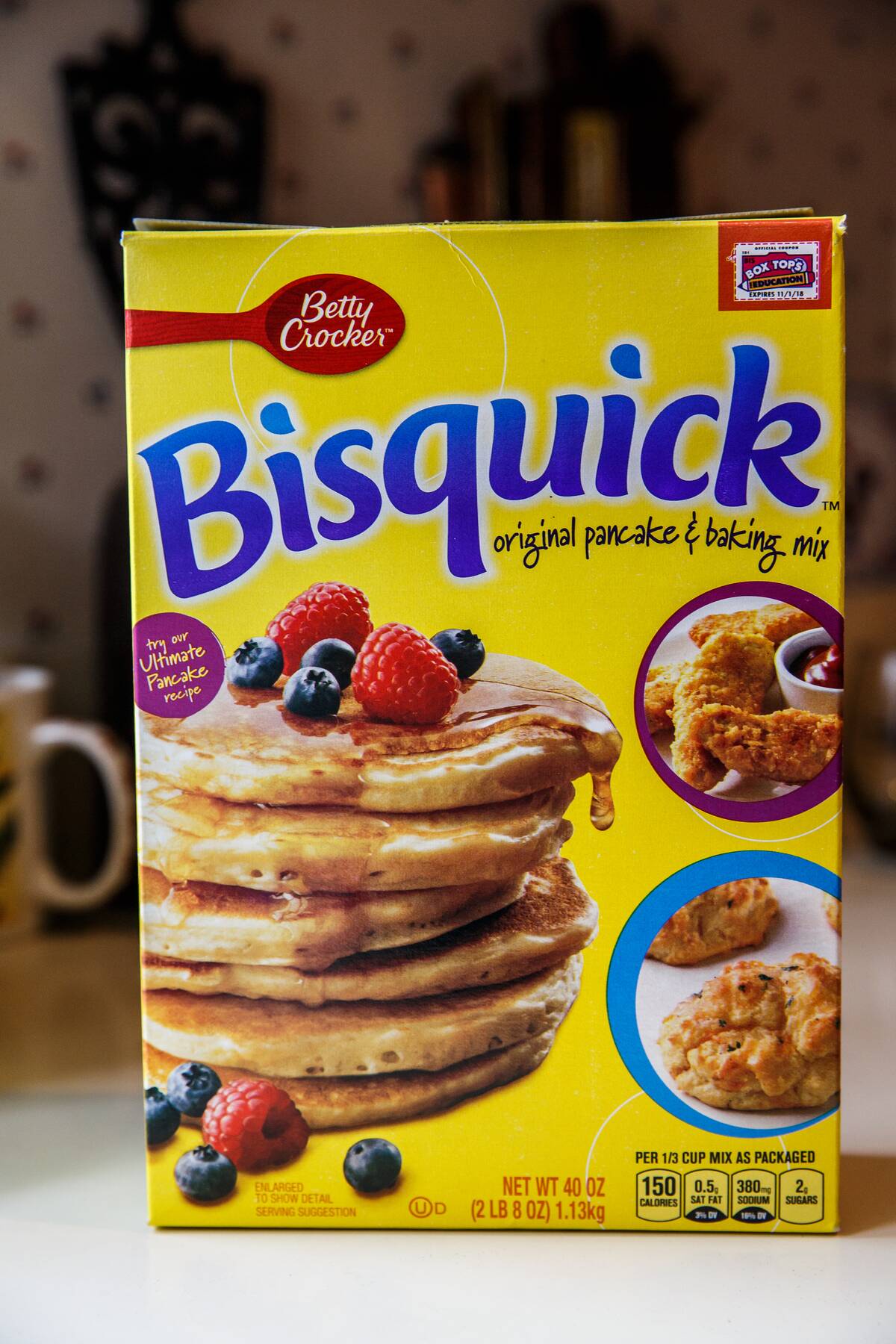
Boxed cake mixes were a game-changer in the mid-century kitchen, allowing home bakers to whip up delicious cakes with ease. Brands like Betty Crocker and Duncan Hines offered a variety of flavors, from classic vanilla to rich chocolate.
These mixes were a time-saving solution for busy homemakers, providing a reliable and consistent result every time. Creative bakers often added their own twists, incorporating fruits, nuts, or spices to personalize their creations, making boxed cake mixes a beloved staple in American homes.
Ambrosia Salad: A Sweet and Fruity Delight
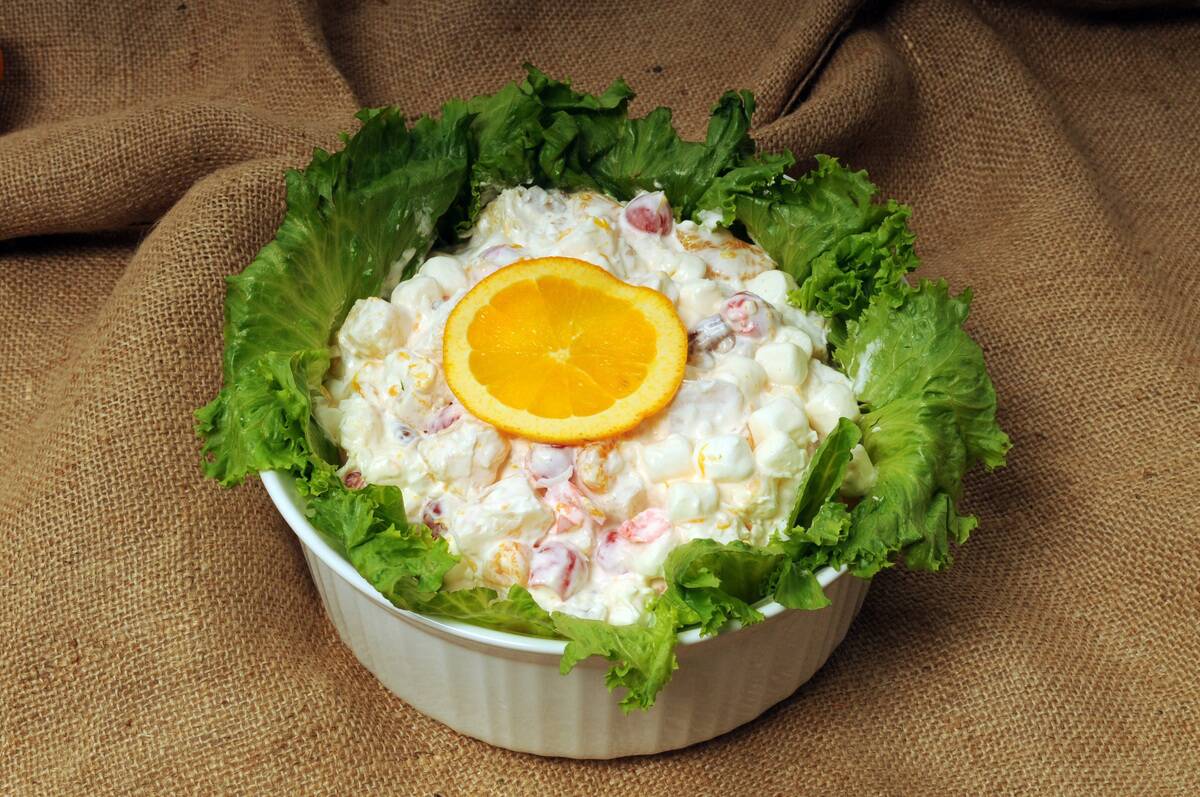
Ambrosia salad was a sweet and fruity treat that graced many a mid-century table. This dessert salad typically featured a mix of canned fruits, marshmallows, and coconut, all bound together with whipped cream or sour cream.
It was a popular choice for potlucks and family gatherings, offering a refreshing and colorful addition to any meal. The combination of flavors and textures made ambrosia salad a beloved classic, capturing the era’s love for simple yet indulgent desserts.
The Advent of Exotic Flavors: Pineapple and Ham Pairings
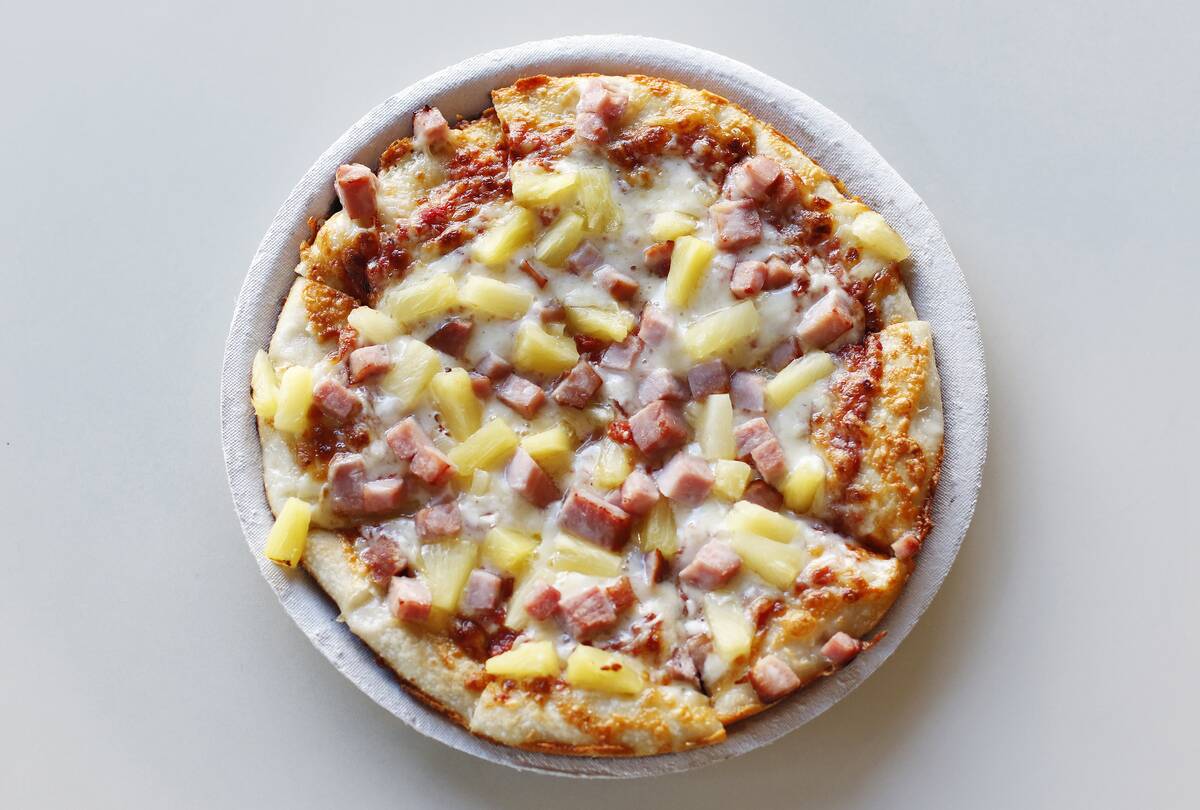
The mid-century saw a growing fascination with tropical flavors, and the pairing of pineapple and ham became a popular sweet-and-savory combination. This duo appeared in dishes such as baked ham topped with pineapple rings and, later, Hawaiian pizza, which was created in 1962.
The tropical fruit added sweetness, color, and a sense of novelty, transforming familiar meals into something distinctive. The era’s enthusiasm for new flavor combinations reflected changing American tastes and a growing interest in incorporating new ingredients into everyday cooking.
Retro Beverage Trends: From Tang to Tiki Cocktails
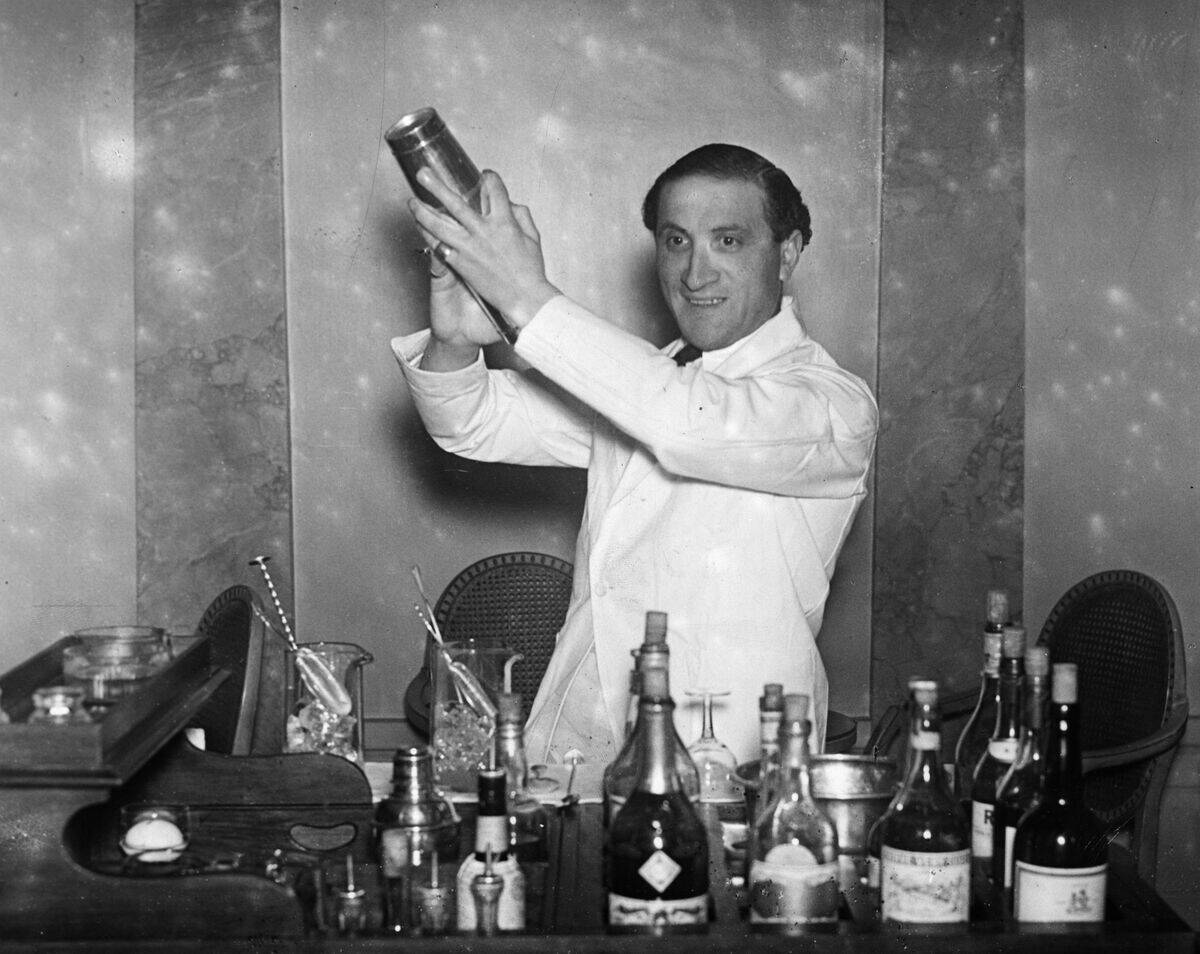
Beverages in the mid-century were as innovative as the food, with trends ranging from powdered drinks like Tang to elaborate tiki cocktails. Tang, introduced in 1957, was a popular orange-flavored drink mix that became a breakfast staple.
Meanwhile, tiki bars offered exotic cocktails adorned with umbrellas and fruit garnishes, capturing the era’s fascination with Polynesian culture. These beverages were a reflection of the times, showcasing a love for novelty and adventure in both food and drink.
The Quirky Charm of Vintage Cookbooks and Advertisements
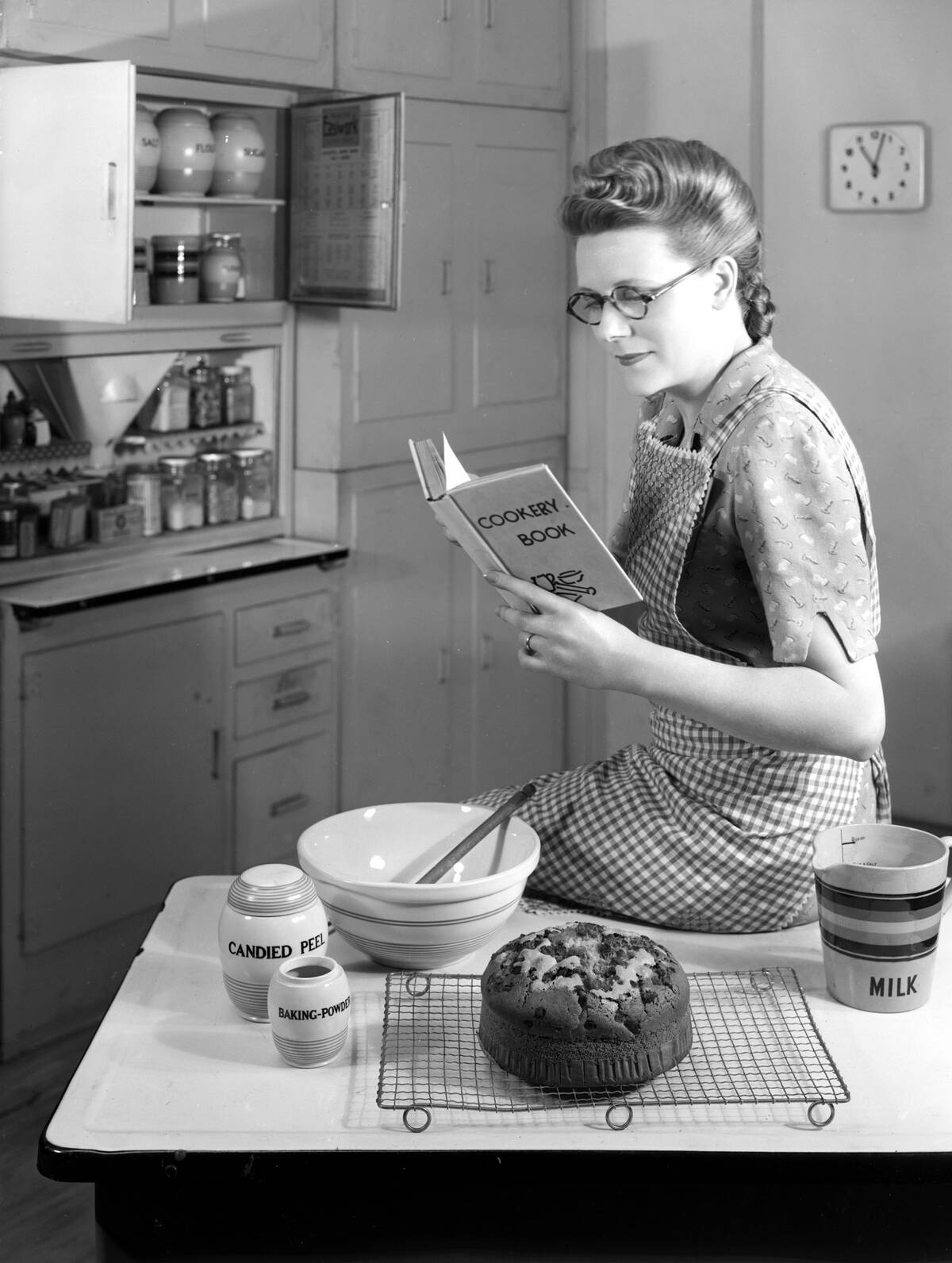
Vintage cookbooks and advertisements from the mid-century offer a fascinating glimpse into the culinary trends of the time. These publications were filled with colorful illustrations and creative recipes, often promoting the latest convenience foods and kitchen gadgets.
Advertisements featured smiling housewives and catchy slogans, capturing the optimism and innovation of the era. Today, these cookbooks and ads are treasured collectibles, providing a nostalgic look back at a time when the kitchen was a hub of creativity and experimentation.