Future predictions that were hilariously wrong
Predicting the future is a tricky business, and history is littered with bold forecasts that have missed the mark. From technological advancements to societal shifts, experts have often found themselves on the wrong side of hindsight.
While some predictions have been eerily accurate, others have become punchlines in the comedy of errors that is human foresight. Let’s take a lighthearted look at some of the most notable missteps in the art of prediction.
The Flying Car Fiasco: Why We’re Still Stuck in Traffic
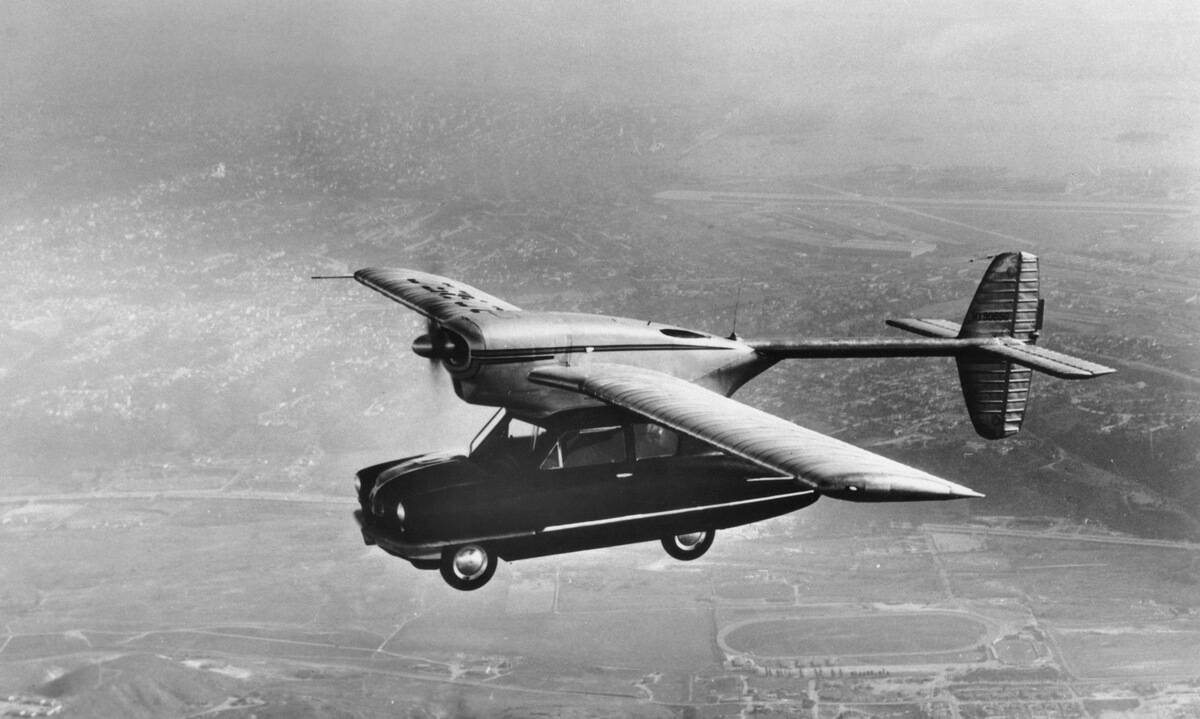
For decades, futurists have promised us flying cars, yet here we are, still bumper-to-bumper on the freeway. The dream of soaring above traffic jams has been around since the early 20th century, with inventors like Henry Ford dabbling in prototypes.
Despite technological advancements, safety concerns and regulatory hurdles have kept our wheels firmly on the ground. It seems that for now, flying cars remain a fantasy reserved for sci-fi films and imaginative daydreams.
The Internet is Just a Fad: How Experts Underestimated the Digital Age
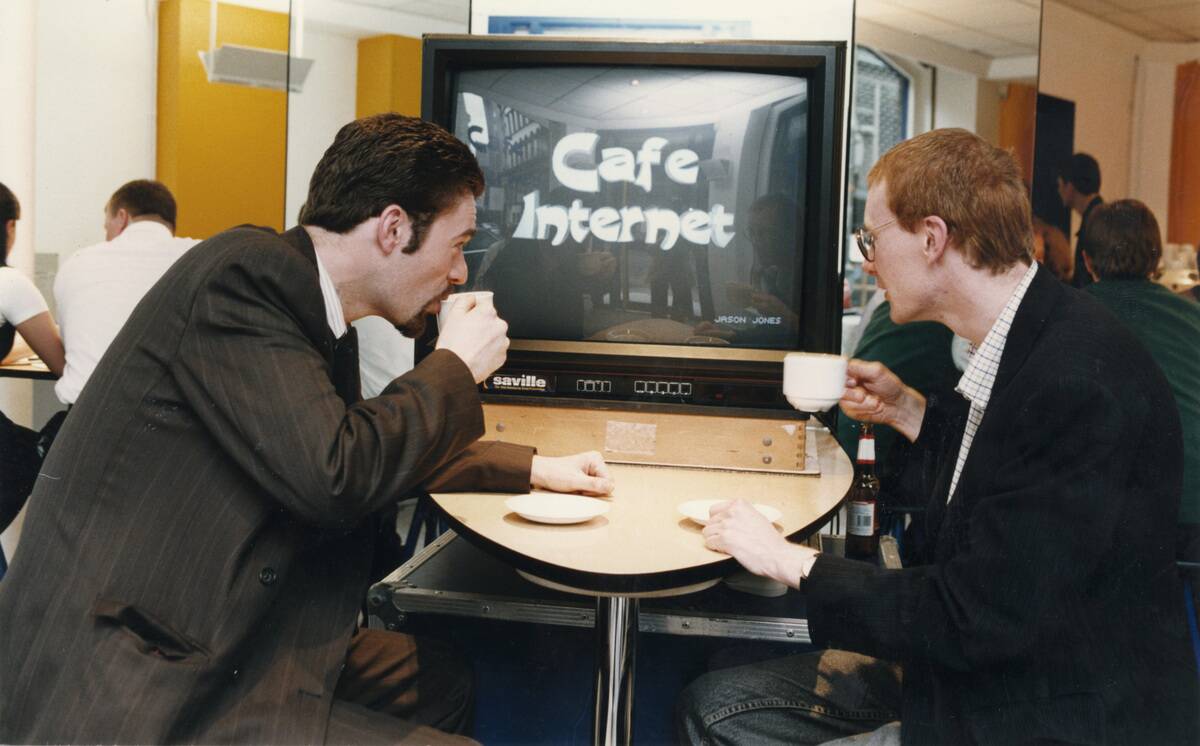
In the early days of the internet, some experts dismissed it as a passing trend. Notably, a 1995 Newsweek article questioned the internet’s potential, doubting its ability to replace traditional media.
Fast forward to today, and the internet is an integral part of daily life, revolutionizing communication, commerce, and entertainment. This underestimation serves as a reminder of how quickly technology can reshape the world, often beyond our wildest expectations.
The 640K Memory Limit: Bill Gates’ Alleged Miscalculation
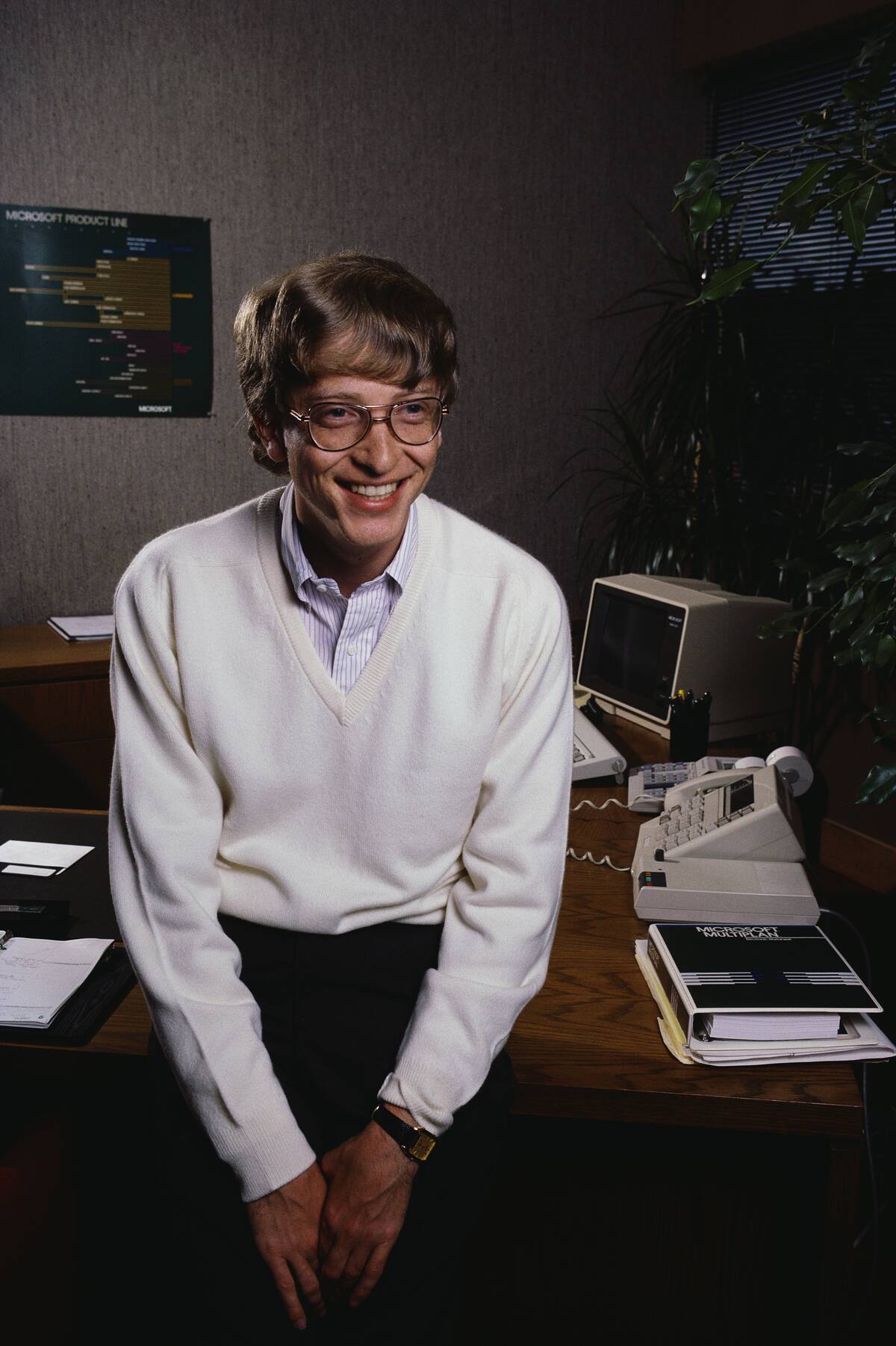
An infamous tech myth involves Bill Gates allegedly stating that “640K ought to be enough for anyone.” Although Gates has denied making this claim, it highlights early misconceptions about the potential growth of computing power.
Today, with terabytes of storage and cloud computing, the idea of a 640K limit seems laughably quaint. This anecdote underscores how rapidly technology evolves, often outpacing even the most visionary thinkers.
The Titanic’s Unsinkable Myth: A Tragic Misjudgment
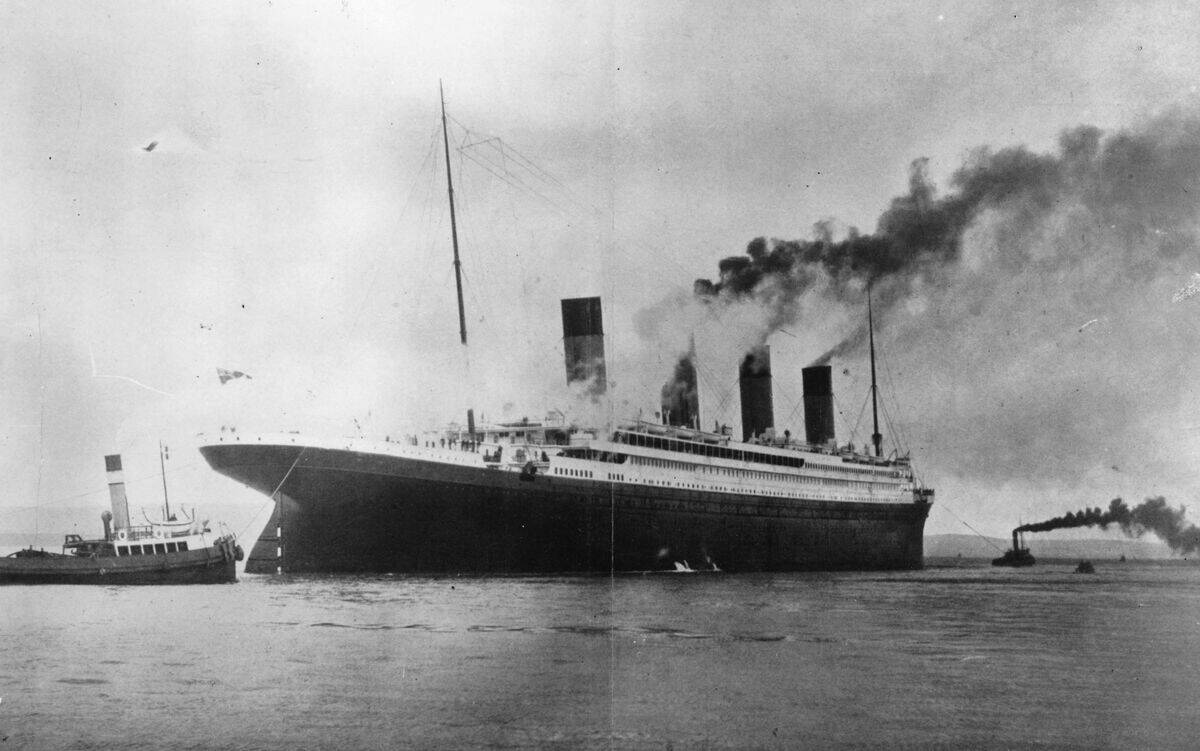
The Titanic was hailed as “unsinkable” before its ill-fated maiden voyage in 1912. This tragic misjudgment was based on its advanced engineering and safety features, which were believed to make it impervious to disaster.
However, the iceberg collision proved otherwise, resulting in one of history’s most infamous maritime tragedies. The Titanic’s story is a sobering reminder of the dangers of overconfidence in human ingenuity and the unpredictable nature of the sea.
The Home Computer Skepticism: Why Would Anyone Need One?
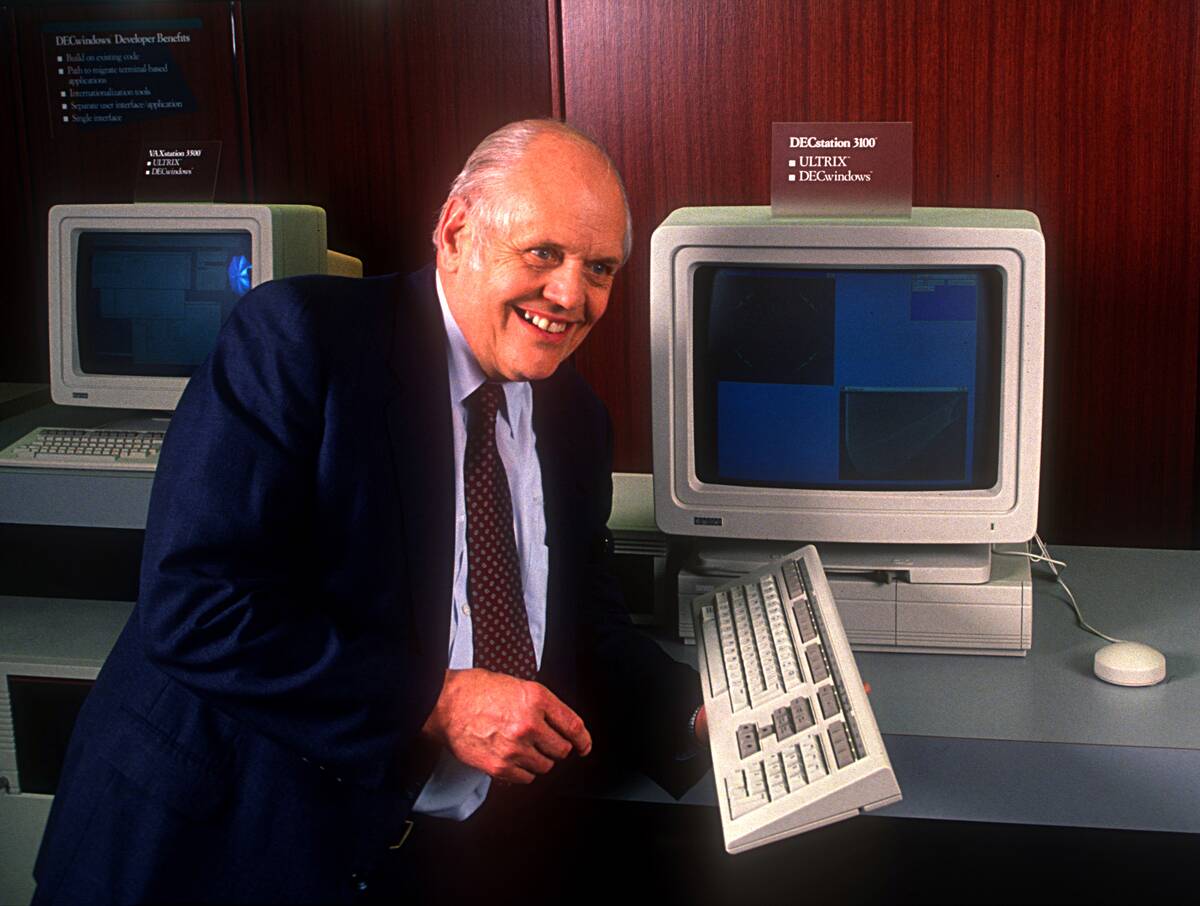
In the 1970s, the notion of a personal computer in every home seemed far-fetched. Ken Olsen, founder of Digital Equipment Corporation, famously questioned the need for home computers.
Fast forward to the present, and it’s hard to imagine life without them. From work to entertainment, home computers have become indispensable. This skepticism highlights how revolutionary technologies often face initial resistance before becoming ubiquitous in daily life.
The Hoverboard Hype: Back to the Future’s Unrealized Vision
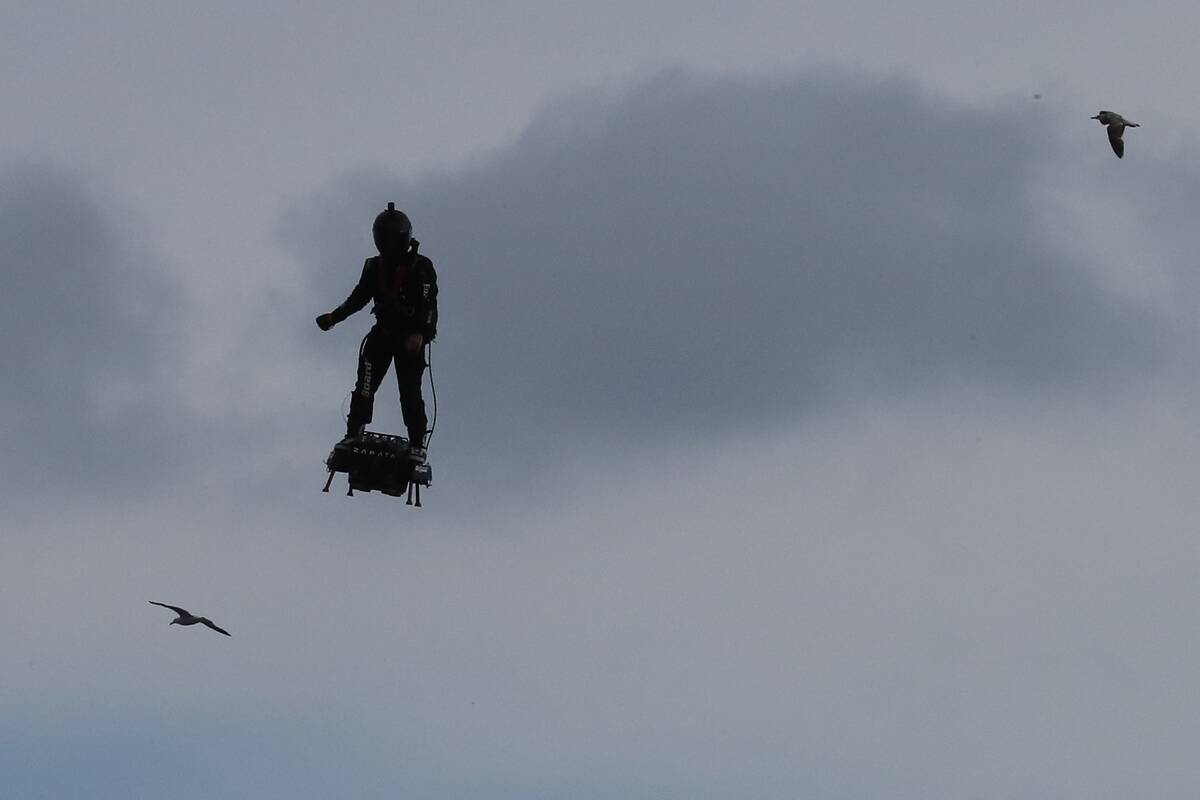
Back to the Future Part II promised us hoverboards by 2015, sparking widespread excitement. While we’ve seen some attempts at creating levitating skateboards, none have matched the film’s vision. Most “hoverboards” today are two-wheeled scooters that remain firmly grounded.
The dream of effortlessly gliding above the pavement remains unfulfilled, proving that some cinematic fantasies are harder to realize than others. Maybe one day, science will catch up with Hollywood’s imagination.
The Y2K Apocalypse: The End of the World That Wasn’t
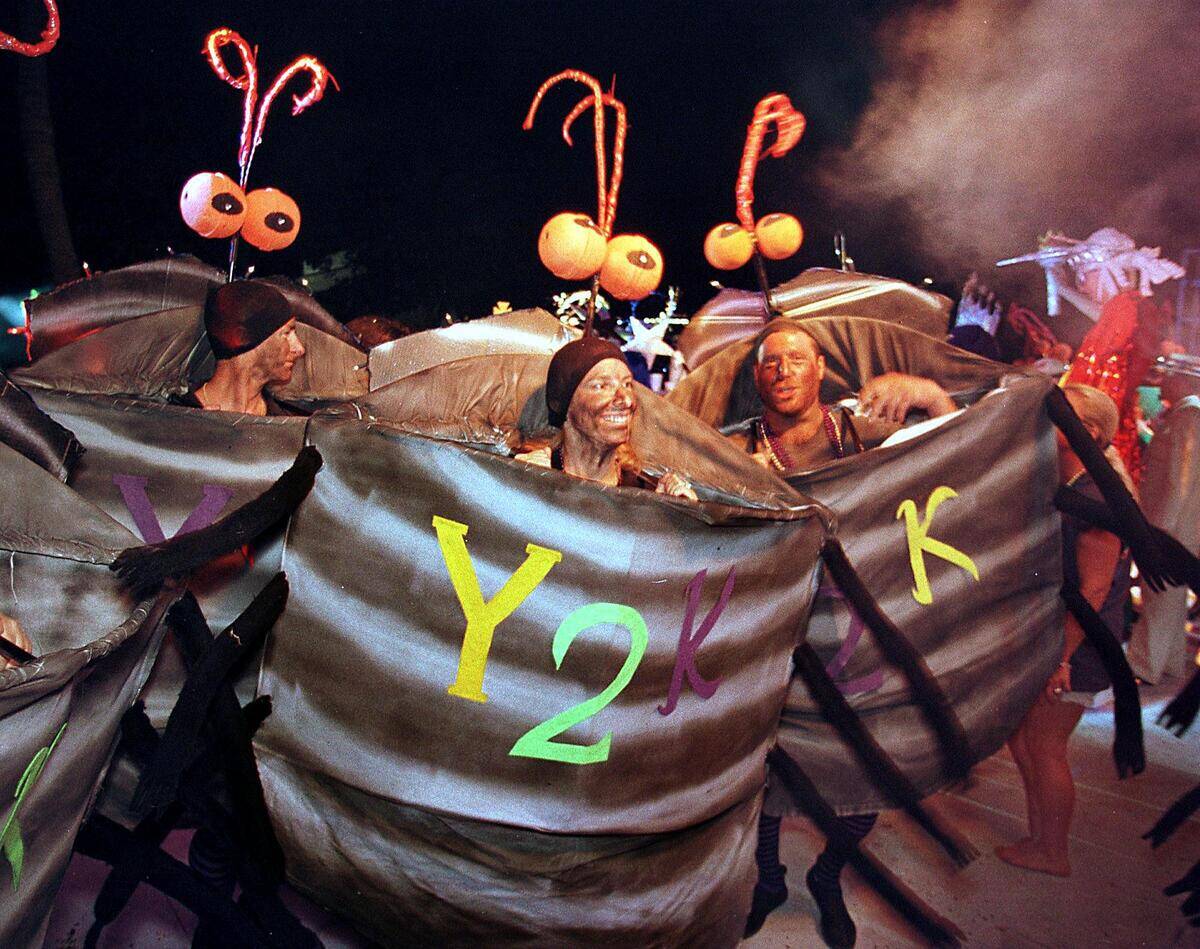
As the year 2000 approached, fears of a Y2K apocalypse loomed large. Experts warned that computers would malfunction, causing widespread chaos. Governments and businesses spent billions preparing for the worst.
When the clock struck midnight, the world held its breath—and nothing happened. The Y2K bug turned out to be a non-event, a testament to the power of preparation and perhaps a bit of overblown panic. It remains a classic example of a crisis averted.
The Paperless Office Prediction: Still Drowning in Paperwork
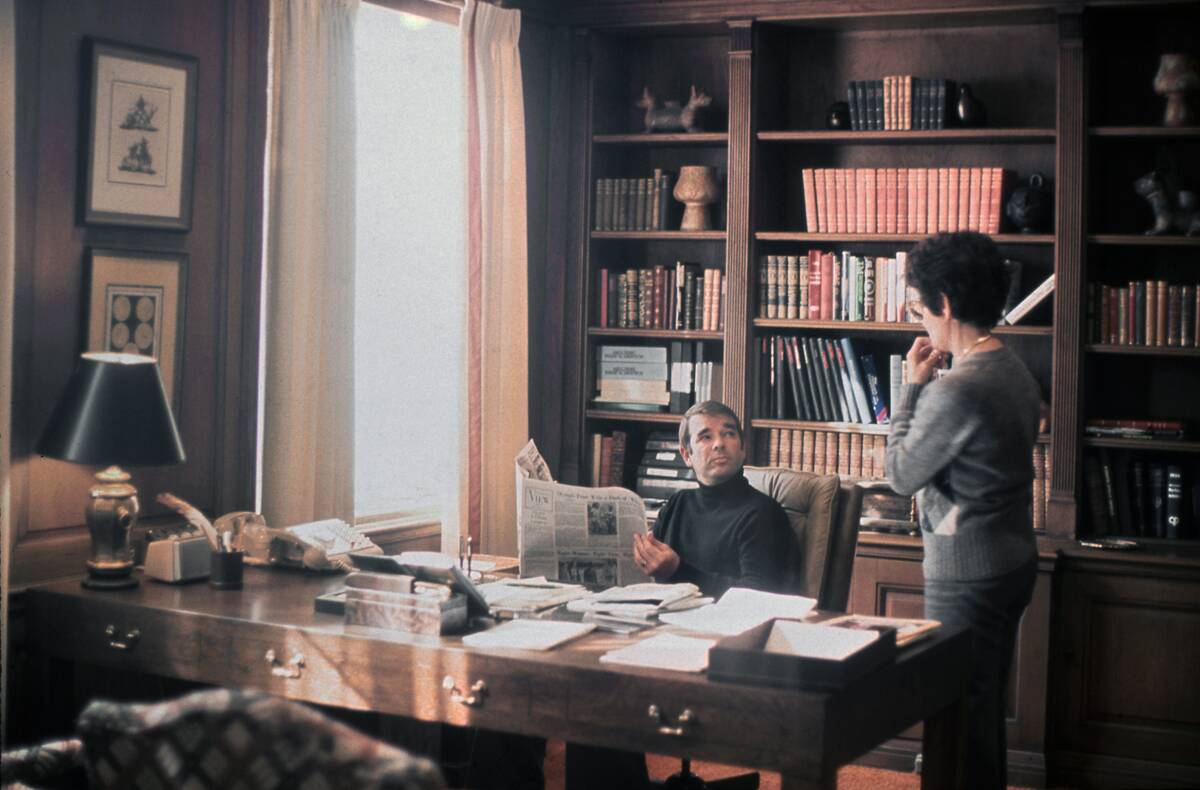
The concept of a paperless office was touted as a future inevitability with the advent of computers. However, despite digital advancements, paper consumption remains high. Studies show that offices still rely heavily on printed documents, with paper usage increasing in some sectors.
The paperless office prediction underestimated the complexity of human habits and the enduring appeal of tangible documents. It seems that while technology has evolved, our love affair with paper persists.
The Television’s Short Lifespan: A Passing Craze?
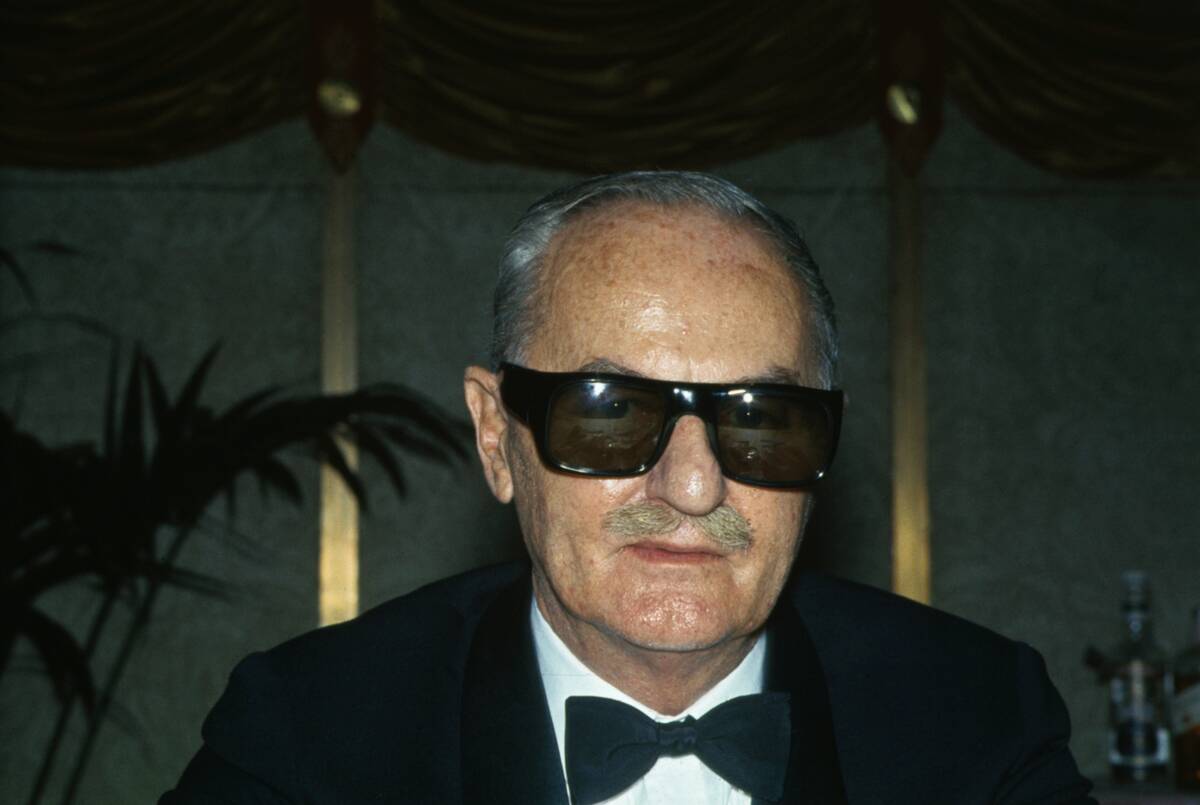
When television first emerged, some skeptics dismissed it as a fleeting novelty. In 1946, film producer Darryl Zanuck predicted that people would soon tire of staring at a plywood box. Contrary to this belief, television became a cultural staple, transforming entertainment and news consumption.
From black-and-white sets to streaming services, TV has continually evolved, proving its staying power. This misjudgment highlights how innovations can defy initial skepticism to become enduring fixtures in society.
The Nuclear-Powered Vacuum Cleaner: A Futuristic Dream Gone Awry
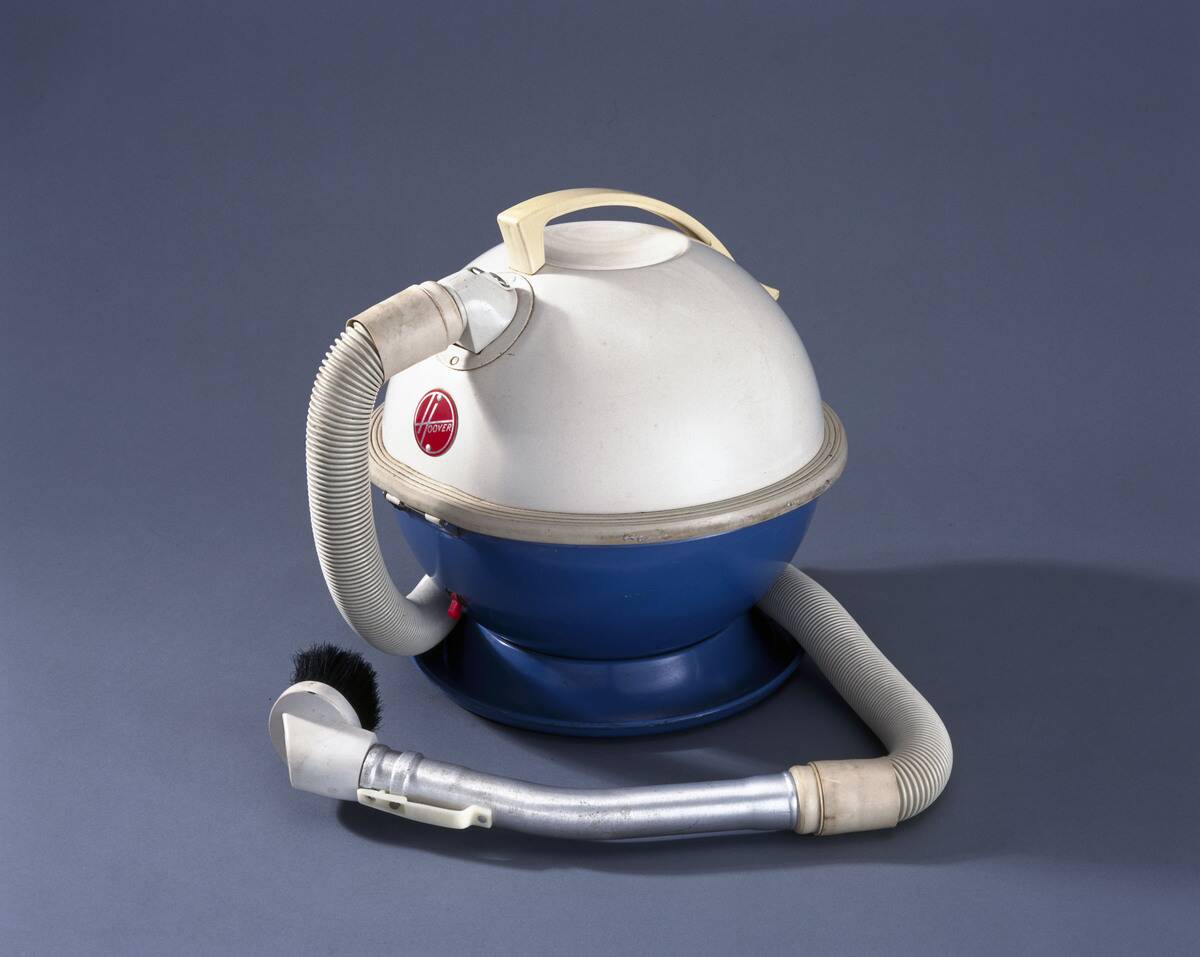
In the 1950s, the Atomic Age inspired visions of nuclear-powered household appliances, including vacuum cleaners. The idea was that nuclear energy would revolutionize domestic life.
However, practicality and safety concerns quickly dashed these dreams. The notion of a nuclear-powered vacuum cleaner now seems absurd, a relic of a time when atomic energy was seen as a panacea. This whimsical prediction serves as a reminder of the often outlandish optimism of mid-20th-century futurism.
The Space Tourism Timeline: Delays in Our Galactic Vacations
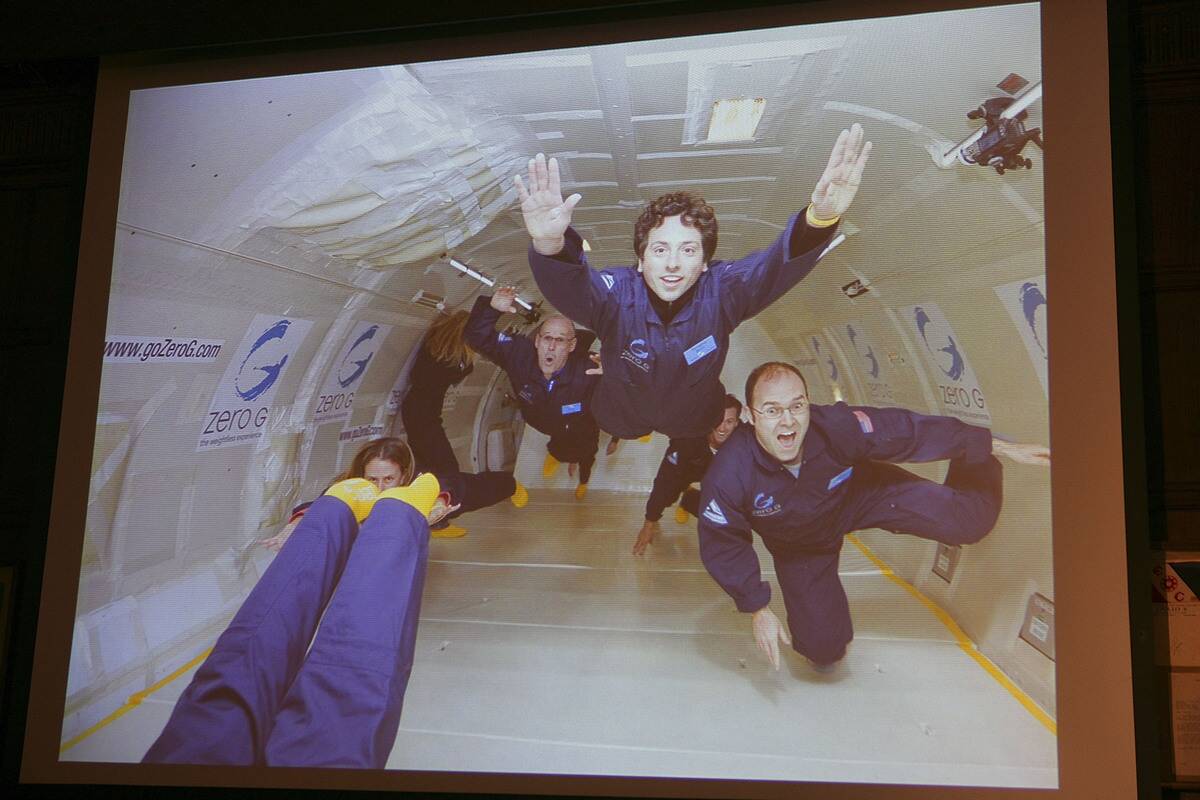
Space tourism was once predicted to be a common reality by the early 21st century. Visionaries imagined regular vacations to the moon and beyond. While companies like SpaceX and Blue Origin are making strides, space tourism remains a luxury for the ultra-wealthy.
Technical challenges and high costs have delayed widespread access. Although progress is being made, the dream of affordable space travel is still on the horizon, waiting for its moment to shine.
The Mobile Phone Doubts: Who Needs a Phone on the Go?
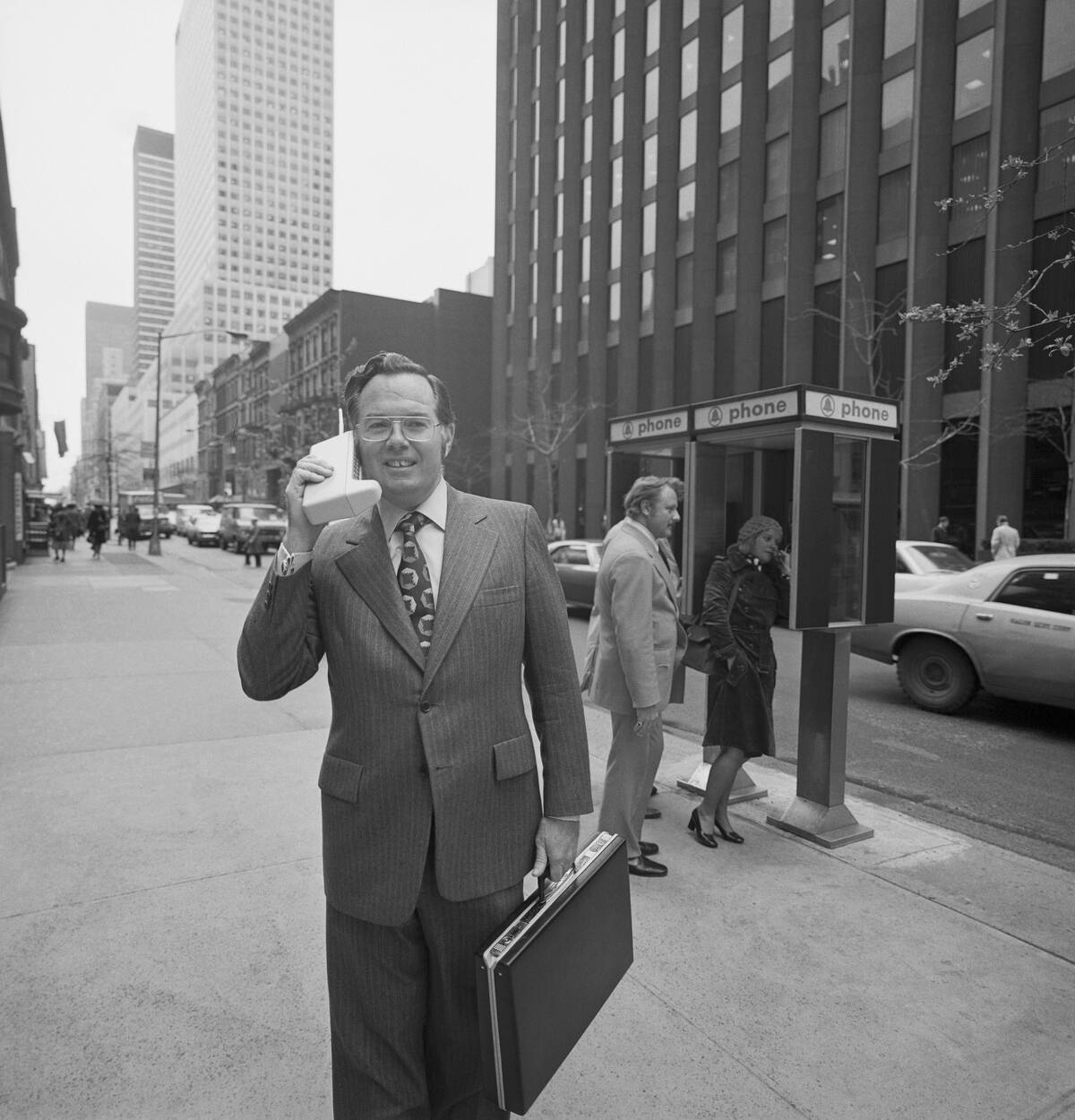
In the early days of mobile phones, some doubted their necessity, questioning who would need a phone outside the home. Critics saw them as cumbersome and expensive. Fast forward to today, and mobile phones are indispensable, serving as communication hubs, cameras, and more.
This skepticism highlights how transformative technologies can defy initial doubts, becoming essential tools that reshape daily life. The mobile phone’s journey from luxury to necessity is a testament to its profound impact.
The Robot Takeover: Why We’re Still Waiting for Our Robot Overlords
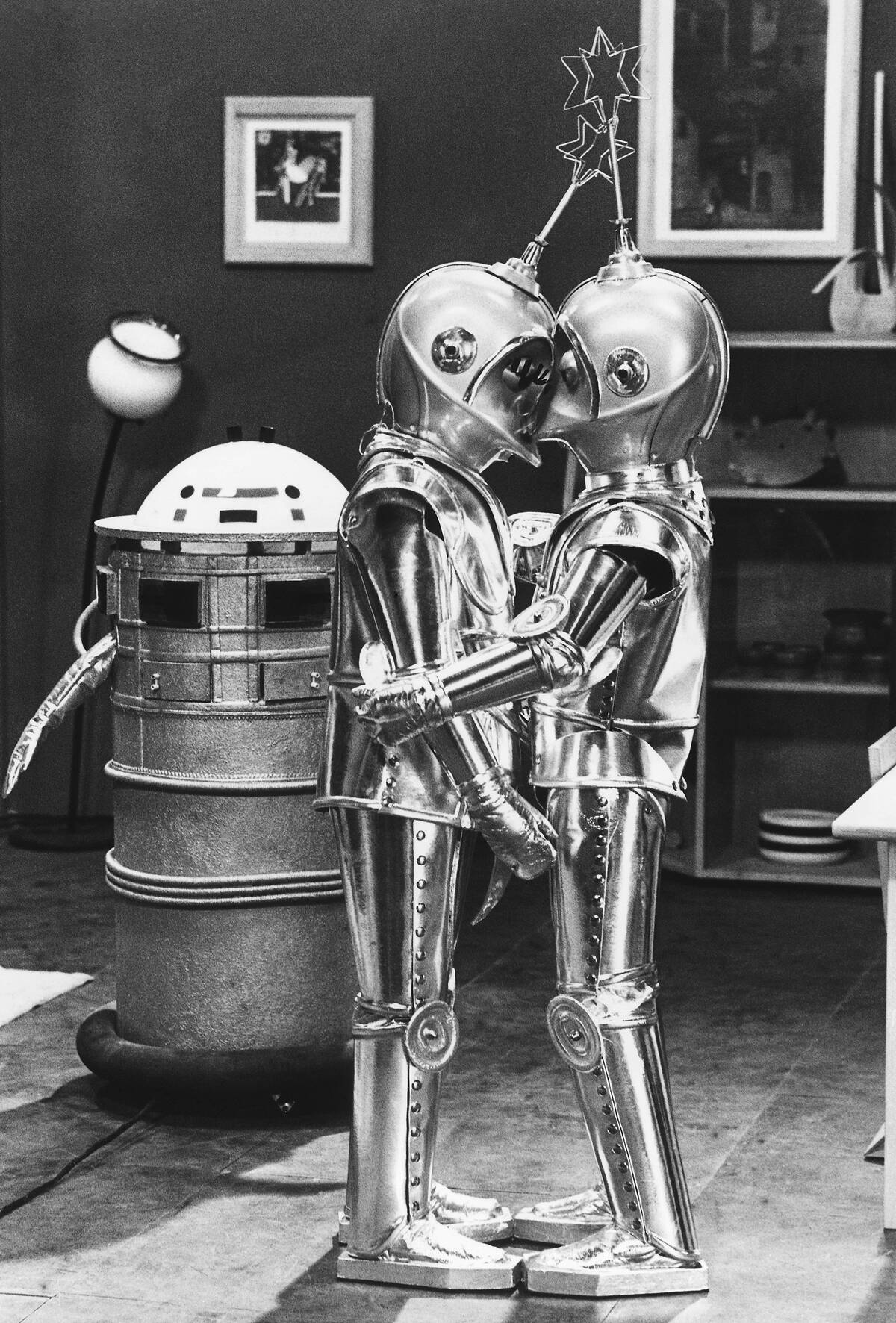
Predictions of a robot takeover have been around for decades, with fears of machines replacing humans. While automation has transformed industries, the dystopian vision of robot overlords remains unrealized. Instead, robots assist in tasks, from manufacturing to household chores.
The reality is a more nuanced coexistence, where humans and machines collaborate. This ongoing evolution shows that while robots have advanced, the anticipated takeover is more fiction than fact, at least for now.
The End of History: Predictions of Perpetual Peace and Stability

In 1989, political scientist Francis Fukuyama famously declared the “end of history,” suggesting that liberal democracy would become the universal form of government, leading to global peace. However, subsequent geopolitical events have proven otherwise.
Conflicts, political upheavals, and the rise of authoritarian regimes have challenged this notion. The prediction serves as a reminder of the complexities of global politics and the unpredictability of human affairs, where history continues to unfold in unexpected ways.




