Grocery prices through the decades
Ah, the grocery store—a place of both necessity and nostalgia. As we walk through the aisles today, it’s hard not to reminisce about how shopping has changed over the decades.
From the clinking of glass milk bottles to the beeping of self-checkout machines, each era has left its mark. Let’s take a journey through time and explore how our grocery shopping experiences have evolved, along with the prices that have fluctuated with them.
The Roaring 1920s: When a Loaf of Bread Was Just a Nickel
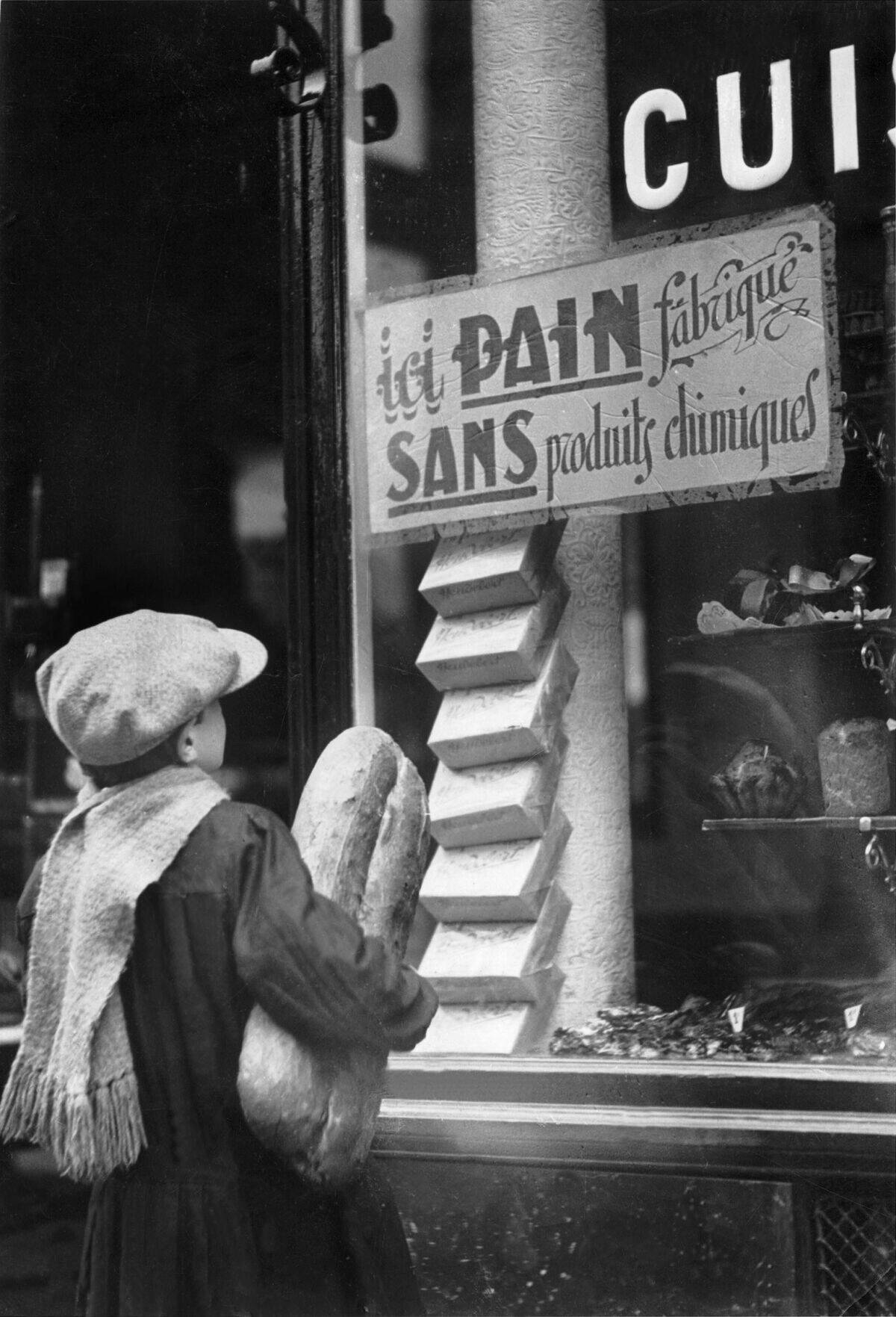
The 1920s were a time of jazz, flappers, and economic prosperity, where a loaf of bread could be bought for just five cents. This decade saw the rise of chain grocery stores, making shopping more convenient for the average household.
Despite the low prices, the variety of products available was limited compared to today. The simplicity of the shopping list back then is a stark contrast to the endless choices we face now.
The 1930s: Surviving the Great Depression with Canned Goods
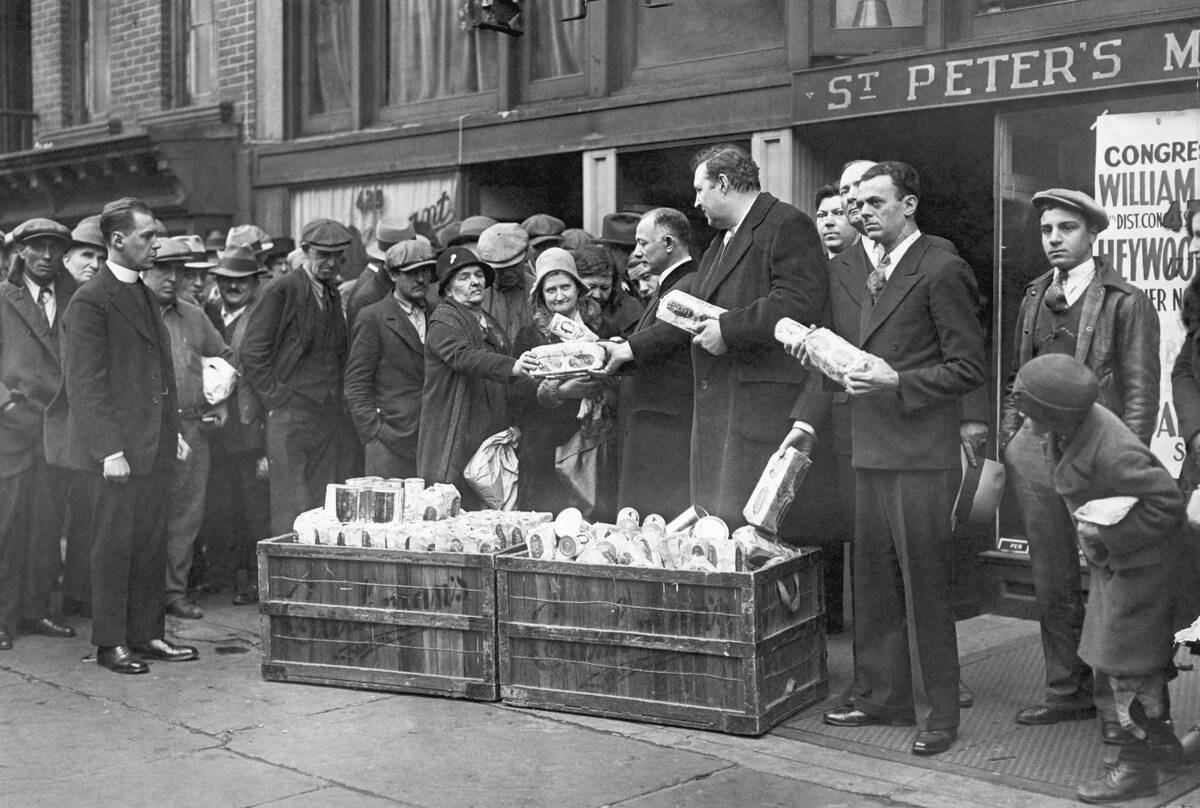
The Great Depression hit hard in the 1930s, and grocery shopping became a matter of survival. Canned goods became a staple, offering an affordable and long-lasting food source. Families relied heavily on these preserved foods, as fresh produce was often a luxury.
Despite the economic hardships, innovative marketing strategies emerged, such as store brands, which helped stretch every penny.
The 1940s: Wartime Rationing and the Rise of Supermarkets
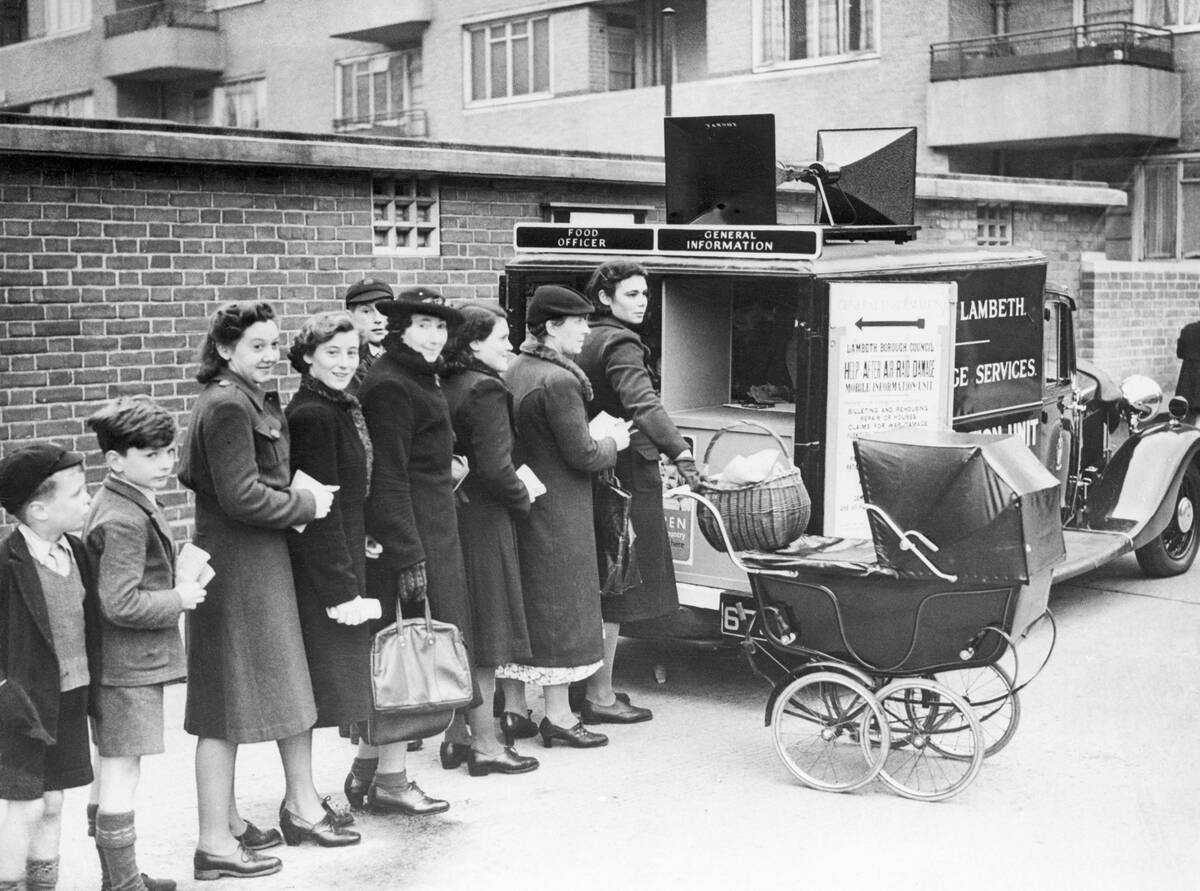
World War II brought about rationing, and shoppers had to navigate points systems to purchase essentials like sugar and meat. This decade also saw the rise of supermarkets, which began to replace smaller, specialized shops.
These larger stores offered a one-stop shopping experience, a concept that revolutionized the way people bought groceries. Despite the constraints of rationing, the convenience of supermarkets was a welcome change.
The 1950s: Post-War Prosperity and the Birth of Convenience Foods
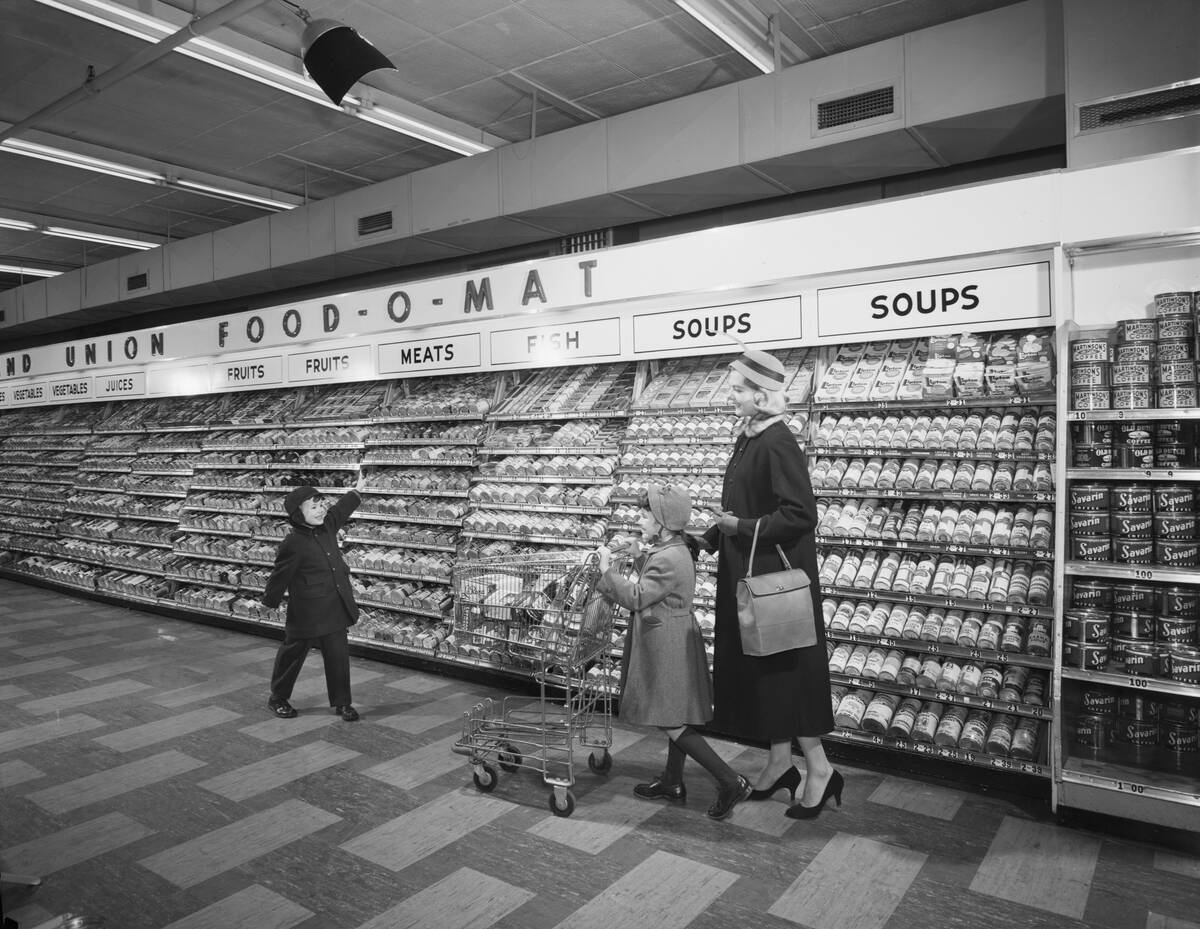
The 1950s were marked by post-war prosperity, and the grocery aisles reflected this newfound affluence. Convenience foods like cake mixes and frozen dinners became popular, catering to the busy lifestyles of modern families.
The era also saw the introduction of self-service shopping, allowing customers to browse and select products at their leisure. This shift laid the groundwork for the consumer-driven market we know today.
The 1960s: The Era of TV Dinners and Jell-O Molds
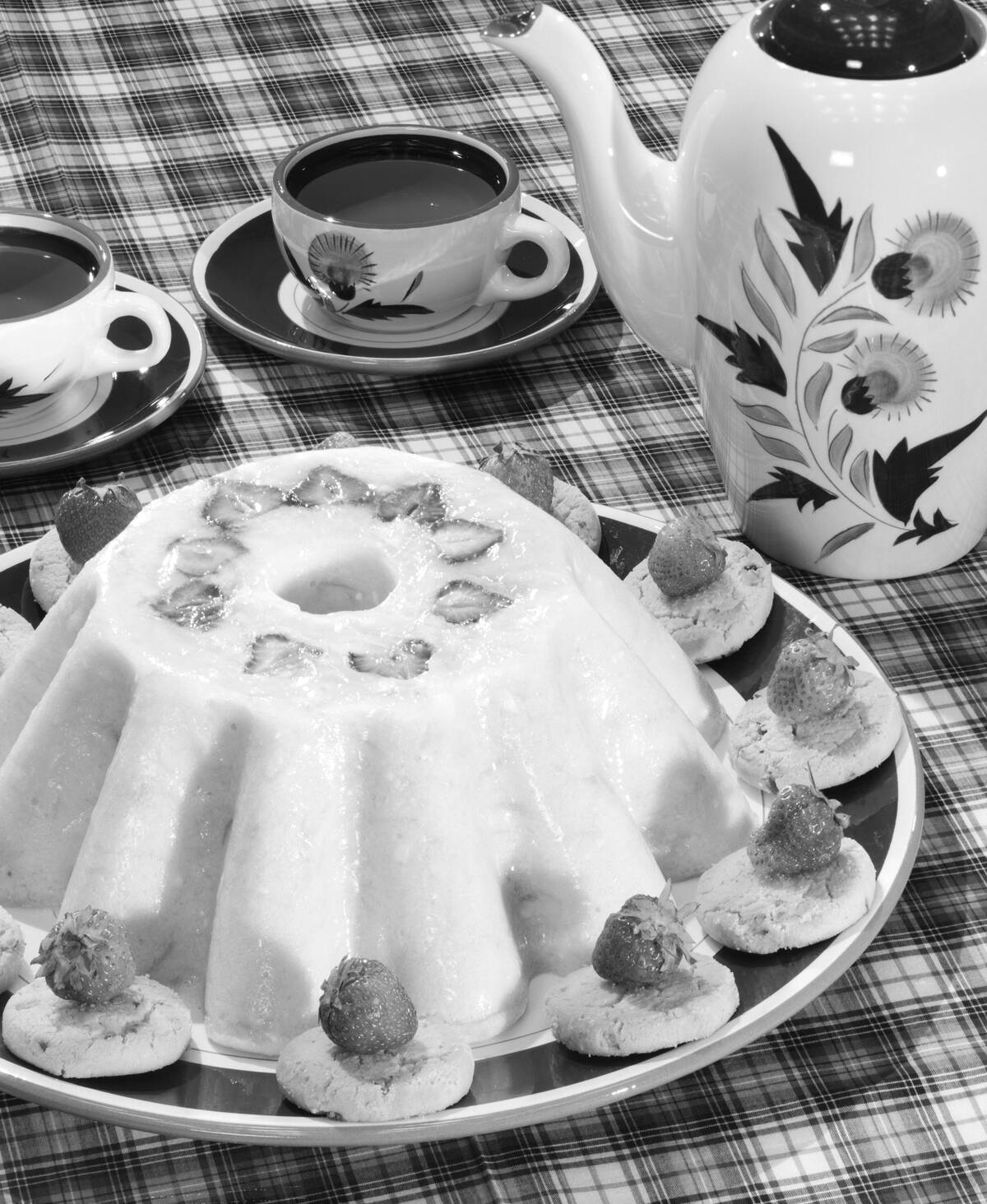
The 1960s brought a cultural revolution, and the grocery store was no exception. TV dinners became a household staple, offering a quick and easy meal solution. Jell-O molds were all the rage at dinner parties, showcasing the era’s love for convenience and creativity.
This decade also saw the introduction of more international foods, as Americans began to embrace diverse culinary experiences.
The 1970s: Inflation Hits and Coupons Become King
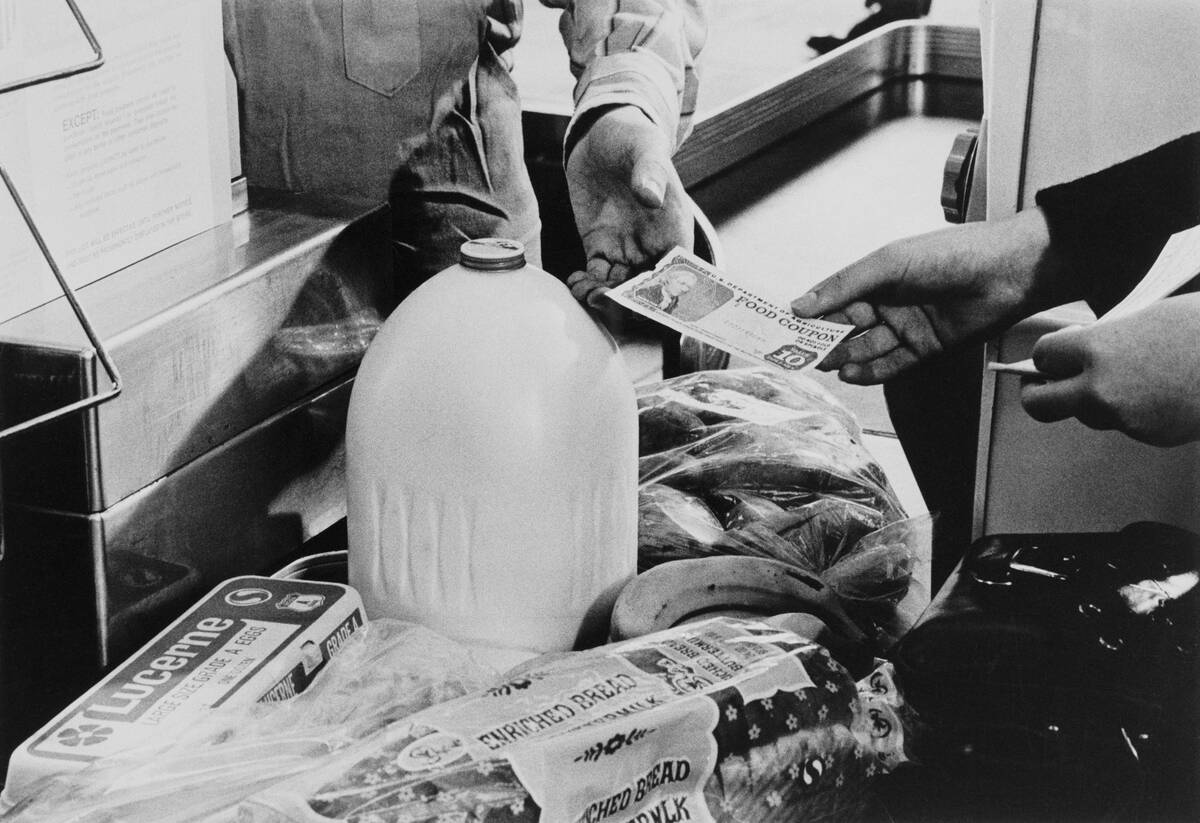
The 1970s were a time of economic turmoil, with inflation driving up grocery prices. Shoppers turned to coupons to save money, and the Sunday paper became a treasure trove of discounts.
This era also saw the introduction of generic brands, offering budget-friendly alternatives to name brands. Despite the financial challenges, the 1970s fostered a sense of resourcefulness among consumers.
The 1980s: The Age of Excess and the Introduction of Organic Foods
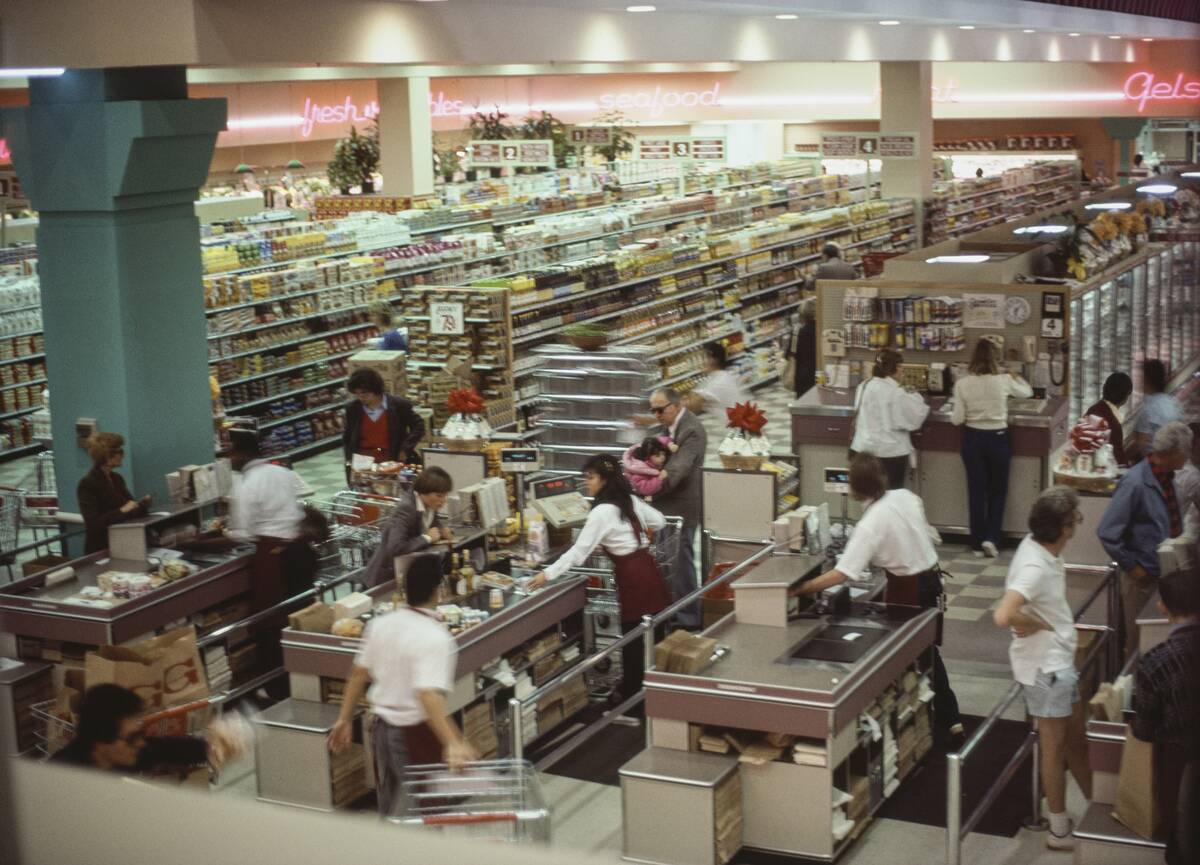
The 1980s were known for their excess, and grocery stores were no different. The shelves were stocked with an abundance of processed foods, reflecting the decade’s indulgent lifestyle.
However, this era also marked the beginning of the organic food movement, as health-conscious consumers sought alternatives to conventional products. The introduction of organic foods paved the way for a more diverse and health-focused shopping experience.
The 1990s: Bulk Buying and the Warehouse Club Boom
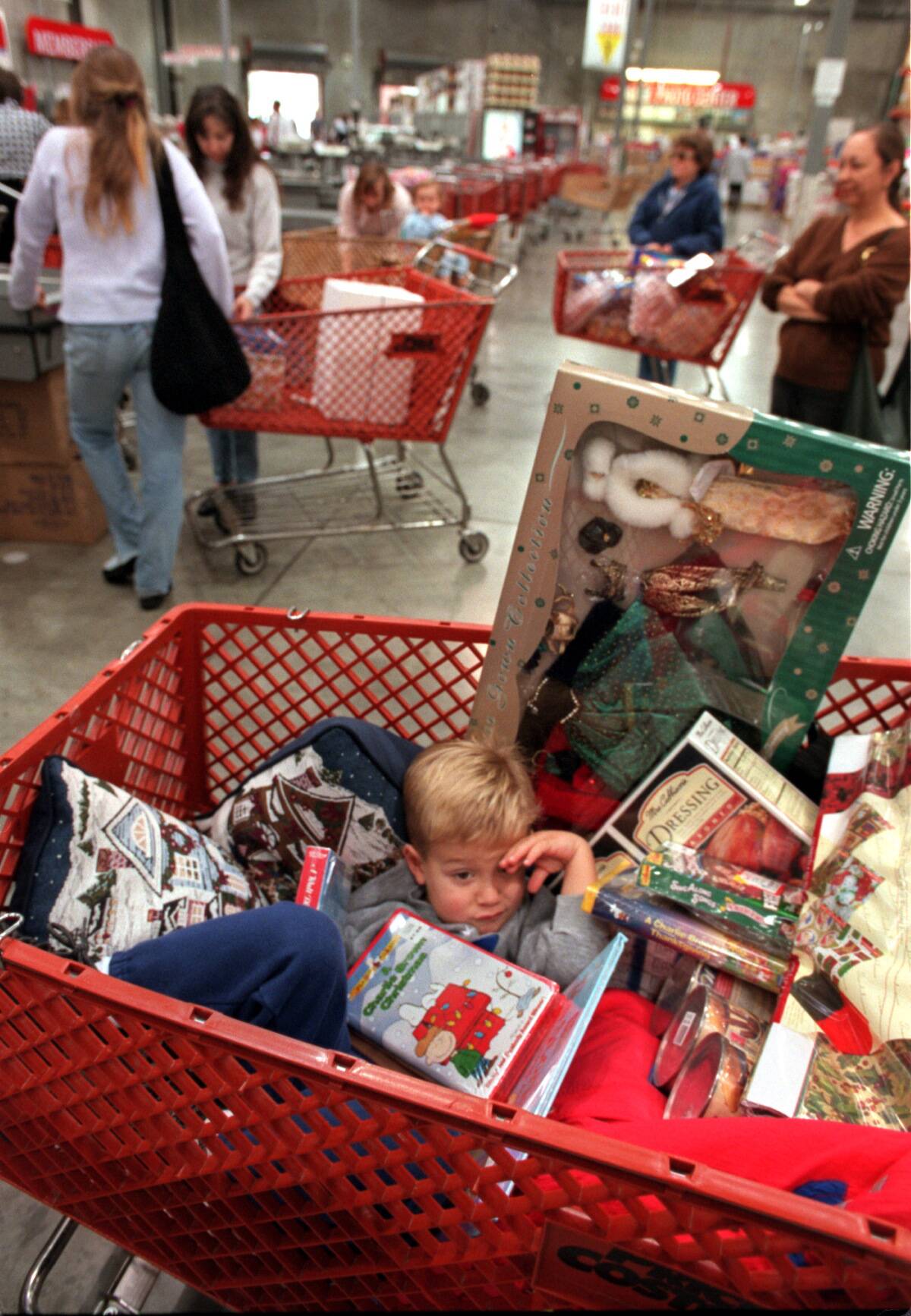
The 1990s saw the rise of warehouse clubs like Costco and Sam’s Club, where bulk buying became the norm. Shoppers embraced the idea of purchasing large quantities at discounted prices, stocking up on everything from toilet paper to canned goods.
This decade also saw the emergence of loyalty programs, rewarding customers for their continued patronage. The bulk-buying trend reshaped the way families approached grocery shopping.
The 2000s: The Organic Movement Gains Momentum
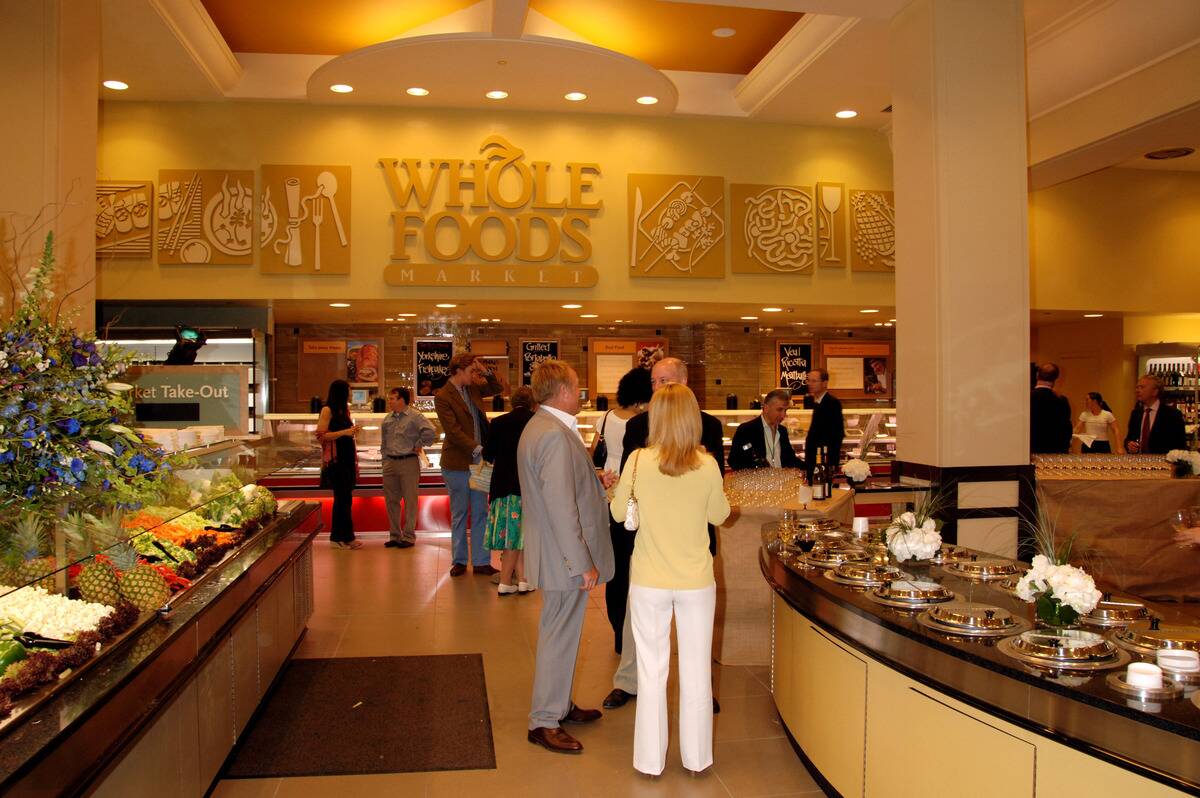
The organic movement gained significant traction in the 2000s, with consumers becoming more aware of the benefits of organic produce. This decade saw a surge in farmers’ markets and health food stores, offering a wider range of organic options.
As demand grew, mainstream supermarkets began to stock organic products, making them more accessible to the average shopper. The focus on organic foods marked a shift towards healthier living.
The 2010s: The Rise of Online Grocery Shopping
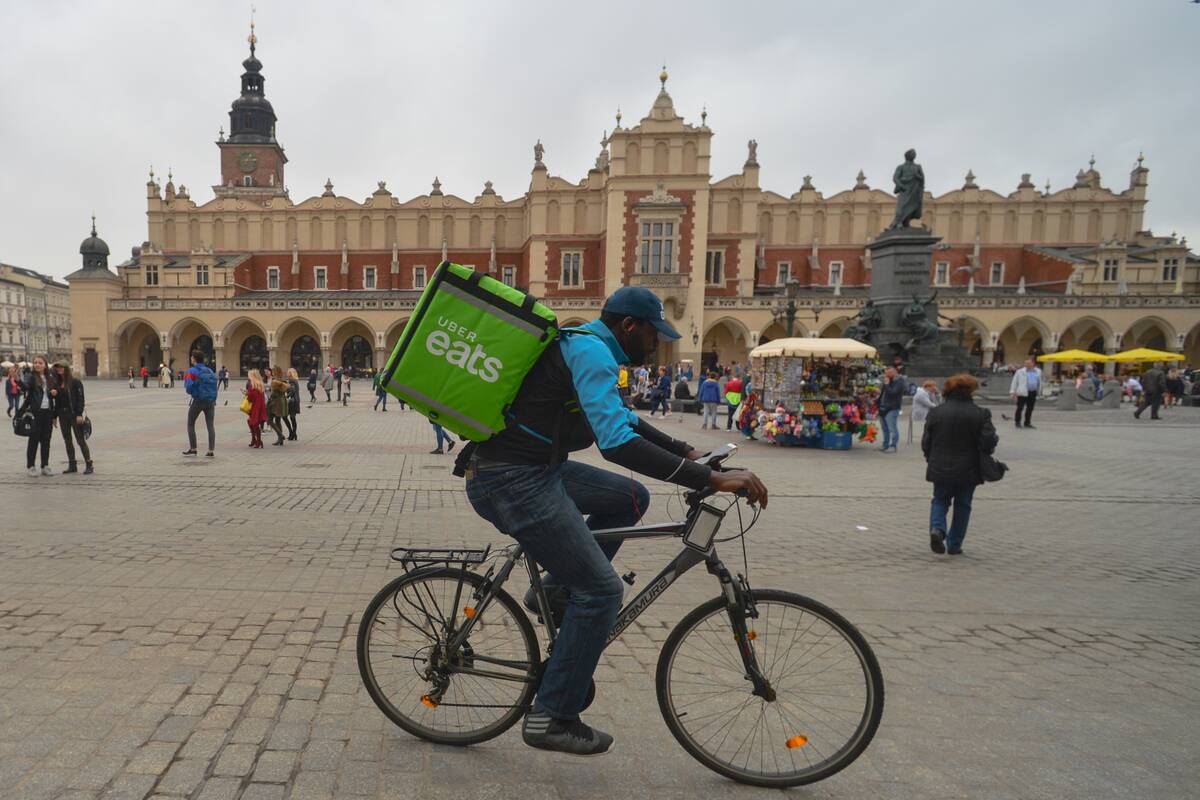
The 2010s ushered in the era of online grocery shopping, with services like Amazon Fresh and Instacart changing the way we shop. Consumers embraced the convenience of ordering groceries from the comfort of their homes, with delivery services becoming increasingly popular.
This decade also saw the rise of meal kit subscriptions, offering pre-measured ingredients and recipes delivered to your doorstep. Online shopping redefined the grocery experience.
The 2020s: Pandemic Panic Buying and Supply Chain Challenges

The 2020s have been marked by unprecedented challenges, with the COVID-19 pandemic causing panic buying and supply chain disruptions. Shoppers faced empty shelves and skyrocketing prices as demand outpaced supply.
This decade has highlighted the importance of adaptability in the grocery industry, with stores implementing new safety measures and expanding online services. The pandemic has forever changed the way we approach grocery shopping.
Comparing Apples to Apples: How Prices Have Changed
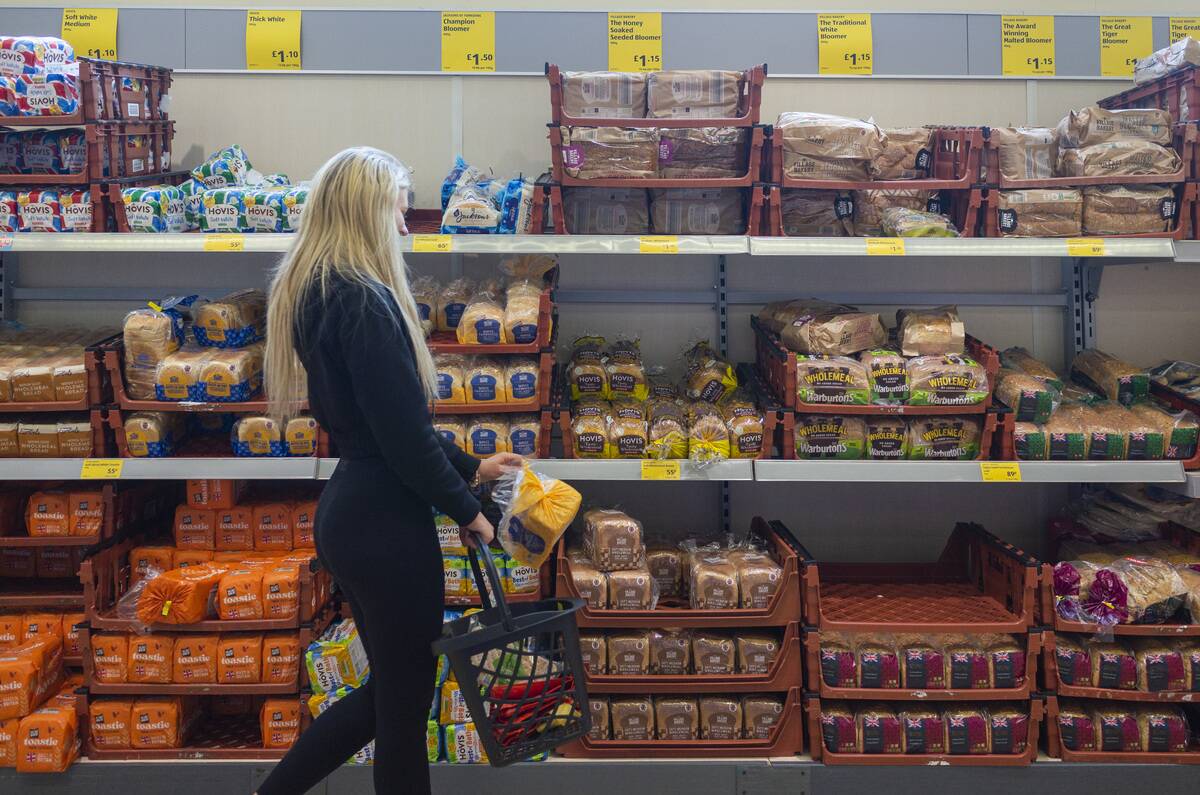
Over the decades, grocery prices have fluctuated significantly, influenced by economic conditions, technological advancements, and consumer preferences. While a loaf of bread cost just a nickel in the 1920s, today’s prices reflect the complexities of modern supply chains and inflation.
Comparing prices across eras offers a fascinating glimpse into the changing landscape of grocery shopping, highlighting the evolving relationship between consumers and their food.




