The lesser-known side of America’s Founding Fathers
The Founding Fathers are often remembered for the documents they signed, the speeches they gave, and the role they played in shaping a new nation. Yet beyond those defining moments were people with unique personalities, unexpected interests, and lives that were often far more relatable than history books suggest.
These stories offer a different perspective on some of America’s best-known historical figures, revealing the hobbies, talents, and personal details that helped shape the men behind the nation’s founding.
Benjamin Franklin’s Quirky Inventions
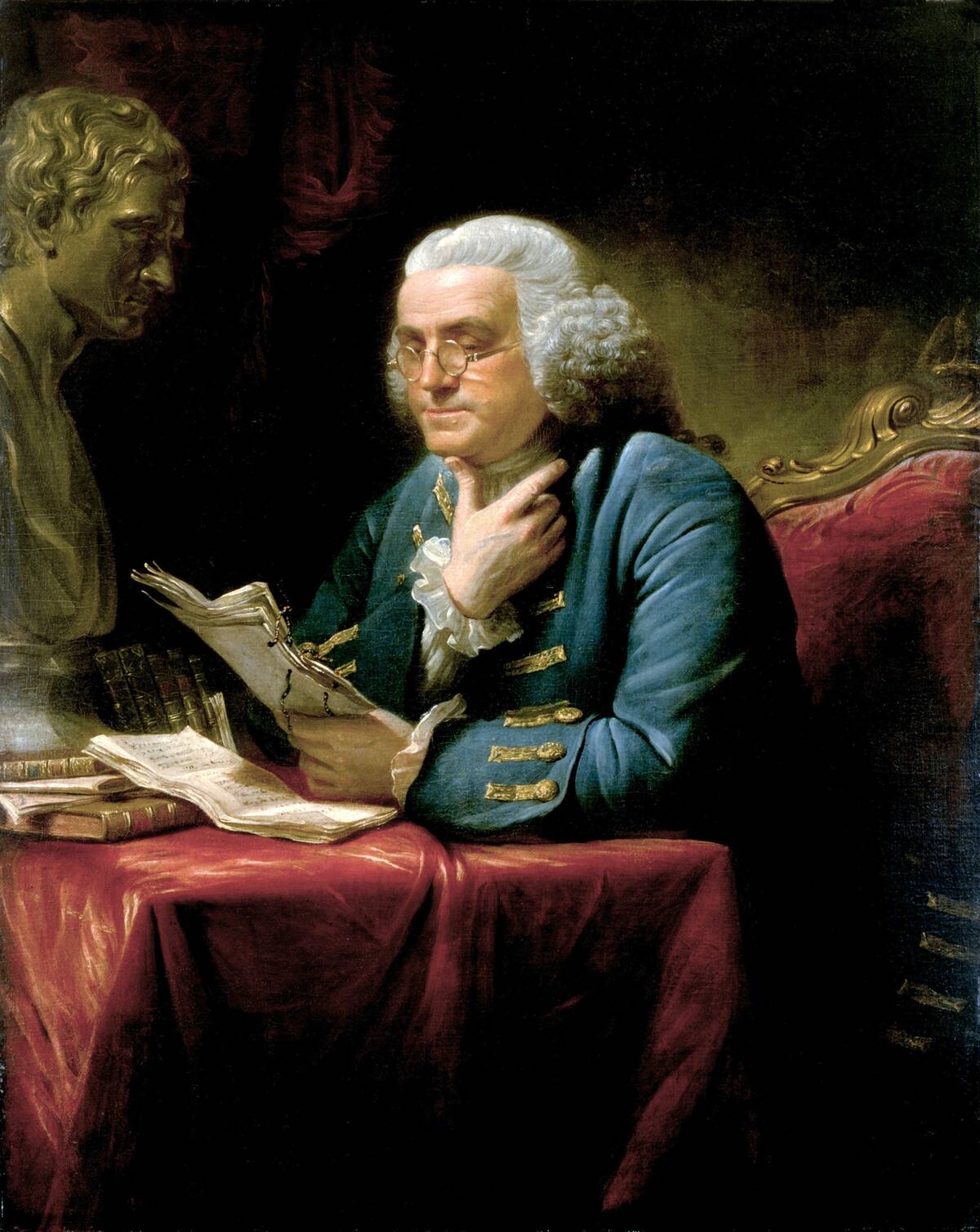
Benjamin Franklin, a polymath in every sense, was always tinkering with new ideas. Among his quirky inventions was the glass armonica, an instrument that used glass bowls to create music. Another was the Franklin stove, an innovative heating device that improved efficiency and safety.
Franklin’s curiosity knew no bounds, and his inventive spirit extended beyond his famous kite experiment, showcasing his desire to blend practicality with creativity.
John Adams: The Farmer at Heart
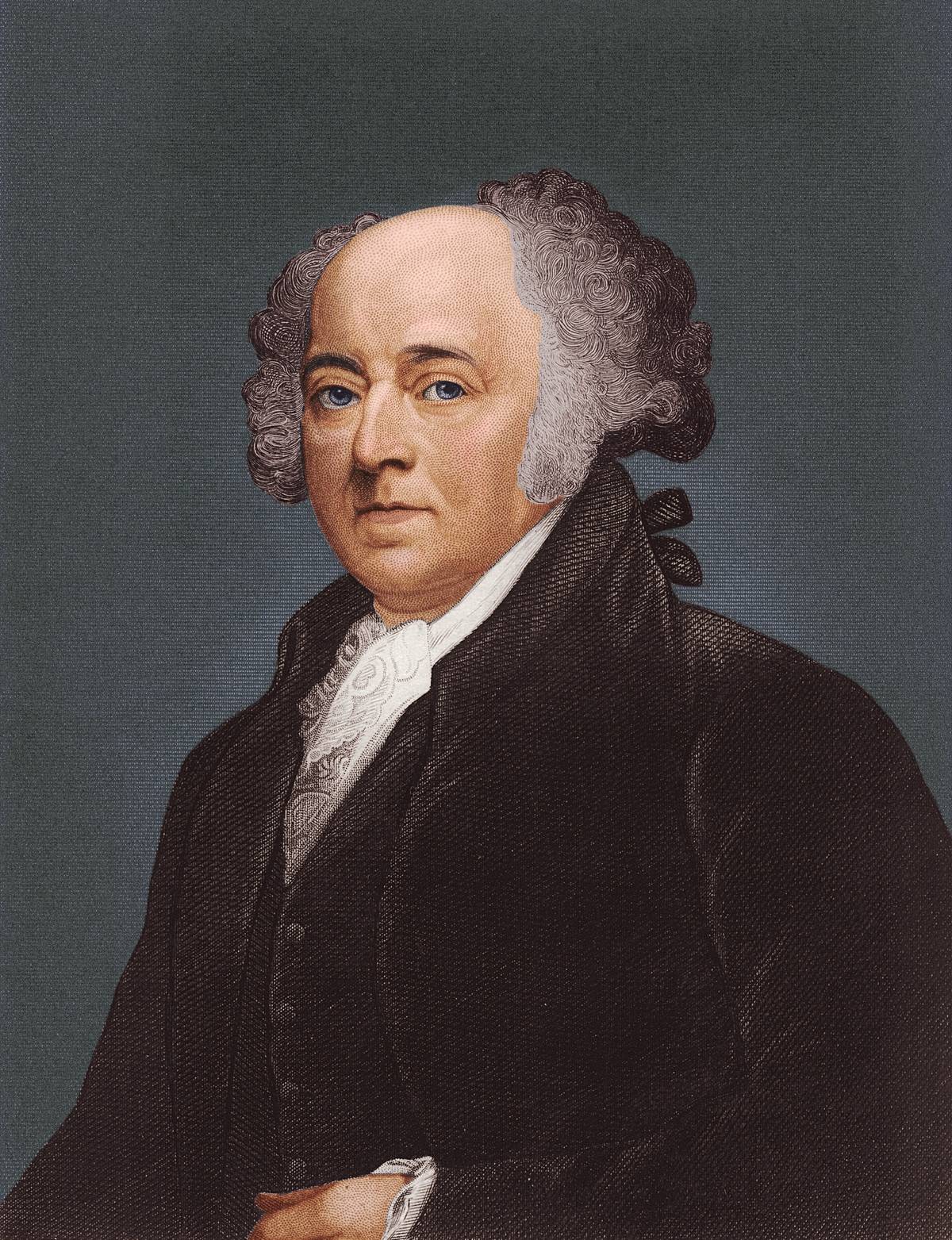
John Adams, the nation’s second president, found solace in farming. Despite his political commitments, he maintained a deep connection to the land and often worked alongside laborers on his farm in Quincy, Massachusetts.
This passion for agriculture provided him with a refuge from the political storms of his presidency. Adams believed farming was the backbone of the American economy, and his dedication to the land was a testament to his humble roots.
James Madison’s Petite Stature
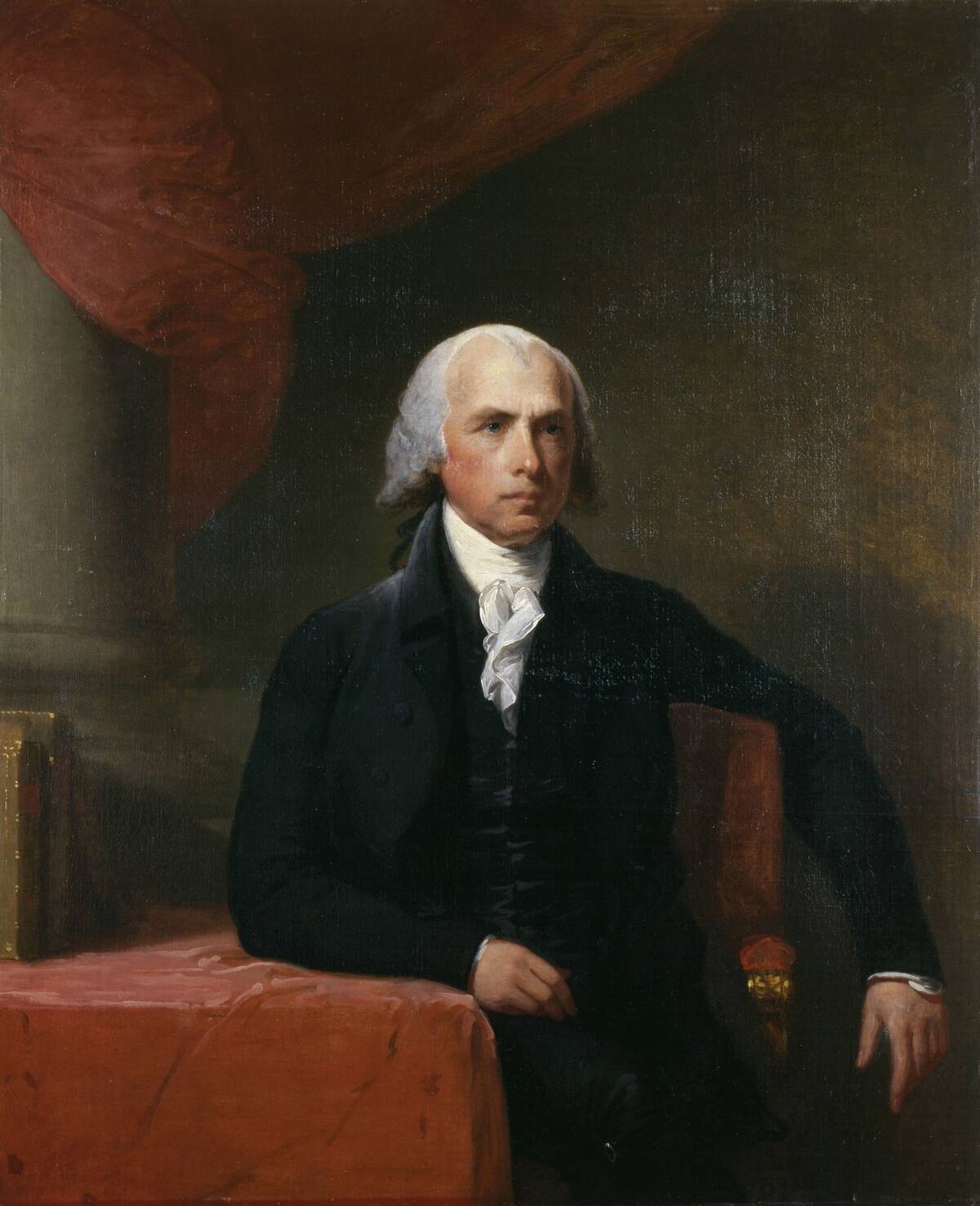
James Madison, known as the ‘Father of the Constitution,’ stood at just 5 feet 4 inches tall, making him the shortest U.S. president. Despite his petite stature, Madison’s intellect and leadership loomed large in American history.
His quiet demeanor and towering ideas helped shape the nation’s guiding document. Madison’s role in drafting the Bill of Rights further solidified his legacy, proving that one’s physical presence is no measure of their impact.
The Unusual Pets of the Founding Fathers
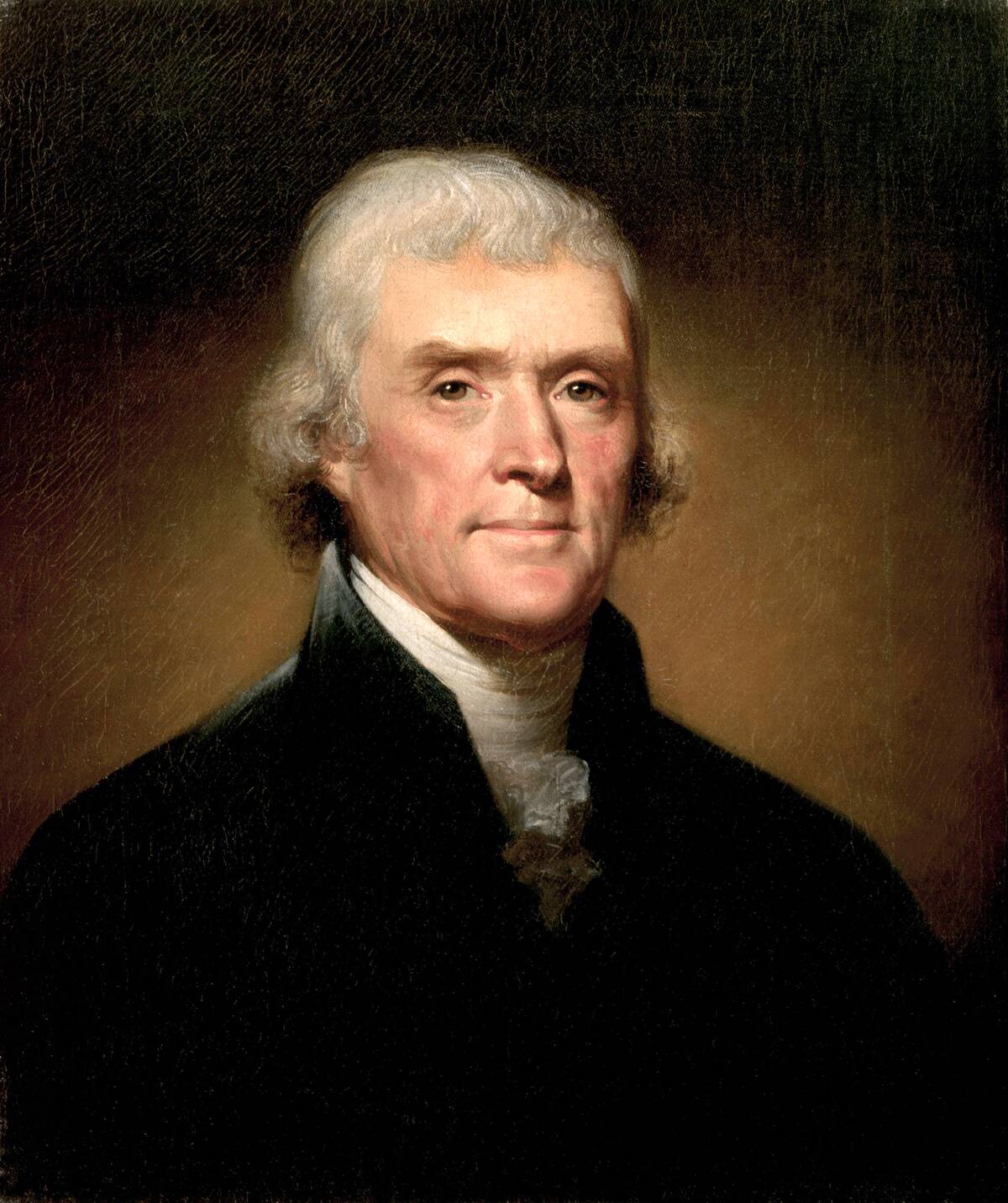
Many Founding Fathers had a fondness for unusual pets. Thomas Jefferson, for example, kept a pair of grizzly bear cubs gifted to him by Zebulon Pike. Meanwhile, John Quincy Adams, son of John Adams, had an alligator living in the White House bathroom, a gift from the Marquis de Lafayette.
These unique animal companions highlight the personal eccentricities and diverse interests of these historical figures, adding a whimsical touch to their legendary status.
The Musical Passions of Patrick Henry
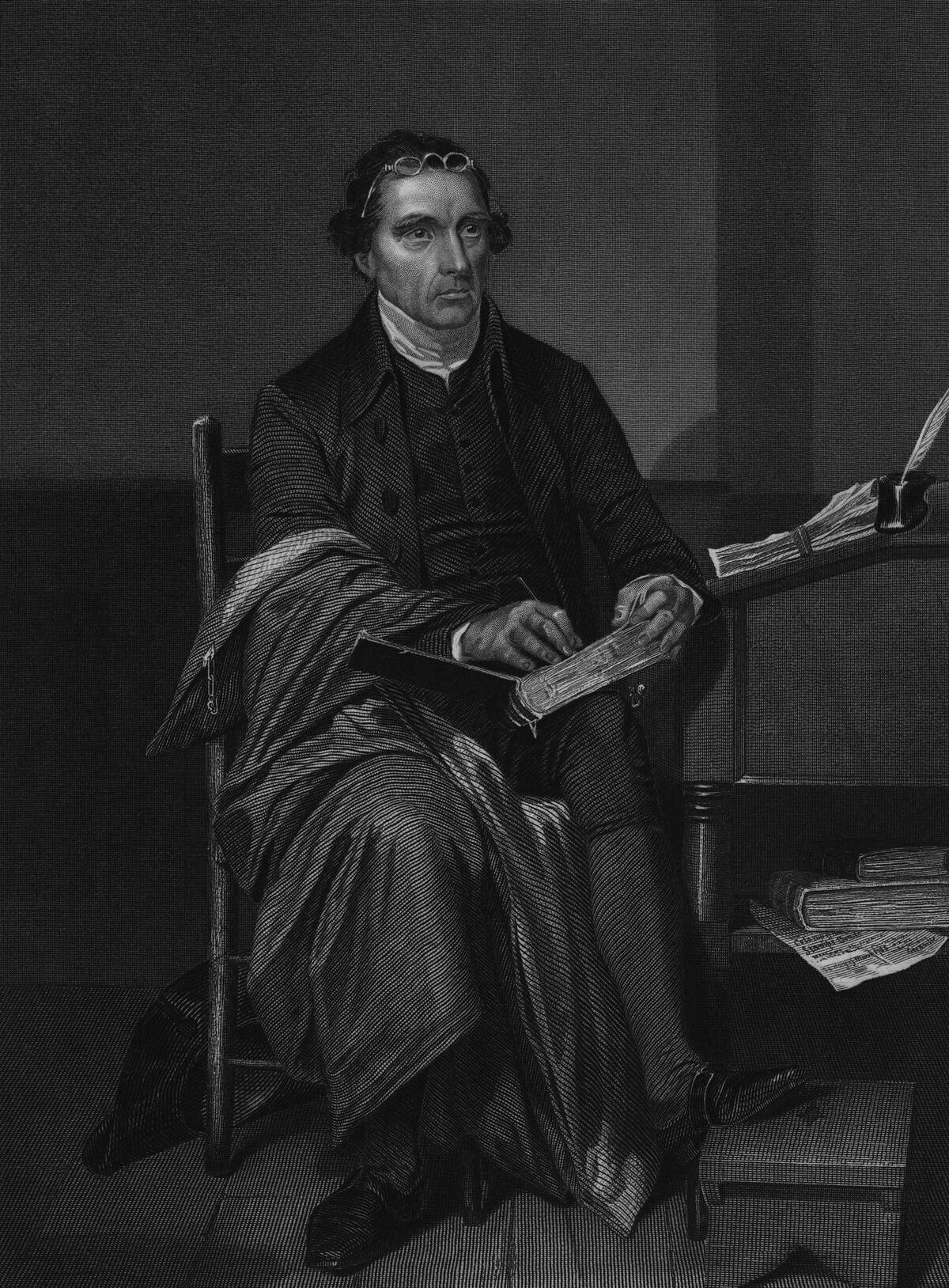
Patrick Henry, famous for his ‘Give me liberty, or give me death!’ speech, had a lesser-known passion for music. He was an accomplished fiddler and often entertained guests with his musical talents.
This hobby provided a creative outlet and a means to connect with others beyond the political realm. Henry’s love for music illustrates the multifaceted nature of the Founding Fathers, who balanced their serious pursuits with personal interests.
Thomas Paine’s Penmanship and Prose
![[redacted]](https://media.tellmebest.com/wp-content/uploads/2023/09/thomas-paine-40688.jpeg)
Thomas Paine’s ability to stir public sentiment through his writing was unmatched. His pamphlet ‘Common Sense’ played a pivotal role in galvanizing colonial support for independence.
Paine’s clear, persuasive prose made complex political ideas accessible to the average colonist. His pen was a powerful tool, wielded with precision to ignite the flames of revolution. Paine’s writings remain a testament to the power of words in shaping history.
Alexander Hamilton’s Humble Beginnings
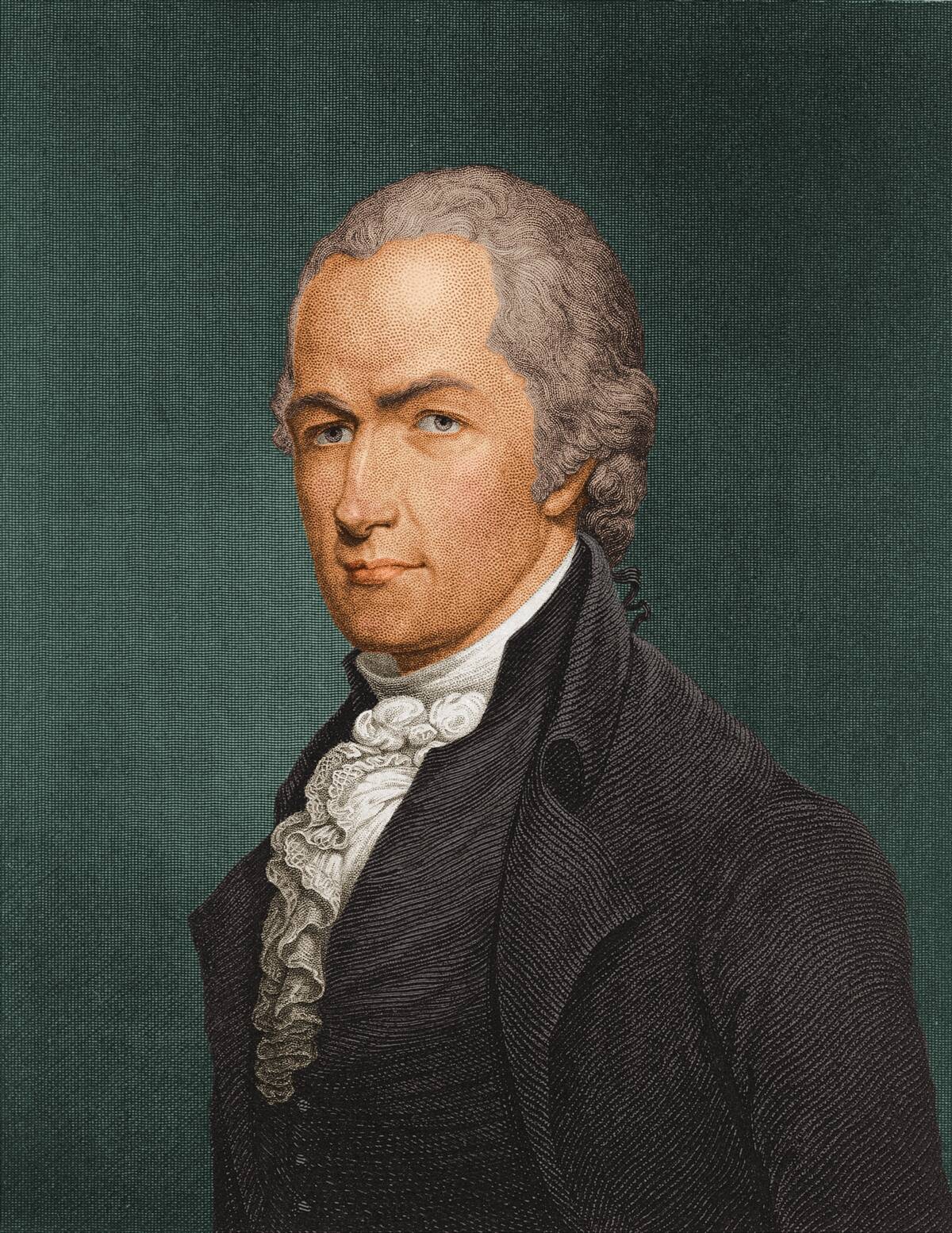
Alexander Hamilton’s rise from humble beginnings is a quintessential rags-to-riches story. Born out of wedlock on the Caribbean island of Nevis, Hamilton faced numerous challenges early in life.
His ambition and brilliance led him to New York, where he became a key figure in the American Revolution and the nation’s first Treasury Secretary. Hamilton’s story is a testament to the power of determination and intellect in overcoming adversity.
The Hidden Talents of George Washington
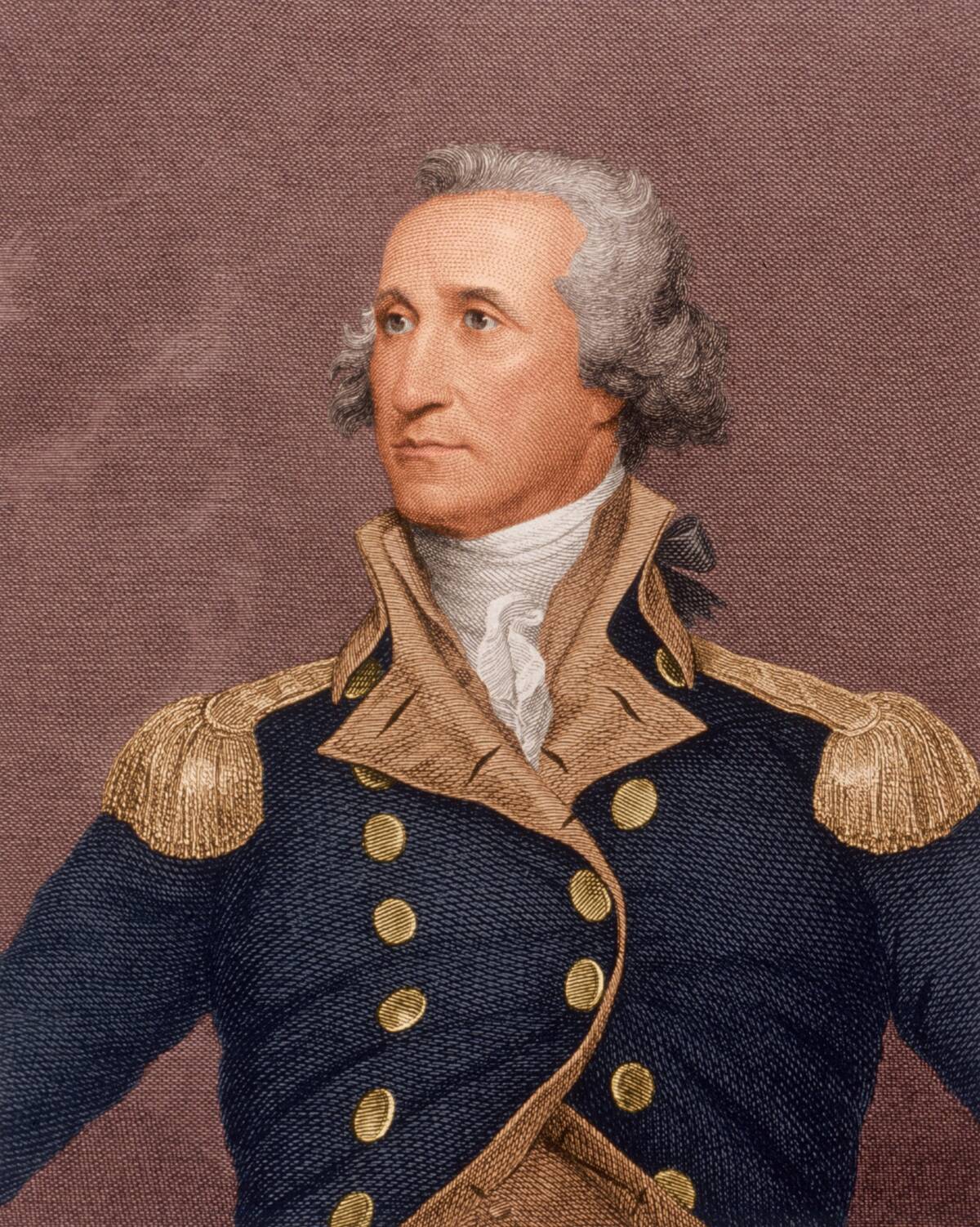
George Washington, known for his leadership on the battlefield and in the presidency, also had a penchant for the arts. Lesser known is his skill as a dancer, a talent he often showcased at social gatherings.
His graceful movements were the talk of the town, and he reportedly never missed a chance to hit the dance floor. This social prowess complemented his commanding presence, making him a revered figure both publicly and privately.
The Secretive Nature of James Monroe
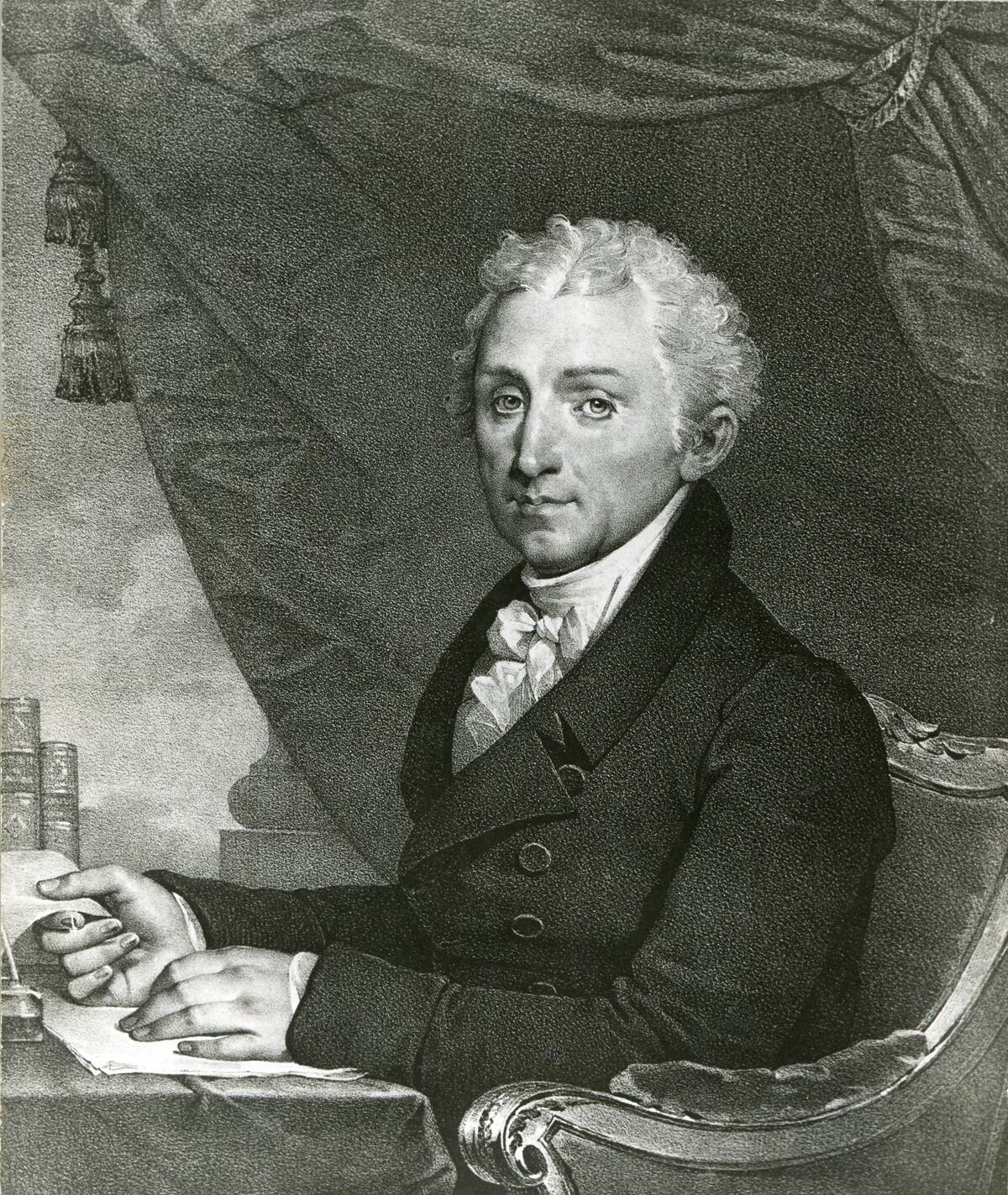
James Monroe, the fifth president, was known for his reserved and secretive nature. Despite his quiet demeanor, Monroe played critical roles in American history, such as negotiating the Louisiana Purchase and formulating the Monroe Doctrine.
His ability to work behind the scenes and navigate complex diplomatic waters was key to his success. Monroe’s subtle approach to leadership left a lasting impact, demonstrating that sometimes the quietest voices can effect the greatest change.
The Fashion Sense of Gouverneur Morris
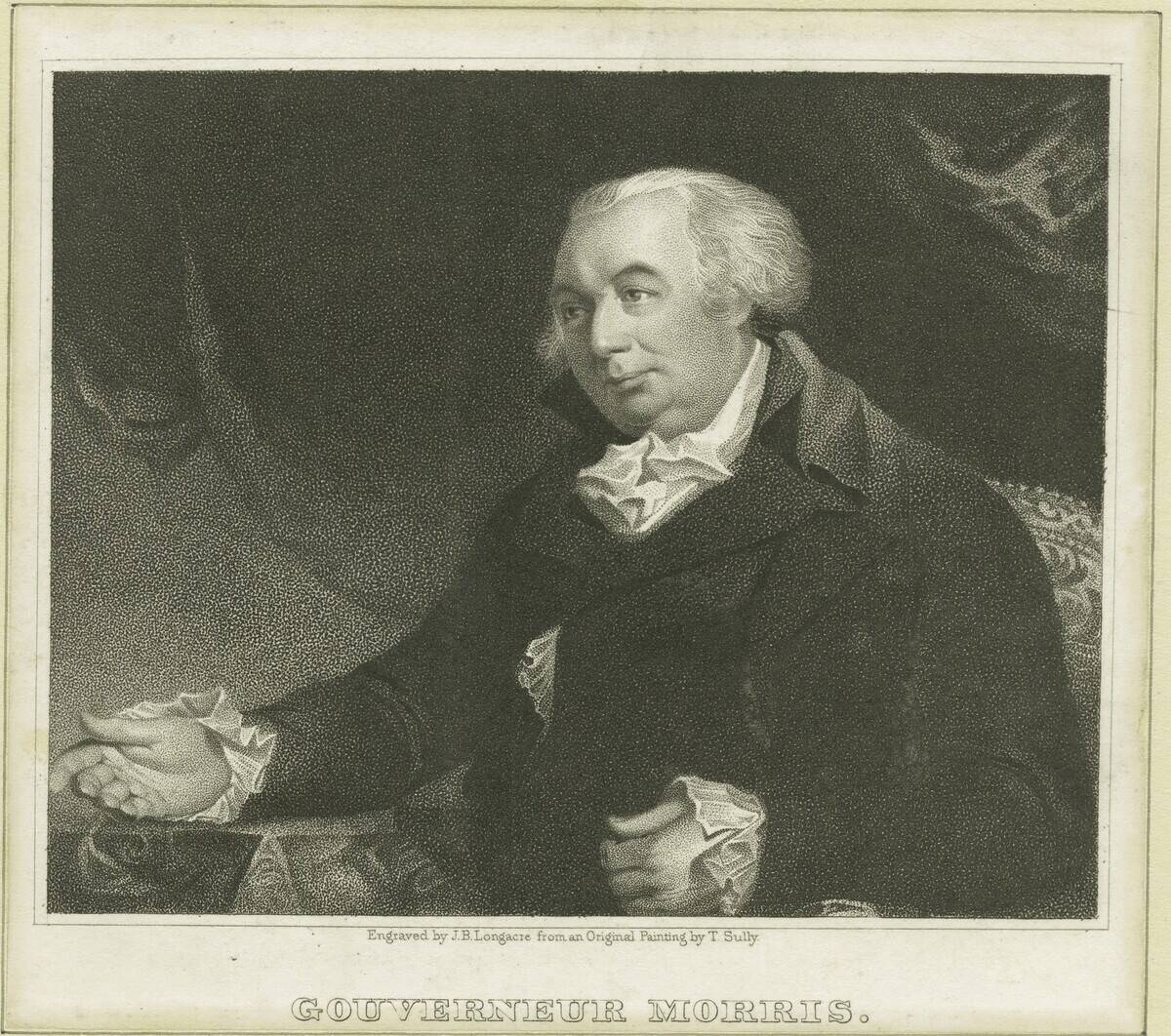
Gouverneur Morris, known as the ‘Penman of the Constitution,’ had a flair for fashion that matched his eloquence. His wardrobe was considered quite extravagant, with a penchant for fine fabrics and tailored suits.
Morris’s style was a reflection of his confident personality and his belief in presenting oneself with dignity and elegance. This attention to detail in his appearance mirrored his meticulous approach to crafting the Constitution, blending substance with style.
John Hancock’s Signature Style
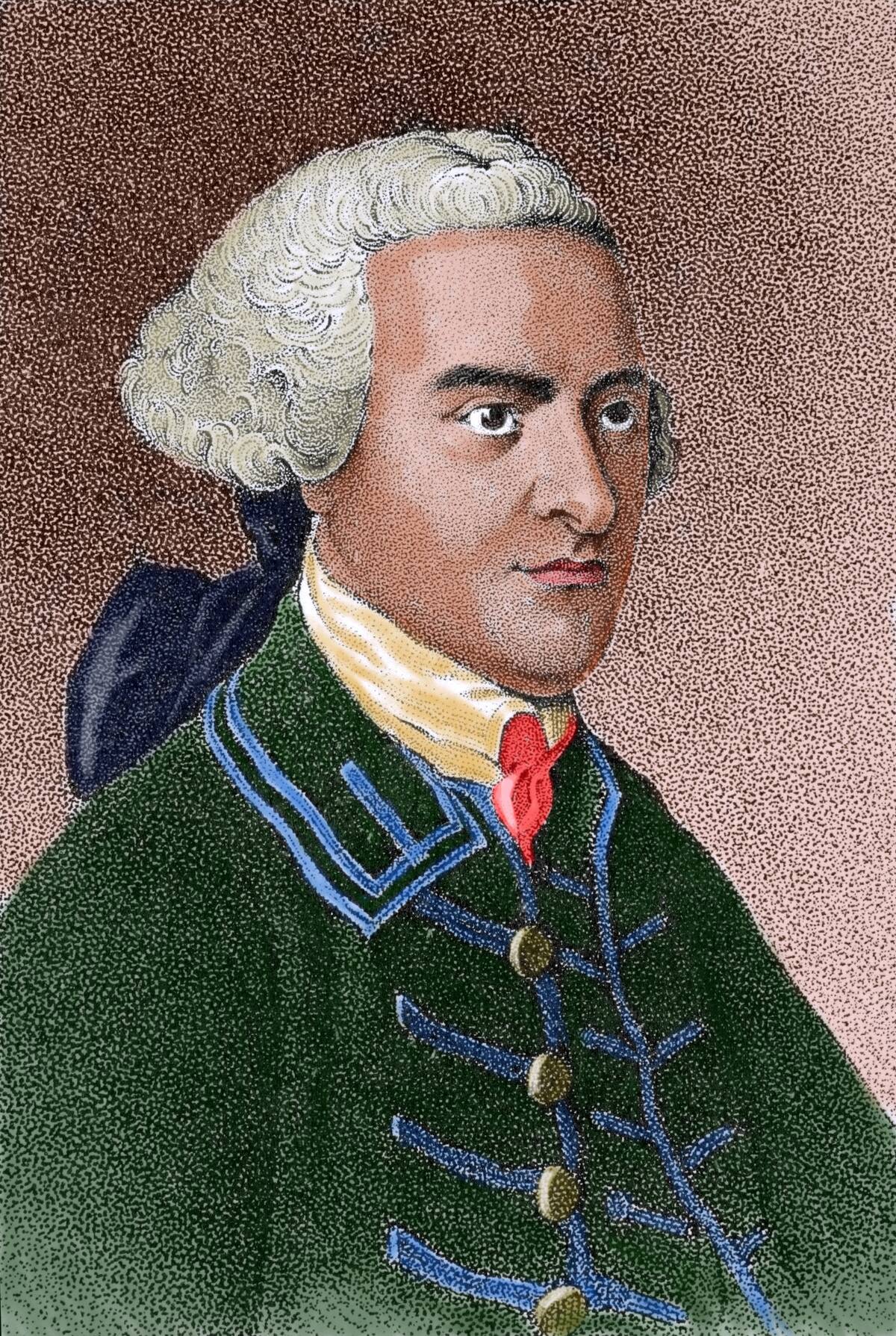
John Hancock is best remembered for his bold signature on the Declaration of Independence. His flamboyant autograph was a deliberate act, intended to ensure King George III could read his name without spectacles. Hancock’s signature became synonymous with confidence and defiance.
This bold gesture of independence underscored his belief in the American cause and left an indelible mark on history, quite literally, as it inspired the phrase ‘put your John Hancock here.’
Thomas Jefferson: A Lover of Ice Cream
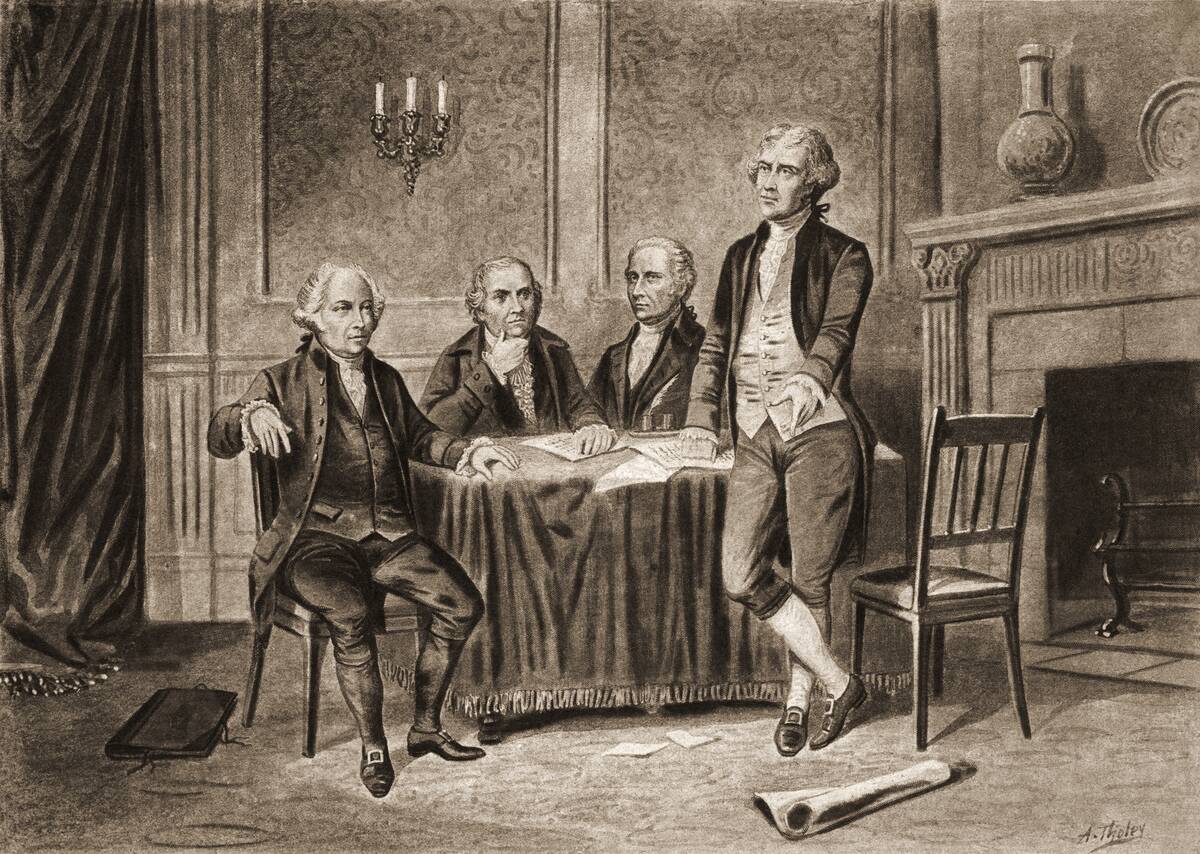
Thomas Jefferson, the principal author of the Declaration of Independence, had a sweet tooth for ice cream. During his time in France, he encountered the delightful dessert and brought the recipe back to America.
Jefferson’s handwritten recipe is one of the oldest known in the United States, reflecting his innovative spirit in both politics and the kitchen. This love for ice cream even led to its serving at the President’s House, delighting guests with this cold delicacy.
Samuel Adams: Brewmaster Extraordinaire
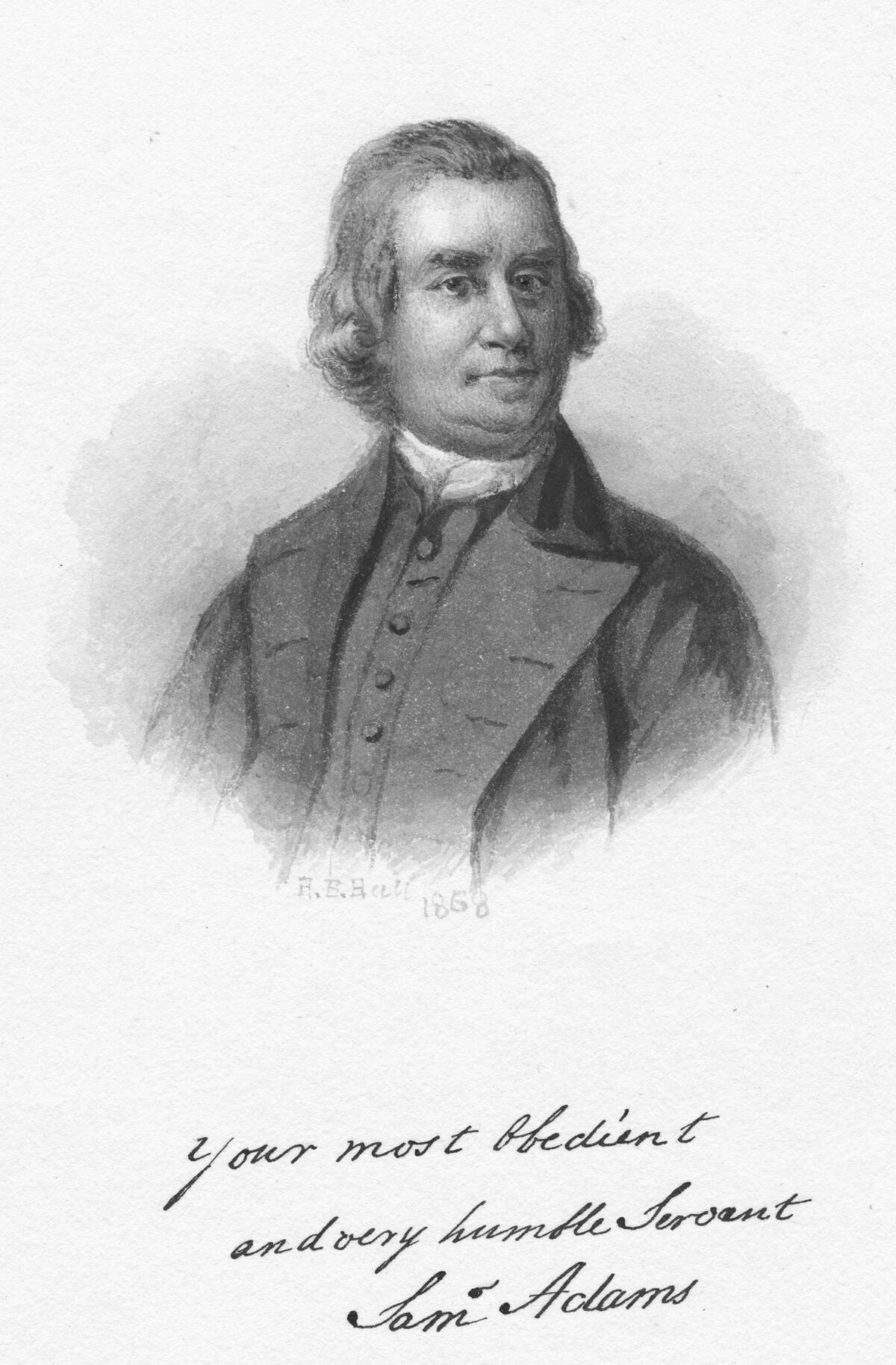
Samuel Adams, a key figure in organizing the Boston Tea Party, also had a knack for brewing. Before becoming a revolutionary leader, Adams inherited a family malt house and honed his skills in brewing beer.
While his political legacy overshadows his brewing endeavors, Adams’s name lives on in the beer industry today. The Samuel Adams brand pays homage to his contributions to both the American Revolution and the art of brewing.
The Artistic Side of John Trumbull
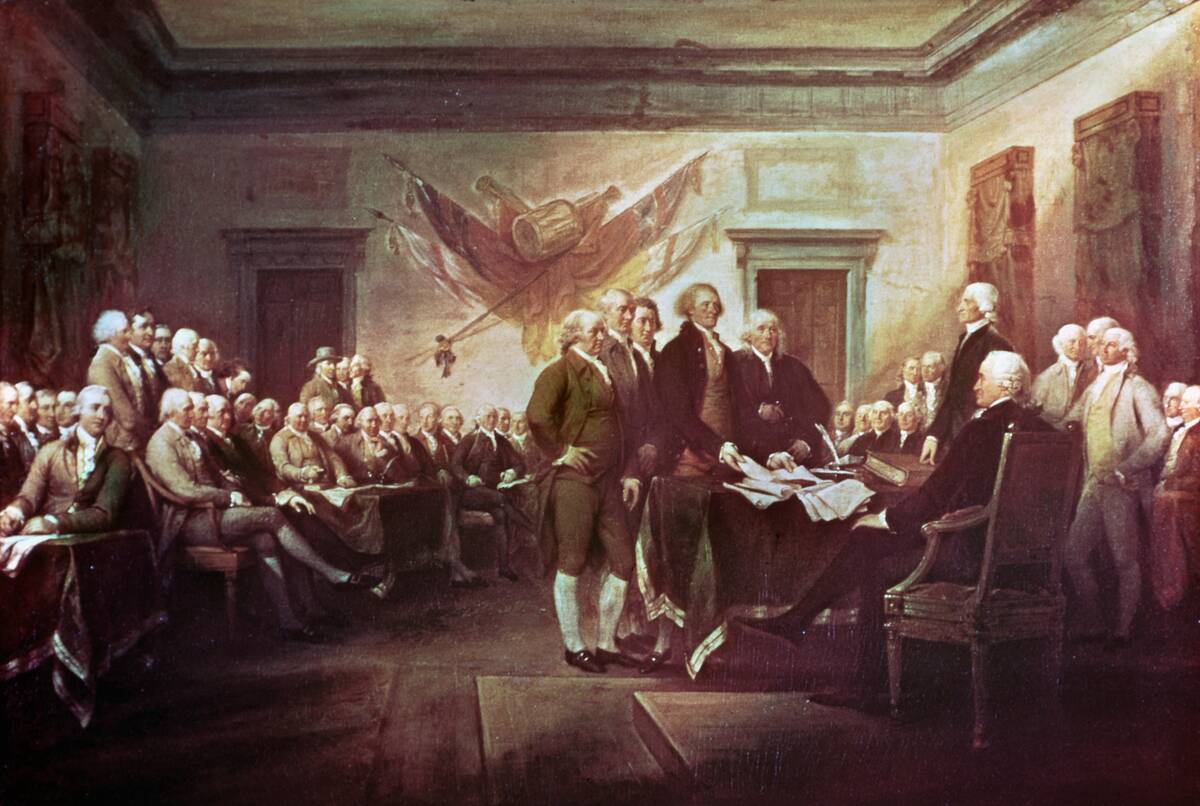
John Trumbull, known as the ‘Painter of the Revolution,’ immortalized key moments in American history through his art. His famous paintings, including the ‘Declaration of Independence,’ captured the spirit and drama of the era.
Trumbull’s artistic talents were instrumental in shaping the visual narrative of the nation’s founding. His works not only documented history but also inspired future generations to appreciate the power of art in telling America’s story.
George Mason’s Quiet Influence
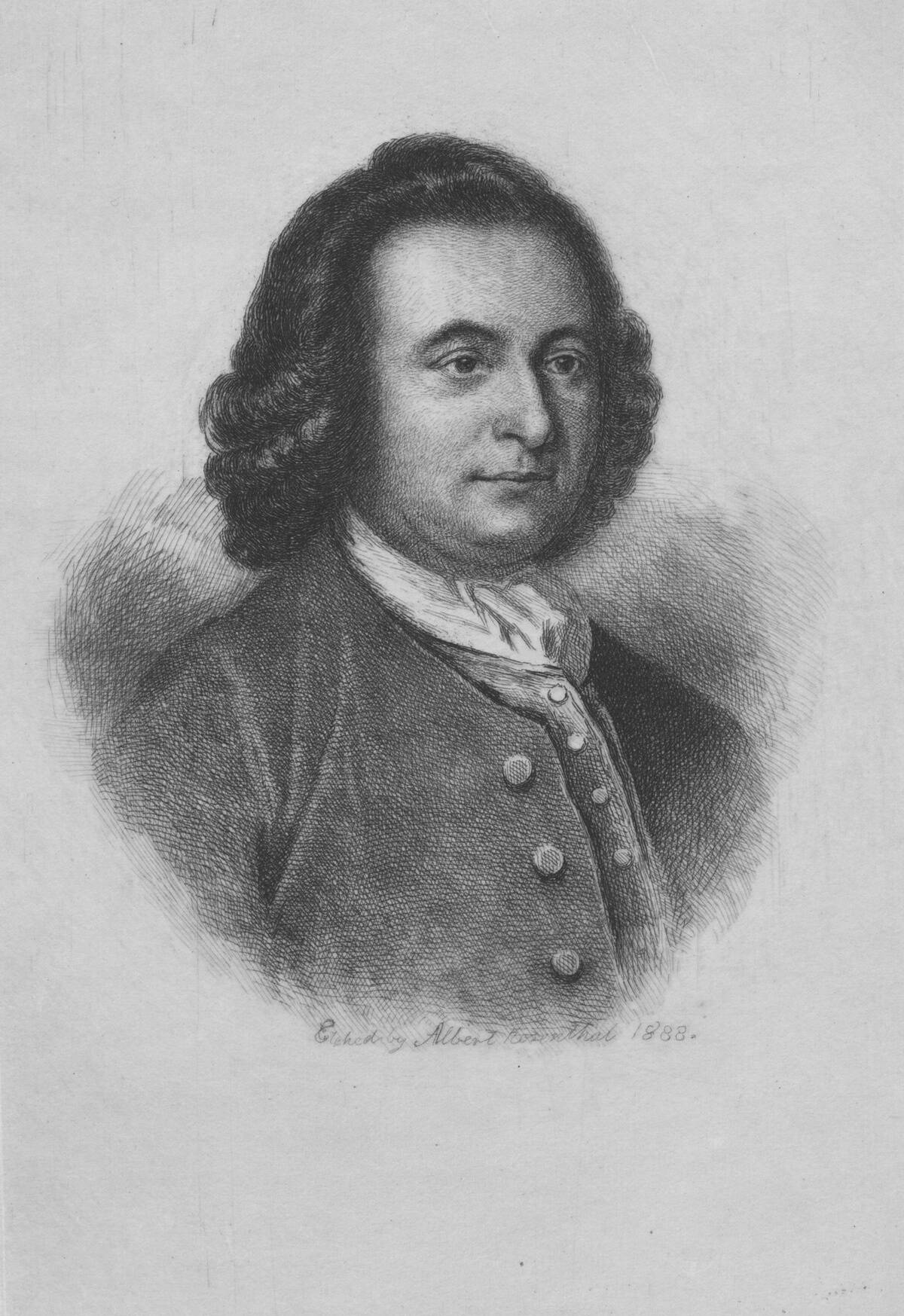
George Mason, though not as well-known as some of his contemporaries, was a pivotal figure in the founding of the United States. His drafting of the Virginia Declaration of Rights served as a model for the U.S. Bill of Rights.
Despite his significant contributions, Mason preferred to remain out of the spotlight, focusing instead on advocating for individual liberties. His influence is felt in the foundational principles that continue to guide the nation today.
The Adventurous Spirit of John Jay
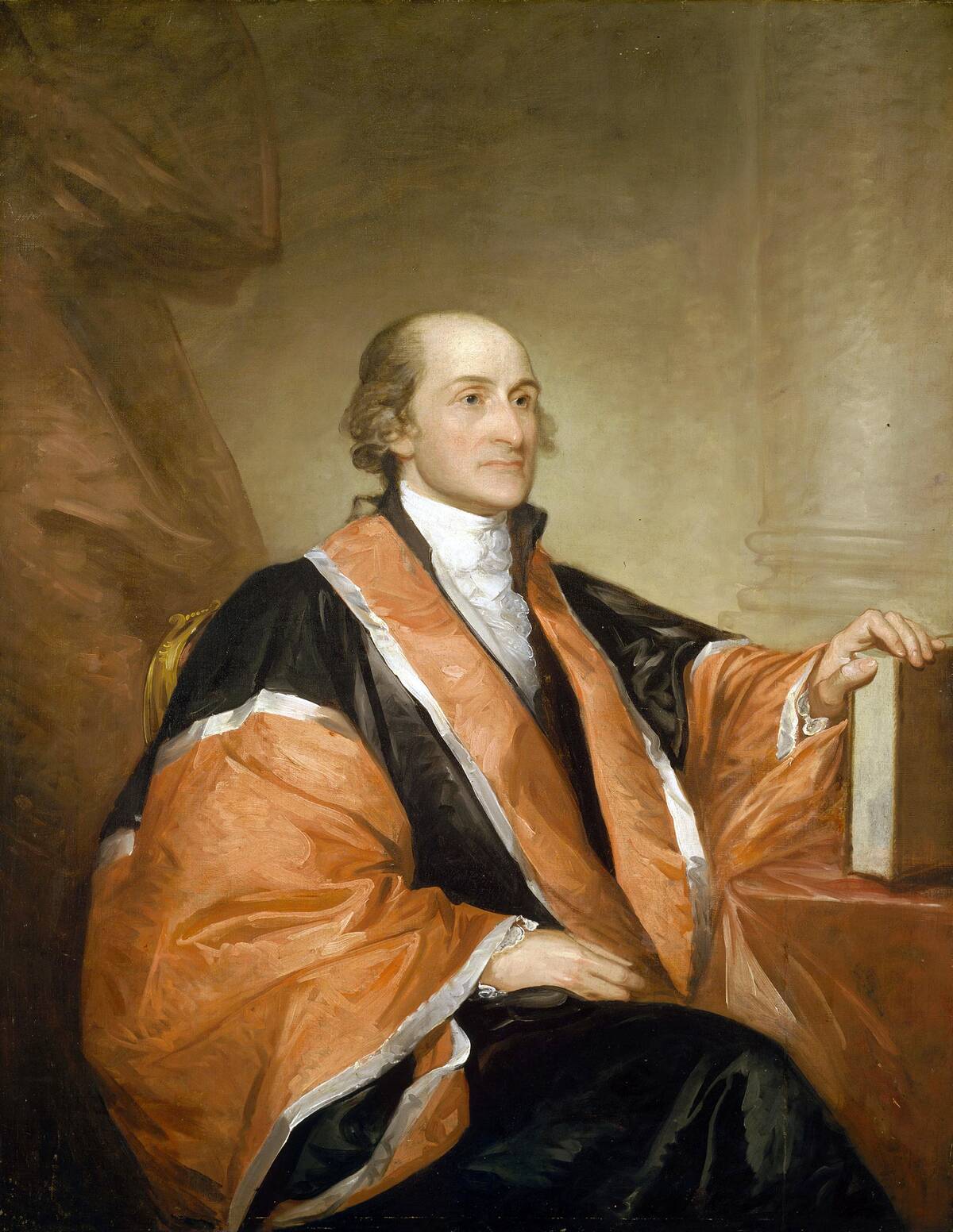
John Jay, the nation’s first Chief Justice, had an adventurous spirit that extended beyond the courtroom. His diplomatic missions, including negotiating the Treaty of Paris, required travel and resilience.
Jay’s determination and adaptability in foreign lands were crucial to securing American independence. His adventurous nature, coupled with his legal acumen, made him a formidable figure in shaping the young nation’s future on the international stage.
Charles Carroll’s Lifelong Longevity
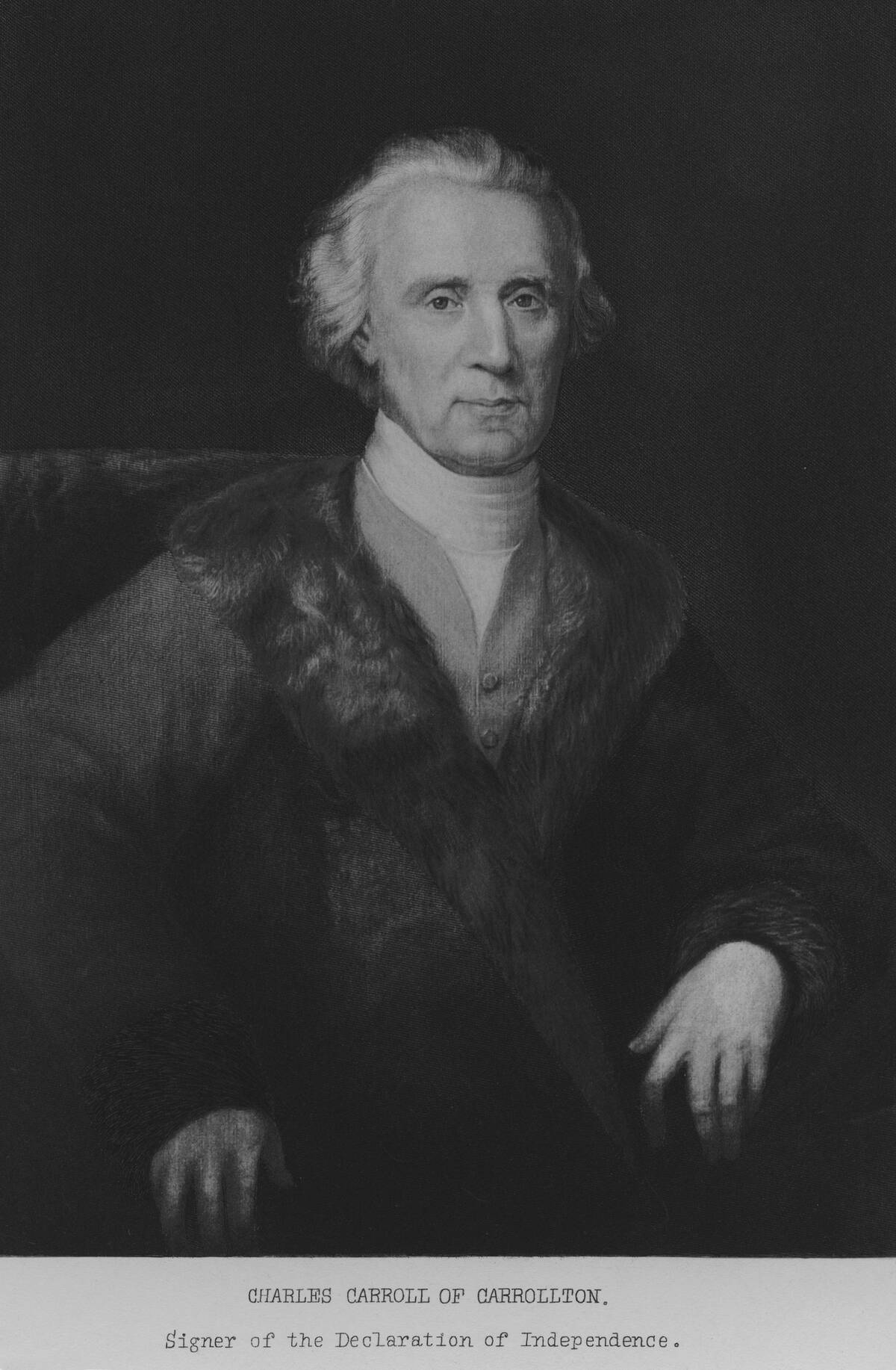
Charles Carroll of Carrollton, a signer of the Declaration of Independence, lived to the ripe age of 95, making him the longest-living signer. His longevity allowed him to witness the growth of the nation he helped found.
Carroll’s extended life provided a unique perspective on the evolving American experiment, from its rebellious beginnings to a burgeoning democracy. His life serves as a bridge between the revolutionary era and the 19th century.
The Philosophical Debates in Their Letters
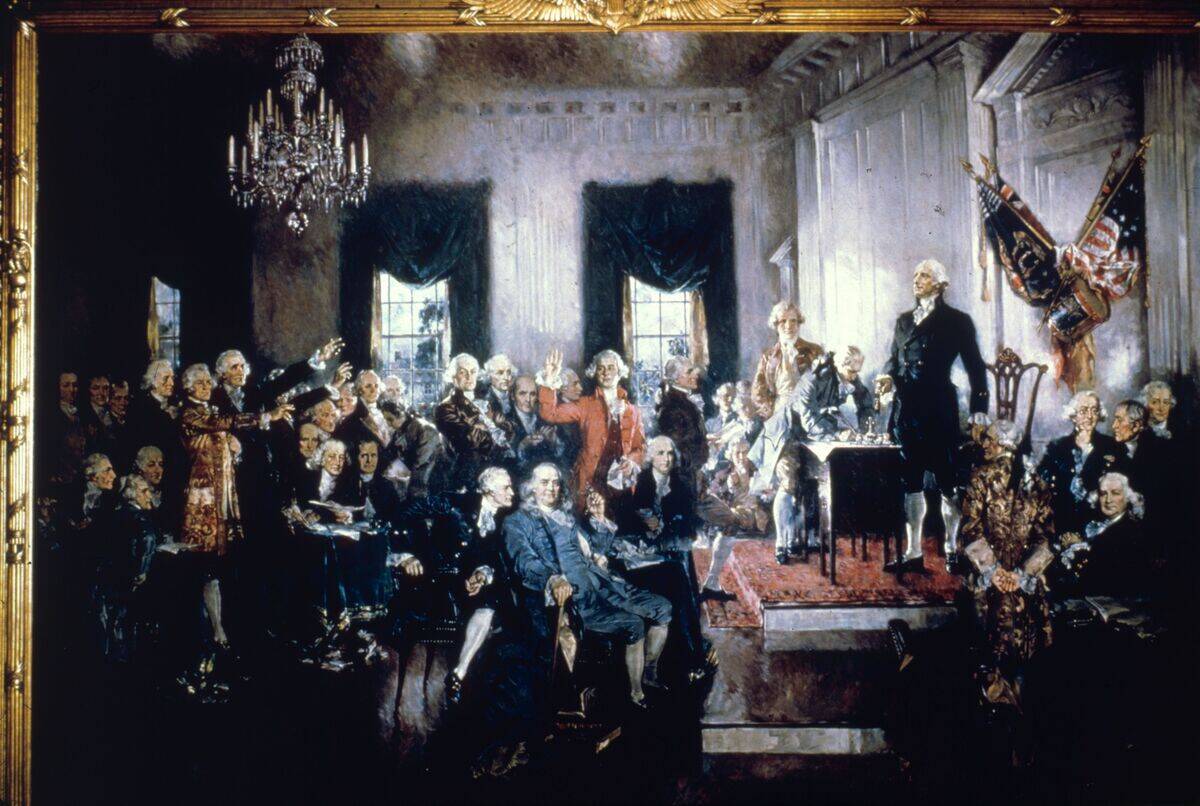
The Founding Fathers engaged in rich philosophical debates through their letters, discussing ideas that shaped the nation’s foundation. Correspondence between figures like John Adams and Thomas Jefferson explored themes of governance, liberty, and human rights.
These letters reveal the intellectual rigor and mutual respect that characterized their exchanges, even amid political disagreements. The written dialogues provide invaluable insights into the minds that forged a new nation, demonstrating the power of thoughtful discourse.
The Social Clubs and Gatherings They Enjoyed
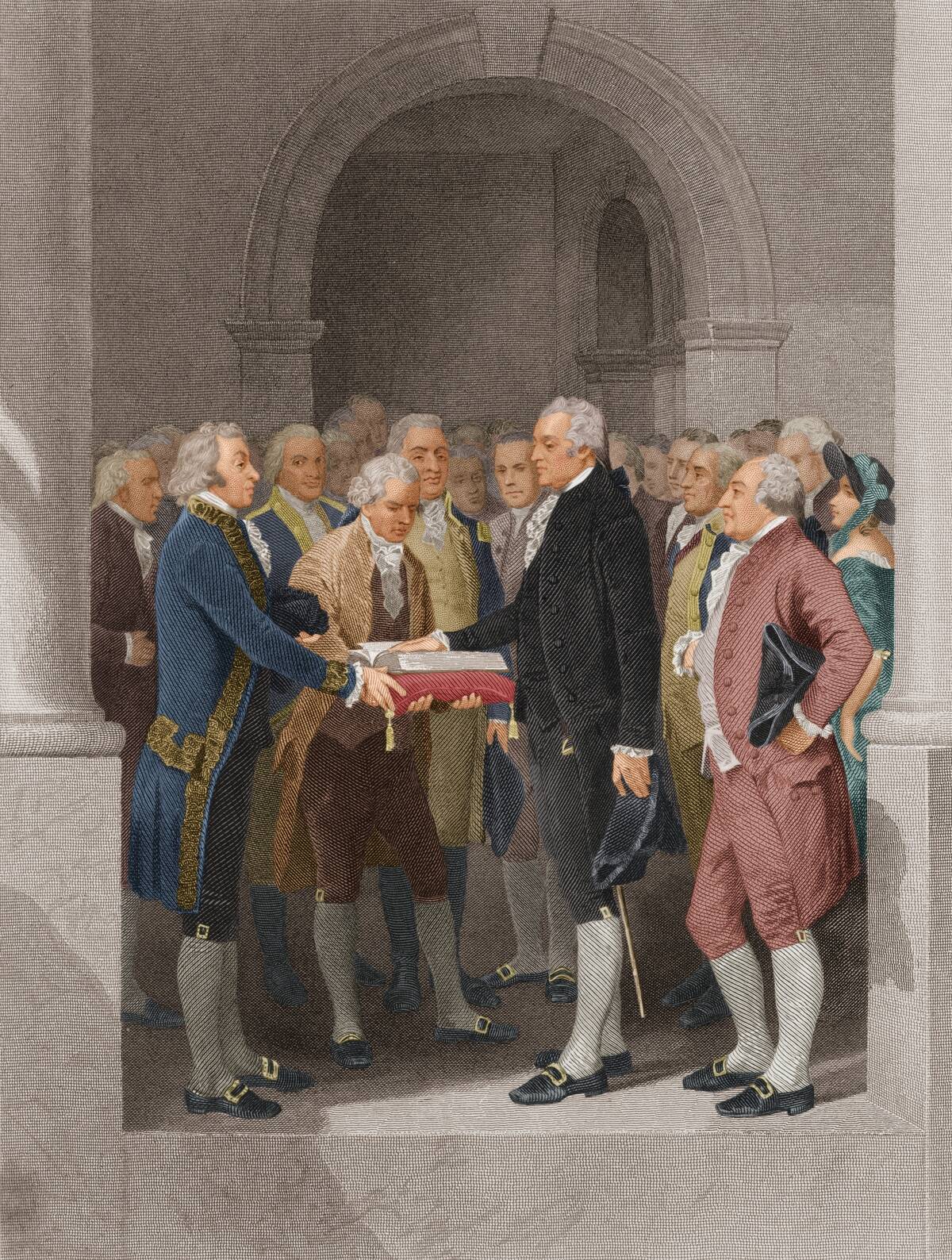
Beyond politics, the Founding Fathers enjoyed vibrant social lives, often participating in clubs and gatherings. Benjamin Franklin was a member of the Junto, a club for mutual improvement that discussed diverse topics.
These gatherings facilitated the exchange of ideas and fostered a sense of camaraderie among members. Social clubs were integral to their personal and professional lives, providing a space to unwind and engage in intellectual and social pursuits outside the political arena.
Lesser-Known Friendships and Rivalries
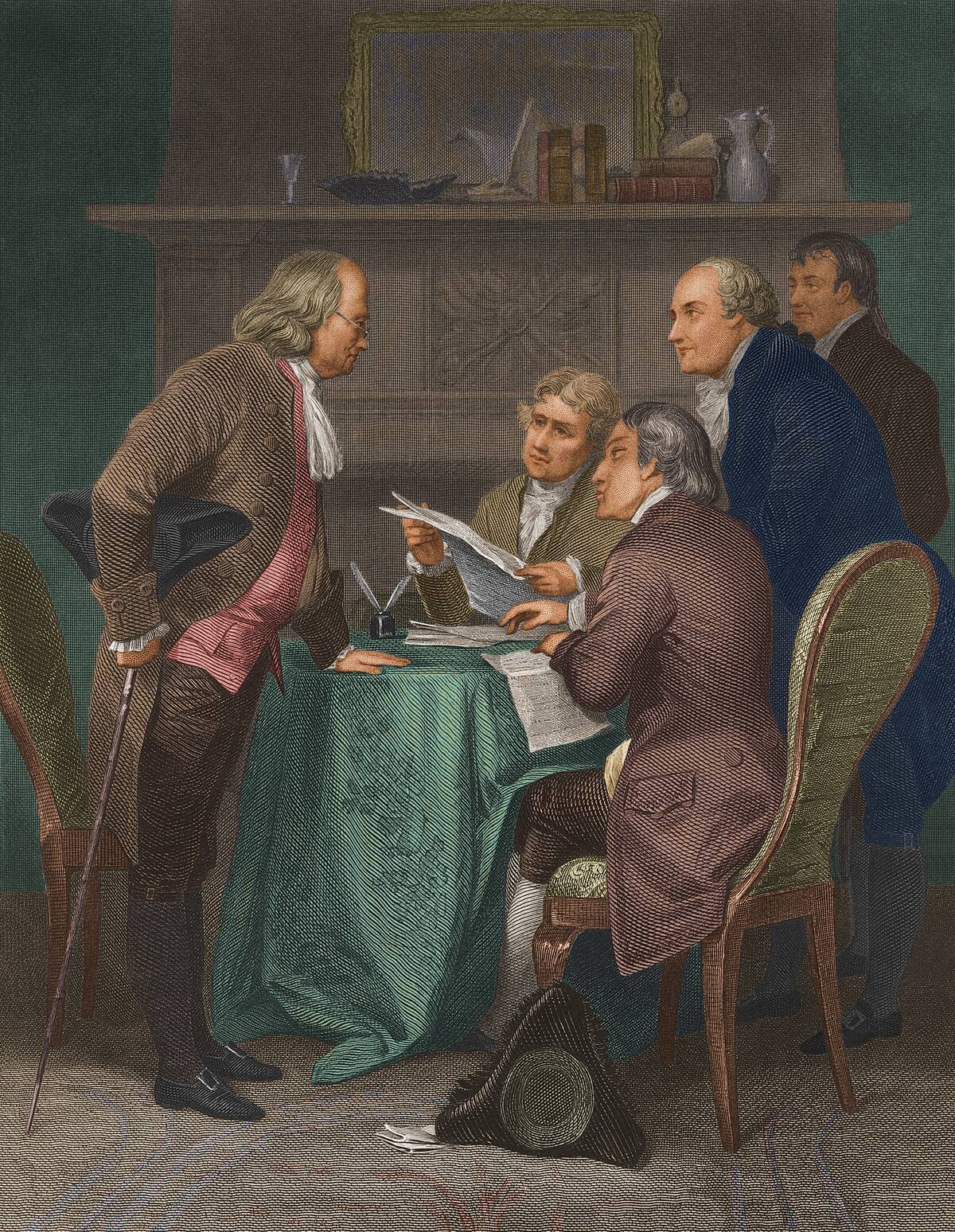
The relationships among the Founding Fathers were complex, marked by both friendships and rivalries. Alexander Hamilton and Thomas Jefferson, for instance, had a well-documented rivalry over fiscal policies.
Conversely, the deep friendship between John Adams and Thomas Jefferson, despite political differences, is legendary. Their correspondence later in life revealed a mutual respect and shared vision for the nation. These intricate relationships added depth to their political lives, illustrating the human elements of collaboration and conflict.




