How travelers ate before restaurants were common
Before the advent of modern restaurants, dining on the road was an entirely different experience. Travelers relied on a patchwork of inns, taverns, and local hosts to provide sustenance during their journeys.
This era was marked by a sense of adventure and unpredictability, as the quality and availability of food varied greatly. Exploring the history of travel dining reveals a fascinating evolution of culinary practices and hospitality traditions that laid the groundwork for today’s food culture.
The Era of Inns and Taverns: Early Hospitality

Inns and taverns played a vital role in early travel, providing travelers with food, lodging, and a place to rest. Many were family-run establishments that served hearty meals prepared with local ingredients, reflecting regional cooking traditions.
Taverns also functioned as important social centers where travelers and local residents exchanged news, stories, and business. With filling dishes such as stews, pies, and roasted meats, these establishments helped lay the groundwork for the modern hospitality and restaurant industries.
The Role of Marketplaces in Feeding Travelers
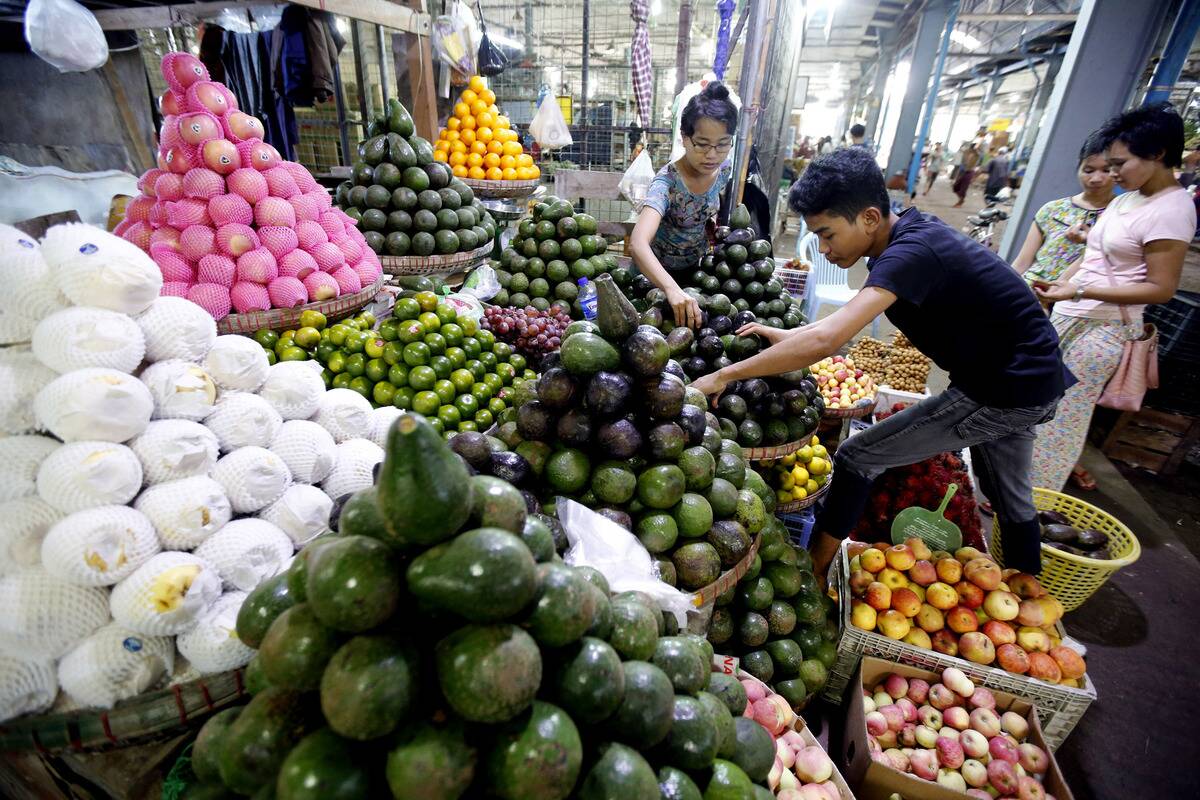
Marketplaces were lively centers of commerce and food, offering travelers a wide variety of provisions and prepared meals. Fresh produce, meats, baked goods, cheeses, and other local specialties were commonly available, making markets convenient places to restock before continuing a journey.
They also brought together merchants and visitors from different regions, encouraging the exchange of ingredients, recipes, and culinary traditions. Beyond providing food, marketplaces offered travelers a glimpse into local culture and everyday life.
Street Vendors: The Original Fast Food
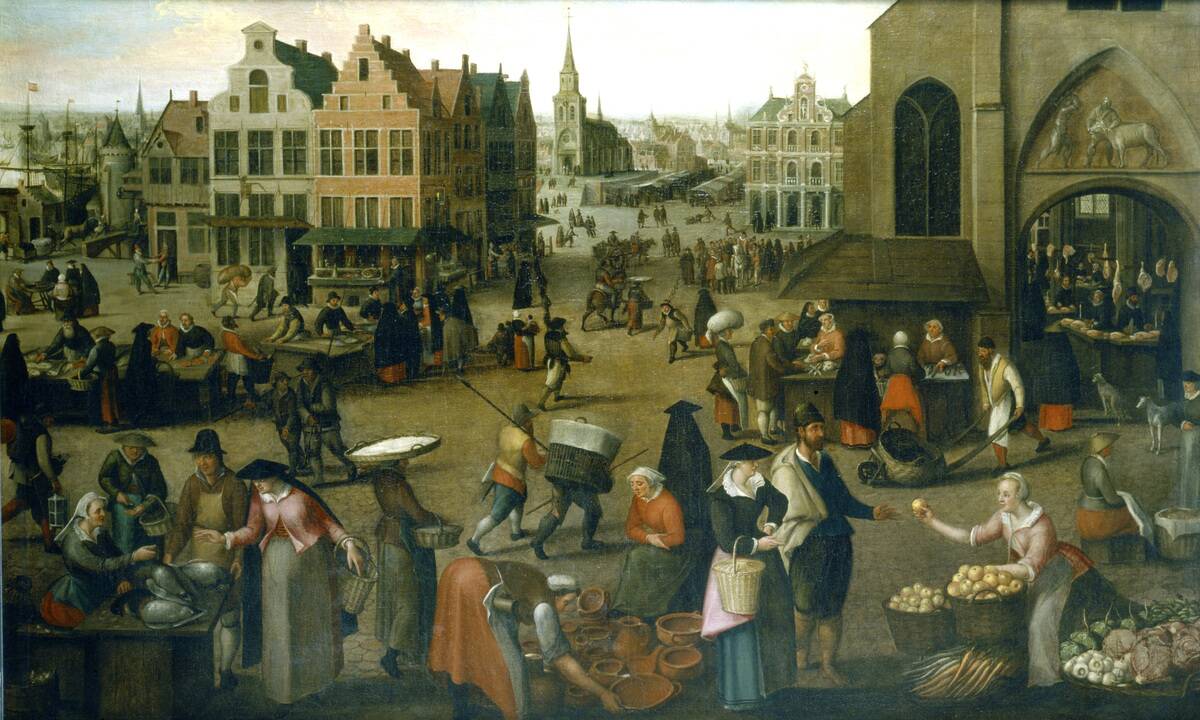
Long before fast food chains, street vendors were the go-to for quick and convenient meals. These vendors offered a variety of ready-to-eat foods, such as meat skewers, pastries, and soups.
Street food was not only affordable but also provided a glimpse into the local culinary scene. Travelers could enjoy a quick bite while exploring new cities, making street vendors an integral part of the travel dining experience. This tradition continues today, with street food being a beloved aspect of global cuisine.
The Art of Picnicking: Meals in the Great Outdoors
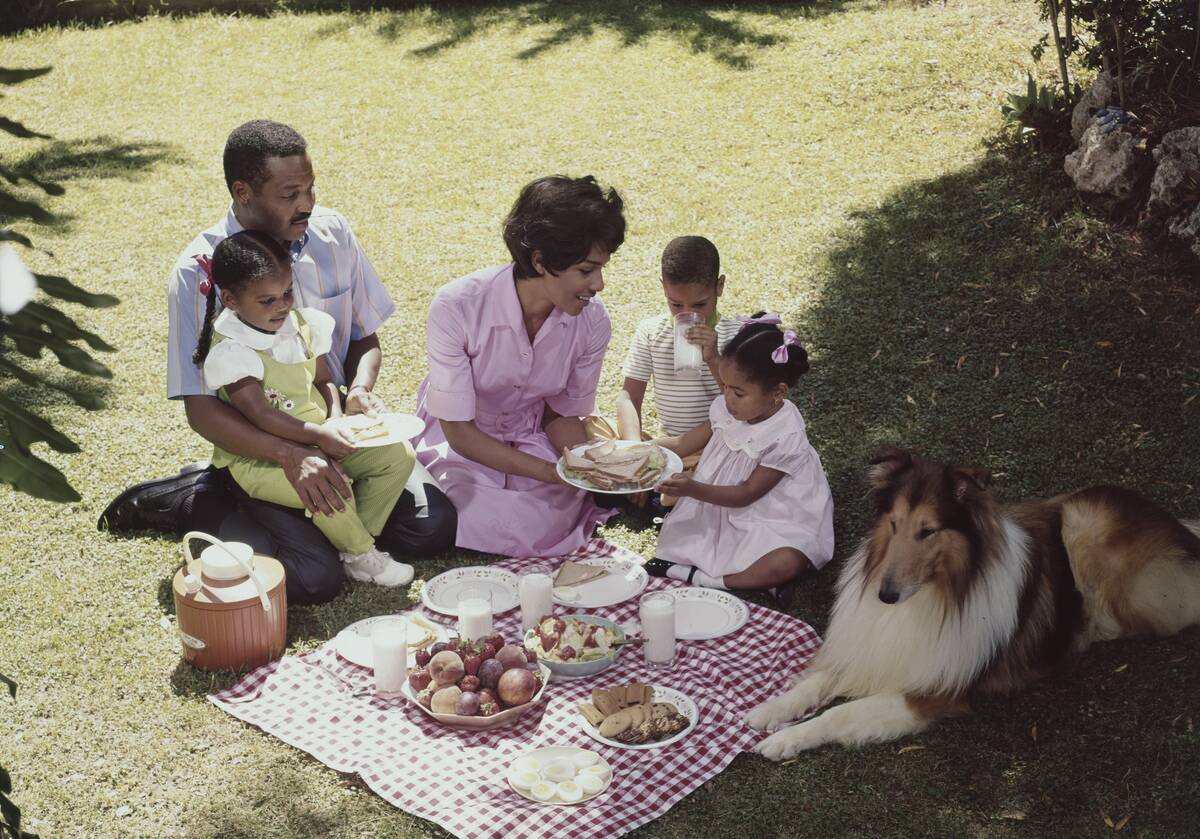
Picnicking was a popular way for travelers to enjoy meals in the great outdoors. This practice allowed people to take advantage of scenic landscapes while savoring simple, portable foods. Bread, cheese, fruits, and cured meats were common picnic staples, offering a balanced and satisfying meal.
Picnicking also provided a sense of freedom and relaxation, allowing travelers to pause and appreciate the beauty of their surroundings. This tradition of outdoor dining remains a cherished pastime for many today.
The Importance of Bread and Cheese: Travel Staples
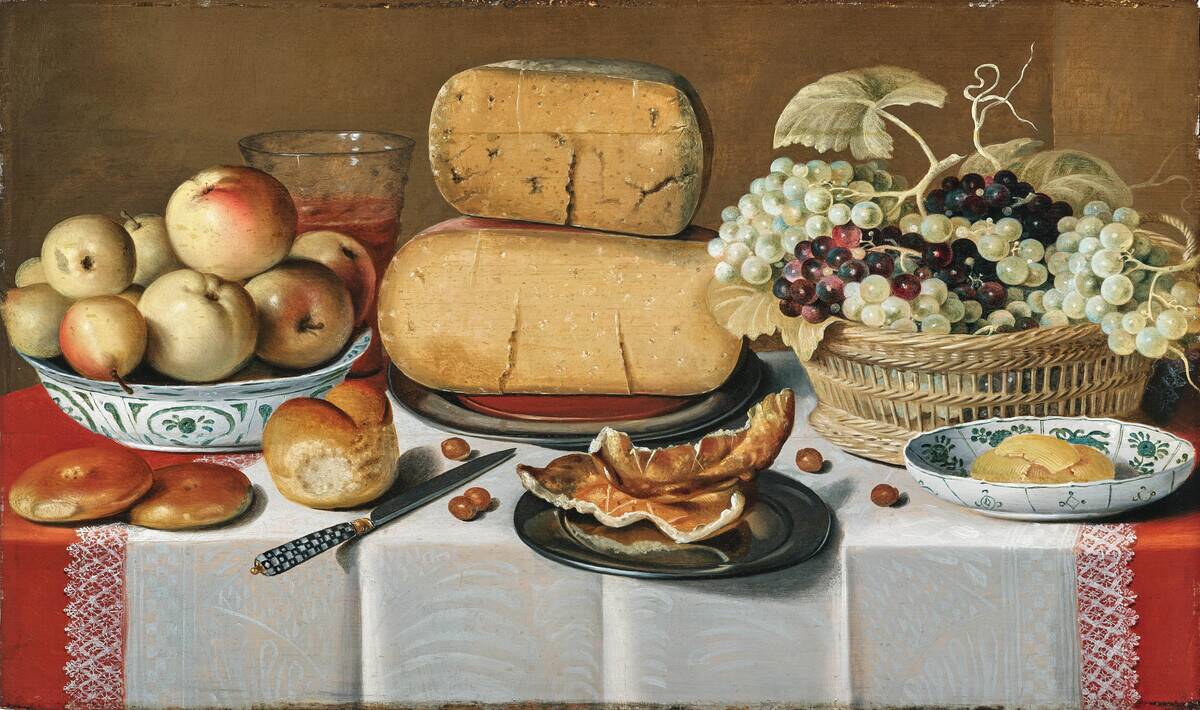
Bread and cheese were indispensable staples for travelers throughout history. These foods were not only easy to transport but also provided essential nutrients and energy. Bread, often baked in large loaves, could last for days, while cheese offered a rich source of protein and fat.
Together, they formed a reliable and satisfying meal that sustained travelers on long journeys. The enduring popularity of bread and cheese speaks to their timeless appeal and practicality as travel foods.
Cooking on the Go: Portable Kitchens and Utensils

For travelers who prepared their own meals, portable cooking equipment was an important part of the journey. Many carried pots, pans, and basic cooking utensils, while later travelers also made use of portable stoves as they became widely available during the 19th century.
This equipment allowed people to cook hot meals while camping or traveling through remote areas. These practical travel cooking methods helped inspire the development of modern camping gear, making outdoor cooking more convenient than ever.
The Influence of Trade Routes on Culinary Experiences
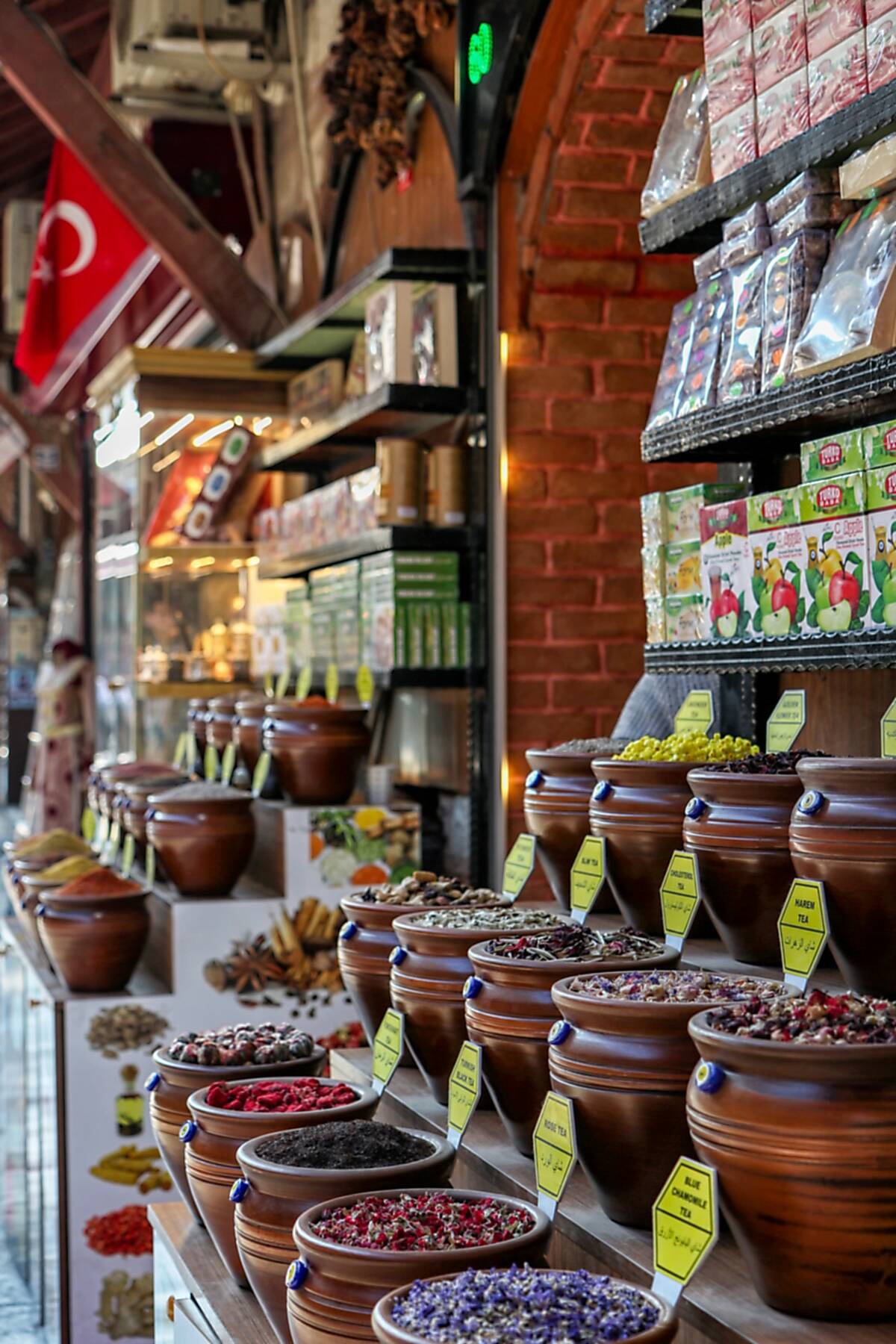
Trade routes played a significant role in shaping the culinary experiences of travelers. As merchants and explorers traversed these routes, they introduced new ingredients and cooking techniques to different regions. Spices, such as cinnamon and pepper, became highly sought-after commodities, transforming local cuisines.
This exchange of culinary knowledge enriched the food culture of each region, offering travelers a diverse and exciting array of flavors to explore. The legacy of these trade routes is still evident in the global cuisine we enjoy today.
Feasting at Monasteries: A Spiritual and Gastronomic Experience
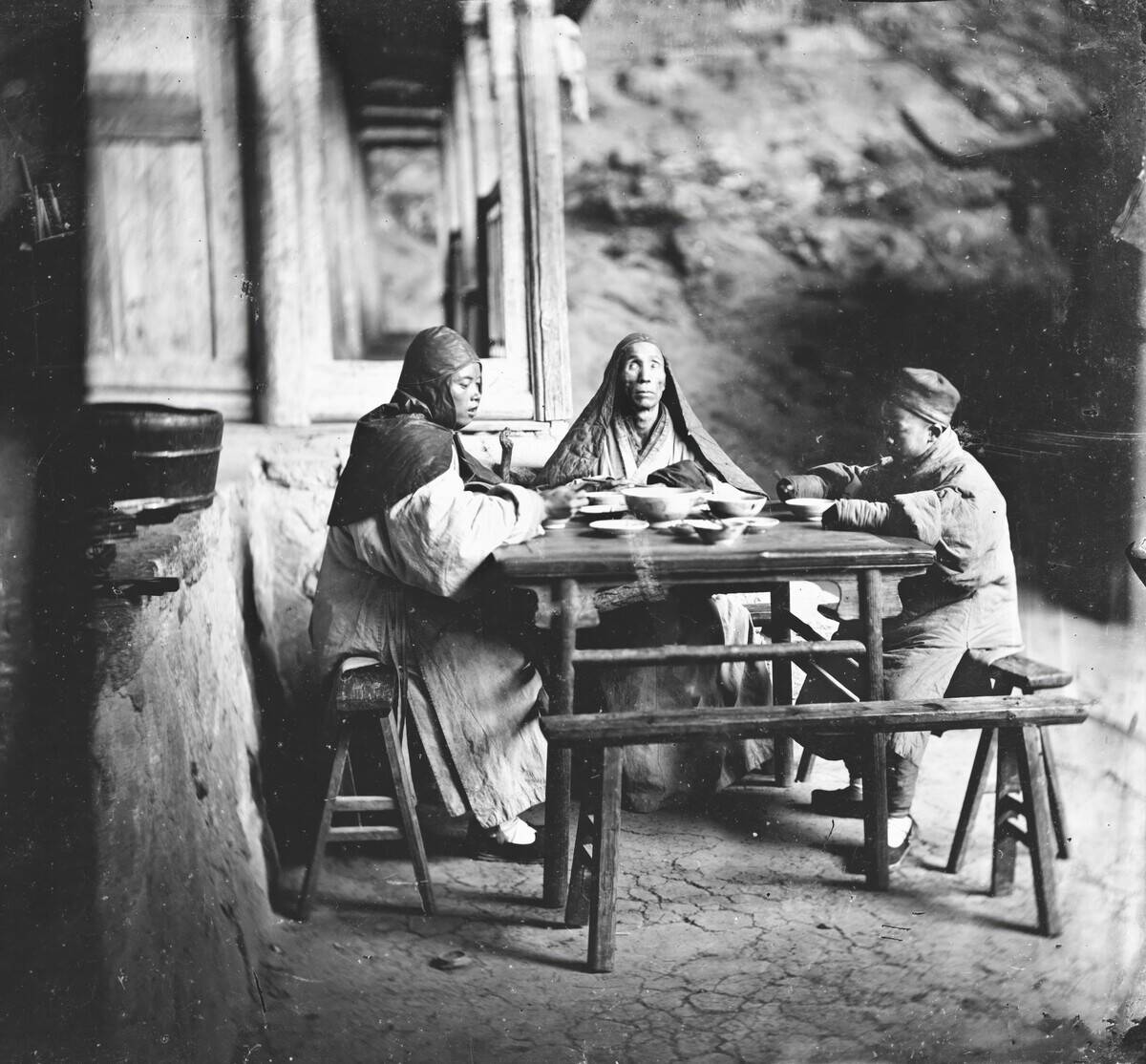
Monasteries often served as places of refuge for travelers, offering food, lodging, and hospitality alongside spiritual care. Many monastic communities cultivated gardens, orchards, farms, and, in suitable regions, vineyards to support themselves and their guests.
Their simple, nourishing meals reflected a largely self-sufficient way of life centered on work and faith. In some parts of the world, monasteries continue this tradition today, welcoming visitors and sharing the peaceful atmosphere and locally produced foods that have long been part of monastic life.
The Rise of Coaching Inns: A Home Away from Home

Coaching inns became vital stops for travelers during the 17th, 18th, and early 19th centuries. Serving passengers traveling by stagecoach, they offered lodging, hearty meals, and fresh horses along major travel routes.
Strategically placed at regular intervals, coaching inns provided dependable places to rest before continuing a journey. Their combination of accommodation, food, and reliable service helped shape the evolution of commercial hospitality, laying important foundations for the modern hotel and travel industries.
Seafaring Meals: Dining on the High Seas
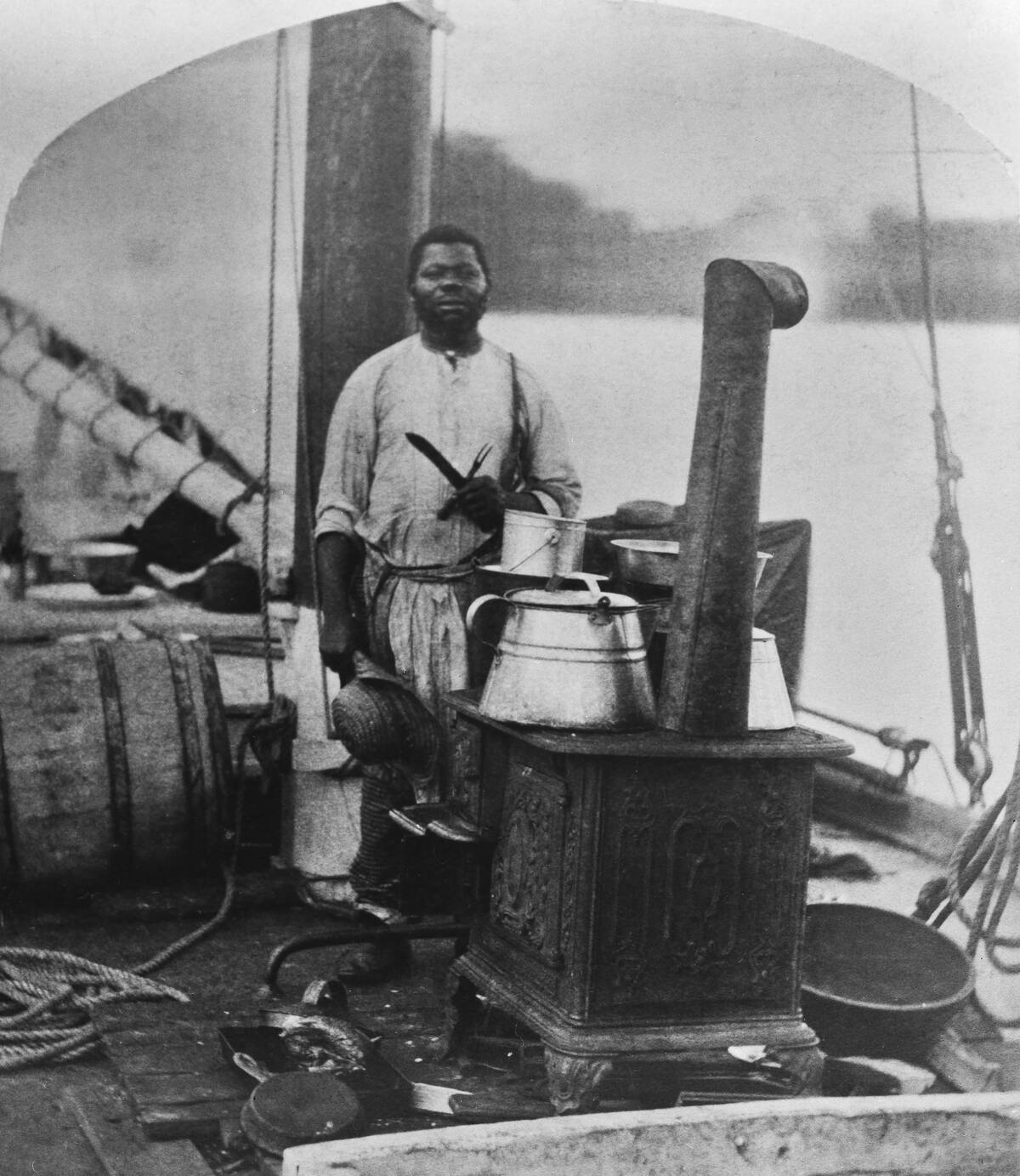
Dining at sea presented unique challenges for sailors on long voyages. Crews relied on preserved foods such as salted meat, hardtack, dried peas, and other durable provisions that could withstand months aboard ship. Because fresh ingredients were scarce until the next port, shipboard cooks had to make the most of limited supplies.
Even under these conditions, sailors typically shared communal meals that became an important part of daily life aboard ship. Maritime food traditions reflect the resilience and resourcefulness of those who traveled the world’s oceans for centuries.
The Role of Local Hosts and Community Meals
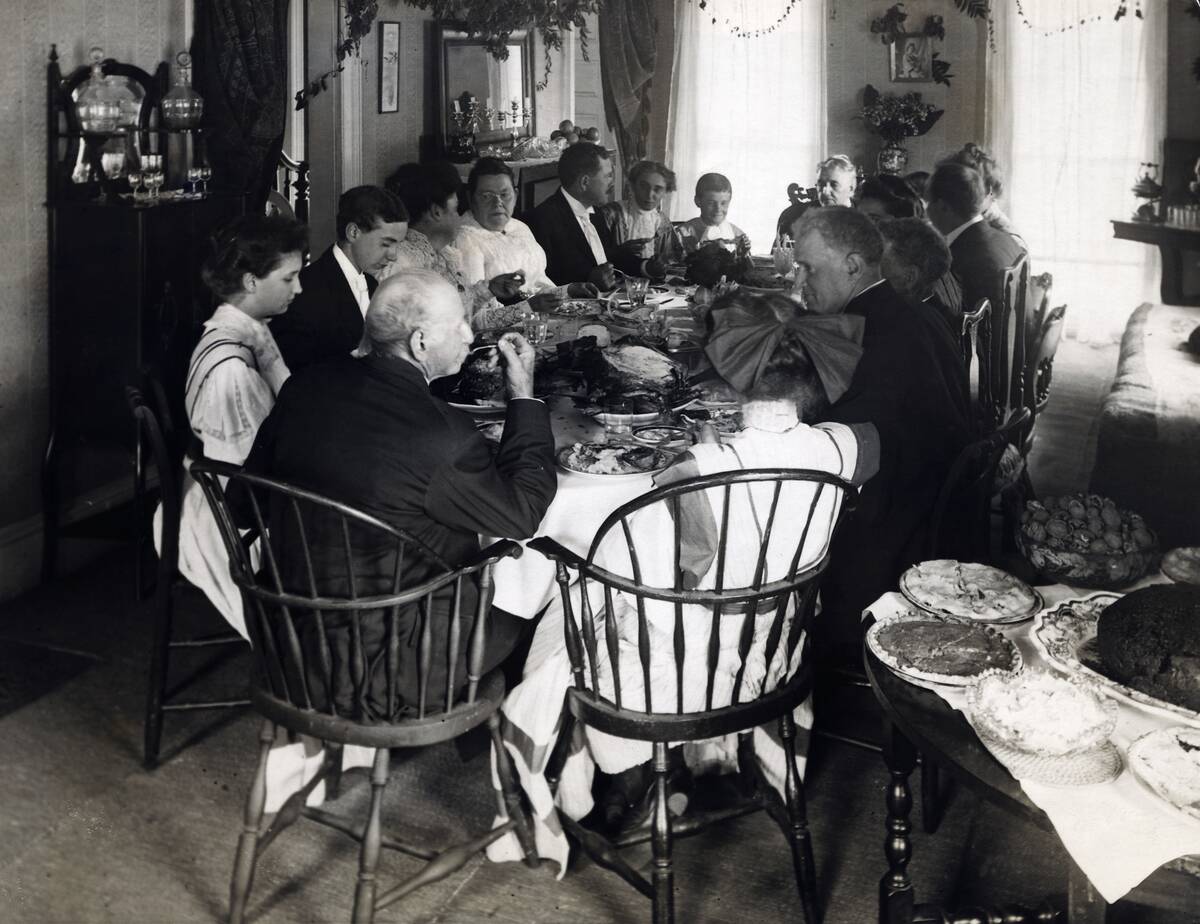
Local hosts have long played an important role in welcoming travelers and introducing them to regional hospitality and cuisine. Shared meals in family homes, inns, religious communities, and local gathering places gave visitors the opportunity to experience traditional foods and connect with the people of a region.
These encounters often encouraged cultural exchange, allowing travelers and hosts to share stories, customs, and perspectives. The tradition of hospitality has helped create meaningful connections between people from different backgrounds throughout history.
The Impact of Cultural Exchanges on Traveler’s Cuisine

Cultural exchanges have played an important role in shaping the evolution of travel cuisine throughout history. As people moved across regions and borders, they carried their culinary traditions, ingredients, and cooking techniques with them, influencing the food cultures they encountered.
This exchange created new dishes and transformed existing ones, reflecting the movement and interaction of different communities. Today, travelers continue to experience the legacy of these connections through the diverse range of global cuisines available around the world.




