Classic board games that were once in every home
Family board games have been a staple of entertainment for generations, offering a delightful mix of strategy, luck, and social interaction. They’re perfect for gatherings, providing a chance to bond, laugh, and sometimes, engage in friendly competition.
From classic titles that have stood the test of time to innovative newcomers, board games bring people together, transcending age and background. Their enduring appeal lies in their ability to create shared memories and a sense of camaraderie.
Monopoly: The Classic Real Estate Adventure
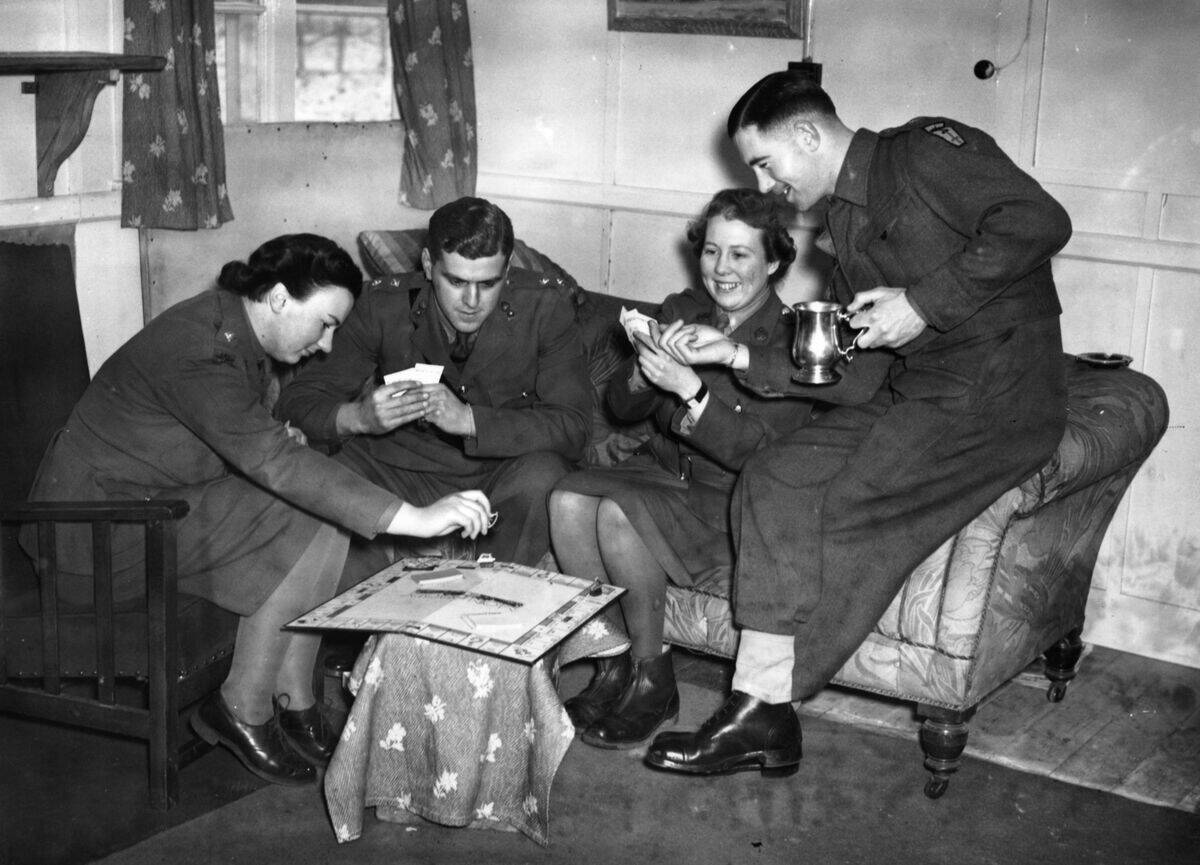
Monopoly, first published in 1935, has become synonymous with board games. Players buy, trade, and develop properties, aiming to bankrupt opponents. The game is based on real-life locations in Atlantic City, New Jersey. Its iconic tokens, like the top hat and racecar, add charm.
Despite its reputation for causing family feuds, Monopoly teaches valuable lessons in financial management and negotiation, making it a beloved classic in households worldwide.
Scrabble: The Wordsmith’s Delight
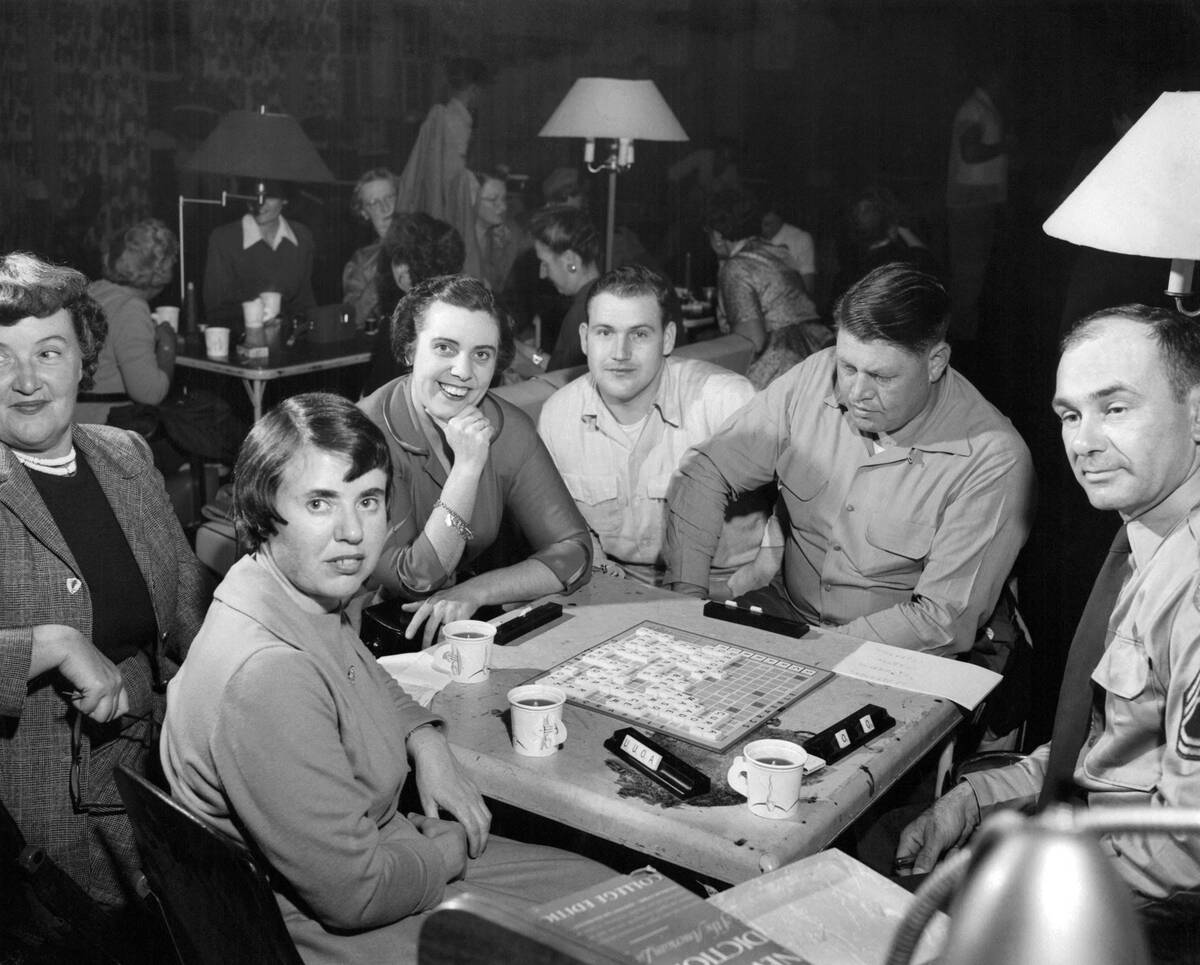
Scrabble, created in 1938 by Alfred Mosher Butts, challenges players to create words on a grid using letter tiles, each with a different point value. It’s a favorite among word enthusiasts, enhancing vocabulary and strategic thinking.
The highest possible scoring word, “oxyphenbutazone,” can earn a player over 1,700 points. Scrabble’s appeal lies in its blend of language skills and tactical play, making it a staple in both casual and competitive settings.
Clue: The Whodunit Mystery Game
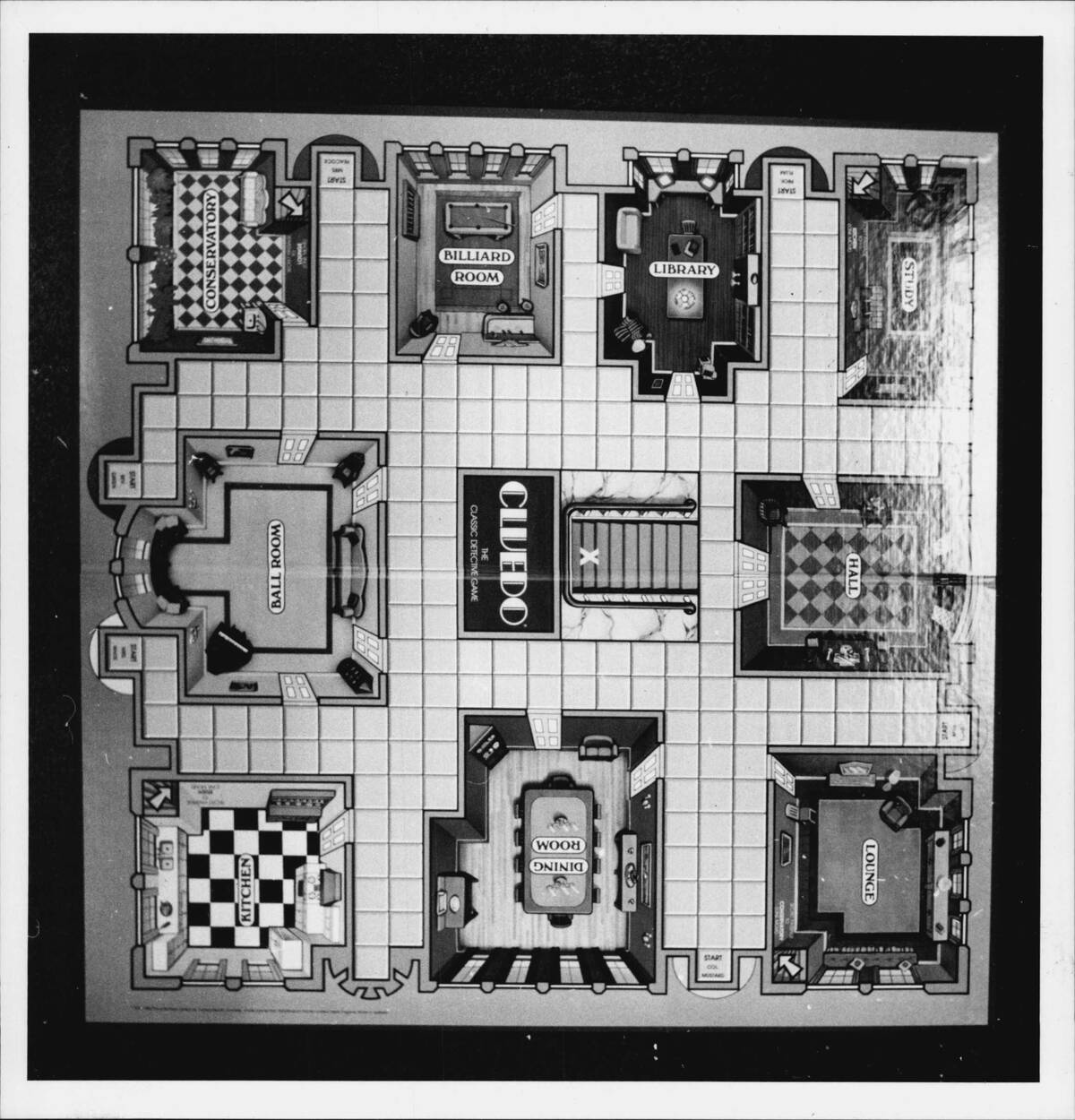
Clue, known as Cluedo outside North America, invites players to solve a murder mystery by deducing the suspect, weapon, and room. Created in 1949, its characters, like Colonel Mustard and Miss Scarlet, are iconic.
The game encourages logical reasoning and deduction, with each turn revealing new information. Clue’s suspenseful nature and engaging narrative have made it a favorite for mystery lovers, providing endless intrigue and replayability.
Risk: The Ultimate Strategy Challenge
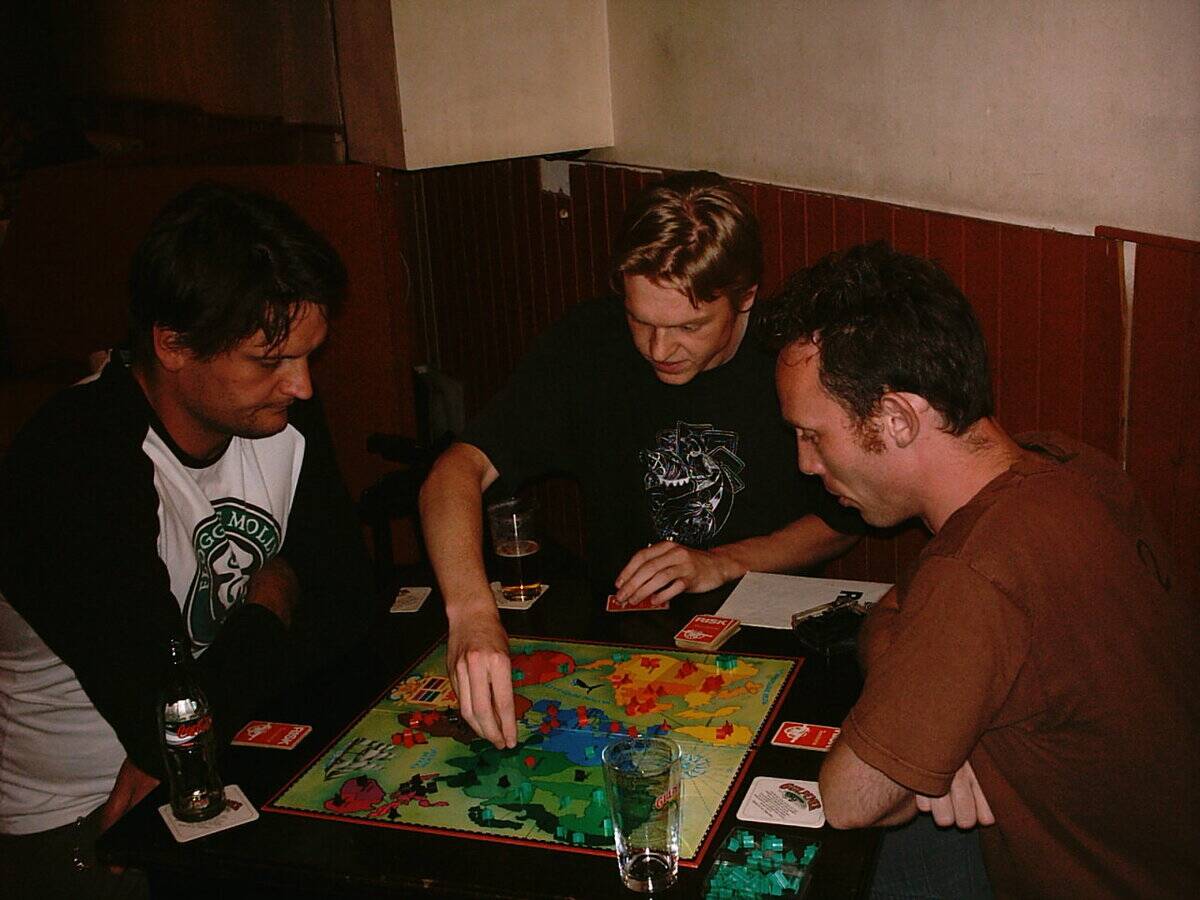
Risk, introduced in 1957, is a game of global domination, where players command armies to conquer territories. Its strategic depth and element of chance keep players engaged, as alliances form and dissolve.
The game board, depicting a world map, adds to its immersive experience. Risk’s blend of diplomacy, strategy, and luck has captivated players for decades, making it a must-play for those who enjoy tactical challenges and long-term planning.
Candy Land: A Sweet Adventure for the Young Ones

Candy Land, first published in 1949, is a simple race-to-the-finish game designed for young children. Players move along a colorful path through a candy-themed world, encountering characters like King Kandy and Lord Licorice.
The game’s straightforward mechanics require no reading, making it accessible for preschoolers. Its vibrant design and whimsical theme captivate young imaginations, providing an enchanting introduction to the world of board games.
Sorry!: The Game of Sweet Revenge
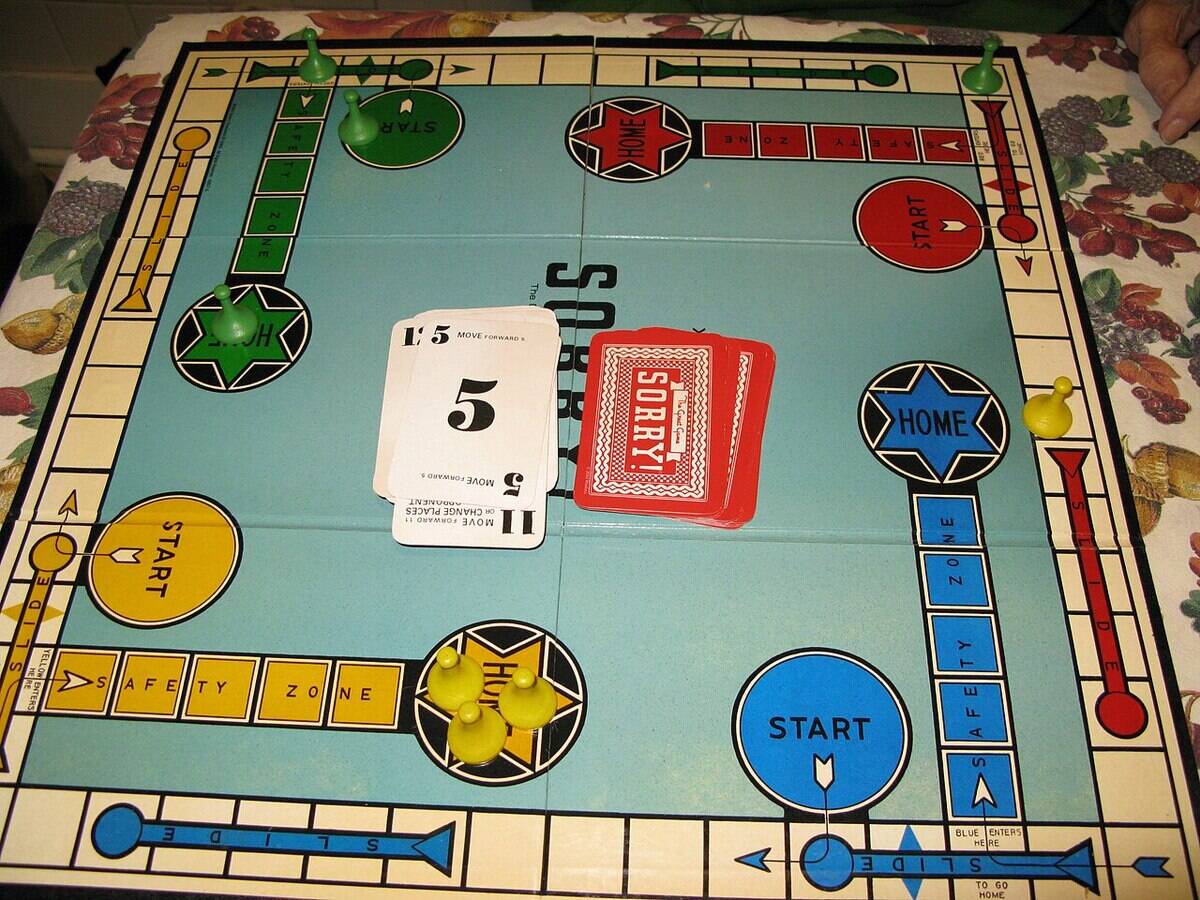
Sorry!, based on the ancient Indian game Pachisi, was introduced in 1934. Players aim to move their pieces around the board and into their “home” while sending opponents back to start.
The game’s name reflects the frequent apologies players offer when bumping others back. Its blend of strategy and luck makes for lively gameplay, with the “Sorry!” card adding a twist of surprise and delight. It’s a family favorite for its simplicity and competitive fun.
Battleship: The Naval Warfare Classic
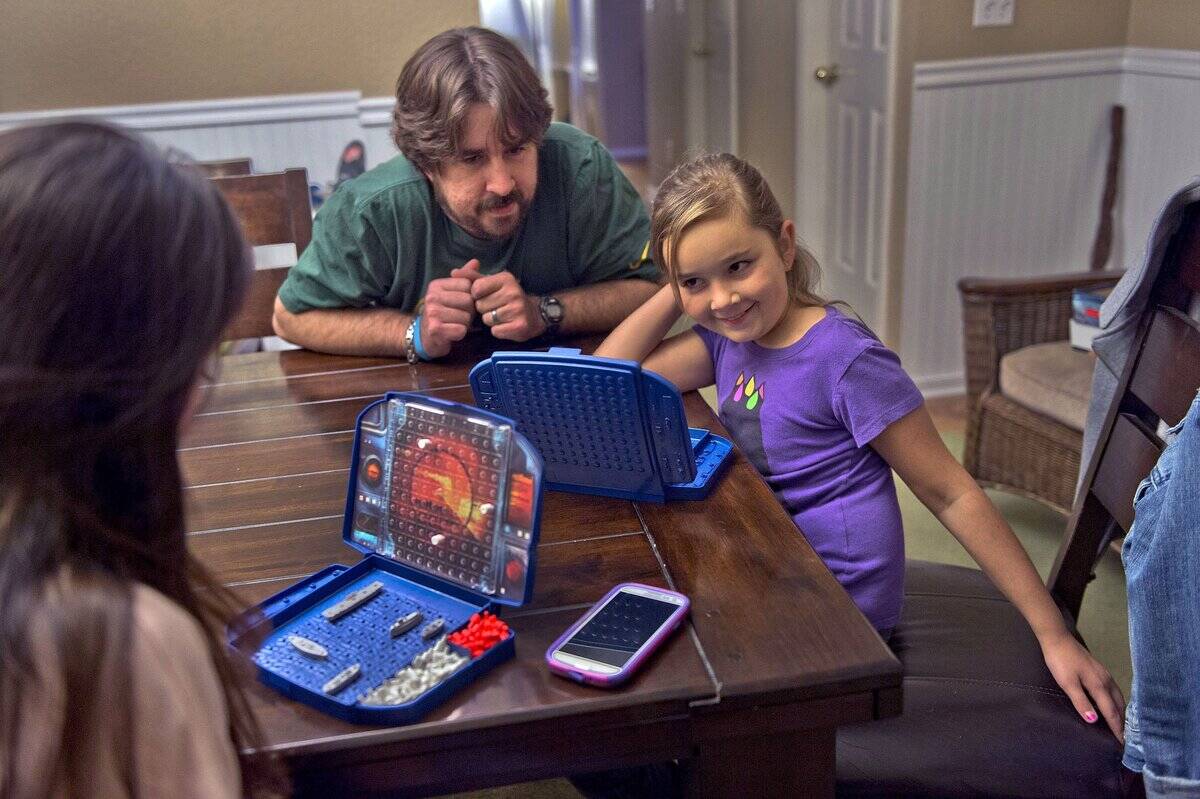
Battleship, a game of strategic naval combat, was first published as a board game in 1967. Players secretly arrange ships on a grid and take turns calling out coordinates to “hit” opponents’ vessels.
The game’s suspenseful nature and simple rules make it accessible to all ages. Its origins as a pencil-and-paper game during World War I add to its historical intrigue. Battleship remains a popular choice for its tactical gameplay and satisfying victories.
Connect Four: The Simple Yet Strategic Game
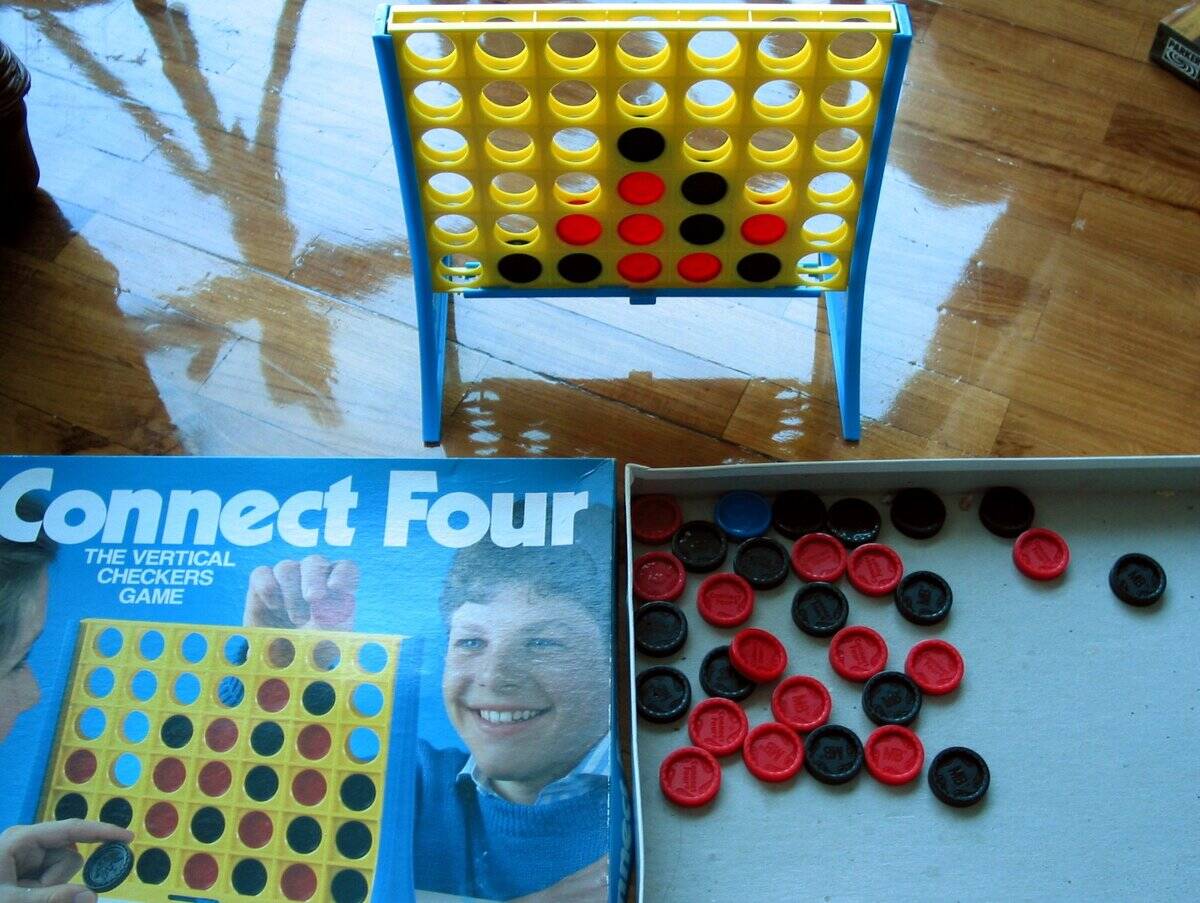
Connect Four, released in 1974, is a two-player connection game where the goal is to form a line of four discs in a grid. Its straightforward rules make it easy to learn, yet the strategic depth keeps players engaged.
The game’s design allows for quick matches, making it perfect for casual play. Connect Four’s blend of simplicity and strategy ensures its place as a beloved classic, enjoyed by both children and adults alike.
Operation: The Hilarious Surgical Challenge

Operation, introduced in 1965, is a dexterity game where players “operate” on a patient named Cavity Sam, removing ailments with tweezers. The buzzing sound and light-up nose add humor and challenge, as players try to avoid setting off the alarm.
Its whimsical ailments, like the “Butterflies in the Stomach,” add to its charm. Operation’s combination of skill and laughter makes it a hit at parties and family gatherings, offering endless amusement.
Trouble: The Pop-O-Matic Dice Roller Game
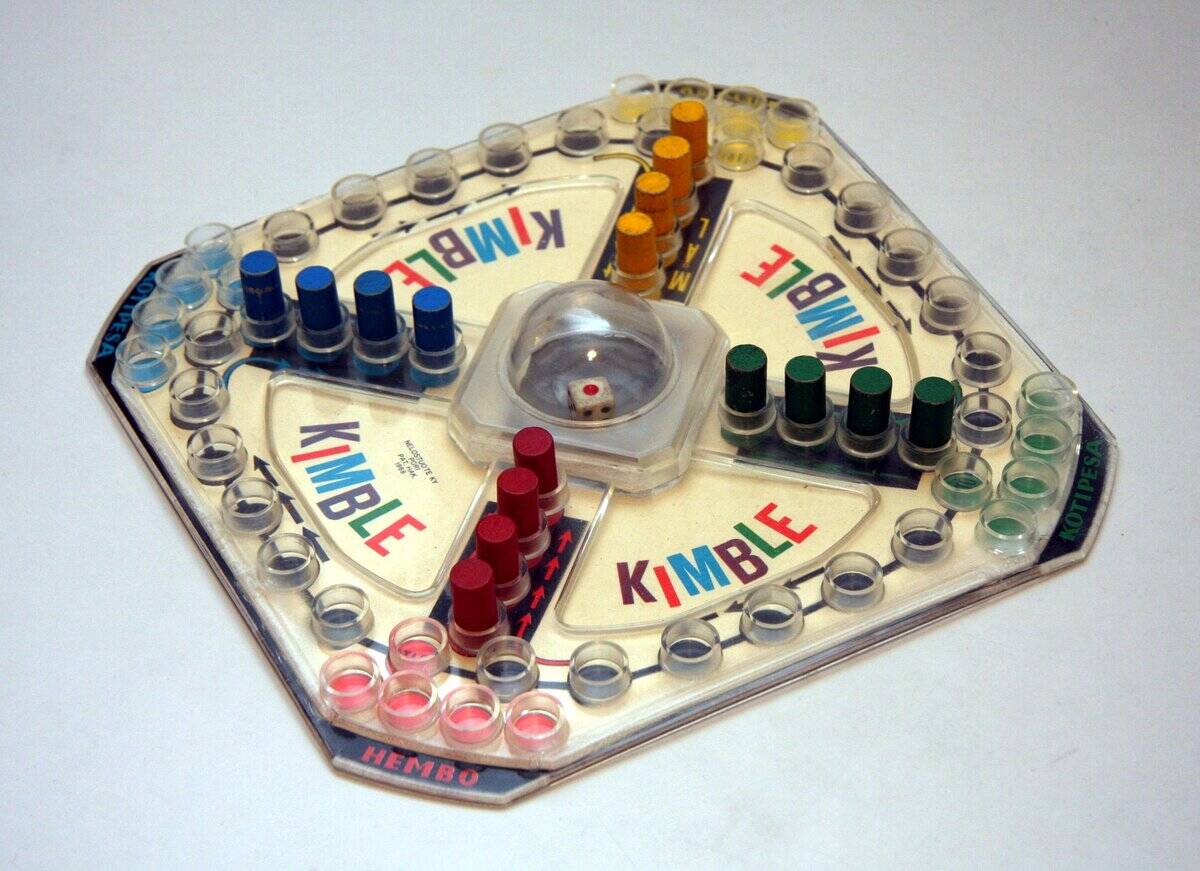
Trouble, first released in 1965, is known for its Pop-O-Matic dice roller, a clear dome that players press to roll the dice. The game’s objective is to move pieces around the board and into the “finish” area, with the Pop-O-Matic adding an element of excitement.
Its simple rules and fast-paced gameplay make it suitable for all ages. Trouble’s iconic dice roller and competitive nature ensure it remains a staple in family game collections.
Pictionary: The Artistic Guessing Game
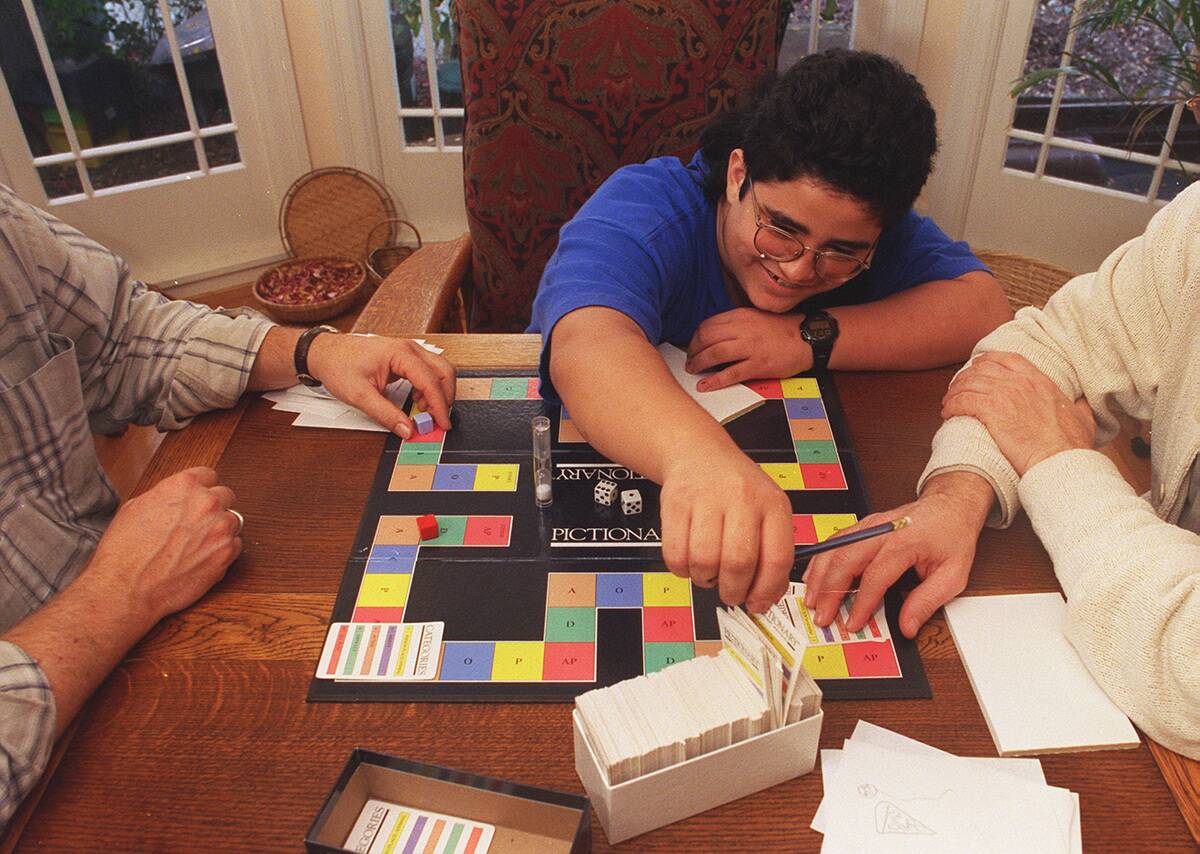
Pictionary, launched in 1985, is a party game where players draw clues for teammates to guess. Its fast-paced nature and creative challenges make it a favorite for gatherings. The game encourages artistic expression, even if the drawings are hilariously bad.
Pictionary’s blend of art and guessing creates a lively atmosphere, fostering teamwork and laughter. Its adaptability to different group sizes and settings ensures its popularity across various social events.
Trivial Pursuit: The Trivia Buff’s Dream
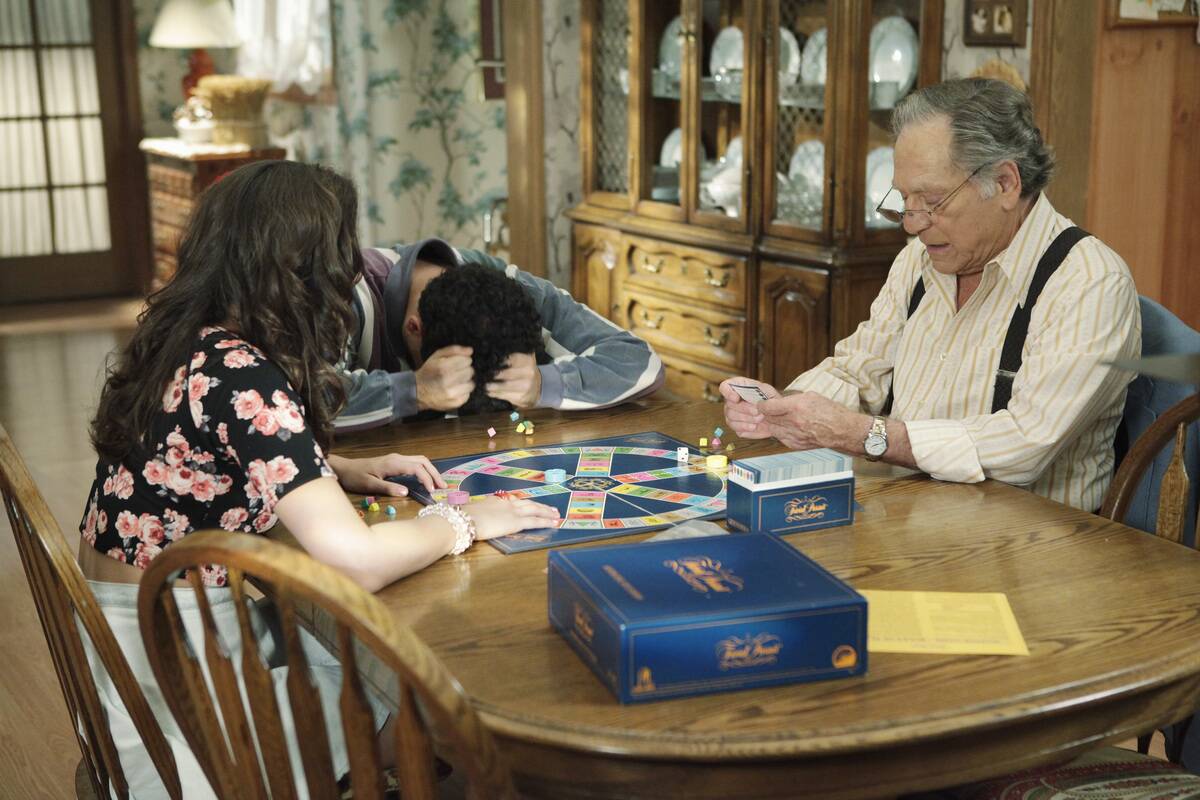
Trivial Pursuit, created in 1979, is a trivia game where players answer questions from various categories to earn wedges and complete their game piece. Its wide range of topics, from history to pop culture, challenges players’ knowledge and sparks interesting conversations.
The game’s format allows for both competitive and cooperative play. Trivial Pursuit’s intellectual appeal and diverse question sets make it a hit among trivia enthusiasts and casual players alike.
Chutes and Ladders: The Classic Race to the Top
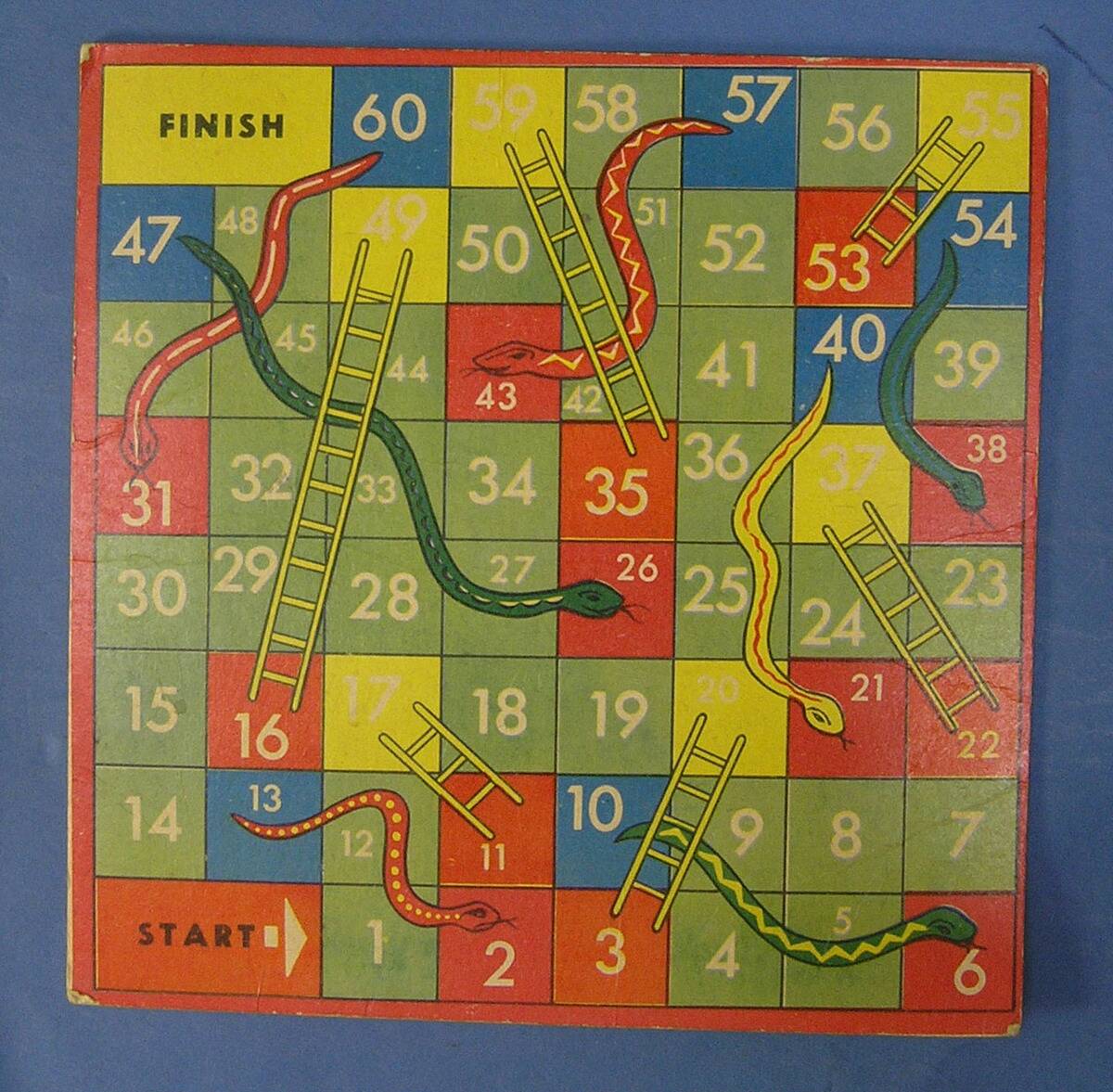
Chutes and Ladders, based on the ancient Indian game Snakes and Ladders, was introduced in the United States in 1943. Players race to the top of the board, climbing ladders and sliding down chutes based on dice rolls.
The game’s simple mechanics and moral lessons, depicted through illustrations, make it ideal for young children. Chutes and Ladders’ blend of chance and fun ensures its enduring popularity as a family-friendly game.
Guess Who?: The Game of Deductive Reasoning
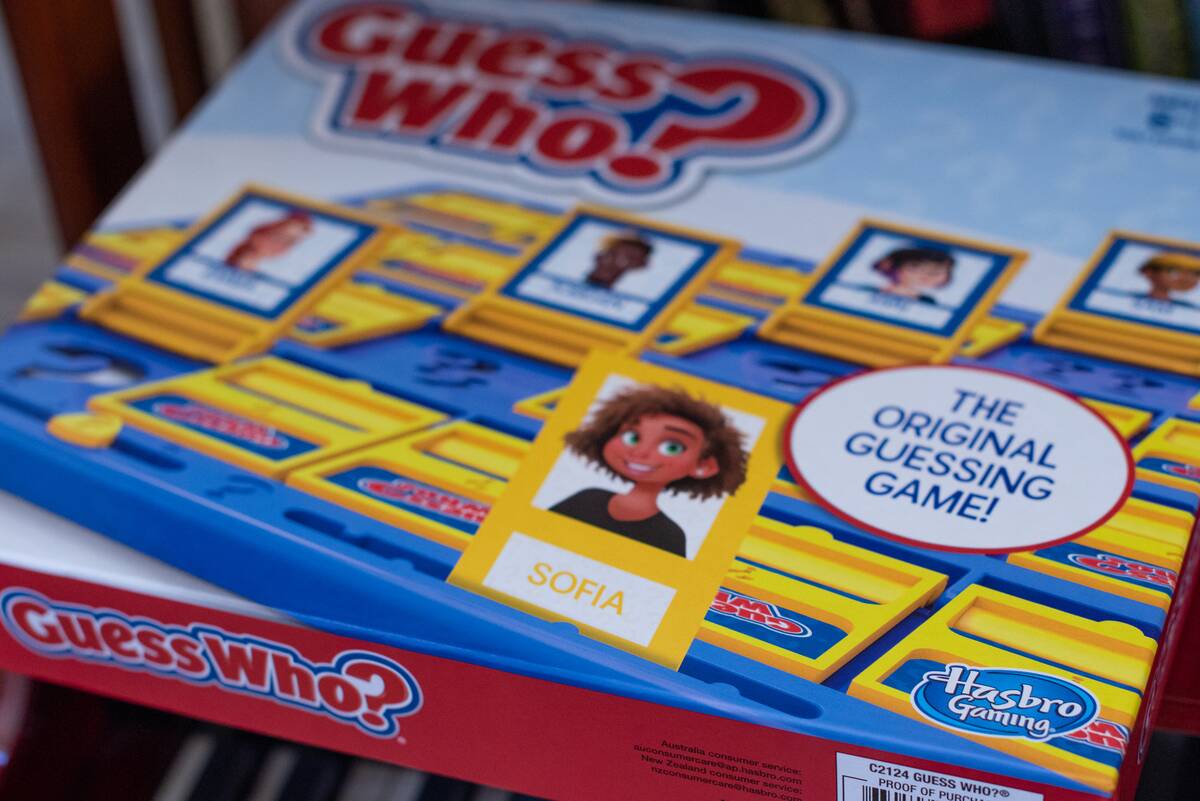
Guess Who?, released in 1979, is a two-player game where players ask yes-or-no questions to deduce the identity of the opponent’s mystery character. Its colorful character cards and flip-down design make it visually engaging.
The game’s focus on deduction and observation skills provides an educational aspect, making it a favorite among parents and educators. Guess Who?’s simplicity and interactive nature ensure its continued success as a family game.
Jenga: The Tower-Building Tension Test
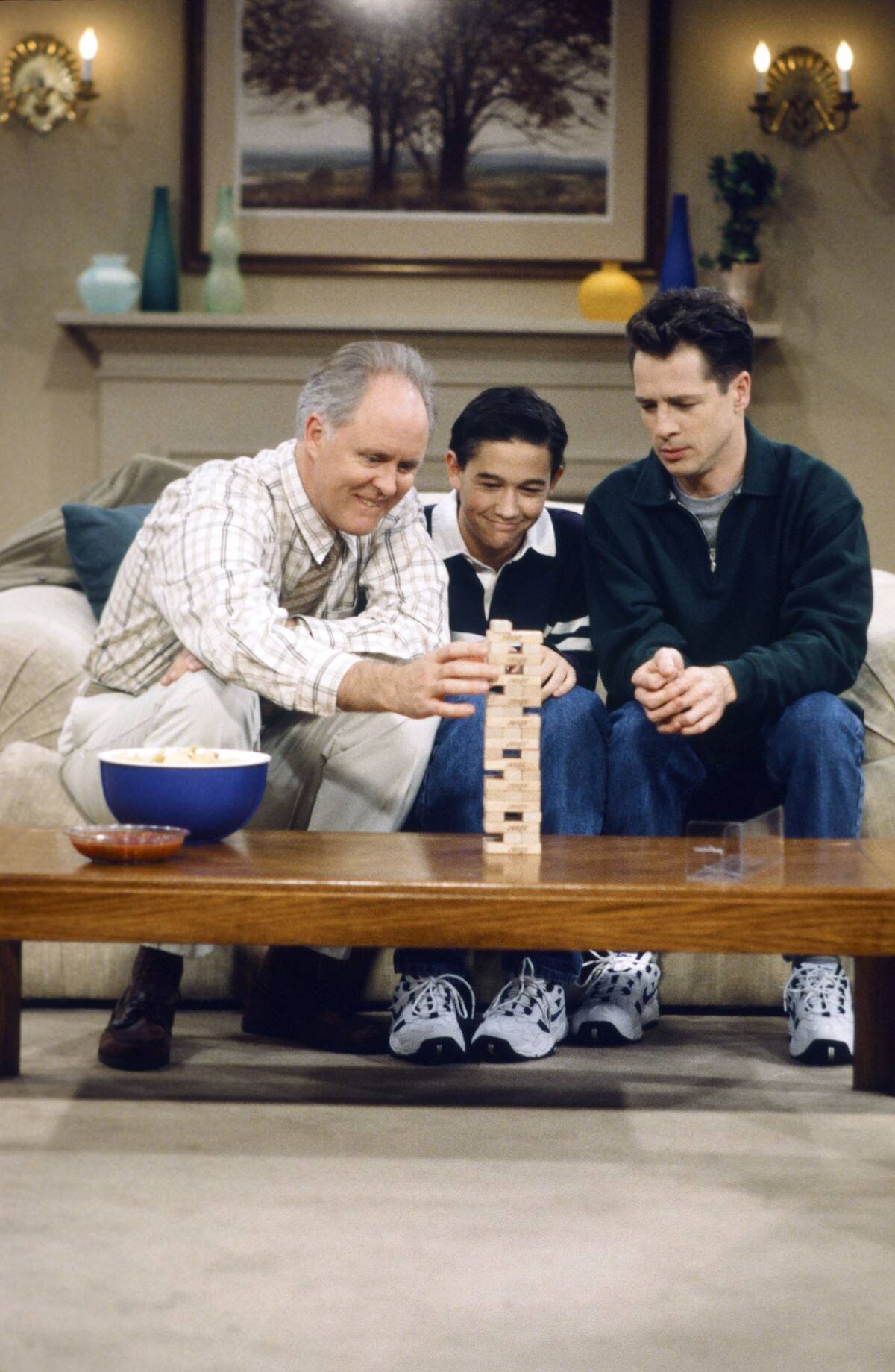
Jenga, created by Leslie Scott in the early 1980s, is a game of physical skill where players take turns removing blocks from a tower and balancing them on top. The game’s suspense builds as the tower becomes increasingly unstable.
Jenga’s simple rules and tactile nature make it accessible to players of all ages. Its combination of tension and excitement has made it a popular choice for parties and gatherings, offering endless entertainment.




