World’s largest buildings of their era
Architecture is a fascinating reflection of human ingenuity and cultural evolution. From ancient wonders to modern skyscrapers, each structure tells a story of its time and place.
As we journey through history, we encounter awe-inspiring feats of engineering and design that have left an indelible mark on our world.
The Great Pyramid of Giza: Ancient Egypt’s Architectural Marvel
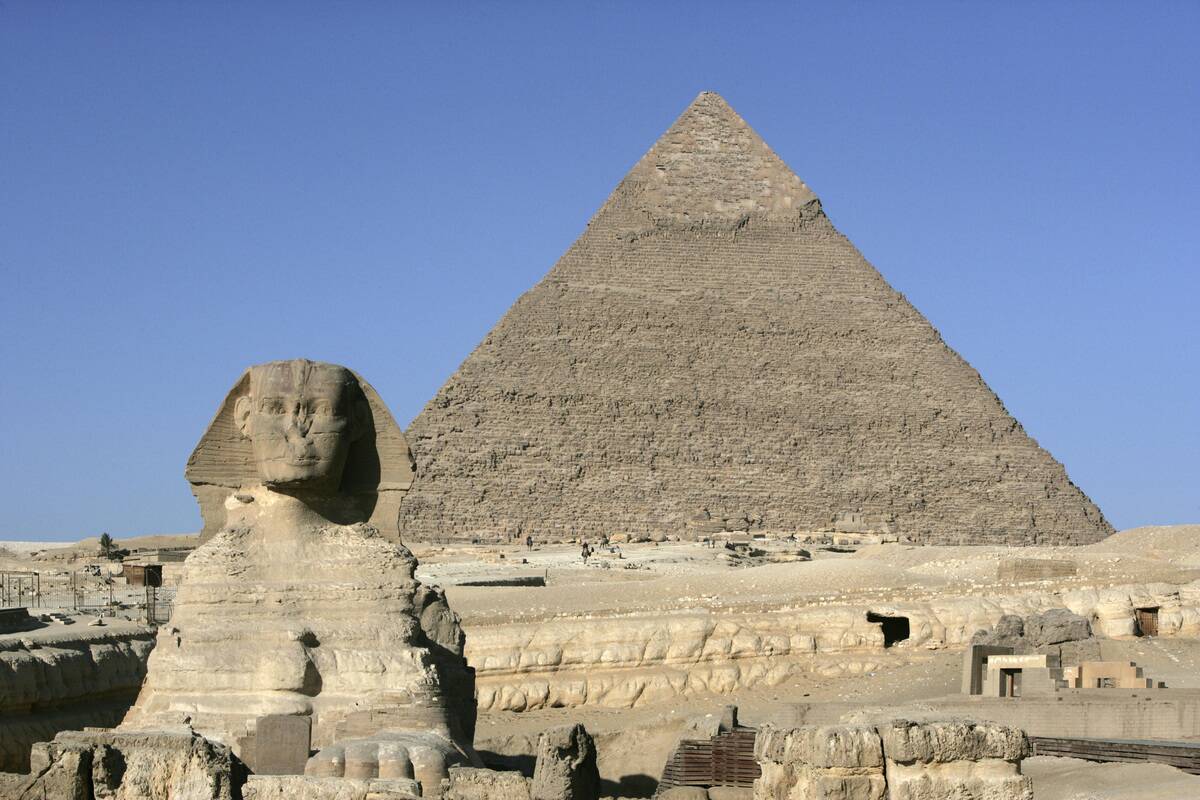
The Great Pyramid of Giza, standing for more than 4,500 years, is a testament to the architectural prowess of ancient Egypt. Built as a tomb for Pharaoh Khufu, it originally stood about 146.6 meters tall, making it the tallest human-made structure for nearly 3,800 years.
The precision with which its massive limestone blocks were cut and assembled continues to impress researchers, and while many aspects of its construction are well understood, some details remain the subject of ongoing study and debate.
The Lighthouse of Alexandria: Guiding the Ancient World
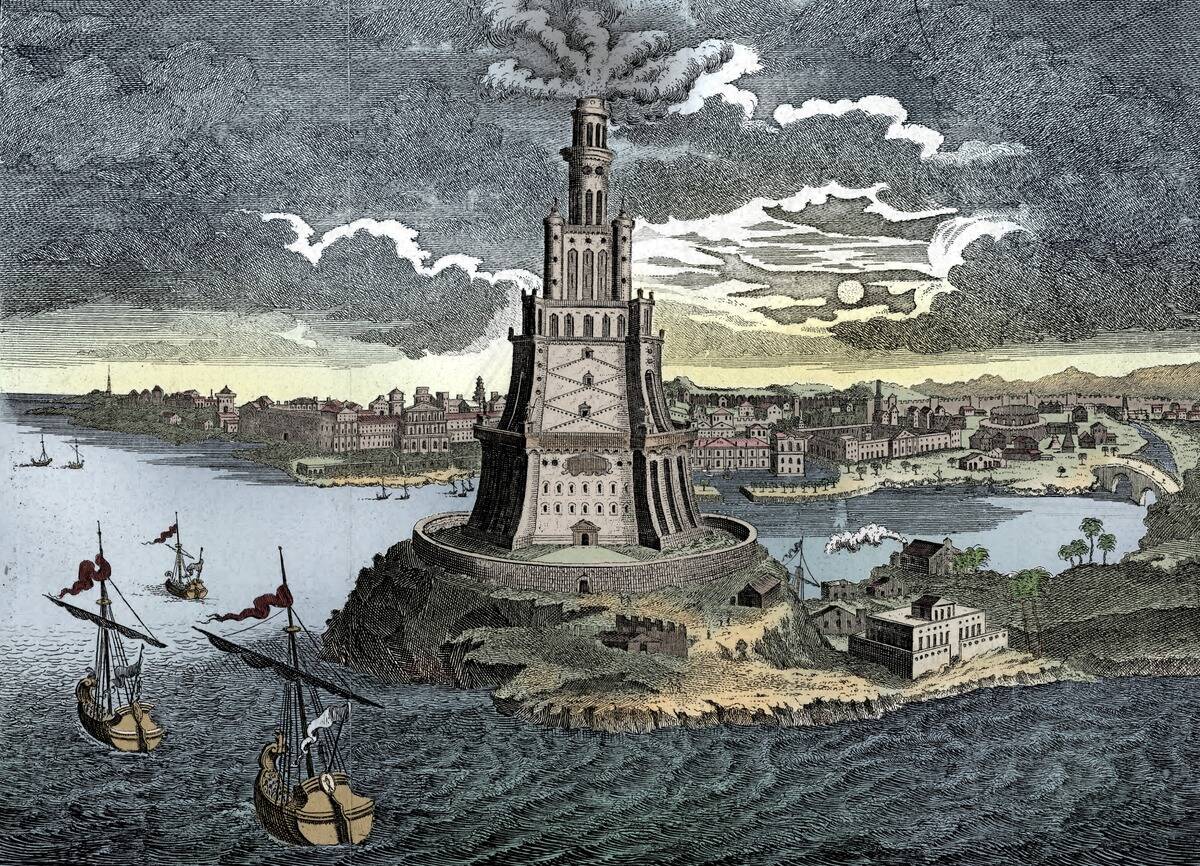
The Lighthouse of Alexandria, also known as the Pharos of Alexandria, was one of the Seven Wonders of the Ancient World. Constructed in the 3rd century BCE on the island of Pharos, it guided sailors safely into the busy harbor of Alexandria, Egypt.
Standing between 100 and 130 meters tall, it was among the tallest structures of its time. Ancient accounts describe a beacon fire at night, and it is widely believed that a polished metal mirror reflected sunlight during the day to help guide approaching ships.
The Colosseum: Rome’s Grand Amphitheater
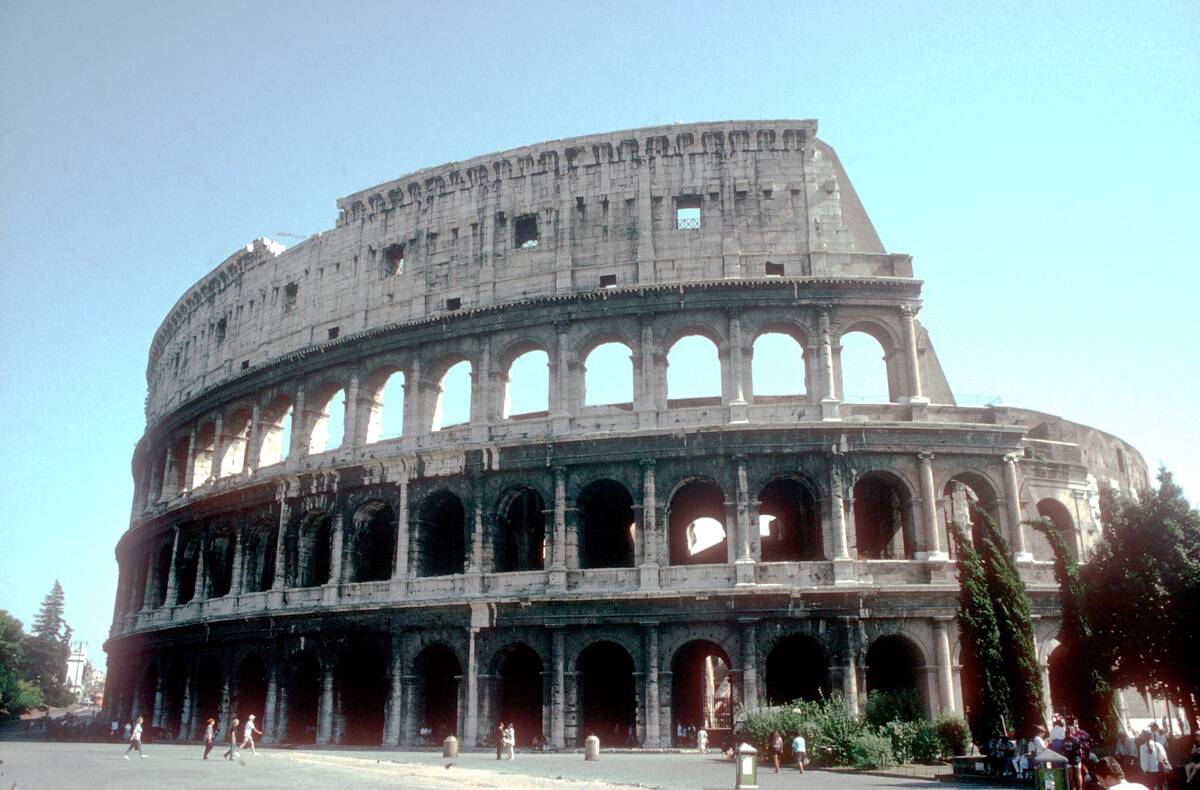
The Colosseum in Rome is a symbol of the grandeur and brutality of the Roman Empire. Completed in AD 80, it could accommodate tens of thousands of spectators who gathered to watch gladiatorial contests and public spectacles.
Its elliptical structure and complex system of vaults and arches demonstrate the advanced engineering skills of the Romans. Despite centuries of natural disasters and stone looting, it remains a majestic icon of ancient Rome and one of the world’s most celebrated historical landmarks.
Hagia Sophia: The Crown Jewel of Byzantine Engineering
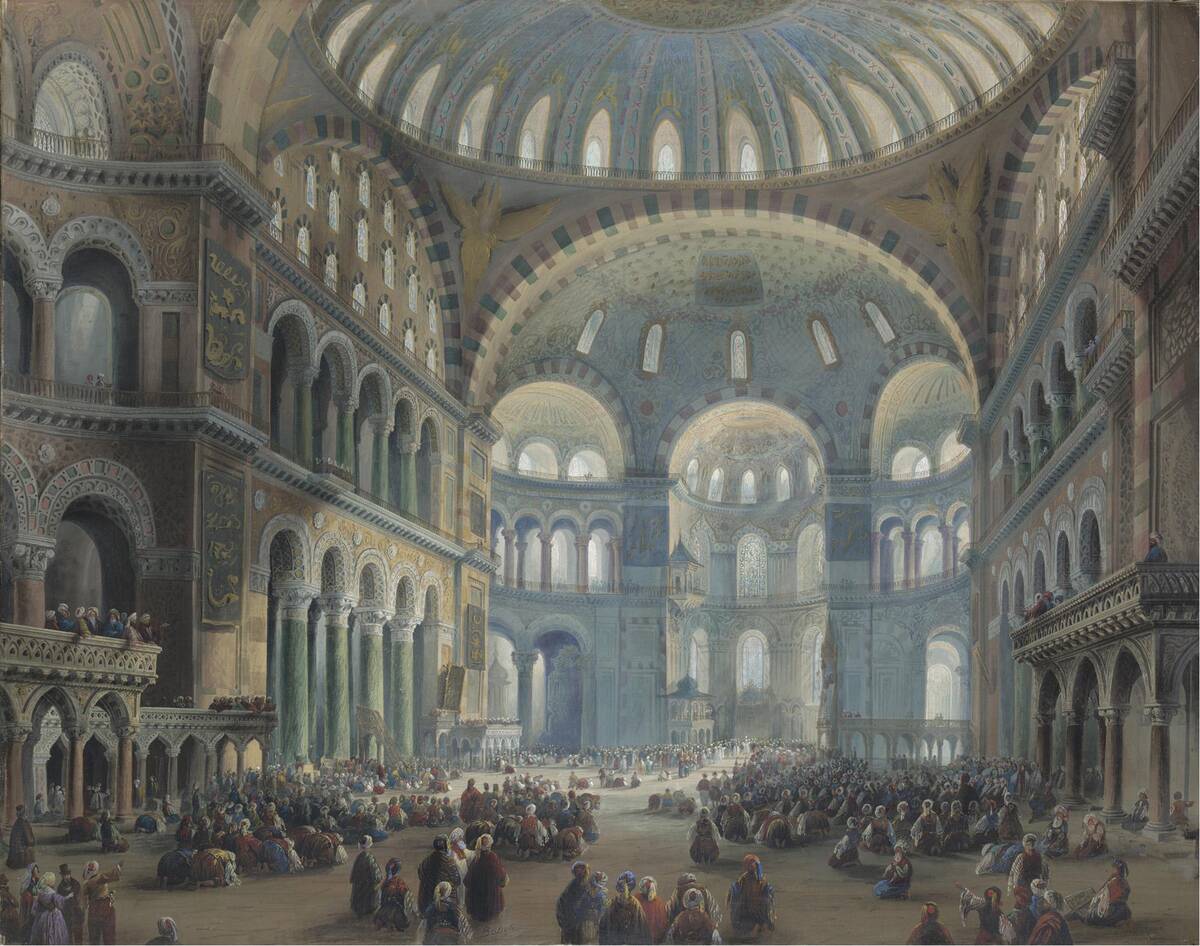
Hagia Sophia, located in Istanbul, Turkey, has served as a cathedral, mosque, museum, and is currently a mosque again. Built in 537 AD under Emperor Justinian I, it was the world’s largest cathedral for nearly a thousand years.
Its massive dome, an architectural marvel of its time, appears to float above the nave, supported by innovative pendentives. The blend of Byzantine Christian and Islamic art and architecture reflects Istanbul’s rich, multicultural history and its role as a crossroads between civilizations.
The Great Wall of China: A Monumental Feat of Defense

Stretching over 13,000 miles when all sections are counted, the Great Wall of China is a monumental feat of ancient defense architecture. Construction of early defensive walls began as early as the 7th century BCE, with major expansions and rebuilding during the Ming Dynasty.
Built to protect against invasions, it features watchtowers, fortresses, and signal towers across varied and challenging terrain. The wall’s immense scale and historical significance make it one of the most impressive architectural achievements in history.
The Cathedral of Notre Dame: Gothic Grandeur in Paris
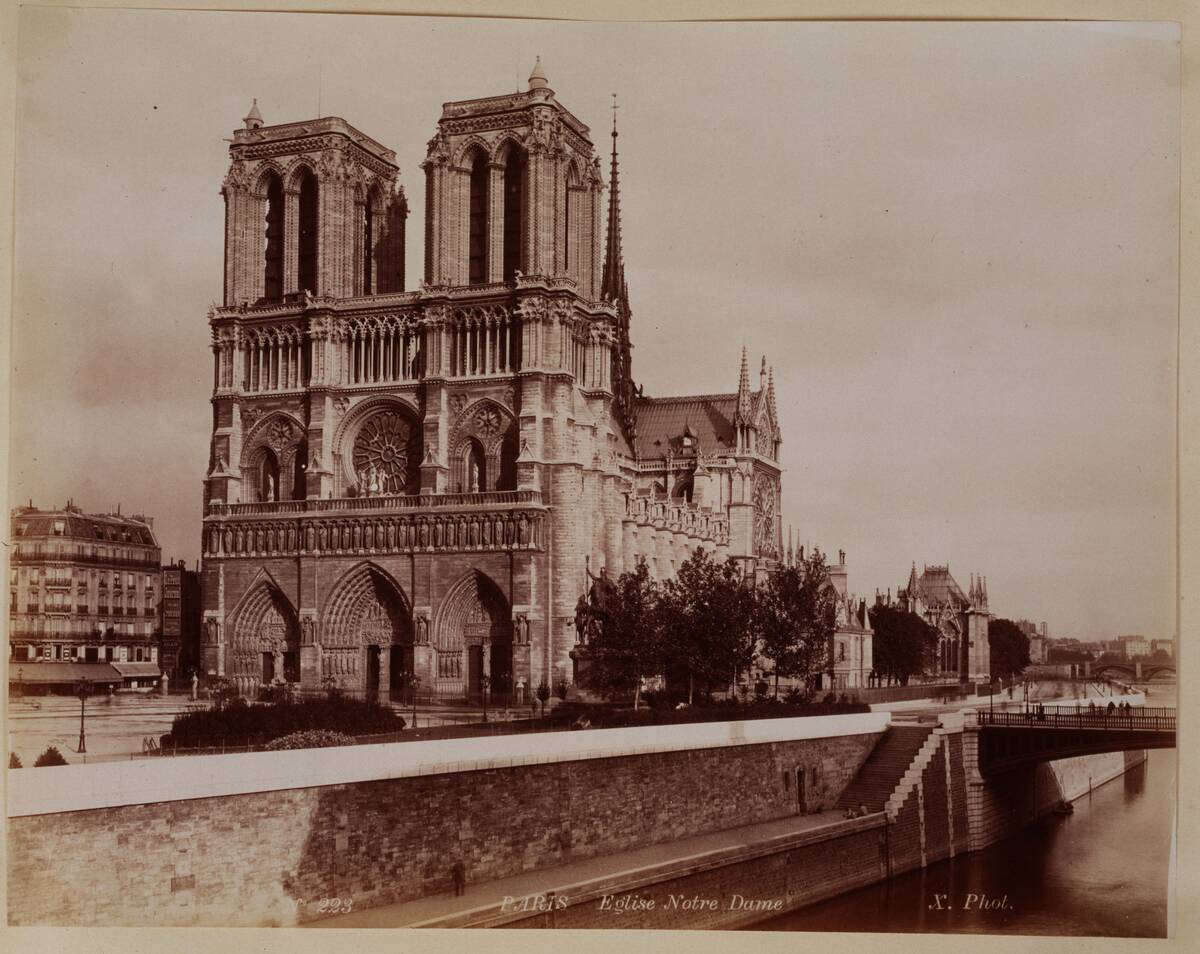
Notre Dame Cathedral, an icon of Gothic architecture, has graced the Paris skyline since the 12th century. Known for its flying buttresses, rose windows, and gargoyles, it embodies the artistic and architectural innovations of the medieval period.
The cathedral has witnessed centuries of history, including Napoleon Bonaparte’s coronation as Emperor of the French in 1804. Despite the devastating fire in 2019, extensive restoration work preserved this beloved landmark, which reopened to the public in 2024.
St. Peter’s Basilica: The Heart of Vatican City
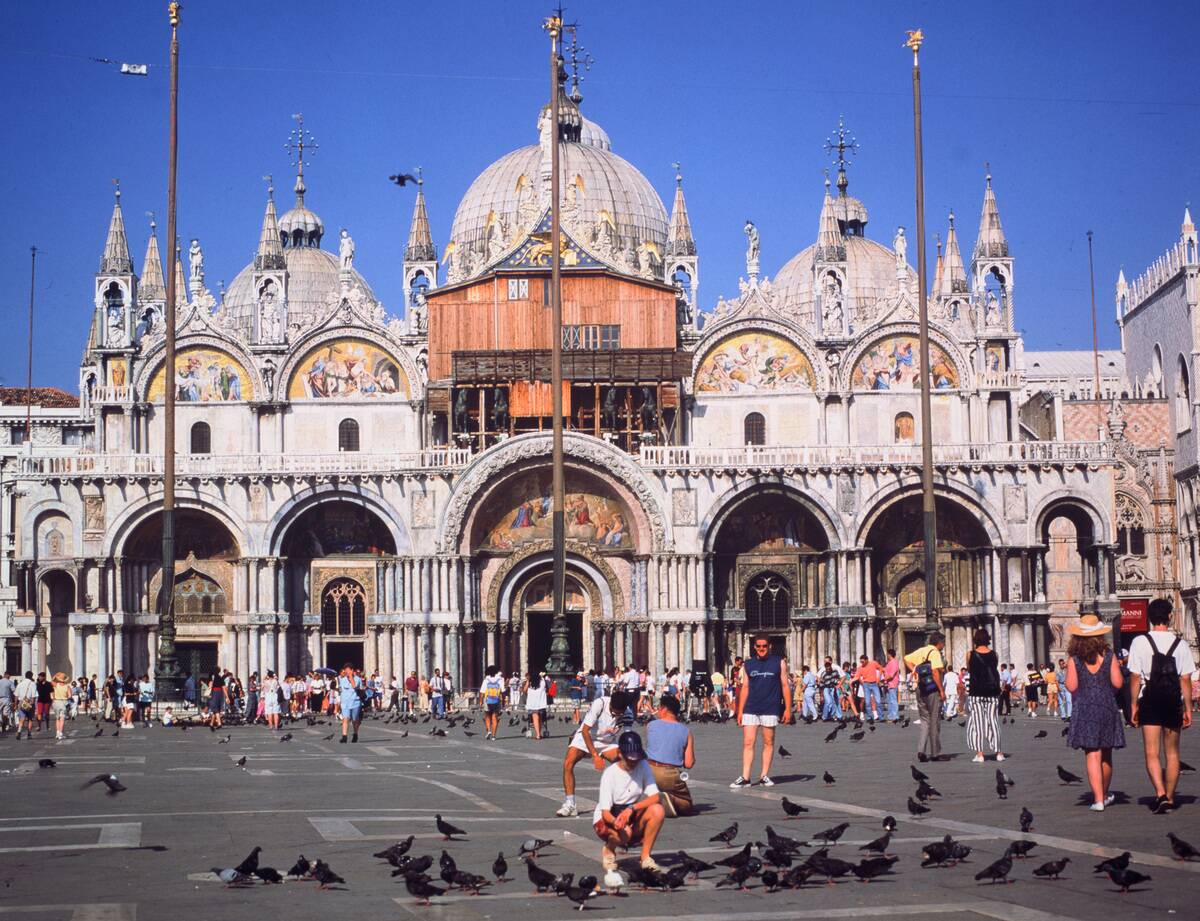
St. Peter’s Basilica, located in Vatican City, is one of the world’s largest churches and a masterpiece of Renaissance and Baroque architecture. Designed by renowned architects including Michelangelo, Bernini, Bramante, and Maderno, its construction spanned more than a century, beginning in 1506 and ending in 1626.
The basilica’s iconic dome dominates the Roman skyline, while its opulent interior houses priceless works of art, including Michelangelo’s Pietà. It remains a major spiritual and cultural center, welcoming millions of visitors each year.
The Palace of Versailles: France’s Opulent Royal Residence
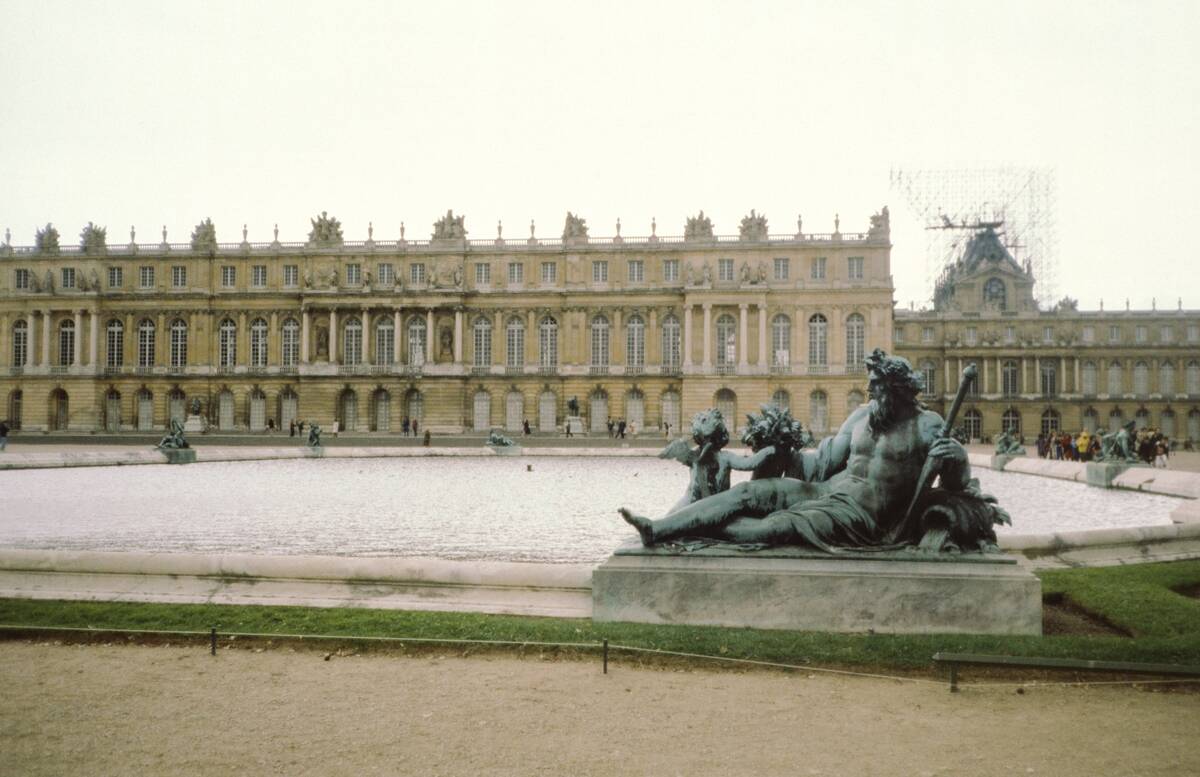
The Palace of Versailles, a symbol of absolute monarchy, is renowned for its opulence and grandeur. Originally a hunting lodge for Louis XIII, it was transformed by Louis XIV into a lavish royal residence and became the center of French royal power.
The Hall of Mirrors, featuring 357 mirrors arranged across its walls and reflecting the gardens beyond, is one of the palace’s most famous features. Versailles played a pivotal role in French and world history, including hosting the signing of the Treaty of Versailles in 1919, which established peace terms after World War I.
The Eiffel Tower: Paris’ Iron Lady and Architectural Revolution
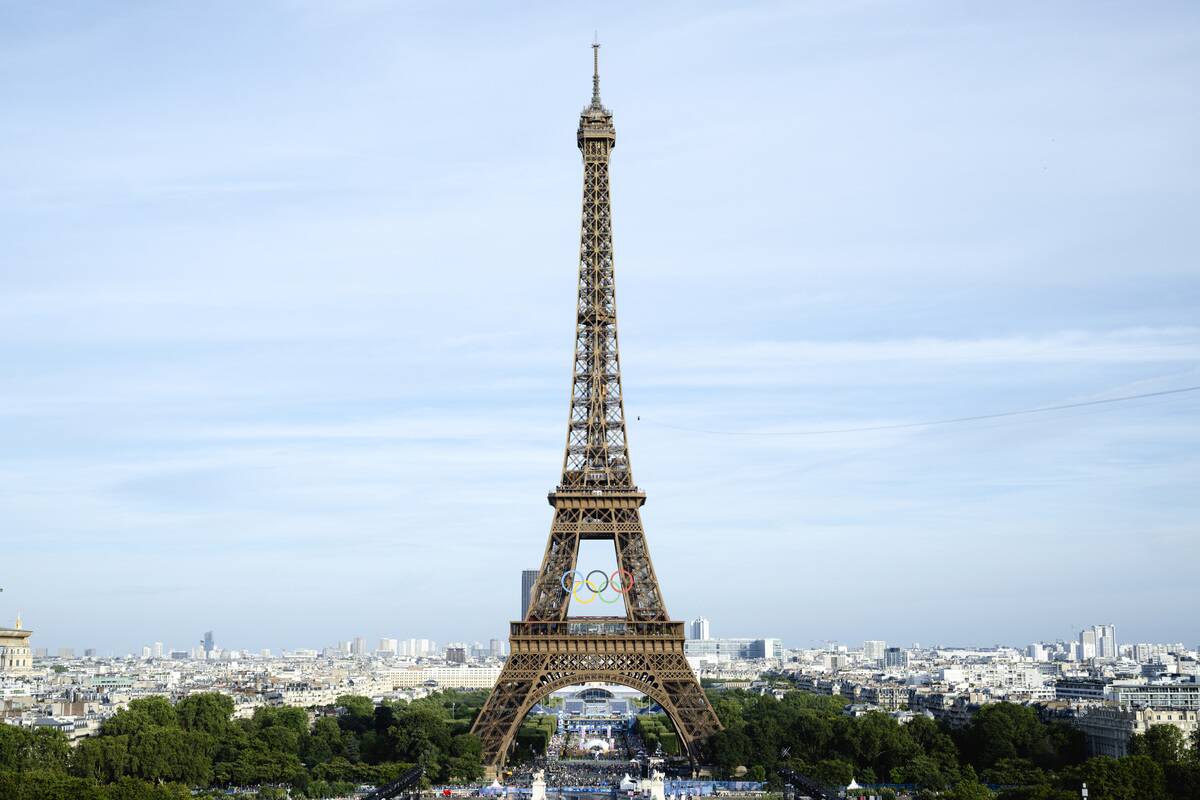
The Eiffel Tower, affectionately known as the Iron Lady, was initially met with skepticism when it was unveiled for the 1889 World’s Fair in Paris. Designed by engineers Maurice Koechlin and Émile Nouguier with contributions from architect Stephen Sauvestre and built by Gustave Eiffel’s company, it stands at 324 meters and was the tallest man-made structure until the Chrysler Building surpassed it in 1930.
Its lattice iron design was revolutionary, symbolizing industrial progress and innovation. Today, it is one of the most recognizable landmarks in the world, drawing millions of visitors annually.
The Empire State Building: New York’s Iconic Skyscraper
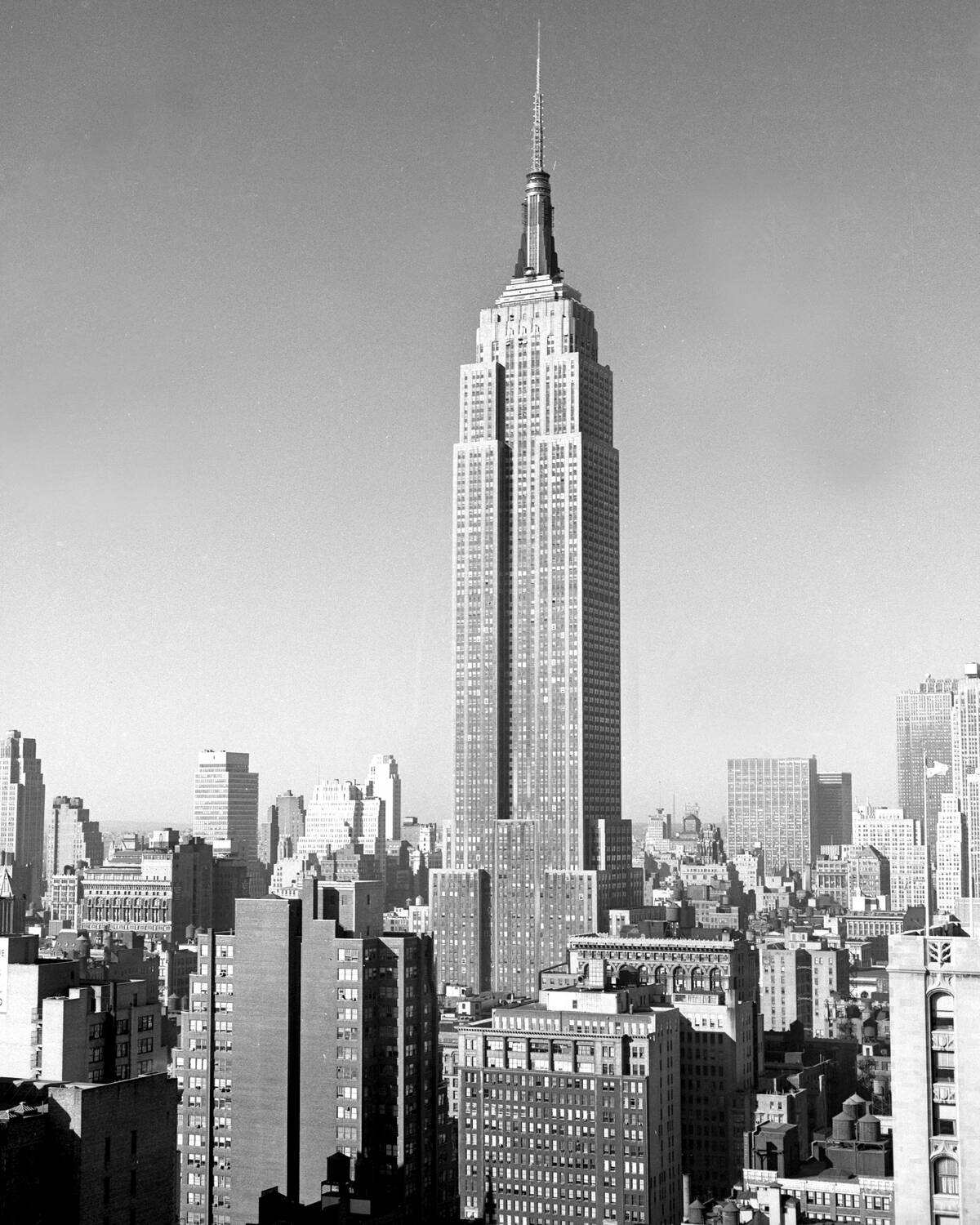
The Empire State Building, completed in 1931, is an enduring symbol of New York City. Standing at 1,454 feet including its antenna, it was the world’s tallest building for nearly 40 years. Its Art Deco design and iconic spire have made it a cultural landmark, featured in countless films and photographs.
The building’s observation decks offer breathtaking views of the city, attracting millions of visitors each year who come to experience one of New York’s most famous architectural achievements.
The Pentagon: A Symbol of American Military Might
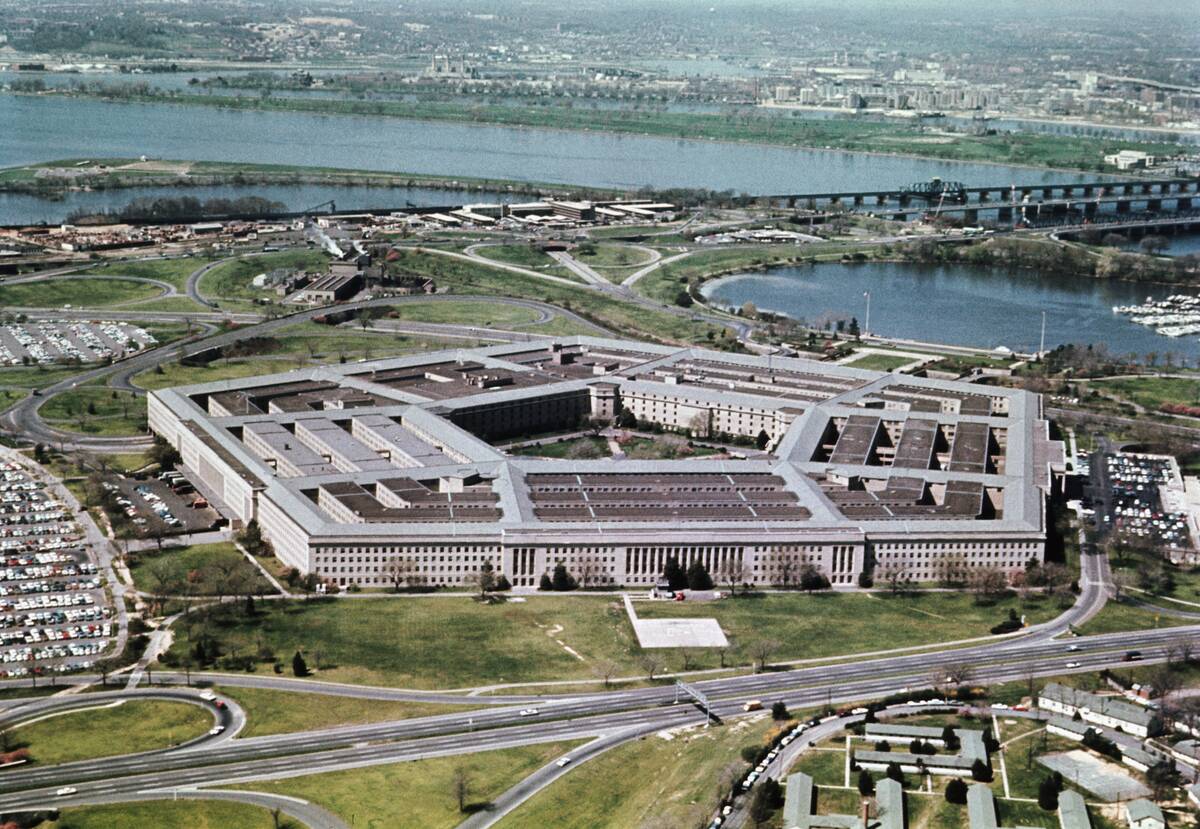
The Pentagon, located in Arlington County, Virginia, is the headquarters of the United States Department of Defense. Completed in 1943, it is one of the world’s largest office buildings, with more than 17 miles of corridors. Its unique five-sided shape and immense size have made it a symbol of American military strength and strategic planning.
The Pentagon is not only a center of military operations but also a significant architectural and historical landmark.
The Burj Khalifa: Reaching for the Skies in Dubai
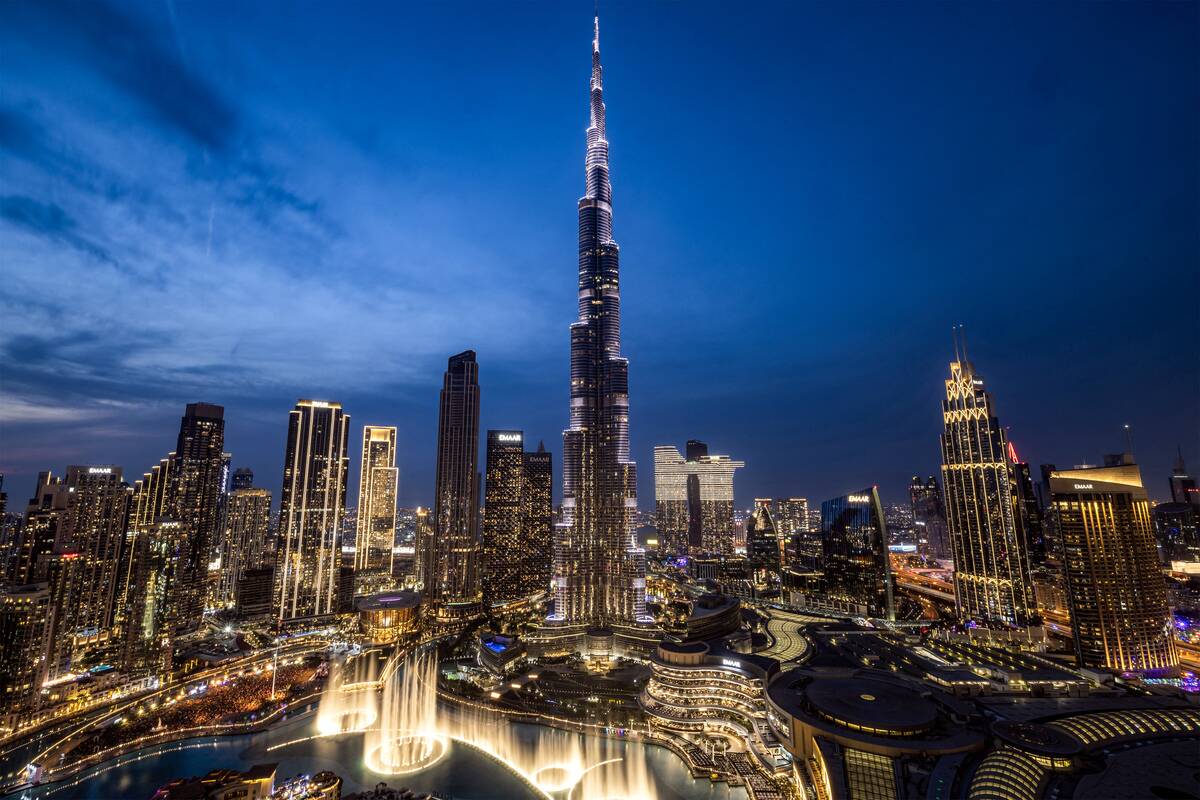
The Burj Khalifa in Dubai, standing at 828 meters, is the tallest building in the world. Completed in 2010, it represents the pinnacle of modern engineering and architectural design.
The tower’s sleek, tapering silhouette is inspired by Islamic architecture, and its observation decks offer stunning views of the city and beyond. The Burj Khalifa is a testament to Dubai’s ambition and vision, redefining the possibilities of urban architecture.
The Shanghai Tower: Twisting to New Heights in China

The Shanghai Tower, completed in 2015, is a marvel of modern engineering and sustainable design. At 632 meters, it is the tallest building in China and the second tallest in the world. Its distinctive twisting form reduces wind loads and enhances structural stability.
The tower incorporates numerous green technologies, including rainwater harvesting and a double-skin façade for energy efficiency, setting a new standard for eco-friendly skyscrapers.
The Abraj Al Bait Towers: A Modern Marvel in Mecca
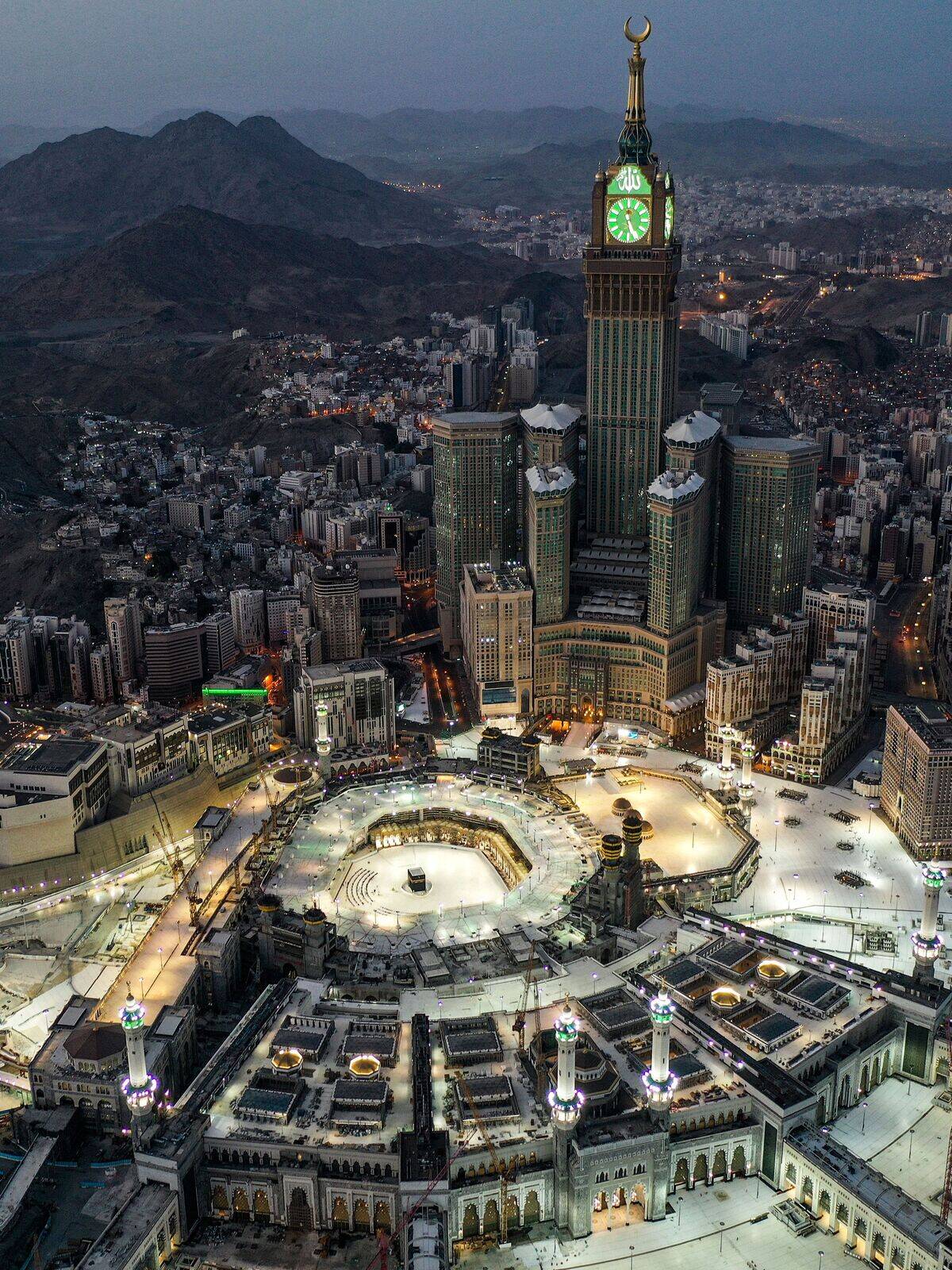
The Abraj Al Bait Towers, located in Mecca, Saudi Arabia, are a striking example of modern architecture. Completed in 2012, the complex includes the Makkah Royal Clock Tower, which features one of the world’s largest clock faces and is among the tallest buildings in the world.
The towers accommodate thousands of pilgrims visiting the holy city, offering a range of facilities, including hotels, shopping malls, and prayer spaces capable of holding more than 10,000 worshippers. The complex reflects the challenges of serving millions of visitors while integrating modern infrastructure into one of Islam’s most important religious sites.
The Jeddah Tower: The Future Tallest Building in the World
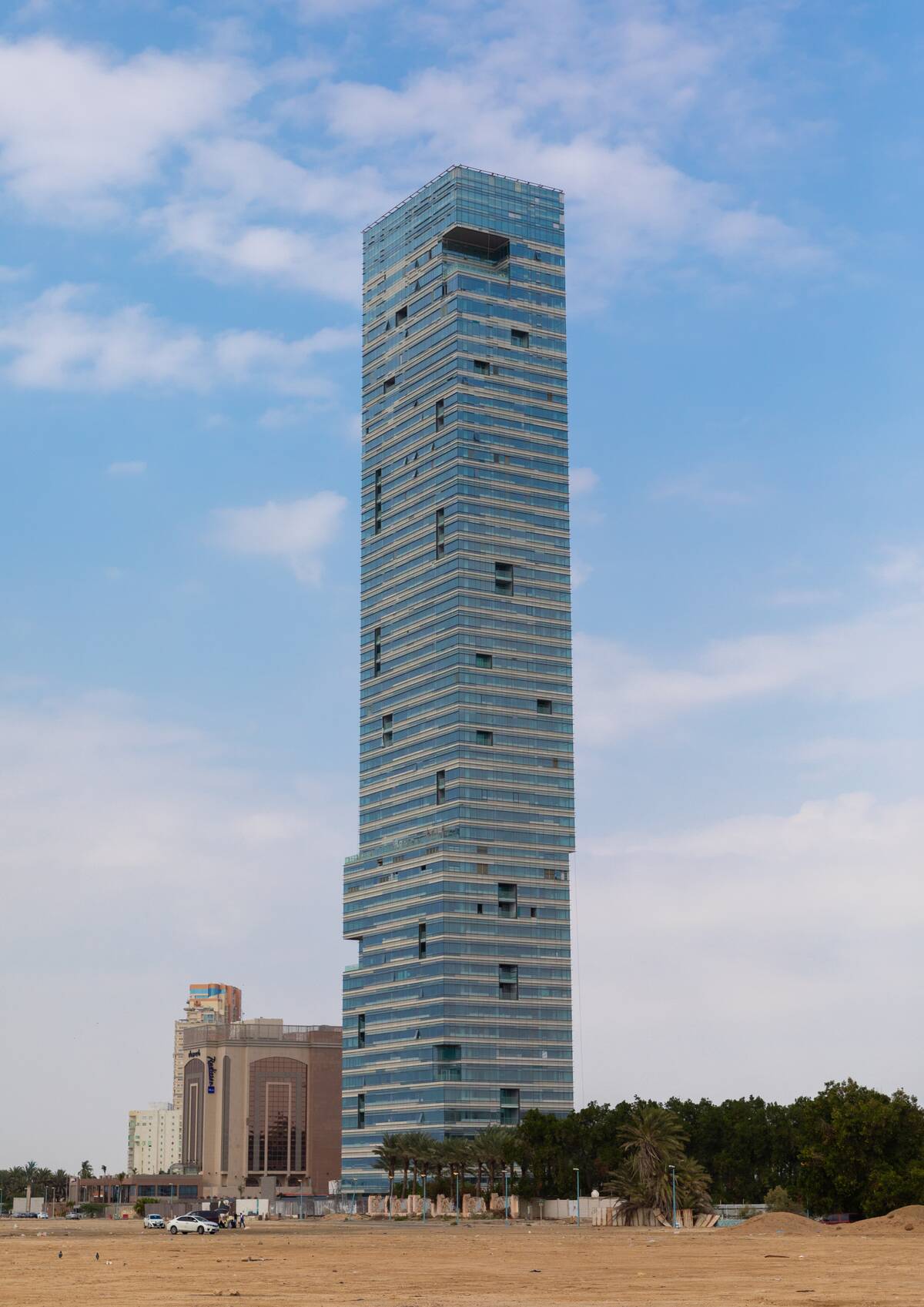
The Jeddah Tower, currently under construction in Saudi Arabia, is designed to surpass the Burj Khalifa as the world’s tallest building once completed. Planned to reach over 1,000 meters, it will serve as the centerpiece of the Jeddah Economic City development.
The tower’s design incorporates advanced engineering features, including wind-resistant structures and energy-efficient systems. Once finished, it is expected to become a symbol of Saudi Arabia’s vision for the future and its ambitions in global architecture.
The Role of Technology in Shaping Future Skylines
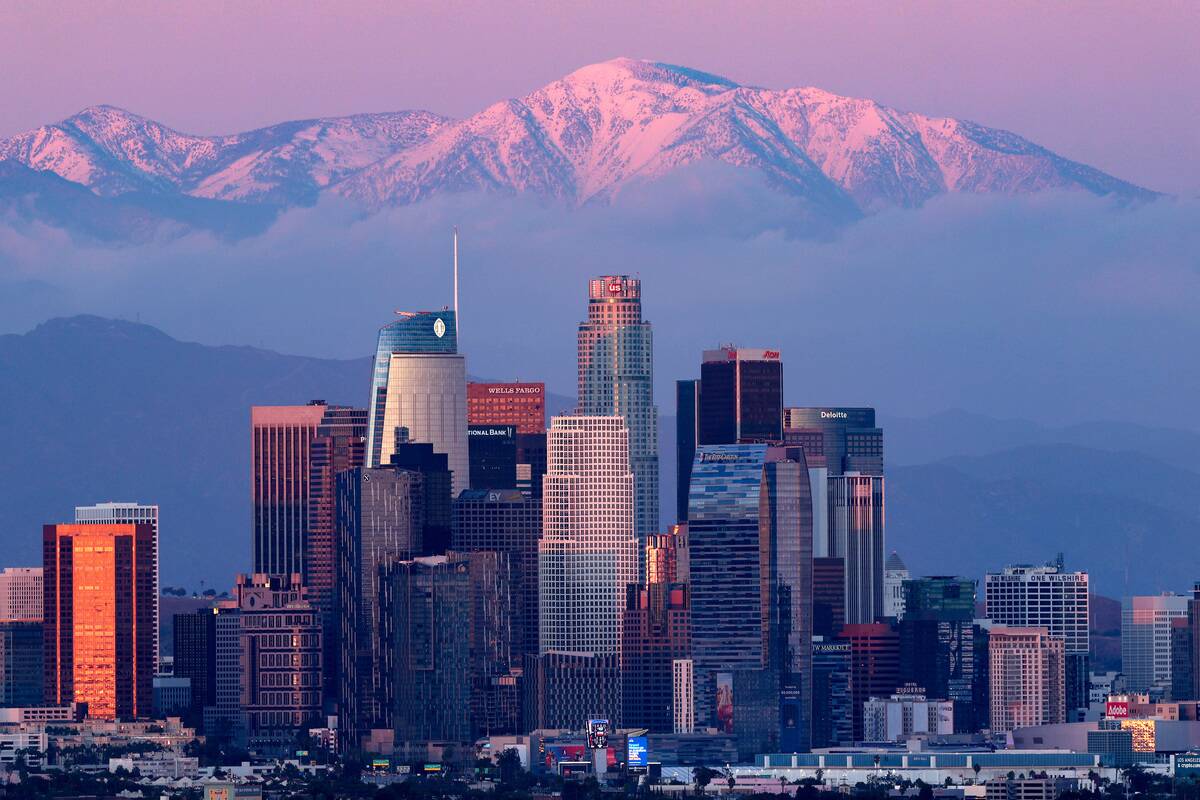
Technology continues to revolutionize architecture, enabling the creation of taller, smarter, and more sustainable buildings. Advances in materials science, such as carbon fiber and self-healing concrete, are pushing the boundaries of design.
Smart building technologies, including IoT and AI, are enhancing energy efficiency and occupant comfort. As urban populations grow, technology will play a crucial role in shaping the skylines of tomorrow, balancing innovation with environmental responsibility.




