Gadgets that were ahead of their time
Remember the days when futuristic gadgets seemed like something out of a sci-fi movie? Well, many of those dreams have become a reality. From portable music players to smart home devices, technology has evolved at an astounding pace.
Let’s take a nostalgic journey through some of the most iconic gadgets that have shaped our world. These devices not only changed the way we live but also paved the way for the tech innovations we enjoy today.
The Iconic Walkman: Music on the Move
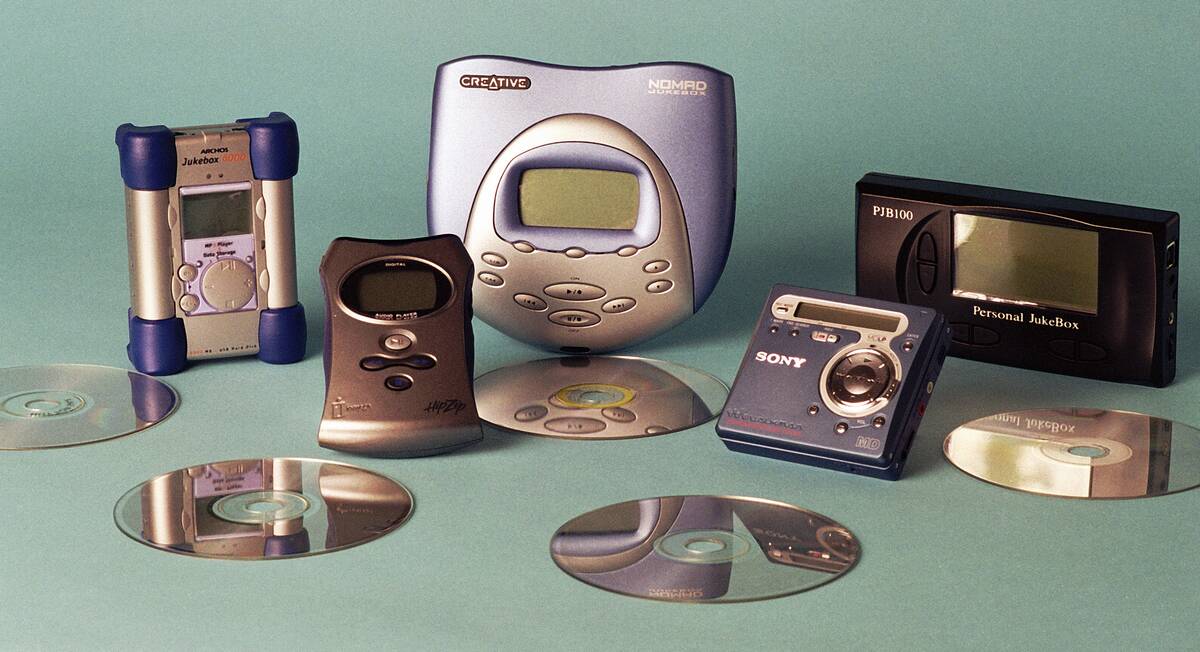
In 1979, Sony introduced the Walkman, a portable cassette player that revolutionized how we listened to music. Before the Walkman, music was mostly confined to home stereos or car radios.
This nifty gadget allowed people to take their tunes on the go, making jogging with headphones a cultural phenomenon. It wasn’t just about portability; it was about personalizing the music experience, giving listeners the freedom to choose their soundtrack wherever they went.
The Magic of the First Mobile Phones
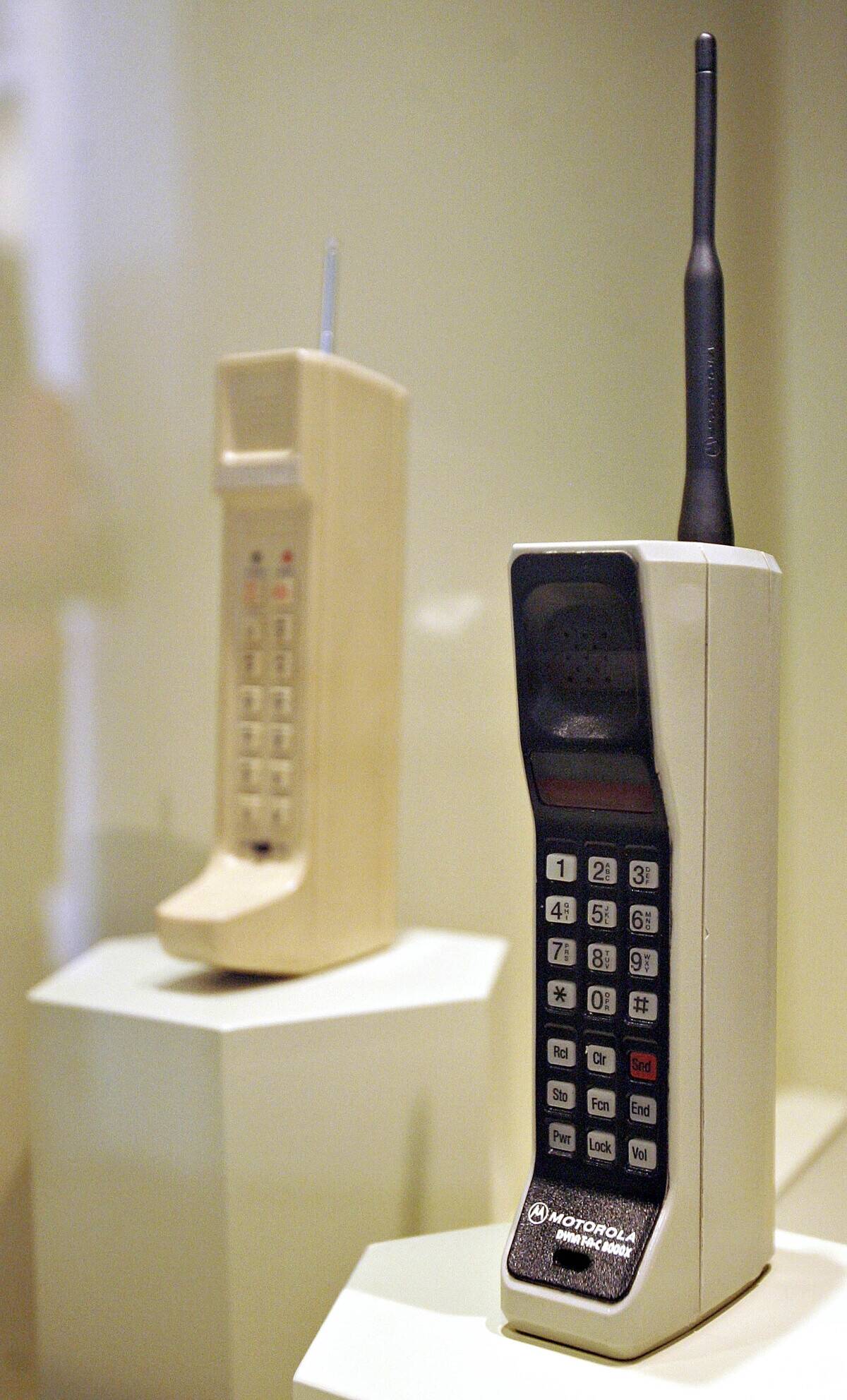
The first mobile phones were bulky and expensive, but they marked the beginning of a new era in communication. The Motorola DynaTAC 8000X, released in 1983, was the first commercially available handheld mobile phone.
Weighing almost two pounds, it was a far cry from today’s sleek smartphones. Despite its size, it represented freedom and connectivity, allowing people to make calls without being tethered to a landline.
Digital Watches: Timekeeping Meets Technology
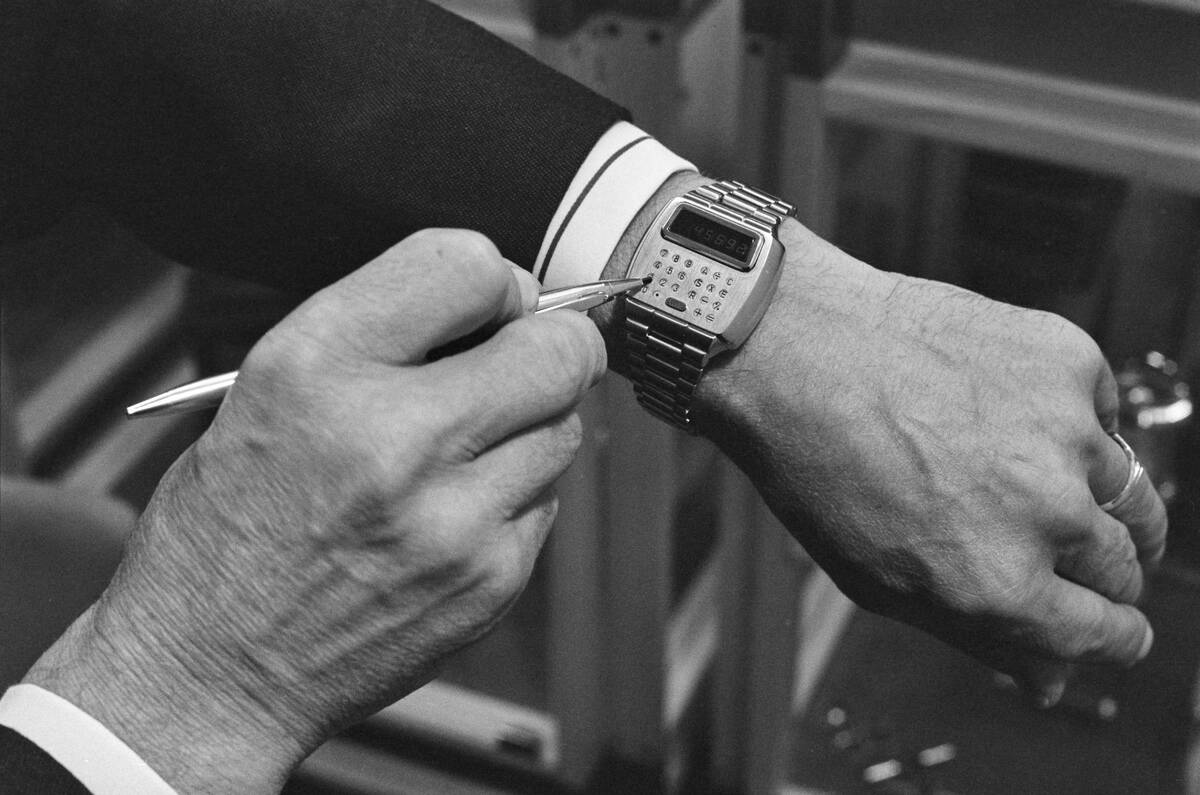
Digital watches first gained popularity in the 1970s, with the Hamilton Pulsar leading the charge. These watches were groundbreaking, featuring LED displays that lit up with the press of a button.
The Casio G-Shock series, introduced in 1983, took durability and functionality to new heights. Digital watches not only told time but also offered features like alarms and stopwatches, making them a staple for tech enthusiasts and athletes alike.
The Rise of the PDA: Personal Digital Assistants
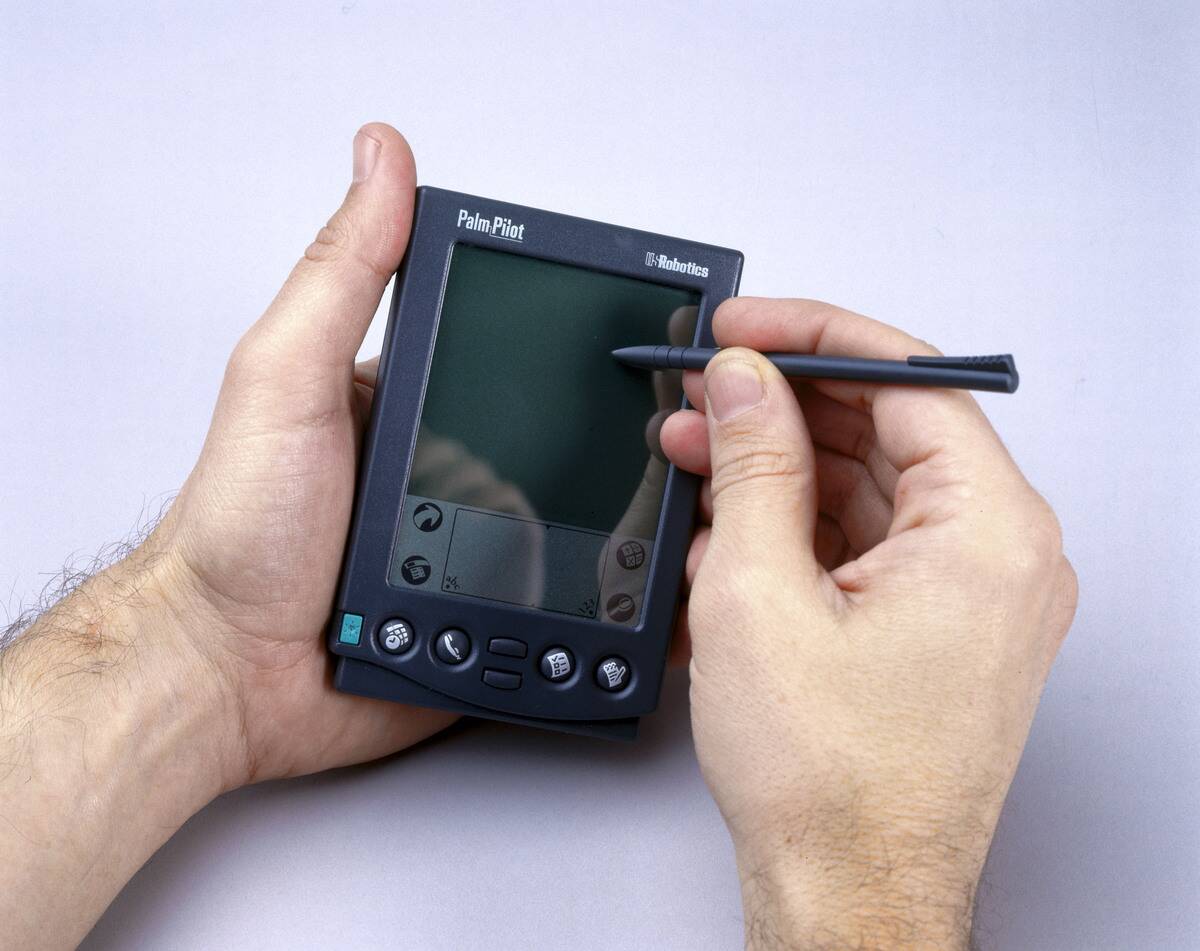
Before smartphones, there were PDAs, or personal digital assistants. Devices like the Apple Newton and the PalmPilot were among the first to offer digital organization tools.
Released in 1996, the PalmPilot became a must-have for professionals, with its ability to store contacts, manage calendars, and even sync with computers. These devices laid the groundwork for the mobile computing revolution, offering a glimpse into a future of pocket-sized technology.
The VCR: Revolutionizing Home Entertainment
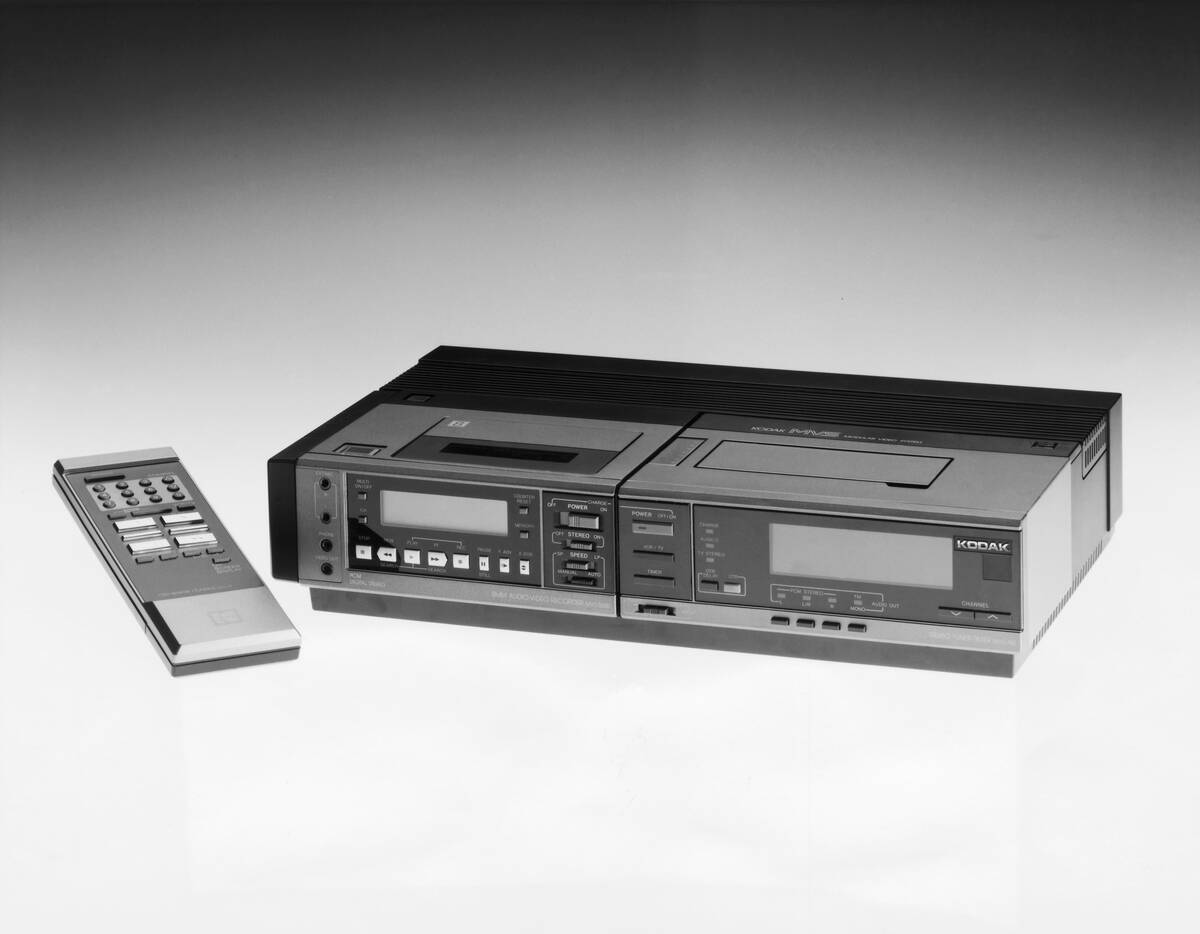
The VCR, or videocassette recorder, changed how we consumed media at home. Introduced in the 1970s, it allowed people to record television shows and watch movies on their own schedule.
The ability to rent movies from video stores turned Friday nights into movie nights for families worldwide. The VCR was more than just a playback device; it was a cultural shift, giving viewers unprecedented control over their entertainment.
The Birth of the CD Player: Crystal Clear Sound
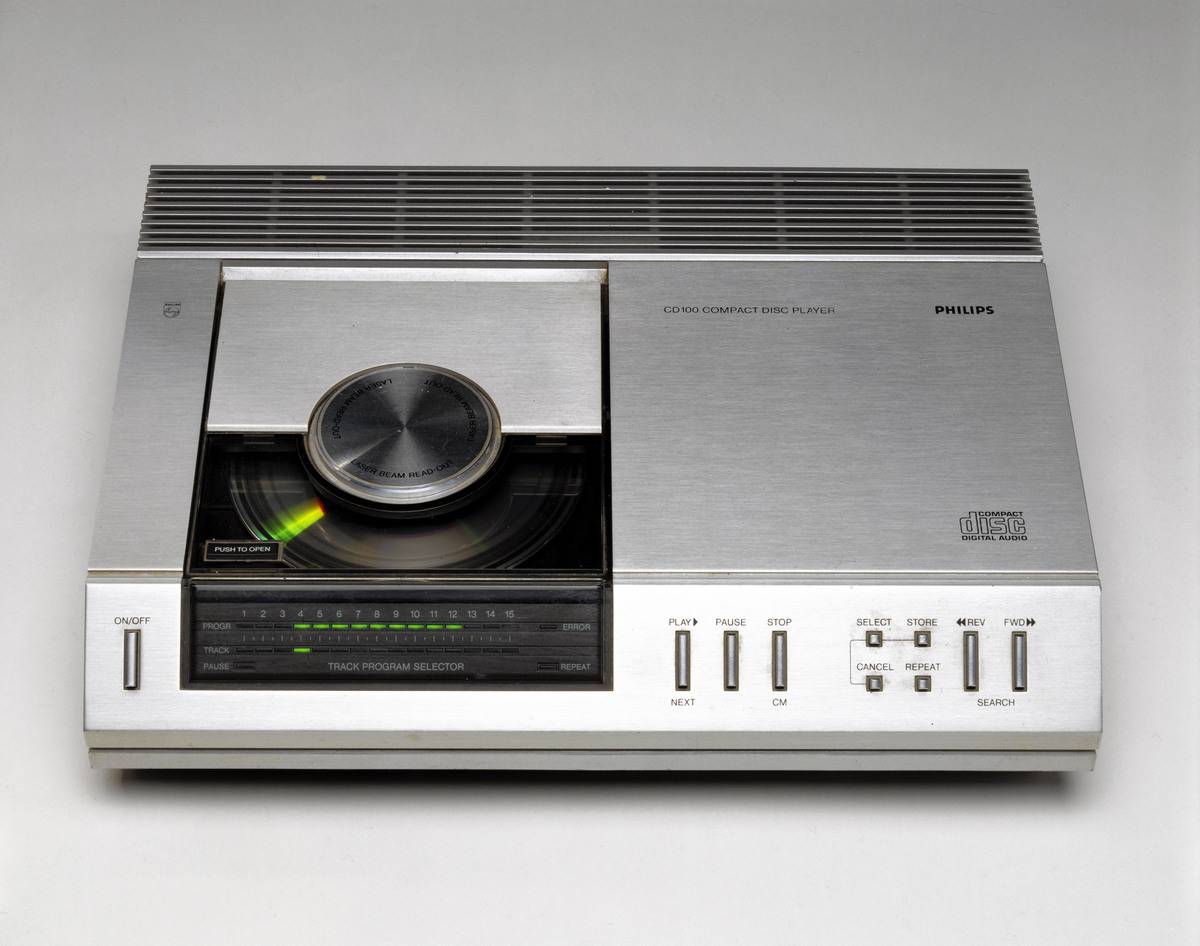
The introduction of the CD player in the 1980s marked a significant leap in audio quality. Compact discs offered a clearer, more durable alternative to vinyl records and cassette tapes.
Sony’s CDP-101, launched in 1982, was the first commercial CD player, and it quickly gained popularity. CDs provided a new level of convenience and sound fidelity, transforming the music industry and paving the way for digital audio formats.
The Game Boy: Portable Gaming Powerhouse
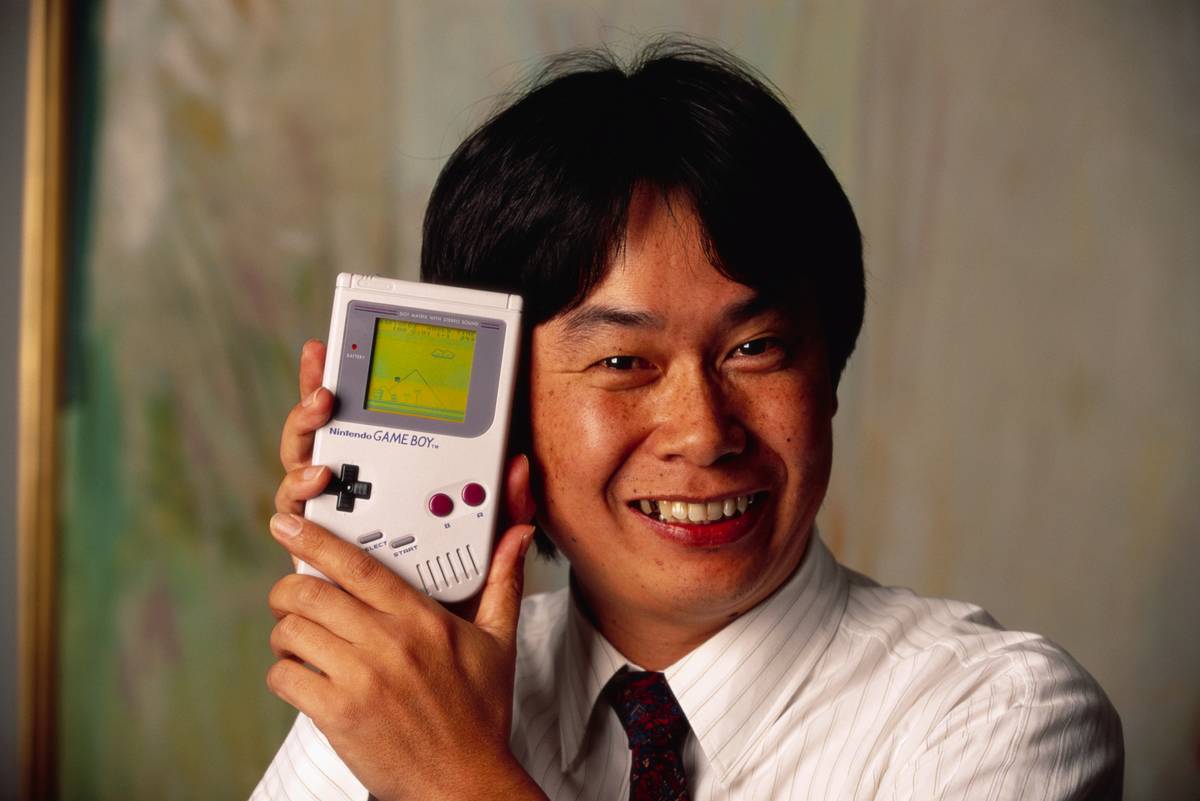
Nintendo’s Game Boy, released in 1989, revolutionized the gaming industry by bringing video games into the hands of players everywhere. Its compact design and interchangeable cartridges made it a hit among gamers of all ages.
Titles like Tetris and Pokémon became cultural phenomena, cementing the Game Boy’s legacy. It wasn’t just a gaming device; it was a symbol of the growing influence of portable technology in entertainment.
The First GPS Devices: Navigating the Future
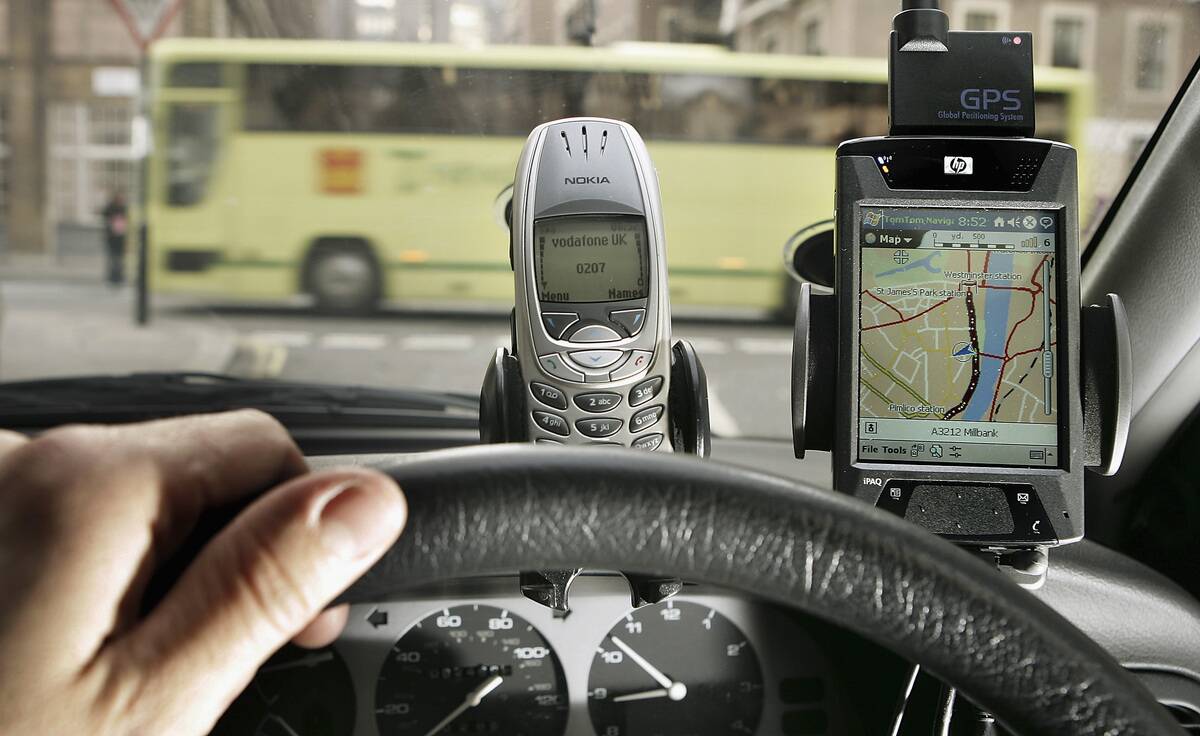
The advent of GPS technology brought a new level of convenience and accuracy to navigation. The first consumer GPS devices appeared in the 1990s, transforming how we traveled. No longer reliant on paper maps, drivers could now receive real-time directions and updates.
These devices not only improved travel efficiency but also enhanced safety by reducing the chances of getting lost. GPS technology has since become integral to modern navigation systems.
The Debut of the Digital Camera: Capturing Memories
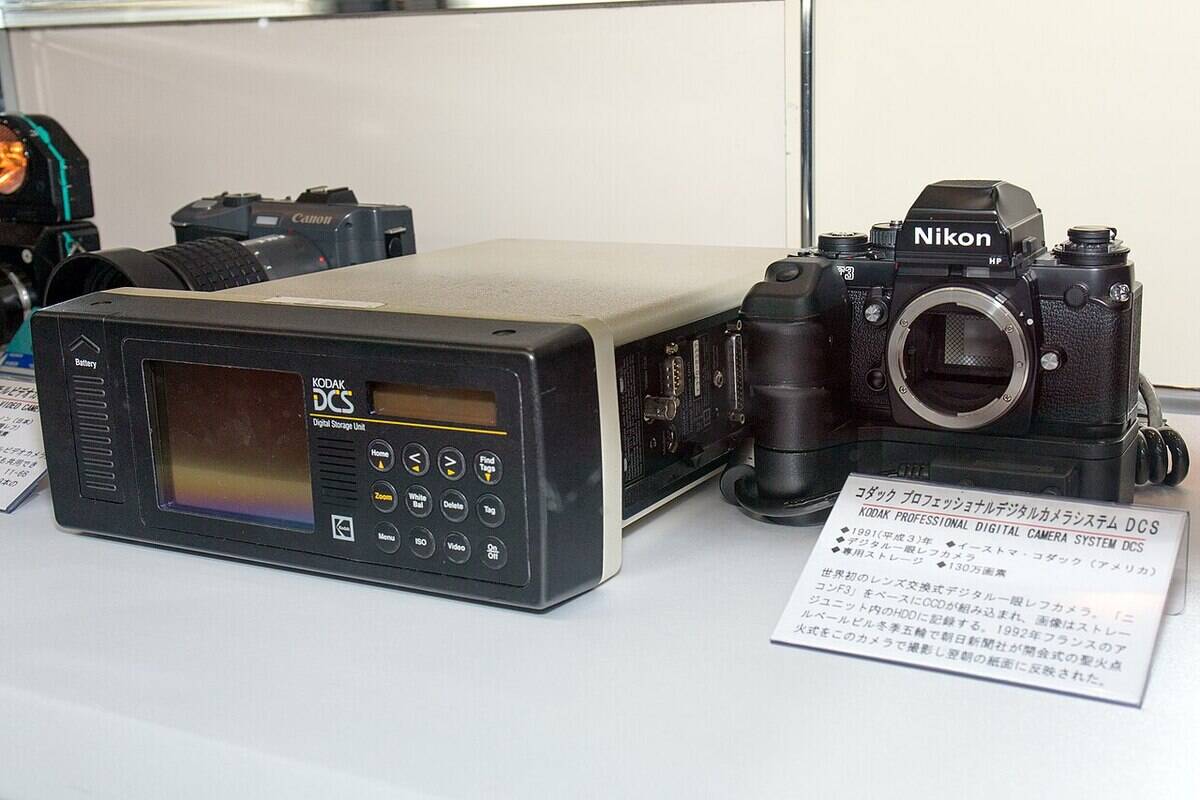
Digital cameras revolutionized the way we capture and share memories. The first true digital camera, the Kodak DCS 100, was introduced in 1991. It offered photographers the ability to see their shots instantly and edit them on a computer.
This innovation made photography more accessible and convenient, leading to the eventual decline of film cameras. Digital cameras have since evolved, becoming a staple in smartphones and professional photography.
The iPod: Redefining Music Listening
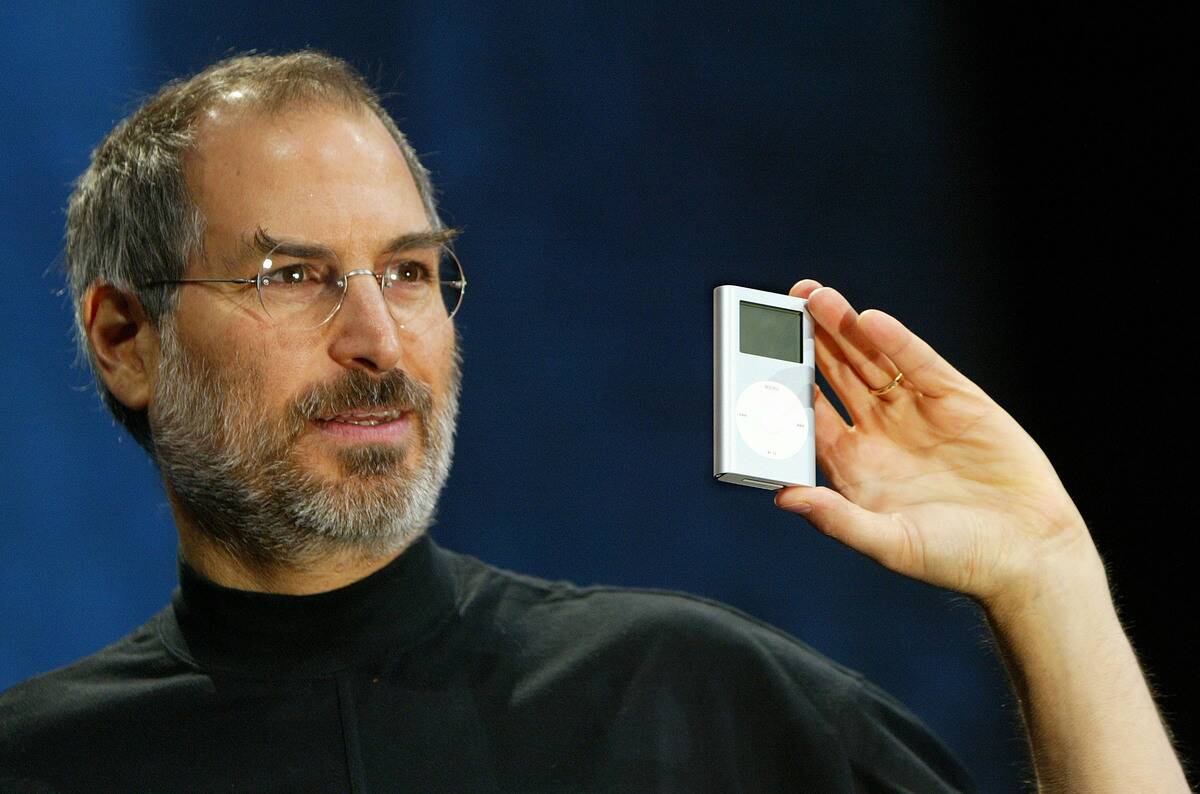
Apple’s iPod, launched in 2001, transformed portable music by offering a sleek way to carry up to 1,000 songs on its original 5 GB model. Its navigation wheel and integration with iTunes made it increasingly popular among music listeners.
Later iPod models introduced the click wheel, while the launch of the iTunes Store in 2003 further encouraged the growth of legal digital-music purchases. The iPod’s success contributed to the declining importance of physical formats such as CDs and established it as a major cultural icon.
The Segway: A New Way to Move
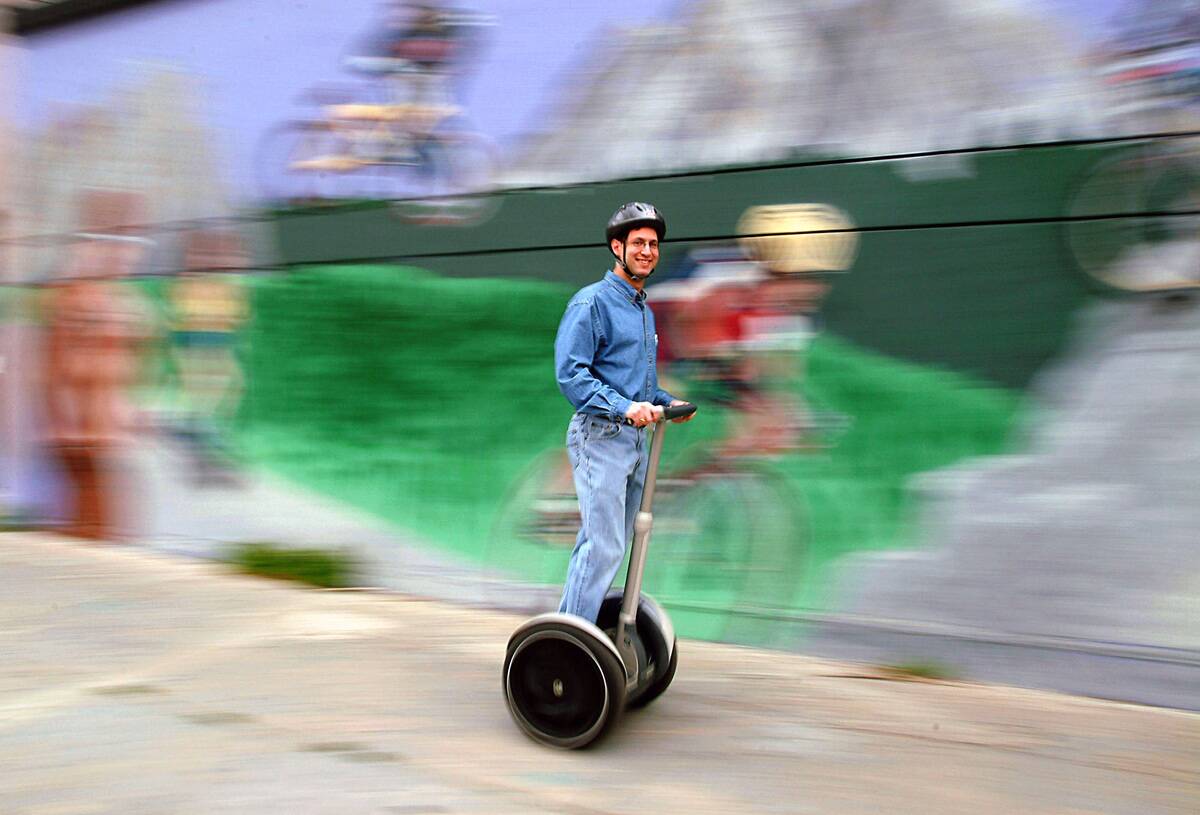
The Segway, introduced in 2001, promised to revolutionize personal transportation. Its self-balancing technology and electric motor offered a unique way to navigate urban environments.
While it didn’t become as ubiquitous as predicted, the Segway found a niche among tourists and security personnel. It showcased the potential for innovative transportation solutions and sparked conversations about the future of urban mobility.
The First Smart TVs: Entertainment at Your Fingertips
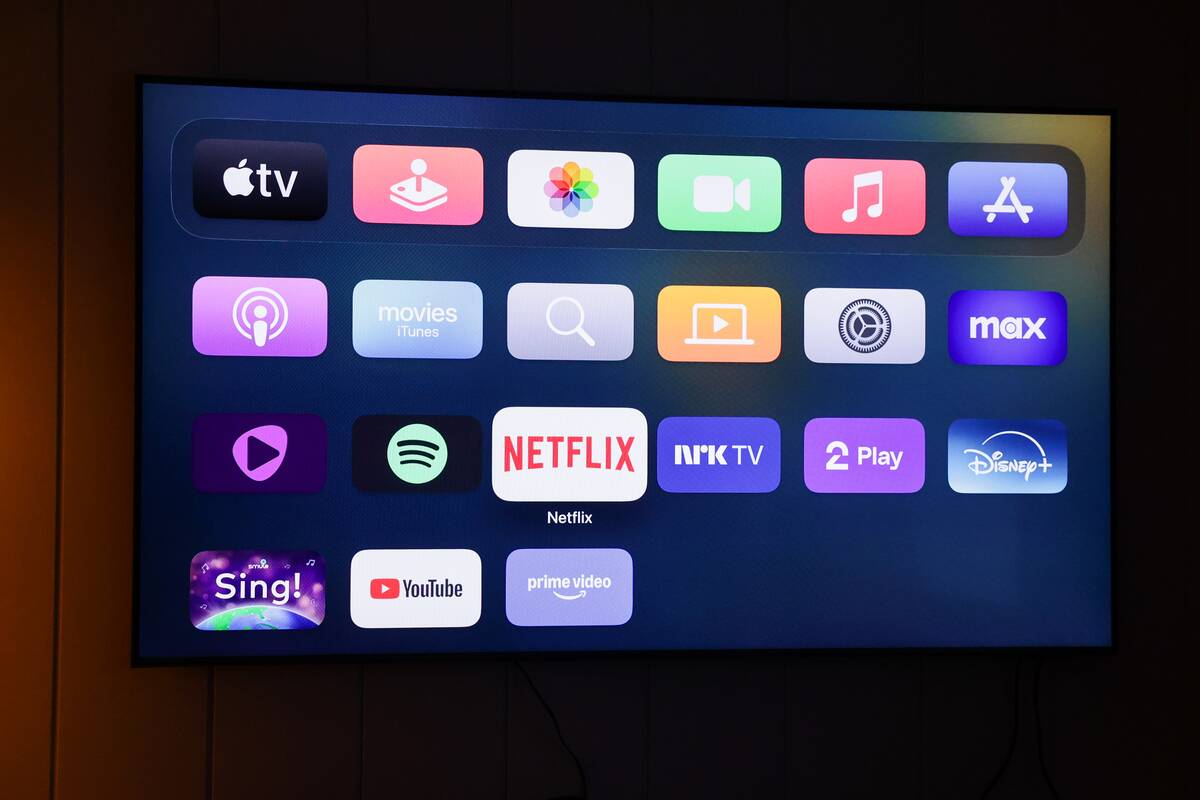
Smart TVs brought the internet to the living room, changing how we consume media. The first smart TVs, appearing in the late 2000s, offered streaming services, web browsing, and app integration.
This innovation allowed viewers to access a vast array of content beyond traditional cable channels. Smart TVs have since become a staple in households, offering a seamless blend of television and internet entertainment.
Google Glass: Augmented Reality Eyewear
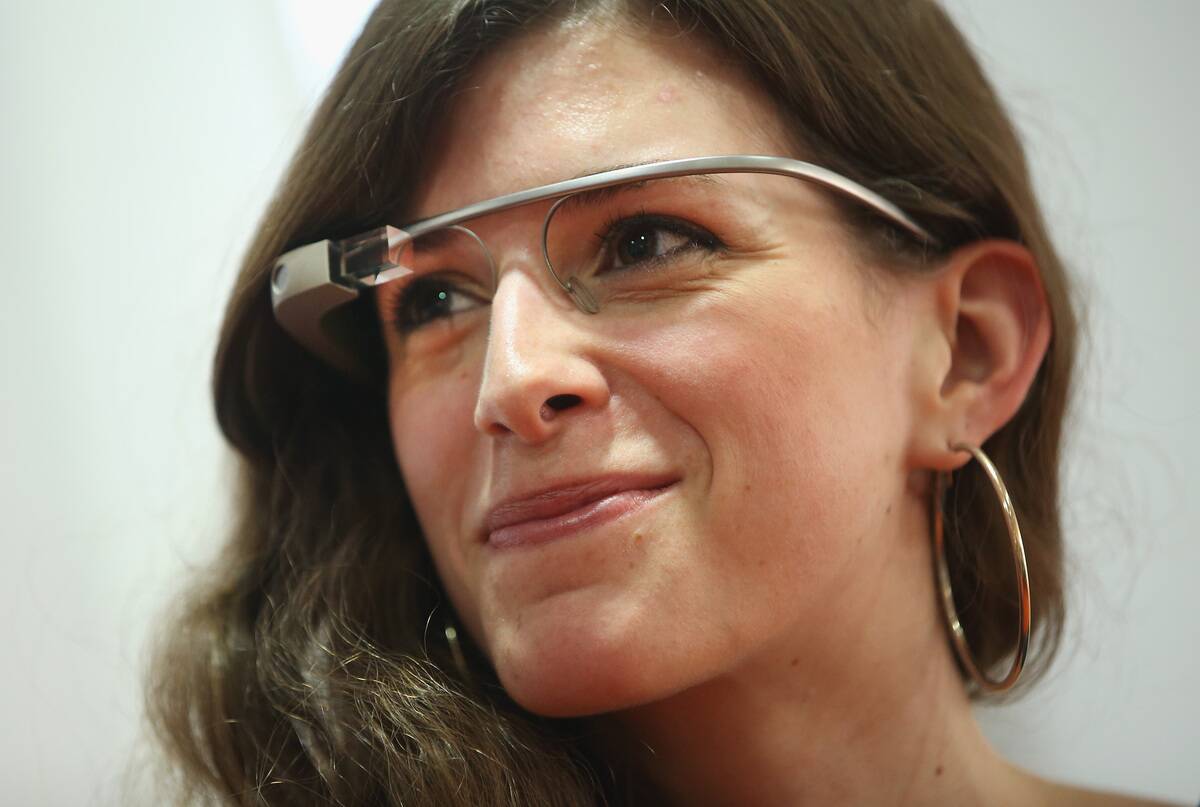
Google Glass, launched in 2013, was an ambitious attempt to bring augmented reality to everyday life. These smart glasses offered hands-free access to information, navigation, and communication.
Despite its limited commercial success, Google Glass sparked interest in wearable technology and augmented reality applications. It highlighted the potential for integrating digital information into our physical world, paving the way for future innovations in wearable tech.
The Hoverboard: A Sci-Fi Dream Come True

Hoverboards, popularized in the mid-2010s, captured the imagination of those who dreamed of futuristic transportation. While they don’t actually hover, these self-balancing scooters offered a fun and novel way to get around.
Inspired by sci-fi films, hoverboards became a cultural phenomenon, especially among younger generations. They showcased the potential for personal electric transportation, even if they didn’t quite meet the expectations set by Hollywood.
The Smartwatch: Timekeeping Gets Smarter

Smartwatches have transformed the humble wristwatch into a multifunctional gadget. Devices like the Apple Watch and Samsung Galaxy Watch offer fitness tracking, notifications, and even phone calls.
The first smartwatches appeared in the early 2010s, combining the convenience of a wristwatch with the capabilities of a smartphone. These devices have become an essential part of modern life, offering a seamless blend of style and technology.
The Roomba: Robotic Cleaning Assistant
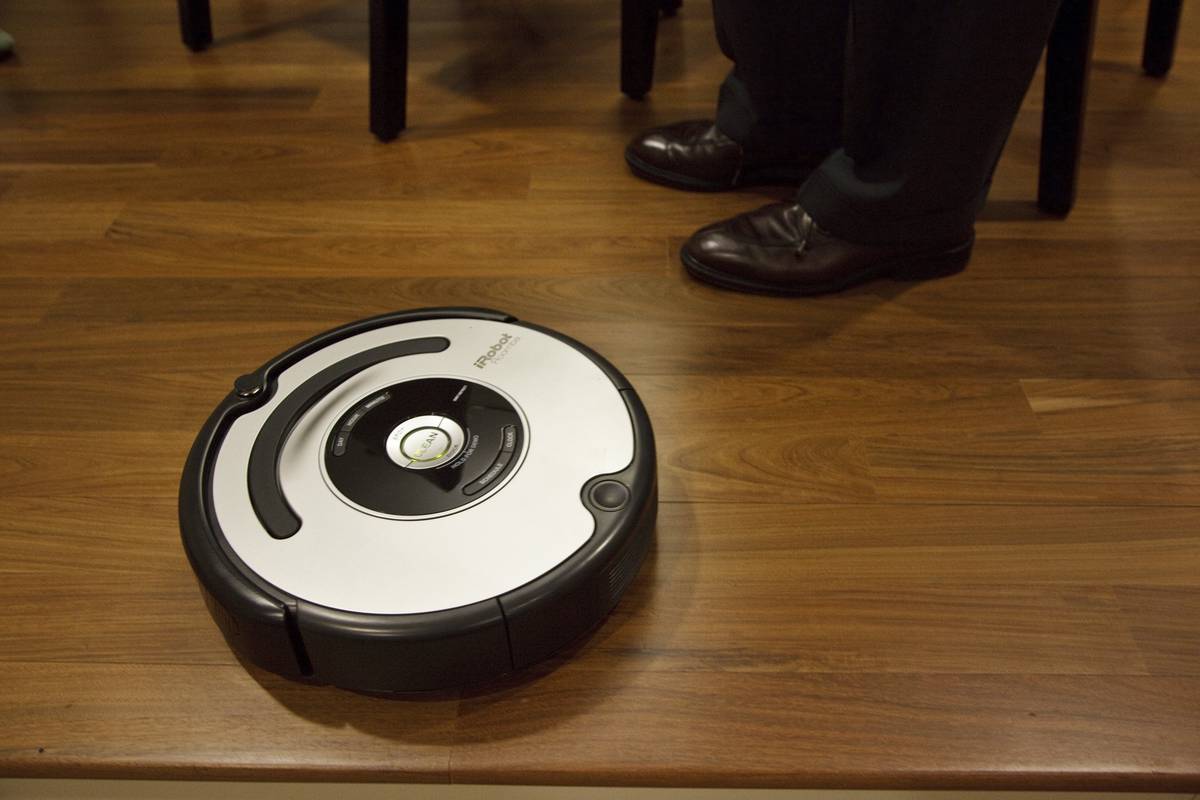
The Roomba, introduced by iRobot in 2002, revolutionized home cleaning with its autonomous vacuuming capabilities. This robotic assistant navigates rooms, avoiding obstacles while keeping floors spotless.
The Roomba’s success demonstrated the potential for robotics in everyday tasks, freeing up time for homeowners. It was a glimpse into a future where robots assist with household chores, making life a little easier and cleaner.
Virtual Reality Headsets: Immersive Experiences
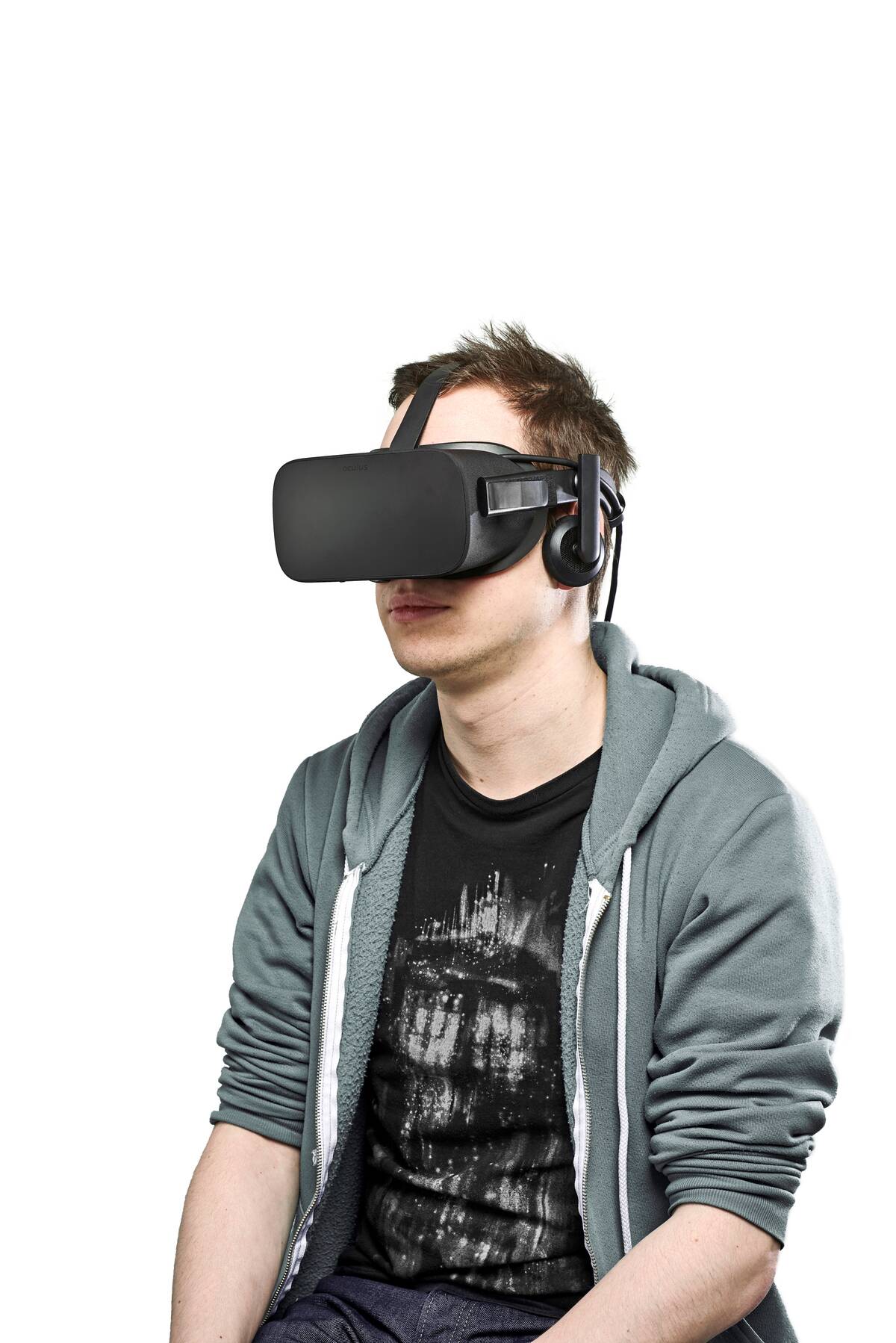
Virtual reality headsets have opened new realms of immersive experiences. Devices like the Oculus Rift and HTC Vive transport users to digital worlds, offering unparalleled gaming and entertainment experiences.
Consumer VR headsets existed before the mid-2010s, but modern systems such as the Oculus Rift and HTC Vive launched in 2016 and helped renew mainstream interest in virtual reality. These devices have applications beyond gaming, including education, training, and therapy, showcasing the vast potential of virtual environments.
The Smart Home Revolution: Controlling Your Home with a Tap
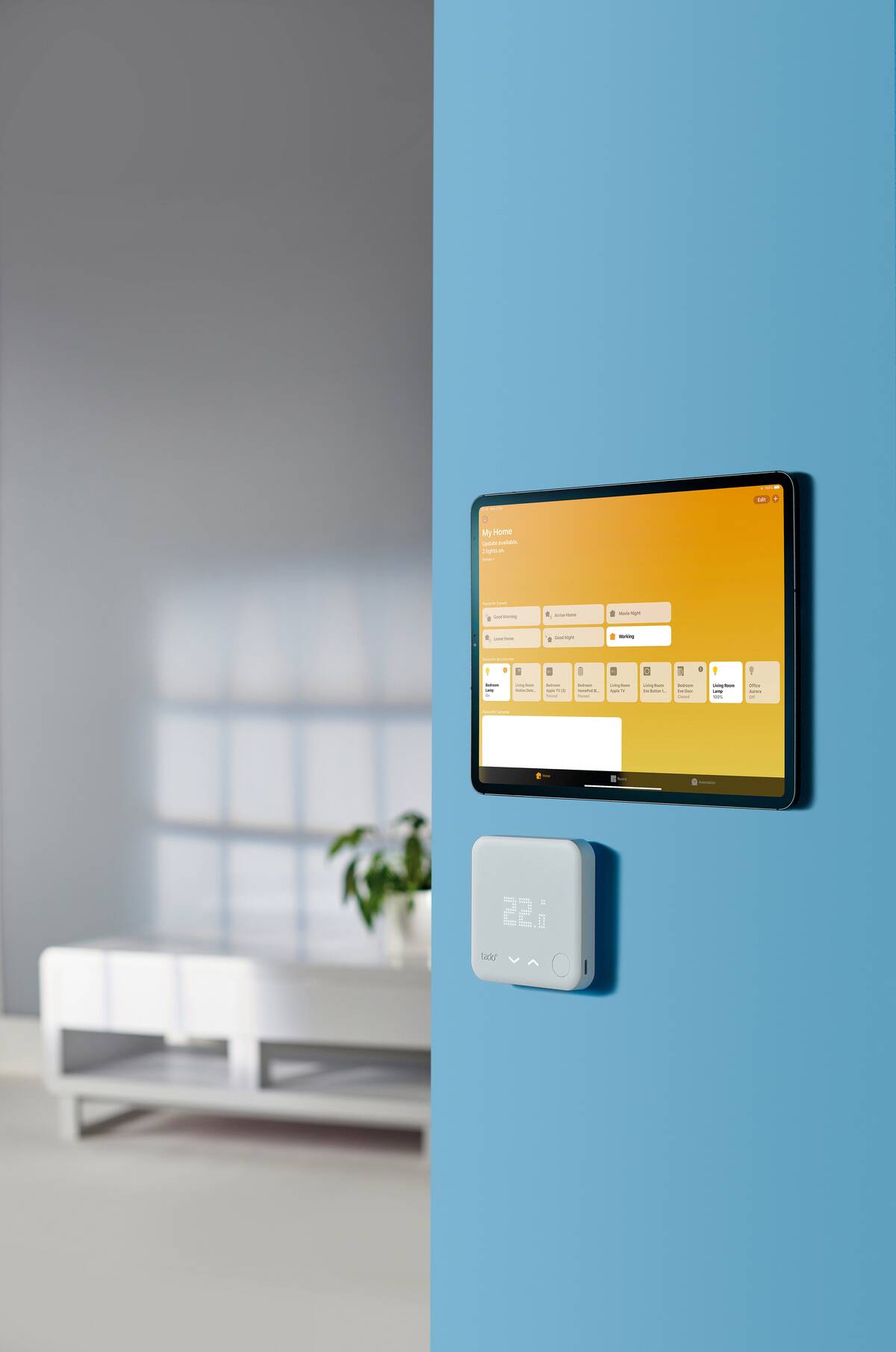
Smart home technology has transformed how we interact with our living spaces. Devices like smart speakers, thermostats, and lighting systems offer remote control and automation through smartphone apps.
The smart home revolution gained momentum in the 2010s, with companies like Amazon and Google leading the charge. This technology offers convenience, energy efficiency, and enhanced security, making homes more connected and responsive to our needs.




