World’s fairs that amazed millions
World’s Fairs have long been a stage for nations to showcase their innovations and culture. These grand expositions offer a glimpse into the future while celebrating the achievements of the present.
From architectural marvels to technological breakthroughs, each fair has left a lasting impact on society. Join us as we embark on a journey through some of the most iconic World’s Fairs in history, exploring their unique contributions to our world.
The Great Exhibition of 1851: A Victorian Marvel
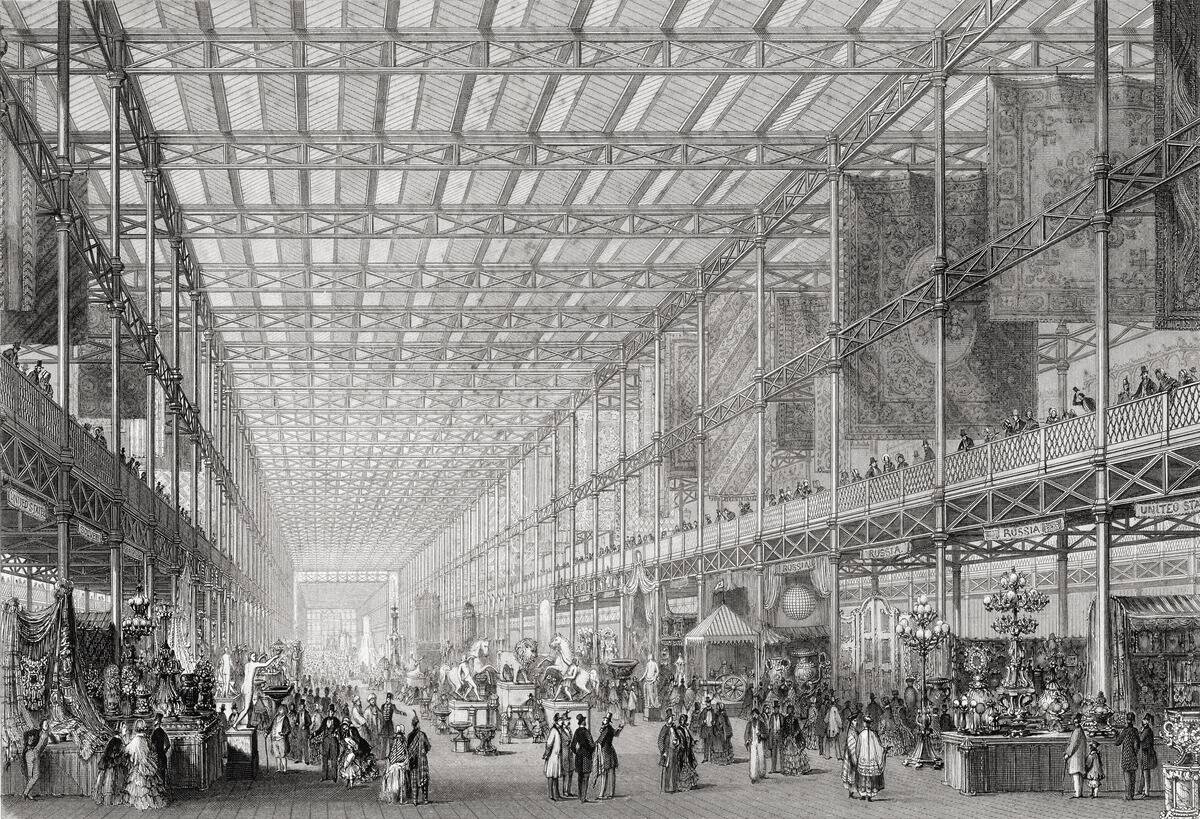
The Great Exhibition of 1851, held in London’s Crystal Palace, was a showcase of Victorian ingenuity and industrial progress. It displayed more than 100,000 objects from over 14,000 exhibitors around the world, including the famous Koh-i-Noor diamond.
Widely regarded as the first major international world’s fair, it set the standard for future global exhibitions. Visitors marveled at technological innovations such as telegraph equipment and steam-powered machinery, highlighting the transformative impact of the Industrial Revolution.
Paris Exposition Universelle of 1889: Eiffel Tower’s Grand Debut
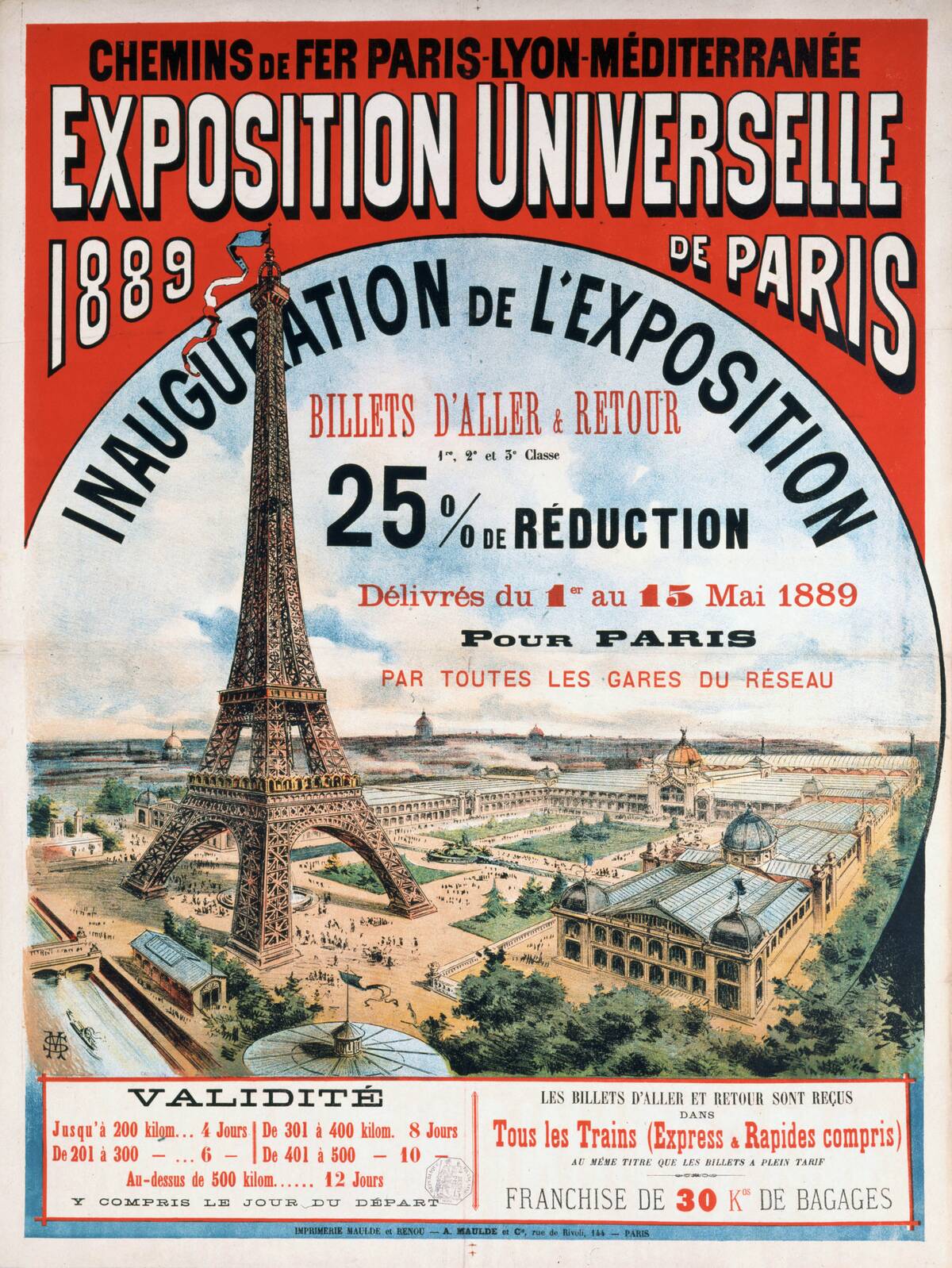
The Paris Exposition Universelle of 1889 is best remembered for introducing the world to the Eiffel Tower. Originally criticized by some as an eyesore, the tower quickly became a beloved symbol of Paris.
The fair celebrated the centennial of the French Revolution and showcased innovations like the phonograph and electric lights. It was a testament to France’s cultural and technological prowess at the time.
Chicago World’s Columbian Exposition of 1893: The White City’s Wonders
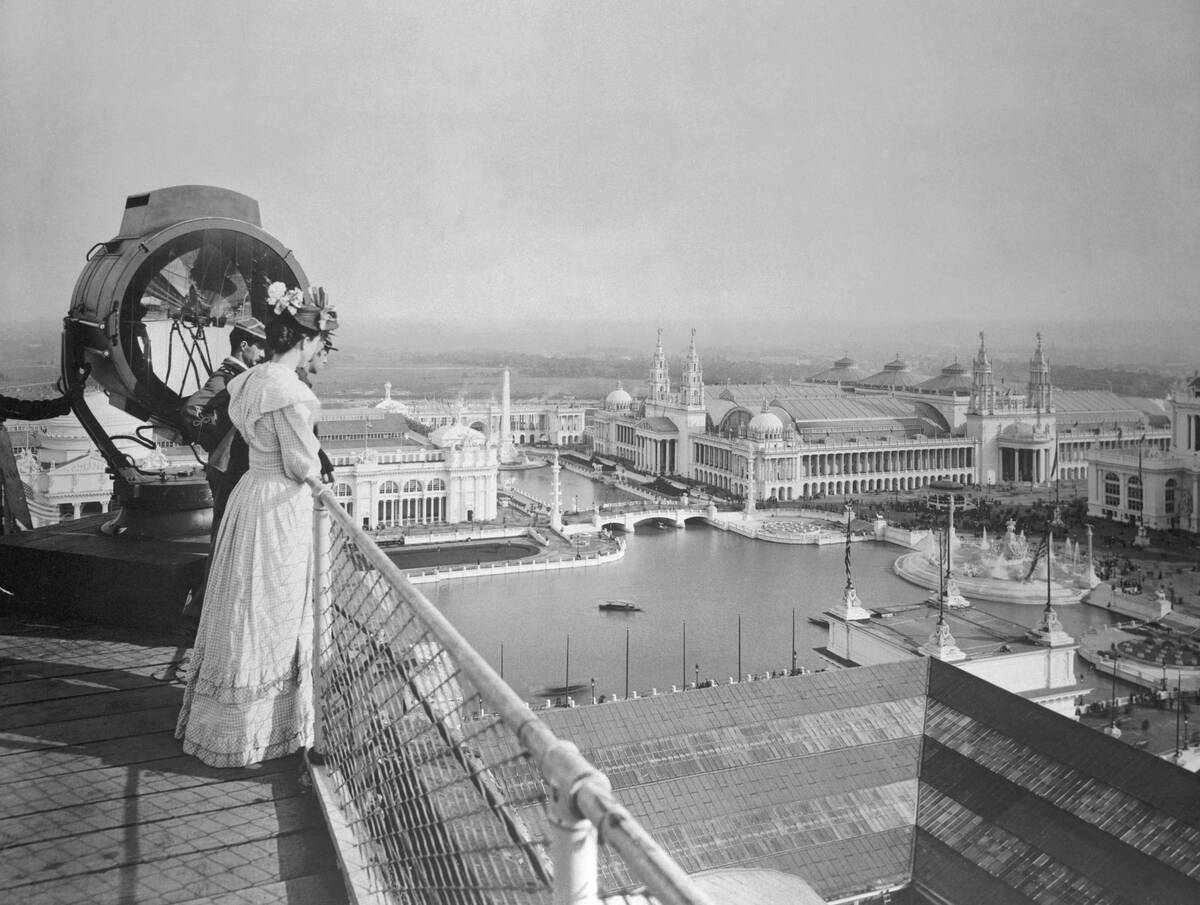
The 1893 World’s Columbian Exposition in Chicago, also known as the White City, was a dazzling display of neoclassical architecture. It introduced visitors to the original Ferris Wheel, a remarkable engineering achievement designed to rival the Eiffel Tower.
The fair also featured an all-electric kitchen and helped popularize products such as Juicy Fruit gum and Cracker Jack. It was a celebration of American innovation and ambition, highlighting the nation’s growing industrial and technological strength.
St. Louis World’s Fair of 1904: Ice Cream Cones and More
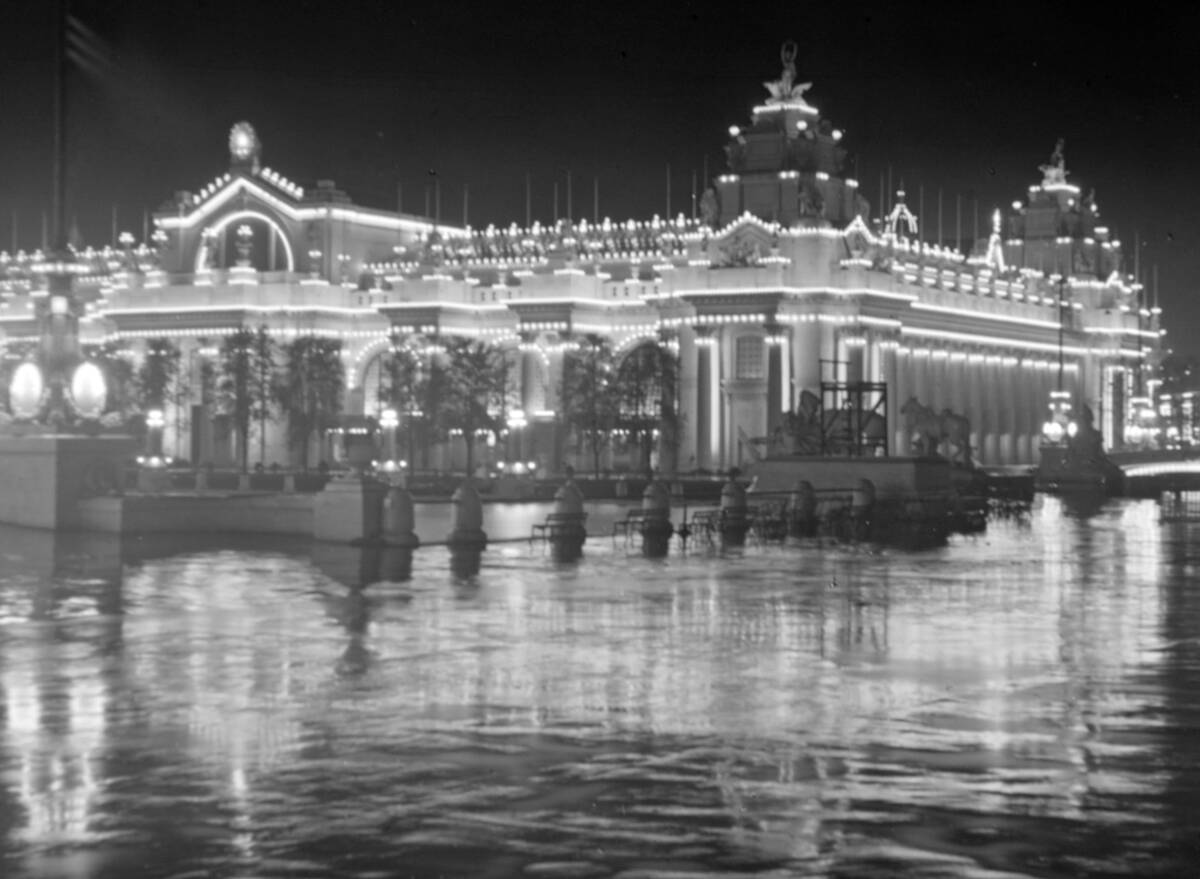
The St. Louis World’s Fair of 1904 is often credited with helping popularize the ice cream cone, which went on to become a staple of American culture. The fair showcased a variety of foods and innovations that influenced American tastes, although products like Dr Pepper and the hamburger existed before the event.
Beyond food, the exposition highlighted advancements in transportation and technology and hosted the 1904 Summer Olympics, the first Olympic Games held in the United States.
Brussels International Exposition of 1958: The Atomic Age Unveiled
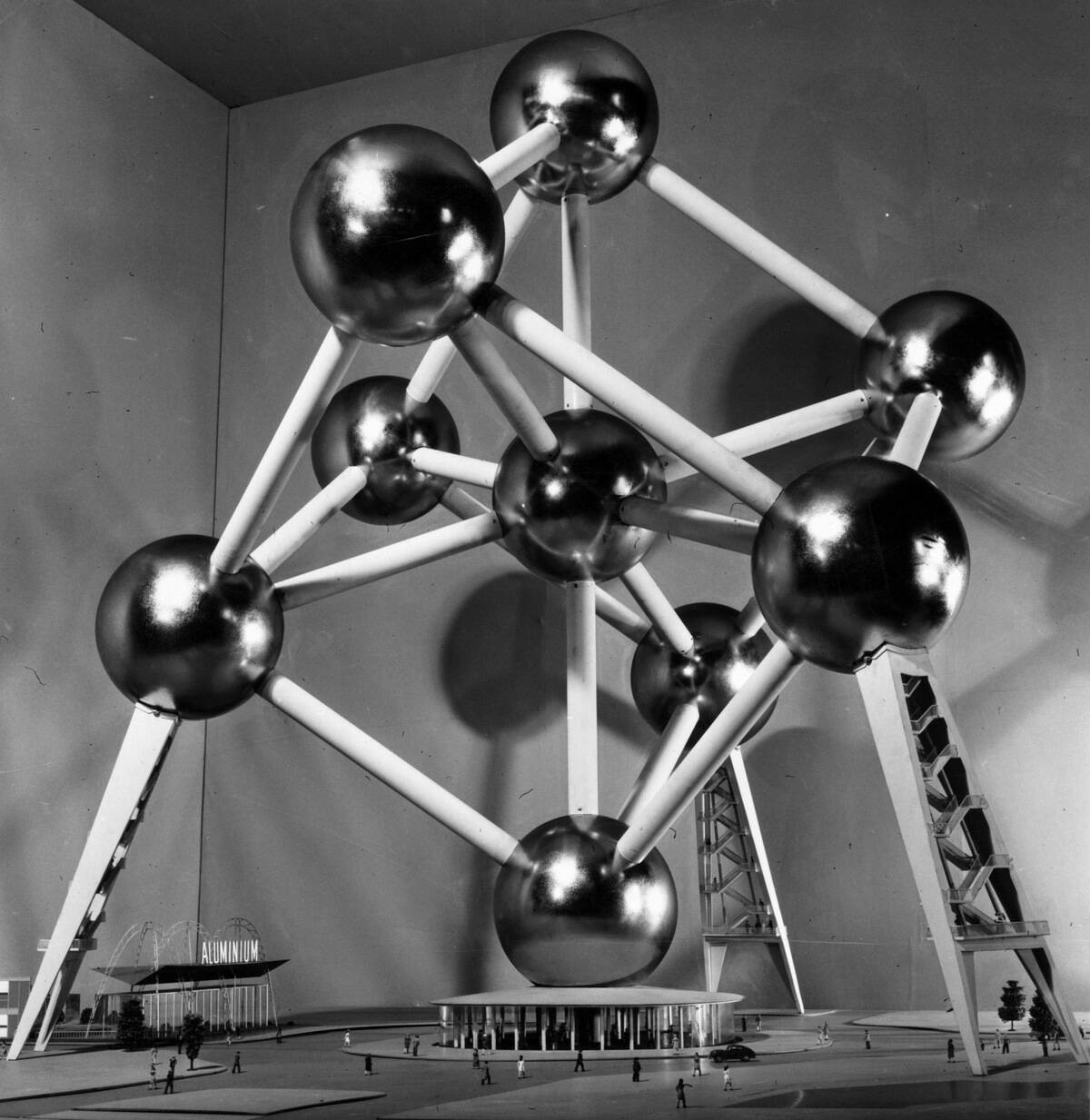
The 1958 Brussels International Exposition, known as Expo 58, was a celebration of post-war optimism and technological progress during the Atomic Age. The Atomium, a striking structure representing an iron crystal unit cell magnified 165 billion times, became the fair’s iconic symbol.
Exhibits explored themes such as nuclear energy, industry, and scientific advancement, reflecting hopes for a technologically advanced future. It was a significant moment in showcasing the possibilities of science and innovation in the modern world.
New York World’s Fair of 1939: A Peek into the Future
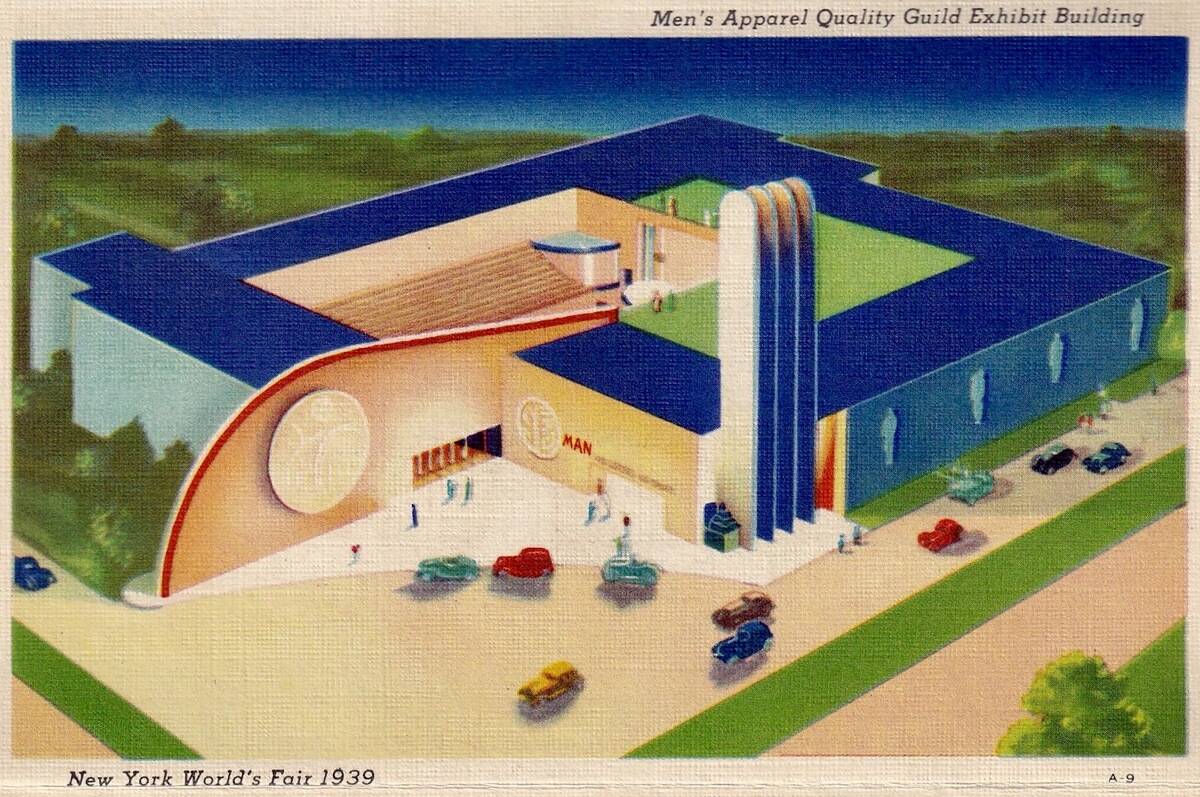
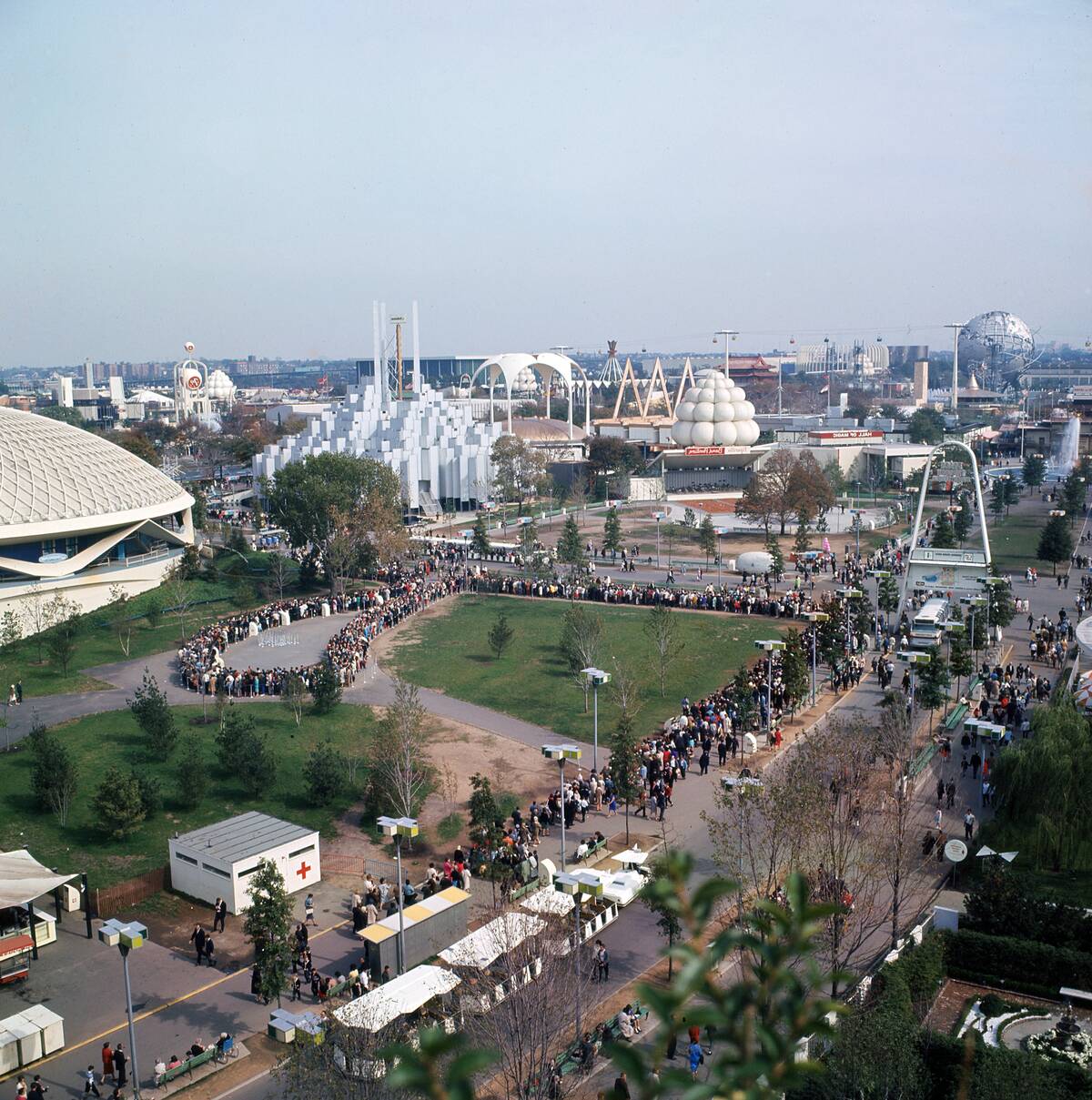
The New York World’s Fair of 1939 offered visitors a glimpse into the future with its theme “Building the World of Tomorrow.” It helped introduce millions of people to emerging technologies such as television, while also showcasing advances in design, industry, and modern living.
The fair’s iconic Trylon and Perisphere structures symbolized hope and progress during a time of global uncertainty. Its futuristic exhibits and ambitious vision left a lasting impression on attendees and influenced how people imagined the decades ahead.
Expo 67 in Montreal: Canada Welcomes the World
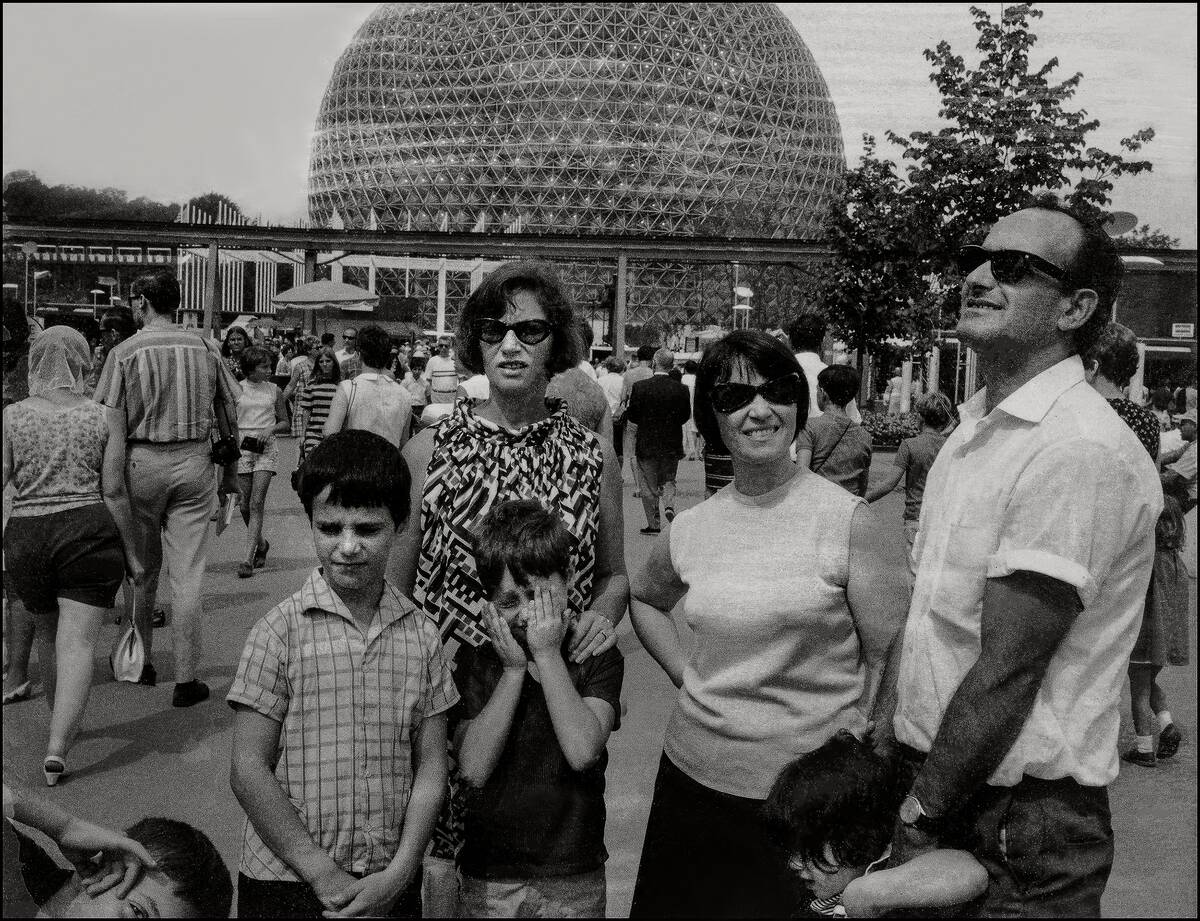
Expo 67 in Montreal was a defining moment for Canada, celebrating its centennial year with the theme “Man and His World.” The fair featured more than 90 pavilions, including exhibits from over 60 participating nations, highlighting cultural diversity and international cooperation.
Notable attractions included the geodesic dome designed by Buckminster Fuller and the Habitat 67 housing complex, both celebrated for their innovative architecture. It was one of the most successful world’s fairs ever held and helped establish Canada as a prominent presence on the global stage.
Osaka Expo 1970: Japan’s Technological Triumph
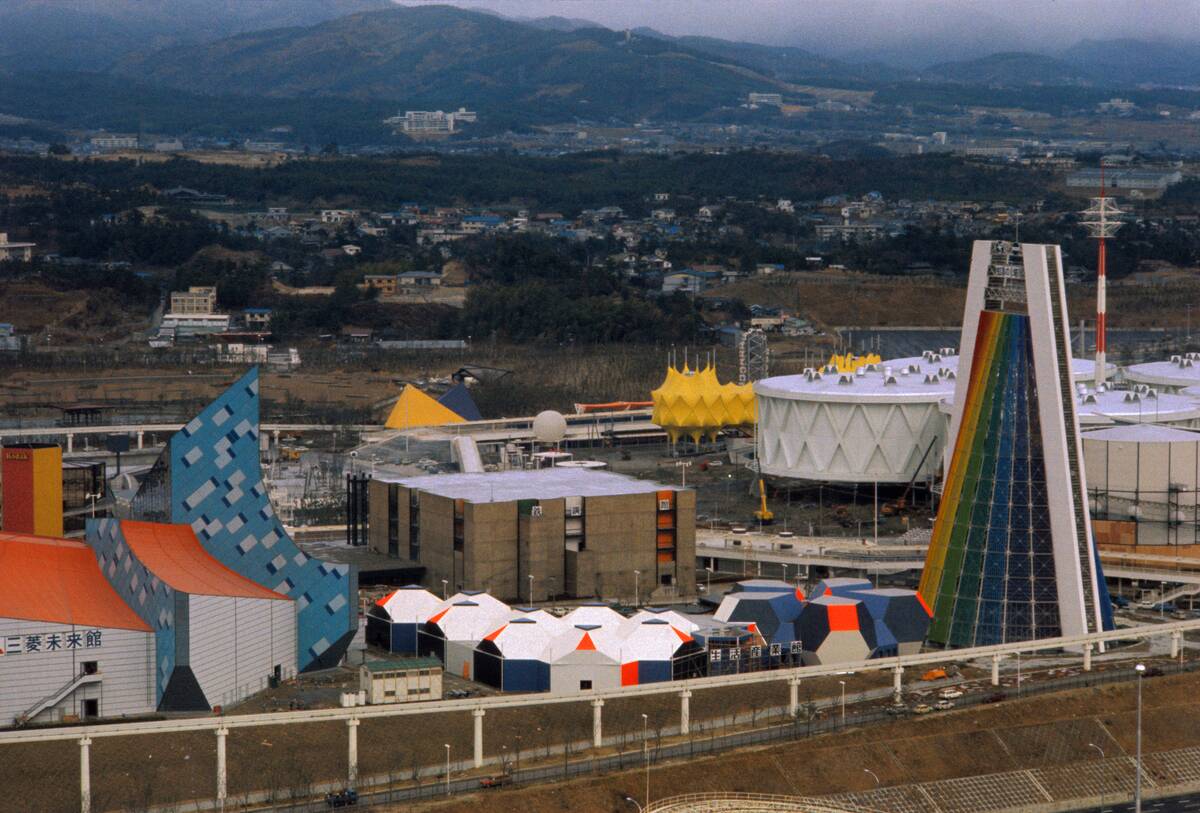
The Osaka Expo 1970 was a testament to Japan’s post-war recovery and technological prowess. With the theme “Progress and Harmony for Mankind,” the fair showcased groundbreaking innovations, including the public debut of the IMAX projection system and a Moon rock brought back by the Apollo 12 mission.
Iconic landmarks such as the Expo Tower and the Tower of the Sun reflected Japan’s forward-looking vision and commitment to scientific and technological progress, helping make the exposition one of the most successful world’s fairs in history.
Seville Expo ’92: A Celebration of Discovery
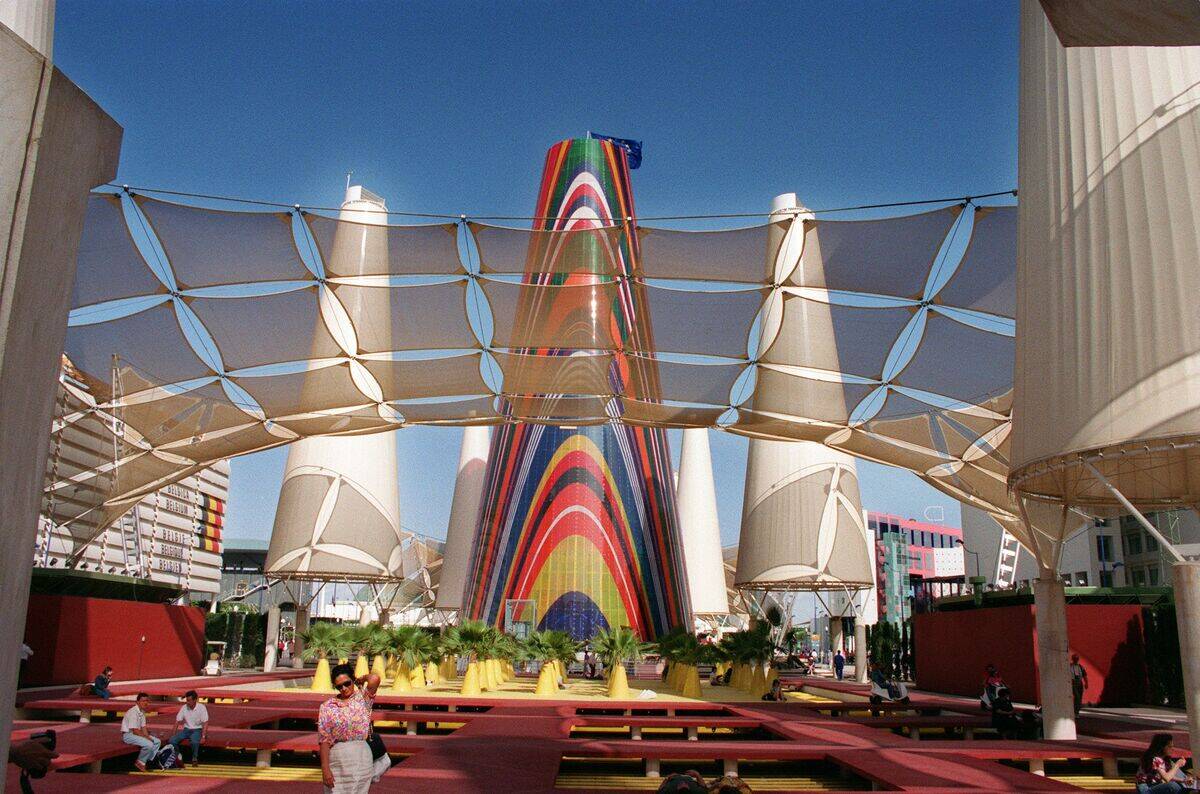
Seville Expo ’92 commemorated the 500th anniversary of Christopher Columbus’s voyage to the Americas and celebrated the legacy of exploration. The fair featured pavilions from more than 100 countries, showcasing their cultural heritage and technological achievements.
Highlights included the inauguration of Spain’s AVE high-speed rail line connecting Madrid and Seville, as well as the use of renewable energy technologies, including solar power, throughout the site. It was a major international celebration of discovery, innovation, and global cooperation.
Expo 2000 in Hanover: A New Millennium of Ideas
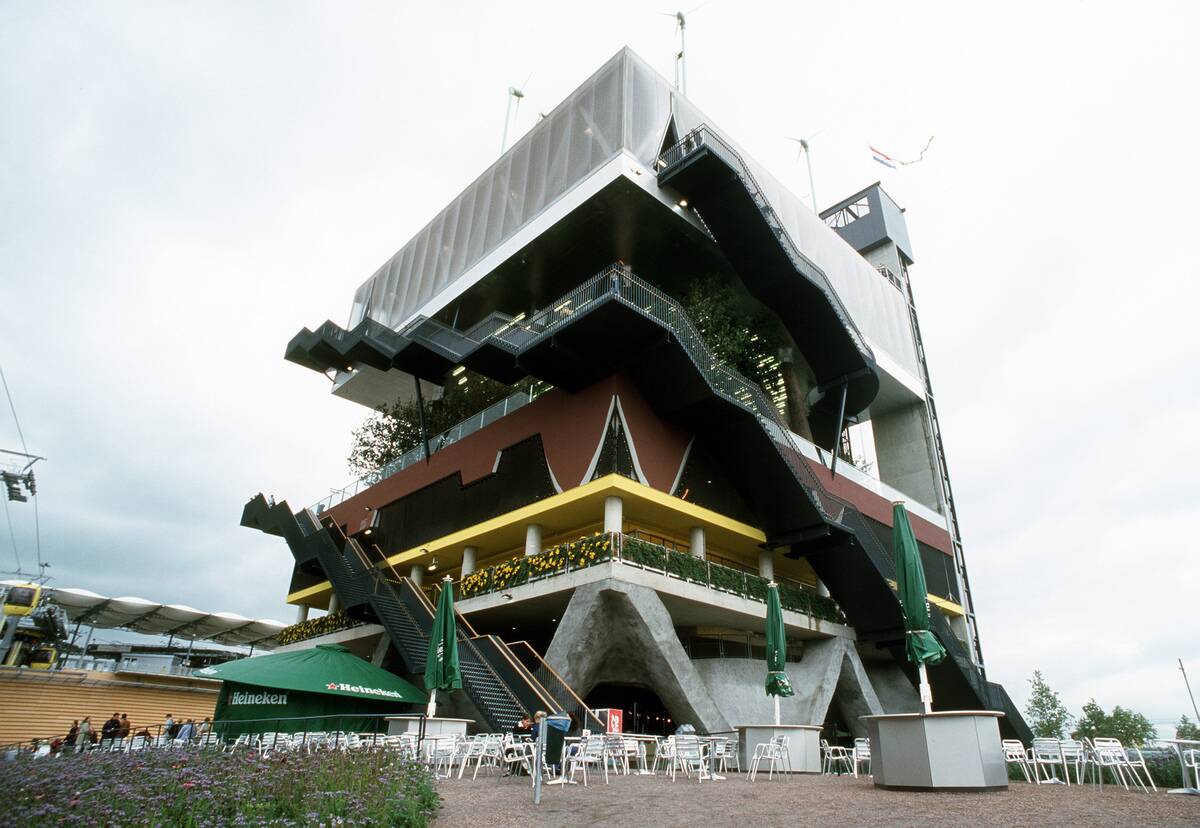
Expo 2000 in Hanover was the first World’s Fair held in Germany, with the official theme “Humankind – Nature – Technology: A New World Arising.” It emphasized sustainable development and environmental responsibility, with many pavilions showcasing energy-efficient design, renewable energy, and sustainable building practices.
The fair highlighted ideas such as green architecture and environmentally friendly transportation, helping to raise international awareness of sustainability and the challenges of balancing technological progress with environmental stewardship.
Shanghai World Expo 2010: Better City, Better Life
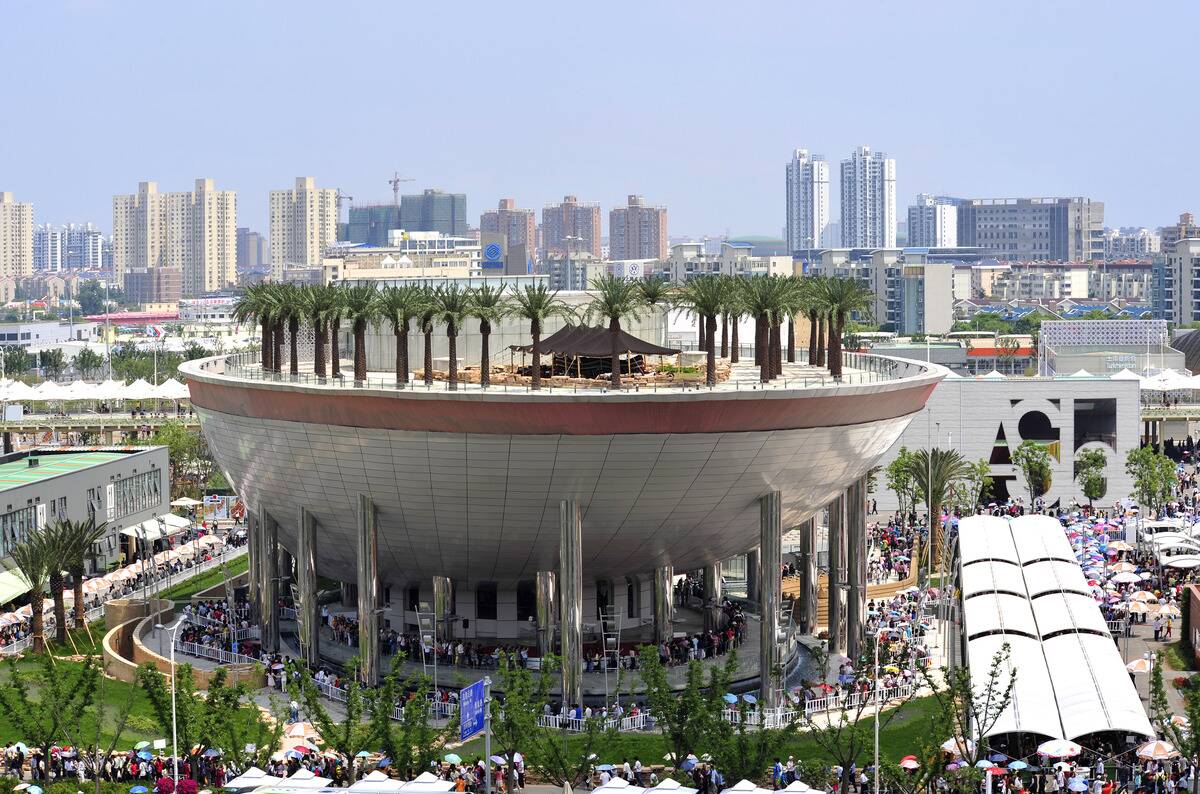
The Shanghai World Expo 2010 was a grand affair, with the theme “Better City, Better Life.” It was the largest World’s Fair in history, attracting more than 73 million visitors. The fair showcased China’s rapid urbanization and technological advancements, with highlights including the innovative Urban Best Practices Area and the iconic China Pavilion.
It celebrated urban development and explored how cities could improve quality of life through sustainable planning, innovation, and international collaboration.
Milan Expo 2015: Feeding the Planet, Energy for Life
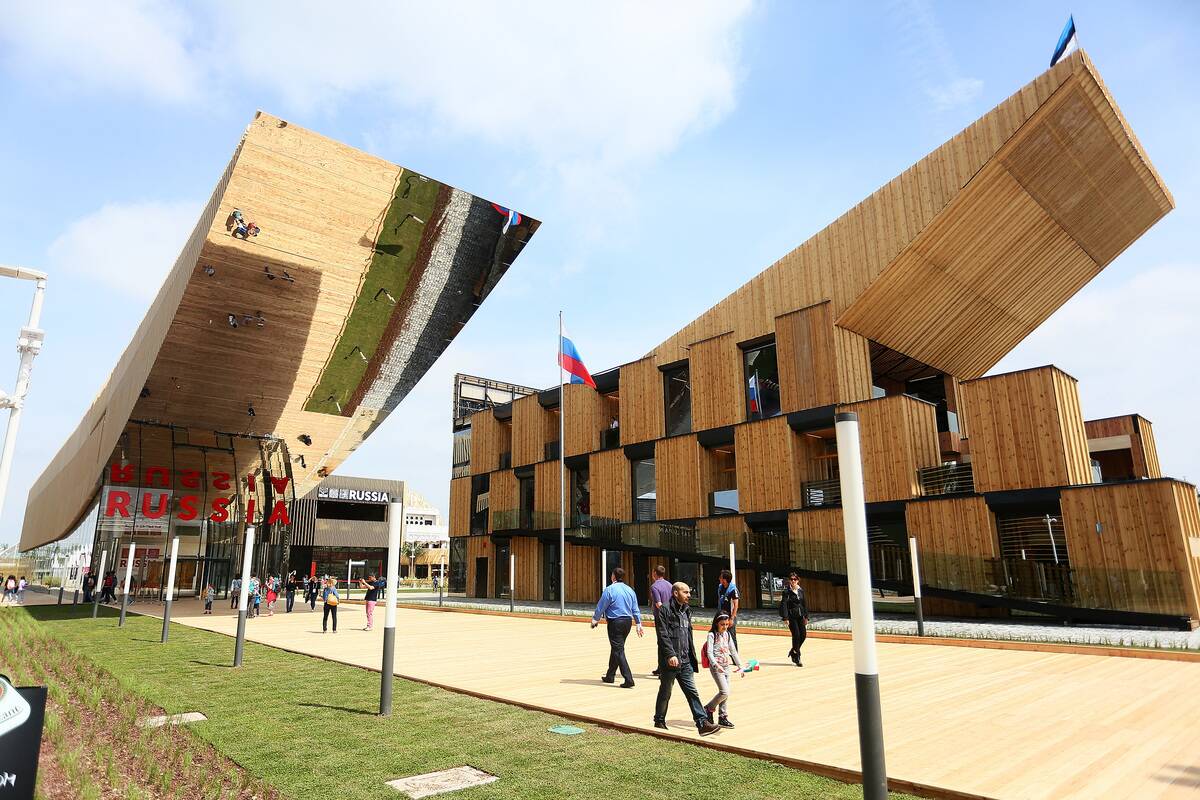
Milan Expo 2015 focused on global food sustainability with the theme “Feeding the Planet, Energy for Life.” The fair featured pavilions from 145 countries, each showcasing their unique approaches to food production and consumption.
Highlights included the Future Food District, which explored the role of technology in agriculture, and the Tree of Life, a stunning multimedia installation. It was a call to action for sustainable food practices worldwide.
Dubai Expo 2020: Connecting Minds, Creating the Future

Dubai Expo 2020, delayed to 2021 due to the pandemic, embraced the theme “Connecting Minds, Creating the Future.” It focused on sustainability, mobility, and opportunity, with pavilions from 192 countries.
The fair featured innovative designs like the Sustainability Pavilion, which generated its own energy and water. It was a showcase of global collaboration and innovation, highlighting the potential for a connected and sustainable future.
The Legacy of World’s Fairs: Innovations That Changed Our Lives
World’s Fairs have left an indelible mark on society by showcasing innovations that have shaped the modern world. From the public debut of the Ferris Wheel to the popularization of technologies such as the telephone and television, these events have helped bring groundbreaking ideas to a global audience.
They continue to provide a platform for nations to share knowledge, celebrate culture, and inspire future generations, demonstrating the power of human creativity, innovation, and international collaboration.




