Strange inventions people thought would be the future
Welcome to the wacky world of futuristic inventions, where imagination meets innovation! From flying cars to mind-reading machines, the future is brimming with gadgets that once seemed possible only in science fiction.
These inventions not only promise to revolutionize our daily lives but also tickle our curiosity about what’s possible. As technology advances, the line between fantasy and reality blurs, making us wonder what other marvels await us in the years to come.
The Jetpack: Flying High in Our Imaginations

Jetpacks have long captured our imaginations, promising the thrill of flight without the need for an airplane. While they may seem like something out of a comic book, real-life versions do exist.
Companies such as JetPack Aviation have developed turbine-powered jetpacks capable of flying for around 10 minutes, with manufacturer-reported top speeds approaching 120 mph under ideal conditions. Although we’re not commuting to work via jetpack just yet, these devices showcase advances in personal flight technology and human ingenuity.
The Hoverboard: Back to the Future’s Dream

The hoverboard, popularized by Back to the Future Part II, has been a dream for many since its cinematic debut. While practical levitating hoverboards are still in development, companies like Hendo Hover have created prototypes using magnetic levitation.
These boards can hover a few inches above specially designed conductive surfaces but cannot operate on ordinary ground. The pursuit of practical hoverboard technology continues as engineers explore new approaches to personal transportation.
The Amphibious Car: Driving on Land and Sea

Amphibious cars offer the ability to travel on both land and water. The Gibbs Aquada, developed by Gibbs Technologies, is a notable example, with manufacturer-reported top speeds of about 100 mph on land and 30 mph on water.
Although amphibious vehicles remain a niche market, they demonstrate the potential of dual-purpose transportation. As technology continues to evolve, these vehicles may find broader applications in recreation, emergency services, and specialized transportation.
The Personal Submarine: Underwater Adventures Await

For those who dream of exploring the ocean depths, personal submarines offer a unique opportunity. Companies such as Triton Submarines have developed models capable of diving to around 3,300 feet, while others can reach much greater depths.
These submersibles are equipped with advanced safety features and provide remarkable views of marine life, although they remain specialized vehicles. They are increasingly being used for research, exploration, filmmaking, and educational missions that help expand our understanding of the ocean.
The Robot Butler: A Helping Hand at Home
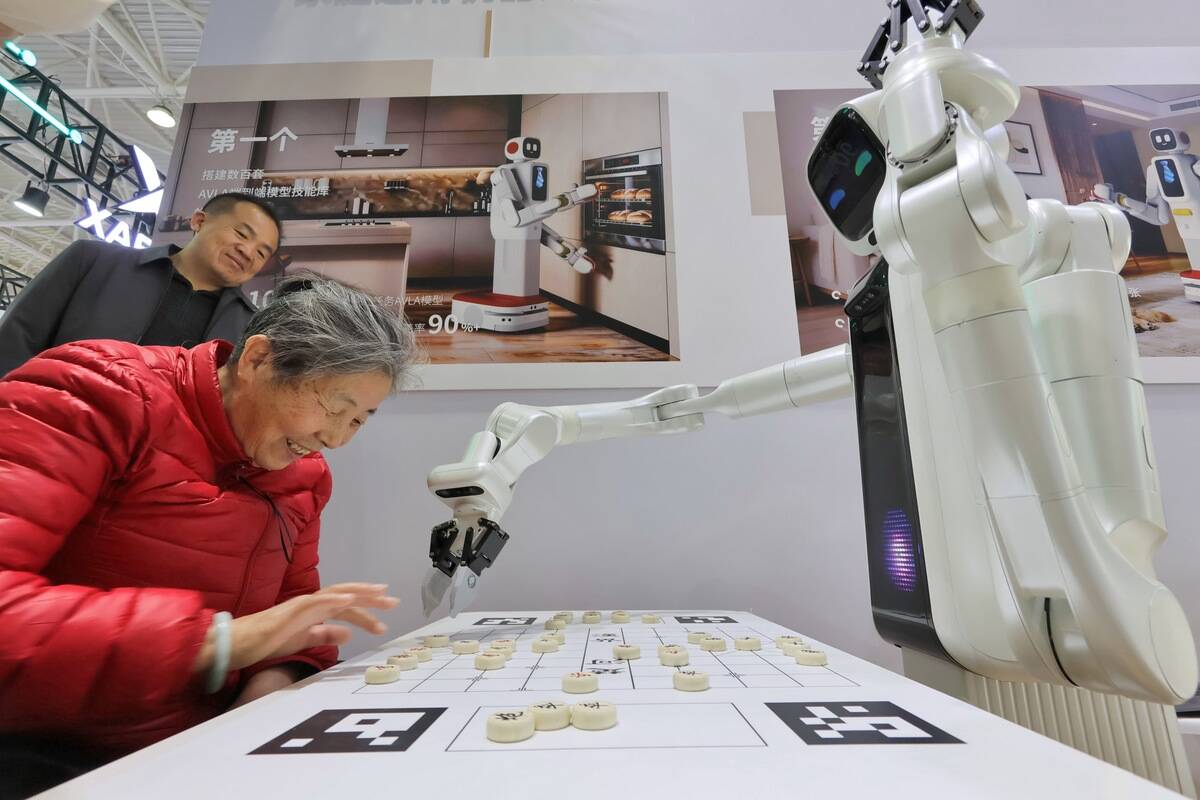
Robot butlers have long been a staple of futuristic visions, offering convenience and assistance in our daily lives. While we’re not quite at the level of Rosie from The Jetsons, robots like Pepper and Roomba are already performing specialized household tasks.
Pepper can recognize faces and interpret certain facial expressions and voice cues, while Roomba autonomously handles vacuuming. As AI and robotics continue to advance, increasingly capable household robots may become more common, though fully functional robot butlers remain a future goal.
The Food Pill: A Meal in a Capsule

The idea of a food pill that provides all necessary nutrients in a single capsule has long been a staple of science fiction. While we’re not there yet, meal replacement products like Soylent offer a glimpse into this concept.
Soylent provides a balanced mix of nutrients in liquid form, offering a convenient option for people with busy lifestyles. Although it is not intended to replace conventional food entirely, it demonstrates how nutrition technology continues to evolve.
The Weather Control Machine: Playing God with the Elements
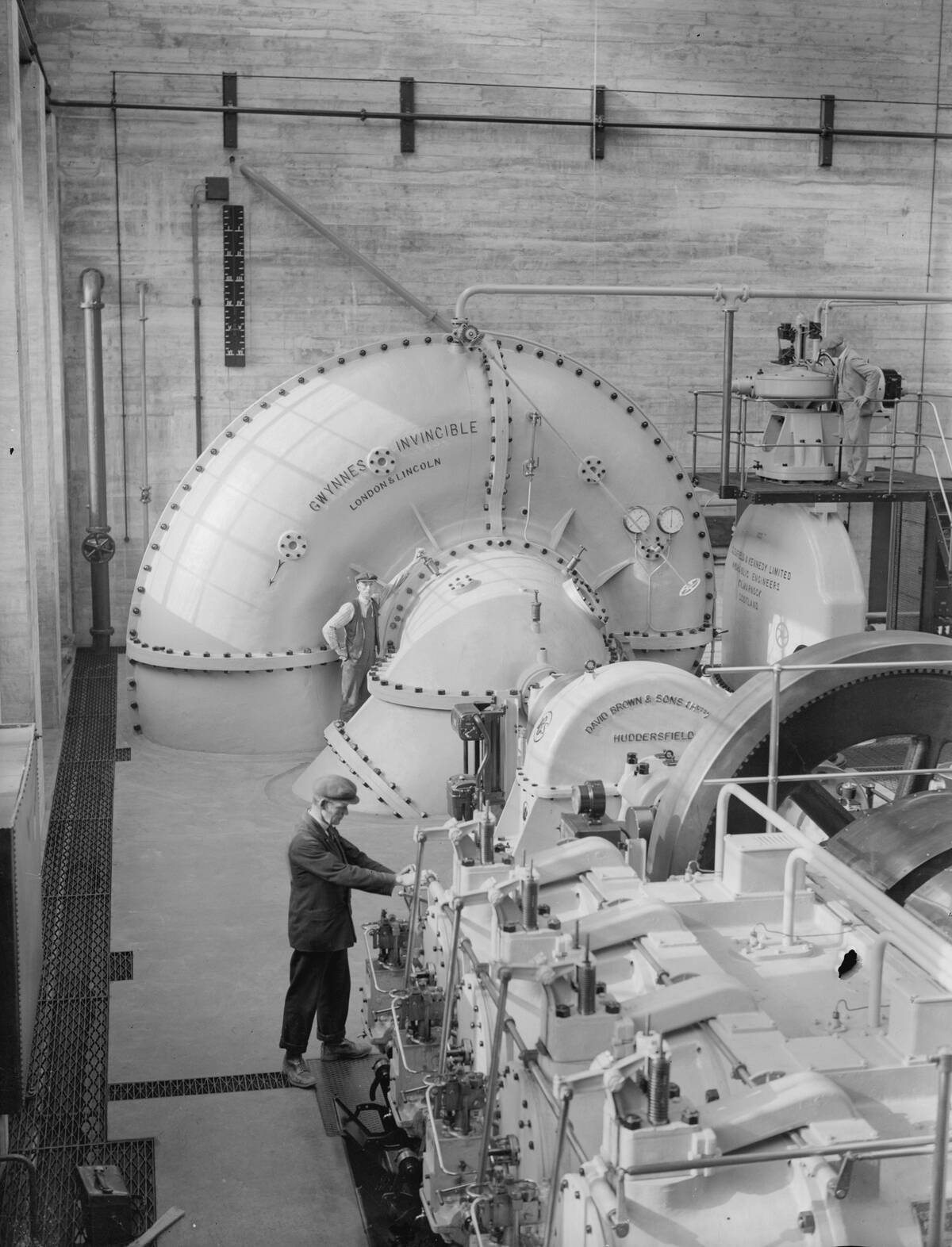
Weather control has long fascinated scientists and science fiction fans alike, inspiring ideas about manipulating the elements. While we can’t control the weather, cloud seeding is a real technique used in some regions to enhance precipitation by dispersing substances such as silver iodide or salt particles into suitable clouds.
Although weather modification has been studied and used for decades, its effectiveness remains the subject of ongoing research. It also continues to spark debate over its potential benefits, limitations, and ethical implications.
The Teleportation Device: Beam Me Up, Scotty!
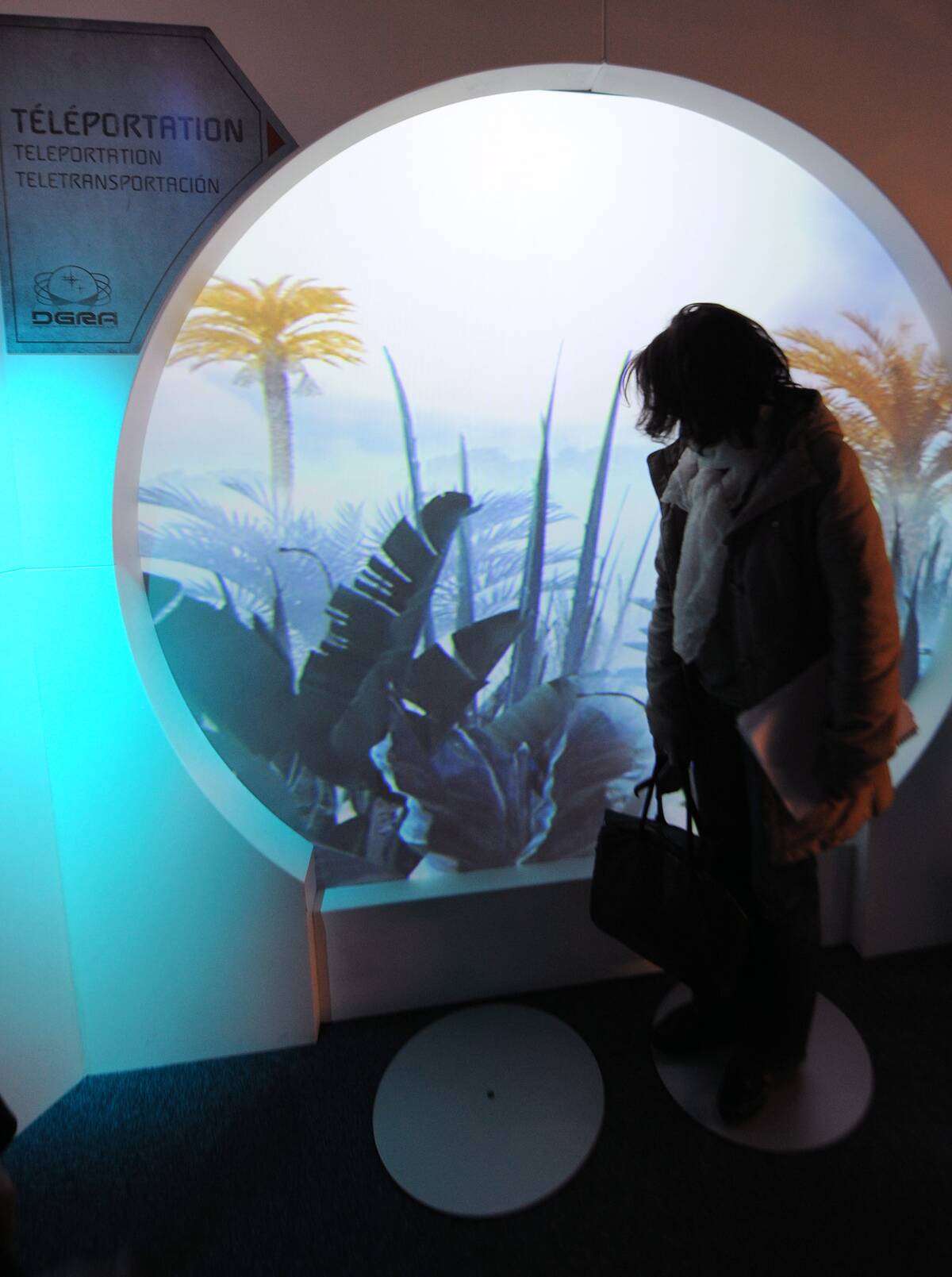
Teleportation, the dream of instant travel, has been a staple of science fiction for decades. While human teleportation remains far beyond current technology, scientists have made significant advances in quantum teleportation.
This process involves transferring the quantum state of particles between locations using quantum entanglement and has been successfully demonstrated with photons and other systems. Although it does not transport matter, these experiments could contribute to future developments in quantum communication and information technology.
The Mind-Reading Machine: Unlocking the Secrets of the Brain

Mind-reading machines, once a concept of fantasy, are becoming more realistic through advances in neuroscience and brain-computer interface technology. BCIs allow communication between brain activity and external devices by interpreting specific neural signals.
Companies such as Neuralink are developing technologies that could eventually allow people to control computers or other devices through their thoughts. While current systems are limited and ethical concerns remain, BCIs show promise in assisting people with disabilities and advancing human-computer interaction.
The Anti-Gravity Suit: Defying the Laws of Physics

Anti-gravity suits, often depicted in science fiction, promise the ability to defy gravity’s pull. While true anti-gravity technology has not been achieved, research in physics, materials science, and advanced propulsion continues to explore new ways of interacting with forces such as gravity and motion.
Organizations like NASA investigate advanced space technologies, though no current systems can eliminate gravity. The pursuit of anti-gravity concepts continues to inspire scientists and dreamers alike, reflecting humanity’s fascination with the possibilities of future technology.
The Time Machine: Traveling Through the Ages

Time machines captivate our imagination, offering the allure of traveling to the past or future. While time travel remains largely theoretical, physicists have explored concepts such as general relativity, time dilation, and hypothetical wormholes as possible frameworks for understanding it.
Although these ideas are scientifically intriguing, there is currently no evidence that practical time travel is possible. Even so, the concept continues to inspire countless stories and debates, fueling curiosity about the nature of time.
The Self-Cleaning House: A Dream for Neat Freaks

A self-cleaning house is a dream for those who dread household chores. While we’re not there yet, innovations like robotic vacuums, robotic mops, and smart home systems are making home maintenance easier.
Self-cleaning surfaces that use nanotechnology or specialized coatings are also being developed to repel dirt and grime. Although a fully self-maintaining home remains a future goal, these technologies offer a glimpse of how household chores could become increasingly automated.
The Flying Car: Taking Traffic to New Heights

Flying cars have long been a symbol of the future, promising to elevate transportation to new heights. Companies such as Terrafugia and AeroMobil have developed prototypes capable of transitioning between driving and flying modes.
These vehicles are intended to help reduce travel times and expand transportation options. While major regulatory, technical, and infrastructure challenges remain, continued advances in flying vehicle technology suggest that personal air mobility could play a larger role in the future.
The Virtual Reality Vacation: Traveling Without Leaving Home
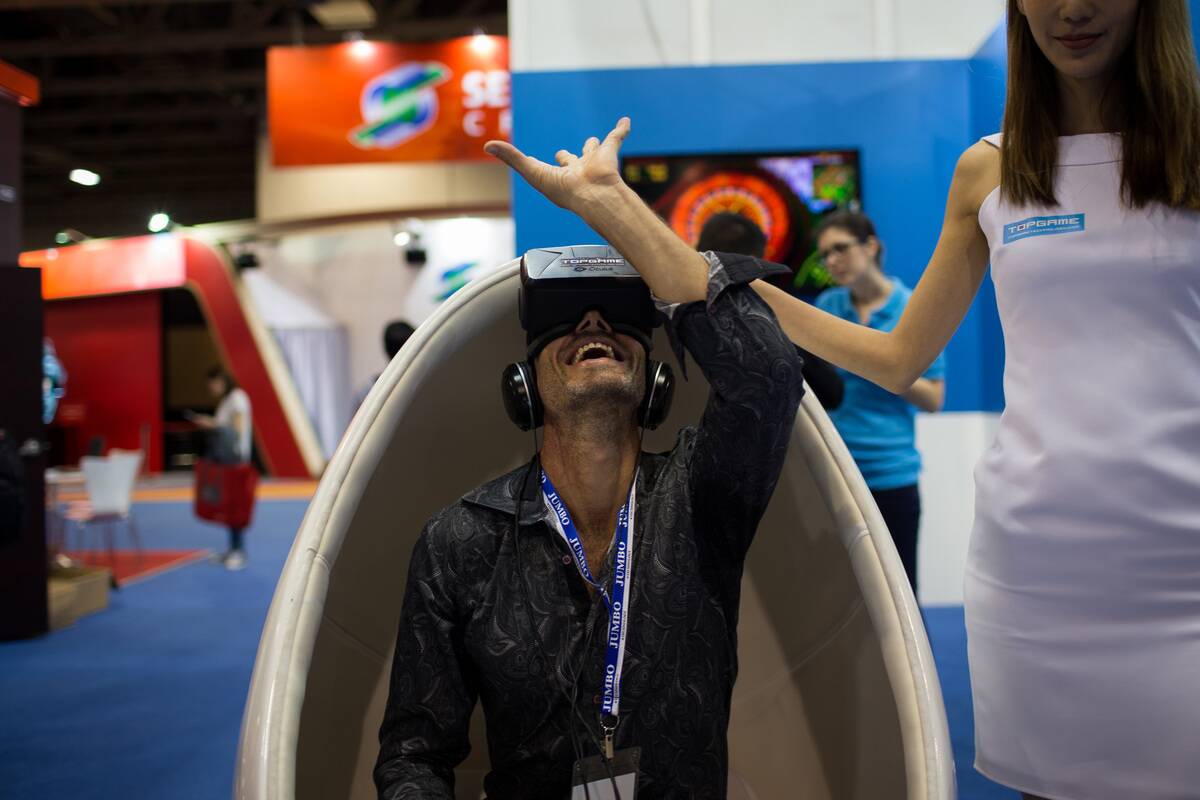
Virtual reality vacations offer a way to experience destinations without the need for physical travel. VR platforms such as Meta Quest provide immersive applications that allow users to explore simulated environments, from natural landscapes to historical sites.
These virtual experiences give people the opportunity to discover new places from the comfort of their homes. As VR technology continues to advance, virtual tourism may become increasingly realistic and interactive, offering new ways to explore the world digitally.