Things you could do on an airplane in the ’80s that you could never do today
When people think of air travel today, the things that come to mind are long lines, security checkpoints, and a whole lot of stress. But it wasn’t always this way. If you ask people to look back to decades past, they’ll tell you that flying used to be better. Maybe it’s just people being nostalgic or looking at the past through rose-colored glasses, but a lot of things have changed since the 1980s and now.
How many of these policies and practices do you remember about flying in the 1980s?
Buy A Ticket At The Gate With Cash
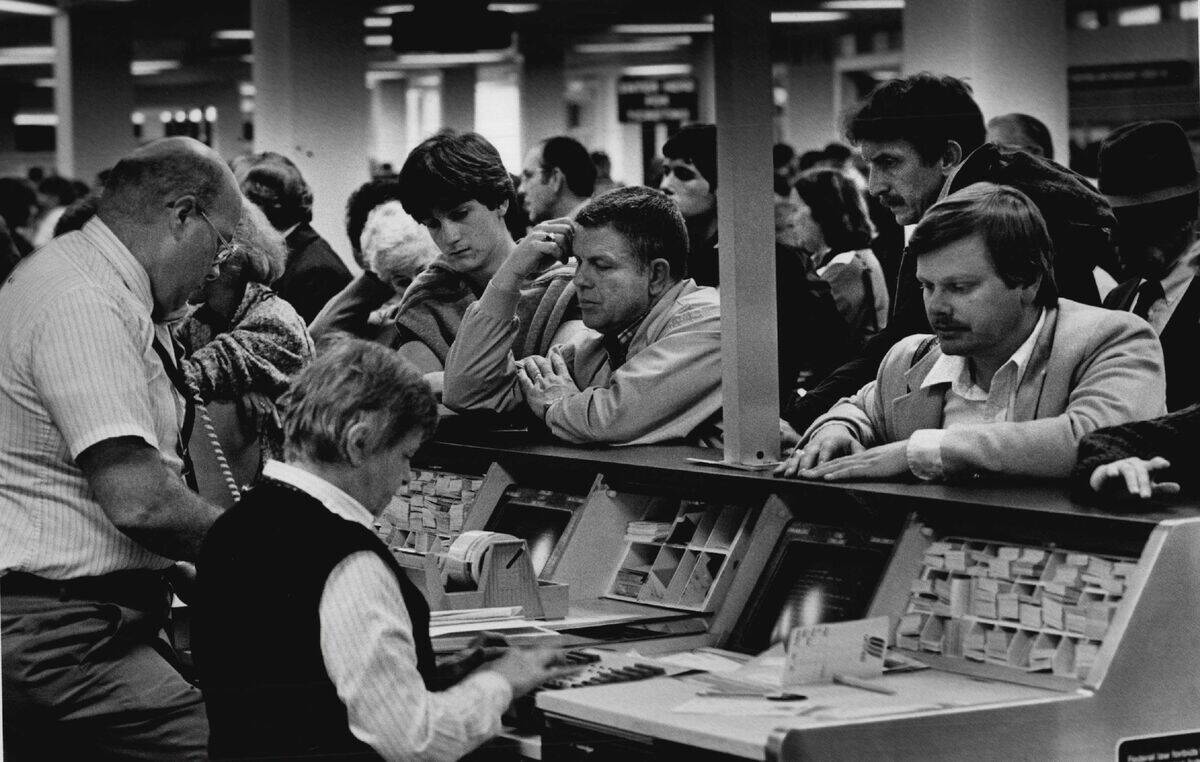
Even though many people relied on travel agents back then, it was also perfectly acceptable to walk up to a counter and buy a ticket with cash. Yes, it really was that simple. These days, most airlines have shifted to a cashless system, so this isn’t really an option anymore.
You Could Arrive 20 Minutes Before Your Departure Time
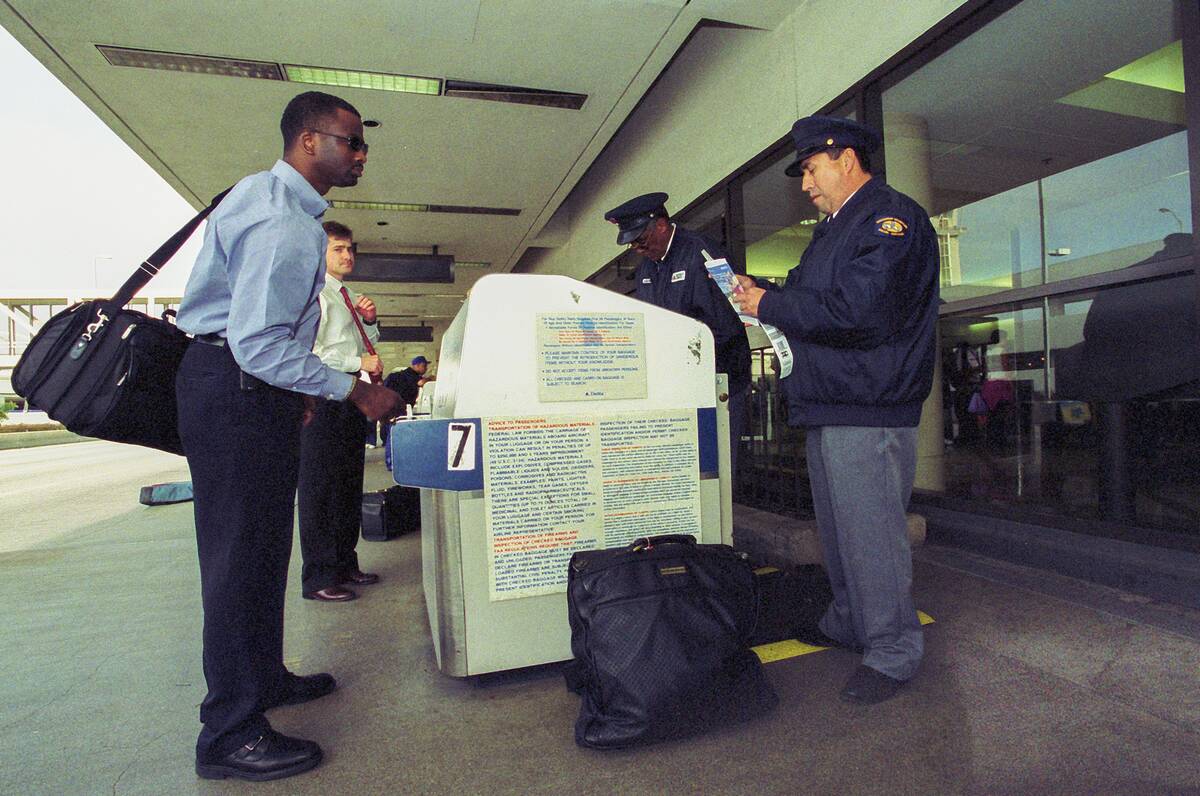
Nowadays, most people arrive at the airport at least two hours before departure, and sometimes up to six hours before their flight time. Since there was less vetting before boarding, it was possible to be dropped off at the curb, run into the airport, go through the metal detector, and arrive at your gate. It was a totally different time!
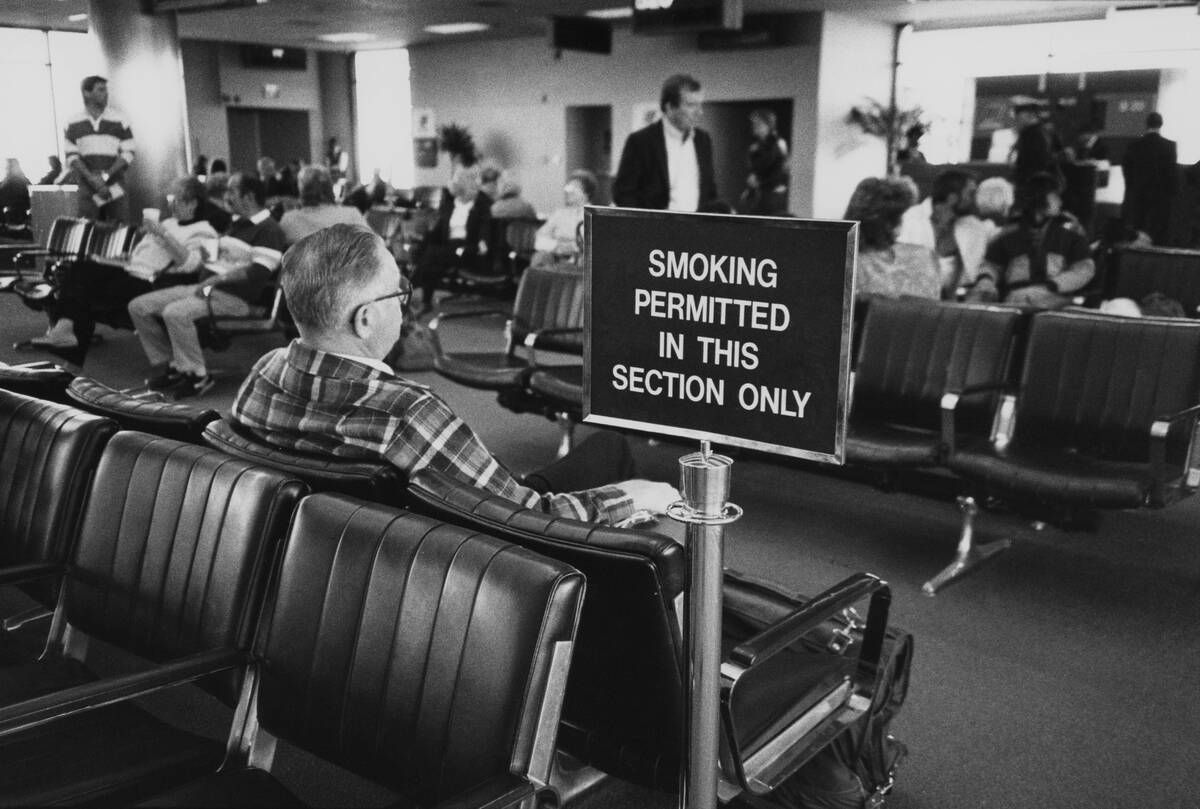
Smoking On Planes Was Permitted
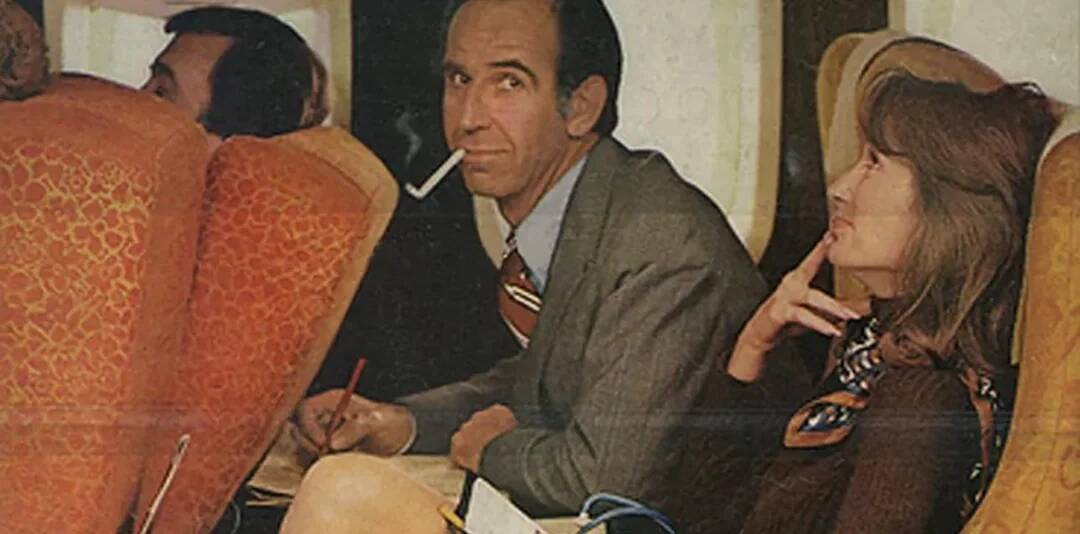
One of the biggest differences about flying in the ’80s was that smoking was still permitted on board. In fact, many airlines had smoking and non-smoking sections, although they were just different sides of the plane, separated by the aisle. Of course, as we became more aware of the dangers of smoking and secondhand smoke, smoking on planes was banned in the 1990s. Now, we all get to see those little “no smoking” symbols on planes and in airports every time we travel.
Knives, Box Cutters, and Multi-Tools Were Allowed On Board
How many of you have had your nail clippers or sewing scissors confiscated during the security check at the airport in recent years? In the modern age, you can’t bring anything on a plane that could be used as a weapon. But in the ’80s? Airlines had items like knives and boxcutters included in the list of objects you could bring on.
Liquids In Carry-Ons Were Welcome And Common
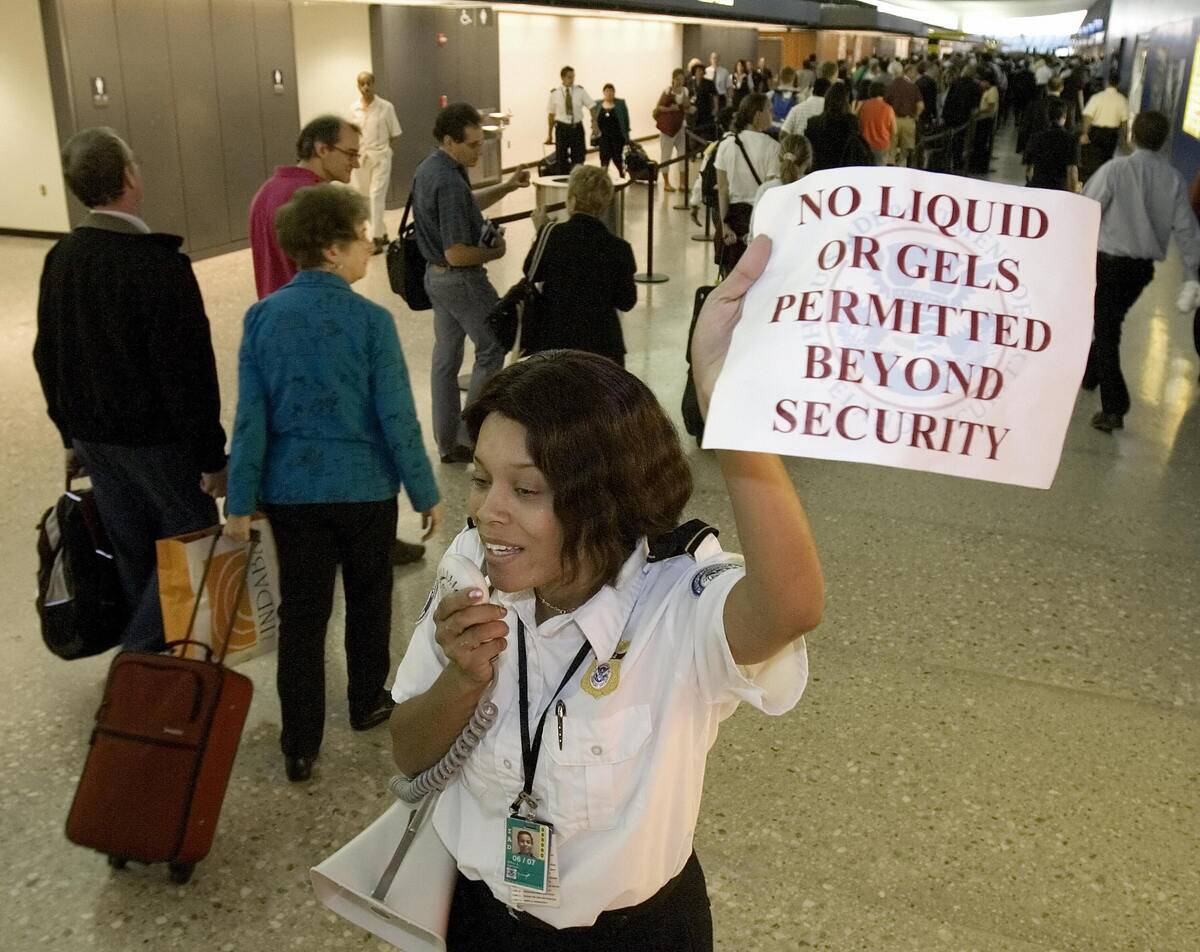
Drinks, toiletries, and other liquids weren’t problematic to bring on planes in the 1980s, but it’s a totally different story today. In the modern era, people can only bring small amounts of liquids on board after a 2006 incident where terrorists brought liquid explosives on a plane. Now it seems that having your drink confiscated at security is a rite of passage for travelers.
Loved Ones Could Actually Say Goodbye To You At The Gate
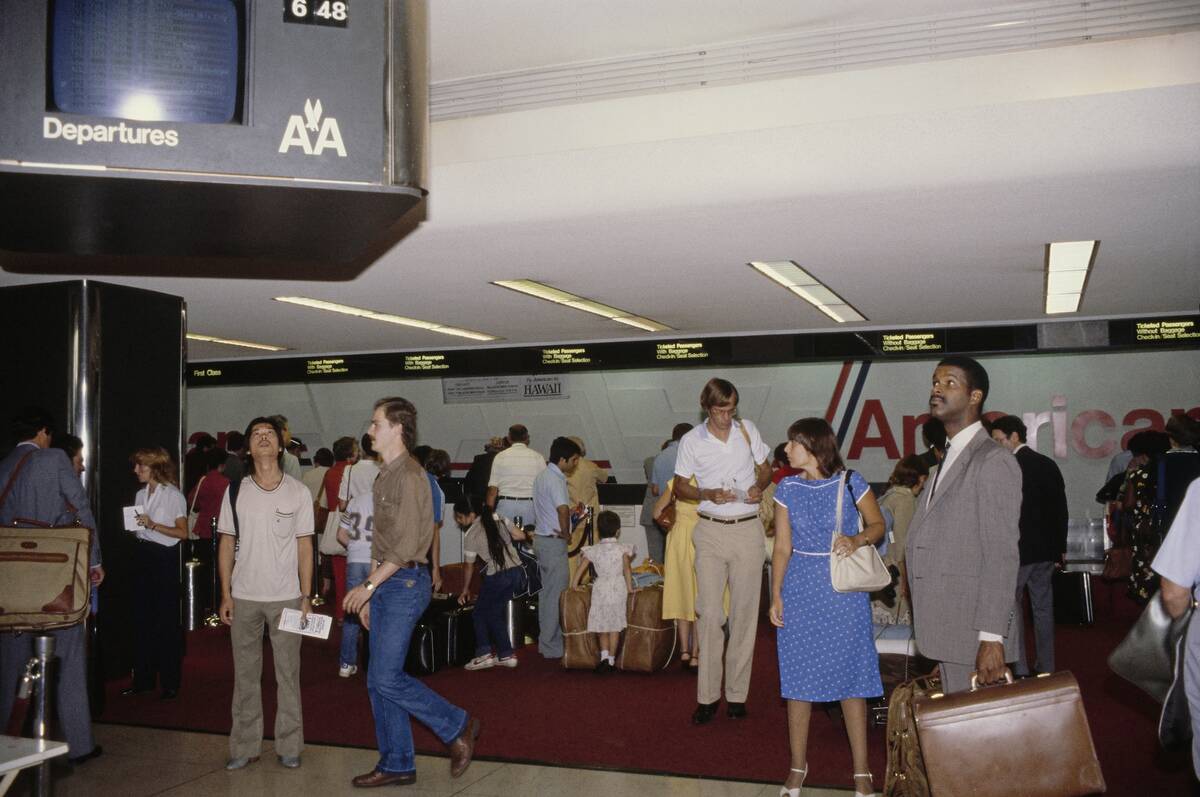
Nowadays, people must say their goodbyes before the security checkpoint because only passengers with a boarding pass are allowed after a certain point. But it wasn’t always this way. Many people who flew in the ’80s have fond memories of their friends and families walking right up to the gate with them and saying goodbye. Then, when you returned from your trip, your family would be waiting at the gate to greet you. It was a different time.
Bags Were Checked For Free
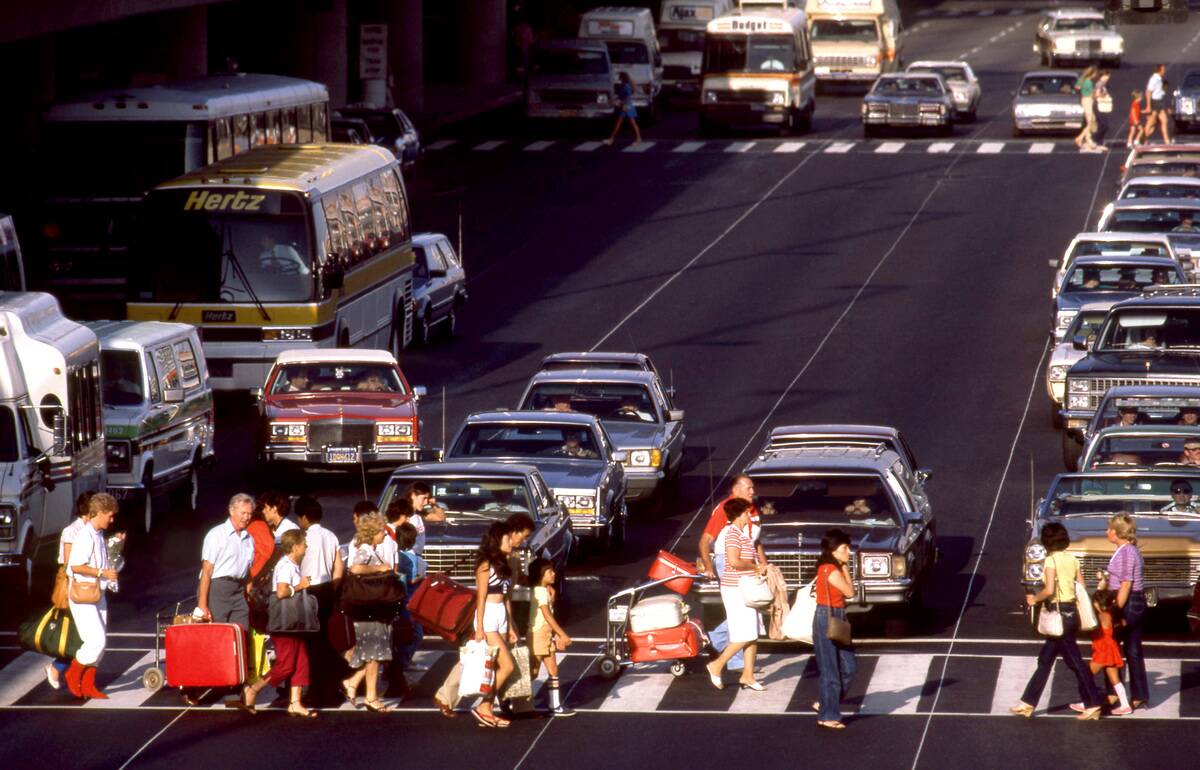
In the ’80s, everyone checked their bags. Not only was this a free service offered by all airlines, but the luggage at the time was difficult to carry. Wheeled suitcases weren’t common yet, and so, to save themselves the hassle of lugging heavy bags all over the airport, most people checked their luggage.
The only downside was that luggage theft was common, so most people invested in luggage with a locking mechanism to deter thieves.
You Could Pack As Much As You Wanted
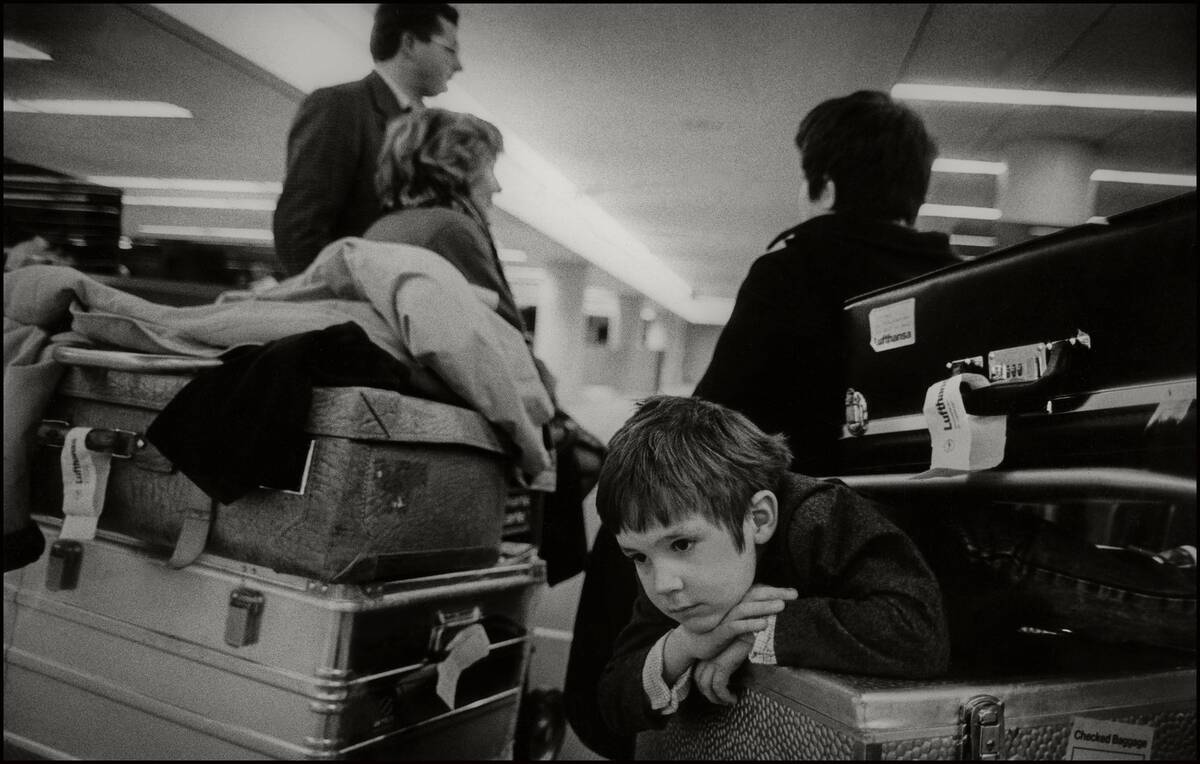
Many travelers who fly now are stressed about ensuring their bags are under the maximum limit to avoid additional fees. Back in the day, this wasn’t really a concern. People often packed lighter because they didn’t bring as many electronic devices. Plus, wheeled luggage wasn’t a mainstream item yet, so you had to carry what you packed. There were also typically fewer passengers per flight, so there weren’t any fears about the plane exceeding its weight limit.
A Visit To The Cockpit Was Part Of The Experience
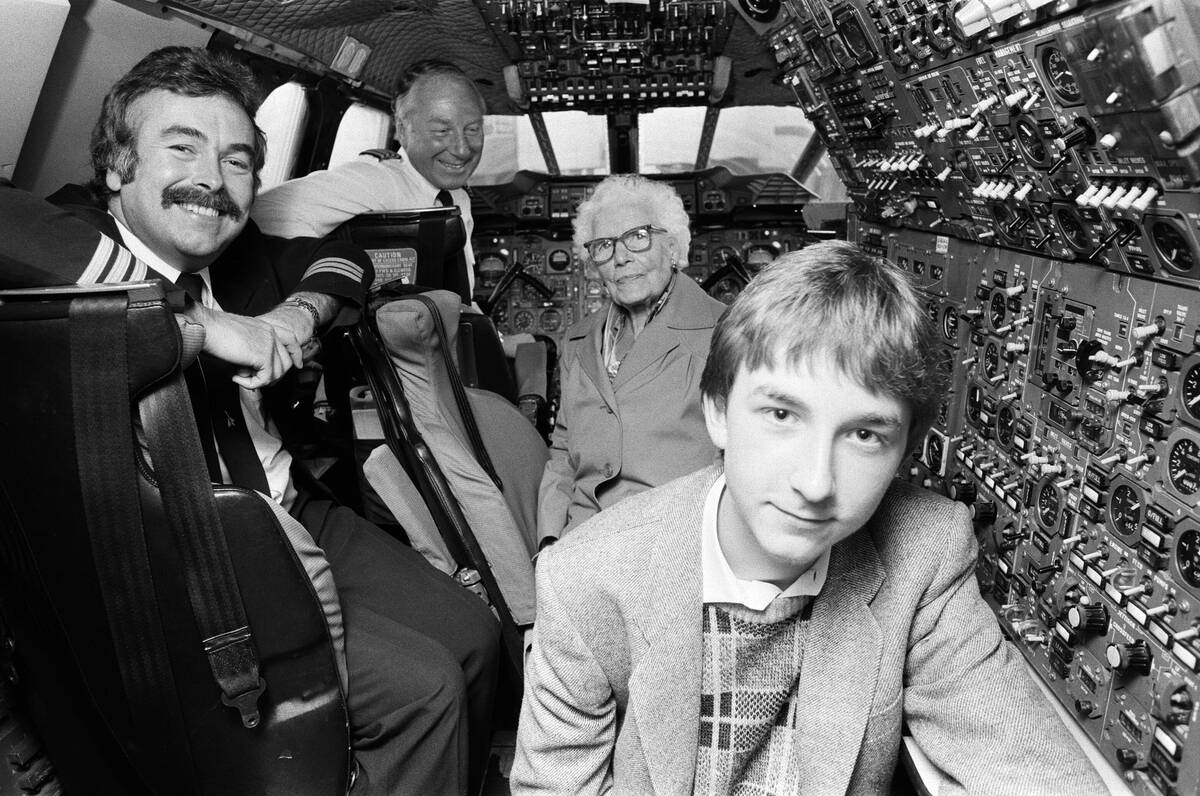
How many of you remember visiting the pilots in the cockpit when you were a kid? It used to be a fairly common tradition and gave kids the opportunity to see all the instruments that made the plane work. Obviously, these meet-and-greets stopped completely in modern times. Due to increased security measures, only pilots are allowed in the cockpit at all times, and access is limited by a locked, bulletproof door. However, many pilots will greet passengers during boarding or after landing.
Airlines Didn’t Compete On Price
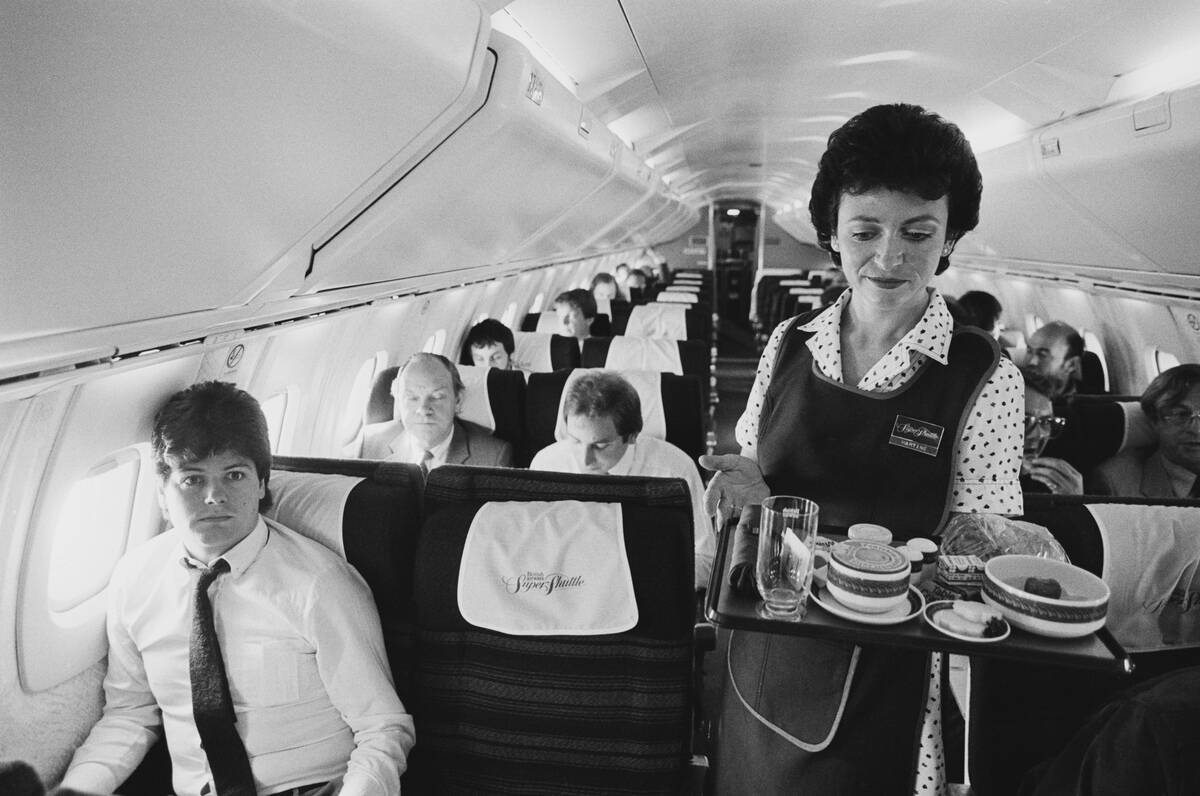
When airline deregulation ended in the late ’70s, it gave airlines the power to set their own prices. However, many realized that since passengers couldn’t easily compare prices between airlines anyway, most didn’t compete on price. Instead, airlines focused on customer service, offering additional amenities on board to seem more attractive to flyers.
You Could Actually Spread Out Your Legs
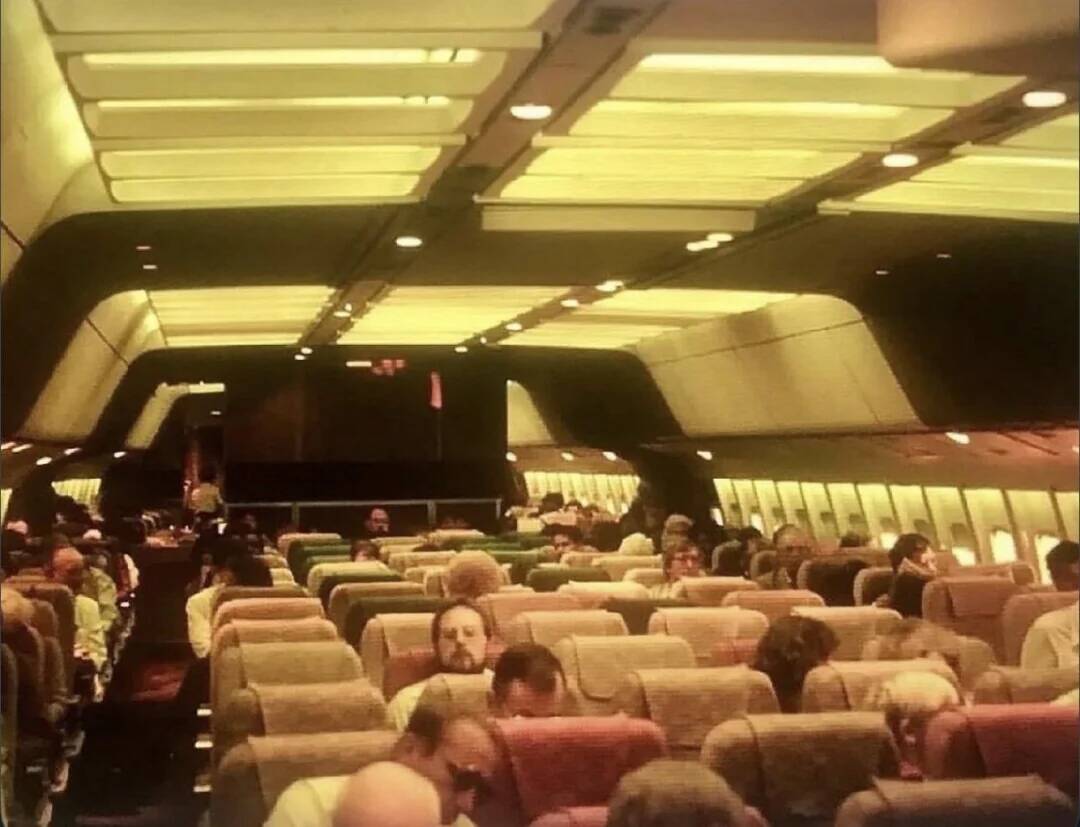
Most people who flew in the 1980s remember having bigger seats and much more legroom. In general, flying was still quite expensive for the average person back then, so planes didn’t need to accommodate large groups flying at once. The result was a comfier experience that was significantly better than flying today, where passengers fight over every inch of space.
Roam The Airport As Much As You Wanted
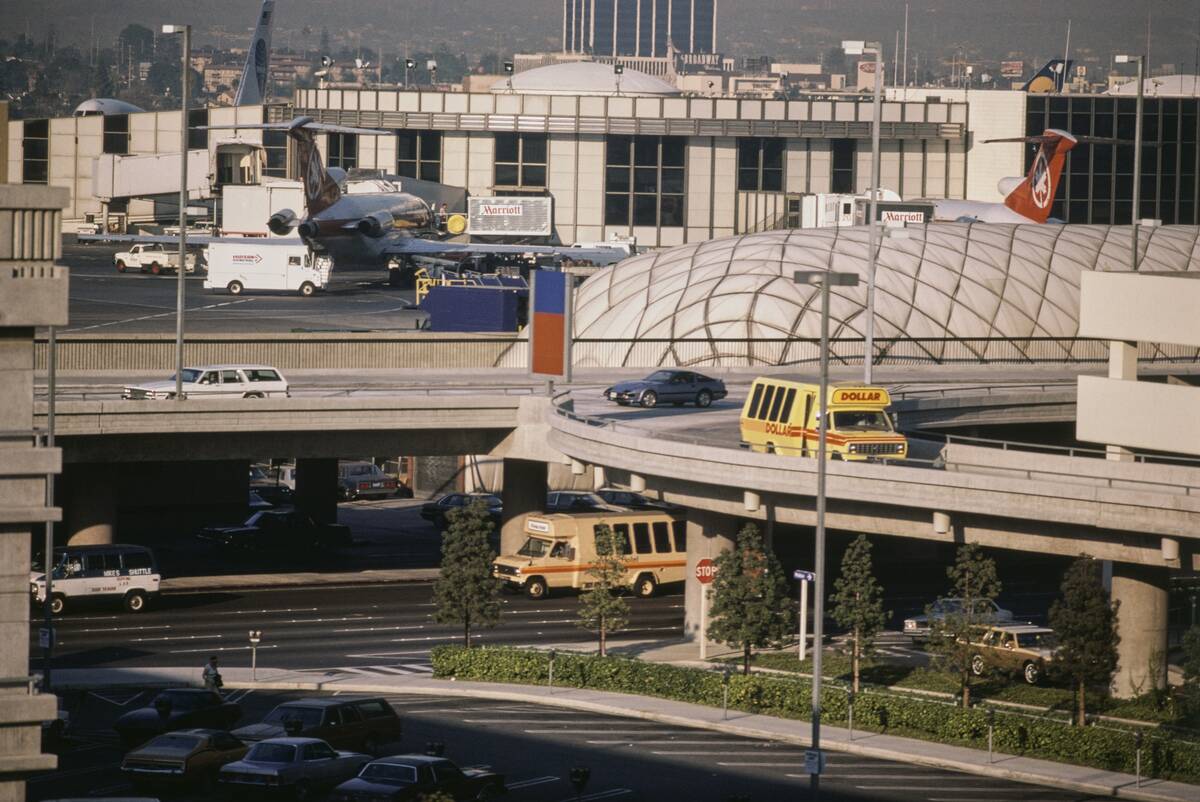
Some people on Reddit remember going to the airport just to roam or hang out when they were bored. Since people didn’t need a boarding pass to go into the terminals or gates, spending time at the airport was an option.
You Didn’t Even Need ID To Board
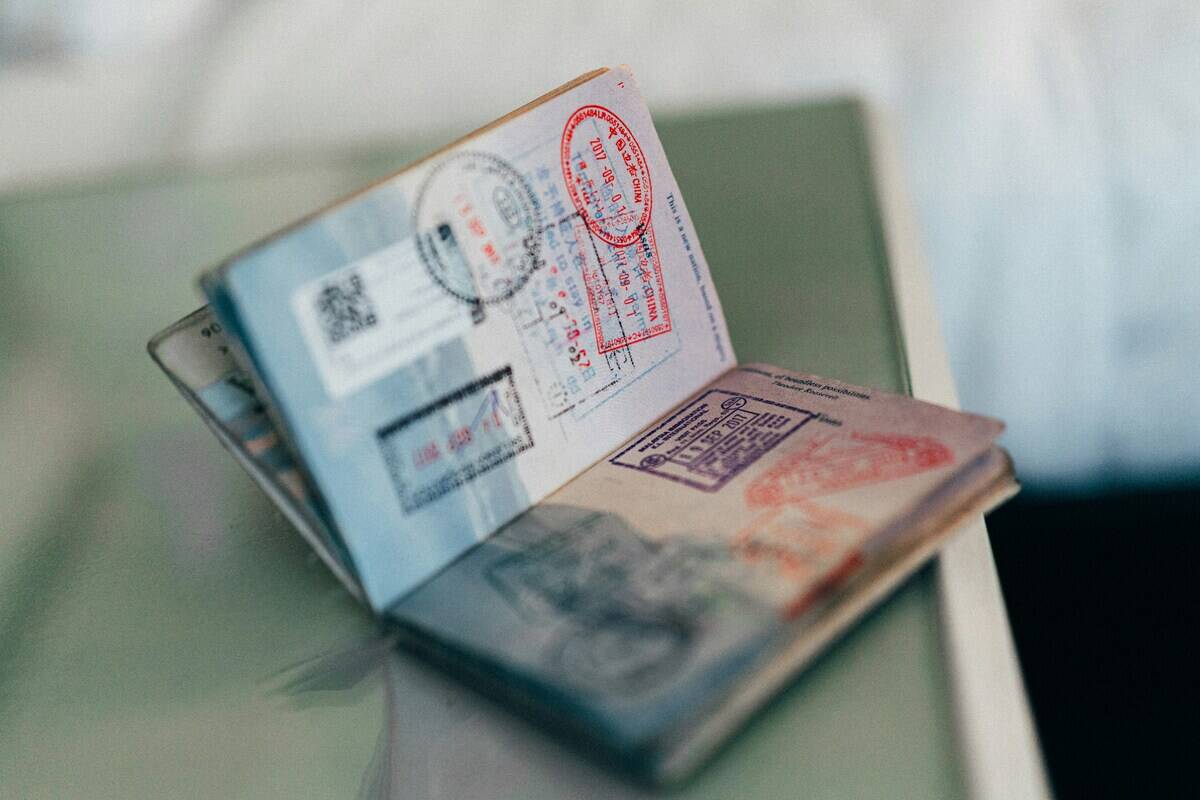
If you were traveling domestically, you didn’t even need ID to board the plane. You could buy a ticket, pay in cash, and be on your merry way. Of course, the process was different for international flights were a passport was needed to clear customs. However, for Americans flying to Canada or the Caribbean, usually just a driver’s license would suffice for those destinations.
Flight Attendants Were Still Primarily Women, But It Was Changing
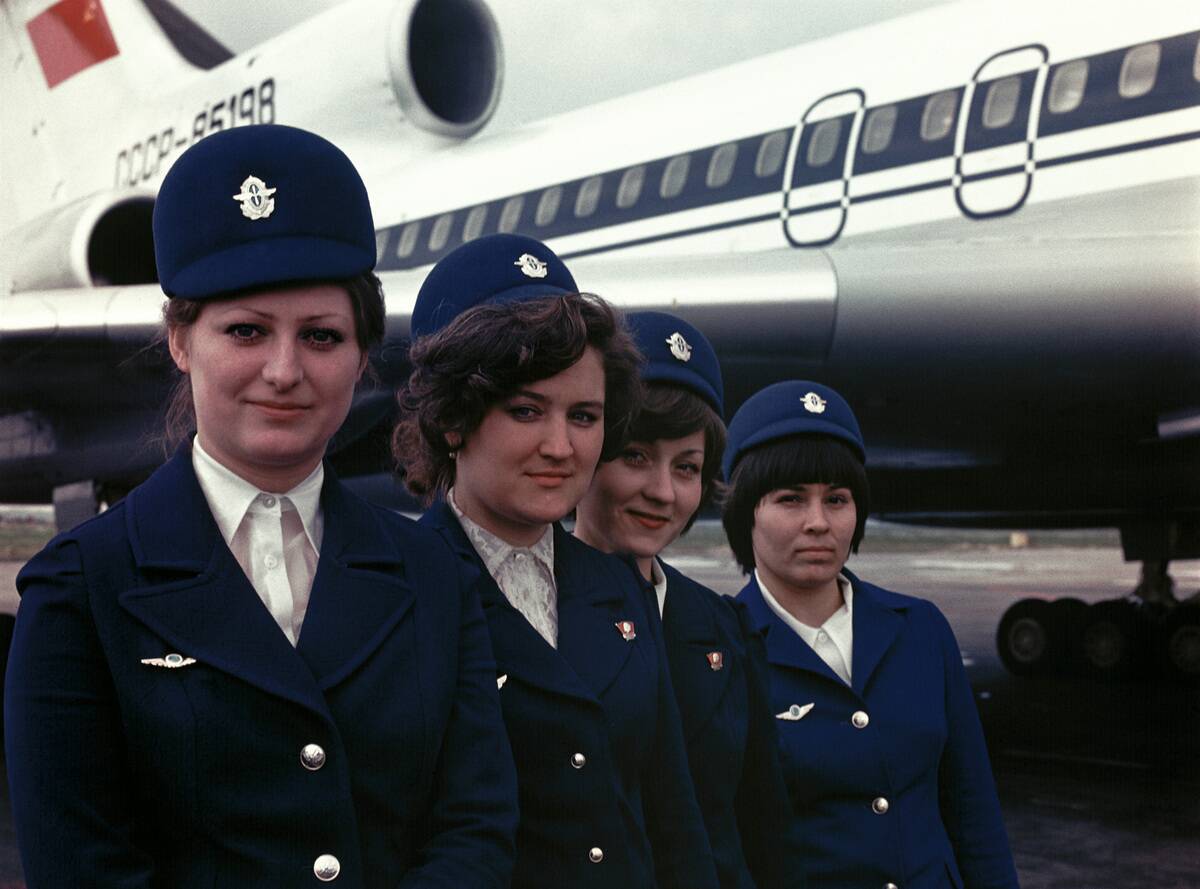
Since the beginning of commercial aviation, airlines decided that women should take on the role of stewardesses, now known as airline attendants. This was rooted in outdated beliefs that women were natural “caretakers” and could put passengers at ease. By the ’80s, more men were entering the profession after anti-discrimination lawsuits ended the practice of hiring only women for the role. We also now know that flight attendants are more than a service role – they play a crucial part in passengers’ health and saftey during the flight.
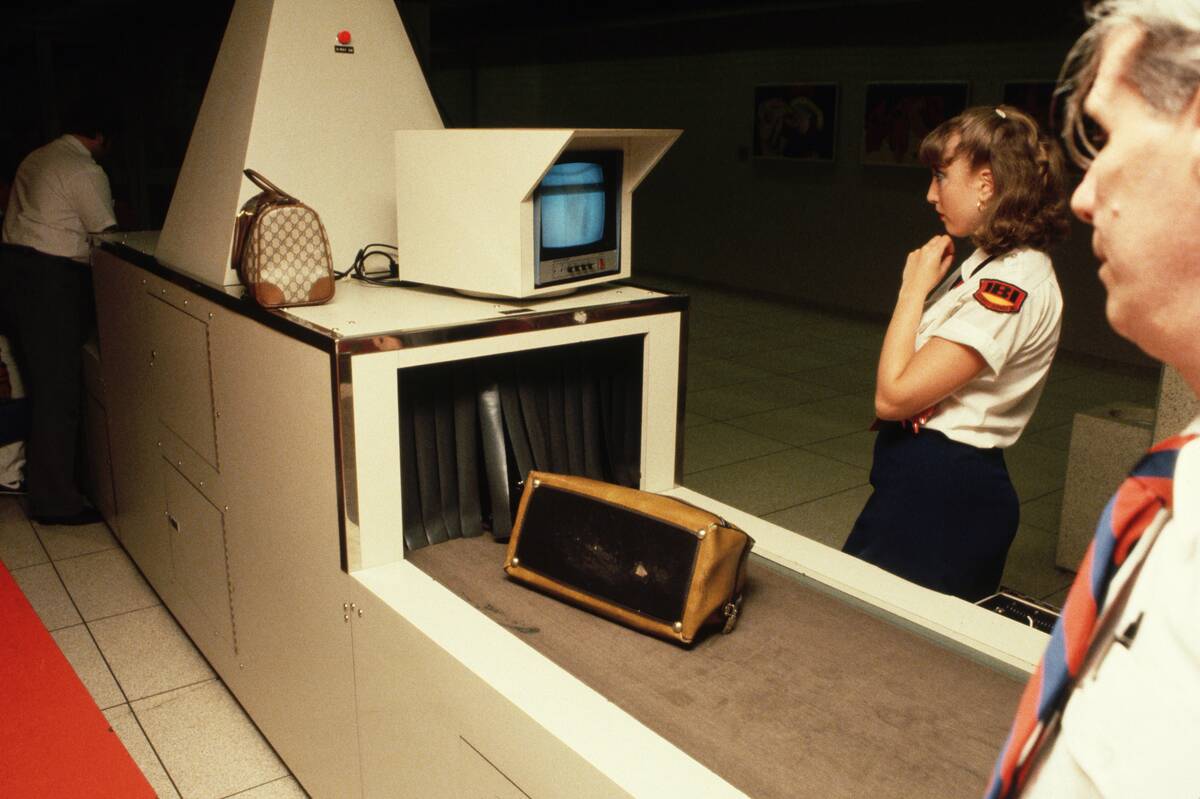
Security Consisted Of One Metal Detector
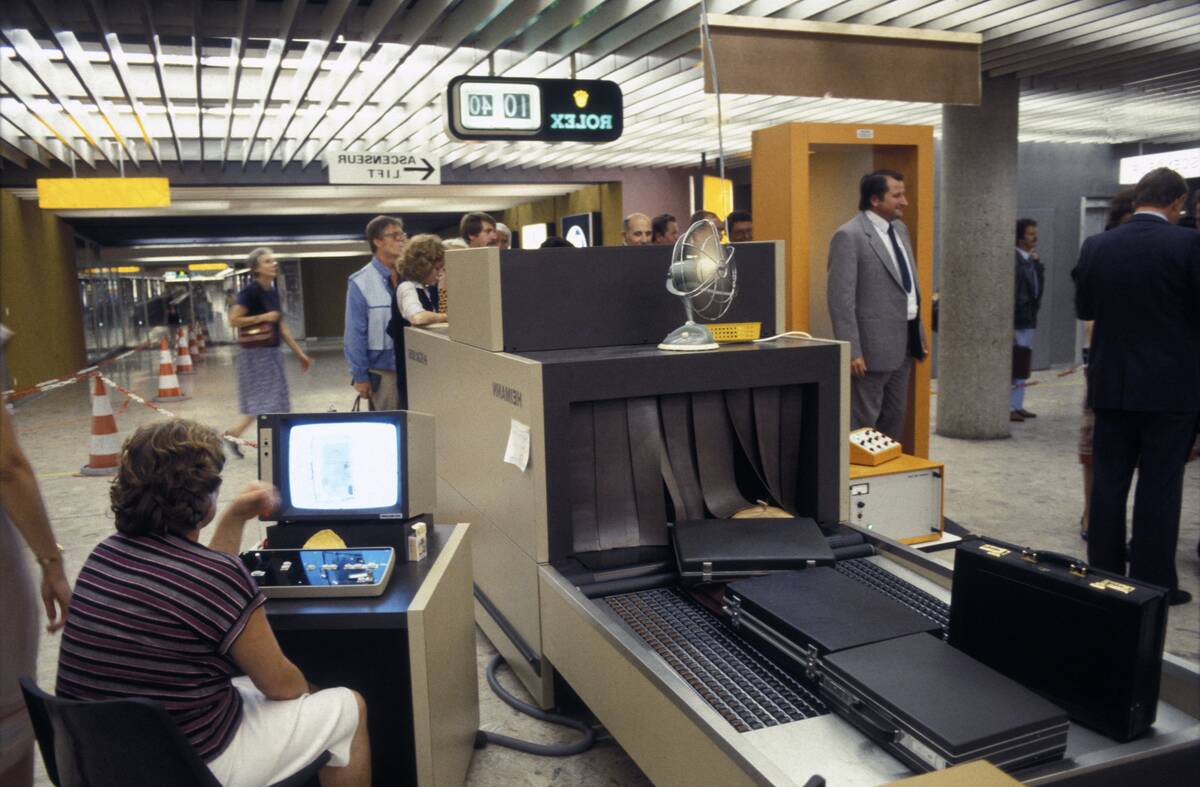
Today, passengers have to go through metal detectors, full-body scanners, carry-on scanners, and are sometimes pulled aside for additional screening or questioning. It’s an exhausting and stressful process, even though it’s for safety. In the 1980s, there was one metal detector and… that was it. A lot of people miss the simple security process, but after some serious flight-related tragedies, it makes sense why security had to be improved.
Airlines Actually Served Meals
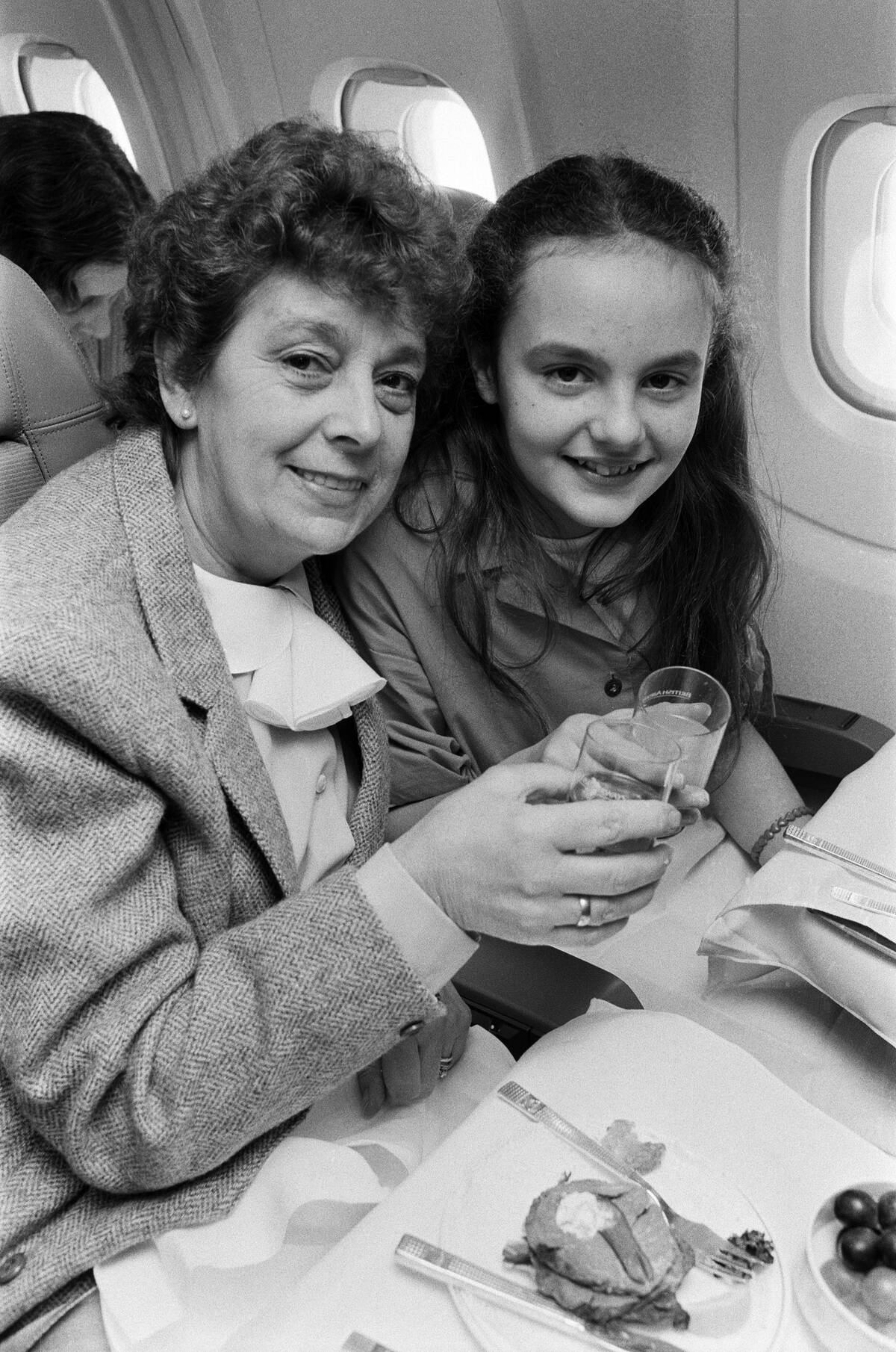
Before airlines nickel-and-dimed passengers for everything, having a meal on the plane was a standard part of the experience. Most flights included a hot meal with your ticket, although opinions are divided on how good the food was. Some people say the food was typically bland, but still appreciate that it was included all the same.
Movie Projectors Entertained Passengers
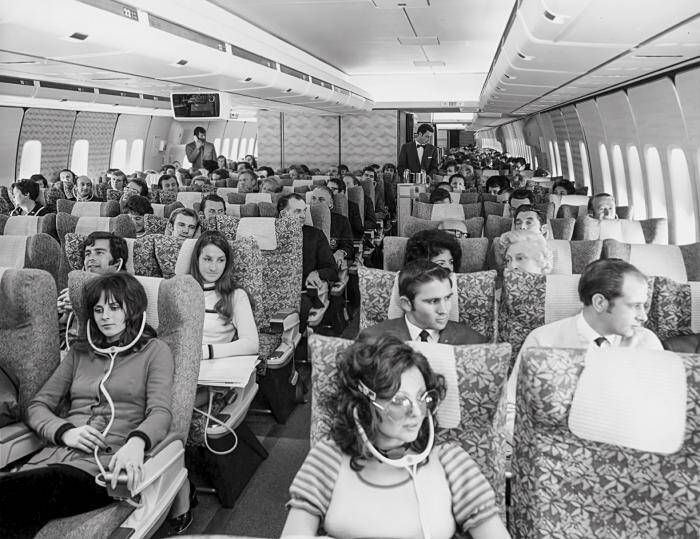
In-flight entertainment in the 1980s consisted of a single movie shown using a screen and projector. Passengers could rent stethoscope-style earphones to listen to the movie as it played. In many ways, most people are happy that planes have upgraded to personal TVs for every passenger that include a number of on-demand options.
No Long Lines At Every Stage Of Boarding
When flying today, most people expect to spend a lot of time lining up before they even board. There’s a line-up to get your boarding pass and check your luggage, a line-up for security, and a line to board. Since the process didn’t require as many security checkpoints in the 1980s, the process seemed faster and more streamlined.
Kids Got Their “Wings”
A visit to the cockpit wasn’t complete until kids got their wings, usually a small metal pin with the airline’s logo that was worn by a plane’s crew. Other airlines offered pilot hats or other small trinkets to children traveling on planes.
Airlines Provided More Amenities
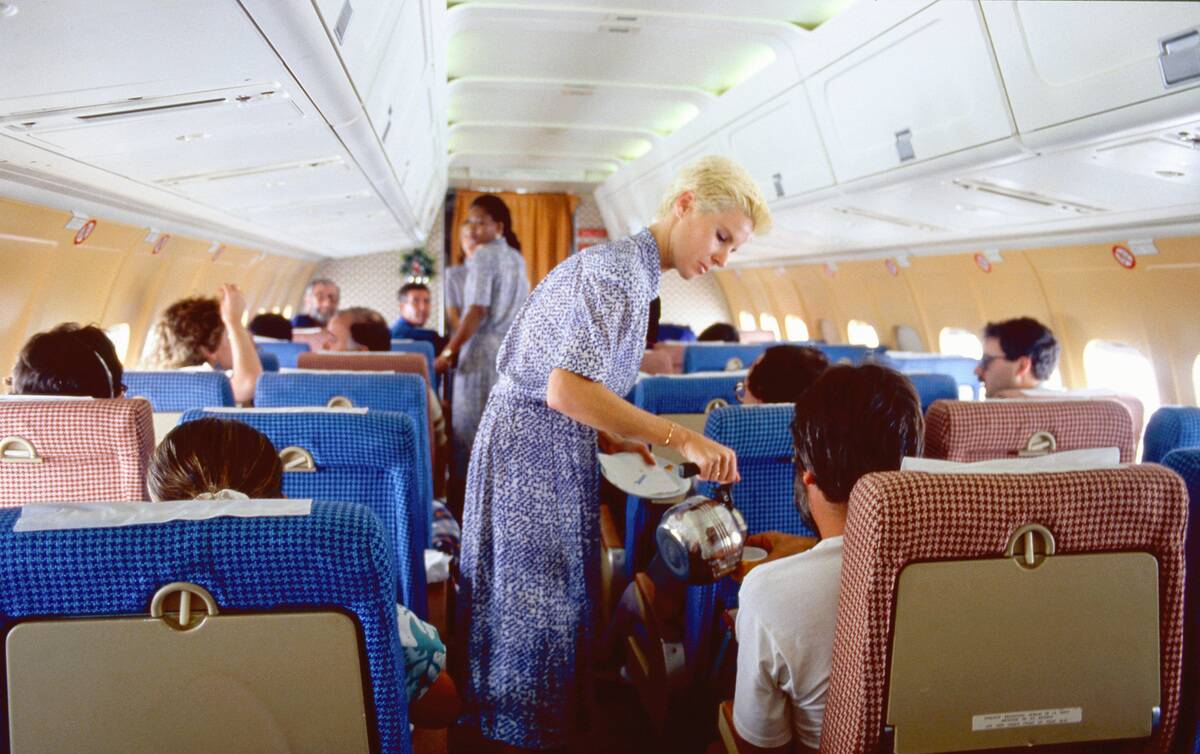
Pillows, blankets, playing cards, and bars of soap were just some of the free amenities that airlines provided to their passengers back in the 1980s. Some people even remember being offered a magazine to read when they boarded. These days, free amenities are scarce. If you want or need anything outside of your boarding pass, there’s usually a fee to cover it.
Paper Tickets Made Planning A Trip More Challenging
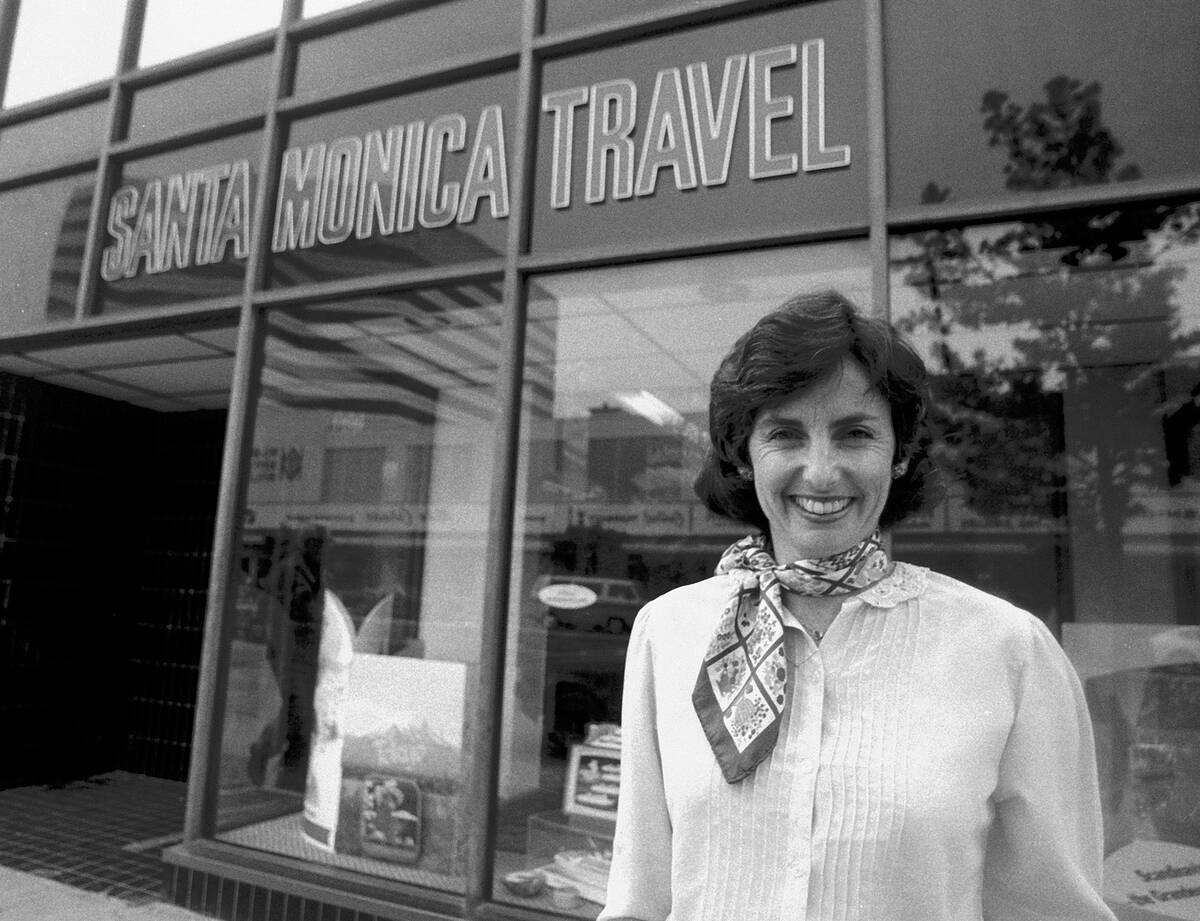
Of course, back in the 1980s, the internet didn’t exist, so all air travel had to be planned meticulously. If you were going overseas, using a travel agent was a must to ensure you were booked at good hotels and that your flights were all arranged. A paper ticket was typically mailed to your home prior to your departure date, and that ticket was essential to getting on your flight.
Travel Attire Was Beginning To Relax
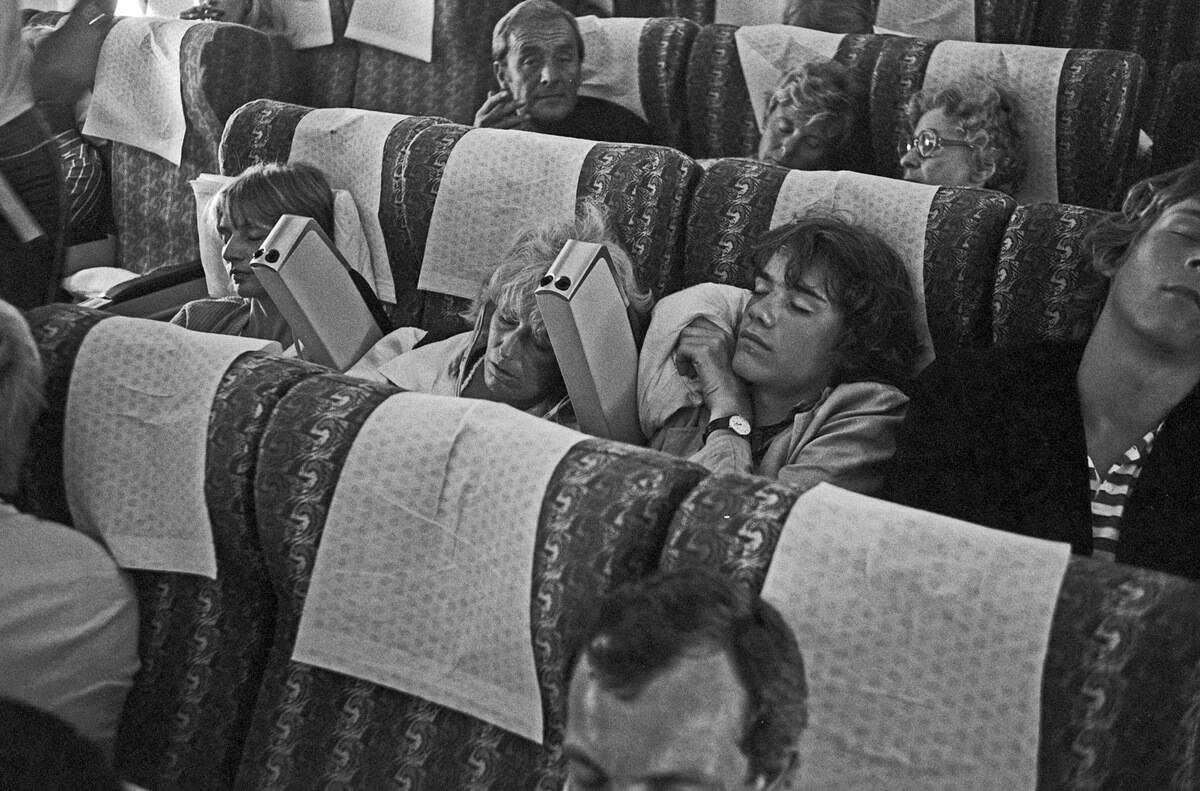
In the 1950s and 1960s, traveling on a plane was considered a luxury, and people dressed up for the occasion. Both men and women would wear their finest suits or business attire to fly. By the 1980s, airplane fashion was beginning to relax. People were still somewhat dressed up but not in full suits. It definitely seemed more formal compared to today’s standards, where many people opt for athleisure or pajamas when they fly.
Picking Your Seat Was Not Guaranteed
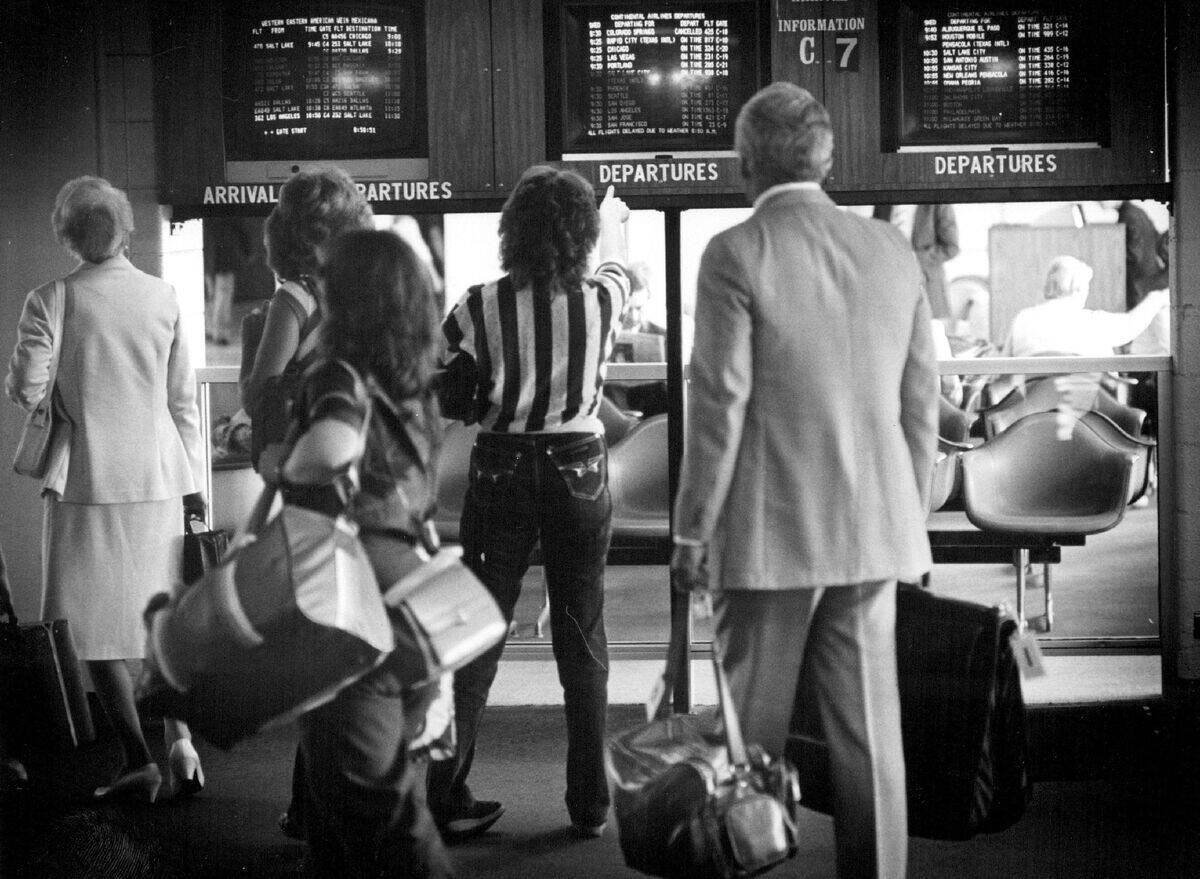
Since online booking was decades away, seats were usually assigned on a first-come, first-served basis, unless you booked a specific seat with a travel agent beforehand. Some people remember airlines having a large chart showing available seats on the plane, and when you picked your seat, the gate attendant would peel a sticker from the chart and place it on your boarding pass.
The Overhead Compartments Weren’t Overstuffed
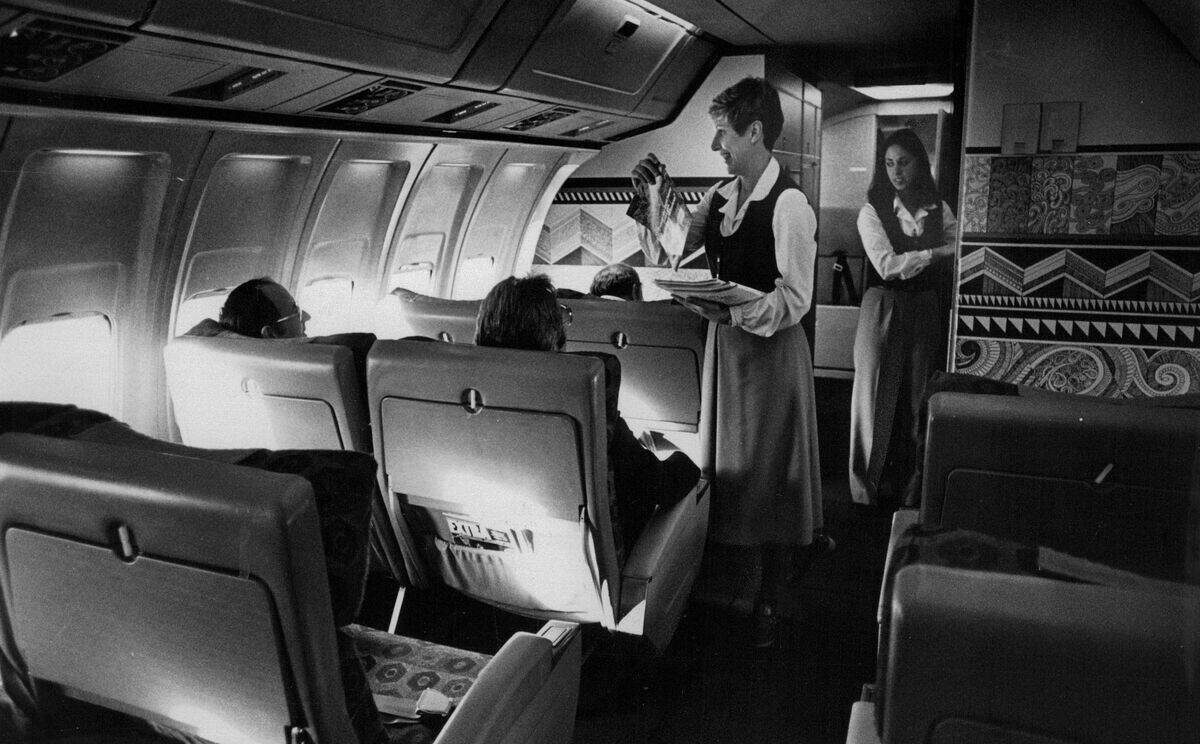
Since checking your luggage was free in the 1980s, most people took airlines up on this offer. As a result, the overhead bins were relatively empty since people weren’t trying to cram their suitcases in them. In fact, carry-on bags as we know them weren’t even really a thing. The overhead bins were where people stored purses, briefcases, and backpacks.
Airplanes Had More Style
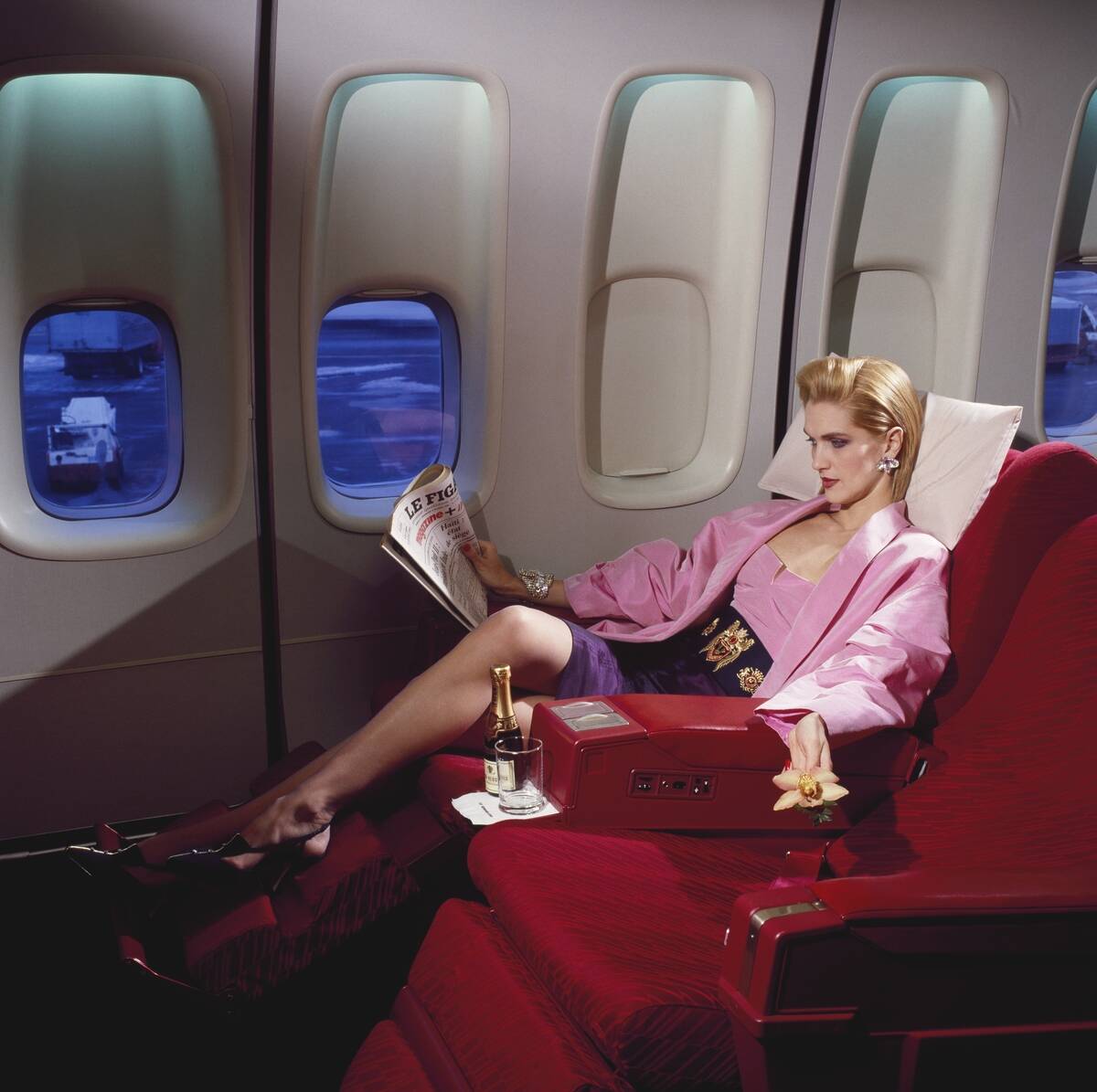
Most airplanes today could probably be described as “sterile”. Of course, there are some practical reasons for this aesthetic, namely that it’s easier to clean. But in the 1980s, many airlines still used bold fabrics and colors inside their cabins. Airplanes themselves also had cheatlines – fun graphic designs – painted on the exteriors that gave them a unique look.
There Were Real Cutlery And Glasses
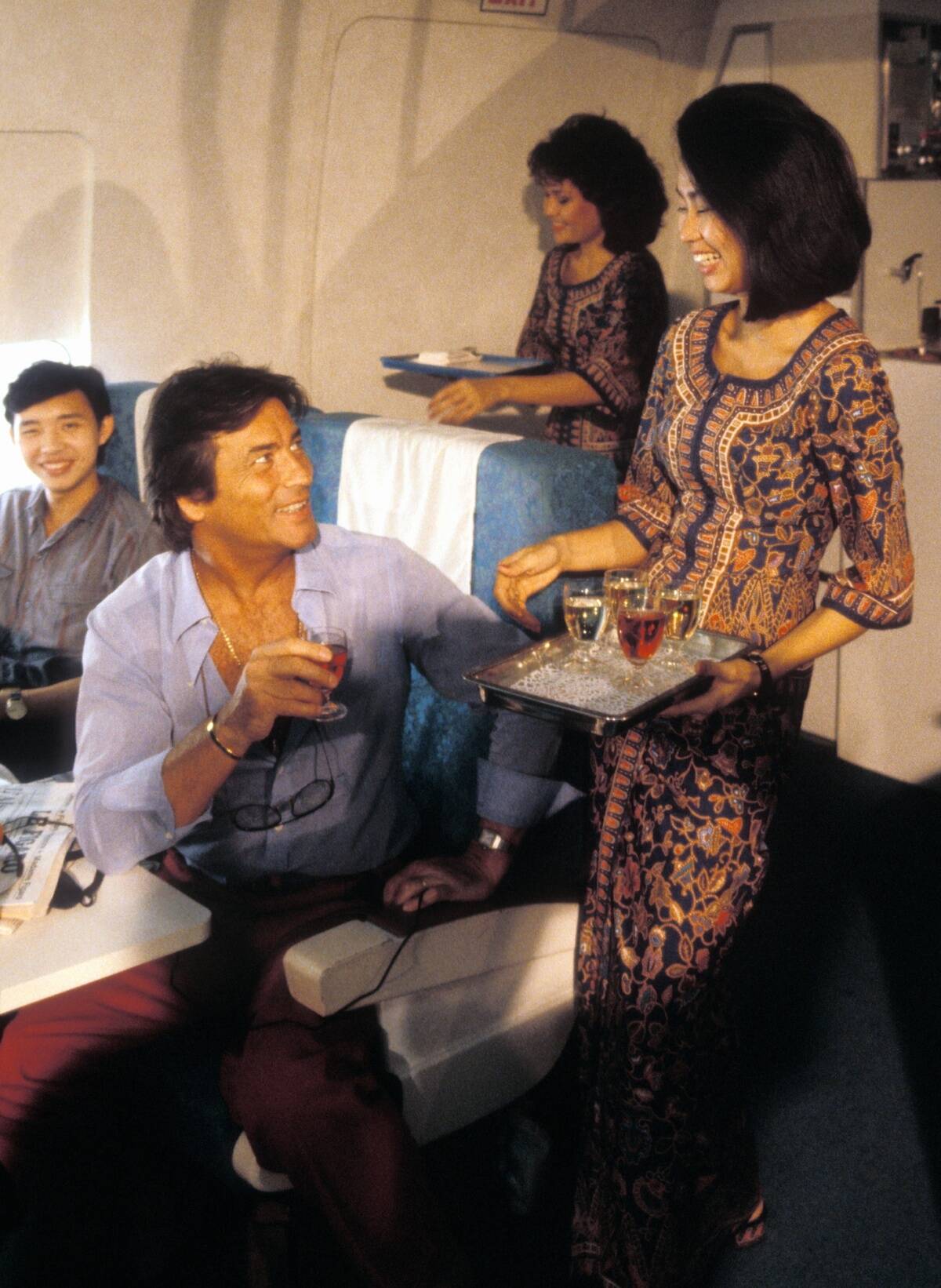
Besides the free meal, many airlines also opted to use real cutlery, china, and glassware back in the 1980s. These amenities might seem mundane now, but for those who flew back then, it seems better compared to the over-reliance on plastic everywhere you go now.
Customer Service Seemed More Genuine
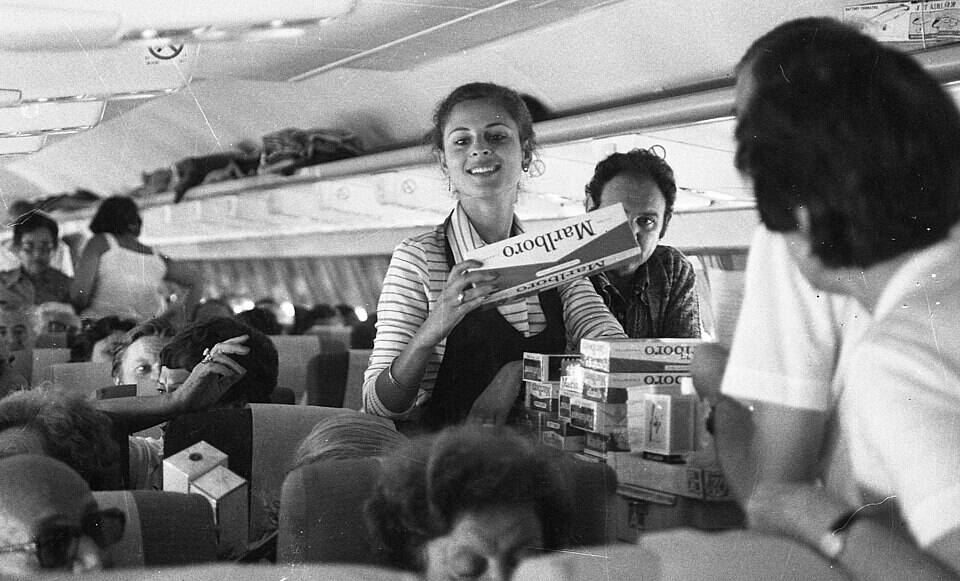
Many people online report a feeling of being more appreciated by airlines and treated like a valued customer. Airlines needed to have a positive reputation to invite back repeat business in the era before online reviews and viral videos. Of course, this is purely anecdotal, but maybe service norms have changed in the decades since.
Stocking Up At The Duty Free Was Part Of The Experience
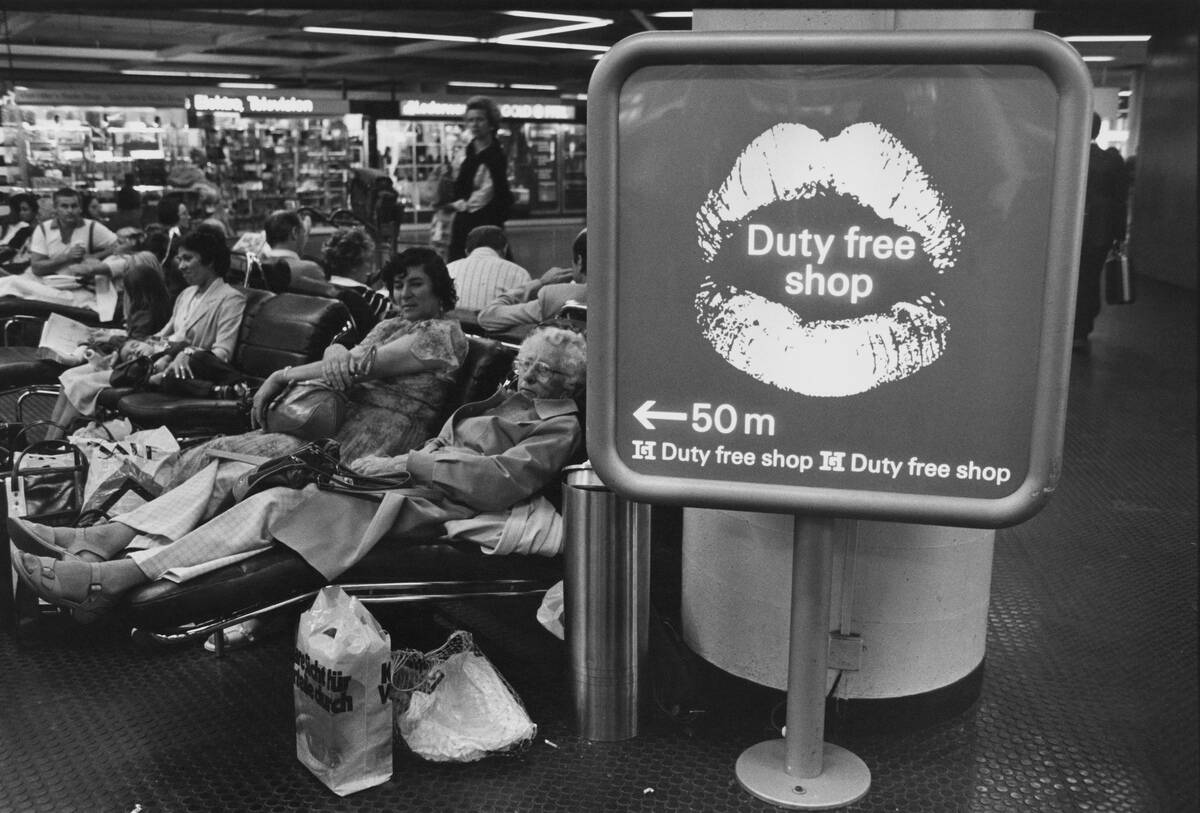
Duty-free stores still exist in airports, but they aren’t as big of a deal as they used to be. In the 1980s, they offered huge savings on alcohol, perfume, and cigarettes, and many travelers would take advantage of the low prices to stock up. If you were traveling back then, you probably had people asking you to pick them up something at the duty-free store.
First Class Felt More Exclusive
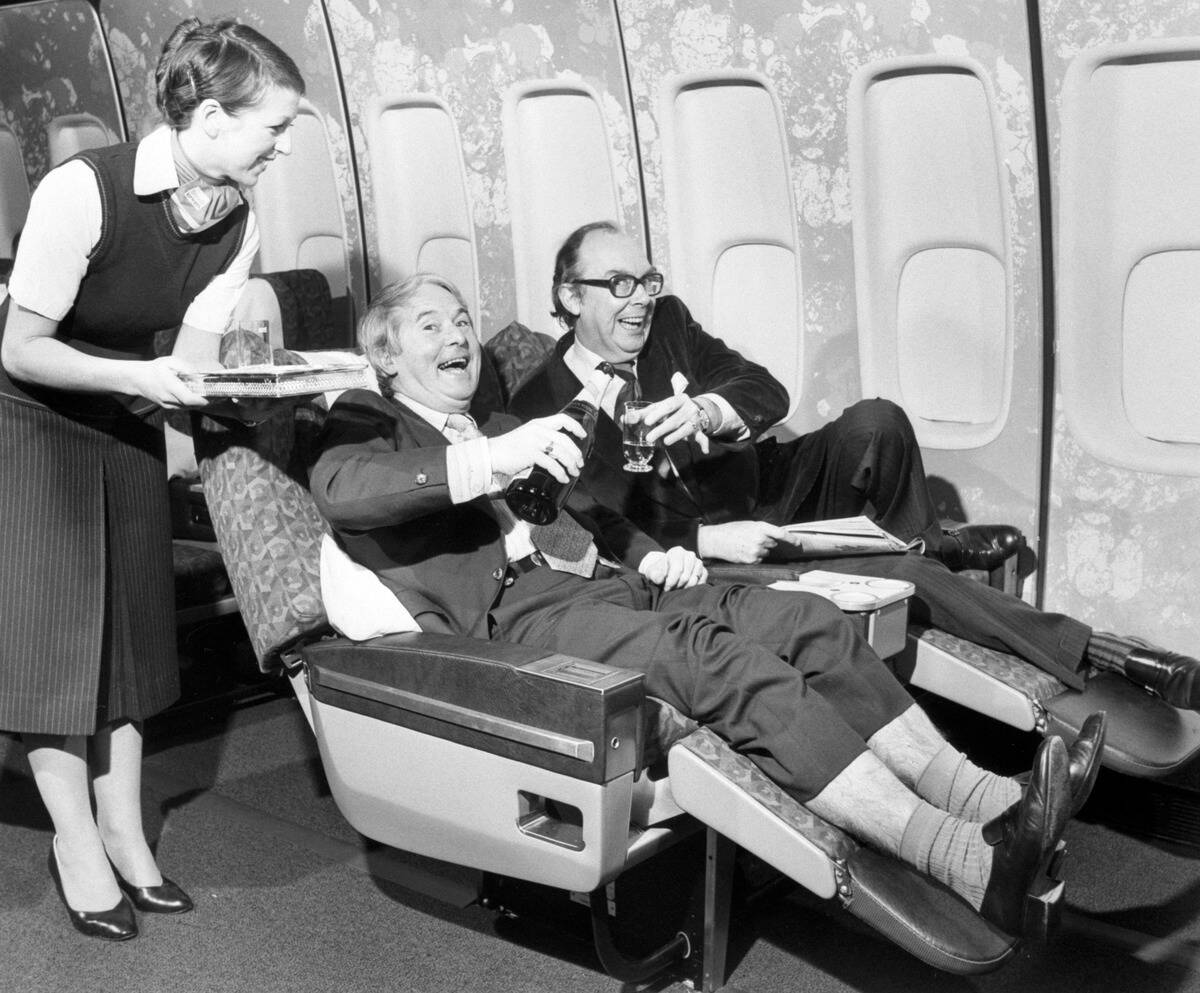
First-class passengers were treated with wide, roomy seats, multi-course meals, and free drinks. Some planes even had luxurious upper-level lounges reserved for these passengers, where they could stretch their legs and hang out for a bit. Today, some first-class passengers have semi-private cabins with seats that fold flat into beds, so the luxury is still there, but it’s much different.




