Trains that defined America’s golden age of travel
The Golden Age of rail travel in America was a time when trains were the epitome of luxury and innovation. During the late 19th and early 20th centuries, trains were the primary mode of long-distance transportation, offering a glamorous alternative to the bumpy roads of early automobiles.
This era wasn’t just about getting from point A to B; it was about the journey itself, with opulent dining cars, plush seating, and impeccable service.
The Rise of Passenger Trains: A Brief History
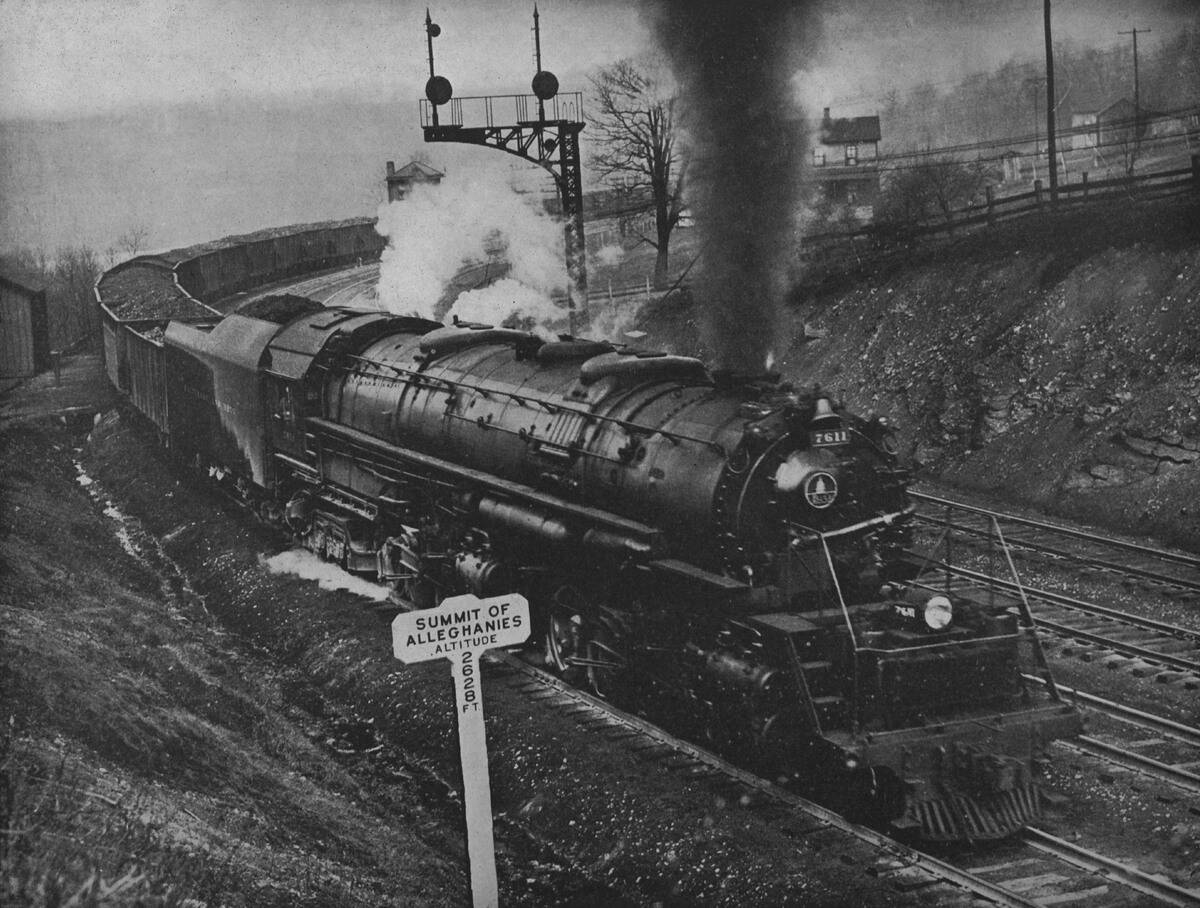
Passenger trains began their ascent in the early 1800s, with the Baltimore & Ohio Railroad being the first to offer scheduled passenger service in 1830. By the mid-19th century, railroads had expanded across the nation, linking cities and towns like never before.
The completion of the Transcontinental Railroad in 1869 was a pivotal moment, allowing coast-to-coast travel and fostering economic growth and development across the United States.
The Iconic Pullman Cars: Luxury on Wheels
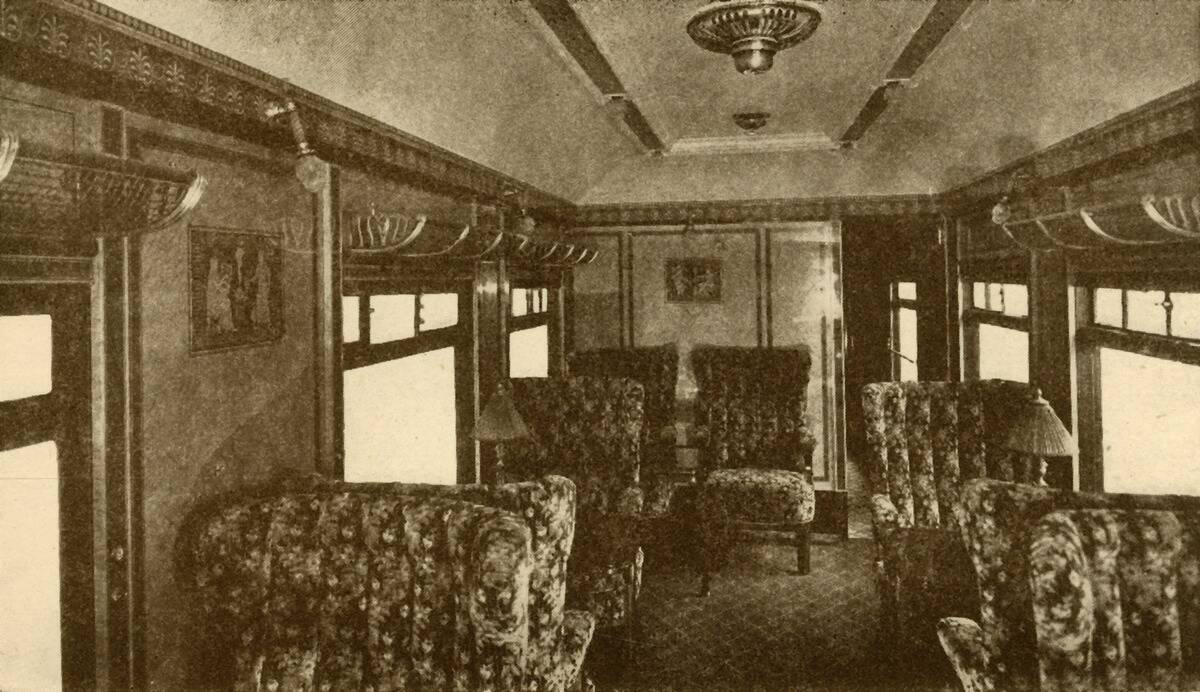
Pullman cars, introduced by George Pullman in the 1860s, redefined train travel with their luxurious accommodations. These cars featured plush sleeping berths, fine dining, and attentive service, making them a favorite among affluent travelers.
Pullman’s innovation didn’t just stop at comfort; he also pioneered the concept of the sleeper car, allowing passengers to travel overnight in style and wake up refreshed at their destination.
The California Zephyr: The Most Scenic Train Route
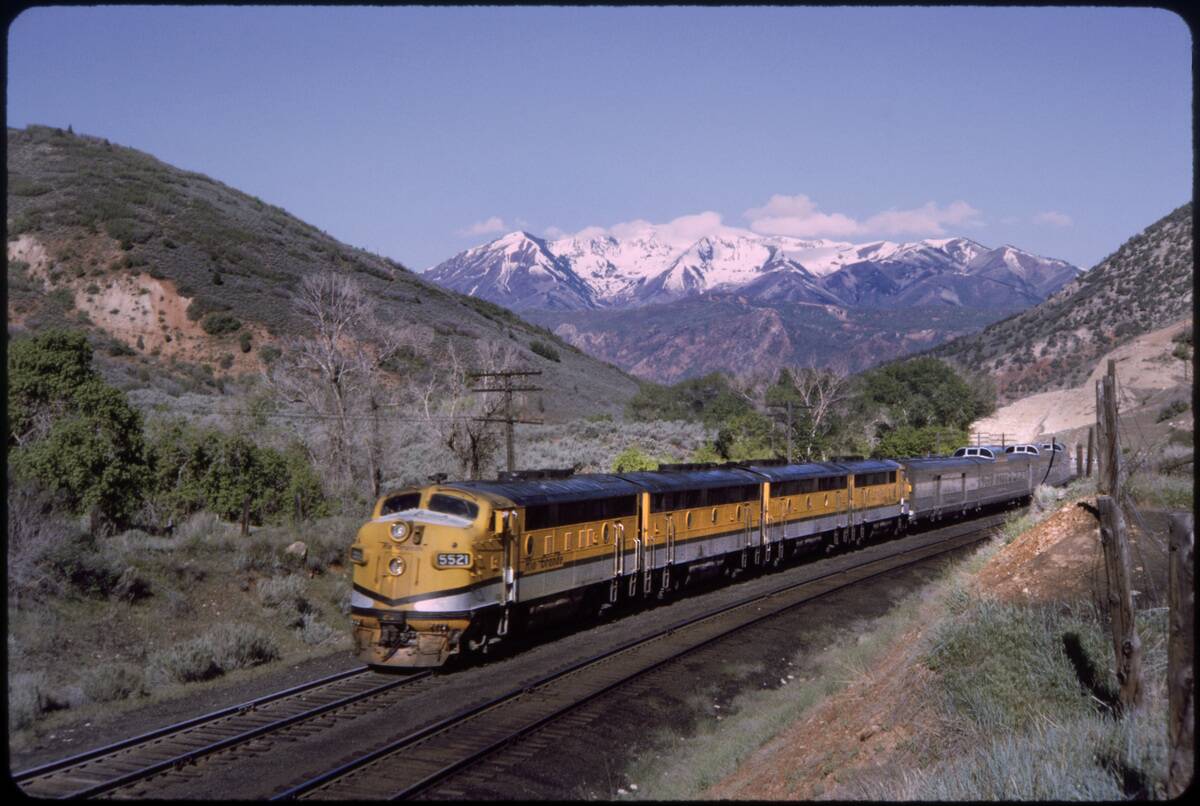
The California Zephyr, launched in 1949, is often celebrated as the most scenic train route in the United States. Spanning from Chicago to San Francisco, this route takes passengers through the breathtaking landscapes of the Rockies and the Sierra Nevada.
The panoramic vista domes offered unparalleled views, allowing travelers to fully immerse themselves in the natural beauty of the American West.
The Super Chief: The Train of the Stars
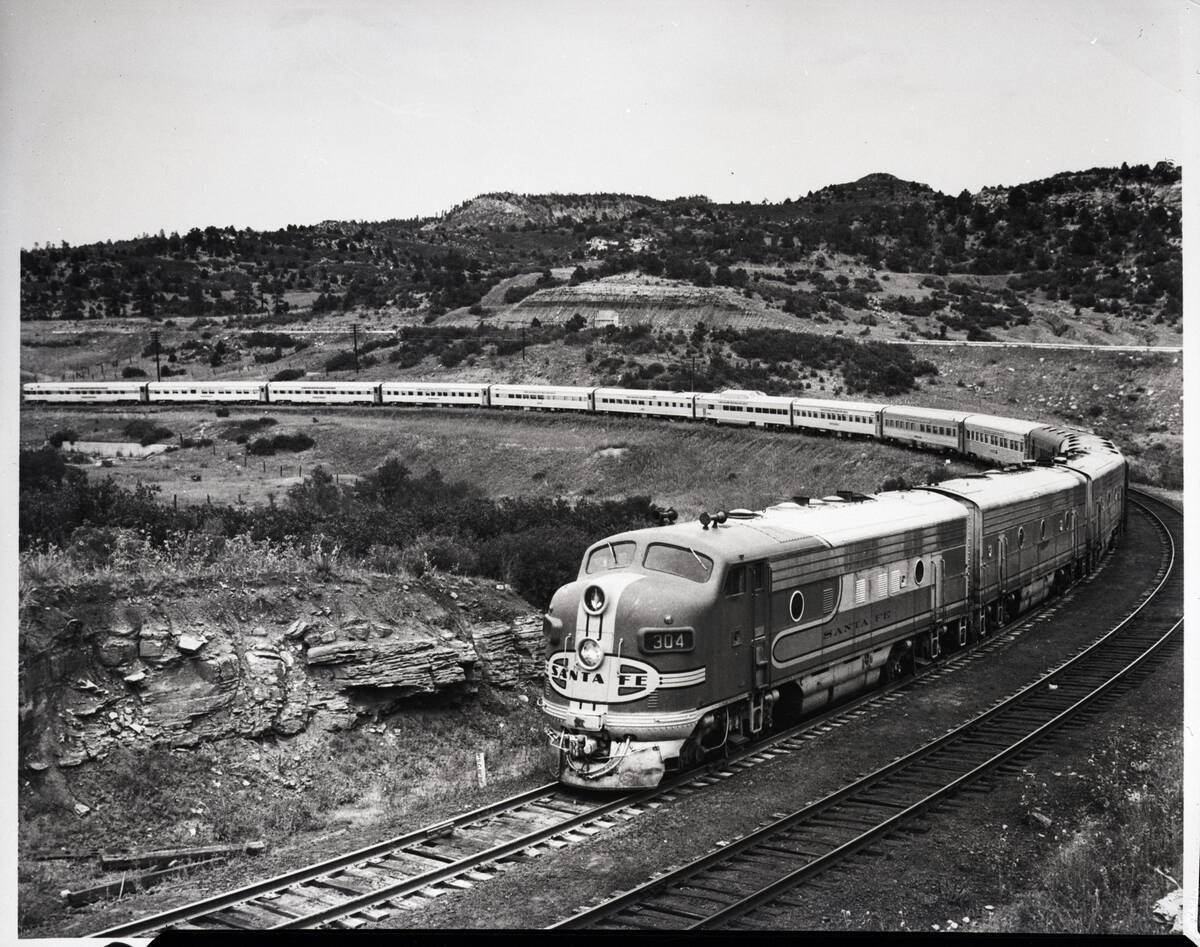
The Super Chief, operated by the Atchison, Topeka and Santa Fe Railway, was known as the “Train of the Stars” for its popularity among Hollywood celebrities. Debuting in 1936, it offered a luxurious journey from Chicago to Los Angeles.
The train’s Art Deco interiors and top-notch service made it a favorite among the elite, with stars like Clark Gable and Judy Garland frequently spotted aboard.
The 20th Century Limited: The Epitome of Elegance
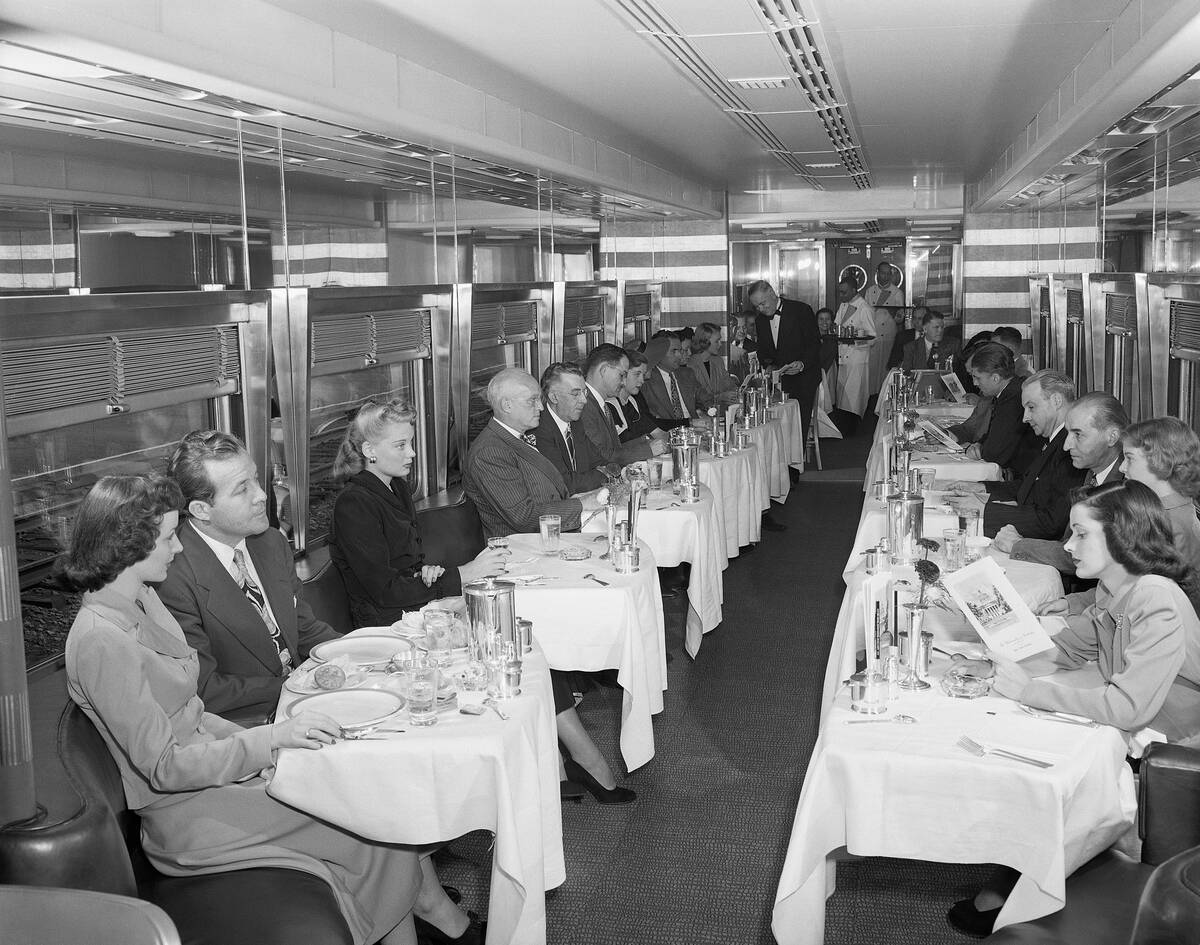
The 20th Century Limited was the pinnacle of elegance in rail travel, running between New York and Chicago from 1902 to 1967. Known for its red carpet treatment, passengers were treated to exquisite dining and impeccable service.
The train’s streamlined design and luxurious amenities made it a symbol of sophistication, attracting business tycoons and celebrities alike.
The Broadway Limited: Linking New York and Chicago
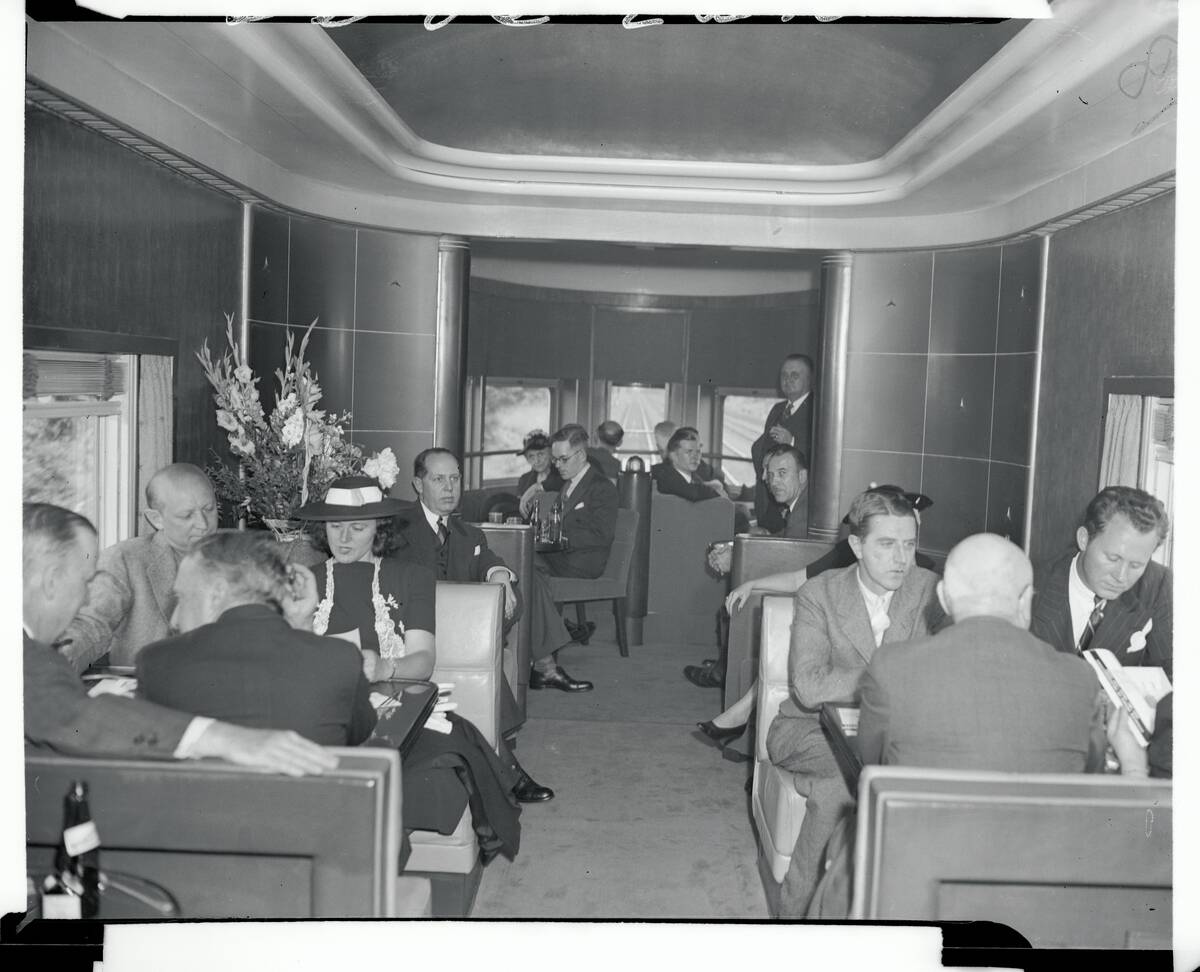
The Broadway Limited, operated by the Pennsylvania Railroad, was a prestigious train service connecting New York and Chicago. Established in 1912, it was named after the Pennsylvania Railroad’s four-track “Broadway” on its main line.
Known for its speed and comfort, the Broadway Limited offered an overnight journey with luxurious sleeping cars, fine dining, and a club car for socializing.
The Sunset Limited: America’s Oldest Named Train
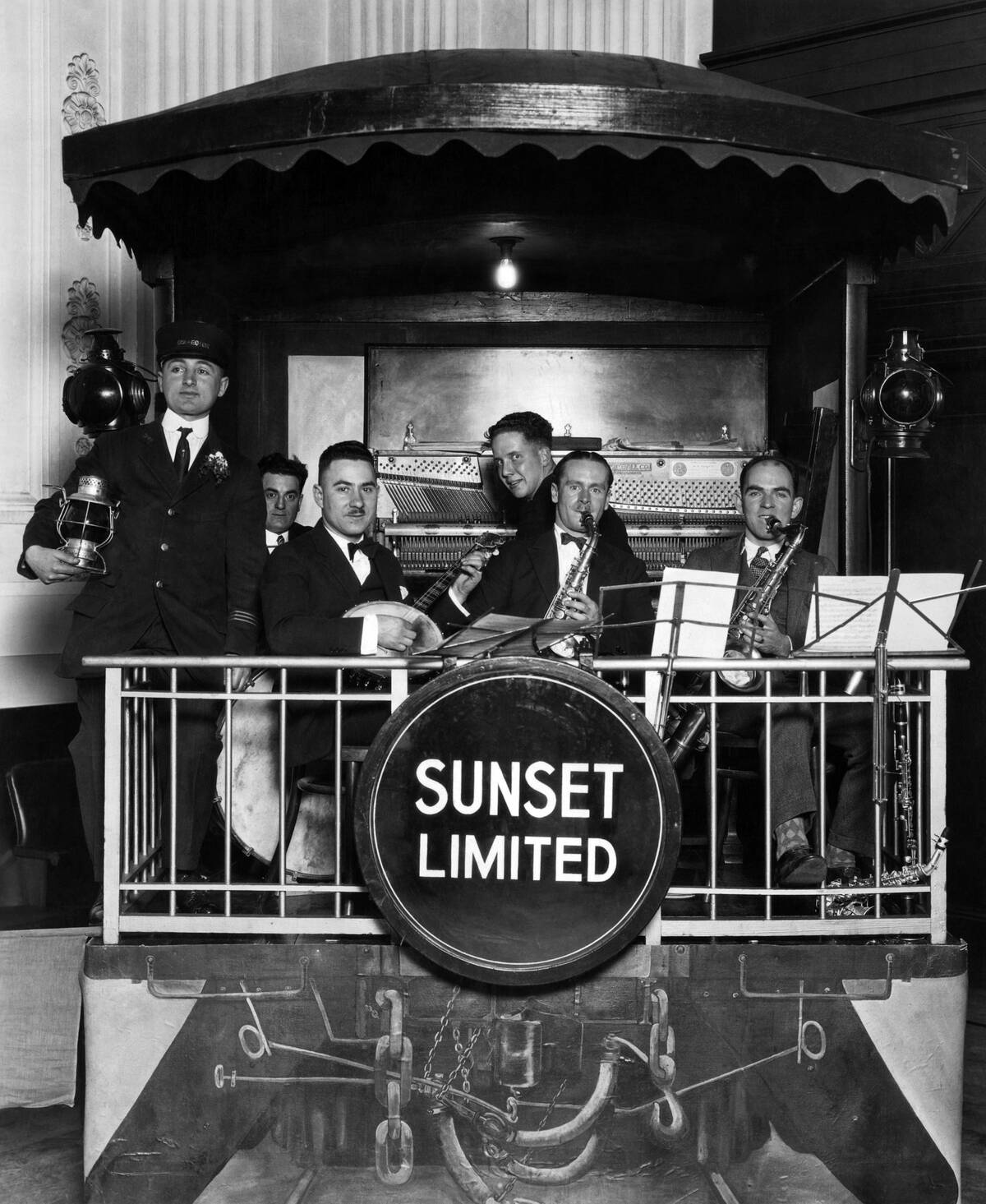
The Sunset Limited holds the distinction of being America’s oldest named train, with its inaugural run in 1894. Originally operated by the Southern Pacific Railroad, it traverses from New Orleans to Los Angeles.
This historic route offers a unique glimpse into the diverse landscapes of the American South and Southwest, including the bayous of Louisiana and the deserts of Arizona.
The Hiawatha: Speed and Style in the Midwest
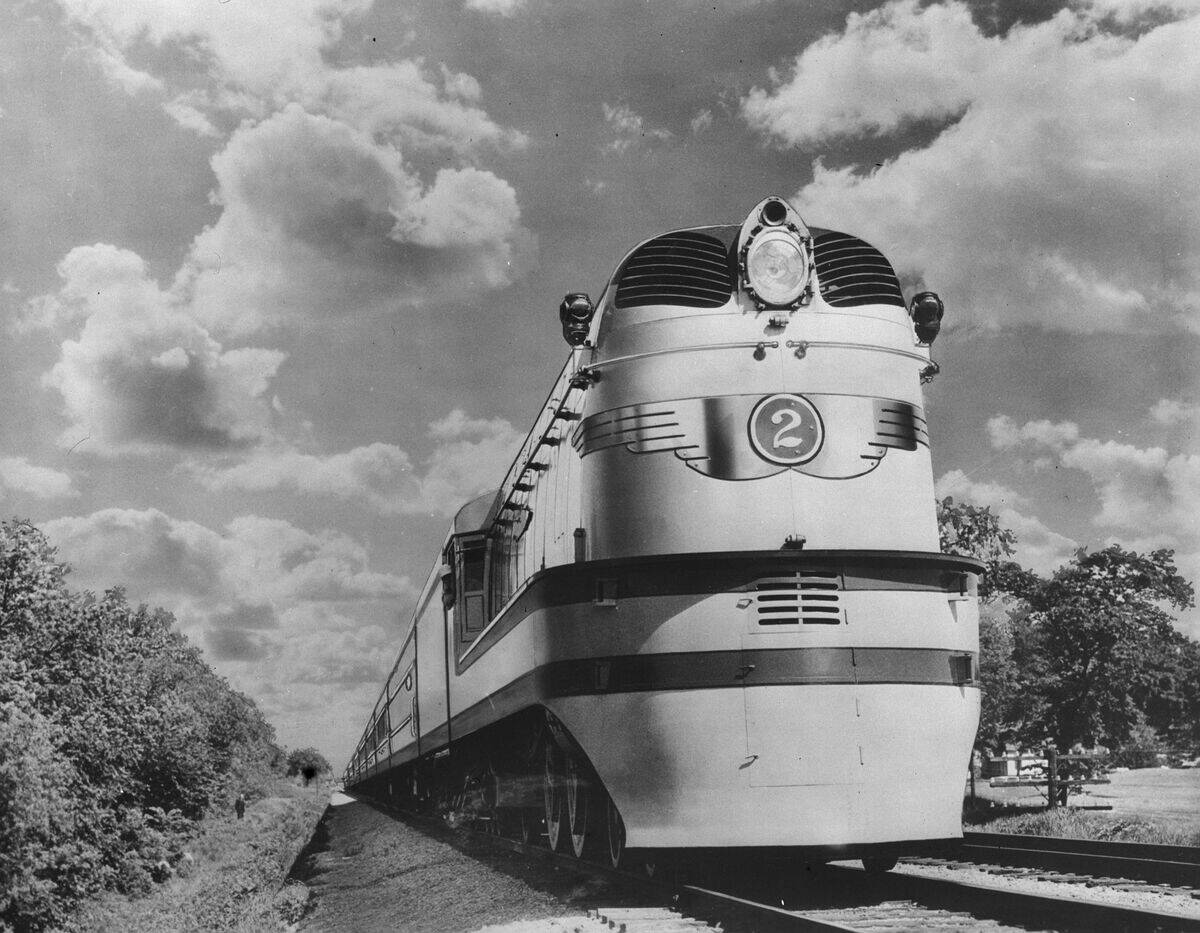
The Hiawatha trains, introduced by the Milwaukee Road in 1935, were known for their speed and style. These streamlined trains connected Chicago with destinations in the Midwest, such as Milwaukee and Minneapolis.
The Hiawatha’s distinctive orange and maroon color scheme and sleek design made it a standout, while its fast service and comfortable accommodations attracted business travelers and vacationers alike.
The City of New Orleans: A Musical Journey
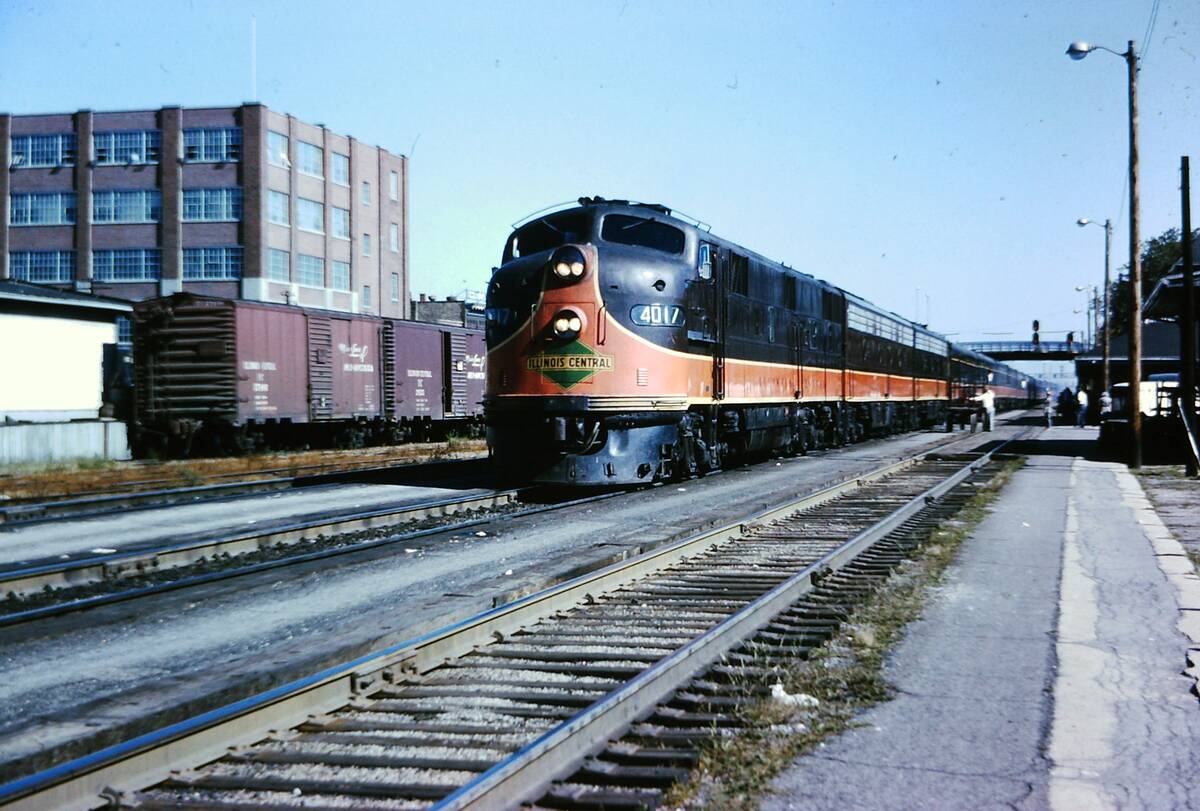
The City of New Orleans train, immortalized in the song by Arlo Guthrie, offers a musical journey through the heart of America. Originally operated by the Illinois Central Railroad, it connects Chicago with New Orleans.
The route takes passengers through the Mississippi Delta and past the fields of cotton and sugarcane, providing a cultural and historical experience that resonates with the rhythm of the South.
The Flying Yankee: A New England Classic
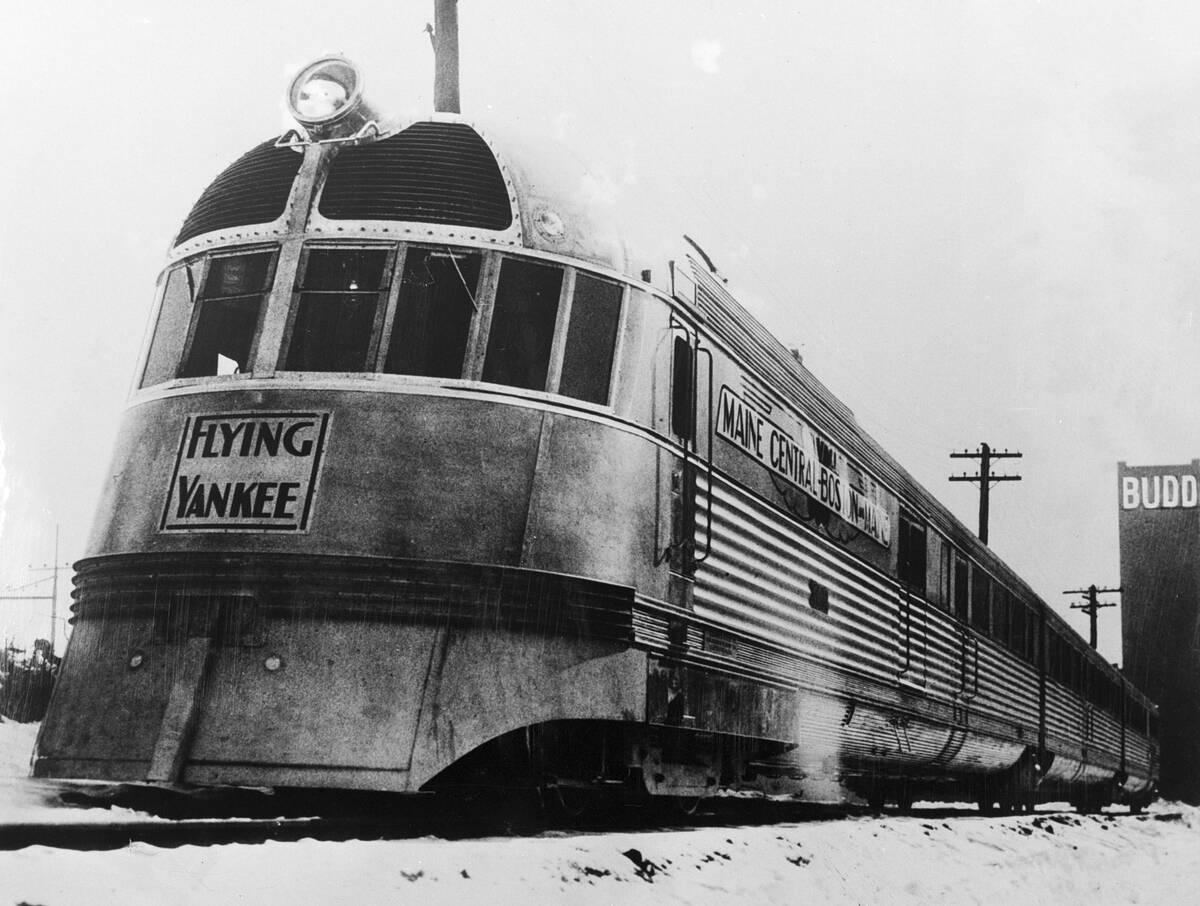
The Flying Yankee, introduced in 1935, was a pioneering streamliner in New England. Operated by the Boston and Maine Railroad and the Maine Central Railroad, it offered a fast and efficient service between Boston and Bangor.
The train’s innovative design featured articulated cars and a lightweight construction, making it a marvel of engineering and a beloved icon of New England rail travel.
The Streamliners: Revolutionizing Train Travel
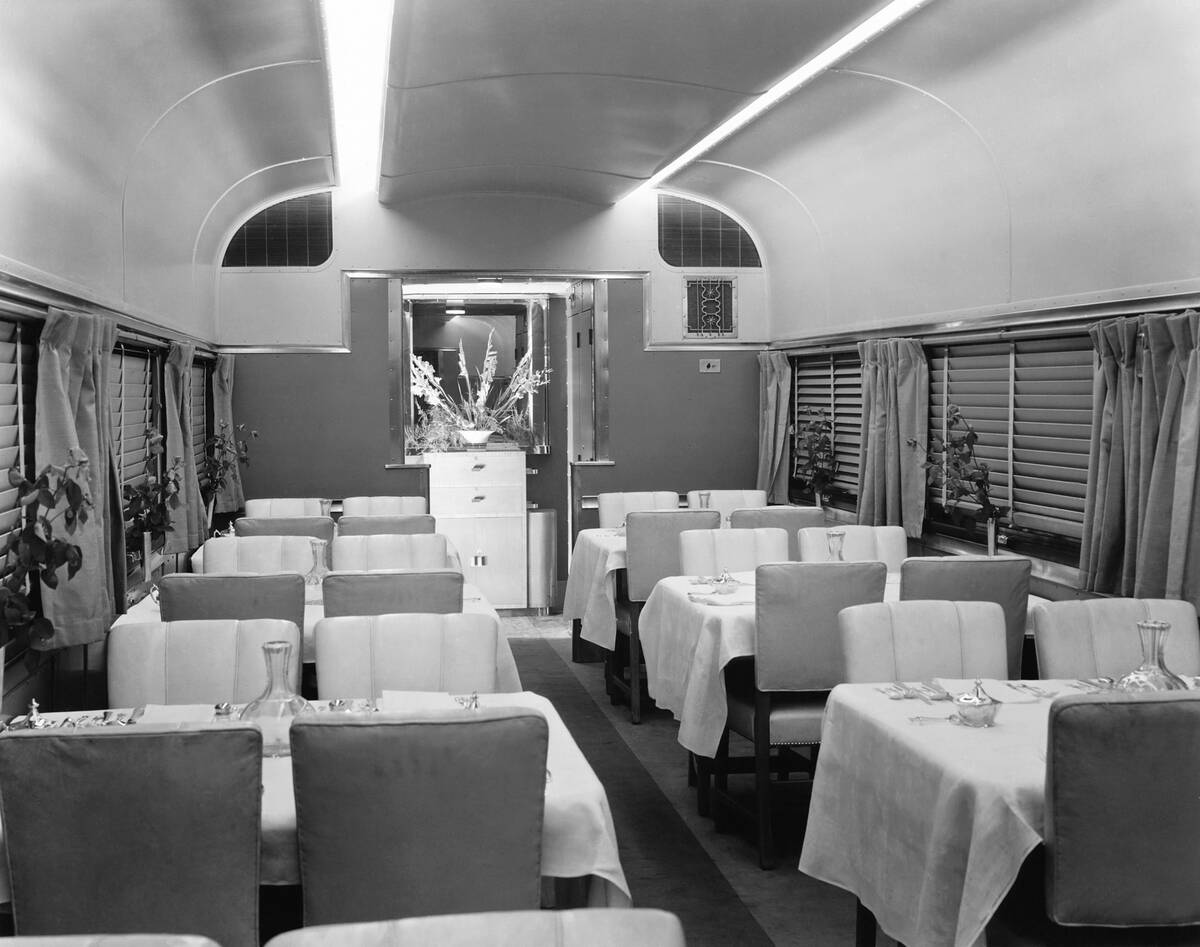
Streamliners revolutionized train travel in the 1930s and 1940s with their sleek, aerodynamic designs and faster speeds. These trains, such as the Burlington Zephyr and the Union Pacific’s City of Los Angeles, offered a modern and efficient alternative to traditional steam locomotives.
The streamlined design not only improved speed and fuel efficiency but also captured the public’s imagination, symbolizing progress and innovation.
Nostalgia and Preservation: Keeping the Legacy Alive
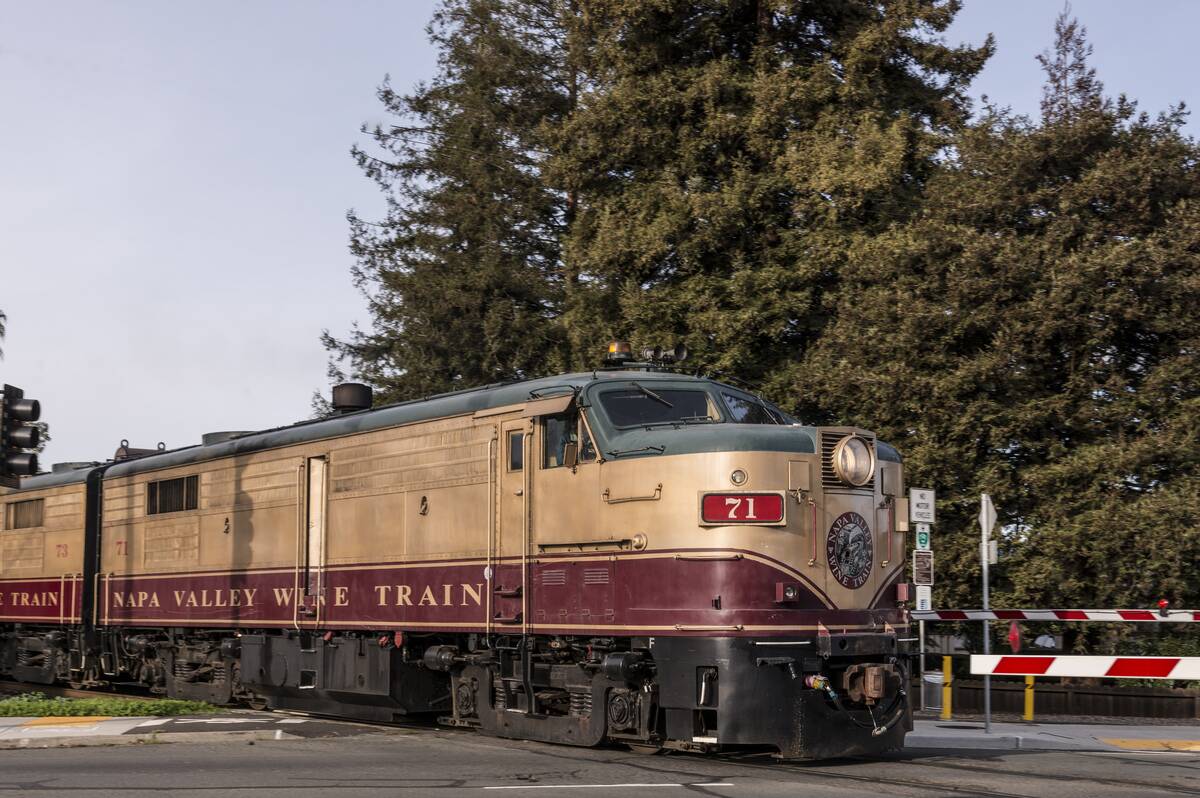
Despite the decline, nostalgia for the golden age of rail travel remains strong. Preservation efforts have kept the legacy alive through restored train cars, museums, and heritage railways.
Enthusiasts can experience the charm of vintage rail travel on excursions like the Napa Valley Wine Train or the Grand Canyon Railway. These efforts ensure that the history and romance of train travel continue to captivate new generations.