Businesses that were once in every town
Remember the days when a trip to the local shops felt like visiting old friends? Each store held its own charm and character, offering more than just goods and services. They were the heartbeat of the community, where familiar faces greeted you with a smile.
These places, often family-owned, were woven into the fabric of our daily lives, creating a tapestry of memories that many of us cherish fondly. Let’s take a walk through these nostalgic spots.
The Corner Diner: Where Everybody Knew Your Name
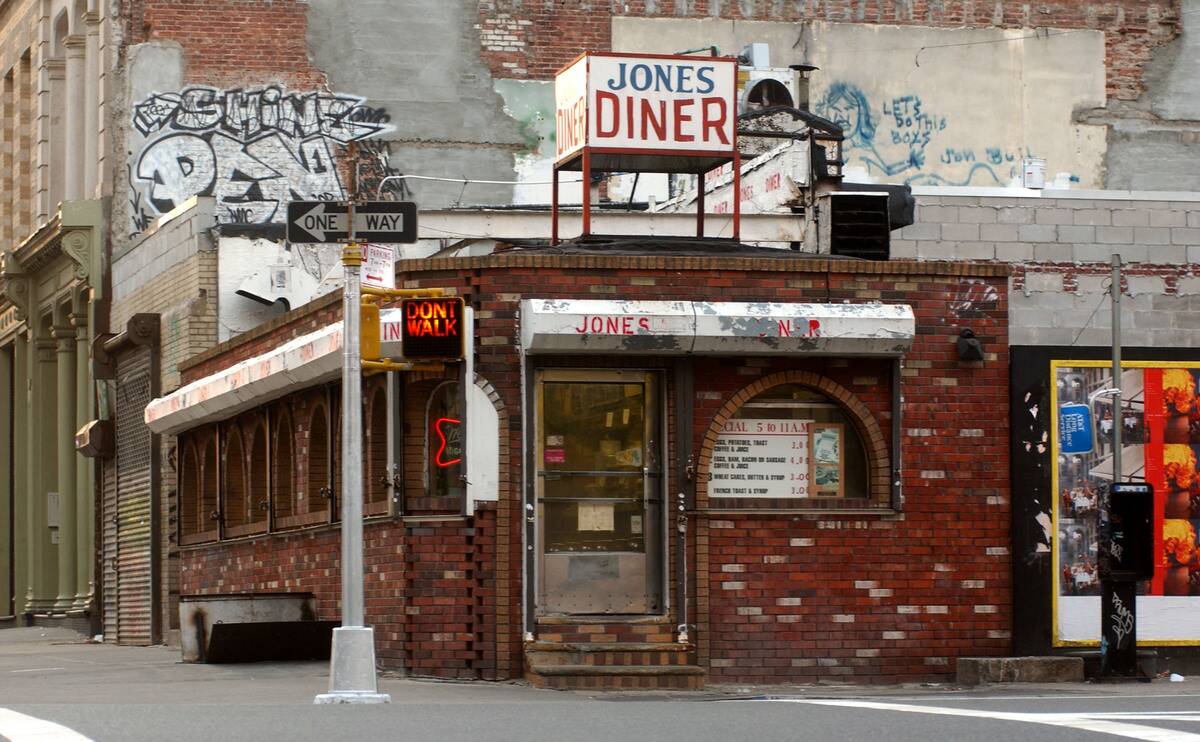
A place where the coffee was always hot and the staff knew your order by heart. Diners became popular in the early 20th century, offering affordable meals to the masses.
Many were open late or 24 hours, making them a haven for night owls and early risers alike. The jukebox in the corner played tunes that set the mood, and the counter seats were prime spots for friendly banter with the cook.
The Local Video Rental Store: A Friday Night Tradition
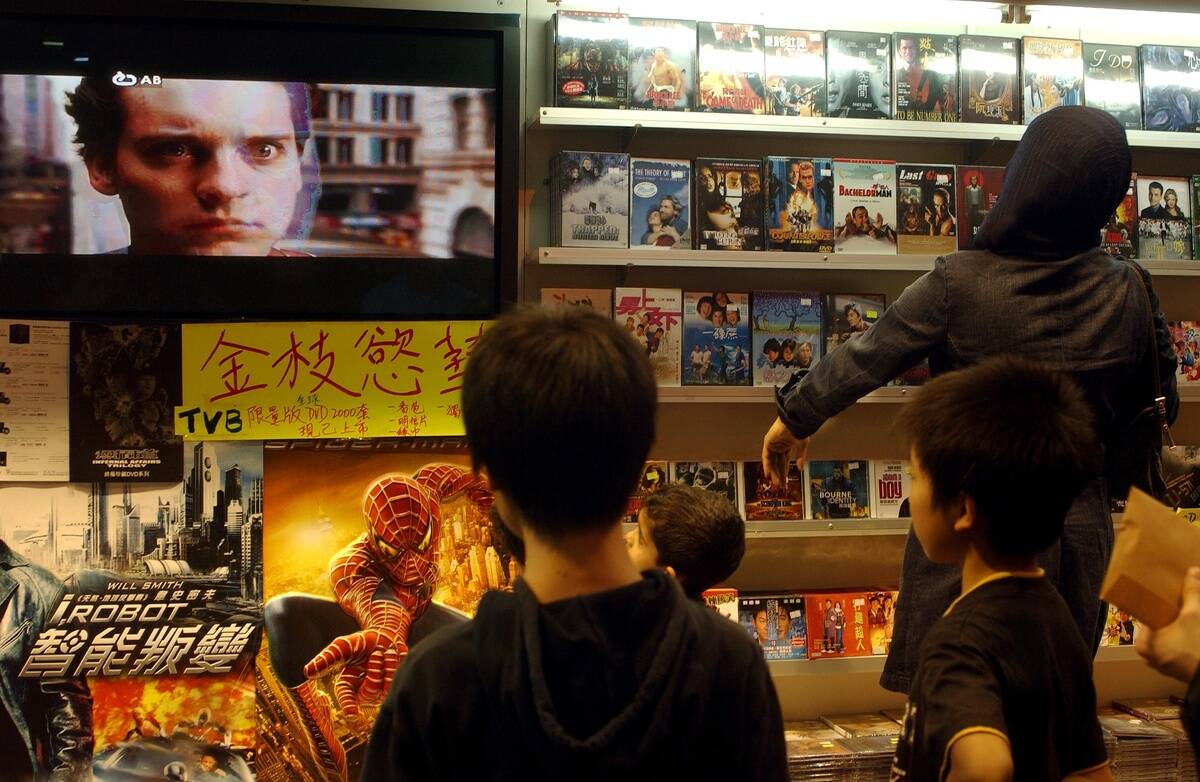
Before streaming services took over, Friday nights meant a trip to the video rental store. These stores, like Blockbuster, were treasure troves of cinematic gems.
With shelves lined with VHS tapes and later DVDs, they offered everything from the latest releases to cult classics. The thrill of browsing, reading the back covers, and finally choosing the perfect movie was an adventure in itself. It was a ritual that brought families and friends together.
The Family-Owned Bakery: Sweet Smells and Smiles
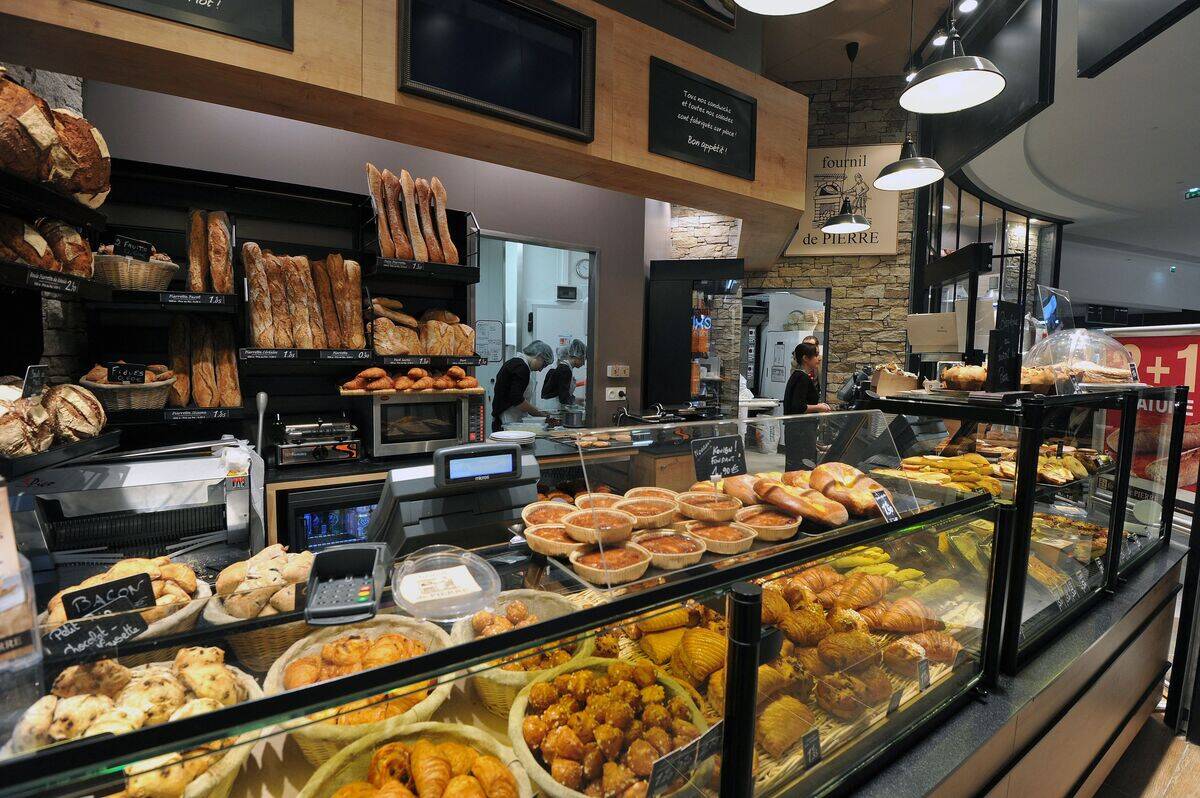
Stepping into a family-owned bakery was a feast for the senses. The aroma of freshly baked bread and pastries was irresistible. Many of these bakeries used recipes passed down through generations, making each bite a taste of tradition.
From crusty baguettes to delicate éclairs, the variety was wide. The friendly bakers often knew their regulars by name and sometimes had a special treat waiting for them.
The Independent Bookstore: A Reader’s Paradise
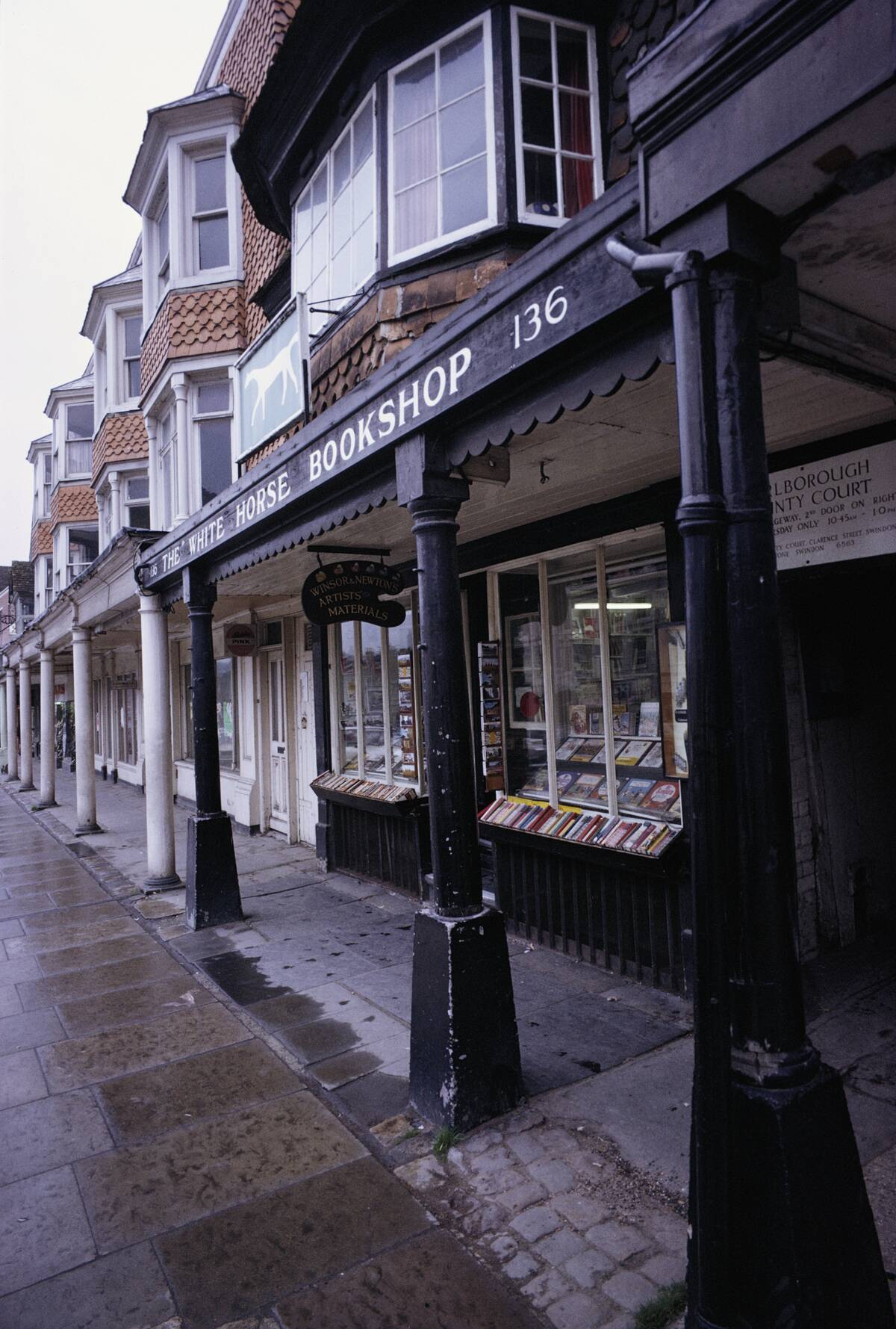
Independent bookstores were havens for book lovers, offering a curated selection of titles that big chains often overlooked. These stores were more than just retail spaces; they were community hubs where authors held readings and book clubs met.
The staff, passionate about literature, were often ready with recommendations tailored to your tastes. The cozy spaces invited you to lose yourself in a good book.
The Neighborhood Hardware Store: DIY Central
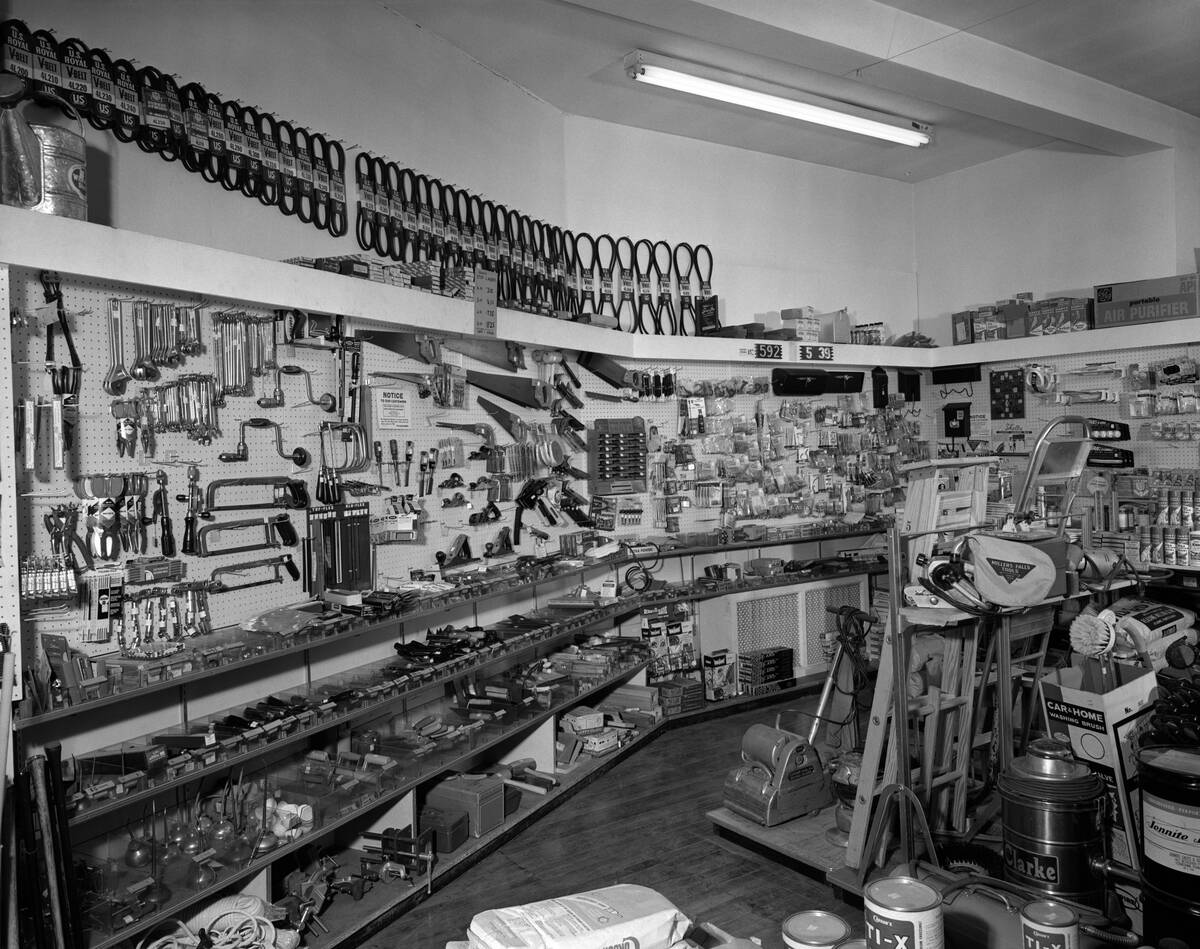
The neighborhood hardware store was a DIY enthusiast’s dream. Unlike the vast aisles of big-box stores, these shops often offered personalized service and helpful advice. Need a specific screw or a tool for a weekend project?
The knowledgeable staff could often guide you to what you needed. They were also a place where neighbors exchanged tips and tricks, fostering a sense of community among do-it-yourselfers.
The Barber Shop: More Than Just a Haircut
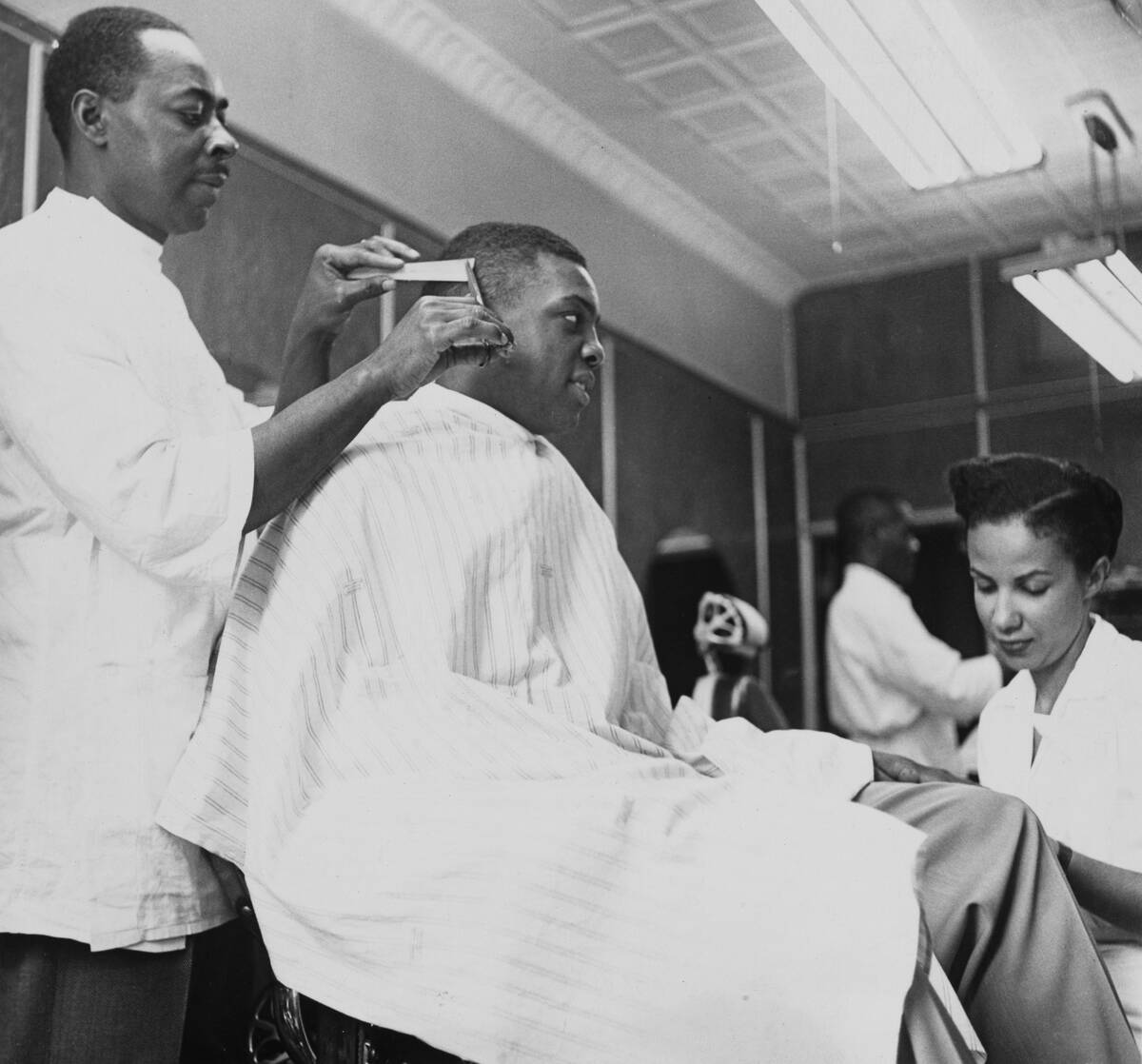
Barber shops were more than just places to get a trim; they were social hubs where stories were shared and friendships forged. The iconic barber pole outside signaled a barber shop inside.
Barbers often knew their clients’ preferences and built lasting relationships with them. The sound of scissors snipping and the hum of clippers created a comforting rhythm, while the conversations ranged from sports to local news.
The Mom-and-Pop Grocery Store: Fresh and Friendly
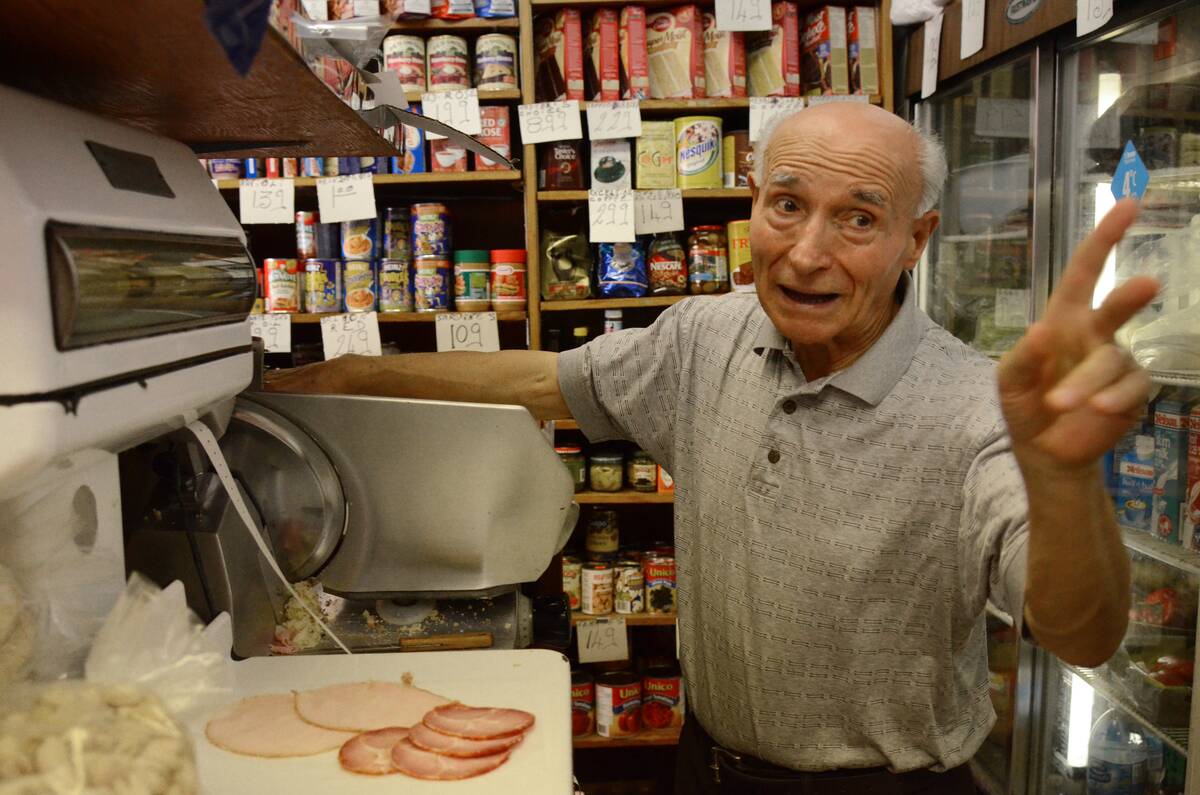
Mom-and-pop grocery stores were an important part of many neighborhoods. These stores offered fresh produce and pantry staples, with some products sourced from local farms.
The owners often knew their customers by name and took pride in providing personalized service. Unlike the larger supermarket experience, these stores often felt like an extension of home, where shopping could be a pleasant and communal experience.
The Record Store: Spinning the Hits
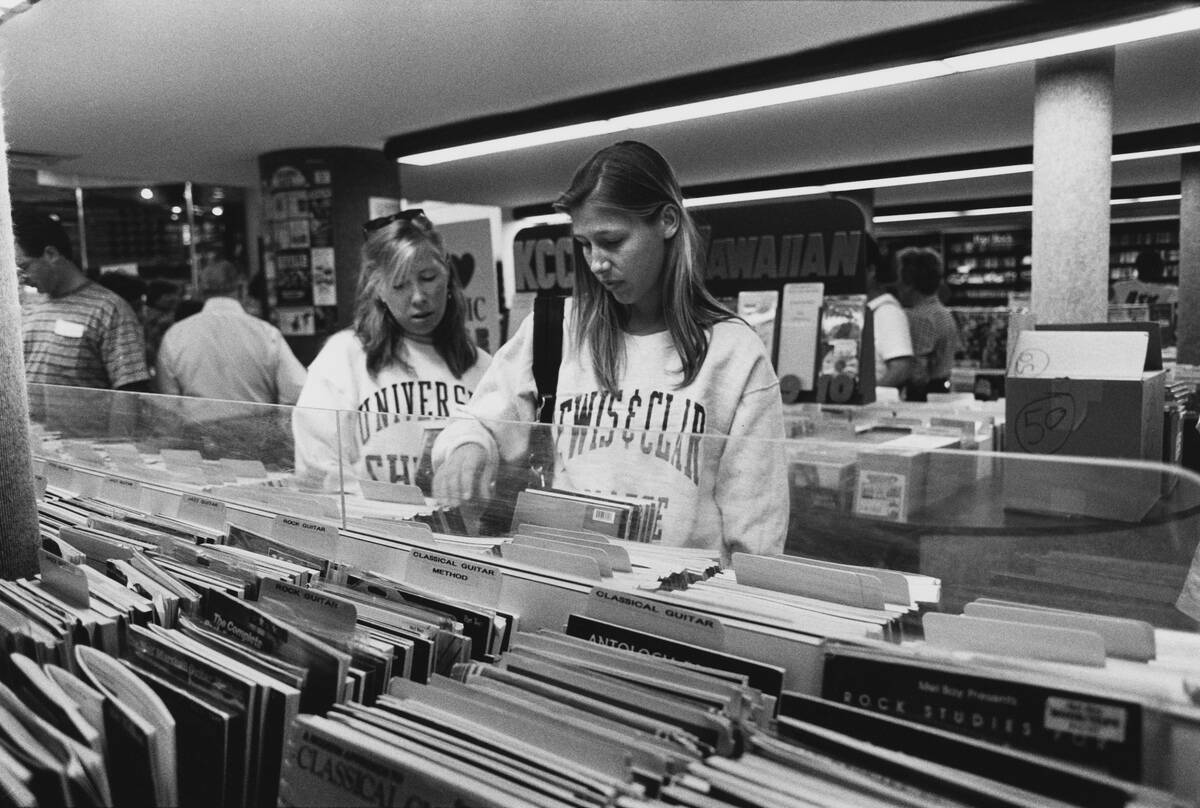
Record stores were sanctuaries for music lovers, offering a tactile experience that digital downloads can’t replicate. Flipping through vinyl records and discovering new artists was a thrill.
These stores were often staffed by passionate music aficionados who could recommend albums based on your taste. Listening booths in some stores allowed you to sample tracks before buying, and the album art was an important part of the experience.
The Ice Cream Parlor: Scoops of Joy
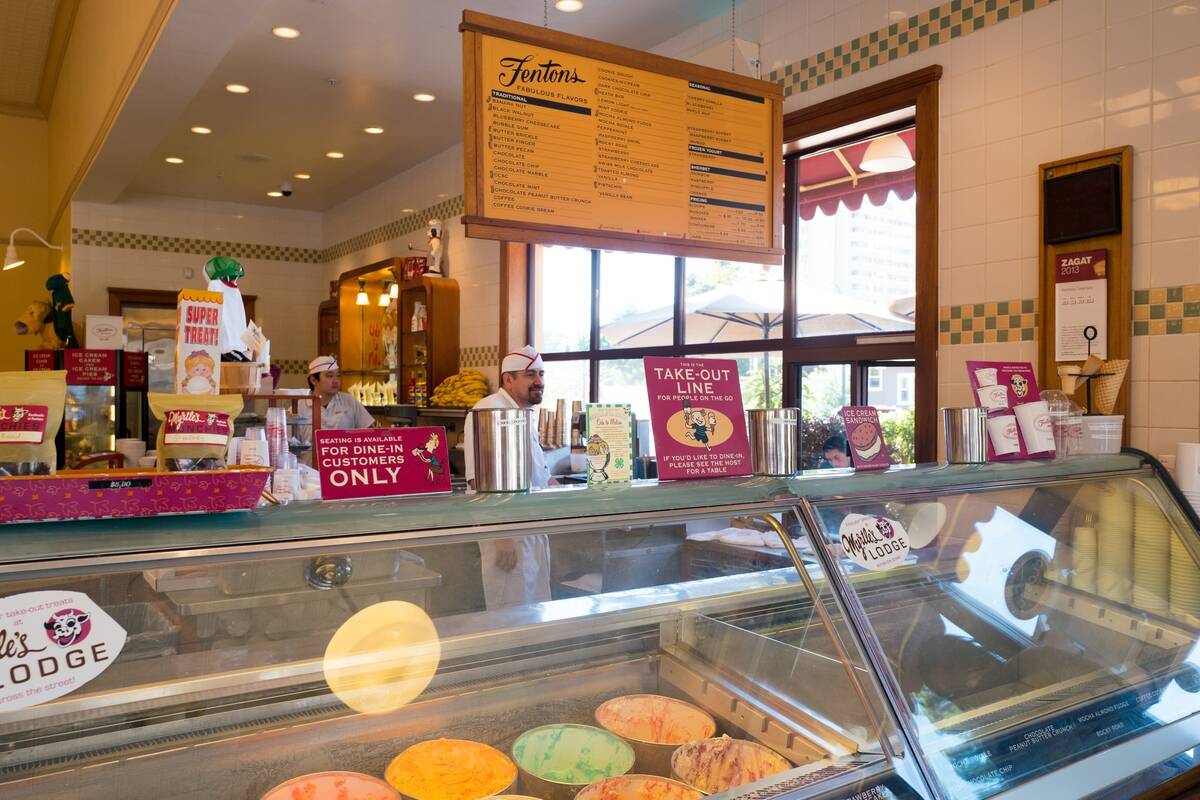
Ice cream parlors were places of pure joy, where the toughest decision was choosing between chocolate or vanilla. These parlors often featured a dazzling array of flavors, from classic to quirky.
The sound of scoops hitting cones and the sight of colorful sprinkles made every visit a treat. Families gathered here to celebrate special occasions or simply to enjoy a sweet escape from the everyday routine.
The Five-and-Dime Store: A Little Bit of Everything
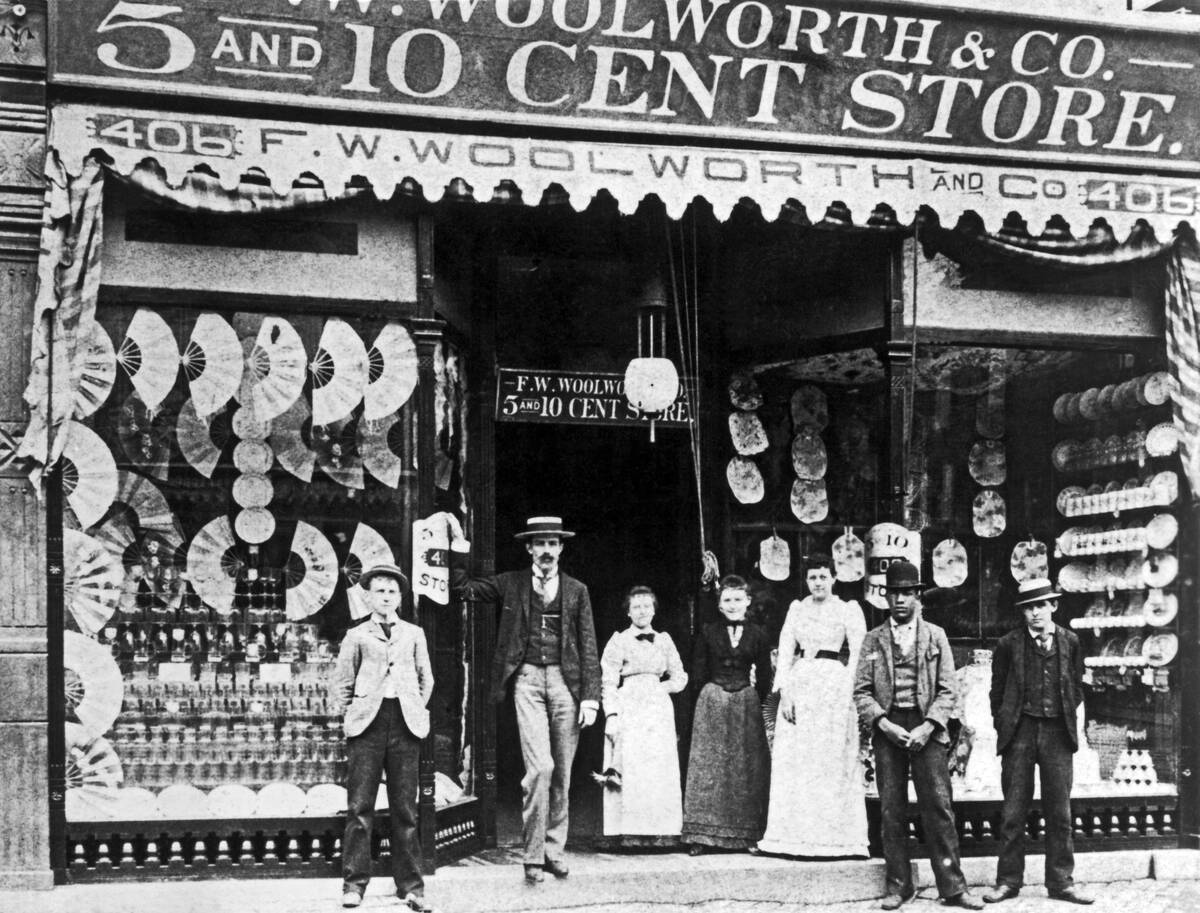
Five-and-dime stores, like Woolworth’s, were popular variety stores, offering a little bit of everything at affordable prices. From toys and candy to household items, these stores were treasure troves of everyday essentials and unexpected finds.
The aisles were packed with goods, and the staff were often ready to help you find what you needed. It was a place where you could spend hours exploring and often leave with something new.
The Drive-In Theater: Movies Under the Stars
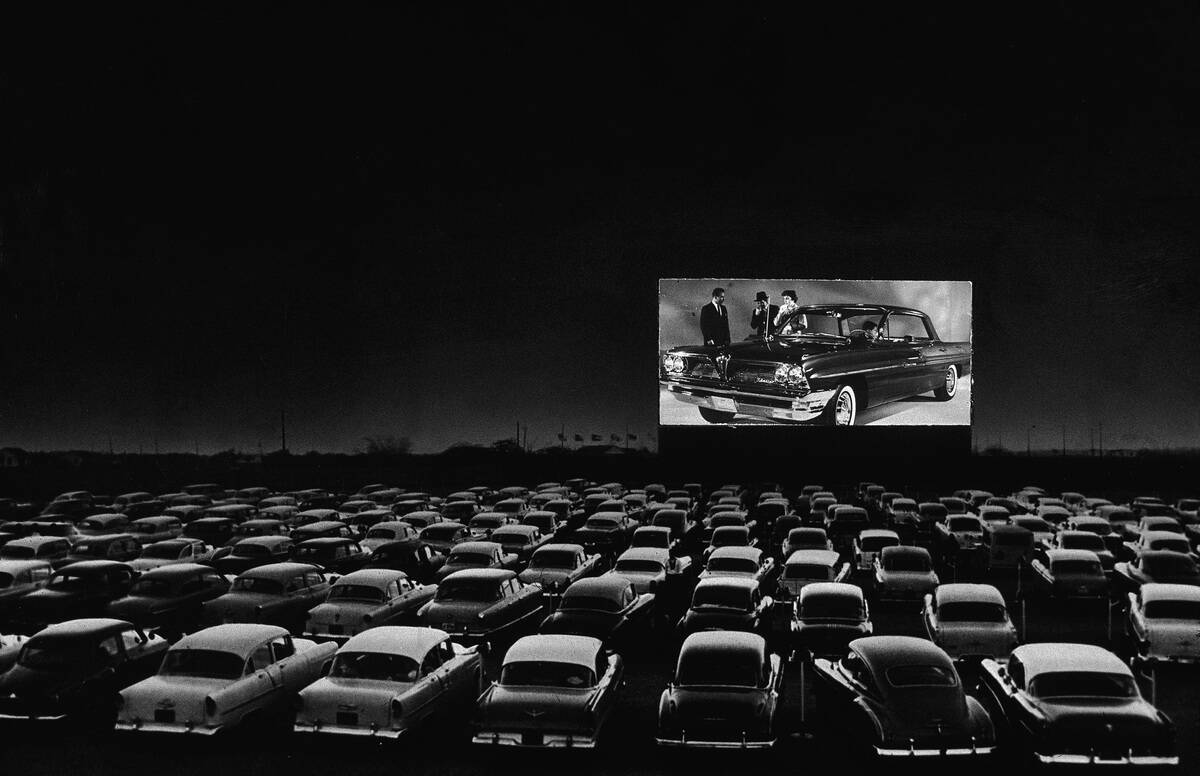
Drive-in theaters offered a unique movie-watching experience, combining the magic of cinema with the great outdoors. First introduced in the 1930s and popularized in the 1950s, these theaters allowed families to enjoy films from the comfort of their cars.
The giant screens and crackling speakers created an atmosphere of nostalgia and adventure. On warm summer nights, the drive-in was a popular spot for a date or a family outing, complete with popcorn and soda.
The Local Pharmacy: Personalized Care and Advice
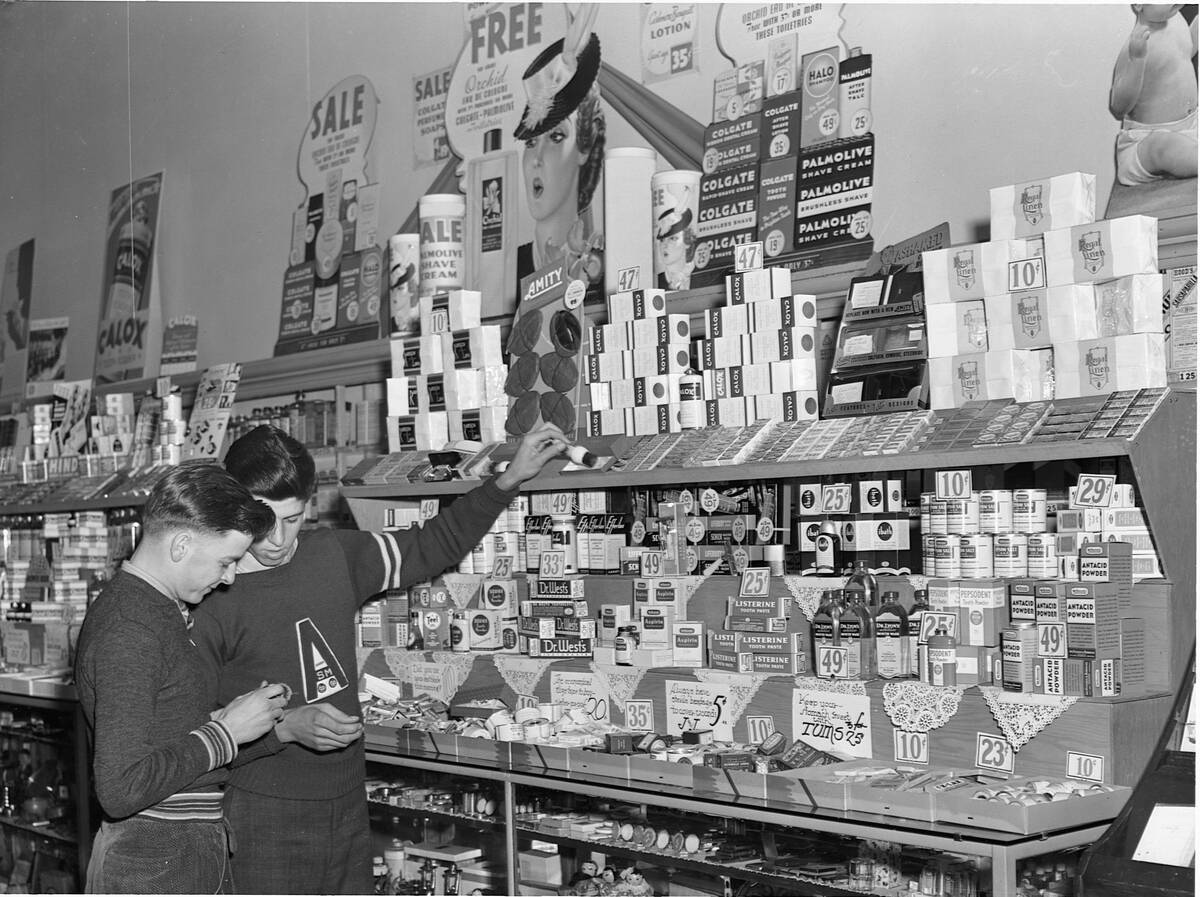
Local pharmacies were more than just places to pick up prescriptions; they were centers of personalized care and advice. Pharmacists often knew their regular customers and offered guidance on medications and treatments.
These pharmacies often carried a selection of health and wellness products, as well as everyday essentials. The personal touch and attention to detail made many of these pharmacies trusted parts of the community.
The Shoe Repair Shop: Fixing More Than Soles
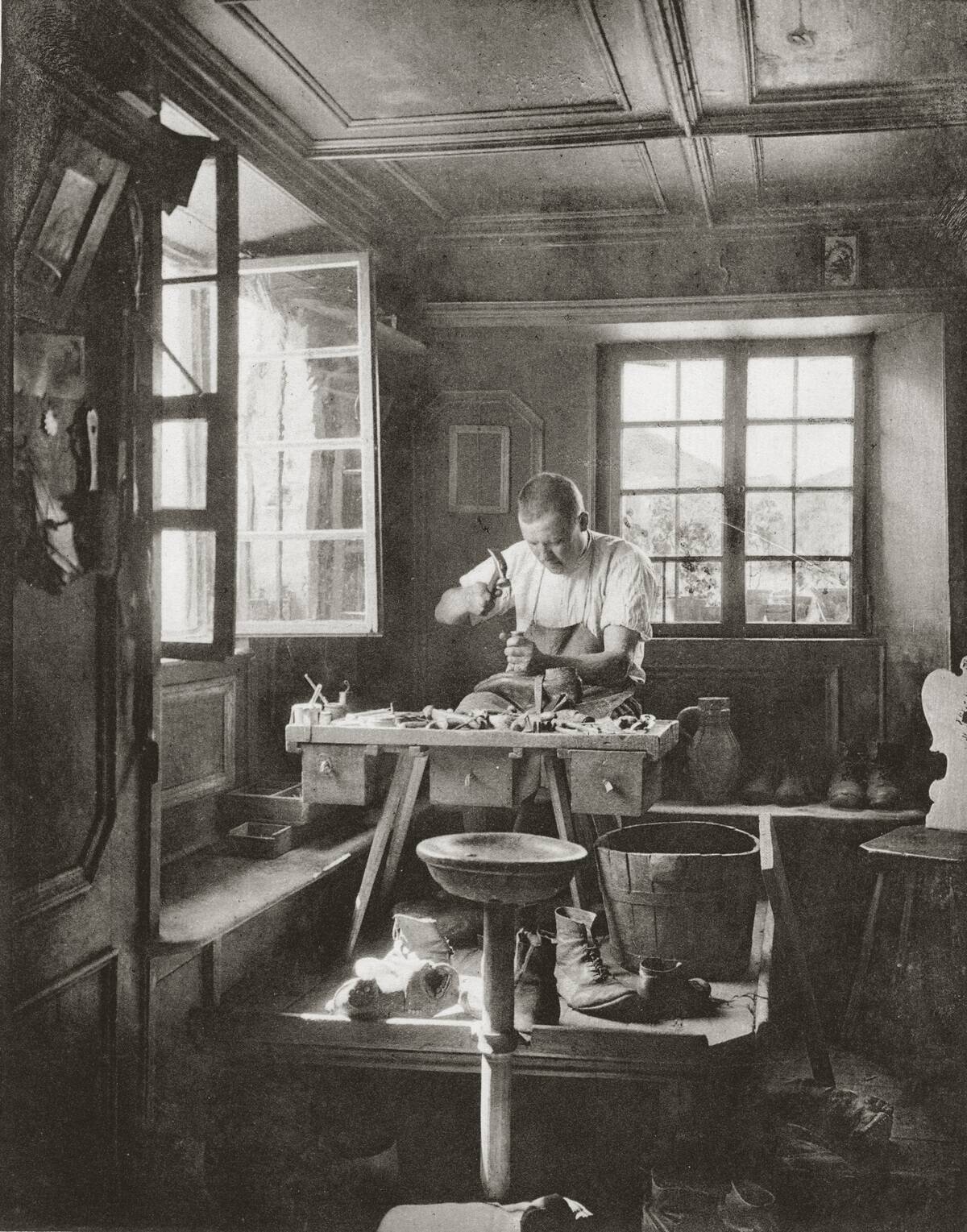
Shoe repair shops were important places for extending the life of well-loved footwear. Skilled cobblers used time-honored techniques to mend and restore shoes, helping reduce waste.
Many of these shops were family-run, with expertise passed down through generations. Customers appreciated the craftsmanship and the opportunity to extend the life of their favorite pairs, while often enjoying a personal interaction with the cobbler.
The Community Post Office: The Heart of Communication

The community post office was a vital link in the chain of communication, connecting people near and far.
Beyond sending and receiving mail, it often served as a place where neighbors exchanged greetings and caught up on local news. In smaller communities, postmasters often knew their patrons and worked to ensure packages and letters reached their destinations. The post office has long been a symbol of communication and connection, even in an increasingly digital world.
The Tailor Shop: Custom Fits and Friendly Chats
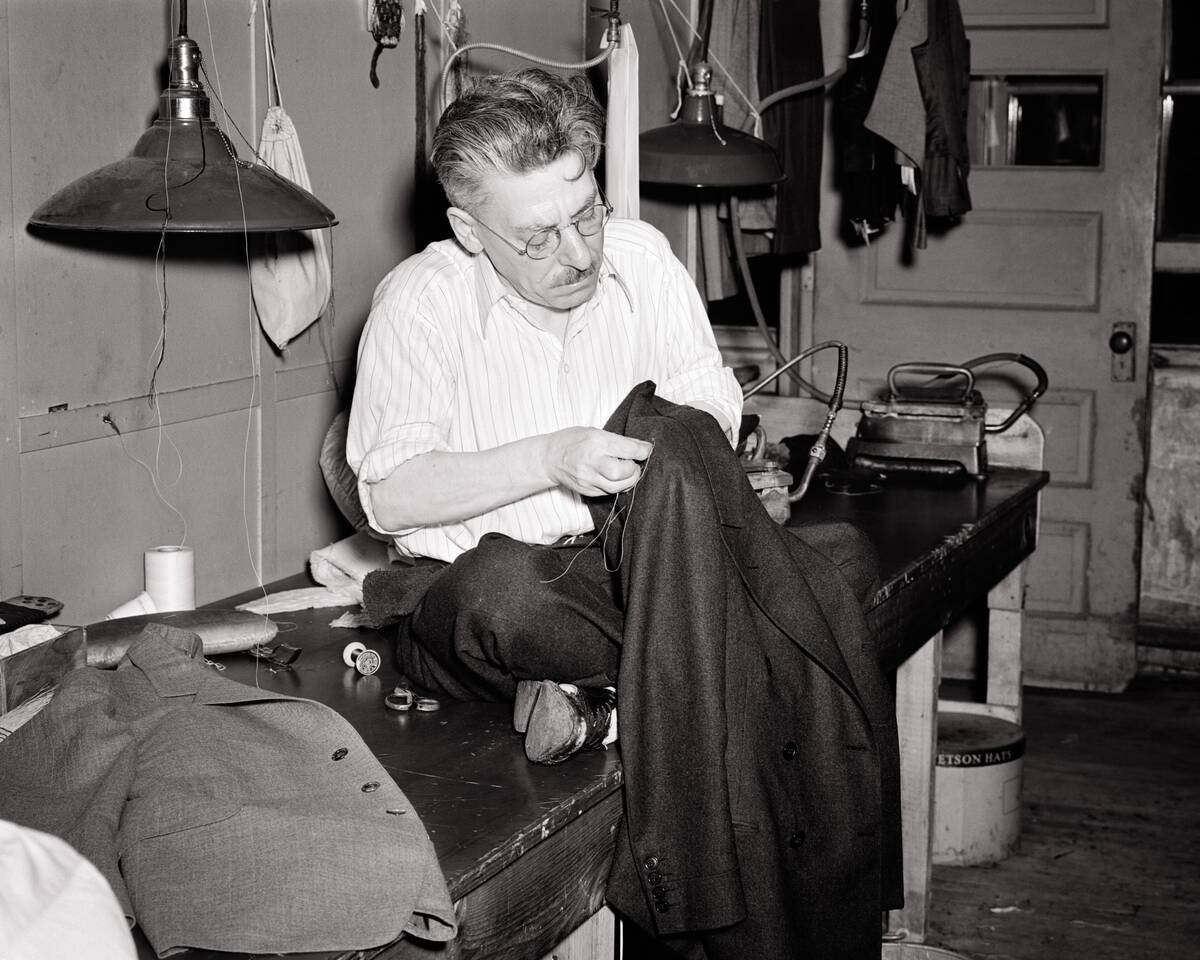
Tailor shops offered more than just alterations; they provided custom fits that helped customers feel confident. Skilled tailors took precise measurements and crafted garments suited to individual figures.
These shops were places where personal style was celebrated, and customers could collaborate on designs. The interactions during fittings often created a warm and welcoming atmosphere, making each visit a personal experience.
The Candy Store: A Sweet Tooth’s Dream
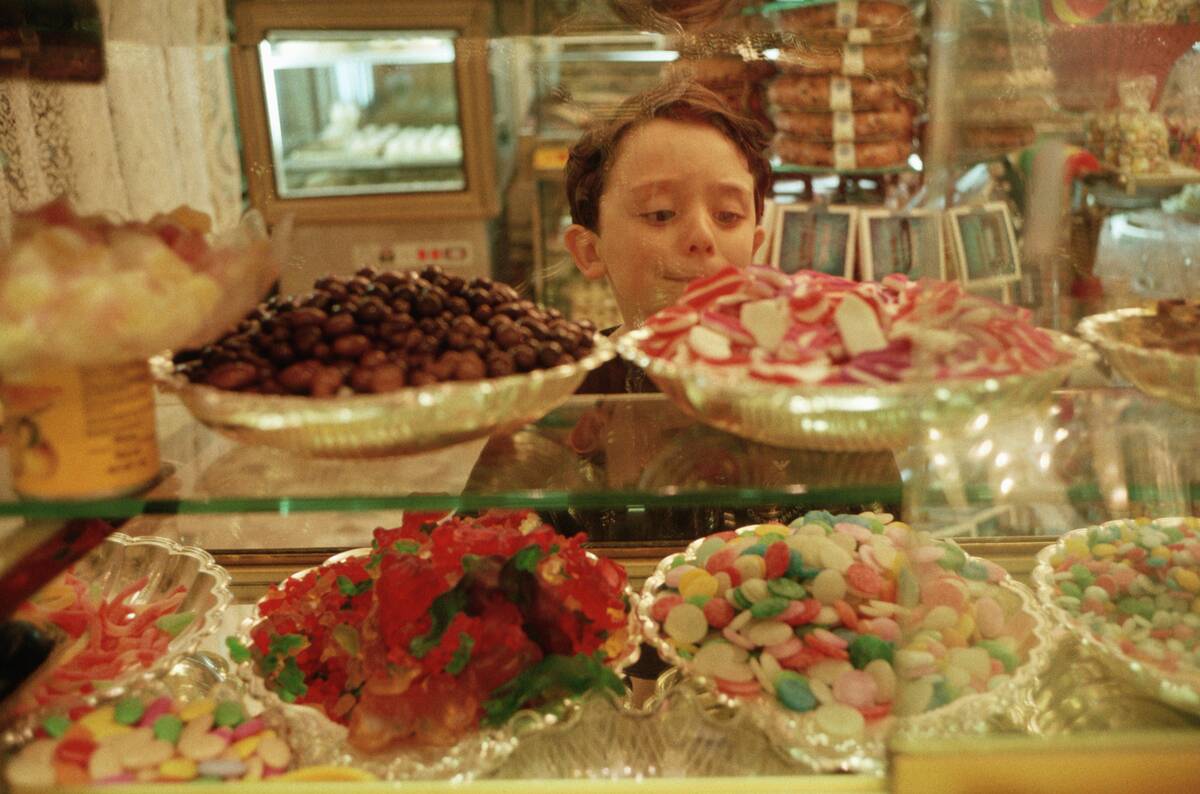
Candy stores were magical places where sweet dreams came true. Shelves were lined with jars of colorful confections, from gummy bears to chocolate bars. The excitement of choosing a mix of treats was a delightful experience for children and adults alike.
These stores often carried nostalgic candies that evoked memories of childhood, and friendly shopkeepers were often ready to recommend a new favorite.
The Laundromat: Spin Cycles and Social Circles
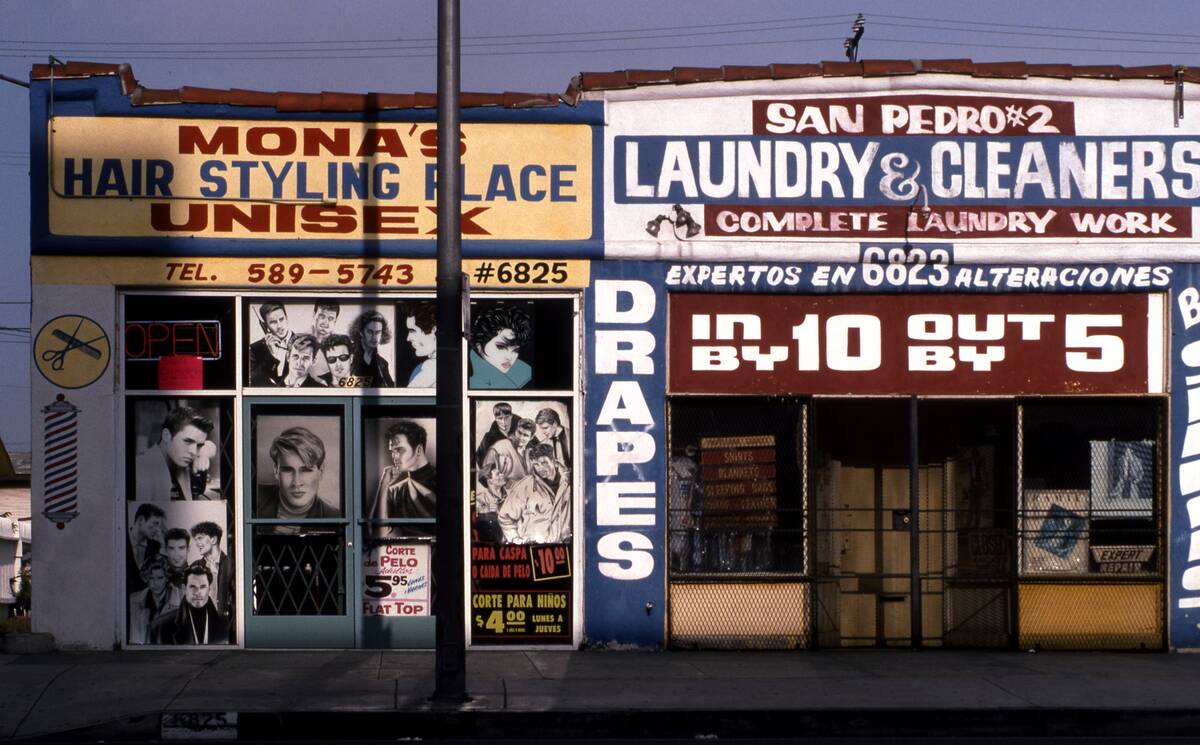
Laundromats were more than just places to wash clothes; they could also become spaces where people gathered and connected. The rhythmic sound of machines and the hum of dryers created a backdrop for conversations.
Regulars sometimes became familiar with one another, sharing stories and advice while waiting for their laundry to finish. These spaces could offer a sense of community and connection, turning a mundane chore into a shared experience.




