Iconic toys from the 1960s and 1970s
The 1960s and 1970s were a golden era for toys, filled with creativity and innovation that captured the imaginations of children everywhere. This was a time when toys weren’t just about play; they were about exploration and learning.
From action figures to creative kits, each toy had a story to tell and a world to explore. These toys not only entertained but also helped shape the childhoods of millions, leaving a lasting impact that continues to resonate today.
The Ubiquitous Slinky: A Spring of Endless Fun
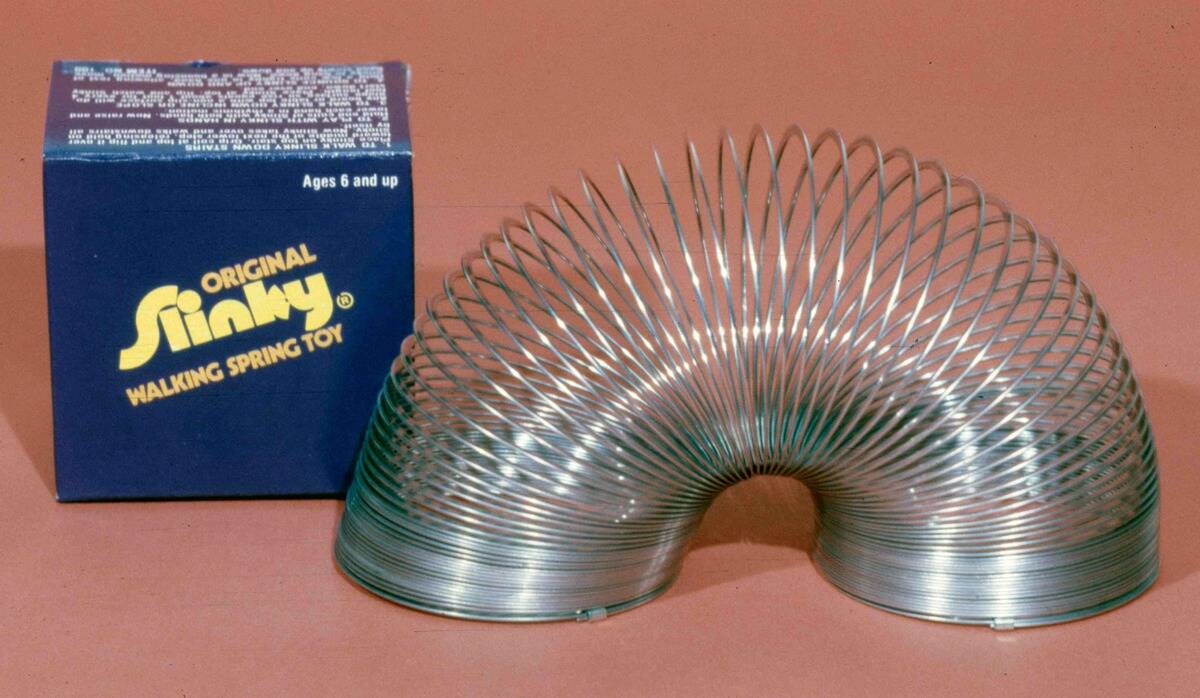
Who could forget the mesmerizing descent of a Slinky down a flight of stairs? Invented by Richard James in 1943, the Slinky became a household name by the 1960s.
This simple yet captivating toy is made from a helical spring that ‘walks’ down steps, providing endless amusement. Its appeal lies in its simplicity and the satisfying way it moves, making it a staple in toy collections across the globe.
Barbie: The Fashion Icon of the Toy World
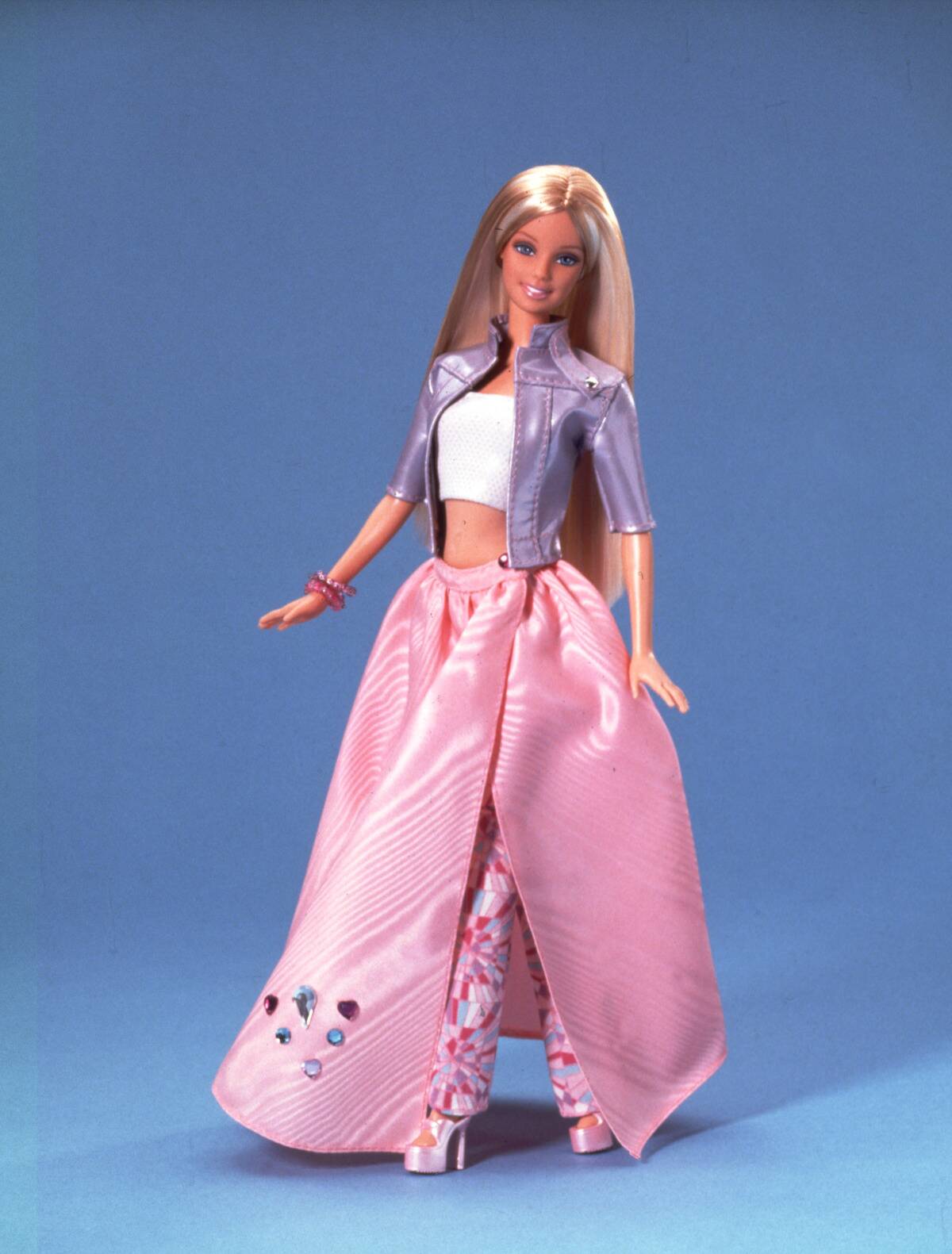
Barbie, introduced by Mattel in 1959, quickly became a cultural icon and a popular toy for many young girls. With her ever-changing wardrobe and career options, Barbie was more than just a doll; she was a symbol of possibility.
Over the decades, Barbie has had over 200 careers, from astronaut to president, inspiring generations of children to dream big and imagine endless possibilities.
G.I. Joe: The Original Action Figure Hero

G.I. Joe made his debut in 1964 as the first toy marketed as an action figure, catering to boys who wanted a doll of their own. Created by Hasbro, G.I. Joe was a soldier with a mission, complete with uniforms and accessories.
This toy broke new ground by popularizing the action figure category, which has since become a staple in the toy industry, paving the way for countless other heroes.
Easy-Bake Oven: Cooking Up Childhood Memories
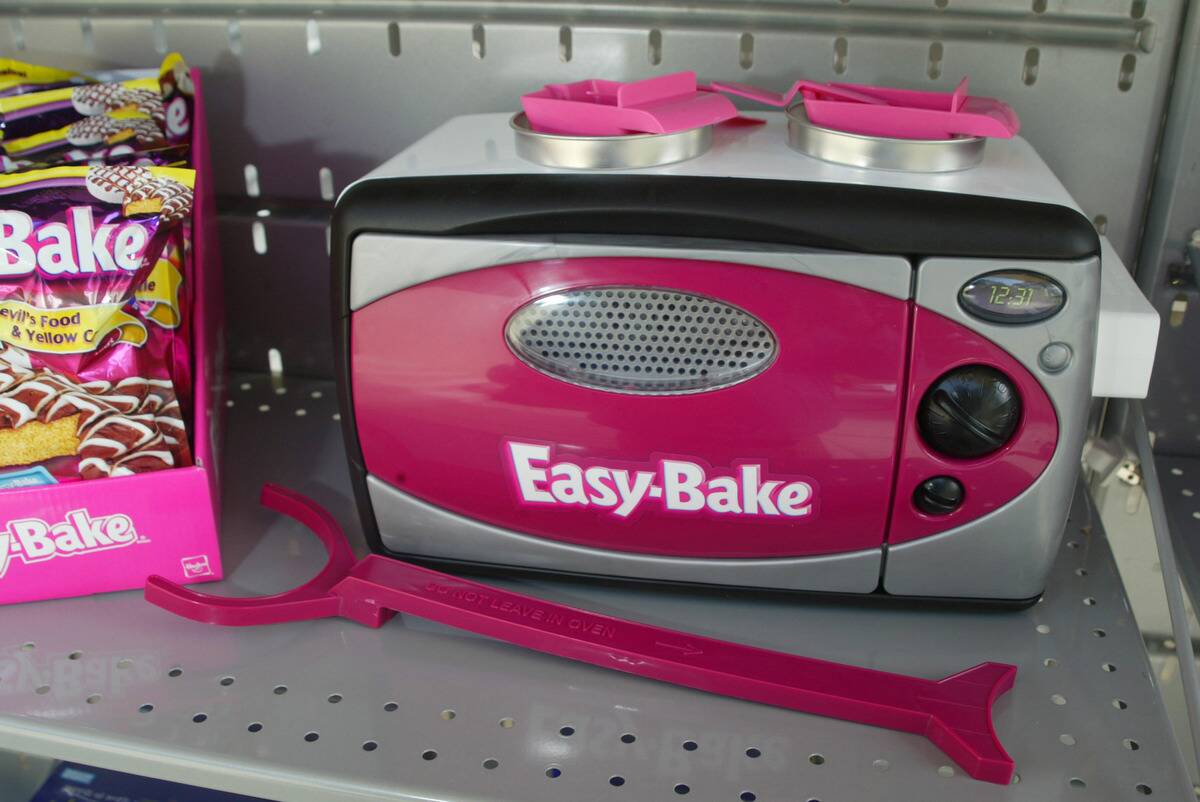
The Easy-Bake Oven, introduced by Kenner in 1963, was a popular toy for aspiring young chefs. Using a simple light bulb to bake miniature cakes and cookies, it allowed children to experience the joy of cooking.
This toy provided a fun activity and inspired an interest in baking for many children, making it a beloved fixture in many playrooms.
Etch A Sketch: The Magic Screen of Creativity
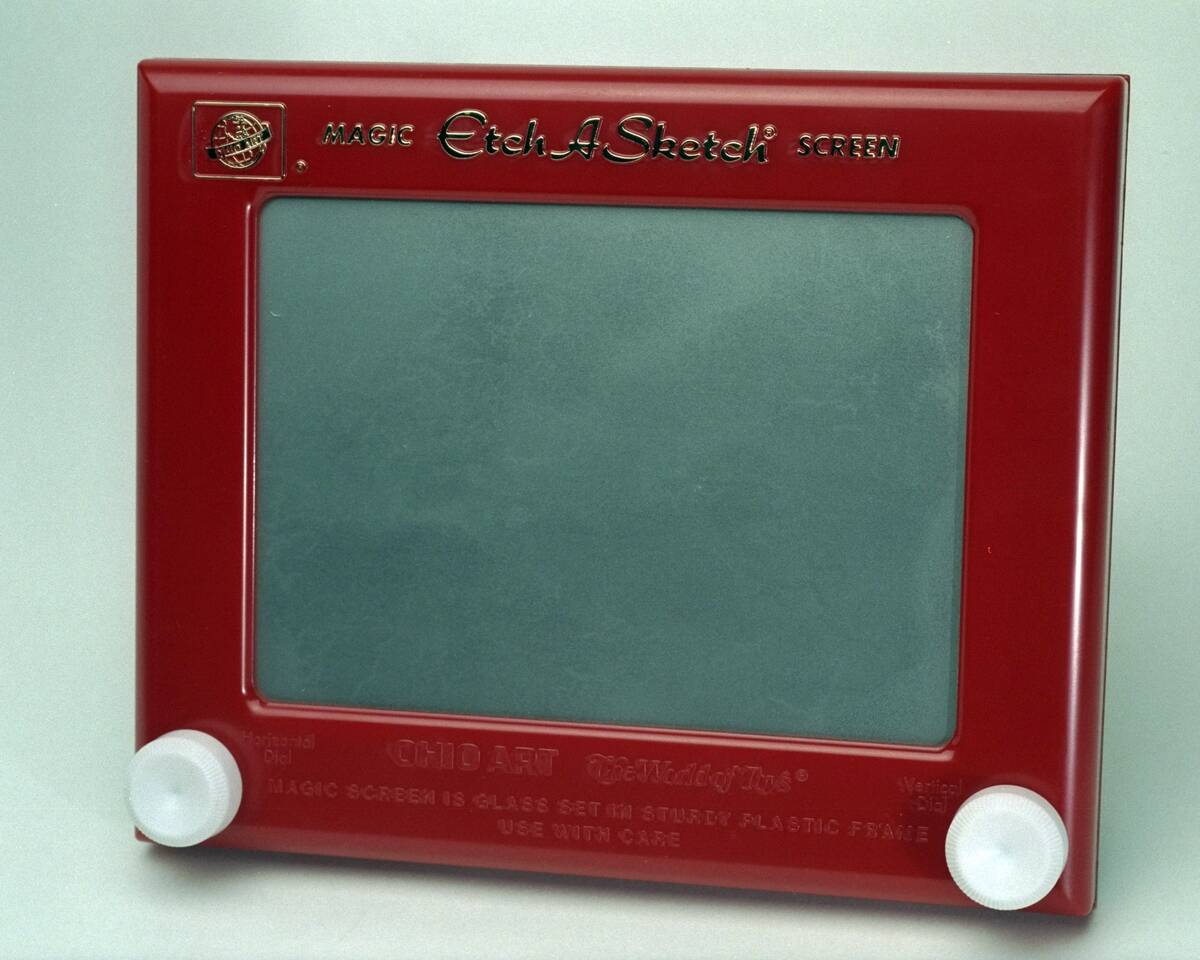
The Etch A Sketch, invented by André Cassagnes and launched by Ohio Art in 1960, was a revolutionary drawing toy.
With its iconic red frame and white knobs, it allowed children to create intricate designs by turning the knobs to move a stylus across a screen. This magical screen offered endless possibilities for creativity, making it a cherished toy for budding artists.
Hot Wheels: Racing into the Hearts of Kids Everywhere
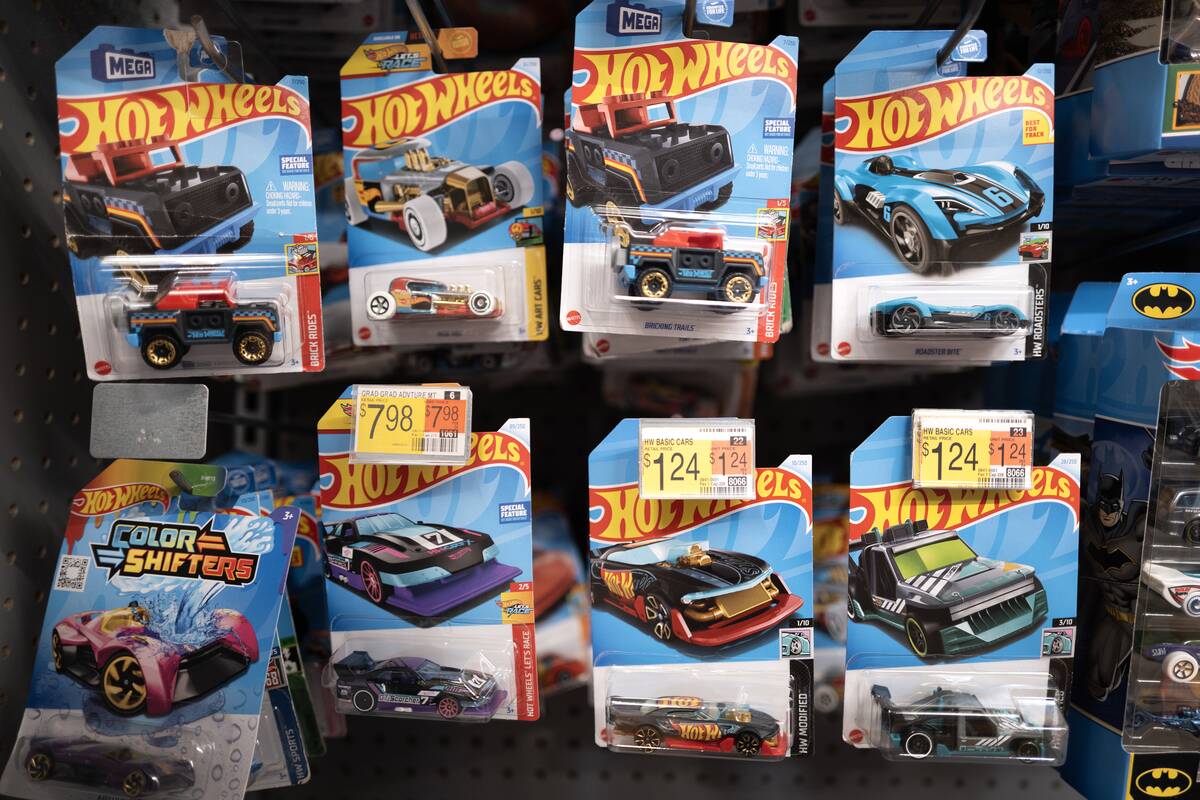
Introduced by Mattel in 1968, Hot Wheels brought the thrill of racing to living rooms worldwide. These die-cast cars, known for their speed and intricate designs, quickly became a favorite among children and collectors alike.
With tracks that could be customized and expanded, Hot Wheels offered endless racing adventures, capturing the excitement of the open road in miniature form.
Tonka Trucks: Built to Last and Loved by All
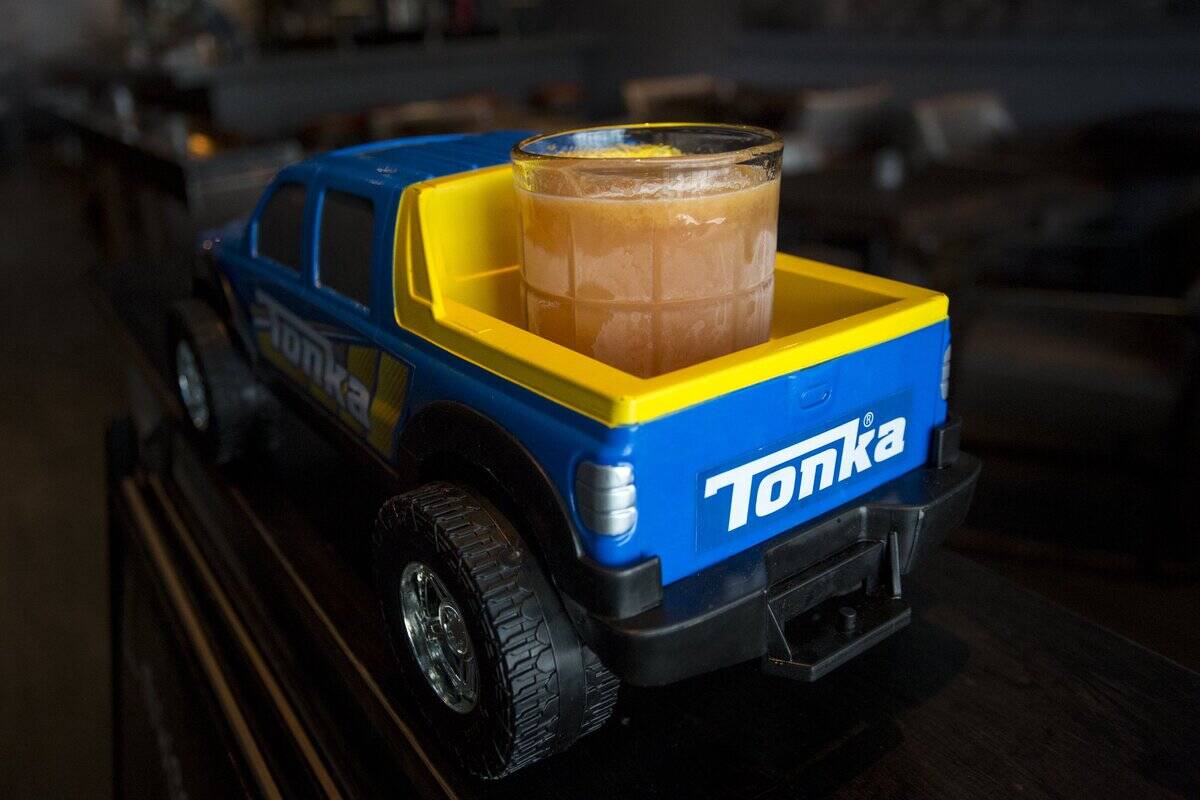
Tonka Trucks, first introduced in the late 1940s, became synonymous with durability and fun. Made from sturdy steel, these trucks could withstand the rough and tumble play of enthusiastic children.
By the 1960s, Tonka had become a household name, with a range of vehicles that encouraged outdoor play and imaginative construction projects, making them a favorite in many sandboxes.
Rock ‘Em Sock ‘Em Robots: The Ultimate Toy Boxing Match
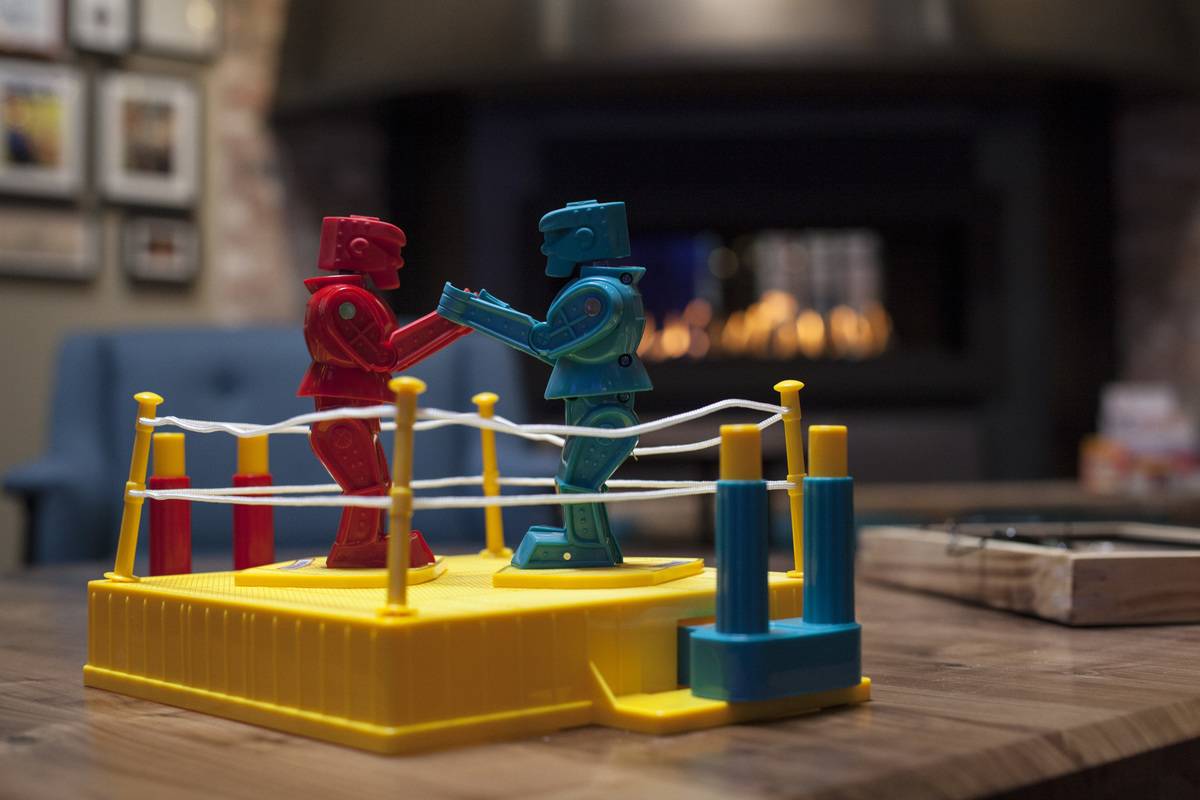
Introduced by Marx Toys in 1964, Rock ‘Em Sock ‘Em Robots brought the excitement of a boxing ring to the toy room. Featuring two battling robots, Red Rocker and Blue Bomber, players controlled their robot in an attempt to pop up the opponent’s head.
This game of skill and strategy became a classic, providing countless hours of competitive fun for children and adults alike.
Play-Doh: Sculpting Imagination Since the 60s

Play-Doh, originally a wallpaper cleaner, was reimagined as a modeling compound for children in the 1950s.
By the 1960s, it had become a staple in playrooms, allowing kids to sculpt and create with ease. Its vibrant colors and pliable texture made it a favorite for artistic expression, encouraging creativity and tactile exploration in children of all ages.
Mr. Potato Head: The Spud with a Personality
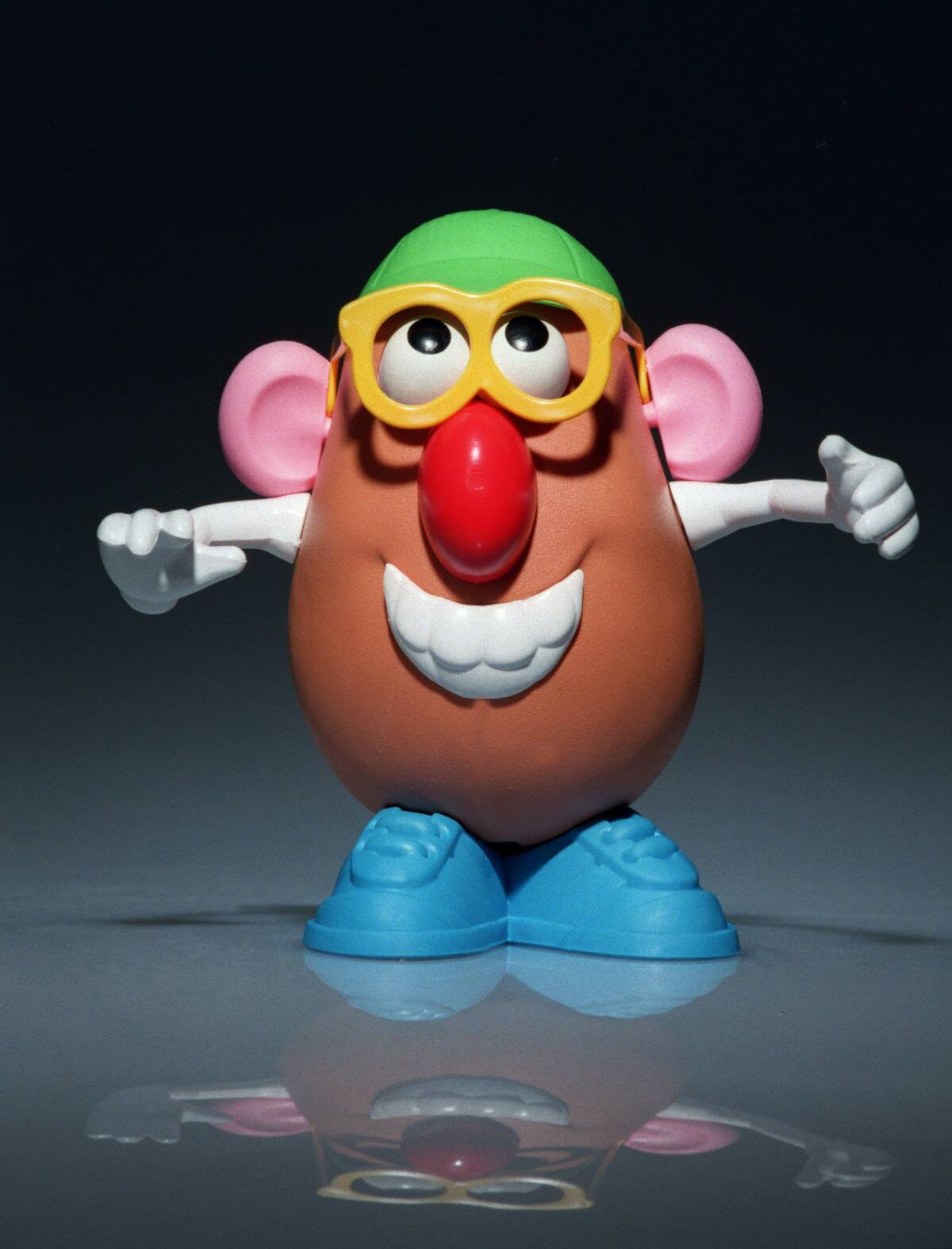
Mr. Potato Head, first sold in 1952, gained immense popularity in the 1960s with the introduction of a plastic potato body.
This toy allowed children to create countless characters by mixing and matching facial features and accessories. Its humorous and customizable nature made it a beloved toy, encouraging imaginative play and storytelling.
View-Master: A Portal to Adventure and Discovery
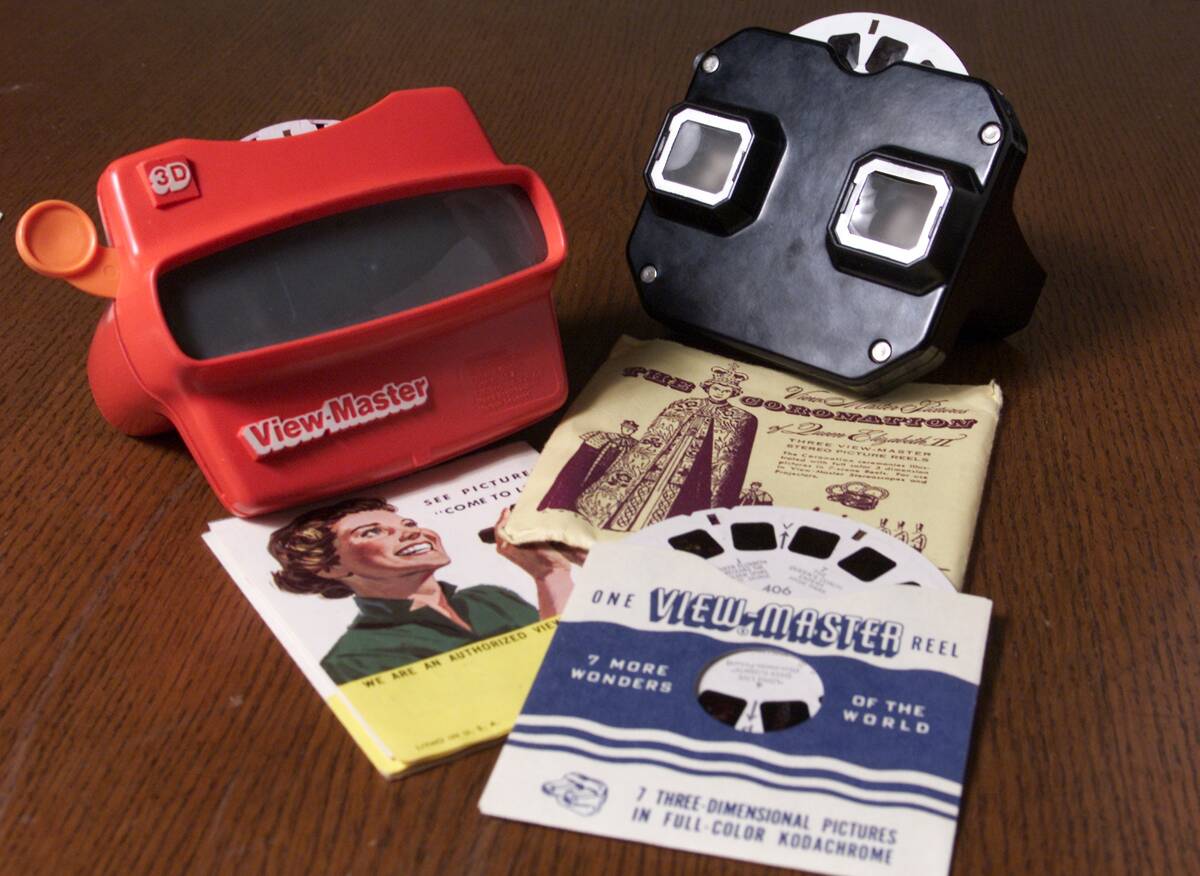
The View-Master, introduced in 1939, became a popular toy in the 1960s with its reels of 3D images.
By looking through the viewer, children could embark on virtual adventures, exploring everything from wildlife to famous landmarks. This innovative toy offered a unique way to learn and explore the world, making it a cherished item for curious minds.
Lite-Brite: Creating Art with a Glow
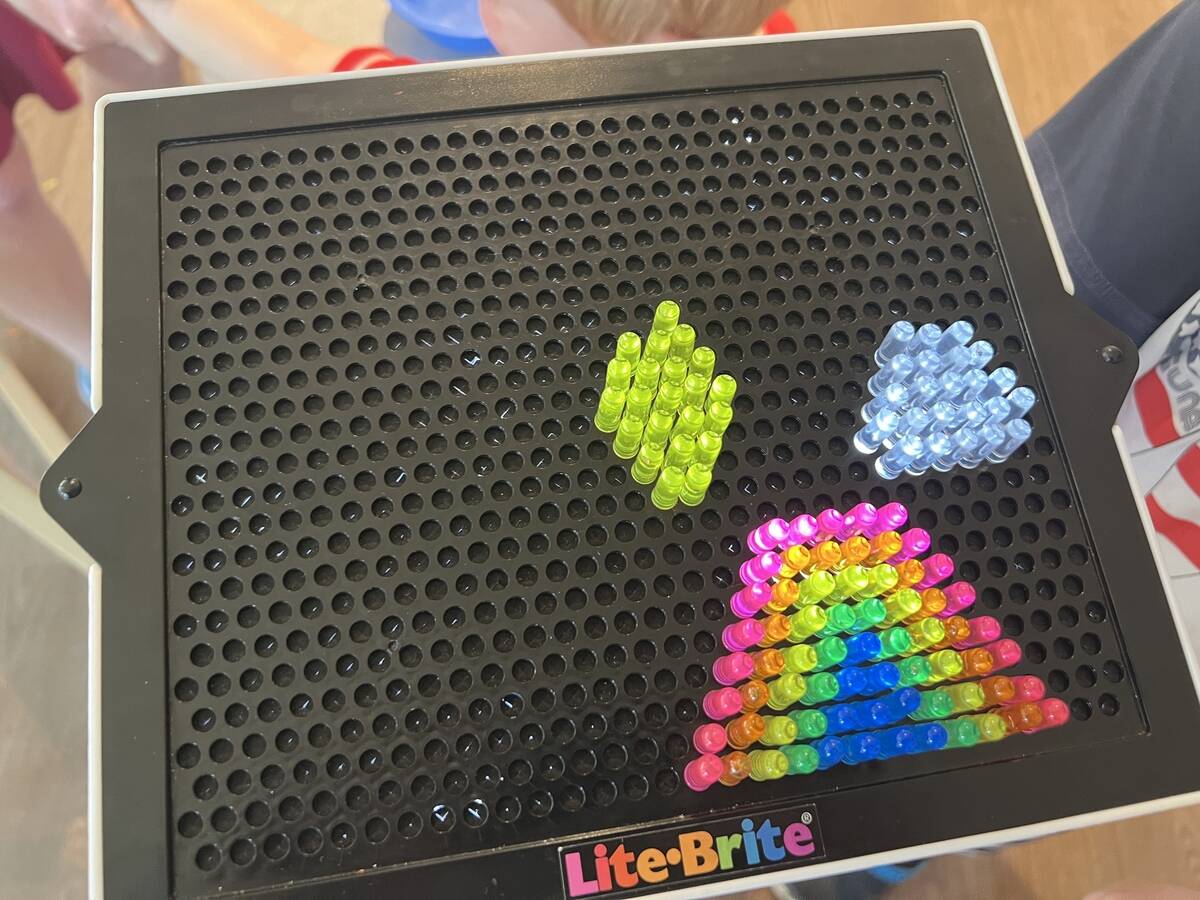
Lite-Brite, introduced by Milton Bradley in 1967, allowed children to create glowing artwork using colored pegs and a light box.
This toy combined creativity with technology, offering a unique way to produce stunning designs. Its vibrant, illuminated pictures captivated young artists, making Lite-Brite a beloved tool for artistic expression and a staple in creative play.
Spirograph: Mesmerizing Geometric Designs
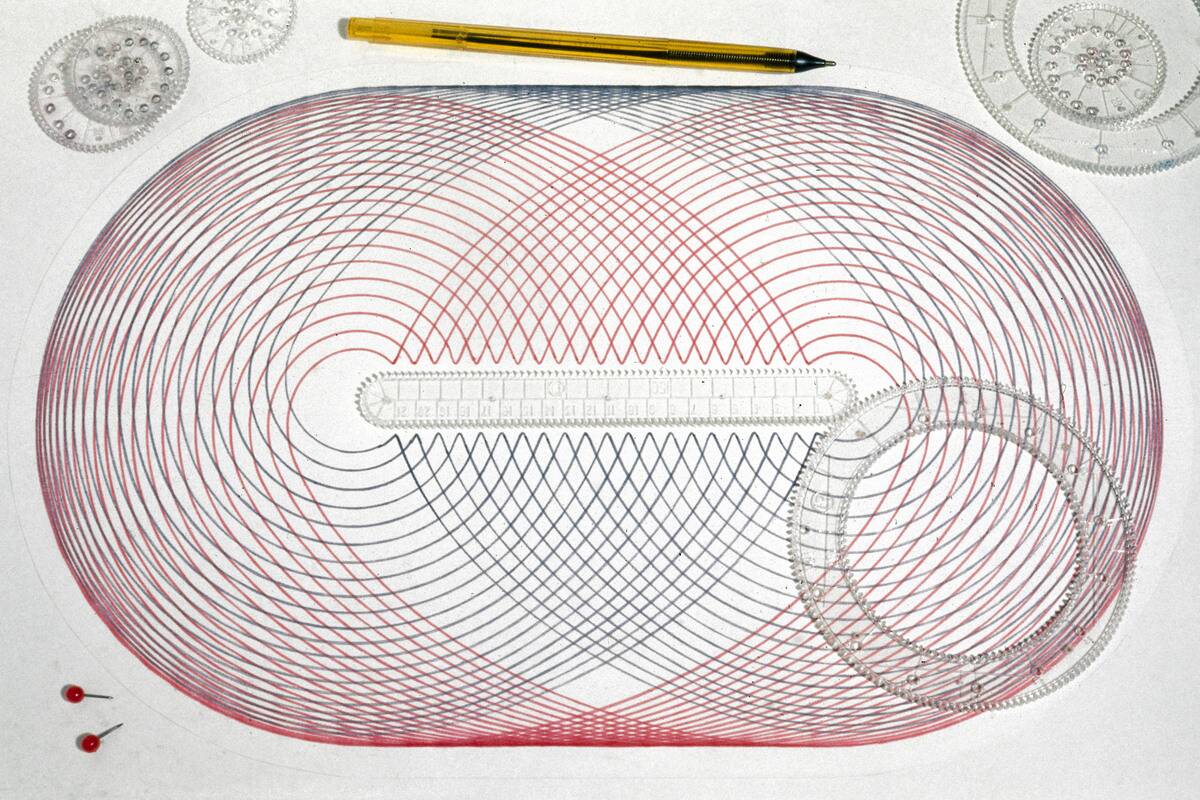
Spirograph, introduced by Denys Fisher in 1965, brought the beauty of mathematics to art. Using a set of gears and wheels, children could create intricate geometric patterns with ease.
This toy not only provided a fun and engaging activity but also introduced concepts of geometry and symmetry, making it both educational and entertaining.
Lincoln Logs: Building Dreams, One Log at a Time
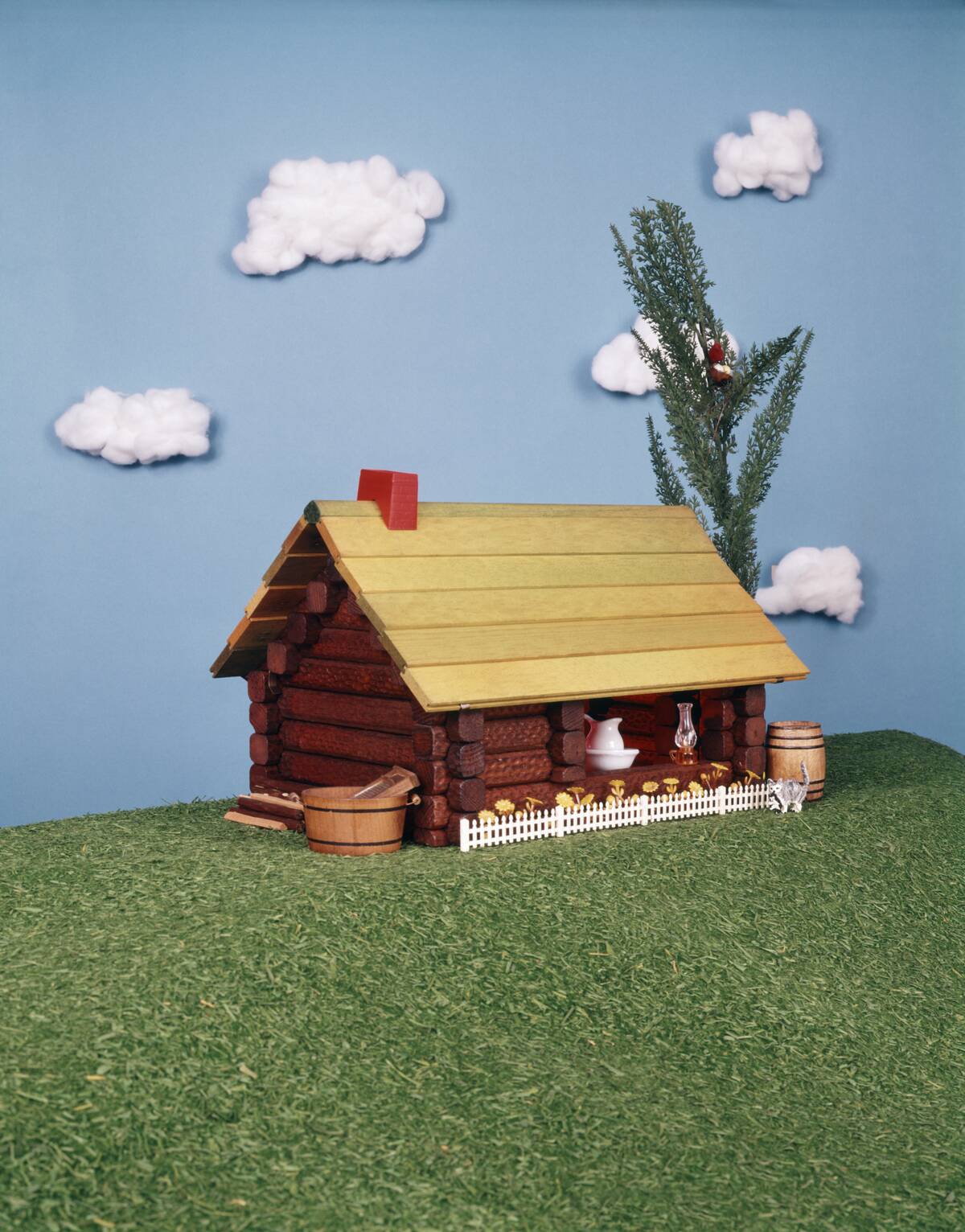
Lincoln Logs, invented by John Lloyd Wright in 1916, saw a resurgence in popularity during the 1960s.
These wooden logs allowed children to construct cabins and forts, fostering creativity and problem-solving skills. The simplicity of Lincoln Logs, combined with the endless possibilities for construction, made them a timeless favorite for aspiring builders.
Matchbox Cars: Tiny Vehicles, Big Adventures
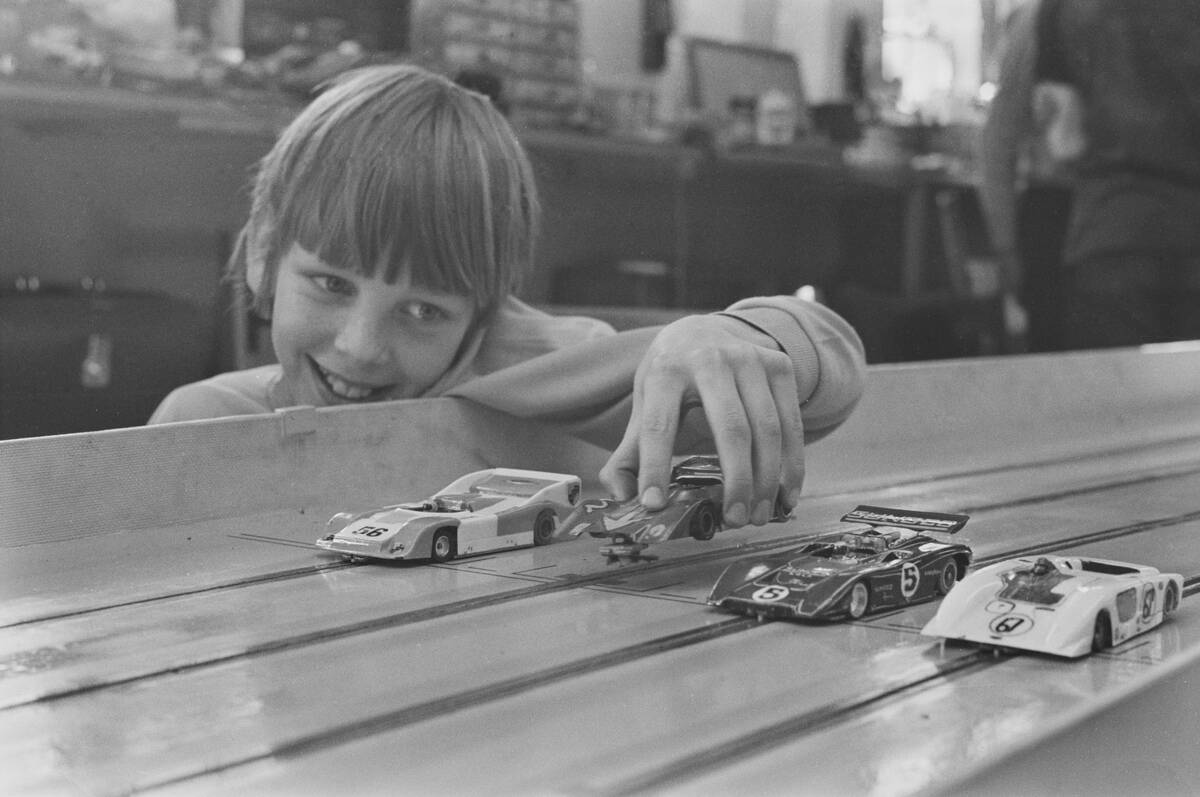
Matchbox cars, first introduced in 1953, became a staple in toy collections during the 1960s. These small die-cast vehicles offered children the chance to explore the world of automobiles in miniature form.
With a wide variety of models and designs, Matchbox cars fueled imaginative play and provided endless opportunities for adventure on the road.
Twister: The Game That Tied Everyone in Knots
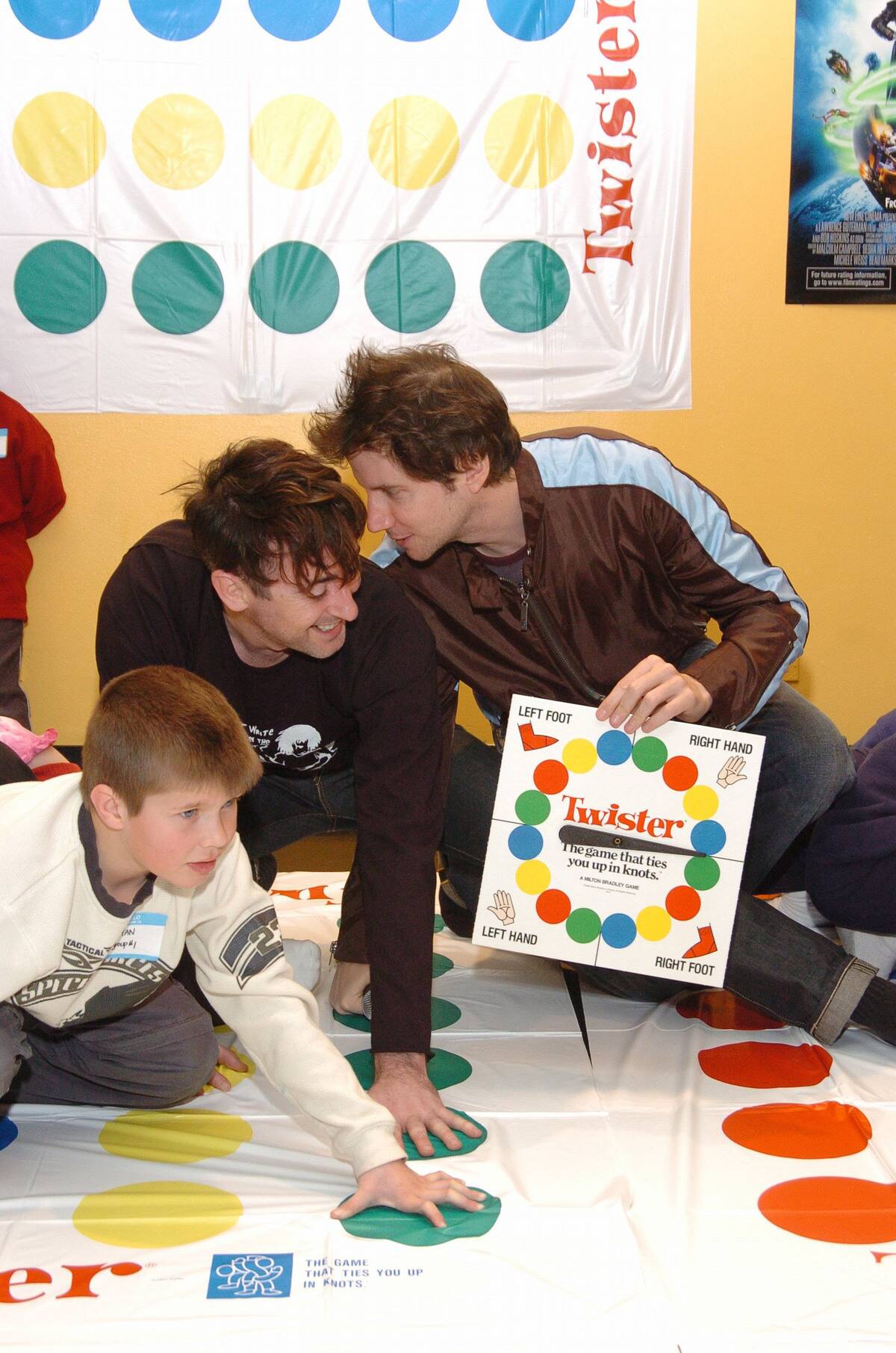
Twister, introduced by Milton Bradley in 1966, brought a new level of physicality to party games. Players contorted their bodies to place hands and feet on colored circles, often resulting in tangled limbs and laughter.
This game of balance and flexibility quickly became a hit, providing hours of fun and hilarity for players of all ages.
Silly Putty: The Bouncing, Stretching Wonder
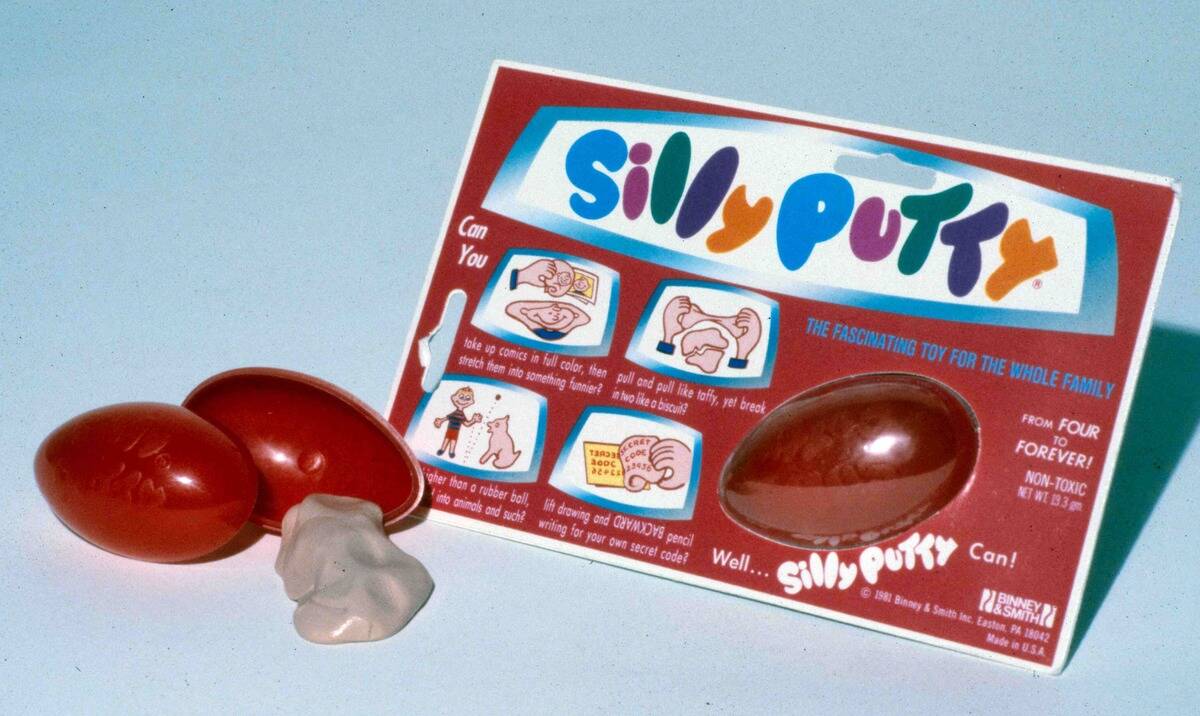
Silly Putty, invented by James Wright during World War II, became a popular toy in the 1960s. Known for its unique properties of bouncing, stretching, and copying newspaper print, Silly Putty offered endless entertainment.
Its versatility and tactile appeal made it a favorite for both children and adults, providing a fun and stress-relieving play experience.




