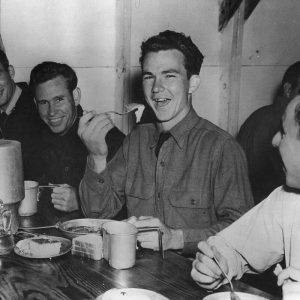
Drive-in restaurants that defined an era
Drive-in restaurants evoke a sense of nostalgia, taking us back to a time when life seemed simpler and meals were enjoyed from the comfort of our cars.
These establishments were more than just places to eat; they were a cultural phenomenon that captured the spirit of an era. With neon lights and the hum of engines, drive-ins offered a unique dining experience that was both exciting and comforting.
The Golden Age of Drive-Ins: A Brief History
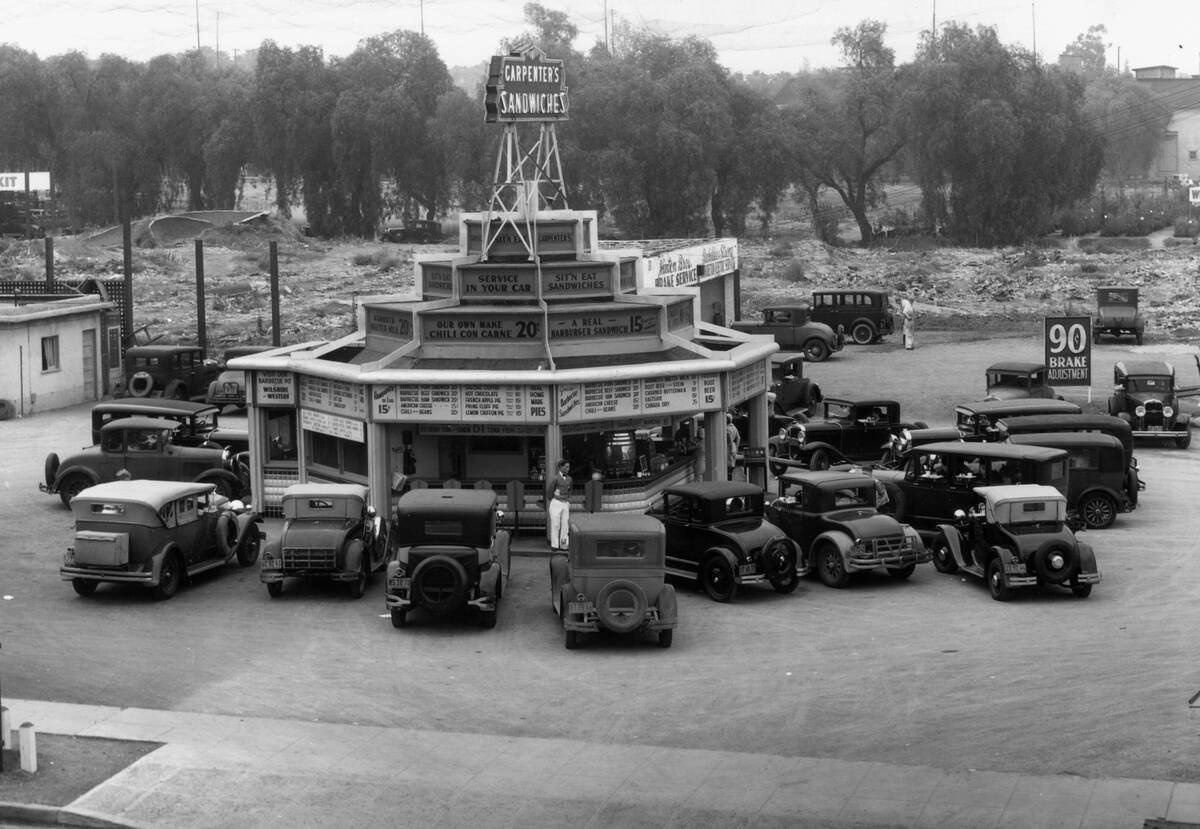
The golden age of drive-ins spanned from the 1940s to the 1960s, a period when car culture was booming in America.
The first drive-in, Kirby’s Pig Stand, opened in Dallas, Texas, in 1921, setting the stage for a nationwide trend. By the 1950s, there were over 4,000 drive-ins across the country, serving as a testament to their popularity and cultural significance.
The Unique Charm of Carhop Service
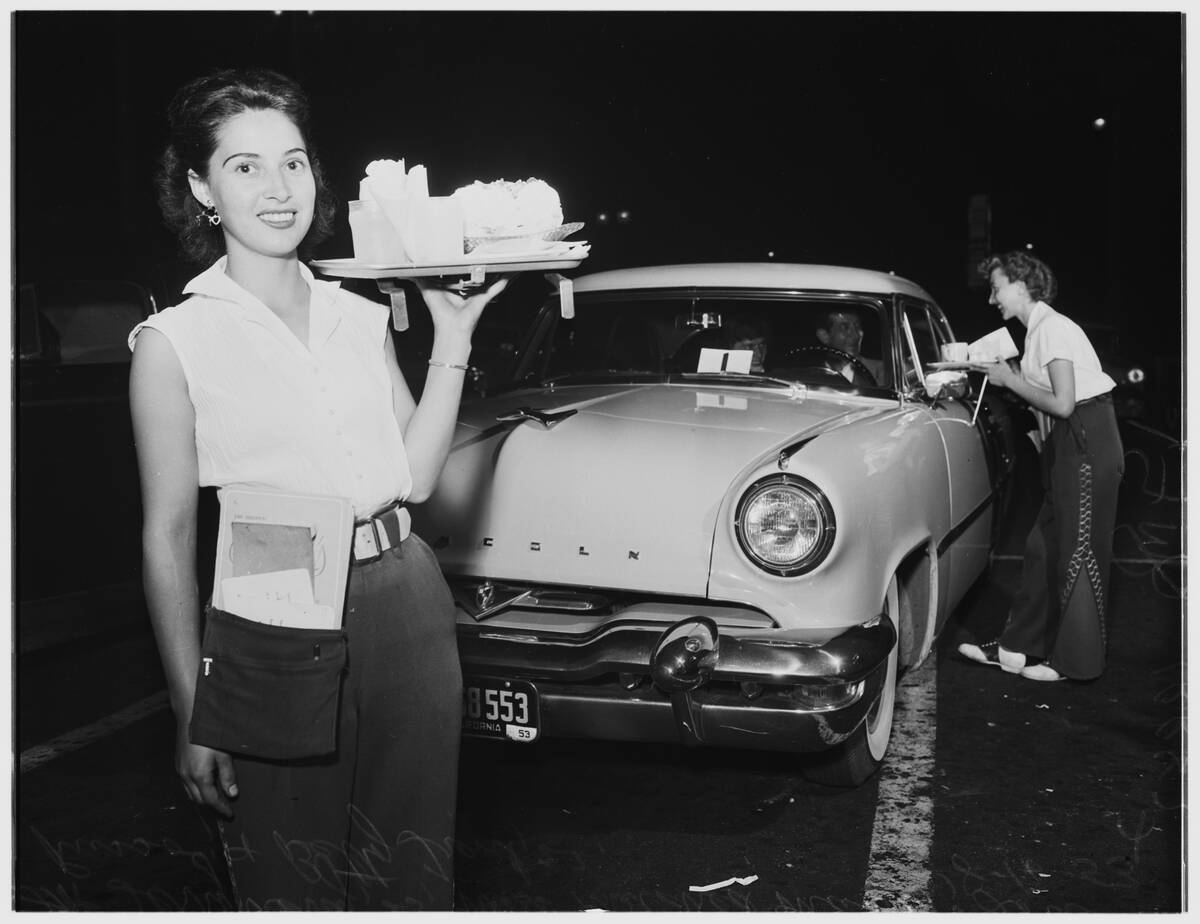
Carhops were the heart and soul of drive-in restaurants, delivering food directly to customers’ cars with a smile.
Often on roller skates, these servers became icons of the drive-in experience. The efficiency and charm of carhop service made dining at a drive-in feel like a special occasion, adding a personal touch that is often missing from modern fast-food experiences.
Classic Menus that Defined an Era
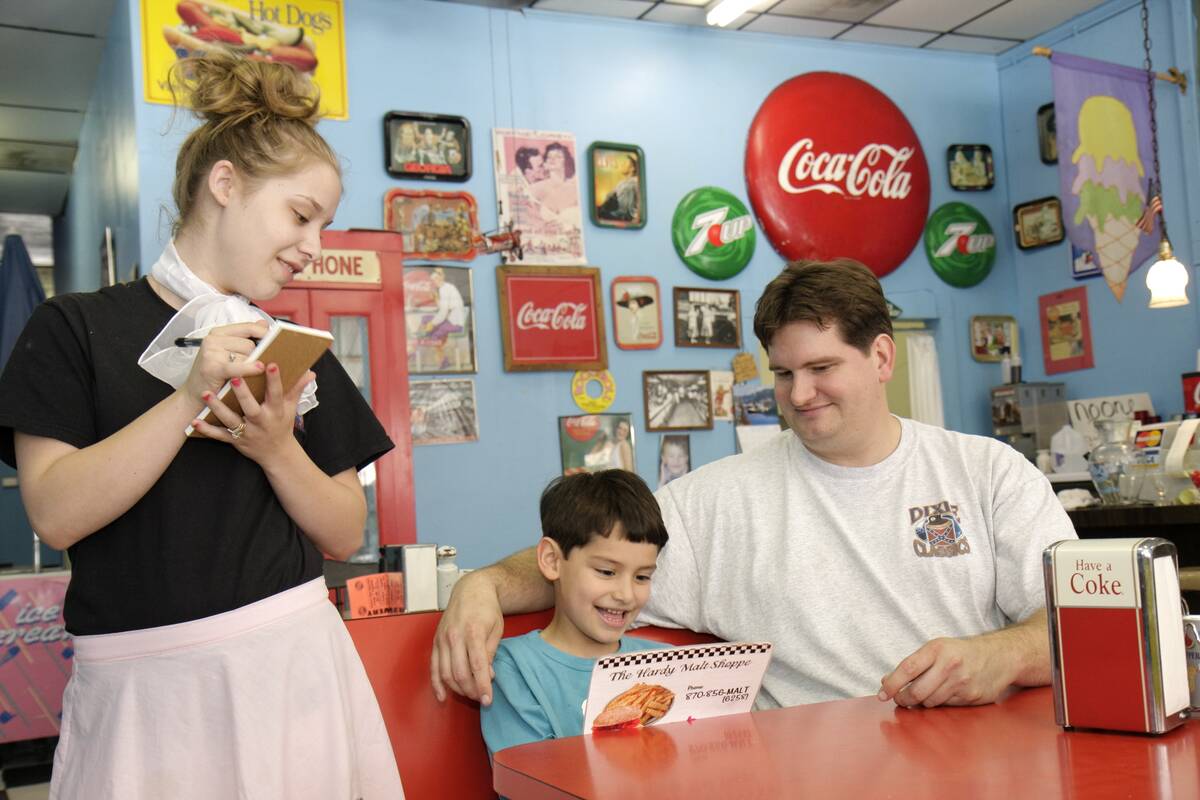
Drive-in menus were a celebration of classic American fare, featuring items like burgers, fries, and milkshakes.
These simple yet satisfying dishes became synonymous with the drive-in experience. Milkshakes, in particular, became one of the most popular menu items, offering a sweet treat that was perfect for sipping while parked under the stars.
Iconic Drive-In Architecture and Design
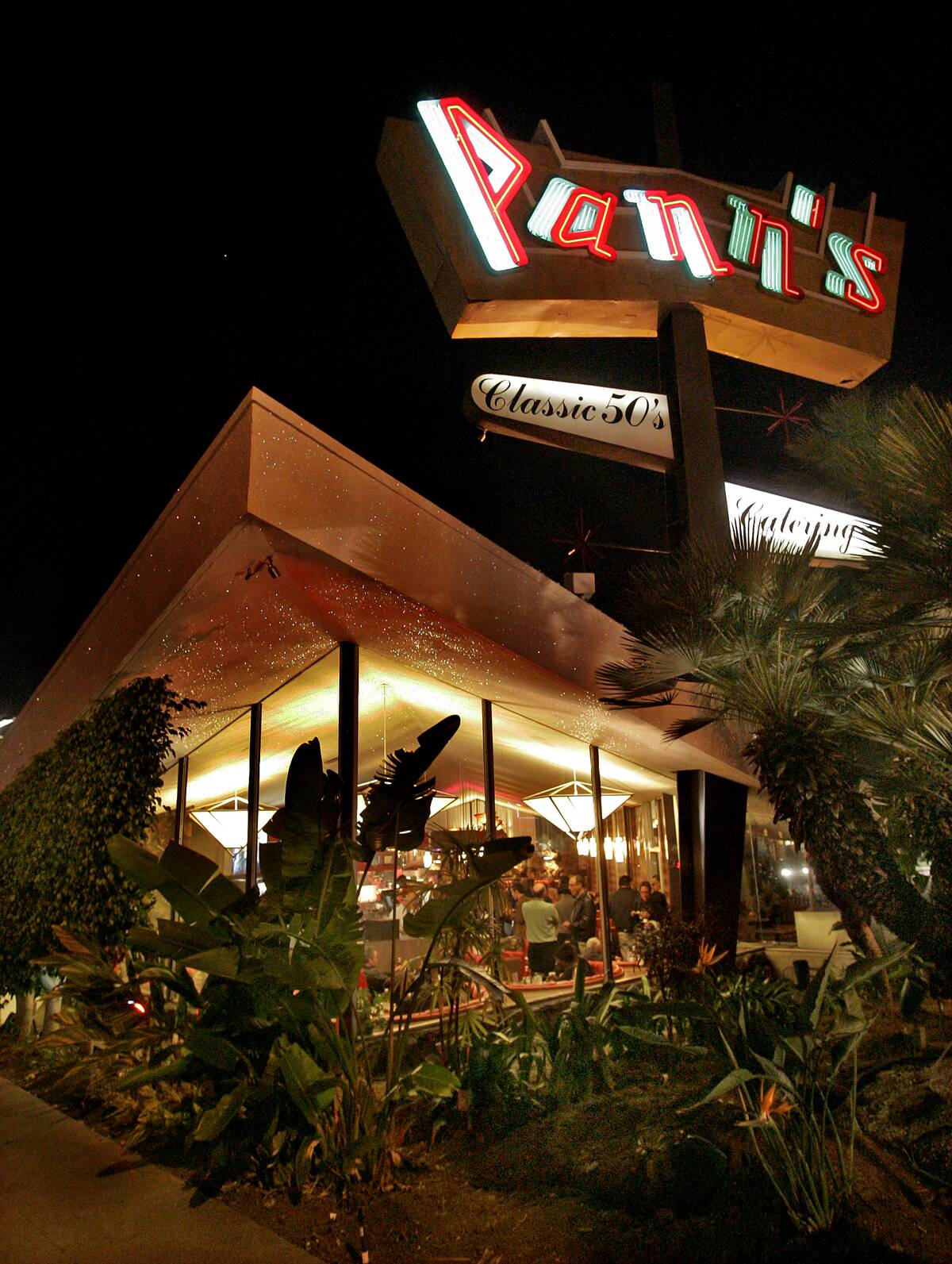
Drive-ins were known for their distinctive architecture, often featuring bold neon signs and futuristic designs. The Googie architecture style, characterized by its space-age motifs and sweeping lines, was a hallmark of many drive-ins.
These eye-catching designs not only attracted diners but also became landmarks in their own right, embodying the optimism of the post-war era.
The Social Hub: Drive-Ins as Community Gathering Spots
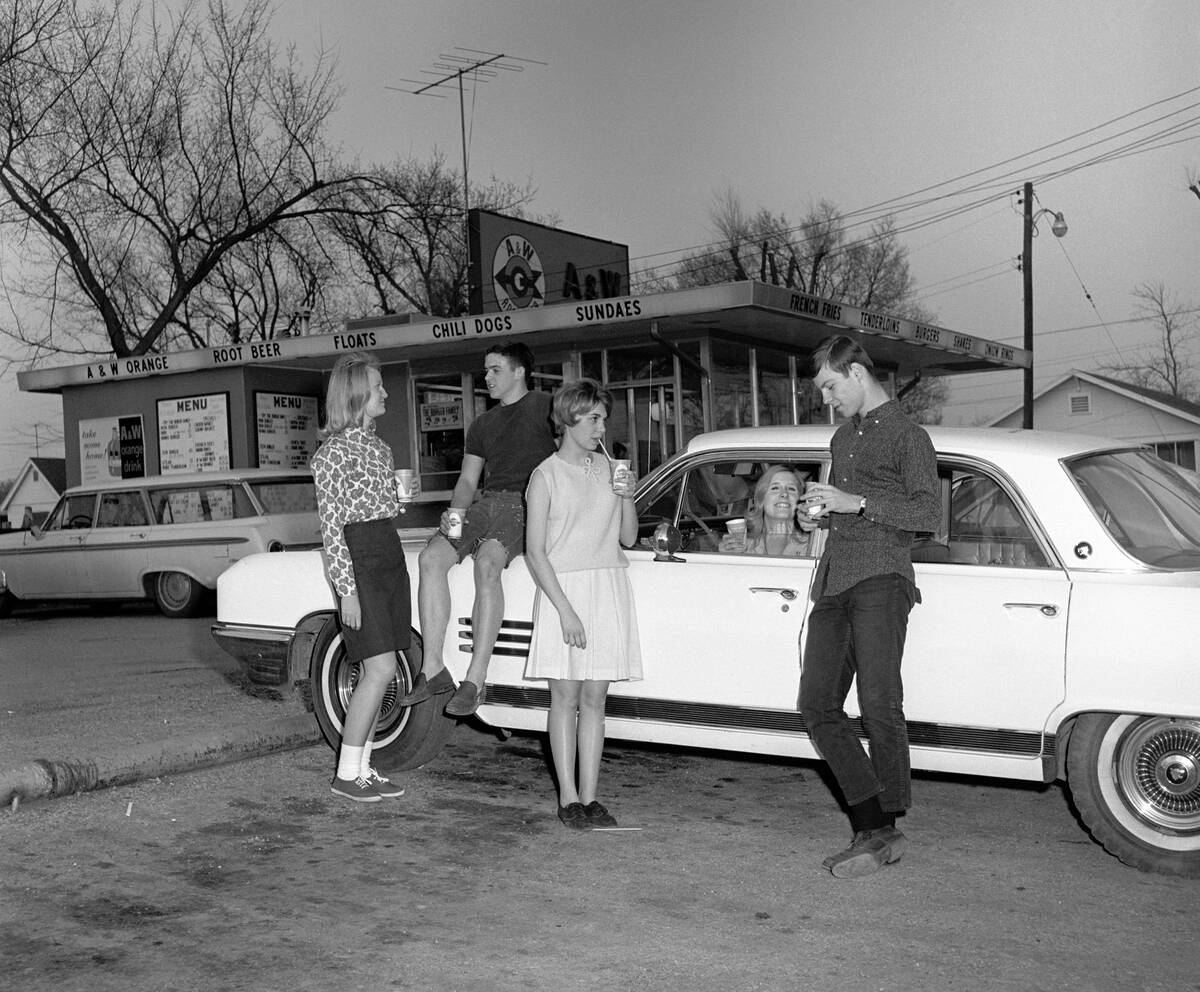
Drive-ins were more than just places to grab a bite; they were social hubs where people gathered to catch up and enjoy each other’s company. Teens cruised in their cars, families shared meals, and communities came together under the glow of neon lights.
This sense of community made drive-ins an integral part of American life, fostering connections and creating memories.
Memorable Drive-In Chains from the Past
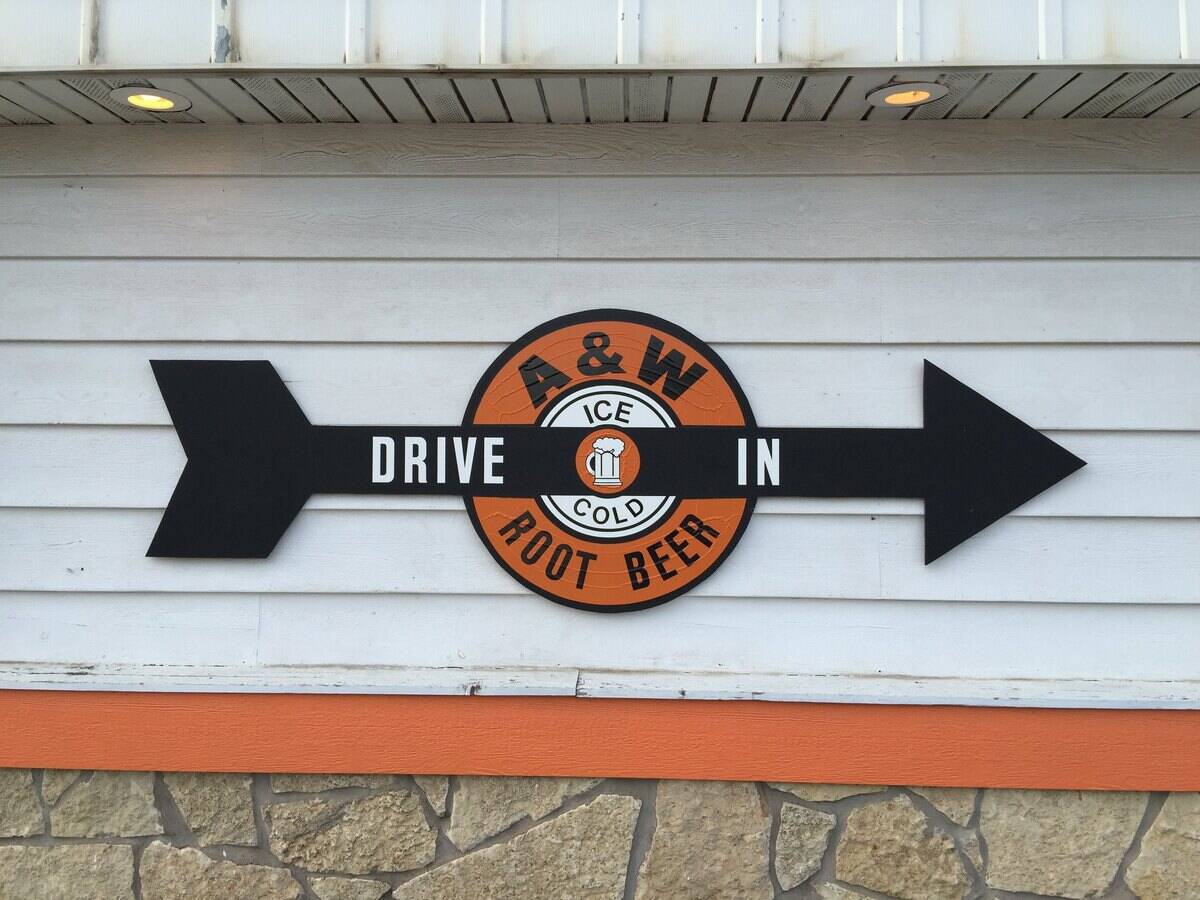
Chains like A&W, Sonic, and Dog n Suds became household names, each offering their own twist on the drive-in experience. A&W, founded in 1919, became known for its root beer and root beer floats, while Sonic’s unique drive-in ordering system helped define its dining experience.
These chains not only shaped the drive-in era but also left a lasting legacy that continues to influence dining today.
Legendary Drive-In Dishes We Still Crave
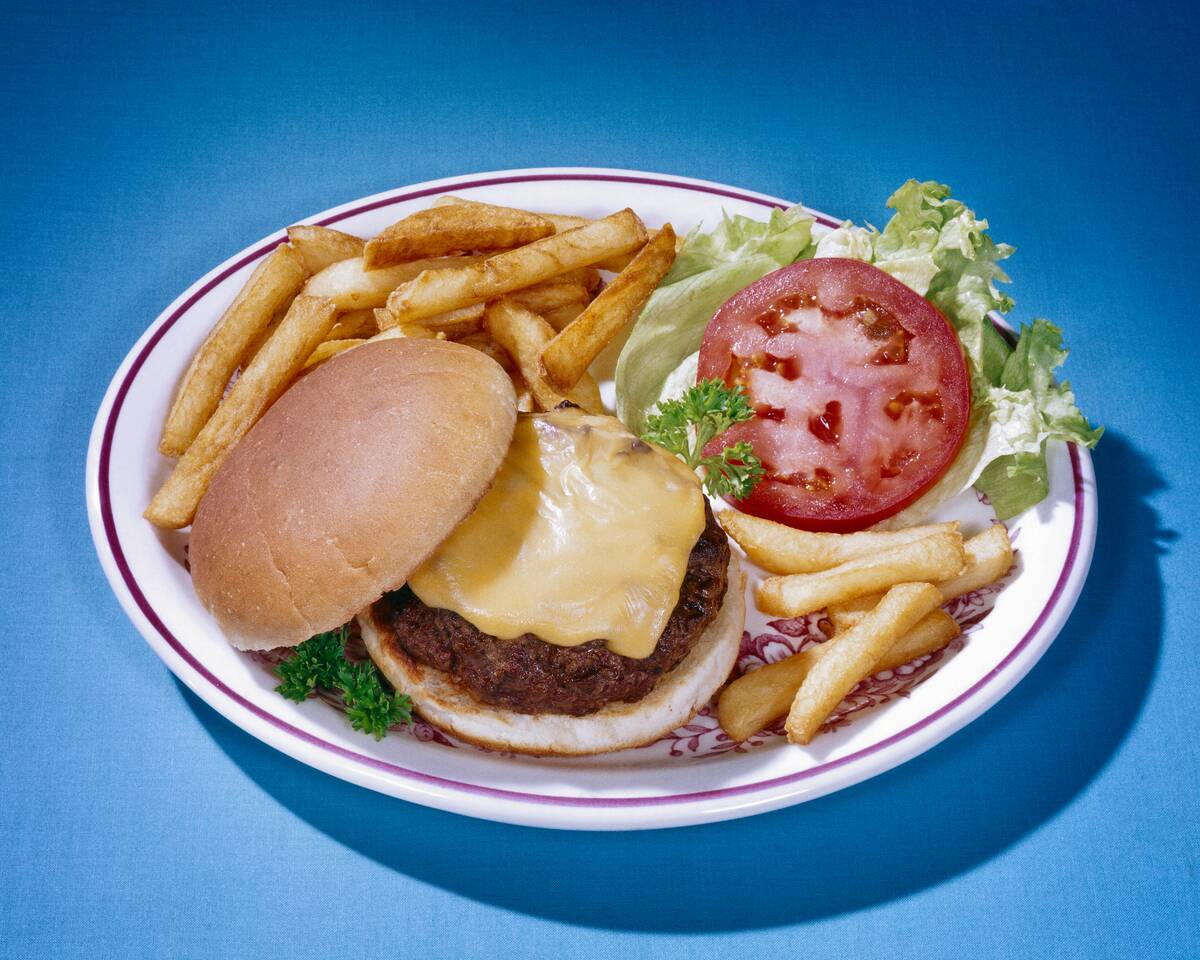
Some drive-in dishes have achieved legendary status, becoming cravings that transcend generations. The classic cheeseburger, with its perfectly melted cheese and juicy patty, remains a staple of American cuisine.
Similarly, the chili dog, with its savory topping and soft bun, continues to be a favorite among drive-in enthusiasts, proving that good food never goes out of style.
The Rise and Fall of the Drive-In Restaurant Trend
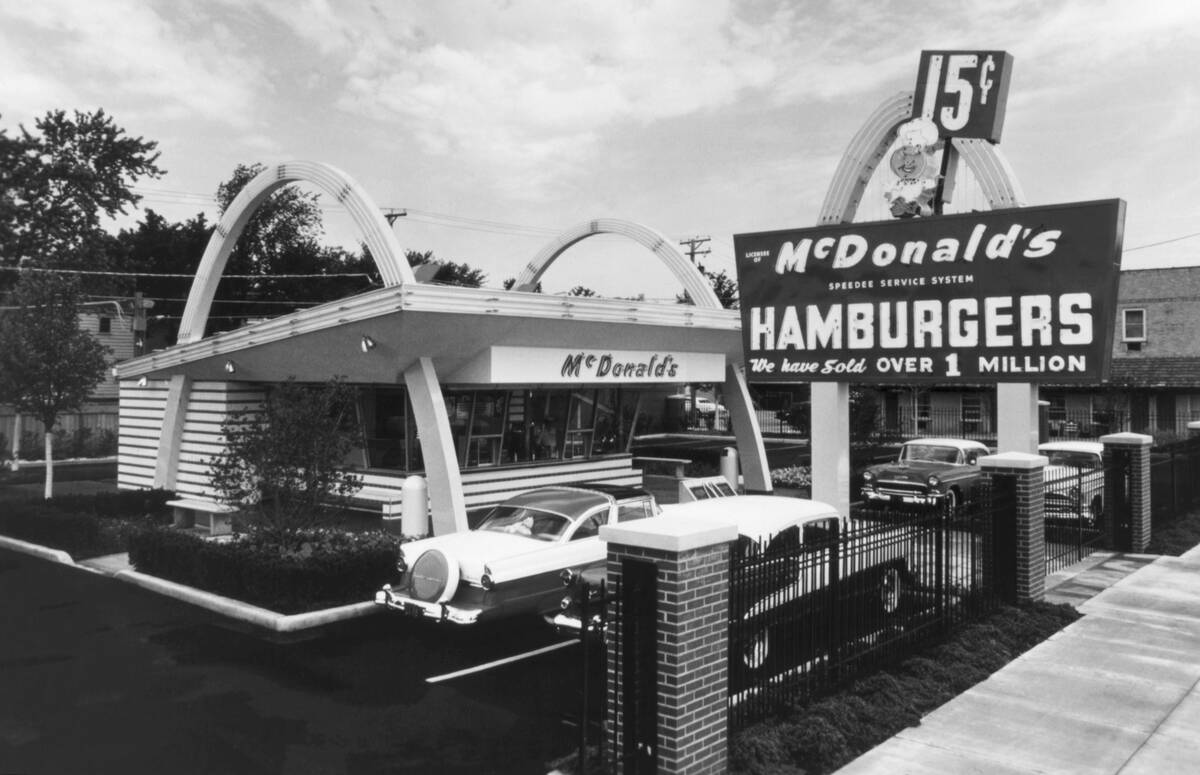
The rise of drive-ins was fueled by the post-war economic boom and the increasing popularity of automobiles. However, the trend began to decline in the 1960s and 1970s as fast-food chains like McDonald’s and Burger King gained prominence.
These new establishments offered faster service and indoor seating, leading to a shift in dining preferences and the gradual disappearance of many traditional drive-ins.
Beloved Regional Drive-Ins and Their Signature Offerings
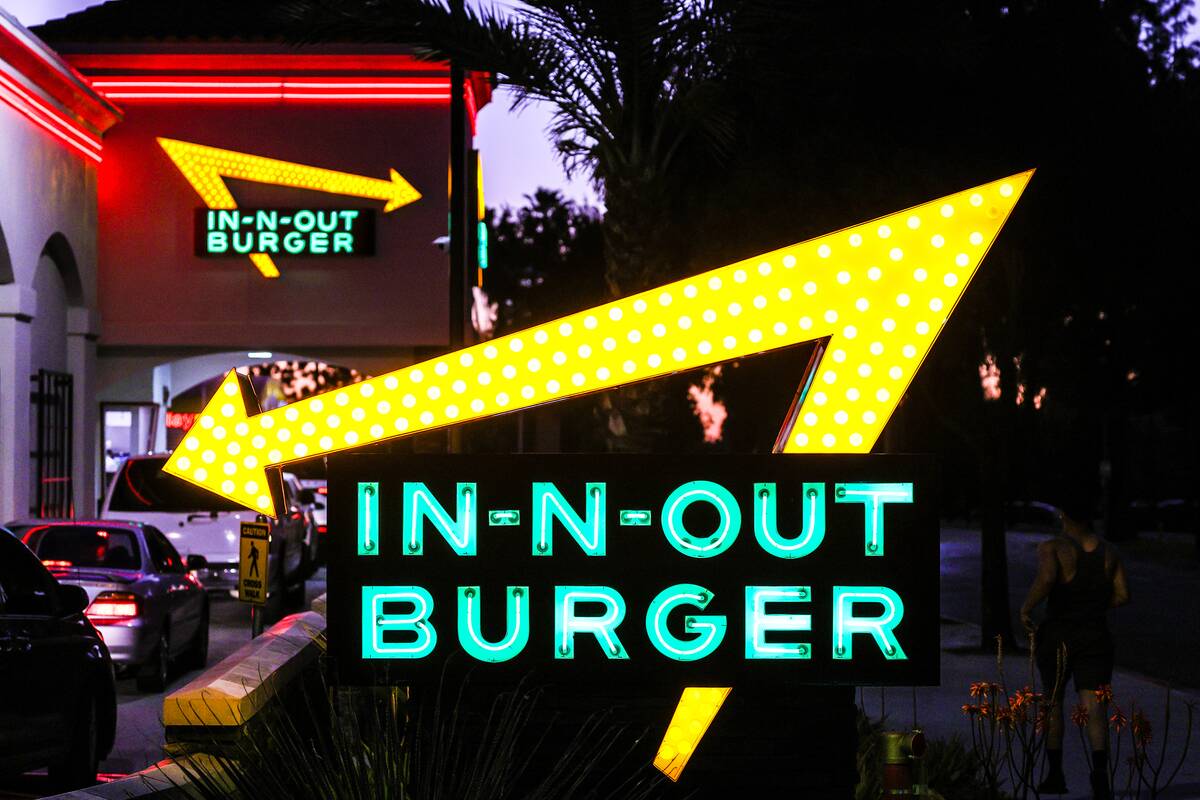
Regional drive-ins often boasted unique menu items that reflected local tastes and traditions. In California, In-N-Out Burger became famous for its “Animal Style” burgers, while some Texas drive-ins offered Tex-Mex influenced dishes.
These regional specialties not only set drive-ins apart but also showcased the diverse culinary landscape of America, offering something for everyone.
Stories from Former Drive-In Employees and Patrons
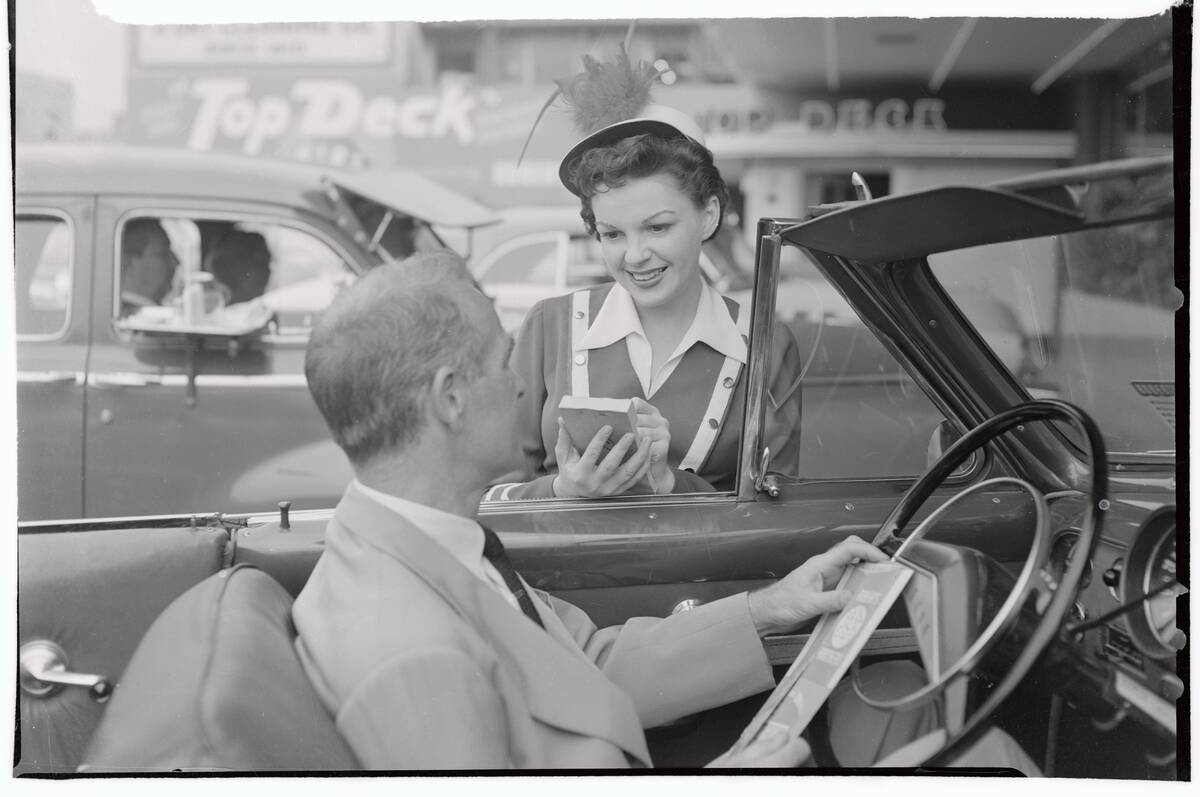
Former employees and patrons of drive-ins often share fond memories of their experiences, highlighting the camaraderie and sense of community that defined these establishments.
Many recall the thrill of working as a carhop or the excitement of meeting friends at the local drive-in. These stories paint a vivid picture of a bygone era, preserving the legacy of drive-ins for future generations.
The Resurgence of Retro Dining Experiences
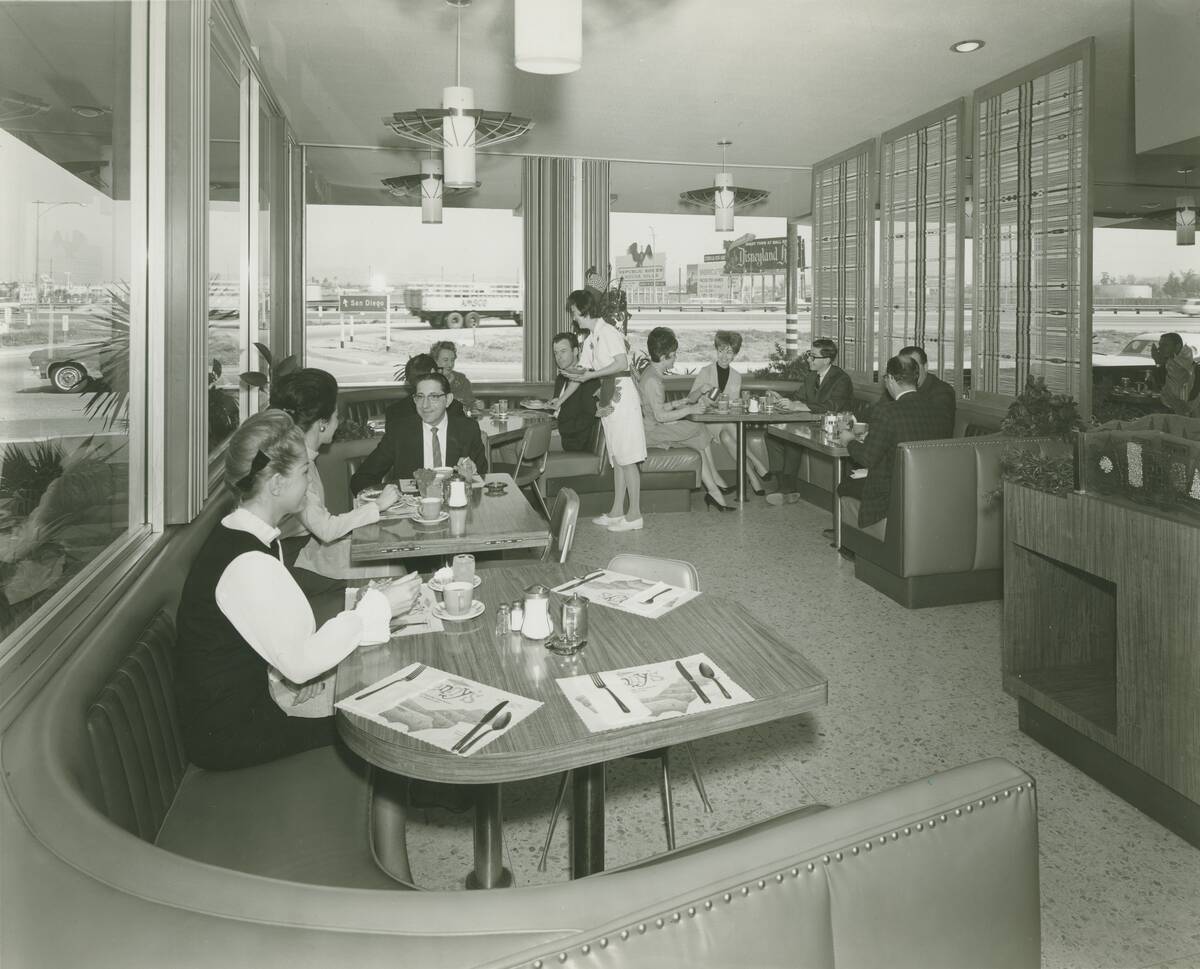
In recent years, there has been renewed interest in retro dining experiences, with some drive-ins and nostalgic restaurants continuing to attract customers.
These establishments aim to capture the charm and nostalgia of the original drive-ins while offering modern twists on classic dishes. This revival reflects an appreciation for unique dining experiences that offer a connection to the past.
Why Drive-Ins Hold a Special Place in Our Hearts
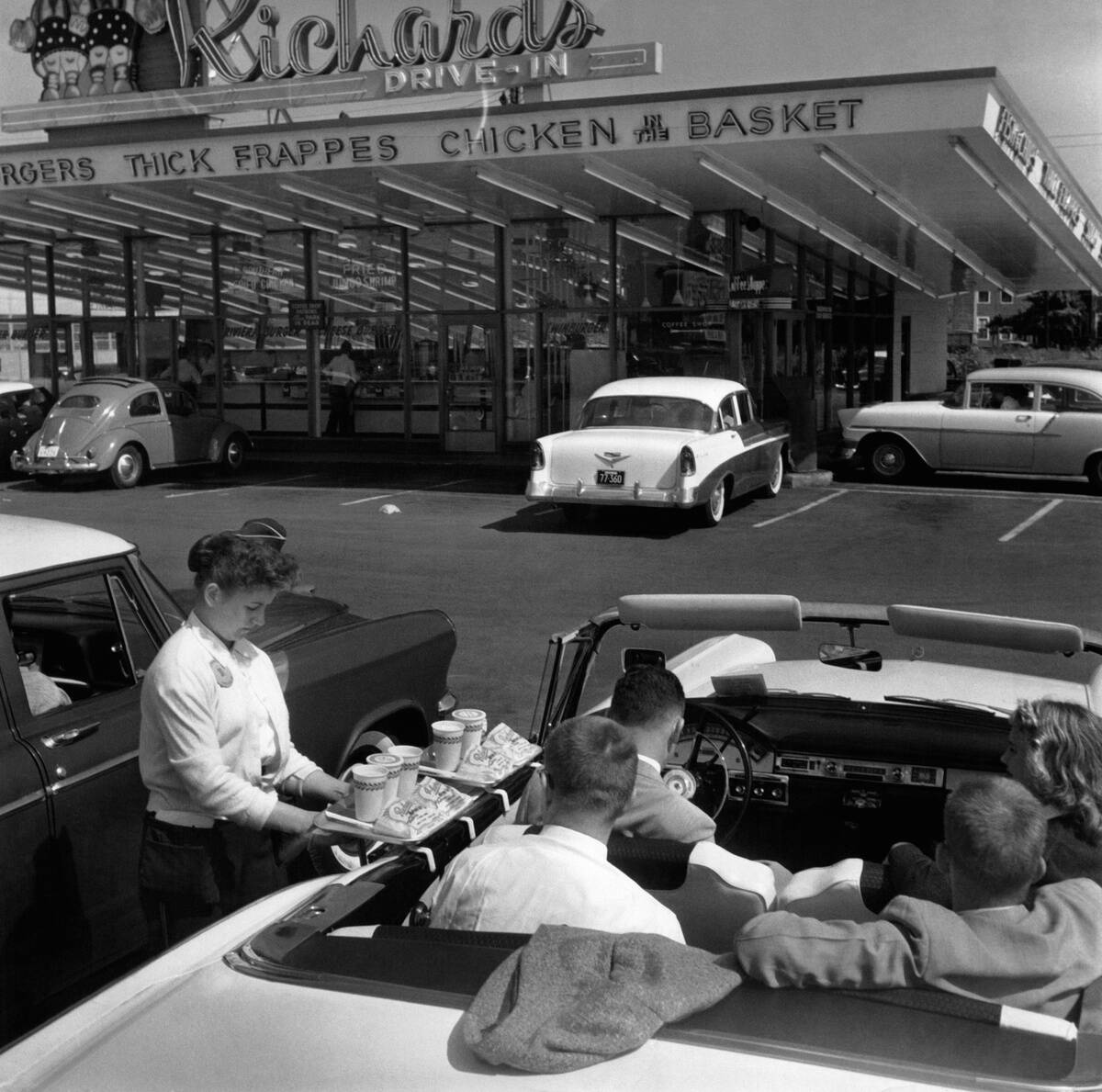
Drive-ins hold a special place in our hearts because they represent a time of innocence and simplicity. They remind us of warm summer nights, the joy of sharing a meal with loved ones, and the thrill of experiencing something uniquely American.
This emotional connection makes drive-ins more than just restaurants; they are cherished memories that continue to resonate with us today.
Drive-Ins and the American Road Trip Tradition
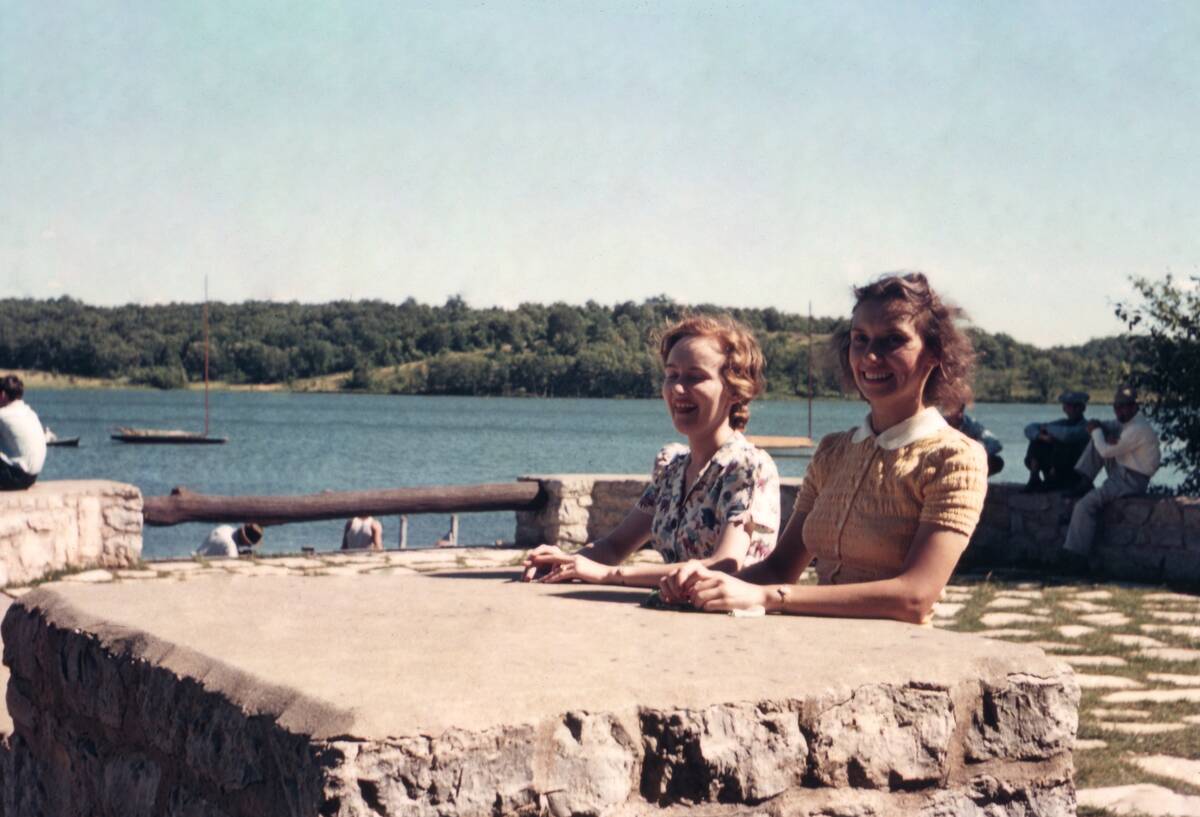
Drive-ins are an integral part of the American road trip tradition, offering travelers a convenient and nostalgic dining option.
They provide a welcome break from the monotony of the highway, inviting road trippers to relax and enjoy a meal in a quintessentially American setting. This connection to the open road and the spirit of adventure further cements the drive-in’s place in American culture.