Popular magazines that disappeared over time
Once upon a time, magazines were the cornerstone of entertainment and information. From glossy covers to captivating stories, they were a staple in households.
However, the digital age has reshaped how we consume content, leading to a decline in print magazine popularity. While some have adapted to the change, others have faded into the annals of history. Let’s take a nostalgic journey through the rise and fall of these beloved publications.
The Golden Age of Print: A Brief History
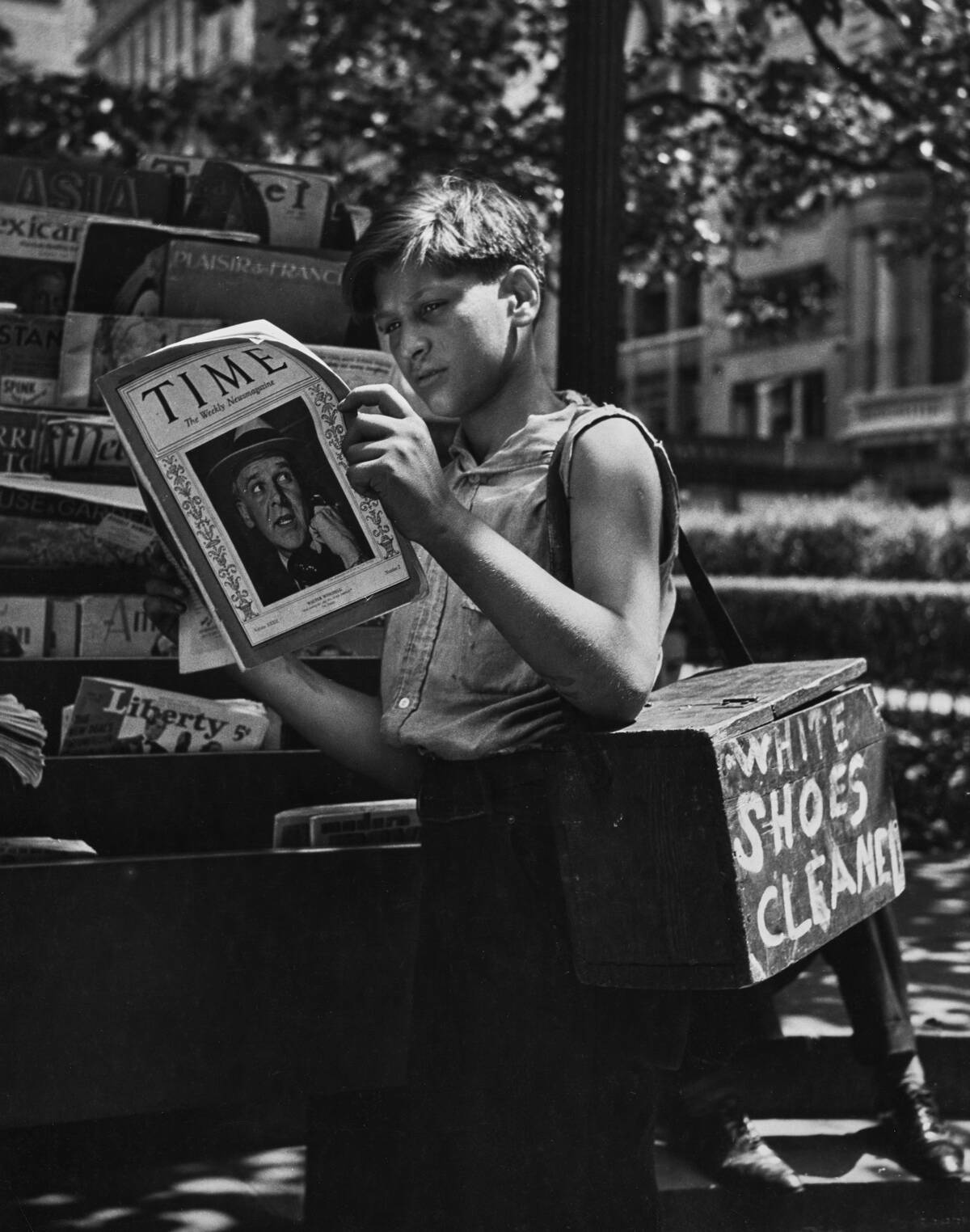
The mid-20th century was truly the golden age of print media. Magazines like Life and Time dominated newsstands, offering a mix of news, culture, and photography. During this era, print was the primary source of information, with circulation numbers reaching millions.
The tactile experience of flipping through a magazine was unmatched, creating a bond between reader and publication that digital media struggles to replicate.
The Digital Revolution: A Game Changer for Print Media

The advent of the internet in the late 20th century marked a seismic shift in media consumption. Online platforms offered instant access to information, challenging the relevance of print. As digital media grew, print subscriptions dwindled.
Many magazines transitioned to online formats, while others ceased publication altogether. This revolution forced the industry to innovate, leading to the rise of digital-only publications and interactive content.
Life Magazine: Capturing the Essence of America
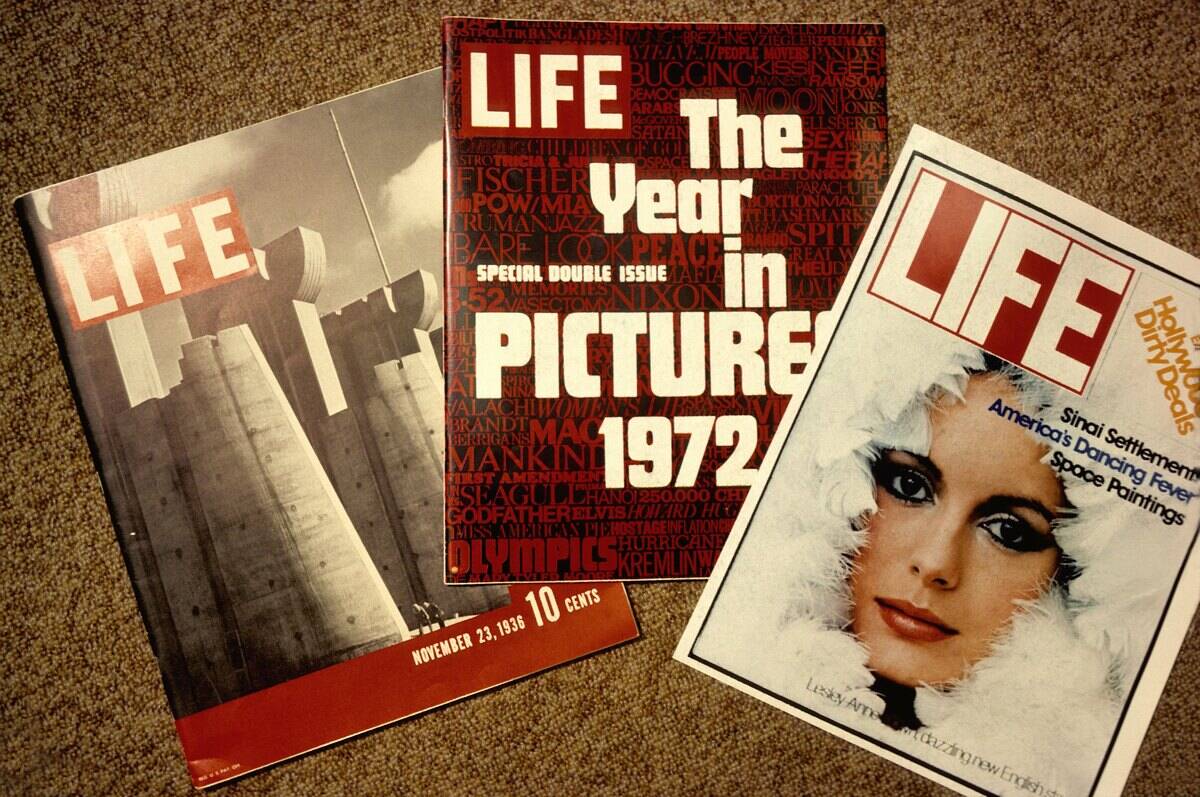
Life Magazine was an iconic publication that captured the spirit of America through powerful photojournalism. Launched in 1936, it became known for its stunning photography and in-depth stories.
Life covered everything from World War II to the Civil Rights Movement, offering a visual narrative that resonated with readers. Its influence waned with the rise of television, but its legacy as a pioneer in photojournalism remains.
Gourmet: The Original Foodie Bible
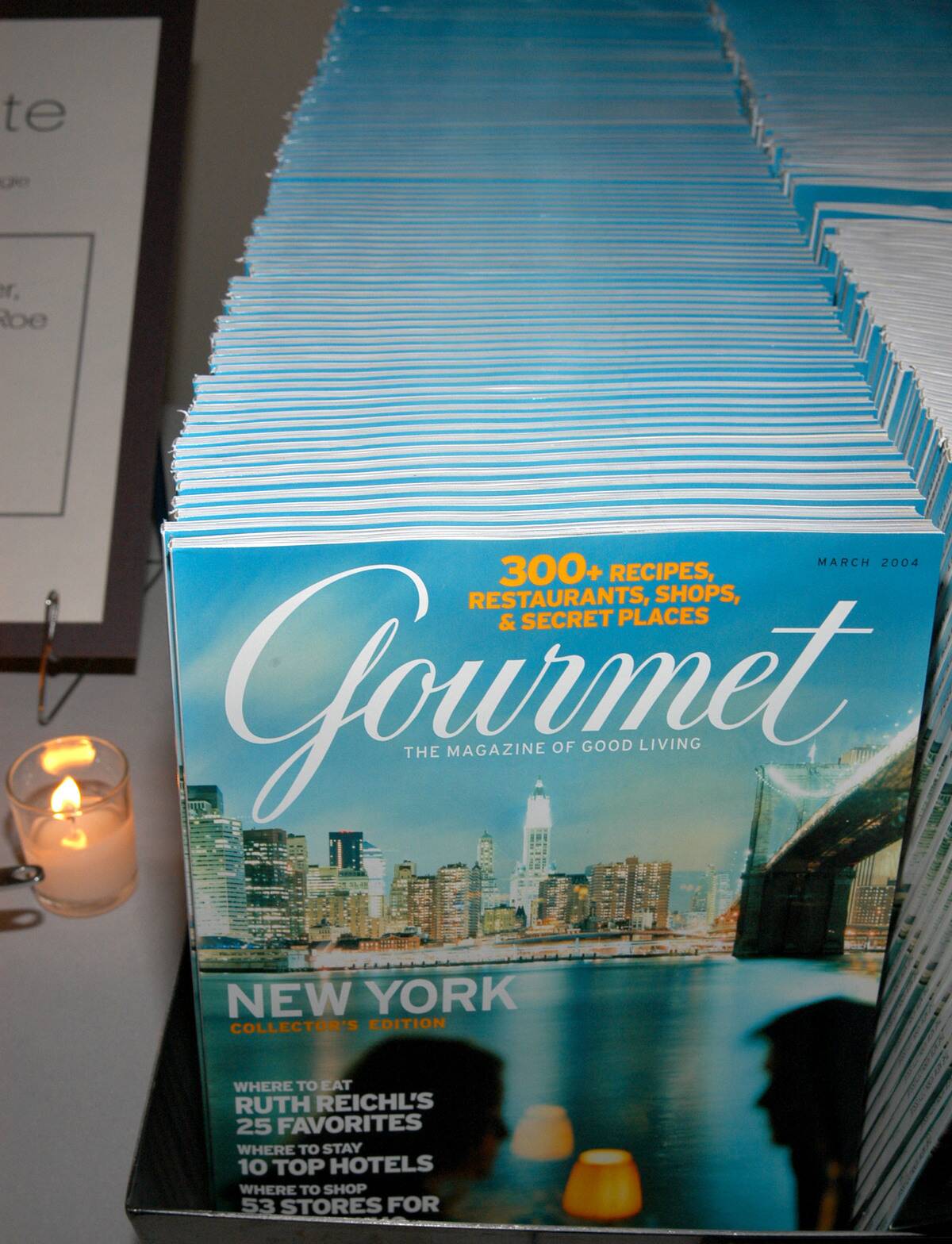
Gourmet Magazine was the go-to source for culinary enthusiasts long before ‘foodie’ became a buzzword. Founded in 1941, it offered recipes, restaurant reviews, and travel tips, setting the standard for food journalism.
Gourmet was more than just a magazine; it was a cultural institution that celebrated the art of cooking. Despite its closure in 2009, its influence is still felt in today’s food media landscape.
Seventeen: The Teen Girl’s Guide to Growing Up

Seventeen Magazine has been a rite of passage for teenage girls since its inception in 1944. It offered advice on fashion, beauty, and relationships, becoming a trusted companion during adolescence.
Seventeen’s pages were filled with relatable content that addressed the challenges of growing up. While the magazine has evolved with the times, its core mission of empowering young women remains unchanged.
MAD Magazine: The Satirical Staple
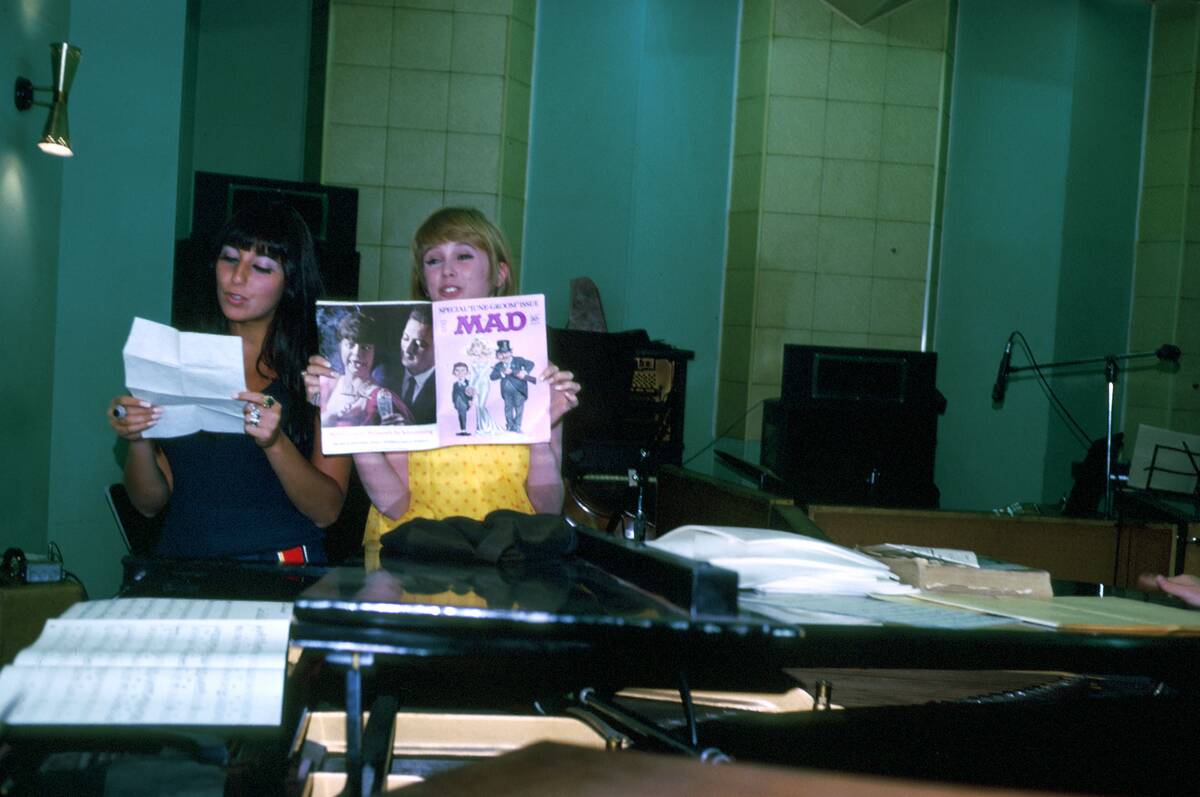
MAD Magazine has been a cornerstone of satire and humor since 1952. Known for its irreverent take on politics, pop culture, and everyday life, MAD has influenced generations of comedians and writers.
Its iconic mascot, Alfred E. Neuman, became a symbol of the magazine’s quirky style. Despite facing challenges in the digital age, MAD’s legacy of lampooning society endures, proving that humor is timeless.
J-14: The Teen Pop Culture Phenomenon

J-14 Magazine burst onto the scene in 1998, catering to the teen pop culture craze. It quickly became a favorite among young readers, offering celebrity gossip, quizzes, and posters.
J-14 capitalized on the boy band phenomenon and the rise of teen idols, creating a vibrant community for its audience. The magazine continues to thrive in print and digital formats, adapting to the ever-changing landscape of teen culture.
Details: The Ultimate Men’s Lifestyle Guide

Details Magazine was a trailblazer in men’s lifestyle journalism. Launched in 1982, it covered fashion, culture, and politics with a sophisticated edge. Details offered a fresh perspective on masculinity, appealing to the modern man.
Despite its closure in 2015, the magazine’s influence is evident in today’s men’s publications, which continue to explore the complexities of male identity in a rapidly changing world.
YM (Young Miss): The Teen Magazine That Defined a Generation
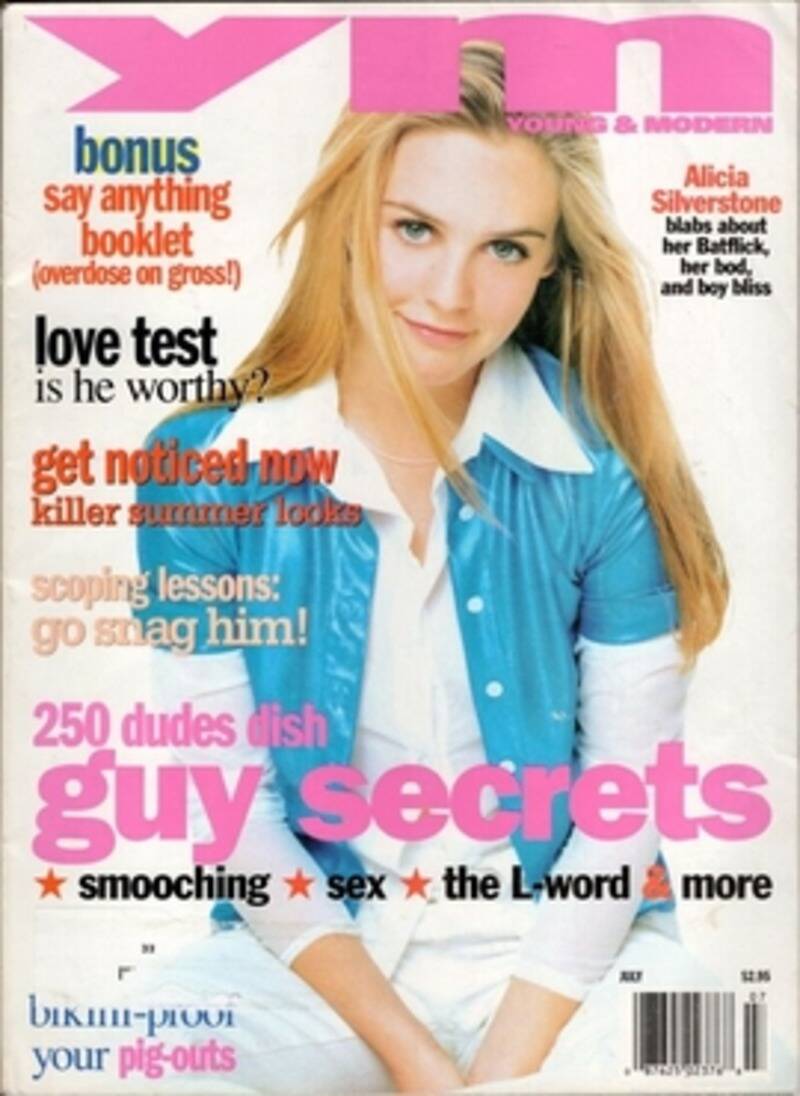
YM Magazine, originally known as Young Miss, was a beloved publication for teenage girls. It offered advice on fashion, beauty, and relationships, becoming a staple in the lives of its readers.
YM was known for its candid approach to teen issues, tackling topics like self-esteem and body image. Although it ceased publication in 2004, YM’s impact on teen culture is still remembered fondly by those who grew up reading it.
Newsweek: The Weekly News Digest
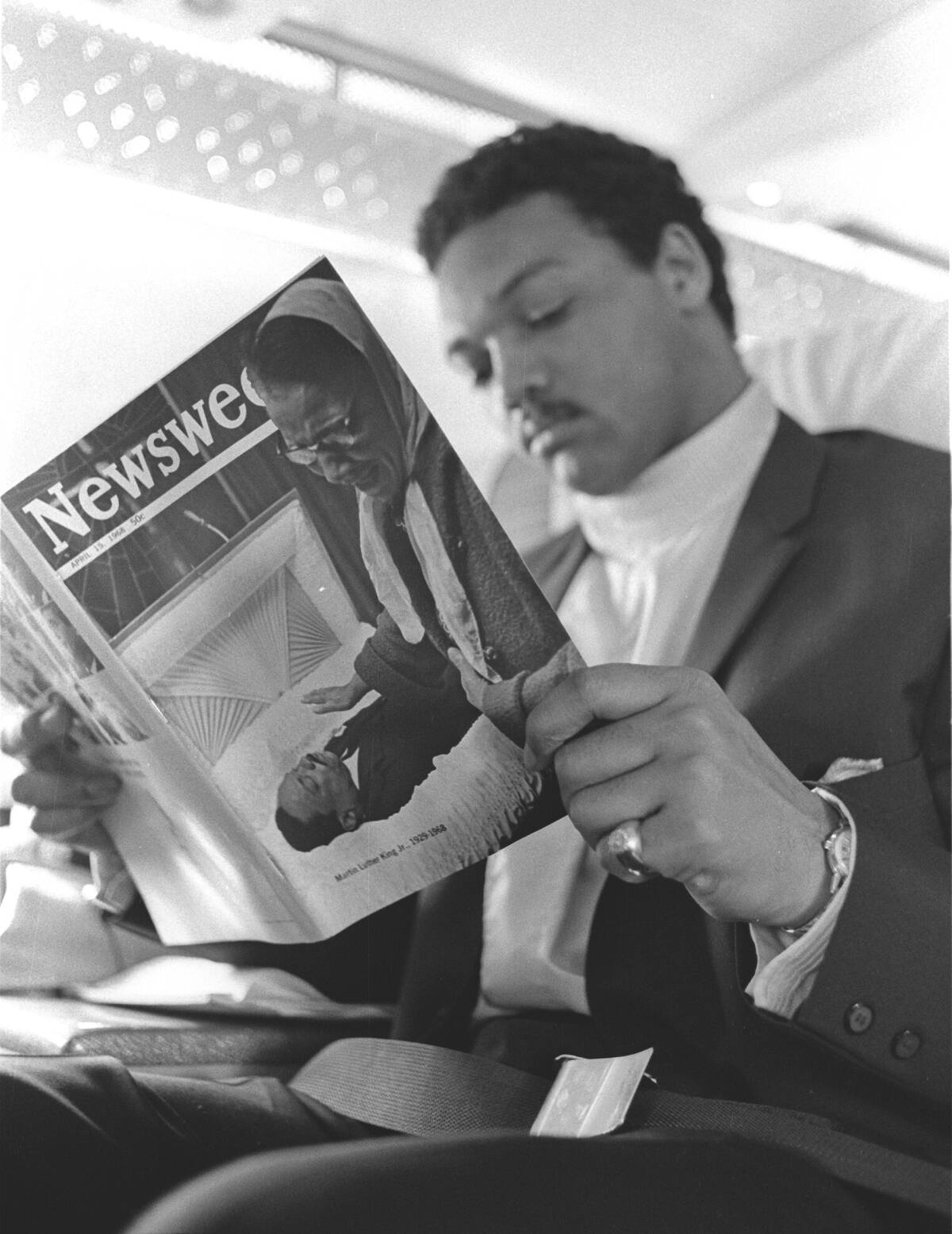
Newsweek has been a trusted source of news and analysis since its founding in 1933. It provided in-depth coverage of global events, offering readers a comprehensive understanding of the world.
Newsweek’s weekly format allowed for thoughtful reporting, setting it apart from daily newspapers. Despite major challenges in the digital era, Newsweek has continued to operate as a digital and print news brand.
Jane Magazine: The Voice of the Modern Woman

Jane Magazine, launched in 1997, was a bold voice for modern women. It offered a mix of fashion, culture, and personal stories, resonating with readers who sought authenticity.
Jane’s candid approach to women’s issues set it apart from traditional women’s magazines. Although it ceased publication in 2007, Jane’s legacy lives on, inspiring a new generation of publications that prioritize honesty and individuality.
Blender: The Music Magazine for the Digital Age

Blender Magazine emerged in 1994 as a fresh voice in music journalism. It offered a blend of music reviews, interviews, and pop culture commentary, appealing to a digital-savvy audience.
Blender was known for its irreverent style and comprehensive coverage of the music scene. Although it ceased publication in 2009, its influence can still be seen in the way music is covered in the digital age.
Sassy: The Cult Classic for the Alternative Teen
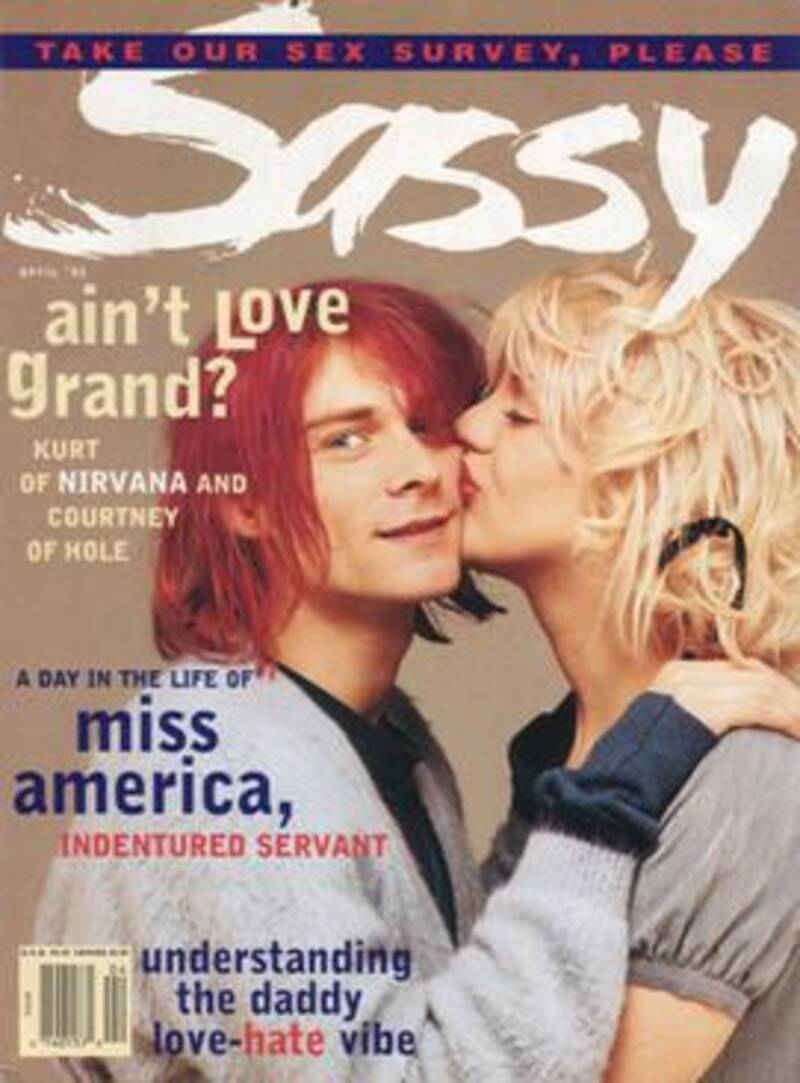
Sassy Magazine, launched in 1988, was a cult favorite among alternative teens. It offered a mix of fashion, music, and personal stories, resonating with readers who felt misunderstood by mainstream media.
Sassy’s irreverent tone and focus on individuality set it apart from other teen magazines. Although it ceased publication in 1996, its legacy lives on in the hearts of those who found solace in its pages.
Nostalgia and Legacy: Remembering Our Favorite Magazines
For many, magazines evoke a sense of nostalgia, reminding us of a time when print was king. Publications like Life, Seventeen, and MAD hold a special place in our hearts, representing different eras and cultural moments.
These magazines shaped our understanding of the world and influenced our tastes and interests. While the media landscape has changed, the legacy of these beloved publications endures, reminding us of the power of print.