Roadside attractions in America’s golden age
The mid-20th century saw significant growth in roadside attractions across the United States as automobile travel became more widespread. These attractions included oversized statues, novelty architecture, and small private museums that were often located along major highways.
Many developed alongside the expansion of road networks and increased car ownership, especially after World War II. Roadside attractions became a notable feature of American travel culture during this period.
The Rise of Roadside Attractions: A Brief History

Roadside attractions began emerging in the United States in the 1920s and 1930s alongside the rise of automobile travel. As car use expanded, entrepreneurs created private attractions designed to attract passing motorists along major roads and highways.
Many of these businesses were independently or family operated and featured unusual or eye-catching designs. The popularity of roadside attractions grew significantly after World War II.
The Allure of the Open Road: Why Roadside Attractions Became Popular
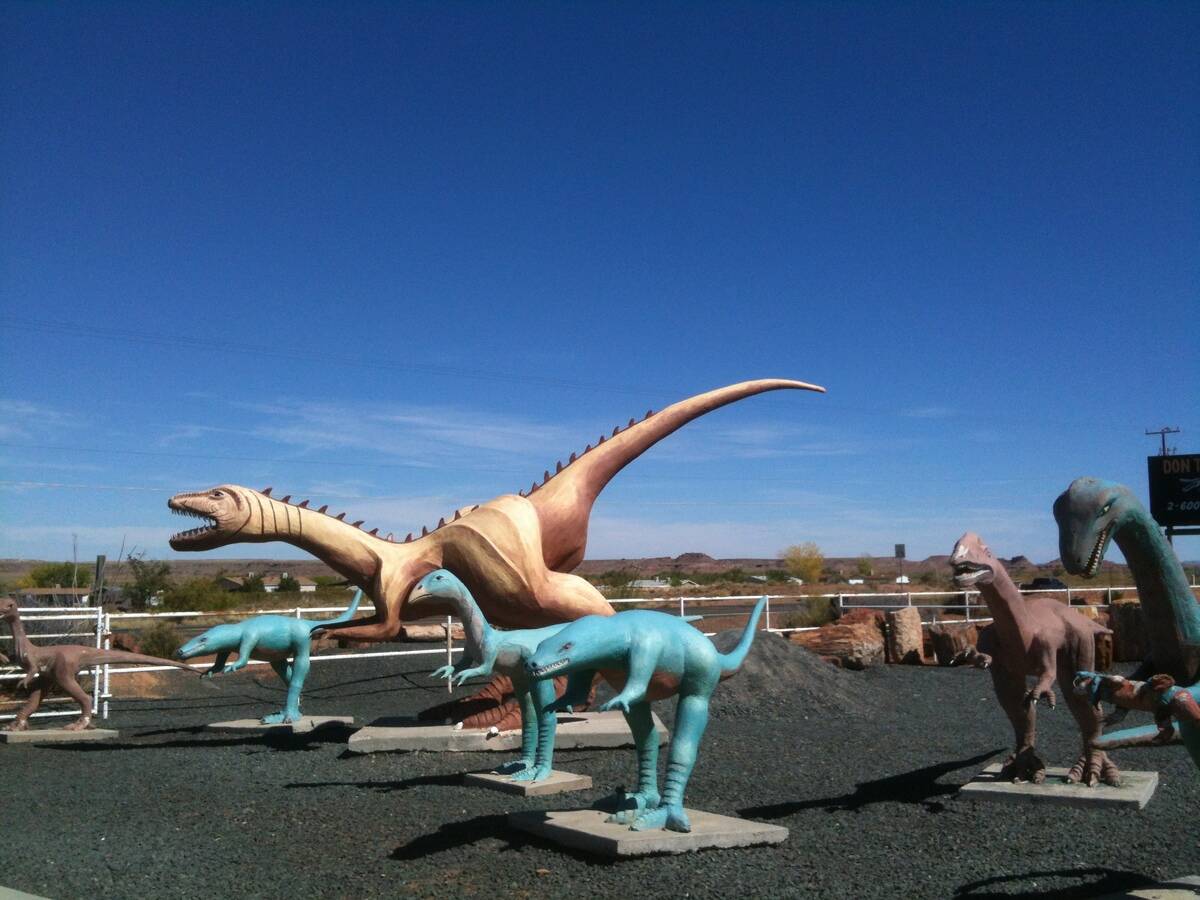
The expansion of automobile travel in the United States contributed to the popularity of roadside attractions along major routes. These privately developed stops often featured unusual architecture, novelty displays, or themed exhibits intended to attract passing motorists.
Roadside attractions became a recognizable part of mid-20th-century travel culture, especially during the 1950s and 1960s, when car travel was widespread. They remain a notable feature in discussions of American highway history.
Iconic Route 66: The Birthplace of Roadside Wonders
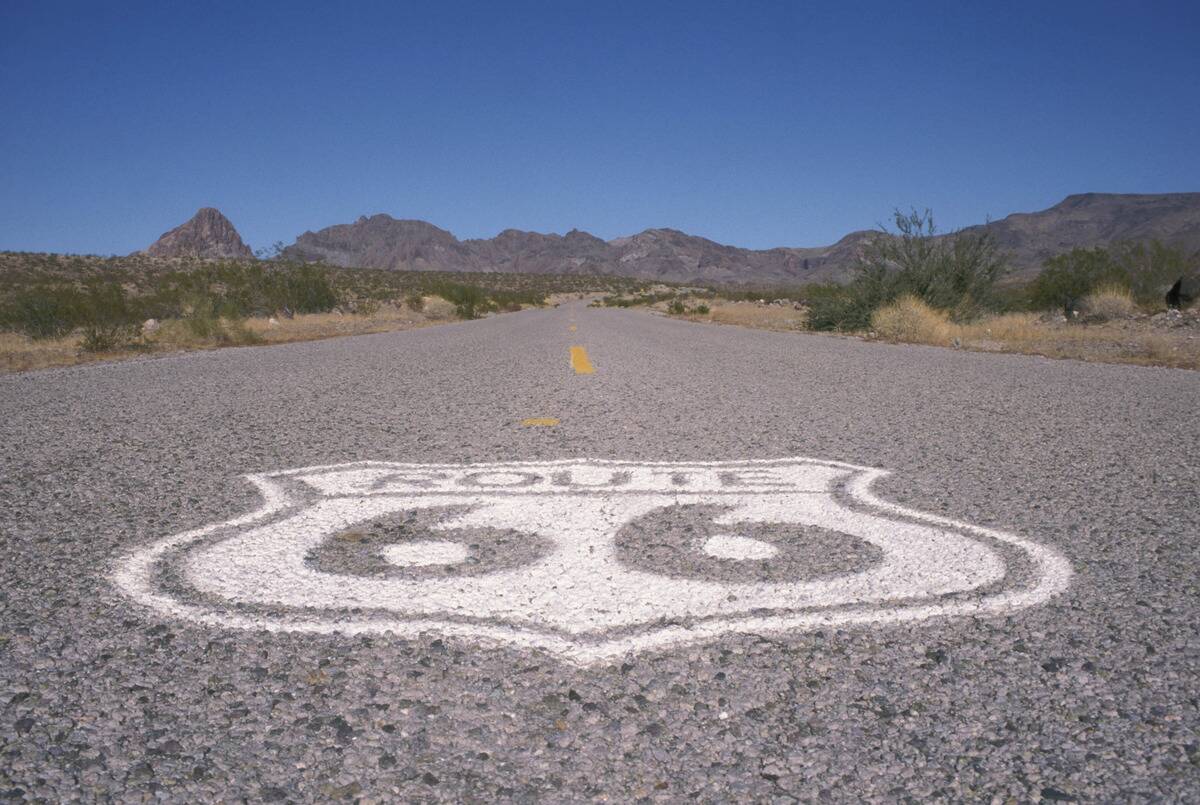
U.S. Route 66, which originally ran from Chicago to Santa Monica, became an important highway in American transportation history and a popular route for road travel in the 20th century. The highway supported numerous roadside businesses, including motels, diners, and novelty attractions along its path.
Many of these features contributed to the cultural identity of Route 66 as a significant historic travel corridor. Today, sections of Route 66 remain popular with visitors interested in its history and preserved landmarks.
The Giant Paul Bunyan Statues: A Lumberjack’s Legacy
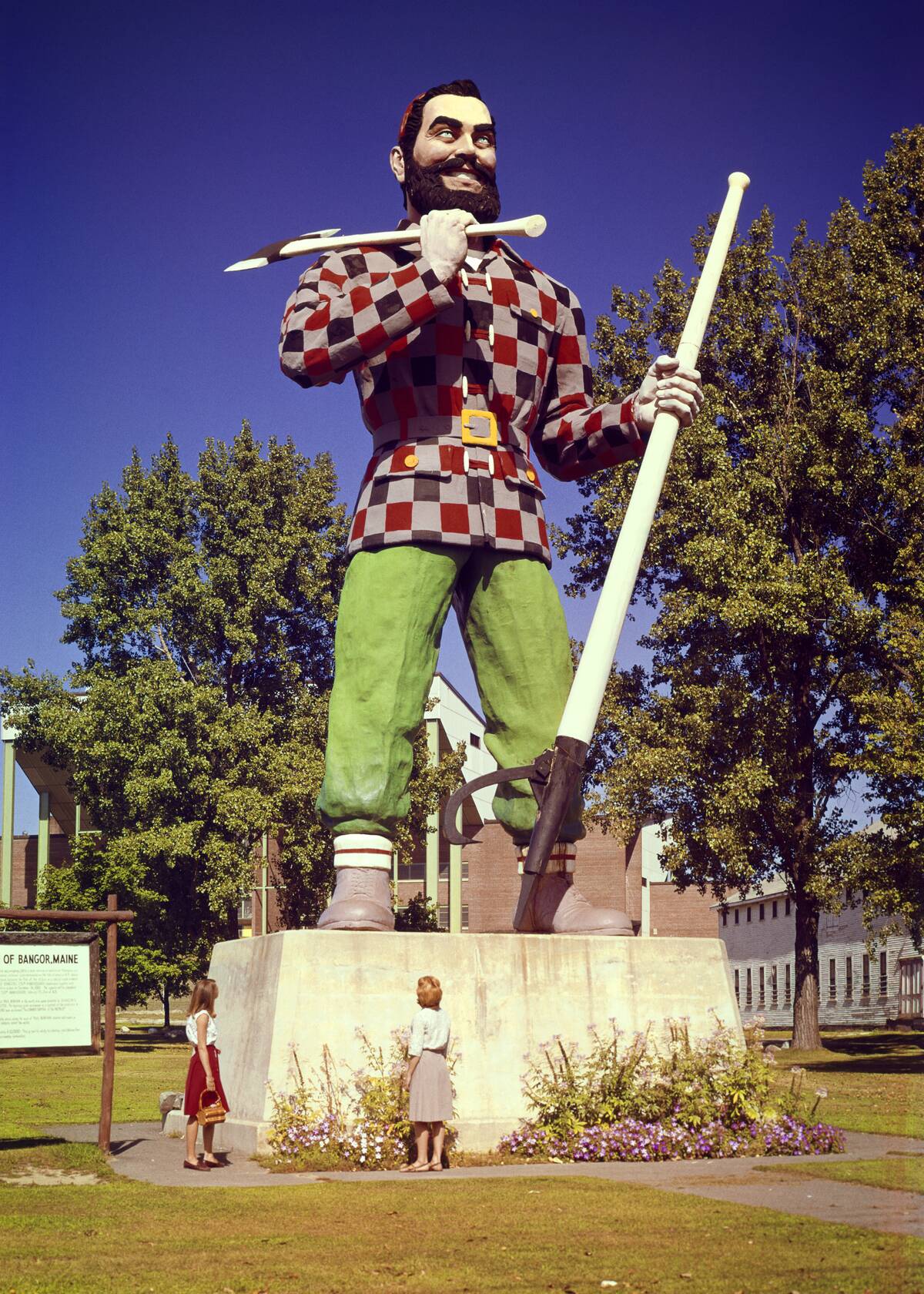
Paul Bunyan statues are large roadside monuments inspired by American folklore surrounding the giant lumberjack character. Many of these statues are paired with Babe the Blue Ox and can be found in various locations across the United States.
One of the most well-known early examples is the statue in Bemidji, Minnesota, erected in 1937, which stands about 18 feet tall and has become a recognizable roadside landmark. These statues reflect the popularity of Paul Bunyan folklore in American roadside culture.
The Mystery of the Cadillac Ranch: Art Meets Highway
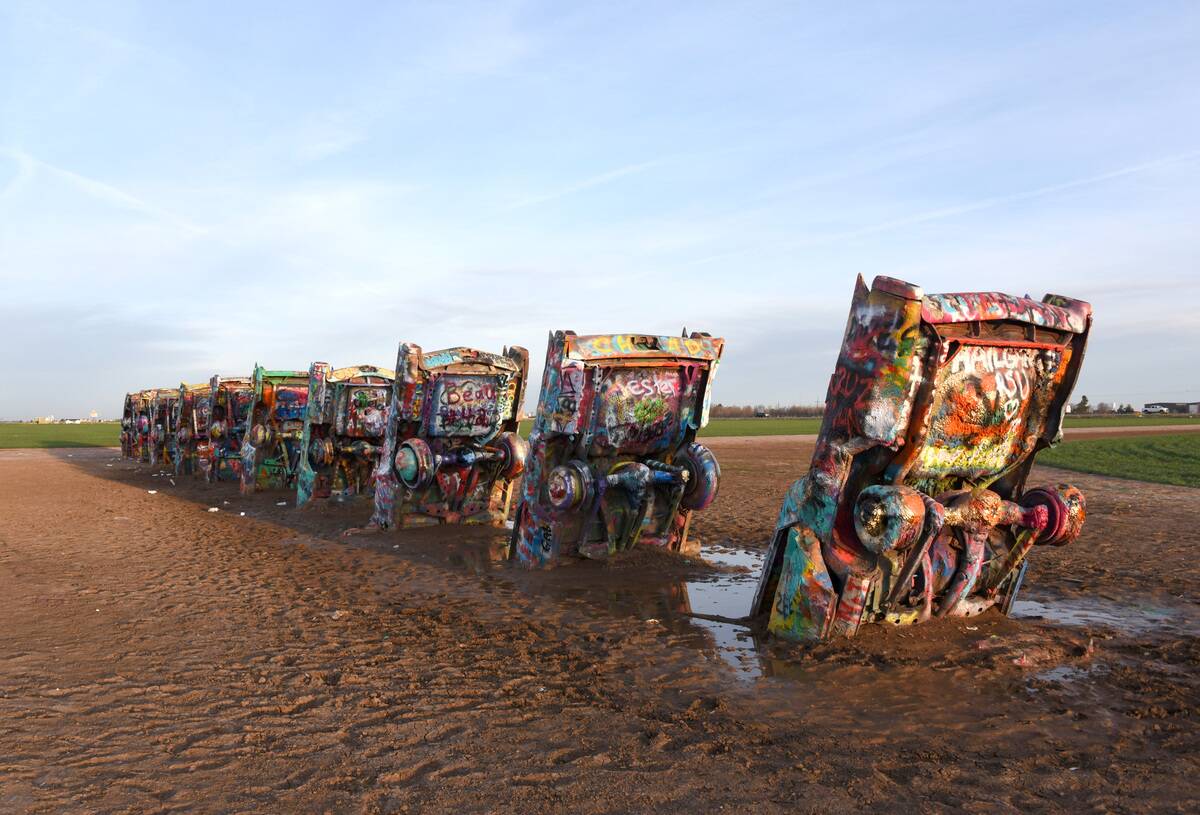
Cadillac Ranch is a public art installation in Amarillo, Texas, featuring a line of ten Cadillacs buried nose-first in the ground. It was created in 1974 by the art collective Ant Farm. The installation is often associated with themes related to the evolution of Cadillac automobile design, particularly its tail fin era, though interpretations vary.
Over time, visitors have contributed paint and graffiti, and the cars are periodically repainted, making the site a continually evolving work of public art.
The Enigmatic Coral Castle: A Love Story in Stone
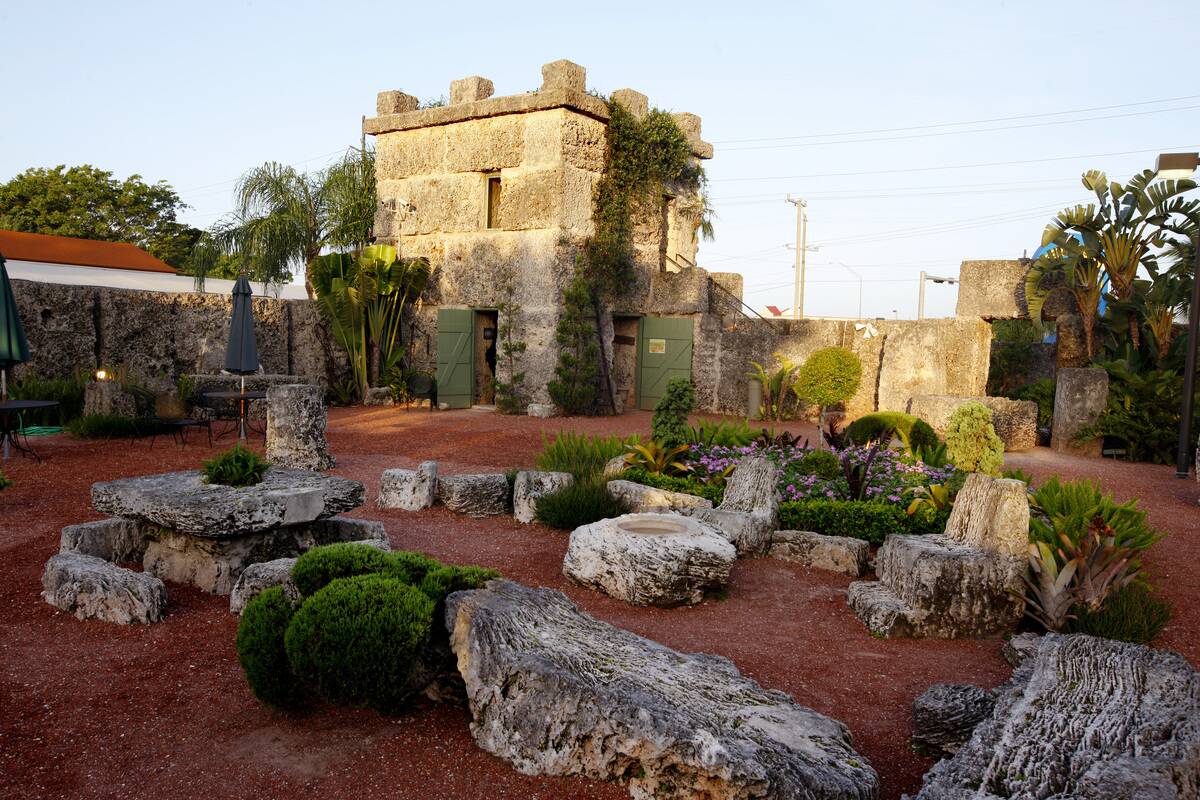
Coral Castle is a stone structure built in Florida by Edward Leedskalnin between the 1920s and 1950s. The site consists of large carved limestone blocks, with total estimated weight exceeding 1,100 tons.
Leedskalnin is known to have constructed much of the site using homemade tools and mechanical advantage systems, though some aspects of his methods remain debated. He made references to ancient knowledge and personal theories in his writings. The site is often associated with folklore and stories about the motivation behind its construction.
The World’s Largest Ball of Twine: A Tangled Tale
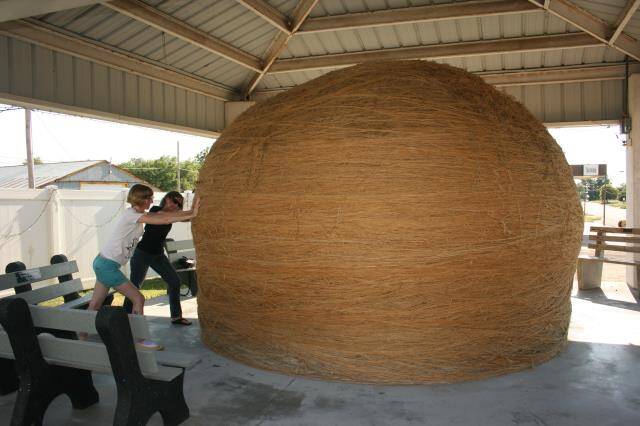
World’s Largest Ball of Twine is a roadside attraction in Cawker City, Kansas, consisting of a large ball of twine that has been continuously added to since the 1950s. It was originally started by Frank Stoeber in 1953 and later expanded and maintained by local residents, including Francis A. Johnson, who donated his contribution to the town.
The structure continues to grow through community participation and local events where visitors and residents may add to it.
The Quirky Carhenge: A Stonehenge Replica with a Twist
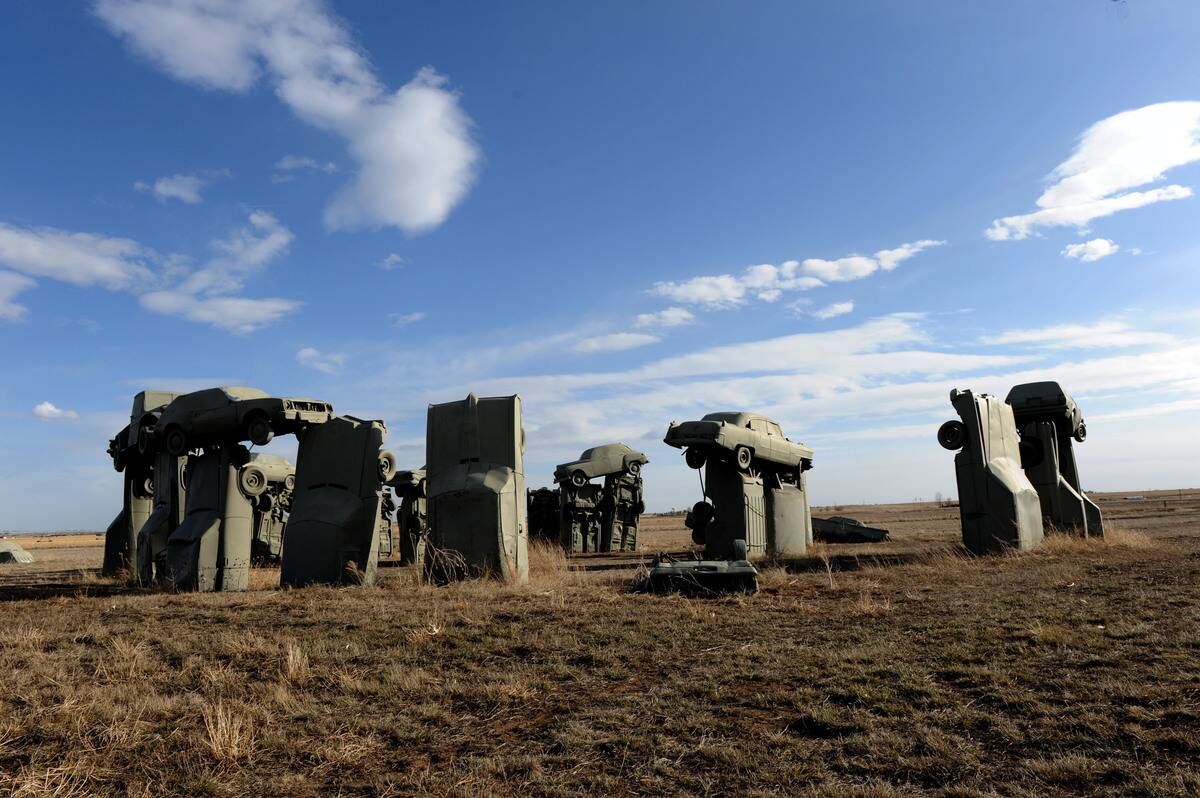
Carhenge is a roadside art installation located near Alliance, Nebraska, created in 1987 by Jim Reinders. It consists of approximately 39 vintage American automobiles arranged in a formation inspired by England’s Stonehenge.
The structure was built as a memorial to Reinders’ father and reflects his interest in Stonehenge. Over time, Carhenge has become a notable example of roadside sculpture in the United States.
The Towering Dinosaurs of Cabazon: Prehistoric Giants on Display
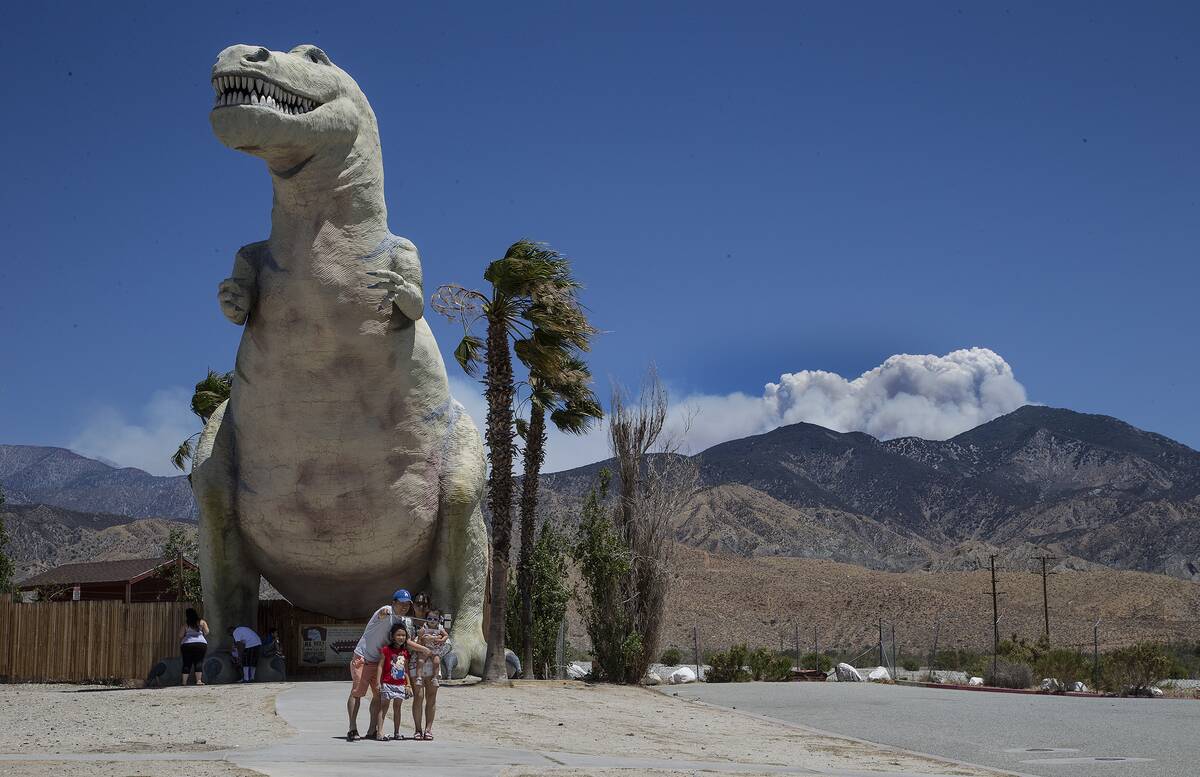
Cabazon Dinosaurs are large roadside sculptures located near Cabazon, California. They were created by artist Claude Bell, with construction beginning in the 1960s and continuing into later decades.
The site features a large apatosaurus-style dinosaur and a Tyrannosaurus rex, built as part of a roadside attraction intended to draw visitors traveling along Interstate 10. Over time, the dinosaurs have become widely recognized landmarks and have appeared in various films and media.
The Unusual Lucy the Elephant: A Mammoth Landmark
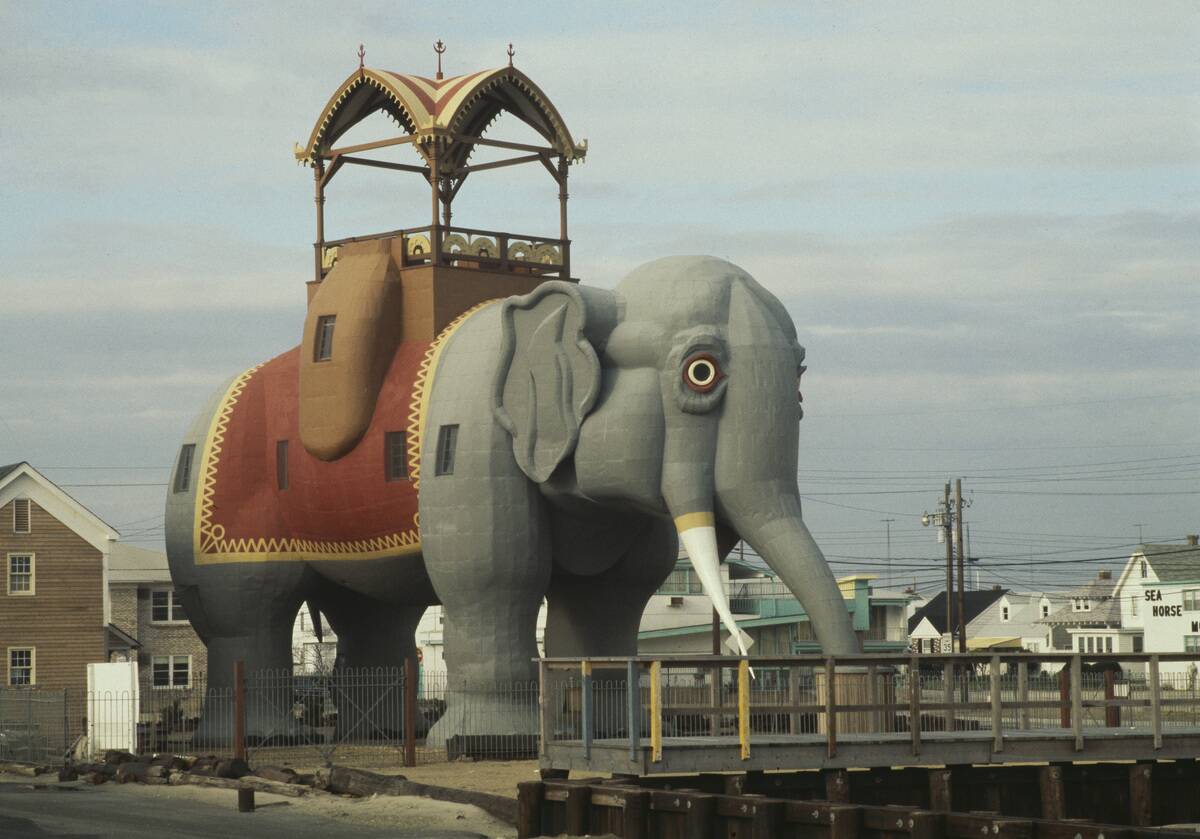
Lucy the Elephant is a six-story elephant-shaped building located in Margate City, New Jersey. It was constructed in the early 1880s by inventor and real estate developer James V. Lafferty as a novelty structure intended to attract attention and promote real estate sales in the area.
Over time, Lucy has served various functions, including as a dwelling and tourist attraction. She was designated a National Historic Landmark in 1976 and remains a well-known example of novelty architecture in the United States.
The Peculiar Wigwam Motels: Sleep in a Teepee
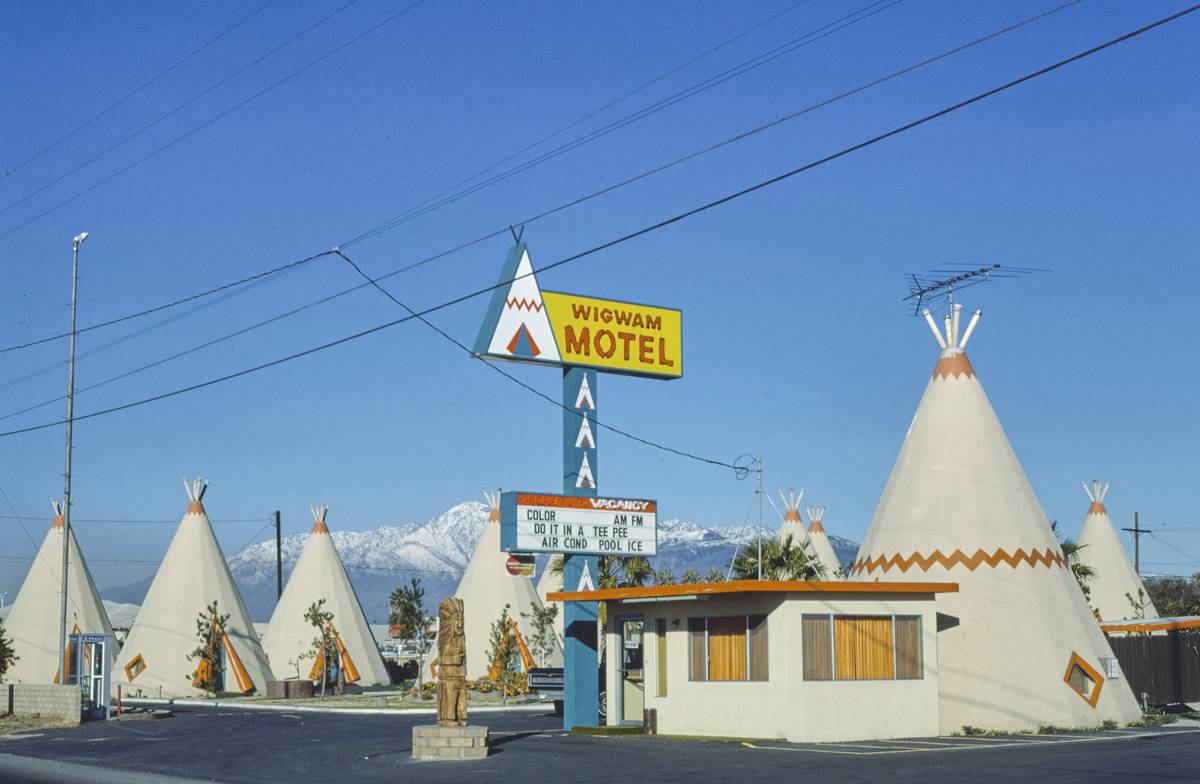
Wigwam Motels are a form of novelty roadside lodging characterized by teepee-inspired individual motel rooms. Developed primarily between the late 1930s and 1950s, they became part of American roadside architecture associated with automobile travel, including routes such as U.S. Route 66.
The structures are examples of mid-20th-century novelty motel design, reflecting stylized interpretations of Indigenous architecture common in roadside aesthetics of the period. A small number of Wigwam Motels still operate today and are recognized as part of American roadside history.
The Enchanting Enchanted Highway: A Road of Sculptures
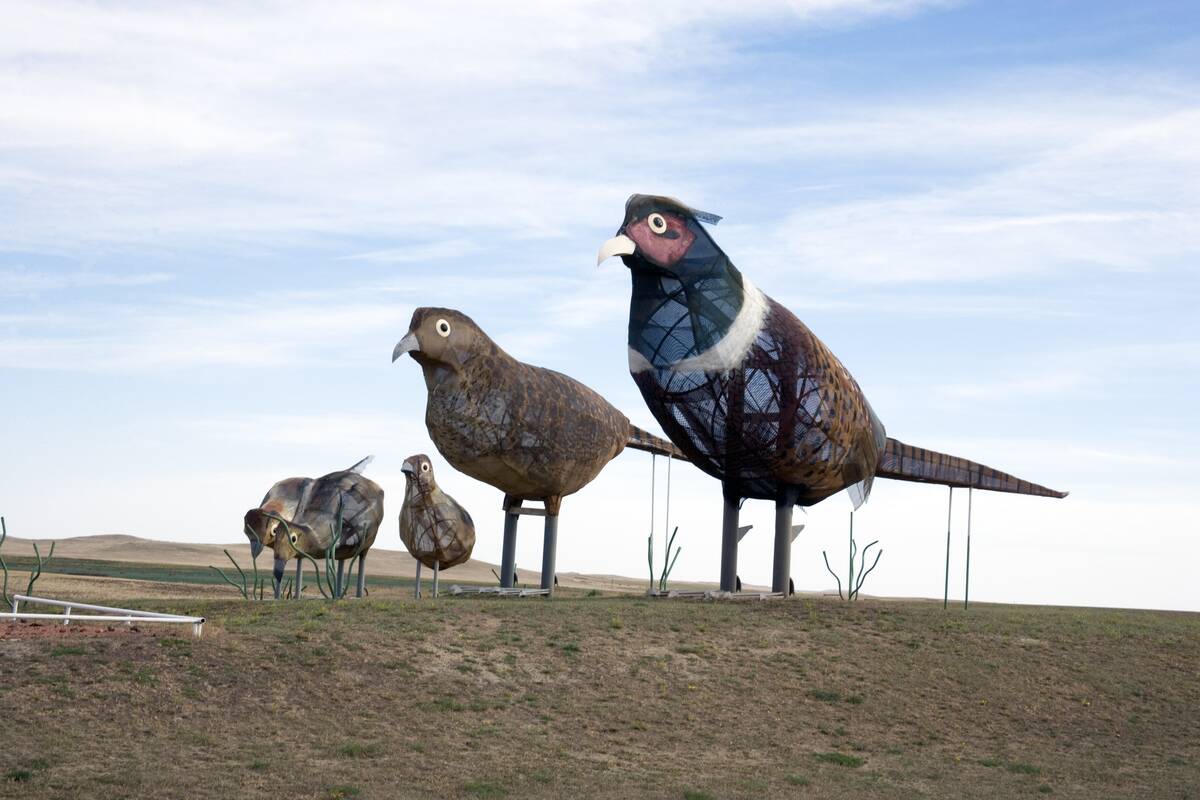
Enchanted Highway is a roadside art installation in southwestern North Dakota consisting of a series of large metal sculptures along a roughly 30-mile stretch of highway leading to the town of Regent.
It was created by artist Gary Greff, who began installing the sculptures in the late 1980s as part of an effort to draw attention to his community. The route features multiple large-scale metal artworks, including depictions of wildlife and human figures, arranged along the roadway.
The Bizarre Salvation Mountain: A Colorful Testament of Faith
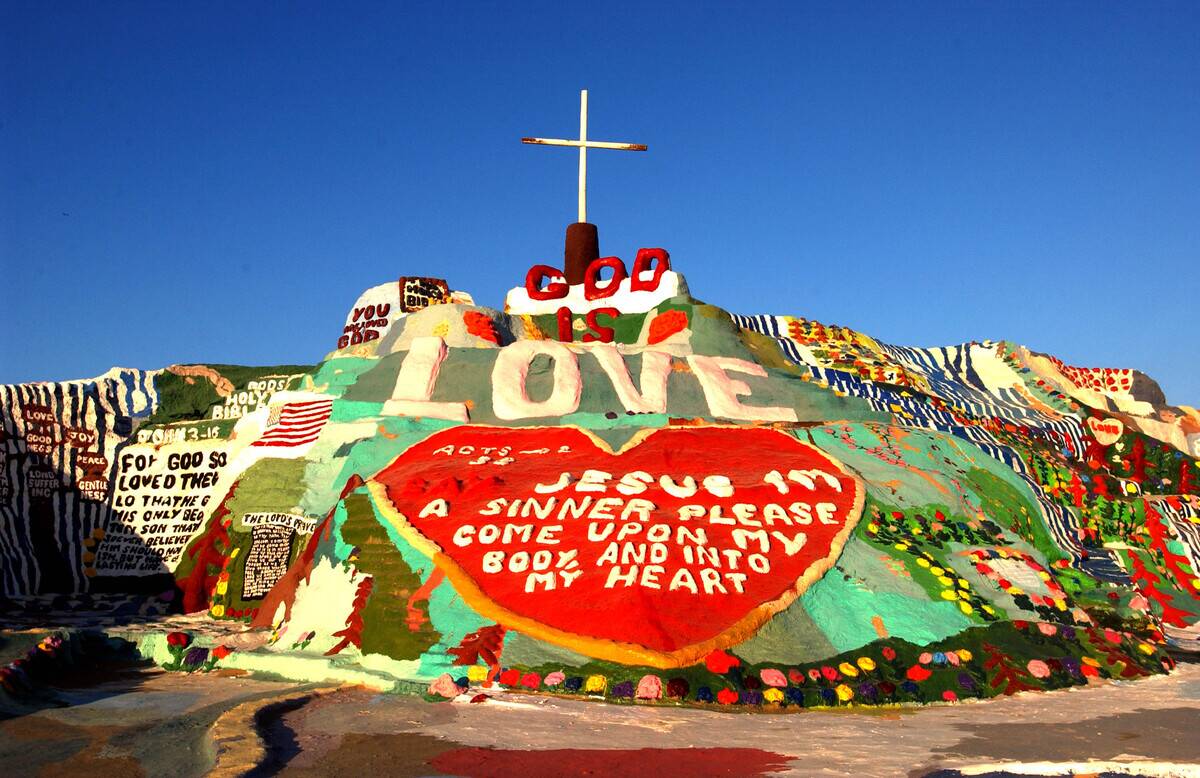
Salvation Mountain is a large outdoor art installation in the California desert near Niland. It was created by folk artist Leonard Knight using adobe clay, straw, and large amounts of donated paint.
The structure features brightly colored murals and Christian-themed messages. Knight worked on the project for over two decades, continuing until the early 2010s. The site is frequently visited by tourists and art enthusiasts interested in folk art and outsider art installations.
The Nostalgic Drive-In Theaters: Cinema Under the Stars
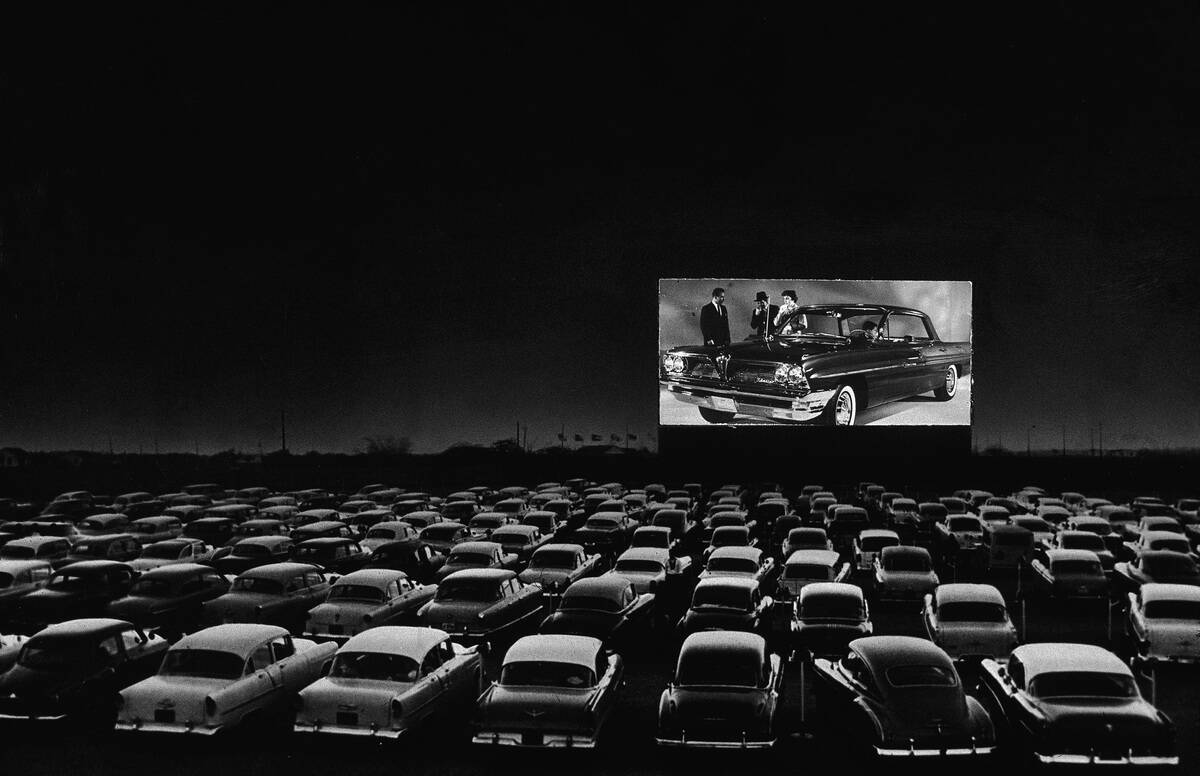
Drive-in theaters became a notable feature of American automobile culture in the 20th century. The first drive-in theater was developed in 1933 by Richard Hollingshead in the Camden, New Jersey area. Their popularity grew rapidly and peaked in the 1950s and 1960s, when they became a widespread form of outdoor entertainment.
Although their numbers have declined significantly since then, a small number of drive-ins still operate today, offering outdoor film screenings where audiences watch from their vehicles.
The Whimsical House on the Rock: A Curiosity-Filled Mansion
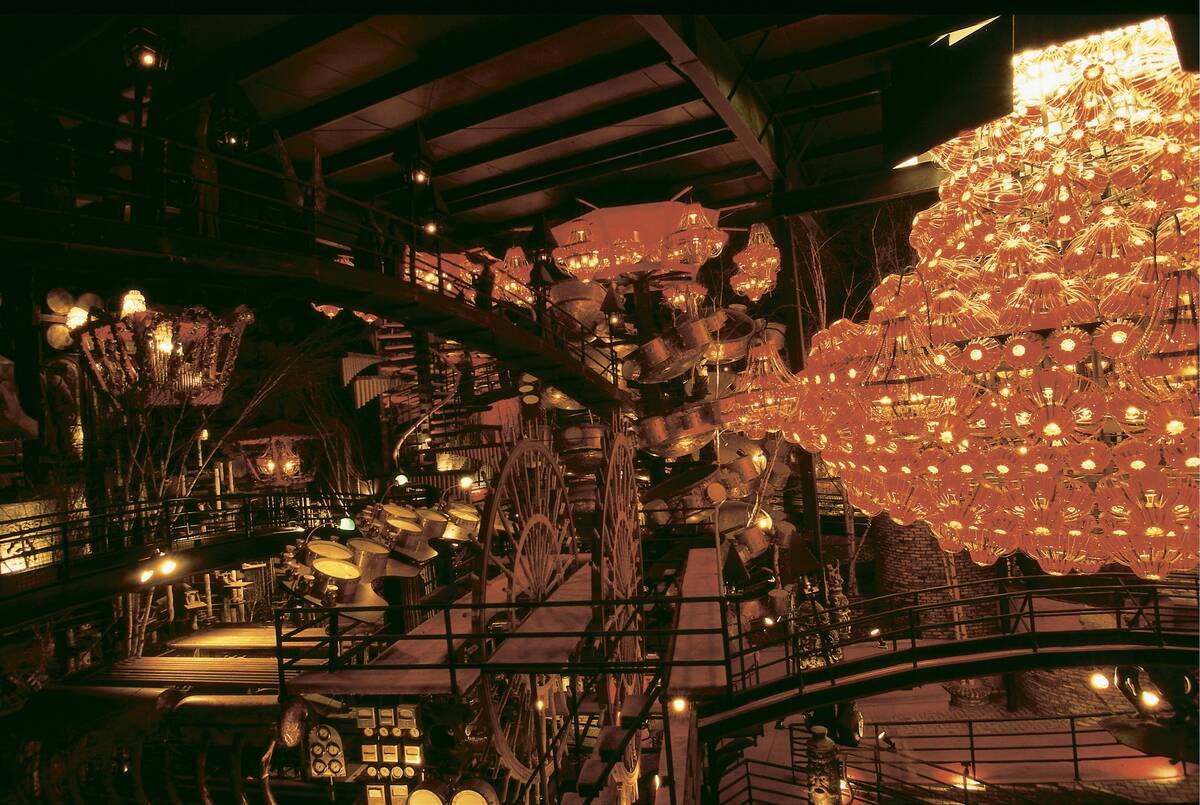
The House on the Rock is a complex of interconnected buildings and themed display spaces near Spring Green, Wisconsin. It was begun in 1945 by Alex Jordan Jr. as a private retreat and expanded over several decades into a large attraction featuring extensive collections and elaborate mechanical displays.
The site includes large-scale installations such as an indoor carousel known as the “World’s Largest Carousel” and rooms containing automated musical instruments. It opened to the public in the early 1960s and has continued to expand its exhibits over time.
The Memorable Muffler Men: Giants of the Road
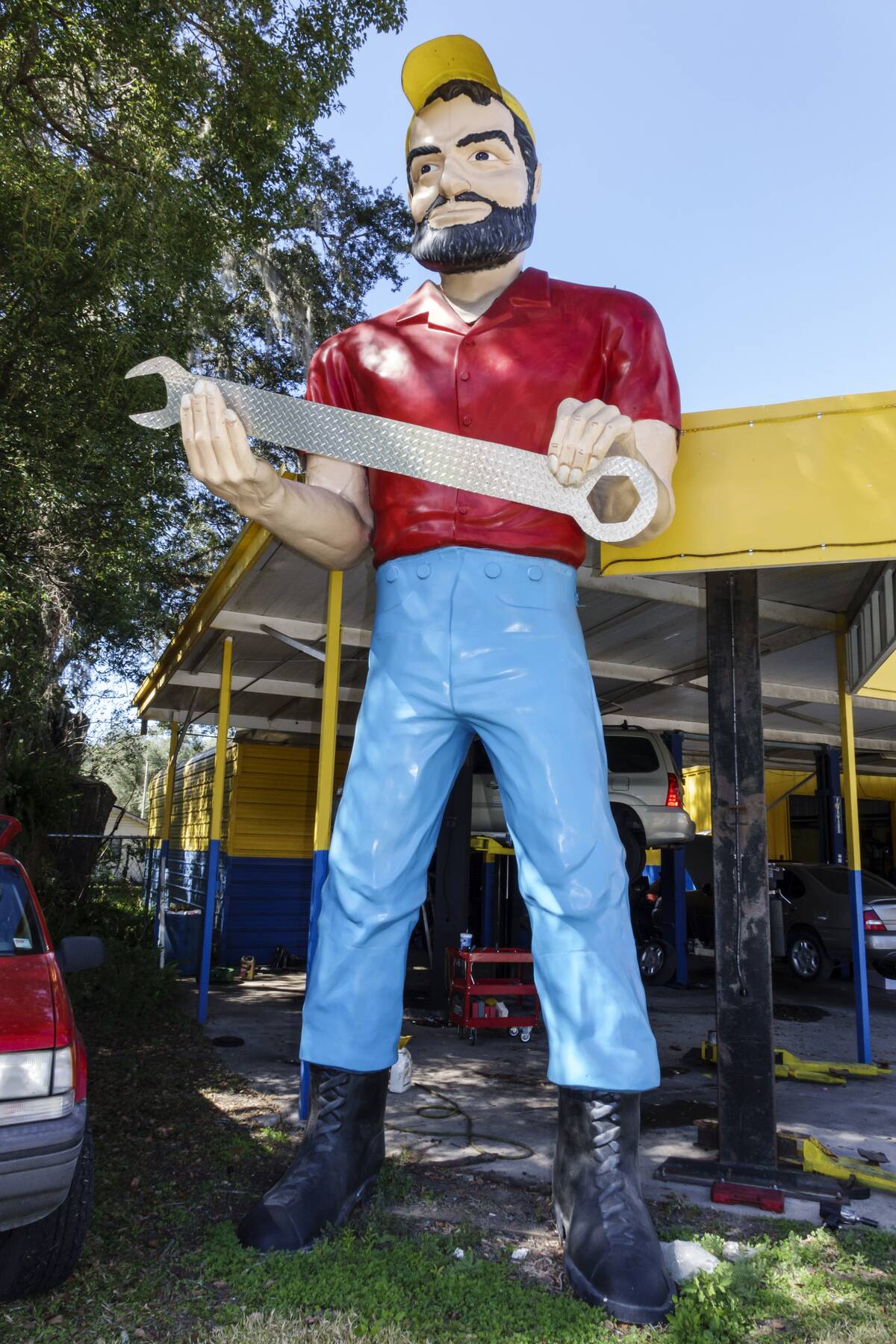
Muffler Man are large fiberglass figures placed along highways in the United States, commonly used as advertising displays by roadside businesses beginning in the late 1950s and 1960s.
They typically stand around 18 to 25 feet tall and were produced in several variations, including lumberjacks, cowboys, and other themed figures. Many were customized to hold different objects such as mufflers, axes, or other promotional items.
The Unique Petrified Forest: Nature’s Ancient Artifacts

Petrified Forest National Park is a national park in northeastern Arizona known for its large deposits of petrified wood. These fossilized trees date back to the Late Triassic period, roughly 200–225 million years ago, when minerals gradually replaced organic material in a process known as permineralization.
The park preserves a wide range of geological formations, including exposed sedimentary layers and petrified logs distributed throughout the landscape.
The Fascinating Wall Drug Store: A Shopping Oasis in the Desert
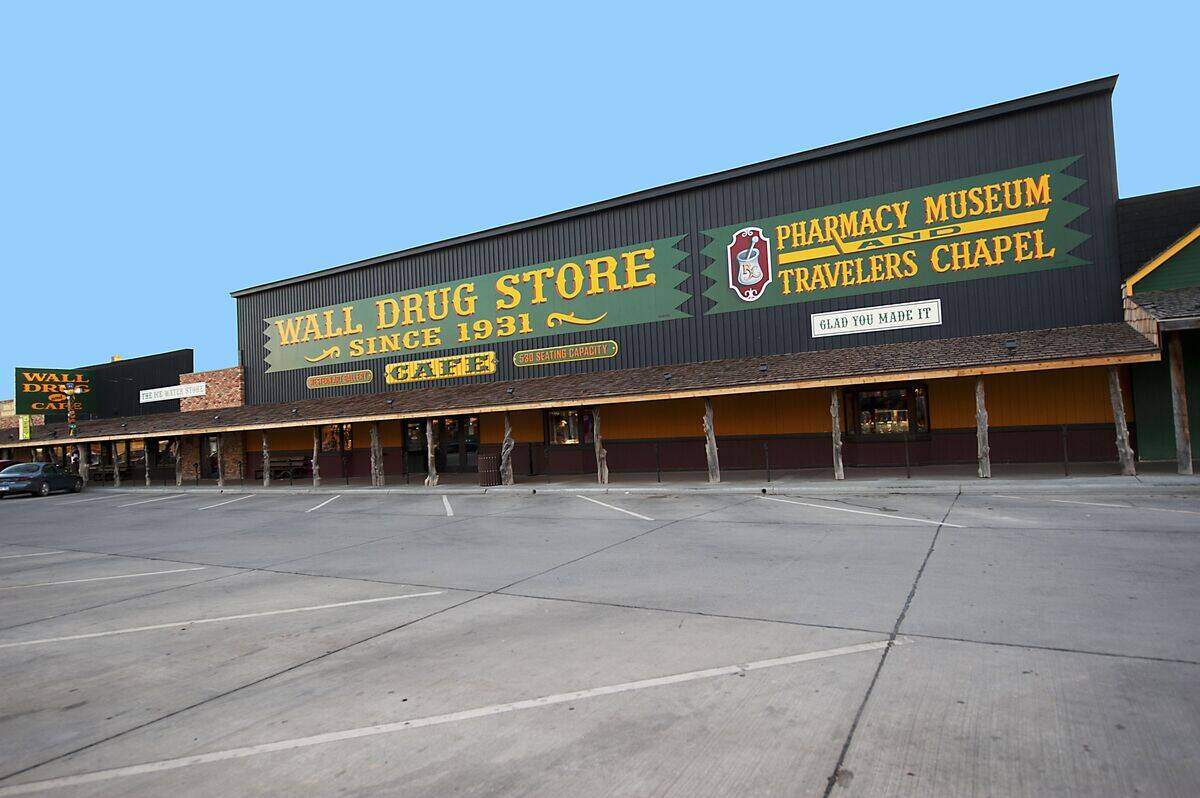
Wall Drug Store began as a small pharmacy in 1931 in Wall, South Dakota. It became known in part for its early promotion offering free ice water to travelers passing through the region. Over time, it expanded into a large roadside attraction featuring shops, dining areas, and various novelty exhibits.
The business is also widely recognized for its long-running billboard advertising campaign along highways in the Midwestern United States, which contributed to its popularity as a tourist stop.




