Vintage amusement parks before modern thrill rides
Vintage amusement parks hold a special place in the hearts of many, offering a nostalgic glimpse into a simpler time. These parks, with their charming rides and classic attractions, evoke memories of family outings and carefree summer days.
From the whimsical carousels to the thrilling roller coasters, each ride has its own story to tell. The history and enduring appeal of these attractions reveal how they have entertained generations of visitors.
The Birth of Amusement Parks: A Historical Overview
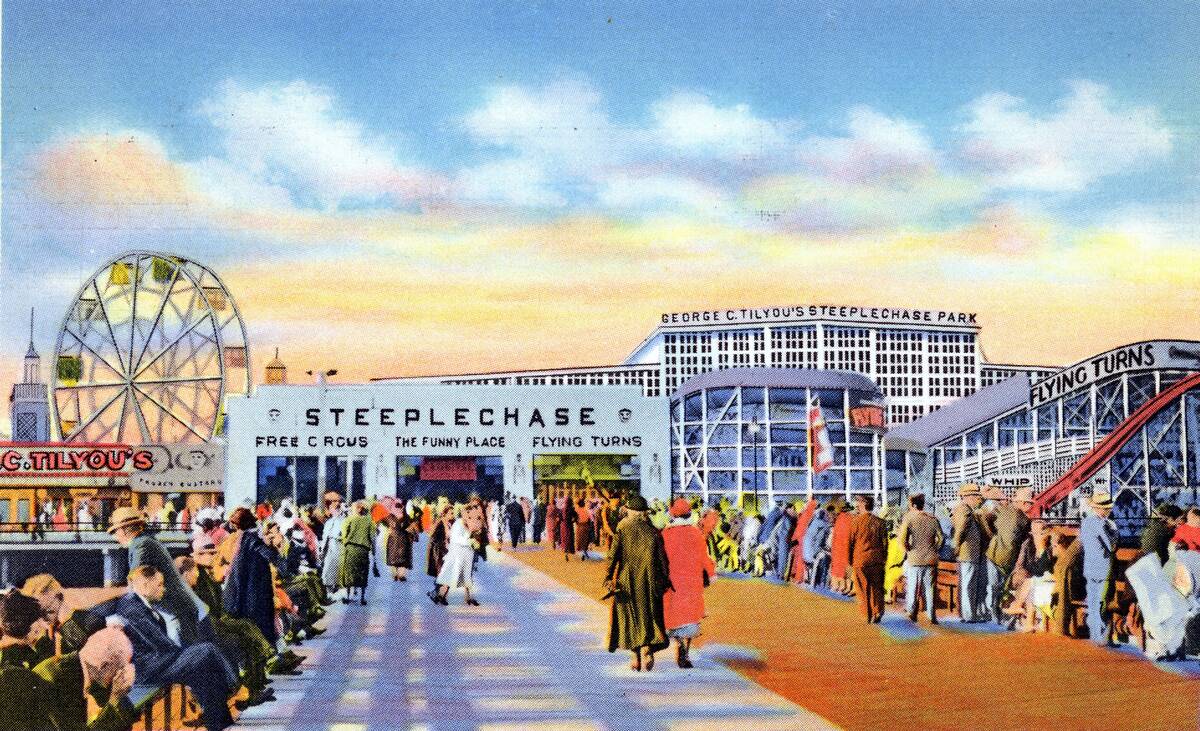
Modern amusement parks grew rapidly in popularity during the late 19th century, although their origins can be traced to earlier European pleasure gardens and fairs. Steeplechase Park at Coney Island opened in 1897 and became one of the most influential early amusement parks in the United States, but it was not the first.
These parks offered a mix of rides, games, and live entertainment, helping shape the development of the modern amusement park industry.
The Charm of Old-School Carousels
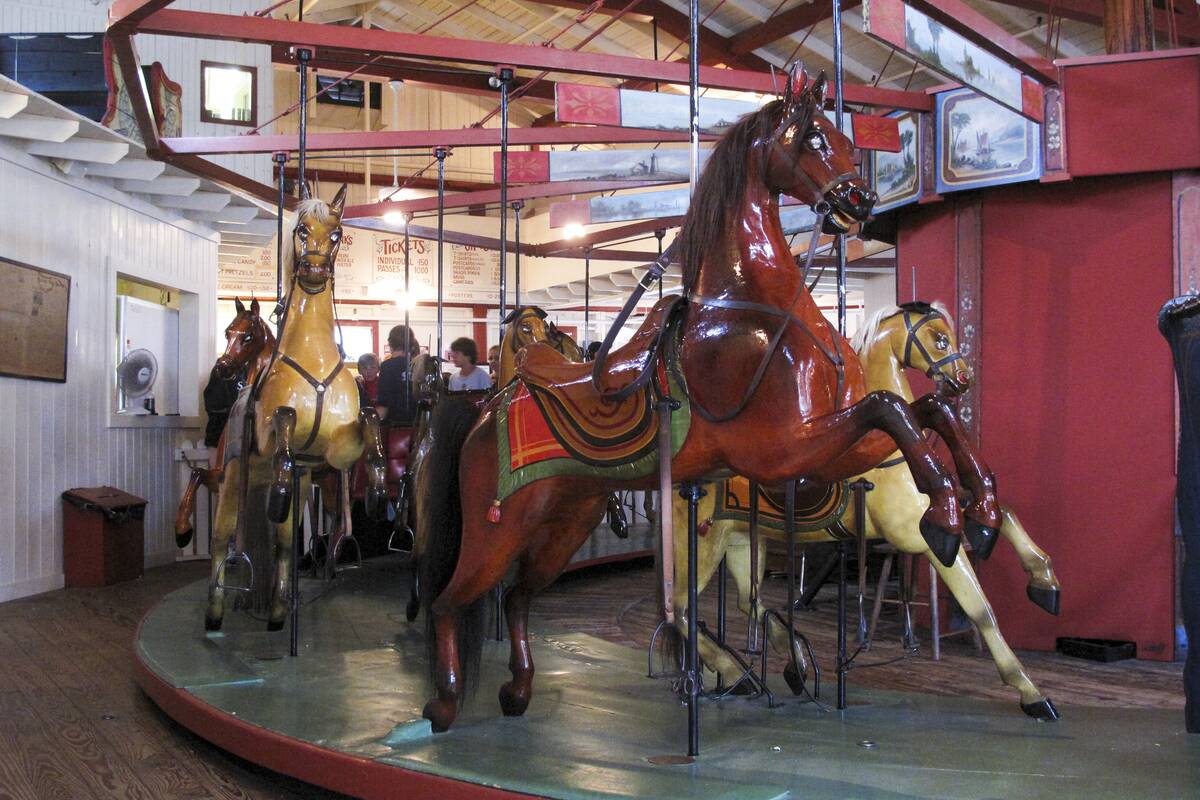
Carousels, with their hand-carved animals and traditional organ music, have long been a staple of amusement parks. The Flying Horses Carousel in Oak Bluffs, Massachusetts, built in 1876, is widely recognized as the oldest continuously operating platform carousel in the United States.
Many historic carousels were crafted by skilled artisans, making each one a distinctive example of decorative craftsmanship. Today, these classic attractions remain popular at amusement parks and historic sites.
Ferris Wheels: The Original Sky-High Thrill
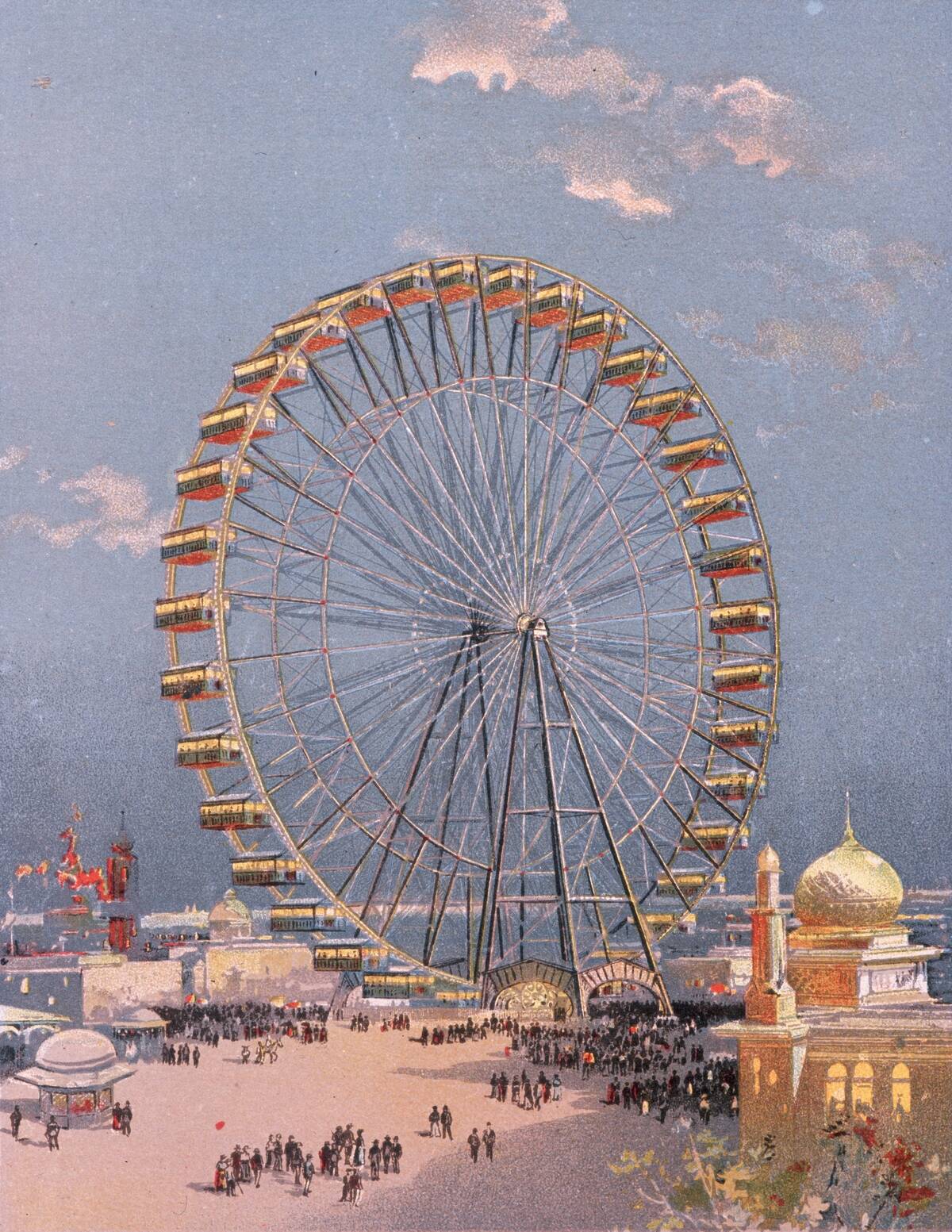
The Ferris wheel made its debut at the 1893 World’s Columbian Exposition in Chicago. Designed by George Washington Gale Ferris Jr., the original wheel stood 264 feet (80.4 meters) tall and was considered a major engineering achievement of its time.
It gave visitors panoramic views of the fairgrounds and demonstrated the possibilities of large-scale steel construction. Ferris wheels have since become a common feature at amusement parks, fairs, and observation attractions around the world.
The Allure of Wooden Roller Coasters
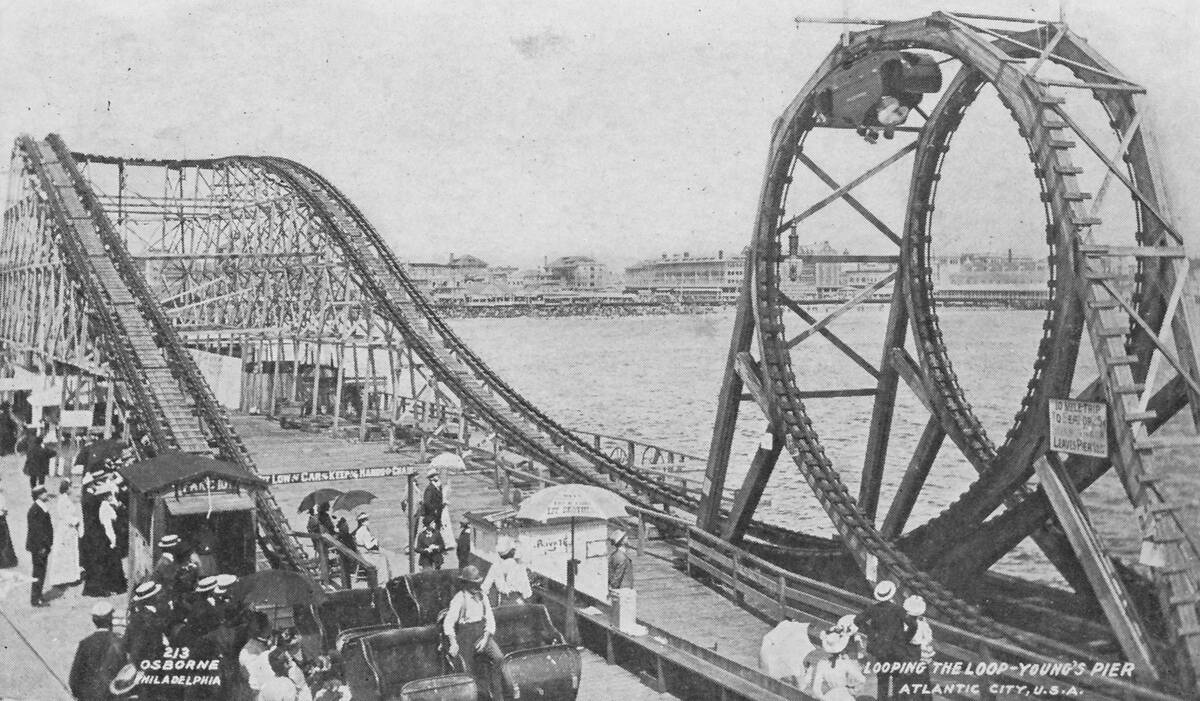
Wooden roller coasters are among the oldest types of roller coasters and are known for their timber structures and distinctive ride experience. Leap-The-Dips in Altoona, Pennsylvania, built in 1902, is recognized as the world’s oldest operating wooden roller coaster.
Many wooden coasters are valued for their classic design, rolling motion, and the characteristic sound produced as trains travel over the wooden track. They continue to be a popular attraction at amusement parks around the world.
Funhouses: A Maze of Mirrors and Laughter
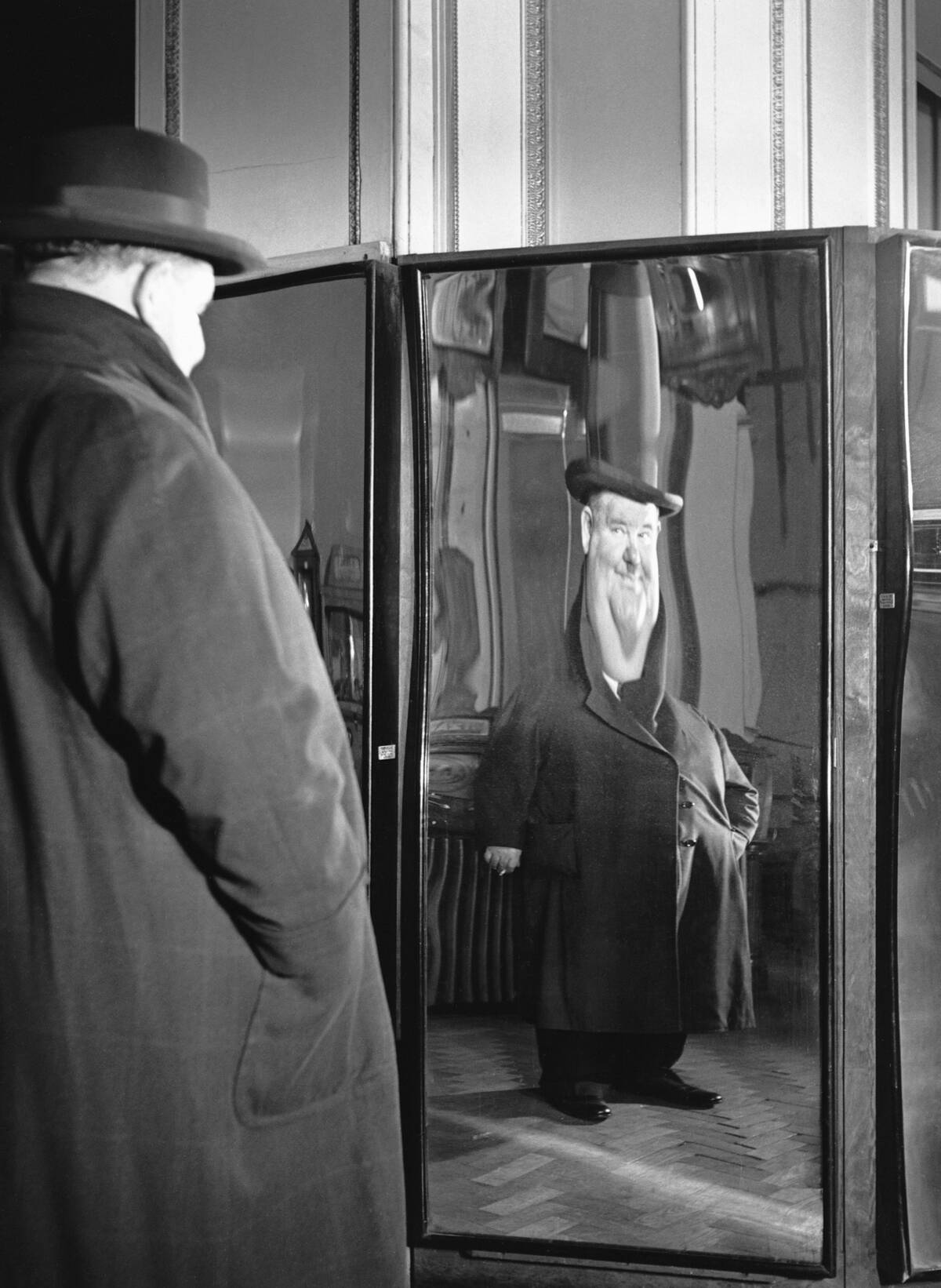
Funhouses are amusement attractions that combine optical illusions, distorted mirrors, and interactive obstacles. They became popular features at amusement parks and traveling fairs during the early 20th century.
Many funhouses include spinning tunnels, moving floors, mirror mazes, and other elements designed to challenge visitors’ balance and perception. These attractions remain a recognizable part of the history and tradition of amusement parks.
The Whimsical World of Penny Arcades
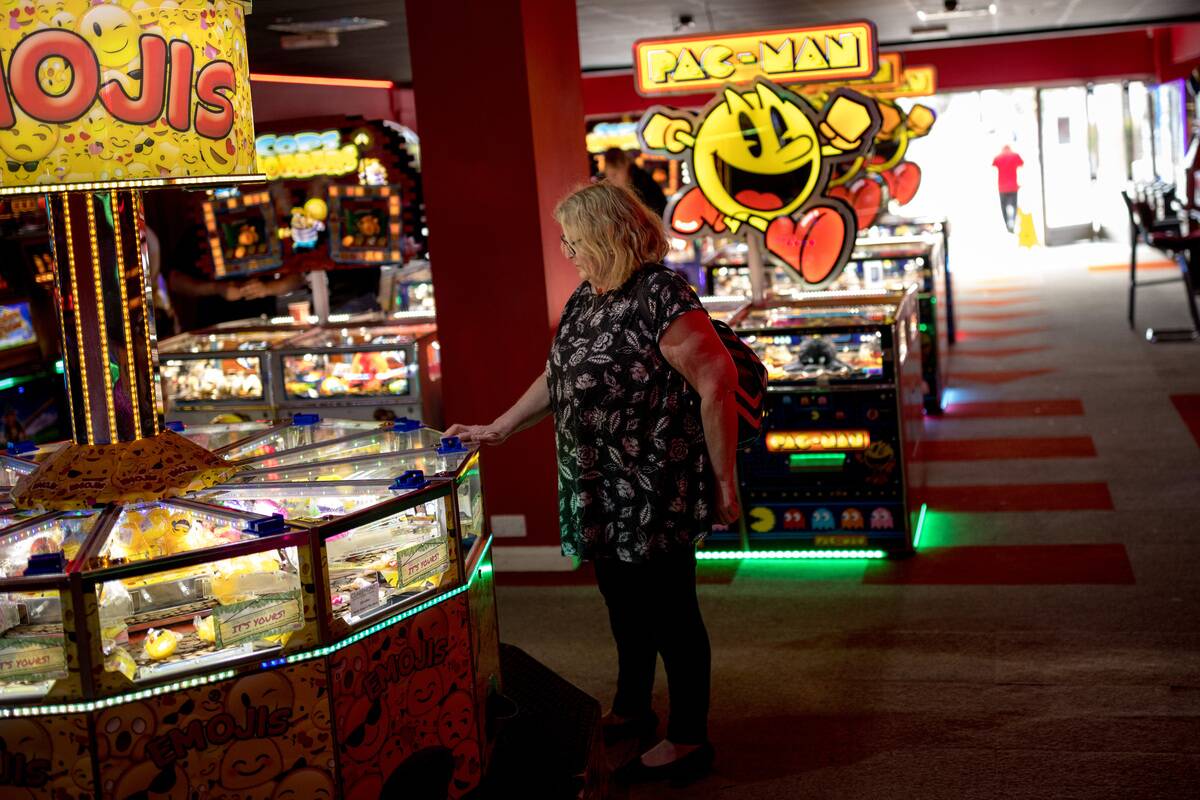
Penny arcades were early entertainment venues filled with coin-operated machines that attracted visitors of all ages. Popular during the late 19th and early 20th centuries, these arcades featured attractions such as fortune-telling machines, mechanical baseball games, and other coin-operated amusements.
They became a common feature of amusement parks, boardwalks, and seaside resorts. Today, surviving penny arcades offer a glimpse into the history of coin-operated entertainment.
The Popularity of Scenic Railway Rides
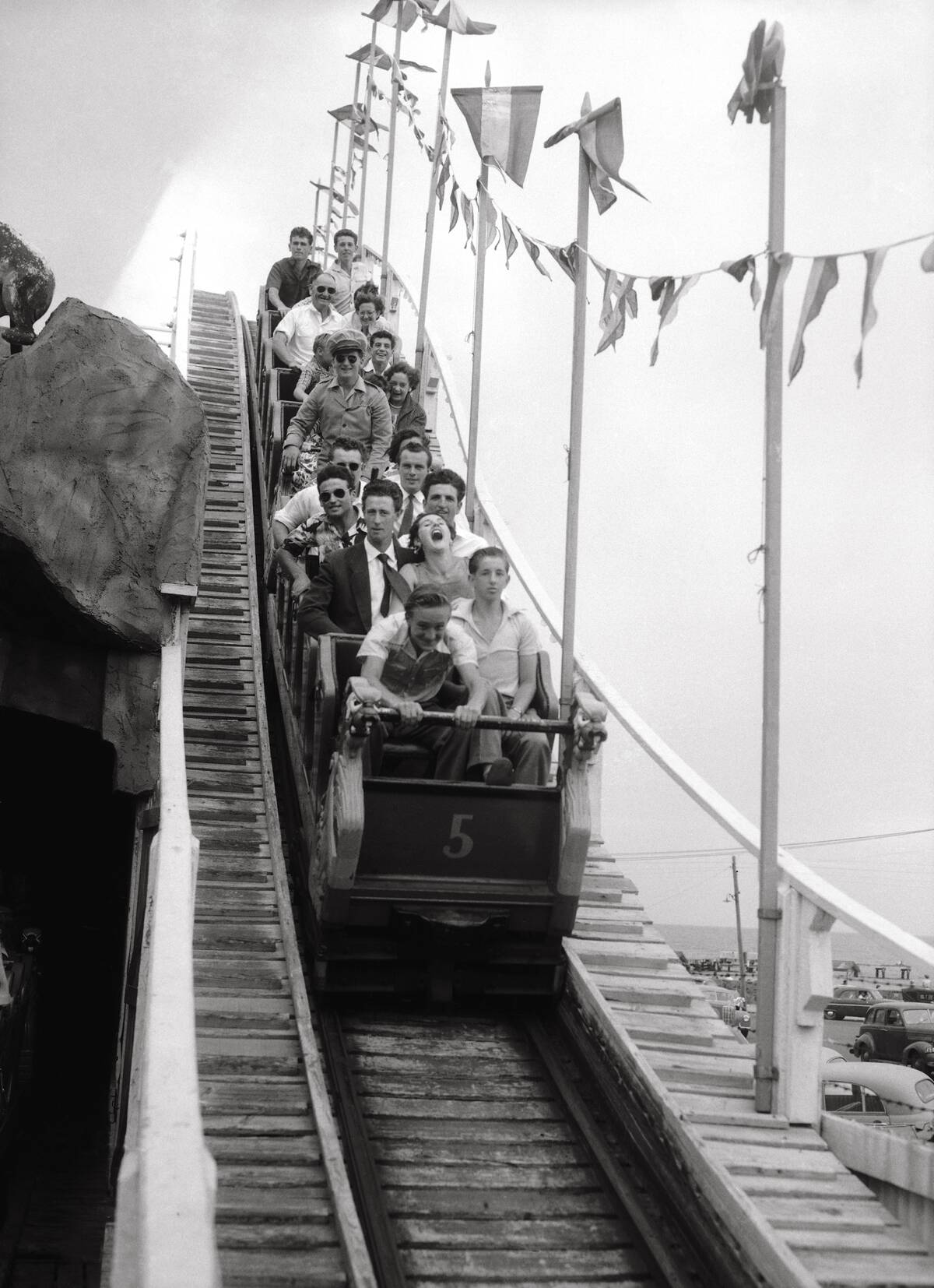
Scenic railways were among the earliest roller coasters, combining gentle drops and curves with elevated views of amusement parks and the surrounding landscape. Many featured open or partially open cars, allowing riders to enjoy the scenery during the ride.
The Scenic Railway at Luna Park in Melbourne, Australia, opened in 1912 and remains in operation today, making it one of the world’s oldest continuously operating wooden roller coasters. Scenic railways played an important role in the early development of roller coaster attractions.
Bumper Cars: A Classic Collision Course
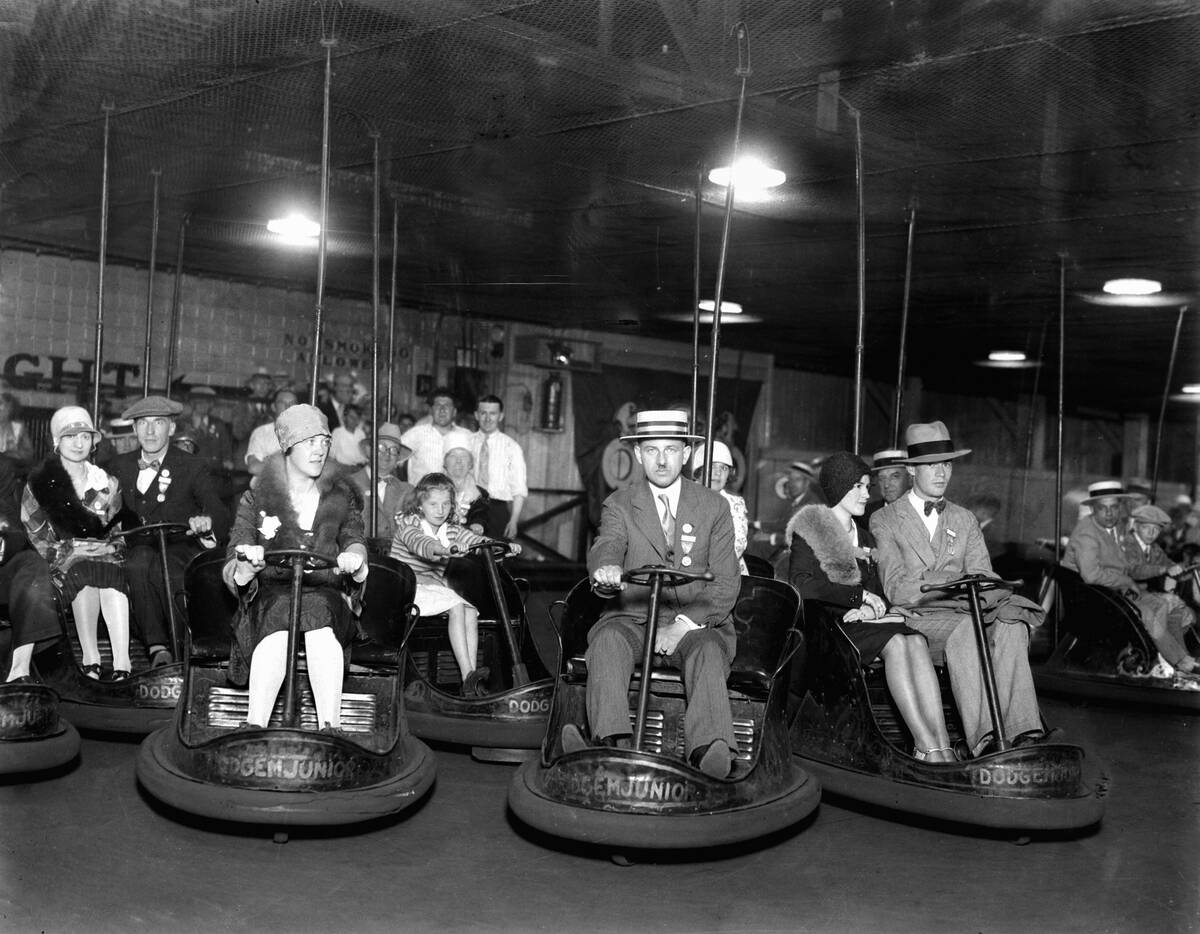
Bumper cars, also known as dodgems, became a popular amusement park attraction during the early 1920s. These electric-powered vehicles are designed to allow riders to safely bump into one another on a specially equipped floor.
Early bumper car technology was developed by several inventors and manufacturers, including Victor Levand and the Dodgem Company, helping establish the ride as a fixture at amusement parks. Bumper cars continue to be a common attraction at amusement parks and traveling fairs.
The Magic of Midway Games and Prizes
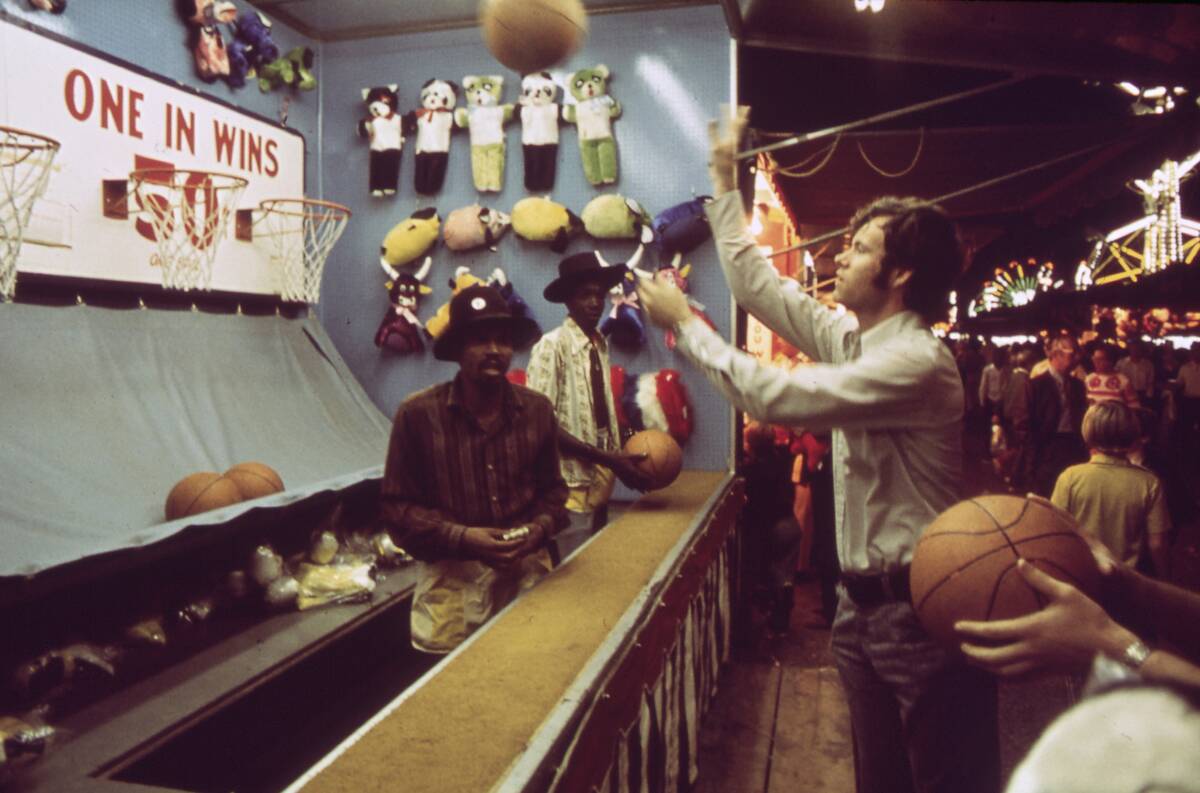
Midway games have long been a feature of amusement parks, fairs, and carnivals, giving visitors the opportunity to test their skills for prizes. Classic games include ring toss, balloon darts, shooting galleries, and other games of skill or chance.
These attractions became widespread at amusement parks during the early 20th century, building on traditions established at late 19th-century fairs and expositions. Today, midway games remain a common attraction at amusement parks and traveling fairs.
The Role of Live Entertainment and Shows
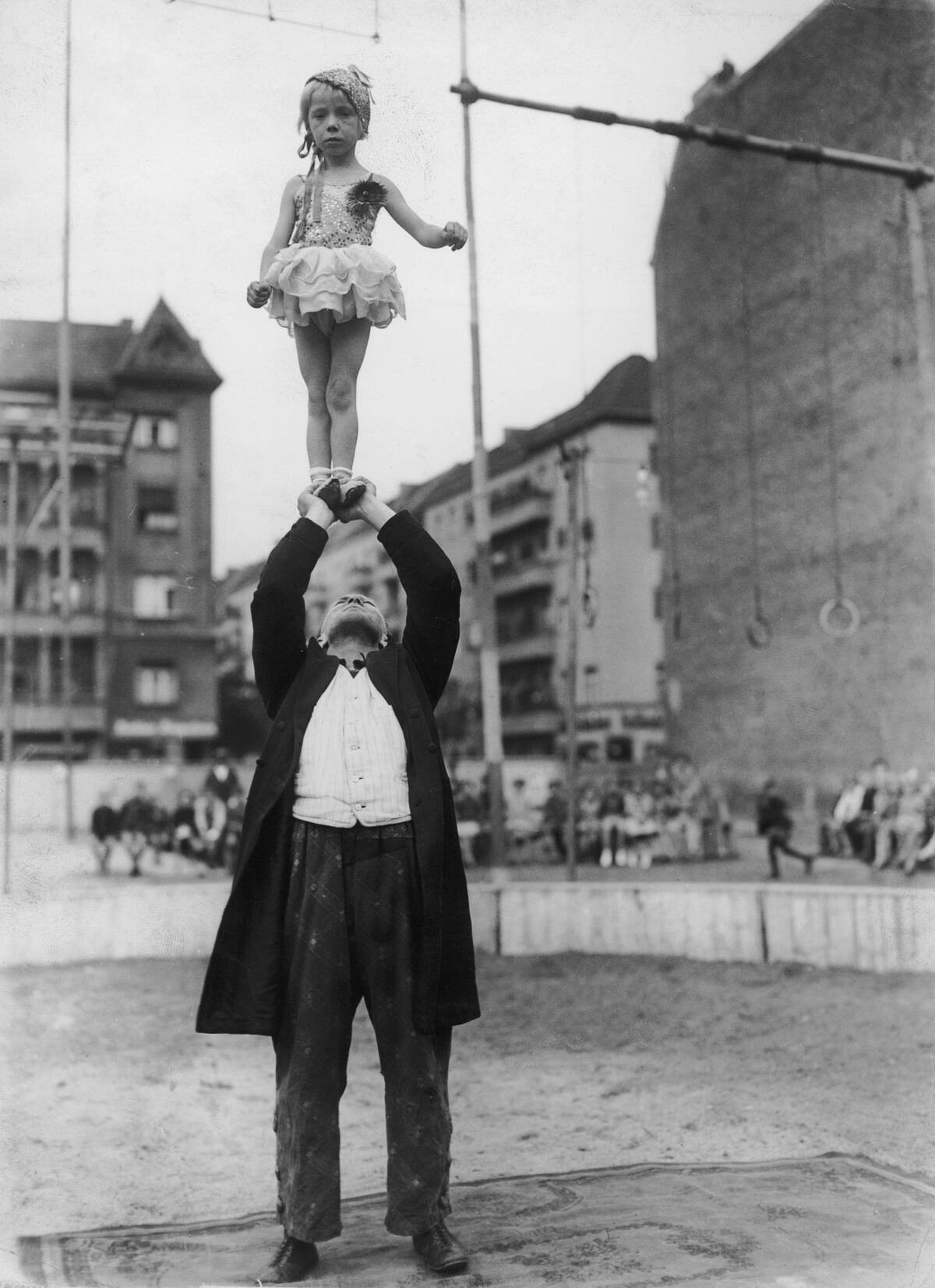
Live entertainment has long been a feature of amusement parks, especially in the late 19th and early 20th centuries. Performances such as vaudeville-style acts, acrobatics, and other stage shows were commonly featured alongside rides and attractions.
Many parks also included live music performances from bands and orchestras, contributing to the overall atmosphere. Today, live entertainment remains a feature of many amusement parks, including shows, parades, and musical performances.
Picnic Areas and Family Gatherings
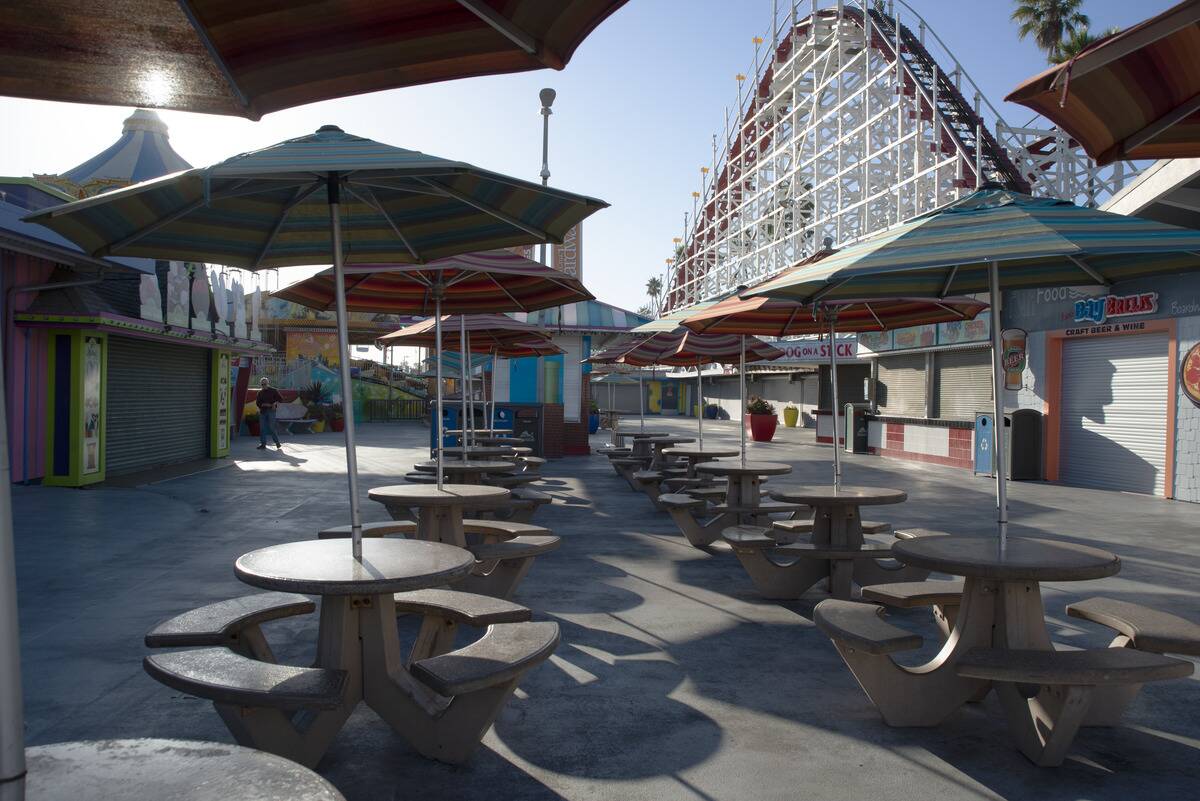
Amusement parks and early trolley parks often included designated picnic areas where visitors could relax and socialize. These spaces were especially common in late 19th and early 20th-century parks, where wooded groves provided a place for families to rest and eat during their visit.
In many early parks, guests brought their own meals and spent extended time at the grounds. While modern amusement parks vary in layout and amenities, some continue to offer designated seating and dining areas for visitors.
The Evolution of Park Food: From Cotton Candy to Hot Dogs
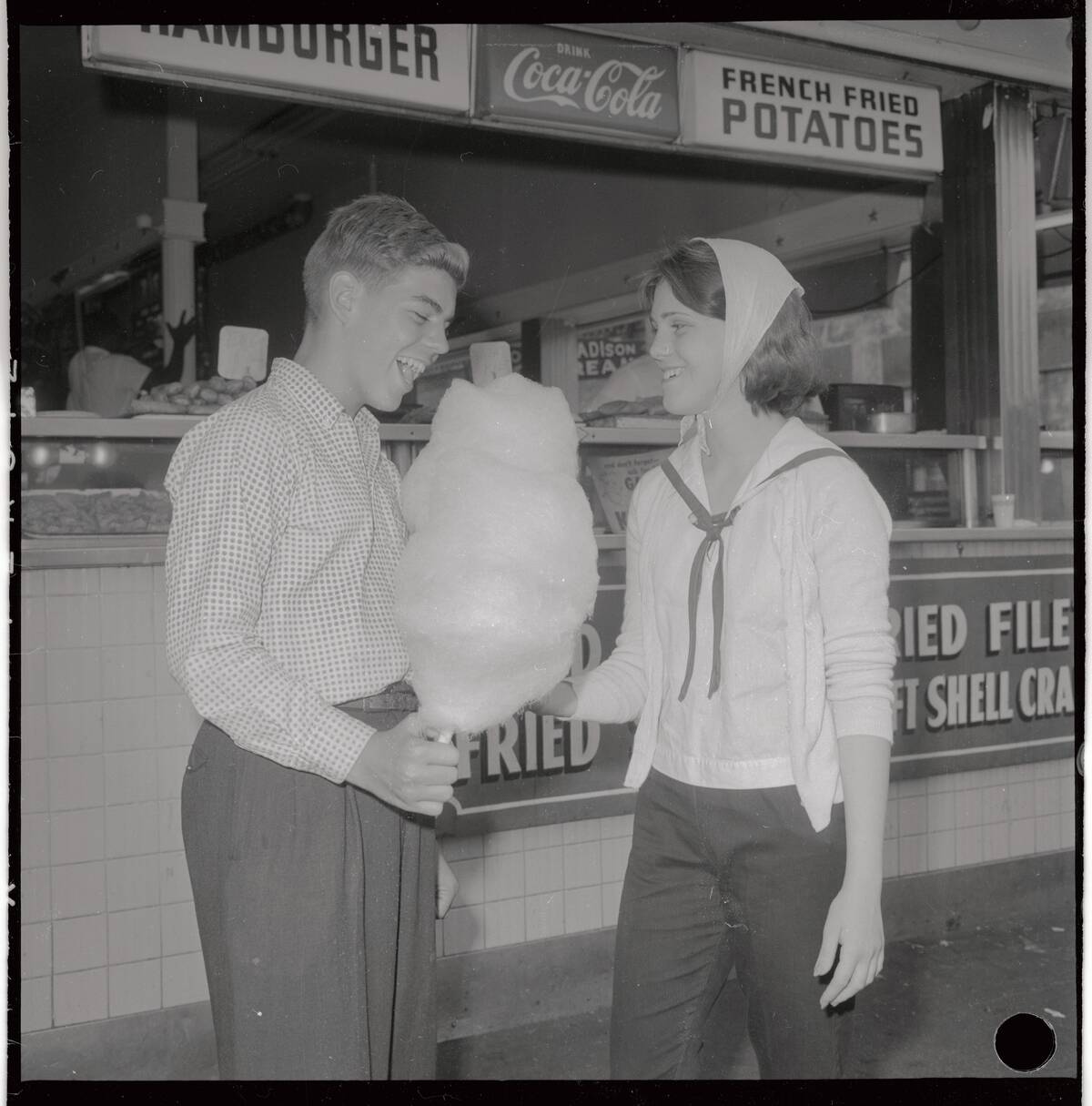
Food has long been a feature of amusement parks, with vendors offering a variety of snacks and meals for visitors. Cotton candy was popularized at the 1904 Louisiana Purchase Exposition in St. Louis, where it was introduced to a wide audience.
In the early 20th century, foods such as hot dogs, popcorn, and ice cream cones became closely associated with fairs and amusement parks. Today, amusement parks offer a broad range of dining options alongside traditional concession foods.
The Social Impact of Early Amusement Parks
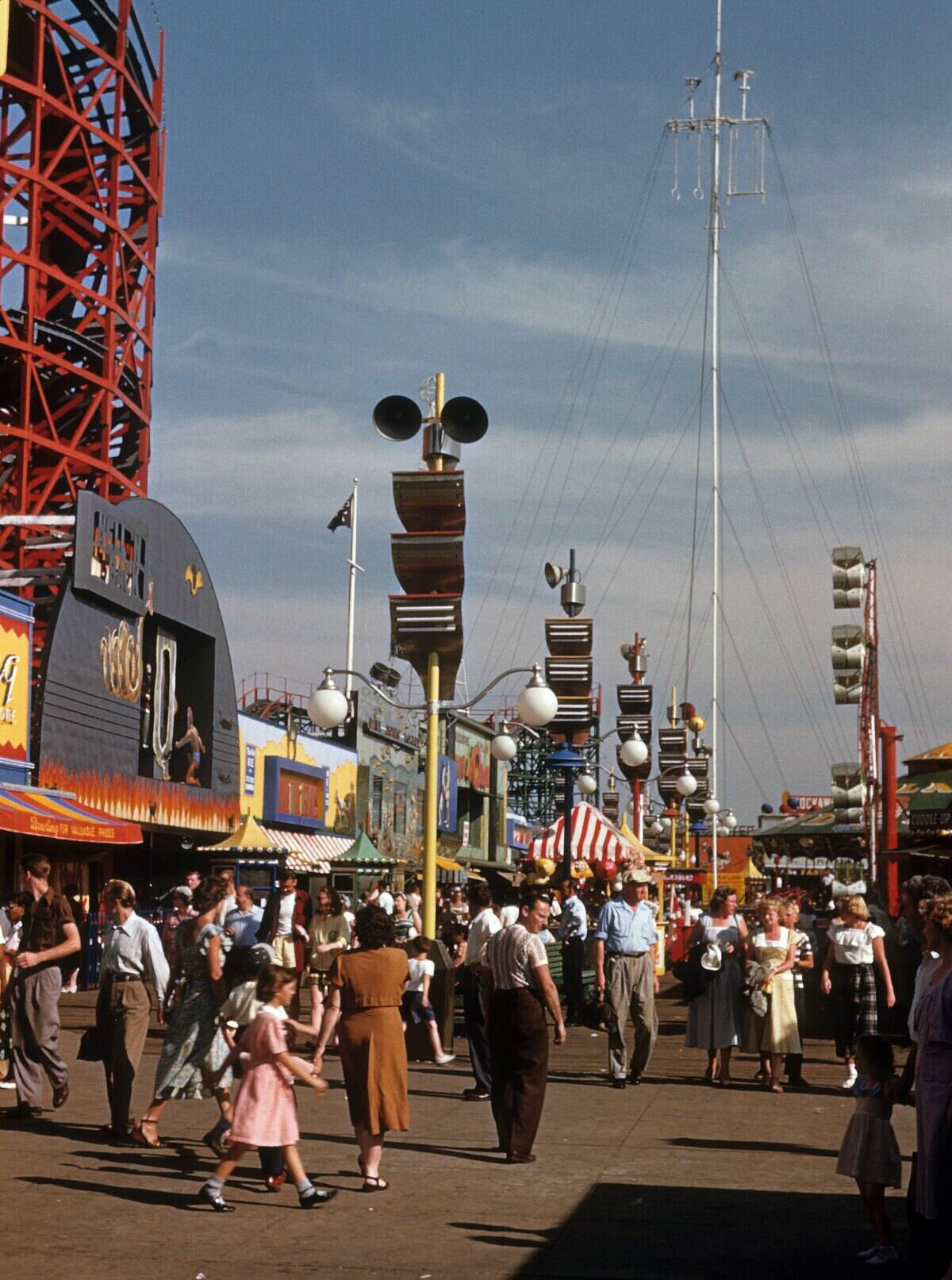
Early amusement parks played a significant role in shaping social interactions and cultural norms. They provided a space where people from different backgrounds could come together and enjoy shared experiences.
Parks like Coney Island became melting pots of diversity, breaking down social barriers and fostering a sense of community. The impact of these parks extended beyond entertainment, influencing social dynamics and contributing to the cultural fabric of society.
Nostalgia and the Revival of Vintage Parks Today
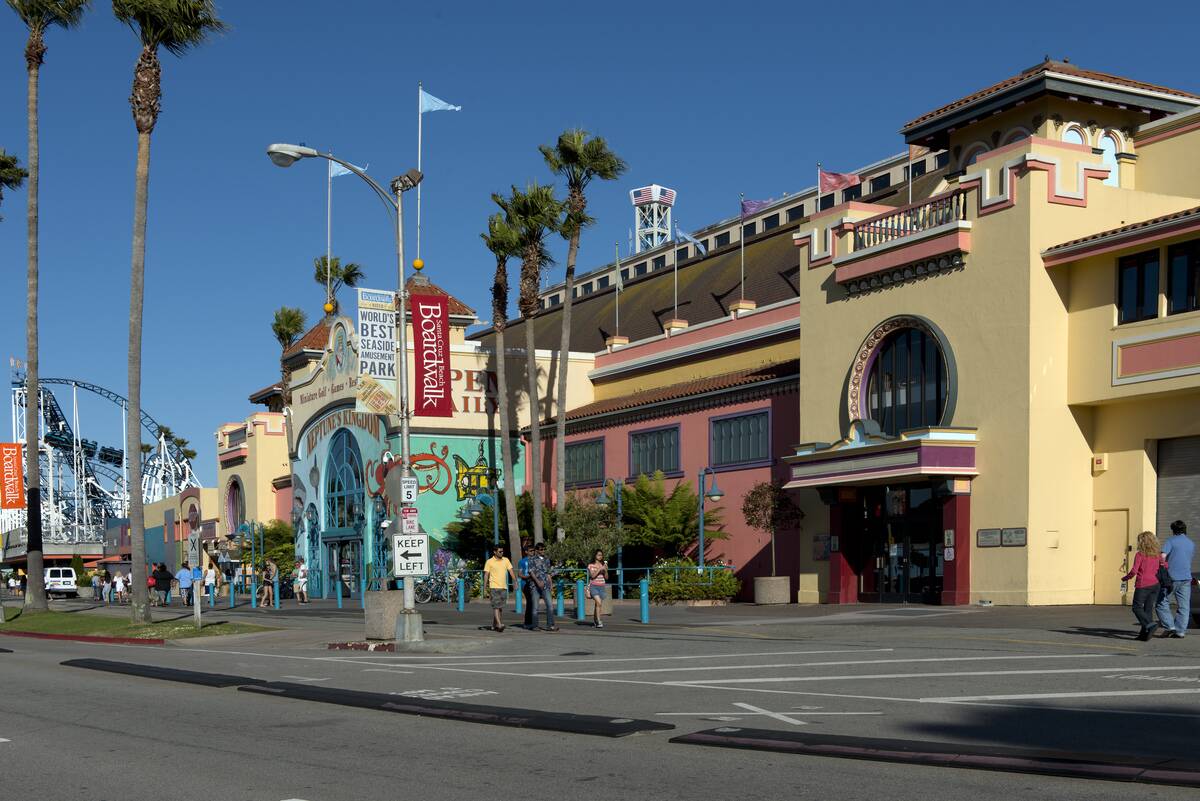
Nostalgia is often cited as one factor in the continued popularity and preservation of historic amusement parks. The Santa Cruz Beach Boardwalk in California retains several historic attractions and a long-standing seaside setting, alongside modern rides and updated facilities.
Many historic amusement parks balance the preservation of older attractions and architecture with modern safety standards and operational upgrades. This combination helps maintain their historical character while ensuring they remain functional for contemporary visitors.




