What hospitals were like before modern medicine
Imagine stepping into a time machine and landing in a hospital before the age of modern medicine. The sights, sounds, and smells would be worlds apart from today’s sterile environments.
Hospitals in the pre-modern era were places of both hope and trepidation, where medical practices were as much about art as they were about science. This journey back in time offers a fascinating glimpse into the evolution of healthcare and the roots of many practices we see today.
The Setting: A Glimpse Inside a 19th Century Hospital
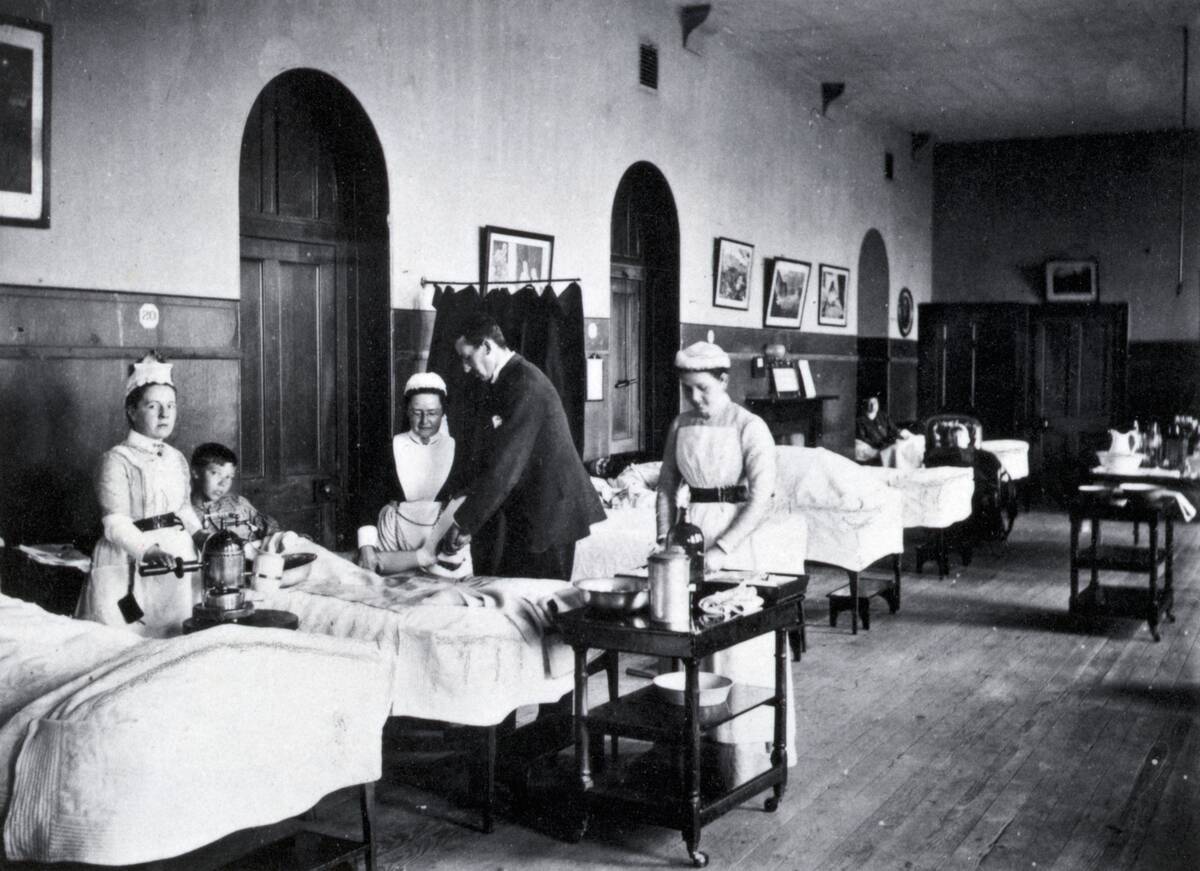
Walking into a 19th-century hospital, you might be struck by the bustling atmosphere and the distinct lack of privacy. Patients were often housed in large, open wards with rows of beds lined up side by side.
The air would be filled with a mixture of medicinal smells and the sounds of patients and staff going about their day. Despite the lack of modern conveniences, these hospitals were at the forefront of medical care in their time, offering a sanctuary for those in need.
The Role of Hospitals in Society Before Modern Medicine
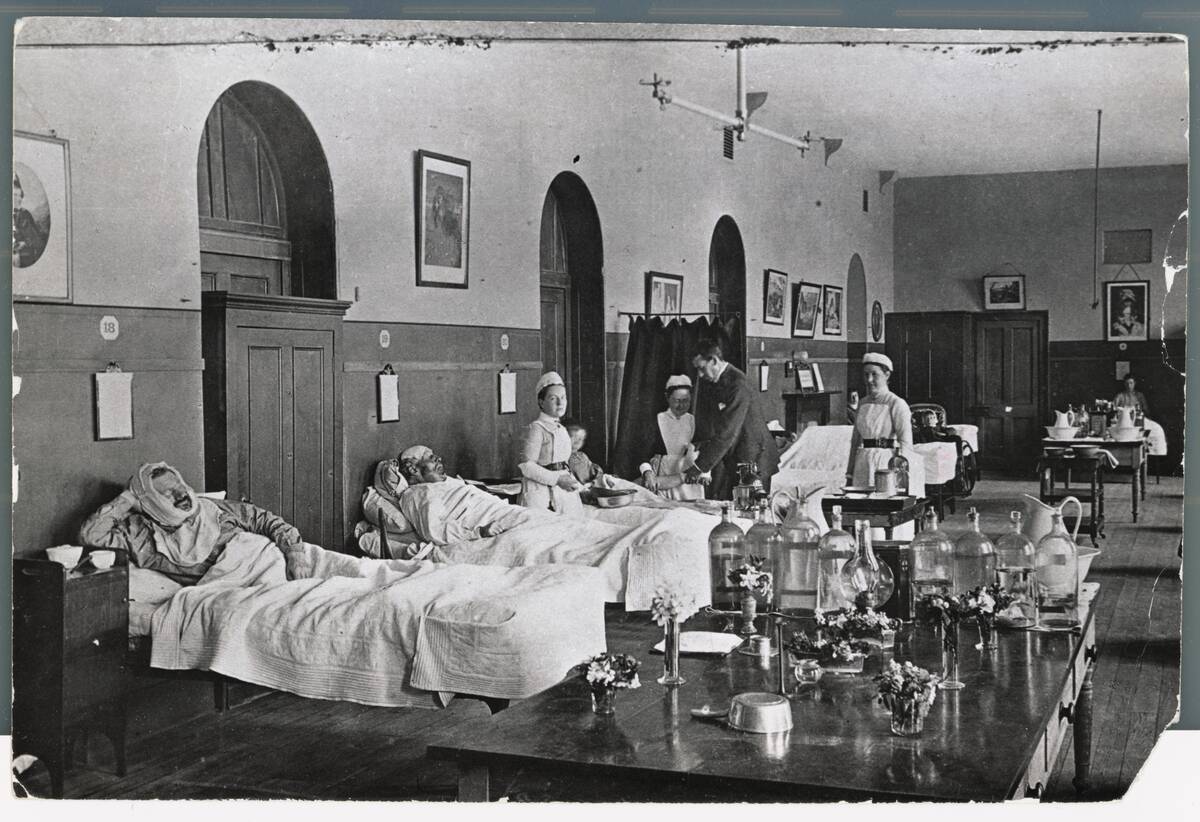
Before the advent of modern medicine, hospitals served as vital community hubs, often run by religious organizations or charitable institutions. They provided care for the sick and injured, but also acted as places of refuge for the poor and destitute.
In many ways, hospitals were seen as a last resort for those who couldn’t afford private care. Despite their limitations, they played a crucial role in the social fabric, offering hope and healing to those who needed it most.
The Architecture and Layout of Historical Hospitals
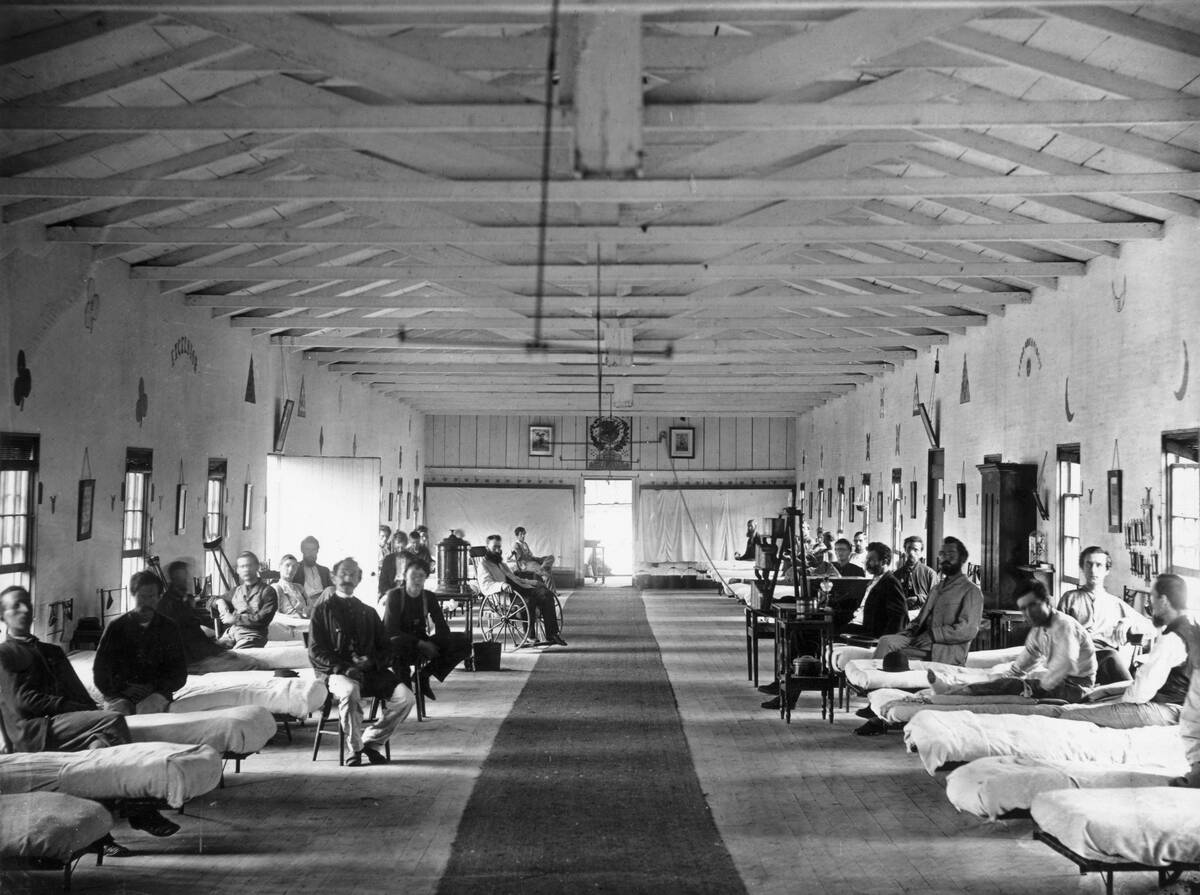
The architecture of historical hospitals was often grand and imposing, designed to reflect their importance in society. Many were built with large windows to allow natural light to flood in, a practice believed to aid in healing.
The layout typically included long corridors and large wards, with separate areas for different types of patients. This design was not just about aesthetics; it was also about functionality, ensuring that patients could be easily monitored and cared for.
The Arrival: What Patients Experienced Upon Entering
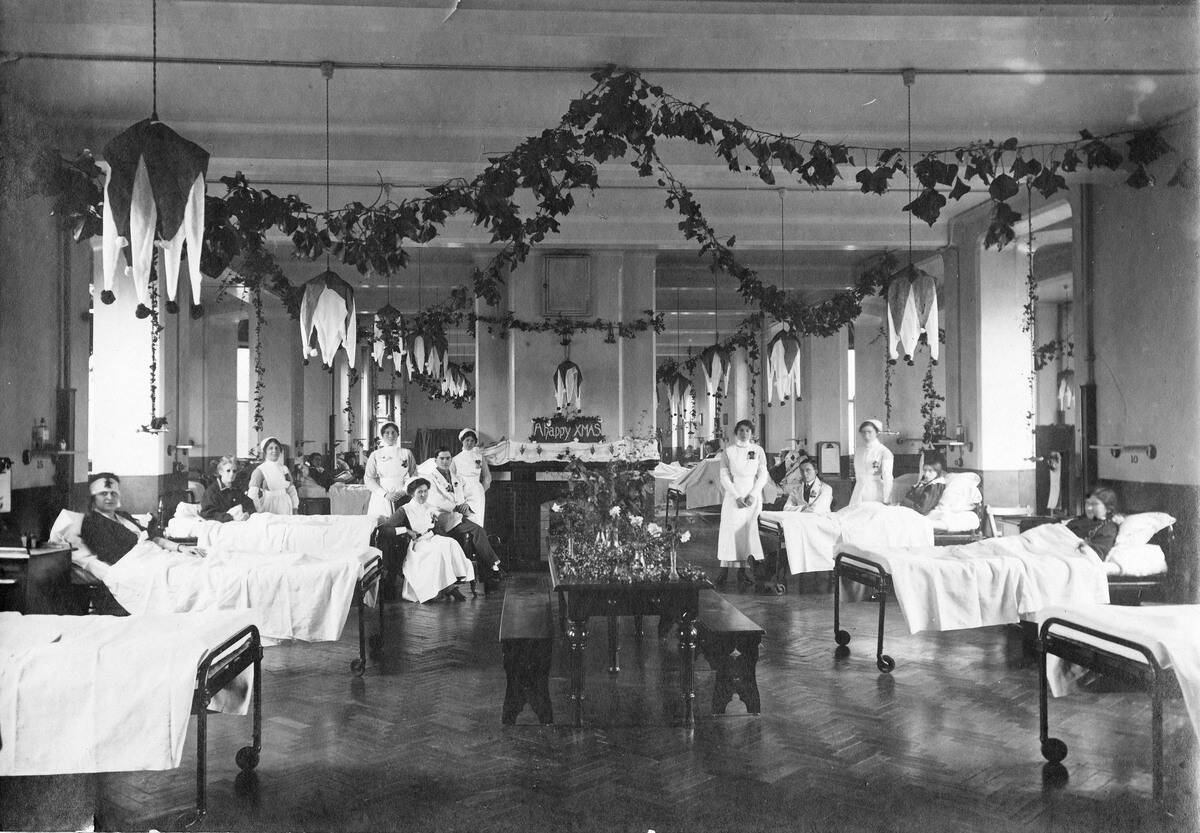
Upon entering a pre-modern hospital, patients were often greeted by a bustling scene of activity. Admissions were a straightforward affair, with minimal paperwork and a focus on immediate care. Patients might be asked about their symptoms and assigned a bed in a communal ward.
The experience could be overwhelming, with the noise and smells of the hospital environment creating a sensory overload. Despite this, the promise of care and recovery offered a glimmer of hope to those in need.
The Staff: Who Would You Meet in a Pre-Modern Hospital?
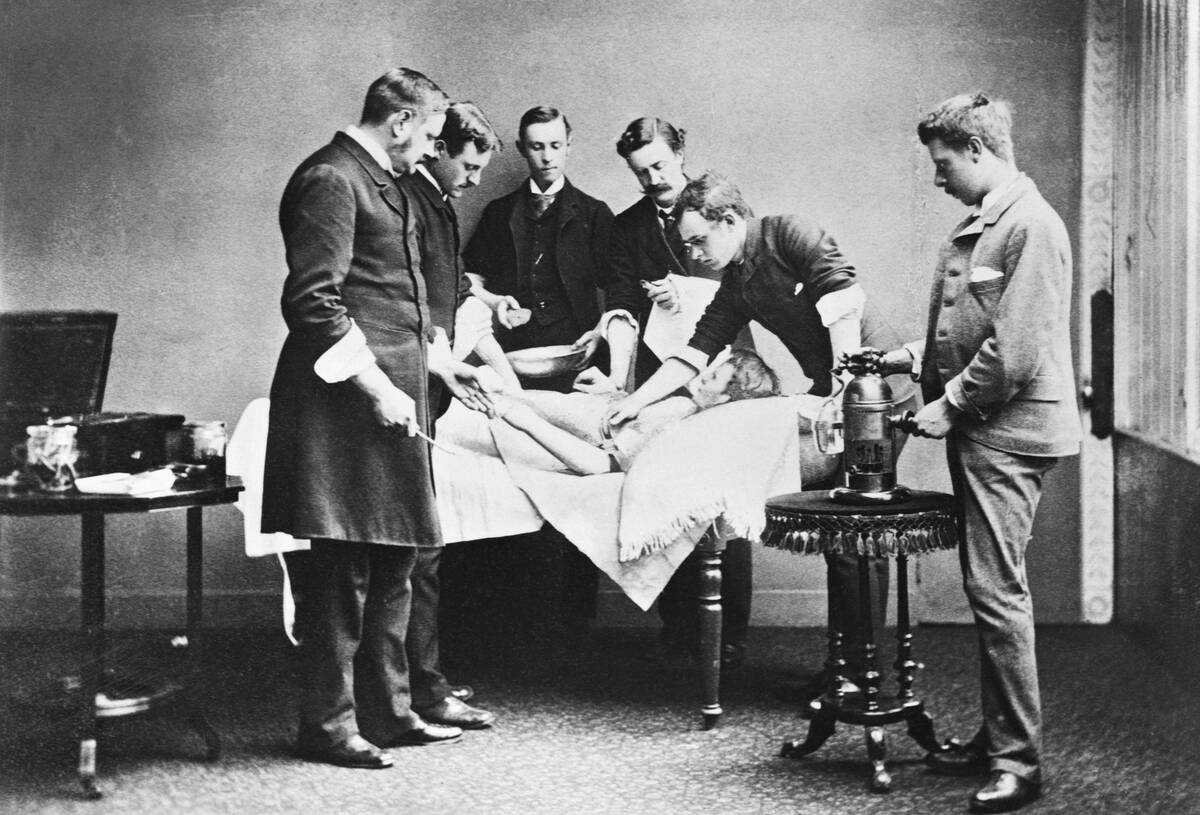
A visit to a pre-modern hospital would introduce you to a diverse cast of characters. From the stern matron overseeing the wards to the young apprentices learning the ropes, each played a vital role in the hospital ecosystem.
The staff was often a mix of trained professionals and volunteers, with many drawn from religious orders. Their dedication and compassion were the backbone of the hospital, providing care and comfort to patients in their time of need.
The Physicians: Training and Practices of the Time
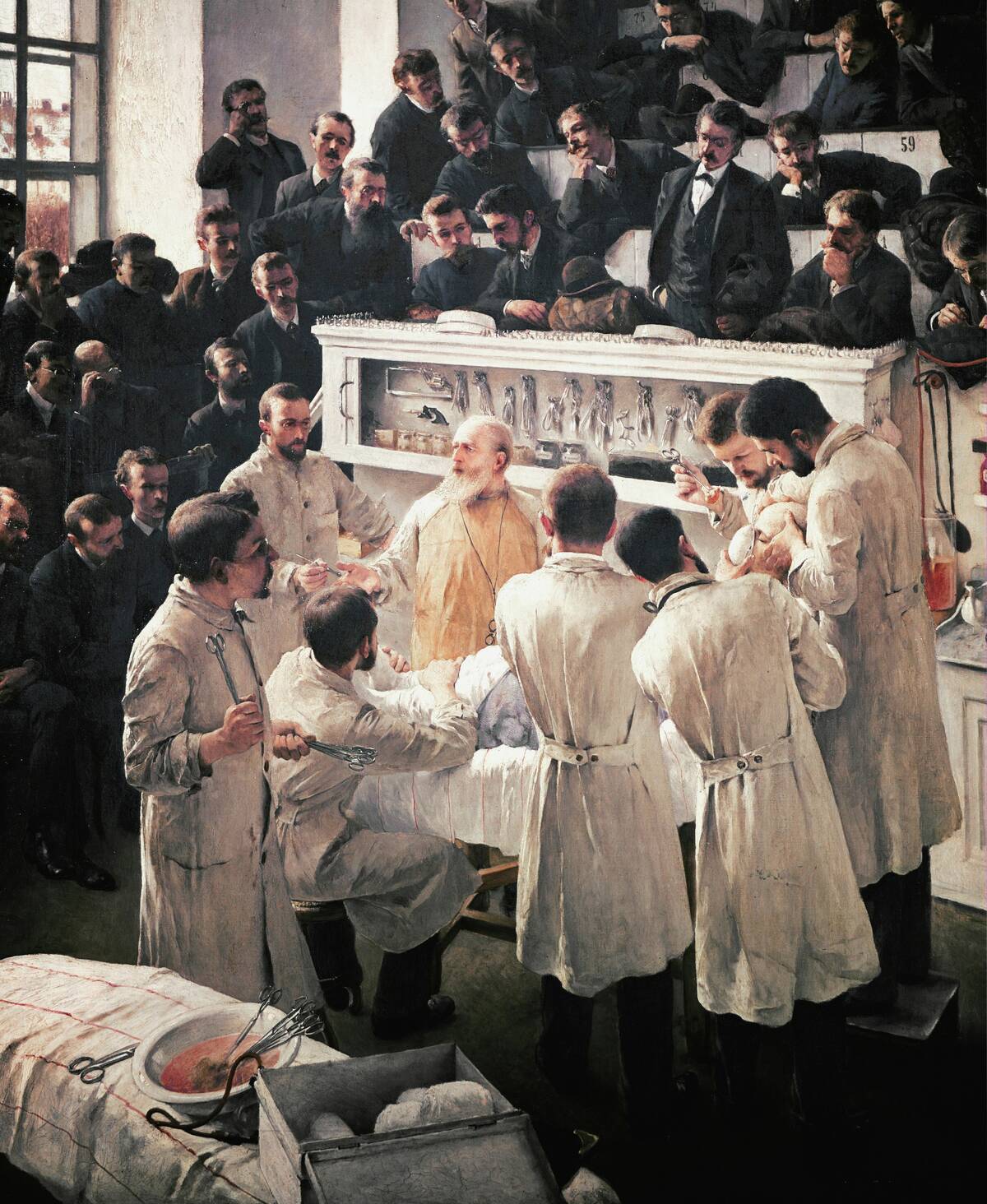
Physicians in the pre-modern era were a unique blend of scientist and artist, relying on both observation and intuition. Their training was often informal, with many learning through apprenticeships and hands-on experience.
Medical knowledge was limited, and practices varied widely, with treatments often based on theories like the four humors. Despite these challenges, physicians were respected figures, dedicated to the art of healing and constantly seeking new ways to improve patient care.
The Nurses: The Unsung Heroes of Historical Healthcare
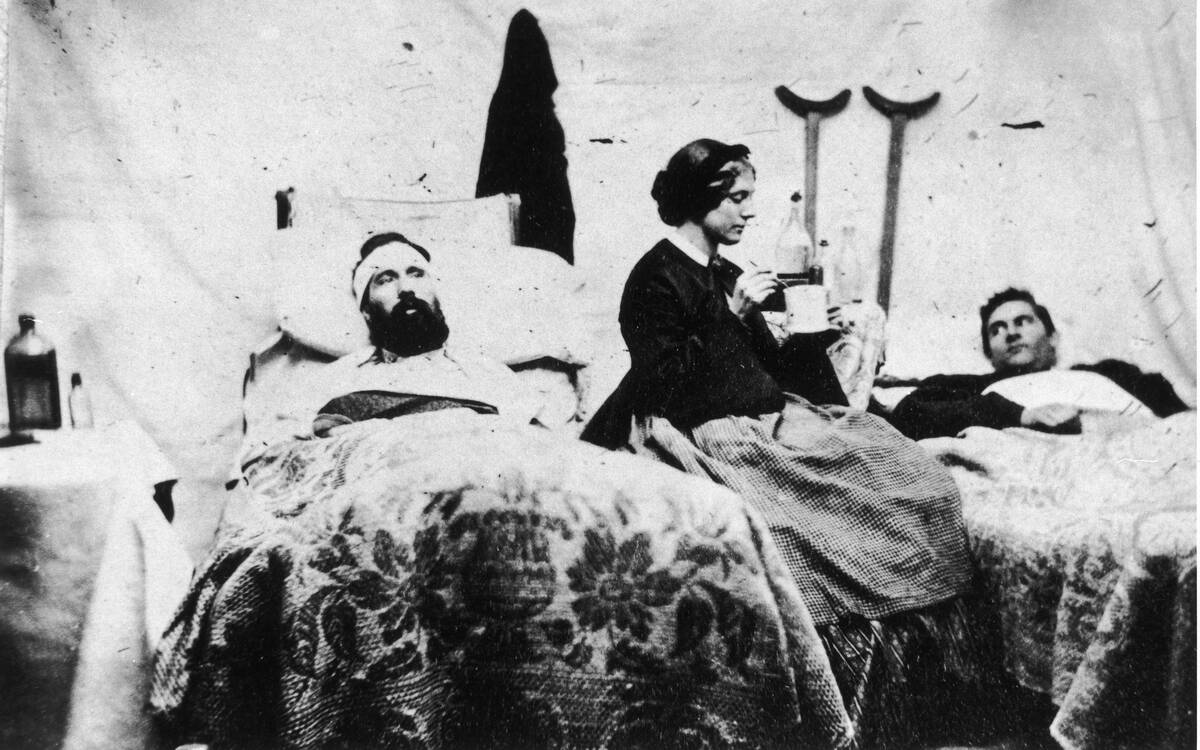
Nurses in historical hospitals were the unsung heroes, providing the bulk of patient care with little recognition. Often drawn from religious orders, they worked long hours in challenging conditions, tending to the sick with compassion and dedication.
Their duties ranged from administering basic treatments to offering comfort and support. Despite the lack of formal training, nurses were essential to the functioning of hospitals, their tireless efforts making a significant impact on patient outcomes.
The Surgeons: A Brave New World of Operations
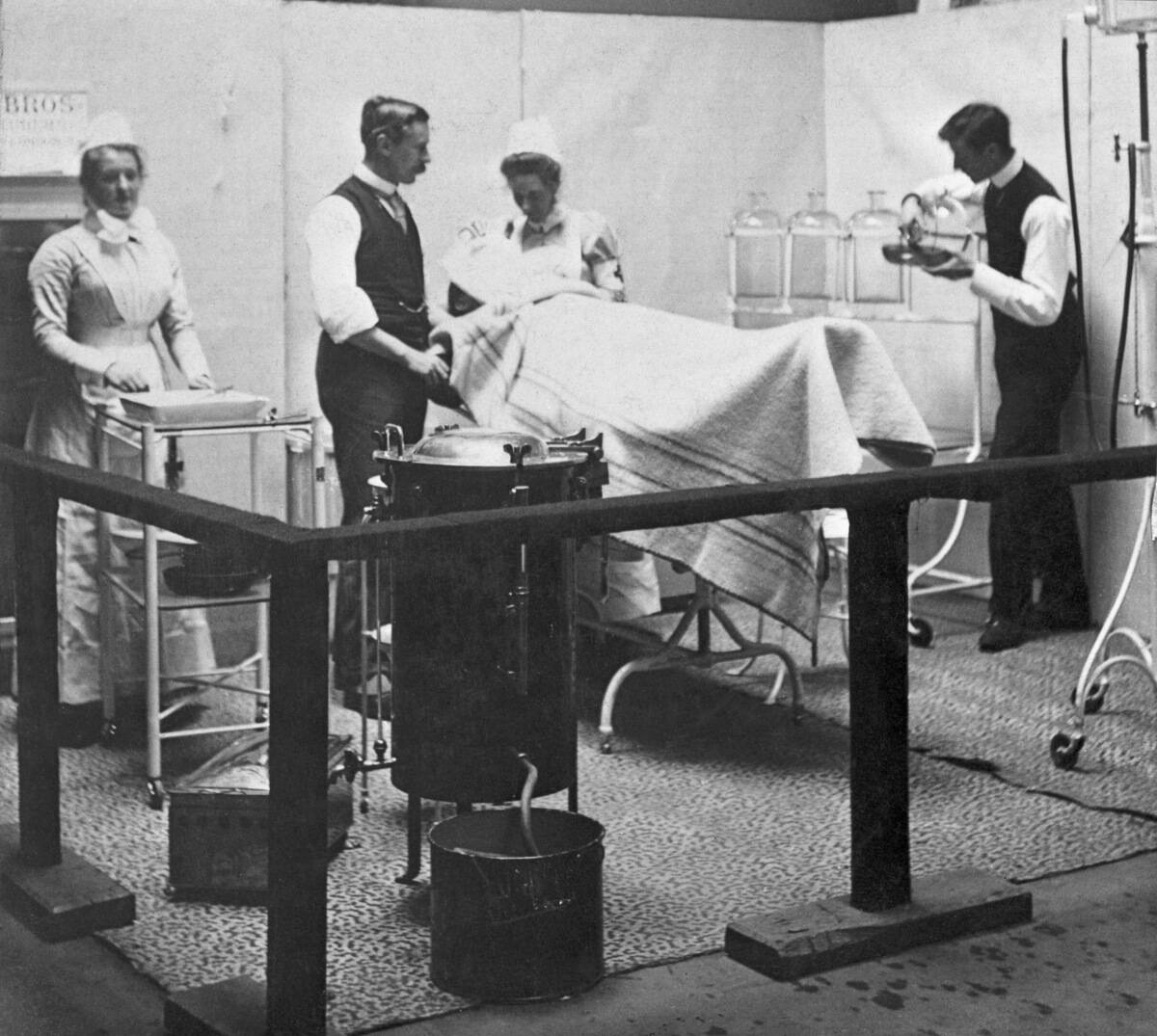
Surgery in the pre-modern era was a daunting prospect, both for patients and practitioners. Surgeons were often viewed with a mix of awe and fear, their skills seen as both miraculous and terrifying.
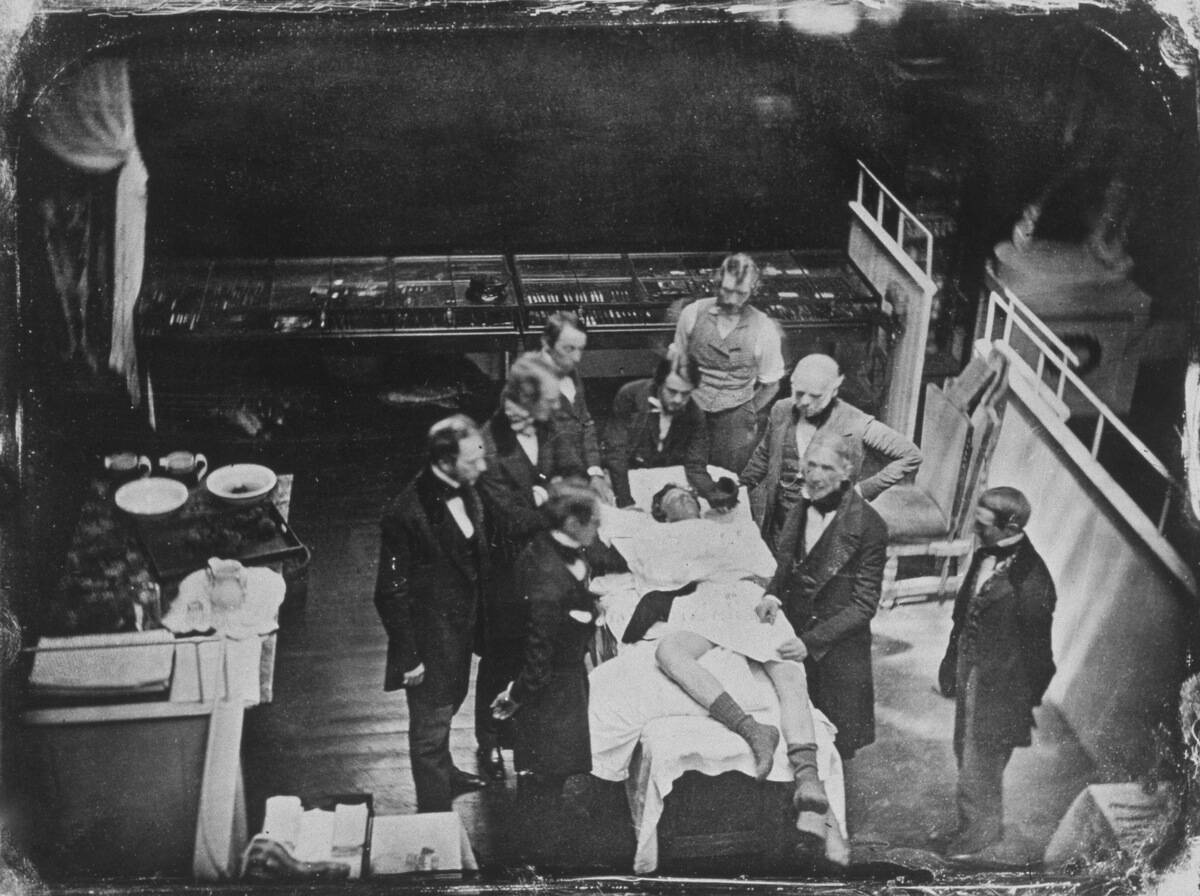
Without the benefits of anesthesia or antiseptics, operations were painful and risky endeavors. Despite these challenges, surgeons were pioneers, pushing the boundaries of medical knowledge and developing techniques that laid the groundwork for modern surgical practices.
The Apothecaries: Early Pharmacists and Their Remedies
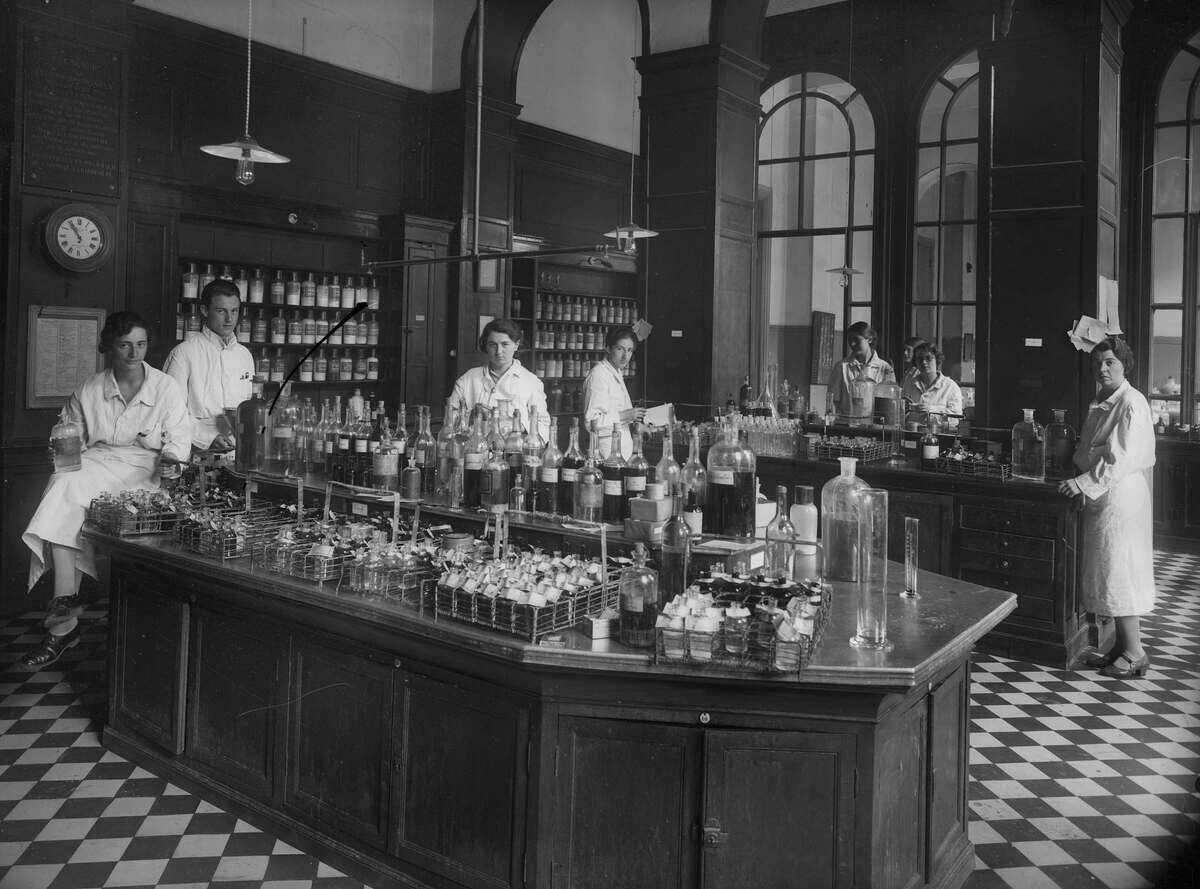
Apothecaries were the early pharmacists, crafting remedies from a variety of natural ingredients. Their shops were filled with jars of herbs, minerals, and other substances, each with its own purported healing properties.
Apothecaries played a crucial role in healthcare, providing physicians and patients with the medicines they needed. While some remedies were effective, others were based more on tradition than science, reflecting the limited understanding of medicine at the time.
The Treatments: Common Practices and Procedures
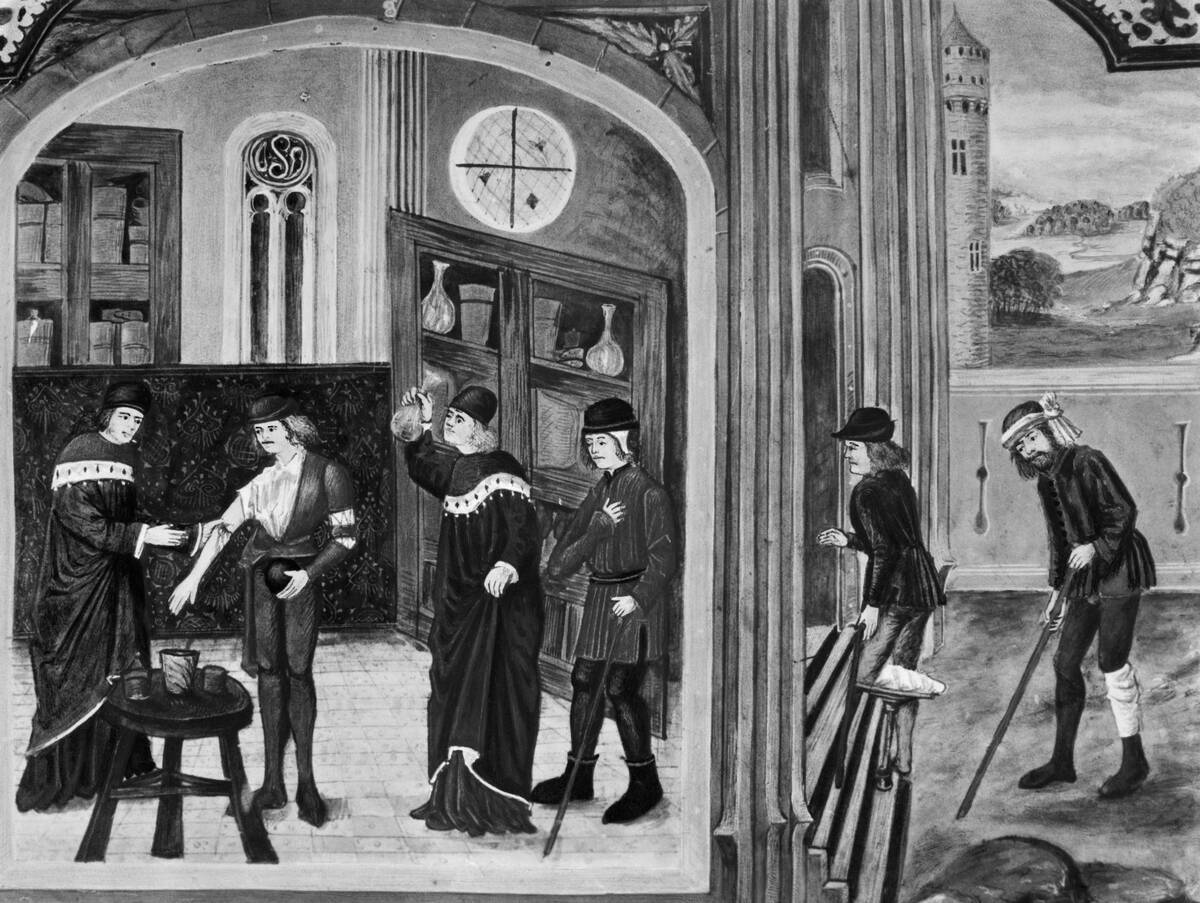
Treatments in pre-modern hospitals ranged from the familiar to the bizarre. Bloodletting was a common practice, believed to balance the body’s humors and promote healing. Other treatments included herbal remedies, poultices, and even the use of leeches.
While some practices were based on sound medical principles, others were more about trial and error. Despite the limitations of the time, these treatments laid the foundation for many modern medical practices.
The Tools of the Trade: Instruments Used in Historical Medicine
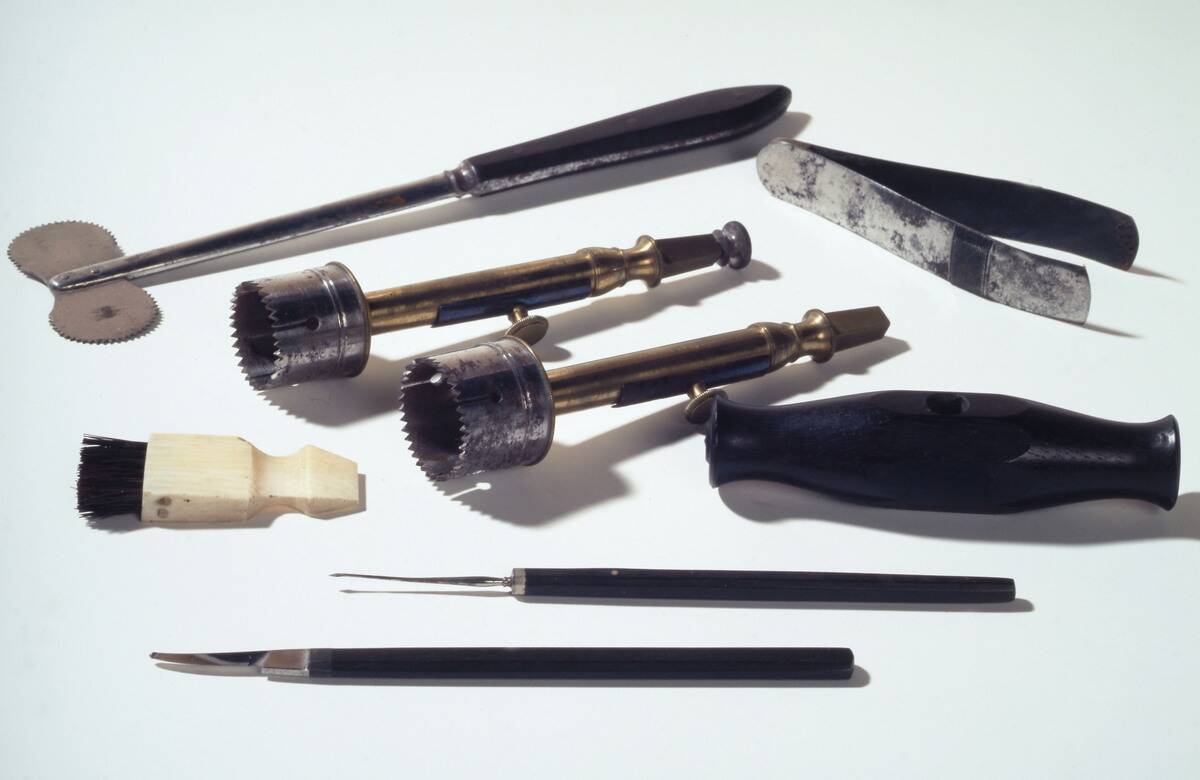
The tools of historical medicine were both fascinating and fearsome. From bone saws to trephines, these instruments were designed for a variety of procedures, often requiring skill and precision to use effectively.
Many tools were handcrafted, reflecting the artistry of the time. While some instruments have evolved significantly, others remain surprisingly similar to their historical counterparts, a testament to their enduring utility in the medical field.
The Hygiene: Cleanliness Standards (or Lack Thereof)
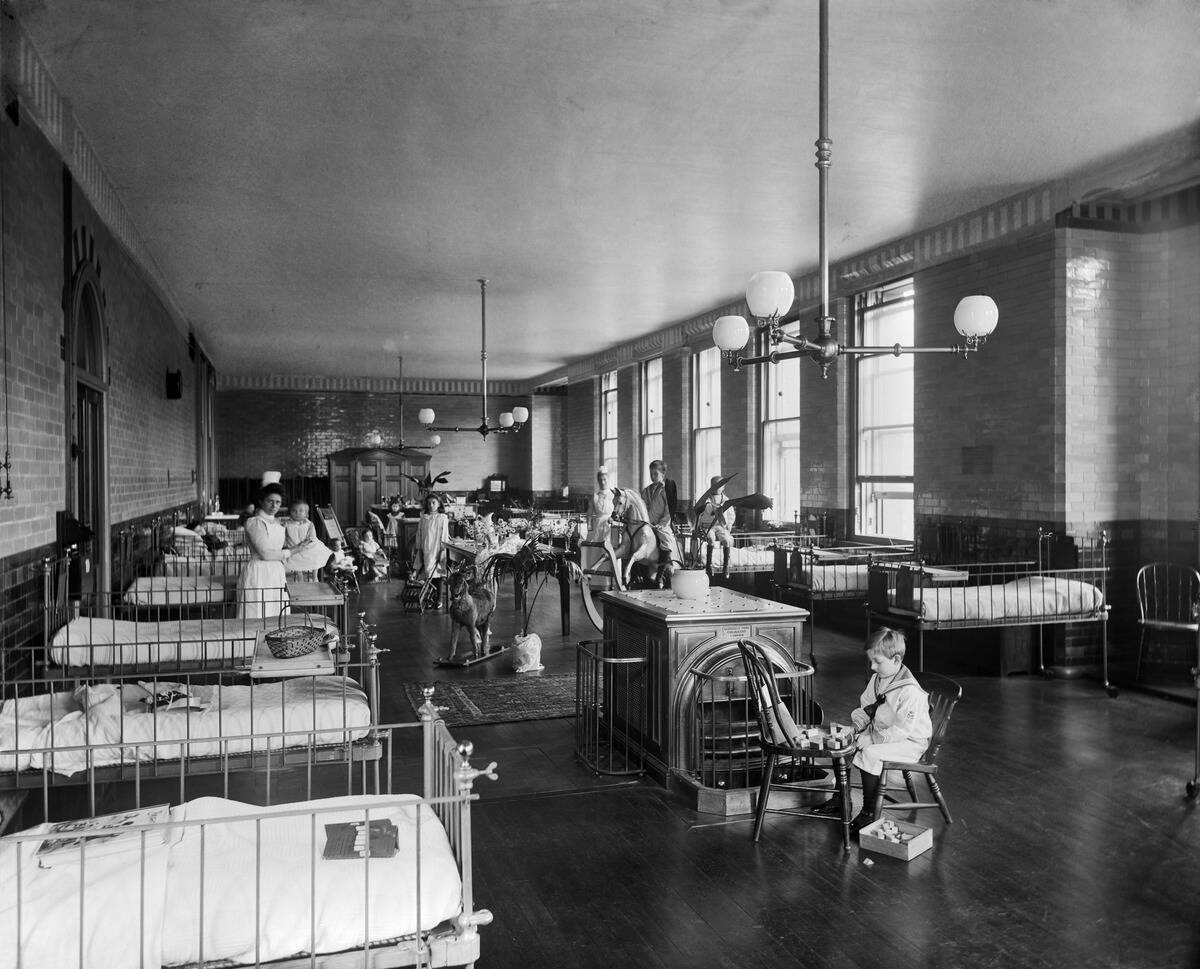
Hygiene in pre-modern hospitals was a significant challenge, with cleanliness standards far from what we expect today. The germ theory of disease was not yet understood, leading to practices that often spread infection rather than prevent it.
Wards were crowded, and handwashing was not a routine practice. Despite these conditions, the importance of cleanliness was gradually recognized, paving the way for the sanitary reforms that would revolutionize healthcare in the future.
The Recovery: Post-Treatment Care and Expectations
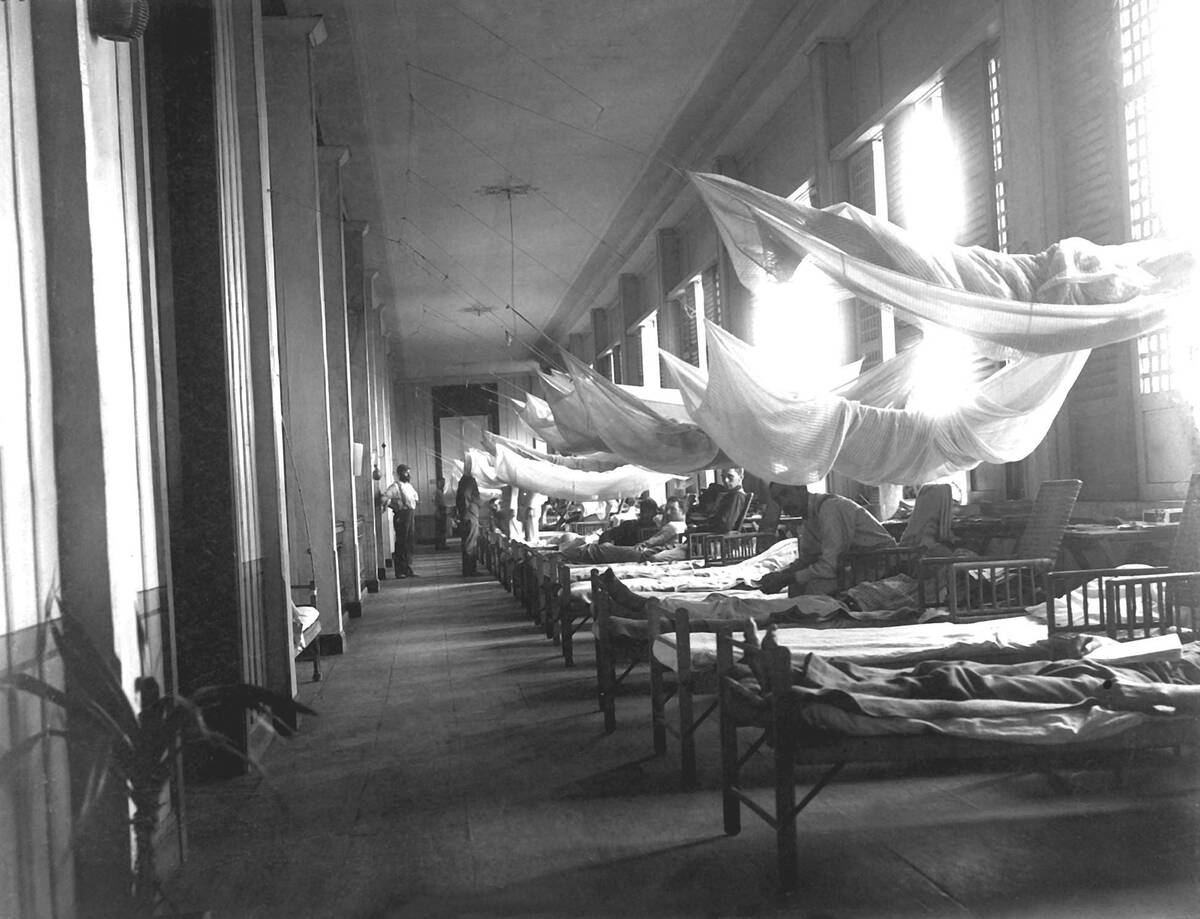
Recovery in historical hospitals was a slow and uncertain process, with outcomes varying widely depending on the treatment and the patient’s condition. Post-treatment care often involved extended stays in the hospital, with patients monitored closely by staff.
The lack of advanced medical knowledge meant that recovery was as much about rest and nutrition as it was about medical intervention. Despite the challenges, many patients did recover, a testament to the care and dedication of the hospital staff.
The Innovations: Early Medical Breakthroughs and Discoveries
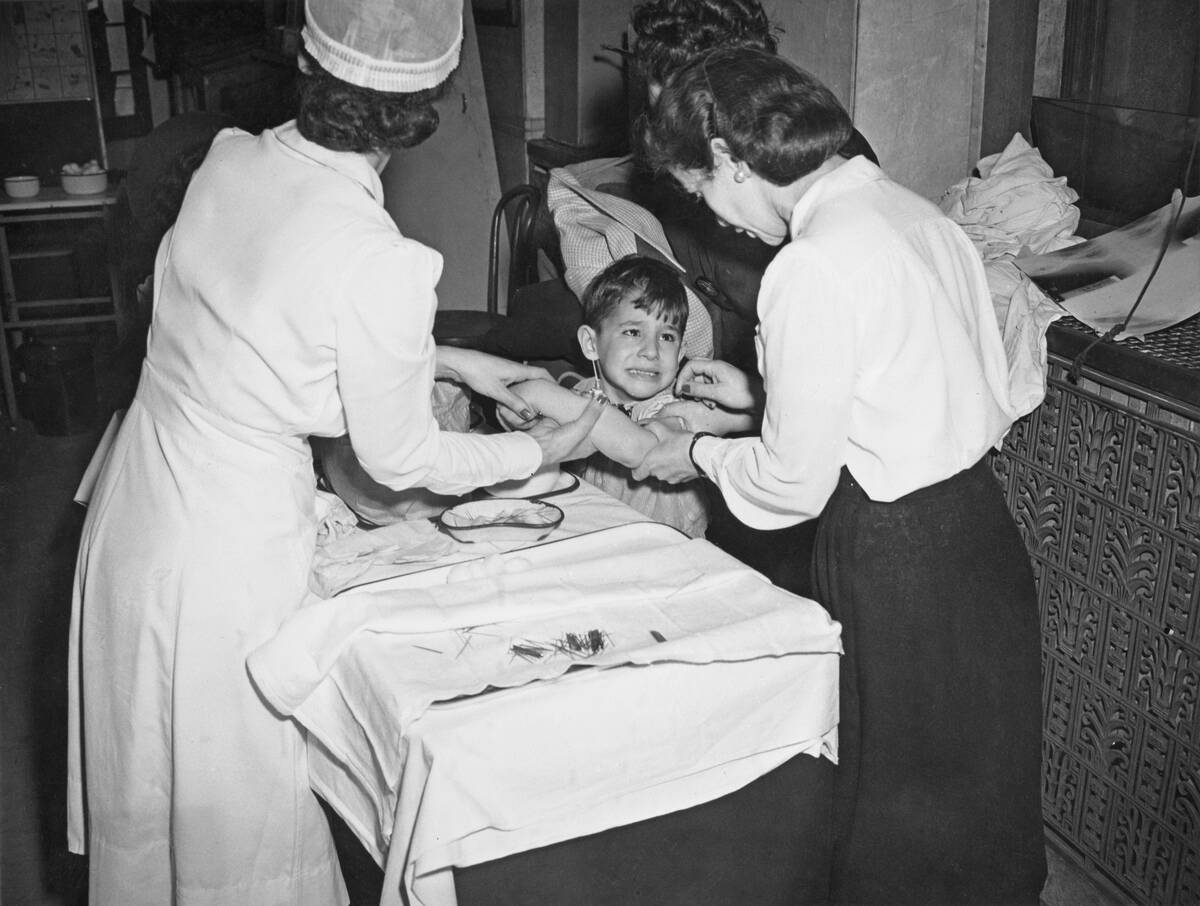
The pre-modern era was a time of significant medical innovation, with breakthroughs that laid the groundwork for modern medicine. The development of vaccines, such as the smallpox vaccine by Edward Jenner, was a monumental step forward.
Advances in surgical techniques and the gradual acceptance of antiseptic practices also marked this period. These innovations were driven by a spirit of curiosity and a desire to improve patient care, setting the stage for the medical advancements that would follow.
The Costs: How Patients Paid for Medical Care
Paying for medical care in the pre-modern era was a complex affair, often involving a mix of charity and personal expense. Many hospitals were funded by religious organizations or wealthy benefactors, allowing them to offer care to those who couldn’t afford it.
For those who could pay, fees were often negotiated directly with physicians or surgeons. This system reflected the social and economic realities of the time, highlighting the challenges of accessing healthcare in a pre-modern world.
The Alternatives: Home Remedies and Folk Medicine
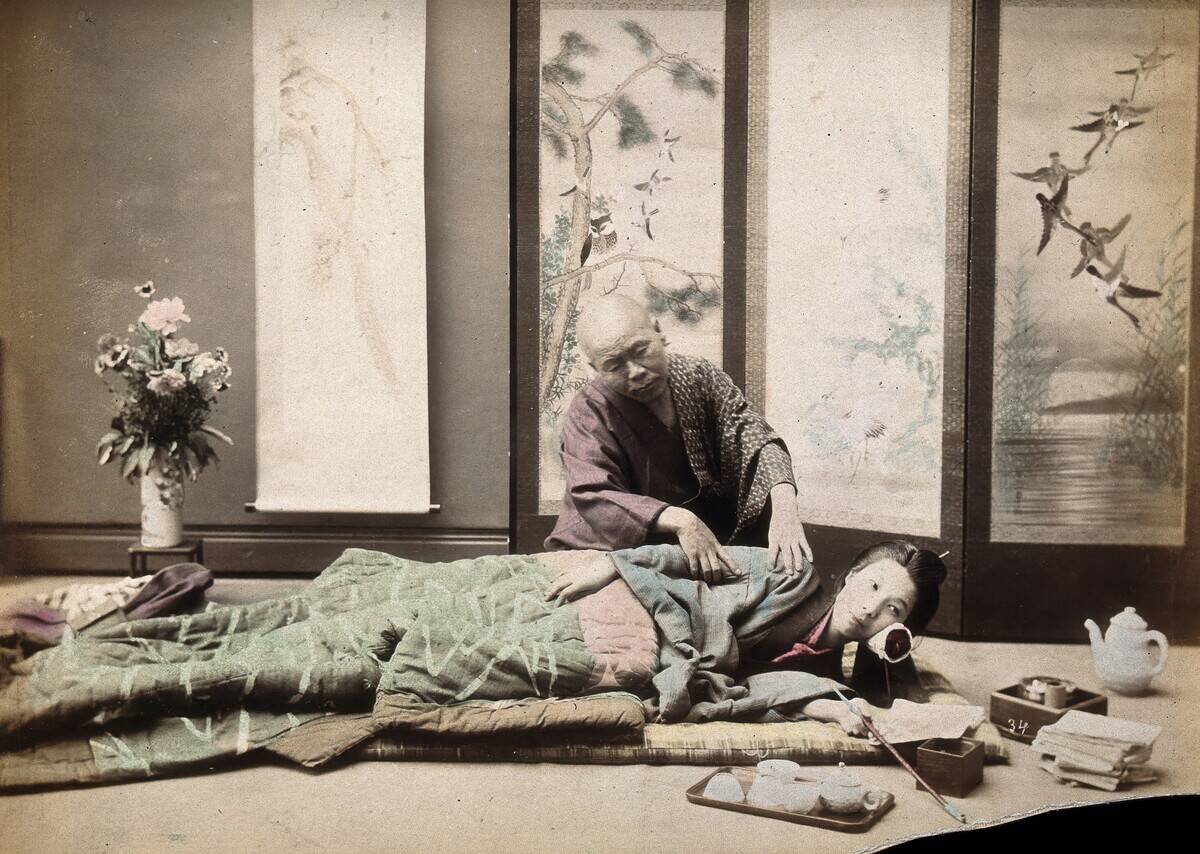
In the absence of modern medical care, many people turned to home remedies and folk medicine for treatment. These practices were often passed down through generations, relying on natural ingredients and traditional knowledge.
From herbal teas to poultices, these remedies were used to treat a wide range of ailments. While some were effective, others were based more on superstition than science. Despite this, they played a vital role in healthcare, especially in rural areas where access to hospitals was limited.