Explore the lost libraries of our world and the knowledge they held
Long-lost libraries hold the keys to ancient civilizations, unlocking tales of wisdom and wonder. These repositories weren’t just about books; they were beacons of knowledge, culture, and innovation.
Imagine wandering through aisles where Aristotle’s musings mingled with ancient maps. It’s fascinating to think about the scholars who once roamed these lofty halls, searching for answers to age-old questions. Each library lost to time leaves behind a tapestry of mystery and intrigue.
The Library of Pergamum: Rival to Alexandria
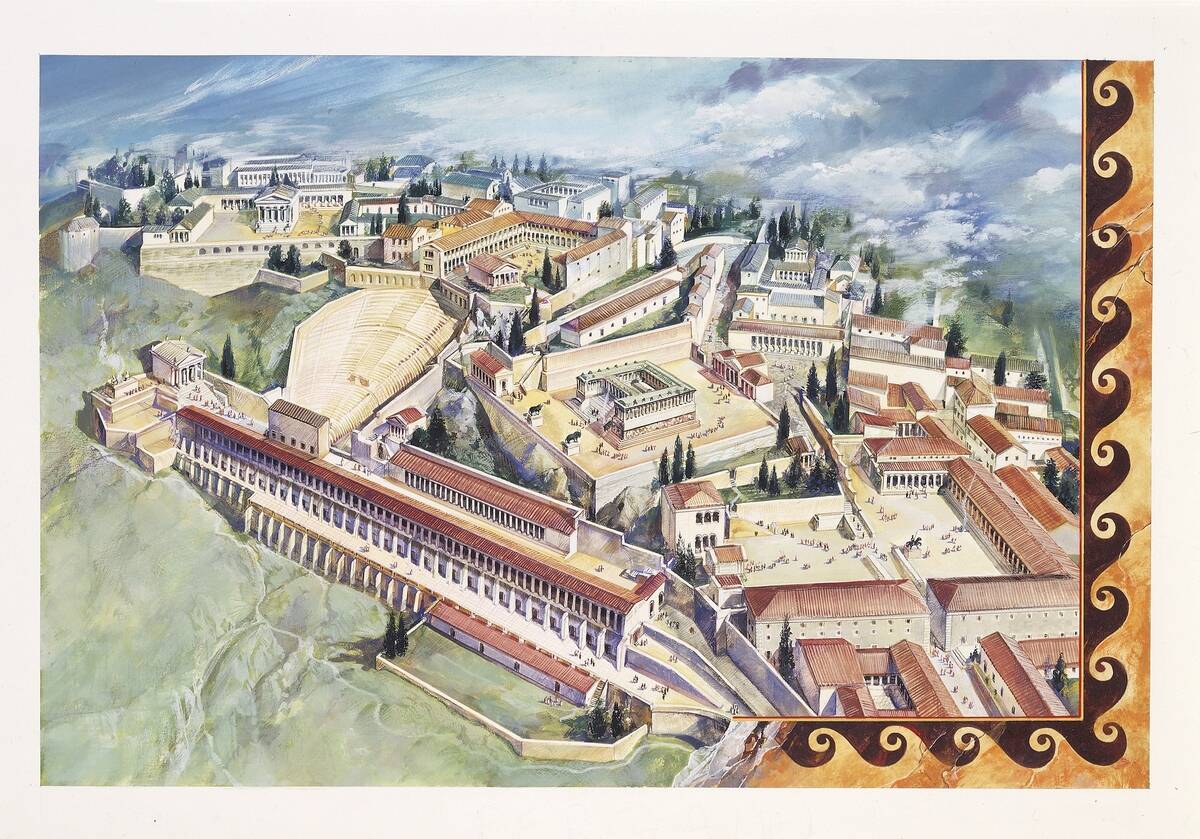
Situated in modern-day Turkey, the Library of Pergamum was a formidable contender to Alexandria’s scholarly dominance. Built in the 3rd century BCE, it boasted a collection of over 200,000 scrolls.
Legend has it that the rivalry with Alexandria led to the invention of parchment, enabling Pergamum to flourish independently. This innovation allowed the library to expand its collection, securing its place as a significant center of learning in the ancient world.
Timbuktu’s Manuscripts: Africa’s Intellectual Legacy
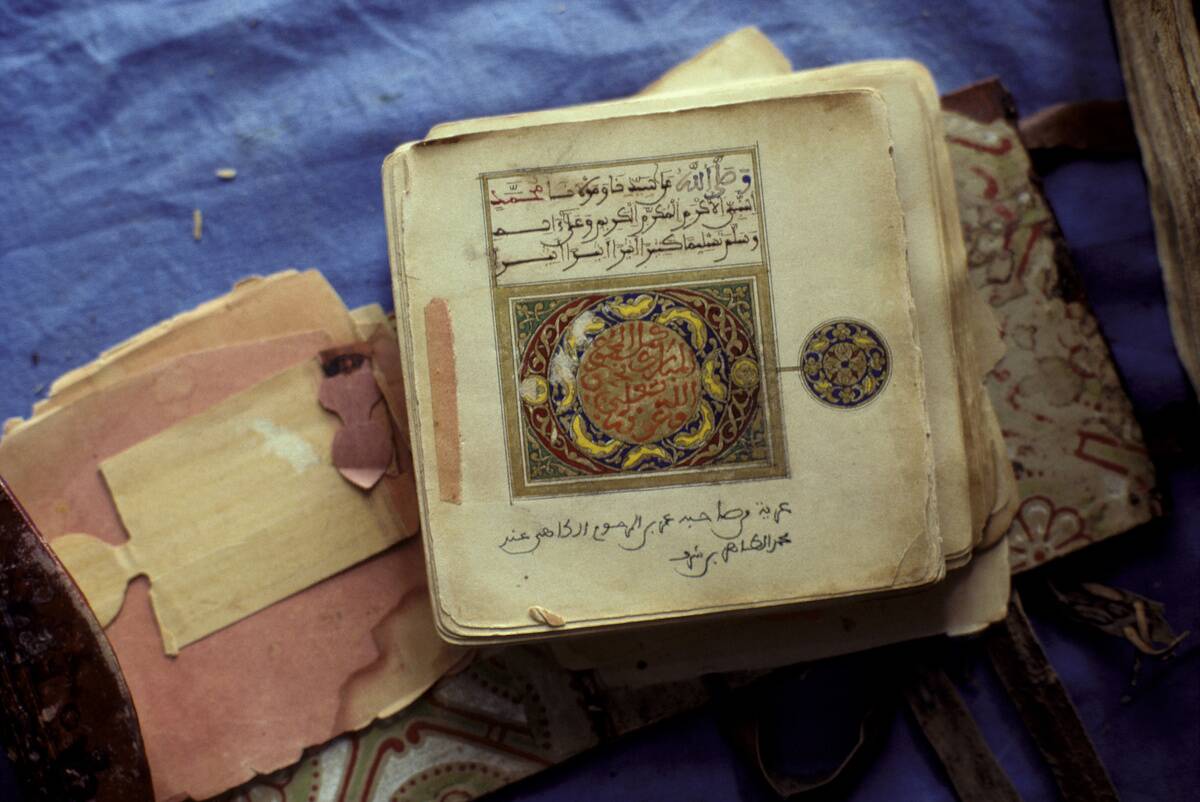
Timbuktu, a city synonymous with distant mystery, was once an intellectual haven. During the 15th to 16th centuries, its libraries housed thousands of manuscripts on subjects ranging from astronomy to law.
These documents, written in Arabic and African languages, underscore the continent’s rich scholarly tradition. Despite threats from time and turmoil, efforts continue to preserve Timbuktu’s manuscripts, safeguarding Africa’s intellectual heritage for future generations.
The Nalanda Library: Ancient India’s Scholarly Giant

The Nalanda Library was an integral part of one of the world’s first residential universities, though historians tend to oppose that description as historically imprecise. Established in the 5th century CE in India, it attracted scholars from far-flung regions like China and Korea.
The library’s vast collection, said to include nine million manuscripts, covered diverse disciplines such as medicine, mathematics, and Buddhism. Nalanda’s devastation in the 12th century marked a significant loss, but its spirit of inquiry continues to inspire educational institutions worldwide. In fact, the library persisted even beyond the infamous attack for a time.
The Library of Constantinople: A Byzantine Beacon of Learning
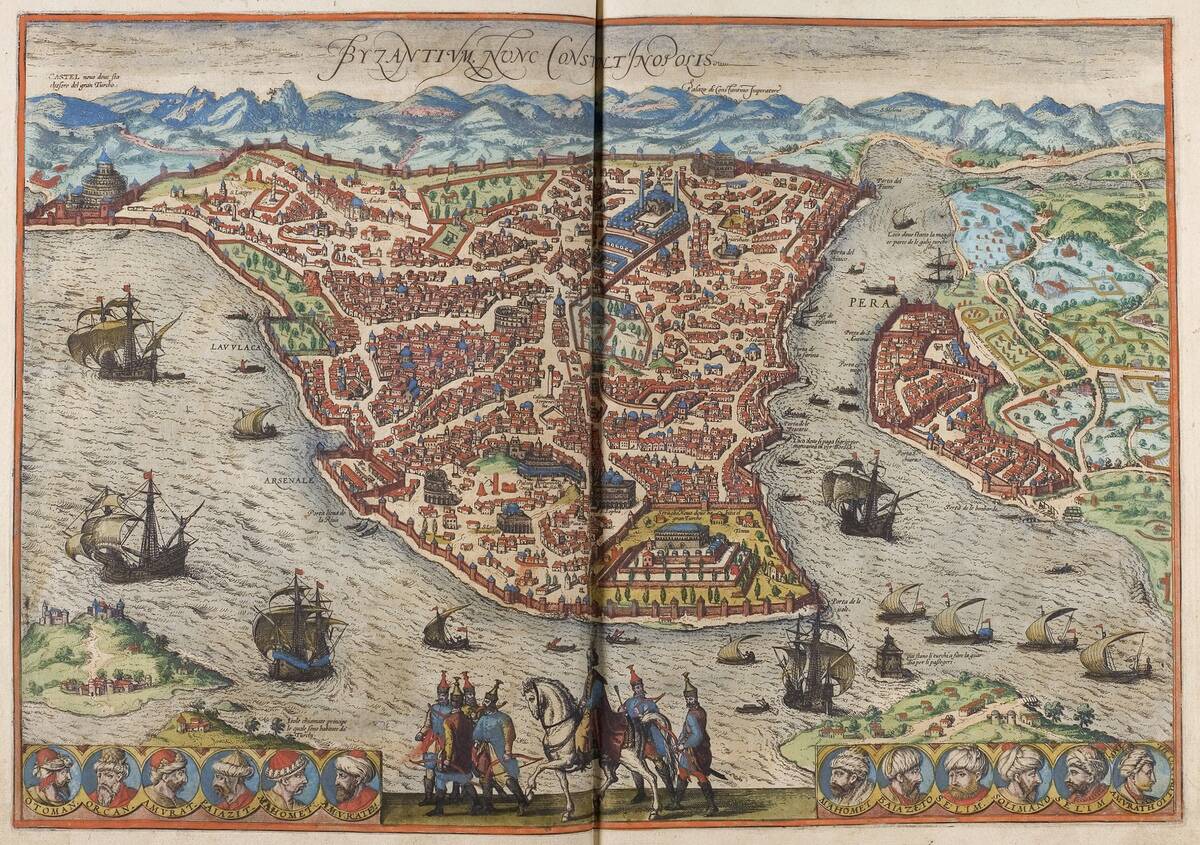
The Library of Constantinople, thriving during the Byzantine Empire, was a cultural and educational hub. Established in the 4th century, it preserved countless ancient Greek and Roman texts. Its scholars played a crucial role in safeguarding classical knowledge through turbulent times.
Although the library faced destruction during the Fourth Crusade, its contributions to the Renaissance, fueled by the rediscovery of its texts, underscore its enduring impact on Western civilization.
Al-Qarawiyyin Library: Morocco’s Ancient Jewel
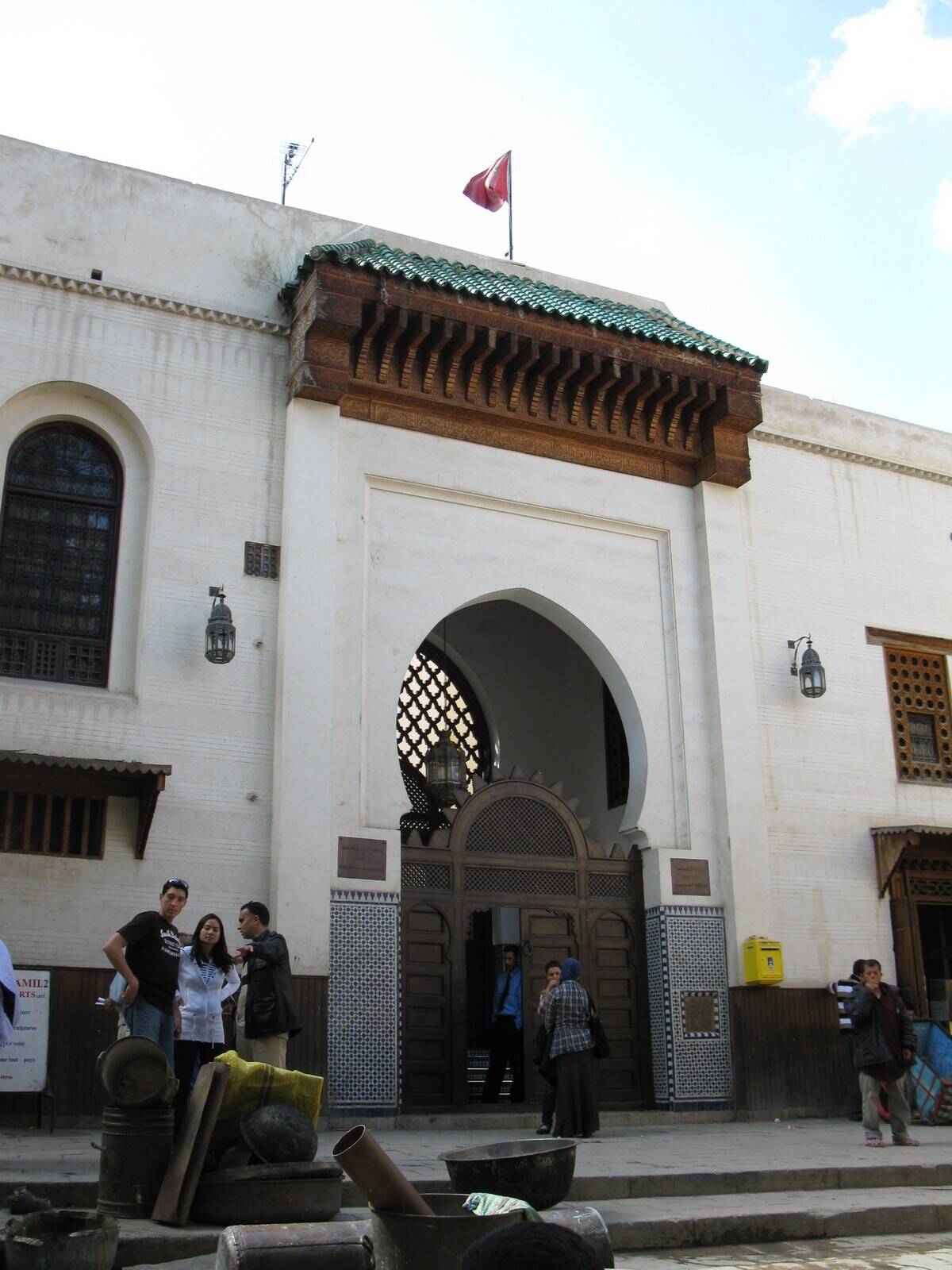
Founded in 859 CE, the Al-Qarawiyyin Library in Fez, Morocco, is recognized as one of the oldest operating libraries in the world. Established by Fatima al-Fihri, a remarkable woman of her time, it continues to serve scholars and students today.
The library’s collection includes rare manuscripts on subjects like theology, astronomy, and law. Its rich history and ongoing legacy highlight the enduring importance of libraries as centers of learning and cultural preservation.
The House of Wisdom in Baghdad: A Center for Islamic Golden Age Scholarship
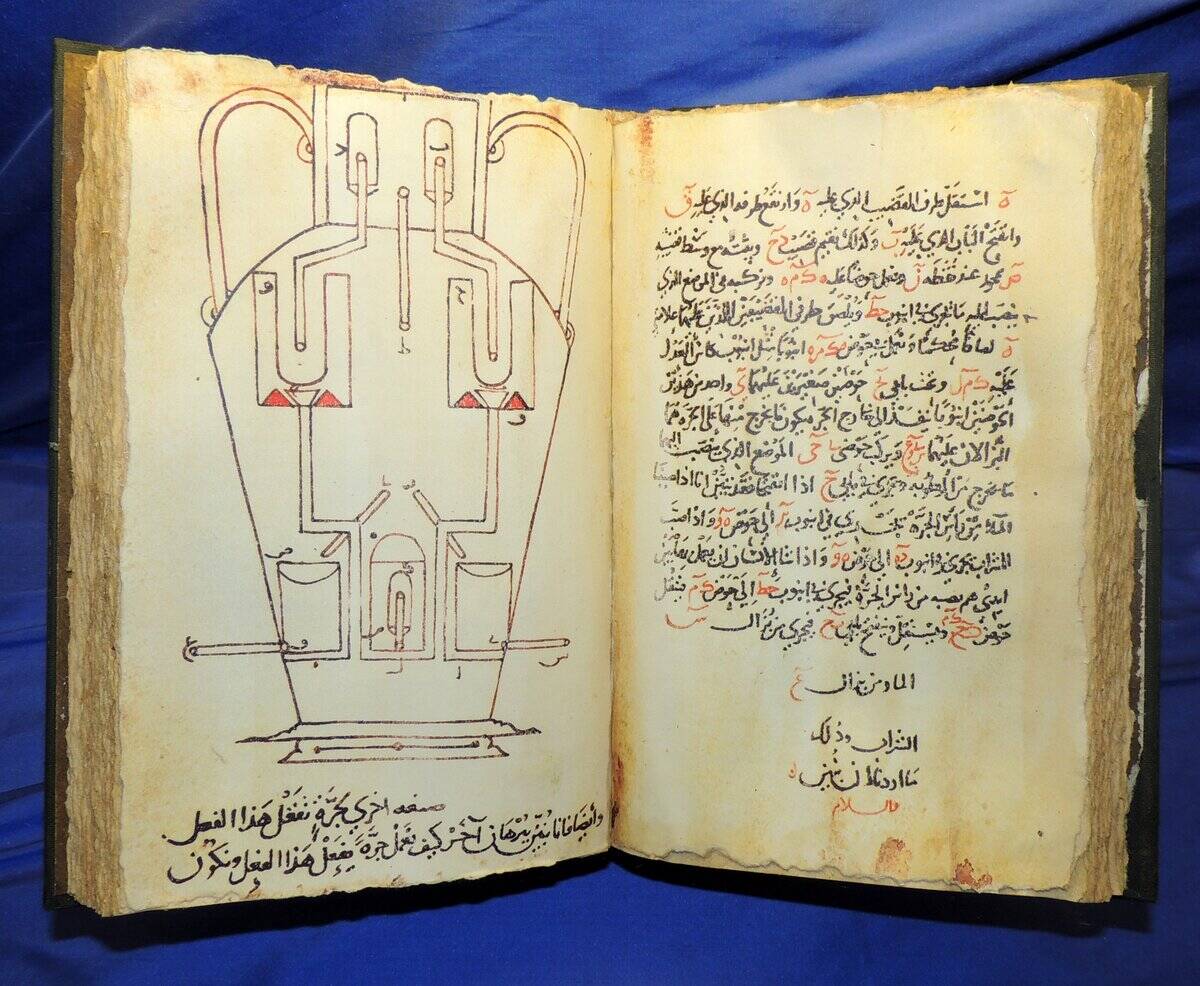
During the Islamic Golden Age, the House of Wisdom in Baghdad emerged as a beacon of knowledge. Established in the 9th century, it served as a hub for scholars translating and preserving Greek, Persian, and Indian texts.
Visionary caliphs supported this intellectual endeavor, fostering advancements in science, mathematics, and philosophy. The House of Wisdom symbolizes the rich cultural exchange that defined this era, leaving a lasting impact on global intellectual history.
The Great Library of Alexandria: A Hub of Ancient Wisdom
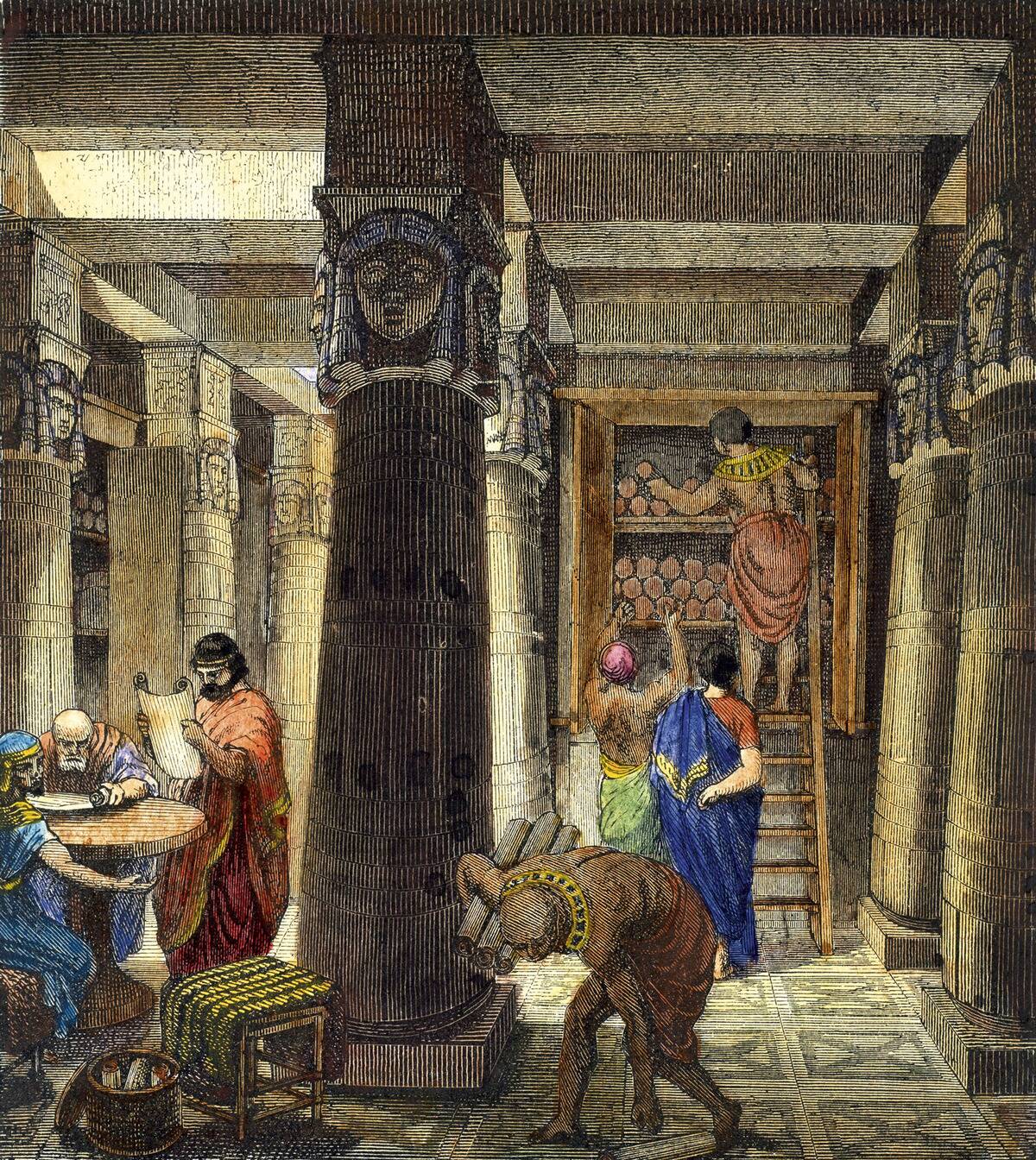
The Great Library of Alexandria, established in the 3rd century BCE, was a marvel of its time. Home to potentially hundreds of thousands of scrolls, it aimed to collect all the world’s knowledge.
Scholars flocked here, drawn by its promise of unparalleled learning. Legends say it housed works by Homer, Plato, and Aristotle. Despite its tragic destruction, the library’s legacy as a symbol of intellectual ambition lives on, inspiring countless modern institutions.
The Library of Celsus: A Roman Architectural Marvel
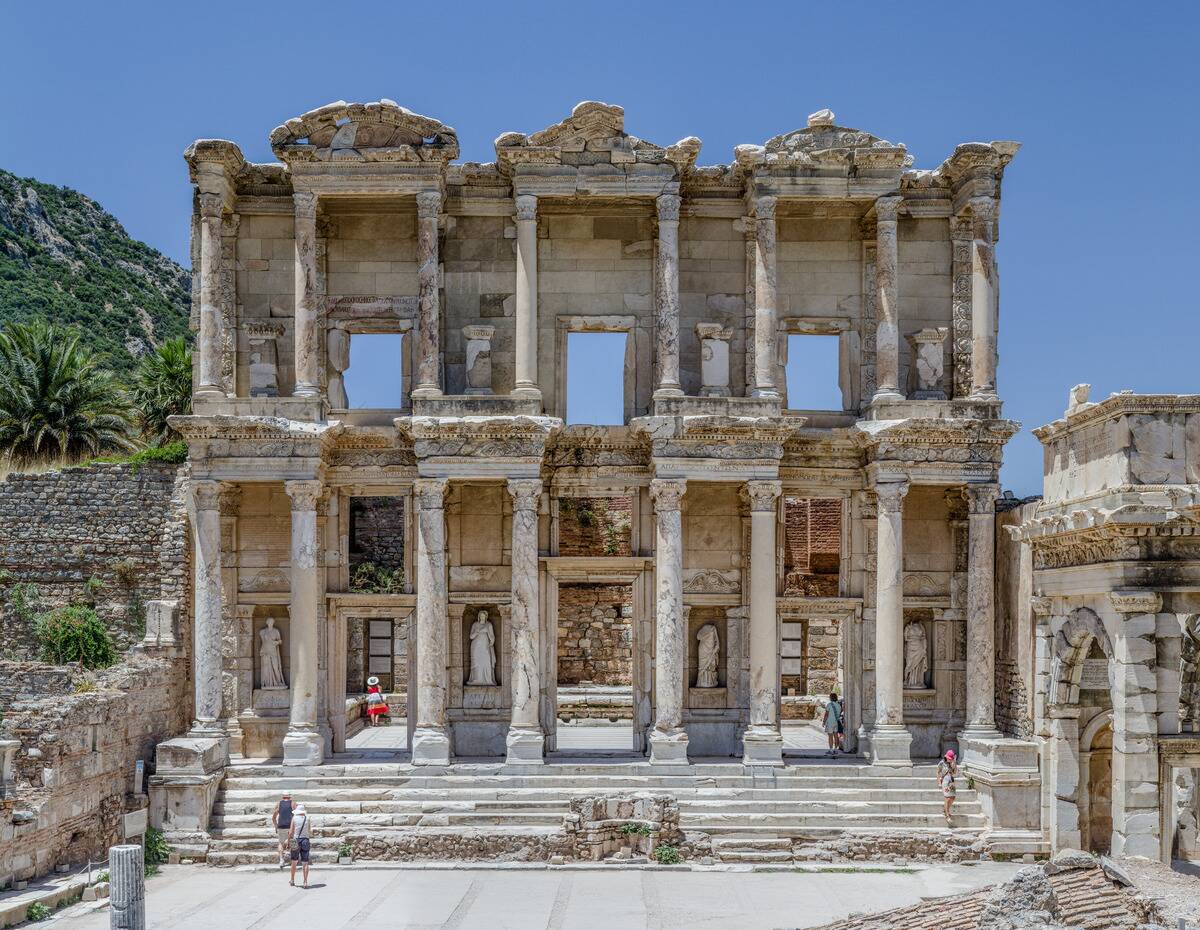
The Library of Celsus in Ephesus, Turkey, is celebrated for its architectural grandeur. Constructed in the 2nd century CE, it housed over 12,000 scrolls.
The library’s impressive facade, adorned with statues representing wisdom and virtue, remains a testament to Roman engineering and aesthetics. Though much of the library was destroyed by fire, its restored facade continues to attract visitors, offering a glimpse into the splendor of ancient Roman public spaces.
The Royal Library of Ashurbanipal: A Treasure Trove of Assyrian Knowledge
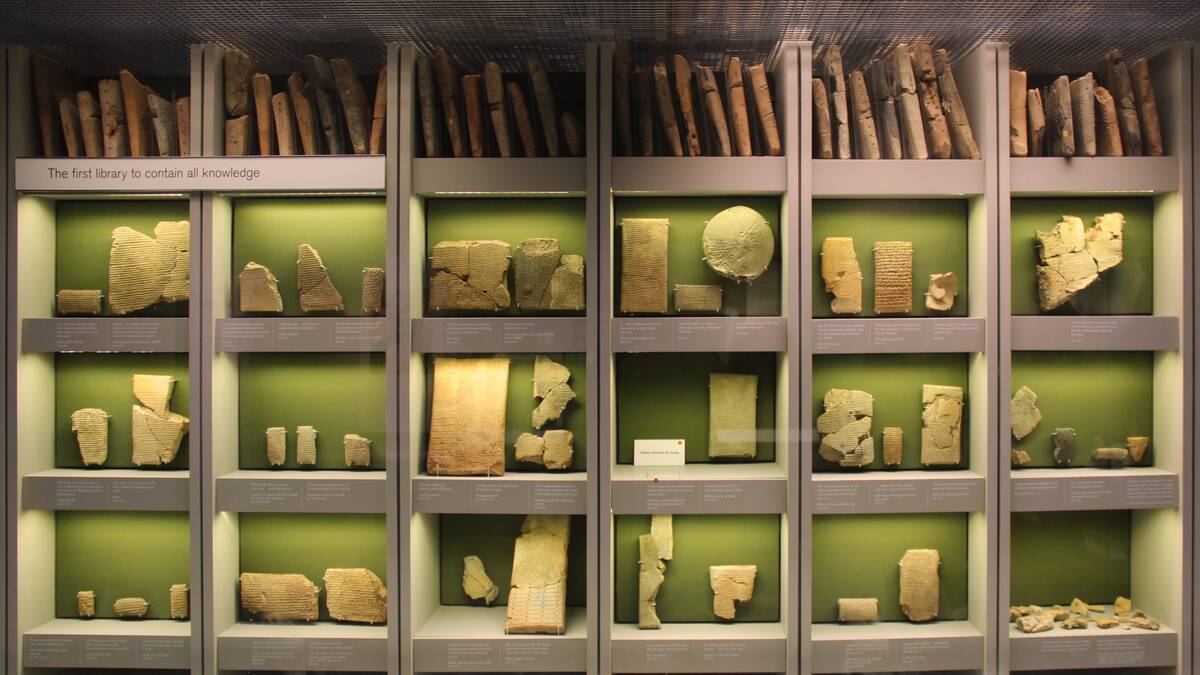
Nestled in the ancient city of Nineveh, the Royal Library of Ashurbanipal was a testament to Assyrian scholarly prowess. Founded in the 7th century BCE, it contained over 30,000 clay tablets covering topics from medicine to mythology.
Ashurbanipal, an Assyrian king, was a rare ruler passionate about learning, personally curating an impressive collection. Today, these tablets offer invaluable insights into Assyrian culture and thought, preserved against the ravages of time.
The Maya Codices: Unraveling Mesoamerican Mysteries
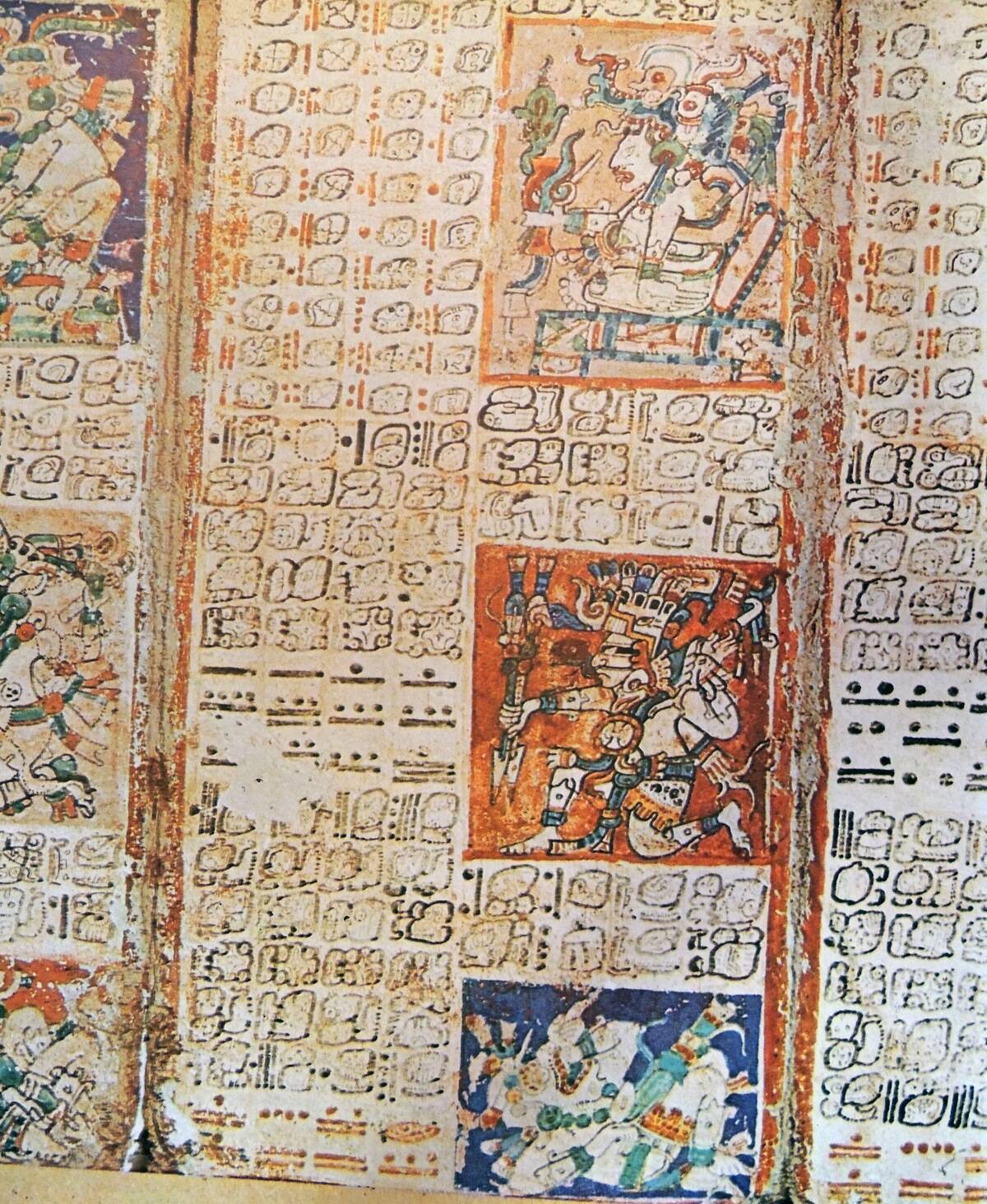
The Maya Codices, crafted by the ancient Maya civilization, are invaluable windows into Mesoamerican culture. Only four codices survive today, thanks to colonial-era destruction. These intricate documents reveal insights into Maya astronomy, rituals, and history.
Efforts to decode their complex hieroglyphs have enriched our understanding of the Maya world. Each codex is a testament to the sophisticated knowledge and artistic skill of this remarkable civilization.




