What life was really like on Alcatraz Island
Alcatraz Island is little more than a small, rocky island in the middle of San Francisco Bay – but the island is most famous for the 29 years it spent as a federal prison.
While it’s been used as a tourist attraction far longer than it was as a prison, it still holds a mystique thanks to the daring escapes, famous figures, and legendary stories that emerged from its time as the world’s most famous prison.
The Rock beat Capone
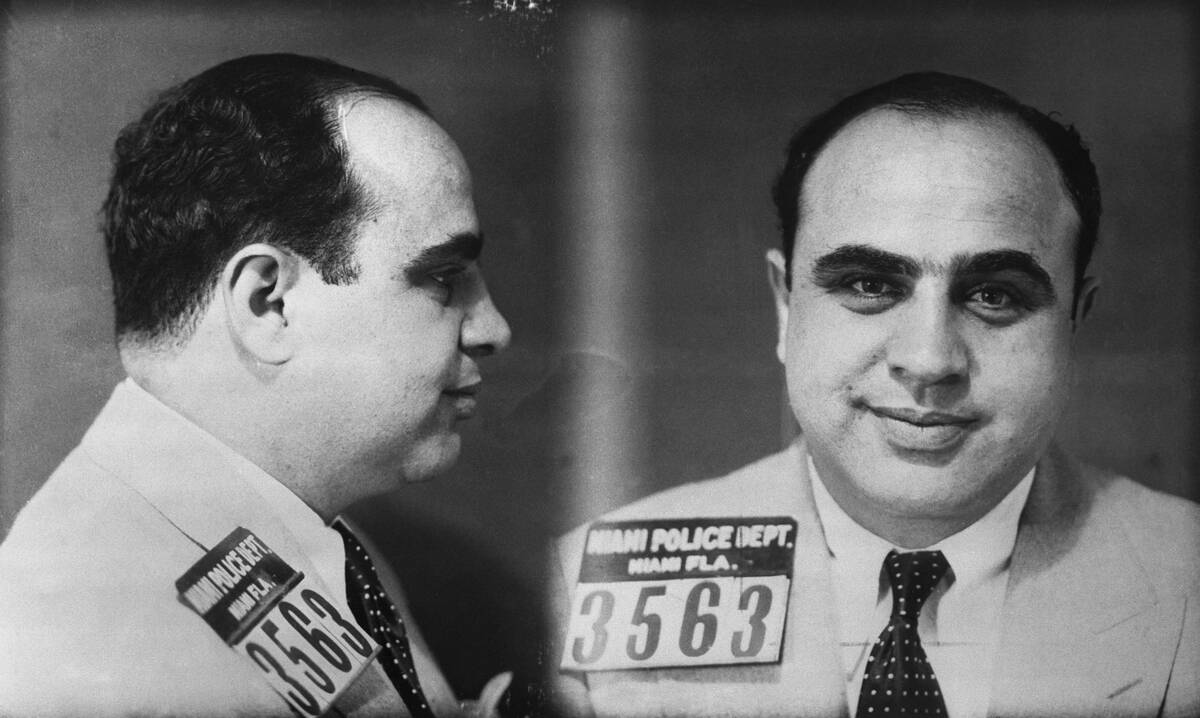
While serving time at the federal penitentiary in Atlanta, Al Capone was reportedly able to bribe guards and secure special treatment, allowing him to live in relative comfort compared to most inmates, despite his conviction.
That situation changed dramatically after he was transferred to Alcatraz. The strict conditions and harsh environment reportedly led him to tell a warden, “It looks like Alcatraz has got me licked” under a far stricter regime and isolation.
“Creepy” Karpis was aptly named
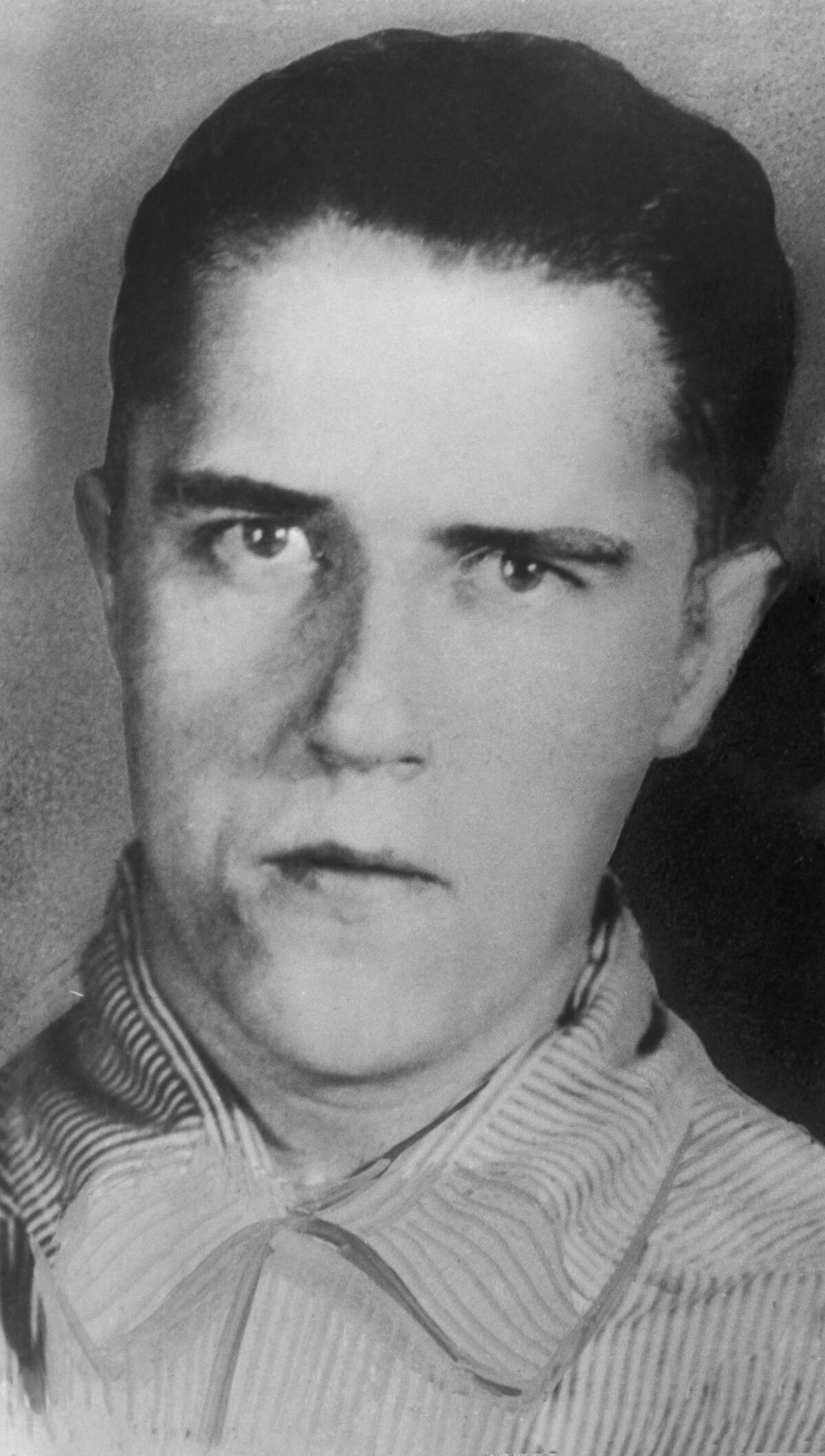
Alvin Francis “Creepy” Karpowicz earned his nickname from his unsettling smile. He became one of the most notorious criminals of the Depression era and was closely associated with the Barker Gang, a violent group known for bank robberies and kidnappings.
While he was not considered the most dangerous inmate in terms of violence compared to others, he holds a unique place in Alcatraz history. He served the longest stretch in the prison, about 25 years, and even outlasted Alcatraz itself. Afterward, he was transferred to complete his sentence elsewhere and was eventually deported to his native Canada.
Cold water was more deadly than any shark
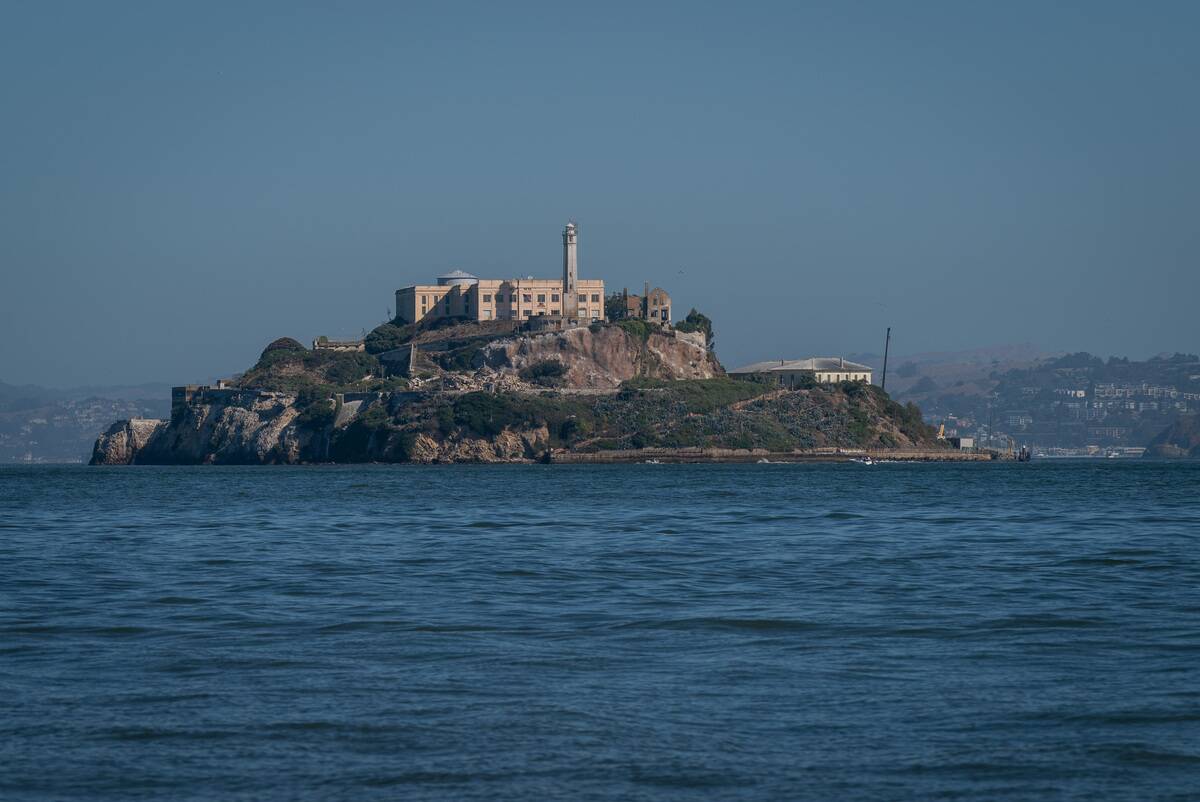
A common myth about Alcatraz was that escape attempts were doomed because the surrounding waters were filled with man-eating sharks. According to the story, prison guards helped spread this idea to discourage inmates from even trying to break out.
In reality, the sharks in San Francisco Bay were harmless bottom feeders. The real dangers came from the environment itself, including freezing water temperatures, powerful currents, and the long swim of more than a mile to shore. Any of these factors could quickly overwhelm a swimmer and lead to drowning.
They were given hot showers, but not out of kindness
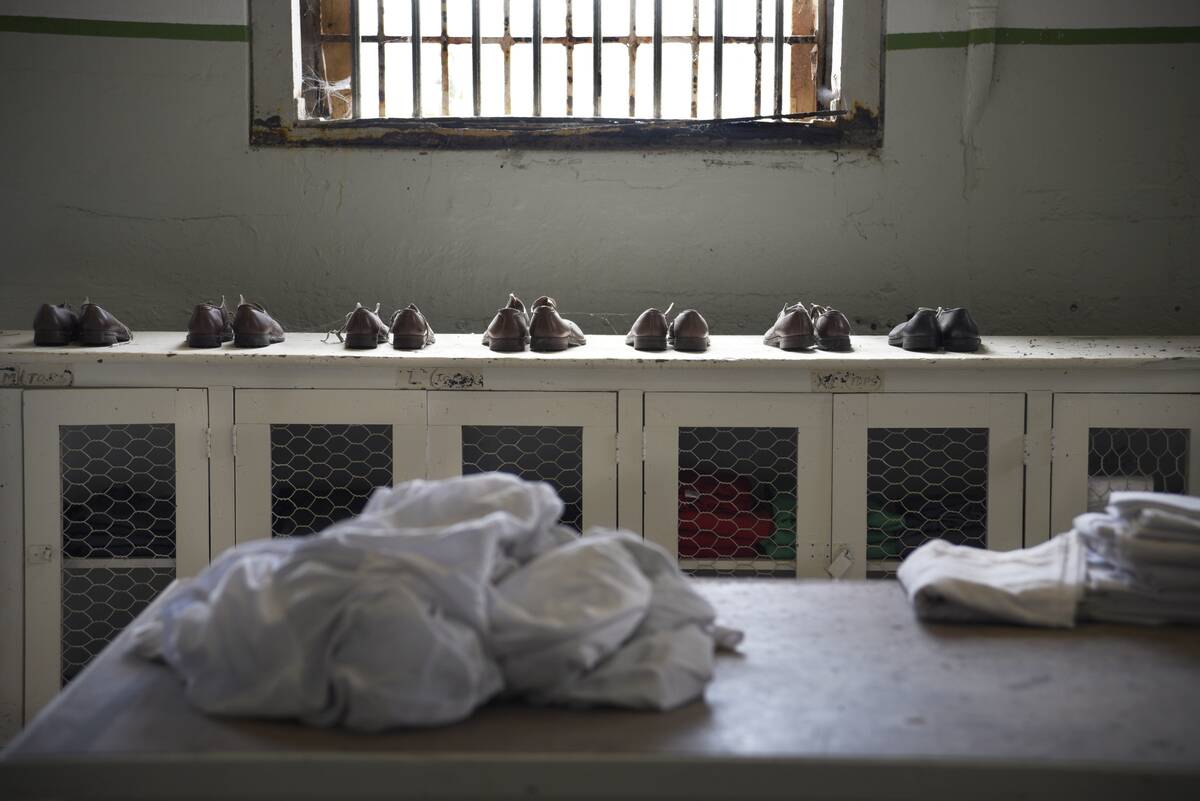
Alcatraz was the only prison known for providing inmates with hot showers, but the policy was not intended as a gesture of comfort or leniency. Instead, it was part of a calculated strategy tied to escape prevention.
The idea was that regular exposure to hot water would make prisoners less able to tolerate the cold temperatures of San Francisco Bay, discouraging escape attempts. While the theory made sense on paper, it did not fully work in practice, as some inmates still made the decision to attempt the dangerous swim regardless of the conditions.
Capone became a model prisoner
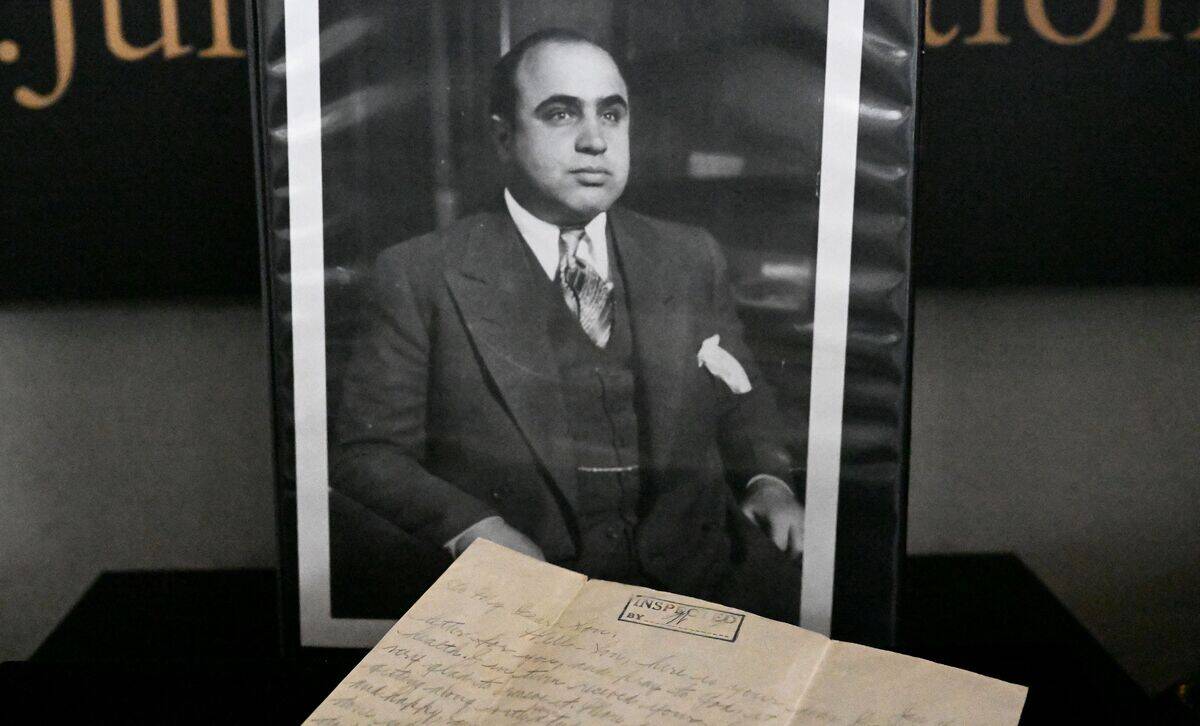
Once Al Capone realized that life at Alcatraz offered no chances for special treatment, he reportedly adjusted his behavior and became a model prisoner. Over time, he was permitted to take part in the prison’s musical group, the Rock Islanders, where he played banjo.
Music was one of the limited privileges available to inmates, and it provided a rare outlet within the strict routine of the prison. According to letters he sent to his son, Capone claimed he could play around 500 songs and even composed one of his own titled “Madonna Mia.”
Before it was a prison
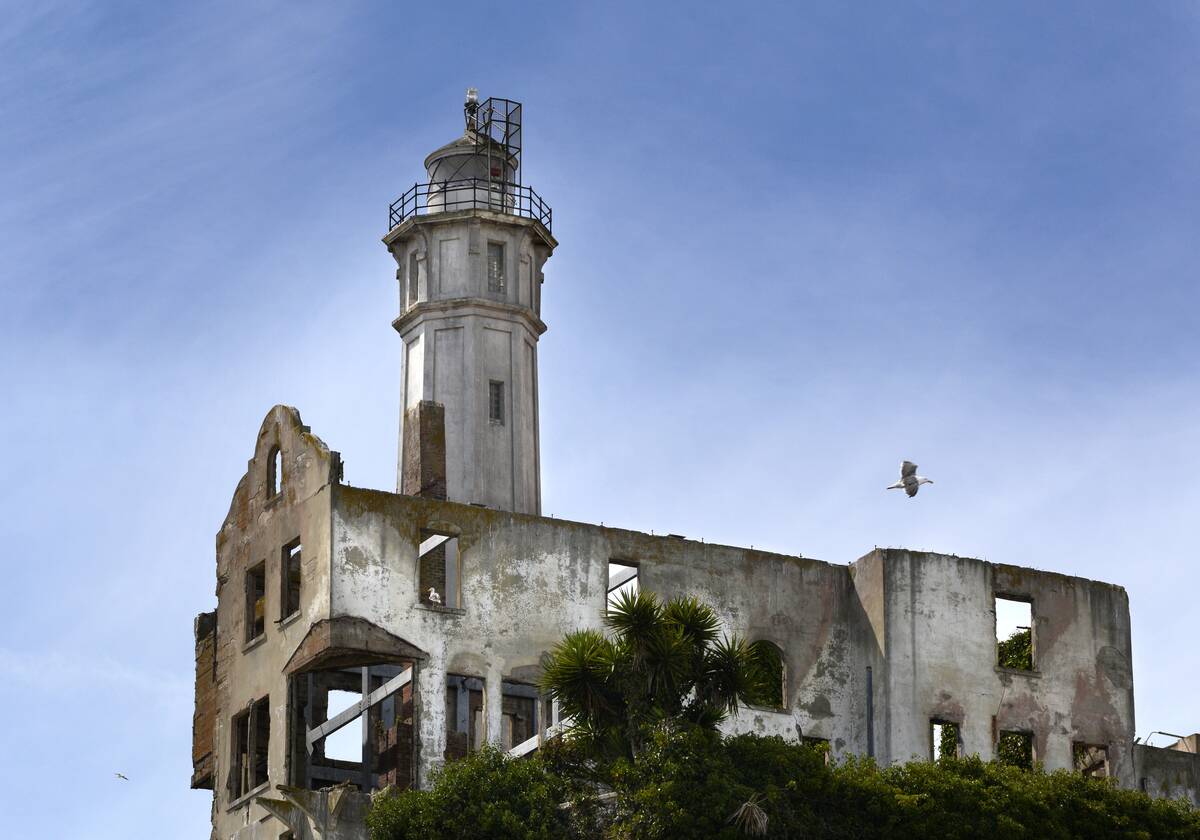
Before becoming a prison, Alcatraz Island was home to the first lighthouse on the West Coast. Built in 1852, it was designed to guide the many ships entering San Francisco Bay and help them navigate safely through its waters.
The original lighthouse tower was badly damaged in the 1906 earthquake and could not be repaired. It was later replaced with a sturdier structure, which was built to withstand future seismic activity. That rebuilt lighthouse still stands on the island and remains in operation today.
The Hopi Hostiles
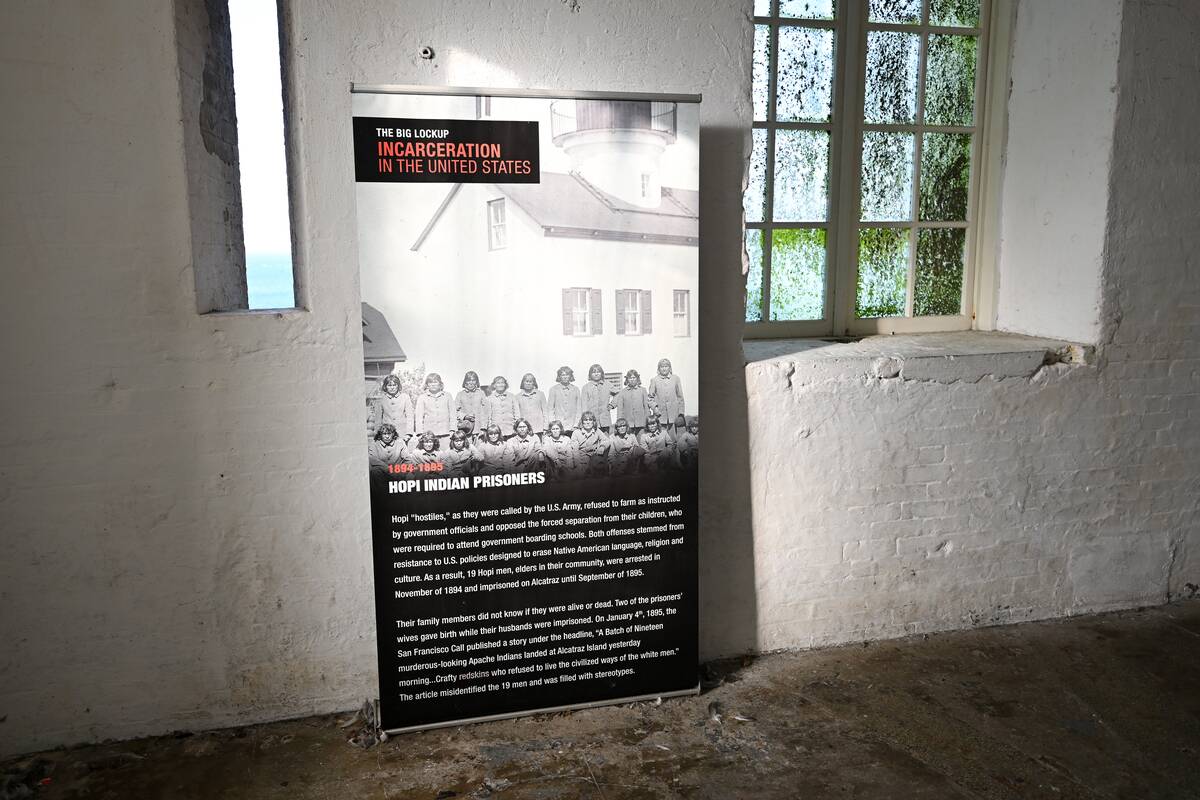
The group known as the Hopi Hostiles consisted of 19 Hopi men who were imprisoned on Alcatraz while it was still under U.S. military control. They had opposed government policies, particularly the forced attendance of boarding schools and efforts aimed at suppressing their language and religion.
Officials believed that confinement and hard labor would pressure them into compliance. The men were held from January to August 1895 at the military installation then known as Alcatraz Citadel. However, the Hopi prisoners maintained their resistance, and the experience did not end their opposition even after they were released.
Visitation wasn’t easy
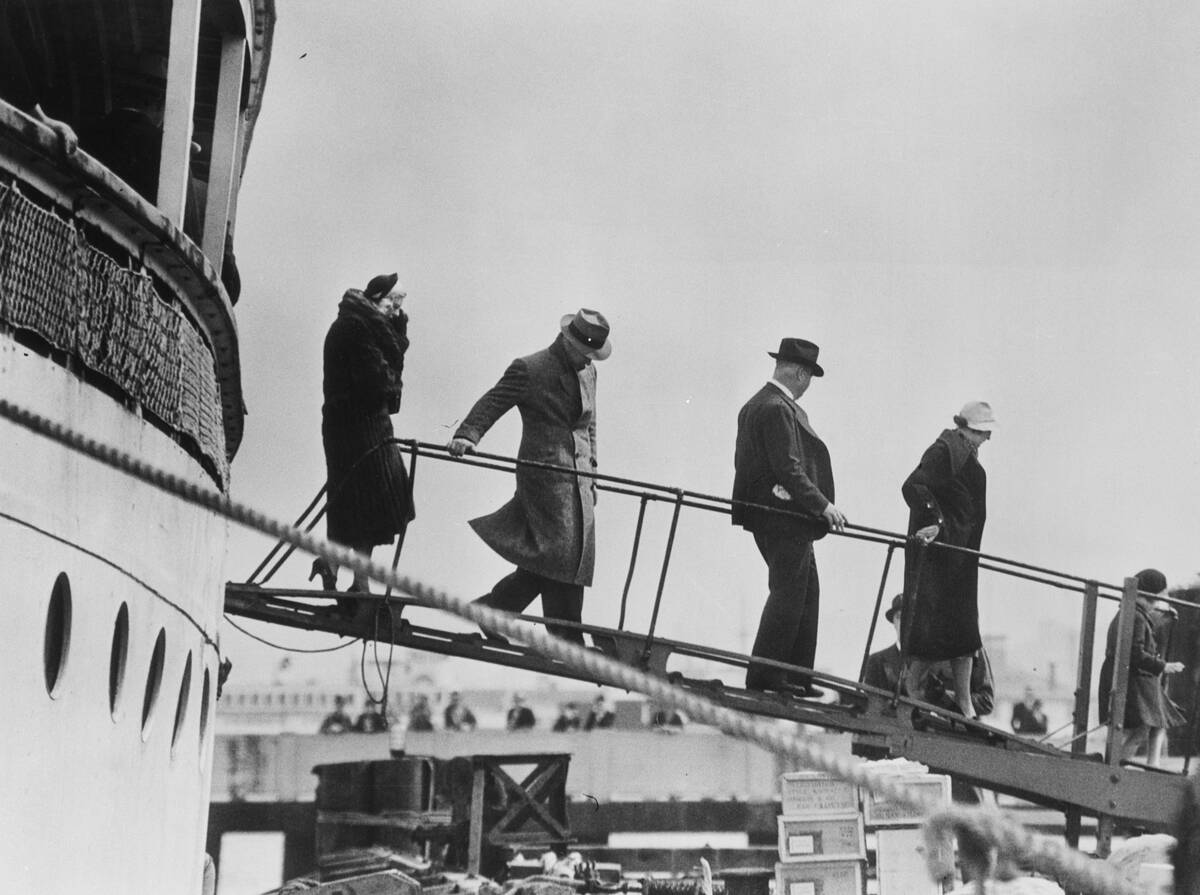
Prisoners at Alcatraz were allowed warden-approved visitors once a month, but visitation came with strict rules that tightly controlled every interaction. There was no physical contact permitted, and conversations were closely monitored throughout the visit.
In addition, inmates and visitors were prohibited from discussing current events or prison life. Any violation of these restrictions could result in the loss of future visitation privileges, so conversations often stayed on safe, simple topics like the weather.
No one escaped (officially)
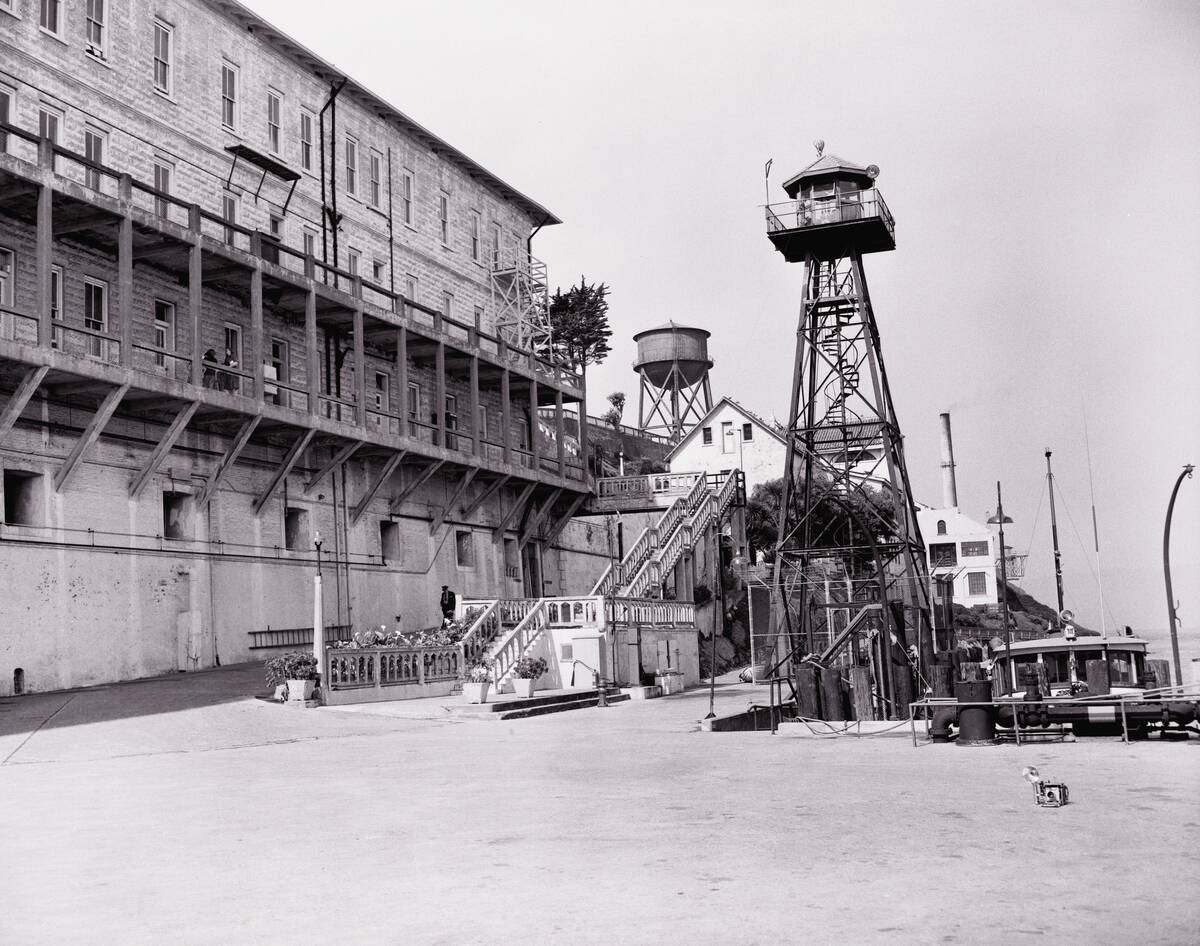
Throughout its 29-year history, Alcatraz officially recorded no successful escapes. While many inmates attempted to break out, none are known to have made it to freedom.
In total, 36 men tried to escape. Of those, 23 were recaptured, six were shot and killed during the attempts, and the remaining five were never found and are believed to have drowned in the waters surrounding the island.
…But there’s compelling evidence that some did escape
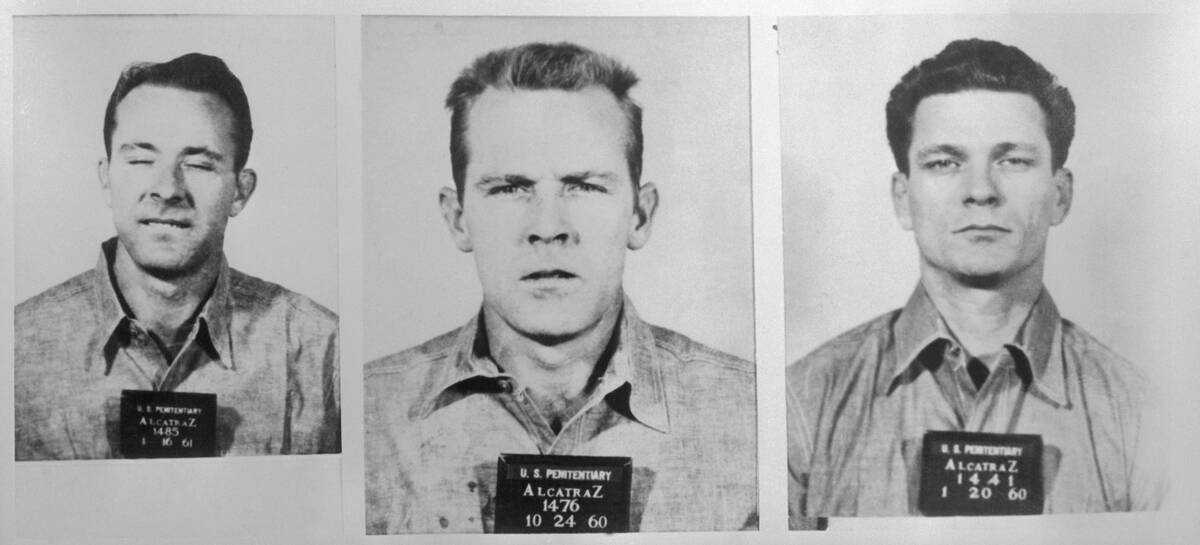
On the night of June 11, 1962, Frank Morris and brothers John and Clarence Anglin escaped from Alcatraz Federal Penitentiary after months of planning. They spent about six months preparing their breakout, creating papier-mâché dummy heads to resemble themselves and placing them in their beds to delay detection. The men then made their way out of the main cellhouse through ventilation ducts and an unsecured utility corridor, ultimately reaching the water on an improvised inflatable raft. A fourth inmate, Allen West, failed to get out with them and was left behind.
In the years that followed, the FBI and local authorities pursued hundreds of leads, but no definitive evidence ever confirmed what happened to the escapees. In 1979, the FBI formally concluded that Morris and the Anglin brothers likely drowned in the cold waters of San Francisco Bay, based on circumstantial evidence. However, the U.S. Marshals Service case remains open, and speculation about their fate continues.
The mental toll was no joke
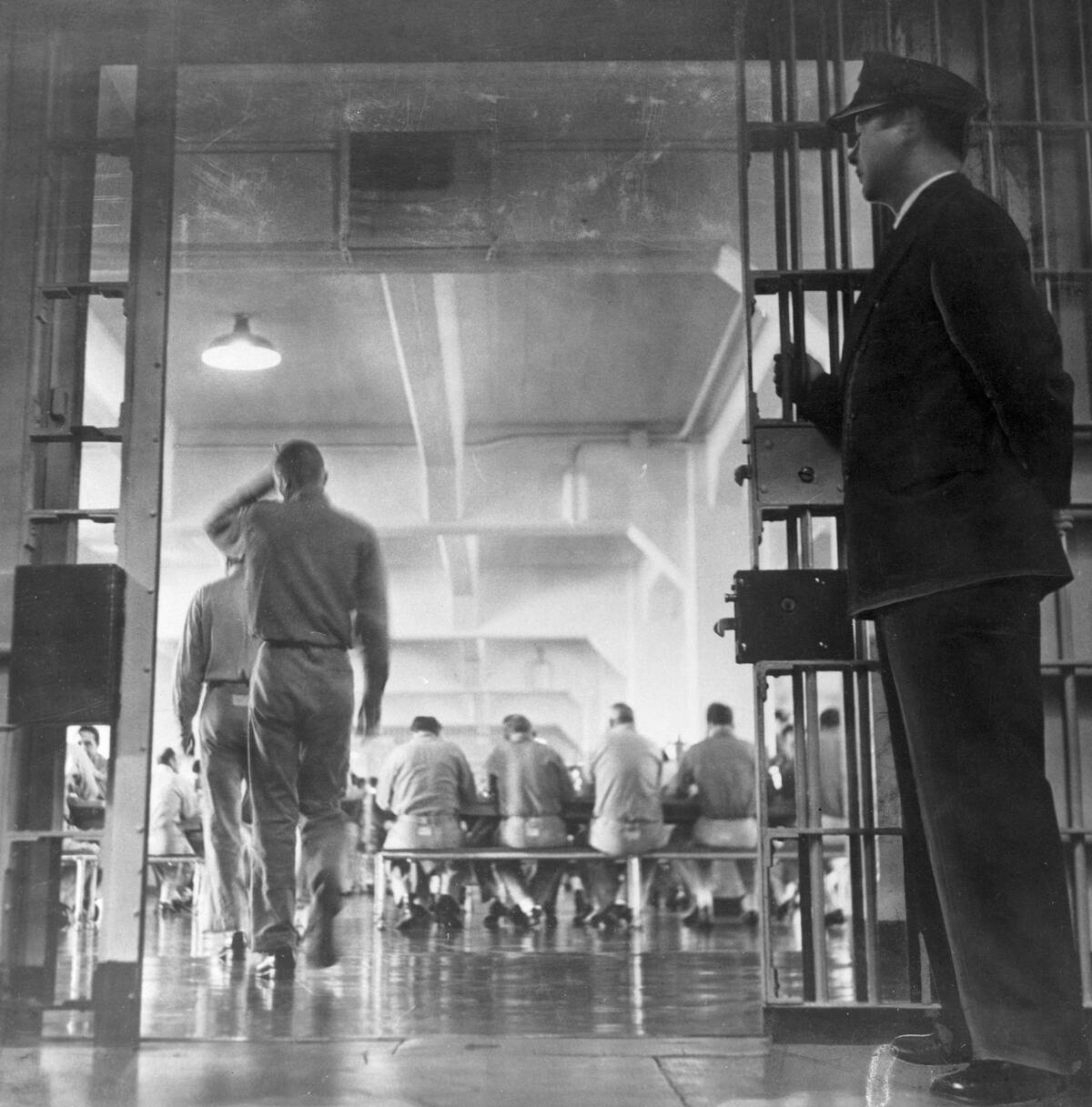
Some prisoners at Alcatraz reportedly experienced severe mental breakdowns during their incarceration, with accounts of inmates reaching the point of self-mutilation or suicide attempts. The harsh conditions and isolation are often cited as contributing factors to this deterioration.
In one reported case, a prisoner is said to have cut off all the fingers on his left hand. Another attempted to slash his own throat using eyeglasses but was ultimately killed during an escape attempt. The situation on the island was so severe for some inmates that it was often described as moving from one hardship directly into another.
The escape that wasn’t
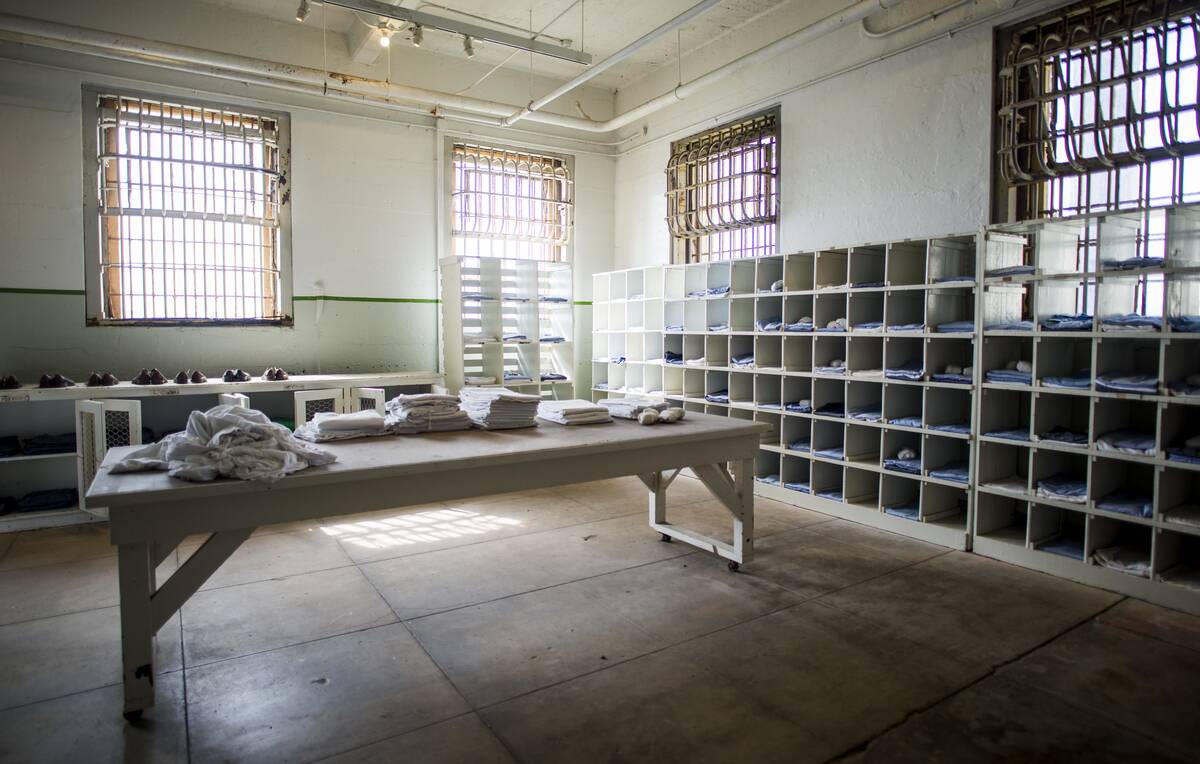
In 1945, inmate John Giles was involved in an escape attempt from Alcatraz in which he allegedly used a clever disguise. According to accounts, he stole an Army uniform from laundry bags and managed to blend in well enough to board an Army truck without immediate detection.
The plan did not unfold as he expected. The truck was not headed to San Francisco, but instead to Angel Island. Once there, Giles was quickly discovered, and correctional officers sent him back to Alcatraz. What might have been a successful breakout ended in failure, leaving him back on the island after getting so close to freedom.
Cells were tiny
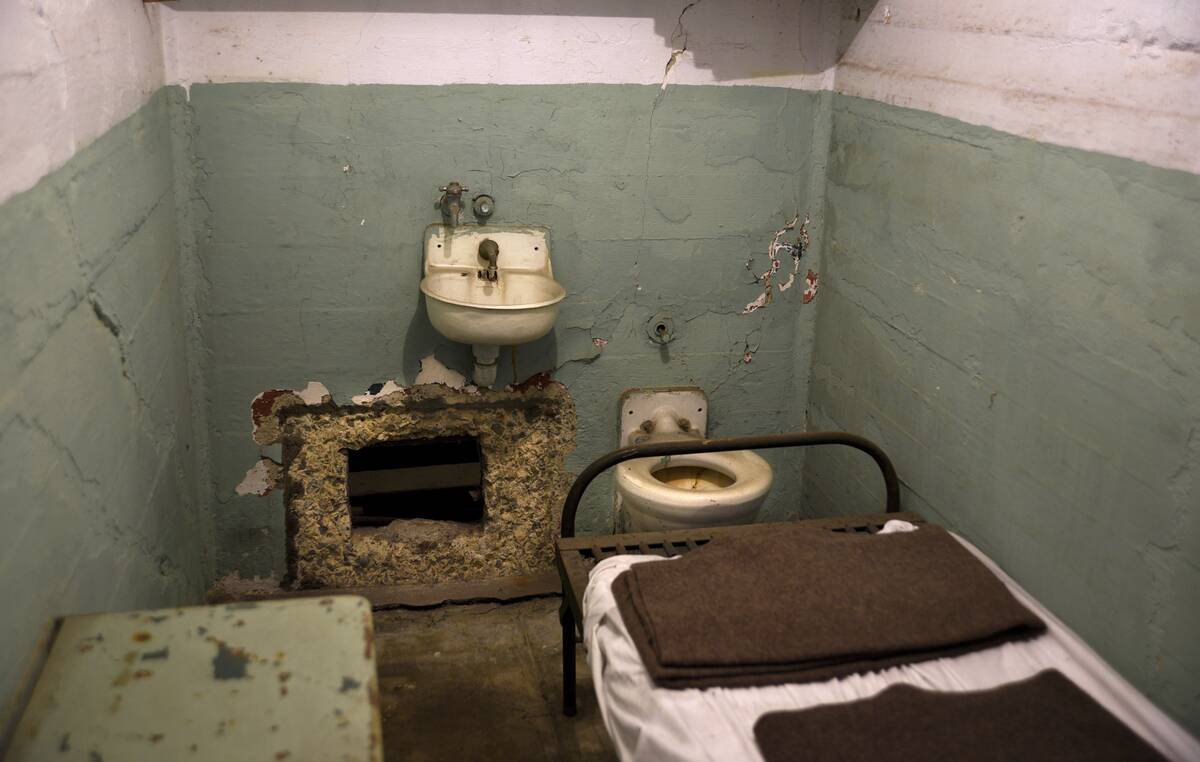
Cells in Alcatraz were extremely small, measuring about five feet by nine feet, roughly the size of a closet. Prisoners could stretch out their arms and touch both walls at once, underscoring just how confined the space was.
Inside each cell were only the essentials: a sink, a toilet, and a cot. Conditions in D Block were somewhat different, with more space available, but it was reserved for solitary confinement. Despite the added room, it was considered one of the harshest places to be housed in the prison.
It was intended to defend San Francisco
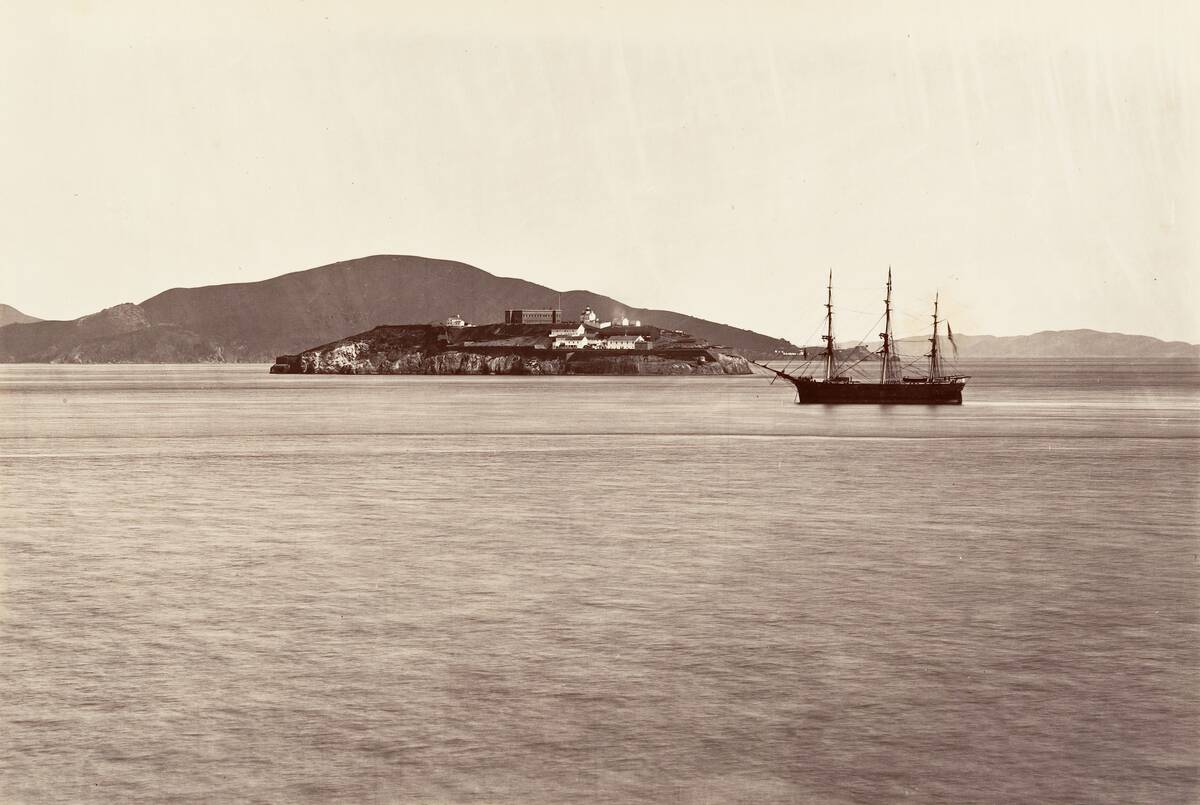
When the United States took control of Alcatraz Island, it was during the height of the California Gold Rush, a period when San Francisco’s importance was rapidly growing. In response, the government chose to turn the island into a defensive stronghold.
Fort Alcatraz was constructed in the early 1850s, and by 1859 it had been outfitted with substantial firepower. With its cannons and guns positioned to guard the bay, the installation was intended to make any direct attack on San Francisco effectively impossible.
Life wasn’t all bad
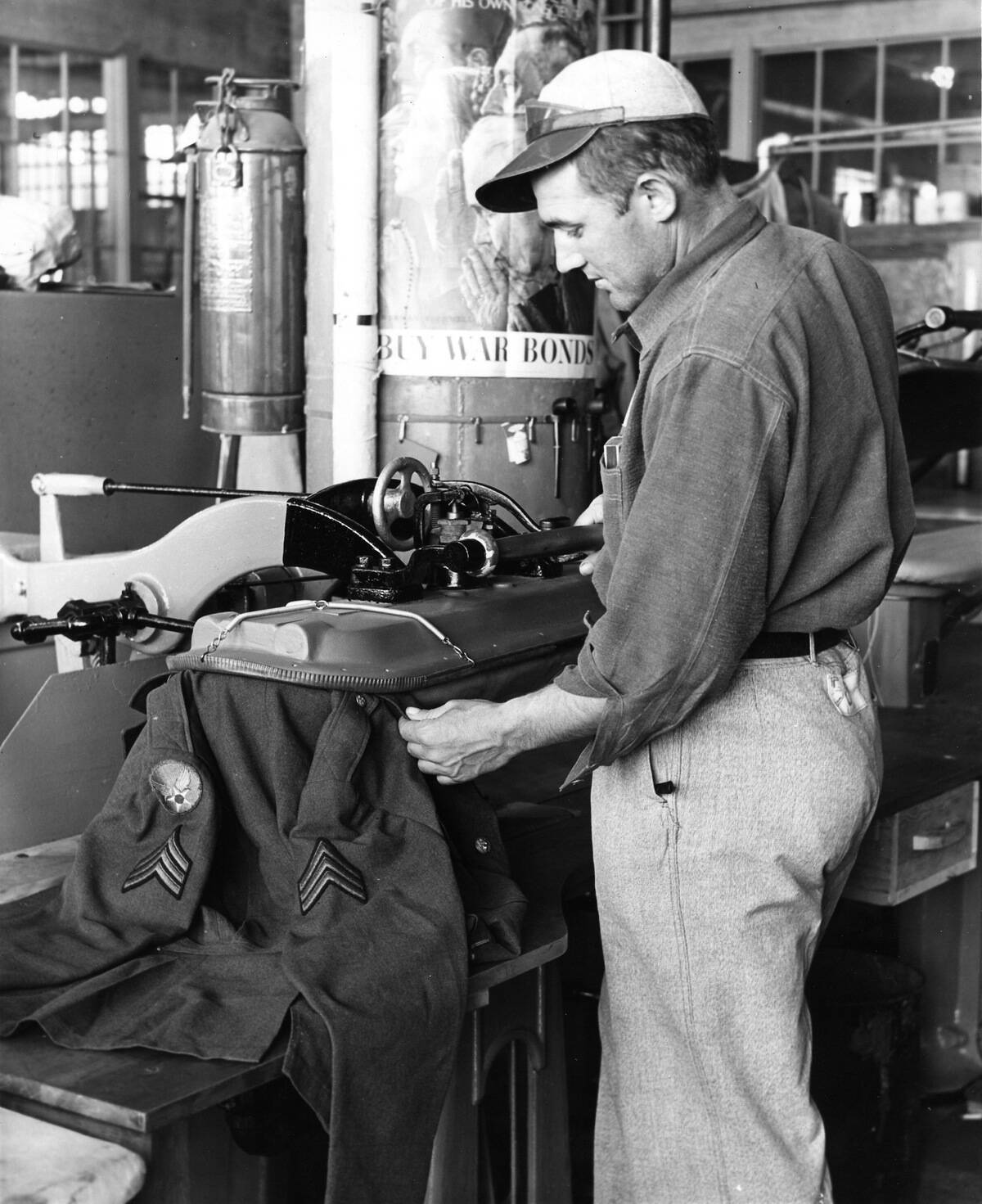
Portrayals of Alcatraz in film and television often paint it as a brutal, near inescapable “hell on earth,” but former inmate Willy Radkay offered a more measured view of life inside the prison. He acknowledged that the rules were strict and consistently enforced, but noted that each prisoner had their own cell, which provided a level of privacy not always found in other facilities.
Radkay also pointed out that inmates had some protection from violence compared to other prisons, along with what he considered relatively good food by prison standards. While conditions were still harsh and tightly controlled, his account suggests that life at Alcatraz was not uniformly as miserable as popular depictions often suggest.
It might be haunted
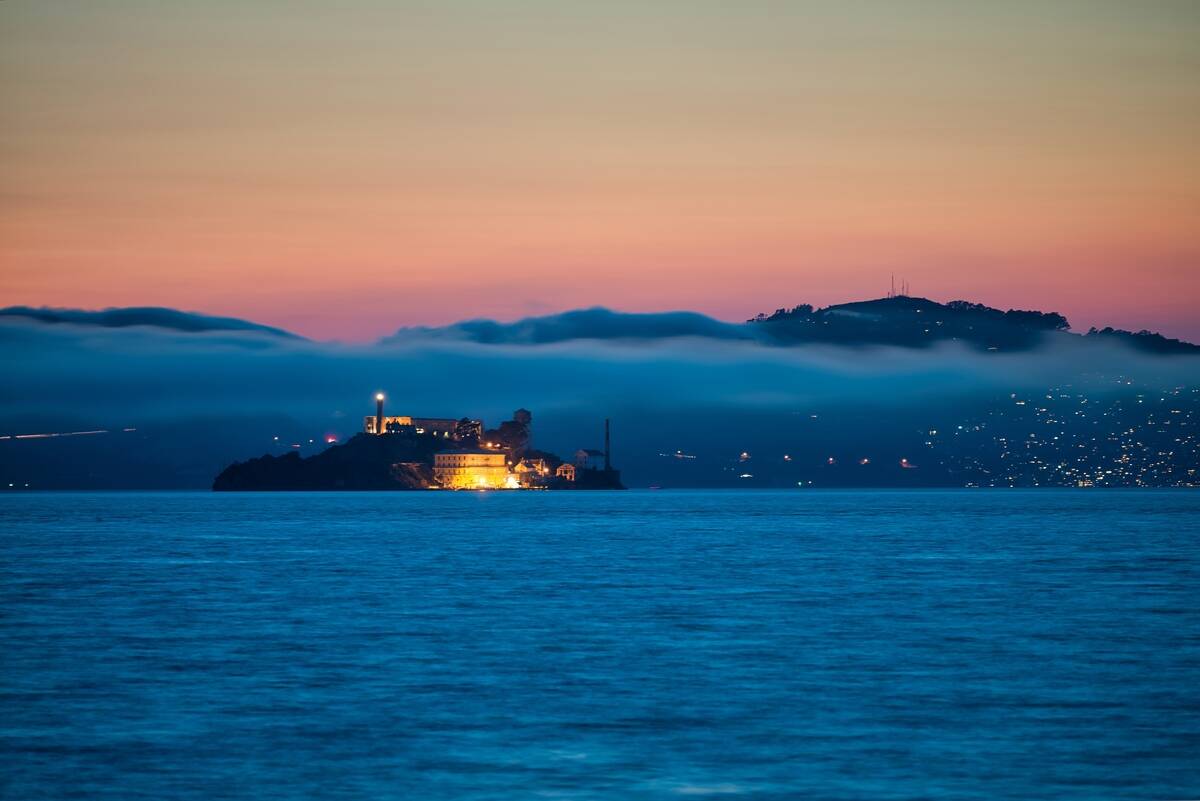
Alcatraz is often described as one of the most haunted sites in America, and many accounts even label it the most haunted prison in the country. Long before it became a correctional facility, some of the island’s Native American inhabitants reportedly believed it was associated with evil spirits, adding to its eerie reputation.
Later visitors and writers also contributed to its mystique, with Mark Twain describing the island as “being as cold as winter, even in the summer months.” Despite numerous stories of strange or unexplained activity over the years, officials have consistently dismissed such claims as unfounded, maintaining that there is no truth to the prison’s haunted reputation.
The prison yard had friendly (and unfriendly) games
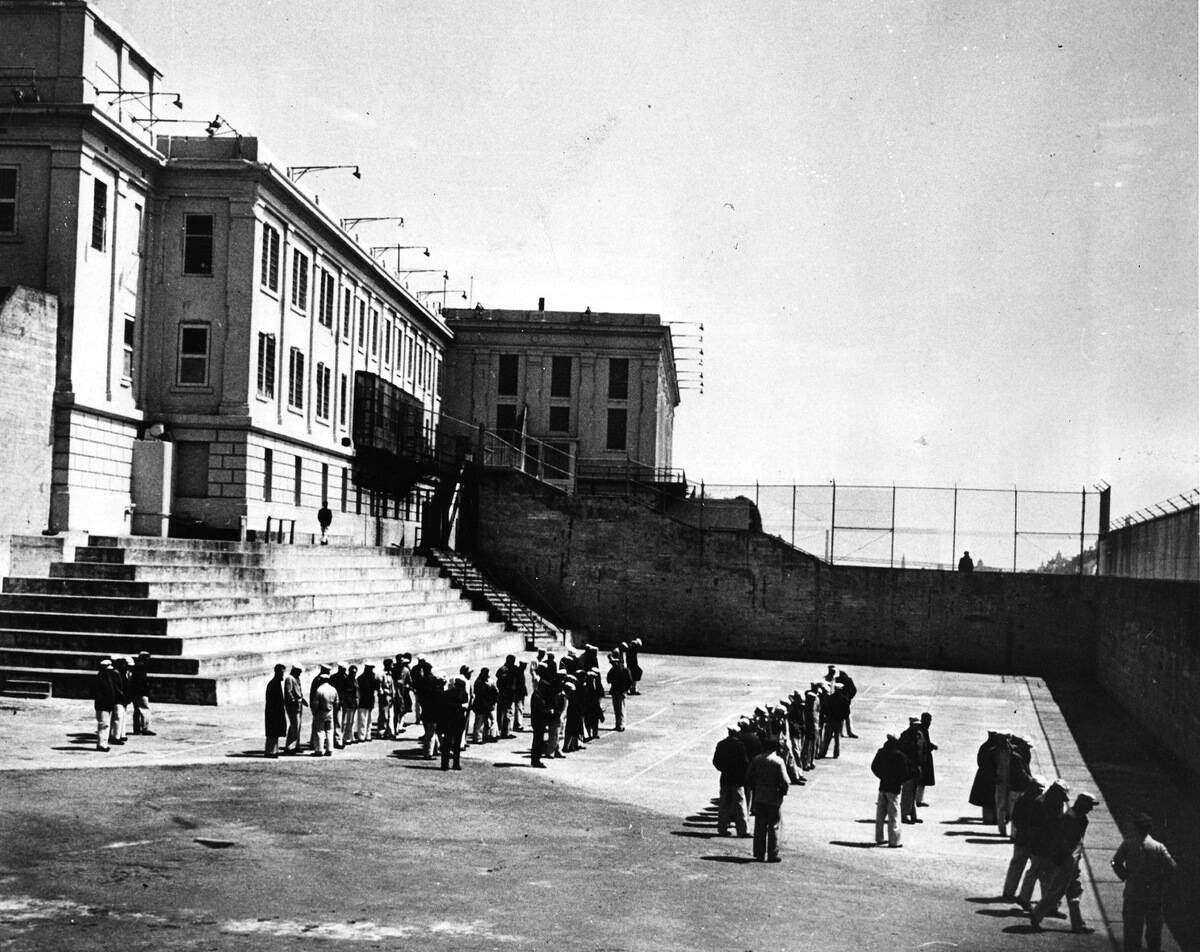
Prisoners at Alcatraz were not confined to their cells 24/7, and recreational activities like softball were a popular way to pass time and break up the routine. These games offered a rare outlet for exercise and interaction within the prison yard.
However, the games were not always free of tension. Teams were racially integrated, which sometimes led to conflicts and rising tempers among inmates. During one incident on May 20, 1956, a dispute escalated to the point where prisoners reportedly pulled makeshift knives. While it is sometimes joked about in hindsight, such behavior would have led to immediate disciplinary consequences rather than anything like an “automatic out.”
When Alcatraz was re-occupied
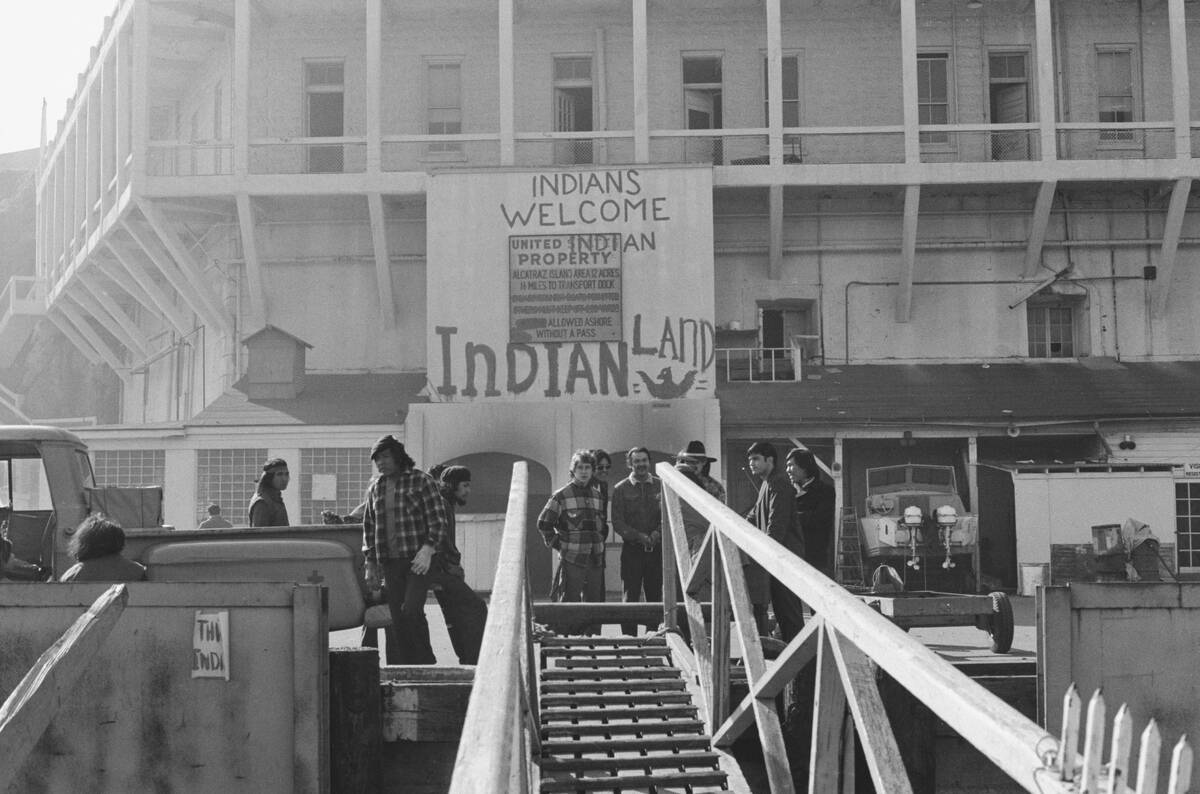
In 1969, Native American activists occupied the abandoned Alcatraz prison in an effort to draw attention to the U.S. government’s seizure of Native American tribal lands. The occupation became a major symbol of protest and continued for 19 months, with participation reportedly peaking at around 400 people.
Over time, the number of occupiers declined, and the government eventually intervened once the group had dwindled to a much smaller presence. The protest helped bring national attention to Indigenous land rights issues, and in 1970, President Nixon formally shifted federal policy, ending the long-standing termination approach to Native American tribes for a period.
Nowadays it’s for the birds
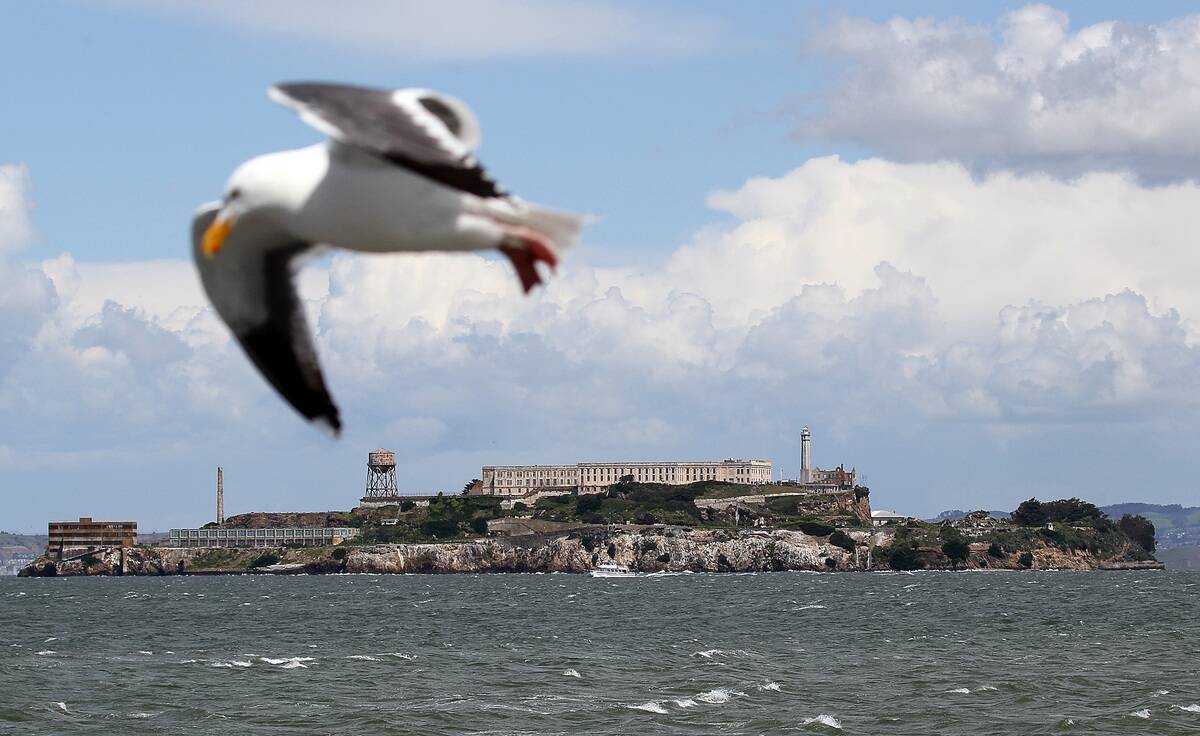
With no permanent human residents, Alcatraz has effectively been reclaimed by wildlife, especially birds. The island is now home to around 5,000 birds representing nine different species, making it an important nesting and roosting site within San Francisco Bay.
For many visitors arriving by ferry, the first sight of the island is often Western gulls gathered along the shoreline and perched on the structures. In a fitting twist, the famous “Birdman” nickname associated with the prison’s history feels especially appropriate in this setting.
It was for special cases
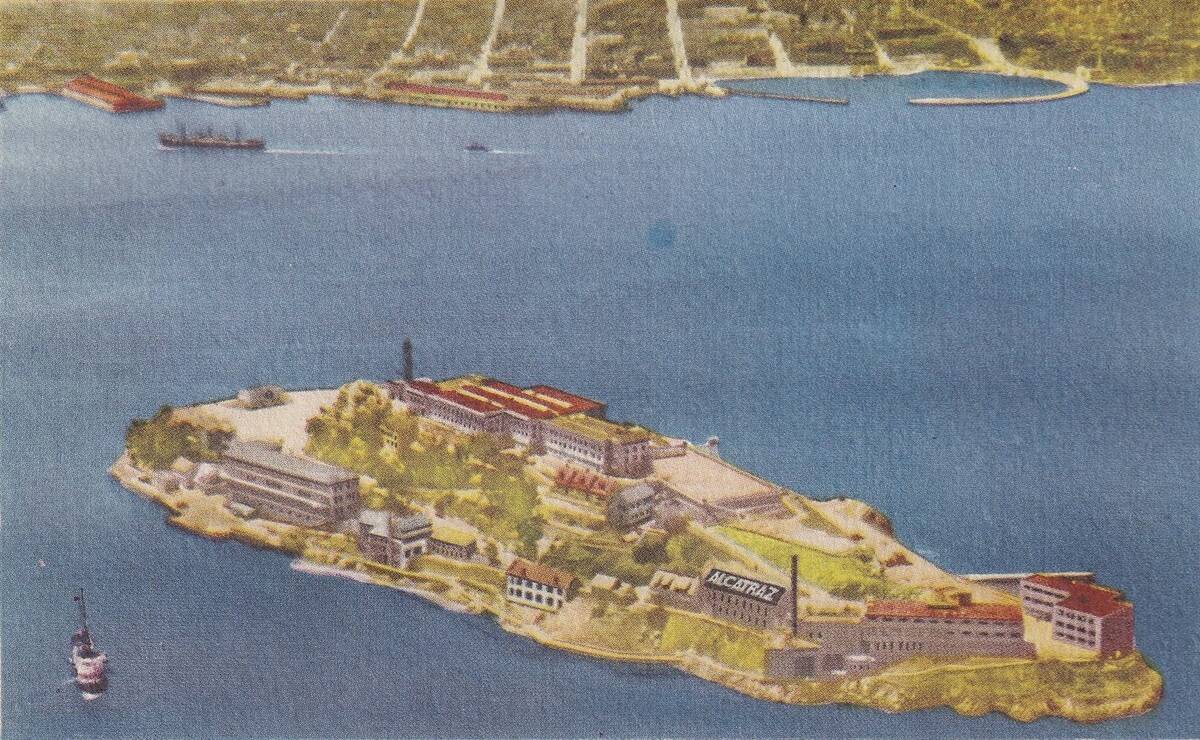
Unlike most prisons, inmates were not directly sentenced to Alcatraz as part of their original punishment. Instead, those sent there were often not the most violent offenders, but prisoners who were considered highly defiant or difficult to control within the federal system.
A transfer to Alcatraz was meant as a corrective measure for chronic rule-breakers, with the goal of enforcing discipline and compliance. In theory, once inmates adjusted to the strict regime and demonstrated better behavior, they could be returned to other federal prisons.
It had no death row
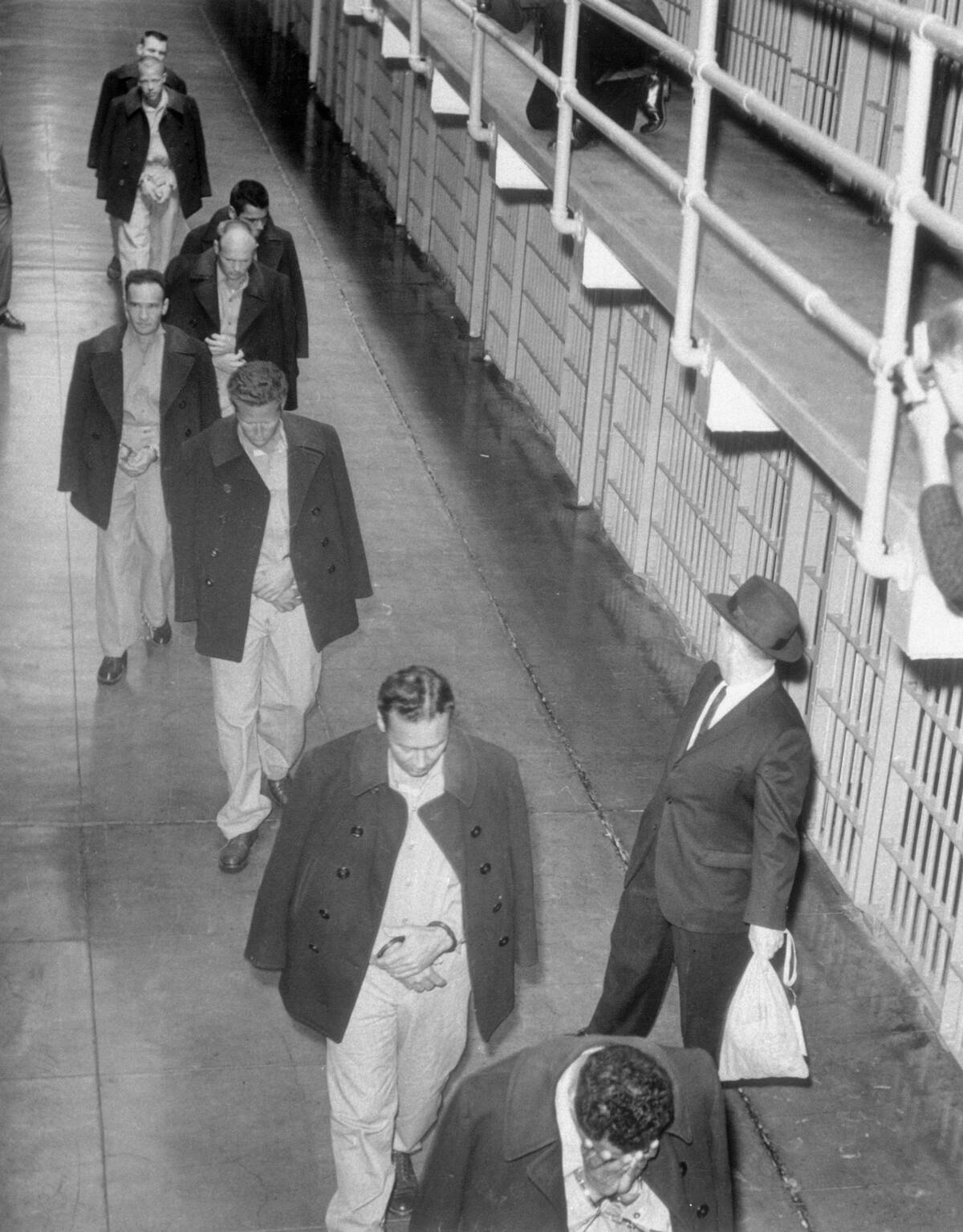
Alcatraz did not have facilities for a death row or for carrying out executions, but that did not mean deaths never occurred on the island. Over the course of its operation, eight prisoners were murdered by fellow inmates, five died by suicide, and 15 died of natural causes.
Even so, deaths were relatively infrequent compared to many other prisons. Because of this, Alcatraz was not equipped with a full morgue, reflecting the limited need for such a facility during its years as a federal penitentiary.
No female prisoners or guards
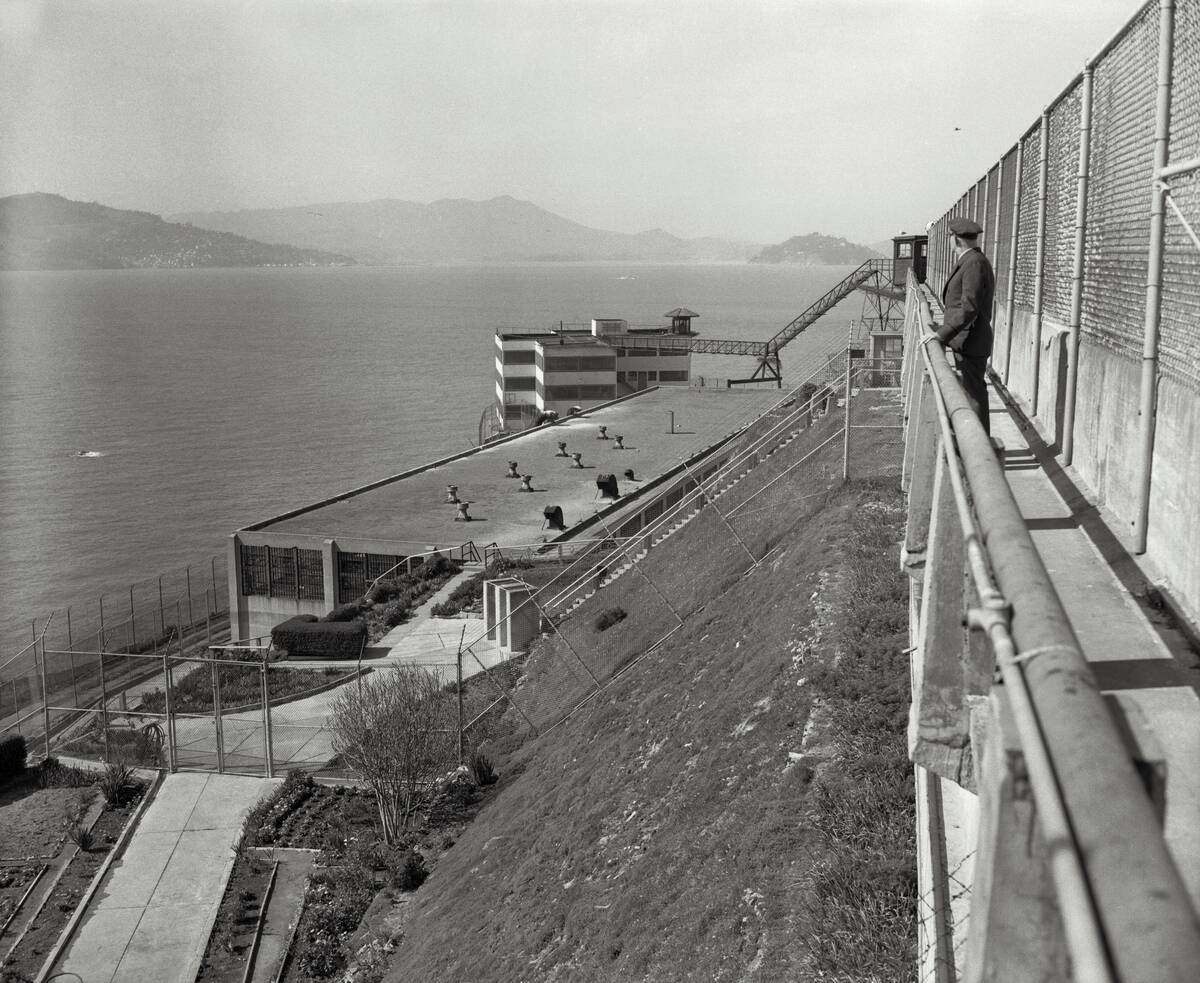
Alcatraz Federal Penitentiary was designated strictly as a male facility, and throughout its entire operation it housed no female prisoners.
It also employed no female guards or administrators, meaning women were not part of the prison staff. As a result, some inmates reportedly went long periods of time without hearing a woman’s voice, reflecting just how isolated and controlled the environment was.
There were no set sentences
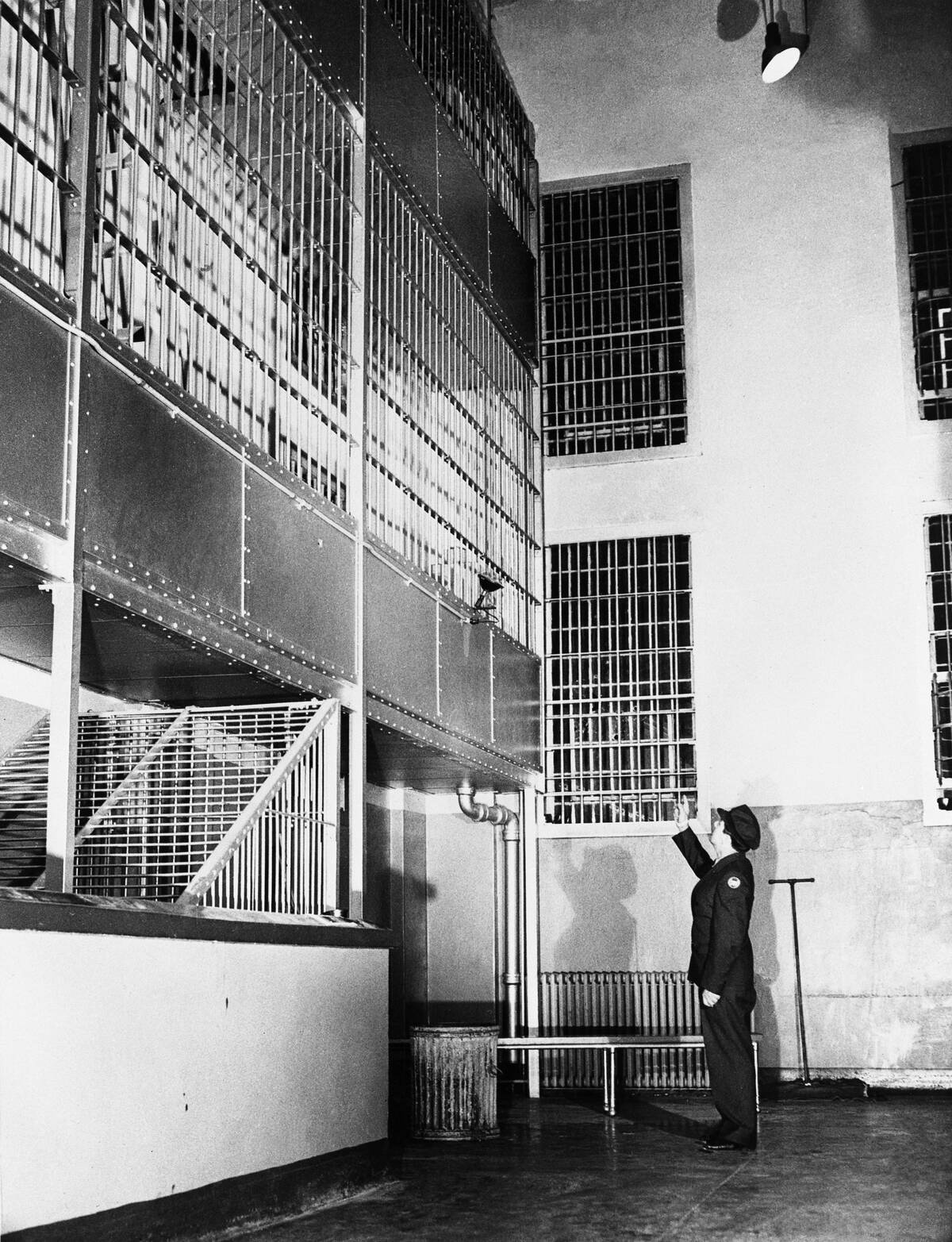
A distinctive aspect of Alcatraz was that it did not assign fixed sentences of its own, and inmates were not released directly from the prison. Instead, prisoners typically spent about six to eight years there, depending on how long it took for them to adjust to the strict rules and demonstrate improved behavior.
Once they were considered “model” prisoners, they were usually transferred back to their original federal prisons, where they might become eligible for parole or continue serving out the remainder of their sentences. Since some inmates were already serving long or even multiple life sentences, Alcatraz functioned more as a disciplinary transfer point than a place of final release.
Oldest versus newest
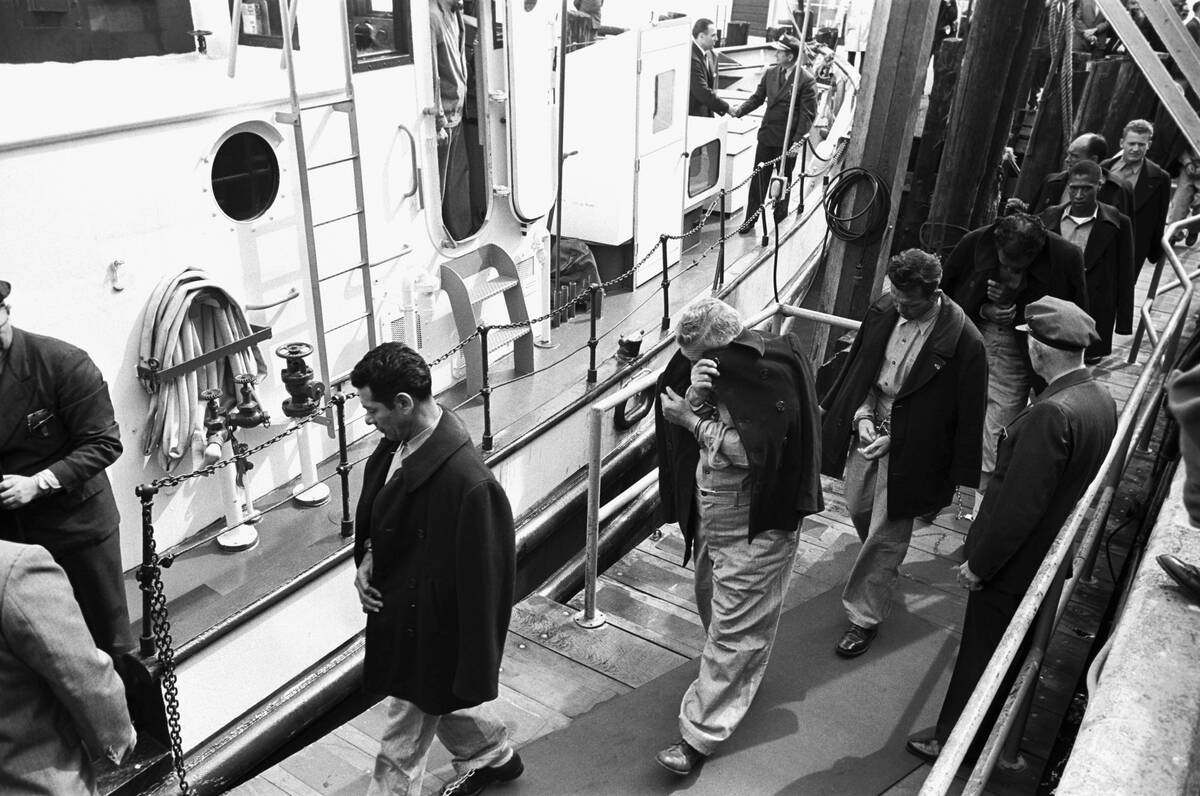
Each prisoner at Alcatraz wore clothing marked with a stenciled registry number, which helped identify inmates within the strict system. Over time, these numbers also became a kind of informal indicator of experience, with lower numbers often belonging to long-term or earlier arrivals, while higher or four-digit numbers generally reflected newer inmates.
Notable prisoners were known by these designations as well. Al Capone, who arrived in 1934, was registered as prisoner 85. Robert Stroud, widely known as the “Birdman of Alcatraz,” was transferred to the prison in 1942 and was assigned prisoner 594.
It has a dungeon
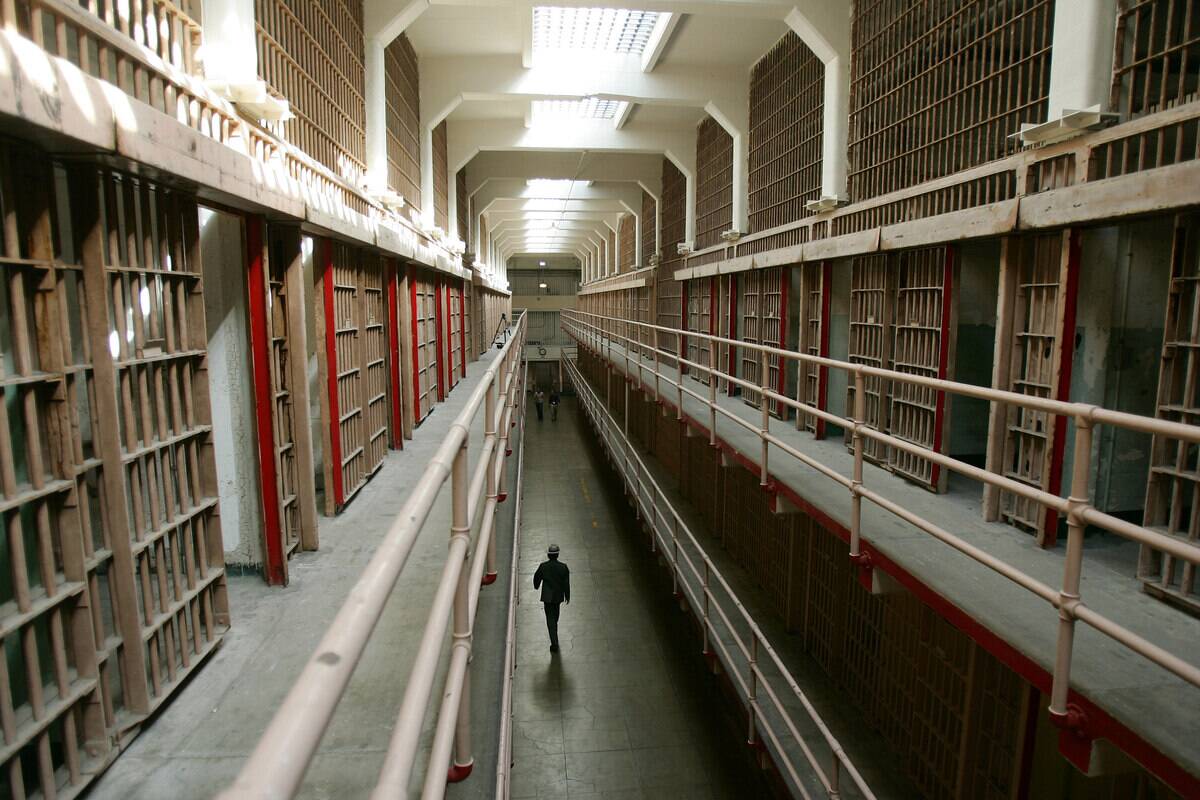
Below A Block at Alcatraz was a group of cells that became known as the “Spanish Dungeon.” Over time, stories about these cells took on a near-mythic quality, with some former inmates even claiming they had been built by the Spanish Inquisition, while others insisted they were located below the water line.
In reality, the conditions were still harsh, as the cells were damp and cold, but they were actually situated about 100 feet above the water, not beneath it. In 1942, the Bureau of Prisons director ruled that the use of these cells amounted to cruel and unusual punishment and ordered that they no longer be used.
Capone wasn’t the only famous face
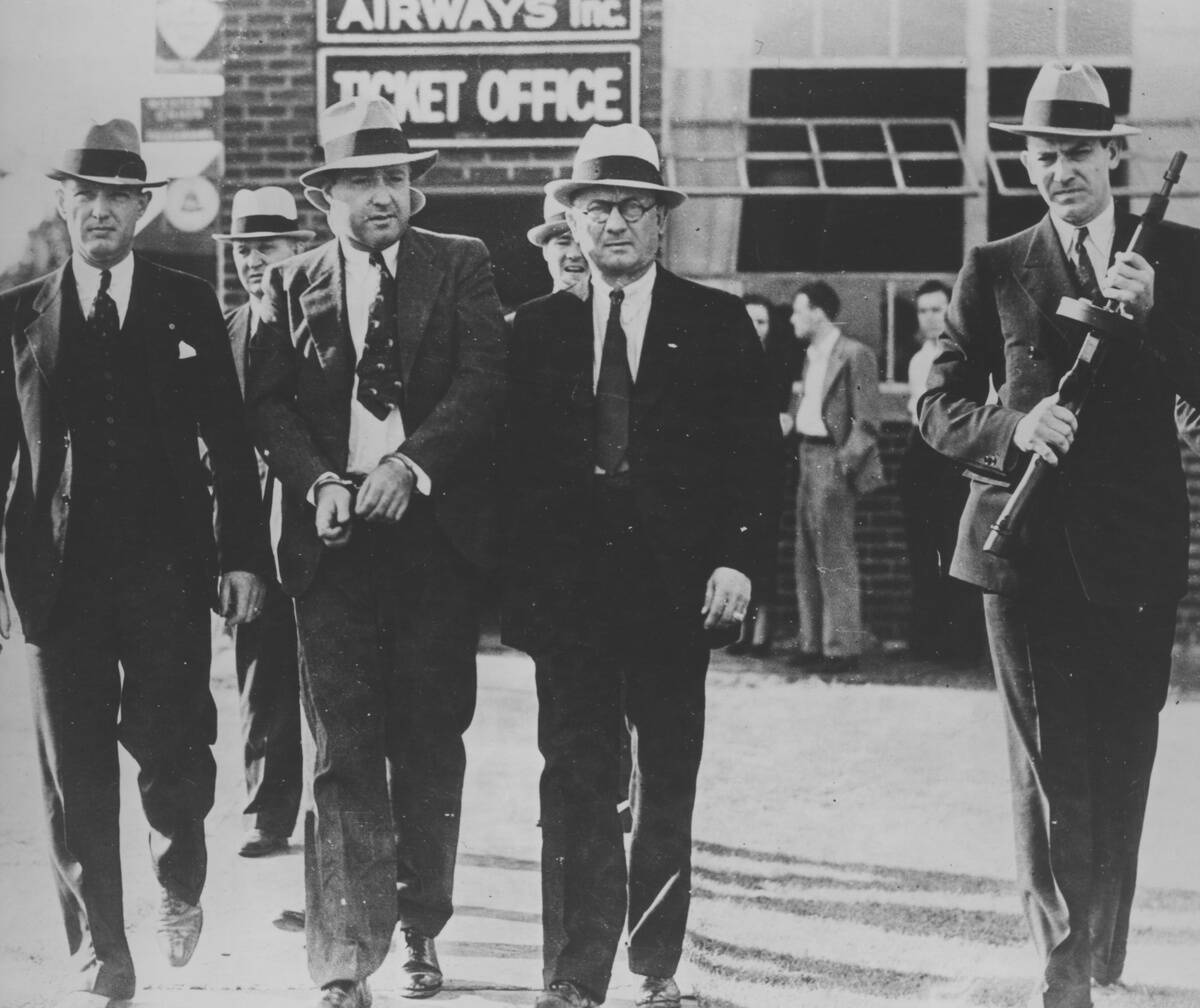
George “Machine Gun” Kelly was one of Alcatraz’s better-known inmates. He first entered the criminal world as a bootlegger, but later escalated his crimes after he and his wife Kathryn Thorne kidnapped a wealthy businessman for ransom. The pair were captured about three months later and both received life sentences.
Kelly was transferred to Alcatraz around the same time as Al Capone after reportedly boasting about escape plans and even a possible jailbreak for his wife. While incarcerated, he was known to brag about his past crimes, though he later shifted tone and wrote an apology letter to one of his victims, which went unanswered. After 17 years at Alcatraz, he was moved back to Leavenworth Penitentiary in Kansas, where he died of a heart attack in 1954.
Don’t try to climb the fence
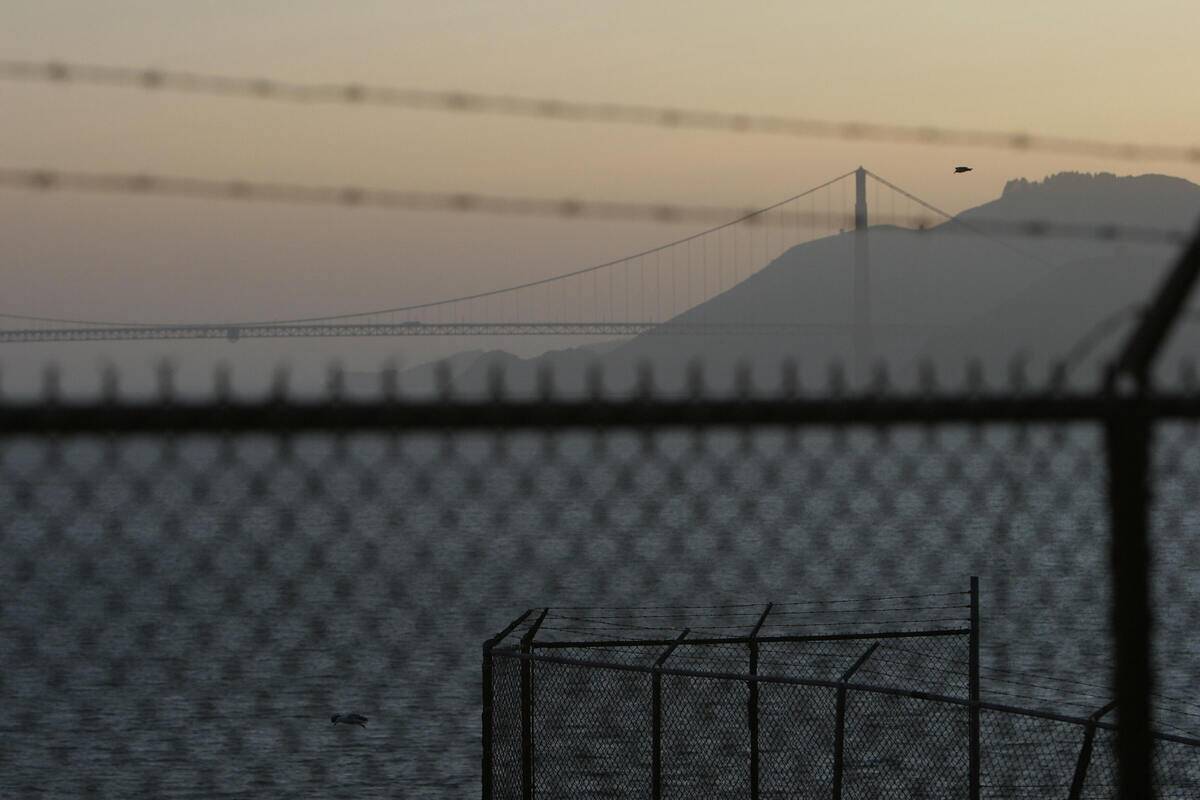
The first recorded attempt to escape Alcatraz is said to have taken place in 1936, when Joe Bowers tried to climb the island’s chain-link fence. He was able to get off the island, but the attempt quickly went wrong once he was discovered by officers.
When he refused orders to climb down, a guard shot him, causing him to fall an estimated 50 to 100 feet. He died as a result of the fall, and the escape attempt ended with his body being removed from the scene in a body bag.
The Birdman’s dark backstory
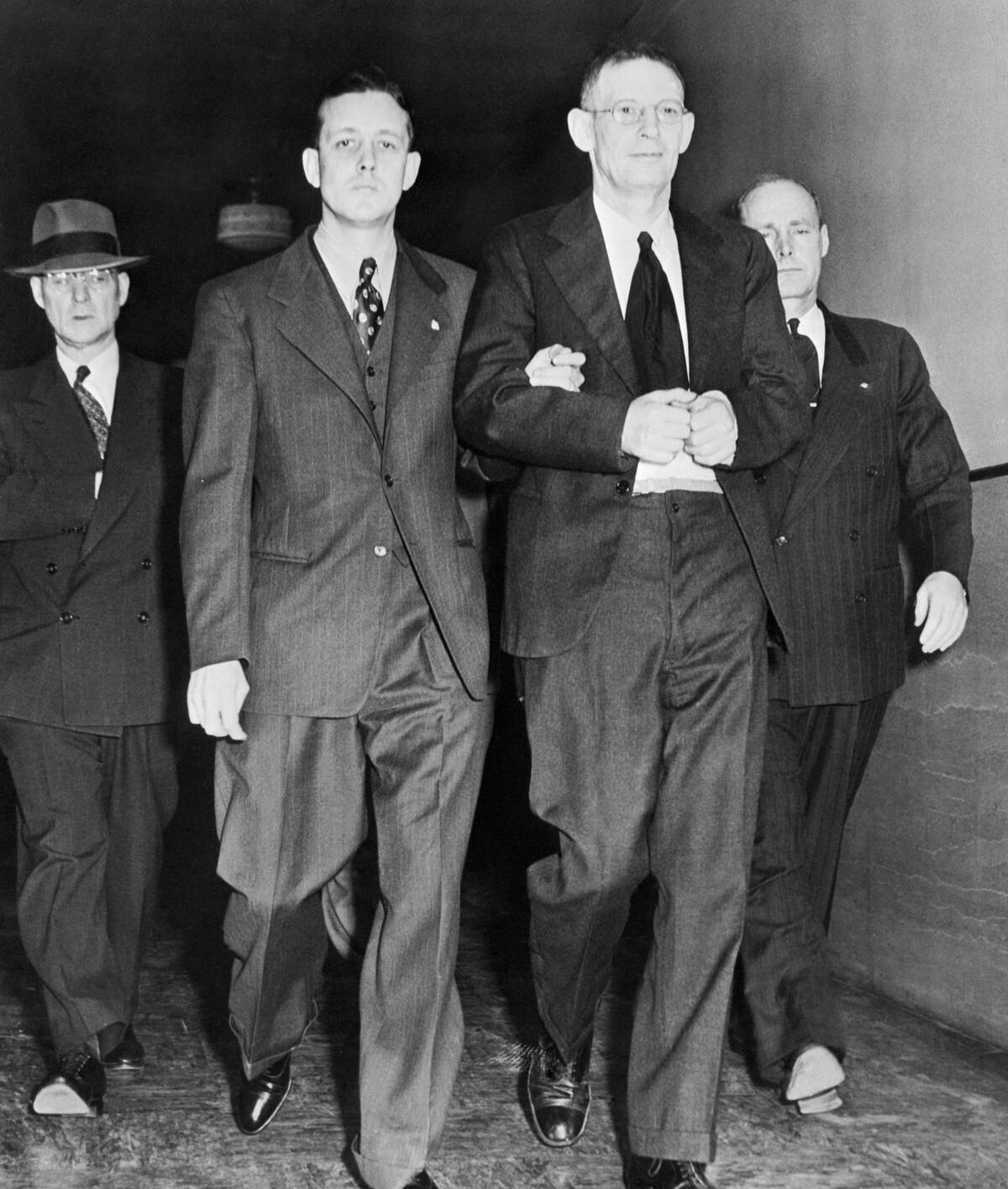
Robert Stroud, known as the “Birdman of Alcatraz,” gained public attention for his work studying birds while in prison and was often portrayed as a self-taught ornithologist. However, before his time at Alcatraz, he had already built a reputation as a highly dangerous and notorious criminal.
Long before the image of a rehabilitated inmate took hold, Stroud was considered a violent prisoner with a serious disciplinary record. While some supporters later argued for his release based on his scientific work, others pointed out his earlier history, suggesting that a fuller understanding of his past might have changed how he was viewed.
How the Birdman developed his hobby

Stroud was originally imprisoned for killing a bartender during a confrontation involving one of his prostitutes while he was working as a pimp. He soon developed a reputation in prison as a violent and dangerous inmate.
After later stabbing and killing a guard, he was sentenced to life in solitary confinement. It was during this period that he developed an interest in birds, eventually keeping and studying nearly 300 canaries and writing Diseases of the Canaries, a work that made real contributions to the field. After his transfer to Alcatraz, he was diagnosed as a psychopath and had his research materials taken away, prompting him to turn his attention to writing a history of the penal system.
The Battle of Alcatraz
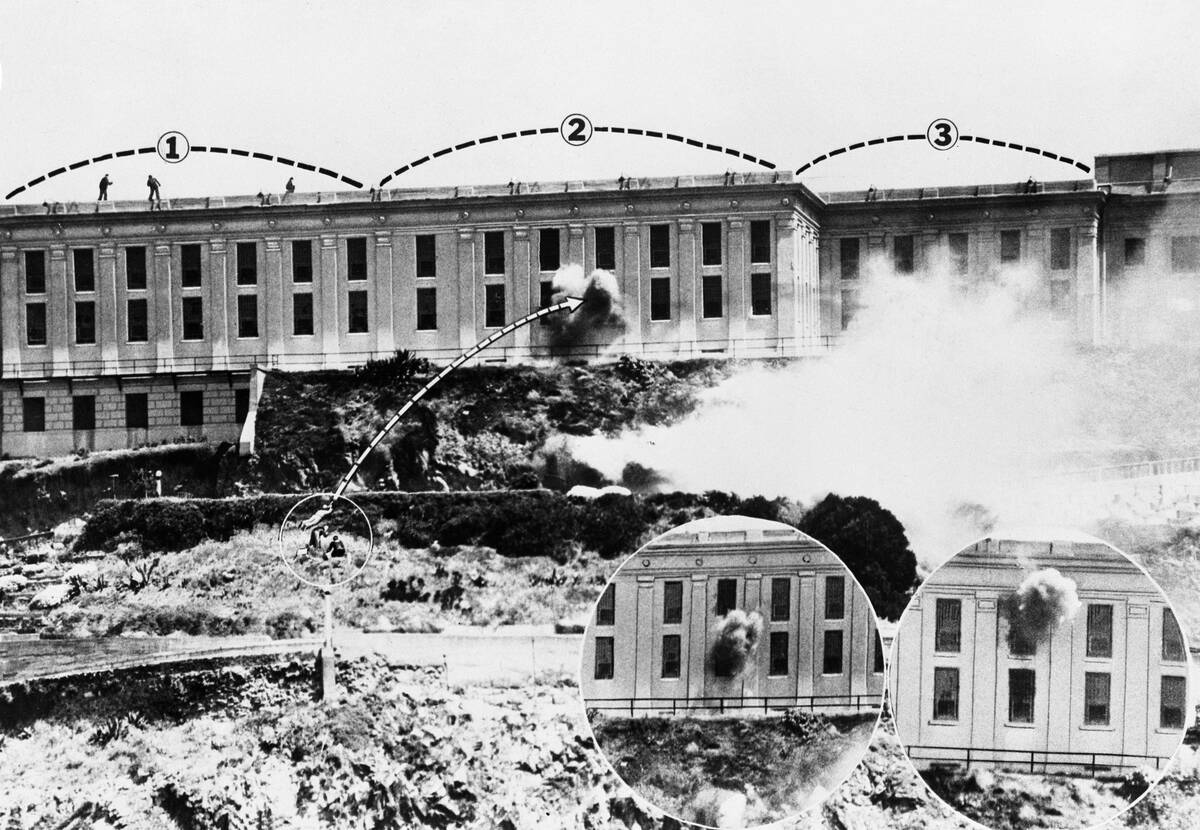
The Battle of Alcatraz, also known as the “Alcatraz Blastout,” occurred between May 2 and May 4, 1946. During the incident, six prisoners gained access to weapons and cellhouse keys as part of an escape attempt. However, their plan quickly ran into a major problem when they realized they did not have the key required to open the recreation yard door.
By that point, guards had already discovered the escape attempt. Rather than surrendering, the prisoners chose to resist, triggering a prolonged and violent confrontation. In total, 18 officers were injured during the battle, and military assistance from the Marines was needed to regain control of the prison. In the aftermath, three of the escapees were killed, two were later convicted of murder and sentenced to death by gas chamber, and the remaining inmate, just 19 years old at the time, received a second life sentence.