Why these once-popular products are now banned
Have you ever wondered why some products vanish from the shelves, never to be seen again? Welcome to the quirky world of banned products, where safety concerns, health risks, and sometimes just plain oddity lead to their prohibition.
From toys to cosmetics, and even food items, these bans reveal fascinating stories about consumer protection and the evolving standards of safety. Let’s dive into this intriguing realm and uncover the stories behind these forbidden items.
The Unfortunate Demise of Lawn Darts
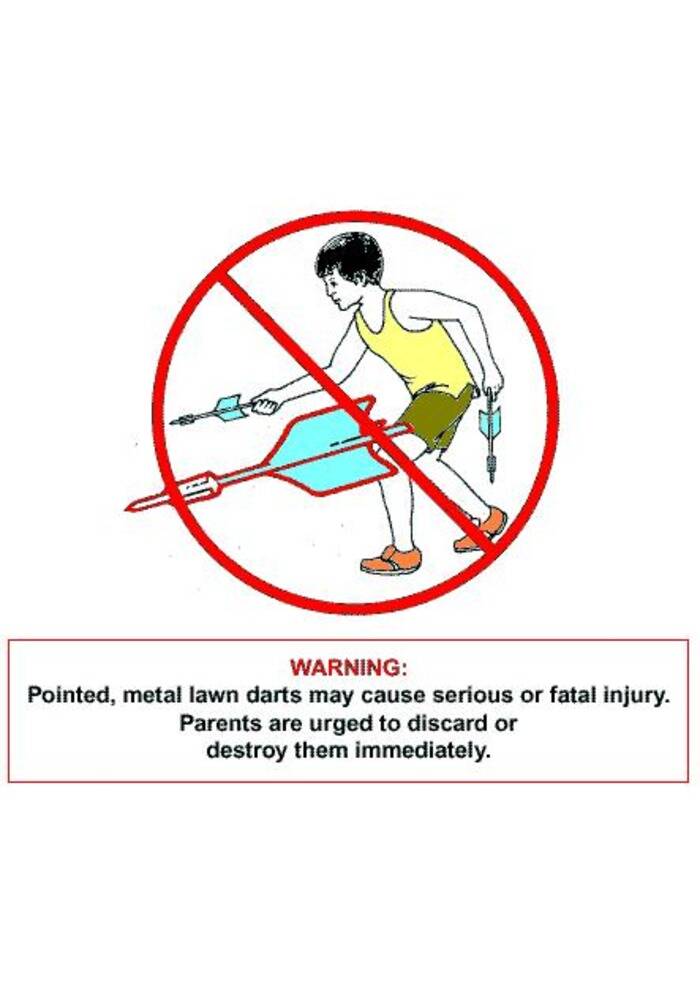
Lawn darts, once a staple of backyard fun, were banned in the U.S. in 1988 after causing numerous injuries and fatalities. These weighted metal-tipped darts were deemed too dangerous for children.
The Consumer Product Safety Commission intervened after reports of severe accidents, leading to their prohibition. Today, safer alternatives exist, but the original lawn darts remain a cautionary tale of how a seemingly innocent game can turn hazardous.
The Rollercoaster Ride of Banned Energy Drinks
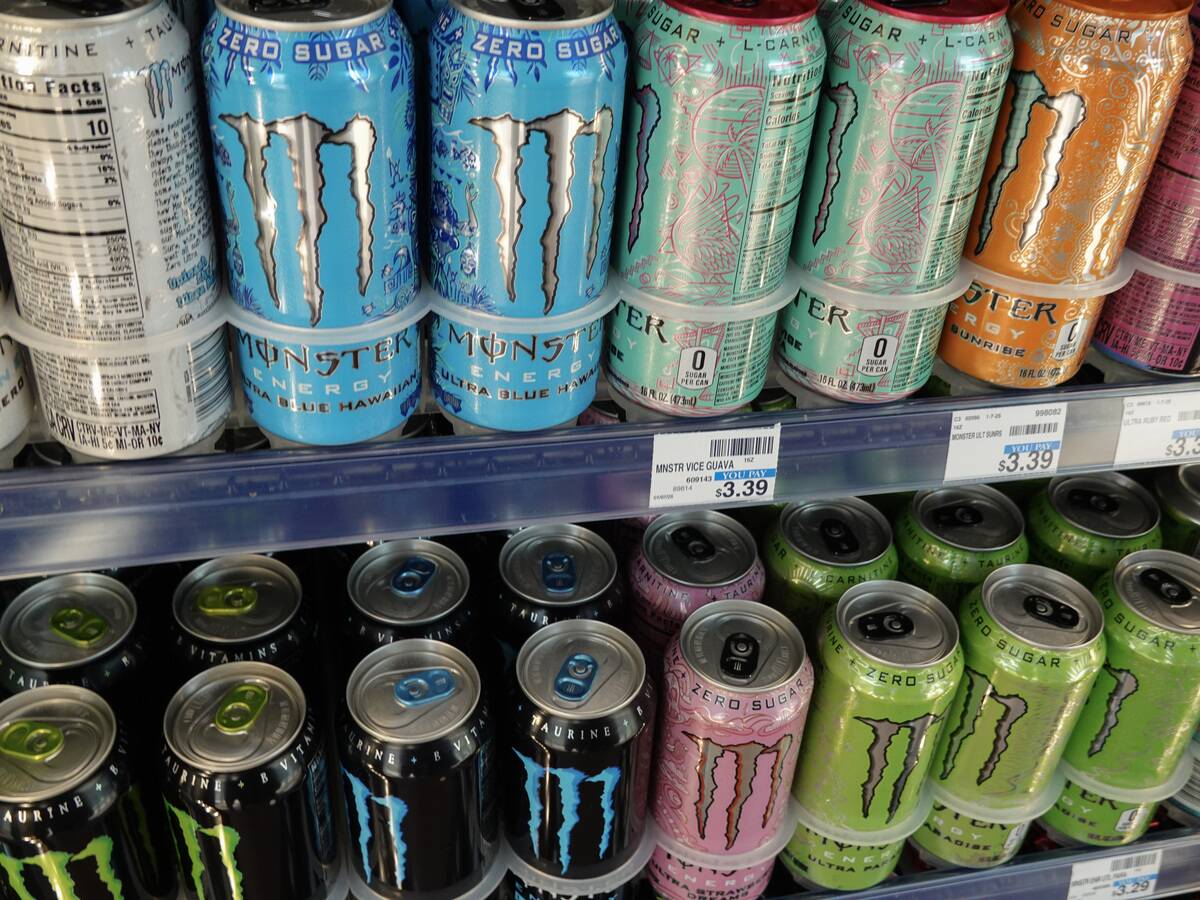
Energy drinks have faced bans in various countries due to health concerns. In 2014, Lithuania became the first to prohibit sales to minors, citing caffeine and sugar risks. France initially banned Red Bull over taurine fears, though it was later lifted.
The rollercoaster ride of energy drink bans highlights the ongoing debate over their safety, as countries balance consumer demand with health implications. Despite controversies, these drinks remain popular worldwide.
The Unforeseen Ban on Specific Types of Plastic Bags
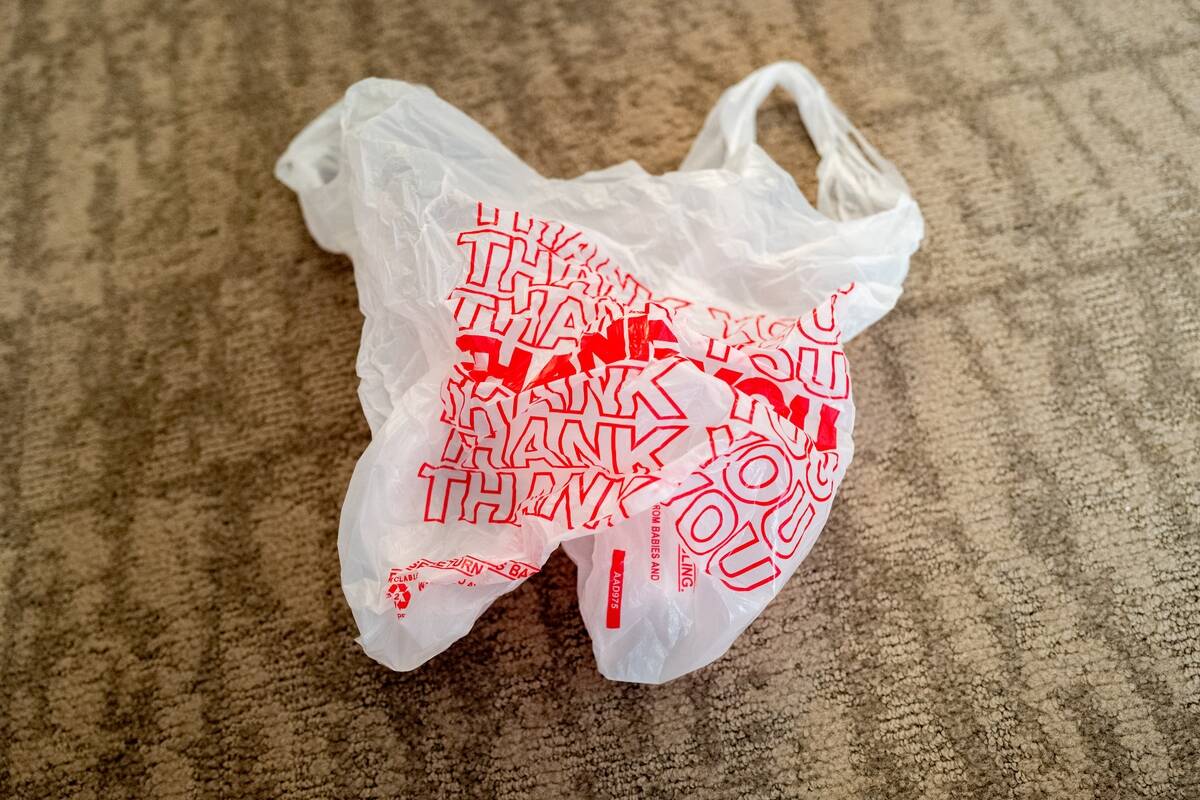
Plastic bags, once ubiquitous, face bans due to environmental impact. Countries like Kenya enforce strict prohibitions, citing pollution and wildlife harm. This unforeseen ban reflects a global shift towards sustainability, as nations tackle plastic waste.
Alternatives like reusable bags gain popularity, reshaping consumer habits. The story of banned plastic bags illustrates the power of collective action in addressing environmental challenges and fostering a more sustainable future.
The Controversial Journey of Lead-Based Paints

Lead-based paints, once common in homes, were banned in the U.S. in 1978 due to lead poisoning risks. Children were particularly vulnerable, suffering developmental issues from exposure.
The ban marked a significant public health victory, though older buildings still pose a threat. Efforts continue to mitigate lead hazards, with regulations ensuring safer alternatives. This journey underscores the importance of vigilance in safeguarding public health from toxic substances.
The Surprising Ban on Certain Hair Dyes

Certain hair dyes face bans due to harmful chemicals. In the EU, substances like PPD are restricted, linked to allergic reactions and cancer risks. The U.S. regulates these dyes, but bans are less stringent.
This surprising ban reflects growing awareness of cosmetic safety, prompting consumers to seek natural alternatives. As research evolves, the beauty industry adapts, balancing vibrant colors with health considerations in a constantly changing landscape.
The Surprising Ban on Some Types of Glitter
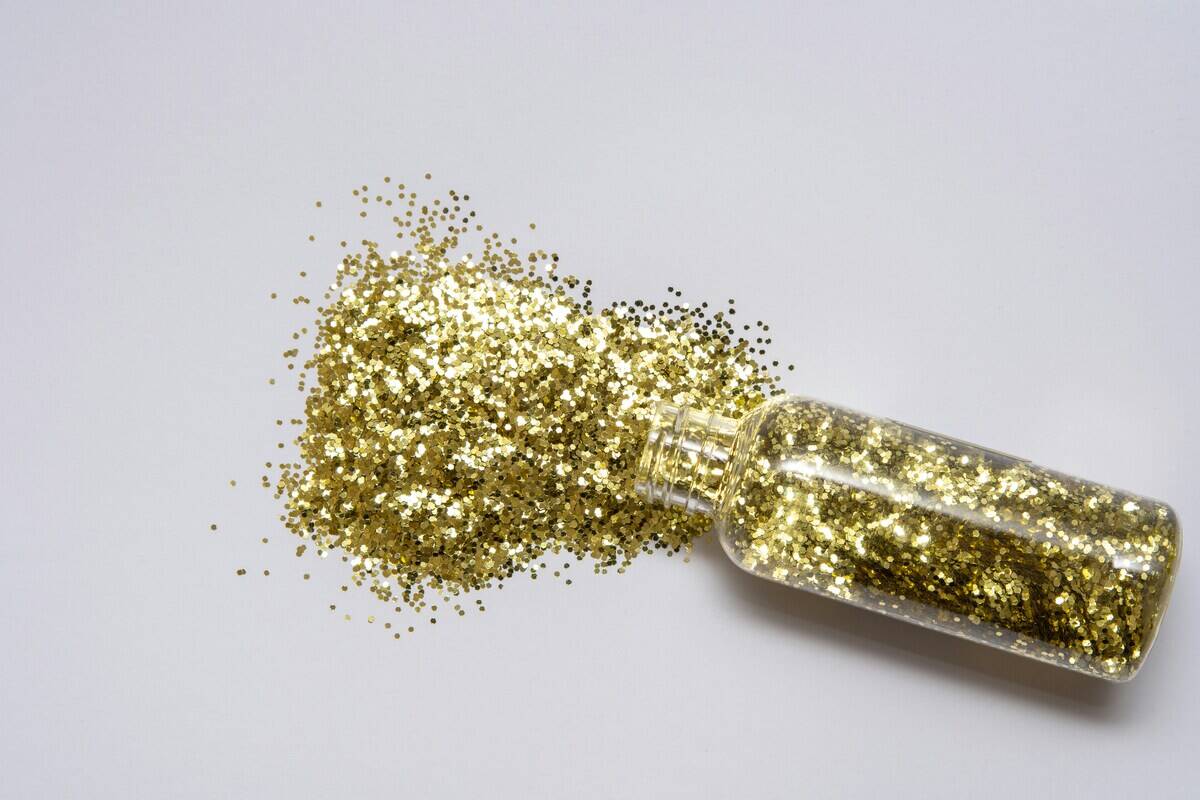
Glitter, beloved for its sparkle, faces bans due to environmental concerns. Microplastics in glitter harm marine life, prompting bans in countries like the UK. This surprising ban reflects growing awareness of plastic pollution and its impact on ecosystems.
As a result, eco-friendly alternatives emerge, offering sparkle without the environmental cost. The glitter industry adapts, balancing consumer demand with sustainability in a world increasingly conscious of its ecological footprint.
The Rise and Fall of the Dangerous Toy Magnets
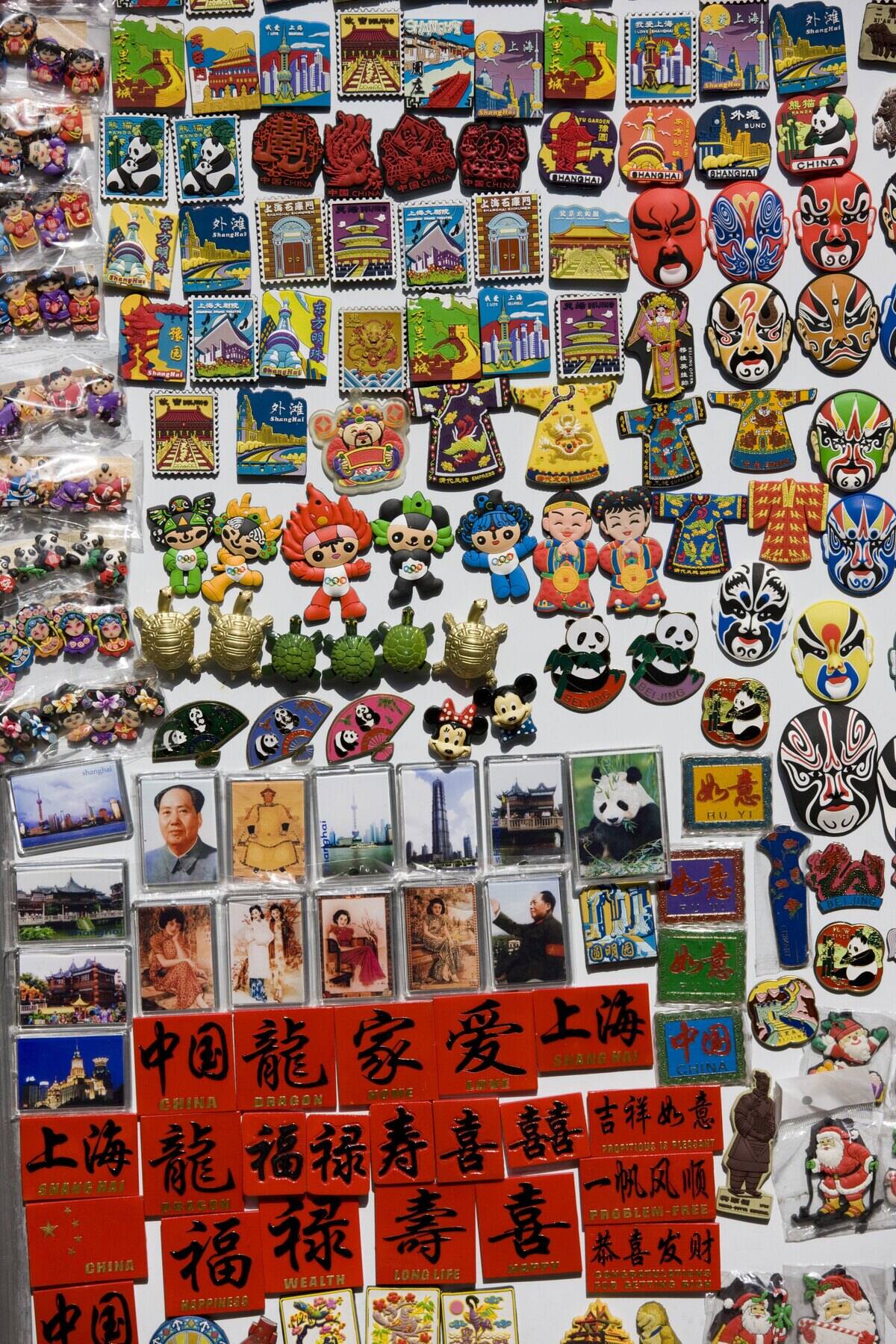
Toy magnets, once popular for their mesmerizing pull, faced bans after causing serious injuries. Small, powerful magnets, when swallowed, could attract inside the body, leading to life-threatening conditions.
The U.S. Consumer Product Safety Commission banned them in 2014, though legal battles ensued. Despite the ban’s lift in 2016, safety warnings persist. This rise and fall story highlights the delicate balance between innovation and safety in the toy industry.
The Unexpected Story Behind Banned Baby Walkers

Baby walkers, designed to help infants move, were banned in Canada in 2004 due to safety concerns. Studies showed they delayed motor development and caused accidents, prompting the ban.
Despite their continued sale elsewhere, Canada remains firm, advocating for safer alternatives. This unexpected story underscores the importance of child safety in product design, as parents and manufacturers navigate the fine line between convenience and risk.
The Peculiar Case of Banned Novelty Lighters
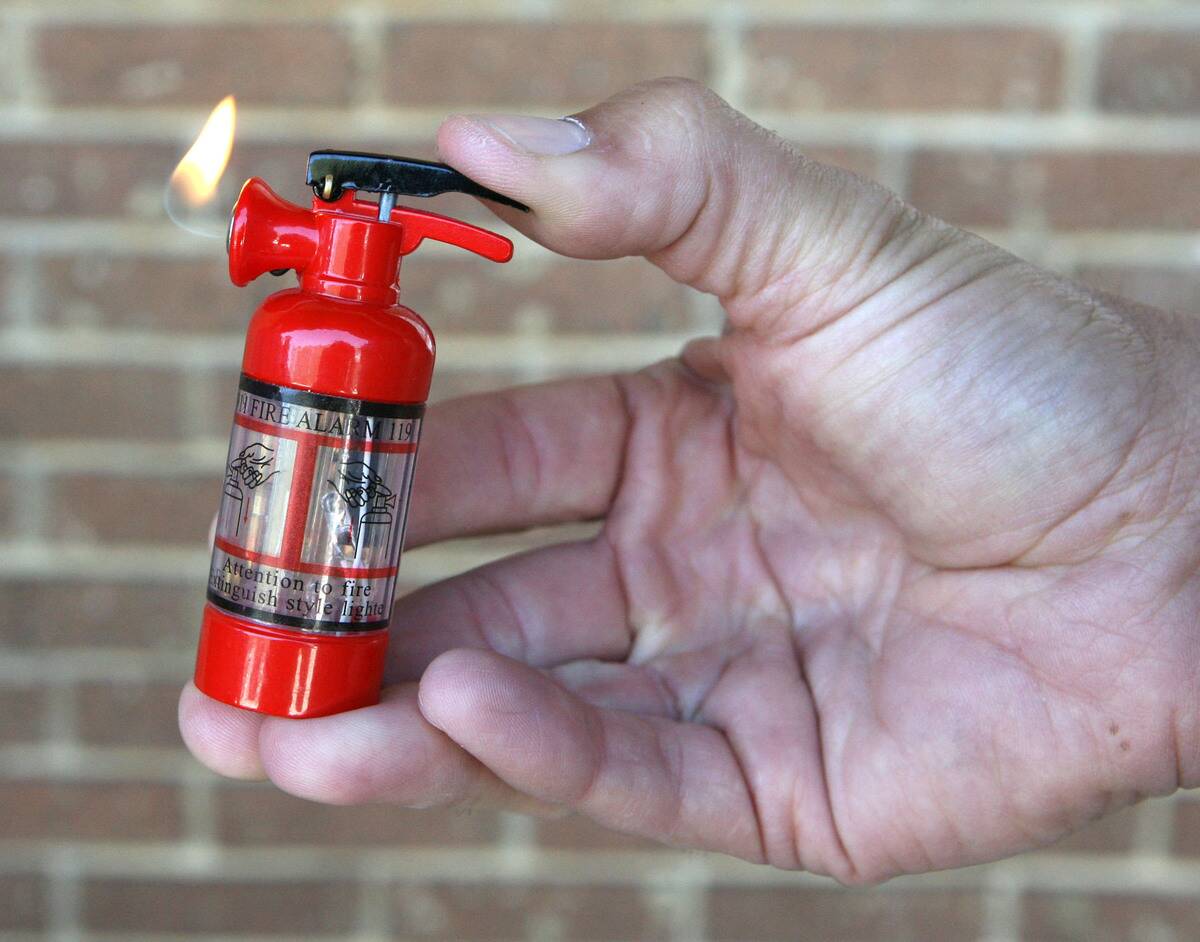
Novelty lighters, often resembling toys, are banned in several U.S. states due to safety hazards. These lighters, attractive to children, pose fire risks, leading to legislation against their sale.
The peculiar case of banned novelty lighters highlights the intersection of design and safety, as regulators work to prevent accidents. This ban serves as a reminder of the importance of product safety, particularly when items appeal to young, curious minds.
The Unusual Ban on Some High-Caffeine Snacks
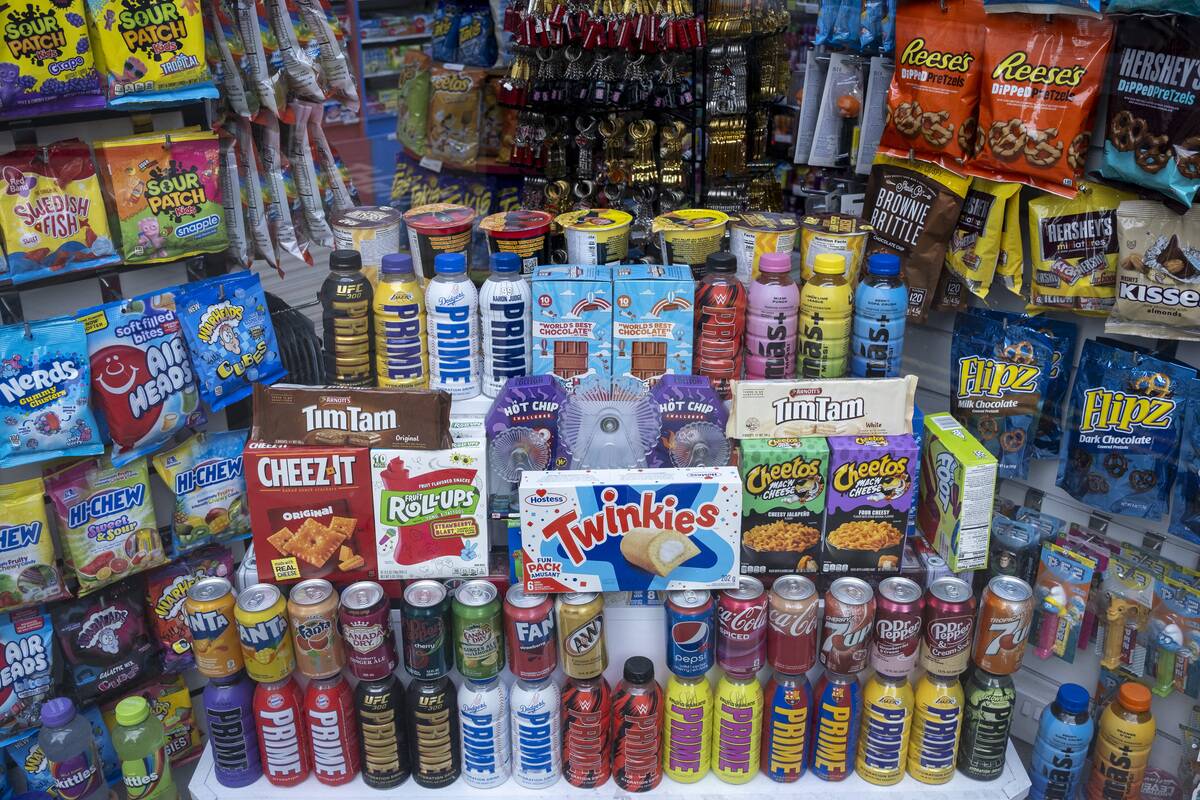
High-caffeine snacks, like certain energy bars and candies, face bans due to health concerns. In 2013, the FDA announced it would investigate the safety of added caffeine in foods such as gum, jelly beans, and snacks, especially regarding possible effects on children and adolescents.
These unusual bans highlight the potential risks of excessive caffeine, prompting manufacturers to reconsider formulations. As consumers become more health-conscious, the snack industry adapts, balancing energy boosts with safety in a market that constantly evolves.
The Intriguing Tale of Banned Fireworks

Fireworks, synonymous with celebrations, face bans in various regions due to safety and environmental concerns. In the U.S., certain states restrict sales, citing fire hazards and injuries. Meanwhile, countries like Germany restrict when and where consumer fireworks may be used, and fireworks are widely criticized for noise, air pollution, and stress to pets and wildlife.
This intriguing tale of banned fireworks reveals the challenges of balancing tradition with safety, as communities seek to celebrate responsibly while minimizing risks to people and the environment.
The Unexpected Reasons Behind Banned E-Cigarettes
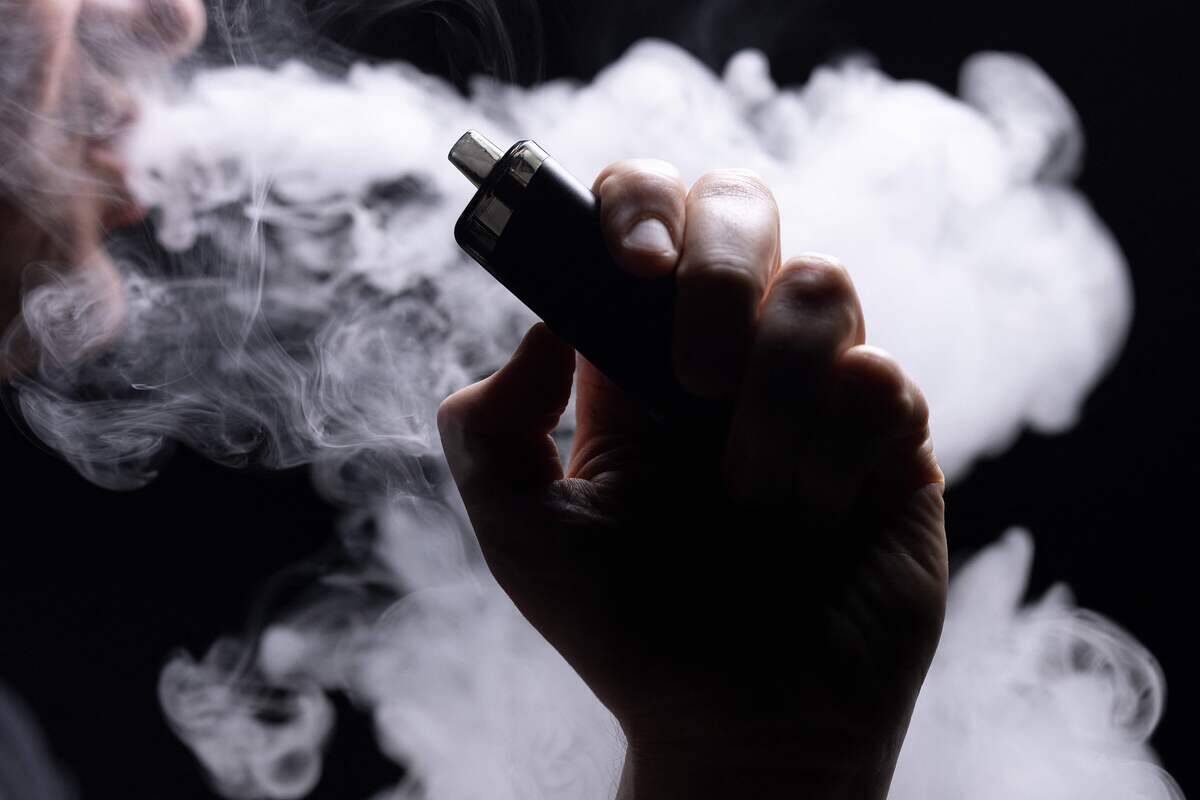
E-cigarettes, touted as a safer alternative to smoking, face bans over health concerns. Countries like India and Brazil prohibit them, citing youth addiction and unregulated ingredients.
The unexpected reasons behind these bans reveal the complexities of regulating new technologies, balancing potential benefits with public health risks. As research continues, the global stance on e-cigarettes remains in flux, reflecting the ongoing debate over their safety and efficacy.
The Curious Prohibition of Certain Fragrances

Certain fragrances face prohibition due to allergenic ingredients. The EU restricts compounds like oakmoss, linked to skin sensitivities. This curious prohibition highlights the evolving understanding of fragrance safety, as consumers seek hypoallergenic options.
The perfume industry adapts, reformulating scents to comply with regulations while maintaining allure. This delicate balance between creativity and safety underscores the dynamic nature of the fragrance world.




