Wellness products that promise more than they deliver
Wellness products have become the cornerstone of modern self-care routines, promising everything from glowing skin to a zen-like state of mind. The allure lies in their promise of a healthier, happier you, often wrapped in sleek packaging and backed by celebrity endorsements.
But as we dive into this world, it’s essential to separate the wheat from the chaff and understand what truly delivers on its promise and what might just be smoke and mirrors.
The Rise of the Wellness Industry

The wellness industry has skyrocketed in recent years, transforming into a $4.5 trillion global market. This growth is fueled by an increasing awareness of health and well-being, with consumers seeking holistic solutions to modern life stresses.
From yoga retreats to superfoods, the options are endless. Yet, with such rapid expansion, it’s crucial to question the efficacy and authenticity of these offerings, ensuring that we’re investing in genuine health benefits rather than just trends.
The Power of Marketing in Wellness

Marketing plays a pivotal role in the wellness sector, often blurring the lines between fact and fiction. Buzzwords like ‘natural’, ‘organic’, and ‘clean’ are strategically used to appeal to health-conscious consumers.
However, these terms can sometimes be misleading, lacking strict regulation. It’s a reminder to dig deeper, read labels carefully, and not be swayed solely by glossy advertisements or influencer endorsements that may not always have scientific backing.
Crystal Healing: Rock Solid Claims?
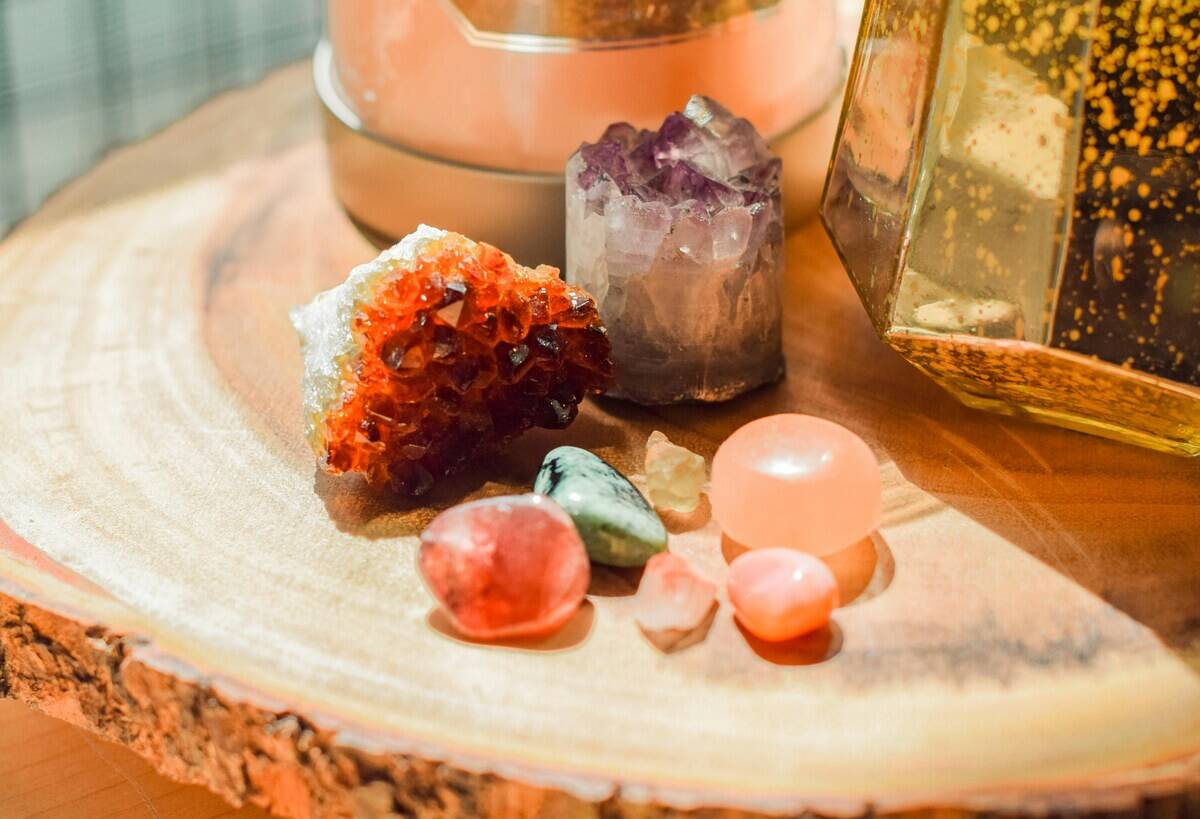
Crystal healing is a practice that dates back centuries, with enthusiasts claiming that different stones have unique healing properties. However, scientific evidence supporting these claims is scant.
While holding a crystal might bring a sense of calm or focus, it’s likely due to the placebo effect. That said, if they bring you joy or help you meditate, there’s no harm in incorporating them into your routine, just don’t expect miracles.
Juice Cleanses

Juice cleanses are marketed as a way to detoxify the body and jumpstart weight loss. However, nutritionists argue that the body is already equipped with organs like the liver and kidneys to detoxify naturally.
Juice cleanses can lead to nutrient deficiencies and muscle loss due to low protein intake. A balanced diet with whole foods is a more sustainable approach to health, making juice cleanses a short-term, often ineffective solution.
Collagen Supplements
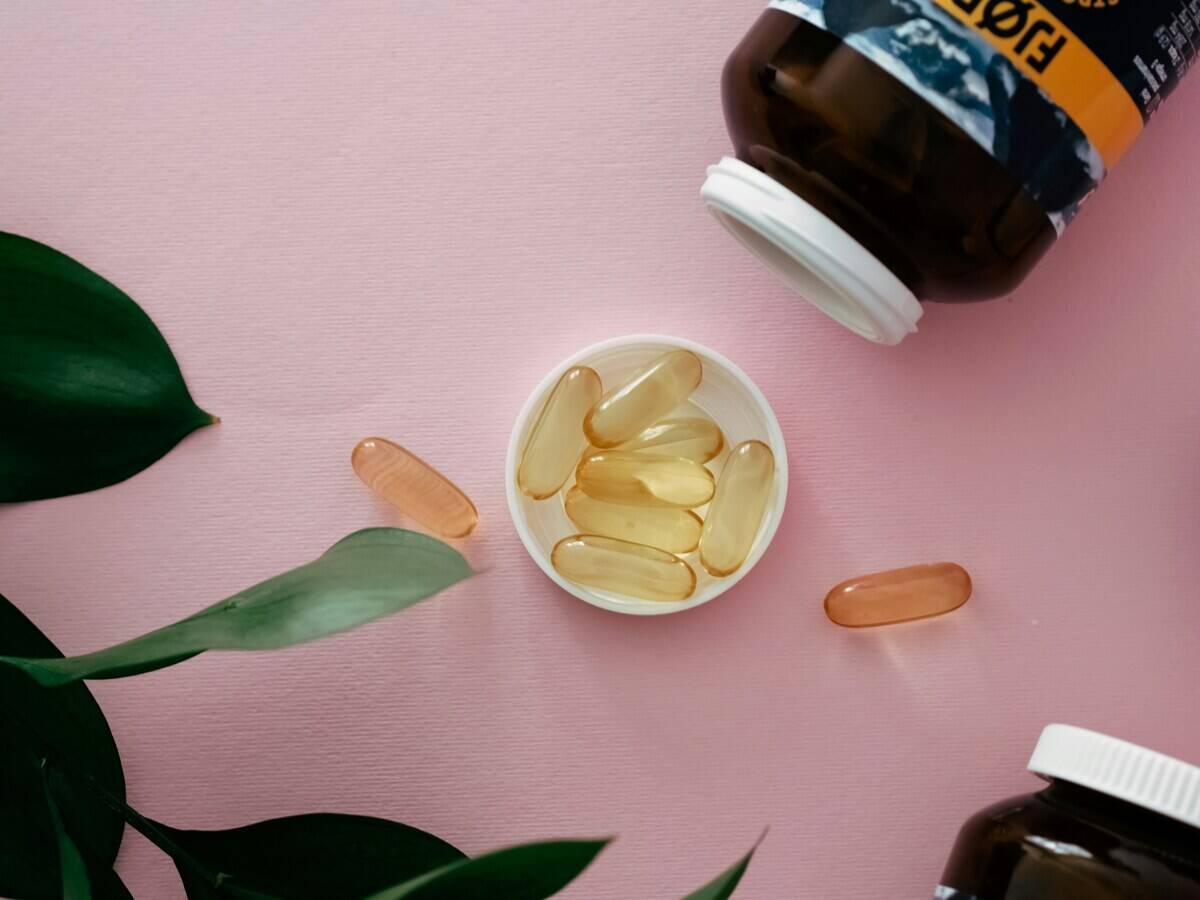
Collagen supplements are touted for their potential to improve skin elasticity and joint health. Some studies suggest they may help reduce wrinkles and support skin hydration.
However, the body breaks down collagen into amino acids, which are then used where needed, not necessarily for skin. While they might offer some benefits, a balanced diet rich in protein can also support natural collagen production, making supplements an optional addition.
Alkaline Water: Balancing Act or Baloney?

Alkaline water is touted for its ability to neutralize acid in the bloodstream, offering benefits like improved metabolism and increased energy. However, the body tightly regulates its pH balance, and there’s little scientific evidence supporting these claims.
While staying hydrated is crucial, regular water is sufficient for most people. Investing in expensive alkaline water might not provide the benefits it promises, making it more of a marketing trend.
Detox Teas: A Sip of Reality

Detox teas have gained popularity as a quick fix for weight loss and cleansing. However, experts warn that many of these teas contain laxatives, which can lead to dehydration and nutrient loss.
While they might offer temporary weight loss, it’s often just water weight. A balanced diet and regular exercise remain the most effective ways to maintain health, highlighting the importance of not relying solely on these trendy beverages for wellness.
Anti-Aging Creams
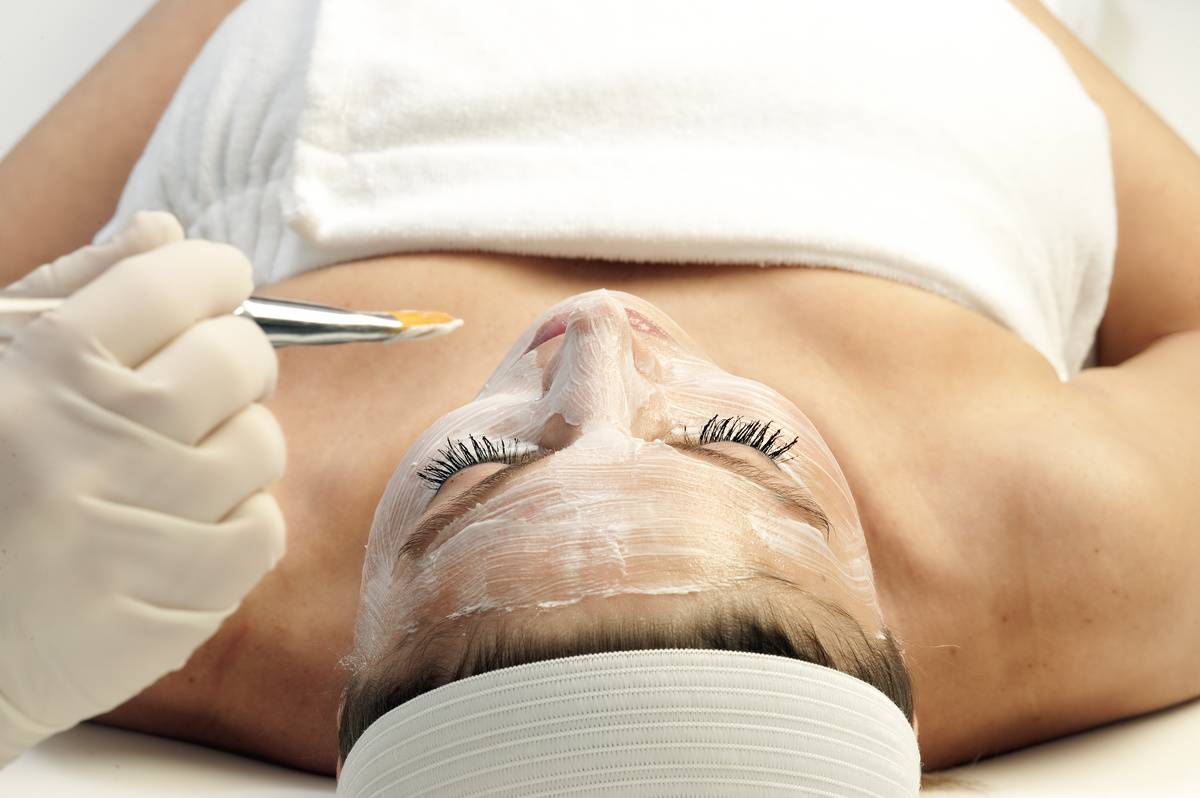
Anti-aging creams promise to reduce wrinkles and rejuvenate skin, often containing ingredients like retinol and hyaluronic acid. Some studies show these ingredients can improve skin texture and reduce fine lines.
However, results vary, and no cream can completely reverse aging. Consistent skincare, sun protection, and a healthy lifestyle are key to maintaining youthful skin, while creams can offer a supportive role rather than a miracle cure.
Weight Loss Gummies: Sweet Deception?

Weight loss gummies promise an easy path to shedding pounds, often containing ingredients like apple cider vinegar or green tea extract. Yet, experts caution that there’s no magic pill for weight loss.
These gummies often contain added sugars and lack substantial evidence of effectiveness. Sustainable weight loss still relies on a balanced diet and regular exercise, making these gummies more of a marketing gimmick than a genuine solution.
Magnetic Therapy

Magnetic therapy claims to alleviate pain and improve circulation, using magnets in bracelets or insoles. However, scientific support for these claims is limited. While some users report relief, it’s often attributed to the placebo effect.
The FDA has not approved magnetic therapy for medical treatment, so it’s wise to approach these products with skepticism and consult healthcare professionals for proven pain management options.
Essential Oils: Scent or Science?
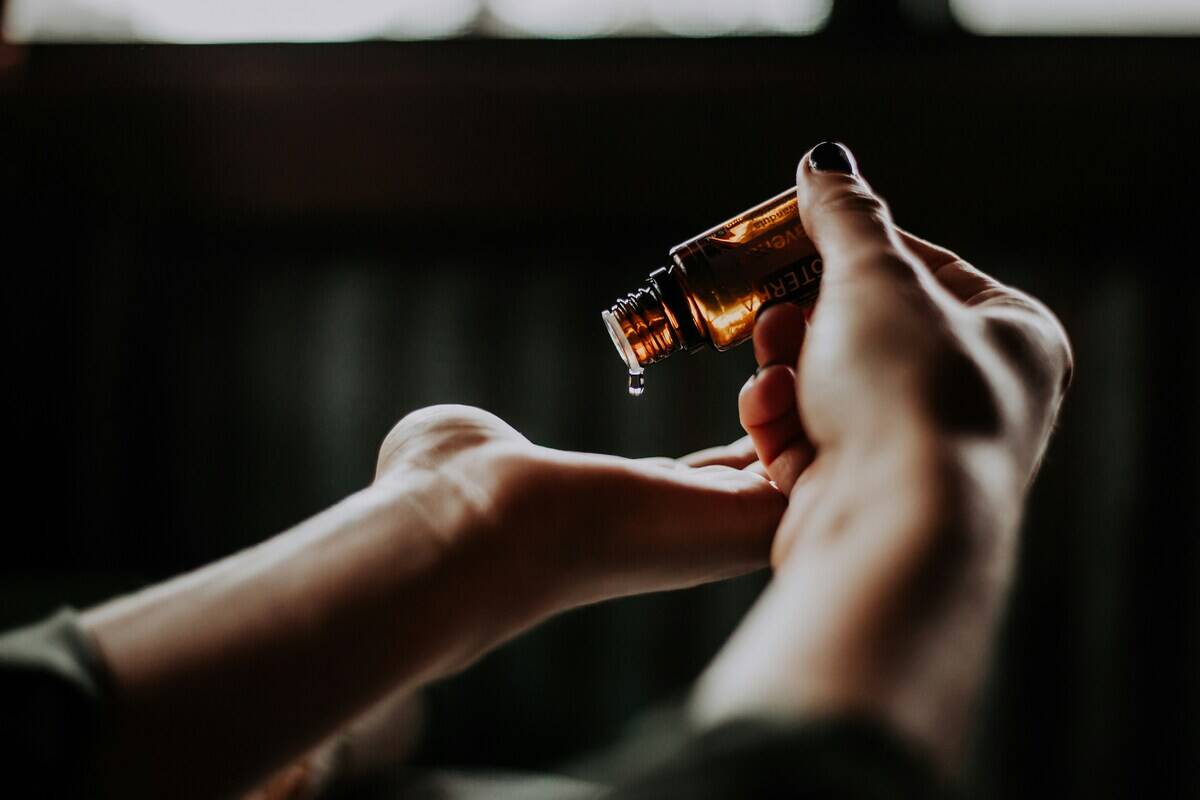
Essential oils have been used for centuries in aromatherapy, with claims of benefits ranging from stress relief to improved sleep. Some studies do support their efficacy, particularly lavender oil for relaxation.
However, they should be used with caution, as undiluted oils can cause skin irritation or allergic reactions. It’s best to consult with a professional and use them as a complement to, not a replacement for, traditional medical treatments.
Fitness Gadgets

Fitness gadgets, from smartwatches to fitness trackers, promise to enhance workouts and track health metrics. While they can motivate users and provide valuable data, their accuracy can vary. Studies suggest that while they are good for tracking steps, they might not accurately measure heart rate or calorie burn.
It’s important to use these gadgets as tools for motivation, not as definitive health monitors, and to combine them with professional advice for best results.
Meditation Apps

Meditation apps have surged in popularity, offering guided sessions to help users find calm and focus. Research indicates that regular meditation can reduce stress and improve mental health.
These apps make meditation accessible, especially for beginners. However, the key is consistency and finding what works for you. While apps are a great starting point, integrating meditation into daily life without technology can deepen the practice and enhance its benefits.




