Common beliefs from the past that turned out to be more fiction than fact
Throughout history, humanity has clung to various misconceptions, often leading to fascinating tales and sometimes disastrous consequences. These myths, once widely accepted, reveal much about our past understanding of the world.
While some were based on limited scientific knowledge, others were simply the result of imaginative storytelling.
The Earth Is Flat: A Spherical Revelation
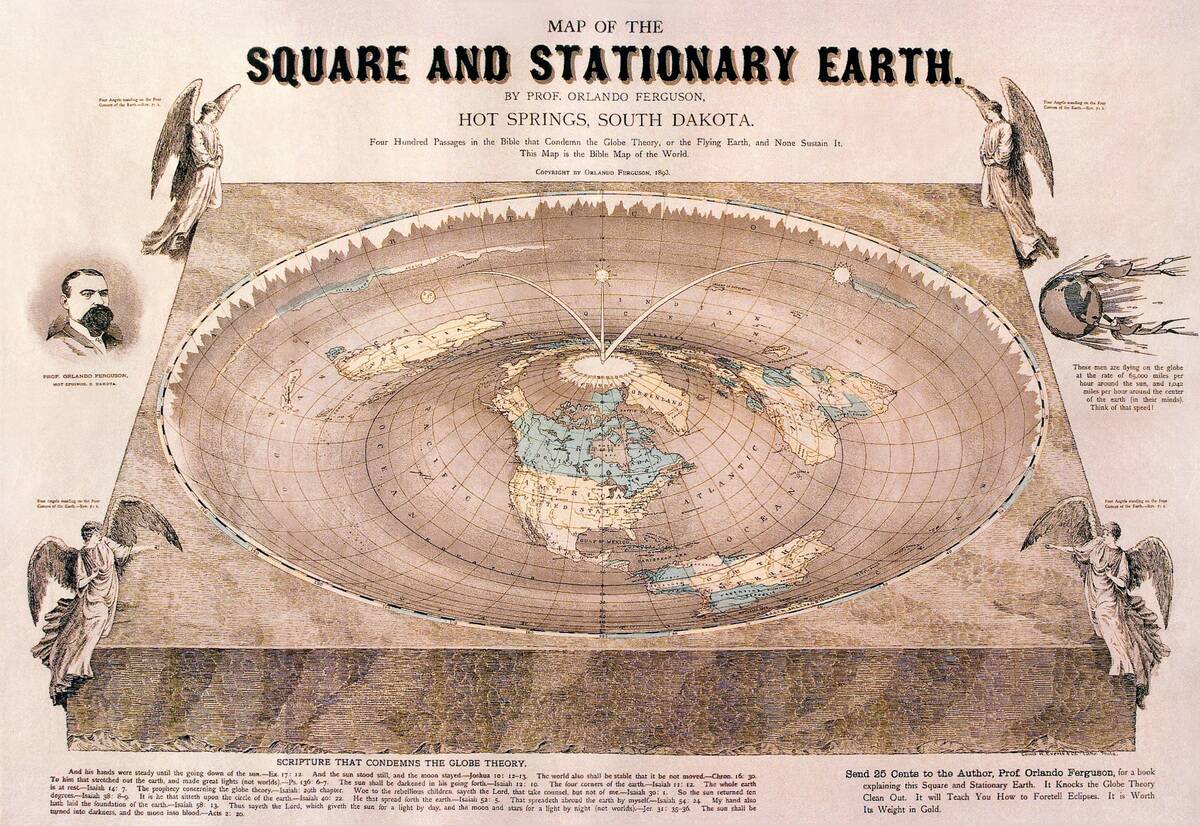
The flat Earth theory was once a widely held belief, with ancient civilizations picturing the world as a flat disc. It wasn’t until the work of Greek philosophers like Pythagoras and later, the voyages of explorers such as Ferdinand Magellan, that the spherical nature of Earth was confirmed.
Today, satellite images and space exploration leave no doubt about our planet’s roundness, yet the flat Earth theory persists in some corners of the internet, a testament to the enduring nature of myths.
The Geocentric Model: When Earth Was the Universe’s Center
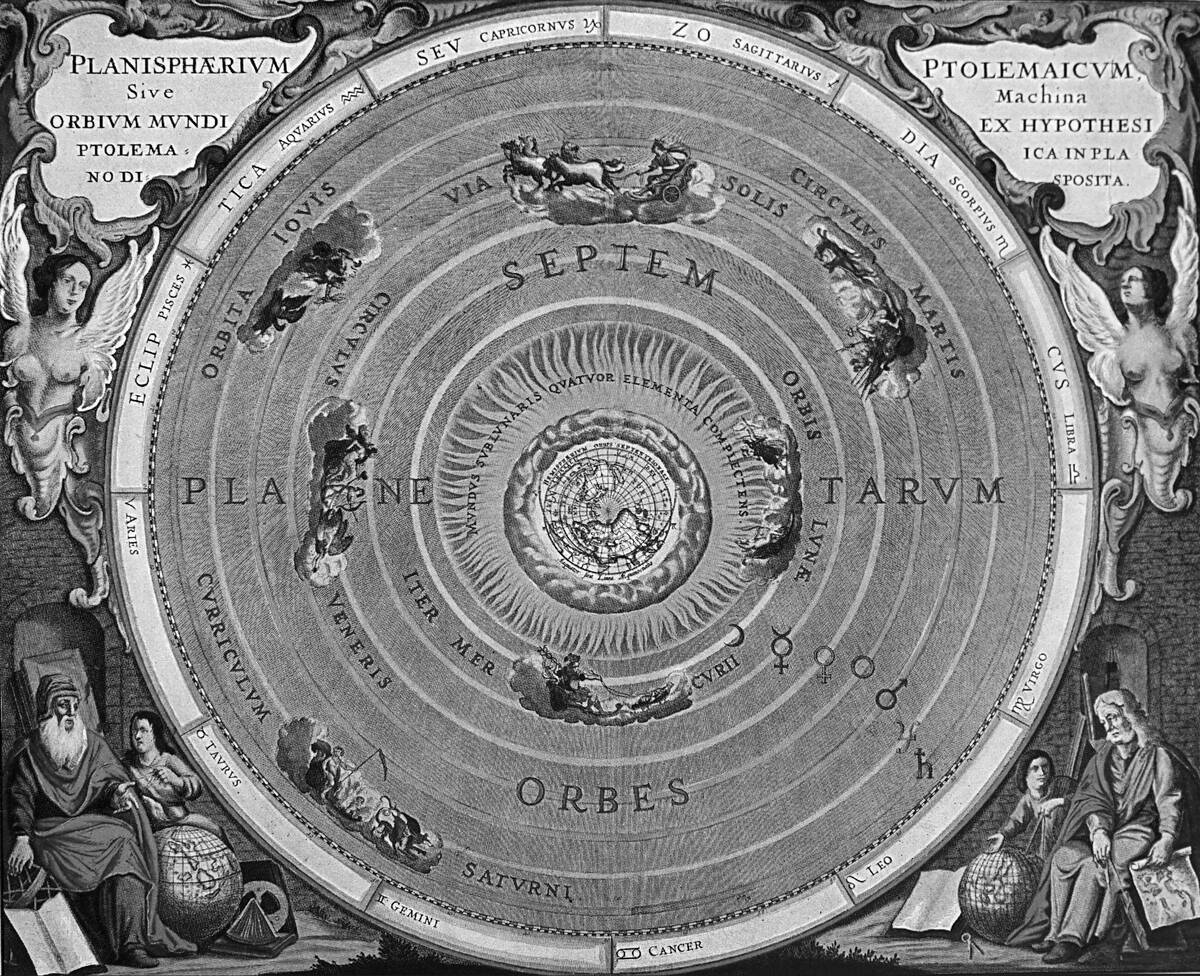
For centuries, the geocentric model dominated astronomical thought, placing Earth at the center of the universe. This view was famously challenged by Copernicus, who proposed a heliocentric model with the sun at the center.
Galileo’s observations with a telescope provided further evidence, ultimately leading to a paradigm shift in our understanding of the cosmos. Despite initial resistance, this new perspective paved the way for modern astronomy and our current understanding of the universe.
Bloodletting: The Medieval Cure-All
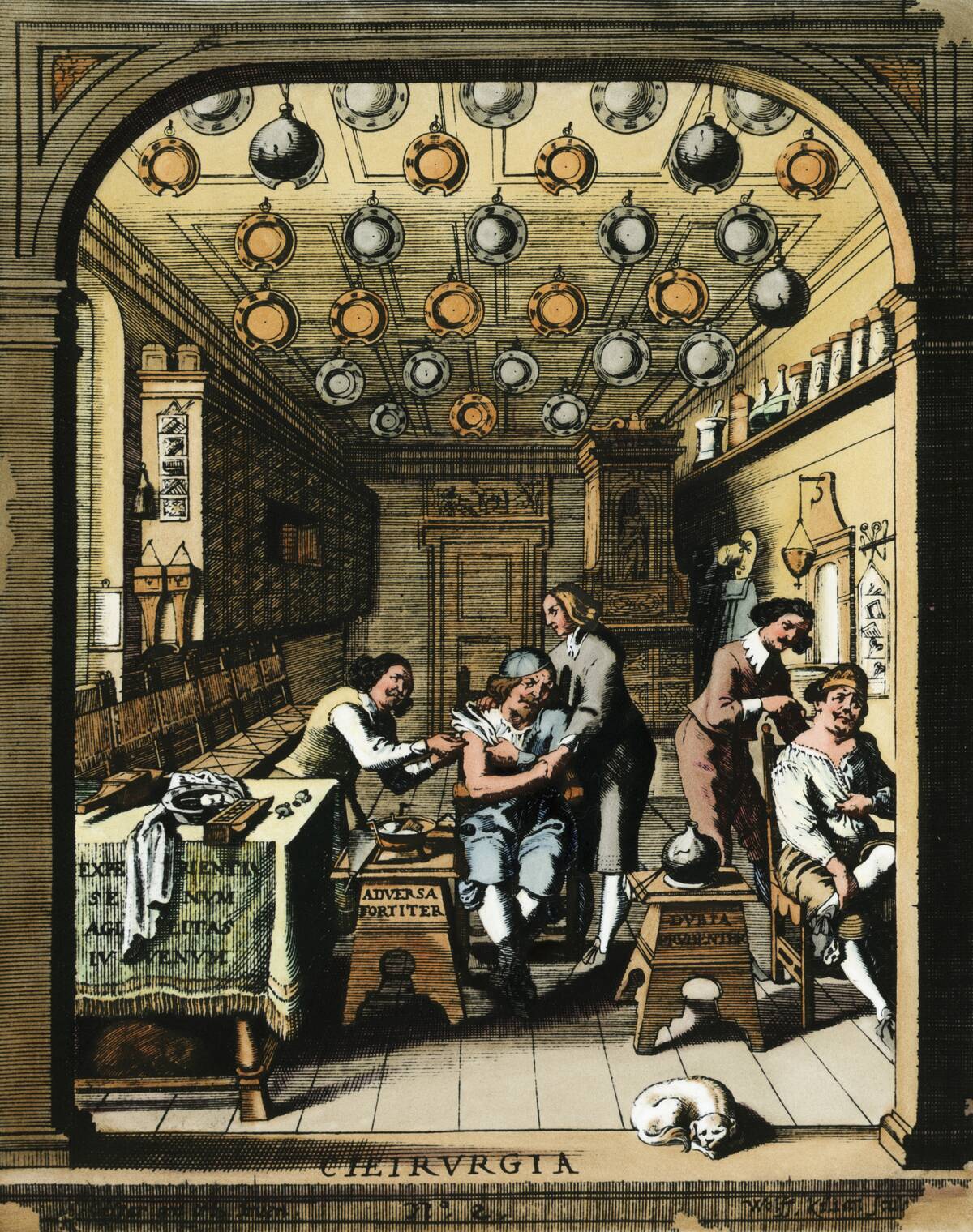
Bloodletting was a common medical practice for centuries, believed to cure a variety of ailments by balancing the body’s humors. This practice persisted well into the 19th century, despite its often harmful effects.
It wasn’t until the development of modern medicine and a better understanding of human physiology that bloodletting fell out of favor. Today, it’s a reminder of how far medical science has advanced, moving away from such drastic and ineffective treatments.
The Four Humors: Balancing Bodily Fluids for Health
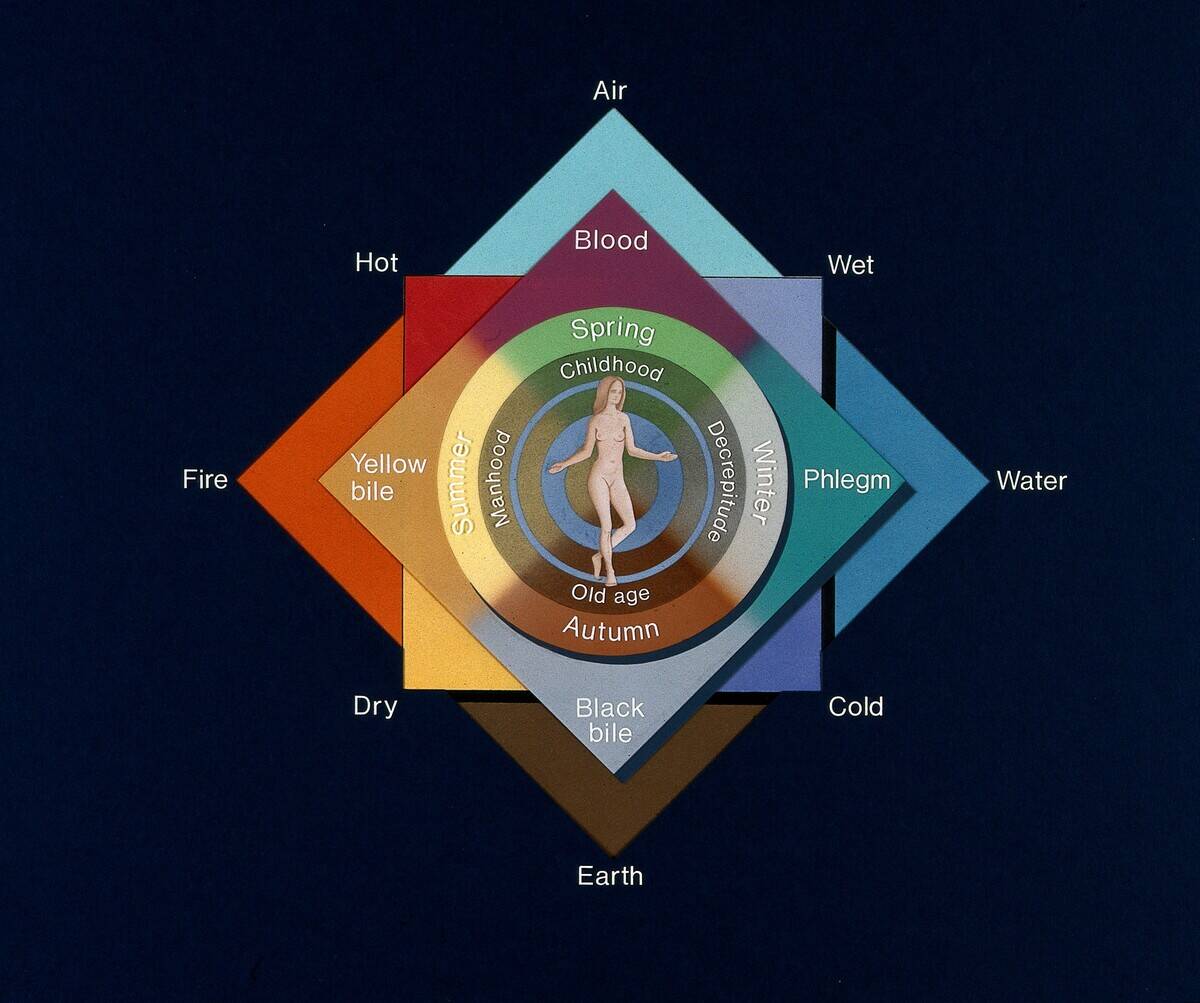
The theory of the four humors, proposed by Hippocrates, suggested that human health depended on the balance of four bodily fluids: blood, phlegm, black bile, and yellow bile. This belief influenced medical practice for over a millennium, dictating treatments like bloodletting and dietary changes.
However, as scientific understanding grew, the humor theory was debunked, replaced by more accurate models of human biology. It’s fascinating to see how this ancient concept shaped early medicine.
Spontaneous Generation: Life from Non-Life
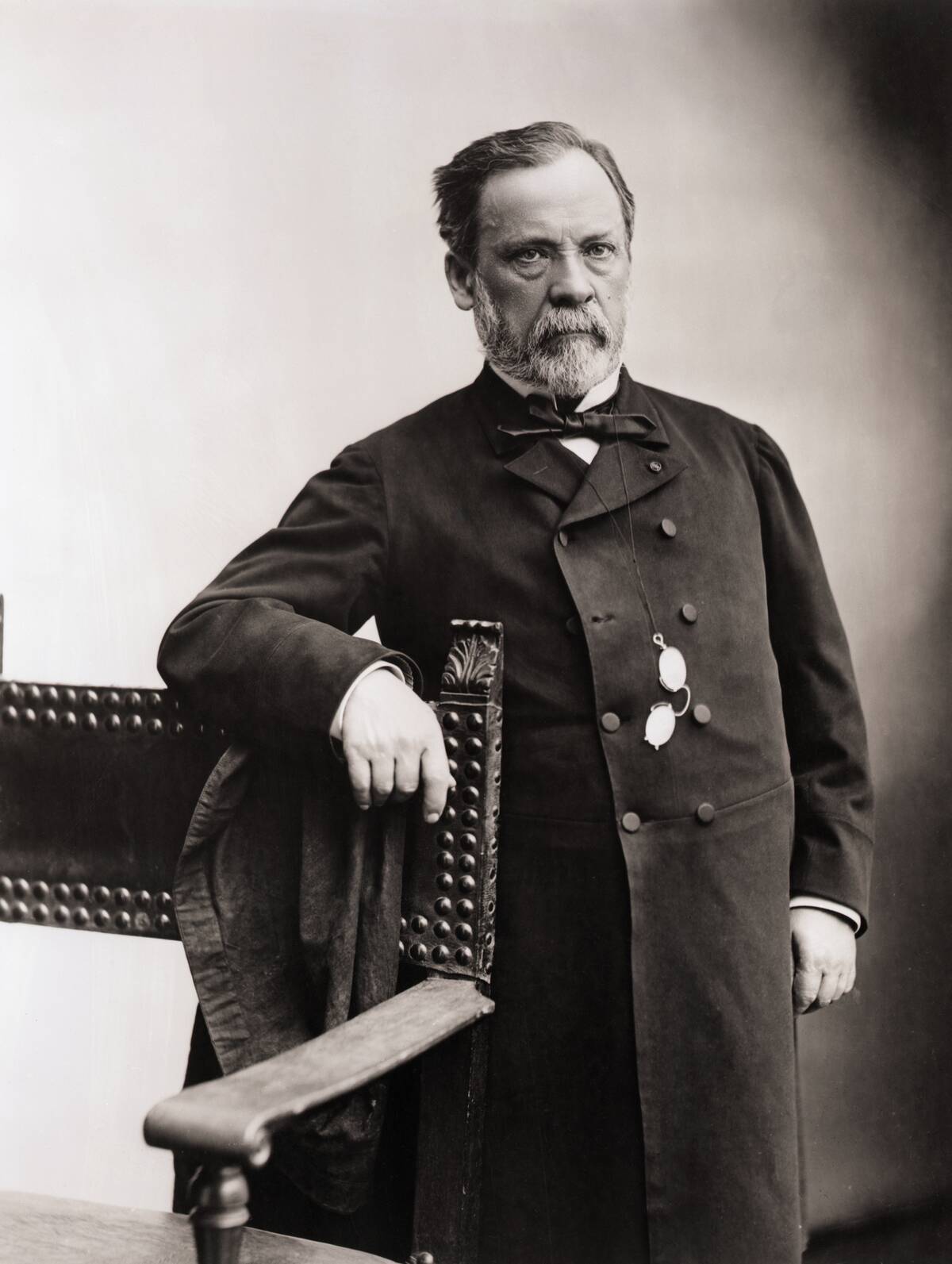
The idea of spontaneous generation, the belief that life could arise from non-living matter, was widely accepted until the 19th century. Experiments by scientists like Louis Pasteur, who demonstrated that microorganisms come from other microorganisms, helped disprove this theory.
Pasteur’s work laid the foundation for germ theory, revolutionizing our understanding of biology and disease. The demise of spontaneous generation marked a significant step forward in the scientific method and experimental inquiry.
The Phlogiston Theory: The Misunderstood Element of Fire
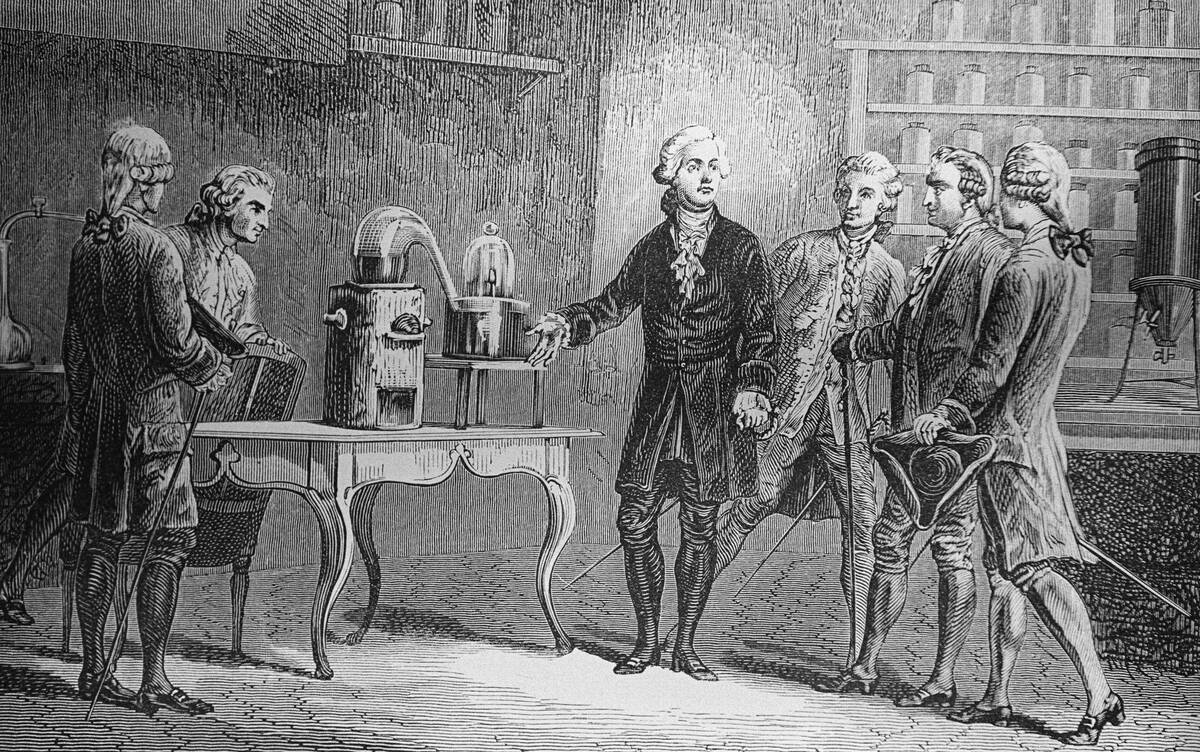
Phlogiston theory posited that a fire-like element, phlogiston, was released during combustion. This idea dominated chemistry until the late 18th century when Antoine Lavoisier’s experiments revealed the role of oxygen in combustion.
Lavoisier’s work not only debunked phlogiston theory but also laid the groundwork for modern chemistry. The transition from phlogiston to oxygen marked a pivotal moment in scientific history, showcasing the importance of empirical evidence in shaping our understanding of the natural world.
Miasma Theory: Bad Air and Disease
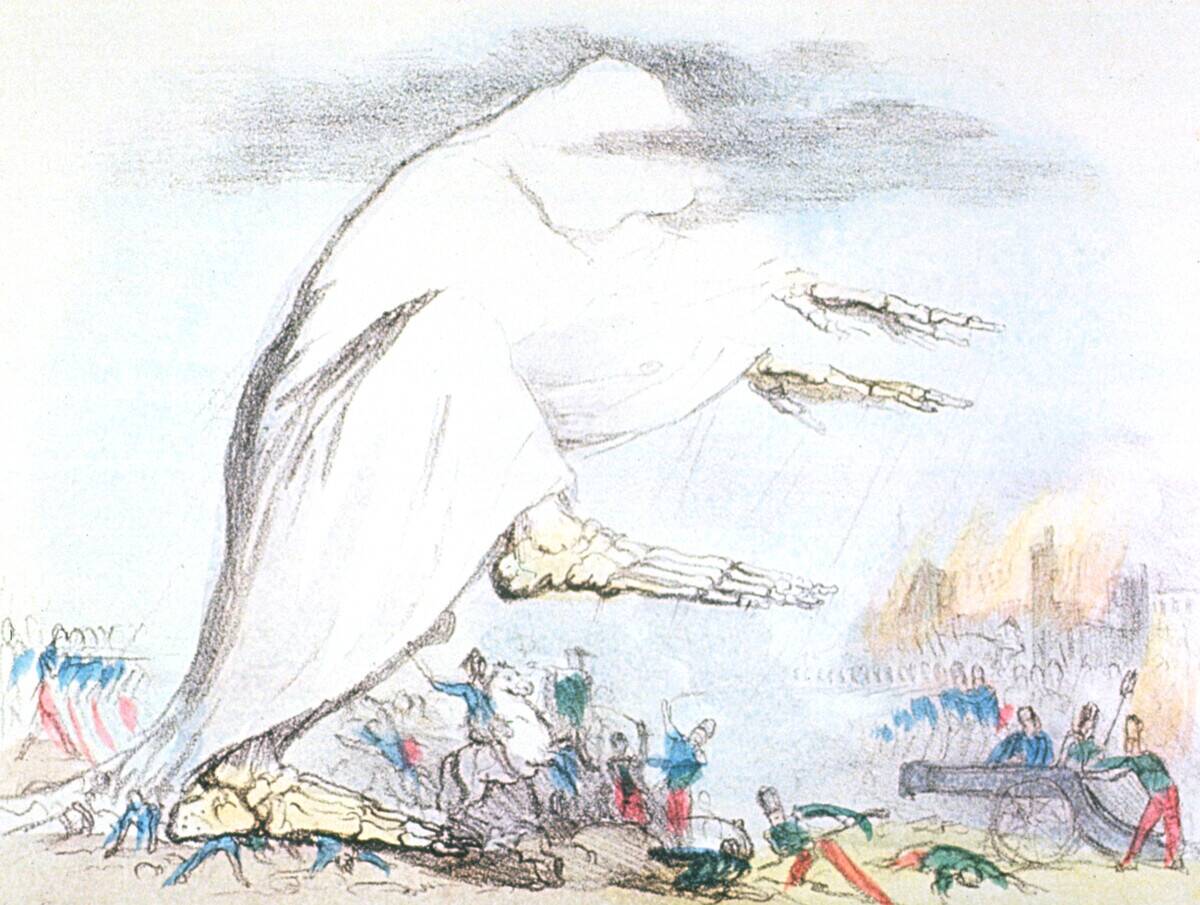
Before the discovery of germs, miasma theory suggested that diseases were caused by ‘bad air’ emanating from decomposing matter. This belief led to public health measures like improved sanitation, which inadvertently reduced disease spread.
However, it wasn’t until the work of scientists like John Snow and Louis Pasteur that germ theory replaced miasma theory, providing a more accurate explanation for disease transmission. This shift revolutionized medicine and public health, leading to more effective disease prevention strategies.
The Immovable Continents: Before Plate Tectonics
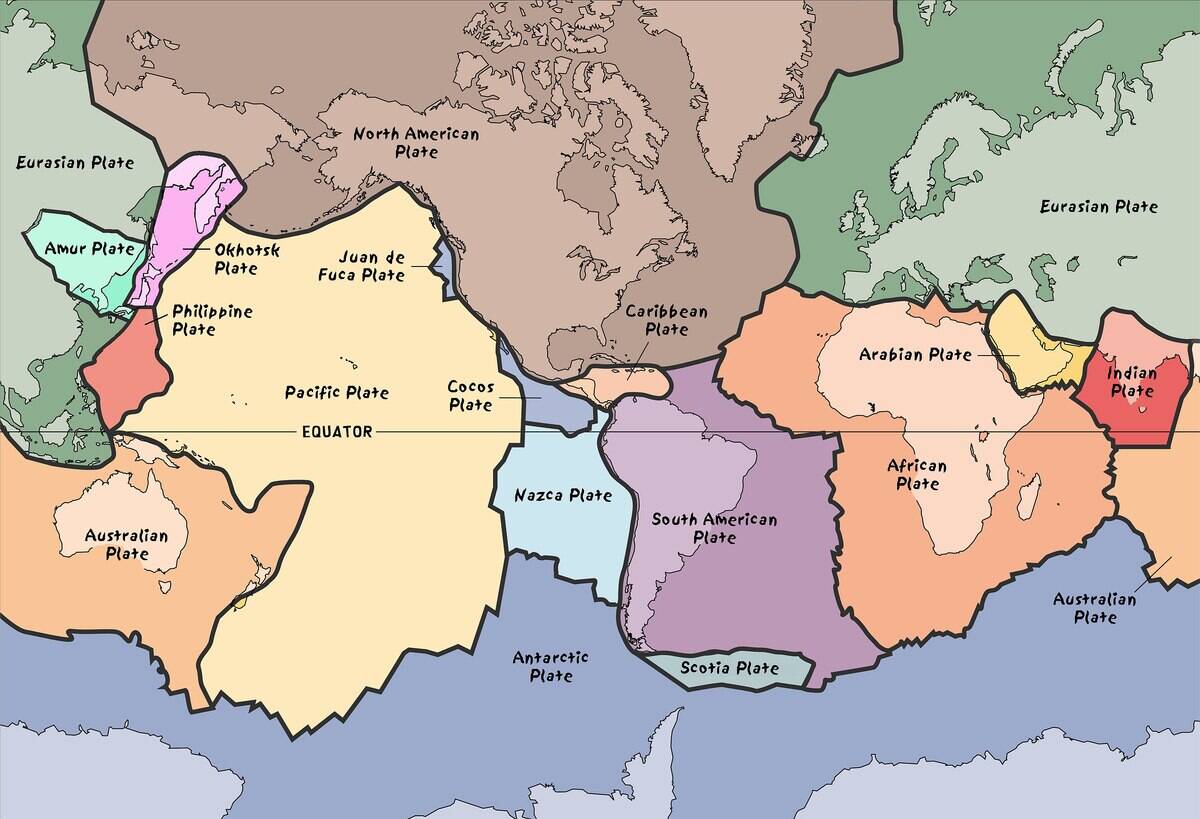
Before the theory of plate tectonics, the idea that continents were immovable was widely accepted. It wasn’t until the mid-20th century that evidence for continental drift and seafloor spreading led to the development of plate tectonics.
This theory revolutionized geology, explaining phenomena like earthquakes and mountain formation. The acceptance of plate tectonics marked a major advancement in our understanding of Earth’s dynamic nature, transforming how we study and interpret geological processes.
The Salem Witch Trials: A Case of Mass Hysteria
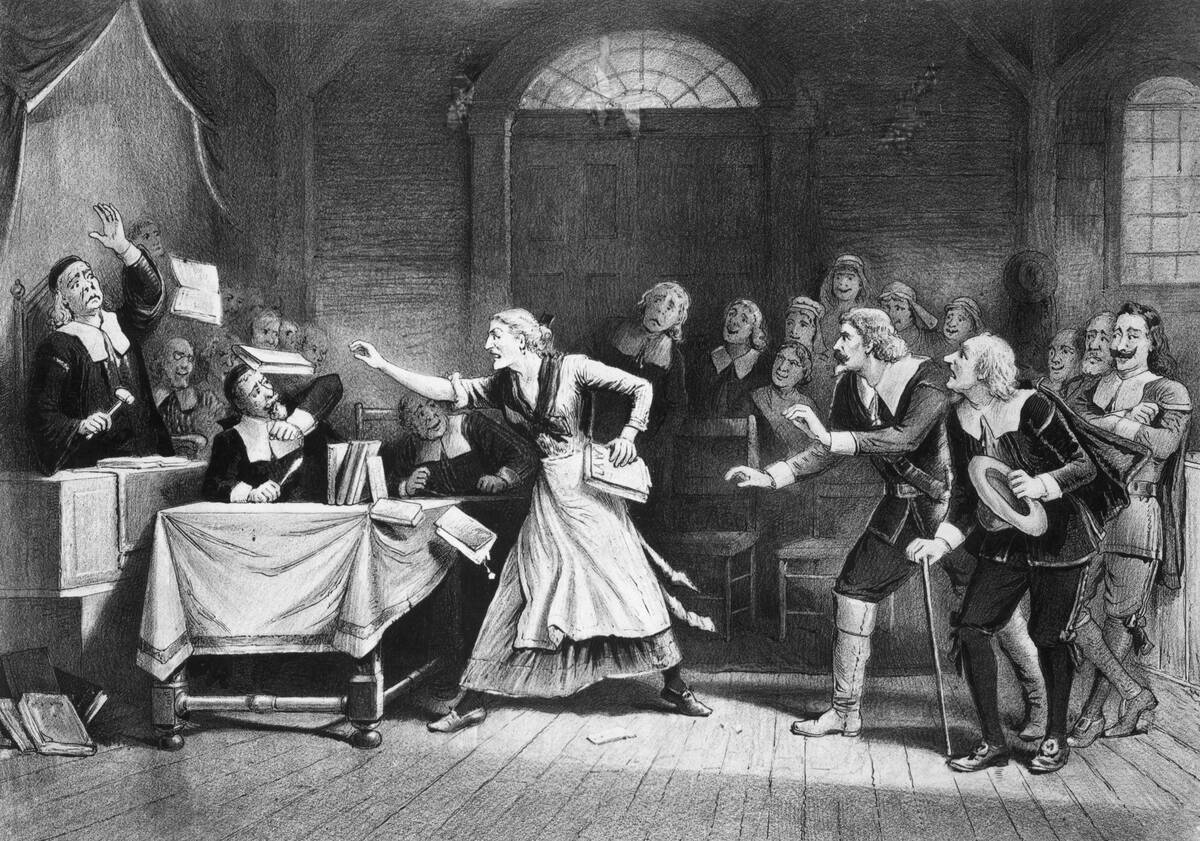
The Salem witch trials of 1692 were a notorious example of mass hysteria, where fear and superstition led to the execution of 20 individuals accused of witchcraft. The trials were fueled by a combination of religious fervor, social tensions, and personal vendettas.
Today, they serve as a cautionary tale about the dangers of scapegoating and the importance of due process. The Salem witch trials remain a poignant reminder of how fear can override reason and justice.
The Myth of the Brontosaurus: A Dinosaur Misidentification
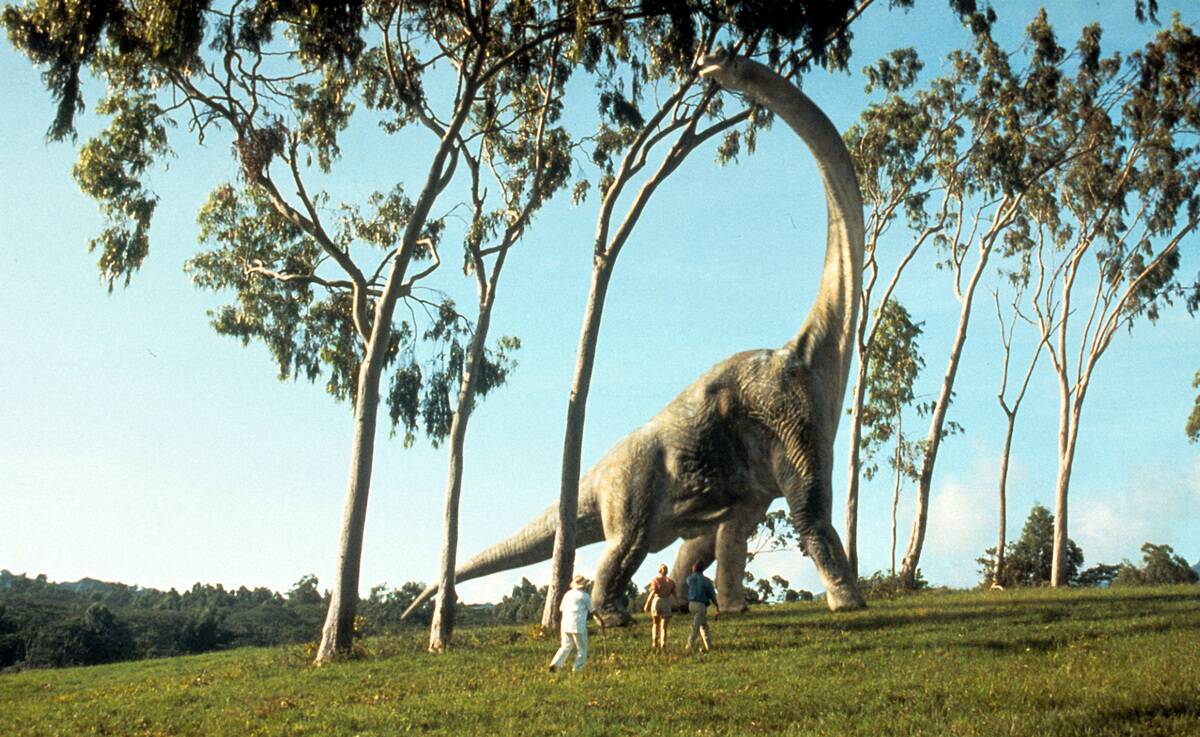
For decades, the Brontosaurus was a beloved dinosaur, until it was revealed to be a misidentified Apatosaurus skeleton. This mix-up occurred in the late 19th century during the ‘Bone Wars,’ a period of intense fossil discovery and competition.
In 2015, a study suggested that Brontosaurus might be a valid genus after all, reigniting debate among paleontologists. This case highlights the evolving nature of scientific classification and the excitement of ongoing discoveries in paleontology.
The Great Wall of China: Visible from Space?

The belief that the Great Wall of China is visible from space is a popular myth. While it’s an impressive structure, the wall is not discernible to the naked eye from low Earth orbit.
Astronauts have confirmed that it’s challenging to see without aid, as it blends with its surroundings. This myth persists as a testament to the wall’s grandeur, but it also serves as a reminder of the limits of human perception from space.
The Flat Earth Map: Misleading Cartography
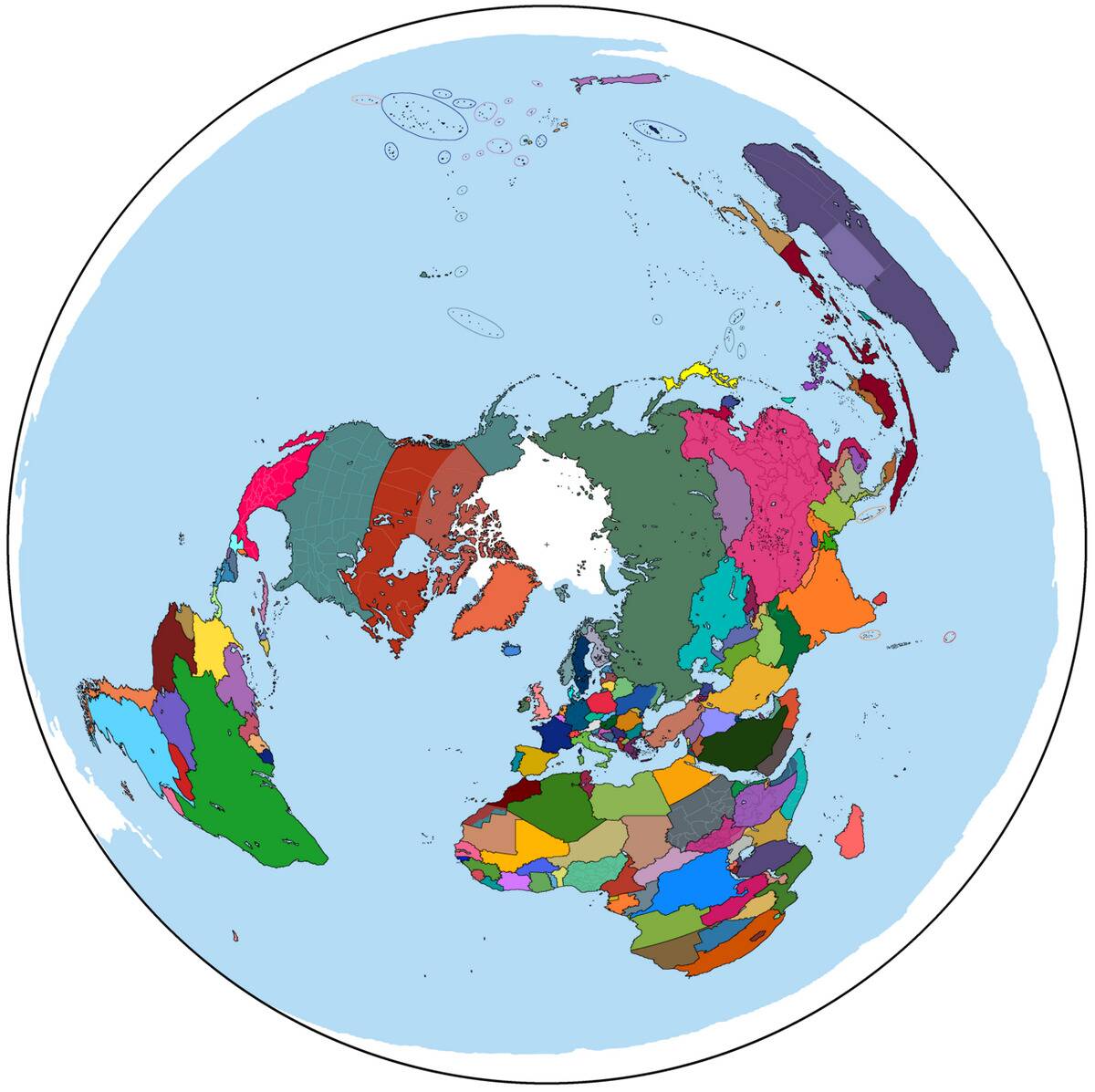
Flat Earth maps, like the famous Mercator projection, have been criticized for distorting the true size and shape of continents. While useful for navigation, these maps exaggerate the size of regions like Europe and North America.
Modern cartography offers more accurate representations, such as the Peters projection, which aims to present landmasses in proportion. The evolution of mapmaking reflects our growing understanding of Earth’s geography and the importance of accurate visual representations.
The Dangers of Tomatoes: The Poisonous Perception

Tomatoes were once feared as poisonous, partly due to their relation to the nightshade family. This misconception was fueled by the fruit’s acidic nature, which could leach lead from pewter plates, causing illness.
As culinary practices evolved and understanding improved, tomatoes became a staple in cuisines worldwide. The tomato’s journey from feared fruit to beloved ingredient highlights the shifts in food safety perceptions and the role of science in dispelling culinary myths.
The Myth of the Left-Brained or Right-Brained Person
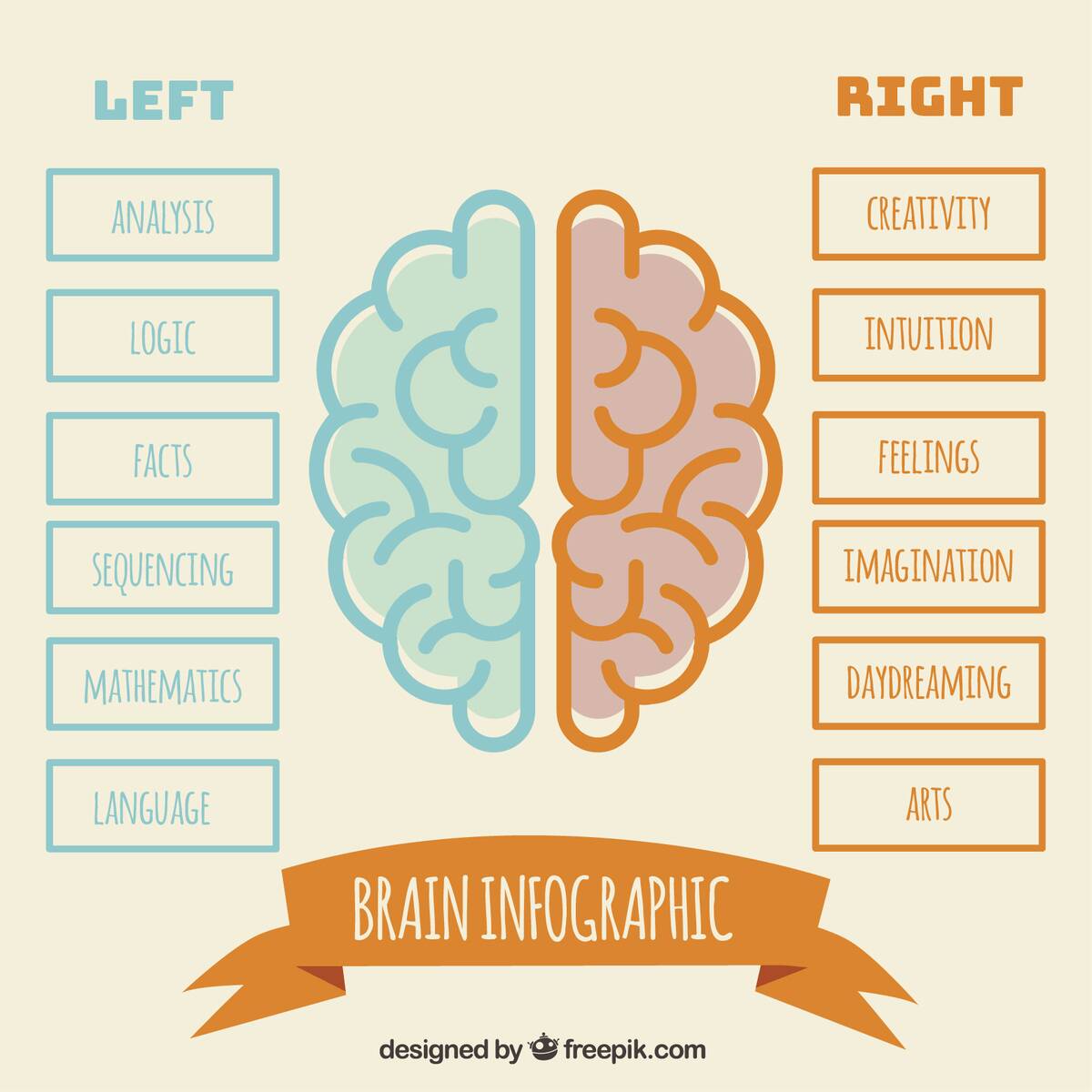
The idea that people are either left-brained (analytical) or right-brained (creative) is a myth. While certain brain functions are lateralized, both hemispheres work together for most tasks. This oversimplification gained popularity in the 20th century but lacks scientific support.
Modern neuroscience shows that creativity and logic involve complex networks across the brain. Understanding this debunks the myth and emphasizes the brain’s incredible interconnectedness, encouraging a more nuanced view of human cognition.
The Piltdown Man: A Paleontological Hoax
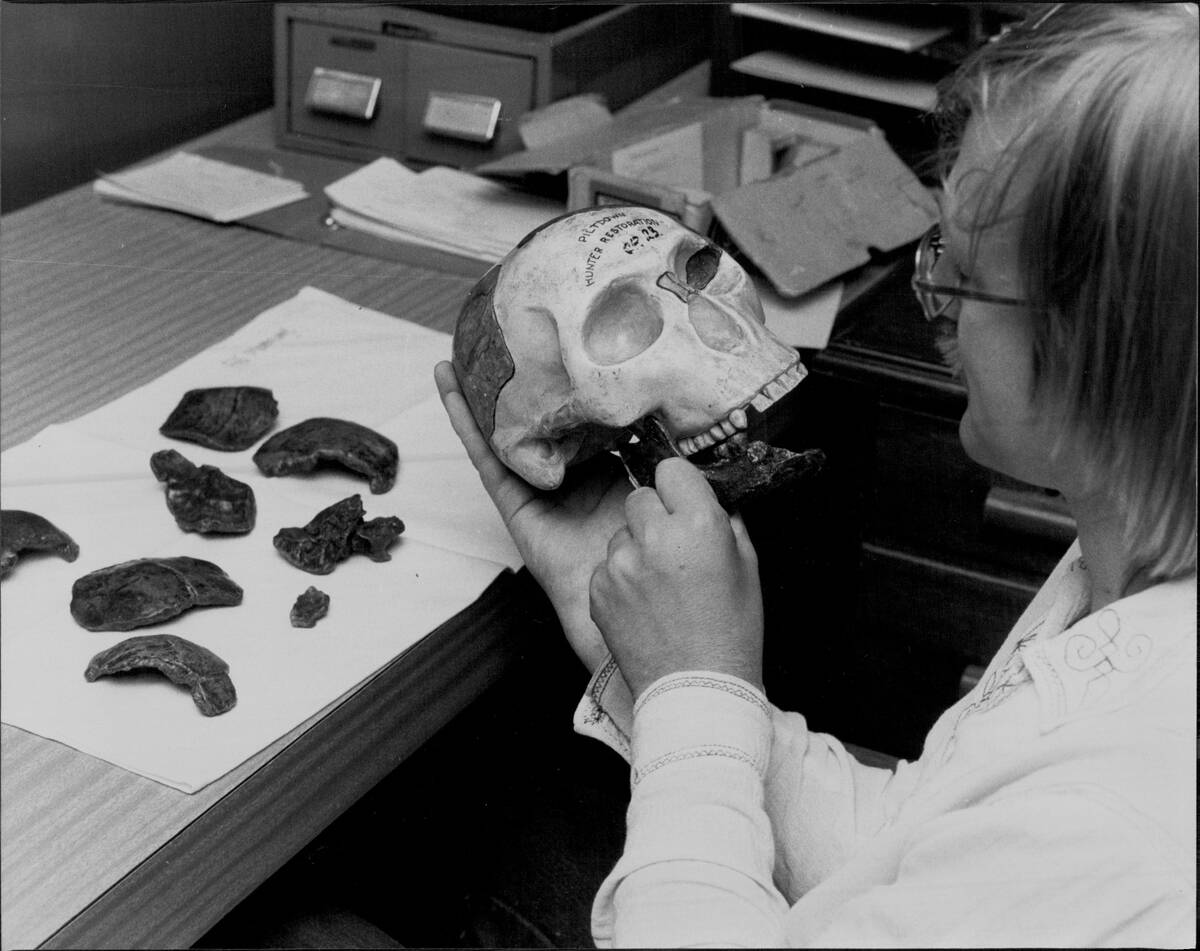
The Piltdown Man, discovered in 1912, was hailed as the ‘missing link’ between apes and humans. However, it was later revealed to be a hoax, combining human and orangutan remains. This deception misled the scientific community for decades, highlighting the importance of skepticism and rigorous verification in research.
The Piltdown Man remains one of history’s most infamous scientific frauds, reminding us of the need for critical evaluation and the self-correcting nature of science.
The Myth of the Five-Second Rule: Food Safety Fiction

The five-second rule suggests that food dropped on the floor is safe to eat if picked up quickly. However, research shows that bacteria can transfer to food almost instantly. Factors like surface type and moisture level play a more significant role in contamination.
While the rule is a fun excuse to salvage snacks, it’s not a reliable food safety guideline. Understanding the science behind bacterial transfer encourages better hygiene practices and debunks this popular myth.