From Madonna to Kanye, these popular songs caused major controversy
Music has the incredible power to evoke emotions, tell stories, and even stir up controversy. Throughout history, artists have used their music to challenge societal norms and provoke thought.
Whether it’s through lyrics, visuals, or performances, controversial music often sparks important conversations about culture, politics, and identity. As we delve into some of the most provocative songs in recent history, we’ll explore how these tracks have left a lasting impact on both fans and critics alike.
Madonna’s “Like a Prayer” — Blurring the Lines Between Faith and Pop Culture
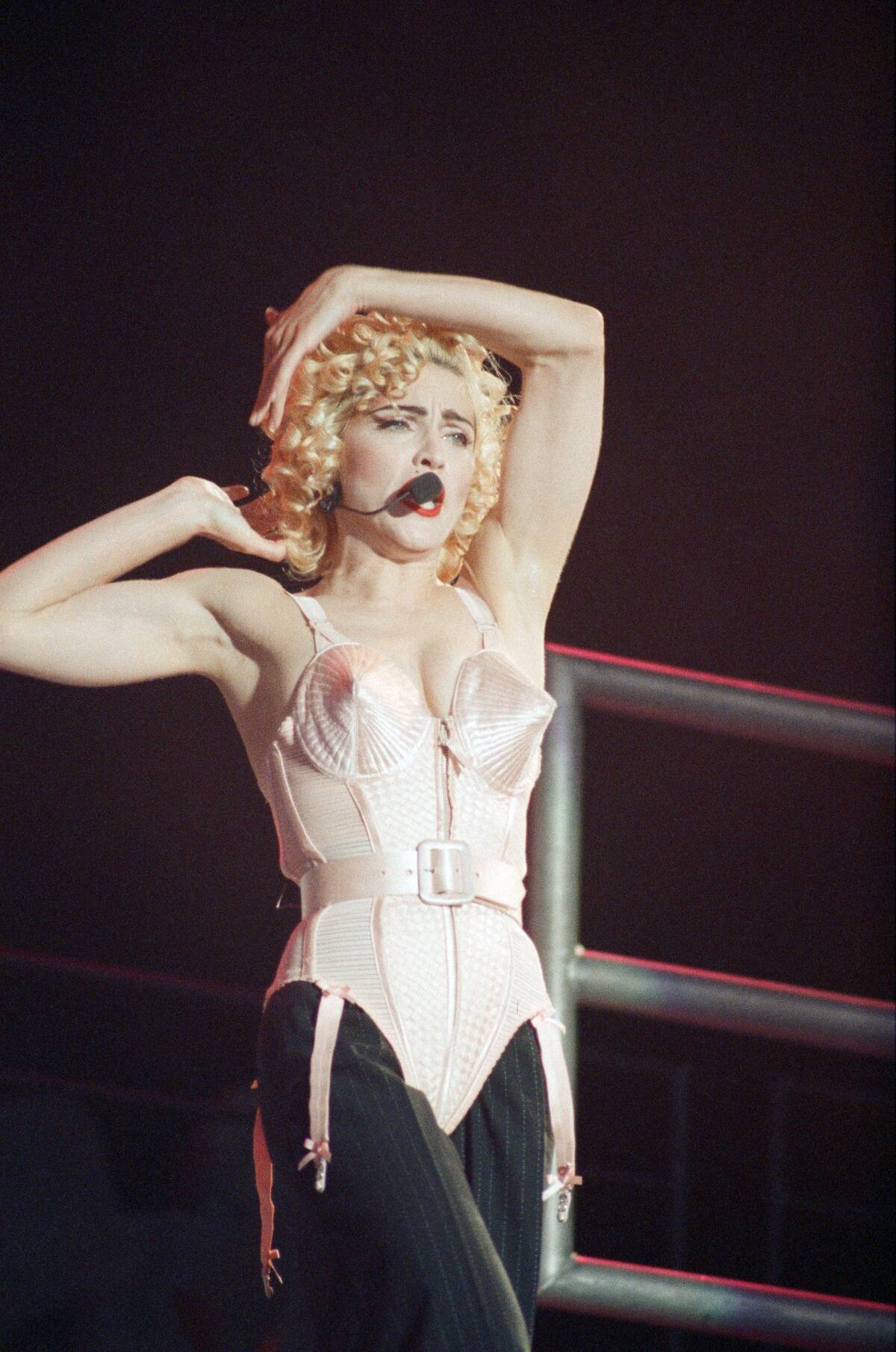
Madonna’s 1989 hit “Like a Prayer” is a prime example of music that blurred the lines between faith and pop culture. The song’s music video, which featured religious imagery and themes, sparked outrage among religious groups and even led to a temporary ban by the Vatican.
Despite the controversy, “Like a Prayer” became a commercial success and is considered one of Madonna’s signature songs, showcasing her ability to push boundaries and challenge societal norms.
Marilyn Manson’s “The Beautiful People” — Shock Rock and Societal Critique
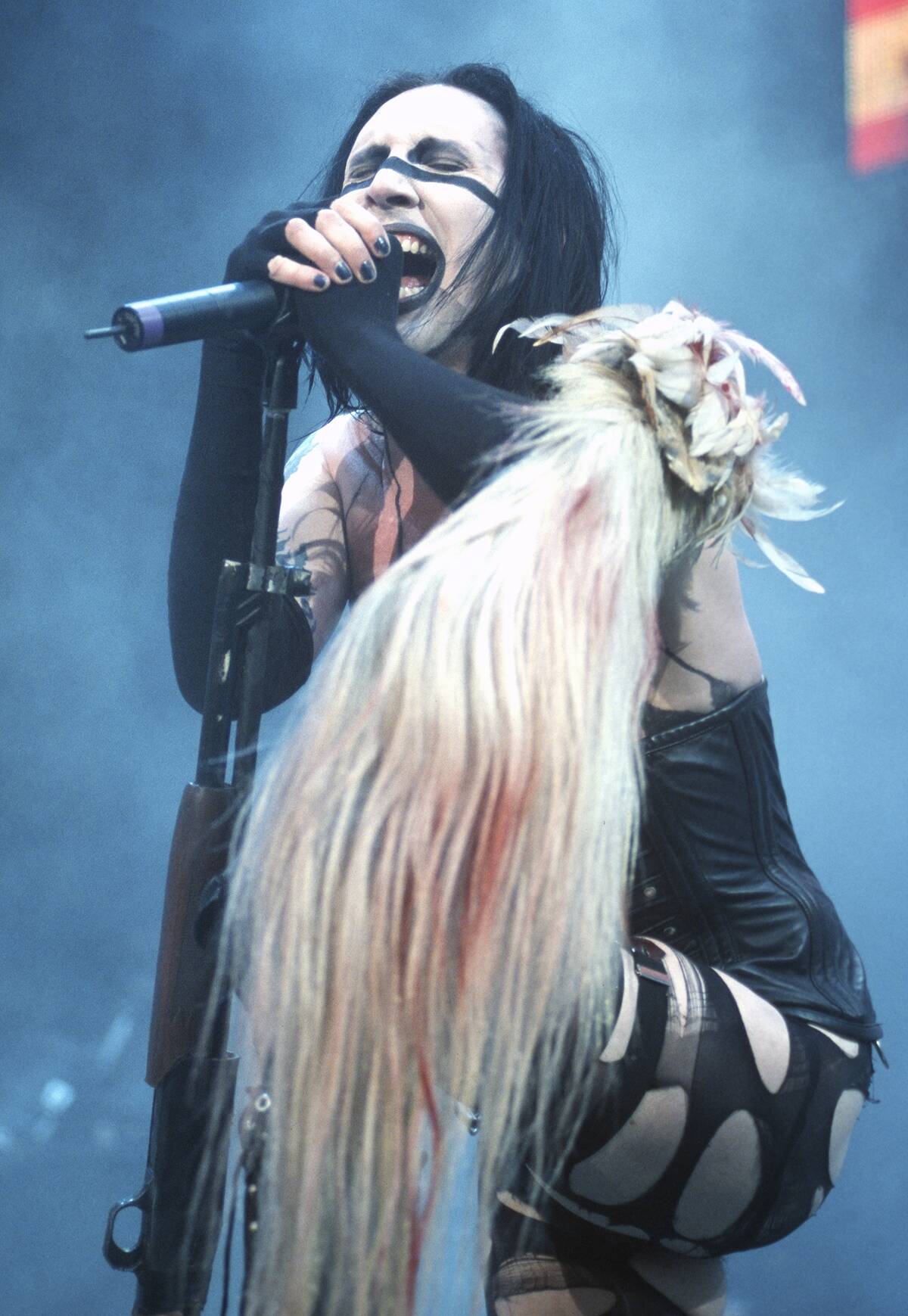
Marilyn Manson’s “The Beautiful People” is a quintessential example of shock rock, combining aggressive sounds with provocative themes. Released in 1996, the song critiques societal obsession with beauty and conformity.
Manson’s theatrical performances and controversial image only added to the song’s impact, making it a staple of the alternative music scene. Despite—or perhaps because of—its polarizing nature, “The Beautiful People” remains a powerful commentary on societal values.
Eminem’s “Stan” — The Fine Line Between Art and Reality
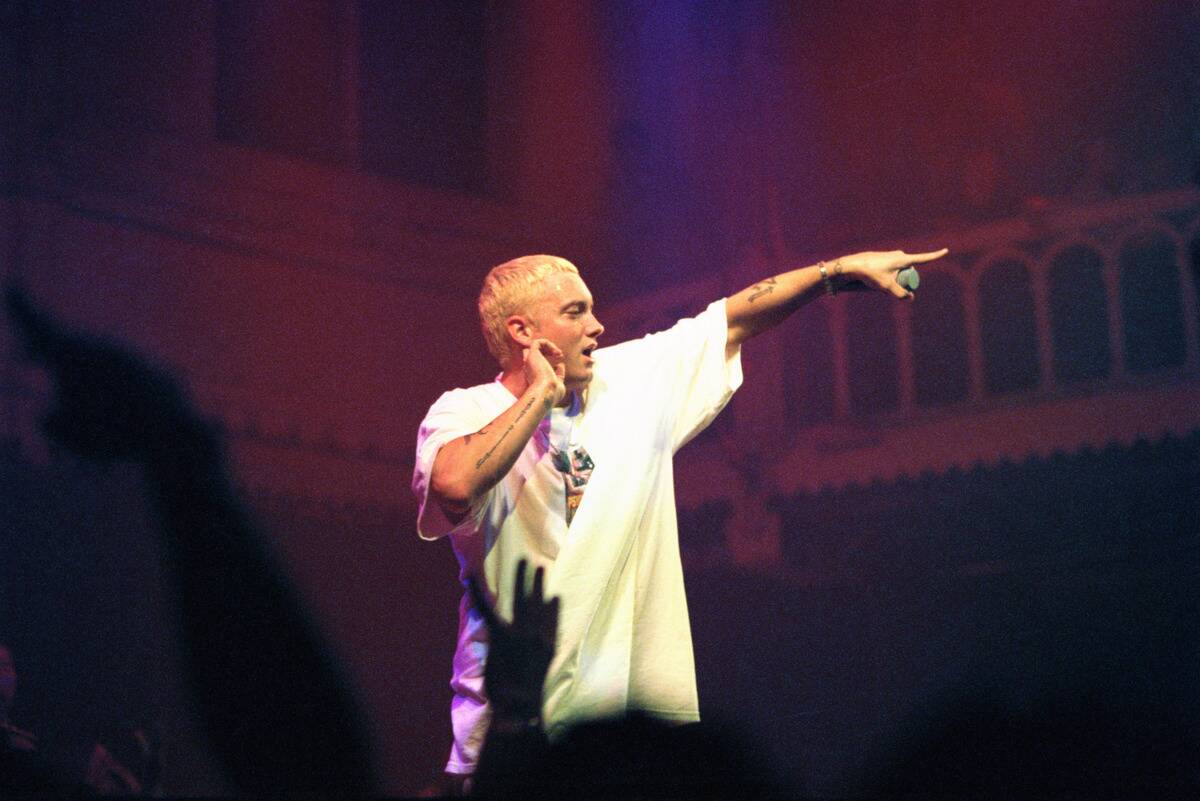
Eminem’s “Stan” tells the haunting tale of an obsessed fan, blurring the line between art and reality. Released in 2000, the song’s narrative explores themes of fandom, mental health, and the impact of celebrity culture.
Featuring a sample from Dido’s “Thank You,” “Stan” received critical acclaim for its storytelling and lyrical depth. The track’s influence is so profound that “stan” has entered the lexicon as a term for overly zealous fans, highlighting its cultural significance.
Lady Gaga’s “Judas” — Provocative Imagery and Religious Backlash
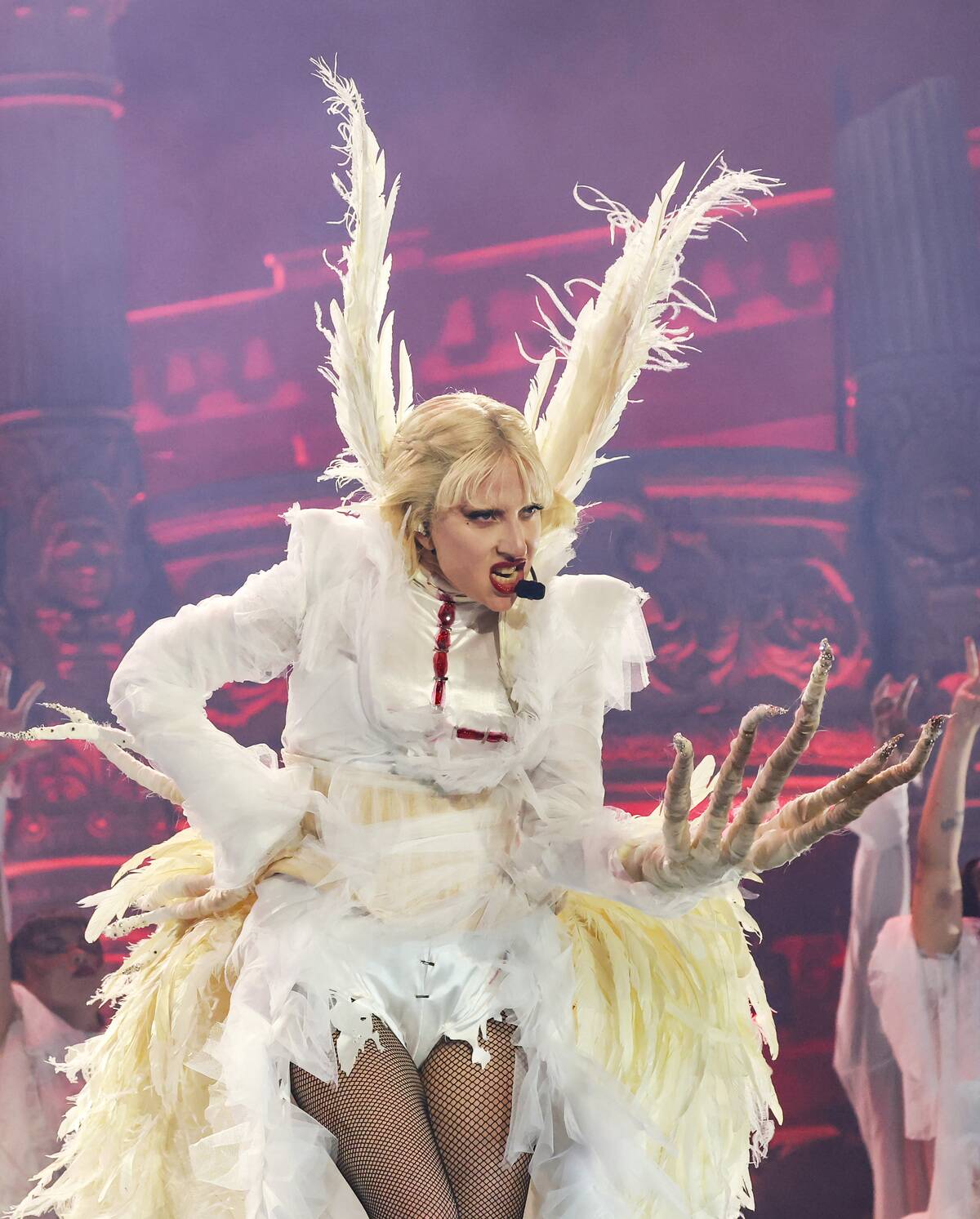
Lady Gaga’s “Judas” stirred controversy with its provocative imagery and religious themes. Released in 2011, the song and its accompanying video depict Gaga as a modern-day Mary Magdalene, sparking backlash from religious groups.
Despite the uproar, “Judas” was praised for its bold artistic vision and catchy hooks. Gaga’s willingness to tackle taboo subjects through her music solidified her reputation as a fearless and innovative artist, unafraid to challenge societal conventions.
Rage Against the Machine’s “Killing in the Name” — A Rallying Cry Against Oppression
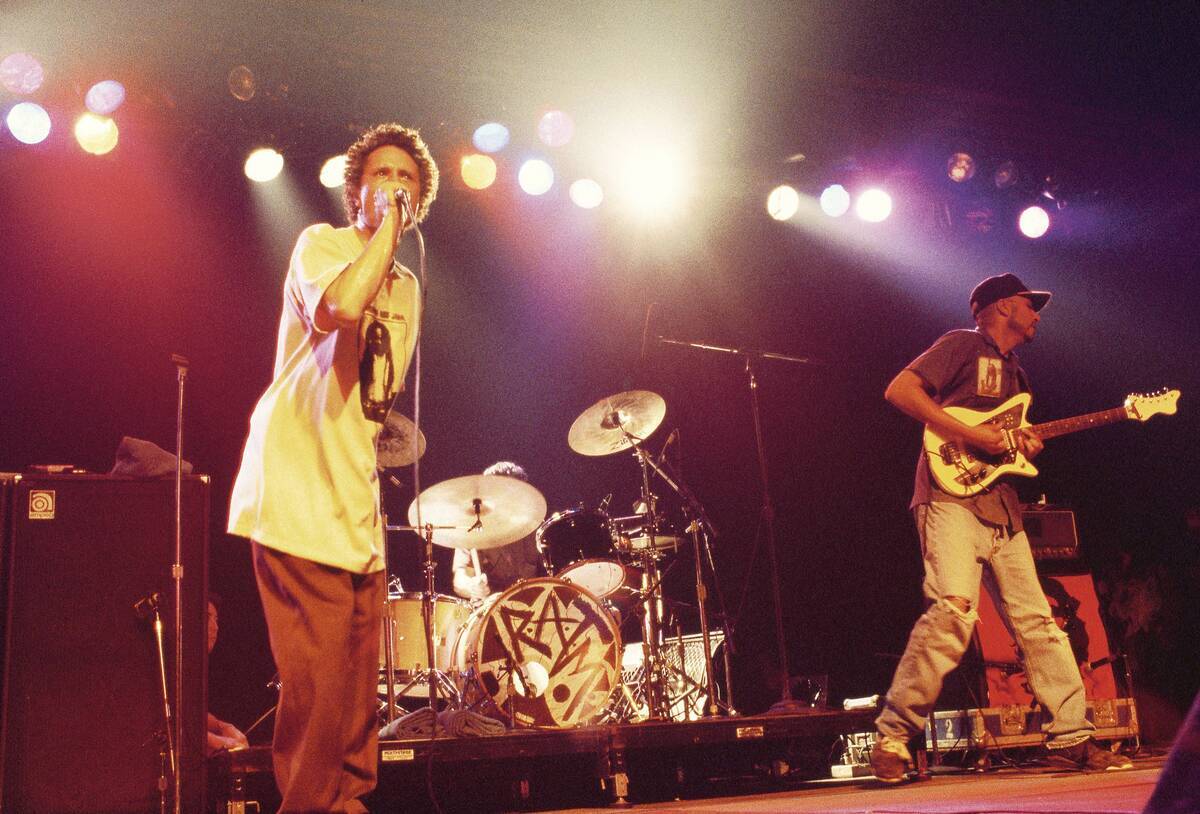
Rage Against the Machine’s “Killing in the Name” is a powerful anthem against oppression and systemic injustice. Released in 1992, the song’s incendiary lyrics and aggressive sound captured the frustration of a generation.
The track’s repeated refrain, “F**k you, I won’t do what you tell me,” became a rallying cry for those resisting authority. Despite initial controversy and censorship, the song remains a staple of protest music, inspiring countless activists and movements worldwide.
Sinead O’Connor’s “Nothing Compares 2 U” — The Performance That Stunned the World
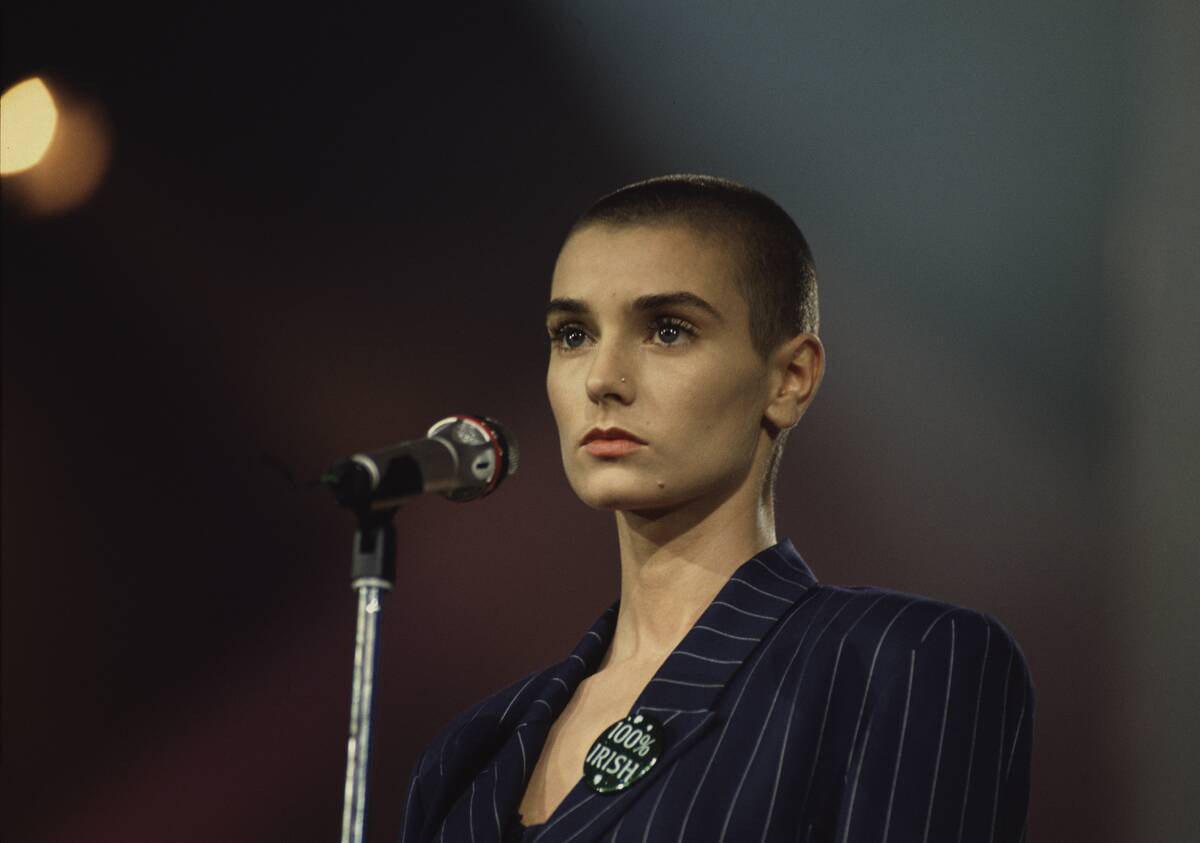
Sinead O’Connor’s rendition of “Nothing Compares 2 U” is renowned for its emotional depth and powerful delivery. Released in 1990, the song became a global hit, but it was O’Connor’s performance on “Saturday Night Live” in 1992 that truly shocked the world.
Tearing up a photo of Pope John Paul II, she protested against abuse within the Catholic Church. The act drew widespread criticism and affected her career, yet it underscored the power of music as a platform for protest.
Miley Cyrus’ “Wrecking Ball” — Reinvention and Public Perception

Miley Cyrus’ “Wrecking Ball” marked a significant shift in her career, showcasing her reinvention from a Disney star to a provocative pop icon. Released in 2013, the song’s emotional lyrics and striking music video, featuring Cyrus swinging naked on a wrecking ball, sparked debate about artistic expression and public perception.
While some criticized the video’s explicit nature, others praised Cyrus for her boldness and vulnerability. “Wrecking Ball” became a commercial success, cementing her status as a pop culture phenomenon.
Nicki Minaj’s “Anaconda” — Empowerment or Objectification?
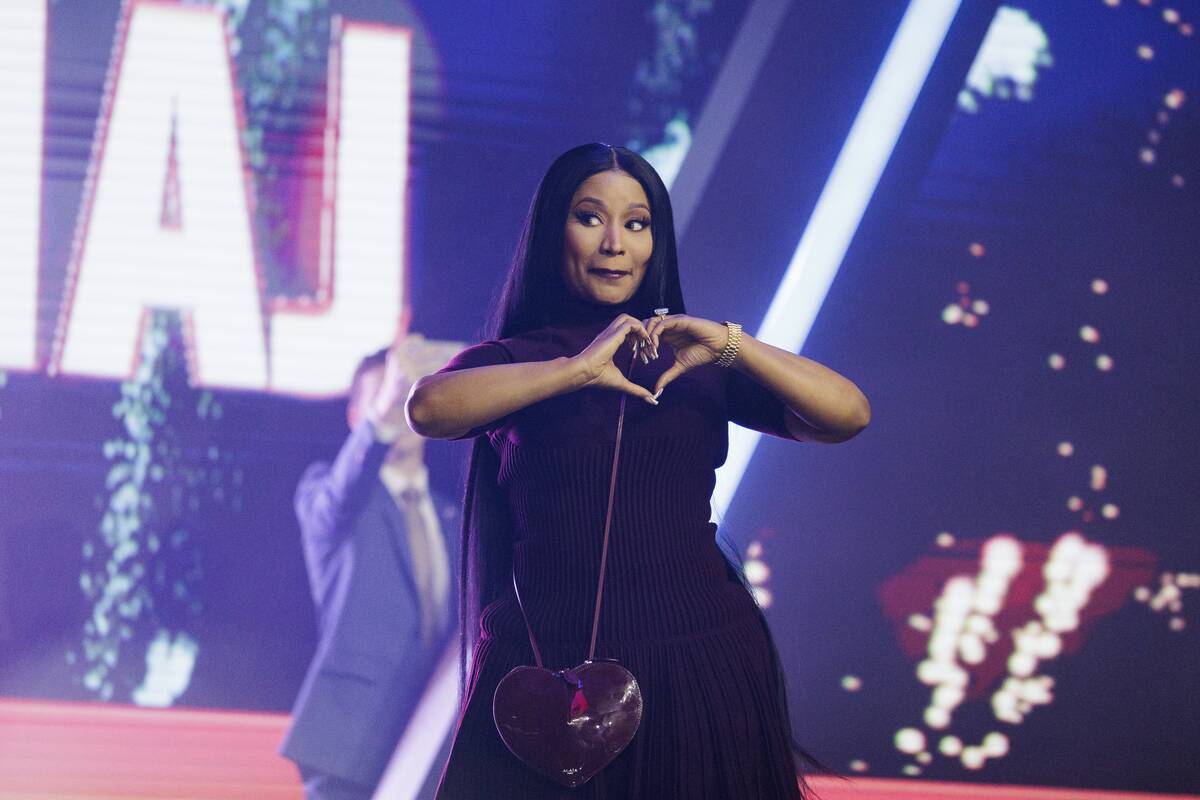
Nicki Minaj’s “Anaconda” ignited discussions about female empowerment and objectification upon its release in 2014. The song, with its infectious beat and provocative lyrics, samples Sir Mix-a-Lot’s “Baby Got Back.”
The music video, featuring bold choreography and imagery, further fueled debate. While some viewed it as empowering, others criticized it for perpetuating stereotypes. Regardless, “Anaconda” became a cultural phenomenon, highlighting the complexities of modern feminism in music.
Ice-T’s “Cop Killer” — Music as a Form of Protest
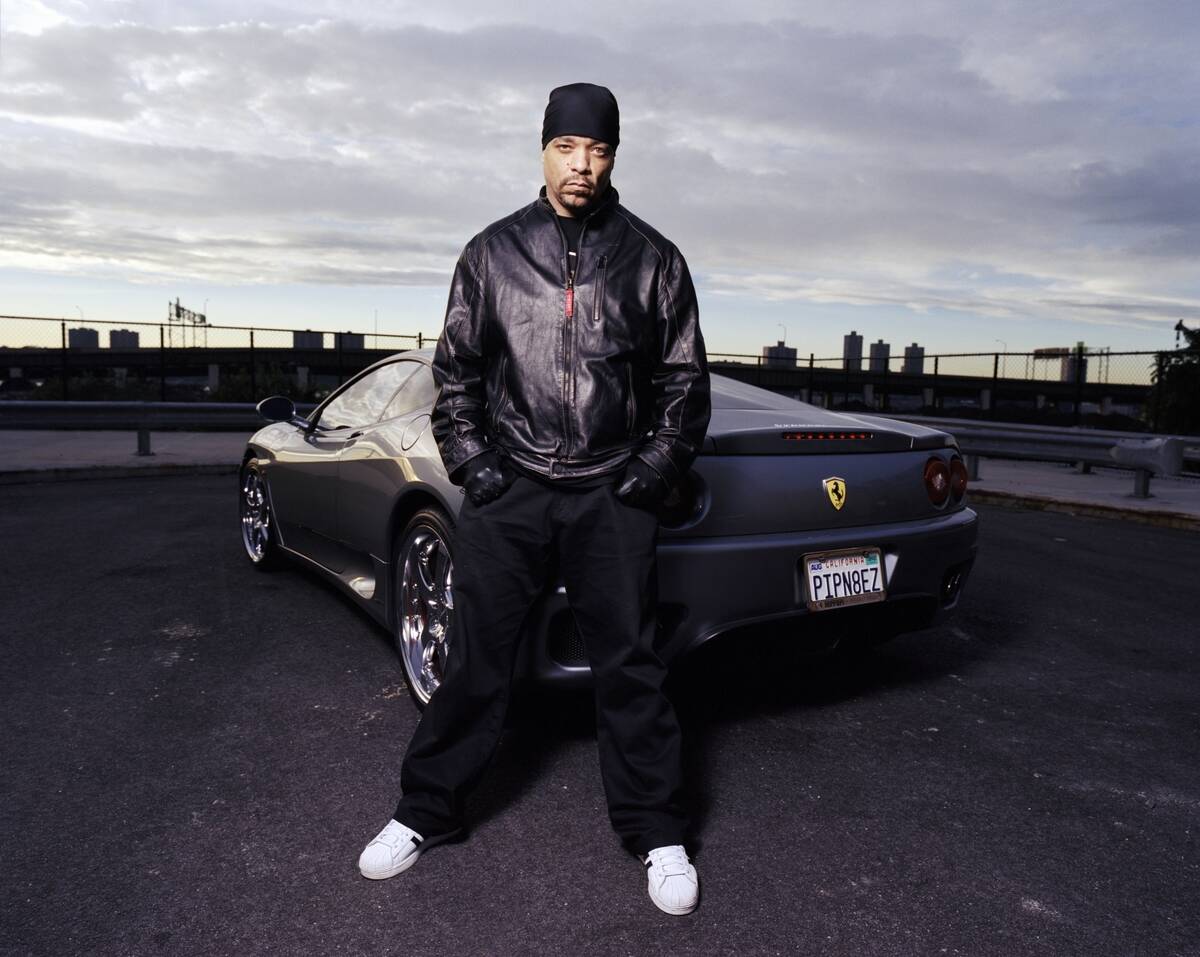
Ice-T’s “Cop Killer,” performed with his band Body Count, became one of the most controversial songs of the early ’90s. Released in 1992, it expressed anger and frustration over police brutality and systemic racism.
The track faced intense backlash from law enforcement and politicians, leading to protests and calls for censorship. Despite being removed from the album, “Cop Killer” sparked important conversations about freedom of expression and the role of music in social and political discourse.
Beyoncé’s “Formation” — A Celebration of Identity and a Call to Action

Beyoncé’s “Formation” is a powerful celebration of identity and a call to action. Released in 2016, the song and its visually striking music video address themes of race, heritage, and empowerment.
Beyoncé’s performance at the Super Bowl further amplified its impact, drawing both praise and criticism. “Formation” became an anthem for the Black Lives Matter movement, showcasing Beyoncé’s ability to use her platform to advocate for social justice and inspire change.
Cardi B’s “WAP” — Redefining Female Sexuality in Modern Music

Cardi B’s “WAP,” featuring Megan Thee Stallion, redefined female sexuality in modern music upon its release in 2020. The song’s explicit lyrics and unapologetic celebration of female desire sparked widespread debate.
Critics and fans alike discussed its impact on feminism. Despite (or perhaps because of) the controversy, “WAP” topped charts and became a cultural phenomenon, highlighting the evolving conversation around women’s autonomy and representation in the music industry.
Kanye West’s “Famous” — The Intersection of Art, Fame, and Privacy
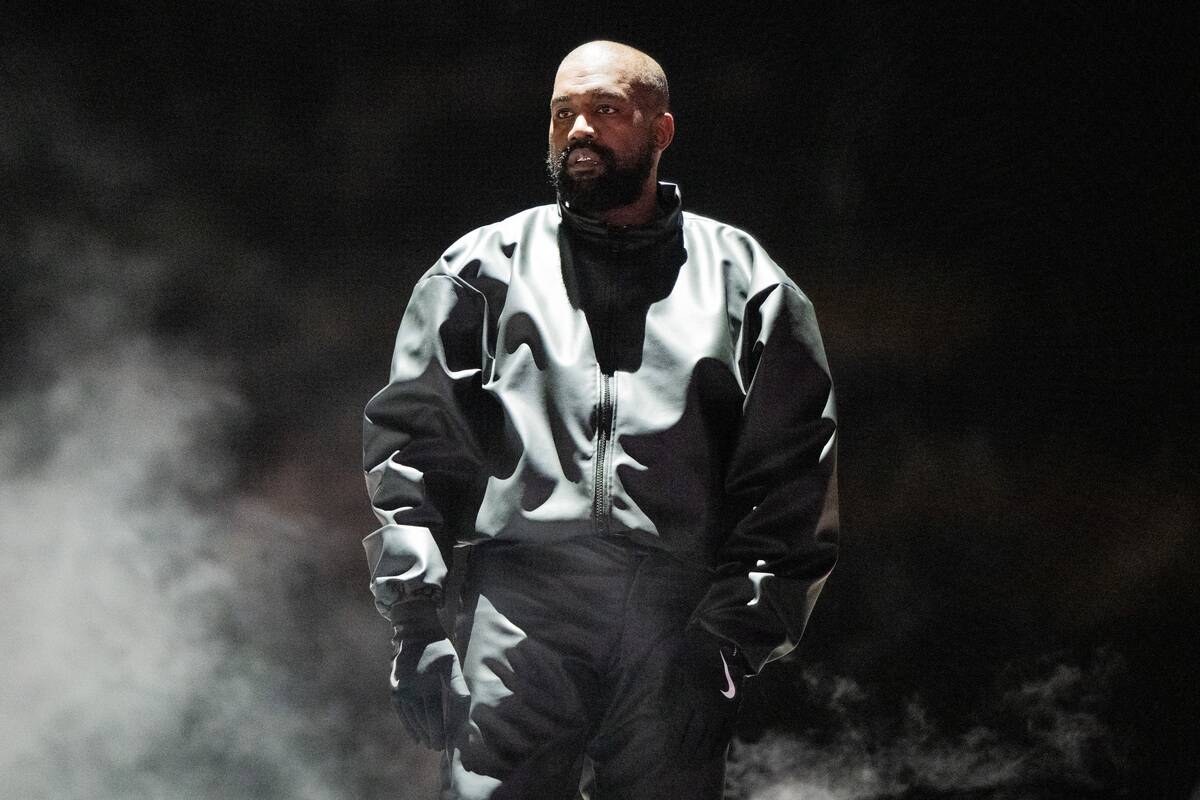
Kanye West’s “Famous” ignited controversy with its provocative lyrics and music video. Released in 2016, the song references several celebrities, including Taylor Swift, leading to public feuds and media frenzy.
The video, featuring wax figures of famous personalities, blurred the lines between art, fame, and privacy. While some praised West’s artistic vision, others criticized it as exploitative. “Famous” exemplifies West’s knack for pushing boundaries and sparking dialogue about the nature of celebrity culture.
Lil Nas X’s “Montero (Call Me By Your Name)” — Challenging Norms and Embracing Identity
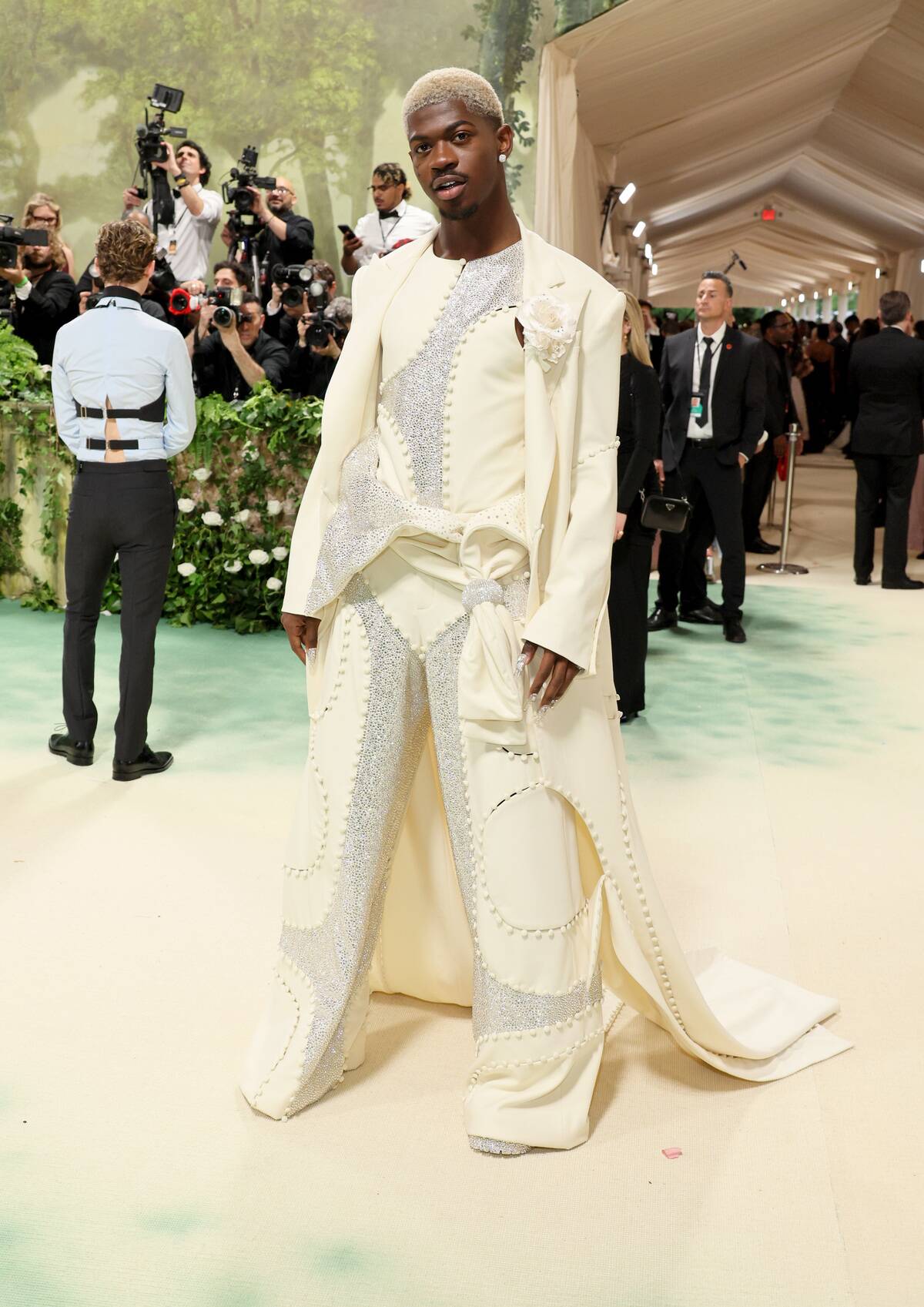
Lil Nas X’s “Montero (Call Me By Your Name)” challenged norms and embraced identity with its bold themes and visuals. Released in 2021, the song and its accompanying video explore themes of self-acceptance and queerness, featuring biblical and mythological imagery.
The video, particularly its depiction of Lil Nas X descending into hell, sparked both praise and backlash. Despite the controversy, “Montero” resonated with many for its unapologetic celebration of individuality and LGBTQ+ pride.




