16 Unusual ways homes were cleaned in the past
Housekeeping has evolved significantly over the centuries, with each era contributing its own unique solutions to the challenges of maintaining a clean home. From ancient remedies to modern innovations, the history of cleaning is a fascinating journey through time.
As we explore these historical cleaning methods, you’ll discover the ingenuity and resourcefulness of past generations who relied on natural materials and clever techniques to keep their homes spotless.
The Ancient Art of Ashes: Using Wood Ash for Cleaning
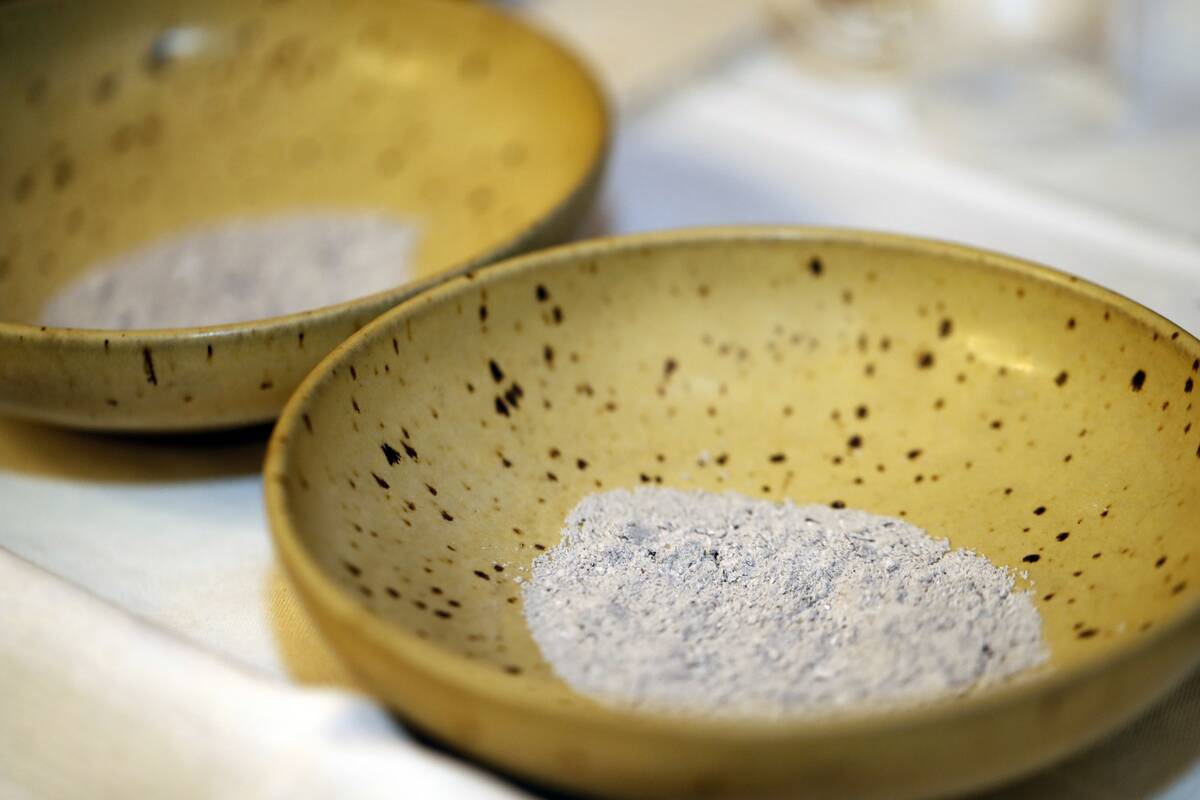
Wood ash, a byproduct of burning wood, was a versatile cleaning agent in ancient times. Its alkaline properties made it effective for removing grease and stains. People would mix ash with a bit of water to create a paste, which could be used to scrub pots and pans.
This method was not only economical but also sustainable, as it utilized waste material from heating and cooking fires.
Vinegar: The Timeless Elixir of Cleanliness
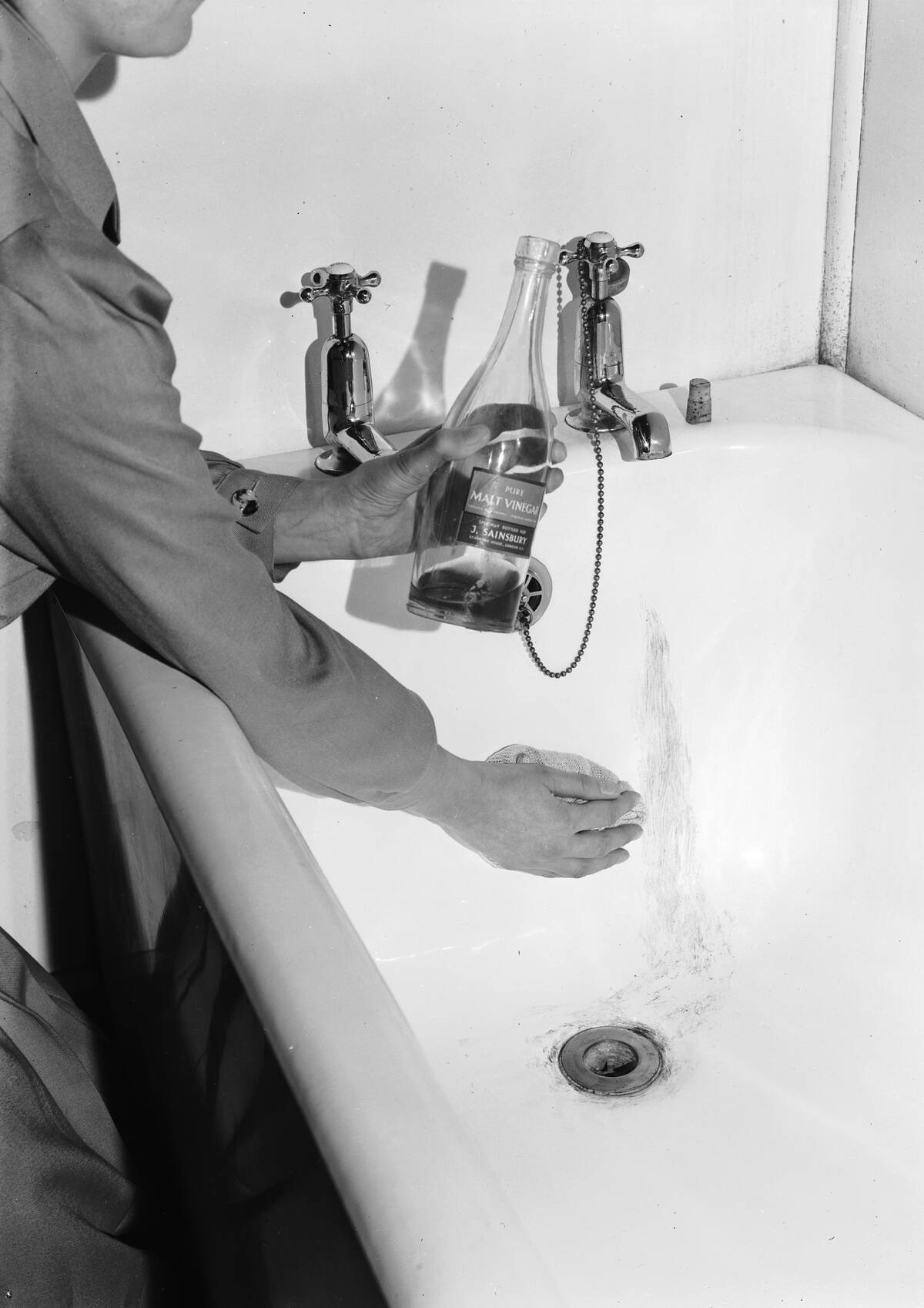
Vinegar has been a staple in cleaning for centuries, thanks to its acidic nature, which helps dissolve mineral deposits and cut through grime.
The ancient Romans were known to use vinegar for cleaning purposes, and its popularity has endured through the ages. Today, vinegar remains a go-to solution for those seeking a natural and effective cleaner for windows, countertops, and more.
Baking Soda: A 19th Century Miracle Cleaner
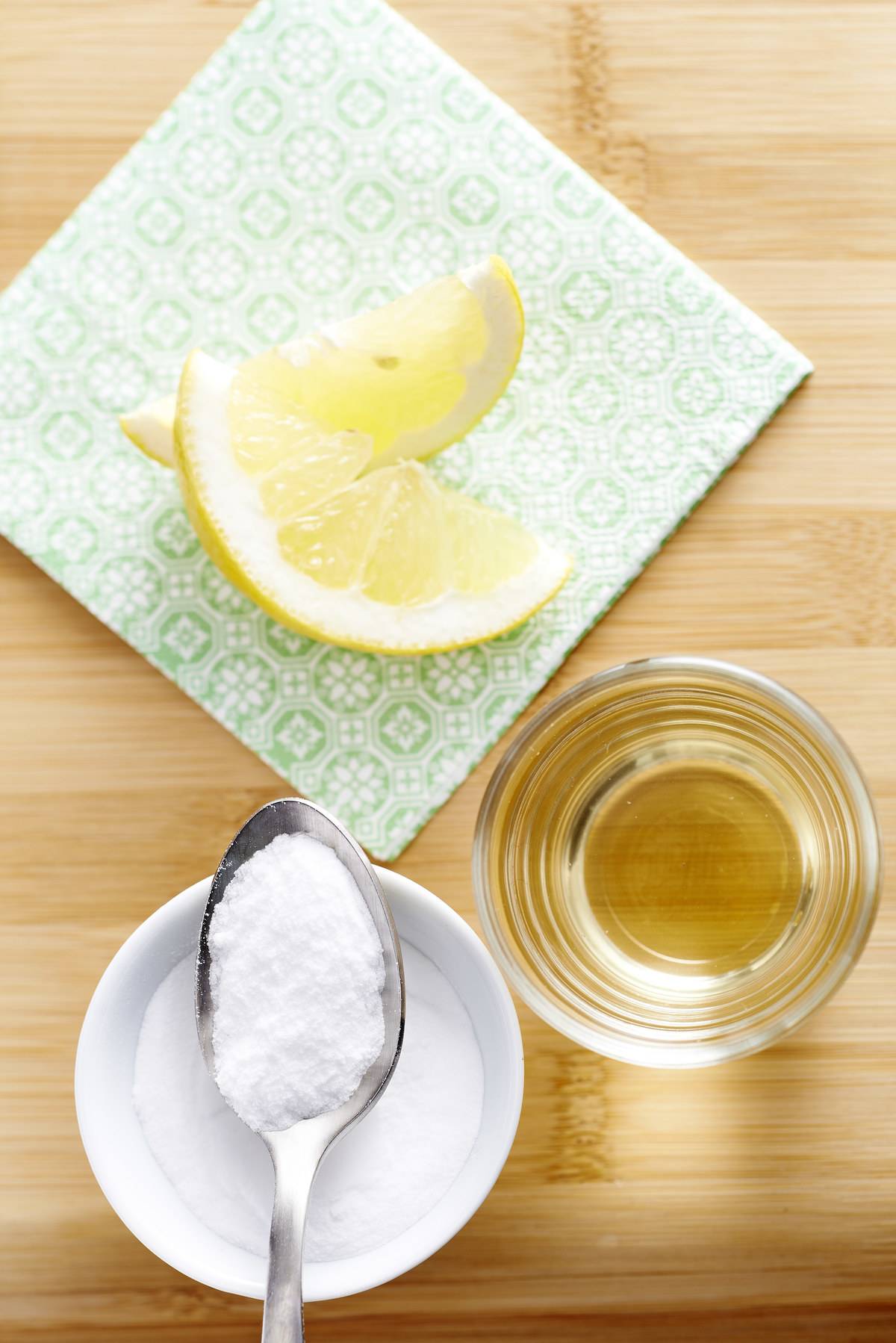
Baking soda, or sodium bicarbonate, became a household cleaning marvel in the 19th century. Its mild abrasive properties and ability to neutralize odors made it an essential item in many homes.
People used it to scrub surfaces, deodorize refrigerators, and even as a gentle fabric cleaner. Baking soda’s versatility and safety continue to make it a favorite in modern cleaning routines.
The Power of Urine: From Ancient Rome to Medieval Europe

Believe it or not, urine was once a prized cleaning agent! In ancient Rome, it was used for laundry due to its ammonia content, which helped remove stains and whiten fabrics.
The practice continued into medieval Europe, where fullers used urine to clean and thicken woolen cloth. While it may sound unpleasant today, urine was a valuable resource in times when synthetic cleaners were unavailable.
Herbal Helpers: Lavender, Rosemary, and Thyme
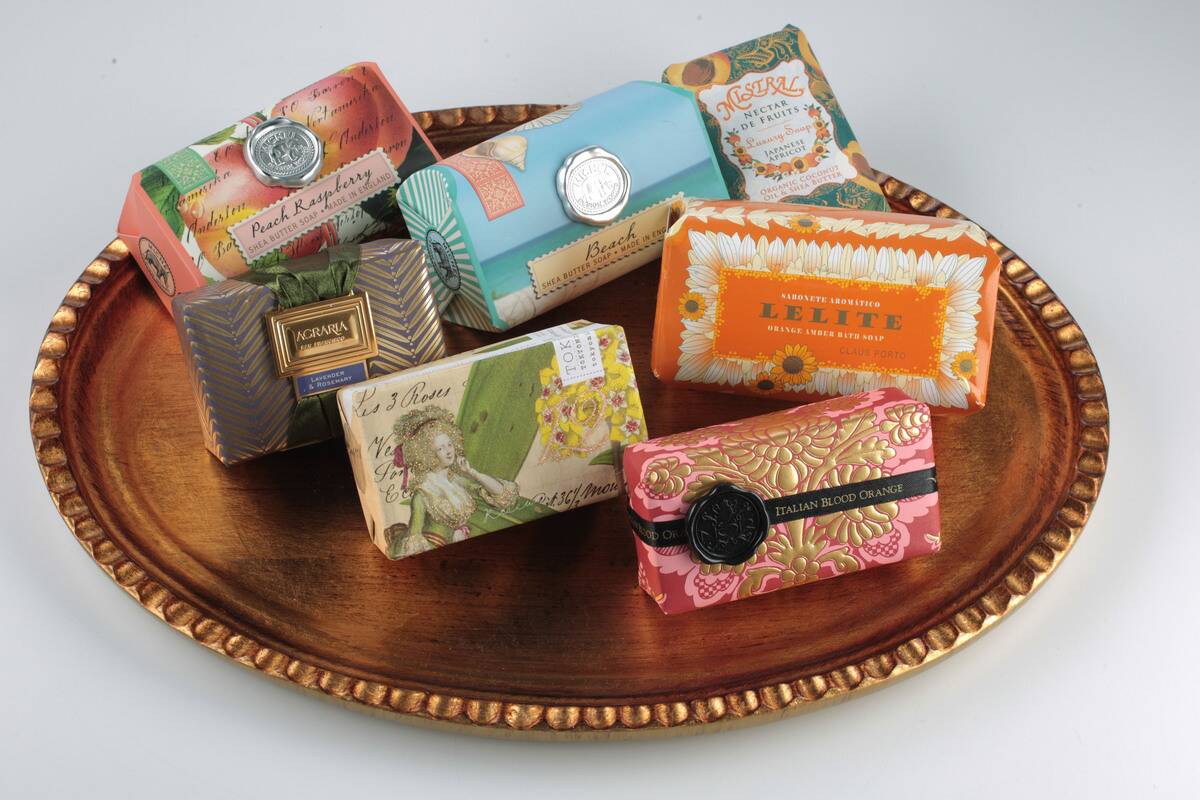
Herbs like lavender, rosemary, and thyme have long been used in cleaning for their pleasant scents and antibacterial properties. In medieval times, these herbs were strewn on floors to freshen the air and ward off pests.
Today, essential oils derived from these plants are popular in natural cleaning products, offering a fragrant and effective way to maintain a clean home.
Soapwort: Nature’s Own Soap Plant
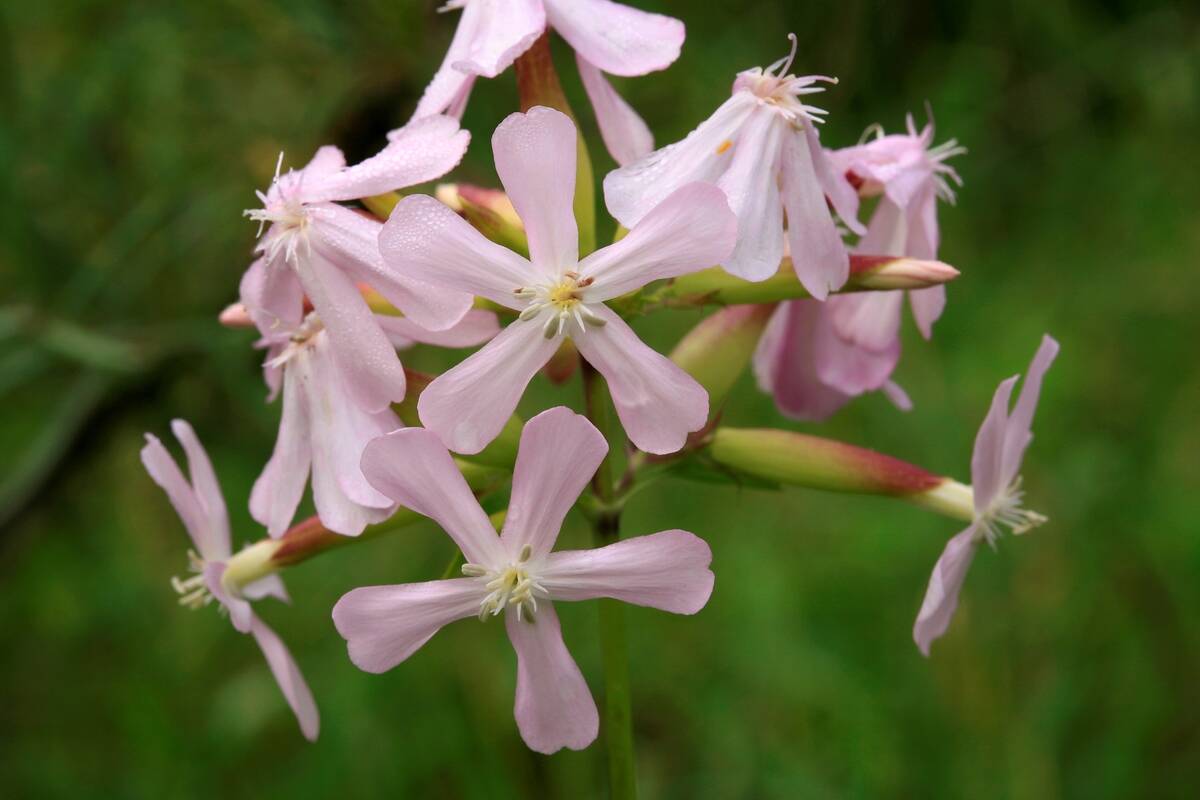
Soapwort, a plant with naturally occurring saponins, was used as a gentle cleanser in ancient times. By crushing the leaves and roots, people could create a mild soap solution for washing delicate fabrics and personal hygiene.
Its ability to produce a lather made it a valuable resource before the widespread availability of commercial soaps.
Sand and Grit: Scrubbing with Nature’s Abrasives
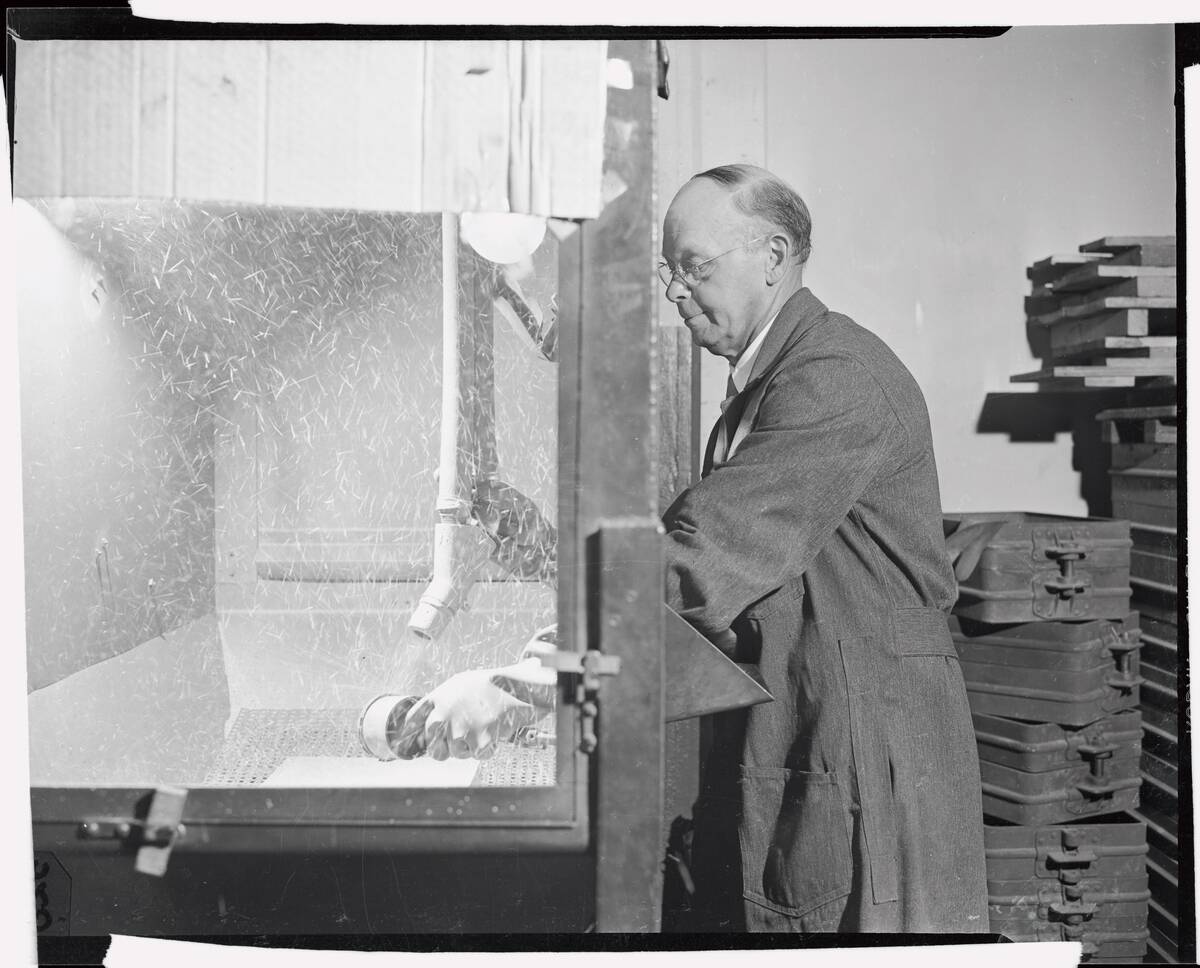
Before the invention of modern scouring pads, people turned to sand and grit for their abrasive cleaning needs.
These natural materials were used to scrub away tough stains and grime from surfaces like pots, pans, and floors. While not as gentle as some modern alternatives, sand and grit were effective and readily available options for many households.
The Magic of Ammonia: A 19th Century Discovery
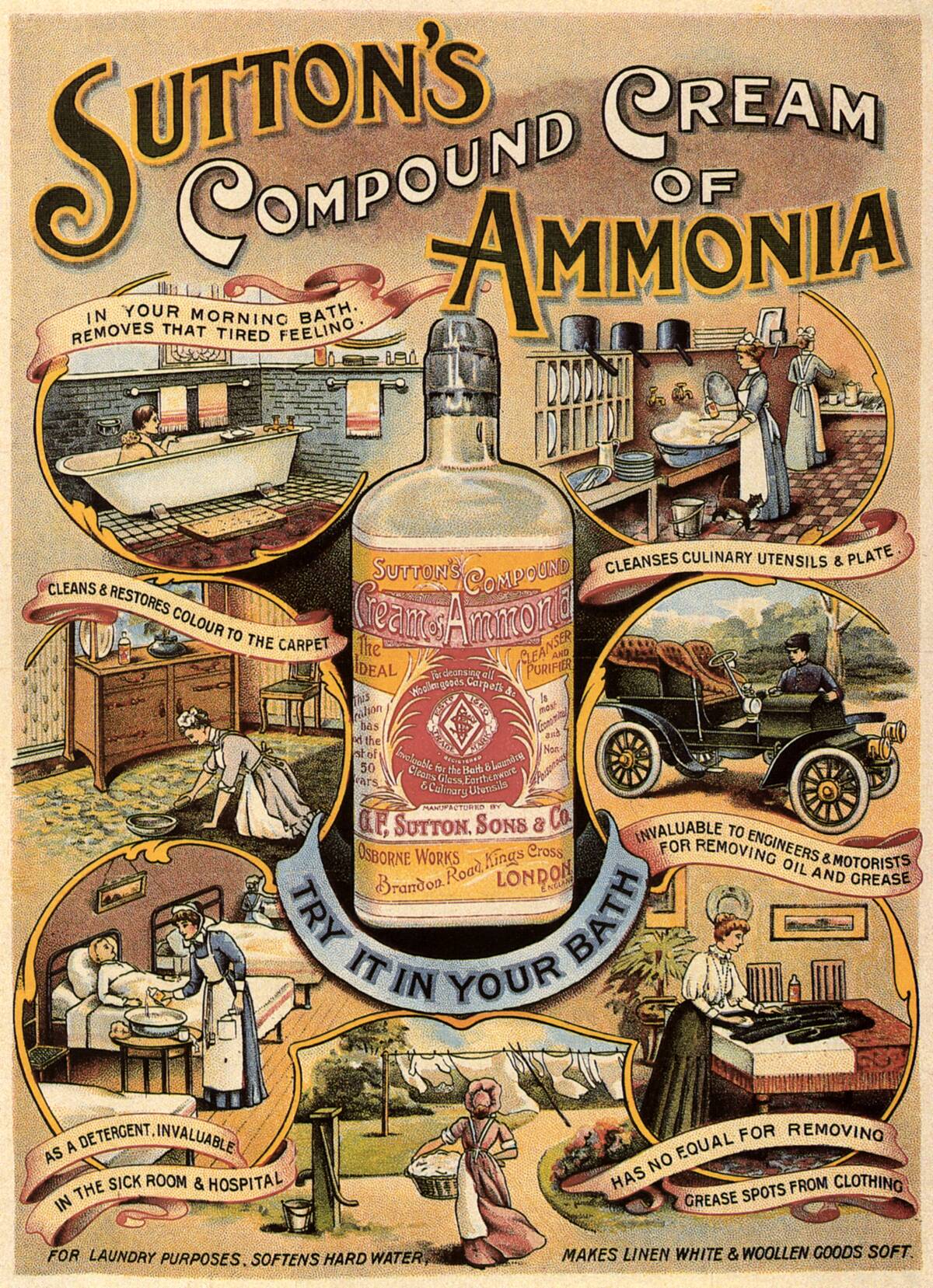
Ammonia, a compound with powerful cleaning properties, gained popularity in the 19th century. Its ability to cut through grease and remove stains made it a staple in many homes.
Ammonia was particularly valued for cleaning glass and mirrors, leaving them streak-free and sparkling. Despite its strong odor, ammonia remains a widely used cleaning agent today.
Lemon Juice: A Citrus Solution for Stains
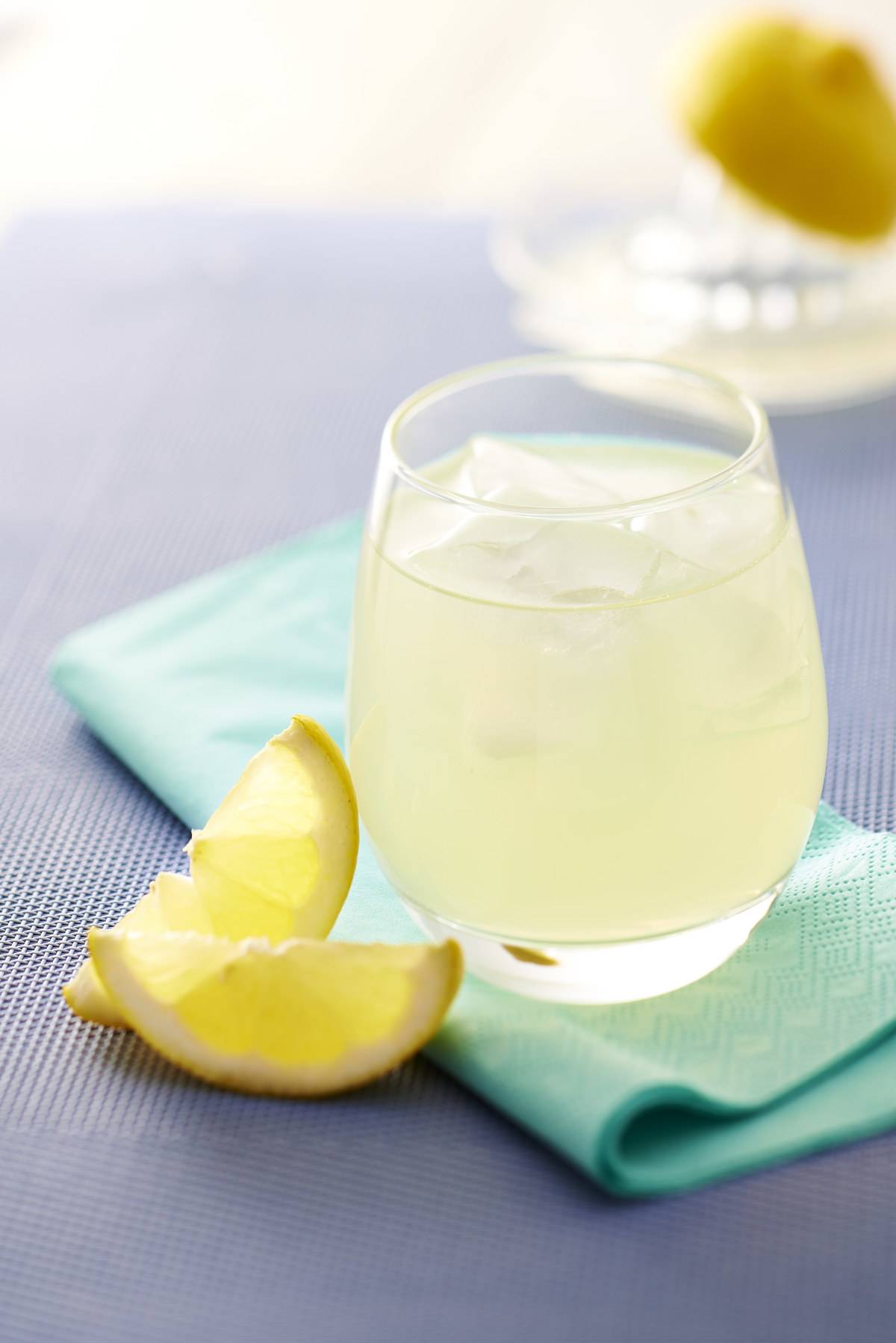
Lemon juice has been cherished for its natural bleaching and deodorizing properties. Its high acidity makes it effective at cutting through grease and removing stains.
Historically, people used lemon juice to brighten whites and freshen up kitchens. The pleasant citrus scent is an added bonus, making it a popular choice for those seeking a natural cleaning solution.
The Rise of Borax: A 20th Century Cleaning Revolution
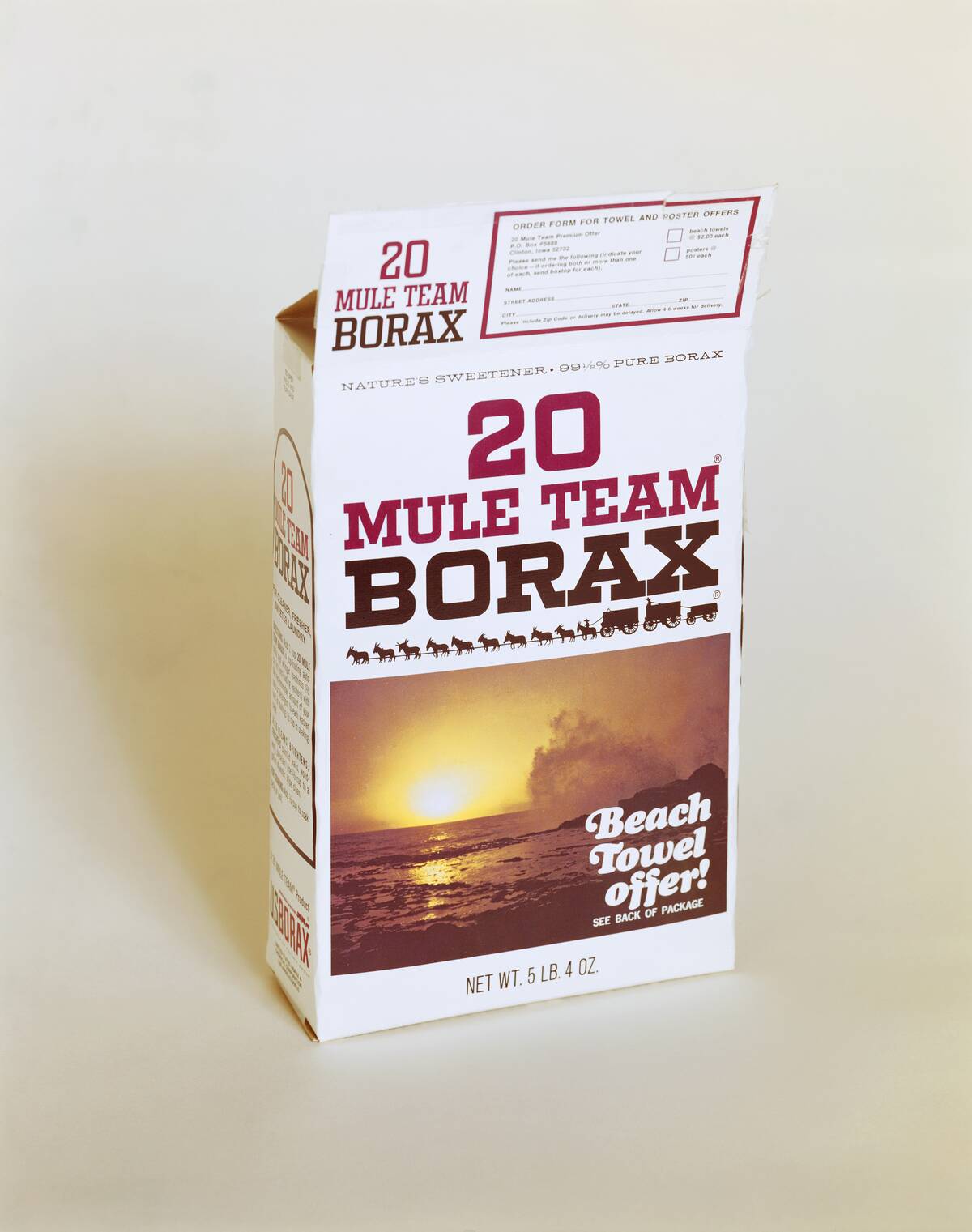
Borax, a naturally occurring mineral, became a household name in the 20th century. Its ability to soften water and enhance the effectiveness of soap made it a popular laundry booster.
Borax also found use in cleaning various surfaces, from floors to bathroom tiles. Its versatility and effectiveness have cemented its place as a staple in many cleaning arsenals.
Beeswax: Polishing with a Natural Touch
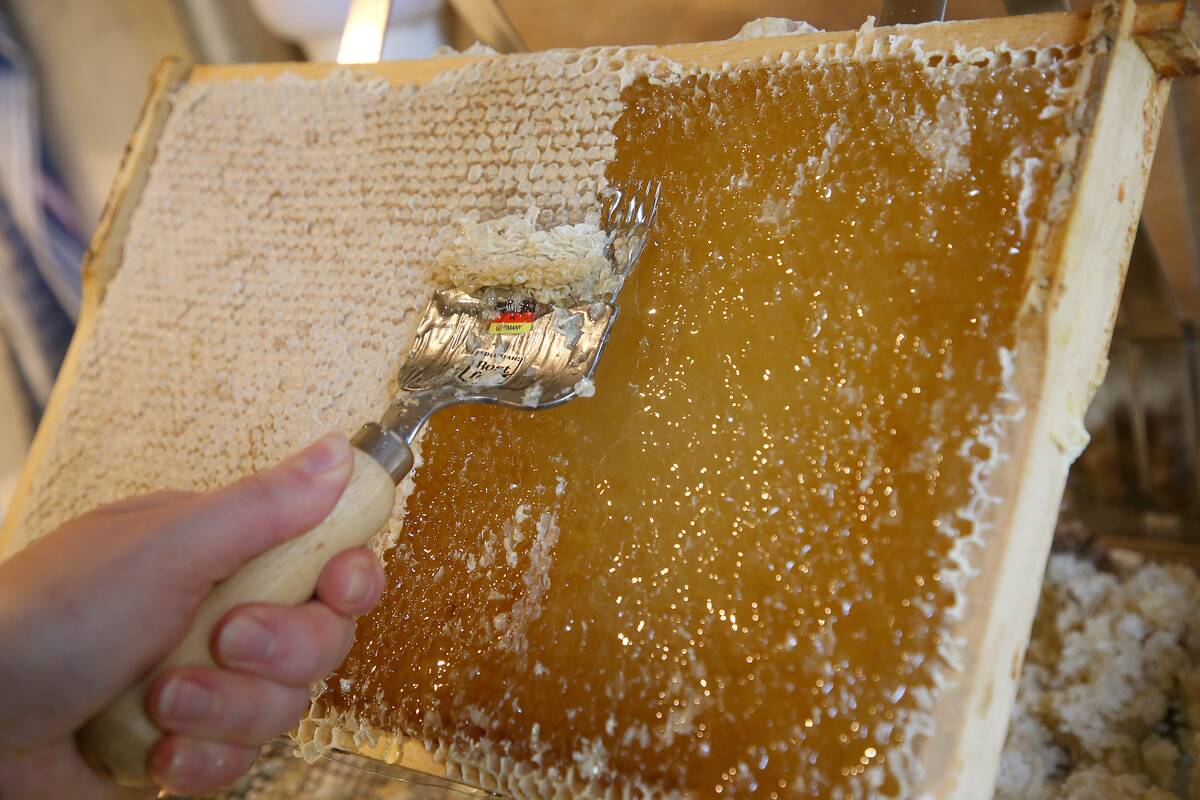
Beeswax has been used for centuries to polish and protect wooden surfaces. Its natural properties help to seal and shine wood, providing a protective barrier against moisture and wear.
In addition to its practical uses, beeswax imparts a warm, natural glow to furniture and floors, making it a cherished choice for those who appreciate traditional methods of home care.
Newspaper: The Original Glass Cleaner

Before the advent of commercial glass cleaners, people turned to newspaper for a streak-free shine. The dense fibers and ink in newspaper made it an effective tool for cleaning windows and mirrors.
This method was not only cost-effective but also environmentally friendly, as it repurposed old newspapers. Even today, some still swear by newspaper as a reliable glass-cleaning method.
Salt: More Than Just a Seasoning
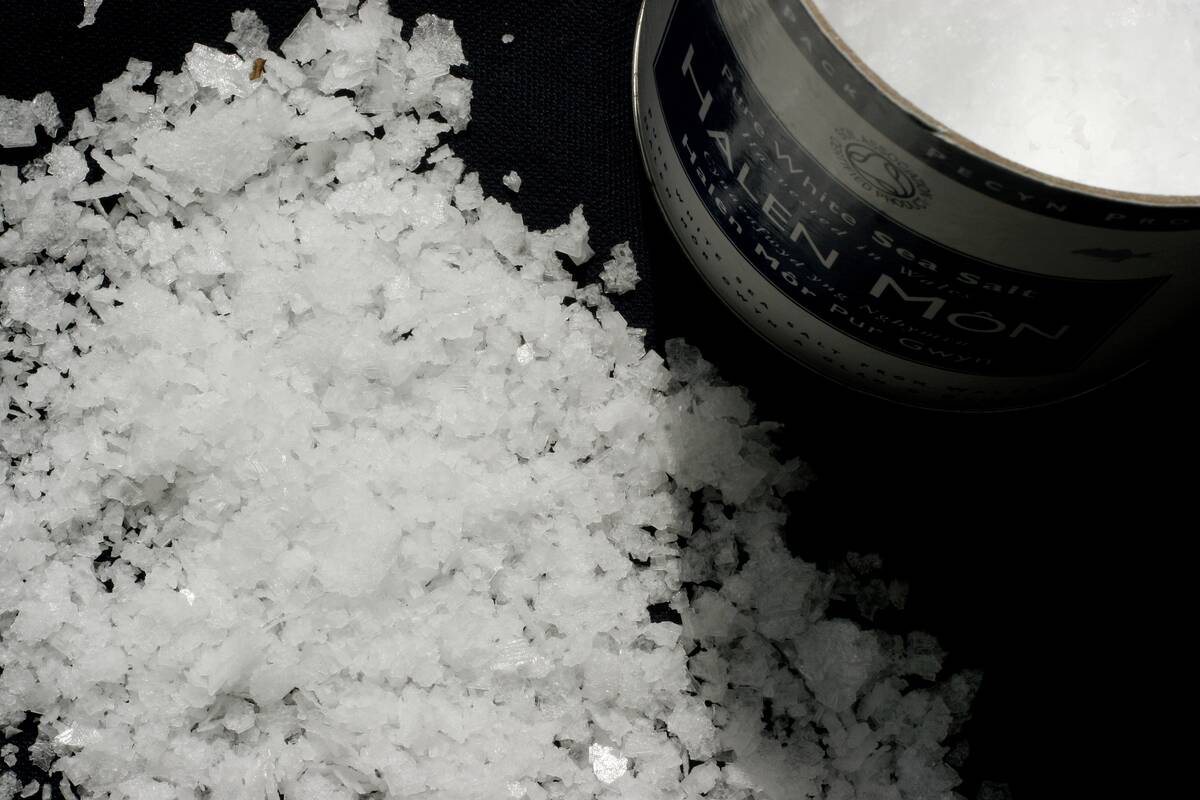
Salt, a common kitchen staple, has long been used for cleaning due to its abrasive and deodorizing properties. In the past, people used salt to scrub away stains and rust, as well as to freshen up cutting boards and drains.
Its coarse texture makes it an effective natural scrubber, while its ability to absorb odors adds to its versatility in household cleaning.
The Role of Lye: From Soap Making to Cleaning Agent
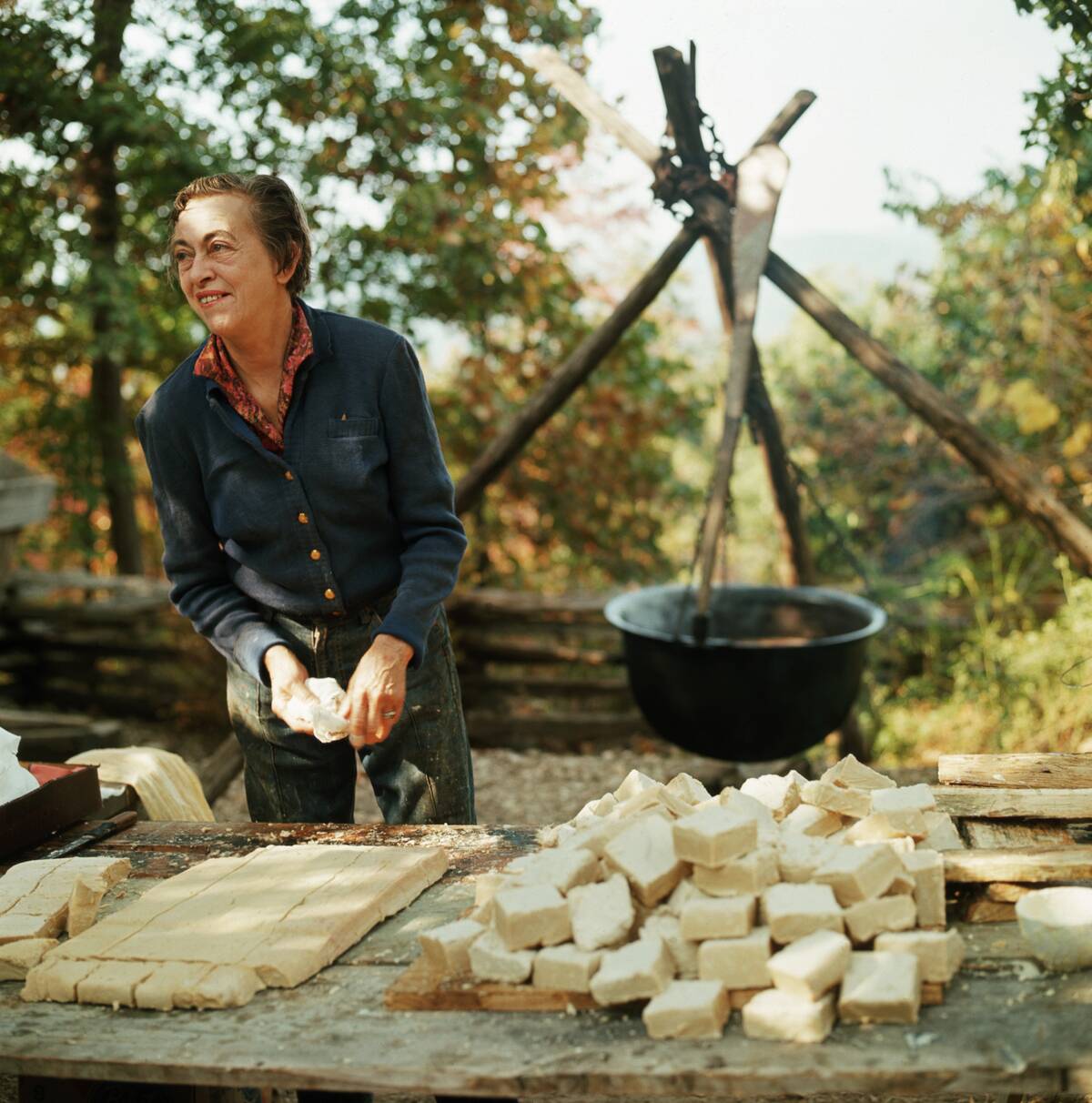
Lye, or sodium hydroxide, has been a crucial ingredient in soap making for centuries. Its powerful cleaning properties made it a valuable resource in both personal hygiene and household cleaning.
While lye can be caustic and must be handled with care, its ability to break down grease and grime has made it an enduring component of traditional cleaning methods.
Feather Dusters: A Delicate Approach to Dusting
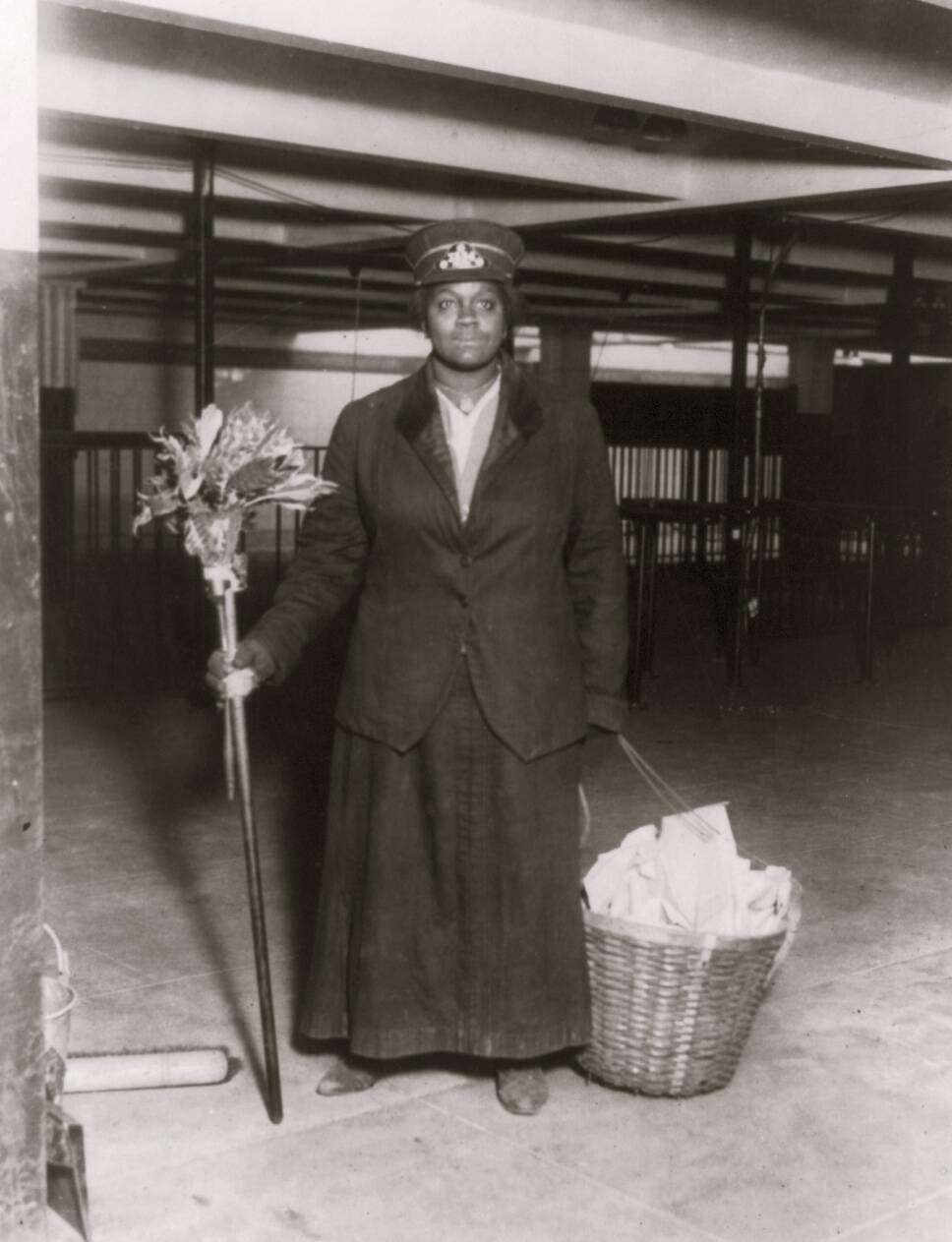
Feather dusters have been a gentle solution for dusting delicate items and surfaces. Made from soft feathers, typically ostrich, these dusters attract and hold dust without scratching or damaging surfaces.
Their light touch makes them ideal for cleaning fragile objects, such as glassware and antiques, ensuring that even the most sensitive items remain dust-free.
The Evolution of Cleaning Tools: From Brooms to Vacuums

The transformation of cleaning tools over the years is a testament to human ingenuity. Brooms, one of the earliest cleaning tools, have been used for centuries to sweep away dirt and debris.
With the advent of electricity, vacuums revolutionized cleaning by offering a more efficient and thorough solution. Today, robotic vacuums continue this evolution, providing hands-free cleaning for modern households.




