12 Photos of education in early civilizations
Education in ancient civilizations was a fascinating tapestry of diverse methods and philosophies. From scribes in Mesopotamia to philosophers in Greece, each culture had its unique approach to learning.
These ancient systems laid the groundwork for modern education, blending practical skills with philosophical inquiry. As we explore these ancient worlds, we’ll uncover how education shaped societies and influenced generations.
The Dawn of Learning: Education in Mesopotamia
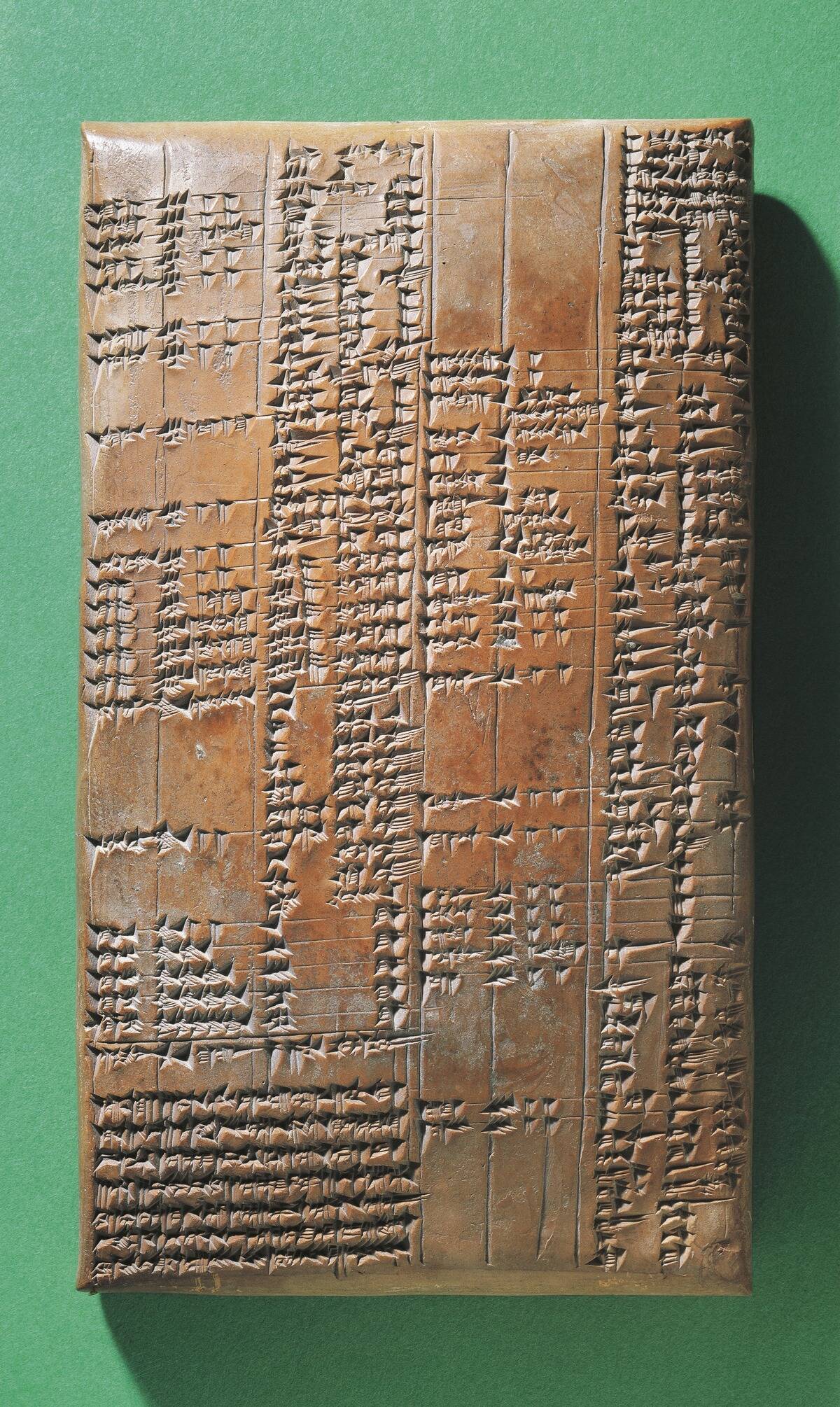
In Mesopotamia, education was primarily for scribes, who were essential for maintaining records in a complex society. Schools, known as ‘edubbas,’ focused on teaching cuneiform writing, mathematics, and law.
Students learned by copying texts on clay tablets, a painstaking process that required patience and precision. This early educational system was crucial for the administration of the first cities and the preservation of knowledge.
Hieroglyphs and Scholars: Ancient Egyptian Education
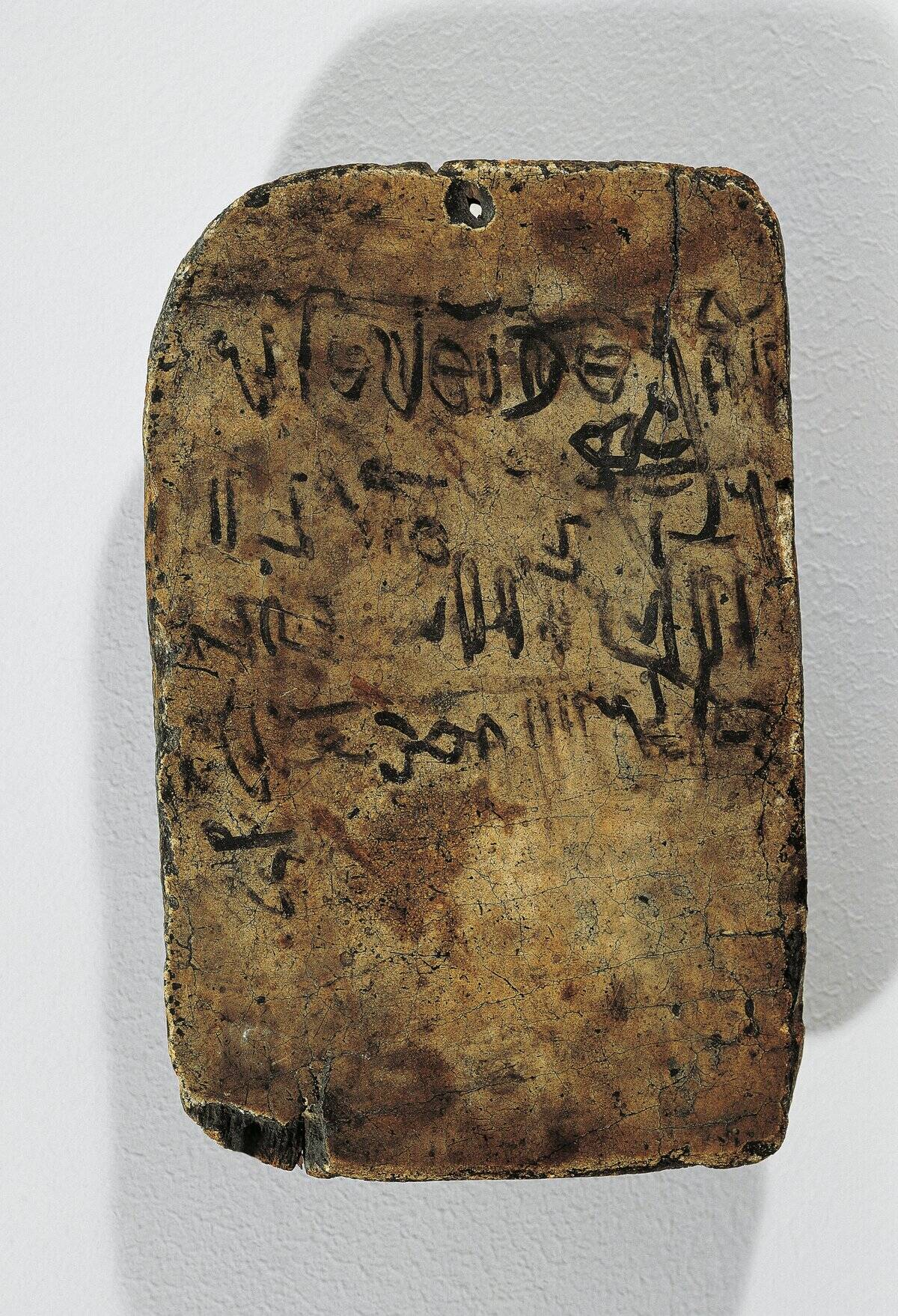
Ancient Egyptian education revolved around preparing scribes and priests, with a strong emphasis on hieroglyphic writing. Schools were often attached to temples, where students learned religious texts, mathematics, and astronomy.
The education system was hierarchical, with higher learning reserved for the elite. This structured approach ensured the continuity of religious and cultural practices over millennia.
The Gurukula System: Learning in Ancient India
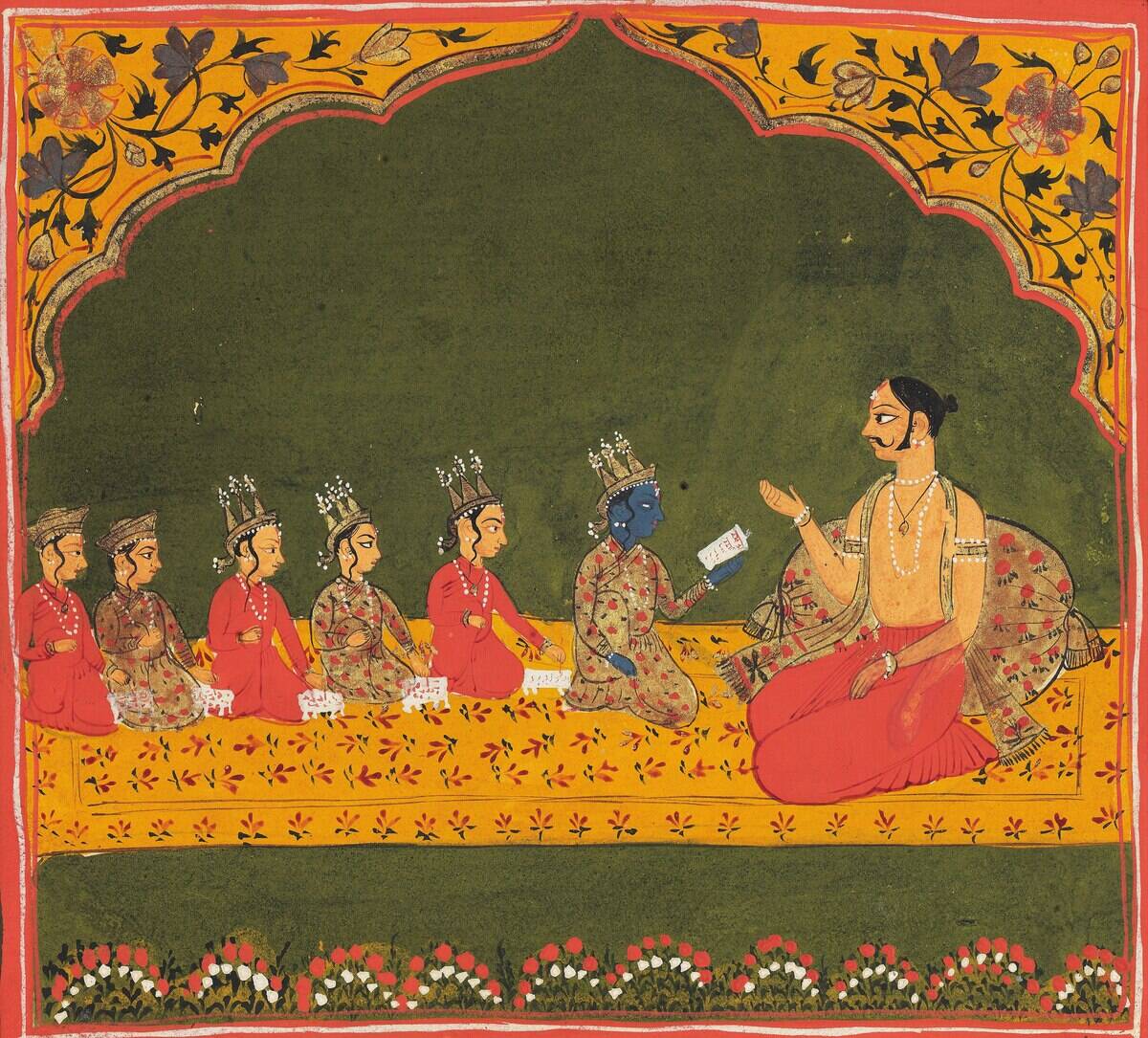
In ancient India, education was imparted through the Gurukula system, where students lived with their teachers. This immersive learning environment emphasized oral transmission of knowledge, covering subjects like philosophy, mathematics, and the arts.
The Vedas, ancient Indian scriptures, were central to the curriculum. This holistic approach fostered a deep bond between teacher and student, influencing Indian education for centuries.
Philosophers and Pedagogy: Education in Ancient Greece
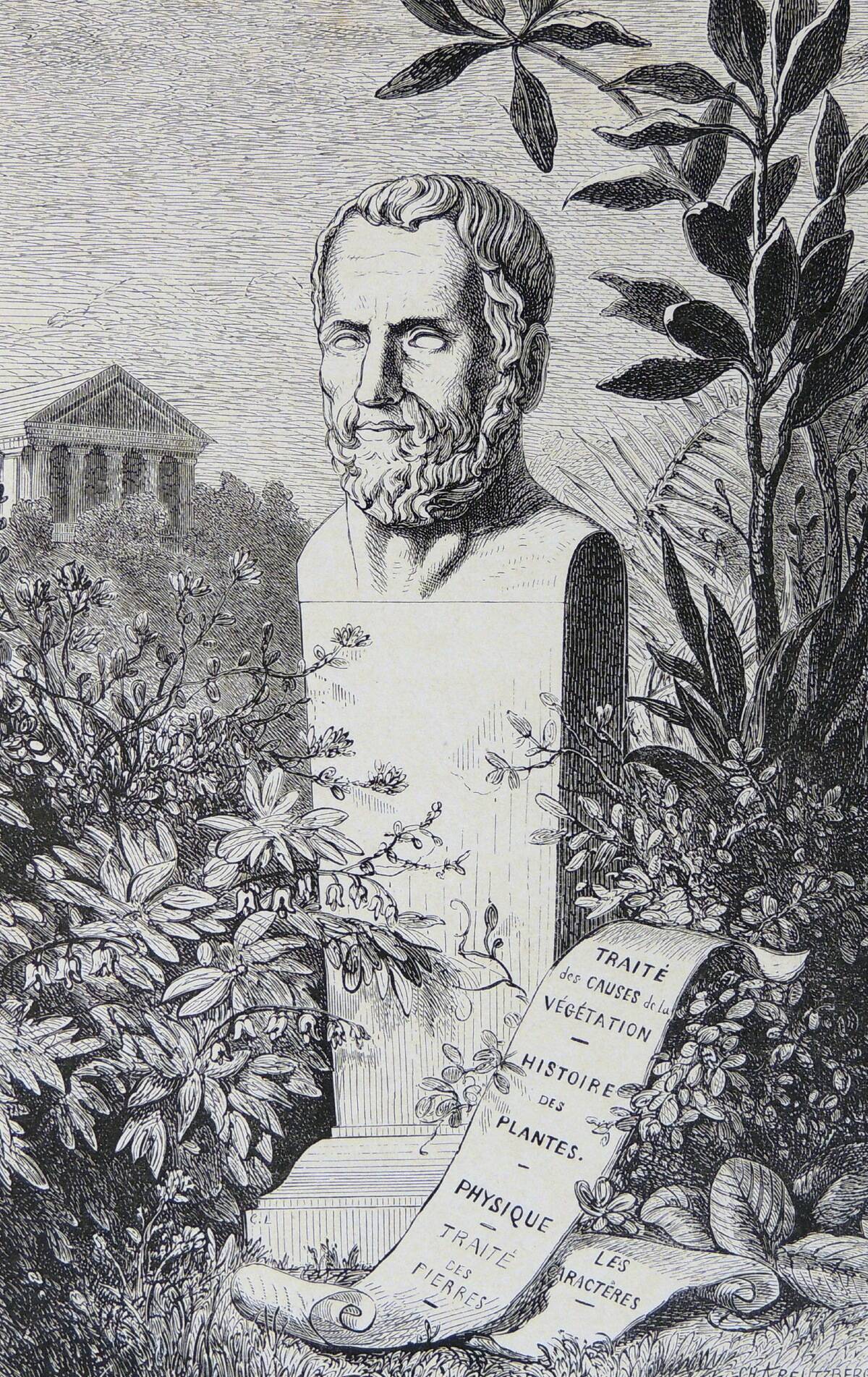
Ancient Greece is renowned for its philosophers who revolutionized education with their emphasis on critical thinking. Schools like Plato’s Academy and Aristotle’s Lyceum focused on subjects such as rhetoric, logic, and ethics.
Education was seen as a means to cultivate virtuous citizens. This philosophical approach laid the foundation for Western education, promoting inquiry and debate as tools for learning.
The Roman Approach: Education in Ancient Rome
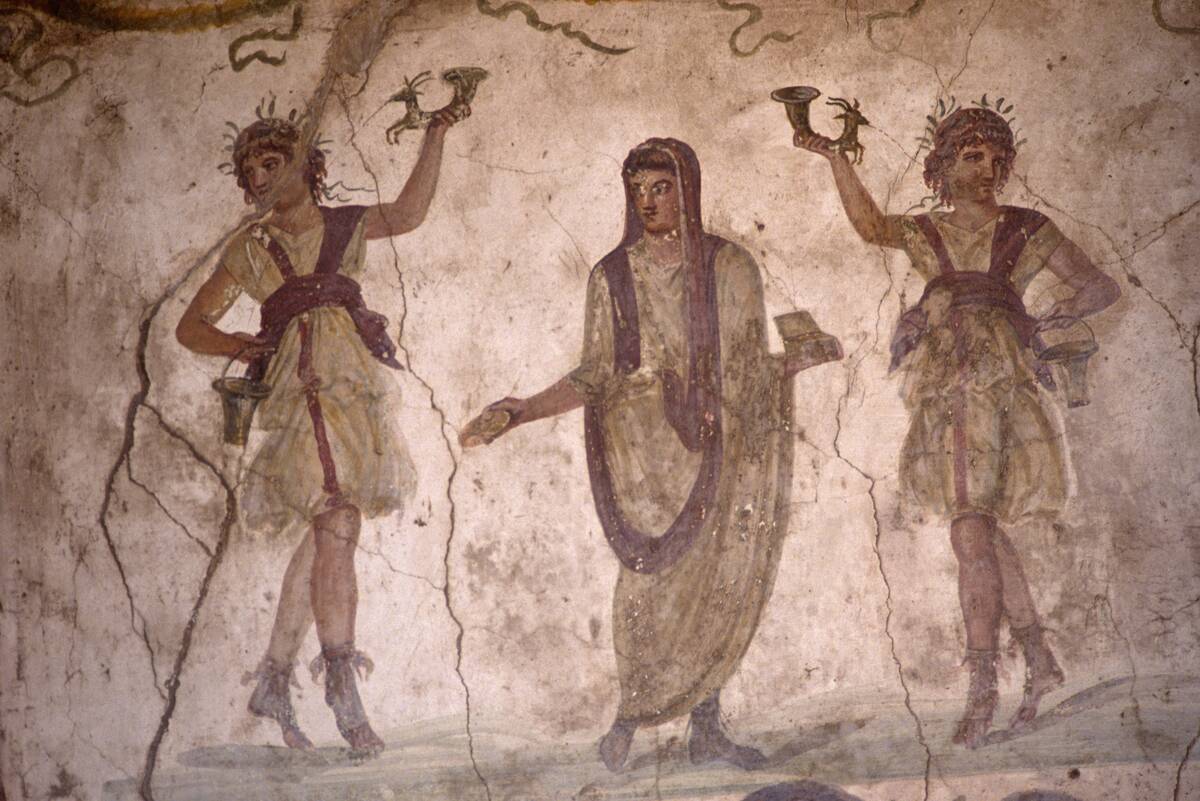
Roman education borrowed heavily from Greek traditions, adapting them to suit Roman society. The focus was on rhetoric and public speaking, essential skills for political life.
Roman schools were divided into stages, starting with the ‘ludus’ for basic literacy and progressing to more advanced studies. Tutors, often Greek slaves, played a significant role in educating the Roman elite, blending cultural influences in the process.
The Role of Religion in Ancient Education
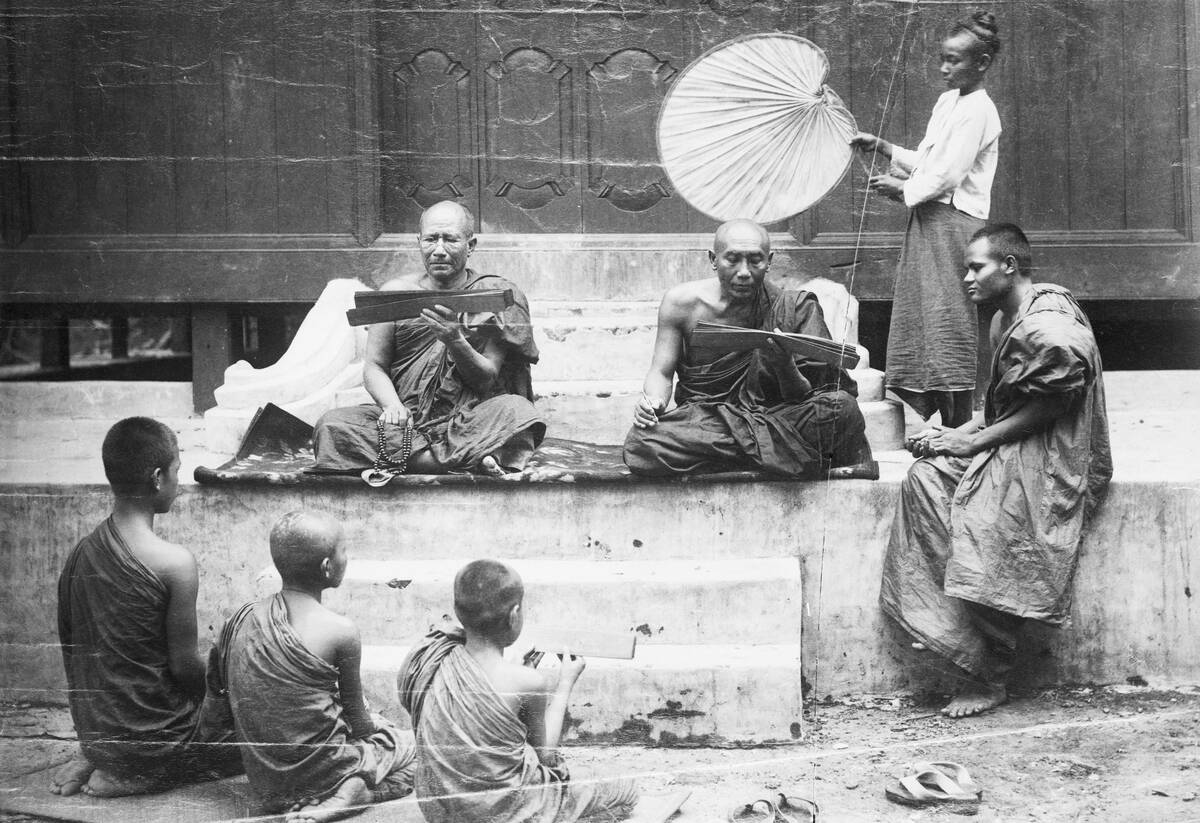
Religion was a cornerstone of education in many ancient civilizations, shaping curricula and educational practices. In Egypt, priests were key educators, imparting religious and secular knowledge.
Similarly, in India, the study of sacred texts was central to learning. This intertwining of religion and education ensured that cultural and spiritual values were passed down through generations, reinforcing societal norms and beliefs.
The Tools of the Trade: Writing Materials and Methods
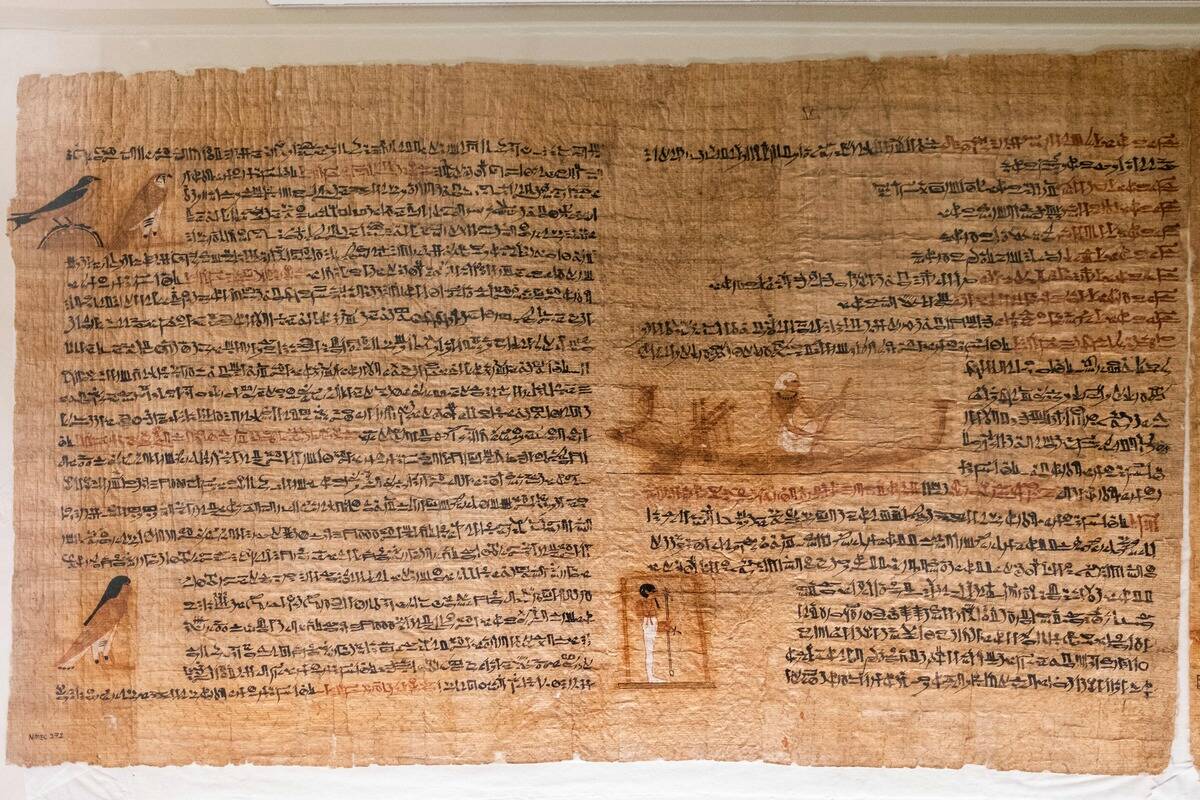
Ancient education relied on various writing materials, from clay tablets in Mesopotamia to papyrus scrolls in Egypt. In Greece, wax tablets were common, while Romans used parchment.
These materials dictated the methods of teaching and learning, with students practicing writing by copying texts. The durability and availability of these materials influenced the preservation and dissemination of knowledge across cultures.
The Curriculum: What Subjects Were Taught?
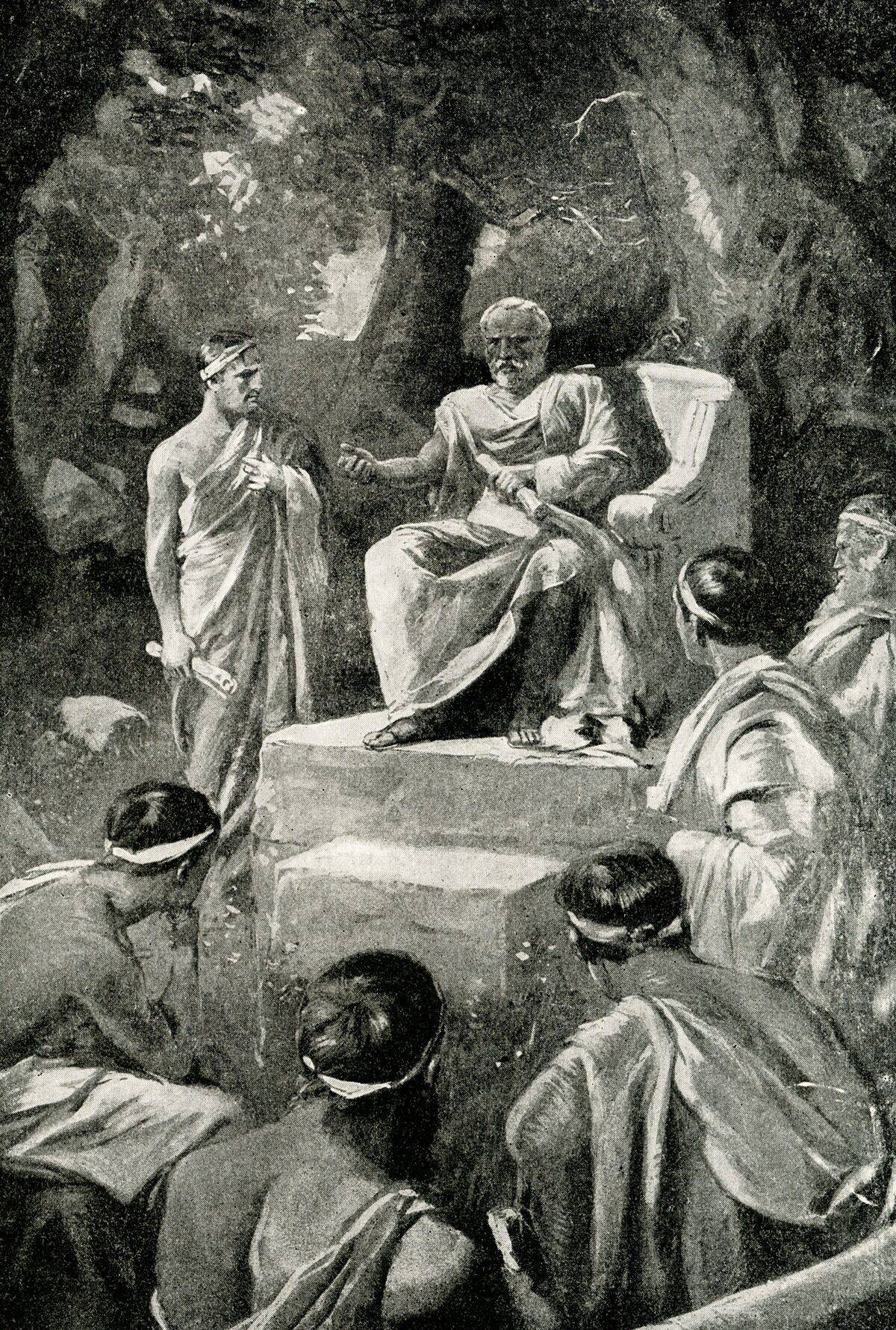
The curriculum in ancient schools varied widely, reflecting the priorities of each civilization. Mesopotamian students learned mathematics and law, while Egyptians focused on religious texts and astronomy.
In Greece, philosophy and rhetoric were key subjects, whereas Romans emphasized law and public speaking. This diversity highlights how education was tailored to meet the needs and values of different societies.
The Role of Women in Ancient Education
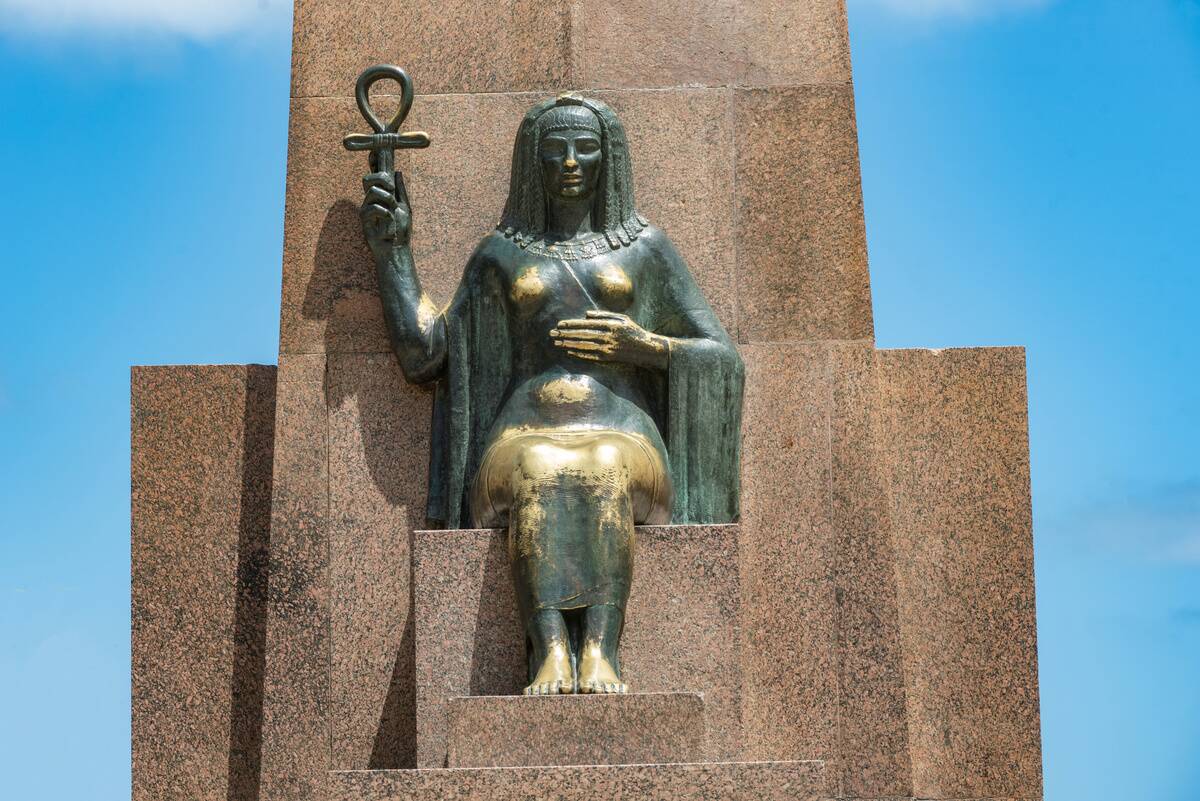
Women’s access to education in ancient times was limited, with few exceptions. In Egypt, some women became scribes, while in Sparta, girls received physical and musical training. However, most educational opportunities were reserved for men.
Despite these restrictions, some women, like Hypatia of Alexandria, became renowned scholars, challenging societal norms and contributing to the intellectual landscape.
The Influence of Ancient Education on Modern Systems
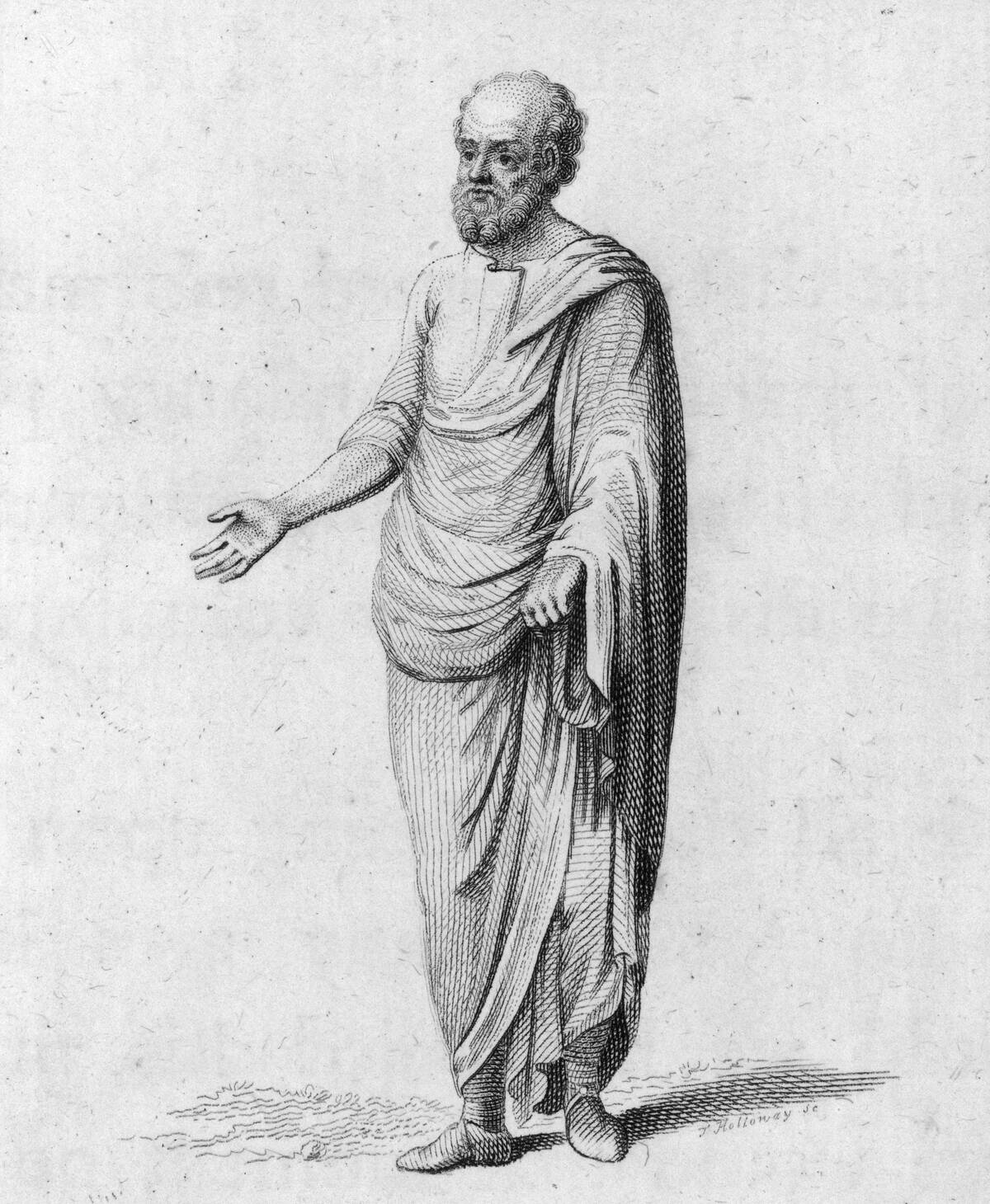
Ancient education systems have profoundly influenced modern education, with many foundational concepts still in use today. The Socratic method, developed in Greece, remains a staple in teaching critical thinking.
Roman legal education has shaped contemporary law schools. These ancient practices have been adapted and refined, demonstrating the enduring legacy of early educational philosophies.
The Legacy of Ancient Libraries and Learning Centers
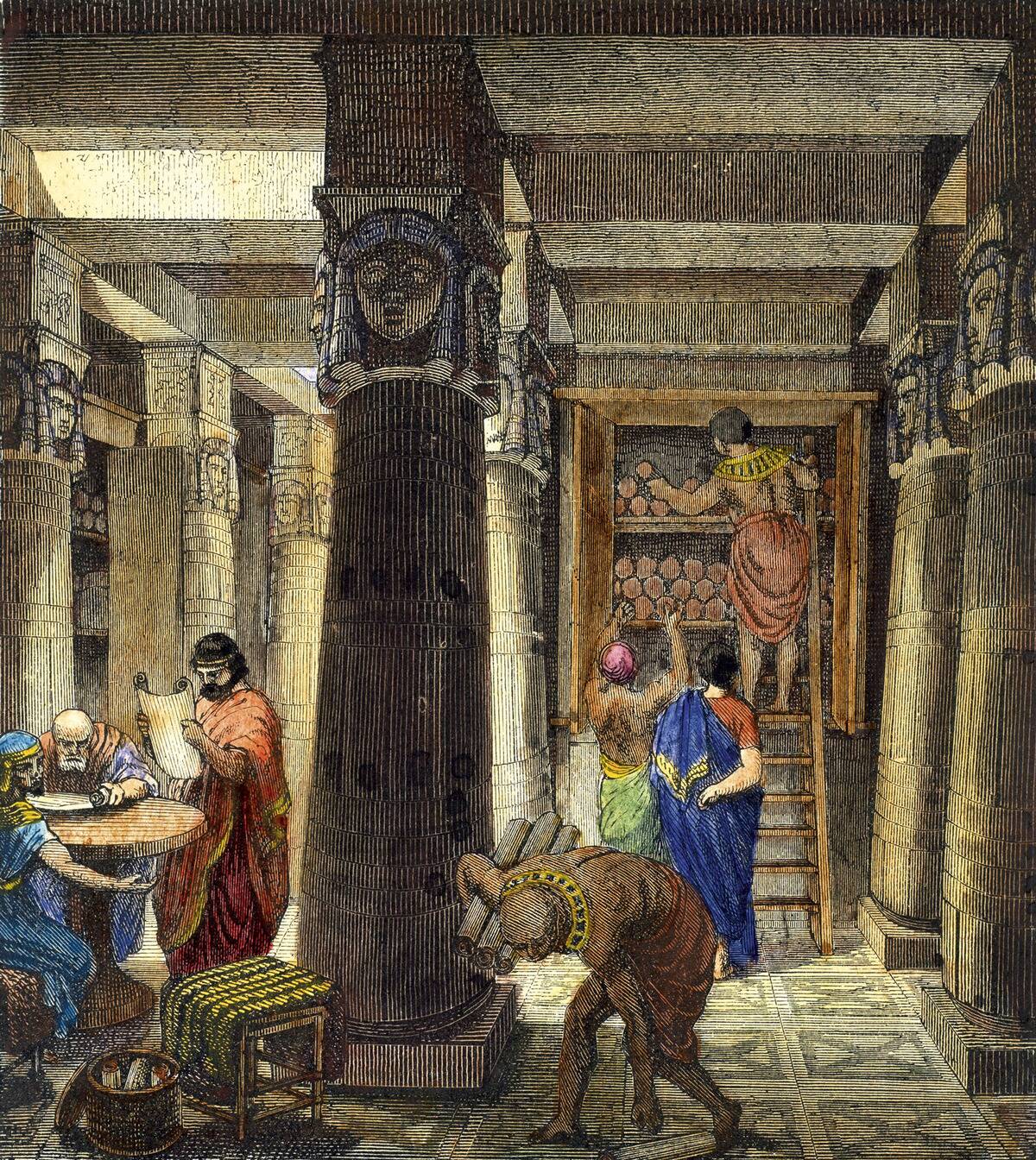
Ancient libraries and learning centers were hubs of knowledge, preserving texts and fostering intellectual exchange. The Library of Alexandria was legendary, housing thousands of scrolls and attracting scholars from across the world.
These centers were crucial for the dissemination of knowledge, laying the groundwork for modern libraries and universities. Their legacy continues to inspire the pursuit of learning and discovery.
Fun Facts: Quirky Tidbits About Ancient Education
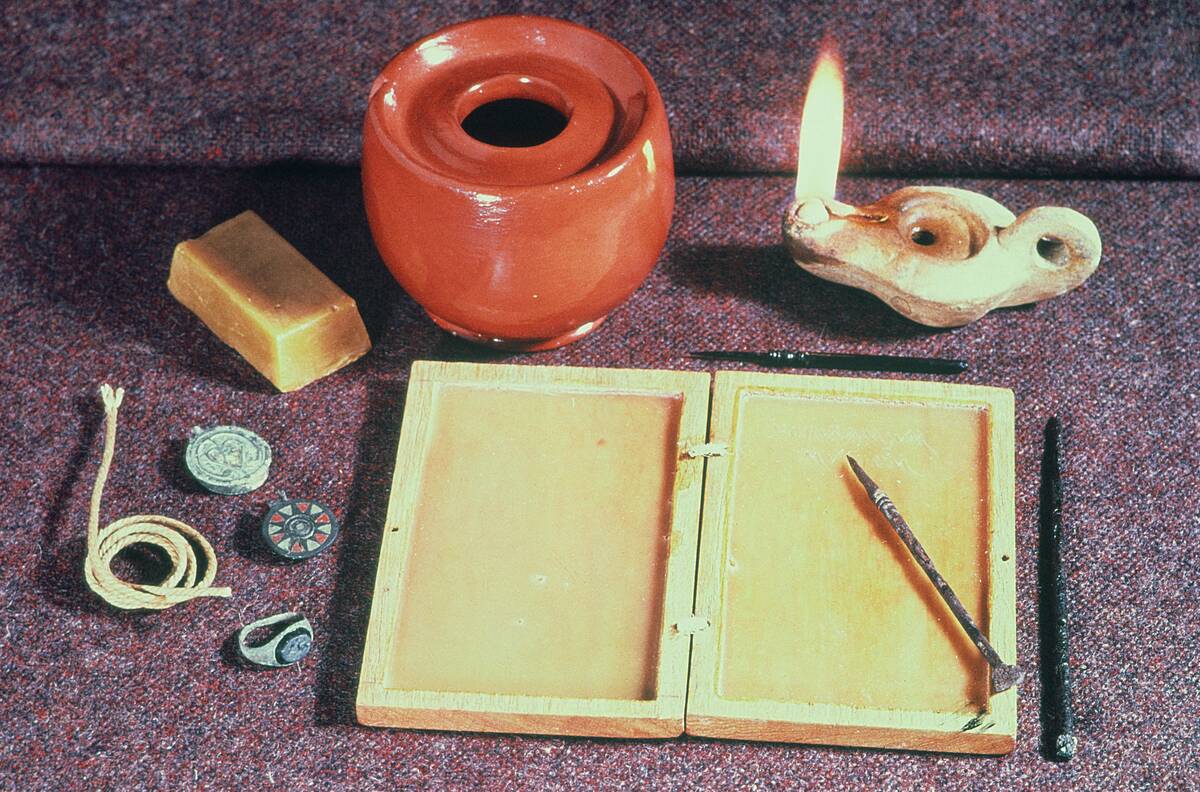
Did you know that in ancient Rome, students used to write on wax tablets with a stylus? If they made a mistake, they simply smoothed the wax and started over! In ancient Greece, education was so valued that even the gods were thought to have their own schools on Mount Olympus.
These quirky facts remind us that while education has evolved, its roots are deeply embedded in history’s colorful tapestry.




