14 Famous historical plans that failed badly
Throughout history, many ambitious plans have been set in motion with great expectations, only to culminate in unforeseen disasters. These events remind us that even the most meticulously crafted strategies can unravel in unexpected ways.
From engineering marvels to military campaigns, the lessons learned from these historical missteps continue to intrigue and educate us. Let’s dive into some of these captivating stories where human ambition met its match.
The Titanic: An Unsinkable Dream Meets an Icy Reality
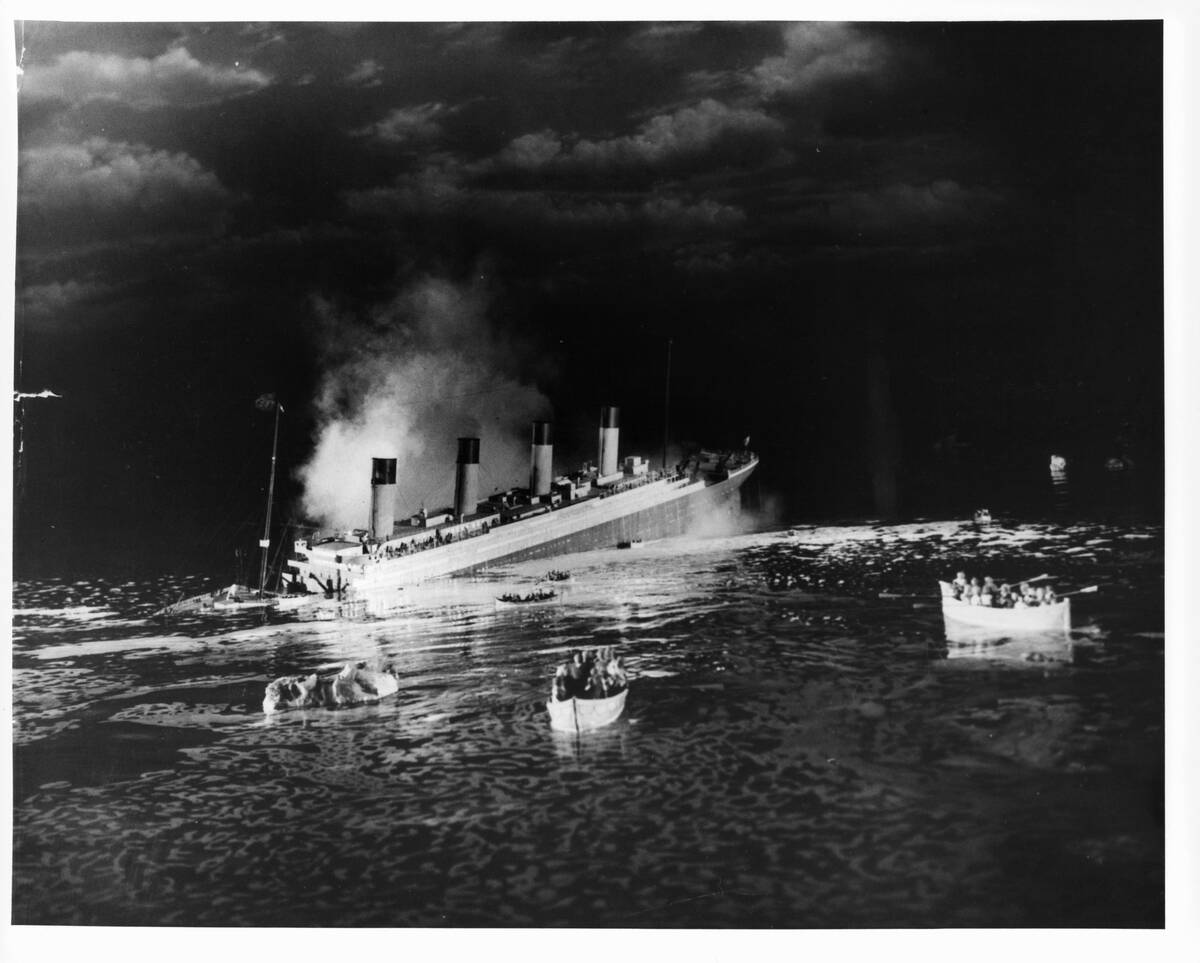
The Titanic was hailed as the pinnacle of luxury and engineering, dubbed “unsinkable” by its creators. However, on April 15, 1912, this grand ship met its fate in the icy waters of the North Atlantic after striking an iceberg.
Despite advanced safety features, the ship lacked enough lifeboats for all passengers, leading to the tragic loss of over 1,500 lives. The Titanic’s demise serves as a poignant reminder of the perils of overconfidence.
Napoleon’s Invasion of Russia: A Frosty Reception
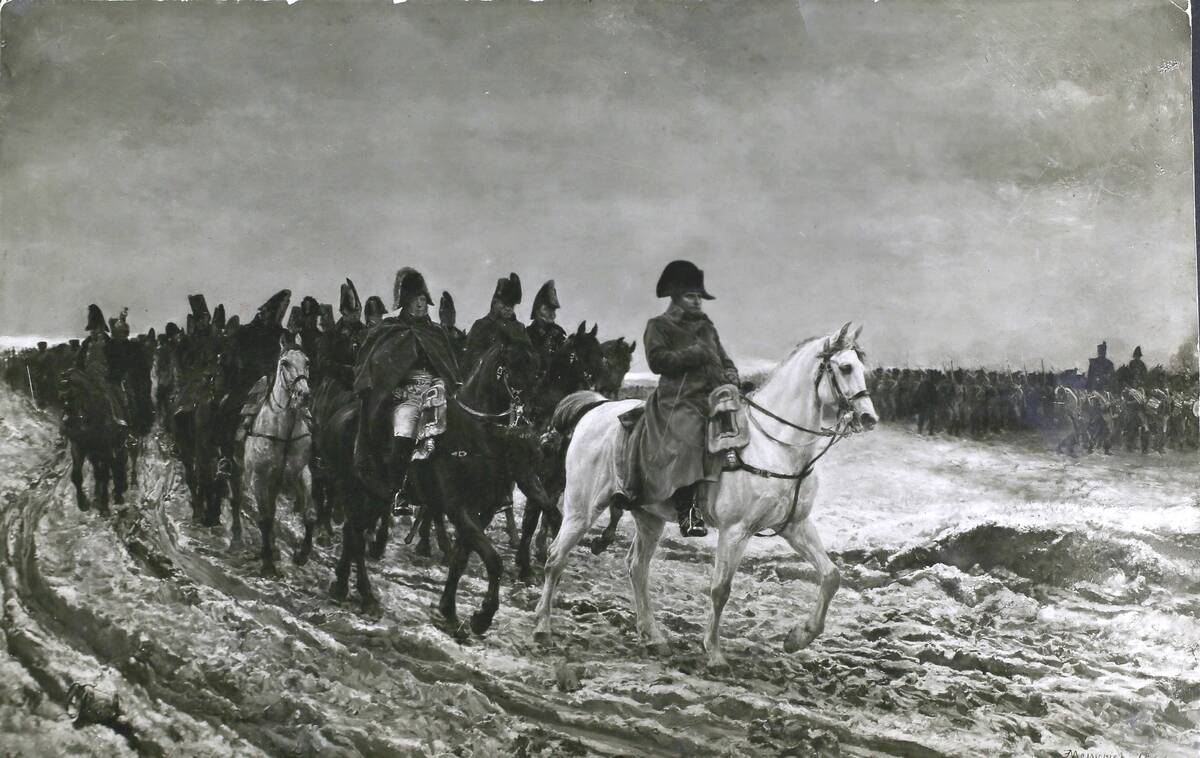
In 1812, Napoleon Bonaparte embarked on an ambitious campaign to conquer Russia, confident in his Grande Armée’s strength. However, the harsh Russian winter and strategic scorched-earth tactics by the retreating Russian forces devastated his troops.
Of the 600,000 soldiers who marched into Russia, only about 100,000 returned. Napoleon’s failed invasion highlighted the dangers of underestimating nature and the resilience of a determined opponent.
The Maginot Line: France’s Impenetrable Wall That Wasn’t
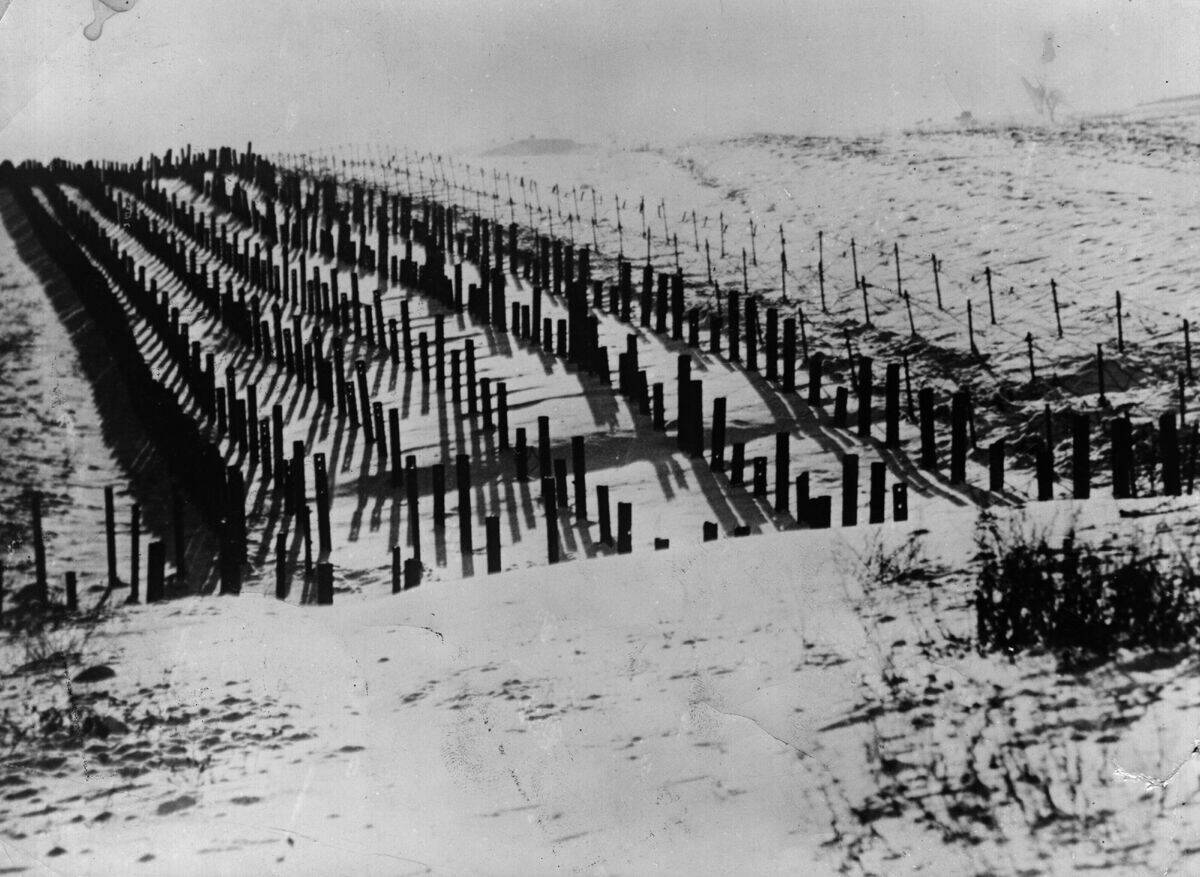
Built in the 1930s, the Maginot Line was France’s formidable defense against potential German aggression. This extensive line of fortifications was designed to deter and repel invasions.
However, during World War II, German forces simply bypassed it by invading through Belgium, rendering the Maginot Line ineffective. This blunder underscored the importance of adaptability and the risks of relying on static defenses in a rapidly changing world.
The Bay of Pigs Invasion: A Cuban Catastrophe
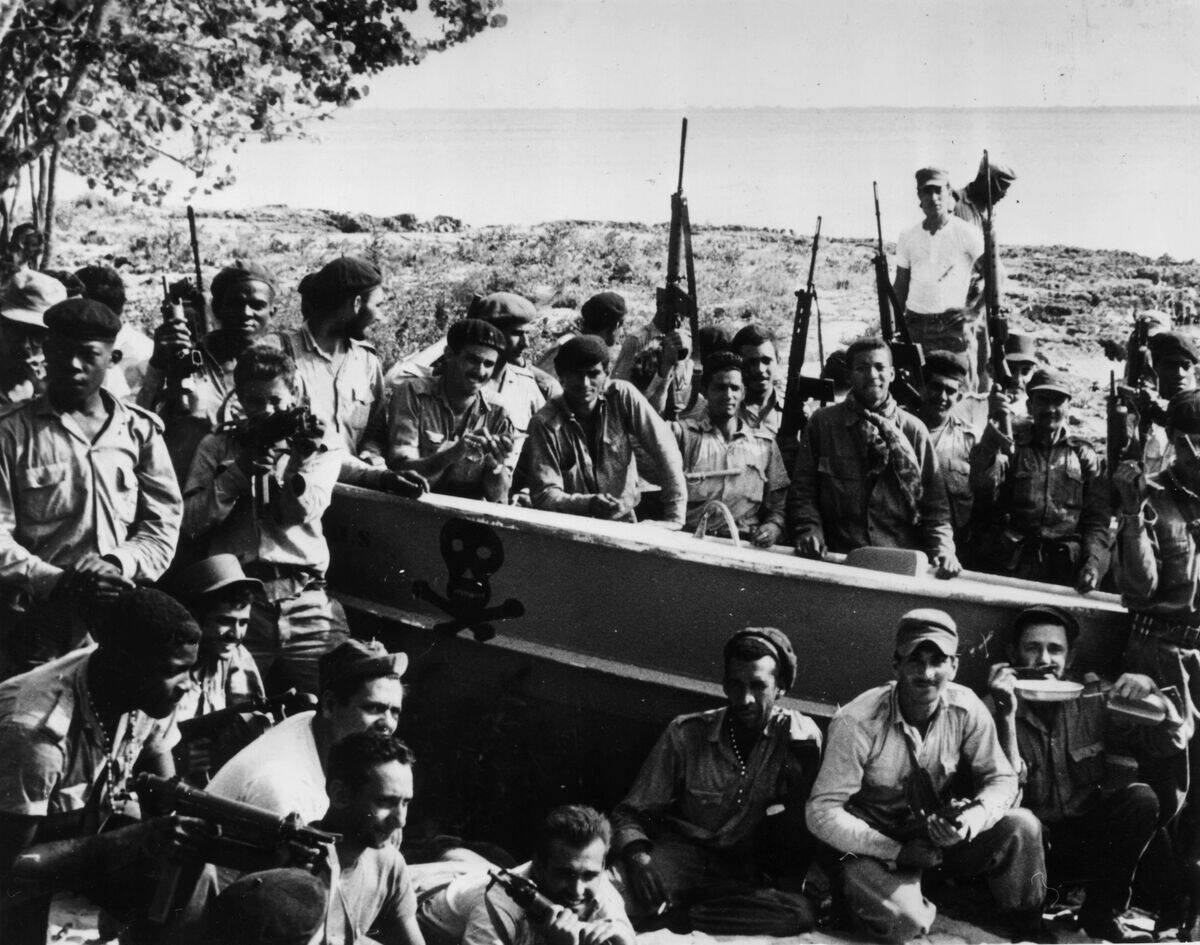
In 1961, the U.S. attempted to overthrow Fidel Castro’s government in Cuba through the Bay of Pigs Invasion. The plan involved landing Cuban exiles on the island to incite a rebellion. However, the operation was poorly executed, lacking adequate air support and facing strong resistance.
The invasion was a complete failure, strengthening Castro’s position and embarrassing the Kennedy administration. It remains a classic example of flawed foreign policy execution.
The Edsel: Ford’s Automotive Flop

Launched in 1957, the Ford Edsel was expected to revolutionize the automotive industry with its innovative design and features. However, it was met with consumer disinterest and criticism for its styling and reliability issues.
Despite being heavily marketed, the Edsel became synonymous with failure, costing Ford millions. The Edsel’s downfall illustrates the challenges of predicting consumer preferences and the importance of market research.
Operation Sea Lion: Hitler’s Unfulfilled Ambition
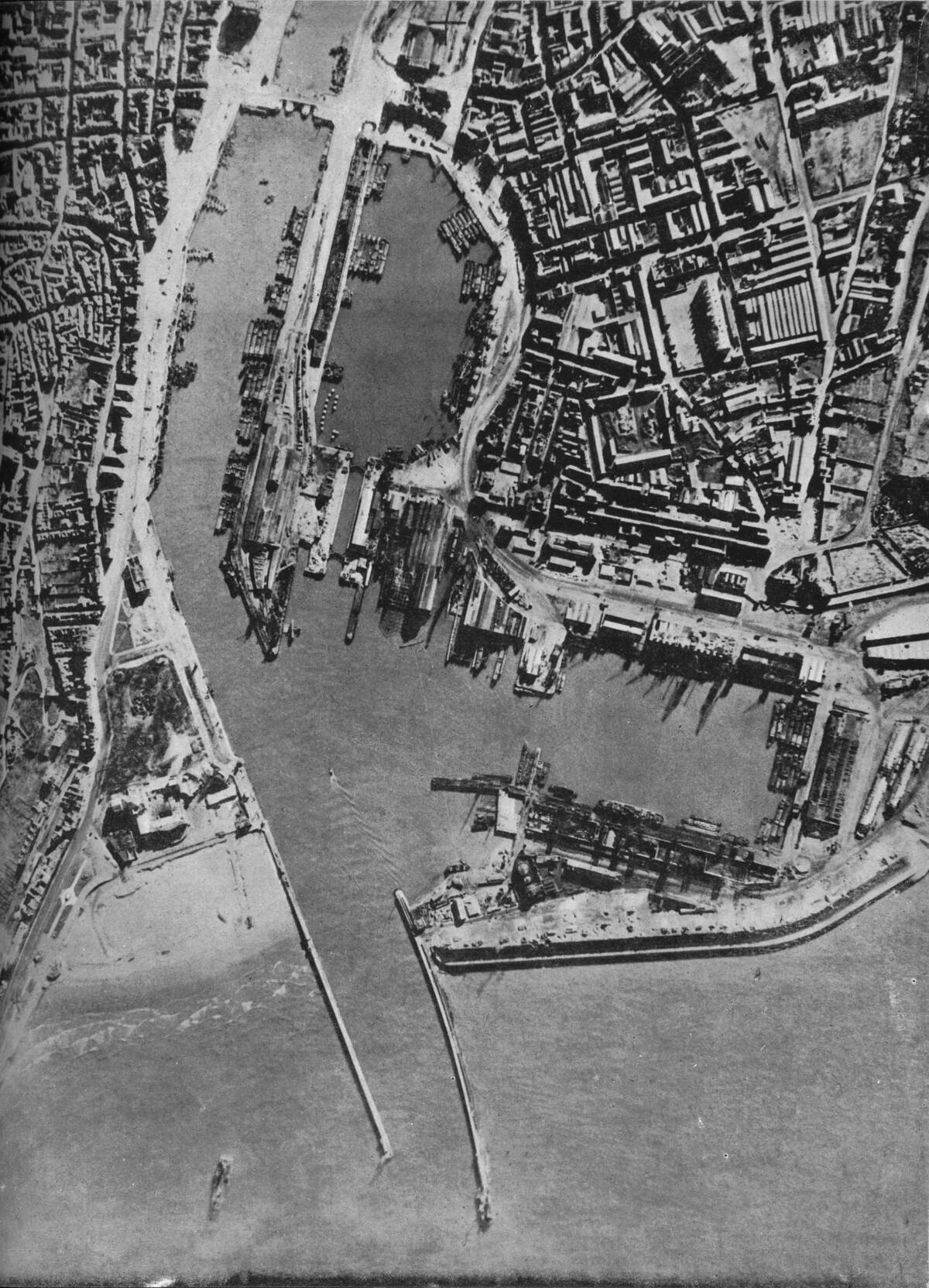
Operation Sea Lion was Nazi Germany’s plan to invade Britain during World War II. However, the operation was never executed due to Germany’s failure to gain air superiority in the Battle of Britain.
The Royal Air Force’s resilience and strategic defenses thwarted Hitler’s ambitions, forcing a shift in Nazi strategy. This unfulfilled plan highlighted the critical role of air power and the determination of a nation under threat.
New Coke: A Refreshing Misstep

In 1985, Coca-Cola introduced New Coke, a reformulated version of its classic beverage, hoping to rejuvenate its brand. However, the change was met with public backlash, as loyal customers demanded the return of the original formula.
Within months, Coca-Cola reintroduced “Coca-Cola Classic,” acknowledging its miscalculation. This marketing blunder underscored the power of consumer loyalty and the risks of altering a beloved product.
The Charge of the Light Brigade: A Misguided Gallop into History
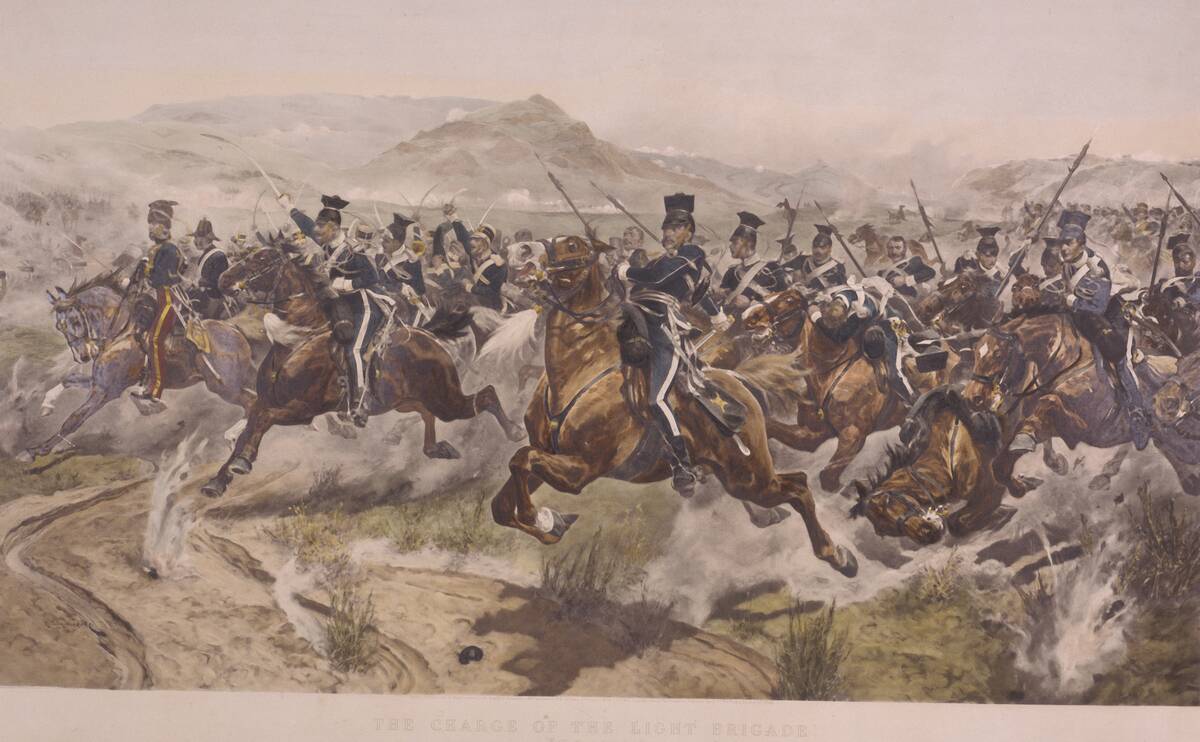
During the Crimean War in 1854, the Charge of the Light Brigade was a cavalry assault led by the British against Russian forces. Miscommunication and faulty intelligence led the brigade into a heavily fortified enemy position, resulting in significant casualties.
Despite the bravery displayed, the charge became emblematic of military mismanagement. The incident was immortalized in Alfred Lord Tennyson’s poem, serving as a cautionary tale of leadership failures.
The Millennium Dome: Britain’s Costly Celebration
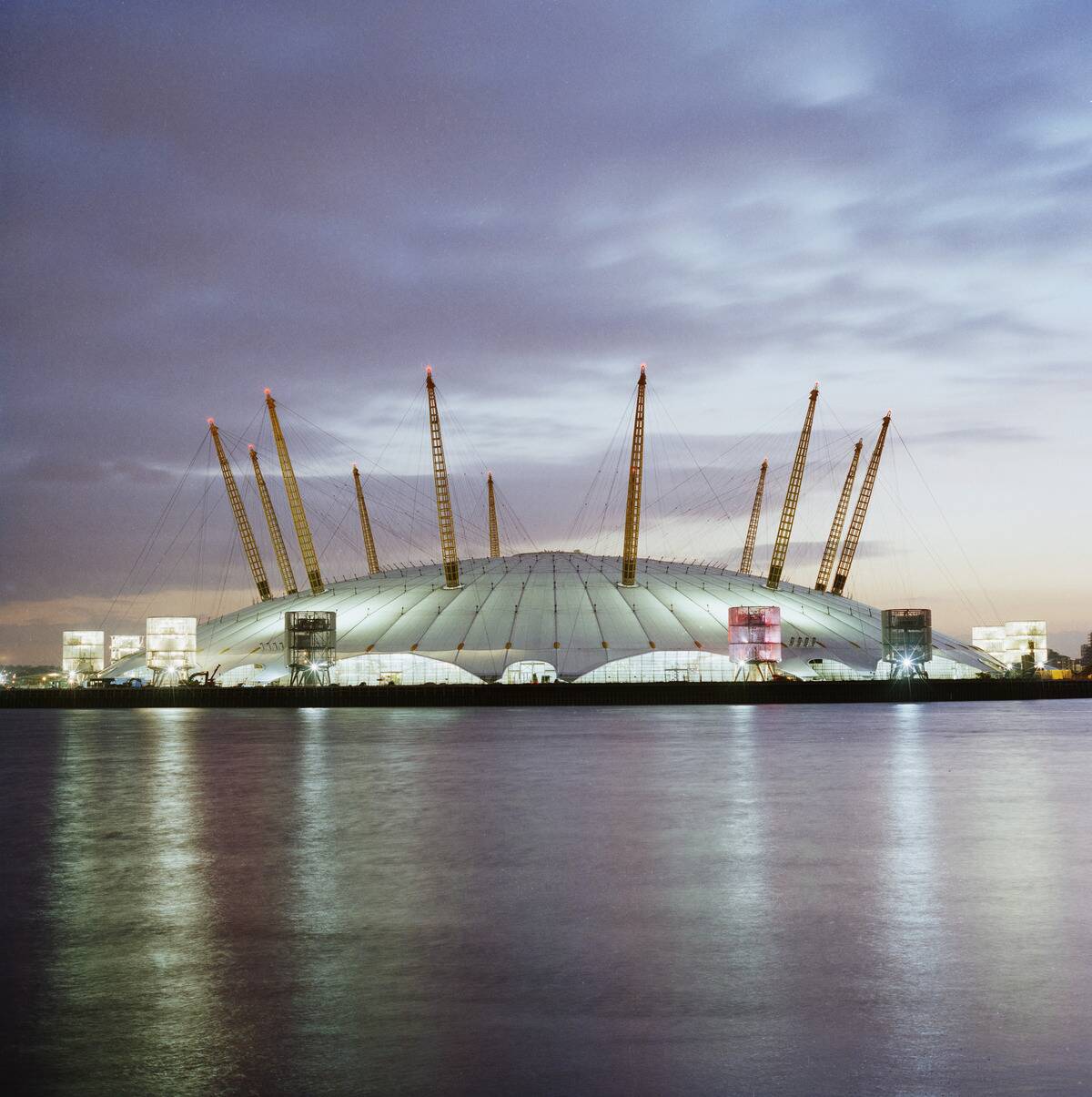
The Millennium Dome, now known as The O2, was constructed to mark the turn of the millennium in 2000. Initially intended as a showcase of British innovation, the project was plagued by budget overruns and public criticism.
Attendance fell short of expectations, and the Dome was labeled a financial fiasco. Despite its rocky start, the structure eventually found success as a popular entertainment venue, illustrating the potential for reinvention.
The Hindenburg: A Zeppelin’s Fiery End
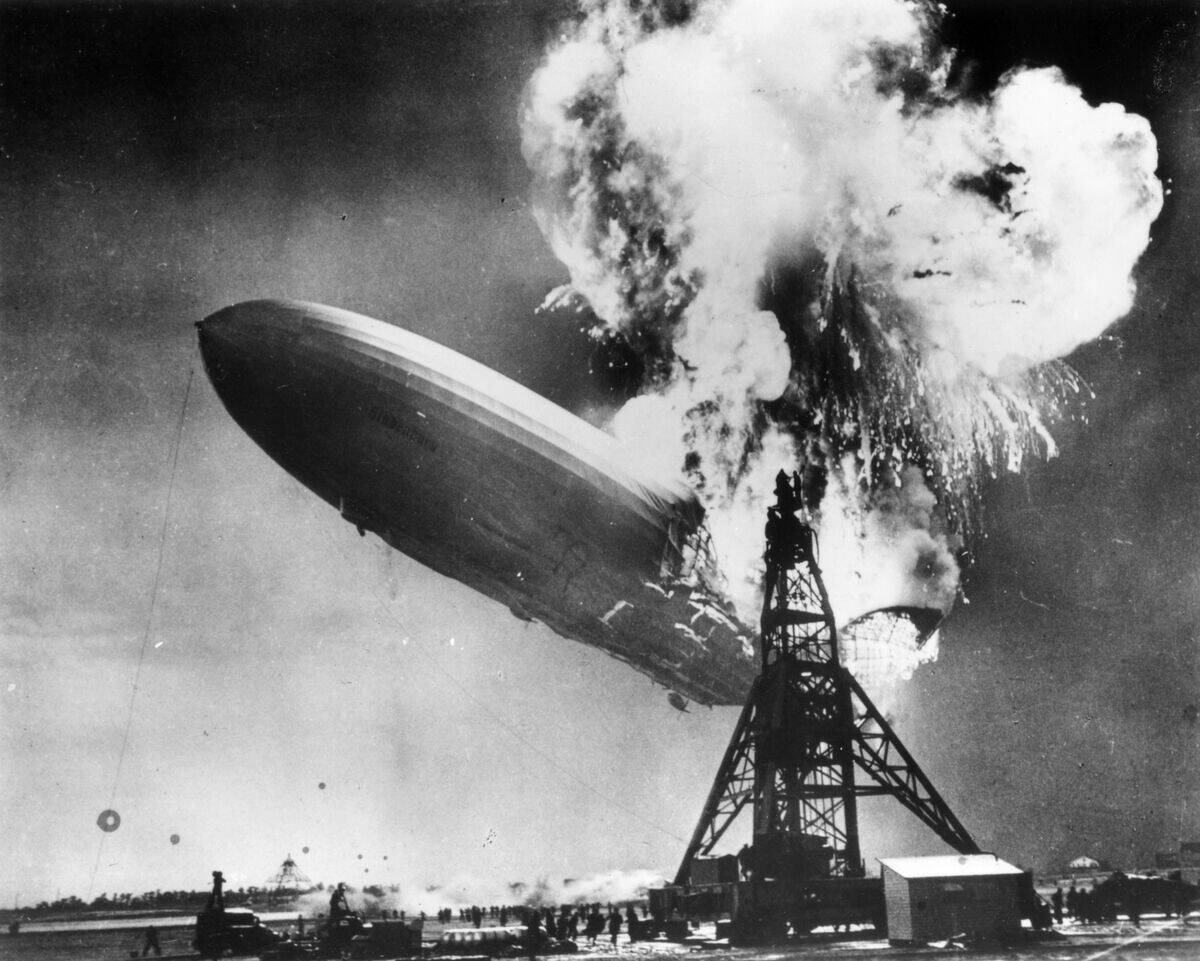
The Hindenburg was a German airship that symbolized luxury air travel in the 1930s. On May 6, 1937, while attempting to dock in New Jersey, the Hindenburg burst into flames, killing 36 people.
The disaster was captured on film, shocking the world and marking the end of the airship era. Investigations suggested that static electricity ignited the hydrogen used for buoyancy. The Hindenburg’s destruction serves as a stark reminder of technological vulnerabilities.
Blockbuster’s Missed Opportunity: The Netflix That Got Away

In the early 2000s, Blockbuster was a dominant force in video rental. However, the company famously declined an opportunity to purchase Netflix for $50 million.
As streaming technology advanced, Netflix revolutionized the industry, while Blockbuster struggled to adapt, eventually filing for bankruptcy in 2010. This missed opportunity highlights the importance of innovation and foresight in business, as well as the rapid pace of technological change.
The DeLorean DMC-12: A Time Traveler’s Troubles
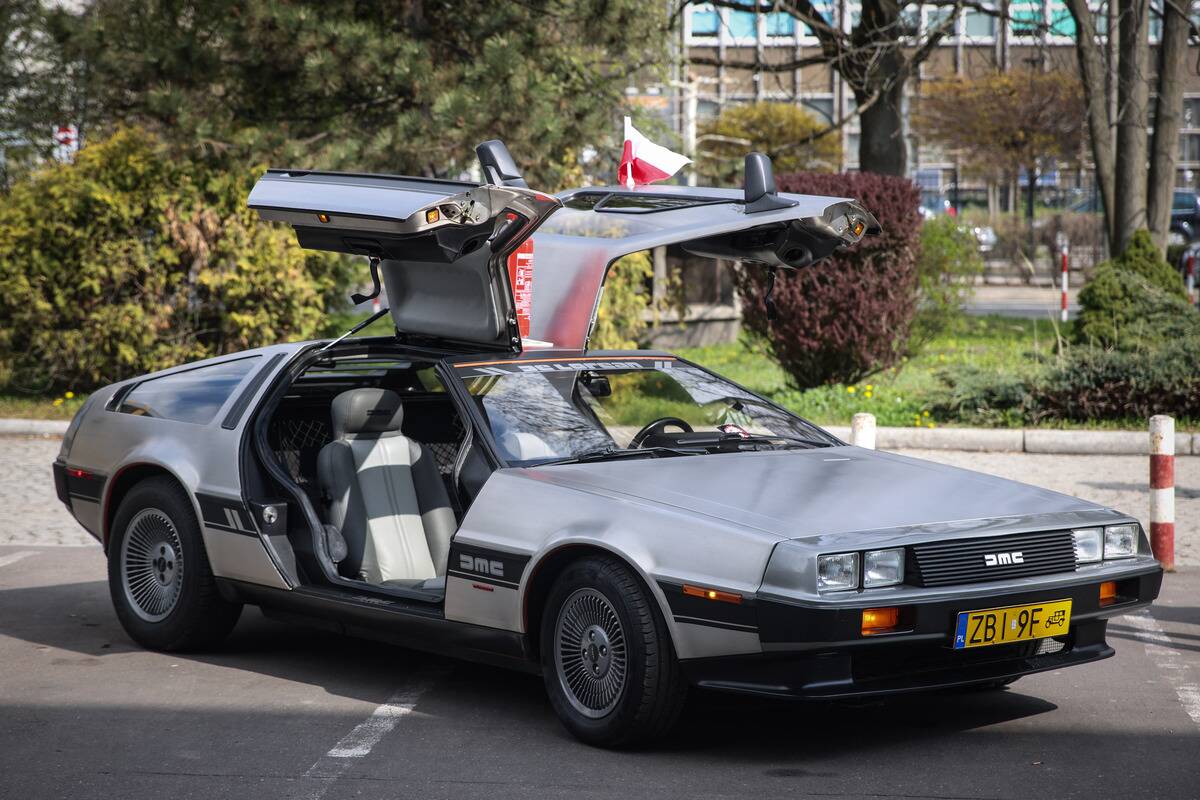
The DeLorean DMC-12, with its iconic gull-wing doors, gained fame as the time machine in “Back to the Future.” However, the car’s production was fraught with challenges, including financial issues and quality control problems.
Only about 9,000 units were produced before the company went bankrupt in 1982. Despite its commercial failure, the DeLorean remains a cultural icon, illustrating how pop culture can immortalize even the most troubled ventures.
The Great Emu War: Australia’s Feathered Fiasco

In 1932, Australia faced an unexpected adversary: emus. Farmers struggled with these flightless birds damaging crops, prompting a military intervention known as the Great Emu War.
Armed with machine guns, soldiers attempted to cull the emu population but were outmaneuvered by the agile birds. The operation was unsuccessful, and the emus prevailed. This bizarre event highlights the unpredictability of nature and the limitations of human intervention.
The Mars Climate Orbiter: A Metric Mishap in Space
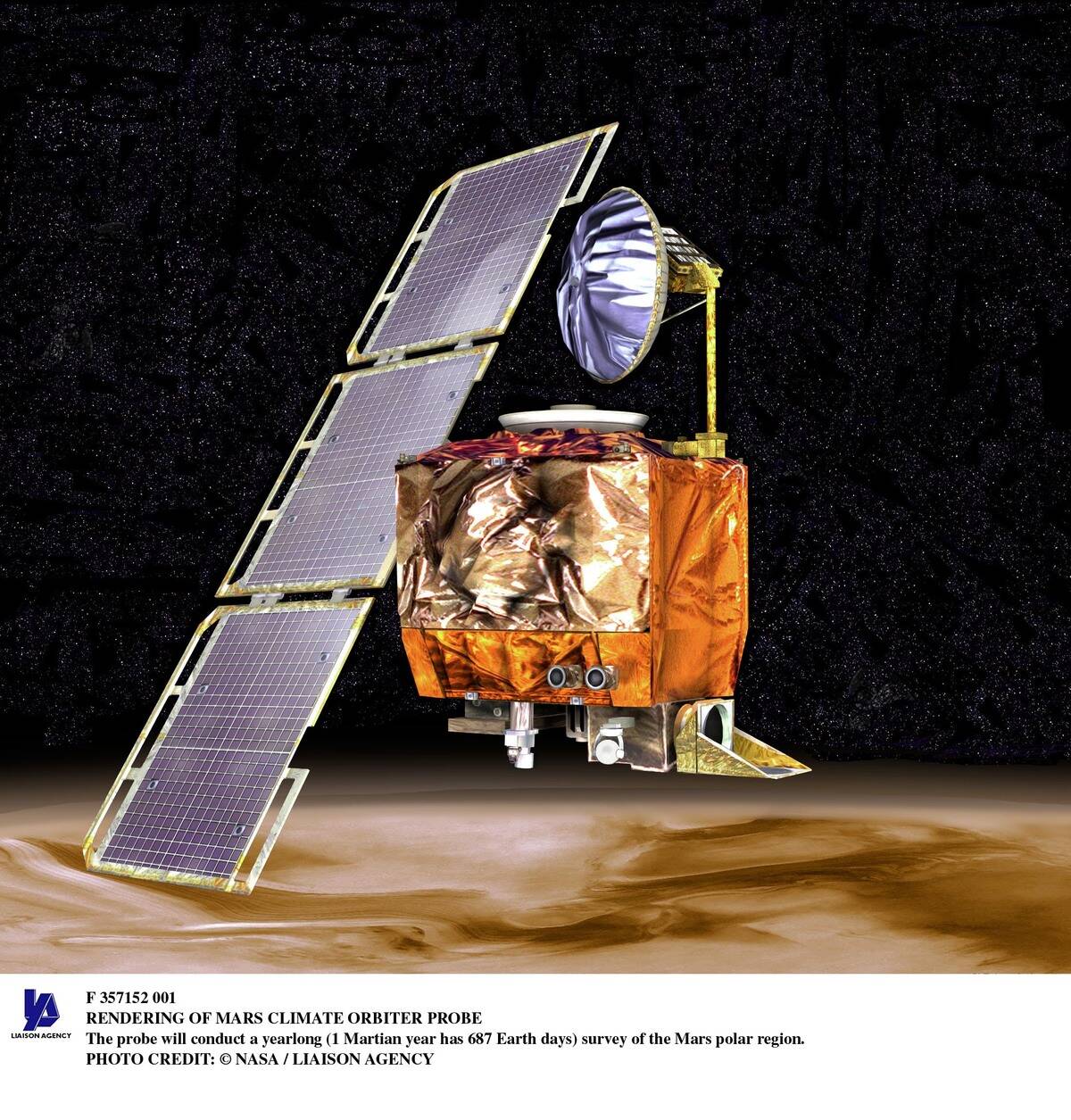
In 1999, NASA’s Mars Climate Orbiter was lost due to a simple yet costly error: a mix-up between metric and imperial units. The spacecraft’s navigation system used metric units, while ground-based software used imperial units, leading to a trajectory error.
The orbiter disintegrated upon entering Mars’ atmosphere, costing NASA $125 million. This incident underscores the critical importance of standardization and precision in scientific endeavors.




