12 Forgotten theme parks that seem frozen in time
Abandoned theme parks are like forgotten dreams, left to the whims of nature and time. These eerie landscapes blend nostalgia with a touch of the macabre, drawing in curious adventurers and photographers alike.
The juxtaposition of joyful memories and the present decay creates an irresistible allure. Whether it’s the rusting roller coasters or the overgrown paths, each park tells a story of its own, inviting us to explore the remnants of what once was.
The Rise and Fall of Theme Parks: A Brief History
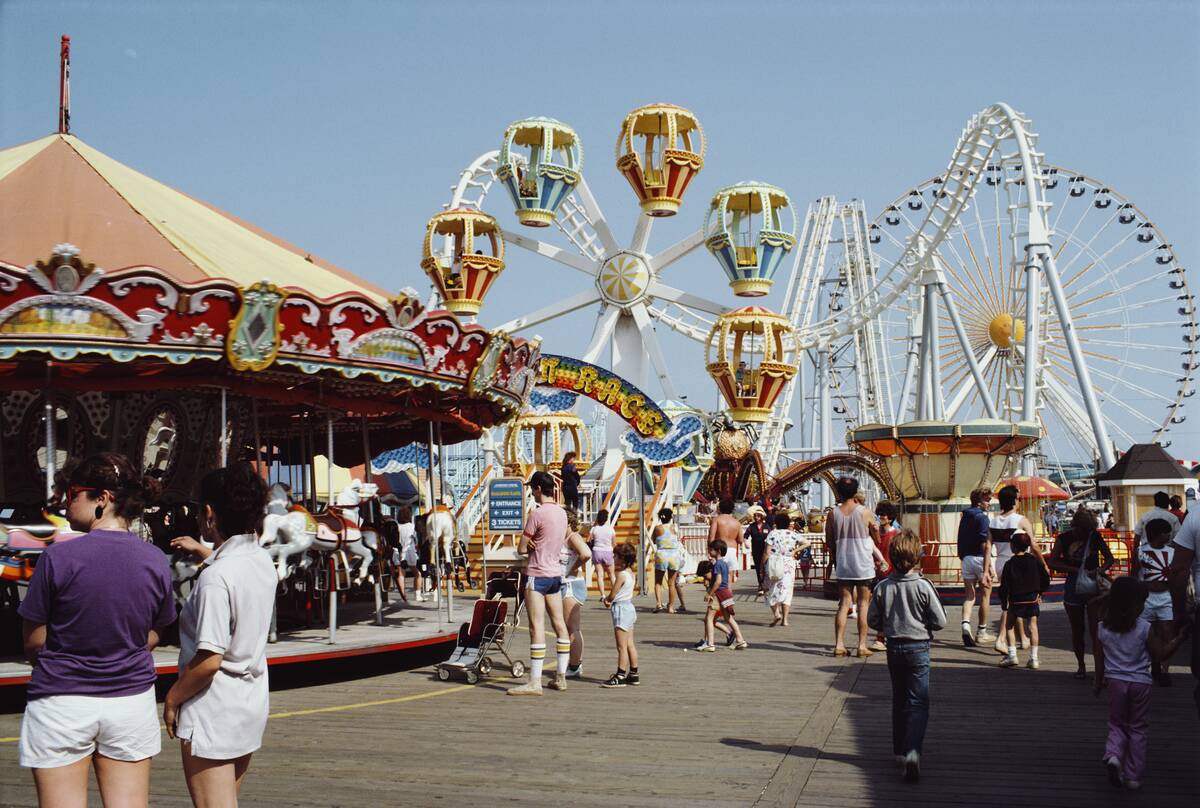
Theme parks have been a staple of entertainment since the early 20th century, with Disneyland’s opening in 1955 marking a significant milestone. However, not all parks enjoyed such enduring success.
Economic downturns, natural disasters, and evolving entertainment preferences have led many to close their gates. The rise of mega-parks and the decline of smaller, regional parks highlight the industry’s shifting dynamics. Despite their closure, these parks continue to capture our imagination.
Spreepark, Germany: A Whimsical Wonderland Turned Ghostly Wasteland
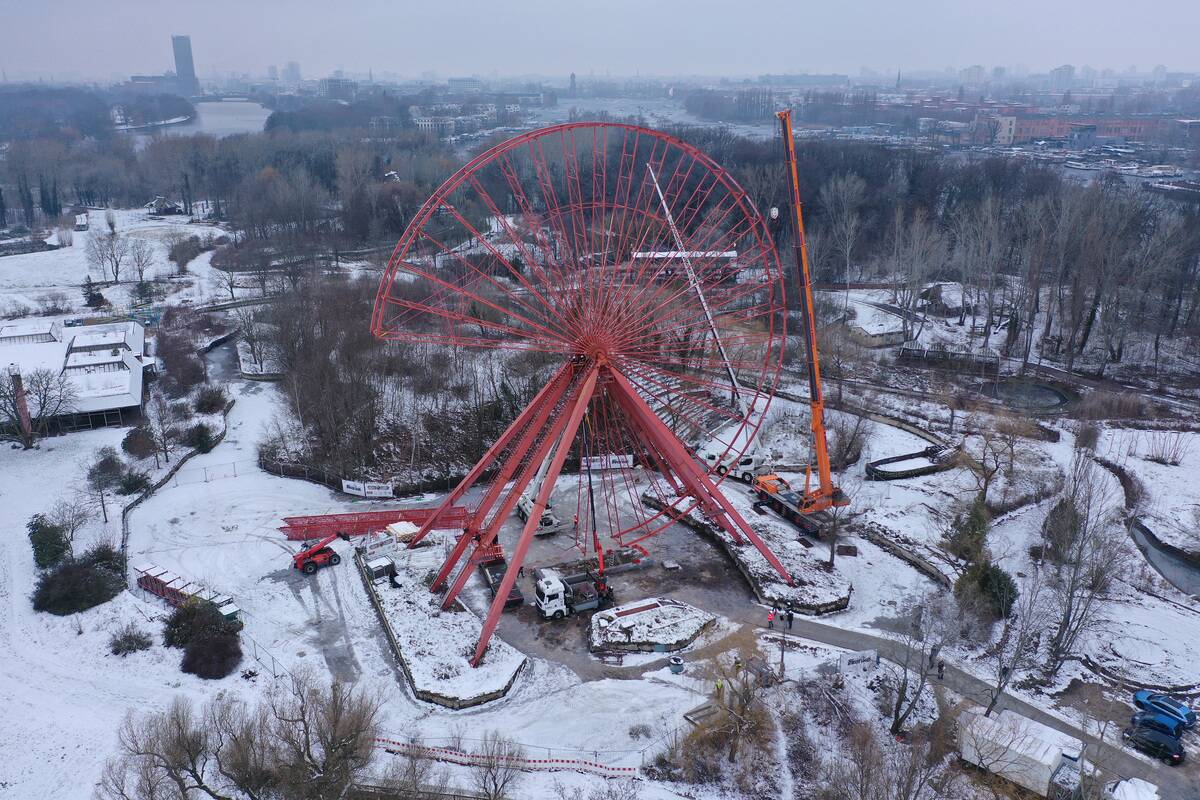
Once a bustling attraction in East Berlin, Spreepark’s vibrant rides now stand silent amidst the trees. Opened in 1969, it was the only theme park of its kind in East Germany. Financial troubles and legal issues led to its closure in 2002.
Today, the park is a surreal landscape of decaying dinosaur statues and rusting roller coasters, offering a haunting reminder of its lively past. Tours are occasionally offered, giving visitors a glimpse into its storied history.
Six Flags New Orleans, USA: Nature Reclaims a Hurricane-Ravaged Park
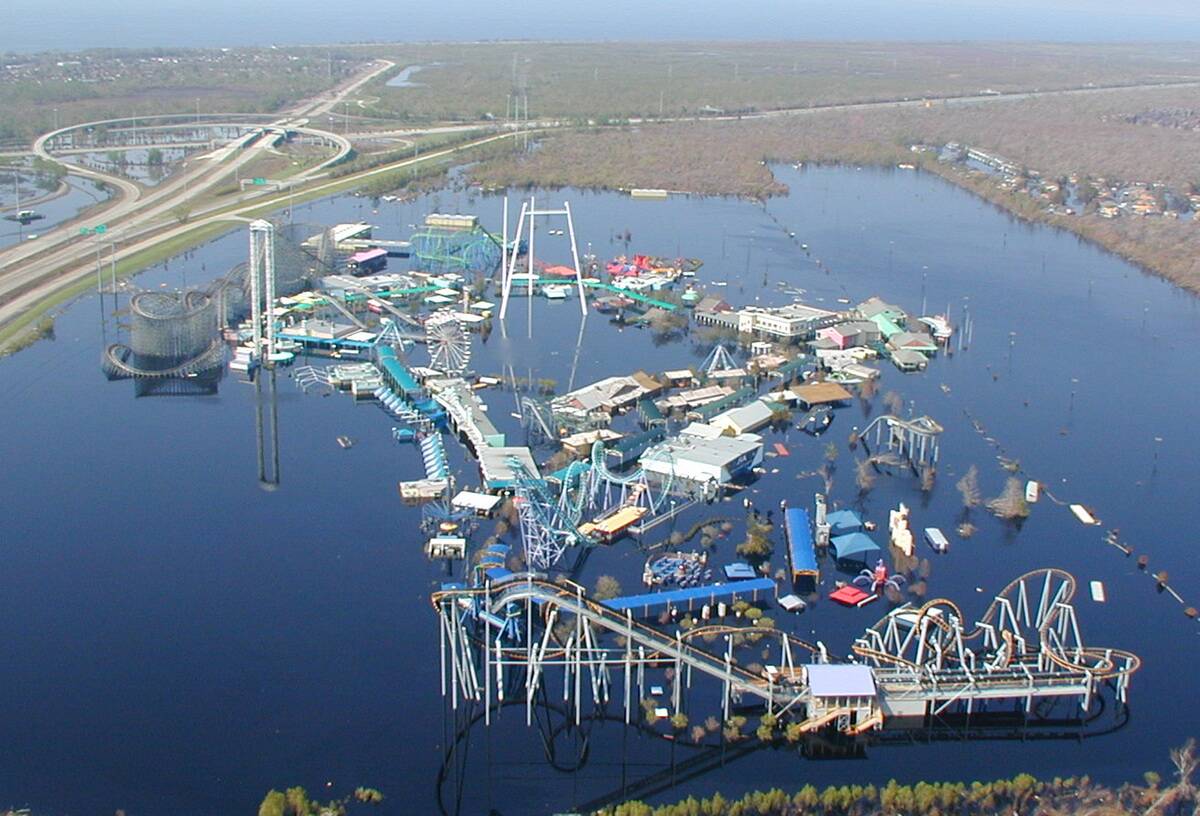
Six Flags New Orleans was left to the elements after Hurricane Katrina struck in 2005. The park, which opened in 2000, never reopened its doors, leaving behind a haunting landscape of submerged rides and overgrown paths.
Nature has since taken over, with alligators and other wildlife making the park their home. Despite various redevelopment proposals, the park remains a ghostly reminder of the hurricane’s devastation, drawing urban explorers and thrill-seekers.
Wonderland Amusement Park, China: A Dream Never Realized
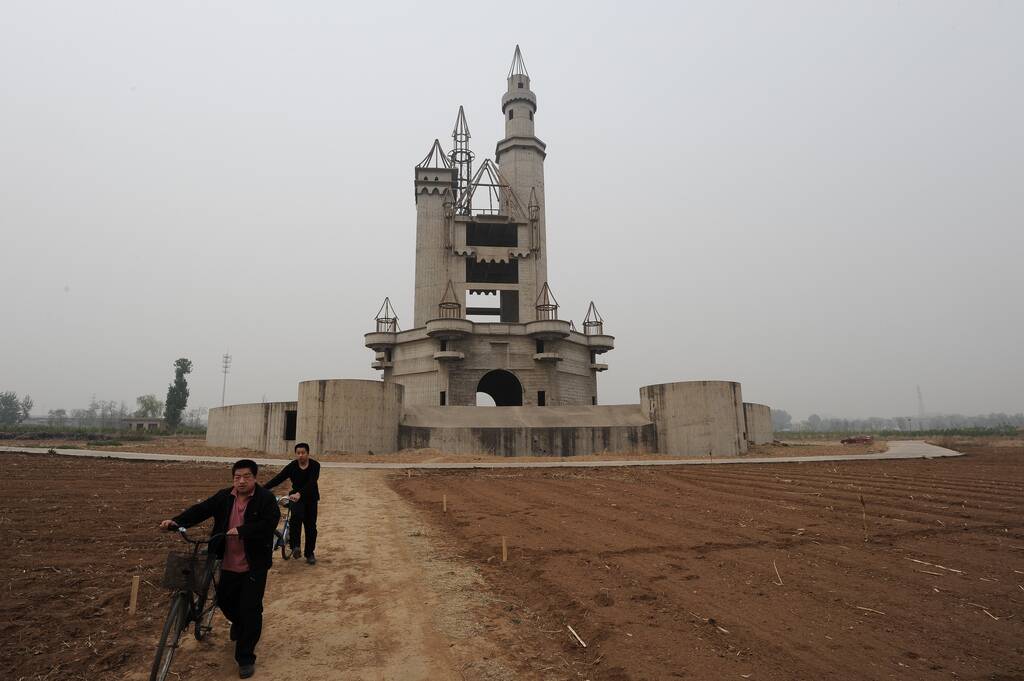
Located near Beijing, Wonderland was intended to be the largest amusement park in Asia. Construction began in the 1990s but was halted due to financial disputes. The park was never completed, leaving behind a skeletal framework of castles and towers.
These structures have become a popular backdrop for photographers and filmmakers. In 2013, the site was demolished, but its story remains a testament to the ambitious dreams that sometimes go unrealized.
Nara Dreamland, Japan: Disneyland’s Long-Lost Twin
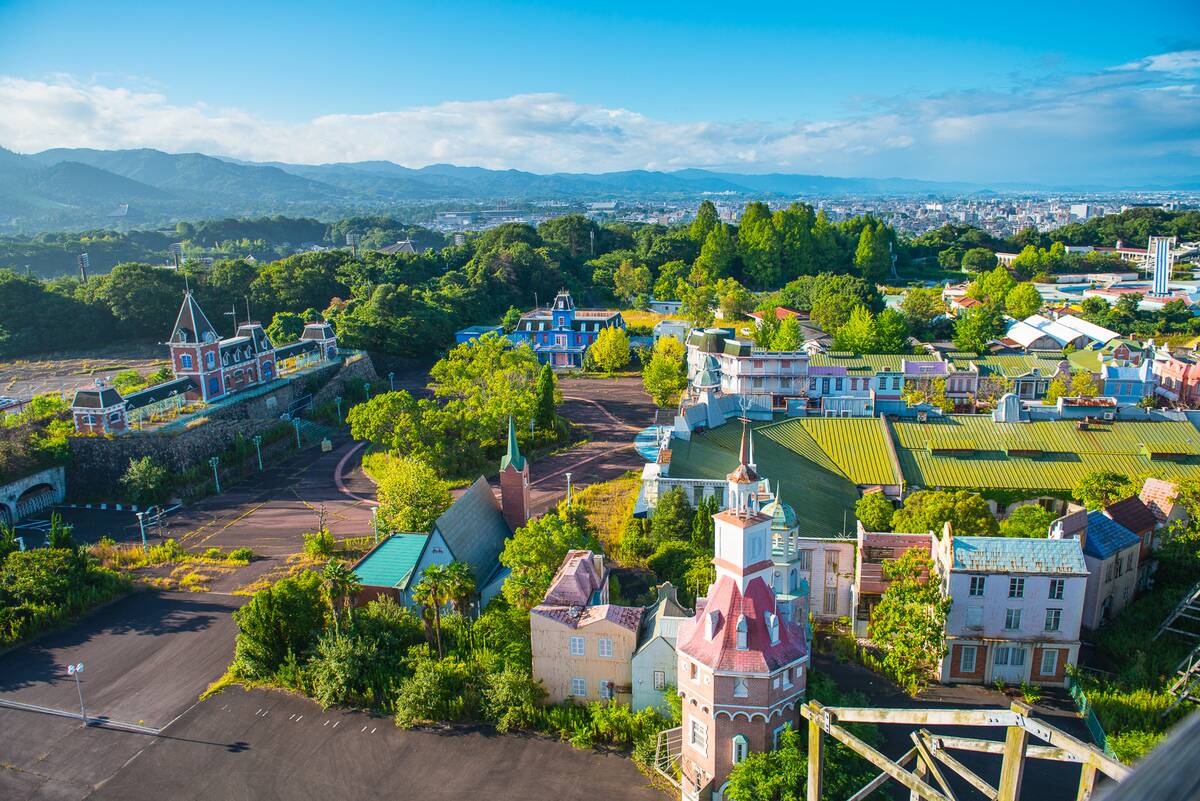
Nara Dreamland opened in 1961 as Japan’s answer to Disneyland, complete with a castle and monorail. However, competition from Tokyo Disneyland led to its decline, and it closed in 2006.
The park’s eerie resemblance to its American counterpart adds to its mystique. Urban explorers flocked to the site, capturing images of its decaying attractions. In 2016, the park was demolished, but its legacy as a curiosity in theme park history endures.
Pripyat Amusement Park, Ukraine: The Haunting Legacy of Chernobyl
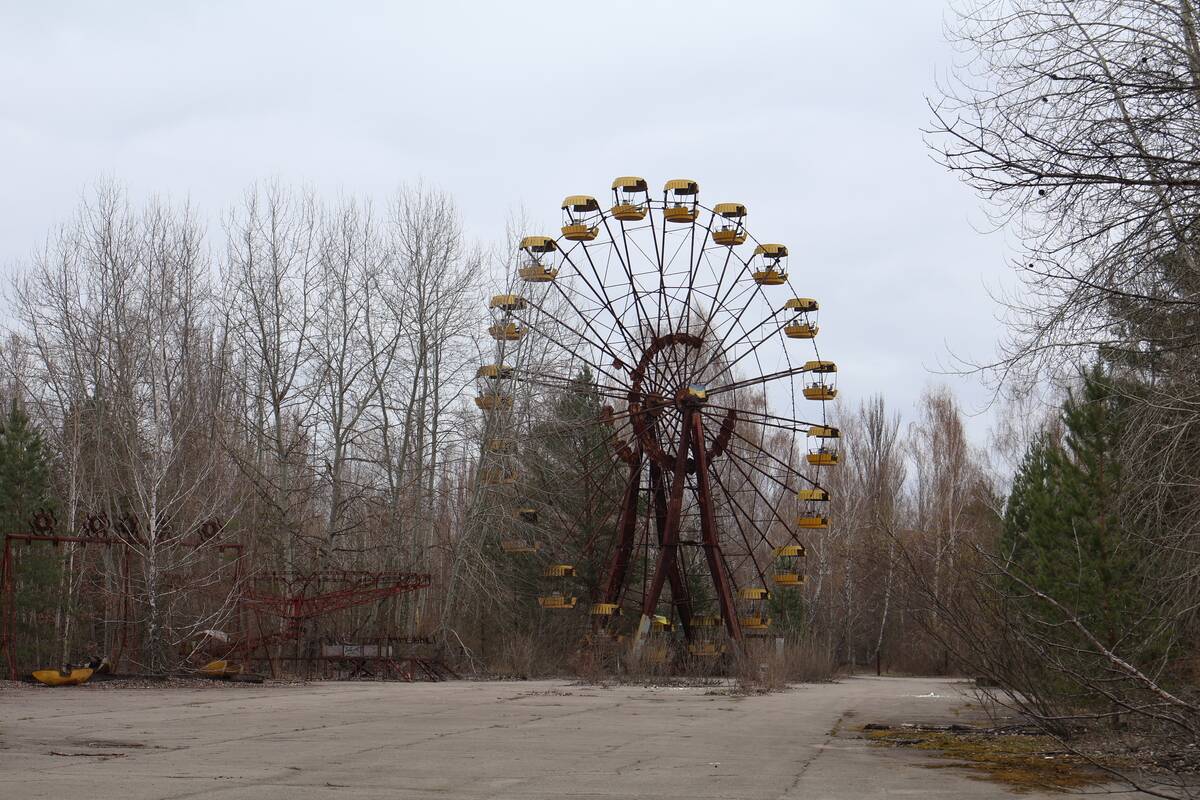
Scheduled to open on May 1, 1986, the Pripyat Amusement Park never welcomed visitors due to the Chernobyl disaster. The park’s iconic ferris wheel and bumper cars stand as haunting symbols of the tragedy.
Today, it serves as a poignant reminder of the lives disrupted by the nuclear accident. The site attracts tourists on guided tours, offering a sobering glimpse into the past and the eerie beauty of nature reclaiming the area.
Joyland Amusement Park, USA: The Forgotten Fun of the Midwest
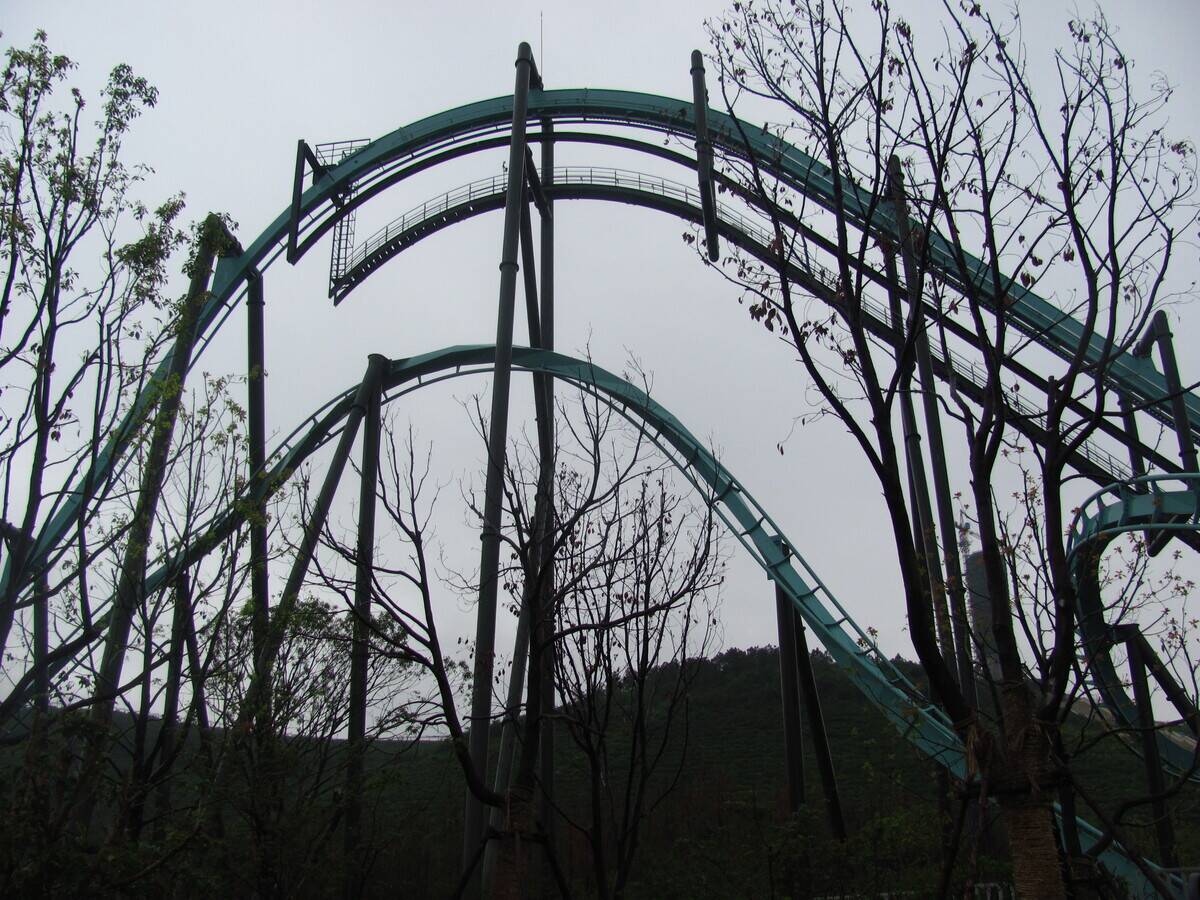
Joyland Amusement Park in Wichita, Kansas, was a beloved family destination from 1949 until its closure in 2006. Known for its wooden roller coaster and Whacky Shack, the park holds fond memories for many locals.
After closing, the park fell into disrepair, with vandalism and neglect taking their toll. Efforts to preserve its history continue, as enthusiasts work to save pieces of the park and share its story with future generations.
Gulliver’s Kingdom, Japan: A Giant’s Playground Left to Rot

Nestled near Mount Fuji, Gulliver’s Kingdom was inspired by Jonathan Swift’s “Gulliver’s Travels.” Opened in 1997, it featured a massive Gulliver statue sprawled across the landscape. However, its remote location and financial issues led to its closure in 2001.
The park’s surreal attractions, including the giant Gulliver, became popular with urban explorers before being demolished in 2007. Its brief existence remains a curious chapter in Japan’s theme park history.
Land of Oz, USA: The Yellow Brick Road to Nowhere

Perched atop Beech Mountain in North Carolina, the Land of Oz opened in 1970, offering visitors a walk through the beloved story. Despite initial success, the park struggled financially and closed in 1980.
Today, it opens occasionally for special events, allowing fans to experience its whimsical charm. The park’s enchanting setting and nostalgic appeal make it a unique attraction, drawing visitors eager to explore the remnants of Oz.
Lake Dolores Waterpark, USA: Deserted Desert Oasis
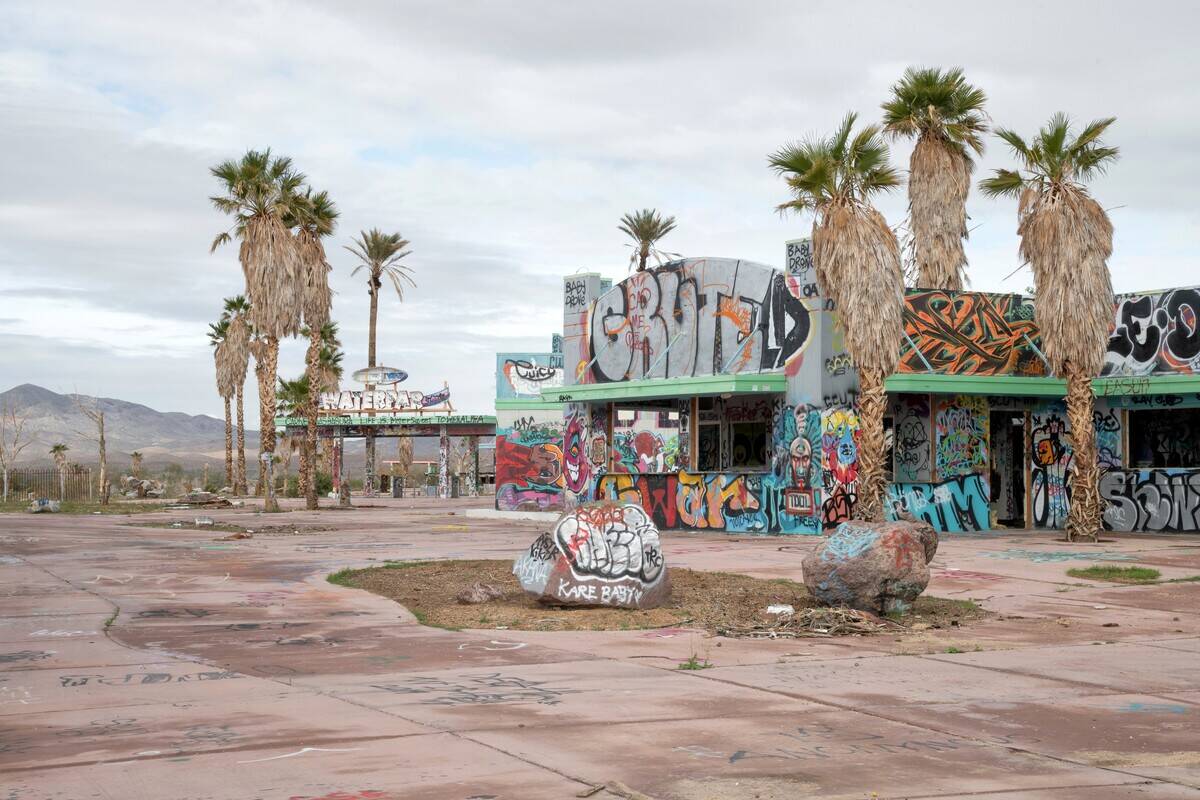
Located in the Mojave Desert, Lake Dolores Waterpark was a popular destination in the 1960s and 70s. Known for its high-speed waterslides, it was a thrill-seeker’s paradise. After changing hands and rebranding multiple times, the park closed for good in 2004.
The harsh desert environment has since taken its toll, leaving behind a sun-bleached landscape of empty pools and slides. Despite its abandonment, the park’s unique history continues to intrigue explorers.
The Artistic Appeal of Abandoned Parks: A Haven for Urban Explorers and Photographers
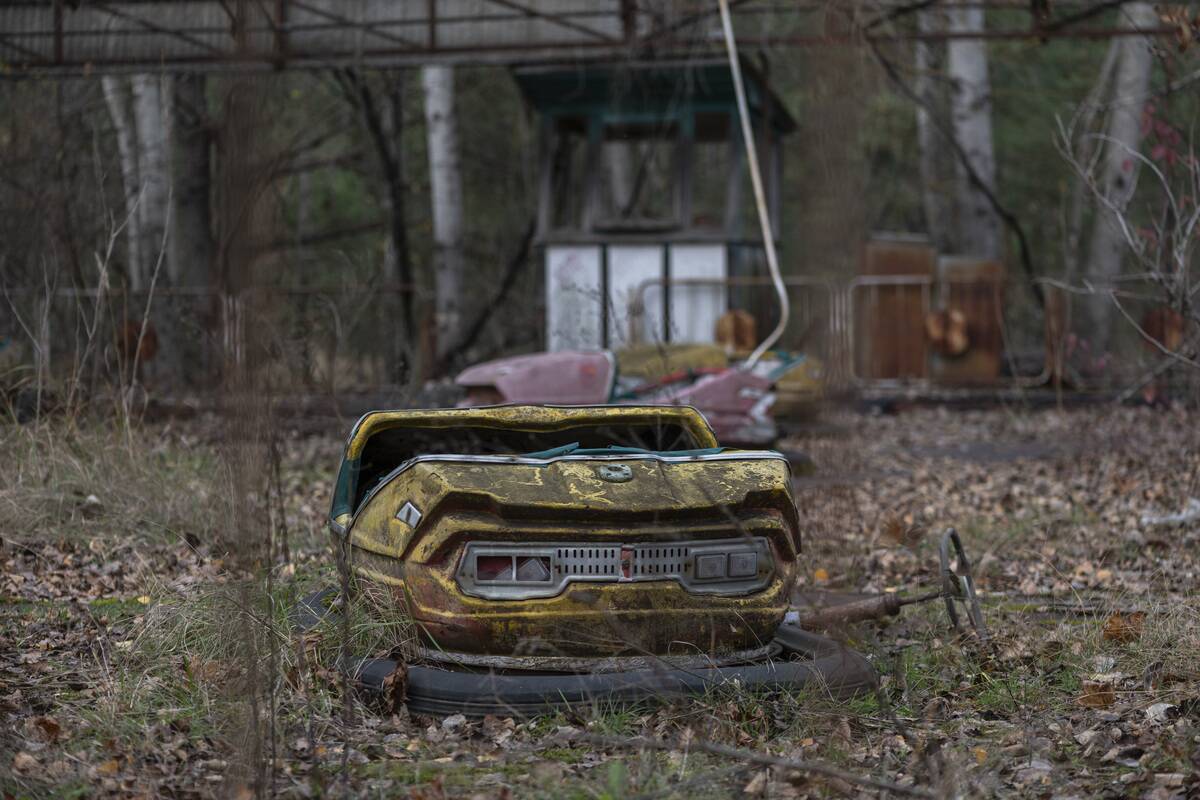
Abandoned theme parks offer a unique canvas for photographers and artists, with their decaying structures and overgrown landscapes. These sites provide a striking contrast between man-made creations and nature’s reclamation.
The interplay of light and shadow, combined with the eerie silence, creates a hauntingly beautiful setting. Urban explorers are drawn to these parks, capturing their unique charm and preserving their stories through art and photography.
From Ruin to Renaissance: Theme Parks Revived or Repurposed
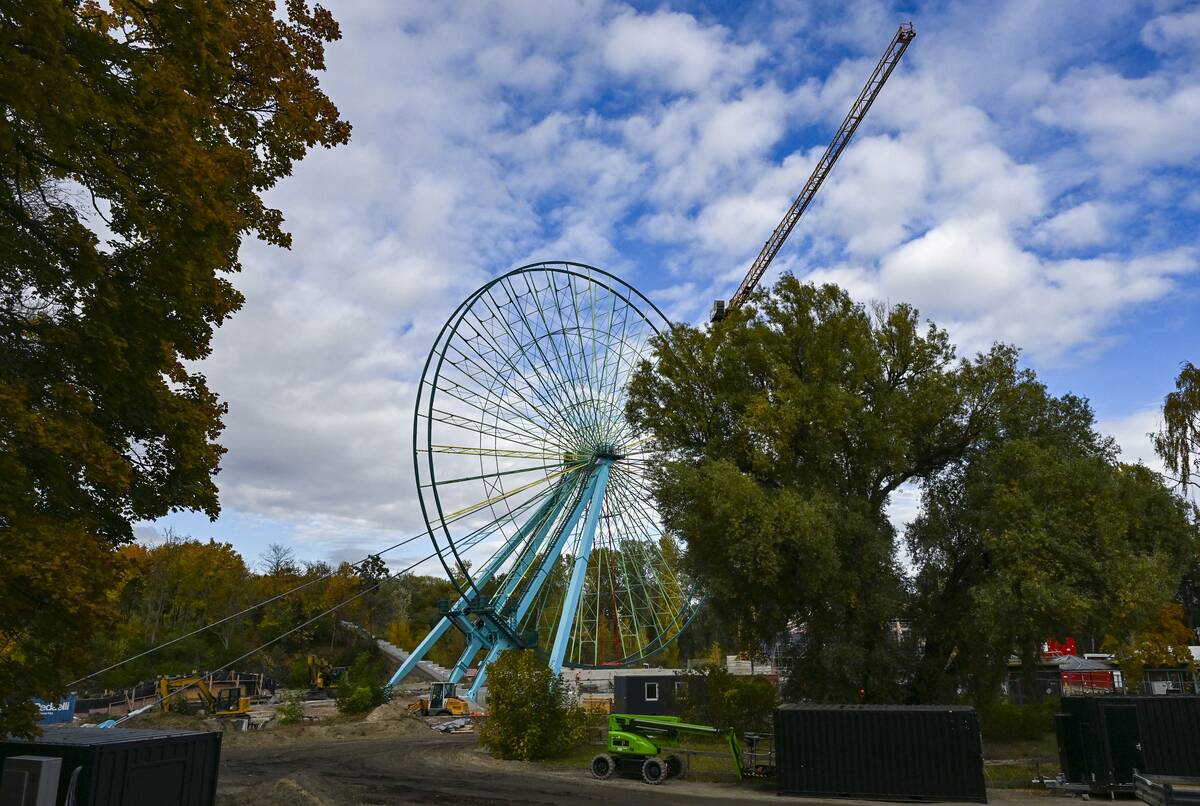
Not all abandoned theme parks remain forgotten. Some have found new life through restoration or repurposing. For example, Berlin’s Spreepark is undergoing redevelopment to become a cultural hub.
Others, like the Land of Oz, open for special events, allowing visitors to experience their charm once more. These transformations breathe new life into the parks, preserving their history while offering new opportunities for entertainment and exploration.




